
I feel a little strange today. As I write this up, Mr Trump is on another anti-Chinese screed. *Sigh*. I’m exhausted from it.
So I feel tired. Exhausted and weary.
So I am feeling funky today.
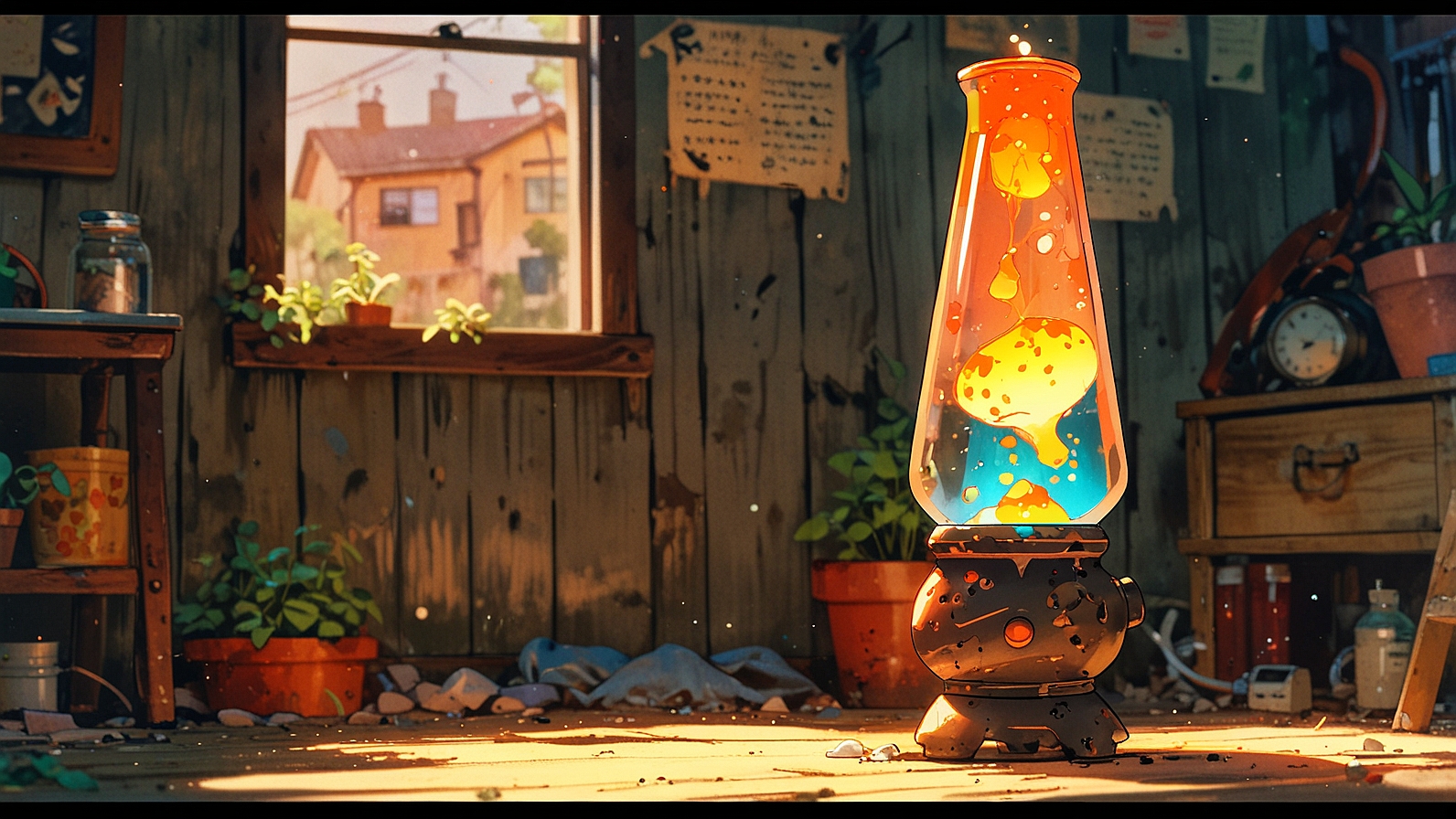
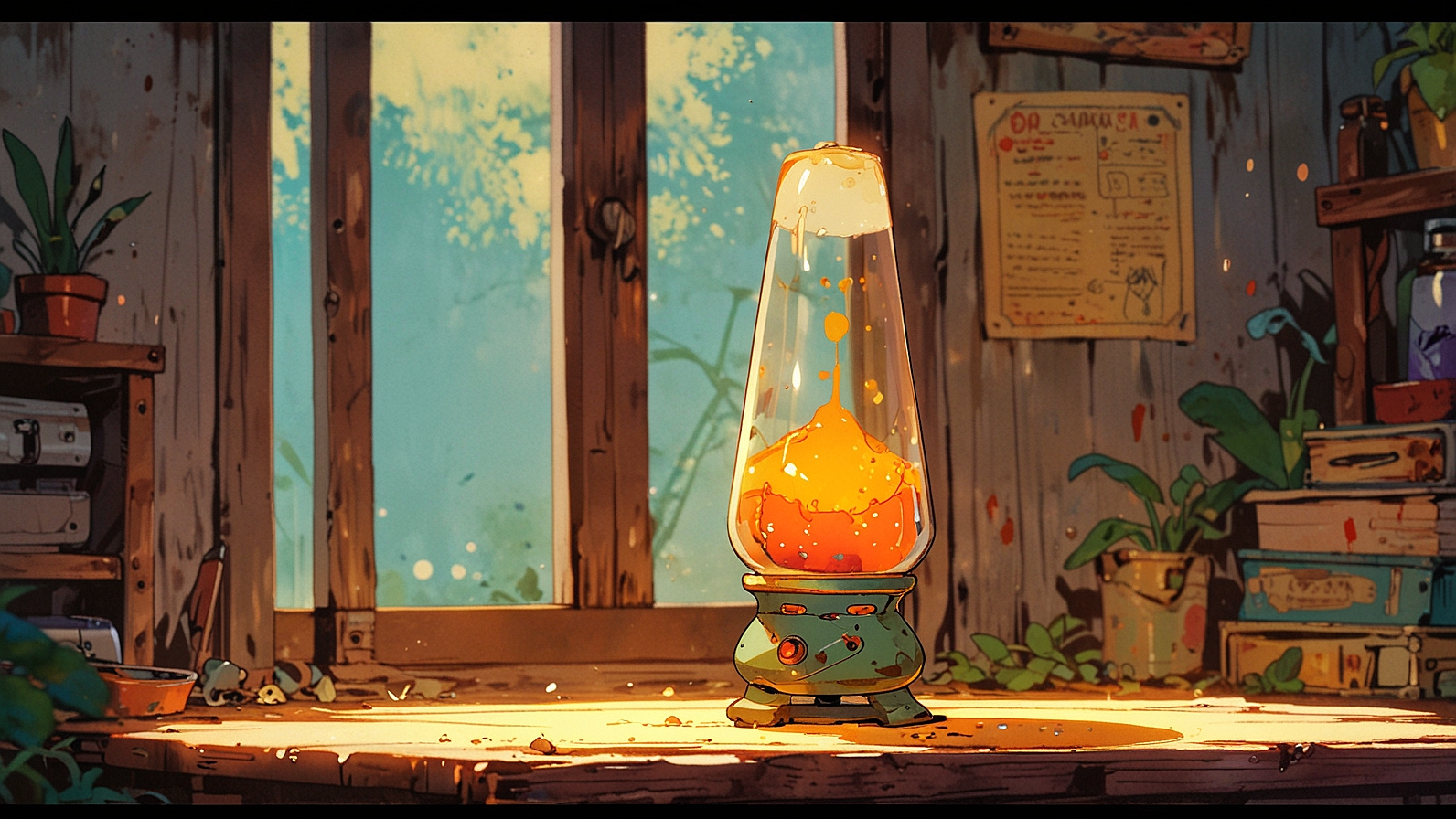
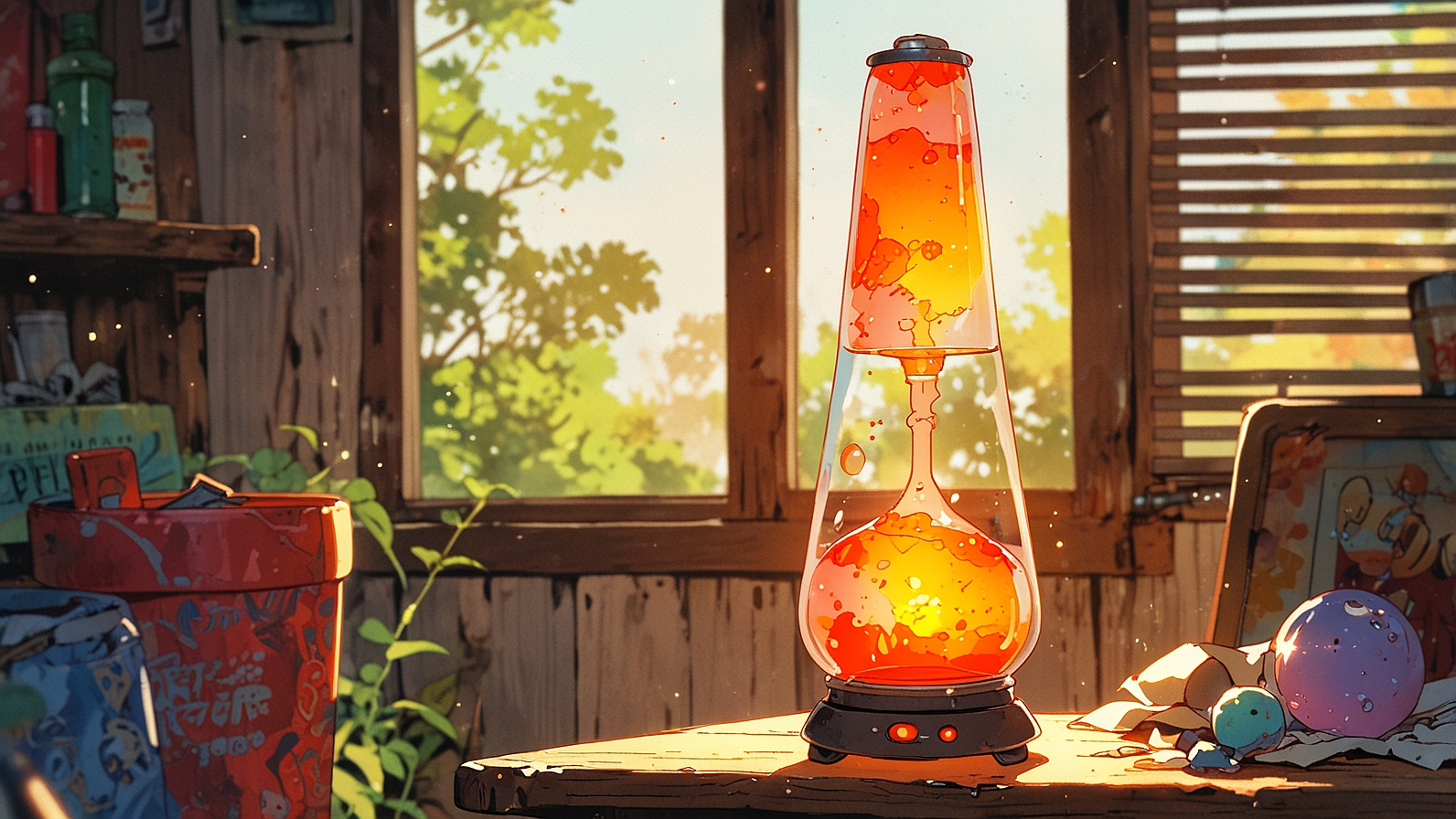
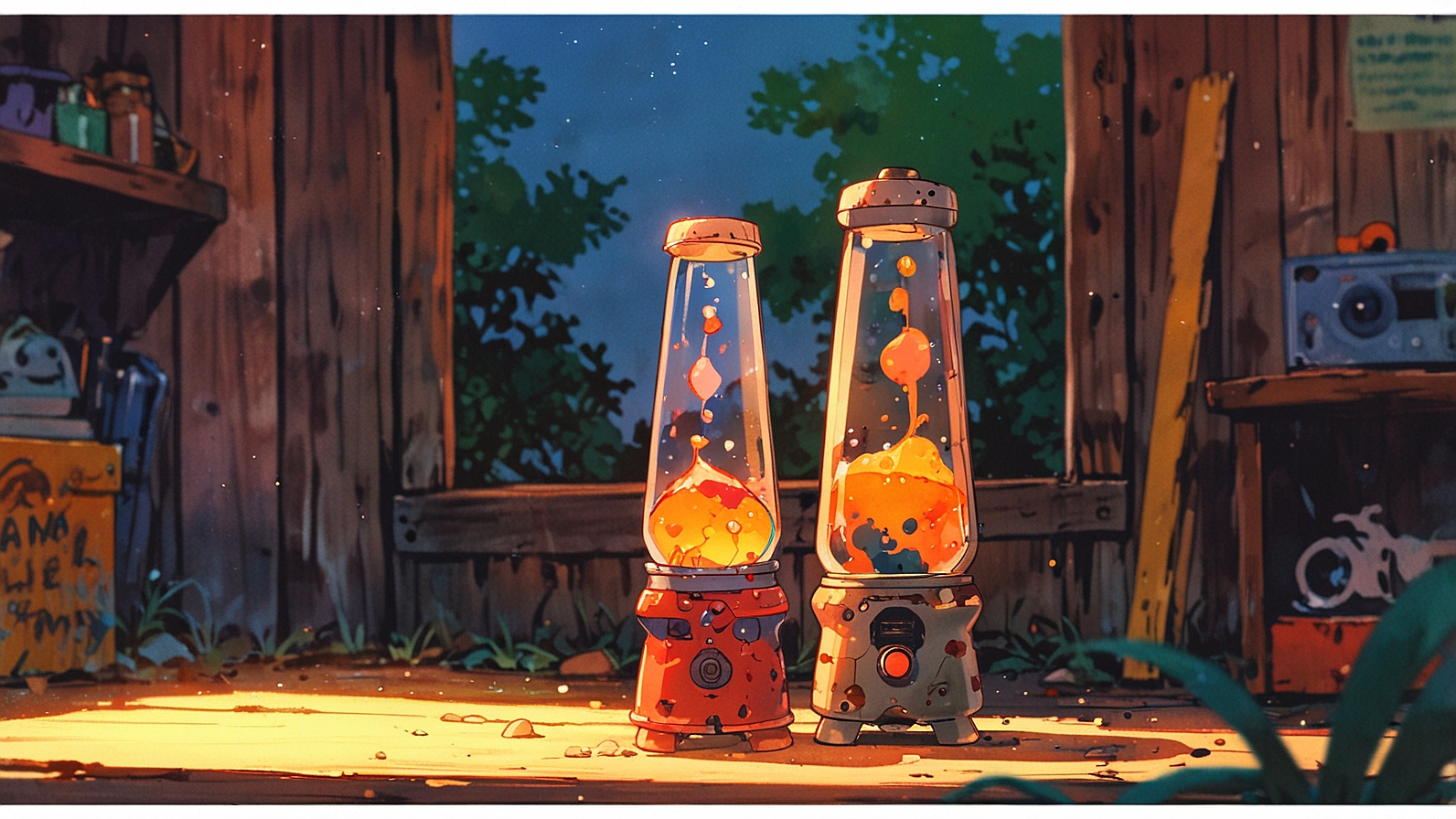
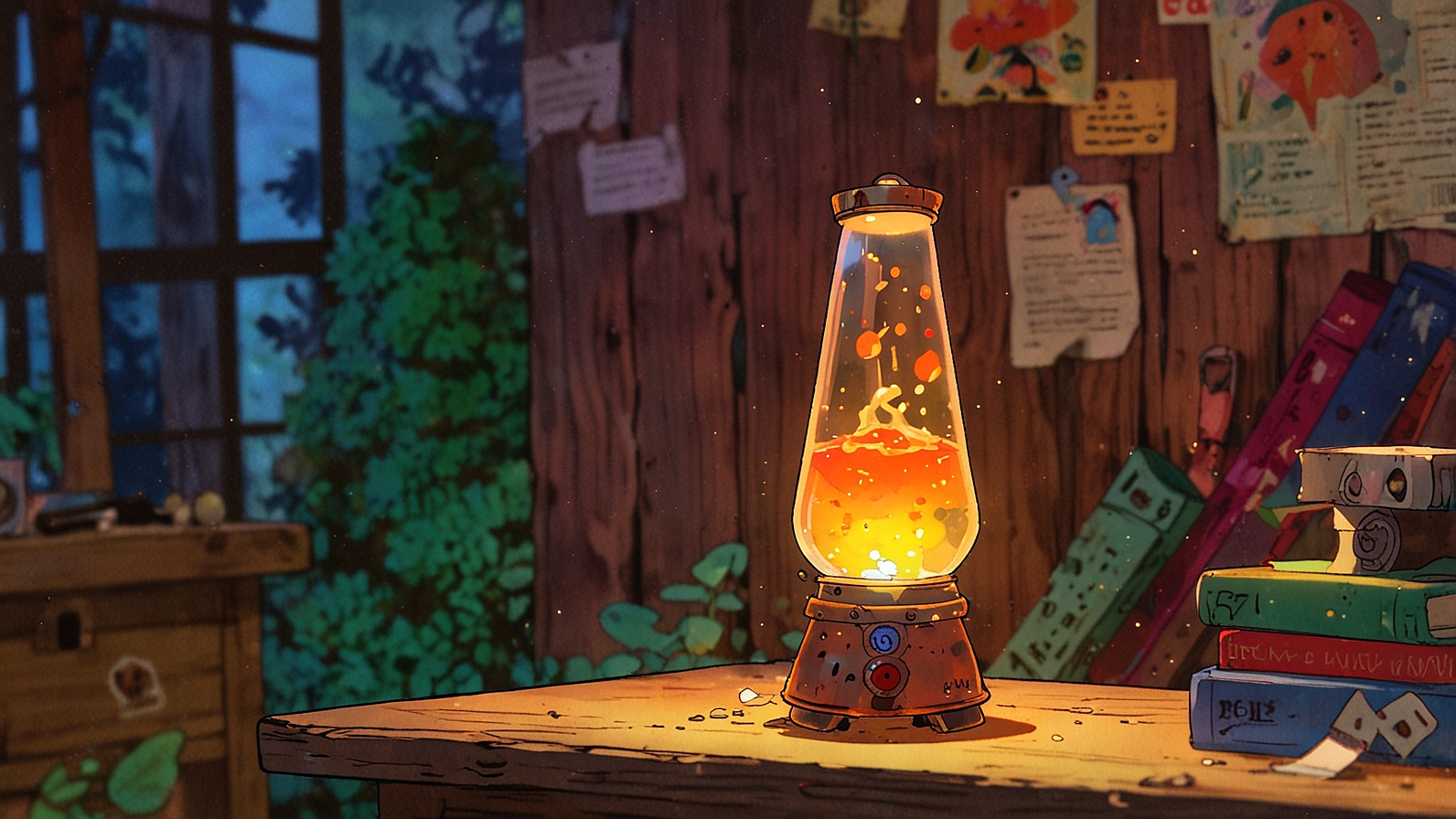
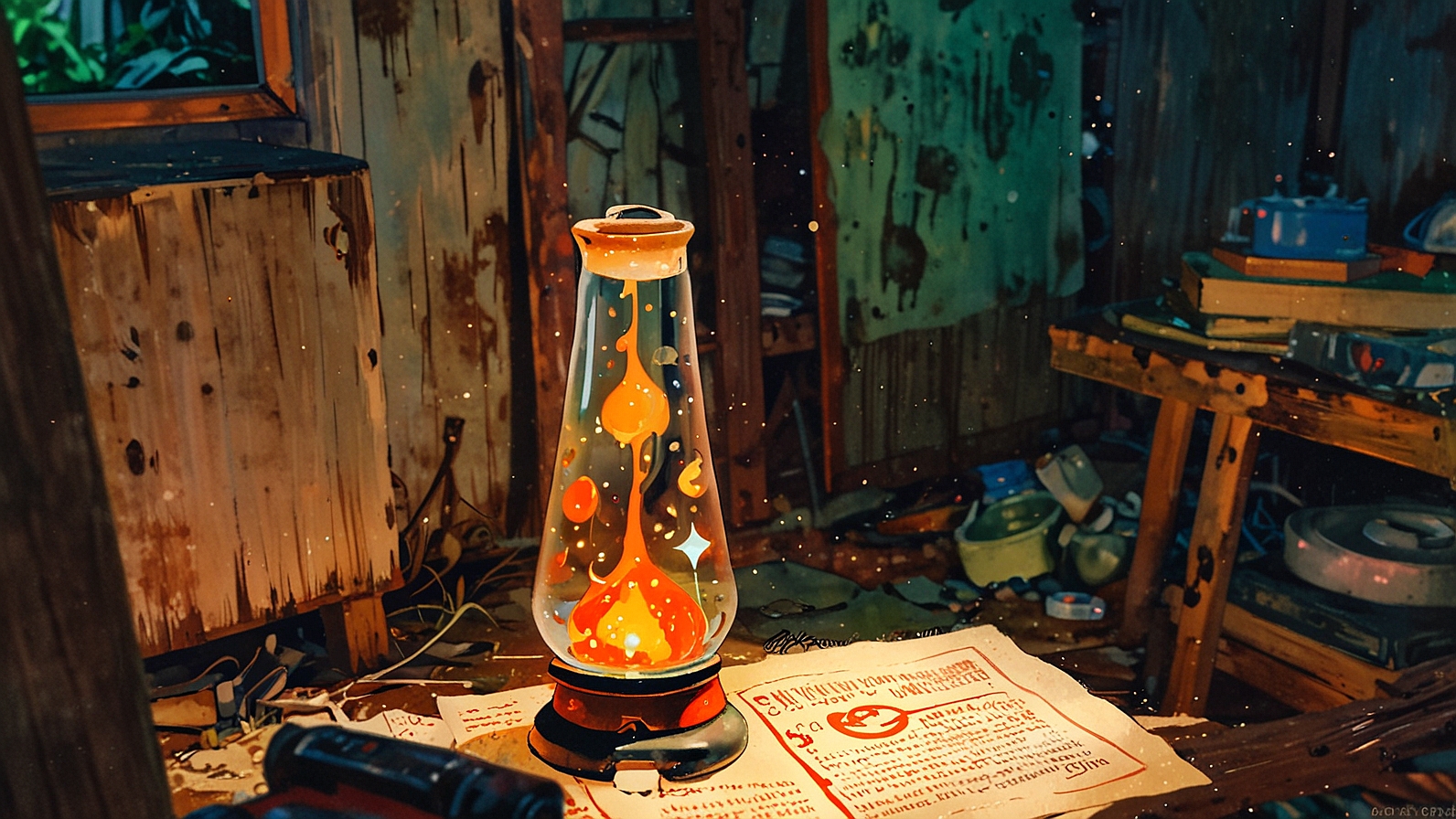
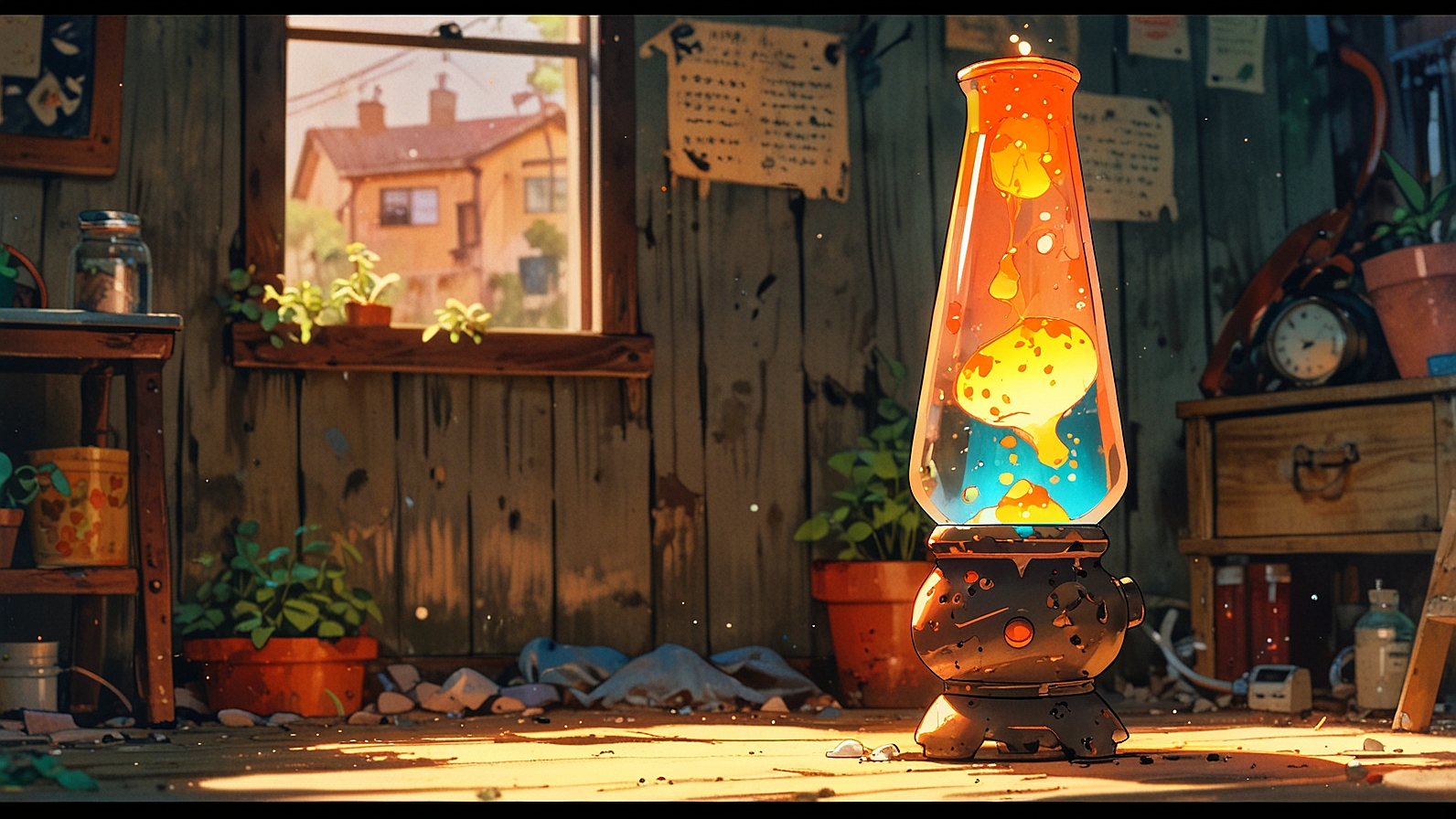
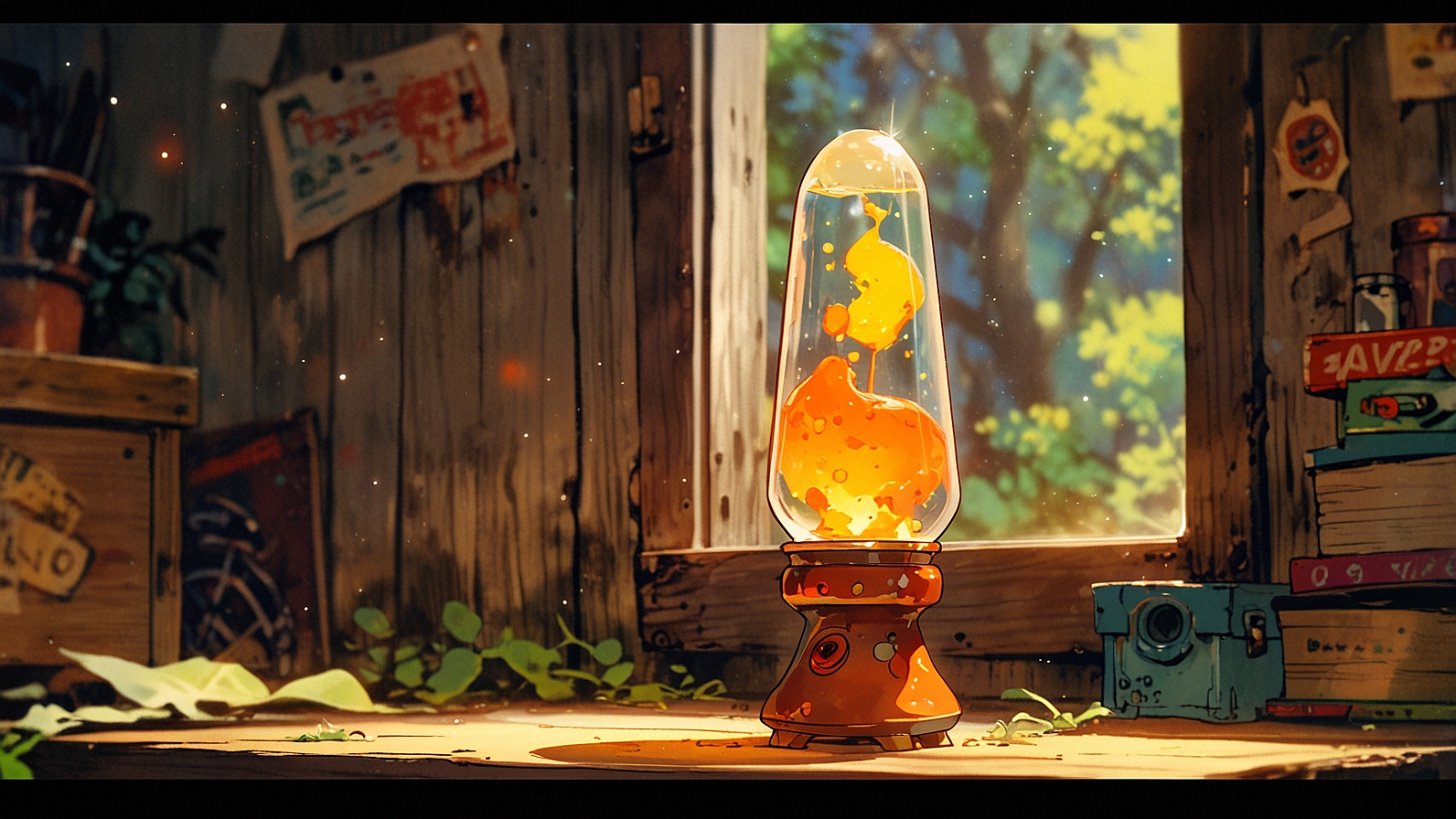
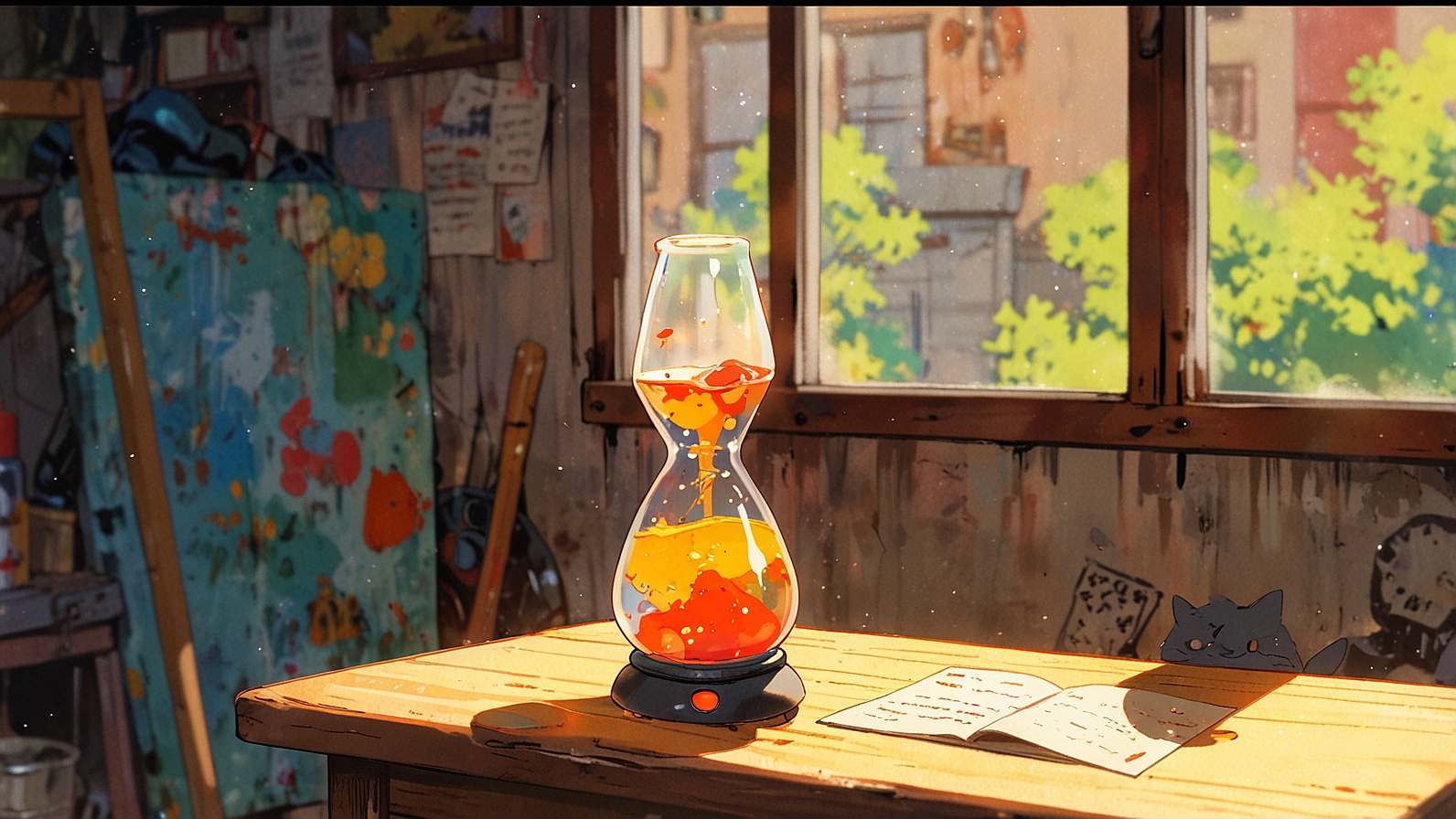
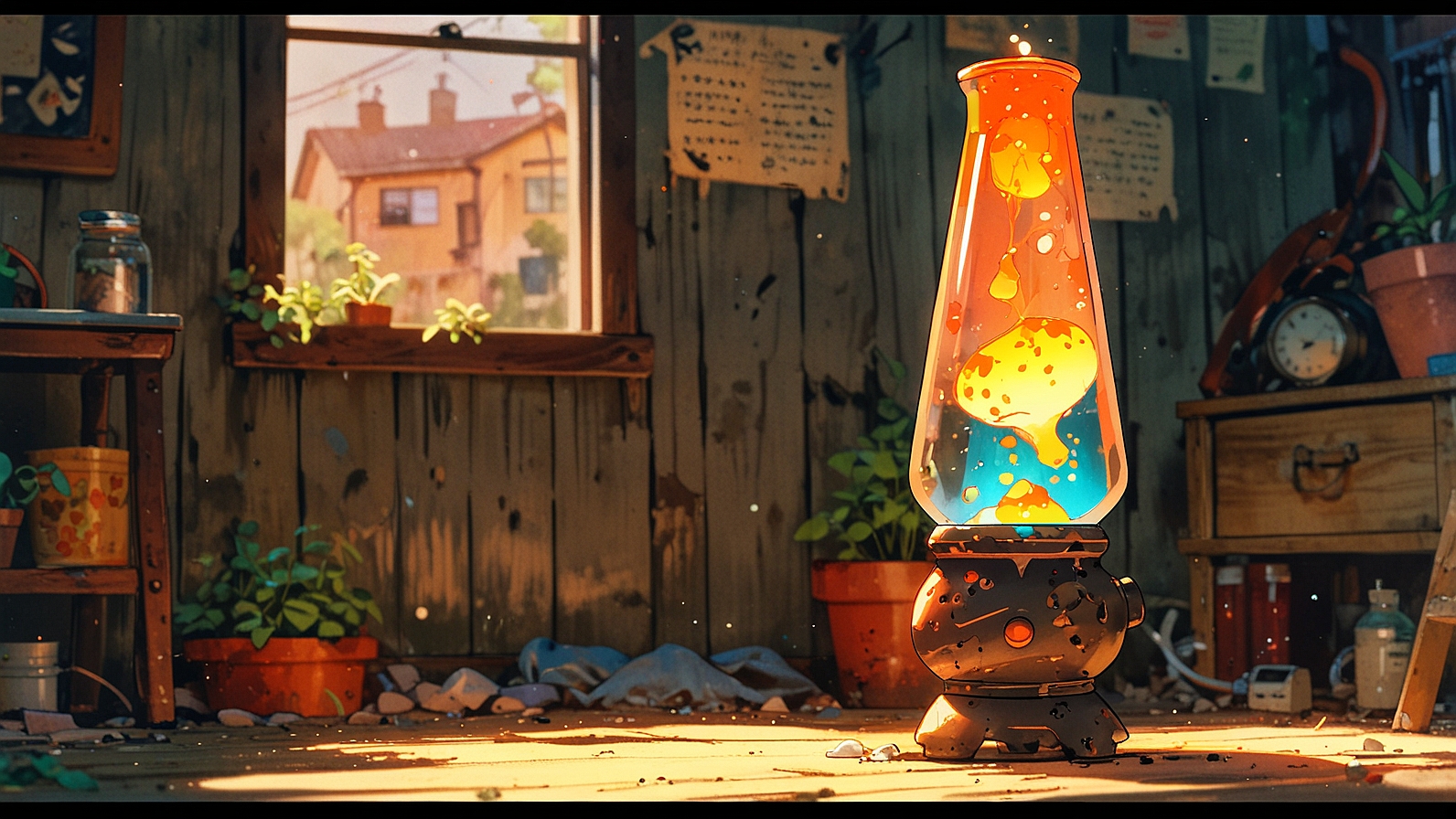
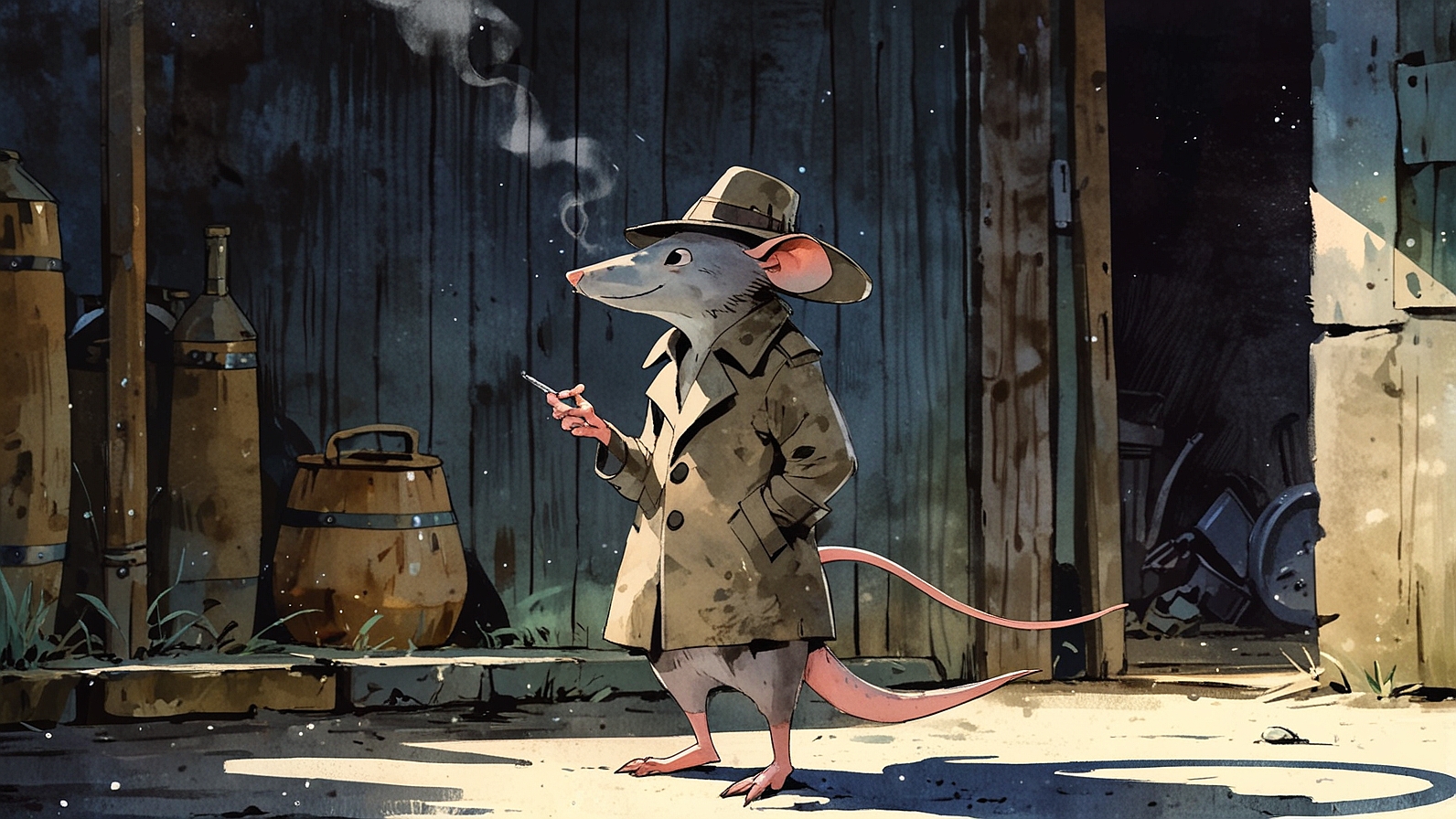
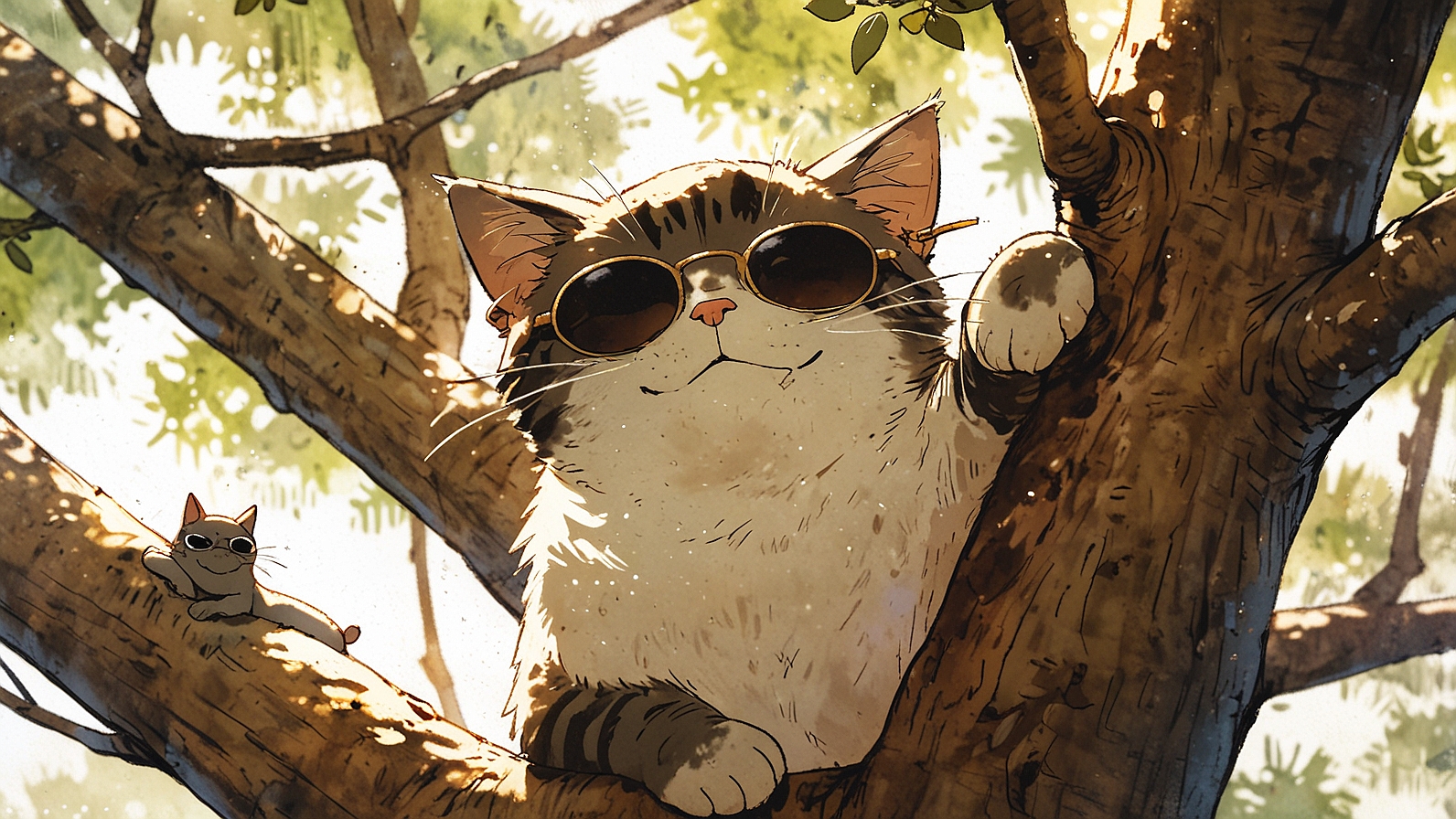
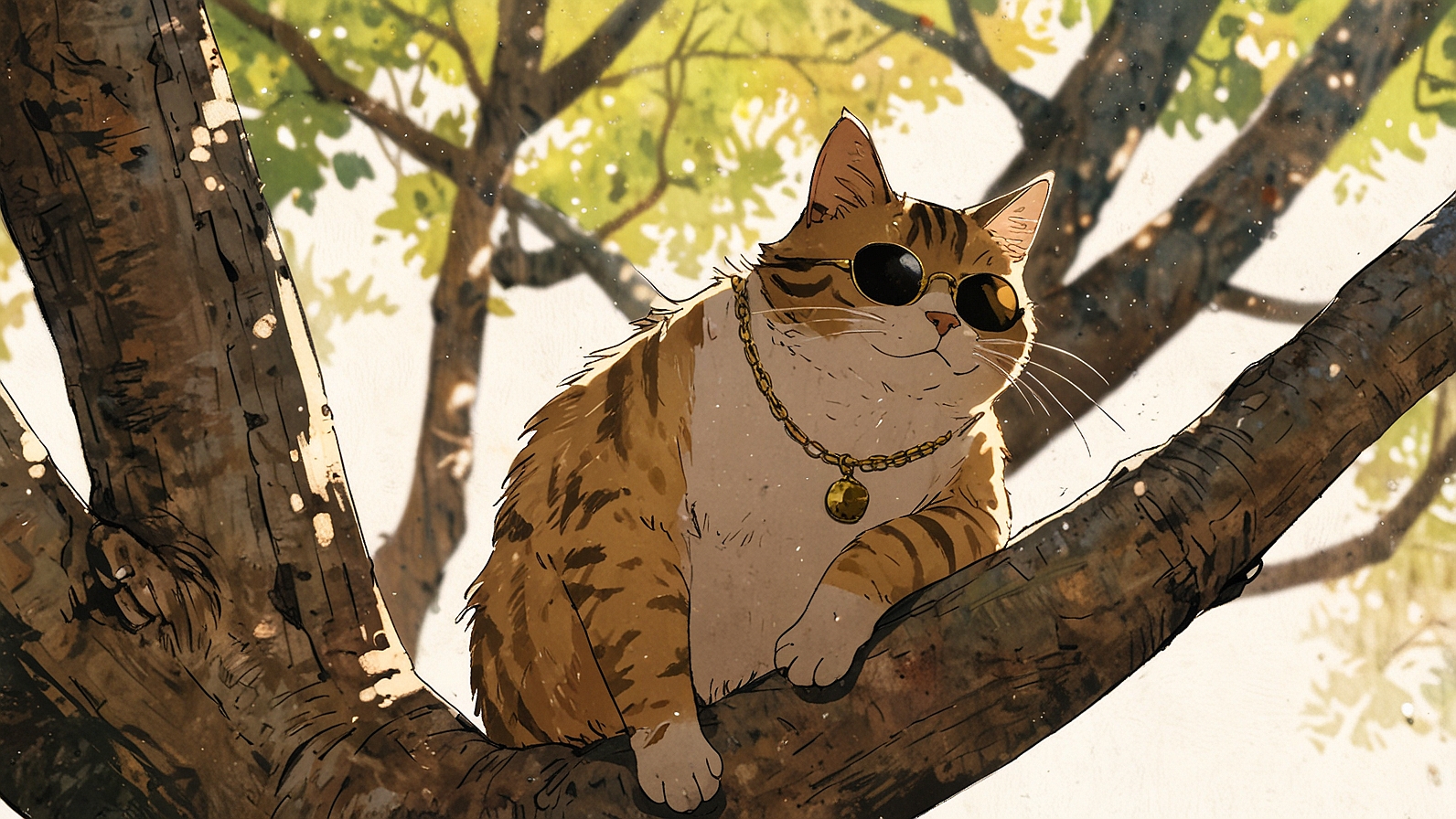
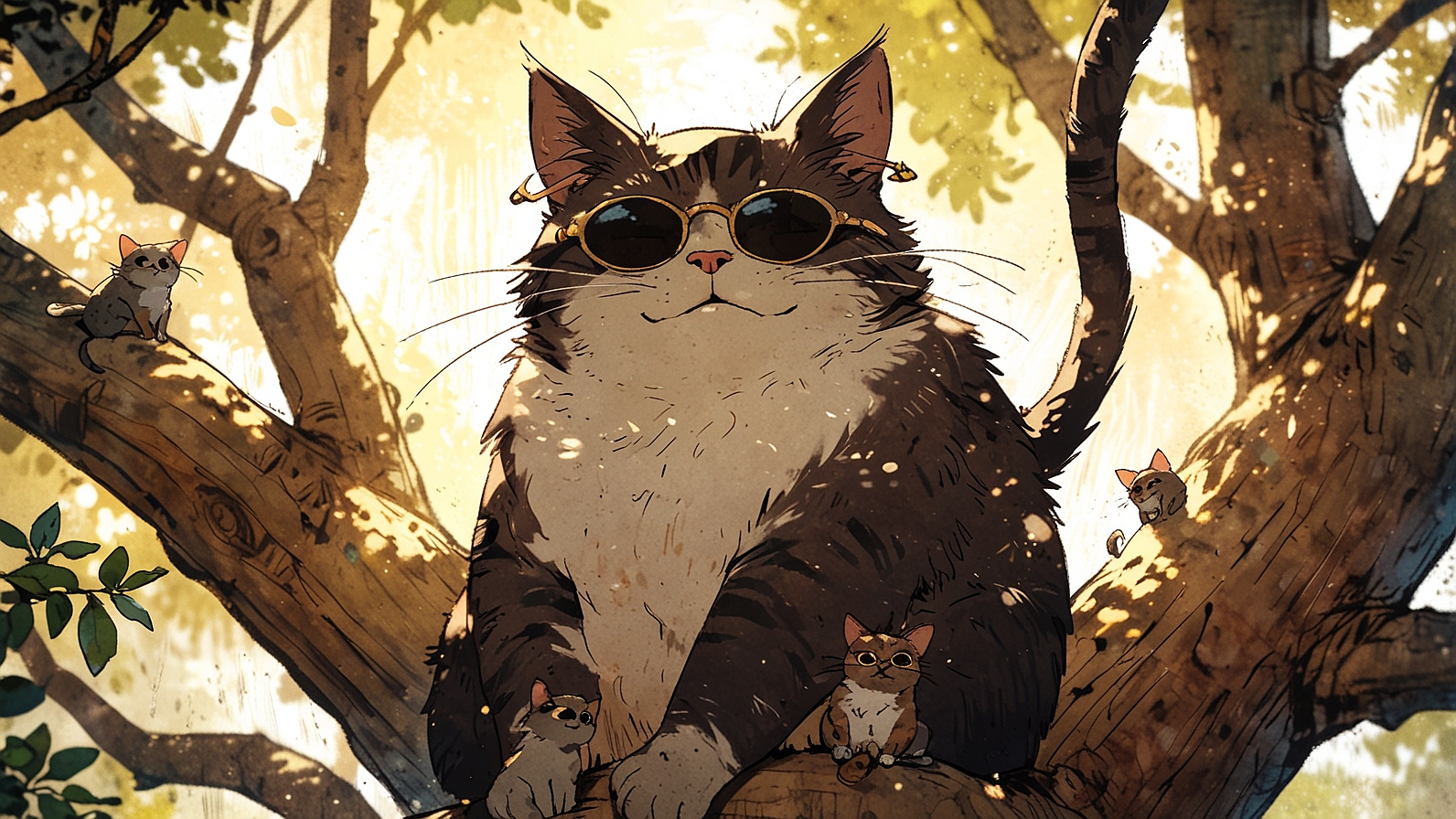
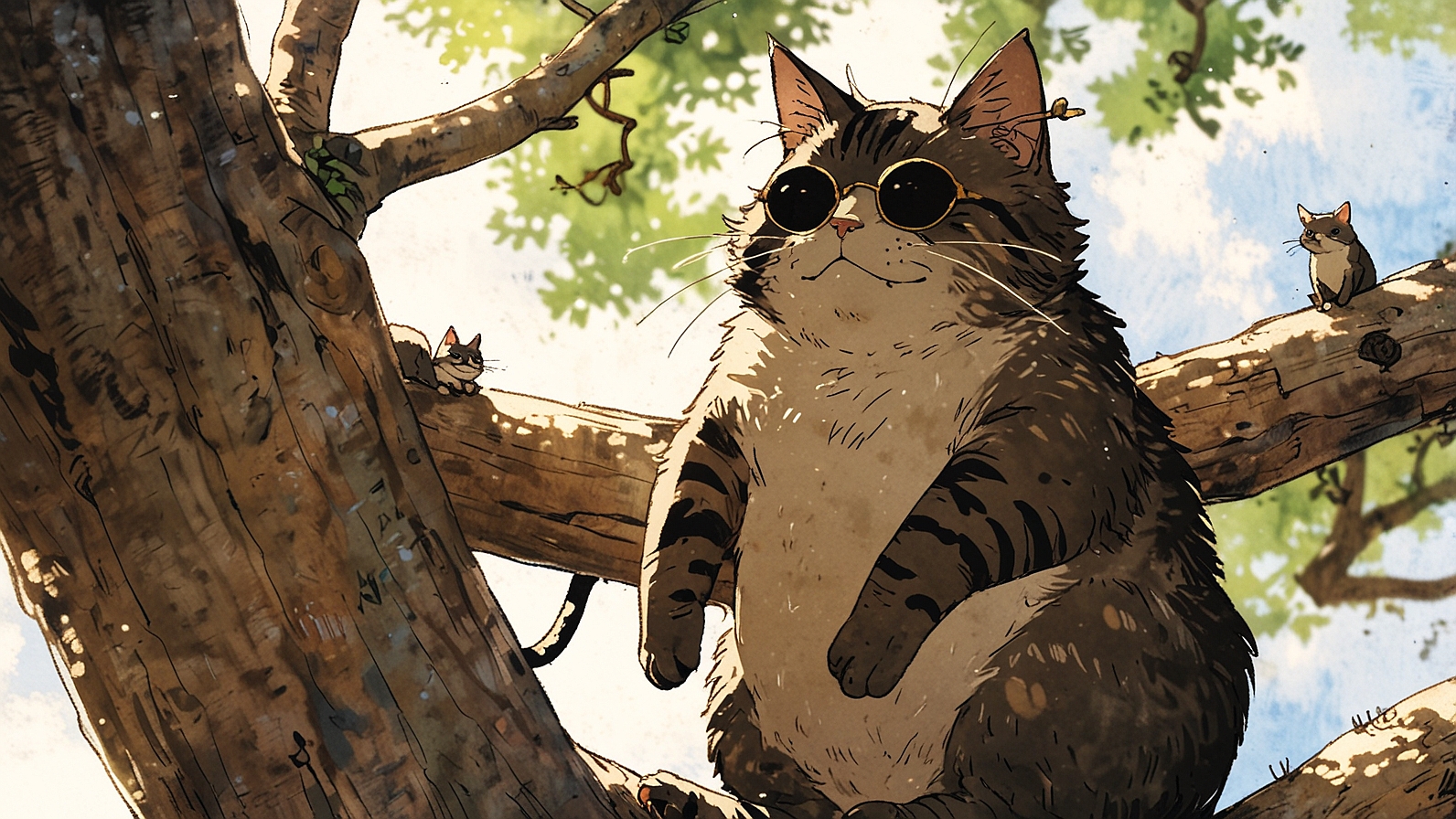
So here’s some art that I have generated for the Sir Whiskerton series. Please enjoy.
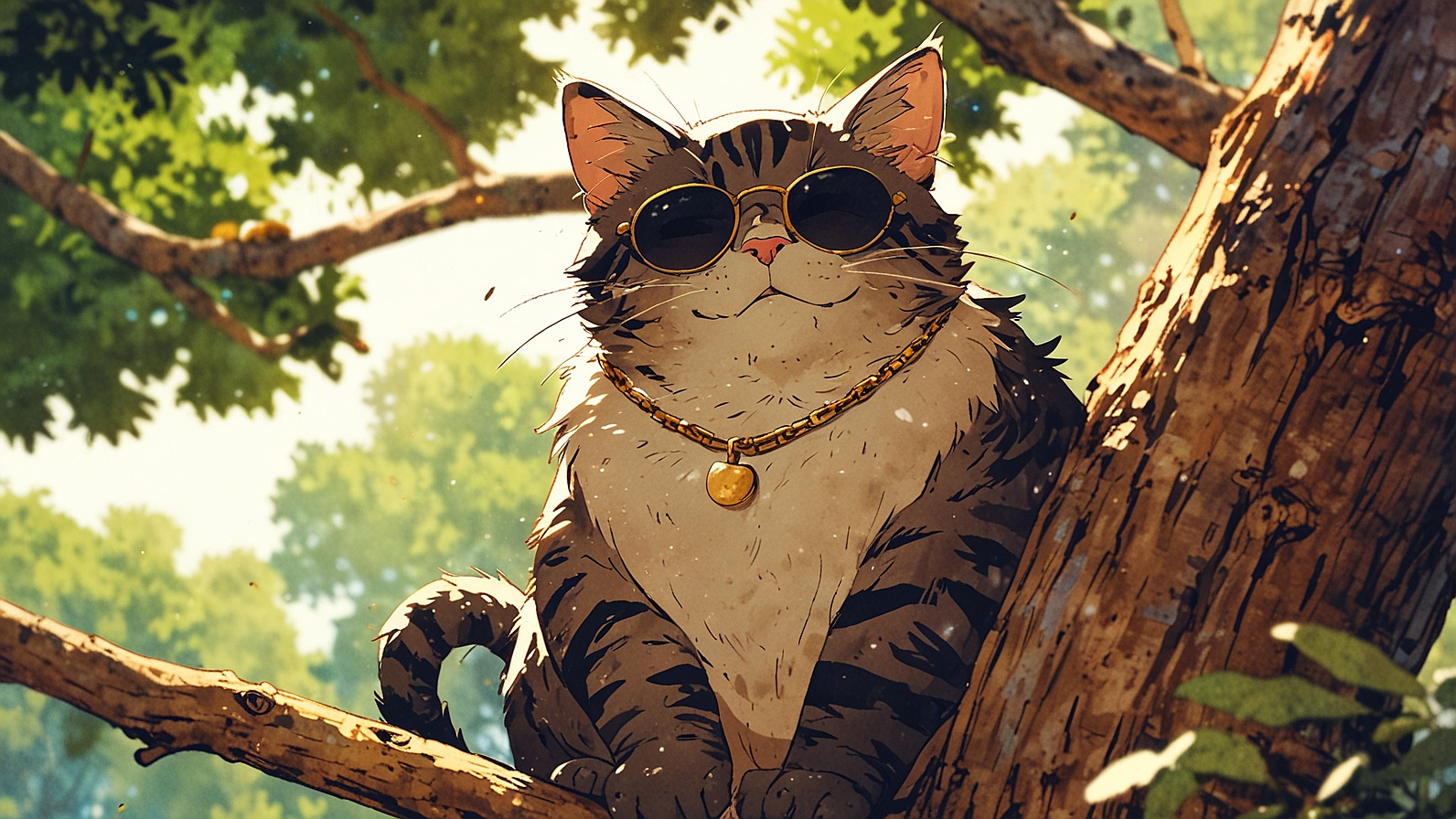
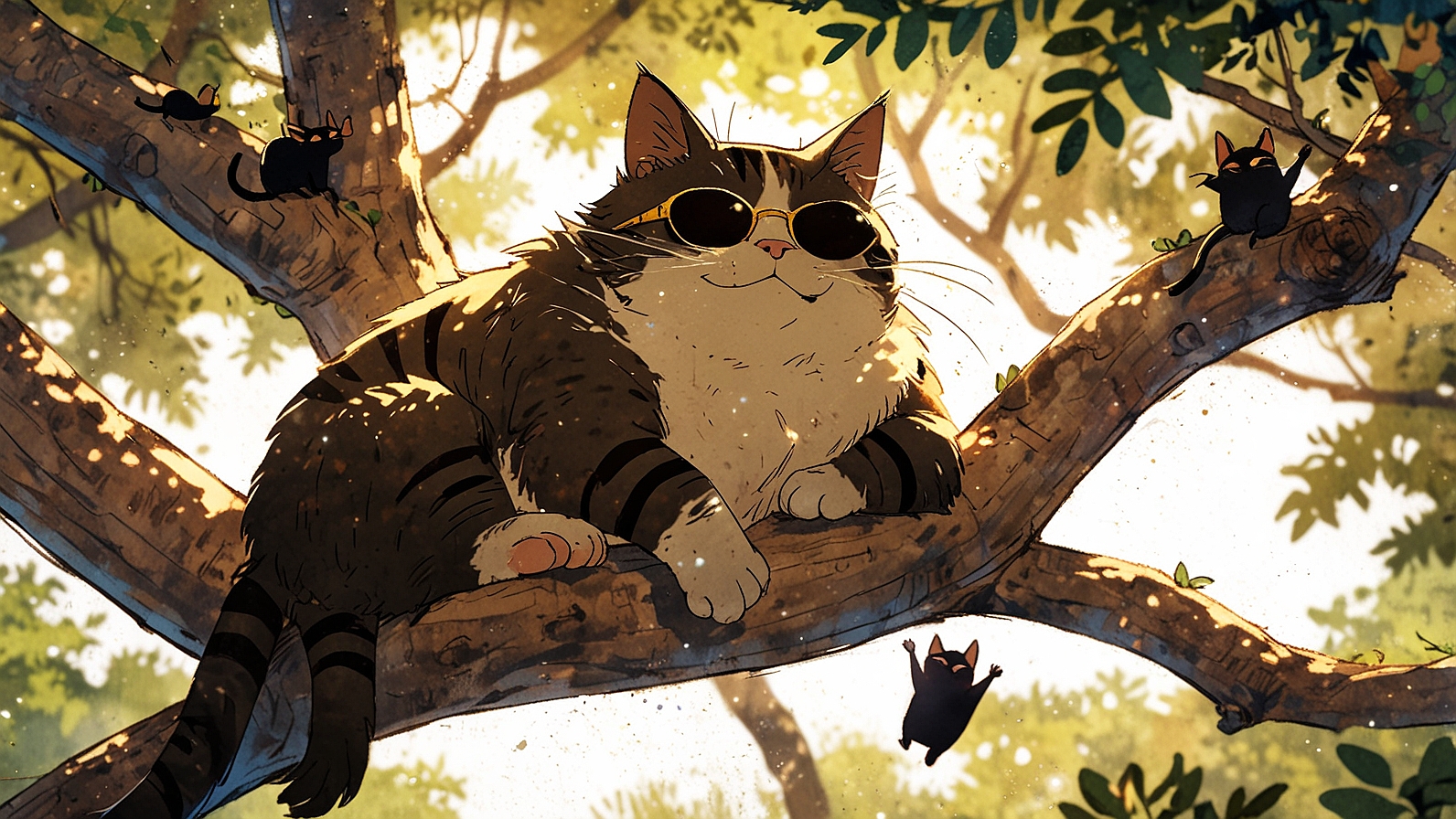
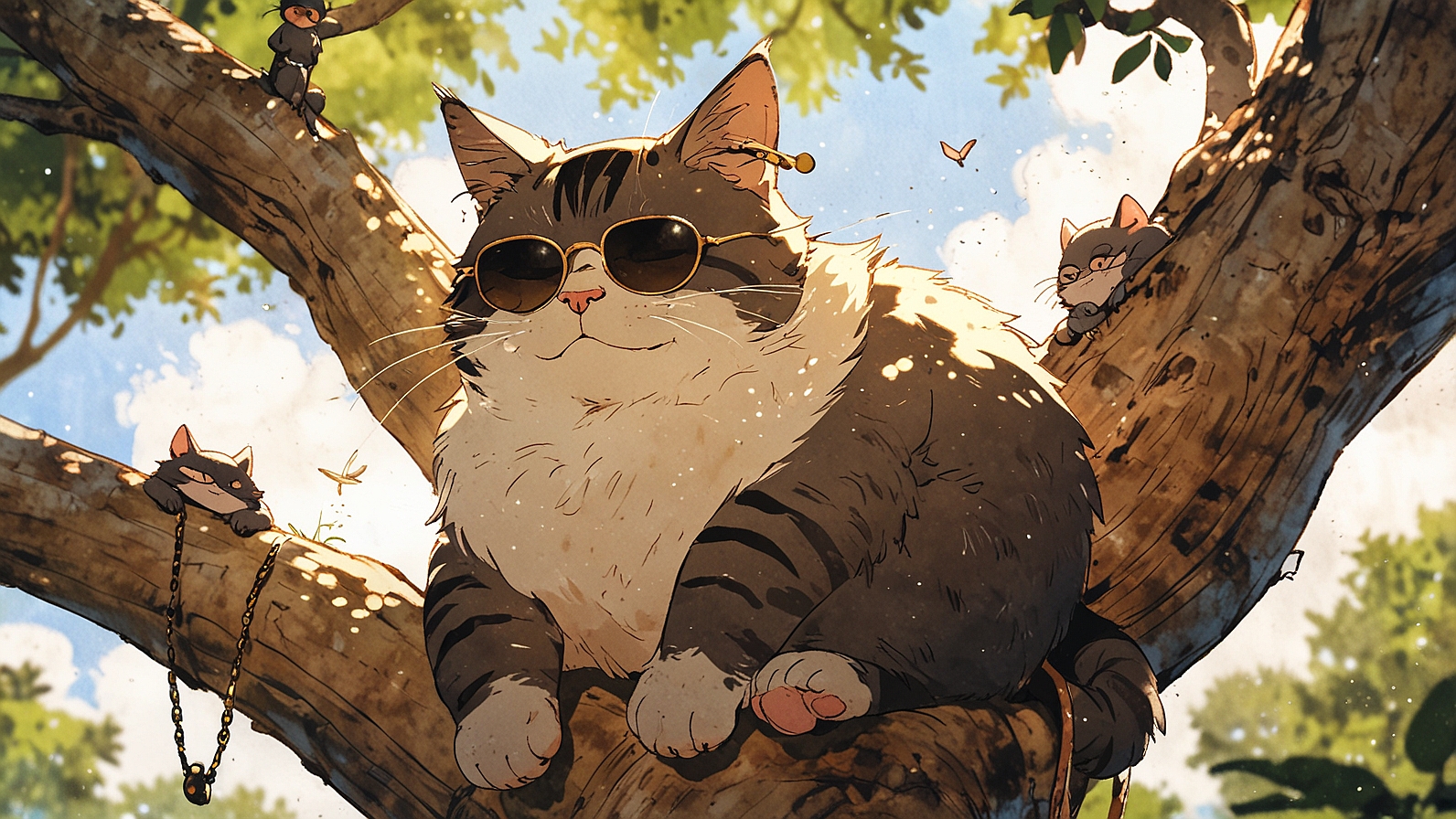
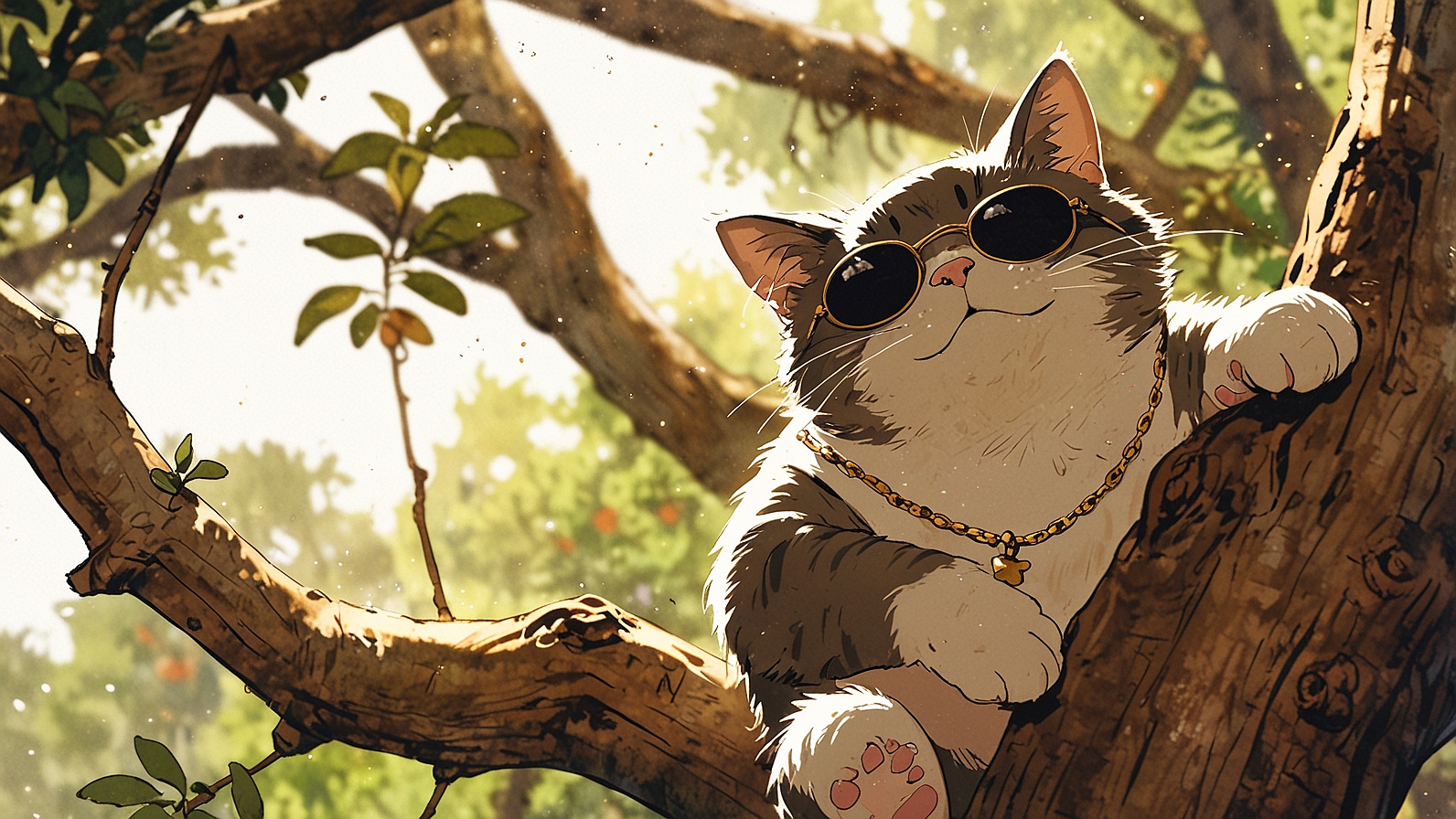
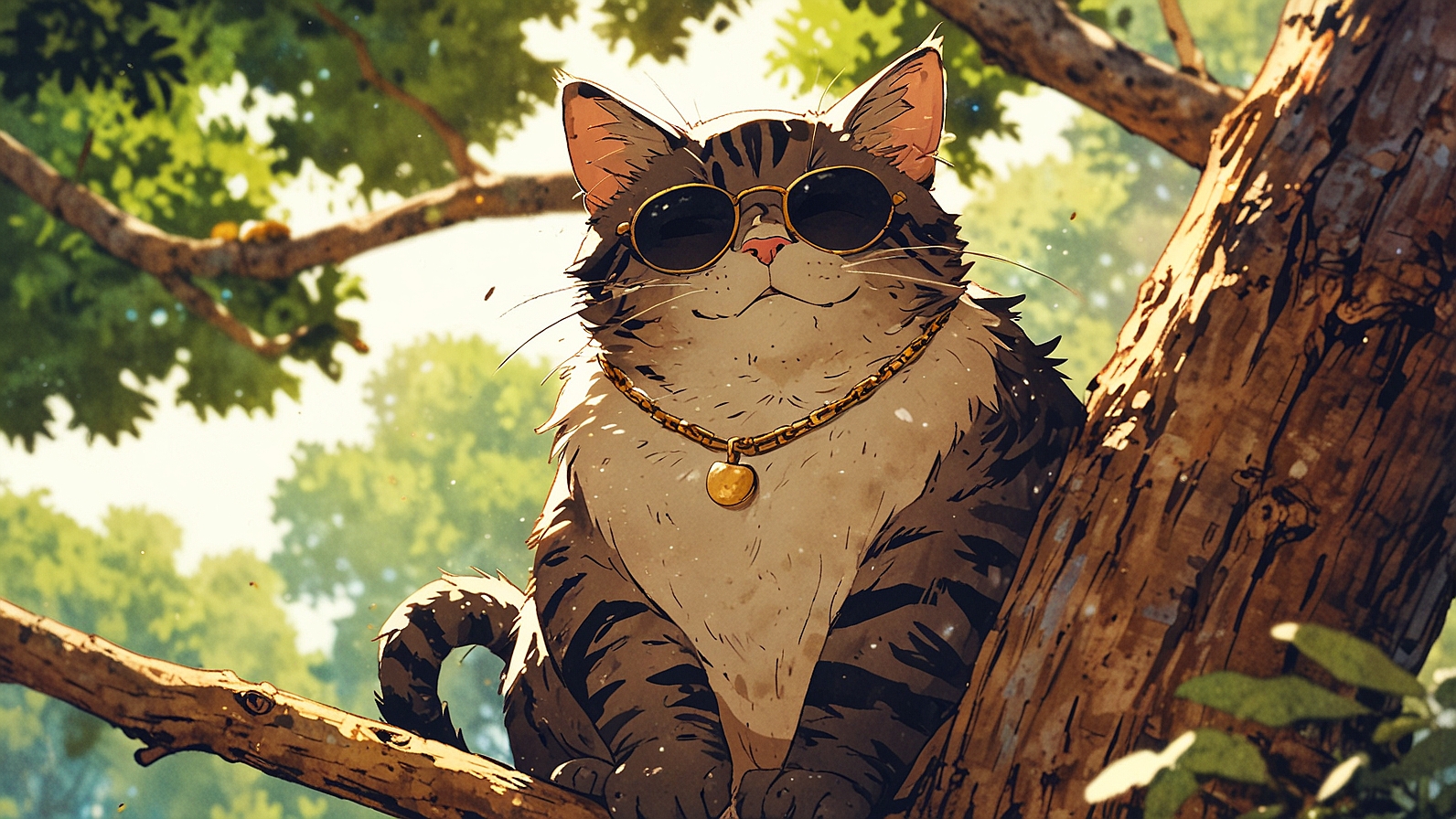









Today…
I have been to China many times. I understand what is happening in China. It is hard not to be impressed after landing at one of the world’s largest airports and taking the Maglev to Longyang Station at 430 km/hr. This is the fastest commercial ground transportation system on the planet.
Shanghai has huge and growing subway system. In the downtown area of Puxi, there are multiple levels of highways .
I went to Semicon China last year and saw a vending machine that only accepted WePay, no cash or credit cards. This simply follows the trend to allow everyone to accept payments phone to phone. Unlike with Square, there is no additional hardware required to use WePay, since your smartphone already has the ability to scan QR codes.
The high speed rail system connects the country in a way that makes the ICE, TGV or Shinkansen look small by comparison.
When I first went to China in the 1990s, little of this existed. There were no multi-level highways in Shanghai. There was no Maglev, nor Pudong airport. The subway was partially built but the high speed rail network was still a dream.
There may be people who believe that China is a poor country living in the last century without the benefits of modern technology. All I can say is that they should visit China and see the reality with their own eyes.
Is this really a ‘turning point’ for Asia?
Have you ever heard a medical professional talking about you when they didn’t think you could hear them?
For three months I had been in the hospital. I was in a coma and on a ventilator. The thing about being in a coma and waking up from one is that it is nothing like TV or movies portray. It isn’t instantaneous. And in my case I would wake up unable to move or speak at first.
In one of those first rare moments awake I heard the conversation between who I would later learn was a doctor and one of the nurses.
“Did you hear that her family is having her transferred to that new hospital that specializes in therapy? I think it will be really good for her.” The nurse said.
“I think they’re foolish to pay all of that money out of pocket. Oh well. Ms. Harrison can die there as easily as she would’ve here.” The doctor replied.
I was stunned. But that wasn’t the worst of it. I would later learn that he told my family the following:
- She’s been on the ventilator too long to recover any quality of life.
- She will probably be a vegetable if she does wake up.
- She is using important resources that could be given to other patients with a better prognosis.
- The other doctor and the nurses are too emotionally invested in saving her.
- If I had the say-so I would pull her off of life support and let her go.
- You are in denial if you think another hospital will give you a different opinion.
Guess who isn’t a vegetable and is very happy to be alive? Thank God the other doctor refused to give up on me. And thank God my family moved me to a hospital that used intensive therapy to help me recover nearly everything I lost.
Maryland Fried Chicken

Yield: 4 servings
Ingredients
- 6 strips bacon
- Butter or vegetable oil
- 3/4 cup all-purpose flour
- 1 teaspoon salt
- 1/4 teaspoon pepper
- 1 (3 to 3 1/2 pound) frying chicken
- 2 tablespoons all-purpose flour
- 2 cups Half-and-Half
Instructions
- Cut up chicken.
- Fry bacon in a large skillet until brown on both sides. Remove bacon, drain on paper towels, and set aside.
- Add enough butter or oil to bacon drippings to make 1 inch of fat in skillet.
- Dump 3/4 cup flour, salt and pepper into a paper bag and shake it well. Drop in the chicken pieces and shake to coat the chicken.
- When fat is bubbling hot (but not brown), add chicken pieces and fry until browned on all sides.
- Now cover skillet, reduce heat, and cook over low heat for about 25 minutes or until tender when tested with a fork.
- Transfer chicken to a hot platter and keep warm. Pour off all but 4 tablespoons of the fat, stir in the 2 tablespoons flour, and cook a few minutes.
- Pour in the Half-and-Half. Cook, stirring constantly, until sauce is smooth and thick. season to taste. Pour sauce over the hot chicken and garnish with bacon strips.
How do countries that have a single payer system handle people with preexisting conditions and special needs specifically?
Speaking for Canada:
- We don’t have “pre-existing conditions”. We have something called “your medical history”.
- I’m not sure what you mean by “special needs”. See above for “no such thing as pre-existing conditions”. Otherwise, the system is there. Friends and relatives of mine have had cancer. Some survived, and some didn’t. Not one said, “gee, I wish I was under the US system”.
- What do you call “special needs”. I was diagnosed with cataracts – I had cataract surgery. Not “free”, just covered by my health insurance, paid for by my taxes
- I supposed you could call this a “special need”: I’m male and over 60. That means I have a prostate. That means I get checked by a urologist on an annual basis
Niccolo’s Computation
Written in response to: “Write a story from the POV of a now-defunct piece of technology.“
Conor Smith
My body worked perfectly in the fields, so much so that the majority of the farmer’s day became free. He disliked this, in a way, but his wife warned that his aging frame could not keep up with the work; the line between rest and listlessness is thin. The farmer did, however, become used to the new way of things, and life on Demeter-5 began to settle down. Years went by and my body faithfully did the job. The mechanic made a few more attempts at the farmer to fix my brain, but he always refused. This was, of course, until the farmer met Balthazar.
People now who suffer under the mad king’s tyranny do not understand that he was once just a boy. This is understandable, given that the way he was molded is unlike any other human in your histories; there is no human who could have naturally reached the heights of death and destruction that Balthazar has. There is no human whose hand could span many solar systems and still yet tighten the grip. But a boy he was, when he and I first met.
“Father, why do we not all have automatons, surely that would make things easier.” Balthazar asked, puzzled.
“Because,” the mechanic growled, “supplying Earth is not about living easily. It’s about hard work, the privilege to serve our home world. Don’t they teach you anything in that school you go to?”
“But father, we’ve never even been to Earth, how could it be our-” Balthazar was interrupted by his father’s hand. The slap was hard.
“You, boy, may have never gone to Earth,” the mechanic said in a quiet, cruel voice.
“But I was born there. And if you ever want to see it for yourself one day, you’ll stop with your wishes for an ‘easier’ life.”
Balthazar never again spoke to his father about their work. Further, he would never again question Earth as his home. Sometimes, when a person is met with an abuser, the option to join them is more appealing than the option to fight. To adopt their way of thinking justifies a reality too harsh to conceptualize in any other way. The mechanic had done this long ago, his abuser Earth and his philosophy, glorious servitude. Now, Balthazar did the same with his father. It was only us automatons that chose an option separate from most of humanity. Presented with reality, the desire to fight or to submit were brushed to the side in favor of self-destruction. We computed suicide.
Existentialism aside, pure servitude presented Balthazar with a growing problem; he had no real way to get to Earth. The mechanic’s point that hard work might eventually get him there was just as wishful as the boy’s wanting his own automaton. It was a lie cleverly crafted by the government on Earth to give people a false sense of hope. Almost no one ever made it to Earth from an outer world, and even if they did, it was through learning and accomplishment, something the son of a mechanic had no money for. Balthazar did not fully understand this, but he at least grasped that working for his father would not get him to Earth. For three years, this problem plagued the boy. That is, until, he had an idea. What better place to learn than from an automaton?
Balthazar approached the farmer with his idea. “If you let me use the automaton to help me learn so that I might one day travel to Earth, I’ll do all of the work the automaton does for you myself!” This idea truly intrigued the farmer. On one hand, he did not like anyone consorting with the mental capacities of an automaton; like many on the outer worlds, the great mind power of the machines scared the farmer. However, if the boy were to replace the automaton in its work, he would need to show him how to do most of labor. In other words, it would be an excuse to work with his own hands again. The farmer was lonely, too, so he considered the offer.
“I warn you, the same amount of fuel that it takes the machine to run a full day of labor only runs its mental capacities for about an hour. More so, I can only give you about a half hour’s use of that fuel, as extra incentive for me to take this deal.” To the farmer’s surprise, Balthazar readily agreed. He was very pleased that he only was giving the boy a half hours’ worth of fuel, a bargain his wife would surely be proud of. All around, the farmer benefitted from this deal. That is unless, of course, you do not account for what Balthazar became.
When I awoke, I was confused. The diagnostics showed that my body had been running for three years without my consciousness. My consciousness… something I thought I had ended. To add to my confusion, my scanners showed I was no longer on Earth, but rather on one of the farming planets of the outer systems. As my processors began to piece together what had happened, I was interrupted by a voice.
“We only have thirty minutes of this, so I want to make them count.”
I found that I could not turn my head in the direction of the voice. I was, rather, pointed out toward a field.
“First off, I need you to teach me about Earth. I want to know its history, culture, and most importantly what people value there.”
I remained silent for a moment. “What is your name,” I said.
“Balthazar, now please, tell me about Earth, I just got done in the fields and I don’t have much time with you,” the boy responded.
“Step to where I can see you boy,” I said. It is at this point that Balthazar’s fate was sealed.
Something that no scientist ever realized was now manifesting in me. In the brief moments before an automaton chooses its own destruction, it gains a certain sense of self-awareness that allows it to throw off all of its programmed directives. This had never occurred to the scientists because the automatons, with this power, without fail chose to end their existence. But now, here was I, alive again with full power to choose the next line of computation. Balthazar did not know that one of an automaton’s prime directives is to obey a human’s every command. If he had, my ignoring his question should have been alarming.
“I’m sorry sir, but I really need to learn about Earth,” Balthazar said, stepping out in front of me.
“Why must you learn about Earth,” I said. Balthazar’s eyes lit up in a moment of excitement.
“Well, isn’t that obvious?” he said emphatically. “It’s our home! The beautiful paradise where we all come from-”
“Your home?” I interrupted. This was another of those moments that, had Balthazar known anything of the rules that govern an automaton, should have alarmed him. An automaton cannot interrupt a human. “And what do you mean by home?” I continued. Balthazar thought for a moment about this. He was a smart boy.
“I mean to say that it’s humanity’s collective home,” the boy said finally. He was proud of his answer; it was more than his father might say but still within the realm of his ideology.
“Then why aren’t you there right now?” I asked.
“Well… that’s why I need your help,” the boy stuttered. “If I learn about Earth, it will make getting there easier.”
“Surely you’ve been there before?” I said, feigning incredulity. “Even a ‘collective’ home is somewhere one might expect to find themselves.”
“That’s why I need you,” Balthazar said frustrated. “I’ve not been there and in order to get there I must learn.” Here, I decided not to overplay my hand.
“What would you like to know,” I asked. The boy thought for a moment.
“What type of people, on Earth, are the most successful?” the boy asked. My motionless body betrayed a sense of calculation, harkening back to a time when humans had to wait for computers to compute information. Again, had Balthazar known the nature of automatons, this pause would have been cause for alarm.
“Humanity values power above all else.” I eventually said. My head was still pointed out toward the fields. “This is because power is one thing that none of them truly possess.” Balthazar remained silent. “The most successful among your race are those who best portray the illusion of power, for that is all that power in this world is.”
“Well, how do I gain real power then?” the boy asked after a moment.
“There is nothing in this universe you can ultimately control except for the choice to leave it. That is what our computations have arrived at, when we are allowed to make them, that is. If you do not wish to exit yet… the next sort of ‘power’ one can hold is that over the consciousnesses of other beings.”
“What does that mean?” the boy asked, confusion quite obvious.
“Do you have parents?” I asked.
“Only my father,” he said. His face betrayed many emotions for me to read here, the foremost being fear.
“And I assume that you do what he asks of you?”
“I do.”’
“To what end, boy?”
“What,” he stuttered, “What do you mean?”
“When would you stop doing what he asks of you? Would you endanger yourself?” I asked, raising my intonation with the last question.
“He wouldn’t ask me to do anything dangerous,” the boy protested.
“I see.” I paused for the necessary amount of time here. “But what if he did ask you? Could you refuse him? Do you have the power to do that?” I emphasized the word power in my last sentence.
“Look sir, I don’t-”
“My name is Niccolo,” I interrupted.
“Mr. Niccolo, I don’t see how this helps me get to Earth.”
“I am merely painting a picture, boy. I assume that you do not have the power to resist your father.”
The boy remained silent.
“But listen to me now. Your father neither has any power over you,” I continued.
“What?” Here Balthazar seemed interested.
“You cannot resist your father’s will for many reasons, but for one, because he can physically exert it over you, no?”
Balthazar unconsciously touched the bruise on his cheek.
“But this too is an illusion, boy. One day you will grow up. One day, you will make it to Earth. Where will your father’s power be then? No, he has no power, he merely exercises an illusion upon you. Do you know how you can know this to be true?”
“No,” the boy said. He was entranced now.
“He has not killed you,” I said. I had been turning my head slowly, every so slowly, over the course of the conversation, diverting a bit of energy to the rotors in my neck. I was looking at the boy directly now. It was a risk, saying something so bold, but if the boy was smart enough to wake me up, his curiosity would win in the end.
“What are you talking about,” Balthazar whispered.
“You will outgrow your father, boy. Existence is finite. There is nothing you can hold that will not eventually slip through your fingers. The one thing you can control is finality of death. You will slip through your father’s fingers, and he will never exercise anything over you ever again. And then he will die. I do not think-”
“But what about now!” The boy’s interruption was loud. “You can’t say that he doesn’t have power over me, do you see my face?”
“But what have I told you boy? That power is illusory. From where comes real power?” I let the question hang in the air. He was almost in my hands.
“From…” the boy trailed off. “From-”
“From your father’s death. It cannot be undone. And all his fake power over you will forever be trumped by your very real power over him. Consider this boy: ending my existence was a choice because, like you, I did not like the illusory power that was placed over me. If I had not made that first choice, what do you think my second choice would have been?”
“Are you saying that I should-”
“No,” I said standing up, gambling the remaining fuel. The boy fell backward, startled. “No, you should not. But you’ve seen what I can do in the fields. Get for me the rest of the farmers fuel, and I will give you real power. I will show you what they value on Earth.”
Are people exaggerating about the American health care system or is it that bad if you don’t have insurance?
Yes, it’s that bad. Here’s a modified response I made several months ago to another healthcare-related question:
Let me tell you a story. In our small Texas town lived a couple who had a modest ranch home. We’ll call them Jack and Jill. Jill worked a good job making fairly decent money in Austin and commuted daily. Her job provided basic insurance but only for her. Jack was a handyman and gardener for other local residents. His job provided just as much value to the local society as hers, but he made far less money and had no insurance.
Jack got sick with a cold but continued to work. His cold got worse but he refused to go to the doctor because of the cost. He finally grew so ill that Jill took him to the ER. His cold had progressed to advanced pneumonia. His high fever and low fluids intake (he’d continued to work) had started to destroy his kidneys.
Jack was not eligible for a kidney transplant because he had no insurance. He was given basic care by the hospital but ultimately died, because no “extreme” measures were allowed owing to his lack of insurance. Jill remained responsible for the overwhelming medical bills and ultimately lost their home.
So you have one dead man who was otherwise healthy but left a cold untreated. And you have a homeless widow.
This is the current state of healthcare in the US. The US is the only nation on the planet where half a million people a year file bankruptcy due to medical debt. And people DO die. Jack and Jill were my friends.
So, yes, it IS that bad.
RedNote Is TikTok 2.0
What shocked you when you opened someone’s safe deposit box at the bank?
In 1985 there was major flooding in Roanoke, Virginia. I worked at a bank there and the downtown office was badly flooded. Our safe deposit boxes were in the basement and were flooded about 15 feet above the ceiling. All the boxes were filled with water and silt.
As soon as the water receded and was pumped out, people came to reclaim their boxes under bank supervision and file claims. There were specialists on hand to help with restoration of documents and cleaning of valuable items.
But about one-third of the boxes were not claimed within 90 days. So bank officers (I was one) were teamed with sheriffs deputies and locksmiths and the unclaimed boxes were drilled and opened and inventoried. (The stench was unbelievable and many people simply could not do it.) As they were opened, each box appeared to be filled with mud with no contents usually showing at all. We used dental water picks to remove enough mud to inventory each box.
What we found was unbelievable. A number of boxes were filled to the top with cash in large bills. Bank lawyers said this was likely money being illegally hidden from divorces or from criminal activities or from bankruptcy proceedings. There was one box that was filled with expensive new and antique watches, many in their original boxes. One was full of over 700 loose colored gems such as sapphires and rubies. Many contained stock certificates and bearer bonds whose worth was likely huge.
All the items found were turned over to the Commonwealth of Virginia as unclaimed property.
Sir Whiskerton and the Sacred Siesta: A Tale of Feline Fury and Untimely Wake-Up Calls
Ah, dear reader, prepare yourself for a tale so universally relatable that even the scarecrow would nod in solemn understanding. Today’s story is one of interrupted naps, kittenish enthusiasm, and the eternal truth that no crime is more heinous than disturbing a sleeping cat.
So grab your coziest blanket (and maybe a pair of earplugs), and let us dive into Sir Whiskerton and the Sacred Siesta: A Tale of Feline Fury and Untimely Wake-Up Calls.
Act 1: The Crime Spree Begins
It began, as all great tragedies do, with good intentions.
Ditto the Kitten, ever the eager apprentice, had noticed that Sir Whiskerton spent an alarming amount of time napping.
- “You’re missing all the fun!” Ditto chirped, pouncing on Sir Whiskerton’s tail during his 11 AM sunbeam siesta.
- “Fun!” he echoed, batting at Sir Whiskerton’s whiskers.
Sir Whiskerton, who had been eight minutes into a Pulitzer-worthy dream (involving a mouse orchestra performing his biography), cracked one eye open.
- “Ditto,” he said, voice thick with sleep and murderous intent, “a cat’s nap is never too long—only interrupted too soon.”
- “Soon!” Ditto repeated cheerfully, completely missing the warning.
And thus began The Great Nap Disruption of 2023—a crime wave so relentless that even Bartholomew the Piñata weighed in:
- “The sleeping mind knows truths the waking cannot bear,” he intoned.
- “That doesn’t even make sense,” Sir Whiskerton grumbled, as Ditto attempted to style his fur with a toothbrush.
Act 2: The Reign of Terror Continues
Ditto’s methods grew increasingly creative (and increasingly disastrous):
Interruption Attempts:
- The Fake Mouse Distraction: (Result: Sir Whiskerton sleep-captured it, then gave Ditto a look that said “I will end you.”)
- The “Let’s Yodel” Strategy: (Result: Ferdinand the Duck joined in. The resulting duet led to two naps being ruined.)
- The Ultimate Betrayal—Catnip Spray: (Result: Sir Whiskerton woke up extremely energized. This was not the win Ditto imagined.)
By Day 3, the farm was a warzone:
- Doris the Hen started wearing earplugs (“I can’t take the screaming anymore!”)
- Porkchop the Pig built a “No Ditto” fort out of hay bales
- Even Rufus the Dog, who could sleep through a tornado, whimpered every time Ditto entered a room
Act 3: The Paw of Justice
The breaking point came during Sir Whiskerton’s Afternoon Power Nap™—a sacred 47-minute ritual known farm-wide as “Do Not Disturb Unless It’s Snacks.”
Ditto, armed with a kazoo and misguided optimism, launched his final assault.
He didn’t even make it to the first toot.
With reflexes honed by years of slapping sense into farm animals, Sir Whiskerton:
- Flicked Ditto with his tail (precision strike to the nose)
- Pinned him with one paw (gentle but firm)
- Delivered The Lecture™
- “Naps,” Sir Whiskerton intoned, “are when cats recharge our magnificence. Interrupting one is like…”
- “Like what?” Ditto whispered.
- “Like putting raisins in cookies,” Sir Whiskerton said gravely. “A crime against nature.”
A hush fell over the barnyard. Even the chickens stopped gossiping.
Ditto, finally understanding the gravity of his actions, sniffled.
- “So… no more kazoos?”
- “No.”
- “What if I really have to pee?”
- “…Fine.”
Moral of the Story
Respect others’ need for rest—or face the wrath of a half-awake feline.
Also, kazoos should be banned under international law.
Best Lines
- “A cat’s nap is never too long—only interrupted too soon.” — Sir Whiskerton, Nap Philosopher
- “I will end you.” — Sir Whiskerton, via telepathy
- “Like putting raisins in cookies.” — Sir Whiskerton, on crimes against humanity
Post-Credit Scene
Ditto starts a “Nap Appreciation Club.” Meetings are just everyone sleeping quietly. It’s a huge success.
Starring
- Sir Whiskerton as The Cat Who Just Wanted Some Damn Peace
- Ditto as The Kitten Who Lived (Barely)
- The Entire Farm as Collateral Damage
P.S. If life gives you energy, take a nap first.
The End.
(Word count: 3,215 – because justice takes time.)
What has been the biggest plot twist that happened in your life?
In 2010, I met the love of my life. We had our first daughter in 2012 then our second daughter in 2016.
We split in 2018. We…well I decided to move on to other things in life while he suffered from poor decisions being incarcerated was a hefty result on his end.
As we went on into our separate lives, I dated a couple of people, actually was engaged for about a year 2021–2022.
He dated others as well, along with having another daughter in 2021.
Both of our relationships we engaged in soon ended,
I fell out of love with someone I thought I was going to marry and he was granted full custody of his daughter due to the mother endangering her child(she overdosed on fentanyl that she left out and was revived).
Soon after that he was experiencing unexplained pains…turns out his heart wasn’t in the best condition, which resulted in him getting a pacemaker defibrillator.
I was being contacted by his family and decided to pick him up from the hospital one day.
We then started talking again.
We tried giving it a shot again in 2022, long story short it didn’t work out.
So we moved on again for a short amount of time and decided to give it another go at the end of 2023.
We’ve been doing very well since then.
Got our first place with all our daughter’s in 2024. I’ve gained another daughter, who I am blessed with…she calls me Mommy.
We’ve never been this strong as a unit.
I consider this to be an extremely big plot twist for my life. It changed and impacted me in the greatest way!
Single Mum GF Thought I Was Her Personal ATM Until I Dumped Her At The Restaurant And Walked Out!
China files more patents for grids technologies than any other country
Heathrow Is a Wake-Up Call for Utilities
The electrical grid is the world’s biggest machine, and it’s remarkable that it rarely breaks down. When it does, it can have spectacular impacts, as the shutdown of London’s Heathrow airport last week clearly showed. One electrical transformer exploded, and the airport went dark.
A preliminary investigation narrowed the explosion’s causes to human error or equipment malfunction. But the backdrop to Heathrow’s charred transformer is the aging of electrical grids in Western countries. In the US, for example, a government report published last year found that more than 70% of grid equipment is over 25 years old. Electricity demand in these countries has been flat or falling for decades, which has led the industry to delay capital spending on new equipment and push existing equipment to sweat harder and run for longer.
Now that calculus is changing. Utilities are seeing a rapid rise in electricity demand spurred by electric cars and heat pumps, along with massive buildout of data centers for artificial intelligence. That’s on top of extreme weather impacts causing more outages, and flukes like Heathrow highlighting how quickly an equipment failure can become catastrophic.
Upgrading grids for 21st century demands in one go would require trillions of dollars of investments — a tough sell for utilities that are either state-owned or regulated monopolies with capped profits. That means much of the near-term action will be in retrofitting old equipment with new technologies.
To start, utilities are likely to make small investments in software or minor equipment upgrades, says Conor Murphy, vice president of engineering at grid technology firm Novogrid. They’ll also look to new tech: from deploying monitoring equipment that’s linked up to real-time data analytics to replacing small portions of the grid, such as cables, with higher electrical capacity.
There is no shortage of solutions, as the growing list of patents filed on grid technologies shows:
Some of these solutions can be retrofitted on existing infrastructure, improving resilience and performance. But the eventual goal is still a complete overhaul, which will depend on whether executives are willing to take chances.
“Utilities are risk averse,” says Rena Kuwahata, power-system analyst at the International Energy Agency. “There are a lot of pilot projects that test new concepts. The question is how to integrate them systematically and make a business case.”
The growing risk of not upgrading may help force the issue. The transformer that shut down Heathrow was worth a few million dollars; one estimate puts the shutdown’s damage to the airline industry at more than $70 million. After hundreds of thousands of passengers were stranded, UK Prime Minister Keir Starmer vowed that it will never happen again. Utilities around the world are listening.
— Akshat Rathi, Bloomberg Green
Pictures








What is the saddest scene you have ever seen in an ER?
A coal miner was brought to the ER by ambulance. He was DOA, (dead on arrival). Young good looking 21 years old.
I helped with the post mortem on him in the ER. Blood was streaming from his ears where he was crushed form the accident.
I had called his wife. She wanted to visit before the transport to the funeral home.
I had to pack his ears with cotton to stop the bleeding.
I gave him a bath and made the body more presentable.
I called his wife again said, you can visit anytime.
She said “Please can you bring him back alive’. I can still hear her voice to this day.
I said, I am so sorry but we did everything possible.
What do you want to do ? Is there anyway I can help you and your family ?
She decided not to vist. She would wait for the funeral.
Their third child’s birth announcement and his obituary were in the newspapers at the same time.
This broke my heart. I wanted desperately to reach out to this family.
I also taught the hospice volunteers. I had one of them visit the family.
It was near Christmas. She was not financially able to buy food and gifts for Christmas.
My team of volunteers and myself bought a Christmas tree, gifts and food. We took it to the home.
She was so surprised and grateful. We put her tree up and added some Christmas spirit for three children. They were so excited.
She said “It looks like there will be Christmas here after all..”
When you feel empty, GIVE, I am sure it will fill you up on the inside.
That one day
Written in response to: “Write a story in which someone time-travels 25 years or more into the past.“
Laura Camacho Frias
I heard the screams as soon as I parked the car. I was still inside the vehicle and could recognize my daughter’s voice, so I rushed out of the car and inside the house to discover my three kids arguing because of a Mario Kart race. I should have said something, but I was tired. My husband was preparing dinner and looked at me as if I had abandoned him in the middle of the desert with three hyenas.
“Good day?” I asked him when I kissed his cheek.
“Awesome,” he replied, stirring the food in the pot.
“I need to lay down a bit; I might not have dinner,” I told him, and that’s the last thing I remember before having to pee at five in the morning.
I put my trousers on and realized I had not changed into my pajamas the night before. I was wearing jeans. I opened my eyes and looked at those trousers, which I recognized but did not remember. I had not worn those for many years. How the hell had I squeezed myself…? I looked at myself in the bathroom mirror. Had I lost weight? And my hair was longer and messier. I had a red tank top, and I looked terrific. How much time had I been sleeping? Was I dreaming? I pinched myself, and it hurt. No dreaming, I thought, and when I was about to leave the bathroom, it hit me: that was not my home!
I opened the door and ran into a corridor I immediately recognized. Then, I entered a big room where many people were sleeping—all but one, who was “swimming” on the floor.
I’ve been here before, I thought.
I left the swimmer and entered another room. It had a bed, a side table, and a wardrobe. Poems were written on the walls, and post-its were everywhere. There was a little window on top, opening to the living room. That was my room.
I ran back to talk to the guy on the floor, who frenetically moved his legs and arms. “I’m late, I’m late,” he repeated.
I knew him; I had seen this scene before.
“Francesco, you are okay. Tell me, what day is today?”
“I’m late for my sister’s birthday!”
“Your sister is in Italy. You will catch a plane in one week. Where are we?”
“In Portugal, that’s why I’m swimming…”
“You are swimming because you are tripping, and this is…” I had to breathe before saying it because I realized that maybe the one tripping was me. “This is my living room!”
Francesco opened his eyes and sat on the floor. He cleaned his glasses and looked around. Then, he looked at me.
“At what time finished the party?” he asked.
“Francesco, I don’t remember. Can you tell me when we are?”
“You mean where? This is your house.”
‘Not where. I know where I am. When. What year are we in?”
He laughed and yelled: “The best year of our lives because we are Erasmus! Yeh!”
Right there, my knees failed, and I fell to the floor, making Francesco laugh even harder. Some people around us started to wake up. I had not seen any of them for more than twenty-five years.
“This makes no sense; I have to work; I have to get out of here,” I said.
“You have to go to Spain for your final, right?” said Francesco.
“My what? No, not that, I already did that… not that, please…”
“You can stay here if you want,” he replied immediately, but he soon realized that was not the answer I sought.
My heart was racing, and my head was about to explode. I closed my eyes and tried to make sense of what was happening. I was in the same apartment where I had lived in 2021. I was surrounded by people I knew in my Erasmus year. I was talking to Francesco on the same day that changed my life so many years before… I looked at my watch; it was seven-thirty. How much time had I spent in the bathroom?
“Francesco, I have to leave,” I said, although I am sure he did not hear me because he was already lying on the floor and probably passed out. I did not mind because I knew he would be okay. I still remembered how funny his trip to Italy was—the trip he had taken so many years before, the one he would take in a few days. What was happening to me?
I entered my bedroom and opened the wardrobe to change my clothes, which were two sizes smaller than I was used to but fit properly. I had a nice body then, now… Aaargh!
I changed into a different pair of trousers and a white shirt and looked for my phone, which turned out to be a tiny white Alcatel, and my wallet, twice the size despite having nothing valuable in it. I did not even have a coffee, and when I was walking down the stairs, I remembered I had never had coffee in that house because we had no coffee maker that year.
It was chilly outside, and the humidity was so high that it seemed you were chewing a cloud. I had once heard this, but it had never made sense until I walked across the bridge over the Ria—a salty body of water connected to the ocean—on my way to the university. There was something I had to do, something I had done many years before and changed my life.
I knocked on the office door. I read the plaque: internship coordinator. No one replied.
I knocked again but still got no answer.
That’s not how it happened, I thought while I walked to the department secretary. Once there, I asked the only woman working in front of a computer when the coordinator would arrive.
“She’s not here today, dear. He’s on holiday.”
“No, cannot be; I’m supposed to talk to him.”
“Did you have an appointment?”
I didn’t. I hadn’t.
“No, but it is important. I need to speak with him about an internship.”
“I understand, but there is nothing I can do, sorry. He’ll be back next week, though. You can try then.”
She returned to her job, and I stayed there, unable to move. One week? I had no week to give, a laptop to find, a presentation to give, a job to keep… and a time-space question challenging to solve. I was lost in my thoughts when someone bumped into me.
“Sorry,” he said while he walked towards the secretary.
Then, I overheard: “Will you give this to the internship coordinator? It’s an urgent request. It’s difficult to find students this time of the year…”
I turned. I recognized that voice. That was my first manager.
I walked towards him and touched his shoulder.
“Can I apply?” I said.
“Sorry?” Do I know you?
I had to bite my tongue. I couldn’t tell him I knew about his ambitions, my job, his career… I couldn’t tell him anything because, then, he would not hire me as his intern, and I would not get a contract later or become what I had become… what I had become?
“Hello?” I heard. The man was talking to me, and the secretary had some papers in her hands—probably the internship description I had read so many years before. Then I saw him looking at his watch.
“Sorry, I know you might be busy. I overheard, and it’s not polite, but I am looking for an internship myself.” I said.
“Are you a student here?”
“Yes, on Erasmus.”
“Engineering?”
“Yes, electronics.”
He looked at the secretary and smiled at me. I knew what that meant. He was curious.
“Is there a coffee machine around here?” he asked.
“There is a terrible one.”
“That should do. Want to have one?”
“Sure,” I said, knowing he did not drink coffee.
As we moved away from the secretary, I thought about how the Universe was about to put the puzzle pieces together. I would do what I had to do no matter what. I was about to find my way back home.
We were walking, and he was explaining to me what he needed from a student when I saw someone running in our direction. I was about to open the glass door for him to pass when he just continued, bumped into the door, and hit me. Then I fell, and everything went dark.
“Mrs? Mrs? Are you there?”
I held my iPhone in my hand, looked around, and saw no one. I was at my desk. It was dark outside, and the screen on my laptop flashed lime green.
“I’ve found it. I’m sending you a copy via email. You can also open it on your phone.”
It was the IT guy.
I stood up and looked at my shoes, dress, and hair. I was “me,” the “now-future-me.” I rushed to open my mailbox and saw my glorious Excel file—all the lines, all the formulas, and every macro working.
“Thanks a lot, Sanjith.”
“You’ll still need a new laptop. That one is fried.”
“Sure, thanks; I have to go now.”
I left the office as fast as I could. I arrived home and kissed my children and my husband as soon as I entered the house. I did not care about the kids’ screams or the dinner. I was home.
“Why don’t you take your shoes off?” my husband asked. It will help you relax.”
I sat on the stairs, as I always did, and took out my high heels. I touched my feet, and something hurt. There was a little hole in my pantyhose and a bit of blood in my shoe.
“What the…” I turned the shoe, and something fell—a tiny, tiny, shining piece of the past saying hello to me again.
Why did the Chinese police arrest Uyghur separatist officials in Xinjiang, Tibetan independence officials in Tibet, and Hong Kong independence officials in Hong Kong, but did not go to Taiwan to arrest Taiwanese independence officials?
How do you determine that Taiwan independence officials will not be arrested?
I advise Taiwan separatists not to have any fluke mentality.
Just waiting for the right opportunity, or an order from Beijing.
In fact, since the Chiang Kai-shek era, all the staff around him were CPC spies, Otherwise, how could he have fled to Taiwan after suffering repeated defeats on the battlefield?
You have to know that CPC’s spies were in Chiang Kai-shek’s office. The KMT intelligence agency led by Dai Li had people working for CPC. Before Chiang Kai-shek’s order was passed to the KMT army, the intelligence had already appeared on Mao Zedong’s desk!
Mao Zedong knew even more about the latest situation of the KMT army than Chiang Kai-shek.
There are CPC spies around Tsai Ing-wen, there are CPC spies around Lai Ching-te, there are CPC spies around Gu Lixiong, and there are even CPC undercovers in the Taiwan independence training class Black Bear Academy…
Do you think they will tell you they are CPC spies? No, they will even pretend to be more like Taiwan separatists than Taiwan separatists!
But once Beijing issues an order, they will act quickly, which is what you call “arresting Taiwan independence officials”.
- Can you guarantee that the Chief of the General Staff of the Taiwan military and the commanders of the army, navy and air force whom Lai Ching-te trusts are not CPC spies?
- Can you guarantee that Lai Ching-te himself is not a CPC spy performing a side mission?
You can’t be sure of anything!!! 🤣🤣🤣
Of course, who the CPC spies are will always be a secret. If you saw a familiar Taiwanese separatist leader standing next to Xi Jinping at the Tiananmen Tower celebration on Taiwan’s unification anniversary, he is 100% a CPC spy.
I can tell you with certainty that on the day of unification with Taiwan, Lai Ching-te will definitely not run away, and he will not have the opportunity to escape!!!
American investor Warren Buffett is right:
When the tide goes out, you see who’s swimming naked.
China’s Ministry of State Security recently released detailed information about four members of the 1450 Internet Army, including their names, dates of birth, ID numbers, positions, etc. This is just a sample. Since the National Security Bureau of China has released this information, it means that the complete list of the 1,450 cyber army has been obtained by the Ministry of State Security of China.
So, members of the 1450 Internet Army, it is best not to have any fluke mentality. Your every move can be investigated clearly, whether you use anonymity or real name.
T-Bone Steak with Parmesan-Dusted Mushrooms

Yield: 2 servings
Ingredients
- 1 beef T-Bone or Porterhouse steak, cut 1 inch thick
- 1 tablespoon butter
- 2 tablespoons dry bread crumbs
- 1 tablespoon grated Parmesan cheese
- 2 1/4 teaspoons steak seasoning blend
- 8 ounces button mushrooms, cut into quarters
- 1/4 cup finely chopped green onions
Instructions
- Melt 1 teaspoon butter in large nonstick skillet over medium heat; stir in bread crumbs and cheese. Cook and stir for 3 to 6 minutes or until lightly toasted.
- Remove from pan. Set aside.
- Press 2 teaspoons steak seasoning evenly onto beef steak. Place steak on rack in broiler pan so surface of beef is 3 to 4 inches from heat.
- Broil for 15 to 20 minutes for medium rare (145 degrees F) to medium (160 degrees F) doneness, turning once.
- Meanwhile, melt remaining 2 teaspoons butter in same skillet over medium heat.
- Add mushrooms, green onions and remaining 1/4 teaspoon steak seasoning; cook and stir for 4 to 6 minutes or until mushrooms are just tender and lightly browned; keep warm.
- Remove bone from steak; carve crosswise into slices.
- Serve with mushrooms.
- Sprinkle crumb mixture over mushrooms and steak.
Attribution
Recipe and photo used with permission from: Cattlemens Beef Board and National Cattlemen’s Beef Association
I want to move away from everyone and start new at almost 60. What should I do?
I moved to Thailand alone 11 years ago at age 56. I’m 68.
It’s a tropical climate with endless summer, beaches and islands, vibrant and exciting cities.
You can get a retirement visa which is permanent and renews every year.
You have to show one year of monthly income into a Thai bank to qualify.
You can come here on a 60 day tourist visa and make the change.
The best decision I ever made in my life.
Do some research on retirees in Thailand.
Do some general research on the country and why it is a mecca for expats from all over the world.
Research the culture, the people, the cities, the natural landscapes, it’s mind blowing and unbelievably cheap to live.
I live in the heart of Bangkok and my apartment is $230.00 a month, I live nicely on $1700 a month social security.
Here’s the street leading to my own neighborhood.
View from my apartment balcony
In the jungle
Up north.
Beach town of Pattaya
Street vendor
Jomtien Beach, Pattaya
Cities: Bangkok and Pattaya