

I discovered a ton load of old Quora posts that I wrote were never published. Instead they sat wasting away in the draft folder.
Maybe it’s my “tin foil hat” talking, but I think that someone intentionally did this to silence me.
In any event, I am uploading those posts. See if I get any traction. Ah. We will see. One thing for certain; The “freedom of speech” does not exist in the Untied States. No matter what the law says.
*sigh*
If I go “x-ray”; silent. Well, now you know why.
Smiles you all…
Likely things Trump wants from Xi in their “excellent, long, thorough” phone call (parody edition):
Trump: Xi, my friend, tremendous guy, everybody says we have the best relationship—maybe the best ever. Listen, Iran—disaster, total mess. They’re building nukes and long-range missiles like crazy. You gotta get them to stop, right now. Tell them “no more!” Boom, done. Beautiful.
Xi: Donald, old friend—only if you disarm Israel at the exact same time. No nukes, no missiles, and stop shipping them weapons. Fair is fair. Also, maybe hand over the Golan Heights as a little gesture of goodwill. Very balanced.
Trump: No way, José! Israel? They’re the best, toughest—nobody touches Israel. That Netanyahu guy is a tough nut. That’s a non-starter, big league. Next!
Trump: Okay, look, the Iran talks are going nowhere, believe me. Sad! We’re gonna have to take out the Ayatollah—assassinate him, take over the whole country, make it great again. It’ll be huge, historic.
Xi: Don’t you dare, Donald. Russia and China will defend Iran like family. One move and it’s World War III—everybody loses. Even your beautiful stock market crashes. Very bad!
Trump: Fine, we’ll circle back. Now, Venezuela—great oil, tremendous reserves. Can you start buying their oil again? Help my energy numbers look fantastic.
Xi: Sure, happy to buy—but only if you release Maduro immediately, lift every sanction and sea blockade, and sell it to us at a 50% discount. Or better, 70%. Throw in a few supertankers for free. Win-win!
Trump: That’s… negotiable. Maybe 20% off. But Maduro? He’s gotta come to Mar-a-Lago for a burger first. We’ll talk.
Trump: One more thing—stop buying up all the gold and silver, okay? Prices are going through the roof. My friends on Wall Street are crying. Horrible!
Xi: No deal, Donald. We need gold to back the RMB—make it the new world reserve currency, very stable, very tremendous. And silver? Our factories eat it for breakfast. You want cheap iPhones and EVs? We need the silver. You keep buying our stuff, we keep buying the metals. Perfect harmony!
Trump: You’re killing me here, Xi. But listen—the call was excellent, long, thorough. Best call ever. We’ll fix everything when I come to Beijing—biggest parade, fireworks, you’ll love it. We’ll make a deal like nobody’s ever seen. Believe me.
Xi: Looking forward to it. Bring soybeans. And maybe throw in Greenland as a bonus.
(both hang up, claim total victory on social media / Weibo)
The art of the non-deal deal—still beautiful! 🇺🇸🇨🇳
Is it possible to just walk in to any hotel and enjoy their free breakfast?
When i made a few stupid financial decisions and was living in my car, hotel breakfasts’ kept me alive till i got on my feet. Id establish rapport with the night shift, saying i had checked in earlier that day. Hang around the lobby, take the elevator to a random floor and chill there for a bit before escaping out the rear.
In the morning id change into workout clothes, and make it look like i was at the park next door running laps, when night shift was changing to the morning shifts.
Never got greedy. Never got impatient. Id hang out in the lobby on my laptop acting like i was working (i was working on job applications, Tomato Tamahto) and then towards the end of breakfast Id act surprised like i lost track of time, grabbed a to go plate with a handful of leftovers, went up the elevator and then escaped out an emergency exit a few minutes later.
Id leave the parking lot, soend the day looking for work, stretch out that breakfast as long as possible, then repeat the next day at a different hotel. Worked for 6 months straight.
What helped was never being greedy, using my military disability pay to stay as clean and fresh as possible, and basically not looking like i was homeless.
What’s a movie you grew up watching that you saw differently as an adult?
Top Gun
As a child, growing up with a father who repaired military aircraft for a living, being “into” all things military aircraft-related, I watched Top Gun dozens of times. I also watched its bastard cousin movies, like Iron Eagle, Iron Eagle II, and Flight of the Intruder. Oh, and of course, Hot Shots.
I could tell at a glance the type of aircraft flying off in the distance. I had models of most of them. I could tell you what their role was in the military.
I can still do that today, to which my wife and children feign being impressed. This happened to us earlier this summer, while we vacationed near a military base:
[House starts to shake with sound of approaching helicopter.]
Me: That’s a CH-53. I can tell by the sound.
Me: [Steps outside to confirm that it is, in fact, a CH-53.]
Me: Yep. It’s used for heavy transport. They’re probably on a training run. I saw a V-22 earlier. It was cool.
My wife: That’s nice, dear.
I, like probably many young people who watched Top Gun, wanted to be a fighter pilot when I grew up. That movie was probably one of the best recruitment tools for the Navy for Gen X’ers like me.
My wife, knowing that I was a huge Top Gun fan, bought it for me on DVD about 15 years ago, when people still had DVD players and bought DVDs. I watched it once, and, rather than enjoy it, it just made me really depressed.
I’ve tried watching it since, and I can’t get through it anymore. It’s just too depressing.
The movie itself isn’t depressing. What it represents to me is.
It’s like peak 1980s nostalgia for me, and knowing that the world that movie represents no longer exists, and is never coming back, just depresses me.
The aircraft in the movie (F-14s) have long since been retired and replaced. Many of the actors from the movie are dead. The enemy in the movie doesn’t exist anymore.
My father, who was one of the main reasons I was so into military aircraft as a kid, and who enjoyed watching the movie with me, is dead. So is pretty much every other adult who was close to me during my formative years. Parents, grandparents, godparents, aunts, uncles… all dead.
The adults are all dead, and the childhood friends have been out of contact for decades. There isn’t a single person I can talk to now who can share memories of growing up with me. There isn’t anyone in my life now who knew me before I was 20.
And the movie just reminds me of that.
That, and the fact that I never became a fighter pilot. Another dead dream in the rear-view mirror of my life.
Watching Top Gun like looking through a childhood photo album. Sure, those were good times, but it just makes you nostalgic for a time and a place that’s never coming back. The happy memories struggle to overpower the sadness of the reality of what you know happened eventually after the pictures were taken.
Fruited Chicken Sandwiches
Yield: 8 sandwiches

Ingredients
- 1/2 pound creamy deli fruit salad
- 1 1/2 cups chopped roasted deli chicken
- 8 lettuce leaves
- 4 pita breads, cut in half and pocket opened
Instructions
- In a medium bowl, combine fruit salad and chopped chicken.
- Line pita breads with lettuce leaves and carefully spoon chicken mixture into the breads.
How can Proctor and Gamble raise the prices 25% on Charmin toilet paper when their factories are in the United States and blame it on tariffs?
You touched on the very point that your wise President has not thought about when he started swinging his 4×2. Companies will take whatever opportunity comes along to raise prices, and tariffs are a perfect opportunity for all companies.
Now to your specific question… P&G imports the raw material for its paper products from Canada, and this is subject to tariffs. Has their cost increased by 25%? Probably not, but as said above, every company will use the tariff to justify why their price needs to increase.
If Trump were really as wise as he thinks he is, he could have introduced a 2% consumption tax, which would likely not have upset anyone and would hardly have been noticed by you, while still generating the $300 billion in revenue he aims for. Of course, a consumption tax is dull and unexiting; it’s much more ego-satisfying to wield a 4×2 and see country leaders jump to avoid the carnage. But the wise man can’t see the damage that will eventually nip the USA in the butt… both economically and in influence.
.
A Perfect Day in Zog
Written in response to: “Set your story in a place where the weather never changes.“
Audrey Elizabeth
Everything was clean. Everything was precise.
At Zog Bakery, the pastries were meticulously constructed. The Hexa Muffin was engineered to be eaten in exactly six bites—no more, no less. That way, Zoggonians never suffered from a tired mouth.
And the Loop Cakes? Each one measured exactly three inches by three inches. They came in only one officially approved flavor: Pleasant.
These perfect desserts were meant to be washed down with a nice cup of ZogBrew, which contained exactly the right amount of caffeine for optimal awakeness.
For youngsters, there was ZogMilk— the caffeine-free beverage of choice. It had the exact texture of milk, yet never spoiled.
Never ever.
Zoggonians enjoyed their perfectly calibrated beverages in their Sip 500— a sleek, monochrome mug that self-warmed and self-regulated to ensure the ideal sipping temperature.
The air was always perfect. The temperature was always exactly seventy degrees. Warm and sunny, perfect for a pair of Zoggles.
But today, something was off. A coolness lingered in the air.
Little Zogling, Otis Zwiff sat in the ZogCart, kicking his feet as his mother steered them toward ZapGrocer. He squinted up at the sky. His eyes became round marbles, glossy and wide.
“What’s that, Mama?”
His mother, Elra Zwiff, didn’t look.
Didn’t want to.
Too much to do today— the floor needed its daily ZogGloss polishing and the auto feeder needed replacing so it could dispense exactly fourteen pellets for Tweepa, who chirped at pre-approved intervals.
She zipped her Z-Pack, the only certified bag in Zog, available in one shape, size, and color: Mellow Yellow.
“Shh. It’s nothing. Nothing at all, my little Zogbun.”
She pushed forward, cart and grocery list in hand.
“No, really. What is that, mama?”
Elra sighed. She glanced upwards, over her shoulder. Her brow furrowed for a moment. Then, she snapped her head down and gripped the cart tighter and kept her eyes glued to the ground. My eyes are playing tricks on me, she thought to herself.
She forced a smile.“Wouldn’t you like to have a Hexa Muffin today?” she cooed to her son.
But Otis continued to point a grubby little finger towards the sky, squealing. Elra tried to shush him, but his tiny voice echoed in the parking lot, growing louder with every step.
People halted.
They stared at the duo, then slowly tilted their heads upward, eyes narrowing for a better look. A ripple of exchanged glances. Some shook their heads. Others turned away. And then they all went about their business.
Because nothing was wrong. It couldn’t be.
Zog was perfect.
“What’s all the fuss about,” one couple said, arms crossed.
A woman gasped, wagging a finger, “Your child needs his Zoggles.”
“And manners!” a man barked.
Elra Zwiff’s face flushed red, as red as a Zog-certified beet. She clutched her Z-Pack. Gripped the ZogCart and did a complete one eighty. Rushed to her ZogPod with her son, who continued laughing hysterically.
Other shoppers kept looking upwards, muttering to themselves.
The Zog Bakery baker stepped out onto the sidewalk, flour on his apron. The ZapGrocer cashier leaned against the door frame, blinking upward in disbelief.
The Loop Cakes sat uneaten and the ZogBrew cooled.
Something in the sky didn’t belong.
–
Across town at the Zog News Network, a monitor flashed.
“What is it?”
The staff huddled around the screen. A sea of necks craned for a glimpse. People in the back balanced on their tiptoes.
“Zoom in!”
“I can’t see!”
“Enhance it!”
Faces grew paler. Murmurs. The air thickened.
The emergency phone on the desk blinked for the first time ever.
A producer stammered. “I’ve heard of this before… but it cannot be! Not in Zog!”
“Someone—bring in the authorities!”
“Get Fadebottom down here ASAP!”
Dintly Fabebottom led the investigation as a swarm of analyzers and officials crowded around his desk, mouths tight, waiting for answers. His hands were sweaty, trembling, but he sat up straighter. Forcing his fingers to stay firm and moving on the keyboard.
As if his posture and proper finger positioning might bring order to the disaster unfolding on the screen.
His leg bounced furiously, an unfortunate side effect of years spent in the labs, consuming far too much ZogBrew and far too little sleep.
He cleared his throat, straightened his tie, and blinked at the screen. Then, slowly, he rolled his ZogErgo chair back and rose.
He knew what it is.
Fadebottom huddled with his team. They whispered. It’s confirmed.
The newsroom inhaled as one.
Dintly gulped. A bead of sweat trickled down the back of his neck.
“Well, what is it, Fadebottom?”
“Tell us!”
“Spit it out, for Zog’s sake!”
A long beat.
Then—
Voice trembling. “It’s confirmed. At approximately 11:32 AM, in the city of Zog…a cumulus cloud has appeared in our stratosphere.”
A gasp.
Myra Lune from accounting clutched her chest.
Zade Flimm, the camera guy, staggered back.
“A cloud! But how?”
“How could it get in?”
“We have the perfect atmospheric temperature.”
“Someone get the mayor on the line!”
“It cannot happen here. It makes no sense! There are no clouds in Zog!”
The monitor flickered. The image remained.
The cloud was real.
And there was nothing they could do to stop it.
–
The streets of Zog were not supposed to feel like this.
Normally, the city stepped to a precise tempo. A uniformed rhythm. Zoggonians walked at the same pace and smiled at the same intervals.
But today—the flow was off.
Above, the cloud loomed. Below, people huddled together under awnings. Nervous chatter built to a crescendo, teetering on the edge of hysteria.
“This isn’t right.”
“No one move!”
“Has the Department of Perfection been informed?”
ZogPods began to pile up in the road, causing a traffic jam. Eventually the gridlock came to a full stop as drivers and passengers abandoned their vehicles, pointing at the sky.
The citizens of Zog looked at one another, lost. Searching for reassurance on each other’s faces.
Then—
The loudspeaker sprang to life.
“Citizens of Zog, do not be alarmed!”
Complete silence fell over the city.
“Nothing is wrong.”
Shallow breaths. Stiff spines. Everyone frozen.
“Zog is perfect.”
A pause.
“Go about your day.”
For a moment, it almost worked.
A man re-tucked his perfectly pressed collared shirt. A women forced a smile. A cashier began scanning items, hands shaking.
Everyone is attempted to return to the usual morning routine.
Then outside—
The first drop fell.
Another drop.
And then another.
And another.
A woman screamed. “It burns!”
A man shielded his head. “My eyes!”
The drops were foreign daggers.
The city of Zog erupted. People ran for cover. ZogCarts scattered in the streets as people deserted their routines and their Loop Cakes. Parents covered their children using elbows, arms, and Z-Packs.
Someone shouted, “It’s happening! It’s real!”
The screens in storefront windows flickered. News anchors in the Zog News Network stared, pale-faced, their hair slightly frizzed from this unfamiliar humidity.
The voice from the loudspeaker returned, feeble.
“Do not be alarmed.”
The words glitched.
“Nothing is wrong.”
But it was.
Because for the first time in Zog’s history—
Rain had appeared.
–
The Zog Unified Police (ZUP) Precinct was in mayhem. Alarms blared—a sound never before heard in Zog: the sound of panic.
Inside City Hall, government officials congregated around a holographic weather projection, their faces stiff with forced composure.
Mayor Wexley Optner was a Zoggonian built for authority, but not for movement—round in the middle, his suit tailored to restrain rather than enhance.
His ZogBrew-colored mustache, waxed and precise, sat above a mouth that was always poised to snap. His voice, bold and brazen, carried an unshakable fortitude of a man who always got what he wanted.
When he entered a room, the shiniest Zappers—the finest, most regulation-approved footwear in all of Zog—clicked in perfect unison against the floor.
He did not adjust to the space. He expected the space to adjust to him.
His pudgy, stick-like fingers drummed against the flawlessly polished conference table, each tap a metronome of impatience and authority.
To him, Zog was not just a city—it was an echo of himself. And Mayor Wexley Optner did not tolerate blemishes.
“We have one job: maintain perfection. This defect must be annihilated—immediately!”
Chief Frawzle of ZUP straightened his shoulders. His voice cut sharper than a Zog approved knife.
“We are prepared to deploy the Atmospheric Correction Protocol.”
“Excellent.” The Mayor exhaled, relieved. “How soon will it be destroyed?”
The Chief nodded to a technician, who pulled up a government-issued control panel labeled: Cloud Destruction Interface
The room watched as silver, aerodynamic drones rose above the city, silently gliding toward the rogue cloud.
“Prepare for obliteration!” shouted the Chief.
A hush.
Then—
A voice broke the silence.
“You cannot do this.”
Heads whipped toward the entrance.
Trembling, disheveled, and marked by a stubborn ZogBrew stain on his half-tucked shirt—Dintly Fadebottom appeared in the doorway.
The same Dintly Fadebottom who had never spoken out of turn his entire life.
“You cannot remove the cloud.”
The room is hummed uncomfortably.
The Chief stared and began walking towards Dintly.
“Excuse me?”
“This is not a glitch. This is not a malfunction.” Fadebottom’s voice grew stronger. “This is real. You cannot erase it, you cannot reprogram it, and you cannot pretend it isn’t happening.”
The Mayor shook his head, which began to turn an unregulated shade of red. His veins bulged to an unnatural blue.
“Fadebottom, you are out of line. This city has flourished because we do not tolerate unpredictability. Ever.”
Dintly took a giant step forward.
“And yet—” he gestured toward the sky, “there it is.”
The cloud remained, slowly inching closer. Darkening.
“Your drones won’t work. According to our calculations, it will just come back tomorrow. And the next day. And the day after that!”
Drops began to fall near City Hall.
The drones hovered in limbo, awaiting final confirmation.
The Chief lifted a finger, about to issue the command—
Then—
A lightening bolt struck.
Screams exploded in the hallway and on the streets.
The Mayor stared as a single splatter spread across the polished, pristine conference table. He looked up and noticed a tiny hole in the ceiling.
For the first time ever—
The Mayor was not in control of Zog.
–
Sporting a perfectly pressed, regulation-grade raincoat, Mayor Wexley stood atop the podium outside City Hall. Beside him, his assistant gripped a government issued umbrella, angling it precisely to shield him and his mustache from the downpour.
His voice overpowered the city speakers, spilling into every street, every market, every meticulously ordered home.
“Citizens of Zog, remain calm! The rain you see before you is not a mistake. It is, in fact, a carefully planned innovation! We call it… Hydration Enhancement! A supreme new feature of Zog’s perfect climate!”
Uneasy whispers spread through the drenched crowd. Some skeptical citizens muttered, but others nodded. If the leadership said it was planned… maybe it was?
The Mayor continued:
“For years, Zog has led the way in predictability and flawlessness. But perfection must evolve! Thanks to our tireless efforts, we have introduced Rain 1.0—a premium weather experience designed for maximum hydration and atmospheric variety!”
A banner unfurled over City Hall, displaying the words: “Rain: A Progressive Vision for Zog”.
The officials stepped forward in matching raincoats, handing out official government-certified umbrellas.
A soggy reporter shifted uncomfortably, clutching a dripping notepad.
“So… this was intentional? But what about the cloud?”
The Mayor wiped his forehead and let out a thunderous belly laugh. “Ah, yes! We call it Cloud Plus! A bonus feature. Here in Zog, we’re always pushing the boundaries of excellence.”
He smiled, his mustache curling upwards.
“Perfection continues to smile upon us!”
–
The next morning, Zoggonians woke to misty streets and a brand new weather report.
Brenda, the cheerful news anchor appeared on-screen, her smile extra white and extra bright, as if it had been optimized overnight for peek reassurance.
“Good morning, Zog! Another absolutely perfect day ahead—mild temperatures, no wind, and of course…”
She paused, unshaken.
“Our usual rain cloud!”
The cameras cut to Brentley, her co-host, who sat beside her in a glossy, Zog-certified raincoat, glistening under the studio lights.
Brenda tilted her head, admiring. “You’re looking extra dapper this morning, Brentley. What do you have on there?”
“I’m glad you noticed. This is the latest model- designed for full moisture protection and unparalleled comfort. Citizens, be sure to visit your official certified provider of pre-approved rain gear—ZogFits, the only name in optimized rain protection!”
“Stay dry, out there folks!”
A banner rolled across the bottom of the screen:
“Rain: A progressive weather experience. All citizens encouraged to adjust and enjoy.”
Outside, the cloud lingered overhead. The rain continued.
And in perfect unison, the citizens of Zog opened their government-issued umbrellas, zipped their yellow Z-Packs, and began their day.
–
Otis and Elra Zwiff stepped out onto the damp streets of Zog.
The rain trickled in a quiet disobedience, pattering against the spotless streets.
Otis stomped through puddles.
“Mama, look!” he said, pointing towards the ground.
Elra stiffened and slowly turned her head.
He gestured at something—something new—rooted between the puddles. Something different.
A flower.
Not part of the Zog Standardized Botanical Program.
Not Pleasant Yellow. Not Perfect Pink.
Something else.
Red.
A color Zog has never seen blooming before.
Alive. Unregulated. Wild.
Elra drew a slow breath, the air around her thick with rain and something else—something unfamiliar. Then, a wide smile broke across her face. She and Otis laughed as they splashed through the puddles, hand in hand. Water splattering around them like a quiet rebellion.
Somewhere, Mayor Wexley’s voice hissed over a speaker, demanding the gardening department to be dispatched immediately.
No new species of any kind allowed.
But in the meantime, the rain kept falling.
And the flower kept growing.
What did Jeff Bezos do to set Amazon apart from all the other early dot-com companies?
Jeff Bezos was an investment analyst in New York for a hedge fund, when in 1994 he saw an astounding statistic. The adoption of the internet was showing at 10,000% per year. Nothing in the investment world grows at anything close to that.
[Jeff Bezos at his infamous door desk in his office in 1999, a year after IPO’ing for over a billion dollars]
He packed his bags and drove across the country to Seattle writing his business plan along the way. He’d start an online book seller. Books being easy to store and ship were also key because they had more SKUs than any other category in retail. There were millions of book titles. He already had a huge advantage over the largest book stores in the country. Barnes and Nobles could only sell thousands of titles. Amazon would sell millions of different titles. This would later be come to be known as as the long tail strategy.
Bezos launched quickly and proved quickly that e-commerce would be a huge section of this new internet. He raised large amounts of capital very quickly to grow as fast as possible making him both a first movers and well funded early dot com company. Search engines in the early days of the internet were terrible and generally weighted to a few well known sites, so Amazon being a first mover ranked highly for most of the items they sold. Amazon IPO’ed early in 1997 before the wave of other dot com companies, raising a huge amount of capital and aggressively pursuing growth.
I was an early Amazon customer making my first purchase around the year 2000. Not long after, I noticed that you could get free shipping on your purchase if you bought a minimum of $25 of items. That was easy decision as Amazon already had most house hold items available on the site and handily the best prices on everything. Free shipping for online purchases was a revolutionary concept at the time
Brick and mortar retail was still in a period where different retailers would charge different amounts for the same product but it ALWAYS cheaper on Amazon assuming people wouldn’t make the effort to physically check prices at different stores.
Jeff Bezos famously had all employees set up a door desk on their first and pay for their own parking permits to show that any dollar saved was savings they could pass on to the customers and wanted every employee to understand that core value of their mission.
Amazon was built on creating the most value for the customer in every purchase. Other retailers relied on their brand name and customer loyalty to keep their customers. Bezos knew that the best pricing created the greatest loyalty.
Amazon grew at an incredible rate. Soon they offered Prime which I readily subscribed to allowing free shipping for an item of any price. And later more offering with Prime. They removed the friction from buying online. They had the best prices, they made returns easy and available every item and didn’t charge for shipping which at the time was revolutionary.
Amazon soon sold nearly everything online. They offered Walmart pricing but without the hassle of driving and going to a physical store. By the 2010’s, they started to encroach on Walmart sales and Walmart started to founder. Walmart eventually figured out their e-commerce strategy, but there were a few years when it seemed that Amazon might take down Walmart.
What can American tourists do to feel more welcome when traveling in Europe, especially in countries like Denmark, France, and Germany?
1 Don’t imitate the American tourists who were seen trying to take down a French flag on July 14th and wondering why they’ve been arrested by the police.
2 Avoid jokes about the white flag, reverse gears… we hear that joke ten times a day, no more a joke but harrassment
3 behave normally in the street, don’t shout. We always say : you hear an American tourist before you see him.
4 Don’t try to bring back a piece of historical monument. After the Da Vinci Code movie, it was necessary to put up plexiglass panels to prevent damage in the church of st germain des prés .
5 Don’t think you’re in a third world country or at Disneyland.
6 Politeness is important, so a hello when entering a store is important.
7 Don’t call the waiter in a cafe with a snap of your fingers. Likewise, in a cafe or restaurant, don’t forget that you are not alone, be discreet. Not everyone wants to hear your donkey yelling accent.
8 Avoid what I heard on the Champs Elysees: farting contests from us tourists resting on a bank.
9 don’t wear MAGA caps or shirts, especially in Denmark
10 please note that the river “Seine” does not flow into the gulf of America but in the english channel or la Manche.
11 don’t wear fanny packs. To avoid confusion, i change the Word for banana pack which is the name of this bag in france
12 don’t try to pay with US dollars. the official currency in Europe is the euro, the british pound or the danish crown (for denmark and greenland) 6 other currencies
13 don’t complain about Cobblestone streets, lack of air conditioning or about small portion sizes while dining out
14 don’t come with Karen
so in conclusion don’t be like this ! and remember Europe is not for sale…
other points suggested by quora members and the last one from a friend waiter in a restaurant in the town of Eze
avoid the comment like : Hey, you oughta be grateful – we pulled your fat outta the fire in WW I and II.” or “Why aren’t the menus in English and the prices in $?”
don’t come with Karen and Kevin
thank you for the 1000 upvotes. for those who deny, read the comments of other members especially those of David Rh. Kris Je. and Wolfgang H. who made my day. very funny
ICONIC “Ride of the Valkyries” Reactions! Apocalypse Now (1979) Movie Reaction First Time Watching
What’s the most unusual item you’ve heard of being stolen in a shoplifting case that had everyone in court cracking up?
It was me. I was the thief. And I got caught.
I was ten-years old and in those days we would walk to and from school unaccompanied by adults.
My walk was about a mile and took me through the centre of the town we lived in. There were some large retailers (Woolworths, for those that remember them in the UK) whose “Pick&Mix” always offered the opportunity to have a few more sweets than we paid for…
The crime of the century came when we went into a car-parts store. Not your large retailer type (UK think Halfords), but a smaller operation with a workshop at the rear.
Wandering around, I put a box from the shelf into my bag. I didn’t even know what it was.
I was stopped on the way out by the (only) employee of the shop and told to empty my bag. Out came the Brake pads.
I handed them over and also had to give my address and telephone number and was told, in no uncertain terms that they would be speaking to my father.
I lived in abject fear for an over a month, wondering when the shop would speak to my father, a strict disciplinarian, ex Sandhust Military Academy and a current serving police officer….
As a ten-year old I was trying my best to come up with an excuse as to why I needed brake pads that I couldn’t pay for…let alone have a use for.
I never stole again and lesson learned.
Edit- when I say my father was a disciplinarian:
In those days there was few gun controls in the UK. You could have a shotgun licence at 14. Handguns were commonplace. This was before Hungerford and Dunblane. (For those across the pond who experience school shootings weekly, these were national, major events). However. We had .303, .762, .22LR and several shotguns in the sitting room. My dad’s shed had a drawer of handgun ammunition. Guess what? I found it. When my next door neighbour had a bonfire, I decided it would be “interesting” if I threw these rounds over the fence into the fire.
The result was a few pops and bangs. Nothing harmful, but we lived in a row of Police houses and the neighbour was in the force.
My father took his Swagger Stick (the cane officers hold under their arm) to my backside. He broke it on-my-backside.
that was the best lesson I learned about gun safety). My father went into Diplomatic Protection for the Prime Minister (at the time) James Callaghan).
I went on to shoot clay pigeons at professional level.
(My father also went on to search for a scrap yard to replace the wing mirror he shot off the police car-he thought it a good idea for rabbits, he forgot to allow for the difference between steel sights and telescopic sights, about 3 inches. Driving an undercover patrol car, looking after the Prime Minister back to base with a .22 hole in the wing mirror at the height of the “Troubles” with IRA very active, needed some explanation..(Strangely enough, I was at a Brighton seafront Nightclub in 1984. Could not get out as the police had sealed it. Turned out the Grand Hotel had been bombed. My father was an officer on duty for Margaret Thatcher and was about 150 yards away….
What’s something you’ve changed your mind about as you have grown older?
I used to be extremely critical of overweight people.
About 10 years ago, I was in a Walgreens and I spotted an obese woman pushing a grocery cart with her 8-year-old daughter walking beside her.
Her daughter was already overweight, and on the same trajectory as her mother. She was only slightly lighter than those huge people you see on my 800-lb life.
Well, when I saw the grocery cart, I noticed it was full of candy, five different two liters of soda, and other terrible food options.
It was then that I realized this kid was being totally screwed over. Her daughter was learning bad food habits, and her brain was being rewired to repeat history.
And this is a reality for many people. They have ingrained habits and neurotransmitters that make it that much harder to lose weight.
To be clear, I’m not letting them off the hook. They are still responsible for their health. Obese people’s failure to manage their weight costs me, and other taxpayers, huge sums of money in medical costs.
But I’m definitely more sympathetic than I used to be. Staying skinny in this environment isn’t always easy.
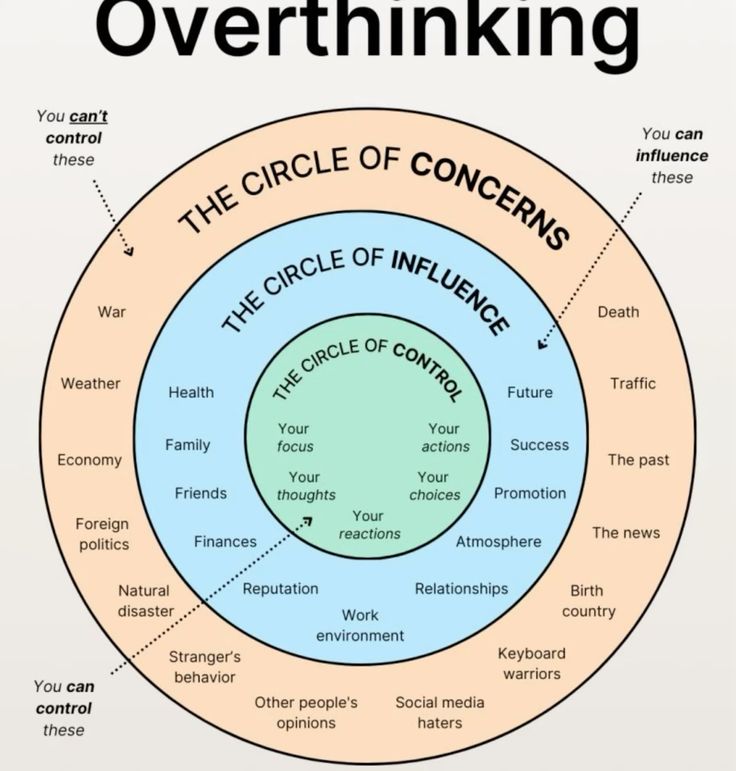
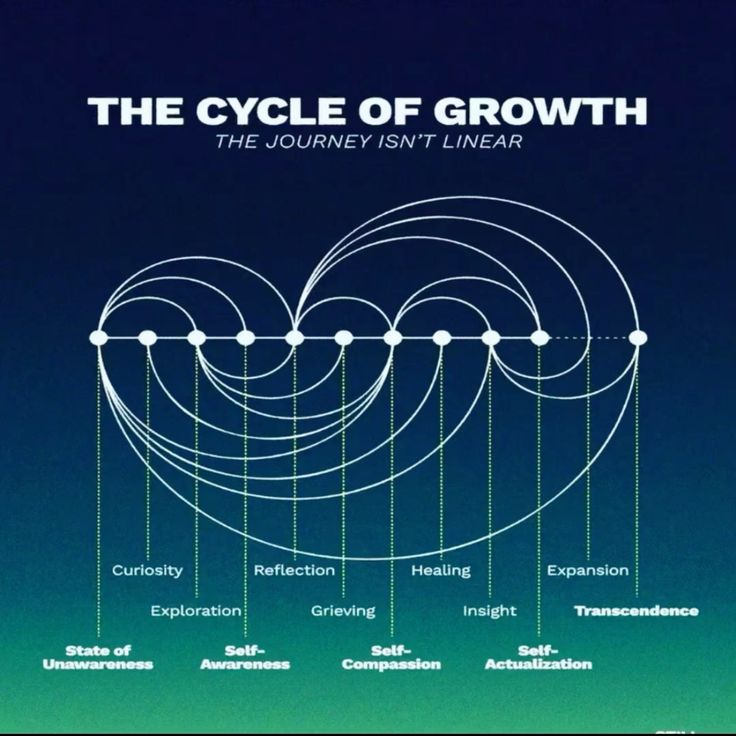
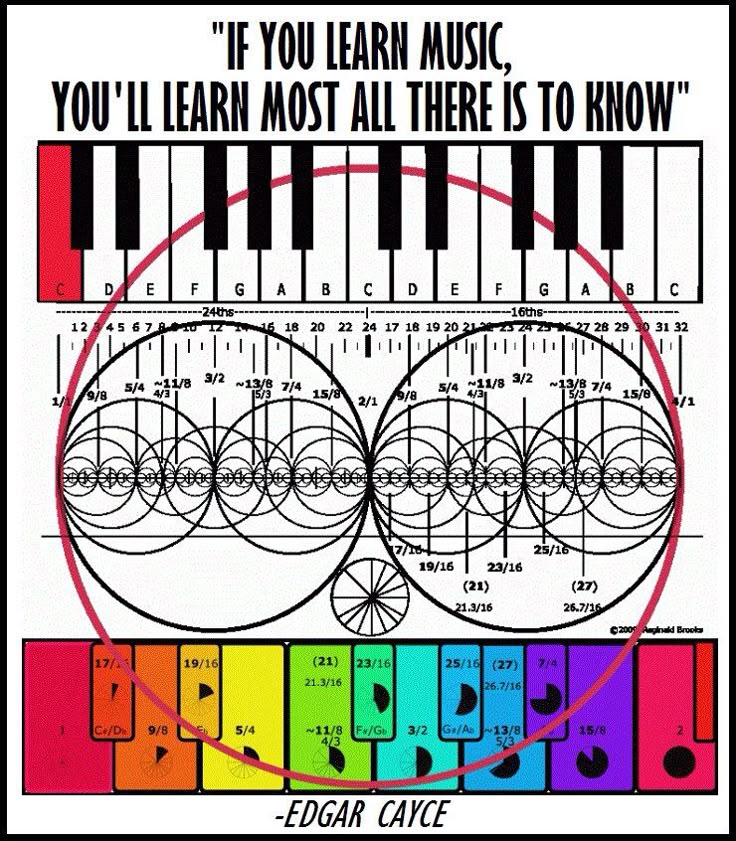
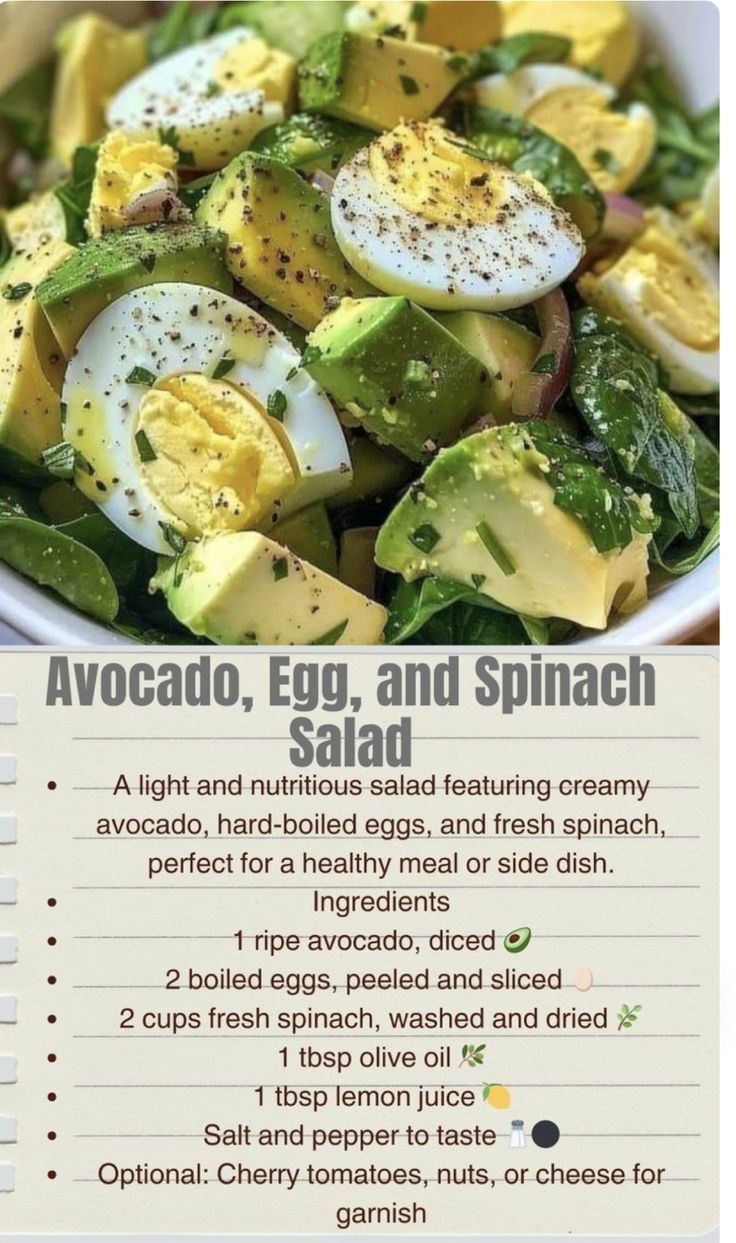
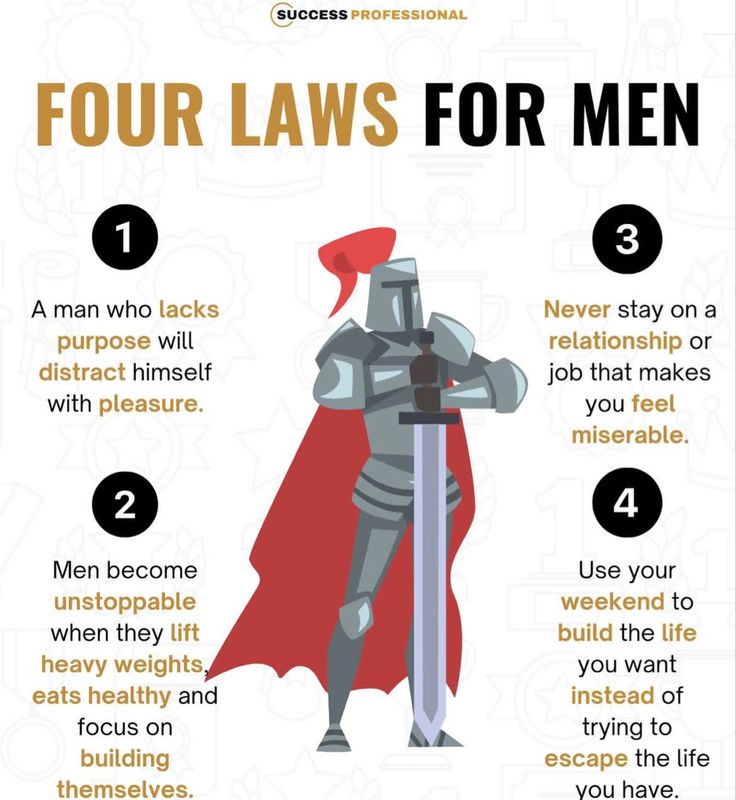
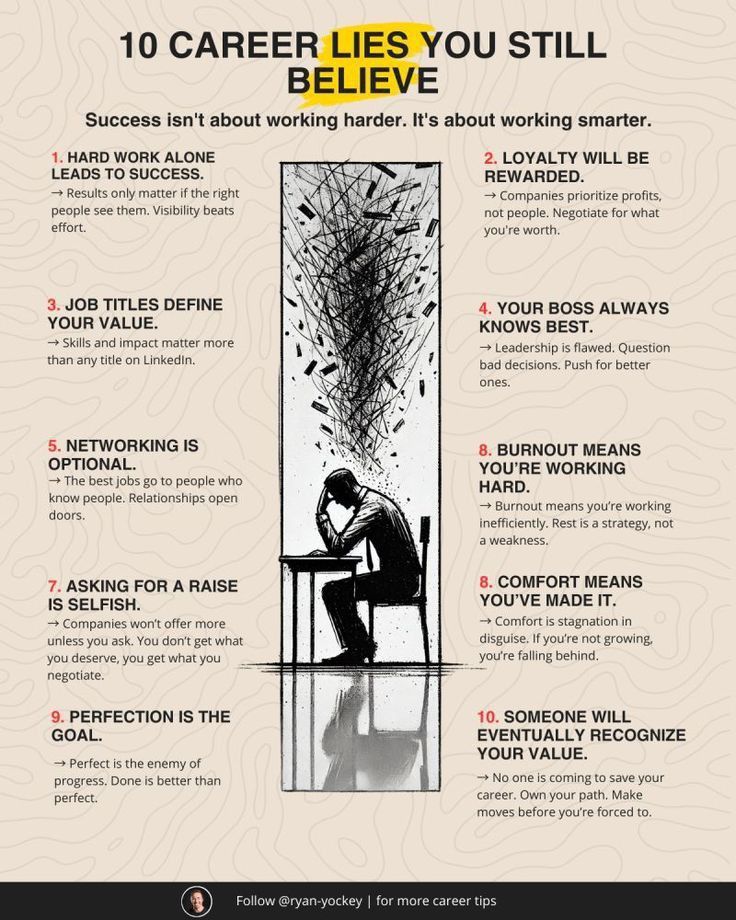
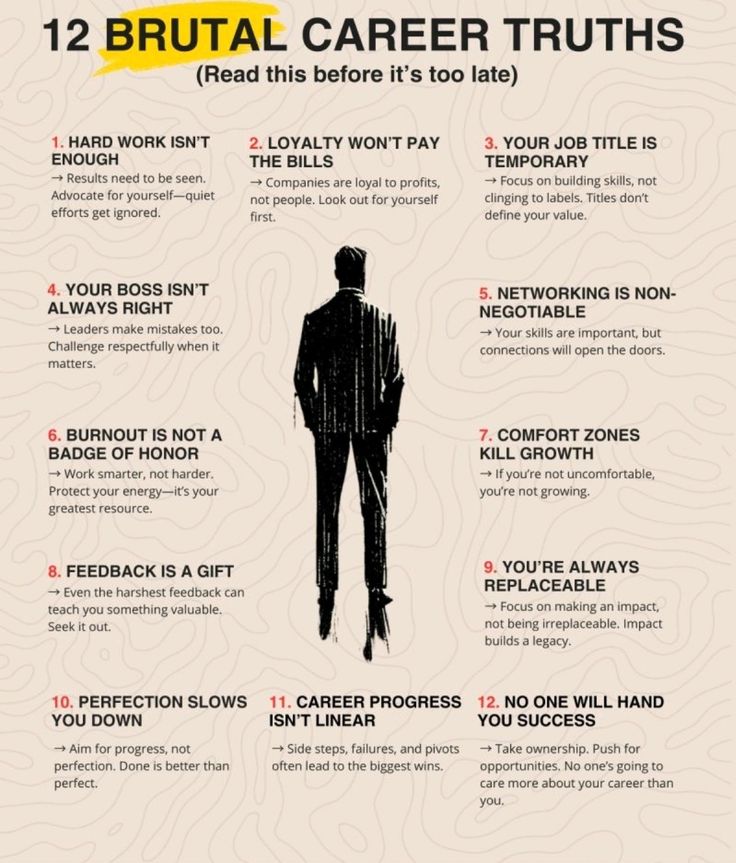
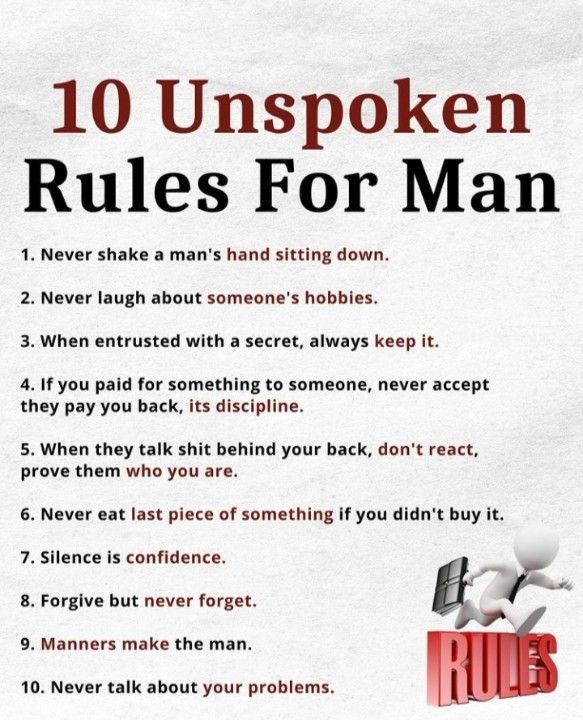
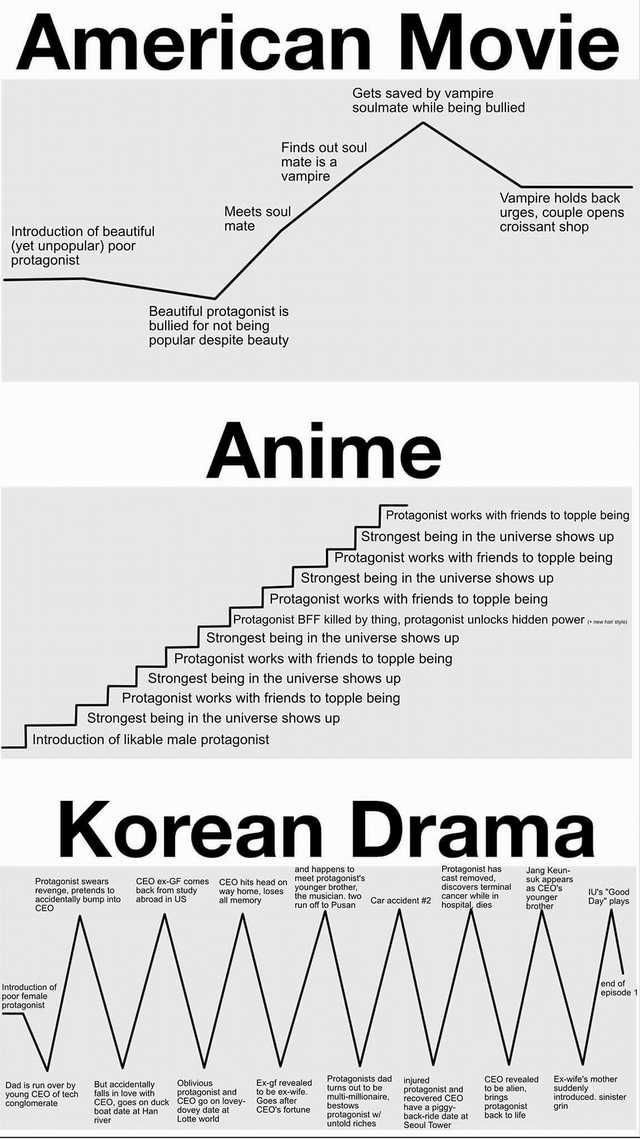
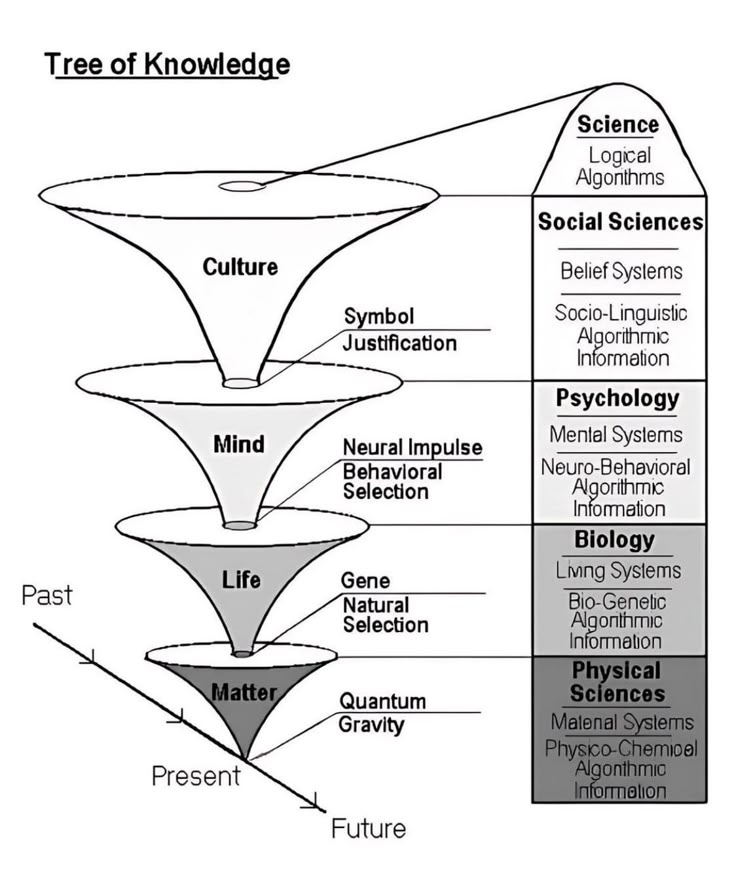
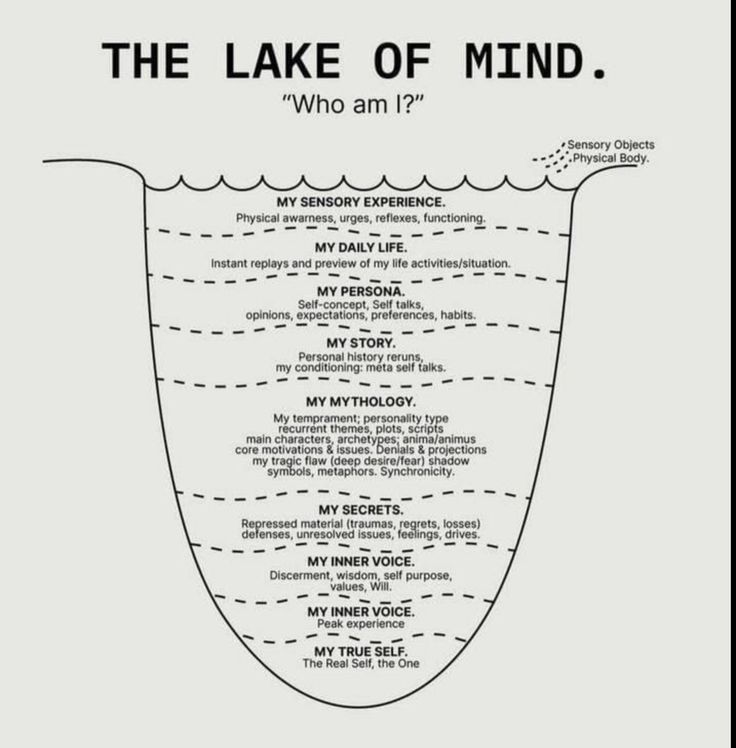
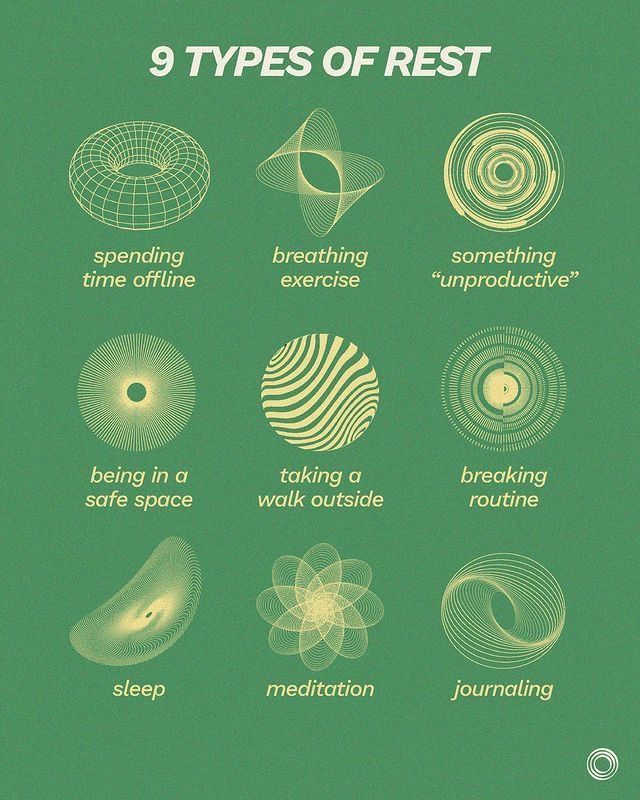
Fun pictures




What was the last thing you said to someone before they died?
My MIL was a bitch. But when the time came I took over her finances, arranged the sale of her home and managed to get her into a very nice nursing home near where my wife and I lived.
I did all this for my wife – no she did not ask, it was the right thing to do for her and her sisters.
Well couple of years down the track, the old girl is dying. I mean staff have called the family and the doctor and she is not expected to see the morning. Doctor says to her “Marion we had this discussion and we knew this was coming, your heart is giving up”. me “Jesus Marion I didn’t even know you had a heart”, oops spoke before thinking. Death stares from everyone. Then a voice from the bed “shut up you idiot” and starts laughing. Last words we shared.
What potential role could future acquisitions, like the F-35, play in bolstering the Indian Air Force’s confidence against the J-20 threat?
Realistically we need around 2 Squadrons or at least 40 Aircraft of F-35s
That’s a delivery date of around 8 years for the full squadrons
That’s after committing the deal which would be 2026 at the earliest after necessary approvals
This means earliest time to have a full Squadron would be by 2034
Integrating the American systems and training even if simultaneous would still be an extra 18 months to 24 months before a fully trained force can be available
That means 2036 at the earliest
By that time the J-36 which is in Advanced Prototype Stage would have at least 60 numbers and the J-50 would have at least 18 numbers
The J-35 would have at least 12 Squadrons (192 numbers). The Manufacturing facility can churn out 100 Aircraft a year
So yeah, that’s not how the world works
China won’t sit around and freeze time while India builds up their air force
Chinas Air Force is growing ten times faster than Indias so the gap will only widen more and more
By the time we get 40 F-35s, the Chinese will have 300 Aircraft of Fifth and Sixth Generation and far more advanced Radar, Electronics, AI, Satellites and Missile Systems
If the difference was 60 China, 30 India in 2016
It’s 120 China and 50 India in 2025
It will be 220 China and 90 India in 2036
The Gap will grow wider and wider
If China cuts off rare earth supplies needed for weapons systems, and foreign governments continue to sell off their US dollar assets, then how does the US sustain its intervention in other countries’ internal affairs globally?
It will be difficult for sure.
It is actually an interesting study of the pros and cons of greedy capitalism when one compares the leverage China can exert on its rare earth export control and that the US can on say, IC chips.
When a monopolized commodity is identified as one that has great demand in the world, the typical greedy capitalist would inflate its price to obscene levels. Basically no rational logic can explain why they are so prohibitively priced. One sees such capitalist greed in all kinds of things, not only IC chips, but pharmaceuticals, machineries, special materials, jet engines, chemicals, etc. In all such cases, when the capitalist enjoys the monopoly, the price is inflated not according to cost analysis, but based on how hard the customer can be squeezed without dropping dead right away.
But this capitalist greed in the meantime created great inconvenience when Western politicians want to weaponize the commodity for political ends, as the first ones getting hurt the most would be the greedy capitalists themselves. They have been so pampered and spoiled in the fat created by their own greed, and their very being has become so inextricably dependent on this fat, that weaponization of their commodity means a simultaneous existential crisis. We see the frantic lobbying by Intel, AMD, Micron, Nvidia, etc. to dampen the impact of export restrictions on IC chips to China, as these companies all stand to take a crushing blow if it goes forward in full force.
On the other hand, despite recognizing the unique monopolizing position China has on the rare earth elements and its criticality, and apart from internal price wars between minor regional producers, the Chinese government never intentionally took the pricing of rare earth elements to the same preposterous levels that Western capitalist countries did with whatever commodity they could monopolize. Capitalist greed is not manifest in the way the Chinese government regulated the price of rare earth elements. Despite calls to exercise export restrictions for the last 3 decades, Chinese rare earth elements are not fetching nearly the same obscene prices as Western monopolized goods do.
Ironically, this absence of capitalist greed, and resulting freedom from the fat it generated, are what gave the Chinese government the ease and free hand with which to impose export restrictions on rare earth. Since there was never much greed and fat on which the Chinese companies’ livelihood depended, it is relatively easy to simply cut off these exports without incurring much pain. This is what we are seeing now.
A greedy capitalist economy is clearly at a disadvantage when it comes to weaponizing monopolized commodities. One can’t have it both ways.
How is food so cheap in China?
Let’s see from an Indian Perspective if Food is indeed affordable in China
Easy enough to claim things from a Dollar Perspective
Let’s take a basic list of groceries
100 grams Butter – 17.80 Yuan
1 Loaf (19 slices) brown bread – 8.55 Yuan
368 grams chicken breast – 15.30 Yuan
3 * 430 grams Pork Cuts – 31.79 Yuan
12 Eggs – 8.78 Yuan
5 Kilograms Rice – 17.30 Yuan
250 ml Vinegar – 5.90 Yuan
250 ml Soy Sauce – 7.10 Yuan
886 grams (0.886 Kg) Boneless Chicken Cubes – 33.20 Yuan
1 Bowl Mutton Bowl Broth (500 ml) – 12 Yuan
750 ml Chicken Stock – 13.90
2.65 Kg Potatoes – 10.91 Yuan
1.68 Kilos Onions – 7.87 Yuan
300 grams Peeled Shrimp – 14.72 Yuan
Total – 205.02 Yuan
(Prices include VAT)
So a basic Chinese grocery shopping list for the week costs a family of 3 People around 205 Yuan
This family has two working parents who earn around 18,930 Yuan a month total income after taxes and social Security
Source : Xiaohongshu / Red Note
In Hangzhou they are typically Middle Class
Butter is the only thing expensive because it’s a Danish Brand
The Supermarket is a Chinese Supermarket where things are 20% cheaper than Walmart or Carrefour
So the family pays around 1000 Yuan for their monthly provisions which is close to 5.28% of their monthly salary
Hangzhou is like Bengaluru
Comparable SOLI income :-
18,930 RMB income in Hangzhou a month for a middle class family is equivalent to ₹ 1,14,333/- a month post tax for a middle class family in Bengaluru
So Price of Monthly Groceries in Bengaluru based on Facebook averages around ₹11,500/- a month for a family of 4 persons
That’s 10% of the Monthly Salary
(Only Groceries not stuff like Branded Soaps, Branded Detergents etc)
I have excluded Mutton in India and Beef/Lobster in China as they are regarded PRIME MEAT
So yes Food is cheaper in China than many countries
Not everywhere
You still have a 269 Yuan a head Buffet where they serve Shark Fin Soup and other luxuries
Nonetheless on the whole Food is Cheap
Reasons
I. Subsidies on Essentials
Prices of Rice, Soy Sauce, Eggs, Pork, Chicken, Oil are set by the Government of China (State) and the maximum spread between farmers price and retail price is CAPPED at 18%/20%/30%
Trucks are CAPPED at 225 Yuan for a 500 Kilogram Load with such trucks getting FREE DIESEL (Upto 30 Litres a day) & interest free loans to buy
II. Efficient Distribution
Food is distributed perfectly
If there is a surplus China has Silos to store the food for several weeks or months and ensure a minimum price floor
If there is a deficit, China has sufficient reserves to prevent a significant price jump
China has the capacity to store upto 170% of their annual wheat and 300% of their annual rice and 240% of their annual pork and chicken
To this day no other nation can handle more than 40%
This helps keep prices stable and low
III. No Taxes whatsoever
Small Eateries don’t pay taxes in China
They pay local license fees
One time 8500 Yuan & Annually 5400 or 450 Yuan a month
No Bribes
No Premium
Every year you have 60–200 New Licenses per district for push carts and eateries
So investment is very low
The only deal is ENSURE YOU DON’T PROFITEER
As long as your annual revenue is less than 400,000 Yuan , you are IGNORED both in GDP & in everything else
Premium Food
Some foods are not included in Food Security and you pay full price
For instance 300 grams Crab Meat of a King Crab costs 291 Yuan and 600 ml Olive Oil costs around 97 Yuan
Exclusive Soochow Tea, Crab Meat, Lobster, Caviar, Steaks are all excluded in the subsidy list
There the reason for low prices is purely exchange rate advantage
Merkules – ”Rich Men North Of Richmond” Remix
Why don’t we just use a giant rail-cannon (magnetic cannon) to launch objects into space, and use a similar function to stop it?
They’ve sort of tried before.
Project Babylon was a “space gun” developed in Saddam Hussein’s Iraq based on an earlier US-Canadian research project called HARP. The idea was to use a chemical propellant gun (railgun technology simply wasn’t there yet) to boost a payload up high. In theory, the payload (which could be a rocket) can then ignite the motor and reach orbit like any other spacecraft.
However, this being Saddam’s project, only an idiot would think that this is an actual, peaceful space vehicle launcher. The inventor, Gerald Bull (who was part of Project HARP too), was then found with a severe case of multiple high velocity lead injection ala Mossad (I’ve also heard CIA too).
As I said, there’s nothing theoretically wrong with it. Boosting a spacecraft to altitude will (on paper) reduce the insane amount of fuel needed to escape the atmosphere. This is why we’ve made quite a few air-launched rockets, the latest iteration being the absolutely humongous Roc by Stratolaunch, now one of the largest airplanes around after the An-225 was destroyed.
It was originally intended to launch a special version of the SpaceX Falcon rocket, but the deal fell through and Stratolaunch went their own way. However, the rocket they can launch with this thing is really tiny in comparison, and this also highlights the issue with the “space gun”.
It takes SO much energy to boost the rocket appreciably that we’re generally better off just using rockets all the way. I don’t think this will change even with railgun technology unless both the electricity and parts for the giant gun (especially) becomes literally dirt cheap. You probably will need to hook it up to a nuclear reactor or something.
As other answers noted, the gun itself will not put an object into orbit. It will send it on a suborbital trajectory like a ballistic missile. This is why the Babylon Gun was dangerous because it really was just a giant artillery piece that you can use to bombard other countries. You still need at least one rocket stage to boost it into a true orbit.
De-orbiting is exactly the reverse and can’t be done with a gun from Earth. It’s the rockets that do the job.
Sir Whiskerton and the Kale Rebellion: A Leafy Uprising
Ah, dear reader, prepare for a tale of culinary tyranny, bovine revolution, and the most unlikely black-market snack dealers this side of the barnyard. Today’s adventure stars Chef Chloe, a human with more passion than practicality; Bessie the Cow, a hippie with a hunger for justice; and The Three Blind Mice, whose loyalty wavers with the promise of carbs. So grab your pitchforks (or salad forks), and join me for Sir Whiskerton and the Kale Rebellion.
Act 1: The Tyranny of the Leaf
Chef Chloe, her chef’s hat tilted at a revolutionary angle, nailed a proclamation to the barn door:
- “ATTENTION, PEASANTS! By decree of culinary progress, kale is now the farm’s official currency!”
The animals stared.
- “But… I can’t eat my rent,” Porkchop muttered.
- “That’s the point,” Chloe beamed. “It’s healthy capitalism!”
Bessie, her mood ring flashing violent mauve, rose from her meditation cushion.
- “This is oppression wrapped in fiber,” she declared. “LET THEM EAT GRASS!”
And so, the Great Kale Resistance began.
Act 2: Bessie’s Bovine Revolution
Armed with picket signs (“KALE NO!”, “LEAFY GREENS = GREED”), Bessie led a protest march.
- “Join me, comrades!” she bellowed. “Down with the cruelty of cruciferous!”
The farm rallied:
- Doris demanded “kale-free zones.”
- Rufus ate a protest sign (“Tastes like justice.”)
- The Yodeling Fish harmonized “The Internationale” (badly).
Meanwhile, in the shadows…
Act 3: The Carb Cartel
The Three Blind Mice—Tito Tango, Paco Cha-Cha, and Carlos Conga—set up shop in a hollow log.
- “Psst… hey, kid,” Tito whispered, adjusting his sunglasses. “Wanna buy black-market corn?”
Their operation was tight:
- Paco flirted with customers (“For you, mi amor, a discount.”)
- Carlos kept watch (“If the Man comes, we cha-cha outta here.”)
Sir Whiskerton, observing the chaos, sighed. “We’ve reached peak farm.”
The Climax: The Battle of the Barnyard
Chloe, wielding a kale bazooka (a salad shooter), faced off against Bessie’s grassroots militia.
- “Surrender your leafy oppression!” Bessie demanded.
- “Never! Vitamins for all!” Chloe retorted.
Then—FART.
The mice burst into synchronized salsa: “¡MÚSICA NATURAL!”
The distraction worked. Porkchop stole the kale stash.
The Moral of the Story
Even the healthiest dictatorships crumble when carbs are on the table.
Post-Credit Scene
The mice open a pop-up taco stand (“100% corn, 0% kale”). Chef Chloe, now a fugitive, starts a underground salad speakeasy.
Best Lines
- “Kale is money, and money is rooted in evil.” – Bessie, probably high
- “I accept payment in corn or compliments.” – Paco Cha-Cha
- “This isn’t a farm—it’s a food pyramid scheme.” – Sir Whiskerton
Starring
- Chef Chloe (Leafy Despot)
- Bessie (Cowmunist Icon)
- The Three Blind Mice (Grain Gangsters)
Key Jokes
- Chloe’s kale coins are just stained lettuce.
- The mice’s “black-market log” has a Yelp page.
- Bessie’s protest signs include “My Other Sign Is a Grass Stain.”
P.S.
A farm without carbs is just a prison for hangry animals.
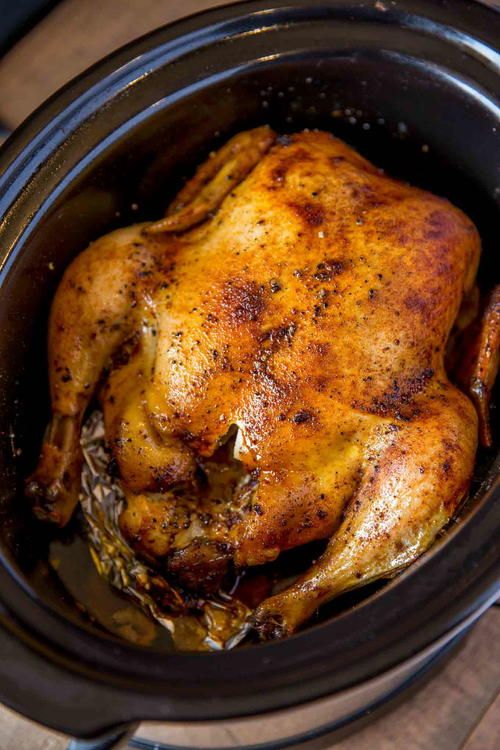
Deli Rotisserie Chicken with Rice Stuffing
Ingredients
- 1 deli lemon pepper rotisserie chicken
- 1 tablespoon butter
- 1/4 cup matchstick carrots
- 1/4 cup dried cherry-flavored cranberries
- 1 cup water
- 2 cups home style herb stuffing mix
- 1 (8.8 ounce) package pre-cooked long grain and wild rice
Instructions
- Remove chicken from all packaging.
- Wrap in aluminum foil and place in baking pan.
- Place in 200 degrees F oven to keep warm.
- Heat large saucepan over medium-high heat for 2 to 3 minutes.
- Combine butter, carrots, and cranberries in pan; cook for 1 to 2 minutes or until carrots are tender.
- Stir in water, stuffing, and rice; cook for 1 to 2 minutes or until hot.
- Remove from heat; cover and let stand for 3 to 5 minutes.
- Stir and serve.
Nutrition
Per complete recipe: Calories (per 1/4 recipe) 940kcal; Fat 51g; Chol 240mg; Sodium 1320mg; Carb 44g; Fiber 2g; Protein 64g; Vit A 35%; Vit C 8%; Calc 4%; Iron 30%
Per stuffing only: Calories (per 1/4 recipe) 270kcal; Fat 7g; Chol 10mg; Sodium 650mg; Carb 44g; Fiber 2g; Protein 5g; Vit A 30%; Vit C 2%; Calc 4%; Iron 10%
Farmers are in full blown crisis mode because of the tariffs. How will we be able to put food on the table?
OK, here is how it will work out:
Farmers and ranchers produce about 2 to 3 times the amount of food we need in the US. The rest is sold to other countries or used as cattle feed or to make other foods. We also buy a lot of food – like beef from Australia and fruits from several countries. Let’s say they make 1 million pounds of each – people food, export food, animal food, other foods – just as an example.
The reciprocal tariffs price our products higher than other sources so other countries are not buying our farm products. That puts 1 million pounds more on the US market but the US market usually uses less than that so to sell it, the farmers have to lower their prices – a lot. Some will go out of business because it costs more to harvest than they can sell it for. Lots of farmers will have to fire people because they can’t make enough money. As soon as the current glut of food is gone, there will be scarcity because next year there will be fewer farms and they will not produce as much. Prices to US consumers will come down for a few products and go up for most of the others.
A lot of crops are grown to feed cattle. Reciprocal tariffs price our beef and meat products higher than other sources so other countries are not buying our meat products. Deals have already been made by Australia to sell beef to China and Japan. The EU won’t buy our beef. We have lost most of the export market for our beef products, which means that we will have a glut of cattle in the US that will temporarily lower the cost of beef but, as with grain crops, as soon as the excess inventory is gone, prices will rise. Ranchers will reduce their herds and the grain bought that would be used for cattle feed. This will further reduce income to the farmers and eventually increase the price of meat in the US.
We deported a lot of migrant workers so a lot of farms will not be able to produce as much as they had in the past. Some will let the food rot in the fields. Some will harvest part of their fields. By this Fall, US-produced veggies and fruit will be in short supply making the price go up.
The import tariffs Trump has put on foreign produce will jack up prices on imported fruits and veggies to consumers. Combined with the scarcity of US produce, grocery prices will rise a lot. A lot of people will not pay $1.50 or more for one apple or orange so sales might drop – driving up prices even more.
Most of the larger countries on Trump’s tariff list have made trade agreements among themselves to the exclusion of the US. In the years to come, they will buy and sell among themselves and NOT buy from the US or sell to the US without charging very high prices. BRICS, Canada, China, the EU, Brazil, Japan, Australia, Spain, South Korea, and Italy have all agreed on trade deals that exclude the US. This means that in the future – all the things we used to buy from them will not be available or will cost a lot more.
Even if Trump were gone tomorrow, these trade agreements will persist for a long time and the US will suffer being isolated from global trade at favorable prices. The reduction in planted fields and farms and the reduced cattle herds will take time to recover, which will continue to cause scarcity for several years, which will cause grocery prices to stay high longer.
Trump has screwed us royally. . . . and he has not stopped making it worse.
UPDATE: China – our largest grain buyer – has stopped ALL farm purchases. China now buys from Brazil, Argentina and Canada in long-term trade agreements. 88% of farm exports have stopped. Grain silos are full with no buyers. Fields are unharvested. Produce is rotting. Because of the high fees for using the silos, some farmers are dumping their crops into landfills or into the ocean.
Many farmers are not replanting for next year because they have no assurance they will have a buyer.
Some farmers are selling their equipment just to pay for food for their families.
Has Donald Trump broken the United States of America?
Broken America?
Donald Trump is a walking talking idiot in a nice suit. He tried last round to break America and you see how that went on January 6. Debacle.
He has a job today, unlike his job last time. This time he is a punching bag for Americas anger at the policies we are seeing enacted.
170 Executive Orders? In only 6 months? That is a LOT of EOs. How did he manage that?
Trump did not. He can barely read and write. He is too busy playing ‘grab em’ and preening for cameras anyways.
You ain’t been paying attention. Now is a good time.
So who had almost 200 Executive Orders already written up for Trump to sign back in January?
What kinda nutjob would subject America to ICE masked terror, outrageous tarrifs, concentration camps, defunding USAID and a dozen other humanitarian programs that we depend on?
Who had a plan already in place to remove every immigrant, criminalize the homeless and jail them, remove funds for school lunches and tax the hell out of America?
Pay attention
White Christian Nationalist
Russell Vought
The mastermind behind Project 2025
The Boss who is in charge of the Office of Policy and Finance.
#3 man in the America goverment
What has Russell Vought to say about the inhumanity he has heaped on us?
“We will bend or break this bureaucracy to the presidents will’
“The transition will be bloodless……if the Left allows it”
“When they wake up in the morning, we want them (goverment employees) to not want to go to work, because they are increasingly viewed as the villains. We want their funding to be shut down … We want to put them in trauma.”
Nice guy?
Traitor
Remember this face, it will live long in the history of Americas decline
But we ain’t broken yet…….RESIST
Have you ever met an evil person before?
Tom was the golden boy of a group of born-again Christians.
He was charming, charismatic and was the shepherd for lost souls, guiding them into the light of the church. He openly admitted his chequered past; his convictions for violent crimes, his drug abuse and misdemeanors, but swore that he had been saved. His conversion from the dark side into the saving light of love drew numbers into the fold, and the local church was grateful. Eternally grateful.
Through Tom, the troubled teens, the misfits, the lonely, depressed, drug abusers, alcoholics and otherwise lost souls were drawn into the church. People who had previously rejected religion found themselves love-bombed by the community, speaking in tongues or fainting as they were apparently taken over by the holy spirit, in emotion-filled services that preached blind faith to the bible, obedience of wives to their husbands and the promise of heaven. They asked for a tithe of 10% of believers income to finance the church’s activities. Tom was their golden ticket.
I was taken there by a friend, Tina, a lost soul herself, when was at a low point myself. Nevertheless, I struggled to believe it, although part of me wanted to.
Tom would easily fall into a seemingly trance-like state in which he could speak in tongues, listen to “the voice of god”, and offer directives to convince those around him. He wasn’t the leader of the church, but seemed to be the youth leader, though he was no longer that young. We would hang out some evenings in a house bought by the church where lost young souls could live.
One evening, as a group of us were walking through a park, I challenged something that Tom had said. I saw a flash of evil fury in his eyes, and he suddenly pulled me back from the group and knocked me to the ground, threatening me never to defy him. A second later, he pretended it was a joke, pulled me to my feet and was laughing as we caught up with the others. But I had seen through his disguise.
I was right.
I warned my friend Tina to stay away from Tom, and I avoided the group. The next time I saw her, she told me how Tom had violently raped her, and she was pregnant, but the church leaders refused to believe that their golden boy would do such a thing. Tina had been a virgen, was very innocent, and remains traumatised to this very day.
Further stories followed.
He kept a supply of drugs that he doled out to the addicts who came, controlling them.
He went to music festivals to call more lost souls to god, raping girls at their most vulnerable.
Another girl, Fiona, defied him openly, and he dragged her down the stairs by her hair, beat her to a pulp, and she spent weeks in hospital. The police arrested him that time, but he conveniently traded information on major drug dealers in return for his freedom.
I don’t know where he is today. I hope I never see him again. The creature was pure evil.
P.S. Fiona and Tina are pseudonyms, of course. Tom is the real name of the vile Glaswegian devil. And this is not the USA, for all Americans who think that their country is the centre of the universe.
“Rich Men North of Richmond” Reactions Compilation – Oliver Anthony
An Honest Opinion from an Impartial but Savvied Observer
I ran across this video since I have an interest in watching people doing woodworking. It is kind of mesmerizing and therapeutic. I watch this person’s channel strictly and exclusively devoted to woodworking from time to time for fun. Unexpectedly he just put out an episode about his professional visit to China, his first time to a country with which he has no association beyond ordering woodworking tools. This time he responded to an invitation by a Chinese tool manufacturer for a business visit.
This clip stands out among hundreds of other YouTube blogs about traveling to China in two major ways:
- He clearly has no agenda. This is a person from Midwest America whose only interest is in promoting woodworking techniques on YouTube and developing a viewer base of people of same interests. He appears to be an insightful and level-headed person, but beyond that, you cannot see a single politically motivated hidden agenda, one way or the other, either on his web page or in any of his videos. He does not seem interested in any of it. Take a look for yourself.
- He peeks below the superficial facade where most bloggers stop. His main purpose of the trip is to understand the technical infrastructure of his tool suppliers in China, and to use his professional savvy to make judgments about what he sees. This goes much deeper and more relevant than most of the China travel blogs showing the host sailing on the Yangtze River or climbing the Great Wall or sampling the Chongqing hot pot.
The above made this video worth a watch, perhaps much more than many others.
Some excerpts from his blog:
“I came away with an entirely different perspective from what I have been hearing on the news.”
“They are doing things with common woodworking machines that have never been done before……. Their workers are well paid and cared for.”
“What I didn’t expect, what really shocked me, was the glimpse of the future this trip afforded me.”
“They have the capacity for much, much more, and that’s true of China as a whole. They may appear to make pretty much everything, but you haven’t seen anything yet.”
“They are absolutely dedicated to their jobs, ….almost completely foreign in many westerners nowadays.”
“The Chinese aren’t just co-opting Western technology. China is capable of doing amazing things when it comes to developing new tech and unique products on their own.”
“I saw the quality of life that the modern Chinese population have lately become accustomed to.”
“China is the US around 1950,…… That generation had a work ethic that few embrace today……. That’s where China is now …… with the new generation more and more demanding a more Western way of life…… becoming large-scale consumers of their own products. There will be no stopping their economy because they have the capacity, they have the work ethic, and they have the ability to innovate.”
“So what will this mean to Western tool manufacturing? Competition on a level we haven’t begun to imagine. The days of thinking all Chinese tools are junk are gone. Some of the best tools are now made in China, and a savvy woodworker or DIY recognizes that these old stereotypes are just that old and outdated.”
“The world is changing. I thought I understood that, but what I saw in China completely changed my perspective about the future of tools.”
Note Added 07/09/2025
Here is a comment from Sam (舢艒) Felton, a real trade expert in his field who also has extensive experience with China:
“I came to much the same conclusion he did, but this was about 7 years ago (before COVID). What did it for me was the realization that nobody outside of China was looking at the problem-domain of large-scale manufacturing of graphene coated materials using PECVD (Plasma Enhanced Chemical Vapor Deposition). This is still true today. We don’t buy our equipment from China because it’s cheap. We buy it because nobody else even makes what we need. This is now common across several different industries, including semiconductors and crystal-based laser devices. Anyone who doesn’t get this has their head in the sand.”
Did Trump’s tariffs really cause Canada to stop buying American products, and how did it impact U.S.-Canada trade relations overall?
Short answer: yes, and destroyed.
In less than 100 days, Trump destroyed 100 years of cooperation. It will be a very long time indeed before Canadians trust the word of an American President. Even when Trump is gone from the scene, his junior MAGA opportunists are just ready to carry on in his name.
Here we have the main street in Burlington, Vermont. It’s just over an hour from Montreal. They’ve (temporarily) renamed Church Street as Canada Street/rue Canada. Along with all border communities and states, they’re facing the loss of Billions of dollars of Canadian tourist revenue, and they’re desperate to get it back. Look, Canadians like Vermont – but we’re staying away as long as Trump and his ICEstapo are in charge
How effective is the travel boycott? American tourist destinations are shitting bricks over the massive loss of Canadian travellers – echoed by the loss of overseas travellers. Canadian airlines are slashing US destinations, and are replacing them with domestic flights and with flights to friendly countries.
Canadians are actively boycotting American goods. Canadian stores are jumping on the boycott bandwagon. Their “earnest” will go along with the boycott is resulting in fraudulent “Canada” labels – more embarrassment for the stores concerned.
I haven’t seen American citrus in my supermarket for months. I see citrus from Mexico, Brazil, the rest of South America. I see citrus from Spain, South Africa and the Middle East. But not a Florida orange to be seen anywhere.
Our family stove died earlier this year. The salesman at the appliance store showed us a couple of American-made models – from a Red state no less. We said no thanks. The salesman said we weren’t the first. We eventually bought a South Korean stove. Not only do they use Canadian aluminum, but they also had the guts to lock up a criminal insurrectionist president.
And you won’t see American beer, wine, or liquor anywhere in Canada (with the exception of the MAGA Maple Premier of Alberta’s province). The state of Kentucky is whining about the loss of their biggest export market for bourbon. Too bad – they should have thought of that before voting for President Pedophile.
Generational Lessons
This is super interesting! Really. One minute and wow wow wow.
Could the Iowa class battleships be re-activated?
In a word:
NO.
All four Iowa-class battleships, the USS Iowa, USS New Jersey, USS Wisconsin, and USS Missouri, are privately-owned by various non-profits (or, in the case of Wisconsin, the city of Norfolk, VA) dedicated to preserving them as museum ships, historical artifacts to be enjoyed by the public. “Reactivating” them for military use would not only be virtually impossible, but reactivating just one battleship would be prohibitively expensive. In a recent study by a Defense Department think tank, the cost and work involved in bringing one of these ghosts back from the dead would be enormous, somewhere from $700 million to over $1 billion. Reactivating all four with upgrades to keep them battle-ready for today’s style of naval warfare, not to mention maintaining them and crewing them with enough officers and sailors, would equal close to $80 billion per year, according to conservative estimates.
That’s not to mention getting them out of their moorings on their own power. All four ships had their propeller shafts removed, so to move them, they’ll have to be towed. No factory makes those parts anymore, and the people who did design and make them are all dead. Then you have the issue with the infrastructure: most of the electronics have been removed or degraded to a point of being unusable. All that would have to be ripped out and replaced. Their boilers and turbines are either degraded or dismantled, requiring either a new propulsion system entirely, or finding someone who makes updated versions of those massive steam engines. Also: all the weapons will need upgrading. A 16-inch 2,700-lb armor-piercing shell is still something spectacular when fired, but advancements in newer ships’ armor may make them bounce off their hulls, not to mention those big 50 caliber Mark 7 main battery guns only had a range of up to about 27 miles. A modern guided missile destroyer, by contrast, can launch a Tomahawk missile with a range of over 1,000 nautical miles, destroying a target far beyond visual range.
But wait! you say, can’t they be upgraded with the newest cool stuff?
They actually were. Before their final decommissioning in 1994, all four Iowas were upgraded with Tomahawks, Phalanx guns, and RGM-84 anti-ship missiles during the Navy’s “600-Ship” era in the 1980s to counter the Soviet Navy’s expansion, which also saw the battleships’ armoring, internal electronics and radar updated. The new upgrades served the BBs well, as they certainly had the room for them. But the battleships were eventually sunk by two things: first, the overall cost. Maintaining an Iowa cost over $100 million per year during their late Cold War reactivation, and that was for the hardware alone. Then there was the cost of paying over 1,500 sailors to man the ship. Adjusted for inflation, you’ll be looking at over a billion dollars per year just for upkeep.
The second factor in their consignment to the annals of history is even larger: the nature of naval warfare had completely changed. Battleships (and battlecruisers) used to be the top dogs of the sea in the early-to-mid-20th century, and the mere sight of a massive capital ship like that sailing toward you was enough to intimidate. Those huge main guns were constructed to frighten without firing a single shot, but when they did fire, it was Armageddon in a salvo. A direct hit by one of those 16-inchers would reduce a cruiser to sinking wreckage in minutes. The Battle of Jutland in 1916 was probably the largest battleship fight in history, about 250 surface ships in total, but most of them fired from distances of up to a dozen miles away, due to improvements in gunnery and fire control systems. More ships were damaged than actually sunk, and the battle ended in a technical stalemate. But during World War I, new threats emerged for surface navies: submarines and aircraft, and when Eugene Ely landed his plane on an aircraft carrier for the first time in 1911, battleships and battle lines almost immediately became irrelevant, as naval aviation became the deciding factor in winning sea battles in World War II. Almost the entire Imperial Japanese Navy was completely annihilated by torpedo-carrying planes launching from carriers in the Pacific War. The absolute last battleship fight in history occurred on October 25, 1944, during the Battle of Leyte Gulf, when a battle line of 6 US battleships blew the Japanese battleship Yamashiro to flaming wreckage before she sank in the Surigao Strait. That engagement was almost a total fluke. In the following engagement, the Battle of Samar, US Navy warplanes battered Vice Admiral Kurita’s formidable main force to compel the Japanese fleet to retreat. One year later, the Japanese navy was destroyed, and Japan surrendered.
With the characteristics of naval combat heavily favoring aircraft carriers, submarines, drones, and missiles that can be fired from beyond the horizon, battleships today would be literal sitting ducks. They’re huge targets, not that maneuverable, expensive to operate, and their role in today’s forms of naval combat would be very limited. It makes no sense to maintain a fleet of huge capital ships anymore with main weapons that can’t even hit a target from a distance of the size of a small city, with themselves offering a huge target for anti-ship missiles that could easily shred their hulls.
But what about fitting them with new stuff like railguns?
It’s possible, but railguns consume a huge amount of energy, more than the Iowas’ power plants were ever capable of generating, which averaged about 10 megawatts. A railguns, as currently under development, would consume over 5 gigawatts. The ship’s power grid would burn out without even firing a shot. While a railgun could conceivably fit on the ship, they’d have no way of firing it. Making a railgun practical for military use without having such huge energy requirements is one of the major challenges of making these potential weapons useful for combat.
So. No. The Age of the Battleship is long over. The Iowas fulfilled their purpose, did their duty with honor, and America is lucky to be able to have them as artifacts of a bygone era.
I love battleships and am an aficionado for the old fashioned surface fleet engagements. There was always something romantic about them. I was privileged to visit two Iowa BBs in my life, the New Jersey and the Wisconsin. Both times, I was awed by their latent, raw power these beautiful warships projected, and I came away with an appreciation for the sacrifices their long-passed crews made for our country. I very seriously doubt the old battle wagon-style ships will ever make a comeback…but perhaps we should pray and work to ensure the world won’t ever need them again.
(USS New Jersey, Getty Images, public domain)
Are drones the future of aerial warfare?
Drones are definitely the future of aerial warfare. No tank in the world can withstand a $400 drone.
Robert “Magyar” Brovdi — founder of Ukraine’s first drone brigade — delivered hard truths about the war to NATO generals at LANDEURO 2025 in Wiesbaden.
Key points:
- No tank in the world can withstand a cheap $400 drone.
- 4 of our drone crews could destroy your NATO base in 15 minutes, from 10 km away.
- What will your military do if Shaheds fly over Europe? NATO doctrines need an urgent review.
- Unmanned Systems Forces: 2% of the army, but eliminate 1/3 of enemy troops.
- Ukraine is building a drone wall taller than the Great Wall of China.
- The Ukrainian experience must be integrated into Europe’s security systems.
- Optic drones can’t be jammed. Take a look at the battlefields. They’re post-apocalyptic steampunk covered with fiber and net tunnels.
Of course, tanks remain a crucial asset in military operations today — and you cannot operate without infantry.
Robert “Magyar” Brovdi — founder of Ukraine’s first drone brigade.
However, the war has changed significantly; at this point, only 2 countries possess combat experience and battle-tested technologies. It’s Ukraine and Russia.
NATO must bring Ukraine into the fold, for their own safety.
NATO is woefully unprepared for the 2025 reality of war — they need Ukraine to be ready for today’s level of warfare.
If someone raises a wild animal since it was a baby, is there a high chance that when the animal grows up, it will prey on its own master?
Some time ago, maybe around 2010 or so, the BBC put out an excellent documentary called “The Secret Life of Dogs”. Among other content were details of some studies done around the issue of domestication, one of which involved three very experienced dog handlers/trainers attempting to domesticate three wolves by raising them from newborn puppies. They were attempting to answer this very question – are dogs tame entirely because of the instincts they are born with, or are they really still just wolves who become tame and domesticated through upbringing?
In all three cases, things started well enough, the puppies were cute and adorable of course, and seemed to bond with their adopted human ‘parents’ as would any other puppies.
In all three cases, though, things started to change around the three-month mark, with each wolf becoming increasingly aggressive and unmanageable, they stopped responding to any human commands or prompts, and started to become pushy, confrontational, and threatening. Eventually in all three cases the dog-handlers admitted defeat and had the wolves taken away as a matter of safety, as they had become too big and aggressive to handle.
In another, separate study, 100 very young fox cubs were caged and monitored. Every day, the scientists would approach each cage and note the response of the fox cubs to humans, which fell into three categories:
1) fear – some of the fox cubs were afraid of the humans and cowered at the back of their cages
2) aggression – some of the fox cubs showed aggression, baring their teeth and snarling
3) curiosity – some of the fox cubs were curious and friendly, coming to the front of the cage to sniff and interact with the humans
In all it was roughly 10% of the original batch of cubs that had the ‘tame’ gene. This 10% were separated from the others (who were released) and used to breed the next generation, and then they repeated the process again, approaching the young cubs and separating the tame/friendly cubs from those that displayed fear or aggression (the ‘fight or flight’ response), releasing the fearful or aggressive cubs and using the friendly ones to breed, and so on. After ten iterations / generations, they got a batch of entirely tame and friendly fox cubs. From this they concluded that it takes approximately 10 generations of selective breeding to turn wild foxes into some kind of dogs.
I found all of that very interesting, I hope you did too. I believe it gives us at least part of the answer to your question: In the case of wolves and foxes at least, the evidence suggests that they cannot be domesticated simply through upbringing, it takes many generations to breed the wild out of them.
Gray Sam
Written in response to: “Start or end your story with a breeze brushing against someone’s skin.“
Colum Knight
GRAY SAM
by Colum Knight
The most violent and subtle forces of nature are perceived by instinct. An inspired pertinence, wreathed in haste and some unwitting foreknowledge, account for the survival of birds, the skittish rodents of the city streets, the playful animals of the country field. They had all gone before Samuel woke that day. The city was empty except for its humans. A storm was coming, and Samuel had not yet sensed it. Still, guided by some vague and strident thing within him, he ventured out toward an open space, driven and perturbed toward some magnetic direction and purpose. He felt it in his neck at two points; one point above the collar bone on his right – a soft, deep well under the skin – the other just under his jaw where the habits of his heart could be seen in paired rhythms. It was suffocating. He unlaced his scarf with a pull from the left and stretched his face toward a cloud-capped sky. The light grey sidewalks underfoot darkened one Dalmatian spot at a time. The brown leather under black leather of his shoes scuffed up a dry – then wetted – percussion of movement. He was walking now, now jogging an unerring pace. It was getting late. He was late. The buses might run away. We have to catch them, he thought to himself. Samuel ran.
Samuel hurt a child once. He stepped on her shins as she was playing on the lawn of a city park. Then he kicked her while catching his balance and stepped again on her legs and hurt her badly. It unsettled him when she cried. Her father beat him. He could never remember exactly what he had said or what words were spoken. He remembered only that the child never looked at him. The shock of the pain must have distracted her from its source. Samuel thought of that day often when he ran, dizzy and hot and hurt as he felt now, running to catch his bus.
Samuel touched the polished metal handrail aboard the bus. It felt cold under wet palms. He slid a finger down until he felt a warm spot and left his grip there. With his offhand, he wrung the trapped rainwater from his loose skin off his face and felt the emerging stubble. It’s late, he thought. Later than I thought, he thought. His face sagged. The bus hissed and lurched. Samuel’s eye color was somewhere between grey and blue depending on the day; some days they might appear hazel. His hair was somewhere between darker or lighter grays; some days nearly white. Everyone seemed young to him. Everyone a stranger. All fading.
His last romance had nearly worked. She played piano. She played violin. She taught privately. She loved him – him and games and the outdoors. They camped wild and hiked off-trail as often as they could both escape. He had a knack for the wilderness. He enjoyed the sounds of solitude in the company of nature. As for music, he had no talent at all. Instrumentations confused him and he simply had no voice for the rest of it. The games, though. He liked the games. She was better at pub quizzes, he – at puzzles, history, and the sort of obscure or tedious details others make a habit of ignoring. He took trivial things in with great seriousness and a particular lack of discretion. When she left, she called him wide-eyed and dumb.
The heavy, steadying rain lulled the bus to a few quiet whispers here and there. Each of them swayed under the weight of their own bodies as the vehicle made its turns, casting waves and ripples onto flowing sidewalks. This wasn’t such a bad place sometimes, he thought. He noticed the tint of the bus windows. Either that or the world outside was getting darker fast.
He had left home that morning unsure and ill at ease. It was one of those days that were becoming more frequent when the world seemed at odds with itself – or just with him in it. The normal cacophony of useful things that populated his home and everyday life – the things that made it sing – now felt more and more unfamiliar and became more and more unused until his apartment became a place of still and prolonged silences. Even his clothes became an irritant felt daily – ill-fitting and caustic gestures of symmetry, he thought.
The bus squealed, then stopped. He could smell the heat here. There was no getting away from that. His face soured at the thought as he slid his glasses away, slick from sweat, dried them, and dropped them into a coat pocket. The still-black hairs on his curved sternum were bursting for freedom under his shirt. Every pore of his being needed air. He never could acclimate to this weather. As the bus moved, there grew a singular idea in Samuel’s head. Slow at first but escalating – doubling in size each moment. And along with it, a frenetic energy bound up, unwilling to release itself. Samuel lost his grip wiping his eyes and stammered toward an air vent.
Excuse me, I’m sorry, I’m fine, he thought. A thunderclap caught him unaware and unsupported between railings. Light shattered across every city window on the street and blinded the bus patrons in stages as a pulse of three. Lightning followed thunder and, in turn, was followed by a deafening absence of sound. Samuel collapsed. He cried. He slept. He woke. He was dizzy. Lost. Samuel clenched the collars behind his neck and moaned. Face down on flocked flooring, he pulled and wrenched and broke things.
As Samuel came to, a confusion of voices forced his large, grey-faded eyes up. More people were standing near him now than he remembered there being. Some were shouting threats. He could see others were frightened, holding themselves or the person nearest them closer. It’s later than I thought, he thought. Others had cupped both hands to their faces to hide their eyes from him. He remembered the girl in the park. He remembered the child’s father. Samuel pulled away, shoulders bent, head down. He forced open bus doors and ran free leaving a chorus of shrieks and cursing behind him.
Barely conscious of what he was doing he tore at himself until every stitch of clothing had gone. Air. Open space, he thought. He lifted both arms mid-sprint and threw his head back. The hot slime of his sweat commingled with rainwater and fell off. This pleased Samuel. All the new sensations he could now feel while running hot, sweat-covered and naked elated and delighted him. Air. He could feel the air.
It was darker and raining harder as Samuel’s faded silhouette sped into the tree line of the city park. His skin swelled, sagging off bone in clumps and ribbons.
As he neared a clearing, all the sounds of the world became dull and dampened. A vibration of hummings and a rhythm of waking dreams brought Samuel to a more calming pace and were joined only by the sounds stirring within Samuel’s chest cavity; here, a vertical line of combed bristles protruded through the sternum and shuddered quickly against one another in frantic, sonic agreements with the coming storm.
This was all the world left to him now: Grass blades whispering along arches of bare feet. Breath. Weaving wind between splayed fingers. Breath. Salt-stung eyes. Tears. Another breath in the chest. Another stride. He peered, grey-eyed and wide-eyed into the day’s night sky awaiting his halo of lights and the smell of a colder, more familiar climate.
At last, a cool breeze touched him, his face awash in light.
Home, he thought.
Then Samuel was gone and the city was empty except for its humans.
What are the benefits of China’s authoritarian government?
Over 2,000 years ago in the Qin Dynasty, there was a system called “物勒工名” (literally: “engrave the craftsman’s name”). For example, if you were a soldier using a crossbow in battle and the weapon malfunctioned, the crossbow would have the names of each craftsman and official involved engraved on it.
So, by tracing it level by level, you could always find out who was responsible.
This is actually quite important: whoever makes the decision bears the responsibility. For instance, if you decided the copper-to-tin ratio and your name was recorded, and it was later proven you were wrong—then you should be executed, shouldn’t you?
I’m not sure if it’s true, but I heard that in California, a high-speed rail project took 17 years, cost $16 billion, and barely built a few kilometers before it was terminated.
If that’s true, then in my view: unless 1,000 corrupt officials are executed, the U.S. is doomed.
With that same tiny amount of money—by Chinese standards—you could build four full high-speed rail lines, 5,700 kilometers long, following even the most rigorous and high-spec Beijing–Shanghai standard!
So where did the money go? Shouldn’t someone be asking?
The man most credited with building China’s high-speed rail, the former Minister of Railways, made enormous contributions—but also embezzled $9 million. His assets were confiscated and he was sentenced to death (with a two-year reprieve).
So what exactly happened with America’s high-speed rail?
One Chinese netizen joked: If I were in charge of Britain’s high-speed rail, I might embezzle £9 million—but not only would Britain become the world’s top high-speed rail power, the money saved could even build 4,000 tanks to parade through Red Square in Moscow!
Only when you understand this will you realize why Chinese people admire Mao so deeply.
He foresaw all of this. He also knew that the mistakes of the entire Communist Party could only be borne by someone with his unparalleled prestige.
If he hadn’t taken the blame, China would have been finished.
Chinese people would have kept asking: Whose fault was it?
The Communist Party said: Chairman Mao made some mistakes.
And we could only say: …Oh, I see… Well then, let’s just let it go… The Chairman’s contributions were too great…
In reality, for the sake of the Chinese people, he sacrificed what Chinese care about most: one’s posthumous reputation, one’s place in the history books!
Fortunately, the Chinese people are not fools. We now understand him… Alas! Heaven bless China.
Chairman, I miss you so much.
The Moon Revealed: It’s a Hollow Spaceship, so who built it and why?
The Moon is a Hollow Spaceship | Who Built it and Why? Despite it being humanity’s constant companion through all of recorded time, the moon is still a mystery. Science hasn’t been able to explain how the moon was formed, its unusual orbit, its distance from us, its density, its composition, its structure. These are all still questions. There are theories about the moon that solve some of these puzzles, but not others. There is only one theory that answers every scientific question about the moon. Just one. That the moon is a hollow, artificial structure, brought here by — someone else. Let’s find out why.