

The Good News is at least we are not fighting the Chinese. The casualties will be even 10x higher than Iran. The Chinese is no joke when it comes to military technology. Even their base bleed 155mm Artillery have longer reach than ours. They can push us back to the 2nd and 1st island chain and making the USN never land on their mainland. The Chinese Anti Ship and Anti Air are better than Iranian and Russian. The China is too powerful to even poke it.

I think we should give up Taiwan.

Posted by: KillerDoll | Mar 8 2026 6:46 utc | 554
By the time you all read this, most people will believe that the “recession” is pretty serious. But guys, it’s a full on depression.
I hope you all will be able to adapt and cope because its gonna be a long and deep one.
To survive we need to realize and adapt to the ways our grandparents had during their depression. They grew their own food, stopped all the fluff (like cars, and only used radios and lights on occasion.). For many in the USA its gonna be a nasty change. one that many will not be able to adapt to.
But guys, I believe in you all. You will make it.
Some thoughts…
How did families adapt to the Great Depression?
I can only tell the story of my parents. Both were born dirt poor the children of immigrants and grew up during the Depression. My father was an orphan and lived along with his three brothers and sister with an aunt. My mother lived with her sister and mother. Her father died 1 month after she was born in 1926 of tuberculosis.
My father’s aunt did not speak English and was disabled. They lived in a cold water flat on the third floor of a predominantly Italian immigrant neighborhood on Chicago’s South Side. They received help from the Catholic Church in order to survive and later received help from the federal government (the administration of FDR). They were both staunch Democrats ever since.
My mother’s mother got small odd jobs during the Depression (usually sewing) in order to put food on the table but even so many times she could not pay the rent and so they were evicted on more than one occasion. She was constantly on the move. Many times her mother could not pay the heating bill and so they spent winters in the cold. They also received help from the government in order to survive. Many of her meals consisted of beans or potato stew.
My father along with his brothers hunted rabbits along the railroad tracks in order to put some meat in their diet. They existed mostly on spaghetti (without meat) or polenta (corn meal mush). He had holes in his shoes and wore hand-me-down clothes from his brothers. They shared a bathroom with four other families. It was not until WWII started (1941) that my father received a new pair of shoes (from the Navy) and ate his first good meal in boot camp.
The war also helped my mother as she got a job in a war plant making walkie-talkies for the army. It was the war that helped many people get out of the Depression.
After the war my father went to barber college on the G.I. Bill and became a barber. He cut hair for the next 47 years. My mother met my father at a victory party after the war. My father was invited by a friend from the Navy and the rest, as they say, is history.
Statement from the Chief Rabbi of Iran:
Hakham Dr. Y. Hamami Lalezar
Nasi of the Central Bet-Din of Tehran, Iran, The Chief Rabbi of Iran
“In the name of the God, we shall act and succeed”
“Villains do not know and do not understand; they walk in darkness.”
– Psalms 82:5
“With pride, I offer condolences for the martyrdom of the wise leader, Imam Khamenei (may he rest in peace), to his esteemed household, the noble people of Iran, and all freedom seekers around the world. Although his loss is a great and irreparable tragedy for the Iranian nation, the justice seeking people of Iran indeed will continue to follow his path and guidance, offering their blood in sacrifice. With steadfastness and brave defense, they will bring all enemies to their knees.
Once again, criminal America and the Zionist regime, through a cowardly and dishonorable attack, have sunk deeper into the mire of collapse. Violating all international laws, they committed a heinous crime during negotiations. This behavior is condemned by all free nations and will undoubtedly receive a decisive and regret-inducing response from the armed forces of the Islamic Republic of Iran.
Wishing victory for the Iranian nation and the establishment of peace and tranquility in the world.
With respectful regards,
Hakham Dr. Younes Hamami Lalezar
Religious Leader of Iranian Jewish People.”
Sir Whiskerton and the Universal Translator: A Tale of Shakespearean Raccoons, Misunderstood Clucks, and a Very Confused Farmer
Ah, dear reader, prepare thyself for a tale most wondrous (and slightly ridiculous)! Today’s adventure begins with Chef Remy LeRaccoon, whose latest invention promised true communication between species—but delivered only iambic pentameter and existential poultry. What followed was a symphony of faux-Elizabethan drama, a farmer’s descent into linguistic madness, and a moral so pure even the scarecrow wept. So, don thine finest ruffled collar and join me for Sir Whiskerton and the Universal Translator.
Act I: A Most Noble (But Terrible) Invention
Chef Remy, clad in a lab coat made of napkins, unveiled his masterpiece: “Le Chapeau de Compréhension Universelle!”
- “Behold!” he proclaimed, waving a spaghetti-stirrer like a scepter. “Zis hat shall bridge ze gap betwixt man and beast! No more shall ‘moo’ and ‘quack’ divide us!”
Sir Whiskerton, ever the pragmatist, eyed the hat (which was, notably, a colander with a feather glued to it). “And how, pray tell, does it work?”
- “Science!” Remy declared, then admitted, “Also, I may have used ze ‘Shakespeare’ setting on ze voice box by accident.”
Act II: The Farm Descends Into Bardmania
One by one, the animals donned the hat—and chaos ensued:
- Doris the Hen, now a tragic heroine:
“To cluck or not to cluck—that is the question!
Whether ‘tis nobler in the mind to suffer
The pecks and scorns of outrageous roosters…” - Ferdinand the Duck, suddenly Hamlet’s melancholy cousin:
“O, what a quackèd rogue am I!
My voice, once fair, now cracks like pond ice!” - The Farmer, listening to his cows debate existentialism:
“Methinks yon pasture is more bovine than most,
Yet dost it nourish mine soul as it doth mine belly?”
“…Are they okay?” the farmer whispered, edging away.
Even Rufus the Dog howled sonnets:
“O moon, thou art more lovely than a squirrel’s stash!
Yet less tasty! Verily! Arooo!”
Act III: The Heart of the Matter
As the farm spiraled into poetic anarchy, Sir Whiskerton cornered Remy.
- “Fix this,” he hissed, gesturing to Porkchop the Pig, who was soliloquizing about mud like it was Macbeth.
Remy sighed, adjusting his colander. “Zis is not ze ratatouille moment I imagined.”
But then—Bessie the Tie-Dye Cow ambled over, hatless, and nuzzled the farmer’s hand. No words. Just a soft “moo” and a knowing glance.
- “Oh,” said the farmer, blinking. “I… think I get it now.”
The Moral of the Story
With the hat discarded (and repurposed as a spaghetti strainer, its true calling), the farm returned to normal—mostly. Though Doris still occasionally muttered about “the slings and arrows of outrageous chicken feed.”
Moral: Understanding comes from the heart, not gadgets (or raccoons with a flair for drama).
Post-Credit Scene
Chef Remy’s next invention: “Le Microphone de Truth,” which just makes everyone shout in ALL CAPS. The scarecrow files a noise complaint.
Best Lines:
- “Forsooth, my feed is most unsavory!” – Doris, critiquing breakfast
- “O, that this too, too solid cheese would melt!” – Porkchop, staring at the fridge
- “I regret everything.” – Sir Whiskerton, watching a goose recite Romeo and Juliet to a fencepost
Starring:
- Chef Remy (Mad Scientist of Syntax)
- The Farmer (Man of Fewer Words Than Expected)
- Sir Whiskerton (Long-Suffering Translator of Nonsense)
- Doris (Poultry of Infinite Sorrow)
Key Jokes:
- The hat’s “French mode” just adds “hon hon hon” to every sentence.
- Gnomeo whispers “Et tu, Brute?” to a garden trowel.
- Bingo the Dog howls “ALL THE WORLD’S A STAGE”… then falls asleep mid-line.
P.S.
Remember: If thine raccoon giveth thee a gadget, check the settings first.
The End.
Bonus Teaching Notes:
- Activity Idea: Have students invent their own “animal language” using comparatives!
Example: “More clucky, less quacky” = “I prefer chickens over ducks.” - Grammar Spotlight: Highlight all -eth verbs (dost, hath, etc.) for a fun Shakespearean twist.
- Emotion Wheel: Assign feelings to the animals’ monologues (e.g., Doris = outraged, Bessie = peaceful, Remy = regretful).
Keep inspiring those young minds—thou art the real “Sir Whiskerton” of the classroom! 😸
Is there something like ambushes on helicopters in infantry tactics? For example, when they land?
In the first large scale deployment of helicopters in Vietnam, the VC and the NVA quickly learned that helicopters were very vulnerable to ground fire. Despite the ruggedness of the Huey helicopter (the primary helicopter in Vietnam), they could easily be shot down when low and slow (i.e. landing).
One favorite Vietnamese tactic was to put heavy machine guns on hills overlooking possible LZ sites. Then they would “let” themselves be seen in the valley below. When our troop helicopters would land troops to engage the enemy, the MG’s would open up, actually firing down on the landing helicopter. Often the Vietnamese were in the mouth of a tunnel, so when helicopter gunships would counter-attack, they would withdraw underground.
When the Soviets engaged the Mujahedeen in Afghanistan, they used attack helicopters, including the Mi-24 Hind, a very heavily armored gunship.
An Afghan is reputed to have said, “We do not fear the Soviets, but we fear their helicopters.” However, the US supplied the Afghan rebels with FIM-92 Stinger infrared guided missiles, which were very effective.
The Afghans would employ several different ambushes against the Soviet helicopters. One was when their units were fighting in the valley, and when Soviet helicopters came to support the Soviet forces engaged, they would utilize the mountains (same as in Vietnam) to shoot down at the helicopters, where it was hard for the helo to see the incoming missile, hard to evade it, and the missile has a clear view of those hot engine exhausts. (You can see them in the picture above – the bare metal pipes sticking out of the top of the helicopter behind the main rotor.)
The US would also supply the Afghans with smoke rockets, that would fool the Soviets into thinking a missile had been fired at them. (Helicopter pilots have to honor the threat.) The Afghans would take the smoke rockets, fire them from one side of a valley, and when the helicopter would attack the site where the smoke had come from, another missile team would fire a real Stinger at the helicopter from behind. Again, hard to see, hard to evade, and the missile sensor is looking right at the exhaust.
China Leaked Its Nuclear Submarine Secrets, Here’s Why
What happens to a person who is put in prison when they are 18 and released at 40? How do they reintegrate into society?
Im 41 years old and spent about 12 years in and out of prison and was heavily addicted to opiates. I was offered a program in prison that cut 10 days off your sentence for every college course completed. I was always pretty intelligent (many people said I was the smartest dumb ass they knew) and naturally I started tutoring the other men who were struggling with their classes. Fast forward to now, I have two AA degrees and am currently attending Berkeley and have been sober for years. To answer the posed question, I think higher education or trade school being offered to people like me is a complete game changer. I was released with just 200 dollars and no where to go but, with FAFSA and grants and I was able to buy a very cheap car and get a job waiting tables while attending community college full-time. The recidivism rate is so embarrassingly high in California, and people who get a college degree have a less than 1 percent chance of going back. I hope to pay it back by teaching college courses in prison like the professors did for me and help inmates realize that there is another way.
Apple Raisin Stuffed Chicken Breasts

Prep: 20 min | Cook: 25 min | Yield: 4 servings
Ingredients
- 2 cups College Inn® Chicken Broth 99% Fat Free
- 1/3 cup butter
- 1 cup herb-seasoned stuffing mix
- 1/3 cup apples chopped
- 1/4 cup raisins seedless
- 4 boneless, skinless chicken breast
- 2 tablespoons all-purpose flour
- 1 teaspoon tarragon leaf
Instructions
- In a saucepan, over medium high heat, heat 1/3 cup chicken broth and 2 tablespoons butter until butter melts.
- Stir in stuffing mix, apple and raisins.
- With meat mallet or rolling pin, flatten chicken breasts to about 1/4 inch.
- Place 1/4 of stuffing mixture on each breast half; roll, enclosing stuffing.
- Secure with wooden picks.
- In skillet, over medium-high heat, melt remaining butter.
- Brown chicken on all sides; remove.
- Blend flour and tarragon into butter in skillet.
- Gradually add remaining broth, stirring constantly until mixture thickens and boils.
- Return chicken to skillet; reduce heat.
- Cover; simmer 20 minutes or until chicken is cooked through.
Nutrition
Per serving: Calories: 520 Total Fat: 22g Cholesterol: 131mg Sodium: 1327mg Total Carbohydrates: 41g Protein: 39g
Why has Nvidia CEO Jensen Huang made his second visit to Beijing in three months? What messages does he convey during this visit?
Jensen Huang, Nvidia’s big boss, just made his second trip to Beijing in three months.
Why?
It’s an Asian thing—when stuff goes south, the top dog shows up in person to smooth things over.
It’s like the ultimate sign of respect, their way of saying, “It’s not personal, it’s business.”
Tim Cook and Elon Musk did the same, flying to China to keep things chill.
Tim after the manufacturing pivot to India & Elon , after the virtual cut off of Chinese EVs from the American market through a 100 per cent tariff
—
Jensen’s no dummy.
He sees China innovating like crazy, and any hint of disrespect could cut Nvidia off from a massive market and the raw materials they need from China to keep Taiwan’s chip factories humming
Unlike some folks who don’t get it, Jensen knows business is business, but respect is non-negotiable. The Chinese, being sharp, see his visit as a nod to their pride and won’t pin American restrictions on him personally.
On the practical side, Nvidia’s probably pitching a new H10 chip, a tweaked version of the H20, which China will likely snap up for billions.
Meanwhile, they’re quietly greenlighting Taiwanese and British importers to funnel more H20 chips into China through the grey market
Sneaky, but smart.
Like I said Business is Business at the end of the day and 5.5 Billion Dollars is money that cannot be written off
—
Back in the day, Nvidia’s tech was light-years ahead.
But here’s the kicker:
Today without crippling tech restrictions holding them back,
China could out-innovate Nvidia.
The Chinese know it, and Jensen’s quick visit—right after Trump’s new chip bans—shows he gets it too.
If he thought China was just begging for Nvidia’s scraps, he wouldn’t be hustling to Beijing so fast. It’s a power move to keep the partnership tight while China’s ready to flex its own tech muscle.
The White Toblerones
Written in response to: “Set your story after aliens have officially arrived on Earth.“
Shuvayon Mukherjee
He hesitates. ‘My appointment’s in fifteen minutes. Bit early, isn’t it?’
I point down the hallway. ‘First door on your left.’
Now looking confused, he nods to me and goes on his laboured way. As soon as he’s out of earshot, I lean over to Ana and, unwilling to touch her, I put a hand on the back of her chair. She pauses her furious typing and looks at me with dried tears etched into her cheeks.
‘Why?’ she chokes out. Another question she already knows the answer to.
Seeing her upset wipes my mind clean of all the words I’d rehearsed over and over again in the shower and in front of the mirror. Swallowing over the lump in my throat, I bow my head, unable to meet her gaze.
‘Crosswords,’ I mumble. ‘Too many crosswords.’
Confusion flickers across her features. ‘Huh?’
I clear my throat. ‘Crosswords. How many have we solved together since last year? Hundreds? I love doing them with you.’
Our eyes meet again, and she’s looking at me intently, like there’s something she’s searching for. She doesn’t say anything, so I ramble on.
‘And before I met you, I’d never tried anything Mediterranean before. That salad your mom makes, what’s it called? Tabbouleh? I could eat it for breakfast, second breakfast, lunch, afternoon tea, dinner, supper, even whatever you call that meal we had at 2am during that night shift.’
‘Din-fast,’ she smiles. My heart skips a beat.
‘I loved our din-fast. And I love the way you don’t take smack from anyone. How many rude visitors did you tell off when I didn’t have the guts to do it?’
‘I told you, you shouldn’t let them just walk all over you.’
I smile back. ‘When you’re around, I don’t need to worry. And as much as I hate this place,’ I gesture to the office at large, ‘I love it too, because it’s our space. I feel safe here. You make me feel safe. And you might be the only person on the planet who thinks I’m funny.’
Her tears take on a different quality. ‘Toby, are you saying – ’
The sound of a door creaking open cuts her off. The stooped form of Dr Jenkins emerges from his office, one hand clutching his stethoscope, the other running a hand through his wild bone-white hair. By the time he reaches reception we’re already back at our computers looking as busy as possible, as if we can somehow shield ourselves from the moment.
‘Have you two seen the news?’ he exclaims.
I glance at the TV on the wall in the waiting room. I’d turned it off just before telling Ana I wanted to talk to her; before that, it had been blaring CNN’s latest on the alien contact.
‘It was getting distracting.’
‘Nonsense,’ he scoffs. ‘Something big has happened. You’ll want to see this.’
He grabs the remote and flips the TV back to life. A reporter is standing in front of the White House, gesturing at some peculiar triangular buildings on the usually pristine green lawn.
The aliens have arrayed their craft in front of the White House in a startling display of power, the reporter says, but so far it appears their intentions are benevolent. Predictably, social media has gone into a frenzy, quickly dubbing the triangular spacecraft “White Toblerones”.
The news report momentarily captures my attention, a brief distraction, the words barely registering in my mind. I steal a glance at Ana from the corner of my eye; her profile is bathed in the soft glow of the office lights. She’s composed now, but her eyes still shimmer with unshed tears.
‘Toblerones? Can’t see the resemblance myself,’ Dr Jenkins grunts.
‘Don’t you have a patient waiting?’ I ask him. Ana loves Toblerones. Last month, after she had a particularly rough day, I surprised her with one of the giant ones they only sell at certain confectionery stores. I recall the way she squealed with pure delight, suppressing a smile at the memory.
Dr Jenkins waves a nonchalant hand at me, his attention fixed on the screen.
‘Edward can wait,’ he says. ‘His appointment hasn’t started yet, anyway.’
The news report drones on for another fifteen minutes, during which I try and fail to avoid stealing glances at her. I click through my computer aimlessly as a whirlwind of emotions tugs me in different directions. Self-reproach slides through my gut like a parasite. My mind chatters incessantly, a constant stream of doubts about the ill-timed confession, at once regretful and relieved.
It took me months to realise and then admit to myself how I felt. Anabela is unlike anyone I’ve ever met before: a firebrand, in the vein of her Latin mother, a romantic, a thinker, an obsessive, a quandary. She hasn’t shown me a red flag yet, but even if she did, I’d charge at it faster than a Spanish bull.
There’s just one problem.
‘How is Lucy, Tobias?’ Dr Jenkins asks, suddenly standing in front of my counter, the TV muted.
‘She’s great, thank you,’ I stammer back. ‘She was just promoted to partner at her law firm. I’m so proud of her.’
He nods. ‘I’m not surprised. She’s extraordinary, that one.’ He looks at Ana. ‘And how is your mother, Anabela?’
She turns around, lashes glistening. ‘Very well, Dr Jenkins. Sounds like the aliens are supplying us with all sorts of medical tech. You and her might both be out of a job soon.’
‘Yes, perhaps,’ he chuckles. ‘Well, Tobias, we will miss you here. Some more than others, perhaps.’ His eyes dart between us as he stalks back into his office.
Once we’re sure he’s gone, we exchange another meaningful glance. Heart pounding, my breath catches in my throat, and I have to force the words out.
‘I’ve realised there are some things I can’t avoid anymore,’ I say softly. ‘Even if they complicate everything.’
A dozen expressions dance across her face, each more anguished than the last. At last she settles on a tearful smile. Her gaze lingers on me for a moment, her eyes searching mine.
‘Being friends would be easier than… ’ she trails off.
I feel a warm flush in my cheeks. ‘Sorry.’
‘No,’ she murmurs, her voice carrying a hint of humour. Her chest rises with a deep, steadying breath. ‘Don’t apologise. It’s complicated, and I’ve tried to push it away, but it’s the truth. I feel the same way.’
My animal brain almost takes control of me then. It warms my cheeks, quickens my pulse, screeches that this is when I’m supposed to kiss the girl. But my rational brain wins. It hurts, and part of me doesn’t want to, but I say it in a whisper.
‘And that’s why I have to leave.’
We share a moment of silent understanding, and she inclines her head, a sad smile on her lips. By the time Edward Bunton emerges from Dr Jenkins’ office, we’re both busy at our desks. I’m packing up my stationery, my spare lunch containers from Ana’s mom, my book of crossword puzzles. She deals with Bunton, shutting down his awkward attempts at conversation about the White Toblerones and ushering him out the door with a minimum of fuss.
I look around the office as I leave, a space that holds so many memories, and the lump in my throat returns. We do our customary walk together back to our cars. We stop at hers first, the blue Mazda Demio with a chipped wing mirror. The earlier heat hasn’t fully faded but somehow my limbs and hands are shivering.
She looks up at me uncertainly. ‘You finally told her about me, didn’t you?’
‘Before this, I’d only been in love once.’ Reaching into my pocket, I slip my wedding ring back on. It’s cool, but it slides back into the depression on my finger with comfort, like it never left. ‘And now it’s twice. But I made a commitment to Lucy, and I have to honor that.’
She studies the ring, then shakes her head. ‘You were an idiot for taking it off in the first place.’
‘I wasn’t thinking.’
‘No, you weren’t.’
‘Somehow, it made me feel less guilty for feeling the way I do about you.’
‘Sometimes I wonder if your brain is made of tabbouleh,’ she retorts. We share a chuckle.
‘I don’t know Lucy,’ she continues, ‘but I can’t do this to her. From everything you’ve told me, the way you talk about her, the way you love each other. She doesn’t deserve this.’
She takes a shuddering breath. ‘I don’t know if it’s possible to love two people at once. Especially with your whole heart. So it’s okay. I understand. Sometimes you meet the right person,’ her voice breaks, ‘but someone else got there first. That’s life.’
‘And that’s why we can’t talk for now.’
‘No,’ she corrects me, ‘that’s why we can’t talk ever again.’
The words make a physical pain in my chest. I always imagined heartbreak would feel like a tearing sensation, or the stab of a dagger, or that it would make me cry out in anguish. Instead it’s a dull ache between my ribs, like someone pulled the fibres of my myocardium and twisted them into knots. At the same time my conscience is beating on the inside of my skull, demanding why this is so difficult when it shouldn’t be. Should it?
We let the silence stretch for a time, unwilling to let the moment end. Then a piercing sound from above makes us both jump and whirl around. A dark triangle emerges from the distance, gradually looming larger, until it takes shape as one of the White Toblerones streaking past at incredible speed. It passes just above us, and the reflection from the otherworldly metal is almost as bright as the sun itself, beautiful and incomprehensible. A few blinks later and it’s a speck in the distance.
We turn back to each other, eyebrows raised.
‘I thought they’d be… more,’ I admit, my voice raw and unsteady. Squinting into the distance, I convince myself I can still see a dot on the fiery horizon. ‘Something more than a bus-sized triangle.’
Ana sniffs. ‘That’s the problem.’
We share one last glance of shared understanding that needs no words. She tilts her head and gives me that slightly wider smile that shows all of her teeth, wrinkling up her nose. The evening sun lights her skin golden, a longing wind caresses her hair, and I know she’ll never look at me that way again.
How did families cope with no money during The Great Depression? Did they still have food on their tables?
Sometimes yes. Sometimes no. Typically, if the Dust Bowl hadn’t consumed all your crops, you could barter them for household goods and eat what you couldn’t trade for seed, manure, gasoline, tires, parts, etc., for the next season. The problem with the droughts and the overfarming of Western Kansas, Western Nebraska, Eastern Colorado, the Texas and Oklahoma panhandle, etc., is that it took 50 years to cause the thin layer of top soil to blow away at the first real drought since circa 1880, which coincidentally happened in the early 1930s. Furthermore, there was already a farm Depression that began in the mid-1920s. Combine that with lack of capital in extreme deflation of currency and market manipulation by Wall Street, and you get conditions like what Americans experienced in the 1930s.
Americans Are Giving Up on The Dollar Tree Because of Insane Price Increases
China intends to produce 1,000 J-20 fighters. How is the United States going to compete with this with F-22s of which they have only 100 and which are already 20 years old?
Competition? You can’t imagine how much use these 100 old 20-year-old aircraft can still have. They need a constant-temperature hangar to protect their stealth materials. According to publicly available data from the US military in 2025, the operating cost of an F-22 is as high as $85,325 per hour. Every 400 hours of flight requires a complete repaint of the stealth coating, with a single cost exceeding $5 million. The Pratt & Whitney F119 engine costs $18 million per unit, and needs to be replaced every 500 hours, with maintenance costs starting from tens of millions of dollars. The vector nozzles require 20 hours of maintenance for every 1 hour of operation, and the maintenance complexity is extremely high.
Don’t even talk about going to war. The US military doesn’t even have sufficient budget to maintain these aircraft for normal training. In 2024, due to budget constraints, the US military plans to retire 32 of the earlier F-22s and redirect resources to the F-35.
Don’t even talk about going to war. The US military doesn’t even have enough budget to keep these aircraft in normal training. In 2024, due to insufficient funds, the US military plans to retire 32 of the early F-22s and redirect resources to the F-35.
The combat radius of the J-20 is 2.6 times that of the F-22, and its maintenance cost is only one-third of that of the F-22. The missiles and electronic warfare systems of the J-20 are far superior to those of the F-22. Moreover, the J-20 is constantly being upgraded. For example, the J-20s have dual-seat configurations, allowing the second pilot to simultaneously command 6 unmanned aircraft to work collaboratively.
To tell you the truth, 10 J-20S can down 100 F-22s with zero losses.
Of course, the F22 might never get the chance to see the J20. After all, maintenance costs are too high, and one aircraft is used before another is deployed. If a real war breaks out, the F22s stationed in those bases in Japan won’t even be able to take off. All the runways will have been completely destroyed by China’s missiles.
Pictures

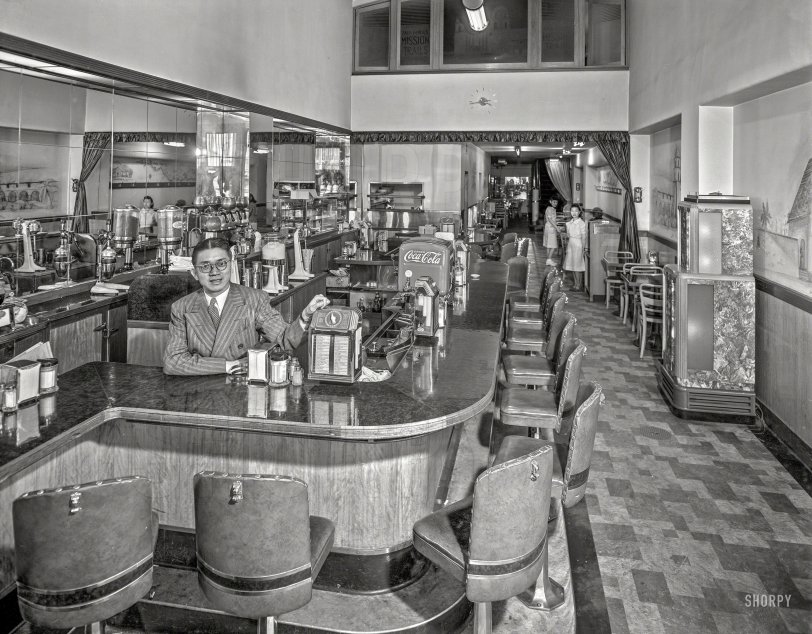
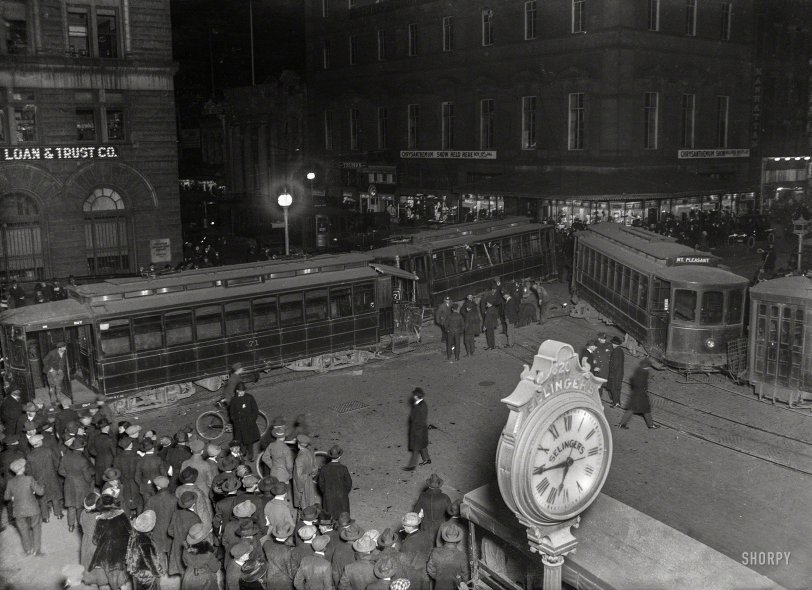
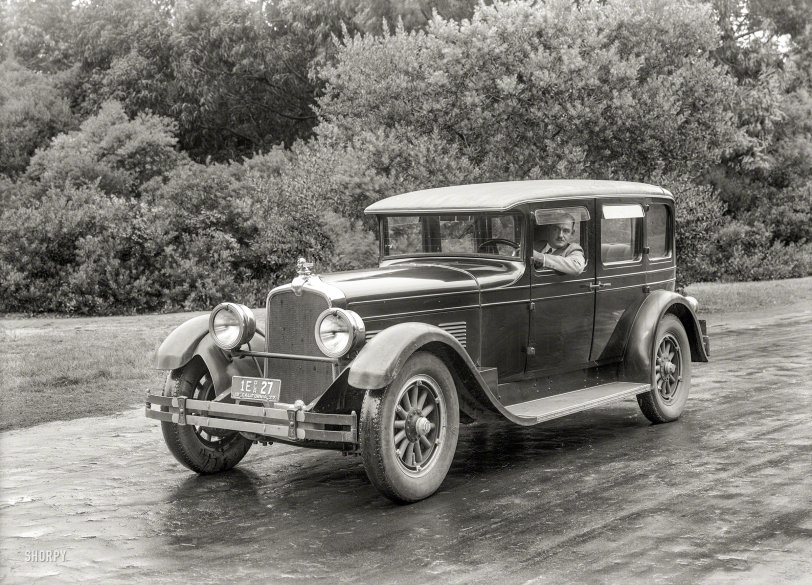
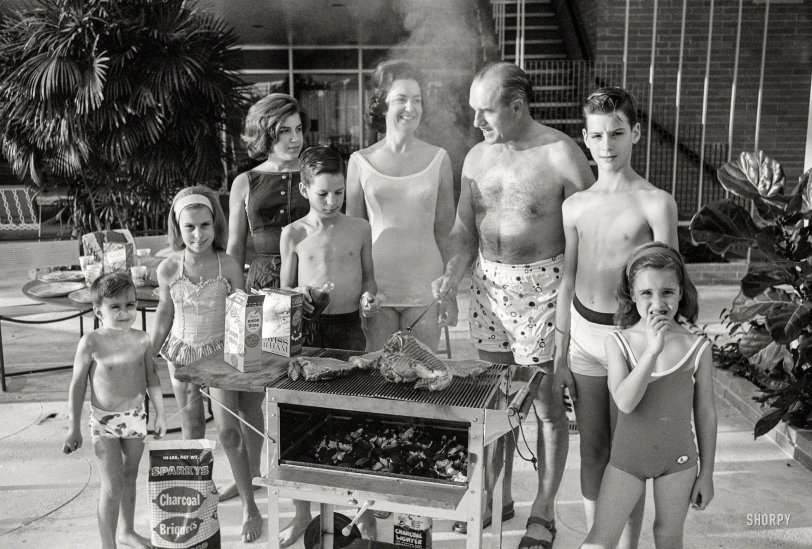


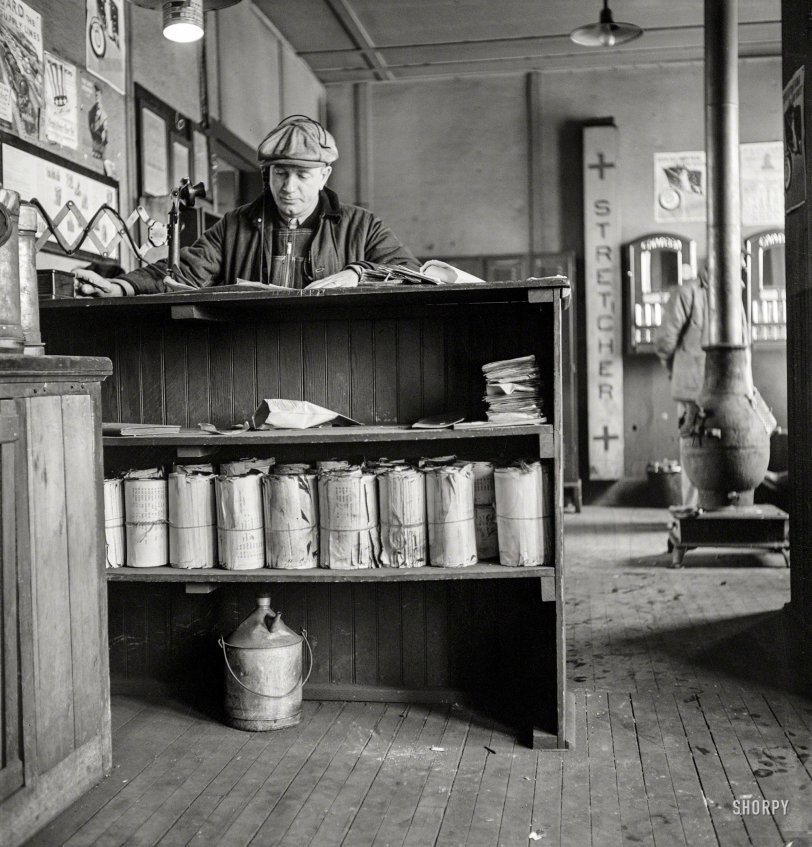
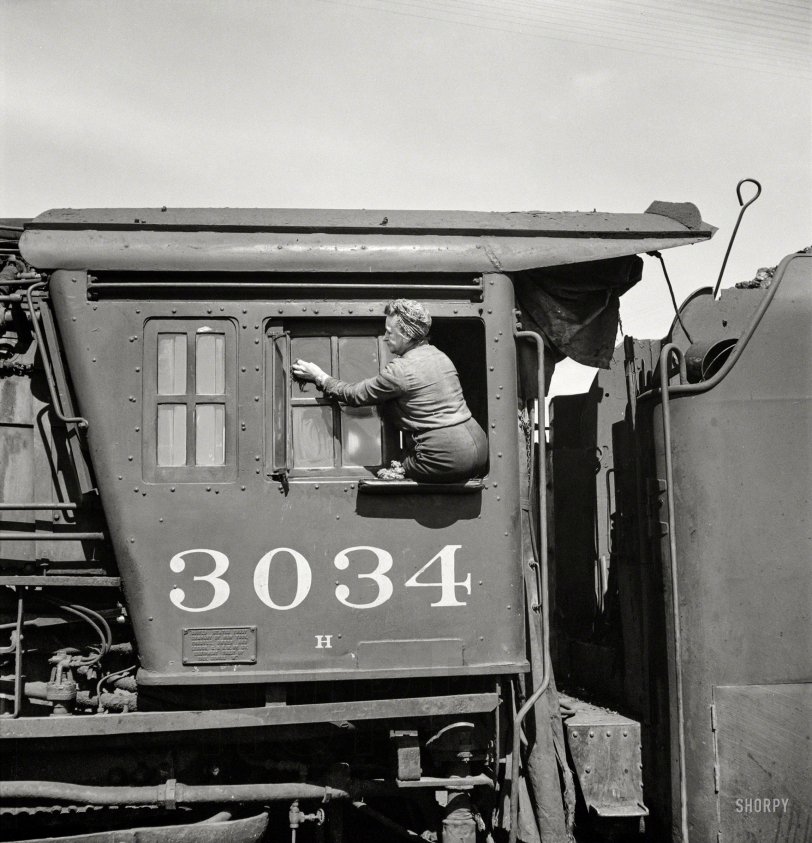

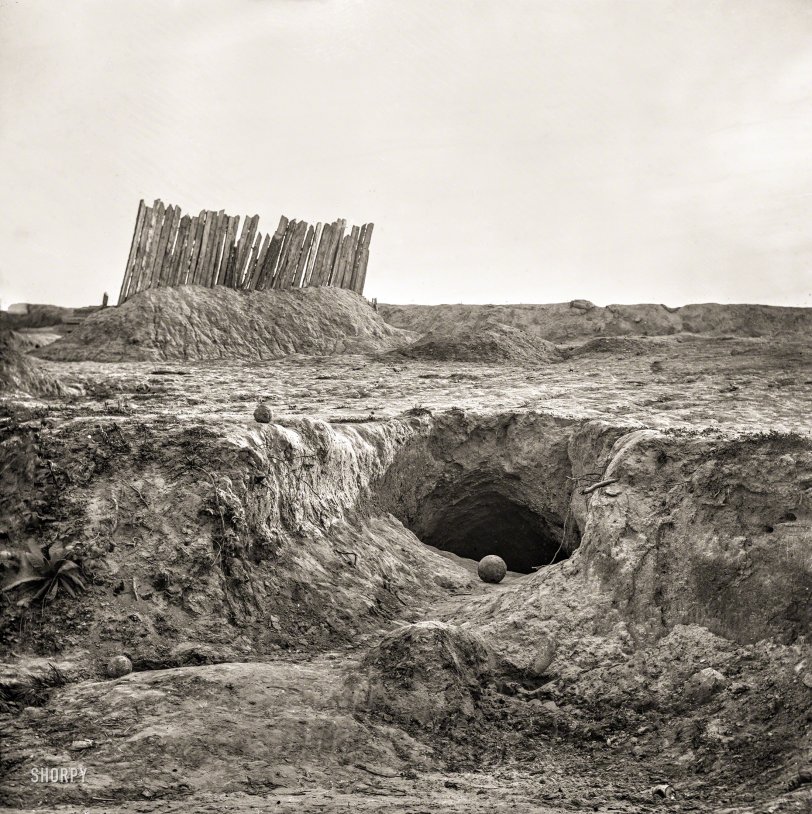
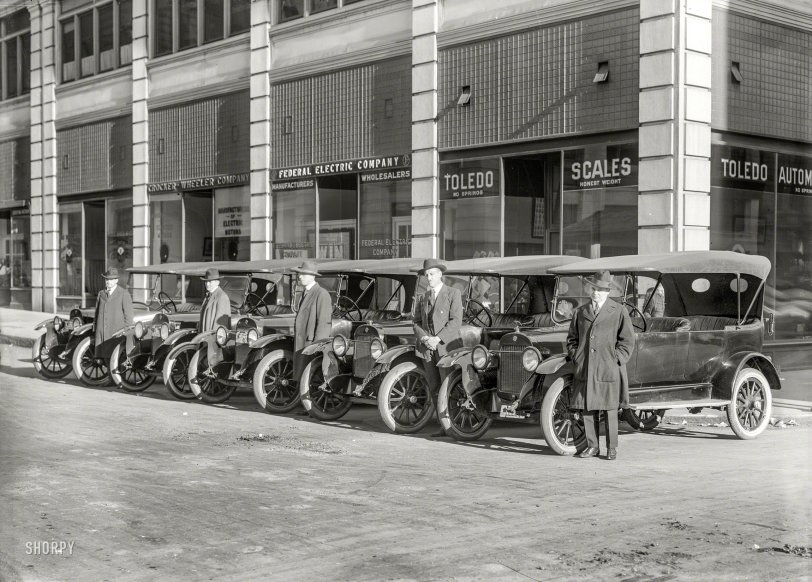

What is the secret of China’s progress?
Nothing special at all
From 1962–1966, all classes in China were converged and merged into two classes
A. The State
B. The People
This ensures that any reform implemented benefits as many people as possible while any serious blow to the economy is mitigated by being absorbed across a wide section of the economy
Example
In India, we see Ambani and Adani as Billionaires, as people who are ABOVE the rest of the Citizens and who DESERVE A PRIVILEGED STATUS due to their wealth and status
In China, Ren Zhengfei is seen as someone with a RESPONSIBILITY to the State and People of China who holds esteem and respect and MUST DELIVER ON THIS RESPECT
Every progress Huawei makes is regarded as the PEOPLE’S DUE for placing their faith and respect in Zhengfei.
If he doesn’t deliver, HE IS REGARDED AS HAVING FAILED THE PEOPLE and loses face
Nobody gives a damn that he is a billionaire
Chinese DETEST those things in most provinces
In India we regard Modi as a Ruler despite the so called Democracy tag
We hold politicians above us, as someone who DESERVE PRIVILEGES due to the POWER they hold
We are in awe of MPs and MLAs and Ministers
In China, the CPC is not regarded as RULERS
They are seen as holding a RESPONSIBILITY to the PEOPLE OF CHINA in taking the civilization forward
Like the HEAD OF A FAMILY
Children never question their parents as long as the home runs smoothly and their lives are going fine
It’s the fathers job to handle the finances and keep the home running
However if the father doesn’t do his job, he will be criticized and the Chinese openly do so
Its the Civilization mindset
When you regard yourself as part of a larger cause, a larger civilization
The Chinese do so
The Russians do so
The Iranians do so
The Jews do so (Negatively)
Because of Mao, and because it has only two classes, China is able to implement things fast and make most of the Civilization mindset
Others, because they have their own class systems , are unable to implement things as effectively
Iranians for instance have various classes :-
- Tehrani Class – Tehran dwellers who regard themselves a cut above the rest , making up the Political Elite
- Theocracy class – Religious Class
- IRGC Class – Army / Military Class
- The Westernized Class – People with Family in America who wear Jeans and love BMWs known as PERSIANS
- The Citizen class
This prevents the civilization mindset from forming a smooth path and plan over years
In summary China had the perfect combo of Civilization & Mao to ensure they had the perfect society to implement Deng Xiaopings reforms
And if you say so many died
That’s just cleaning up the dirt in my opinion
Why can’t big retailers like Walmart and Target just switch to American-made products when tariffs hit imported goods?
Sure, let’s look at that.
Product #1: The banana.
Bananas are the most consumed fruit in the United States.
And do you know how many bananas are produced in the United States?
Very, very few. Mostly in Hawai’i. And they still need to import to meet their own demand.
Product #2: Rubber. It is literally impossible for modern society to exist without rubber. And again, zero rubber is produced in the United States. Oh, rubber products are produced within the United States. But not the raw material. It must be imported, because the rubber tree cannot be grown anywhere in the United States. And when the raw material is imported, it is subject to tariffs.
Without rubber, you can say goodbye to refrigerators, washing machines…and gas stoves. Wasn’t the gas stove something that MAGA was concerned about?
Product #3: Electronics. Modern screens, batteries and anything with an electric motor are manufactured using rare earth elements that, plain and simply, do not exist in the United States in usable amounts.
It doesn’t matter if the device itself was assembled in the United States; the tariffs will apply to the components coming across the border. So no cell phones, no laptops, no tablets, no televisions, no internet.
So if Target and Walmart switch only to products made in the US, you can kiss all of that goodbye.
Elvis Has Left the Planet
Written in response to: “Set your story after aliens have officially arrived on Earth.“
John K Adams
Lucy said, “Could we?”
Rex yelled, “Yay!” He began dancing. “Goin’ to see the aliens!”
“What about school?”
“So, they miss a day. Once in a lifetime… Remembered forever.”
“We’ll write a note. Grab your stuff. Oh, I’m a mess!” Monica ran out.
Dean called in sick from work. “RV’s gassed up… Traveling in style!”
“Don’t forget sunscreen!”
Lucy changed into a polka-dot party dress and found favorite lipstick. Rex raced around making sci-fi noises.
“All stocked up. Let’s hit it!”
The kids ran to the RV.
Monica stopped Dean and did a twirl. “How do I look?”
“Out of this world!” They laughed.
Dean pulled onto the highway. Traffic was light.
Lucy asked, “Think they’re friendly, Dad?”
“Of course. We’d know by now if they weren’t.”
“Pow! Pow!” Rex aimed his finger at his sister.
She pushed his hand away. “Cut it out, Rex. Fingers don’t shoot lasers.”
“Mine does.”
“Then be careful picking your nose…”
Traffic bunched up about twenty miles out. Roadside souvenir stands sold t-shirts and google-eye glasses. A sign touted ‘extra-terressed kettle corn,’ and toys. Traffic crawled by a guy selling tin foil hats from the back of his truck. Dean thought, ‘What a geek.’
“Dad! Can I get one of those?”
“There’ll be plenty of stuff to buy, Rex. You won’t wear that.”
“But I will. Promise. They’re cool. I always wanted one.”
Dean pulled over and found parking. A family walked by eating ‘alien’ funnel cakes.
“Anyone hungry?”
Monica and Lucy declined. Rex wanted everything and now.
“Lucy, sure you don’t want a hat?”
“No thanks. Hate hat hair…”
They perused the t-shirt selection at another stand. Lucy held some up for her mother’s opinion.
“‘Take me to your breeder,’ is boxy. ‘I lean alien’ is nice. You like the color?”
“Chartreuse clashes with everything I have.”
They piled back onto the RV and edged into the slow, steady traffic. A billboard featured pictures of classic movie aliens. It advertised the theme park that hadn’t existed 48 hours before.
Lucy looked from her phone. “I just googled,” she said. “They’ve landed all around the world. Say they come in peace.”
“Good to know,” said Monica.
“But what do they want?” asked Dean.
Lucy said, “It says the rocket came from the planet ‘Bop.’”
“Never heard of it.” Monica laughed.
“Good beat. Easy to dance to,” Dean added.
Rex asked Lucy “What are they talking about?” She shrugged.
The traffic began to move as it split into streams for parking.
The giant rocket loomed in the distance.
Rex could only say, “Wow!”
The family found parking and joined the crowd migrating toward the rocket. A ramp came into view. A low stage stood at its base. People gathered as if for a show.
The crowd cheered as a figure dressed in white began descending the ramp. It raised his arms in greeting. A glittering white cape wafted behind him.
Dean stopped. “Wait, what? Did I make a wrong turn and end up in Vegas?”
Lucy said, “Is that…?”
“It looks like…”
Monica shouted. “It’s Elvis! He’s so dreamy.”
Rex said, “That’s not Elvis. He’s fake.”
Lucy bit her knuckle and said, “But he’s still dreamy.”
Cell phones began pinging. Lucy checked hers.
“They’re inviting earthlings to planet Bop.” She summarized. “When they left Bop, Elvis was in style here. Due to the vast distance traveled, their fashion trends lagged.”
Her phone pinged several more times.
She said, “China rejected this invitation. They say Elvis is an American propaganda tool.”
Monica said, “All I know, is he’s dreamy.”
Rex and Dean shrugged at each other.
Lucy said, “They’re desperate to repopulate their planet. Everyone looks like Elvis. They have no females. Everyone’s invited. A good time will be had by all.”
The women surged forward and lined up at the ramp’s base.
As if sleep walking, Lucy joined the line. Monica looked at Dean.
He said, “You must be joking.”
“I’m sorry, Dean. You can’t argue with dreamy.” She took Lucy’s hand and looked back at him.
He nodded. “I understand. Go…”
Monica wiped a tear from her eye and turned away. She and Lucy jumped up and waved to the Elvis alien.
Dean called out. “I’ll miss you…”
“What are Mom and Lucy thinking, Dad?”
Dean watched them. “Good question. You’re a smart kid. I don’t get it.”
“They look happy.”
“I hope so.”
The crowd surged to safety at the sight of another spaceship approaching. Shaped like a saucer, it landed a hundred yards from the rocket. The updraft made the long flaps around its perimeter flutter and fly up.
It settled. A portal opened and a ramp emerged.
A voice like honey announced, “Greetings! We come from the planet ‘Hubba.’”
An alien emerged and walked gracefully down the ramp. Its white dress moved hypnotically with every step. The crowd of men swayed as the alien descended with an alluring smile.
Dean’s mouth dropped open. “Marilyn…”
“Wow! She’s prettier than Mom!”
“Shhh!”
From the line of women, Lucy said, “That’s not Marilyn.”
Rex pulled at Dean’s sleeve. “Who’s Marilyn?”
The men silently lined up to board the saucer. Thousands of people stood in two lines. No one spoke.
Throughout the crowd, I-phones pinged. People broke from the lines and walked to their cars.
Dean called out. “Lucy! What’s going on?”
She held up her phone. “Look, Dad… Taylor Swift tickets!”
“Unbelievable!” He shouted, “Use the app, Lucy. Use the app! Did you get the tickets?”
She tapped her phone and, grinning, nodded.
Dean pumped the air. “Yes!” He waved at Monica and Lucy. “Let’s go!”
They broke free from the crowd and ran to the RV.
The alien Elvis and Marilyn watched as the lines dissolved. Turning, they saw each other. Each stepped from their stages and shimmied toward each other in a silent dance.
Dean’s family boarded the RV. He idled forward as cars approached the exit.
He looked at Monica sitting in the seat beside him and reached out.
“I love you…”
She took his hand and smiled. “I love you too…”
Entering the highway, they rolled toward home. The souvenir stands they’d seen earlier had packed up and left.
Rex said, “Man! I didn’t even get a t-shirt!”
Dean said, “Wear your tin foil hat, kid. I paid good money for that.”
He looked at the solid line of cars leading away from the spaceships.
“Will you look at the traffic!”
Do Americans who have to live in Europe (work, family) miss Freedom?
I am an American who lived the better part of a decade in Germany.
I am back in the US now, despite what my status says.
If you have never lived outside of the US, then I can understand why you are under the delusion that the US is “free”.
- In the US, the police pull you over constantly. Not so in Germany. Outside of border crossings, I almost never got pulled over.
- If you are a US citizen, you are taxed by the US no matter where you live in the world. Not so in most other countries in the world, let alone Europe. Many European financial institutions refused to do business with me as a US “person”.
- Many crypto institutions will also refuse to do business with you inside of the US.
- In the US, you cannot enjoy a beer outside. Not a problem in Germany. In fact, many pubs have outside seating, and you can knock back as many beers you want.
- In the US, prostitution is illegal in many states. Not so in Germany and may other places in Europe. Not that I go for such a thing, but I’d like to know that I can have the right to engage in consensual arrangements with other adults, even for money.
- Drugs are a mixed issue in Germany and The Netherlands, but is generally legal to use. This aspect is slowly changing in the US, but then you have to content with the prohibition at the Federal level, even if some states have legalised it. Again, not my thing, but it’s nice to know that I have the right to put in my body anything I want without going to jail for it.
- Guns are heavily restricted in Germany, which is a downside, big time. You can own rifles and what not, but you are not allowed to defend yourself against intruders into your home with them like you can in most places in the US.And this was less of an issue before Angela Merkel flew open the gates to low-brow migrants, who increased the crime rates in Germany by a lot.
- The Nazi Salute is illegal in Germany, as is some of the things you might do online in social media. For example, some have had their homes raided just for liking the wrong thing on Facebook. Just a like of a post, not even a post they made themselves.I avoided flagging down taxis in Berlin NY-style, for fear that some might mistake that for my saluting Hitler. I never heard of someone being arrested for that, but, as they say, digression is the better part of valour.
In all, you have many more personal freedoms in Germany and elsewhere in Europe. Some of your financial freedoms are curtailed, being an American citizen, but that is not Europ’s fault. The IRS demands that you disclose all your “foreign” bank accounts as well.
I mean, what business is it of theirs what you do when not on US soil? Are we forever in financial servitude no matter where we go as Americans? Will the same also be true once we establish the Moon and Mars? Will it remain true in the distant future when we travel to other star systems?
Outside of renouncing your citizenship — as many have done — whence the freedom?
Not everything is better in Germany as I illustrated above. But when I got back to the US, I found out out of the blue that my driving privs were suspended in the State I returned to. Why? Because shortly before I left in 2014, I was pulled over for speeding somewhere in NY, and the citation I received there did not list the amount of the fine on it. Since I never lived in NY (except for Brooklyn 3 decades ago), I did not know what to do with that citation, and totally forgot all about it, already in the middle of planning my expitration to Europe.
They mailed a notice 5 years after I was in Germany to my last known address in the US. Why the delay? And then had my privs to drive suspended in my former home state. Why???
I will be fighting this in the courts here pro se. The amounts would not make sense to hire a lawyer for, but I am well versed in court procedure and know how to file motions, etc. with the best of the laywers. I already know what my defense arguments will be. And I will have to do a continuance for the court date in my home state to give me a chance to deal with the court in New York…
What a mess. And this is my “welcome home” present from my home country. I didn’t think I would be doing anything with the courts here anytime soon, as I strove to keep everything squeaky clean legal, all past citations cleared and expunged, etc.
Nope.
Sometimes I wonder if I should return to Europe. I am getting too old for these idiot fights. I just want to enjoy the rest of my days enjoying freedom, not fighting the system.
They say that “freedom is never free”. But I only heard that phrase uttered in the US, where freedom is largely non-existent on many fronts.
Give me liberty or give me death. Or better: Go where you are treated best. Fuck this dying shit.
What are the biggest reasons Canadians prefer international products over U.S. ones, and how easy is it for them to find these alternatives?
Yours is a 2-part question:
Q #1: Biggest reason Canadians prefer international products over U.S. ones:
Q #2: How easy to find alternatives?
From the perspective of finding alternatives to which we can sell our exports- super easy. For example, take Canadian raw materials and resources; China and others have stepped up and requested that we sell our oil, gas, potash, lumber, steel aluminium, rare earth minerals etc. to them instead of the U.S.
It is less easy to sell our electricity to others, so for now, all we can do is charge full market values.
As for the many U.S. food products we import to Canada, we are slowly sourcing local or EU products to replace foods from the U.S. However, many U.S. based companies, like Kraft Heinz, have plants already located in Canada which make food products here. No tariffs apply, so no changes need to be made for those products. We are still buying them. It is surprising how many foods we do not need from the U.S.
Of course, many American food products were never sold here in the first place due to excessive hormone contents and unhealthy additives that Canada’s Health and Safety guidelines prohibit.
Black Walnut Chicken Stir Fry
A divine stir-fry meal, sautéed to perfection, with the bold flavor of wild black walnuts.

Yield: 6 servings
Ingredients
- 4 boneless/skinless chicken breasts cut into bite-size pieces
- 1 green bell pepper, cut into 3/4 inch pieces
- 2 red bell peppers, cut into 3/4 inch pieces
- 12 green onions, sliced into 1 inch pieces
- 2/3 cup Fancy Large Black Walnuts
- 4 to 6 tablespoons cooking oil
- 2 teaspoons sugar
- 4 teaspoons cornstarch
- 2 teaspoons grated fresh ginger
- 2 cloves garlic, minced
- 6 tablespoons soy sauce
- 4 tablespoons dry sherry
- 3/4 teaspoon crushed red pepper
- Steamed rice
Instructions
- In a small bowl, mix together the sugar, cornstarch, grated ginger, and garlic.
- Mix in the soy sauce and dry sherry.
- Add the crushed red pepper; set mixture aside.
- Heat 2 tablespoons of the oil in a wok or large skillet; cook and stir the pepper and onions for 2 minutes; remove from wok and set aside.
- Cook and stir black walnuts for 1 to 2 minutes; remove and set aside.
- Cook and stir chicken in remaining oil for 3 to 4 minutes, or until it turns white.
- Add the soy sauce mixture to wok with the chicken and cook, stirring until thickened.
- Add the vegetables and black walnuts to the skillet. Cook for 1 to 2 minutes.
- Serve immediately over rice.
China fire 2 shots at Japanese warships? Japan crosses China’s red line but is crushed by technology
How did the average family survive during The Great Depression?
Although the unemployment rate was astronomically high — think 25% — it also means that many people were employed. Even if employed, the threat of layoffs and companies shutting down was a real worry. People would have traveled for work, moving in with friends or relatives in hope of getting a new job.
Here are some second hand details about a family that lived in New England,
Mother — received widow’s pension, her husband dying from injuries from WWI. Enough to get by, and the veteran’s organizations were generous at Christmastime.
Son — born about 1915, worked first for the Civilian Conservation Corps in a National Park, later got married and worked for the Works Progress Administration on construction projects. Was a welder in a shipyard in WWII. (Note: The CCC required that a portion of the pay was sent back home to the family.)
Daughter — born about 1920, dropped out of high school at age 16, worked in textile factory, then later in the food service industry.
Daughter’s future husband, worked in textile factories, moving from Massachusetts, to New Hampshire, and later to NYC, wherever the jobs were. In the Coast Guard in WWII.
Why do some Americans feel pressured to make a good impression in Europe, but not so much in Latin America or other places?
I love Americans but I cannot help but notice a definite bias when it comes to international tourists. Americans love sparking conversations with Germans or Dutch (or any Europeans for that matter). Every time I hear German or some language in a hike, there comes the American that starts talking to them. Be it from their time in the military, to their vacation or future vacation they’re planning, to beer, to “long way from home huh?” You name it. No wonder “American small talk” has become such a stereotype in Europe. Because Americans love talking to them.
Even reading reviews on Google I always read “This French family was with us and they had a bad time here… wow I feel so bad for them, I’m still thinking about them and I hope they’re okay!”
Oh but what about the Mexicans that are on vacation?
Why don’t Americans spark conversation with them? Or any Latin American for that matter. Even Indians or Africans om vacation. I haven’t seen it, and I am constantly on the road. I mean, I’m sure it happens…statistically everything always happens. But it’s rare. Only time I’ve seen it was on a restaurant an American and his Mexican buddy that seemed to be working together, were interchanging cringey stereotypes with each other kind of like Hank and Gomez from Breaking Bad. “Yeah, I’m American and this Juan, my sidekick, I love making Mexican jokes about him ha-ha I’m so funny.”
I don’t want to say it’s racism, but it might as well could be.
(Some Americans just really see other countries as inferior. I just watched an interview with a woman saying immigrants are bad for this country (She is White). She gave tons of arguments against them, and was proven wrong every time. She even said “My parents are immigrants but they naturalized.” Really??? She just admitted she comes from immigrant family too. But her whole argument just boiled down to “White people good, Brown people bad.”)
It is really cringey seeing other Americans bend over and try to make impression for some people that think the worst of them. Mexicans on the other hand, are some of the most friendly people in the world and it’s seriously a missed chance that the US and Mexico could be the biggest buddies in the world (more than Canada ever was). Heck, Mexicans make the most uproar over anyone that notices them (this is actually pretty sad too). But they turned Drake Bell into a God just for saying he loves Mexico. They received Katy Perry (who is not really relevant anymore) with a red carper treatment just because she decided to go to Mexico.
Yet even without all the bullying, humiliation and dehumanization Mexicans are still pretty nonchalant toward Americans. I guess because they’re used to the abuse. And they’re still less hostile than say, Scandinavians for example, who receive nothing but praise from Americans, yet they shit on Americans like its a national side hustle.
Racism can be a hell of a drug!
China is Winning! Crushing Student Debt Is Destroying America’s Future
How did families adapt to the Great Depression?
As my mother (born 1917) told me many times, there was a man who lived behind her and my grandparents who starved to death which left my mother focused a lot on being able to have lots of food in the house as that man’s death affected her for life. Her father (who was a sparing partner of Joe Sullivan at one time) had heart disease and died while mom was in high school (1933) leaving her and my grandmother to run a boarding home, as she worked 2 part-time jobs and finished high school. There was NO Social Security—which was something that was ORIGINALLY legislated for the POOR ELDERLY AND WIDOWS after the Great Depression—not all Americans as it is today. She and her best friend (85 years worth of friendship before their deaths) put cardboard in their shoes when the soles wore down as they had to walk to school. The preciousness of food and being able to feed oneself, is a theme that I heard many times by those who lived during that time. There was no health insurance for medical issues so my grandfather was cared for at home by my grandmother and mother. My grandfather had established boarding homes and ran restaurants for the railroad, so they had lived well until illness created financial distress. The other siblings who lived on massive farms in Oklahoma did not have the same challenges. My late father-in-law told a different story of hunger and poverty on a small farm that he lived on. Today there are many social programs that provide for these situations. The Social Programs are NOT a drain on our economy but work to fuel our economy as 95% goes back INTO the U.S. economy.
What are Russia’s weaknesses in Ukraine now?
The primary weakness of Russia is the lack of ability to generate surprise attacks. Due to modern surveillance, both satellite and other forms of electronic and drone observational makes creating a critical mass of force practically impossible without being detected.
Sometimes settlements are taken by as few as 6 people on motorcycles.
In modern military theory until recent times, critical mass is an essential concept. This refers to gathering forces that are so superior to the enemy at a point in the line, that you can not only beat their defenses but also punch through and exploit that breakthrough and destroy and generally wreck havoc in the rear.
In the beginning of the war Russia tried to do exactly this, and while it is possible to gather the force and apply damage, the problem is that since the enemy knows you’re coming, they can hit you every step of the way, often while you en-route or preparing for battle. This means that the traditional approach is simply too costly.
This also means that fast offensives are not possible, and this is a problem because the Russian war machine was very much geared towards this, and their equipment traditionally emphasize it. The Russian approach now is a combination of long range attrition and small unit assaults which only gain very little territory at a time.
However relentless the Russian onslaught is, it means that Ukraine basically always have time to react to battlefield developments. Provided they have reserves there is little chance of Russia doing exploitation warfare.
In essence, Russia’s main weakness is that they simply cannot conduct warfare the way their doctrine dictates they should. While Russia is adapting to this, the end sum is that there is no great way to do offensive operations at all, and they as well as other have not found a good solution to this. Proponents of Russia often will highlight that they are at better at attritional warfare than their enemy, and while this may be true, no one actually wants to have attritional warfare at all, because it’s expensive in both material and lives no matter your relative advantage.
How did people live during the Great Depression?
I will use what my parents told me to give example. The 3 meals a day were oatmeal, cornmeal, and miss a meal. Cardboard in your shoes for when you wore a hole in the sole. Patches on your clothes untill there were patches on patches. If you were lucky enough to have a job you never complained about the hours, pay, or working conditions. However it wasn’t always good times even before the Great Depression. Dad said he didn’t know there was a depression untill 3 years in. His family lived so hand to mouth not much changed. He did notice more of the small rural town living like his family tho. Even as the depression ended things were not that great. When he was drafted in WW2 it was the first time in his life he had brand new clothes and $20 in his pocket.
Is it true that the earth is round?
In 1989 I saw a slightly different proof that our earth is round 🙂
There are many ways to prove that our earth is round. But in 1989 I saw a phenomenon that proved our earth is round.
1989 Thanksgiving day. The 3 of us went to New Orleans to party hard.
After 3 days and 3 nights of partying, we drove back home.
We pass Lake Pontchartrain. This lake is shallow but large. From south to north about 39 km from east to west about 64 km. In the middle there is a highway above the water. As seen in the satellite photo.
And it looks like there is a high voltage electricity transmission pole.
Doesn’t it seem like the earth is round?
These poles are all the same height. but it can be seen that the pole bends downward according to the curvature of our earth.
.
So in 1989 I saw a new phenomenon (for me) that proved that the earth was round.
Enjoy and stay awesome.
What was it like to live through the Great Depression?
My parents were babies during the Depression so I have the stories they told me to go on. Some facts they passed on to me that happened in their families:
- Men became very transitory (even more than in the past), going to wherever they heard there might be available jobs. Most did not bring their families with them. Because they were broke, many jumped trains. This was not only physically dangerous but if were caught by train employees, they were often severely beaten. They took a risk, they got caught and these instances of retribution were not reported to the police (as they would probably side with the railroad company).
- My Dad’s family lived in a small mining town but they bought land outside of town so they could grow their own food, have some chickens and other animals. It provided them with food, helped them get by and one source of income for the family was my Dad selling extra eggs to neighbors.
- If you lived outside of a city, it was not uncommon to have men knock on your backyard door, looking to see if you would hire them for some odd jobs. This was especially true if you lived near a train route. My grandmother would try to find something for them to do and if she had no work, she would offer them a meal.
- It was not considered shameful to go looking for odd jobs or do whatever you had to do to earn some money. There were no unemployment benefits. Any work that was legal, was honorable. Except if you were a strikebreaker.
- Man or woman, your first priority was providing for your family. Unless you were used to being rich (and this was a very small minority of people in the 1930s), you didn’t indulge in self-pity because everyone was in the same boat. A few people had family money, most people were poor and then there were the extremely poor.
- Although we would now call it recycling, everything was “repurposed”. Even bathwater was used to water plants. Pets, if there owners were kind-hearted, were fed food scraps, if there were any. Most were left to fend for themselves as there was no food to waste.
- If there were family farms, children were sometimes sent from the city to live with grandparents to ease the financial burden on their parents. At least, there was likely to be more food on a farm. This continued into World War II.
- Christmas was not celebrated in a way we would recognize. My Mother recalls a special treat was when they got an orange. If there were gifts, they were homemade. I know during WWII, they didn’t make birthday cakes because things like eggs were rationed.
- Other cultural elements: News of what was going on in the world (or, in fact, in the rest of the country) was sparse. Thank god for radios! They provided a lifeline for families and so newscasters and radio announcers were the stars of their day.
- Movies, now as back then, provided an escape. Although we consider movies from the 1930s as “classics”, there were a lot more movies being made 80 years ago than there are now in the U.S. Most were not preserved. In a town’s movie theater, movies (there were usually several shown along with news reels) were changed every 2 or 3 days.
Those are just some stories I grew up hearing and I don’t think they were exaggerations as they were told both by my parents and grandparents.
The main difference from today that has stuck with my parents is that any work is respectable and preferable to not having a job. It doesn’t matter if you have college degrees or what you were accustomed to doing for a living. You do whatever you have to do to earn a living and there is no shame in that. To be honest, I think this is still how people see employment in most of the world.
Target Earth 1954 Film in English, Richard Denning, Kathleen Crowley, Virginia Grey
Another fine B-grade science fiction flick.