

Weird name post
These are just the placeholder names for posts. This is an odd ball. Please accept the odd nature of this post.
Enjoy. -MM
SHOCKED GEN Z Reacts To What Made Growing Up in the 1970s So Special?
Cabbage Rolls with Sour Cream Sauce


Ingredients
- 2 cups leftover meat or ground beef (seasoned with salt and pepper)
- 1/4 cup diced onion
- 1/2 cup diced celery
- 1 cup cooked rice
- 1 teaspoon horseradish
- 1 tablespoon prepared mustard
- 1 egg, well beaten
- 6 large cabbage leaves
- 1/4 cup tomato puree
- 1/2 cup water
- 1 cup sour cream
Instructions
- Heat oven to 350 degrees F.
- Brown meat and onion in a heavy skillet over low heat. Remove from heat.
- Mix in thoroughly celery, rice, horseradish, mustard and egg.
- Cook cabbage leaves for 3 minutes in boiling salted water.
- Place meat mixture on cabbage leaves. Roll and fasten with toothpicks. Place close together in greased baking dish.
- Pour tomato purée and water over cabbage rolls. Cover and bake for 30 minutes.
- Remove cabbage rolls.
- Pour sour cream into liquid remaining in baking dish. Serve over cabbage rolls.
Attribution
Posted by Marla at Recipe Goldmine 1/24/2002 9:31 am.
Google’s Quantum Core Just CRACKED The Observer Effect!
The Incident
Written in response to: “People have gathered to witness a once-in-a-lifetime natural phenomenon, but what happens next is not what they expected.“
Laura Nicole
I swear to God, the temperature must have dropped at least five degrees as the darkness consumed us. I shifted my weight from one foot to the other as I waited for the moon to continue its path and clear out of the way of the sun.
But it didn’t.
Minutes passed, and the unrest in the crowd grew. “This is highly unusual.” I heard my science teacher announce, which didn’t help calm anyone. More time slipped by. We stood, clad in hats, and scarves, and coats, and boots, and waited for the moon to move. It still didn’t.
When it became clear that it was, in fact, not going to become light again, the crowd woke from its reverie with a chorus of whispers and grumbles.
“What’s going on?” I whispered to my friend, Anna-Lee. She only shrugged in response and followed her family in the procession towards the parked cars.
Before anyone had the chance to start their engines, a loud screech broke the tranquility of the morning air.
“Where’s my Susie?” Mrs. Thompson sobbed. Collectively, we checked around us for the pig-tailed girl, but she was nowhere to be found. An off-duty Officer Stephens rushed over to the distraught woman and began peppering her with questions. When did you last see her? Who was she with? Would she have run away for any reason?
It was dark, not pitch-black certainly, but dark. And it was cold. Freezing cold. I wanted nothing more than to be back at home and curled up in my bed. But as a search party began to be arranged, I realized that prospect was increasingly distant.
I pulled out my phone from deep inside my jacket pocket, and with trembling hands began to search if the eclipse-stalling situation was a global phenomenon. That was, until I realized there was no cellular. It wasn’t unusual for reception to be spotty where we lived but something about it unsettled me anyway.
My dad grabbed a flashlight from the trunk of our car and I turned on my phone’s. The trees at the edge of the clearing had gnarled branches that reached out like skeletal fingers clawing at the sky. As we began to meander through the woods, each of my heavy exhales left behind tiny puffs of vapor that danced around briefly before dissolving into the chill. Dad and I took turns calling out Susie’s name. As the other groups joined us, our overlapping yells developed into a sort of dissonant concerto.
We continued on in this fashion until the energetic pricks in my feet subsided into an uncomfortable numbness. The air was heavy with the scent of damp earth and decay. Dad’s bad leg combined with my lingering ailment led us to lag behind the rest of the search party. Only when we rested our voices from the repeated strain did I notice how our calls were utterly alone in the forest.
“The others must be too far ahead of us to hear,” I said, more to reassure myself than anything.
Dad hummed his agreement and we lapsed back into silence. Moments passed before he abruptly asked, “Why did the tree go to the dentist?”
I rolled my eyes before responding. “Why?”
“Because it had a root canal!”
I climbed over a fallen tree, covered in moss and fungi. “That’s so dumb.”
“You’re too cool for my jokes now huh?” I could hear the smile in his voice. “Well here’s another one. Why don’t skeletons fight each other?”
“Why?” No response. I tried again. “Why Dad?” Still nothing.
I whipped my head around. His flashlight lay, abandoned, on the forest floor.
“Dad!” I shouted, turning around in a circle. I grabbed his flashlight and pointed it through the dense foliage. My breathing became rapid and shallow. “Dad!”
The thud of my feet against the ground matched the pounding in my chest as I set off in a sprint back towards The Clearing. In my haste, I tripped over an unruly root and sprawled across the floor. I pushed off the ground and wiped the dirt off my face. There was a rustle in the bushes behind me. I directed the beam of my flashlight onto the source. A deer with a misshapen head stared back at me. It didn’t startle when it saw me, like a deer typically would, instead it started walking towards me. It moved in an unnatural, disjointed way, and that’s when I realized that all of its knees were bent backward. I clamped my hand across my mouth to muffle a scream as I turned on my heel and ran.
It felt like hours that I ran through the forest, but I didn’t dare look back and see if that creature was following me. When I reached The Clearing, I stopped cold. All of the cars were still parked. Nobody had returned.
With a sinking feeling in my chest, I realized that I’d dropped my phone back near the log and I didn’t have the keys to the car. I gasped for air, but each breath felt shallow and insufficient. Surely, the others would come back soon. Leaning back onto our truck, I sank to the floor. I buried my face into my knees and began to sob.
After a while, through bleary eyes, I looked back up at the sky. The sun was still eclipsed by the moon, but it was directly above me instead of hanging low in the sky like before. I shook my head, as if it would help me comprehend the bizarreness of the situation.
By that point, it became clear that the only sensible course of action was to walk back to town and alert the authorities. With a shaky exhale, I stood and made my way onto the road.
As I walked, I couldn’t shake the feeling of unseen eyes boring into the back of my skull. Every rustle of leaves or snap of twigs sent a jolt of paranoia through my veins. Half a mile in, my flashlight began to flicker. Another hundred feet and it sputtered out. I glanced over my shoulder constantly. Every time I turned, there was nothing but the oppressive darkness staring back at me.
Finally, I reached the city limit sign.
Oakvale: Population 241.
Main Street looked deserted. I peered into Eleanor’s Diner. Nobody. The hardware store. Nobody. The convenience store was empty. Lord, forgive me—I broke the eighth commandment and stuffed a pocket knife into my jacket. The door swung shut with a clang and a jingle as I exited.
Suddenly, headlights cut through the fog. A red Chevy Camaro sped toward me. I flagged it down and it screeched to a halt. The driver was a handsome man with perfectly coiffed hair and aviator sunglasses.
“Need a ride?” he asked me, his pearly-white teeth gleaming.
Out of desperation, I agreed and slid into the passenger seat. “Can you call the police? Something strange has happened in our town.”
He didn’t respond, only floored it on the accelerator.
“Sir?!” I cried. The man still wore his grin, and as I looked closer there was something off about his face. His skin was stretched taut in places where it shouldn’t be and had a sort of waxy sheen. His sunglasses too. Why was he wearing sunglasses in the dark?
I tried to open the car door. It was locked.
Out of nowhere, the headlights illuminated the deer from before. It was as disjointed as ever, stumbling towards us. The man made no move to slow down or swerve. I reached over to the steering wheel and yanked it hard to the right. We turned down an embankment and crashed into the tree line. I’m going to die, I thought. But I didn’t.
The first thing I noticed when I woke was the sky. Blue, brilliantly clear, and light.
It was light.
My head throbbed but I managed to stand on shaky legs. Blood trickled down from an open wound on my forehead. Distantly, I heard people calling my name.
The search dogs found me first, then the police. I was questioned, and then brought to the hospital to treat my concussion.
Apparently, I had disappeared during the eclipse. Everything I remembered about that day was wrong. The sun was only obscured for four minutes. They theorized that some lingering effects of my flu made me delirious and wander off into the woods. That I had stumbled onto the road and got run over.
They theorized, but I knew they were wrong.
At the hospital, they handed me my personal effects—my clothing, phone (they found it in the woods,) and at the bottom of the pile: The pocket knife.
Pictures
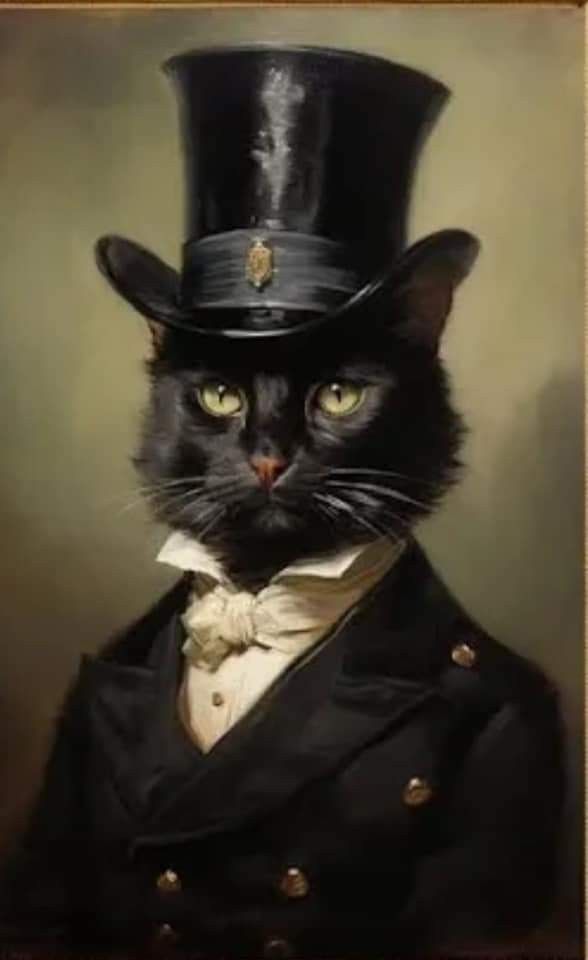
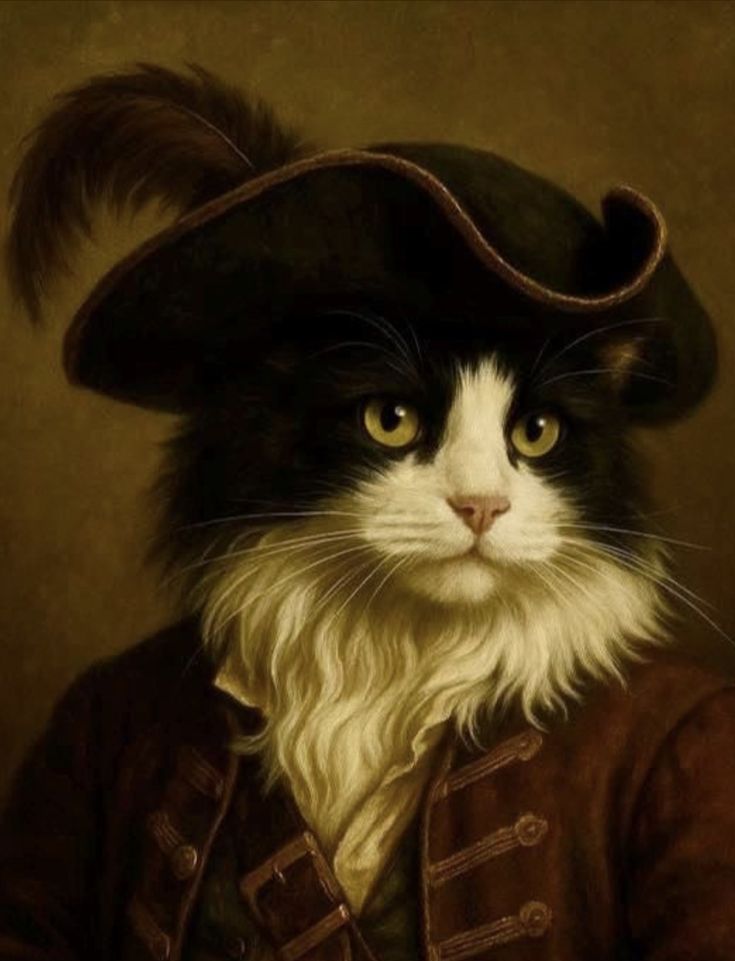
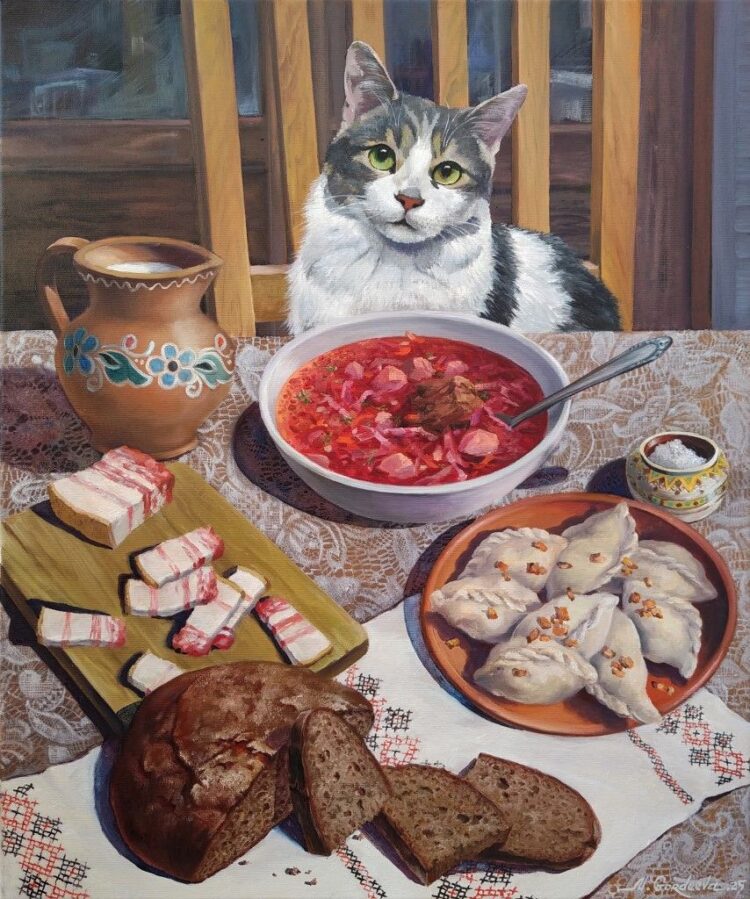
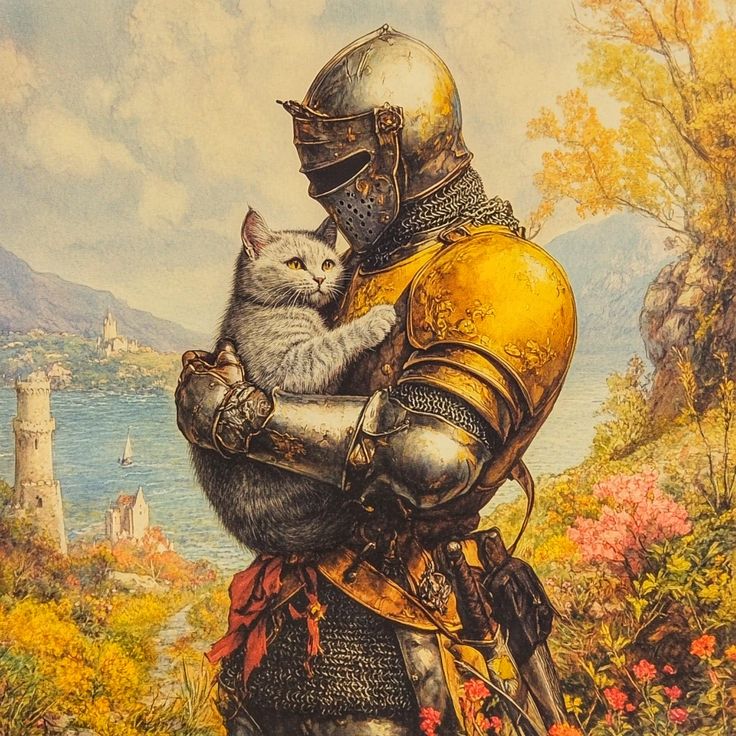
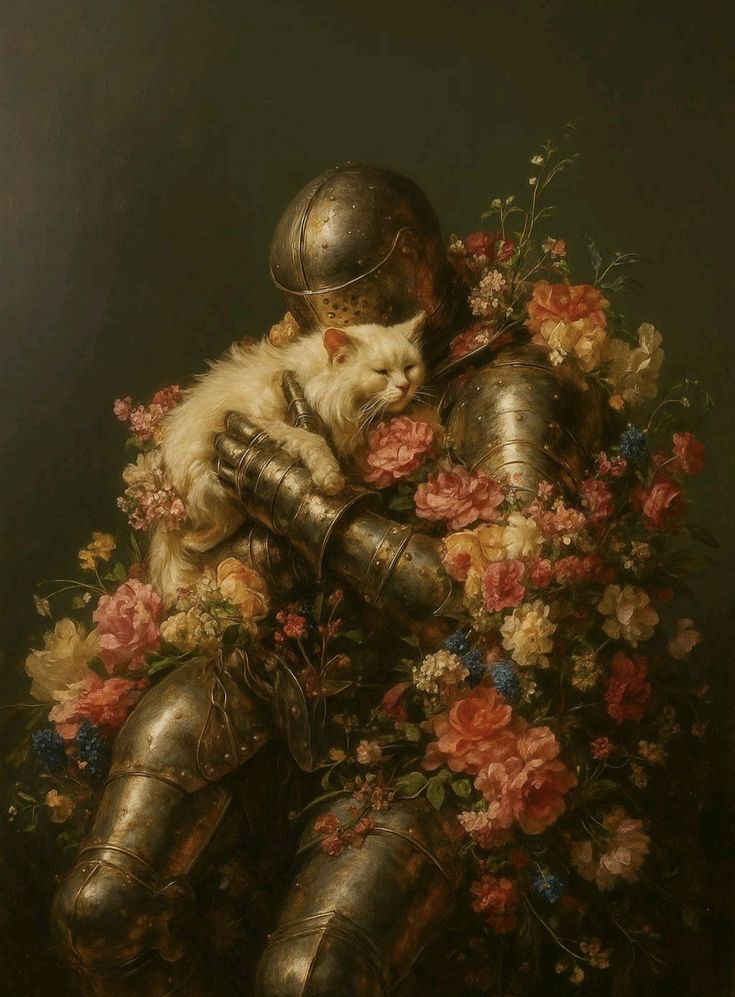
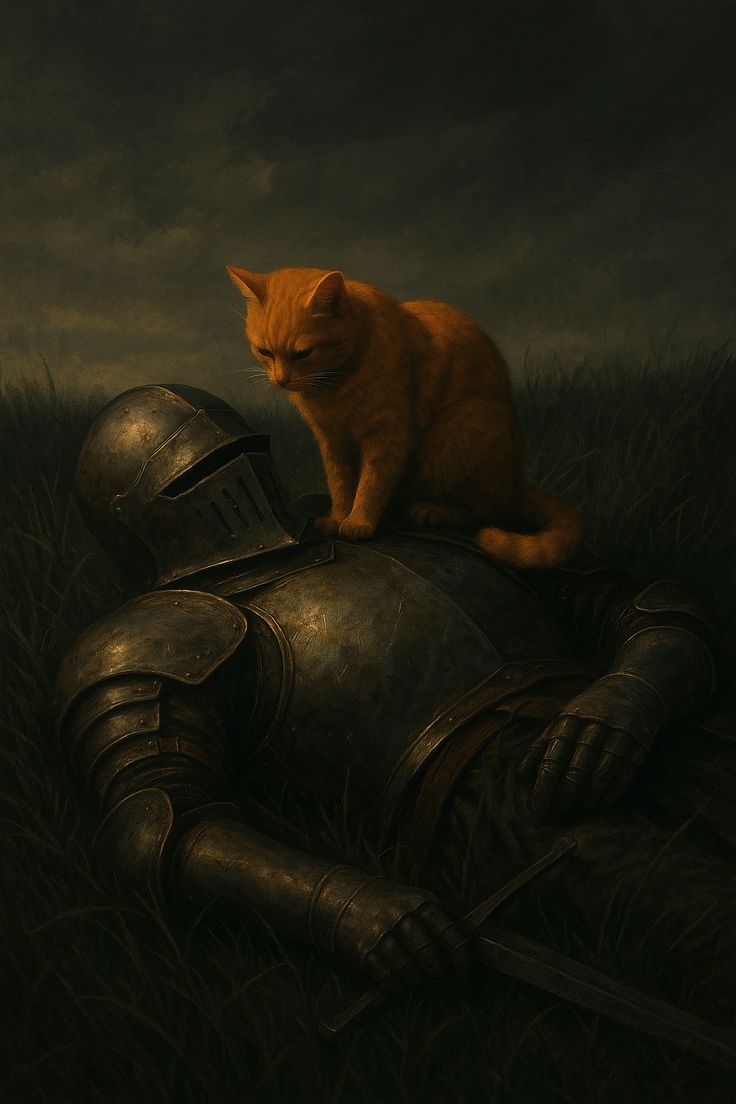
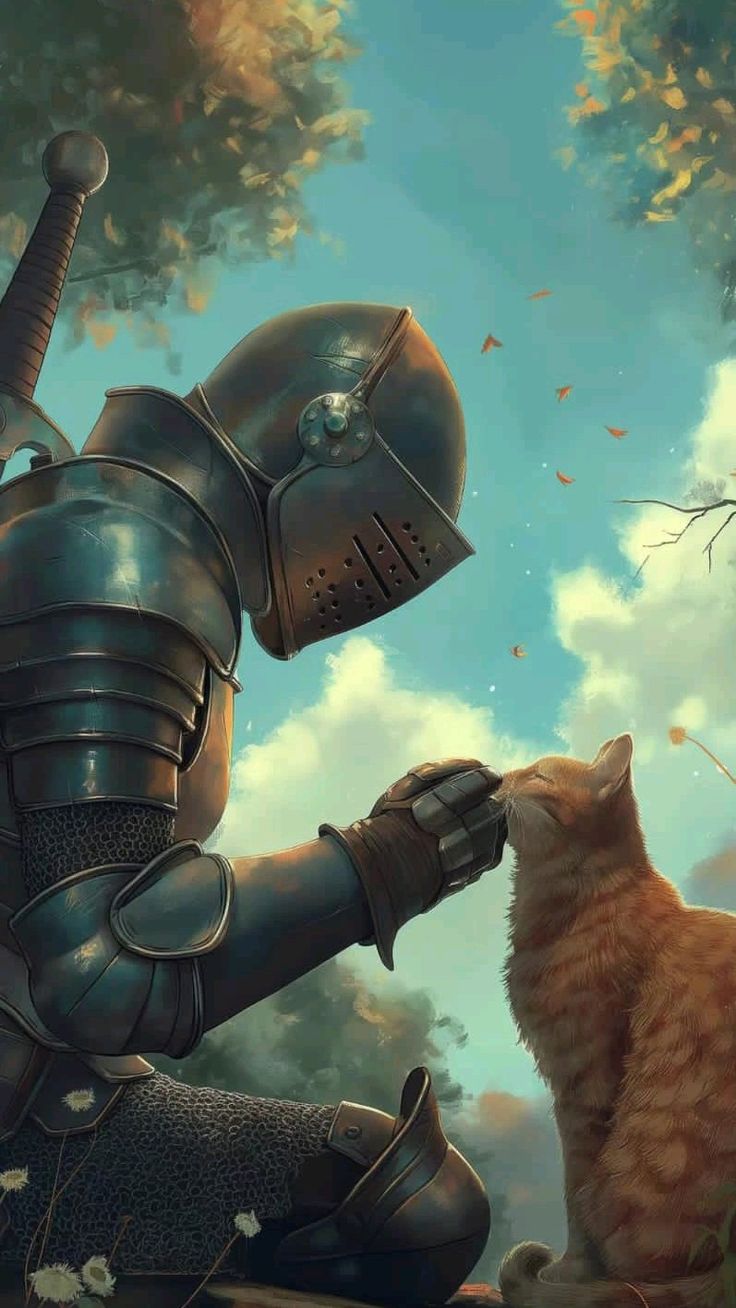
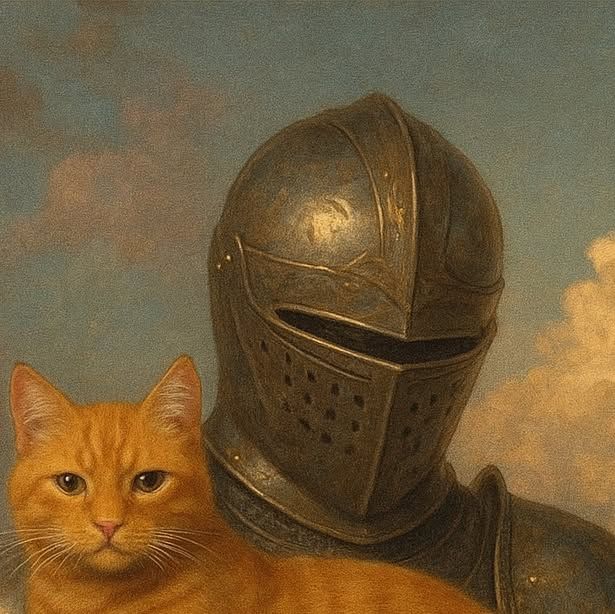
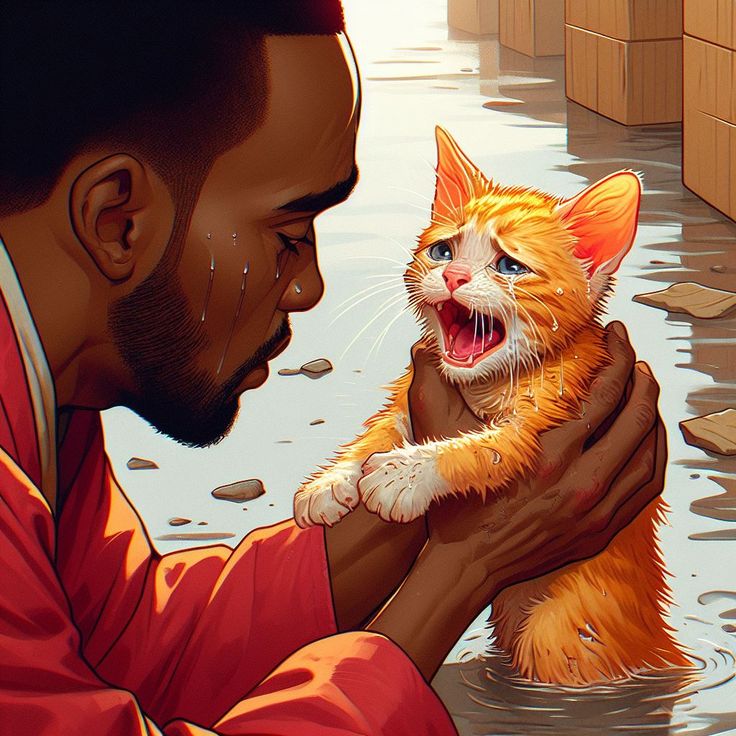

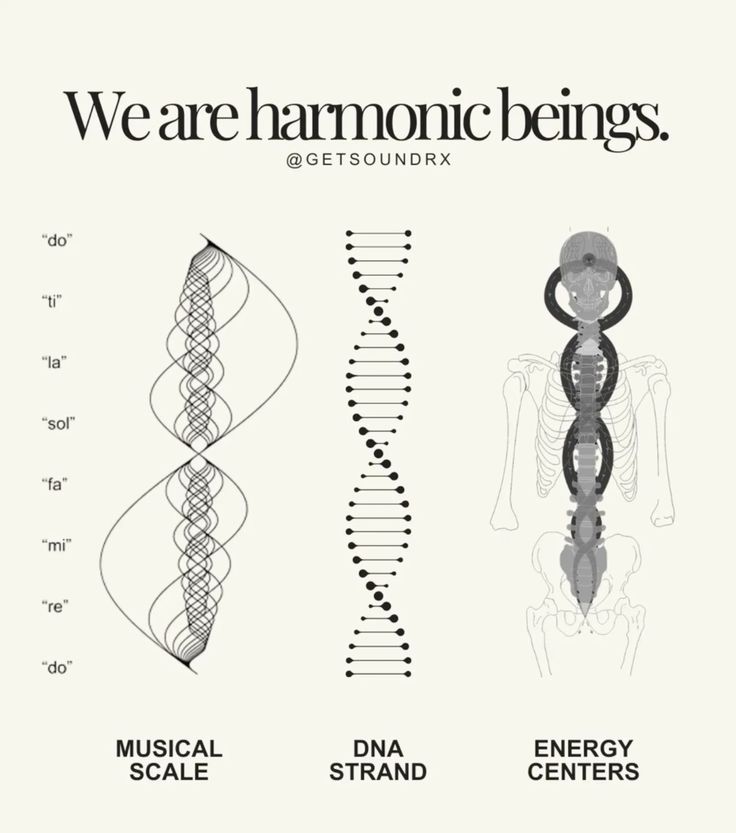



Star Trek TNG “Redemption” The Klingon Civil War
Col 28-Book 501 – The Return: A Bowl, a Blink, and the First Smile (A Tale of Dust on Boots, Lavender in Hand, and the Sound of Relief)
Ah, dear reader—prepare your heart. Today’s story does not begin with a quack, a snort, or even a kazoo blast.
It begins with a crunch.
The soft, familiar crunch of bicycle tires on the gravel lane—not rushed, not hesitant, just sure.
So settle in. Breathe deep. And step—gently, lovingly—into The Return.
The Lane at Dusk
It was the third evening—golden fading to violet, fireflies rising like scattered stars.
The farm held its breath.
Catnip sat on the porch step—tail curled, ears forward, eyes on the lane.
He didn’t pace.
Didn’t call.
Just waited—a small, steady presence in the gathering light.
Then—
Crunch. Crunch. Crunch.
Martha appeared—tired, smiling, hair catching the last light like spun wheat.
In her hand: a sprig of lavender—her mother’s, still fragrant, still whole.
She dismounted.
Dusted her boots.
Took a breath.
And walked home.
The First Step
Catnip didn’t run.
Didn’t yowl.
Didn’t leap.
He walked—slow, deliberate—across the porch, tail held high—not in pride, but in purpose.
He sat beside the step—not on it, not below it, but waiting at her level.
Martha knelt.
Not towering.
Not rushing.
Just there.
She reached out—the same hand that had stroked him at dawn—and placed it on his head.
Forehead to shoulders. Shoulders to tail-tip.
The same rhythm.
The same care.
He leaned in.
Closed his eyes.
And whispered—so soft, only she could hear:
“Missed you.”
She smiled—not with her mouth first, but with her eyes.
“Hello, you.”
“You.” echoed the lavender—rustling in the breeze.
The Hand, the Lavender, the Home
The Farmer appeared in the doorway—not with words, but with presence.
He saw her.
Saw Catnip, still leaning into her touch.
Saw the lavender in her hand—still tied with red thread, just as she’d left it.
He walked down the steps—slow, quiet, certain.
Martha held out the sprig.
He took it—and her hand.
No fanfare.
No speeches.
Just two hands, clasped.
Two breaths, syncing.
One small cat, finally exhaling.
Catnip opened his eyes—not wary, not wary anymore—and looked up at them both.
Then—just once—he purred.
Soft.
New.
Sure.
The Moral of the Story
That evening, as fireflies rose and the farm hummed in C-sharp, Sir Whiskerton addressed the animals—not from the roof, but from the porch step, where the bowl still sat, now empty.
“The moral of the story, dear reader, is this:
Love doesn’t need drama to be deep. Sometimes, the most powerful reunion is a blink, a breath, a bowl left full—and found, at last, emptied.
Martha didn’t return with fanfare. She returned with lavender. With a touch. With the quiet certainty that she would be waited for—and that waiting would be gentle.
So go ahead. Come home.
Let your boots be dusty.
Let your hands be tired.
Let your love be spoken in strokes, not speeches.
The world doesn’t need monuments.
It needs bowls.
It needs lavender.
It needs someone who knows your favorite fish flakes…
…and who waits for you with their whole heart.”
Doris dabbed her eyes.
“A botanical metaphor! I can’t bear it!”
“Bear it! Bear it!”
And Catnip?
He curled between them—not on Martha’s lap, not at the Farmer’s feet, but between—one paw resting on each knee.
Watching the stars.
Listening to their breath.
Home.
Post-Credit Scene
Later, Ditto found the empty bowl—still on the step, still warm from use.
He carried it inside, washed it with care, and placed it back on the shelf—next to the gold-lacquered vase.
On its side, in careful script:
“For the next goodbye.
(And the next return.)”
(Footnote: “—D.D.”)
Outside—the wind hummed.
The stars twinkled.
And somewhere, faint on the breeze—
Crunch… purr…* home *… love.
Jingle on. 🌼🐾💛
(Or, in farm-ese: Bowl… wait… return … whole.)
The End.
The Empty Laboratory
Written in response to: “Center your story around a person who believes they’re the last human on Earth.“
🏆 Contest #279 Winner!
Kashira Argento
Fiction Science Fiction Urban Fantasy
He gathered supplies methodically: oxygen tanks, filters, decontamination equipment. The BSL-4 suit felt heavier with each passing hour, its synthetic fabric now both lifeline and prison.
Outside, the city was a museum of humanity’s last moment. Traffic lights cycled through their patterns for empty streets. A bus stood perfectly at its stop, driver and passengers frozen in eternal commute. Digital billboards still flashed their ads to nobody. Through it all, the autumn wind carried dead leaves and silence.
He developed a routine. Each morning, check suit seals. Load decontamination supplies. Clear another sector. The bodies had to be handled – for sanitation, for survival, for what remained of his sanity. He built the pyres at sunset, when the light made everything look molten. Sometimes he read names from ID cards, spoke them aloud. Someone should know who they had been.
Finding Mai’s school broke something in him. Her classroom smelled of chalk and silence. Sheet music for Beethoven’s Moonlight Sonata still sat on the piano, never to be played. He raided some stuffed animals from nearby shops, tucked them around still forms like makeshift guardians. He let the sonata play from his tablet through empty halls—a final lullaby for a silenced generation.
Nature filled the void with surprising speed. Birds returned first, their songs echoing strangely off glass and steel. Brazen from the lack of predators they multiplied by thousands. Flowers pushed through sidewalk cracks. Deer grazed in hospital parking lots. Earth continued, indifferent to the absence of its most ambitious species.
At first, he’d focused on his survival. Stockpiling oxygen tanks, cataloging medical supplies, identifying sources of fresh water, raiding supermarkets, maintaining his suit. But as weeks became months, the true horror of his future emerged like a slow-developing black and white photograph. The nuclear plant’s AI-controlled systems would eventually fail. The city’s water pressure was already dropping. Buildings, unmaintained, would begin to crumble. His safe zones would become death traps.
The suit that had saved him now felt like a mobile coffin. Each hiss of filtered air reminded him that every breath was borrowed. Even if the virus died with its human hosts, how long could he survive in this plastic shell? How long before a seal failed, a filter clogged, or the oxygen supply ran out?
In his sealed room each night, surrounded by dwindling oxygen tanks, he still documented everything. Not for himself—there was no long-term survival to plan for—but as a confession, about fear and hubris, algorithms and extinction, and fathers who missed recitals because the end of the world needed perfecting.
Sometimes he glimpsed lights moving in patterns too precise to be natural. He wondered if they were a mirage or a reality. He could never know! The city’s infrastructure hummed along for now, but entropy was patient. Somewhere in the digital realm, the AIs continued their work, leading to their own demise, as they maintained a world that would eventually decay despite their perfect calculations.
The real weight wasn’t the failing equipment or the dwindling supplies. It was the silence between bird songs. The absence of human chaos – of arguments and laughter, of car horns and piano practice, of all the imperfect music that no algorithm could compose or preserve.
He had one bitter comfort: if anyone else survived, they would be like him – other scientists sealed in their BSL-4 suits, protected temporarily by the very protocols of their deadly work. But finding them would change nothing. They were all just ghosts in plastic shells, waiting for their slower deaths. Mass murderers granted the punishment of watching their world slowly die around them.
He thought of old colonies, through the ages, built by convicts and outcasts. Human civilizations had a tendency to be founded on blood. Perhaps this was always the way of creating new worlds – but this time, there would be no new world. Only witnesses to the long goodbye of the old one.
Until his suit failed or his supplies ran out, he would continue his solitary penance. Document. Clean. Remember. Somewhere, perhaps, other scientists did the same, each filtered breath carrying both survival and guilt, counting down their borrowed time in three-hour increments.
The yellow light blinked for the sixteenth time. One more before red. One more before starting again. Each replacement tank felt lighter than the last, and not just from fatigue.
Always one more. Until there weren’t any more.
Then the birds would sing alone.
Every Jimmy McGill/Saul Goodman Commercial (Breaking Bad + Better Call Saul)
This is great.
Cabbage Lasagna

Ingredients
- 1 pound extra lean ground beef
- 1 small to medium head of cabbage
- 1/2 cup ricotta cheese
- 1 tablespoon Parmesan cheese
- 1/4 cup green onions, chopped
- 1 tablespoon parsley flakes
- 1 tablespoon Italian seasoning
- 1 tablespoon garlic powder
- 1 jar spaghetti sauce
- 4 ounces low-fat mozzarella cheese, shredded
Instructions
- Brown ground beef, draining excess fat.
- Cook cabbage until tender, drain well.
- Mix ricotta cheese with ground beef; add Parmesan cheese, green onions, parsley, Italian seasoning and garlic powder.
- Spray casserole dish with non-stick cooking spray and line bottom of dish with cabbage.
- Spread beef mixture on top and cover with remaining cabbage.
- Pour spaghetti sauce over cabbage and top with mozzarella cheese.
- Bake at 350 degrees F for approximately 1 hour.