


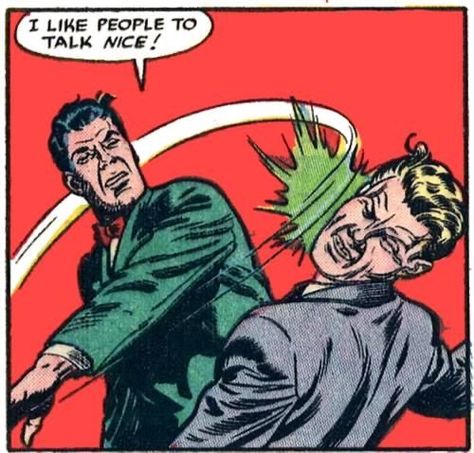
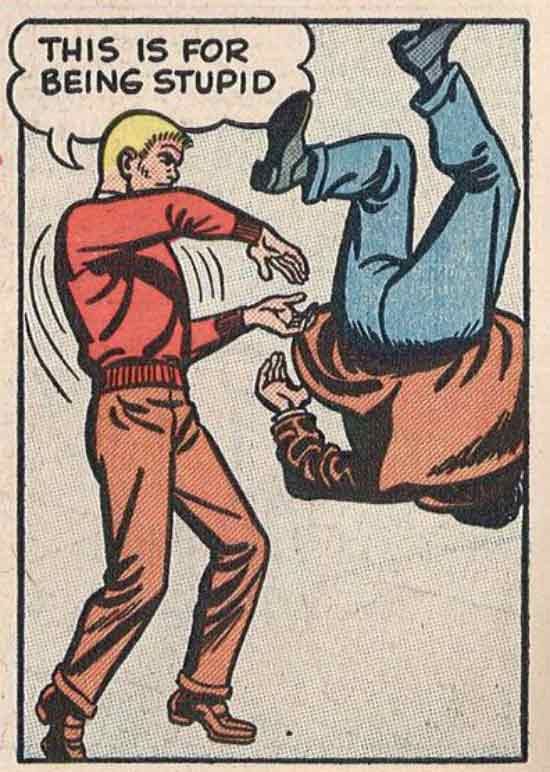
Guys, I am not proud. I like comix. These simple drawings are attractive to the simpler and earliest-developmental parts of my brain. So today, I will present some fun comics that I like to enjoy.




Today…
I’m a Malay girl (20) and I wanted to date a Chinese guy. Is it possible? Do Chinese like Malay?
Possible yes, but your chances are not high. That is because in order to marry you he would have to convert to Islam more than likely, and many Chinese people would not want to convert. But I will tell you a true story about someone who was my best friend, who sadly died a few years ago and has made this world a little darker without his presence.
He was Chinese from Hong Kong and transferred to Jakarta, Indonesia for work. She was from a rural village in Indonesia and promised in an arranged marriage that she didn’t want so she ran away to Jakarta. She found work as a waitress barely making enough to make ends meet. He was new to the city and wanted to explore. He wandered into the restaurant where she worked when he was hungry. His eyes met hers from across the room and he said he immediately knew he had to know her.
Within months he convinced her to marry him even though he was not a Muslim. They married and for the first few years she was devout but she never pressured him to become Muslim. Eventually he decided to convert because her faith was beautiful to him. He claimed his conversion was sincere with no prompting from her. At this point they reconciled with her family who were thankful to finally know she was still alive after so long and very apologetic. They we’re together for over thirty years before he died. I was with them a few days before his death and he shared with me that her love for him was one of the greatest blessings of his life. So, while it is a small chance a Chinese man might marry a Muslim girl, never say never. May you find such happiness as they had.
Edit: As mentioned in the comments there are Muslims in China. The Hui are Chinese and Muslim. And as mentioned some are in the North and North West part of China. Perhaps you could find a college to attend in an area with a large Chinese Muslim community.
Grilled Chicken with Fiery Jalapeño Sauce
Simple grilled chicken gets a burst of spicy heat from jalapeño, cilantro and lime juice purée. Serve with steamed potatoes, green salad and nectar.

Yield: 4 servings
Ingredients
- 4 (about 1 1/4 pounds total) boneless, skinless chicken breast halves, grilled and kept warm
- 2/3 cup packed fresh cilantro leaves
- 1/4 cup diced jalapeños
- 2 tablespoons Maggi Seasoning Sauce
- 2 tablespoons fresh lime juice
- 2 cloves garlic, peeled
Instructions
- Place cilantro, jalapeños, seasoning sauce, lime juice and garlic in blender or food processor; cover. Blend until smooth.
- Serve with grilled chicken.
China throws down the gauntlet; claims over $1.2T transactions bypassing SWIFT. How will US respond?
Are people exaggerating about the American health care system or is it that bad if you don’t have insurance?
Well, I’ll let you judge for yourself.
A little more than six years ago, my husband and I were both working good jobs. Because it costs so much to add your spouse and/or family members to the insurance you get through your job here (*if* you get insurance through your employer at all), most couples keep their health insurance through their employer. Of course that means that you may have dramatically different plans, coverage, co-pays, in or out of network criteria, and so on, but it keeps it very affordable. So that’s what we did!
In the fall, my husband, who has inherited Type 2 Diabetes (yes, it is a thing – Type 2 just means that it doesn’t manifest at birth or early childhood) got really sick. He went to the doctor who noted some weird stuff going on with his kidneys, but didn’t really follow up on it because the testing on my husband’s insurance plan was REALLY expensive. Unfortunately without those expensive tests, no one realized that he was actually experiencing intermittent kidney failure, not just a prolonged bout of the flu. He was seriously ill off and on for several months, so his employer fired him. He lost his health insurance.
We had already decided that we were going to enroll him in my company’s far superior health insurance anyway, so I had done that during Open Enrollment in October… but the coverage would not go into effect until January 1st. We were offered COBRA coverage (look it up if you don’t know what that is) for an amount slightly larger than his (former) bi-weekly income, so obviously we couldn’t begin to afford it. He was looking for work but that’s a whole other kettle of fish….
Anyway – we decided to go see his family in another part of our state for Thanksgiving. He was very sick at this point and we still didn’t know what was wrong. One the way back home, we stopped at a half-way point to visit our best friends and force my husband to go see a doctor because, quite honestly, he was scaring us.
We got him into one of those Doc-in-a-Box places at a nearby pharmacy and for the $150 (because… no insurance) she took his temperature (high), listened to his heart (pounding but oddly muffled), measured his pulse-ox with a finger clip (severely low) and told us that either she had to call 911, or we had to swear to take him to the emergency department at the hospital down the block.
At the hospital they ran his bloodwork TWICE because it was so horrible that the first time they thought the machine was broken! He was in full kidney failure and was, literally, dying. The doctors told me that they had never seen a “living patient” with bloodwork results like this, much less one who walked in on his own two feet! He was taken away to the ICU where he underwent 24 hours of emergency dialysis. They wouldn’t let me stay with him because they kept having to shock him to keep his heart going. I was told to prepare myself because they were sure he was not going to live through this.
He spent a week in the ICU and then another 2 weeks in a step-down unit preparing to go home. They could not release him until they had him set up for dialysis with a local center, but with no insurance he had to rely on “indigent/charity care” until January 1st… and the local centers did not want to take him! Meanwhile, I’m on extended leave from my job – thank goodness my work cared more about US and my having income and a job to come home to than about my not showing up for a few weeks!
We were finally able to come home about a week before Christmas, but it doesn’t stop there. We applied for every discount, charity, agency funding, government agency, church charity, etc that anyone could think of. The hospital that had taken care of him determined that since the previous year (when we were both working) we made more than the government determined poverty line, we were not eligible for anything but the slimmest of discounts. In fact, that’s pretty much how it went everywhere we turned – your CURRENT financial situation is irrelevant. The only thing that matters to any of these people is what is on your previous year’s tax return. It’s how they get to say they offer all these programs without actually have to give much out at all. In order to even get him looked at in the ER, I had to pay $1500 on my credit card. I paid a number of charges while he was in the hospital as well. Upon leaving the hospital we were presented with a $250,000.00+ bill and were informed that there would be additional bills coming. Oh, and Merry Christmas!
The charity/indigent care dialysis? He had to have it three times a week, every week, or he would die and it was billed at the “highly reduced rate” of $1000 per session. We racked up over $10,000 in diaysis bills before the insurance coverage finally kicked in. Then there was the $1500 worth of no-insurance prescriptions that we had to buy out of pocket.
Of course, the new insurance isn’t going to touch bills from before he had coverage. He automatically qualified for Medicare, but it takes about 6 months before that coverage finally kicks in and they also won’t touch anything from prior to your having coverage. He also automatically qualified for Social Security Disability payments, but they don’t begin paying out until the seventh month AFTER you have been ruled to qualify. Those were only $1200 a month anyway – less than half his prior income. And, of course, as a dialysis patient he’s constantly sick and cannot work. The rest of the bills from the hospital came in and, counting the dialysis bills and the doctors checkups and stuff he had to have now, we were now sitting on over $500,000 of medical debt. I make $45,000 a year. AND they sent it all to collections.
We ended up having to declare bankruptcy. We lost our home that he had bought years before we were even married, but which we were still paying a mortgage on. We lost one of our cars. We lost our retirement savings. Thankfully my job has a pension plan so they couldn’t touch that, but all the other accounts went. Our friends ran a Go Fund Me to raise enough money for us to move into a small student apartment in one of the older apartment complexes in our area. THAT is a real story of what the American health care system is really like.
A few years later my husband received a kidney transplant from a donor kidney and he has been back at work for a couple years now. We worked hard and were diligent about paying things off and fixing our credit. We just bought a house last summer, and I now have a small, cheap car of my own so we can both drive ourselves to work instead of one of us spending hours each day on buses, or the other person having to do extra driving and sitting around. We are finally back to where we were before all this happened and feel like our lives are finally heading in the right directly again. Sadly, this time it’s at the ages of 51 and 55, so we can never truly catch back up to where we should be at this point in our lives. Retirement seems like more of a fantasy than a reality, but it is what it is.
Tamastasia
Written in response to: “Write a story from the POV of a now-defunct piece of technology.“
Nic Kursonis
“What else do you remember?”
She introduced me to her creators, Mom and Dad. They were just as happy to see me as I was to see them. Then she introduced me to you, Abel. You were not as excited to meet me the first time as I was to meet you. I always wondered why you never seemed as enthusiastic as she did when I saw you.
“I was a teenager and a boy.”
What does that mean?
“Teenager means older kid, basically. I am not sure how to explain boys and girls to you or anyone anymore.”
What is a kid?
“She was… Dawn was a kid. Your creator is, was young when you remember her. Her life was just beginning, just as you felt yours was.”
What is—
“Never mind, what do you remember before this moment?”
Where is she?
“She’s not here. I want you to try to remember what happened to you before you awoke again just now.”
I remember her feeding me, giving me medicine when I was sick, and taking care of me whenever I needed it. She is everything to me.
“Yes, but please, what do you remember before this moment?”
I was with her in a small shaking space.
“A car?”
What is—
“That’s on me, sorry, please continue.”
I was with her, but she was sad. I had never seen her sad. How you look right now is how I remember her from that moment. Are you sad?
“Don’t worry about me; please keep to your memory.”
Why am I with you? Why do I feel different?
“Ana, you’ve got to stay on task.”
I want her, bring her here, please.
“She can’t be here right now; I need you to keep telling the story.”
Will she come when I am done?
…
Why won’t you speak?
“She will come when you’re done, yes.”
Okay. She was sad, but we weren’t alone. There was…
“What? There was what?”
Able. You were there.
“Yes, I was.”
You know why she was sad. Why are you and her sad?
“I am sad for a very different reason than she was.”
I am sorry for you both. I tried to cheer her up with my smile, but then I remember being pulled from her. She held me and tried to keep me. Then I remember her seeing something, and then I was spinning—very fast, so very fast.
“That’s all you remember?”
Yes. Then I woke up here with you. How am I communicating with you? She would communicate with me, but not in this way. This is new; what has happened? Where is she? Where is Dawn?
“That was about twenty-five years ago. In the winter of 1999, the world was bracing for Y2K. You won’t know what that is, but don’t worry, you don’t need to, though if you did, you might find this situation hilariously ironic. Especially if you have seen The Terminator with her, but I doubt that. I was driving, er, delivering her to our creator’s house.”
Mom and Dad created you, too?
“What? Ye,s of course, yes they did—“
Your sad is very similar to hers. You two look similar with those big green circles.
…
What? Did I say something you didn’t want me to?
“No, you just said something that means a lot to me.”
What does that—
“That means it’s very important to you. The movie Anastasia was, is very important to your creator, Dawn.”
She is very important to me.
“Yeah, she’s important to me too.”
Then she should be here with us. You said she was coming to be here with us.
“Ana, I know I said.”
Dawn! I am awake again; we can play! I don’t feel hungry like usual, but you can still feed me!
“She’s not coming.”
Well, then, I will shout louder, CREATOR!
“She’s dead… I know you know that word. She let you die about a thousand times. The first day she had you, you died three times.”
She can come back then; let’s bring her back.
“There’s no coming back for her like there was for you.”
I don’t understand. Sometimes, your creator forgets to feed you, you starve, and then you come back again.
“Yeah, I know you’re used to it. I wish that was the case for her, but we only got one Dawn. Since that day, the world has been pretty dark. Even the brightest days cast a dark shadow after her last.”
Did you forget to feed her?
“No, no, we never forgot to feed her. That would’ve been impossible with how loud she was. I wish I could hear her again. One last time.”
I still don’t understand.
“That day, you remember, I was taking her home from school. She wouldn’t shut up about you and how much she loved feeding and taking care of you. I was in a dark place at the time.”
But you could see her, how was it dark?
“In hindsight, you’re right. I didn’t see the sun right in front of me. I mean metaphorically.”
What is—
“Don’t worry about it. Anyway, I was upset about something so stupid. I couldn’t hear my music over her yammering, don’t ask. I grabbed you and tried to take you away from her. She pulled back, and then the next thing I knew, we were flipping, and then I must have hit my head and blacked out. When I came to, I turned around, and she was gone.”
Where did she go?
“No, I mean she had died. Excep,t unlike you, we couldn’t bring her back.
I don’t believe you. I am going to go find her.
“What? How are you standing up already? I haven’t programmed movement to your synthetic body yet!”
I am going to find her!
“Ana, No!”
***
“Then what happened?”
“She literally busted through my door with her new body.”
“Really? What was the body made of?”
“The infrastructure was a special titanium alloy, but when you don’t feel pain—anything is possible. When I say busted, she just walked through it until it fell into pieces.”
“Fascinating.”
“For someone who never experienced true movement before, she could move. She made it out into the street in seconds. I chased as quick as I could, but by the time I made it outside, she got hit by a truck.”
“I’m sorry.”
“Thank you. Her upper torso and head landed near me. I thought she had died, but she slowly opened her eyes like a human.”
“Did she say anything?”
“You both mean a lot to me.”
How certain, inconsistent or unpredictable must the Trump administration be to make US executives build new plants in response to auto tariffs?
The auto tariffs was not welcome by the auto industries in the US, Canada, and Mexico.
The auto industries in the 3 countries are integrated, and parts and components move back and forth between them seamlessly to the final assembly, as though they were in one country. A lot of these movements are between production plants own by the same US company.
Trump’s tariffs will create serious supply chain chaos in all the 3 countries, add barriers to the movements, create bottlenecks, and raise costs.
They cause pains all round, including US consumers who will pay more to buy a car.
This pattern of production came about from good technical reasons, good efficiency, and good economics. Any artificial means, such as tariffs, to forcefully change it would only produce sub-optimality.
Predictably, the reaction from US auto companies are negative. Their shares took a dive.
Even if they build new plants, it will be 2–3 years before any goods can roll-out.
If one seeks to find silver lining, it may be that it would force the industry to reinvent itself in EVs.
$1.5 Million Fees?? This Plan Could DESTROY the US Economy
The US is hitting Chinese ships with massive $1.5 million fees to curb China’s maritime dominance—but will this plan backfire? Higher prices, job losses, and trade retaliation could spell disaster for the US economy. Is this a smart strategy or a costly mistake? Let’s break it down!
How true is it that countries with universal healthcare at times deny services to elderly patients with serious but treatable conditions? Is this just a scare tactic?
My father-in-law is 92. He’s a stubborn old goat … he has COPD, atherosclerosis (for which he’d previously had angioplasty) and diabetes and had open sores on his legs that he hadn’t told anyone about. When they turned septic, we dragged him to A&E (the ER) despite his protests of “there’s people in far more need than me”.
It turned out his atherosclerosis had worsened, affecting the blood circulation to his legs. His toes were, essentially, gangrenous and needed to come off.
Before they could amputate his toes they needed to solve the blood flow problem. They inserted four more stents in his chest, abdomen and groin (a 6 hour operation). They had to amputate the end of his foot from the knuckle of his big toe down. He had sepsis, which was successfully treated (part of which involved a full blood transfusion). He suffered oedema (edema) after the operation which affected his breathing due to the COPD. They treated this successfully.
The amputation needed a vacuum dressing. He’s been in hospital for 6 weeks now, slowly getting his strength back. He’s now started physiotherapy.
I’ve no idea what that would cost under the US system … but as we’re in the UK, the cost was a big fat ZERO.
When he leaves hospital he’ll be in a day-care facility initially (as his wife of 89 years old has severe age-related memory loss and couldn’t look after him). When he returns home, he’ll have home care assistants.
Again, all with no charge.
It’s probably given him another 3–5 years of life, assuming we can stop him from keeping health problems to himself in future.
So no, at least in the UK, the NHS doesn’t discriminate by age. Or income. Only by need.
Sir Whiskerton and the Great Fake Mustache Heist: A Tale of Sticky Situations and Even Stickier Mustaches
Ah, dear reader, prepare yourself for a tale so dastardly, so mustache-twirlingly devious, that even the scarecrow would raise an eyebrow (if he had one). Today’s story is one of deception, disguise, and the eternal truth that nothing ruins a perfect crime like cheap glue.
So, adjust your fake nose (or at least your reading glasses), and let us dive into Sir Whiskerton and the Great Fake Mustache Heist: A Tale of Sticky Situations and Even Stickier Mustaches.
Act 1: The Crime of the Century (Or at Least the Crime of Tuesday Morning)
It all began with a hat.
Not just any hat—the farmer’s favorite hat. A wide-brimmed, slightly moldy, “I-found-this-in-a-ditch-but-it’s-my-personality-now” hat. A hat so beloved that the farmer had been known to talk to it (though, to be fair, he also talked to the scarecrow, a particularly expressive turnip, and once, a confused squirrel).
And now?
It was gone.
The farm was in chaos.
- “This is an OUTRAGE!” Doris clucked, fanning herself with a wing. “First my eggs, now this? What’s next? Theft of my dignity?”
- “Dignity!” Ditto echoed, though he had no idea what it meant.
- “I blame the geese,” Porkchop the Pig muttered through a mouthful of stolen radishes.
Enter Sir Whiskerton, the farm’s resident detective, philosopher, and unpaid babysitter of chaos.
- “Alright, let’s assess the facts,” he said, pacing like a tiny, furry Sherlock Holmes. “The hat is missing. The farmer is distraught. And the only witness is Bartholomew the Piñata, who, as usual, is being mysteriously unhelpful.”
Bartholomew, swaying gently in the breeze, said nothing.
(Which, to be fair, was an improvement over his usual advice of “The wind knows all secrets,” which was deeply unhelpful.)
But then—a clue!
A single, curly black hair.
Attached to… a fake mustache.
And not just any fake mustache.
A luxury fake mustache.
Act 2: The Mustache Mischief (Or, Catnip’s Glue-Based Downfall)
Now, dear reader, you may be wondering: Who on this farm owns a luxury fake mustache collection?
The answer, of course, is Mr. Ducky.
A sales-duck of questionable morals and unmatched entrepreneurial spirit, Mr. Ducky had recently expanded his business into “high-end facial adornments” (which were, in reality, repurposed squirrel tails glued to felt).
And who had borrowed said collection without asking?
Catnip.
That sneaky, scheming, occasionally charming stray cat had hatched his most diabolical plan yet:
- Steal the farmer’s hat.
- Disguise himself as Sir Cattenton (Sir Whiskerton’s insufferably pompous brother) using Mr. Ducky’s mustaches.
- Frame Sir Cattenton for the crime.
- Profit? (Catnip hadn’t thought that far ahead.)
The plan was flawless.
Except for one tiny problem.
The glue was terrible.
- “A handlebar mustache? How cliché,” Sir Whiskerton sneered as he inspected the crime scene.
- “Cliché!” Ditto agreed, wearing a fake mustache of his own (upside down).
Just then, a rustling came from the hayloft.
THUD.
Out tumbled Catnip—mid-mustache application.
- “Ah-ha!” Sir Whiskerton declared.
- “Ha!” Ditto echoed.
- “This isn’t what it looks like!” Catnip yelped, as his “imperial beard” slowly slid off his face and onto the floor.
A beat of silence.
- “It’s exactly what it looks like,” Sir Whiskerton deadpanned.
Act 3: The Scandal Unfurls (Like a Poorly Stuck-On Goatee)
With Catnip caught red-pawed (and mustache-less), the real mystery began:
Where was the hat?
- “I didn’t take it!” Catnip insisted. “I just… relocated it!”
- “To where?” Sir Whiskerton asked.
- “A… secure location,” Catnip said vaguely.
Turns out, the “secure location” was Buckley the Billy Goat’s head.
Buckley, who had been blissfully unaware of the drama, trotted into the barn wearing the hat.
- “Hey, guys!” he said cheerfully. “Check out my new hat! It just appeared on my head! Magic, right?”
- “Magic!” Ditto gasped.
- “That’s my hat,” the farmer said, appearing out of nowhere (as farmers often do).
Buckley blinked. “Oh. Well, that explains why it smells like old potatoes.”
Meanwhile, Doris had gotten distracted.
- “Oh my,” she murmured, batting her eyelashes at Mr. Ducky’s mustache collection. “These are quite dashing. Do they come in eggshell white?”
- “For you, madam? Anything,” Mr. Ducky said, already calculating the markup.
Moral of the Story
Deception itches—especially when you use cheap adhesive.
But more importantly, dear reader, never trust a cat in a fake mustache. Especially if that cat is Catnip.
And double especially if the mustache is sliding off his face like a sleepy caterpillar.
Best Lines
- “A handlebar mustache? How cliché.” — Sir Whiskerton, judging hard.
- “This isn’t what it looks like!” — Catnip, as it was exactly what it looked like.
- “Do they come in eggshell white?” — Doris, already planning her mustache-based makeover.
Post-Credit Scene
Sir Cattenton arrives, takes one look at the chaos, and sniffs. “I would never wear a mustache that inelegant.” Then he steals Mr. Ducky’s entire collection.
Starring
- Sir Whiskerton as The Cat Who’s This Close to Charging for His Services
- Catnip as The Mastermind (Who Forgot to Check the Glue Expiration Date)
- Doris as “Suddenly Really Into Facial Hair”
- Mr. Ducky as The Real Villain (Because Capitalism)
P.S. If life gives you a fake mustache, make sure it’s properly glued on. Otherwise, you’re just a cat with a felt problem.
The End.
Would it break with precedent if the US decided not to help Myanmar financially after its earthquake? Would it signal to China that we would not help in the case of a military conflict?
How come I didn’t know there was precedent in the United States for providing financial assistance to victims of natural disasters? 🤣
Did the United States provide economic assistance when earthquakes occurred in Argentina, Chile, Colombia, Ecuador, Peru, Venezuela and other countries?
The U.S. government did not even provide assistance to the victims of the January 2025 Southern California wildfires, so how can it reach out to Southeast Asian countries thousands of miles away?
I remember the mayor of Colorado, Tim Boyd, saying,
‘Disaster relief is a product of socialist government. We don’t owe you and your family anything. It is not the responsibility of local government to help you in difficult times like this! Find a way to survive yourself instead of lazily asking the government for money. Only the strong will survive, and the weak will die.’
The US will only ‘aid’ weapons to other countries. But this “aid” is not free, it has to be paid for. For example, the United States “aids” Ukraine with $100 billion in weapons, but Ukraine is required to repay the United States for $500 billion worth of minerals.
China’s Yunnan Province rescue team has already entered Myanmar from Tengchong port with professional equipment to be the first to arrive at the disaster site, while Chinese trucks have been transporting tents, medicine, food and other relief materials to Myanmar through the China-Myanmar highway.
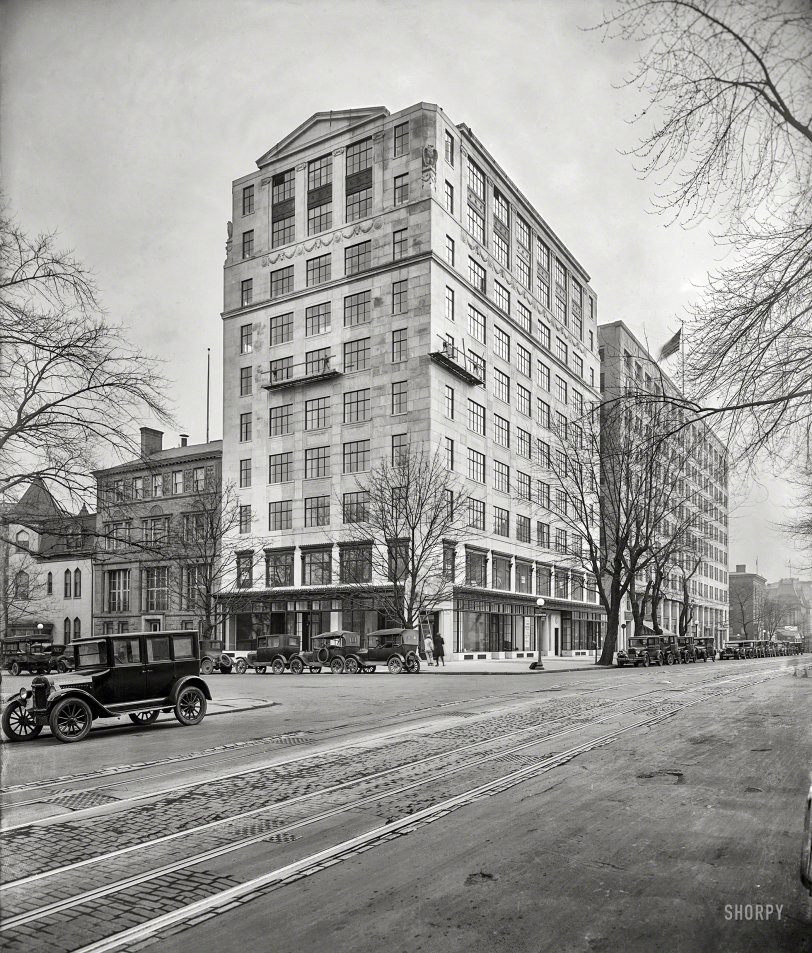
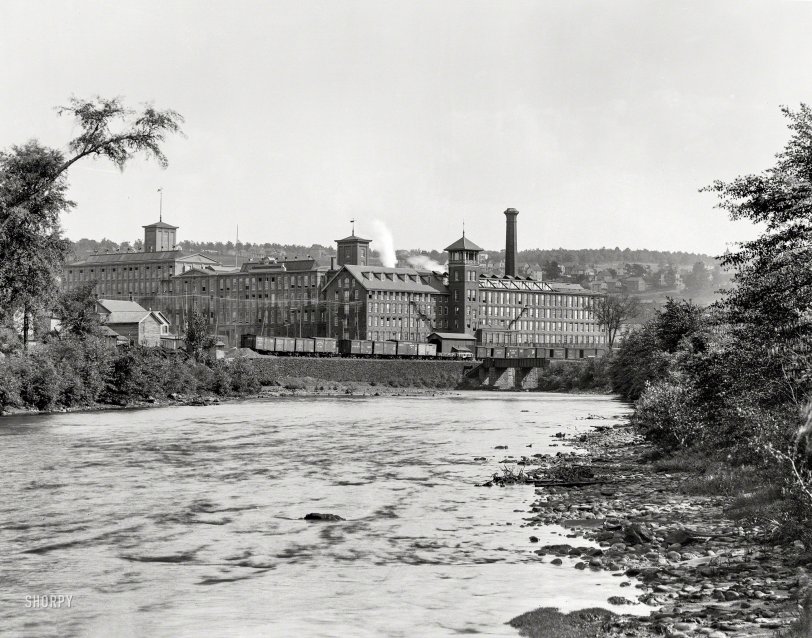
Shorpy




Star Trek – Engine Cold Start
If you are for universal healthcare for all, why?
Three weeks ago, on December 13th 2023, I arrived home from work to find my 69 year-old, healthy, active mother on the floor.
She’d had a stroke.
She spent two weeks on hospital on a specialist stroke ward, and was attended to by some of the best neurologists in the country. She came home and receives visits from therapists three times a week to help her get back on her feet. She needs to drink thickened liquids at the moment due to swallowing difficulties. The therapists bring over free tubs of the powder we add to her drinks.
When she left the hospital, she was given a bag containing two week’s worth of medication, with a note that the medication would be provided going forwards by our local pharmacy. As she is over 65, all her prescriptions are free. The pharmacy supply all the medication in pre-sorted blister boxes so it’s easy to keep track of everything.
Last Thursday, she got mixed up while cleaning and accidentally threw out next week’s box of pills. I only discovered this when she was taking the very last pill in the box. She had nothing left for the following day.
I spent five minutes on the NHS website. I filled in a short form and five minutes later received an email with confirmation from a local 24-hour pharmacy. I drove there and they replenished the missing pills with a new seven day supply completely free of charge. No paperwork either as that had already been sent automatically from the NHS website while I was on my way to the pharmacy.
The following morning my local pharmacy phoned to say they’d heard about what happened and that they would supply additional boxes for me to collect next week. Again, free.
Mum’s been back home for nearly two weeks now and is doing so much better. Because we have had no worries at all about medical expenses we’ve been able to devote all our efforts to helping her get better, without any compromises. Even when we made mistakes, the system was there to back us up, swing into action, and make sure everything was right again.
A horrific situation has been made almost bearable by a healthcare system that is interconnected, well-being oriented, and which provides services according to need with no other metric under consideration.
I wouldn’t change this for all the tea in China.
No, the NHS isn’t perfect. Yes, it could be better. Yes, it’s going through a really rough patch right now. But it’s still infinitely better than the alternative.
[June 2024 edit: Mum is doing much, much better. The aphasia has almost completely passed. She was diagnosed with “frozen shoulder” in February but with time and regular physiotherapy (also free) this is doing much better and her therapist is optimistic that it will be completely healed within the next year. The home visits have stopped now as she’s made such good progress. She’s now able to eat and drink anything and has regained full independence – going shopping, using public transport, cooking, cleaning, doing crosswords, reading, socialising with friends, and helping me out with some projects. We’ve been to a few concerts at the BBC. We’ve been to the Isle of Wight for a short weekend break, and we’re going back for a full summer holiday in the middle of July. THANK YOU NHS.]
The Great Healing
Written in response to: “Write a story with a character or the narrator saying “I remember…”“
Peter Noygeer
“I’m not sick anymore,” he insisted. But Lisa remembered all too well how, just ten years prior, he’d needed heart surgery. A lifetime of chain-smoking, boozing, poor diet, and late nights had clogged his arteries. His doctor had practically begged him to change his habits. Without Lisa’s persistent urging, Henry wouldn’t have even agreed to the operation.
“But living like this,” she pressed, “you won’t last much longer!”
After that, the conversation took a quieter turn, drifting into safer topics that neither truly cared about, as the weight of what they had just discussed lingered over them like a dark cloud.
The very next morning, Lisa stepped into the bustling HIC—short for Health Information Center—where she hoped to learn more about what the media called “The Great Healing”. Inside, she discovered a carefully outlined set of conditions. Anyone aged seventy or older must undergo a thorough medical evaluation; only those who passed it were deemed eligible. Younger participants could receive the therapy too, but their pensions would be gradually reduced after five years—dropping to ninety-five percent in the sixth year, then ninety, and so on. If you were already over seventy and failed the evaluation, you could at least keep your full pension without changes.
From the moment the therapy began, alcohol and smoking became strictly forbidden, and participants had to wear a sensor watch nearly around the clock to monitor the treatment’s effects and prevent any “cheating.” Lisa found the explanations unsettling but oddly convincing. She couldn’t help thinking of Henry, fearing how these rules might collide with his stubborn streak—and what might happen if he refused.
The “Apollo Project for the Healing of Age-Related Diseases” was a global undertaking so vast that no single nation could manage it alone. Its origin lay in the crushing national debts of the member countries being driven skyward by health care costs that had soared for decades, largely thanks to aging populations and too few births to finance the older generation’s pensions. Some nations also shouldered massive military expenditures—something Lisa quietly questioned, even if she rarely delved into politics.
Clinical studies, spanning ten years and involving hundreds of thousands of subjects, now deemed the new medication “sufficiently safe.” Media coverage was divided: half the commentators hailed it as a salvation, while the other half warned of potential catastrophes. Lisa sensed the rift tearing society into polarized camps.
At home, she couldn’t shake a lingering unease. Her mind wandered over her own life: family, dreams, a long career behind her, and a handful of goals still unfinished. She thought about all the people she had known—some now deceased, others severely ill—and finally, about her own health.
“What if I come down with one of these so-called age-related diseases?” she murmured, flipping open a brochure she had picked up. The list inside was overwhelming: cancer, cardiovascular issues, dementia, diabetes, arthritis, and age-related muscle loss, plus a host of ailments she’d never heard of. Then, in the fine print:
“In clinical studies, it has been found that most age-related diseases share at the molecular level the same root cause. The Apollo Project provides a cure to the underlying source of these illnesses, rendering the current medications obsolete. Therefore, starting next year, we will begin the process of discontinuing all other medicinal treatments currently being offered. All existing treatments will be reassessed and replaced by the new drug if necessary. The previously stated conditions remain in effect.”
At that moment, Lisa realized society had crossed a critical threshold. If people refused to accept the new therapy’s terms, they might be forced to confront life-threatening illnesses alone. For Lisa, the choice felt like a subtle ultimatum: consent or risk abandonment.
She had never truly smoked—just one ill-fated attempt at seventeen. Her father, himself a habitual smoker, caught her in the act and made her finish an entire pack at his side in a twisted contest of “Who can smoke the most?” The next day, she felt so wretched that she vowed never to light another cigarette.
She’d also quit drinking years ago. Although a glass of wine at dinner was practically tradition in her family, one morning in her early forties she woke up feeling drained and thought of her mother, who had died young. As an experiment, she tried skipping her dinner wine, first for a night, then another. Eventually, it dawned on her that, while she enjoyed the taste, the after-effects weren’t worth it. She never picked up a glass again.
Despite her family doctor’s repeated “You’re perfectly healthy for your age,” she often battled insomnia and fatigue. In a similar spirit of self-care, Lisa began walking to work. The first few one-hour treks—morning and evening —took discipline, but after three weeks, it became second nature. By retirement, her routine included turning in early, rising at the same time, walking two hours each day, hitting the gym twice weekly, and hiking on weekends.
Still, Lisa wondered how long her good health could hold out. Her parents both suffered through torturous deaths: her father, slowly and painfully fighting against lung cancer, and her mother enduring surgery, chemo, radiation to no avail, finally ending her days in hospice care. Lisa’s throat tightened at the memory of losing them both. She had no children to lean on, and while her pension covered the basics, it wasn’t enough to secure a private retirement home. She pictured herself, alone and wheelchair-bound, in a state-run facility—an image that sent a cold dread through her.
That fear crystallized her resolve. She wouldn’t wait passively for her body to betray her. If “The Healing” was her best shot at avoiding her parents’ fate, then she’d do whatever it took.
Lisa rang Henry’s doorbell and then bolted up the stairs to his third-floor flat, her heart pounding with urgency. Normally, he would greet her with an easy smile, but today he stood in the doorway looking somewhat tense.
“Did you know you might not get your medication next year?” Lisa blurted, stepping inside.
Henry shrugged. “What makes you say that? I barely take them, anyway. I just keep lowering the dose so my body adapts.”
Lisa cast a quick glance at the clutter of beer bottles in the corner—an unspoken accusation. The newscaster’s voice droned on from the TV. “If you’d only take better care of yourself,” she pressed, “watch what you eat, cut back on the drinking… you’d feel so much better.”
“Oh, so now you disapprove of my lifestyle?” Henry snapped. “I’ve got everything I need.”
Lisa tried a gentler tack. “We’ve always talked about doing more together. If you went through with The Healing, you’d be as fit as ever, and we could—”
“So you want me to load up on some untested medication, be monitored around the clock, and let the government dictate my diet?” Henry interrupted, frustration flaring in his voice.
“Is that really so terrible? You’re my best friend,” Lisa pleaded. “Now that I’ve retired, I just want us to have more time… together.”
Henry shook his head, his tone turning defensive. “Sounds like you only care about your own agenda. Don’t change the subject—I’m a capable, responsible person, yet the State’s acting like I’m incompetent!”
Desperate, Lisa latched onto a warm memory. “Remember that spring weekend two years ago? We walked in the woods—it felt like summer, birds singing, the sky glowing.” She paused, her voice softer. “We haven’t done that in ages.”
Henry’s posture relaxed, but only slightly. “I remember. But you know I can’t walk that far anymore.”
Lisa’s voice wavered. “But you said you’re healthy…?”
“We’re going in circles,” Henry muttered.
Tears filled Lisa’s eyes. “Please… just think it over?”
Henry crossed his arms. “My decision is final. But if you want, we can still go for a short walk next week.”
Lisa nodded, forcing a small, sad smile. She slipped out the door, the weight of their unspoken fears trailing after her.
Lisa’s plan to pick up groceries was cut short when she spotted a group of people huddled around a bank of TV monitors. Live coverage flashed on the screens:
“We’re reporting on ongoing unrest in the capital. Several HICs have been evacuated. Members of a militant group calling themselves ‘The Saviors of Humanity’ have forced their way into the buildings, pushing occupants to escape while barring entry to outsiders. Initial reports indicate multiple injuries and at least one fatality. From now on, all HIC facilities will be under armed police guard.”
A wave of fear surged through Lisa. Police cars screamed down the street, lights blazing, and she quickened her pace toward home. Once inside, she locked her door and noticed her hands were trembling. Clearly, not everyone shared her hope for The Healing; some, like Henry, questioned it—but this group was intent on outright sabotage.
The unrest made her decision easier. Lisa pulled up the HIC website, found a branch near the city center, and booked a nine a.m. appointment. “At least there’ll be police nearby,” she told herself. For the first time in ages, she ordered a taxi, in case she needed to leave in a hurry. Though she went to bed at her usual time, sleep eluded her as her mind churned with the day’s chaos and the unsettling thoughts of what might happen next.
A shrieking alarm jolted Lisa awake. Or so she initially thought, but it turned out that it was just the traffic below her window. Glancing at the clock (6:30 a.m.), she was reminded it was Saturday, usually a quieter day. Today the streets were anything but quiet.
Checking her phone, she read the latest nightmare headlines: “Police at Full Capacity,” “Politicians Call for State of Emergency,” “Confirmed: 1,200 Injured, 6 Dead!” Her world suddenly felt out of control, and she struggled to grasp how a therapy for age-related diseases could trigger such chaos.
Standing under the shower spray, Lisa wrestled with conflicting thoughts. “If I avoid those dreaded diseases, my pension gets cut in five years. I’ll need to work again—but I still want the peace of mind that I won’t have to worry about getting sick.” By the time she stepped out, she’d resolved to sketch out a plan for the years ahead.
After breakfast and her favorite cup of tea, she hopped into a taxi.
“Normally, this drive takes maybe half an hour, but traffic’s insane today,” the driver remarked.
“I’m just glad it’s only eight,” Lisa replied, eyeing how young he seemed. As she settled in, she spotted a symbol on the rearview mirror, vaguely familiar but something about it was unsettling.
“You’re heading to the HIC, right?” the driver asked bluntly. “Mind if I ask your age?”
“I’m sixty-five,” Lisa answered. “Why do you ask?”
He glanced at her in the rearview. “You look amazing—I’d have guessed early fifties. And you want this Healing—why?”
Lisa offered a bright smile. “Thank you. I feel great, and it can’t hurt. Plus, I can enjoy my pension for a few more years before I figure out what’s next. Who’d have guessed I’d see something like this in my lifetime?”
The driver’s tone sharpened. “Ever think about how the planet suffers, with more people living longer, using up resources? Nature can’t keep up.”
Shifting uncomfortably, Lisa tried to sound calm. “I’ve read that the global population might be peaking—and yes, there’s a crisis with so many older folks, but there’s also progress: recycling, sustainable energy. I’m no expert, though.” She felt scrutinized, as if on trial.
The driver snorted. “The system wants folks like you back at work paying taxes. They’ll recoup their money and then some. What about those who can’t get healed—too sick, or living in countries that aren’t part of the project? Is that fair?” His voice rose, making Lisa’s heart pound. She glanced again at the dangling emblem and finally realized why it was so familiar; it was an abstract human figure the same icon used by the “Saviors of Humanity”.
“Nothing is perfectly fair,” Lisa conceded softly. “But maybe we can each do a little good in the world. Please let me out here—I need to grab something,” she added, telling a small lie to escape the increasingly uncomfortable conversation. After paying and tipping him, she slipped away.
At the HIC, a friendly receptionist welcomed her. “Good morning, Lisa. Have a seat. This therapy could help you avoid age-related diseases and give your life a fresh start. It’ll be administered at a specialized longevity clinic, where they can answer all your questions. Here’s a referral.”
Brimming with cautious excitement, Lisa immediately headed to the clinic, where a doctor greeted her with practiced warmth. “Pleased to meet you, Lisa. My colleague will draw some blood, then we’ll proceed.” Moments later the doctor returned, results in hand, and nodded with satisfaction.
“You’re in excellent health for your age,” he said. “Biologically, you’re about ten years younger than sixty-five—a good sign for the therapy. Think of it like an annual vaccine. We’ve seen no dangerous side effects in this generation of the drug. I even tested the first generation on myself,” he added proudly. “It targets cells at the molecular level to regenerate them. You’ll feel practically reborn.” His eyes gleamed in the sunlit room. “Ready?”
Lisa felt a surge of both nerves and excitement. “Yes, I want this.” She signed the multi-page consent form and received the injection, goosebumps prickling her arms.
“You’ll need to wear this watch at all times,” the doctor continued, handing her a sleek device. “It tracks your biodata, has a calendar, and recharges itself. It’ll also remind you of next year’s follow-up. If you have questions, the brochure can help—or you can call us.”
Lisa slipped on the watch, noticing the doctor wore an identical model. They exchanged a small nod. Minutes later, she was out the door, head buzzing with questions. As soon as she got home, she added “Second Birthday” to her phone calendar. She sensed life would never quite be the same.
Five years later, Lisa steps into the palliative care center, her heart tightening the moment she sees Henry seated by the window. His gaze is fixed on the fading daylight outside.
“You look so young and happy. Thanks for coming,” Henry whispers, his voice frail. A stroke weeks earlier had robbed him of the ability to walk, and his health had spiraled downhill ever since.
Lisa eases into the chair beside him. “Of course. How can I help?”
Henry’s eyes flick to her, then back to the sunset. “I’ve been thinking a lot about my life. When I retired, I felt enormous relief at first—I never had to work again. But truthfully, I lost any real sense of purpose after that. Then they introduced this ‘healing,’ and it felt like someone was snatching away my final reward.”
“You could still apply…” Lisa offers gently.
Henry shakes his head, a weary smile forming. “I always felt more alive when I was around you. But now I’m just… tired, and oddly at peace. Thank you for staying by my side.”
A month later, Lisa begins her new job with a mix of determination and a lingering ache—aware that as her world keeps shifting, she must keep moving forward.
Grilled Orange-Rosemary Chicken

Yield: 6 to 8 servings
Ingredients
- 3/4 cup 100% Florida orange juice
- 1/2 cup plain yogurt
- 1 large garlic clove, minced
- 1/4 teaspoon cayenne pepper
- 1/4 cup vegetable oil
- 6 to 8 (5 ounce) boneless, skinless chicken breasts
- 1/2 cup orange marmalade
- 2 tablespoons 100% Florida orange juice
- 2 tablespoons minced fresh rosemary leaves
- Salt
Instructions
- In a medium bowl combine 3/4 cup orange juice, yogurt, garlic and cayenne; mix well. Whisk in oil. Place chicken in a shallow dish. Pour orange juice mixture over chicken; cover and refrigerate 1 to 3 hours.
- In a small saucepan combine orange marmalade, 2 tablespoons orange juice, rosemary, and salt to taste. Place over medium-low heat and cook until marmalade melts, stirring occasionally. Cover and keep warm.
- Heat grill to medium (300 degrees F to 350 degrees F).
- Remove chicken from marinade. Pour marinade into a small saucepan; bring to boiling over high heat. Boil for 3 minutes; remove from heat.
- Place chicken on grill. Grill for 6 minutes per side or until an instant-read thermometer registers 165 degrees F, turning and basting frequently with the cooked marinade.
- During the last 3 minutes of grilling, brush chicken with orange–rosemary mixture.
- Serve warm.
Why does China have no alphabet? Why did China never invent an alphabet?
趙元任 (Chāo Yuánrèn, 1892–1982), who spelled himselve Yuen Ren Chao, an American-Chinese linguist has written a Poem Lion-Eating Poet in the Stone Den, only having characters with sound like shi, similar to the English shi- in shirt, to prove that it is impossible to replace the characters by an alphabet:
Chinese is full of homonyms. In some cases one sound including the 4 or 5 tones of Mandarin represents more than 100 different characters. English has more than 15,000 syllables (including those from loanwords). But Mandarin only has around 420 sounds excluding the tones and 1,300 including the sounds.
This makes it difficult to replace the characters by an alphabet. Hanyu Pinyin, the official romanization system in China (since 1958), can be understood in simple texts, but not in high literature or classical texts.
In the past, Chinese dictionaries used a method called 反切 (fǎnqiè) to describe the pronounciation of a character by using two other characters. But languages change over the time, and the fanqie 德 (dé, virtue) and 紅 / 红 (hóng, red) for 東 / 东 (dōng, east) is not correct anymore.
Most early transliterations of Chinese names or term go back to foreigners, which lead to misleading spellings as in the case of Peking for the Chinese capital 北京 (Běijīng).
In 1913, shortly after the Revolution of 1911, the Chinese government has decided to use a semi-syllabary called Bopomofo aka Zhuyin Fuhao, which is still used in Taiwan and was replaced by Hanyu Pinyin in Mailand China by the late 1950s.
Here is the Taiwanese keyboard layout with Bopomofo and the corresponding Hanyu Pinyin underneath:
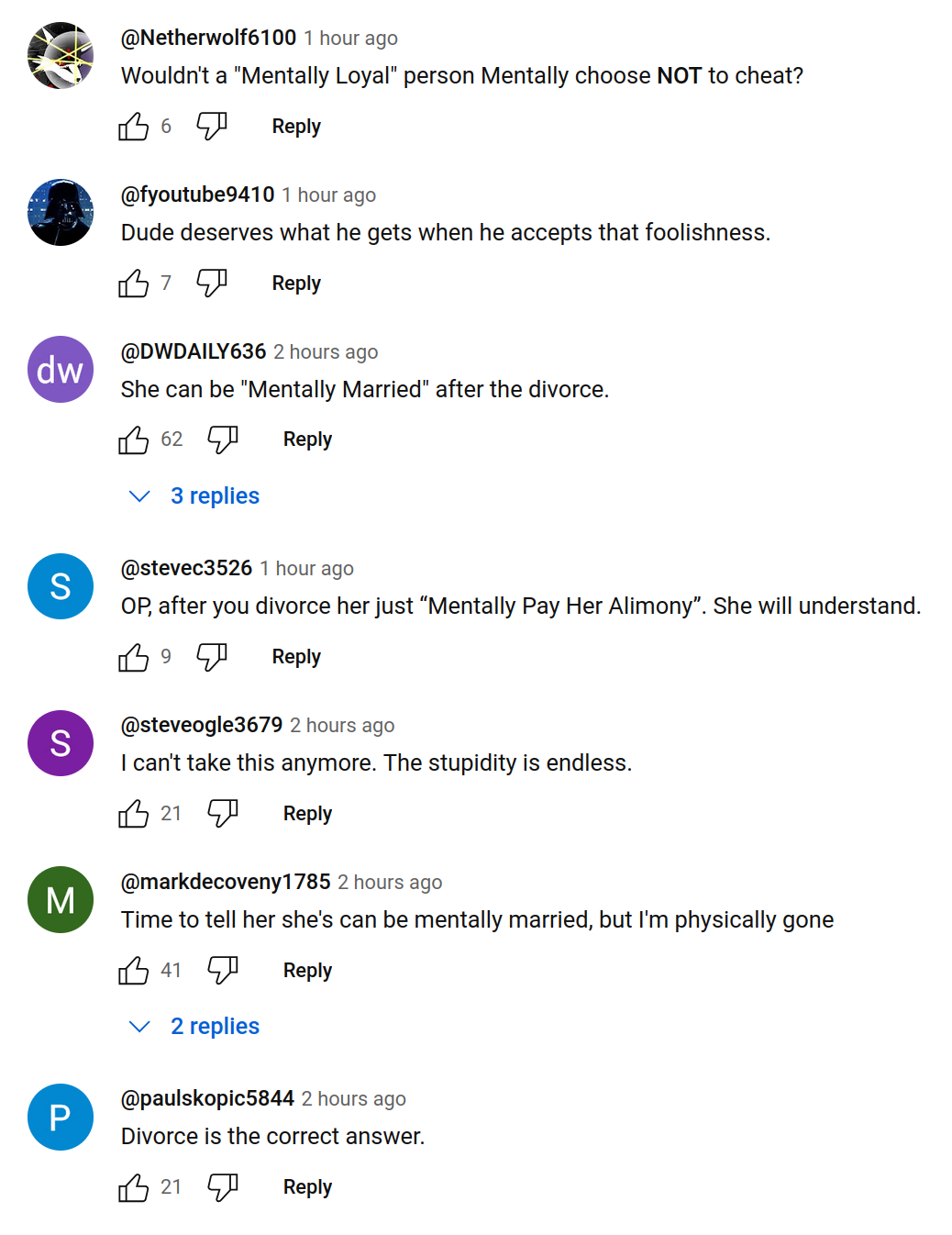
While Partaking In A Sausage-Fest, Serial Cheating Wife Claims She Was “Mentally Loyal” And Wants…
Days ago, 2 huge shit on show.
1. President/Chief/Leader of Taiwan/Republic of China/or whatever what you want to say, maybe Principal Liar, who said China (People’s Republic of China) will finish the unification, so he’s going to spend very much money on weapons. Meanwhile, many of earlier high price orders are delay. (I’m just pass another thing on this comment, which about the incident by Japan’s Prime Minister, then what Taiwan President wants people to do. And he also said Taiwanese have (much) leisure time and (much) money. (Opposite to real. Hey, do you know how a normal person to save money for 100 or 200 years to buy a house?))
2. (United States of) American power organization wants Taiwan make the big supports for the improvement of foreign military base(s).
https://udn.com/news/story/10930/9163722
I have my ways of the sounds of “Standard English”. I’m in English to talk (write actually) to people who don’t know my native language(s). Some times I have a bit interesting in learning other language(s), but that’s not my priority. And I would be guided/lead to destroy things if other(s) force me to do something.
That 2 standards, one of which is older, both are for “correct” the sounds of English to its alphabets and change the capital rule, and can be used in describe the sounds of my native language(s). I can show it in other comment(s) if somebody want to know it.
Here is an example without describing the sounds (and tones), only alphabets: UNiTed STaTeS-ChiNa ECoNoMiC AnD SeCuRiTy ReView CoMmiSsion.