


Today, I choose to praise chocolate cake donuts and coffee.
They have been my favorite breakfast as I went to work when I lived in Indiana, and Kentucky. I would go through the drive though, and grab this particular kind of doughnut and a tall (or large) cup of coffee.
So get your mouth watering…









Today…
To what extent does our economy rely on foreign imports? Is our dependence on importing goods from other nations significant?
I assume you are American
US imports of goods in 2024 was worth $4.1 trillion. The deficit in the goods trade was $1.1 trillion.
US GDP in 2024 was $27.8 trillion.
Goods imports and deficits were 14.7% and 4.0% of GDP respectively.
The imported goods go into your stores, factories, and offices.
Perhaps you may not be aware that a large chunk of the goods you see in the stores are imported. A lot of what you buy are imported.
I think they are good indications of your dependence on the imports of goods.
Hit By Semi-Truck; & Jumped Timelines? PROFOUND NEAR DEATH EXPERIENCE (NDE)
Why do the Chinese always feel backward and then the Americans feel strong?
Government propaganda
The Chinese government likes to publicize the problems existing in China, what problems the CPC has solved, and the remaining problems need to be solved together by everyone led by the CPC
The U.S. government likes to publicize how powerful America is, and how great it is under the current party leadership, so they can grasp power.
The difference in political systems leads to the American government being more unwilling to face problems, which affects the people.
Easy Meal: How to Make a Shepherd’s Pie
There are lots of recipes online for various potato casseroles. The most famous of the potato casseroles may be a Shepherd’s Pie. It’s a great way to use those leftover potatoes.
This makes a great after holiday or a Monday after-Sunday-dinner meal!

Add a salad and maybe a side dish and you have a meal. I especially like this made with leftover gravy but it’s okay with tomatoes too.
by Dennis Weaver

Kitchen tools, gourmet foods, baking mixes, and hard-to-find baking ingredients mentioned in this article are available at The Prepared Pantry.
Here’s how to make a Shepherd’s Pie
- Sauté ground meat and onions in a heavy, oven-proof skillet. Season to taste.
- Add a can of stewed tomatoes, leftover gravy, or make a new gravy in the pan.
- Add some veggies. Green beans or corn are typical.
- Cover with mashed potatoes. Top with grated cheese and a sprinkle of paprika.
- Bake at 350 degrees F until heated through and the cheese is melted. Times will vary with the pan and size of casserole.
Dennis Weaver is the founder of The Prepared Pantry, a full line kitchen store in Rigby, Idaho. The Prepared Pantry sells kitchen tools, gourmet foods, and baking ingredients including hundreds of hard-to-find ingredients.
Why do so many millennials who grew up in small towns want to live in high-cost urban areas?
Every generation since World War I has struggled with this.
I moved back to my hometown in July, a mid-sized city in the Midwest, because my dad died unexpectedly and left me a free place to live. The process of mourning my father softened my attitude toward a town I’ve never really liked, otherwise I wouldn’t have moved anywhere within 100 miles of it. (I also wanted to make sure my mother is OK. She is.)
The fact that I can live here in a house that’s long been paid off, on several acres of land in the countryside purchased 70 years ago by my great-grandfather, and survive on about $20 a day… that still isn’t a great reason to stick around. The October leaves are gorgeous, but you can’t just sit and look at pretty leaves for the next 40 years.
You can go to work and put 90% of your earnings into savings and investments… for what? For what purpose other than retirement? (Which will look exactly like the life you’re living now. Cheap, quiet, and really pretty nice, but also lonesome and boring.) I don’t have kids, so don’t need to pack away any money for them. I wish I had kids.
I’m not saying there are no pros. (I’ve lived in big cities and am aware of their annoying downsides.) But there are big cons to so-called “cheap” small town life:
- When you don’t actually have to go to work very often, your life loses structure and direction really fast unless you’re unusually devoted to some hobbies you’re extremely passionate about. I’m 42, feel like I’m “retired early,” and there’s a lot of serious mental downsides to that. Every day is different, some are great, but a lot of days are just incredibly boring. I’m ridiculously fortunate, yet it’s also kind of depressing: there’s really no ”need” to work, so time can drag as much as it does in an office waiting for the clock to hit 5.
- When the most interesting, intelligent and fun people of your generation have almost entirely left for bigger cities, there’s really not a lot of friendships here. Even less romance. Millennials are in their 40’s now. If you’re not married or already dating someone in your 40’s, especially if you just prioritize living cheaply in a smaller town over actually pursuing a career where you have co-workers and a social circle… life gets pretty isolated fast. Even worse if you’ve been away for a long time. Everybody who stayed, they got married 20 years ago. The people who are here? They’re like 18 and 65.
- You want career advancement? I don’t personally care, because I’m not a career-oriented person and never have been. But if you are, then that’s harder in these so-called “cheaper towns.” Despite less competition, opportunities are fewer.
- Money attracts more money. You pay more to live somewhere else, yes, but there’s more money flowing around there. So it’s easier to get your hands on some of it. “Cheap” towns are cheap for a reason: most people don’t want to live there, for reasons that are actually pretty understandable. The number of places where you can make really good money and spend only a little of it isn’t actually all that high unless you’re in some very niche, high-demand professions, and even then, there’s still a cost.
- People attract entertainment. I’m not saying entertainment never comes to small towns. But it’s more limited.
Personally I think it’s OK to be in a smaller city 20 miles or so from a big city.
Beyond that, you’ve really got to ask if “saving money” is what really matters to you in life, at the expense of a lot of other things. And it’s questionable what you’re really saving, anyway, considering that jobs in smaller towns and cities tend to pay less than what they do in big cities.
Do you value a bigger savings account over personal relationships? To me, packing away some money was a great reason to tolerate my hometown for a while, until I realized that saving money is no excuse for living a life without friends nearby.
If you can make small town life work for you, I think that’s great. I like small towns in their own way.
But living there can actually be more challenging, in its own way, than living in a big city.
Personally, I can now appreciate why people have a “country escape” for the weekend… then go back where the action is. (Having both means you’re very lucky.)
Changing Rooms
Submitted into Contest #279 in response to: Write a story about a character who’s lost.… view prompt
Story Time
The hallway only extended the further she traveled down it. After walking for a few minutes, she realized that she had left her purse with her phone in it back in the room–but which room was it? Something about being separated from her phone made her feel frantic, and she began to push back the curtains as though she were looking for a lost child, when, in fact, she was the lost child. Without her phone, she wouldn’t be able to call for help if she needed it. Did she need it? She wasn’t in any danger. It was an endless hallway with an infinite number of changing rooms. There was nothing dangerous about that, unless she really couldn’t extricate herself from it, in which case, she might starve to death, but that would take days. Leave it to her to skip breakfast that morning. Was there even a restroom nearby? She found that the anxiety had caused her bladder to constrict. Could she simply relieve herself in one of the rooms? It would serve Pickler’s right for trapping her like this. Weren’t any of the associates tasked with checking to make sure nobody was stranded in the back of the store?
She searched for something that would cause an alarm to go off. Embarrassment be damned, she needed to use the restroom and retrieve her phone. Each curtain when thrown aside only relieved another mirror. Now, not only were the reflections in them not flattering, but they showed her something grotesque. A sweaty woman stared back at her: Make-up running, hair unkempt, and in a get-up far too young for her. She refused to accept that this was her despite the minor identical details. She was not at her best in this moment, that was true. Still, that didn’t make her a monster. It was all about being a victim of circumstance. Once she knew where she was, she’d look sensible again. The mirror in her changing room would prove it.
After walking for nearly half an hour, she spotted a door at the end of the hallway. As though it were water in the desert, she ran towards it, nearly twisting her ankle with the sudden jolt of movement. When she reached the door, there was a red light above it, and she almost stopped herself from pushing on it. Despite having wanted to set off an alarm earlier, now she rethought her approach. If the other side of the door led to the inside of Pickler’s with its cash registers and helpful salesmen, then she’d be alright, wouldn’t she? She’d ask someone to go back into the changing rooms to find her phone and her purse, and she’d purchase every single item she brought in with her. Even the ones she didn’t like. It would be her offering to the store for not keeping her locked away in perpetuity.
The trouble was, if an alarm was attached to a door, there was no indication of how to open the door without setting off the alarm. Well, she thought, If it goes off, I’ll just apologize profusely to whomever comes running. I’ll play the Old Lady Act. Was it really an act though? Would she ever have gotten lost in a changing area twenty years ago? Or even five years ago? She pushed on the door and instantly felt a burst of cold air. Somehow, she was outside. Her initial concern gave way to relief. Who cares if she was outside? Outside was still a normal place to be. It still adhered to the rules of reality. Wherever she just was had no such stricture. If she had to walk back to the front of the store in her (now) shoplifted garments, then so be it. Perhaps they’d give her some kind of discount for having to endure such a horror on a Saturday afternoon.
Once her eyes adjusted to the lack of unnatural light, she saw that she wasn’t outside at all. She was in Pickler’s, but there was a draft coming in. Looking up, she noticed that the ceiling was gone. Had a storm come and carried it off while she was seeking out an appropriate mirror? How could she not have heard it? Nothing in the store seemed to be disturbed. Everything was in its place, but smaller items like perfume samples and receipts were blowing around in the wind coming into the store. She walked towards the nearest cash register, but there was no employee in sight. She rang a small bell that had been placed on the counter. There was no sign indicating where anyone had gone. Should she just try to make her way home? This was all very trying.
Giving the world a chance to right itself, she rang the bell.
As the sound rang out, she felt a sensation run down her back. There was the smell of men’s cologne, and a hanger from somewhere behind her rattled a bit.
It seemed as though the store was closed.
So why didn’t anyone tell her?
And why would they close when there was still so much time left in the day? Dispatching with a ceiling before ringing up every customer was extremely rude. She wanted to speak to a supervisor. She wanted someone to tell her what was going on. There was still time to shop. There was still time to try on a few more things.
Surely, it was much too early to turn off the lights.
Have you ever been wrongly accused of something?
When I was ten years old, I would wash car windscreens at the local shopping centre, because I wasn’t old enough to get a job yet. Sometimes the security would say we can’t wash windscreens there, sometimes they wouldn’t. It always depended on who was working that day.
I would usually ask people if they wanted their windscreens washed as they hopped out after parking.
One day, this middle-aged lady was walking into the shopping centre after parking her car. She had some interesting sort of digital clipboard thing clutched to her chest.
It was a really interesting piece of technology, and I hadn’t seen anything like it before. I kept looking at it as I asked her if I could wash the windscreen, even though my parents had taught me it’s rude not to look someone in the eyes when speaking to them.
She said she didn’t want me to wash the windscreen, then went in to go shopping.
This lady came out a little bit later, and wanted to speak to me again. She had a stern look on her face, and she said something along the lines of
“I wanted to talk about your behaviour before. When you asked to wash the windscreen, you weren’t looking me in the eyes… you were looking somewhere else. You need to learn that that’s unacceptable, and it’s particularly offensive to women”
She didn’t let me get a word in, and I don’t think she even would have believed me if I told her I was looking at the clipboard. But I was ten. I wasn’t even interested in girls like that yet, and if I was, I would have been crushing on girls my age, not women in their late 50s.
I was so embarrassed I apologised to her, then packed up all my supplies and went home. I can’t believe she went off at a ten-year-old and accused me of being a pervert like that.
‘If war is what the US wants…’ China speaks toughly to US on new Trump tariffs
China’s GDP growth rate remains high at over 5% per year, but all of the Chinese stock indexes have low growth in the 2010s and zero growth on the 2020s. Why is this?
Chinese stocks have no correlation with the country’s economic growth.
This was told in plain and simple language since the very beginning, that the stock market was made to “collect funds for national companies”.
If the stock and economy were correlated, Chinese stock would have grown 10 times as much as the US stocks.
Sir Whiskerton and the Great Corn Swap: A Tale of Bartering Blunders and Feathered Feuds
Ah, dear reader, prepare yourself for a tale of agricultural antics, spoiled cobs, and one very oblivious pig who nearly turned the farm into a battlefield. Today’s story is one of bartering gone wrong, feathered feuds, and the importance of double-checking your deals—especially when Mr. Wigglesworth is involved. So, grab your sense of humor and an ear of corn (just in case), as we dive into Sir Whiskerton and the Great Corn Swap: A Tale of Bartering Blunders and Feathered Feuds.
The Bartering Proposal
It all began when Mr. Wigglesworth, the farm’s resident eccentric pig, approached the farmer with a “foolproof” plan. “I’ve devised a brilliant bartering system,” he declared, puffing out his chest. “We’ll swap our corn crops with the neighboring farm. It’s a win-win!”
“Win-win!” echoed Ditto, who was busy practicing his echoing skills by repeating Mr. Wigglesworth’s every word.
The farmer, always eager for new ideas (no matter how dubious), agreed to the plan. “Alright, Mr. Wigglesworth,” he said. “Let’s give it a try.”
The Spoiled Cobs
The neighboring farm delivered their corn the next day, and at first glance, everything seemed fine. But when Doris the Hen inspected the cobs, she let out a dramatic squawk. “These cobs are spoiled!” she cried, flapping her wings in outrage. “They’re moldy, mushy, and utterly inedible!”
“Inedible!” echoed Ditto, who was now juggling three acorns.
The other animals gathered around, equally dismayed. “This is an outrage!” Gertrude the Goose honked, her feathers ruffled. “Someone sabotaged this exchange!”
The Feud Begins
Doris, ever the drama queen, immediately accused Gertrude of sabotaging the corn swap. “You geese have always been jealous of our corn!” she squawked. “This is your doing!”
“My doing?” Gertrude retorted, her voice rising. “If anyone’s sabotaging things, it’s you hens with your constant clucking and gossiping!”
The feud between the hens and geese escalated quickly, with feathers flying and insults honked. Meanwhile, Mr. Wigglesworth, oblivious to the chaos he had caused, wandered off to admire his “brilliant” bartering system.
Sir Whiskerton Investigates
As the farm descended into chaos, Sir Whiskerton knew it was time to intervene. “This,” he said, his green eyes narrowing, “is no time for feuds. This is a time for investigation, for deduction, and for… well, probably more investigation.”
“Investigation!” echoed Ditto, who was now hiding behind Sir Whiskerton.
Sir Whiskerton began his investigation by examining the spoiled corn. He quickly deduced that the neighboring farm had sent over old, moldy cobs by mistake—not out of malice, but out of carelessness.
The Resolution
With the truth uncovered, Sir Whiskerton approached the neighboring farm to negotiate a fair trade. “We’ll return your spoiled corn,” he said, his voice calm but firm, “and in exchange, you’ll send us fresh cobs. No more bartering blunders.”
The neighboring farmer, embarrassed by the mistake, agreed to the terms. Fresh corn was delivered, and harmony was restored to the farm.
The Moral of the Story
As the animals celebrated the successful trade, Sir Whiskerton took a moment to reflect. “The moral of the story,” he said, “is that even the best intentions can lead to trouble if you don’t double-check your deals. Whether you’re bartering corn, solving mysteries, or navigating feuds, it’s important to ensure that everyone is on the same page.”
“Same page!” echoed Ditto, proudly.
A Happy Ending
With the corn swap resolved and the feud between the hens and geese settled, the farm returned to its peaceful ways. Mr. Wigglesworth, still blissfully unaware of the disaster he had almost caused, strutted around the farm, taking credit for the successful trade.
As for Sir Whiskerton? He returned to his sunbeam, content in the knowledge that he had once again saved the day. And as he drifted off to sleep, he couldn’t help but smile at the thought of Mr. Wigglesworth, the oblivious pig, still convinced of his bartering brilliance.
And so, dear reader, we leave our heroes with the promise of new adventures, new challenges, and hopefully, no more spoiled corn. Until next time, may your days be filled with laughter, love, and just a little bit of feline genius.
The End.
Does Putin realize his attacks on Ukraine are uniting European forces against Russia?
Nope, it is a manipulative narrative. Europe was always united against Russia, except it is seldom honest about it.
The biggest error Russia can make is to listen to Europe and to seek its approval. Europe uses narratives of possible cooperation only to dull Russian awareness and take advantage of it.
Malaysian Airlines 370 Survivor Finally Breaks Silence And Reveals The Truth
What’s the most desperate thing you’ve done for food?
I’m a bit embarrassed to tell this story, but it was an act of desperation, and I’ve told it countless times amongst friends.
In 2010 I moved to Arlington TX, to re-connect with my mother after little to no contact for 14 years. I was 21 at the time, I had just dropped out of college (again…), and I needed a connection and new opportunities. Well… things didn’t really work out. My mother and I were too similar yet too different in all the wrong ways. So I moved out and got an efficiency apartment.
At the time I was working at Six Flags over Texas (SFOT), which was an awesome job but paid peanuts, and my car had broken down (again…).
So that was where I was at. Barely making enough to pay rent and having to walk to work every day. Plus since SFOT was a seasonal job, so they could work me all day every day and not pay overtime. So I was constantly strapped for cash and in need of calories. So I googled ideas for getting food for cheap or free, and what I found was both an awesome and kind of off-putting idea.
At the time (not sure if they do this anymore) every couple of hours Little Ceasars would throw away perfectly good pizza because it was no longer “fresh”. So with the suggestion of the article (I wish I could find it) I went to the Little Ceasars next door and checked their dumpster. Sure enough, there were six boxes of large one-topping pizzas! The pizzas were still in the box and still hot. So I would grab the four middle boxes of pizza every couple of days and eat on it throughout the week.
Sadly enough, eventually the night crew figured out I was doing it, and started leaving them on top the dumpster instead of in it. Guess they thought it was both sad and disgusting and decided to help a man out.
So yeah.. that’s the most desperate thing I’ve done for food. Pretty gross, but it got me through a rough patch in life.
Charlotte Plumier Gets Lost
Submitted into Contest #279 in response to: Write a story about a character who’s lost.… view prompt
Rebecca Hurst
You will see the difficulty with this unspoken stance, and how carefully all conversations on the matter were conducted. It is true that one in six women will meet with violence or coercion in their lifetimes, but is also true that one in sixteen men meet with the same – and Francis Plumier was of that number. It was widely known in the Chamber and in the broader echelons of society that this handsome, principled Member of Parliament, who had the steady knack of being liked even by those who disagreed with him, was an abused husband.
She was a person, (and both sexes have their culprits), who completely intimidated everyone within their purview. Her children were immaculately dressed but largely catatonic. Nothing they did was ever right, and in this hothouse environment they, unlike the orchids, failed to thrive. Her staff were bullied to tears and invariably left without references, and she in all ways conducted herself in the manner of an unhinged dowager duchess in a gothic penny dreadful. Even the Prime Minister had been known to make a hasty exit on her stately entrance to a function, and it was widely known that Francis would have been a cabinet minister long ago were it not for her.
There was not even the mitigation of beauty, which might explain how Francis had put a ring on her finger. She was built like a Welsh dresser without the ornamental embellishments. Friends suggest that she literally bullied him into it after he got her pregnant, although they wonder how he even managed that. The only conclusion was that she did come with plenty of money and a large parcel of land, and even pleasant MPs are not immune to such enticements.
The day of her disappearance was investigated with a broad-toothed comb, (an afro comb as opposed to the ones you use to get rid of head lice or to brush up suede). Two decades ago there were no cameras in the car park, although it was known that she drove away, because she sat on her horn whilst an elderly couple attempted to cross the road. Two miles from town, her car was found abandoned in an access road surrounded by muddy, low-lying fields where the only witnesses were the crows and/or other corvids who, if they had the ability to speak, would probably have kept silent when it came to Charlotte Plumier.
The driver’s door was open. The shopping had slipped from the back seat. There were traces of hessian in the footwell suggestive of a bag being placed over her head. There were no traces of blood or other violence. If a drug had been used, the open door and the chill day had dissipated its smell. All four tyres were punctured, which meant that a stinger, or spike strip, had been deployed. It was a classic kidnap scenario, and the authorities awaited the ransom note.
None of this stopped Francis from being the main suspect in his wife’s disappearance. He was speaking in the Chamber of the House at the time, to which at least eleven snoozing MPs and Hansard could attest. The subject matter was whether a publicly shy great-crested newt should have the amphibian effrontery to prevent a new housing estate on greenfield land. Francis, because it was grass within his own constituency, believed that the newts should prevail, and argued eloquently in their favour. The estate was never built. But that didn’t preclude the obvious possibility that he had paid someone to do it – because quite frankly, very few people who had met his wife would blame him if he had.
Smartphones were largely unknown when Charlotte went missing, but the police requisitioned all of Francis’ private and governmental devices, and could find no evidence of any collusion. He had a solid alibi and a sainted reputation. All he had was motive, and it could be argued, (and it was), that thousands of married couples could own the same.
Body language experts were deployed by the police and the media, but none of the tells were telling in Francis’ case. There was no rapid blinking, no self-comforting, no glancing away at the shame of a lie. Liars are acutely aware of their calumnies, but Francis displayed no such attempt at guile. A week after Charlotte’s disappearance, she was being spoken of in the same breath as Lord Lucan and the racehorse, Shergar, although she had never murdered a nanny or won the Epsom Derby.
At home, the children flourished. No longer Charlotte’s mannequins, they became a rambunctious tribe of feral children. They would straighten out given time, but in the immediate giddy joy of their mother’s absence, they had a lot of catching up to do. She was never mentioned, as though they feared the invocation of her name would suddenly transport her back from wherever she had gone. Francis, free of dodging plates and applying makeup to his face, became more handsome and desirable than ever before. Like his children, he too flourished, and although a lost wife was as much an impediment to a cabinet position as a found one, he had been given assurances that once the matter was resolved, he would gain his promotion.
The months wore on, and there was still no ransom note. Eventually, the gossip concluded that Charlotte had been taken by a person or persons unknown whom she had at one point offended or enraged. It was a wide field, and the police lost interest in combing it. The feminist press stayed at it for a while longer, until other feminists patiently explained that they clearly hadn’t met Mrs Plumier. More esoteric thinkers suggested that some people are fated, like underwear, to simply disappear without trace. The matter of the stinger in the road and the hessian sack fibres were conveniently dismissed as too corporeal.
A year later, Francis was passed a note by a lanyard-ed staffer in the House of Commons, who thrust it in his hand and swiftly walked away. With a vague thought to how successful Guy Fawkes might have been in the present day, he went to his small office and read the contents.
“The dust has settled. We have your wife and she is alive and well on one of the countless islands in the Gulf of Bothnia. There are five whalers on the island and Mrs Plumier has decided to be in love with Olavi Heikkinen, who likes whales and being hit over the head with iron pans. We now demand £15,000 paid in US dollars for last year, and the same amount for this year. Furthermore, we demand the same sum every year on the given date. Please see to it that the payments are anonymous and untraceable. If you do not agree to our demands, we shall return her to you.”
Francis put the note down and then picked it up again. He did this three times before allowing a smile to dimple his cheeks.
It might be a good idea to insert into this text, to remove all traces of doubt, that Francis Plumier was entirely innocent of his wife’s disappearance, and until that moment, had not the faintest idea what had happened to her. Of course, he had never wished that some physical or tortuous harm had come to her, but it is certainly true that the hole she had made in his life was copiously filled by the buoyant sense of relief, calm and serenity which was the consequence of it.
He called his accountant from the landline at home. Over brandy they discussed the note and the wider implications. ‘This is no time for coming clean,’ said his old friend, who had been his best man and had paid the local church to ring the death knell on the date of their wedding anniversary ever since. ‘The note clearly says she’s happy with the whaler, and I can easily organise the payments in a way that is not suspicious. In fact, the demand is relatively low. Charlotte spent that sum in Boden the tax year before last.’
In the twenty years since Charlotte Plumier got lost, the MP for Cromer Heath, (now on the opposition benches and a little greyer around the temples), paid the sum of £300,000 to whomever the entity was. Over time, he came to see her kidnap not as a criminal act but an act of compassion, and he fondly imagined the puppet master to be the Sultan of Brunei, on no evidence beyond recalling he had once met Charlotte and passed him a fleeting look of fraternal commiseration at the time.
After seven years, Charlotte was pronounced officially dead. Her money was released and put in trust for the children. Francis did not remarry, but he had a long-term dalliance with a striking widow who valued her independence and had a full set of crockery. He continued to receive notes from the Gulf of Bothnia, all of which assured him she was alive and well. He often wondered if the same could be said of the unfortunate whaler.
On the twentieth year of Charlotte’s disappearance, the notes stopped. Quite by chance it coincided with an article he had recently read in the National Geographic in which it made clear that there were no whales in the Gulf of Bothnia. There had been one sighting of a humpback, and the excitement that aroused was equal to discovering a reindeer in the frozen north with a red nose.
It began to dawn on the member for Crawley Heath that he had been played, but he was unclear on both the instrument and the player. Where was Charlotte Plumier?
During the course of the long Christmas recess, Francis became burdened with distraction. He felt that he ought to own up, to come clean. The whole affair marked him as initially blameless, but clearly culpable of deceit in the aftermath. His old friend the accountant urged less brandy and more caution. His children, on hearing his confession, urged the same. They did not want their mother back, arguing that although they were too old for her tempers, the grandchildren were certainly not.
To put his mind at rest, a period of intense and discreet internet sleuthing followed. No names were mentioned, but certain particulars were alluded to. The hunt was on for a broad-beamed Englishwoman with a violent temper, a tendency to reorganise, meddle and infuriate in equal measure. There was an avalanche of leads, from Rannoch Moor to Tuscan mule tracks and windswept Atlantic islands. Photographs of plausible suspects were emailed and dismissed. All trails led nowhere.
When the next instalment was due, Francis paid it, and he resolved to continue paying it just to keep on the safe side. He was often wedded to the truth, but in that matter of his lost wife he was prepared to make an exception.
And this is where it might have stayed, but in that year’s general election, Francis, much like a polo player, found himself unseated. With time on his hands, he began to slip into the kind of dwelling his old friend and family had warned him against. But just as he was on the point of wiping the slate clean by writing a memoir, a letter came through the post. The handwriting was immediately familiar.
“Dear Frankie,
Bad luck on losing your seat. Still, as often quoted, all political careers end in failure.
I expect you’ll want to know where I have been all these years. I was briefly sent to an island off the coast of Finland, but the small community there didn’t want me for any amount of money. There was talk of sending me to Brunei but the Sultan put his foot down, so eventually I was sent to an Albanian convent. After several weeks, the nuns decided that my reorganisation of the conventual library was a meddle too far, but I did enjoy the mountain air ….”
(Francis skimmed through the lengthy descriptions of all the places Charlotte had been sent to and removed from on closer acquaintance).
“The Finland ruse worked quite well until you left that National Geographic in the conservatory. As I often used to say to you, Frankie, never trust an accountant. It was your dear friend Robert who had me kidnapped – although they were very polite about it. My accountant, rest his soul, was equally devious. The money left to the children was a mere gesture on my part. I always was, and remain, a very wealthy woman. Your annual contribution to my upkeep was all rather irrelevant, and although I was initially put out by your ready acceptance of the reverse ransom, I came to realise the moral dilemma it put you in, and that amused me. By the way, are you aware that there is a Friends of Francis Plumier group? Your contributions were small fry compared to what they chipped in. I can’t say I haven’t lived well.
My name has been changed of course. As I say, my accountant was a clever soul who initially created the escape route for tax avoidance purposes. If only he’d have known how useful that decision would become. I am also a rather plain woman, and plain women can hide in plain site, don’t you think? Don’t worry, dear. I forgive you. It’s been an interesting life and I have been able to exasperate so many more people by being kidnapped. I shouldn’t bother looking for me. I am officially dead, after all. And although I wouldn’t have you down as a killer, I suspect you’ve dug a deep hole beneath the cherry tree just in case I turn up out of the blue.
There is no need to send any more money. You’re going to need it more than me now. I have a little hotel, right in the heart of the capital. London is always the best place to disappear, don’t you agree? I have a lot of cabinet ministers for clients, but you wouldn’t really know them, would you? And of course, high court judges. Certain men rather like a certain type of woman. It is a lucrative niche which doesn’t mind if you are fat and old and plain, because a good thrashing is all they really want.
Of course, I suppose I could have returned at any time. I was never ill-treated or imprisoned, but as I say, I rather enjoyed it in the long run. I think your accountant friend knew me better than I knew myself. Don’t be too hard on him. He loves you more than I ever did.
Charlotte”
Francis poured a brandy and walked into the garden, breathing in the redolent spring air. He came to the cherry tree, just losing its blossom. There was no hole there, of course. She clearly didn’t know him at all – to imagine he would think of such a thing.
The hole was under the walnut tree.
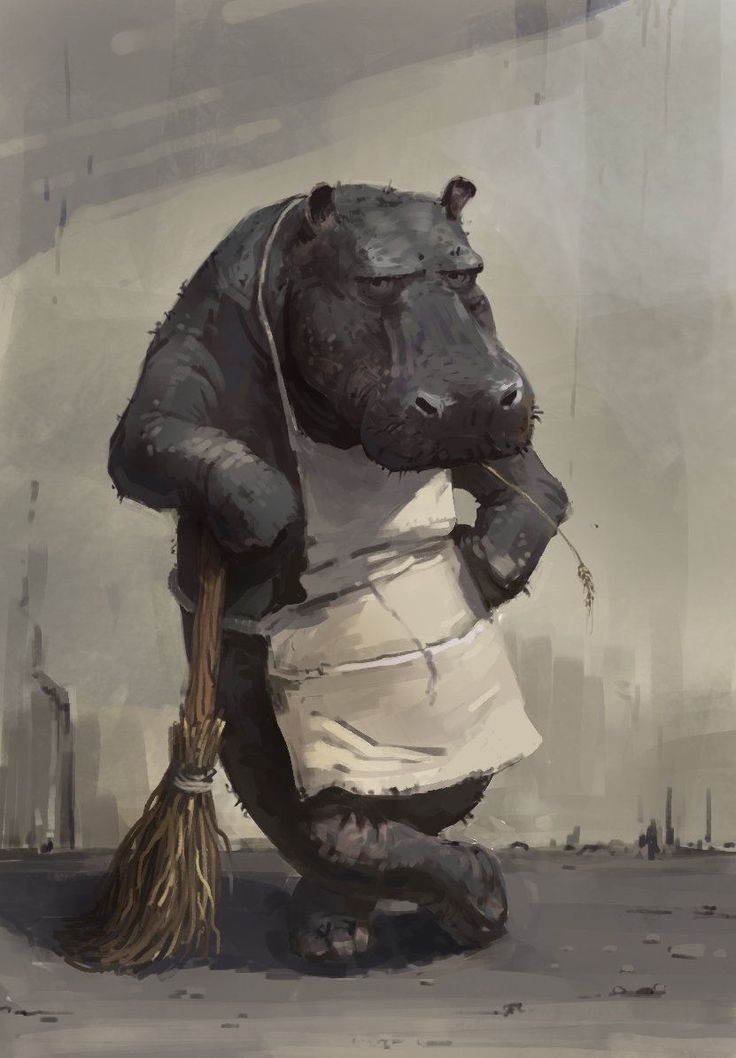
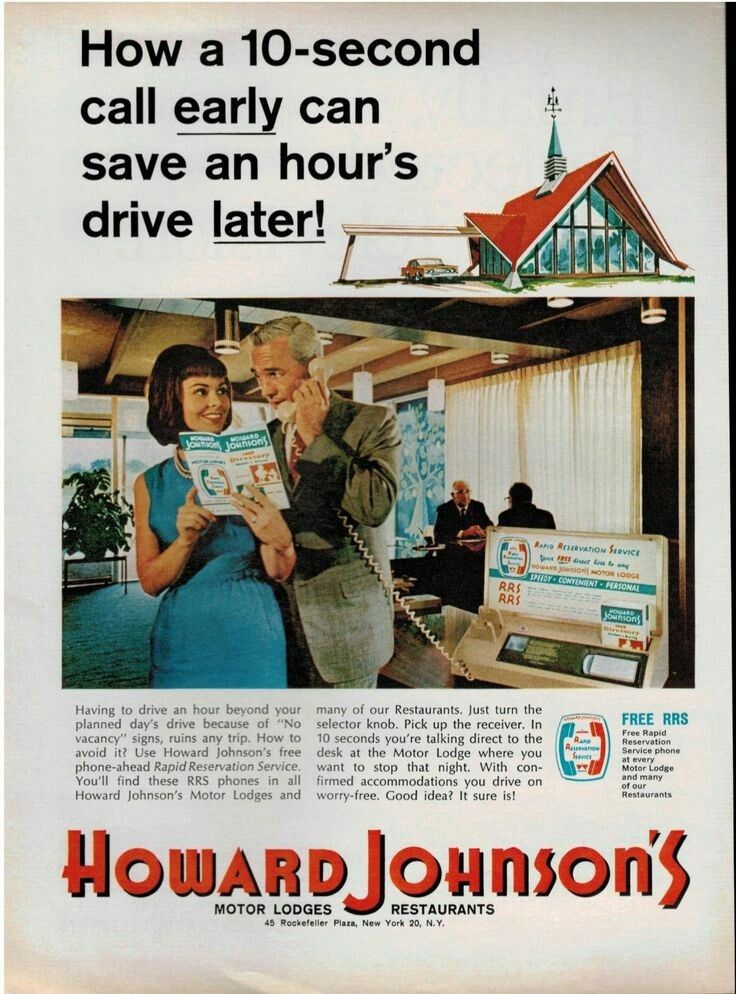
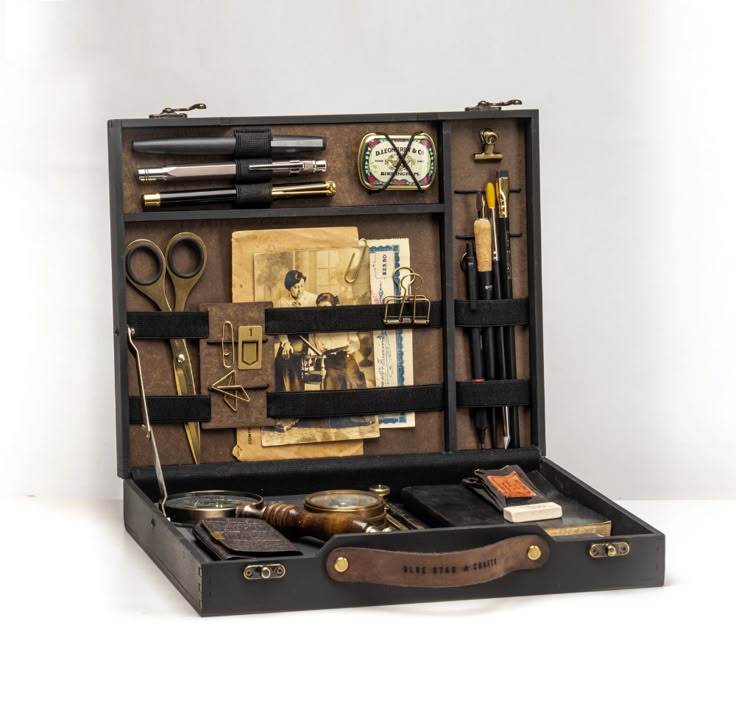
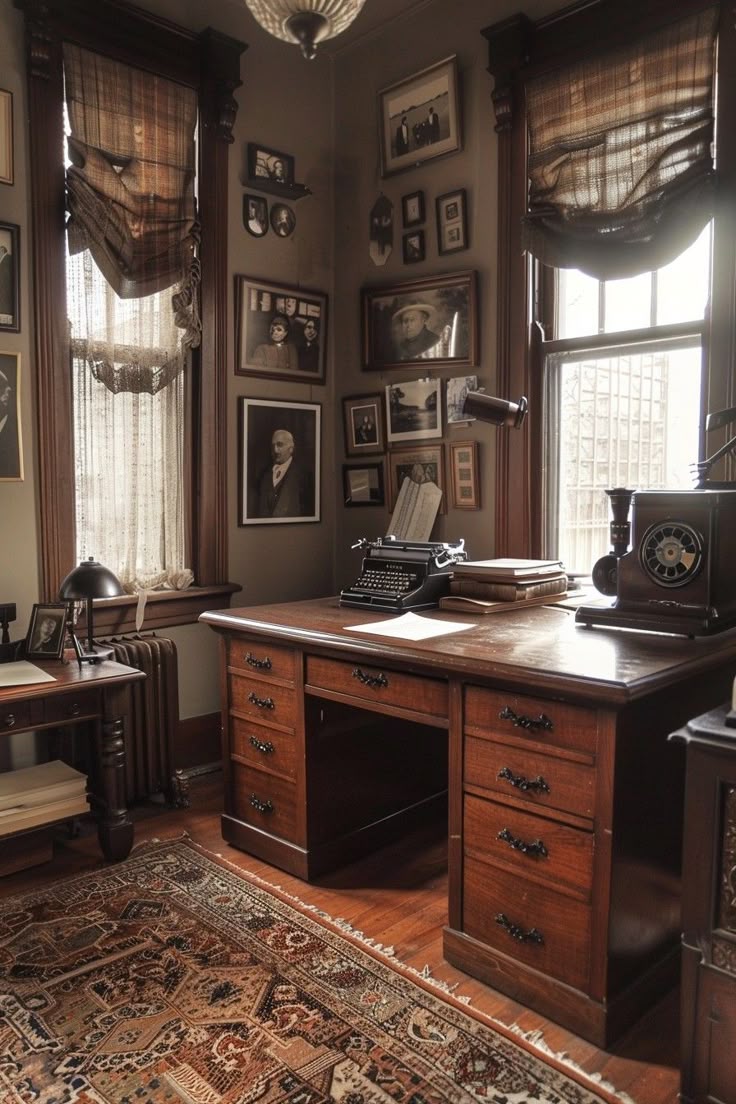
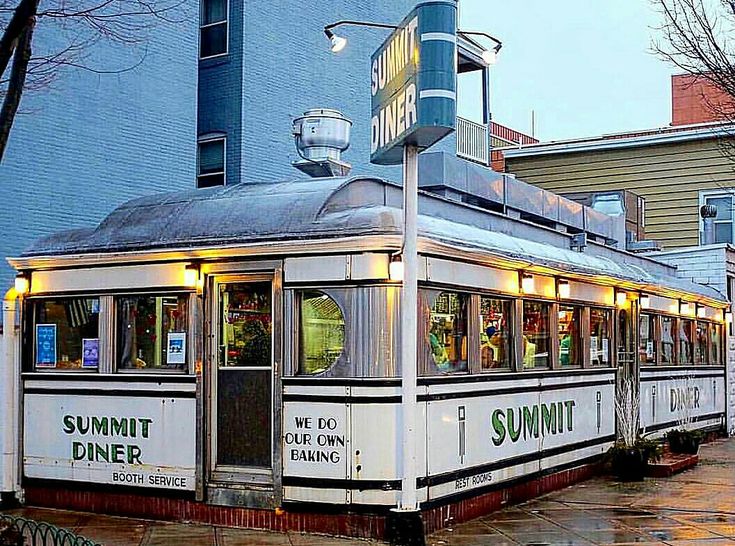
From my Picture collections






























Why don’t Chinese ancient maps have the islands in the South China Sea if the islands are there belonging to China from the Tang Dynasty?
Anyone familiar with Singapore knows that the state-owned multinational investment company is called ‘Temasek Holdings Limited , 淡馬錫控股’, which is Singapore’s largest and most mysterious company that generally operates Singapore’s government overseas investment programs.
Temasek (淡馬錫) is the ancient Chinese name for Singapore. The name appeared long ago in the charts of Zheng He’s voyages.
After the Europeans colonized Southeast Asia, the names of the islands in the South China Sea changed several times, which is clear if you map the ancient Chinese ground against the English.
The only island in the South China Sea that has fresh water resources is Taiping Island, which is controlled by Taiwan, China.
In ancient times, the islands in the South China Sea were uninhabited due to a lack of fresh water, and even in modern times, many of the islands are still uninhabited. The reason is simple: there is a lack of fresh water on the islands, and fresh water needs to be transported by ship regularly, or desalinated from seawater, or rainwater is collected.
Ancient Chinese navigators and traders used the South China Sea islands as a transit point for short breaks and shelter from the wind.
Before the arrival of Chinese immigrants, Southeast Asians were like the Austronesians in Australia and New Zealand, all naked, without clothes to wear, and they did not have a unified country. If Southeast Asia had a unified country like China at that time, it would not have been so easy for Europeans to colonize there.
It was Zheng He who opened up the maritime trade routes and brought China’s advanced agricultural technology to Southeast Asia, and from then on they began to learn weaving and pottery making.
Before 1960, no neighboring country in the South China Sea disputed the fact that China had sovereignty over the South China Sea islands.
Why did the neighboring countries in the South China Sea go from being indifferent to uninhabited islands to suddenly becoming interested in uninhabited islands? Because oil was discovered in the South China Sea in the 1960s.
Why does the United States support countries like the Philippines in claiming sovereignty over the South China Sea islands? It is because American oil companies are trying to join in the exploration of oil in the South China Sea.
Since World War II, all the wars the United States has been involved in have revolved around oil, so it is not surprising that they covet the oil resources in the South China Sea.
It is often said that there are no giant insects because their exoskeleton cannot grow beyond a certain size? Why is this so?
Insects do not have lungs.
They therefore rely on air flowing through a series of openings in their body, known as spiracles , which connect directly to tissues that need oxygen.
That’s why the bigger an insect is, the more oxygen it needs to live in an environment rich in oxygen. And the level of oxygen in the atmosphere today is lower than it was in the days of the dinosaurs.
Hundreds of millions of years ago, giant insects were common on Earth, but they died out. Their disappearance was caused by natural selection.
The drop in atmospheric oxygen and the arrival of birds contributed to their disappearance. Larger specimens were too easy prey for predators and the drop in oxygen in the atmosphere no longer allowed these large creatures to breathe properly.
Little by little, the giant insects disappeared.
The largest insect ever found on Earth was a dragonfly. It lived in the Late Permian period, about 275 million years ago. These dragonflies had a wingspan of almost 75cm and an estimated weight of over 500g, which is similar to the size and weight of a crow.
But today, there are still some huge insects left:
Titan Dynasty
stick insect
atlas butterfly
Hercules Beetle
Queen Alexandra Ornithopter
100 Ways to Delight Your Family!
How to make aebleskiver your family will love!

Kitchen tools, gourmet foods, baking mixes, and hard-to-find baking ingredients mentioned in this article are available at The Prepared Pantry.
by Dennis Weaver
I guarantee your family will love aebleskiver – Danish puffed pastries. After all, we’re talking strawberry shortcake, salted caramel, and a hundred more.
We lived high on a hill overlooking the university and on to Fairbanks, Alaska. At night, from our dining room, you could see the lights of the city while northern lights rippled overhead.
I made Merri Ann one of those candlelight and white linen dinners that I was so much better at doing when I was younger. She loves steaks so dinner was easy. But the dessert- I always try to make something different and extra special for dessert. It’s my way of telling her that she is extra special and that I love her.
Aebleskiver are extra special but easy enough that you can make them often.
Make them from scratch or make them from a mix. Since they are called Danish Puff Pastries, they work as a snack or a dessert but often they are served for breakfast. They certainly beat pancakes. They’re great as your family’s signature breakfast or for a special occasion. Your family will appreciate you every time you make them.
They’re easy. They’re good. They’re fun.
See how easy aebleskiver are!
There are five basic steps to making aebleskiver on the stovetop.
Step 1: Heat the pan. Put a dab of butter in each cavity.
Step 2: Place a small scoop of batter in each cavity.
Step 3: Add a spoonful of filling.
Step 4: Top the filling with another scoop of batter.
Step 5: Turn the aebleskiver.
Serve then hot. Drizzle them with syrup or a sauce or add a dollop of whipped cream.
How to Make 100 Different Aebleskiver!
We thought we knew aebleskiver – until we bought this book by Kevin Crafts. He’s taken aebleskiver to a whole new level with recipes like pumpkin pie aebleskivers, strawberry shortcake aebleskivers, and molten chocolate lava aebleskivers. Now we can see hundreds of ways to make aebleskiver. Look at some of the recipes that he has in his book—over 40 in all.

crunchy cinnamon ebelskivers
honey-glazed buttermilk ebelskivers
streusel-topped ebelskivers
lemon-poppy seed ebelskivers
iced gingerbread ebelskivers
corn cakes with blueberry compote
cherry-almond ebelskivers
double-blackberry ebelskivers
raspberry jam-filled ebelskivers
jelly donut ebelskivers
ebelskivers with spiced apple filling
lemon curd-filled ebelskivers
strawberry shortcake pancakes
cream cheese-filled spiced pancakes
peanut butter & jelly ebelskivers
sticky toffee ebelskivers
chocolate truffle ebelskivers
pumpkin pie ebelskivers
molten chocolate ebelskivers
But you can create your own. Mix your favorite fillings with your choice of batters or mixes and top them the way you like. Explore the unlimited ways you can make aebleskiver.
Getting started!
Can you see dozens of aebleskiver that your family will love?
You can get started with only a pan. Mixes mean that you quickly whip up a batch when you are short on time. If you’d like to explore a lot of fun recipes, get the book.
We think your family will fall in love with aebleskiver – just as we have.
Dennis Weaver is the founder of The Prepared Pantry, a full line kitchen store in Rigby, Idaho. The Prepared Pantry sells kitchen tools, gourmet foods, and baking ingredients including hundreds of hard-to-find ingredients.
Hegseth Says U.S. Must “Prepare For War” w/ China!
Which countries are ‘must see’ on a 10-day European trip, and how much does it cost?
Dude. I’ve been traveling to Europe for 25 years and still haven’t seen all the “must sees.”
Never seen the Alps except from a plane window. Never been to Amsterdam. Went to Paris but didn’t make it to the Eiffel Tower. Too many other interesting things to see.
I’ve spent 10 days in some of the tiniest countries in Europe and was not bored for a minute.
Also spent some time in some of the most hyped up places in Europe and was mostly bored to death. I didn’t like Barcelona, didn’t like Dublin, thought Stockholm was dull. Other people think these cities are awesome. It’s all opinion.
Ten days will be gone in a flash. Pick one country that really interests you. Go there. If you’re near a border, go ahead and cross it. That’s fine. You can see a lot in 10 days. But on a 10-day trip all over the place, you’re going to lose so much time in transit, you won’t see much of the good stuff. Some European trains are fast, but they’re not THAT fast.
Nobody can tell you where to go, because we don’t know what you’re interested in.
“What does it cost?”
Depends on where you go. I find Scandinavia about as expensive as the United States. Ten days there won’t bankrupt me, but I don’t know what kind of money you’ve got. Ten days in Poland or Malta or Portugal or Bulgaria is going to be pretty cheap by most tourists’ standards.
But the more time you spend on train, planes and cars, the more money you spend. You want a cheap trip? Focus on a small country, or one corner of a medium-sized country.
Don’t stay in AirBNBs in major cities. It’s bad for Europeans trying to live there.
Hostels are usually cheap, but don’t stay there if you like sleep. There’s always that one guy sawing logs at hostels. If you snore yourself… do us all a favor and get your own private room. It’s as rude as farting.
If you think restaurants are too expensive, there’s always grocery stores. I’ve been in Germany recently, where you can get a perfectly bottle of wine at Aldi for 2 euros. In Poland once, I wanted to save a few bucks, so I got a dinner and an entire bottle of vodka at a grocery store in Krakow for 5 euros.
Seville or Lisbon are probably a good place to start. Not too big, not too small. Not too expensive. Not neglected, but not too much hype. There’s already a tourist infrastructure in place. Exotic enough to not be bland for most visitors, but you probably won’t have culture shock. English is around, you won’t be considered weird for using it. Most people aren’t assholes. You’ll figure it out. Ten days in Portugal and southern Spain isn’t extreme or super-stretched, though I spent three weeks in Portugal alone a couple years ago and felt like I barely scratched the surface.
How effective are US blacklists and export restrictions in curbing China’s ambitions in developing advanced semiconductors for artificial intelligence (AI)?
The word is that about 1,500 Chinese companies are on the US blacklist. These companies continue their pursuits. There has not been any report that any of them has gone bankrupt.
The most well-known of these companies is Huawei. It defeated the blacklist and every other sanctions the US and the whole Collective West thrown at it.
It takes 4 years to breakthrough to high-end chips, establishes it own operating system, and launches new products with advance features. These shock the US. Its smartphone business has recovered and heading to market leadership in the high-end segment.
Its global leadership of 5G communications is rising. In China its coverage is national. US and its crony and lackey countries ban it. But it is growing elsewhere in the world, encouraged by the failure of the US to produce any evidence of back door and other charges. It recently won a euro 1 billion infringement case of its Wifi-6G patent against US company, Netgear.
Huawei is now a stronger company than pre-blacklist. It is untouchable by the US. It has its own technology and domestic supply chain, wide ranges of products, devices, and applications, for consumers, industries, and even farming and mining. It is science- and R&D-based, and innovations and discoveries are a daily affair. It continues to progress on high-end chips, such that it is a direct competitor in AI chips with Nvidia, the US bellwether AI chips company.
Huawei may be taken as emblematic of China. Biden’s Commerce Secretary, Raimondo, who fought tooth and nail to prevent China’s technology rise, admitted on the eve of her departure from office, that the whole exercise was a Fool’s Errand.
China equals the US in technology prowess, and in fact, leads in the new technologies like 5G/6G communications and green tech. US has no ability to stop its technology rise. Indeed, the situation may reverse.
China has shown it is willing to engage the US. It banned the exports to the US of certain minerals and the related technologies that are critical to the US electronics and defence industries. China has a lot more in its arsenal that it can use.