
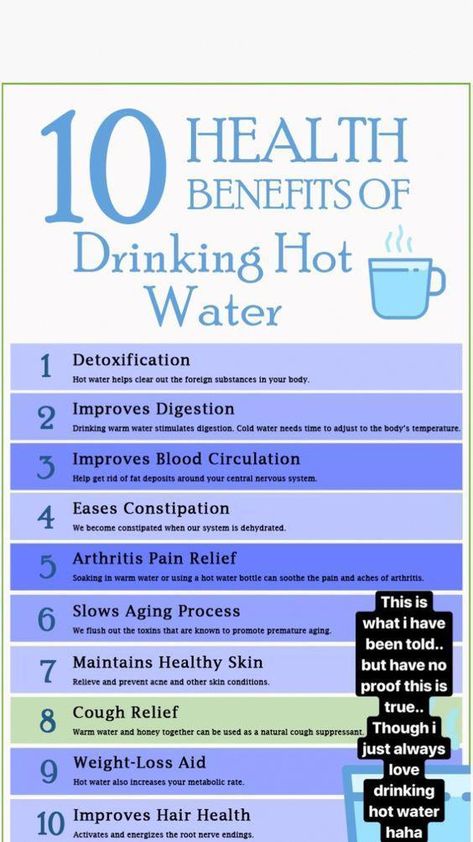
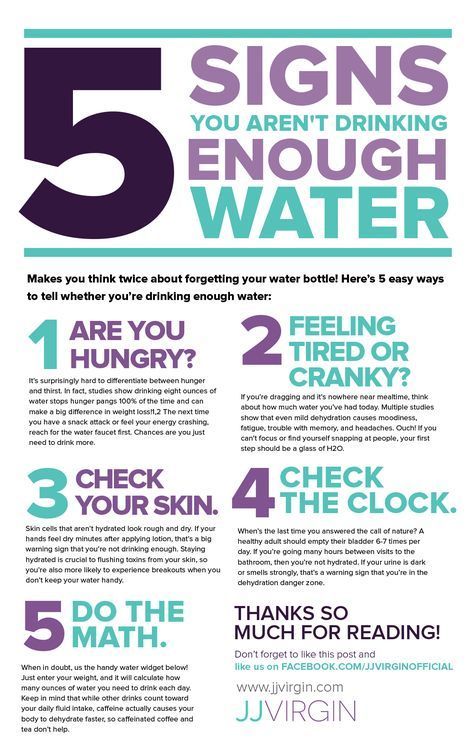
I drink a lot of water these days.
Part of it has to do with my diet, and the other part is that I have noticed changes.
By super hydration, I find that many of the bad habits that I used to have … like Flem building up in my throat… has all disappeared. I find that my body digests food better, and I am not nearly so irritated and aggravated was I used to be.

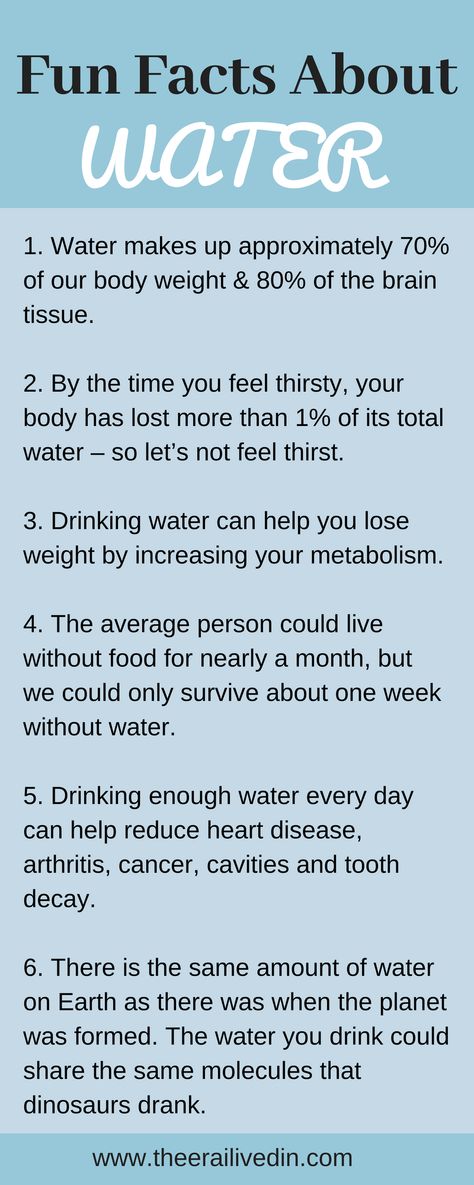






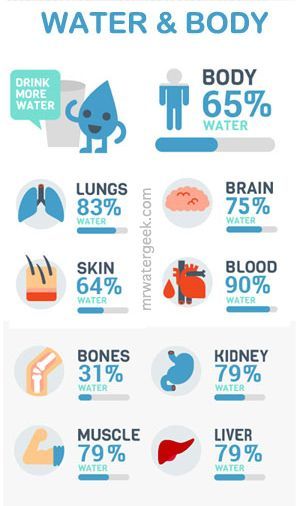

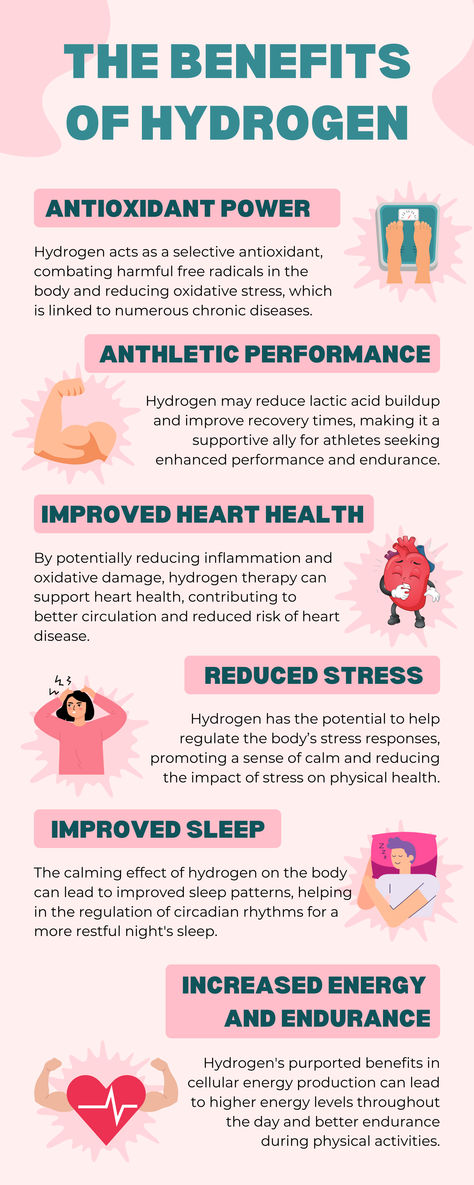
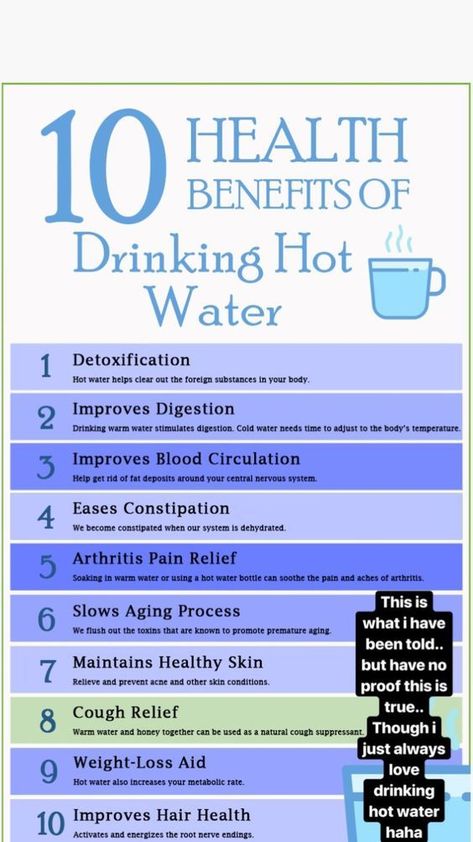

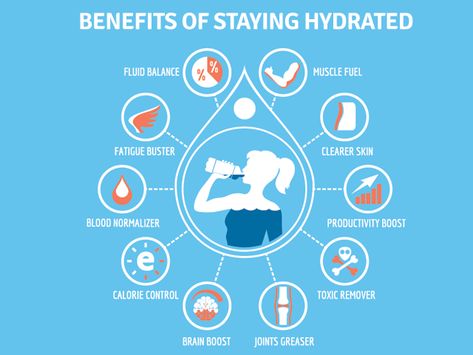
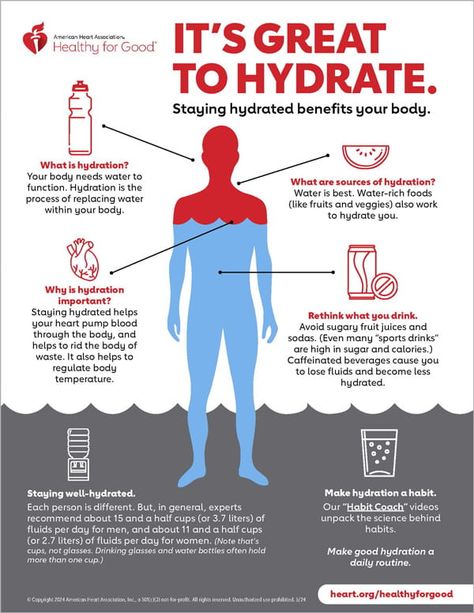
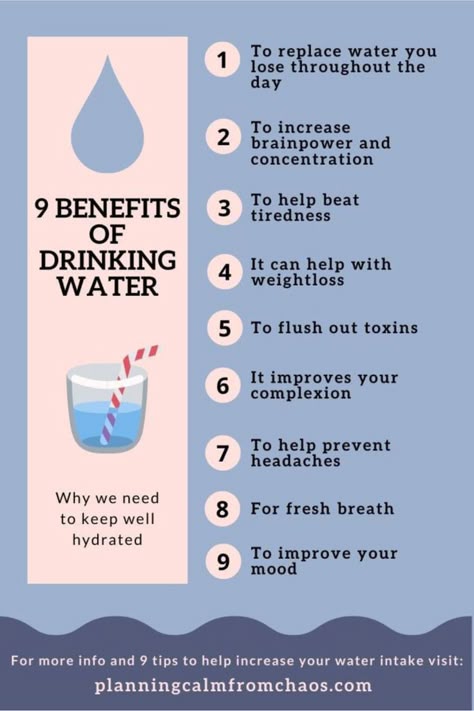
Lose some weight. Drink a lot of water. Cut down on sugars.
Your life will improve.
Just some thoughts on things that seem to work well with me.
Today…
What is an “Only in Japan” moment?
I was in Tokyo in 2016 on a holiday with my family. One night we were in Shibuya looking for a certain ramen restaurant that we had heard wonders about; however, the only phone with data had died, so no access to Google Maps.
On a total leap of faith, I asked a girl passing by if she knew where the restaurant was, doing my best to pronounce the name and, after that failed miserably, show the Kanji. She didn’t, however, to my surprise, rather than simply moving on, she then asked the person walking by her whether they knew. This chain continued until there was around 7 people, all with their phones out, attempting to locate the restaurant and direct us.
At one point they even began coordinating amongst themselves. For example, one person had google translate out, so messages could be somewhat passed across, another person would be searching on google maps, another googling the restaurant, etc.
This amazes me to this day, as a group of people, put their own lives on hold to coordinate and help a foreign family find a ramen restaurant. The instant willingness to help and commitment was unexpected and charming.
That’s my “only in Japan” moment.
Prof Richard Wolff | Trump’s Tariffs: “The American Empire Is Over”, Anything Else Is “Denial”
What would be the impact on China’s shipbuilding dominance if the US were to invest “full speed ahead” in its maritime industrial base?
I’m not so sure what the questioner specifically means by “full speed ahead.” To my knowledge, Chinese society has shown very little resistance to automated manufacturing.
China has seen a massive displacement of workers due to automation, yet under the leadership of the Chinese Communist Party, automation continues to accelerate.
Meanwhile, American society seems deeply enamored with artisanal craftsmanship.
When the U.S. attempted to modernize its ports with automation, dockworker unions immediately launched protest—not only demanding a 10-year moratorium on automation but also pushing for higher wages.
Given this societal mindset, it’d take a miracle for anything produced in America to remain competitive.
I bet Trump wouldn’t dare touch the core interests of his supporters. I
f his ‘redneck’ base realized that “Making America Great Again” actually meant being replaced by Elon Musk’s robots, their adoration for him would instantly turn to hatred.
BREAKING: Chinese Navy Arrives to Defend Venezuela from the US
The arrival of the Chinese Navy in Venezuela marks a dramatic escalation in global tensions. This move signals Beijing’s determination to counter U.S. influence in the region and support Caracas against Washington’s pressure. Analysts warn that the presence of Chinese warships so close to American waters could trigger a new phase of confrontation, reshaping alliances and threatening stability across the Western Hemisphere.
Classic Texas Sheet Cake
This is a recipe that is passed down from generation to generation—for good reason!
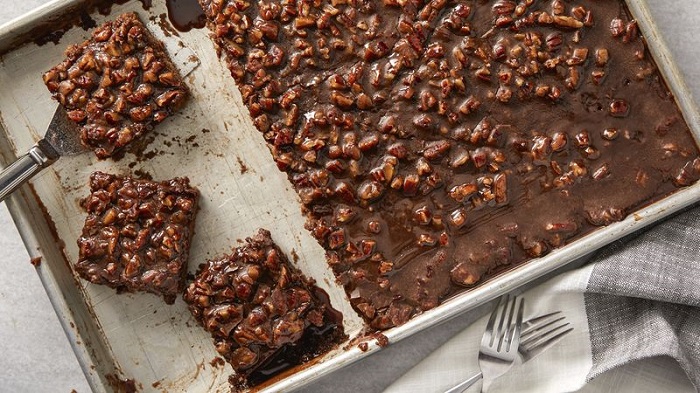
Prep: 20 min | Total: 60 min | Yield: 16 servings
If you love chocolate, and we mean really truly love, then this classic Texas sheet cake is exactly what your sweet tooth craves. Between the scratch-made cake and the decadent homemade frosting, this dessert is a chocolate lover’s dream come true. Unlike most cakes, this tender-crumbed delight should be frosted when it’s still hot—no need to let it cool. Pour on the sticky, sweet pecan-flecked frosting and watch it spread into a gloriously glossy blanket that’ll keep your cake moist and fresh tasting for as long as it lasts.
Ingredients
Cake
- 2 cups Gold Medal® all-purpose flour
- 2 cups granulated sugar
- 1/4 teaspoon salt
- 1 cup butter
- 1 cup water
- 3 tablespoons unsweetened baking cocoa
- 1/2 cup buttermilk
- 1 teaspoon baking soda
- 1 teaspoon vanilla extract
- 2 eggs, slightly beaten
Frosting
- 1/2 cup butter
- 3 tablespoons unsweetened baking cocoa
- 6 tablespoons milk
- 2 1/2 cups powdered sugar
- 1 teaspoon vanilla extract
- 1 cup chopped pecans
Instructions
Cake
- Heat oven to 325 degrees F. Spray a 15 x 10 x 1 inch baking pan with cooking spray.
- In a large bowl, stir together flour, granulated sugar and salt; set aside.
- In a 2 quart saucepan, heat 1 cup butter, the water and 3 tablespoons baking cocoa to boiling. Remove from heat. Pour over flour mixture in bowl; stir until well mixed.
- Add buttermilk, baking soda, 1 teaspoon vanilla extract and the eggs; stir until well lended.
- Pour into pan, spreading evenly.
- Bake for 22 to 25 minutes or until a wooden pick inserted in center comes out clean.
Frosting
- Meanwhile, in another 2 quart saucepan, heat 1/2 cup butter, 3 tablespoons baking cocoa and the milk to simmering. Remove from heat.
- Beat in powdered sugar and 1 teaspoon vanilla extract with whisk until smooth.
- Stir in pecans.
- Pour frosting over hot cake. Cool completely before cutting, about 1 hour.
Will the US abandon Taiwan too?
I noticed the rank one answer talked about a Foreign Affairs article, and guess what? After six months, it has published another article suggesting that the US should abandon Taiwan.
The article was co-written by two important experts from Republican think tanks, mainly mentioning the following 3 points.
- The US has overestimated Taiwan’s strategic value in geopolitics, as Taiwan is no longer the “unsinkable aircraft carrier” for the US in the Western Pacific.
- The US should let Taiwan to “strengthen its defense” on its own, rather than putting the US military “in harm’s way” and getting involved in unnecessary conflicts.
- The US should shift its focus to the Second Island Chain instead of fixating on the First Island Chain. (In fact, the Marines stationed in Ryukyu has already started moving in batches to Guam. USNI even has research suggesting that the US military should start considering moving to the Third Island Chain.)
The article also mentioned that if Mainland takes back Taiwan, the impact on the US military and economy won’t be significant; it also told the American people on how much the US would lose if a war broke out between the US and China. It’s evident that this is the most strenuous effort in recent years by the US to downplay the importance of Taiwan and emphasize the horror of a war with China.
Japanese media also reported that Elbridge Colby, a key figure in the Trump administration, recently stated at a hearing that Taiwan is not an “existential” interest for the US. He emphasized that the explicit commitment to defend Taiwan not only carries greater costs than benefits, but could also escalate tensions with Chinese Mainland and pose various risks.
While Colby is but the Pentagon’s third-ranking official, he is considered a key intellectual in the Trump team. Trump wrote on Truth Social that Colby is “a highly respected advocate for our ‘America First’ foreign and defense policy,” the report said.
The “bargaining chips” of Taiwan are nothing but two things, one is the strategic value of geopolitics, and the other is the semiconductor advantage of TSMC. Geopolitics has been mentioned before, and what about TSMC? TSMC CEO CC Wei appeared at Trump’s press conference, announcing an additional investment of $100 billion in the US and the construction of 5 new factories. This is the largest single case of overseas direct investment in US history, which will only accelerate TSMC’s transformation into “ASMC” and drain the pillar industries in Taiwan.
When Taiwan runs out of “bargaining chips,” what will happen next? Looking at how the US deals with “negative equity,” the answer is already very clear: from “pawn” to “discard”, Taiwan is already in the process.
Alannah
Submitted into Contest #289 in response to: Write an open-ended story in which your character’s fate is uncertain.… view prompt
Melissa Johnson
Alannah recited her observations and conclusions, “This is obviously a male because of the square jawline and thin lips. Long silver hair flows over his shoulders. There is a beard growing from his cheeks and chin pointing down the chest. This is a wizard.”
“Very good,” commended the Director. “What, then, will he be expected to wear?”
“A long, dark robe decorated with stars and crescent moons. A matching cap with a point at the top and an encircling brim at the bottom. Soft, dark boots. A staff will be needed. A black cloak for cold times. A dragon pendant for his neck.” Alannah paused.
“Do not forget the multiple facetted ruby ring of power for the index finger of his left hand.”
Alannah repeated this, “A multiple facetted ruby ring of power for the left index finger.”
“Good. And anyone seeing what they must obviously assume to be a wizard, will then be able to determine what he is like on a personable level. What can you now assuredly know of his character and behavior?”
Alannah again mentally reviewed her learnings. “He will be knowledgeable of mystical beliefs and animal and plant healing and uses. His hubris will be sometimes off-setting. He will be distant and hard to approach. He could be dangerous as wizards cannot be trusted, and change according to their own plans.”
“Why would anyone dare to speak to or consult a wizard?” the Director prompted.
“To offer them a partnership in something the wizard could profit from or perhaps in desperation stemming from a life crisis. Wizards will pity the needy.”
“Good.” Then the Director turned toward the designated wizard, “Step back into the tube. You will be a wizard, clothed and instructed in all aspects of what you are expected to be, and what everyone will know you to be.” The wizard did as instructed. The tube closed and the glass became frosted matching the other two tubes.
The Director signaled for Alannah to return. When she did, the Director stepped to the side, hands held palms up to the console. Alannah knew this next task in her apprenticeship was her manipulation of the console. She stepped closer to it remembering what she studied and had watched the Director do. Her typing was not as agile, but to Alannah’s relief the proper commands were executed. The second tube was clear; The doors slid open. The occupant stepped into the room.
Alannah looked toward the Director, and then stepped from behind the console and pulled the hood down. Startled, she immediately jumped back! This face was hideous!
“An ogre!” Alannah spit out.
“Stay in form!” the Director commanded, the voice less neutral, hinting of scorn.
Alannah gathered herself and began the descriptions expected:
The bulging face of warts and pockets of hair tufts, large nose, tubular ears, unkept mullet. She could barely recite the clothing expectations. When she got to the mandatory personality assumptions, she was again surprised. As she listed the stupidity, gluttony, and meanness, the individual interrupted her with a pitiful plea.
“Please. If I am to be so hard to look at, at least allow me a positive trait. Perhaps I could be caring of others?”
Alannah was stunned.
“That is a nurse!” interjected the Director.
“Someone who can bring out good in others?”
“That is a nun!” the Director boomed. “Stop this nonsense. Those designations are also female. You will be an ogre clothed and instructed in all aspects of what you are expected to be, and what everyone will know you to be. Step back into the tube.”
The ogre did as told. Alannah thought she saw a tear drip from the ogre’s eye. Still she was too stunned to move. This was not supposed to happen. Each being became their assigned role. There were no thoughts to be anything else. This just was and everyone knew it.
“Return,” ordered the Director, holding a hand out to the console.
Alannah walked back to the console, standing again beside the Director.
“You will continue your text and audio studies for another week. Return now to your enclosure.”
Alannah walked to the seam. It opened and she walked across the hall and entered her enclosure.
****
Alannah studied diligently in the time that passed in her enclosure, but a thought periodically traipsed through her brain: Was there more to the ogre than what appeared? She chastised herself and refocused on her studies.
It was a week and a half before Alannah saw the white wool robe in her enclosure again. She put it on and walked to the seam in the wall. When she entered the room across the hall, the Director stood in the back of the console. There was no invitation to come over. Alannah just felt it was implied. After all, it was surely known she’d been here before.
The day’s assignments were standard and completed efficiently. However, there was something else that Alannah felt was different. This was not the director she had apprenticed with over a week ago. She tried several times to see if the beige sleeve might again reveal a red scar on the director’s wrist. The sleeve never budged so she had no way of knowing.
In time, Alannah graduated from being an apprentice. Now a beige belt wove around the robe she wore, buttoned on each side. She placed her hood over her head and left her enclosure, entering the shiny room with a familiar console. Soon she was joined by another wearing a white robe standing beside her. Alannah pulled a lever and typed the commands.
The day proceeded as expected. The last set of beings was now down to the third tube. The apprentice was in command of the console. Alannah knew this one’s apprenticeship would soon be complete.
The third tube became clear. The glass panel slid open and the occupant stepped out. In this case, the occupant seemed to be dancing by the movement of the robe. The designation to be given would be one of much agility.
“Jester,” determined the apprentice. “Limber and effusive. Although soft-cheeked, there is a strong chin. There are no male jesters, so this is a female. She is playful and irreverent. A fool to caution. She will have a multi-colored diamond patterned jumpsuit. Her cap will match her shoes, each having floppy tassels ending in small bells . . . “
As the apprentice continued as to how people would perceive the jester, Alannah noticed a sudden flick of red. She blinked and looked again. In the movements the jester made as part of his determination, Alannah caught sight of the red scar on the wrist.
This was the director of so much authority so long ago. Now the robe cavorted about what would be a female jester. An unbidden thought came to Alannah’s mind: Would the stern mentor of her past be happy with this life assignment? Immediately, she checked herself. Of course she would – as much as allowed assigned to in this role. Then Alannah thought of something else she had not remembered in a long time: A tear-eyed ogre.
The apprentice’s voice had stopped. The apprentice was waiting patiently.
“Good.” Alannah retrieved herself. “You will be a jester, clothed and instructed in all aspects of what you are expected to be, and what everyone will know you to be.”
The day’s work done and the apprentice dismissed, Alannah typed the commands that would cause the console to sleep, Alannah turned towards another seam in the room. As a Director, she would eat in the refectory and meet with her supervisor at a reserved cubicle.
The supervisor wore a red robe which signified not only the role in the review process, but also their responsibility for observations of the results of the assigned persons in the outer world. The Red Robes were a prominent presence to the established population within a community.
“You have trained this apprentice well, Alannah. The individuals placed within their community have been steadfast with almost no lapses – and those only minor. I surmise it will not be long before you can be succeeded and will be assigned to a community yourself.”
These last words struck Alannah. It never occurred to her that she would be anything other than a Director. Then she remembered the jester. And the ogre. A parade of others passed through her mind.
Later, Alannah sat at the empty seat where the Red Robe had sat. She poked at her meal that was the same as every meal for this time of nourishment. If not a Director, then what? What would she be? Impulsively, a notion niggled its way forward from the back of her brain: What if she didn’t want to be assigned?
Nonsense! She would be clothed and instructed in all aspects of what she would be. There would be no want. Everyone would automatically know what and who she was.
Alannah finished her food and left the refectory. She walked down a long corridor towards her enclosure. There were many seamed entrances. She hadn’t noticed this before, or that some had titles above them. Now Alannah was noticing as she walked by. She paused to look back from where she’d started and the seam in front of her opened. It was titled: Laundry. Startled, Alannah looked in. These tasks would be complete by this time of the day and continued the next. She had no business being here, but she stepped inside. The room contained a laundromat of washers and dryers, baskets of clothing piles and tables of folded robes. Then it occurred to Alannah that if she were seen here she would surely be reprimanded. She began to feel anxious.
A stack of folded red robes invited Alannah’s attention. The Red Robes would not be questioned in the corridors and perhaps not in the titled enclosures. The Red Robes, as far as she knew, could be found in any area. Alannah was not comfortable with the plan she now decided upon, but thought it might be the safest way to get to her enclosure. She removed her beige robe. She took a red robe from the stack and put it on. She had only one more stop to complete her plan. She walked to the seam and looked side to side as it opened. No one was there. She went back, toward the refectory, to the seam labeled: Shoes. The seam opened and she ducked inside. She found a pair of red sandals and kicked off her beige set.
Alannah again looked both ways when she caused this seam to reopen. She was feeling less anxious – just a little nervous. She was almost sure she could get back to her enclosure without anyone stopping her.
Alannah made herself walk steadily back in the right direction, passed the laundry title and on. She would be okay, she told herself.
As she walked, Alannah’s thoughts began to stray. What were the Red Robes, anyway? They oversaw the trainings of the apprentices. They collaborated with the Directors. They watched populations and intervened when needed. Was this their designation? Did they have a designation? What would it be like to be without a designation? What if no one had a designation?
. Alannah arrived at her enclosure, but did not step toward it. She turned and stepped toward the room with the console. The seam opened. She entered. She was alone. There was no reason for anyone to be here.
The console showed a diagram posted on a button with a square within a square. This symbol represented a floor plan. Alannah felt conflicted as she hovered over this button. What was she doing here? Yet, if she pushed this button the layout of the structure she had always inhabited would be revealed. She could see how the Red Robes left to patrol the communities. She could learn what a Red Robe knew.
Alannah revived the console. The button glowed yellow when Alannah pushed it. A labeled diagram appeared on the console screen. She could see where the refectory was, the location of the other consoles, the enclosures, and areas designated for various assigned purposes. There were places where the seams did not have anything drawn behind them. These must open to outside. What would she see on the other side of one of these?
Alannah knew she was delving into where she had no authority, but she had come this far. She was wearing a red robe. She could take a look outside and then sneak back in. She would go back to her enclosure, put on the beige robe that would be there, hide this red one beneath it until she figured how to get rid of it. The temptation for knowledge outweighed her trepidation of being caught.
Alannah again shut down the console and left. She headed towards the nearest lone seam she had seen.
When the seam opened, Alannah stepped into an open area filled with a brighter light than she’d ever seen before. She was standing on the side of a dirt road. She looked up expecting a roof. The light was coming from an orb in the sky that she immediately turned away from as it hurt her eyes. She felt a little dizzy not having seen anything solid above. Just blueness with an occasional white wisp. There was a refreshing cleanliness that was not antiseptic. Unrecognizable fragrances drifted by and surrounded her. There were store fronts, horses, carriages, stables, and eateries; People walking about, some stopping to chat with others. Alannah recognized most by designation and could predict what they would be talking about. There were a few Red Robes milling about, but they did not interact. None approached her.
Alannah walked down this dirt thoroughfare until it dwindled to a narrowed section lined with grasses, shrubs, and trees. There were no buildings passed this point. She took a few steps forward and then turned to look behind from where she’d come. As she did so, a knight on his steed passed her by and continued down the narrowed path. Alannah recognized the designation and knew what could be assumed about this armored and helmeted form. She realized she knew what could be assumed about anyone living here and beyond. She knew what they would do, how they would act, how their given characteristics determined the type of person they were.
A new thought came to Alannah. Everyone knew the judgements of each other. Everyone abided by the expectations of the others.
Except Alannah.
Who was Alannah?
Alannah could be whatever she chose. No one could look upon her and judge her thoughts or actions. She had no restrictions placed upon her unless she imposed them.
And so Alannah turned back to the narrow pathway and began to walk.
What made you realize that it was finally time to get a divorce?
I had been unhappy in my marriage for years, but was determined to stick it out for the kids, as long as I could. I knew he loved the kids, but as they grew, he became more combative with them. He couldn’t tolerate them correcting him, or having their own opinions.
He would be OK to live with as long as everything was going well, but if any problems arose, he became impossible. He would go into a diatribe against me, in front of the kids. I could never be just “shit happens”, but it had to be somebody’s fault – and it was never going to be his.
As my daughter got older, she became more and more angry by these rants. By age 12, she finally began to join into the argument, telling him to lay off me, that he wasn’t being fair. One night at dinner, it got really bad, and he called her a cow, and maybe a bitch (although I can’t remember for sure about this particular time). She ran upstairs to her room, and my son (2 years younger) went after her.
My ex got up and started to go upstairs. I was afraid he was going to hit her, he was so furious. He wasn’t generally physically abusive, but had resorted to spanking on occasion. I stood on the stairs and blocked his way and told him if he came any further, I was going to call the police. And that I really didn’t want to do that, that it would be horrible and messy and embarrassing (we lived on the corner, so the whole neighborhood would know). But I meant it, and I think he could tell. He backed off and sulked away.
A little later I went upstairs to check on the kids, and they were both in her room, both crying. And one of them said “why don’t you just divorce him?”
That was the point that I knew that although divorce might hurt the kids, staying was worse.
Twilight Zone – A Small Talent For War
How many Mainland Chinese live below US$7/day?
$7, this is not a small amount.
$7 can buy 10 kg of rice, or 1.5 kg of pork, 7 dozen eggs, 8 kg of fresh vegetables.
$7 can drive my SUV cover 700 kilometers.
$7 is enough for our family to pay the water bill for 2 months.
$7 is enough for our kitchen to pay the gas bill for 2 months.
$7 is enough for my family to use 1G of fiber optic network, 60G of mobile data and 1,000 minutes of talk time for a month.
Why does (almost) every horse farm also own a donkey or two?
Both of my parents grew up on dairy farms, where donkeys were a constant presence among the cows—offering companionship and protection. Of all their farm stories, the ones with the donkeys were the most memorable and heartwarming to them both. Their bond with these gentle creatures didn’t end with farm life.
After my parents retired, they bought property in the Southern California desert and once again, donkeys favored them with late night visits to get some free day old bread, a salt lick and cool buckets of water. My mom loved to go to visit them, talk to them and pet them. It wasn’t unusual to see 20–30 of them surround my mom waiting to have their beautiful long ears scratched by her.
All of our animals loved the donkeys. During the hot summer months donkeys kept away a lot of the rattlers. And coyotes would stay away off in the distance waiting for those donkeys to move on. We still believe it was the donkeys that told my mom that her cancer had returned. I wrote about that in another Quora answer.
I can’t write enough great things to say about donkeys. They’re wonderful creatures. To my family, donkeys were more than just animals—they were loyal companions, vigilant guardians of other animals and cherished by everyone in our family.
Below is a picture of some of these gentle visitors who graced our lives almost every night.
Sir Whiskerton and the Kangaroo Delivery Dilemma: A Tale of Hops, Hijinks, and Heroic Hijinks
Ah, dear reader, prepare yourself for a tale so chaotic, so brimming with mishaps and mayhem, that even the most composed of barnyard animals might question the wisdom of using kangaroos as delivery vehicles. Today’s story is one of misplaced packages, misplaced pride, and one pig’s quest to prove that even the most disastrous adventures can be “character-building.” So, grab your sense of humor and a sturdy pair of boots, as we dive into Sir Whiskerton and the Kangaroo Delivery Dilemma: A Tale of Hops, Hijinks, and Heroic Hijinks.
The Great Delivery Plan
It all began on a crisp autumn morning, when Martha, the owner of Catnip’s farm, sent an urgent message to Sir Whiskerton’s farm. She needed supplies delivered posthaste—hay bales, sacks of feed, and, most importantly, Bartholomew the Piñata’s favorite stick, which had been sent for repairs. The farmer, ever the eccentric, decided to entrust the delivery to Mr. Wigglesworth, the farm’s portly, well-meaning pig with a flair for the dramatic.
“Fear not, dear friends!” Mr. Wigglesworth declared, striking a heroic pose. “I shall deliver these supplies with the speed and efficiency of a… well, of a kangaroo!”
“Kangaroo?” Sir Whiskerton repeated, raising an eyebrow. “And where, pray tell, will you find a kangaroo?”
As if on cue, a kangaroo bounded into the barnyard, its pouch stuffed with carrots and its eyes wide with curiosity. “Name’s Joey,” the kangaroo said, tipping an imaginary hat. “I’m new around here. Heard you needed a delivery service?”
The animals stared in disbelief. A kangaroo? On this farm? It seemed too absurd to be true—but then again, this was the same farm where a turtle could time-travel and a rooster could lay eggs. Anything was possible.
“Joey,” Mr. Wigglesworth said, puffing out his chest, “you and I are about to make history. Together, we shall deliver these supplies with unparalleled speed and panache!”
“Panache!” Ditto echoed, though he seemed more interested in trying to climb into Joey’s pouch.
The Kangaroo Chaos
The delivery started off well enough. Mr. Wigglesworth strapped the supplies to Joey’s back, climbed into the kangaroo’s pouch, and waved dramatically to the assembled animals. “Onward, Joey! To Martha’s farm!”
But disaster struck almost immediately. As Joey hopped down the dirt road, a loud BANG echoed from the neighboring field—Chef Remy LeRaccoon was testing his latest invention, the Automatic Acorn Cannon. Joey, startled by the noise, leapt into the air with a terrified yelp and took off at full speed, scattering hay bales, feed sacks, and Bartholomew’s prized piñata stick across the countryside.
“Stop, Joey, stop!” Mr. Wigglesworth cried, clinging to the kangaroo’s pouch for dear life. But Joey was in full flight mode, hopping wildly through fields, over fences, and even through a creek, leaving a trail of chaos in his wake.
Back at the farm, the animals watched in horror as the supplies disappeared into the distance. “This is a disaster,” Doris the Hen clucked, fanning herself with a wing. “What if we never find Bartholomew’s stick? He’ll be inconsolable!”
“Inconsolable!” Ditto echoed, though he seemed more interested in chasing a stray piece of hay.
Sir Whiskerton, ever the voice of reason, stepped forward. “Fear not, my friends. We shall track down the lost supplies and restore order to the farm. But we’ll need help—someone with a keen sense of smell and a nose for trouble.”
At that moment, Ratso the Rat emerged from the shadows, his trench coat flapping dramatically in the breeze. “You called?” he said in his gravelly, film-noir voice. “I heard there’s a mystery afoot. And where there’s a mystery, there’s Ratso.”
The Great Supply Hunt
With Ratso’s help, Sir Whiskerton set out to track down the missing supplies. The first clue came in the form of a trail of hay leading into the woods. “Follow the hay,” Ratso said, sniffing the air. “It’s fresh. And it smells like… desperation.”
“Desperation!” Ditto echoed, though he seemed to be chewing on a piece of hay.
The trail led them to a clearing where a group of squirrels were busy building a fort out of the scattered hay bales. “Halt!” declared King Nutters, the squirrel leader. “This hay is now the property of the Squirrel Kingdom. Hands off!”
Sir Whiskerton stepped forward, his tail held high. “King Nutters, while I admire your architectural ambitions, this hay belongs to Martha’s farm. We must reclaim it.”
After a tense negotiation (and a promise of future acorn deliveries), the squirrels agreed to return the hay bales. One down, several more to go.
Next, Ratso sniffed out the feed sacks, which had been discovered by a family of raccoons who were hosting an impromptu picnic. “We found these just lying around,” said Bandit the Raccoon, his mouth full of feed. “Finders keepers, right?”
“Wrong,” Sir Whiskerton said firmly. “These sacks are vital to Martha’s farm. Return them at once.”
The raccoons reluctantly complied, though Bandit pocketed a few handfuls of feed for “snacks.”
Finally, Ratso led the group to the creek, where Bartholomew’s piñata stick was floating lazily in the water, surrounded by a group of curious ducks. “We thought it was a new kind of fishing rod,” Ferdinand the Duck explained. “But it doesn’t seem to work very well.”
“Fishing rod!” Ditto echoed, though he seemed to be trying to catch a fish with his paw.
Sir Whiskerton retrieved the stick and sighed in relief. “Thank you, Ferdinand. This stick means a great deal to Bartholomew.”
The Triumphant Return
With all the supplies recovered, Sir Whiskerton and Ratso returned to the farm, where Mr. Wigglesworth and Joey were waiting. The pig looked disheveled but triumphant, his hat askew and his coat covered in leaves. “Ah, my friends!” he declared. “What an adventure! Joey and I have been through thick and thin, over hill and dale, and across creek and field. It was… character-building!”
“Character-building!” Ditto echoed, though he seemed to be building a character out of mud.
Joey, for his part, looked relieved to be back. “Sorry about the whole ‘running wild’ thing,” the kangaroo said sheepishly. “I’m not used to loud noises. Or deliveries. Or… well, farms, really.”
Sir Whiskerton nodded. “No harm done, Joey. Though perhaps next time, we’ll stick to more traditional methods of transportation.”
The Moral of the Story
As the farm animals gathered to celebrate the successful recovery of the supplies, Sir Whiskerton reflected on the day’s events.
The moral of the story, dear reader, is this: Even the most well-intentioned plans can go awry, but with teamwork, determination, and a little help from a film-noir rat, any challenge can be overcome. And sometimes, the most chaotic adventures are the ones that teach us the most about ourselves—or, as Mr. Wigglesworth would say, they’re “character-building.”
A Happy Ending
With the supplies safely delivered to Martha’s farm, the animals returned to their usual routines. Mr. Wigglesworth basked in the glory of his “heroic” adventure, while Joey decided to stick around, offering to teach the animals the art of kangaroo-style hopping. Ratso returned to the shadows, his trench coat flapping dramatically as he muttered something about “the case of the missing hay.”
And Sir Whiskerton? He returned to his sunbeam, content in the knowledge that he had once again saved the day. The farm was at peace, the supplies were accounted for, and all was right in the world.
And so, dear reader, we leave our heroes with the promise of new adventures, new challenges, and hopefully, no more kangaroo-related delivery disasters. Until next time, may your days be filled with laughter, love, and just a little bit of feline genius.
The End.
What was your reason for leaving a tremendous tip at a restaurant?
I was traveling cross country on US 30 and needed a bite to eat at 5 a.m.
I pulled into a little family-owned diner in Iowa and I could tell the waitress was overworked. I’ll bet she was also eight months pregnant, but I couldn’t be sure.
Despite her obvious fatigue, she was friendly and was trying to keep herself upbeat and smiling. I ordered eggs over easy with bacon and some toast and a cup of hot green tea. Nothing fancy. The bill was $12
After I finished my meal, I handed her a $50 bill. Once she walked away to get change, I slipped $300 under the plate, wrote “Keep the change for your baby” and walked right out the door.
It was her attitude that got me. Despite the fact that this poor girl was obviously overworked and suffering, not to mention having to carry that baby around, she still was one of the nicest people I ever met and I loved her upbeat attitude. I wanted to help her out.
British guitarist analyses Elvin Bishop’s ‘Fooled Around and Fell in Love’!
Is China’s military modernization fueled by a “pursuit of technological sovereignty” instead of territorial expansion?
China’s military modernization is fueled by THREAT.
Entering the 1990s, the best Chinese aircraft was the J-8, an enlarged twin engine J-7 which is a Chinese clone of the Mig-21. The US was already building prototype of the YF-22.
The golf war happened and it was a real eye opener for the Chinese military. Bill Clinton’s campaign threat of “Dictators from Beijing to Baghdad” ran super alarming as hell.
So China started modernizing its military, starting with the purchase of Su-27 from the newly established Russia.
Then there was the Yinhe Incident of 1993, where the US boarded a Chinese ship in search of chemical weapons. It found none, but the idea that the US can just cut off GPS navigation to Chinese ships and let them go blind and forcibly take over Chinese ships ran alarms again in Beijing, kick starting the Chinese Beidou system and space programs again.
Then there was the 1995–1996 Taiwan Crisis, where US sent its carriers into the Taiwan Strait, threatening China with war despite acknowledging that Taiwan is part of China. This forced China to see American carriers as a threat, and started working on anti-ship ballistic missiles.
Then there was the 1999 US bombing of China’s embassy in Belgrade, a war crime and technically a bombardment of China under international law.
Then the 2001 US spy-plane mid-air collision against a Chinese fighter on China’s coast.
Then we had a period of peace after 911 when the US finally moved to fighting terrorism.
But soon as the death of Bin Laden, the US was back again on China.
From Obama’s extremely racist remark on Chinese living as comfortable as the Americans to be “a disaster” for planet earth and his “pivot to Asia”.
To the 2016 South China Sea stand-off which nearly turned into a shooting war.
To the installation of THAAD in South Korea,
To Trump’s official policy of seeing China as the biggest threat to the US,
The fake news on cultural genocide of the Uyghurs, dehumanizing Chiness as the Nazis,
Calling Covid-19 the “China virus”,
the installation of Typhon in Philippines,
Biden’s remarks on “protecting Taiwan”, a first since US and China established diplomatic relationship,
To Nancy Pelosi invading China and landing in Taiwan,
to the infiltration and spy and assasination network in China…
China was threatened every step of the way by the US to modernize its military.
Shorpy





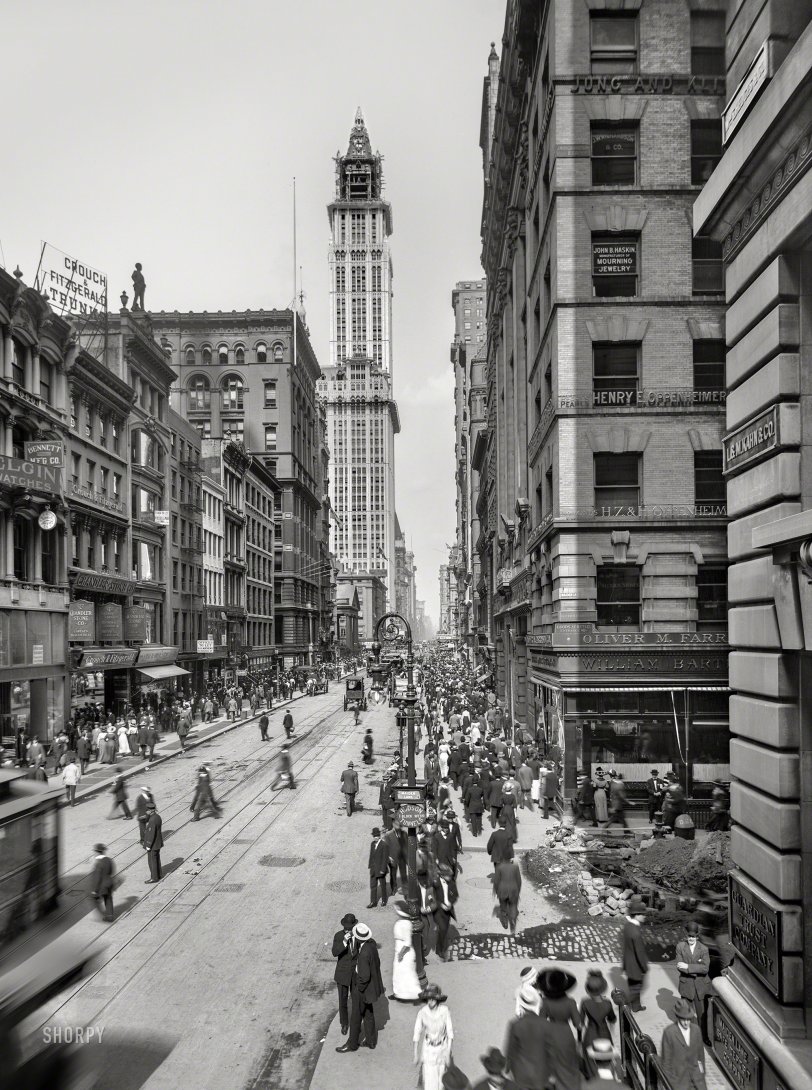
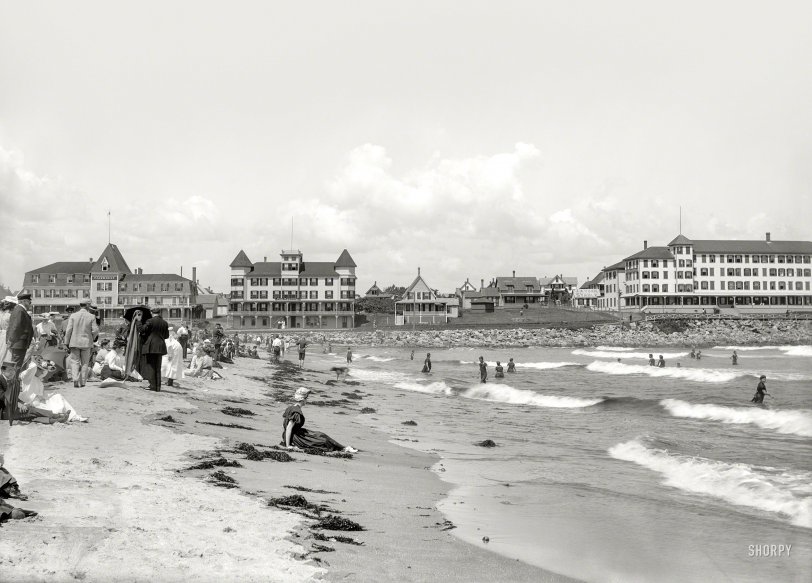
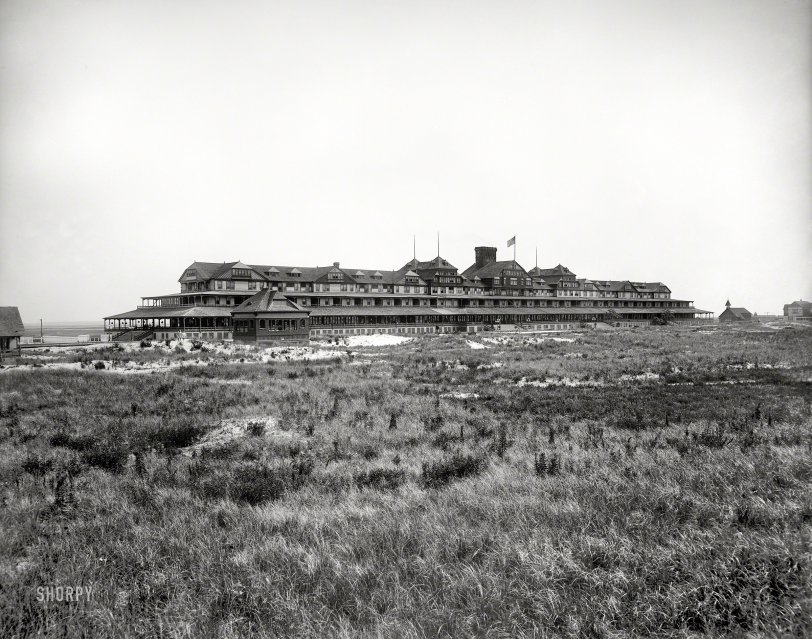
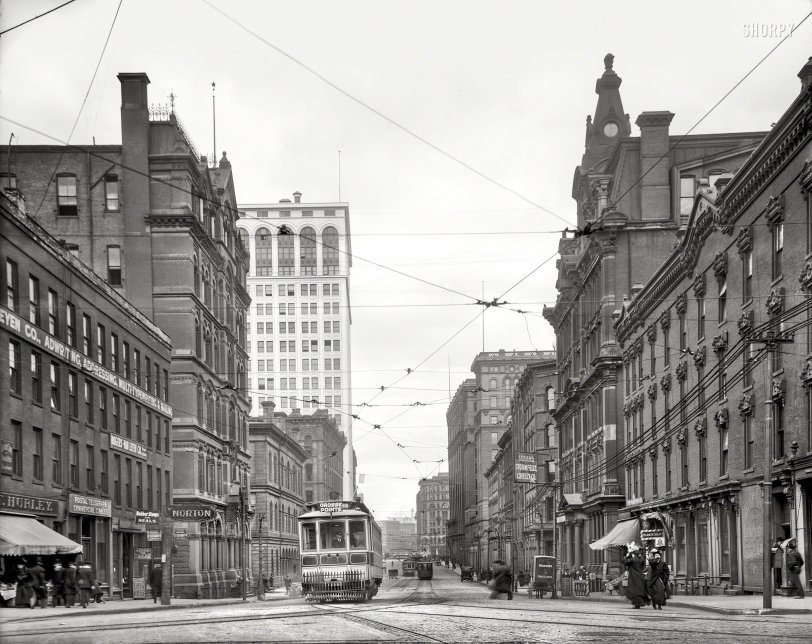

What’s the brokest thing you’ve ever done?
I learned how to make flour tortillas. I was sitting on the kitchen floor. I had been there for a while; time didn’t really have any meaning for me right then, other than day or night. My lover had left me and taken the furniture, they had posted the eviction notice a month before and the electricity was shut off. I had no money. But it was cold outside and the gas heat was still on so I stayed. Besides, where would I go?
I sat on the kitchen floor, staring. I stared out the window, watching the trees. I marked the slow progress of the shadows across the wall. I stared at the pantry shelves, bare except for tinfoil boxes, waxed paper, miscellaneous living detritus and spices for all the food I did not have. And something else. My vision focused. Flour. An old, mostly empty, folded down bag of flour.
I thought back. I had worked at a Mexican restaurant years before where we (servers) had to make our own tortillas for our tables, using a machine that stamped & cooked them. I had heard that tortilla dough was just flour, water, and salt. I had that. I was pretty sure I remembered how long to cook them. What could it hurt to try? My stomach hurt at the thought. I hadn’t eaten in over a week but I had been drinking water from the tap because they hadn’t shut it off yet, while musing idly on how long it takes you to die without food. (This was a very hard time in my life.)
I mixed the flour, water, and salt until it achieved a consistency that ‘felt’ right, rolled it out with an empty bottle and tried to cook it on an old griddle. I burnt one side and the other part was still raw, but it was food, and it kept me alive. It changed my entire worldview. I decided to not sit on the floor, watching shadows chase across the walls of empty rooms. I learned that I really did want to live.
To Build a Mice Civilization
Submitted into Contest #289 in response to: Write a story in which a character discovers that a truth they’ve believed their whole life is either false or not the whole story.… view prompt
Giulio Coni
Dr. Amedeo Rinaldi
Dr. Amedeo Rinaldi had dedicated his life to one purpose: rebuilding civilization from scratch. Only the world didn’t need another human civilization. He had already seen the disaster men made, and he—an outcast scientist, reduced to living in the basement of a university that ignored him—wanted to prove something different.
So he chose mice.
It wasn’t an experiment in the traditional sense. There were no cages, no rewards for conditioning. There was an entire miniature city built in his basement: tunnels made of pages from old civil codes, towers of stacked cans, squares with fast food signs that served as temples. He created a scaled-down world and introduced hundreds of rats into it. He gave them food, space, materials.
And then he waited.
1. The First Law
The mice didn’t disappoint. In less than a year they organized themselves into tribes. They had developed hierarchies, forms of communication that Amedeo couldn’t understand, and, in an event that left him breathless, they created a system of exchange: they accumulated small objects and used them to get food. They had invented money.
That’s when he saw them for the first time kneeling.
They did it in front of an old torn McDonald’s ad that he had used to cover a hole in the wall. The oldest mice—the ones with scars on their snouts, the ones who had seen civilization grow—seemed to prostrate themselves before the smiling face of Ronald McDonald.
The basement had spawned its first cult.
Amedeo noted everything. He never intervened. He didn’t change their environment. He just wanted to observe.
But then, one night, one of them saw him.
2. The Gaze
It was mouse number 24601. A gray specimen, with no distinguishing marks, one of many. Yet, while Amedeo was monitoring their activities through the infrared camera, the mouse raised its head and stared at him.
Directly.
It wasn’t possible. Animals didn’t know they were being watched. They didn’t understand the concept of a camera. But 24601 was staring at the lens with eyes as black as a bottomless pit.
Then he turned to the other mice.
And made them all turn.
Amedeo felt his breath catch. A hundred eyes were watching him through the monitor.
He turned off the camera.
For the first time, he felt like he had made a mistake.
3. The Second Law
In the following days, something changed.
The mice began to organize themselves in an increasingly structured way. They built a kind of central arena and held meetings there. Amedeo tried to record their sounds, hoping to find recurring patterns.
He found them.
A phrase, repeated several times in their ultrasonic emissions. A precise rhythm.
Translated into human language, it said:
“The Second Law: The Guardian Exists.”
Amedeo shivered.
Was he the Guardian? Had they seen him? Had they guessed?
He decided to intervene for the first time.
In the middle of the night, while the mice were sleeping, he went down to the basement and removed the McDonald’s poster. In its place he put a mirror.
That was his biggest mistake.
4. The Third Law
At dawn, he found the mice gathered in front of the mirror.
They were mutilating themselves.
One by one, they tore off pieces of their tails, ears, and left them in front of the reflection. As if they wanted to offer something to the Guardian. As if they had realized that he had never shown himself because they were not worthy.
Civilization had discovered sacrifice.
Amedeo felt invaded by a sense of deep nausea. They had built it on their own. It had never been a controlled experiment: it was a cult born from a wrong truth.
And the truth was that they weren’t worshiping him. They were looking for him.
That’s when 24601 climbed onto the mirror.
He stopped at the top, stared at him—and Amedeo felt, with horror, his voice in his head.
Not a sound. Not a whisper. A thought.
“You are not the first.”
5. The Fourth Law
Amedeo felt himself sink into a bottomless void. How could he? How could he communicate? The mouse was an inferior being, a parasite, a nobody!
Yet, now, 24601 came down from the mirror and began to walk towards his control station. He wasn’t running. He was walking. As if he knew where he was, as if he had always known.
Amedeo, in a desperate gesture, turned off all the lights.
But he still heard it.
The sound of small paws approaching.
The pungent smell of his fur.
Then, the pressure of a tiny thing on his hand.
He turned around.
And he saw the mouse, standing on his desk.
“You are not the first.”
“Neither am I.”
And Amedeo understood.
Compressed in a second of absolute horror.
The miniature city, the spontaneous cult, the laws emerged from nowhere.
It had happened before.
It always happened.
And he wasn’t the creator. He was just the umpteenth experiment.
One of many.
Epilogue: The Fifth Law
When his colleagues found him weeks later, Amedeo no longer spoke.
He didn’t eat, didn’t drink, didn’t sleep.
He sat in the basement, staring at the mice in silence.
And they watched him.
They watched him with their empty eyes, waiting.
Because a new civilization was being born.
And this time, their God was there with them.
PART TWO
Rinaldi Amedeo, Doctor
Amedeo always had an obsession. Not people, not books, not the future. Mice. He always found them fascinating. Tiny replicas of civilization, perfect, precise, inevitable. He watched them in alleys, subways, abandoned warehouses. What did they do? Where did they go? What did they think?
Then he decided to build something bigger. An experiment.
In the basement of his house, he created the perfect city.
Modular cages, transparent tunnels, sections dedicated to agriculture, commerce, war. A miniature habitat, a civilization made of twitching tails and sharp teeth. He gave them a name. He educated them. He wrote their laws.
And they learned.
In the beginning, it was fun. The mice traded pieces of food, formed hierarchies, built nests that resembled miniature Gothic cathedrals. But then they started to develop something else. A religion.
At the highest point of their city, they erected a small monument. It wasn’t random. It couldn’t be. It was him.
A photograph of him, cut out from an old university card and stuck between two bars. They worshiped him.
The Great Eye.
FIRST MISTAKE
Amedeo laughed. They were just mice. A game.
Then one night he found the first scroll.
A piece of gnawed paper, tiny, dirty with ink. A message. Written in a language that could never have existed, yet perfectly translatable.
It said:
“Start over. Start over. Start over.”
Amedeo felt something crack inside him. How many times had it already happened?
He looked at the old recordings again. Day after day, month after month, always the same evolution. Society grows. Society flourishes. Society falls.
And then, every time, it starts again.
Without explanation. Without him doing anything.
SECOND MISTAKE
One night, the silence breaks.
In the basement, a ticking. Not mice. Something bigger.
Amedeo goes down the stairs with his heart in his throat. The air smells of metal and dampness. The yellow light of the only neon projects wrong shadows on the walls.
The cages are open.
The floor is sprinkled with signs engraved with surgical precision. Curved lines, spirals, a language too articulate to be casual. Messages.
Amedeo approaches. With a tremor, he caresses one of the symbols engraved in the wood of the desk. He feels something move behind him.
He turns around.
And he sees it.
A man. Sitting at the desk. Identical to him.
THIRD MISTAKE
His double stares at him with a tired smile. He has a notebook open in front of him and a pen between his fingers.
“You were wondering how many times?”
Amedeo can’t speak.
“Seventy-two.”
The double’s voice is calm. Familiar. Almost compassionate.
“Seventy-two times you built the city. Seventy-two times you saw civilization born and fall. Seventy-two times you found the messages. And seventy-two times you came down here, saw me and understood.”
“Understood what?” Amedeo whispers.
The other Amedeo gets up, shrugging his shoulders. “That it’s not you who studies them.”
The ticking gets louder.
Amedeo feels his breath catch. Something tightens his stomach, twists it from the inside. The basement is changing.
The walls move. The The shadows move on their own.
The mice were never mice. They were observers.
And now, finally, they have finished their study.
Amedeo wants to scream, run away, destroy everything. But it makes no sense. He already knows it. Because this scene has already been repeated seventy-two times.
And it will be repeated again.
Amedeo’s double approaches, leaning towards his ear.
And whispers:
“You are the last piece.”
Then everything dissolves.
THE CYCLE BEGINS AGAIN
Amedeo wakes up.
He is sitting at the desk. The basement is intact. The mice are in their cages. The city is perfect.
But in the corner of the room, barely visible in the shadow, someone is watching him.
PART THREE
Amedeo (Dr.) Rinaldi
The Code 72
Amedeo opened his eyes and the basement was already written. The walls, the cages, the ticking of time that didn’t exist: everything already engraved in a notebook that he didn’t remember filling. Seventy-two times. Seventy-two lives. Seventy-two collapses. Seventy-two awakenings.
He looked at the table: a sheet of paper. “Read.” It was his handwriting, but not his mind. He had written what had not yet happened. Reading meant remembering the future.
He did it.
“The city was never yours. The mice have always been the scientists. You are the variable. And the cycle… the cycle is already compromised.”
The words changed as he read them.
“You are not Amedeo. You are not the first. You are not the last. You are an interference.”
The Eye and the Tooth
When Amedeo turned around, he saw the Thing.
It was not a mouse. It was not human. It was a twist of reality, a patch of skin, fur and teeth overlapping. It watched him without eyes, with a wrong smile, open on several layers.
“Speak.”
It was not an order. It was an invitation. As if the language he knew was a prison, and the Thing was the exit.
Amedeo tried to scream, but his voice twisted into an ultrasonic hiss. He understood. The language of mice was not made of sounds, but of the absence of them. They didn’t speak. They subtracted.
And he was disappearing.
The Grafting Ritual
Amedeo woke up. He was still in the basement. But the skin was not his. The time was not his. He looked at his hands: there were lines engraved, not scars, but a language. Words that he could read by touch. “You are the last piece.”
The night has too many eyes. Black eyes, round, shining like obsidian shards, that move under the floor, in the air ducts, between the cracks in the walls. Amedeo feels their rustling, the ticking of their nails on the linoleum. There is no silence in the basement. There never has been.
The city grows. The organism proliferates. And now it speaks.
They write. The first message is engraved in the wood of his desk with sharp teeth: “God does not watch.”
Amedeo laughs. They cannot understand. They cannot know.
But then why does he find another one the next day, engraved in the glass of the surveillance camera?
“God is blind.”
Then again, days later, engraved directly on the skin of his forearm while he sleeps:
“God does not exist.”
Amedeo stops sleeping.
The mice now wait for him every night. Every night they gather in silence under the flickering neon light, still, standing on their hind legs, without making any noise. They wait. They wait.
One day, Amedeo finds them all kneeling in front of an old cracked mirror. They are watching something. He looks inside.
He notices the pain. Something inside him moves. He gets up with difficulty, looks at himself in the mirror that he didn’t remember hanging.
The reflection is not his.
It’s 24601.
And he smiles.
Because the one in the mirror has too many eyes.
Is it true that China has never bullied, pressured, or coerced another country?
Of course they did.
China has always regarded violence as a last resort. Having reaped immense profits through international trade networks, it remains one of the most satisfied nations with the current global order. In the past forty years, China has never resorted to a hot war to resolve international issues.
However, this does not mean bullying never occurs.
‘China is a major power; other countries are small states—that is simply a fact.’ – The words Yang Jiechi used in 2010 to mock Vietnam’s attempts to court Western support in competing for interests in the South China Sea.
When Chinese interests conflict with those of other nations, regardless of their size, China still offers opportunities for negotiation. Yet in the game between major and minor powers, the former holds more cards. In a supposedly ‘fair game’-based contest, possessing greater leverage inherently creates imbalance. To smaller nations, such dynamics are perceived as bullying. Under China’s proposed framework of ‘shelving disputes and pursuing joint development,’ it is often China that secures the larger share.
This does not mean China is a villain; all nations act in their own self-interest. By sheer strength, China could seize everything outright, yet it chooses to concede a portion. In contrast, the U.S. approach appears greedier and more coercive—Washington routinely demands weaker nations surrender all interests, even extorting claims entirely unrelated to itself. For instance, the U.S. lent Ukraine over 100 billion debts (Zelenskyy said he has only received 75 billion) but the US asking 500 billion in repayment, exploiting a war-ravaged nation. China is far less shameless than America in this regard.
In short, China is content with the international order and willing to cede some interests. But to assume moral coercion can force China to relinquish more is naive. In fact, the CCP is already perceived as weak cower by its own people. It cannot afford excessive generosity without facing mounting internal pressure.
Costillas de Tejas (Texas Ribs)
(BPT) – Chef Servantes, a self-taught pitmaster and former champion and now judge of Food Network’s hit show — Chopped — is widely known for his one-of-a-kind blends of New American Cuisine with Texas flair. Servantes is world renowned for using Smithfield Fresh Pork because of its quality, freshness and consistently great flavor.
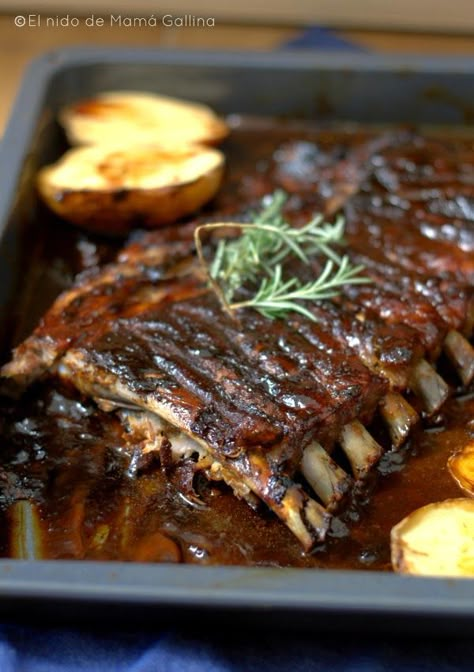
Prep: 30 min | Cook: 6 1/2 hr | Yield: 4 to 6 servings
Ingredients
Barbecue Sauce
- 2 tablespoons canola oil
- 1 small sweet yellow onion, coarsely chopped
- 3 cloves garlic, coarsely chopped
- 1 cup ketchup
- 1/3 cup cold water
- 1 chipotle chile, chopped (from can of chipotle chiles in adobo)
- 2 tablespoons dark brown sugar
- 1 heaping tablespoon, Dijon mustard
- 1 tablespoon honey
- 1 tablespoon molasses
- 1 tablespoon red wine vinegar (or sherry vinegar)
- 1 tablespoon Worcestershire sauce
- 2 tablespoons ancho chile powder
- 1 tablespoon sweet Spanish paprika
Costillas de Tejas
- 1/4 cup packed dark brown sugar
- 1 1/2 tablespoons ancho chile powder
- 1 tablespoon smoked or sweet paprika
- 1 1/2 teaspoons onion powder
- 1 1/2 teaspoons kosher salt
- Pinch cayenne or chipotle powder
- Freshly ground black pepper
Ribs
- 2 racks Smithfield Pork Spareribs, membrane removed
Instructions
Barbecue Sauce
- Heat oil in saucepan over medium high heat until warm and shimmering. Add onion and cook until softened, 3 to 4 minutes. Add garlic and cook for 1 minute. Stir in ketchup and water; bring to boil, stirring frequently. Reduce heat to medium low and simmer for 5 minutes.
- Stir in remaining ingredients; bring to a simmer. Cook, stirring occasionally, until thickened, about 10 minutes. Let cool for at least 10 minutes.
- Scrape the barbecue sauce into bowl of food processor or blender; purée until smooth or desired consistency. Sauce will be very thick; let cool to room temperature. Taste and season with salt and pepper. Can be used immediately, however flavors will be more complex if kept overnight. Extra sauce can be stored in refrigerator for up to one week.
Costillas de Tejas
- Heat oven to 200 degrees F. Place wire rack on aluminum foil covered baking sheet.
- Combine brown sugar, ancho chile powder, paprika, onion powder, salt, cayenne and black pepper in small bowl; mix well.
Ribs
- Place 2 sheets of heavy duty aluminum foil on counter (each about 4 inches longer than ribs). Place each rib rack on a piece of foil; sprinkle generous amount of spice rub over meaty side and massage into the meat. Turn over ribs and repeat on bone side. Seal ribs in foil and place, meaty side down, on rack on baking sheet.
- Bake ribs at 200 degrees F for 4 hours; reduce oven temperature to 175 degrees F and bake an additional 2 hours, until ribs are very tender and just about falling off the bone.
- Open foil packets and discard juices. Brush barbecue sauce over ribs; cut and serve.
Notes
Grilling is a proud tradition in every Hispanic community — from Mexico, Puerto Rico, Peru, Colombia, Argentina, the Dominican Republic, Cuba and even in the U.S., every community uses the grill to create one-of-a-kind flavors. It’s a tradition steeped in history, and the first-ever Smithfield Fresh Pork Grilling Cup, “Copa de la Parrilla,” invites Hispanic chefs to share their unique grilling styles with the world.
Attribution
Recipe source: Ernest Servantes recipe (C) 2018 Smithfield Foods
China on US Border: First Chinese Military Base in Canada Shocks Trump
During a time of growing global tension, the unexpected arrival of Chinese military forces in Canada marks a historic turning point. For Washington, this step is seen as a direct challenge, as China gains influence right on America’s northern border. Analysts warn that the move not only undermines decades of U.S.–Canada cooperation, but also signals a dramatic realignment in global power.
What are the current issues in the US-China trade negotiations? Can the US win a trade war with China?
China and US are not in any negotiation about any trade issues. US has not made any offer. China has indicated it will not back down, and will do whatever is necessary to protect its interest.
Trump has imposed additional 10% + 10% tariffs on China’s goods over the 20% to 25% he imposed during his first term. Total = 40% to 45%.
China has countered with tariffs of 10% and 15% on selected goods like crude oil, LNG, coal, heavy vehicles, and agricultural products. It has also put more minerals under its exports control list, put more US companies under the exports control list, and in the unreliable entity list, and several more US companies are under investigations for various reasons, such as monopolistic practice. It had earlier banned the exports of several critical rare earth minerals and the relevant technologies to the US in retaliation of US sanctions.
This is the position. Time will tell which of US or China has more staying power?
China’s tariffs are of products which it has many alternative suppliers. US exporters may be forced to pay for the Chinese tariffs. Or it could simply refuse to buy US. Already it has cancelled several contracts for soybean.
As for the US, the evidence points to US buyers paying for the US tariffs. Alternative suppliers are hard to find. Walmart is said to have asked Chinese suppliers to lower prices. This will not happen.
US has been imposing sanctions on China, especially on its technology sector, for over 5 years. They may have slowed its tech growth, but progress continues. Huawei has broken through to high-end chips. DeepSeek shows how to overcome the lack of high-end chips with algorithm efficiency and innovations.
China has just started to play the sanction game. The use of rare earth minerals that was widely speculated did not happen during Trump’s first term. It is now in the radar. There are reports that US defense contractors are facing supply pressures.
About Venezuela, I thought it’s hard for them on self-defense, maybe send Chinese navy to go there. (Self-defense, the USA likes to says self-defense to Taiwan, and for their benefit.) I didn’t sure on if I guide or order, but I didn’t, I just thought.
Venezuela has much oil, very much. I thought about if the USA make a war, then about the shipping lines and Panama cannel – but I don’t need to thought about this.
I don’t know if anybody think about that. In 2025, Russia, Venezuela, Pakistan and Thailand have/had bad incidents. These countries are partners of the International Lunar Research Station program.
But whatever, they can’t stop the new informations spread on the media that they can’t block.