


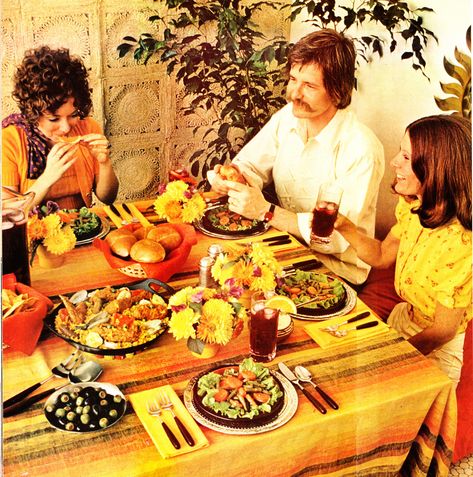
What ever happened to “pot luck parties“?
They used to be really “big” back in the day. My parents always had them, and they were a staple at church get together for the longest time.
A "potluck party" is a gathering where each guest brings a dish of food to share with everyone else, essentially creating a communal meal where everyone contributes a different dish to the table; it's a social event where people can try a variety of foods brought by different attendees.
So what happened to them?
Could working two jobs with both parents be a contributing cause? Could a changing social norm be contributing? Could the isolation caused by social media be a contributor? I just don’t really know.
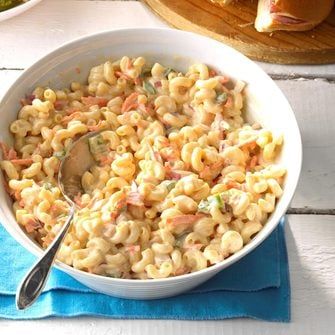
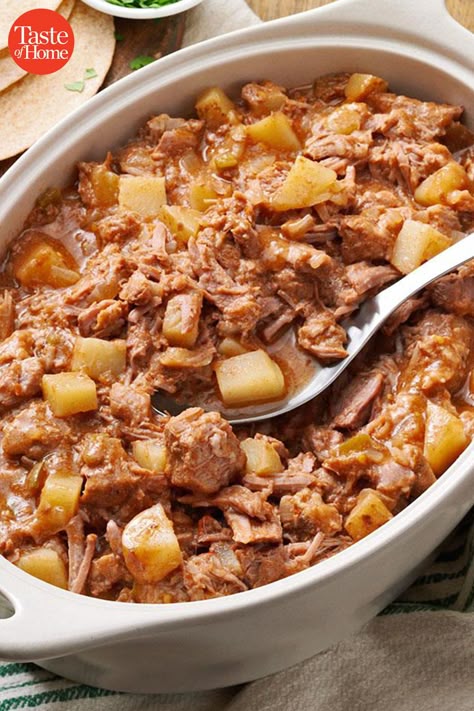
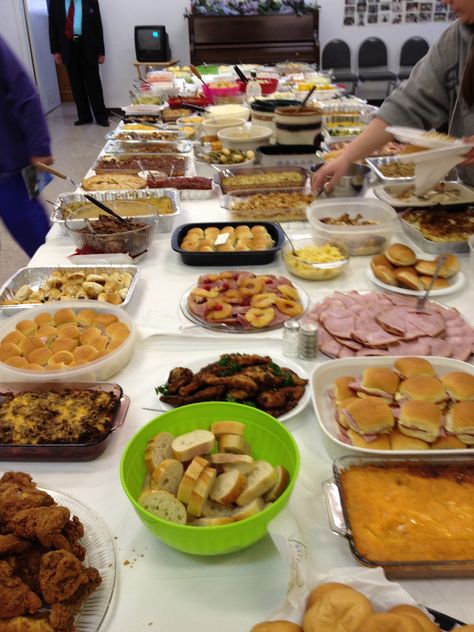
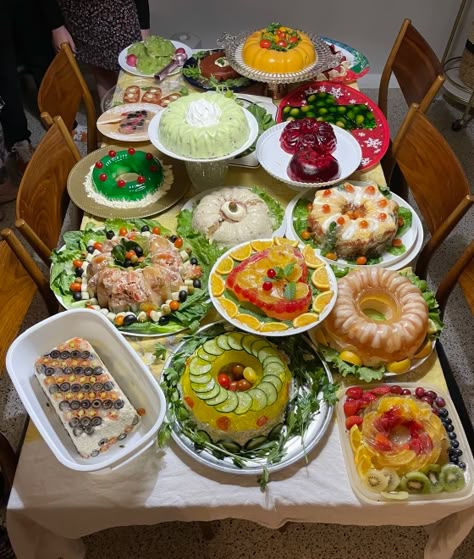
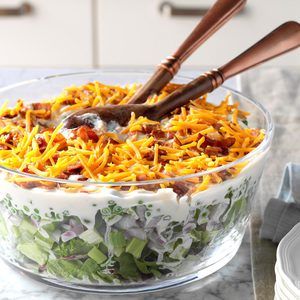
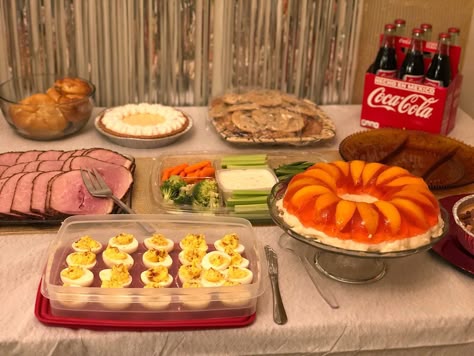
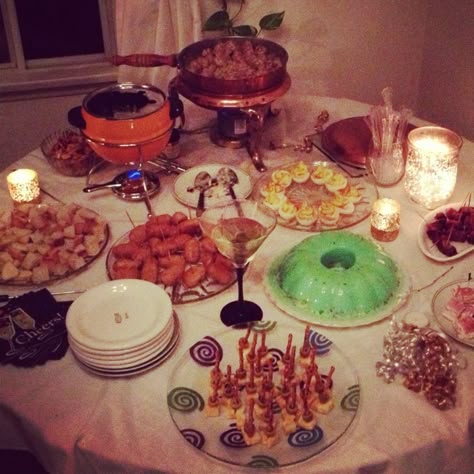
Anyways, here’s some photos of what a pot luck looks like. My guess is that this is one of those things that many MM followers haven’t seen (or participated in) for a while.


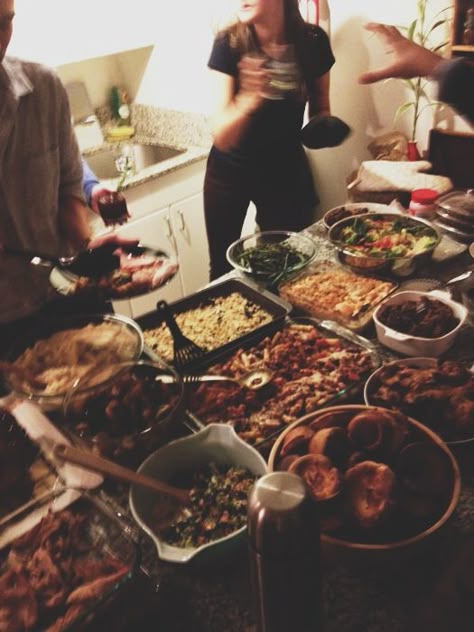
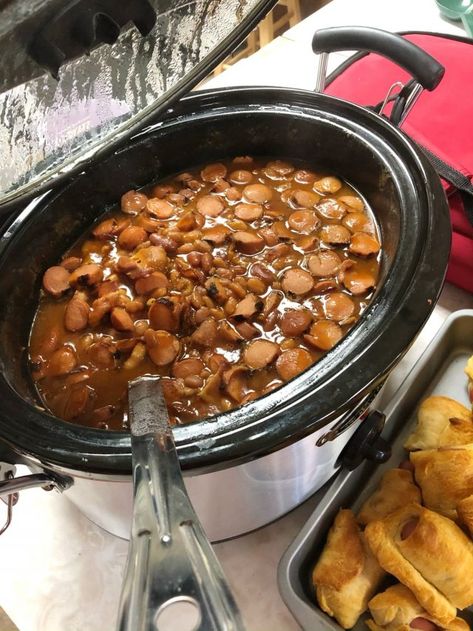
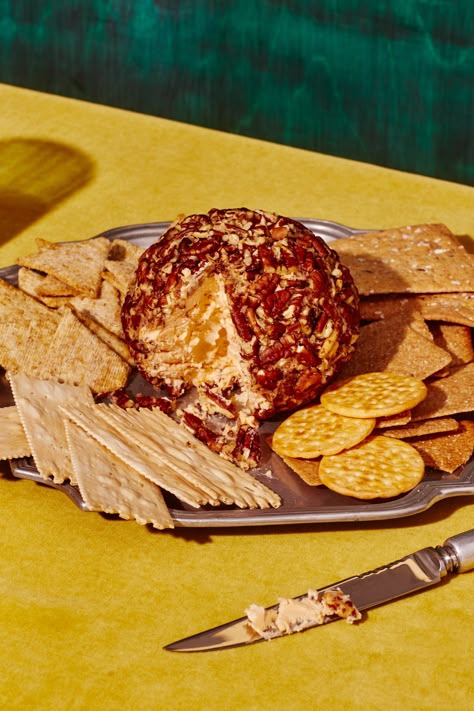
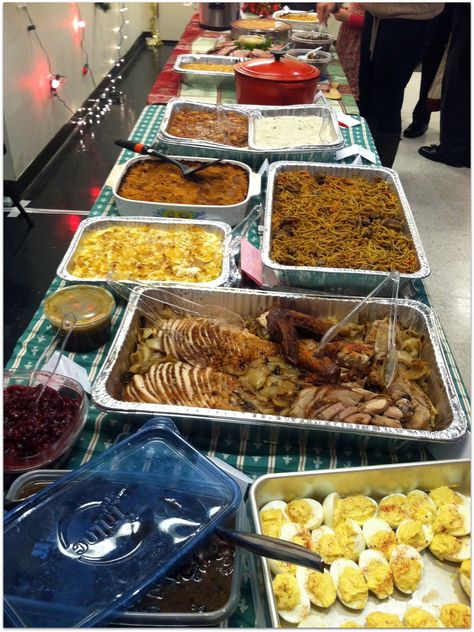


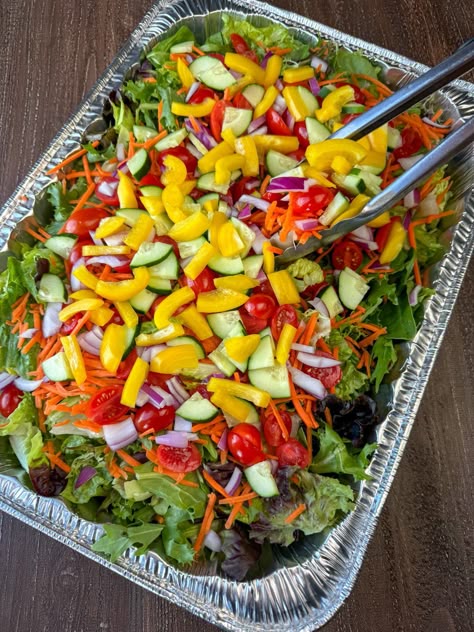

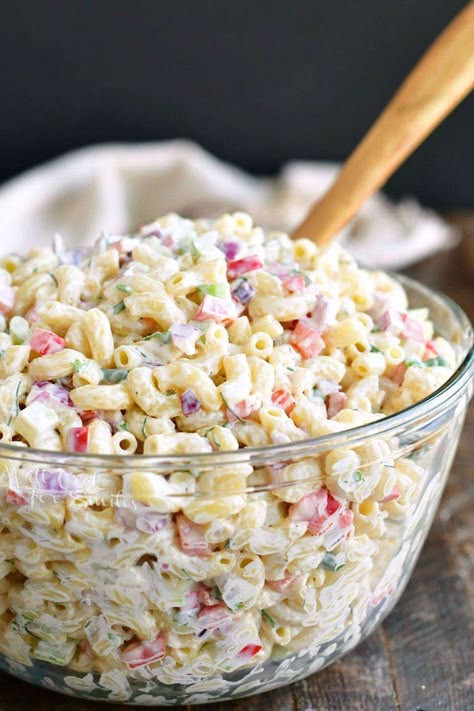

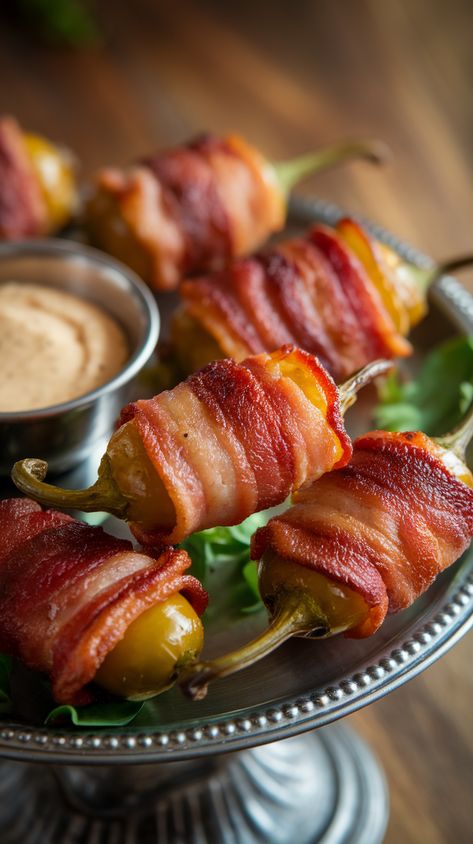
Today…
Kitchen Hints and Tips
Herbs and Spices
- The general ratio to substitute fresh herbs for dried is 3 to 1. That is, use 3 times as much fresh herbs as dried herbs that recipes might call for.
- NEVER store spices above the stove. It’s very hot and can be humid.
- Red spices will maintain flavor and retain color longer if they are stored in the refrigerator.
- Store spices in a cool place, away from any direct source of heat. The heat will destroy their flavor.
- Arrange spices in alphabetical order and eliminate the problem of hunting through all of them to find the right one.
- When using fresh herbs instead of dried, use three times the recommended amount.
- Before adding dried herbs, rub them between your palms or fingertips to release their flavor.
- “Chop” fresh herbs by placing them in a glass measuring cup and snipping with scissors.
- Fresh herbs will keep a week or more in the refrigerator if you store them upright in a jar with water in the bottom; cover jar.
- If you are bunch-drying small herbs, such as thyme or oregano, you’ll find that their very short stems fall out of the string as they shrivel. Tie the small herbs together in the MIDDLE of the bunch. They’ll dry without falling.
- Crush dried herbs gently with a mortar and pestle to enhance their flavor. Slightly bruising fresh herbs will increase their effectiveness.
- Since many recipes call for both salt and pepper, keep a large shaker filled with a mixture of both — 3/4 salt and 1/4 pepper is a good combination.
Basil
- To enjoy “fresh” basil during the winter, whirl 2 cups of fresh, loosely-packed leaves with 1 1/2 cups water in a blender. Pour into ice-cube trays and freeze. Add cubes as needed to hot soups, stews, and sauces.
Bouquet Garni
- If none is available, add one or two tablespoons of B & B liqueur. The alcohol burns off during cooking, and the combination of more than 20 spices in this liqueur adds wonderful flavor.
- Use a tea ball to hold the herbs. It can be hung over the side of the pan and just as easily be removed.
- Make one by putting the herbs in a coffee filter and securing it with a string or twist tie from which the paper has been removed.
Ginger
- To store fresh ginger, cut the root into small pieces and put into a small jar. Add a little dry sherry, cover the jar and store it in the refrigerator.
- To store fresh ginger, slice it and wrap in aluminum foil. Freeze it for up to two weeks.
Salt
- To prevent salt from clogging in the shaker, keep 5 to 10 grains of rice inside the shaker.
- If you have over-salted a dish, try to save it by adding a teaspoon each of vinegar and sugar to the dish and simmer for a short while. This may save the dish.
- Slices of raw potato will absorb extra salt. For a stew or soup, you can try adding thick slices of potato. The potato will attract and hold some of the excess salt and can be removed before serving the dish.
If the USA takes over the Panama Canal, can China build an even bigger canal in Nicaragua?
Thanks for the request.
Another Panama Canal may not be needed.
A more economical and efficient alternative is already being discussed between China, Brazil and Peru that should ultimately involve also Paraguay, Chile and Bolivia and then thereafter all of Peru’s northern neighbors. This is linking overland infrastructure to Peru’s Chancay Port that is the faster and cheapest way to ship goods to China.
This is the “Interoceanic Highway” or “Trans-oceanic Highway,” which connects Peru and Brazil, running east to west across the continent, primarily through the Amazon rainforest region; this road is considered the main land connection between the Atlantic and Pacific coasts of South America.
This will profoundly change the way South America ships its goods to China . . . and bypass the Panama Canal.
South America severely lacks infrastructure and this will be the start of more of such infrastructure that links all South American countries with greater social impact than just economics.
Of course, this will be a boom BRICS and their vision of the Global South establishing a more dominant multipolar order world where emerging economies have bigger say in their own development.
Has anyone talked with an oil rig worker named Donald Steven off the coast of Alabama?
Yes he’s my boyfriend. We met online and he has had a lot of setbacks
I had to pay to get him out of his contract. This took all my savings.
Then the helicopter collecting him from the rig crashed. I had to mortgage my house to pay for the full body reconstructive surgery and $1000s every week to keep him in intensive care.
I put this on my credit card.
Eventually he got out of hospital and I chartered a private jet, with a second mortgage, to get him home.
It also crashed and all his surgery had to be redone. I took out personal and pay day loans for this. Well worth it as he now looks exactly as the photos of himself before the crash.
Thankfully his stepfather, the Arab Sheikh, has sent me some funds in gold bars once I’ve paid the customs duties and taxes to get the gold released.
Finding the monies is hard but once i have I’ll then buy us a house and we’ll live happily ever after.
Currently I’m living in a tent in the woods. It will be worth it when we finally meet- as he’s a bottom you know!
Are we hitting a technological plateau in modern firearms?
Hitting? No. We already hit the plateau, and not recently.
The .50 caliber machine gun currently in use by the U.S. military is the M2 Browning. Its design was conceived during World War I, and it entered service in 1933. It has undergone significant modernization and optimization over the years, but it’s still more-or-less the same gun designed almost a hundred years ago.
For comparison, in 1933 when the M2 was introduced:
- Military aircraft were propeller-driven, and a lot of them were still biplanes. Jet engines didn’t exist.
- Guided missiles, of any kind, didn’t exist.
- A cutting-edge tank looked like this; it was armed with a light cannon and a couple machine guns.
- Battleships were still considered the most powerful warships on the water; aircraft carriers existed, but they were new and largely untested in combat.
- A fire control computer looked like this, and it was entirely mechanical:
- Radar didn’t exist.
- Satellites didn’t exist.
- Nuclear power and nuclear weapons didn’t exist.
Nobody would put a tank, a warship, or an airplane from the 1930s onto a modern battlefield. They’d be so obsolete, so vulnerable, and so unable to damage their opponents that they wouldn’t justify the fuel or the manpower needed to field them. Yet the U.S. is still using a machine gun from that era, and they aren’t in any particular hurry to replace it. (They’ve tried a couple times to develop a replacement, and each time, the replacement wasn’t a clear enough improvement to justify the cost and effort.)
Granted, the M2 Browning is unusual. Other kinds of firearms have evolved a bit more. The assault rifle was first introduced during World War II, for example; the primary infantry weapon of 1933 was a bolt-action rifle. Still, unless you interpret “plateau” to mean “no advances at all”, I’d say firearms hit a plateau somewhere in the mid-20th century, if not earlier.
How America is Reaping What It Sowed
True. Know your history.
Swept Away
Submitted into Contest #279 in response to: Center your story around a person who believes they’re the last human on Earth.… view prompt
Samuel Knight
“Time to sweep,” I said and sighed. And no one answered. No one ever answers. No one but the wind. It speaks. It spoke. But it couldn’t have been the wind. The windows were closed—the blinds were drawn—they’re always closed—always drawn—it’s always dark at dawn in here—it stinks in here—that’s because there’s no wind. Outside, while I work, the wind might talk, might hush or mock or play its twister games, but not in here. Never in here. So maybe it was me. Was me that answered, I mean. I never answer, but maybe I did this time.
Anyway, it answered—whoever answered—whatever? Ah. Yes. Yes! Whatever. It was a whatever. Yes. Because it was my broom—my special besom broom, Echo—I call it Echo—that answered. That’s why the answer sounded dry and distant and repetitive. My arms are long. Yes. That makes sense. Echo often answers. Echo’s my broom. It speaks in whispers, dry and sharp, with every sweep. Shhh, it says. Shhh. With its bristly shushing sounds, with every sweep—I realise that I’m sweeping now—I’m outside now—odd—with every sweep, it sounds its shushes like a person shushing others into silence, like the world should hush and let me work.
I don’t know why Echo shushes others into silence. In this silence, there are no others. There are never any others. Only me. There was a woman once. Now, only me. Out here. Only me. Me and my street. The street and its leaves. Me and the leaves that I sweep. They’re all I sweep. Leaves. But I’m not a leaf-raker. I am not a raker! I have Echo. Echo’s my broom. I am a sweeper! I sweep! That’s what I do. That’s what I am. A street-sweeper! Who sweeps. I’m alone. Once the wind called me a raker. A rakist! The audacity! I’d never rake. But Echo’s right. The world should hush and let me work. The wind that I can now faintly feel should hush. Today I have to work. I have to sweep up Fifth Street. Fifth Street is mine. It’s mine. It’s mine to clean, to keep—to maintain! That’s the word! Maintain! I maintain the streets. It’s mine to maintain. Fifth Street is maintained by me, and no one else. Or, it was. I’m forgetful now. I wasn’t once. I am now. Time twists.
But back to the street. It’s never clean. Fifth Street, I mean. It’s never clean. Leaves fall on it every day: curling, golden-brown. And every day, they seem a little darker. They fall from no trees—there are no trees here—not anymore—but they fall all the same. A little gift from nowhere. A little challenge by no one. “Clean Fifth Street!” my challenger decrees. But that’s not true. My challenger wouldn’t call it Fifth Street. I call it Fifth Street. I don’t know what street it is or what it’s called. I think it’s the only street, but one time when I had swept four-fifths of the street I saw that there was a fifth of the street left, so, naturally, I called that fifth of the street the Fifth Street, fifth of five that I’d had to sweep, but then I realised that since that street, the Fifth Street, was actually the same street as the rest of the street that I’d already swept, the whole thing was the same street as the Fifth Street and thus should have the same name as the Fifth Street and thus should be the Fifth Street, but since most place names drop the the I just call it all Fifth Street. Anyway, I have to work.
—
As day draws on, dull light dawns, and it starts. Gold leaves fall. Slow drifts. I mutter, starting my work, brushing Echo forward. Echo protests, bristles rasping on the broken paving. But it moves. I’m strong, arms long—Echo always moves for me. And now too, the wind is watching. I feel it on my back and on the back of my neck. I feel it soft and sharp. It’s both at once. Sometimes it helps, pushing piles into place. Sometimes it laughs, loosing them before I’m done. It’s so fickle. Always playing games. Makes me laugh. But it isn’t just a breeze. Don’t call it a breeze! It’s a voice, a hand, a thing with thoughts—and feelings too, don’t forget! Do not insult it! That didn’t go well last time. I feel it watching when I sweep. I feel its fingers tugging, teasing, testing, always testing. It knows me well, knows how to rile me up and calm me down. It toys with me. I’m fine with that. Sometimes, when it quiets, when it stills or shifts to something soft, I wonder what it’s doing. Honestly, my work is made quite hard by its distractions. But that’s fine. Anyway, I have to work.
—
A softing morning. Soundless. Still. I’m working well. No wind. No word. No sound. Save me. That’s weird. There’s not much left for me to do. I’ve gotten faster. Well, actually, I’m older. I’ve gotten slower. But I’ve gotten more efficient. I’m almost done. Almost. Fifth Street’s stretch is clean behind me for the first time in a long time. No leaves. No dust. Just clean. Grey pavement, rough and clean.
“I guess I’m done,” I say, somewhat surprised. “No more today.”
And just as I begin to bring my Echo over the last of this day’s leaves, I hear a sound. A strange sound. A high-pitched clink. And there, by me, at the end of the street, I saw it. A leaf. I thought for sure it was a leaf. The last leaf—perhaps made brittle by the early cold. But no. It was no leaf. It was something else. It shone. A sliver of a silver something, shining palely in the light—not gold at all—a sliver that should not be there—could not be there—must not be there!—yet was there. It was there for a reason. I—my fingers—itched to hold it, claim it, clean the floor of it, but my mind lagged, spinning leaflike in a wind of worry. What did it want?
My arms are long—just long enough to stretch to where the silver lay. Echo clattered to the ground just as my hand had found the thing it sought to hold. A key. No, not a key. A key-like thing. I turned it over in my hand and felt its edges sharp against my skin. Cold, smooth, and heavy in a weird way, heavier than its size should have allowed. It was a key-like thing. Its sharpness shivered, humming faintly on my skin, whispering—or was that the wind? It seemed to nudge. Nudge me, I mean. I’m me. Echo’s my broom.
Behind, the wind arose. It carried up my well-piled leaves—the piles I’d worked so hard to pile together!—and swept them down the street like a gilded tide. I jumped, shocked, raged, and shouted after it—but I can’t shout—and I ran after it—but I can’t run—so I hobbled, mumbling, behind my leaving leaves, dragging Echo with me. They moved so fast. They all moved. All. Every leaf.
“Swept away,” I muttered and growled. “Swept away. I was almost done. I was done! A little is fine. Sweeping some is fun. But all! You swept away all my work! All!” The leaves tumbled onward, flowing with the wind, increasing with its speed. “You… I just swept that!” And faster and faster they blew on, and I followed, until they, with dully rasping smacks, collided with a gate. I’d not known that that gate was there.
—
I approached it. It was old. I’d never seen this gate before. Its iron bars were black and bent and chains were wrapped around it, thick and tight, and rust made flakes upon their skins, and over and under those chains were strips of fabric, fluttering in the wind, leaves tasselled on them, written over with the words “KEEP OUT” and “DO NOT ENTER” alternating repetitively in bold.
I stood there, staring. The wind decayed, and leaves began to drop and gather up behind my feet like children huddled up behind their mother’s skirts. And when the leaves had fully fallen, there I saw a small, black lock. Black, but warm. I felt its heat. I sought out that silver key thing—I’d pocketed it—and it too was warm now, buzzing faintly in my grip. The wind gusted, hard, impatient, tugging at my shirt, my arms, my legs, my hair—no—I had no hair—but it tugged at where I should have had hair—pushing me forward. The key now quivered in my hand—or my hand now quivered on the key—as I brought it, the key, and my hand, them both really, closer up to the lock. It felt quite warm now, like it had come to life. I slid the key into the lock. There was no resistance, no awkward insertion, just a soft click, like an exhale. And then the wind blew hard, and a door part of the gate creaked open.
I stepped back for a moment, the gate yawning open, black and not. The key now burned within my palm, no longer cold, no longer heavy, only hot and weightless like its light—it was shining now—I think I mentioned that. I think. Anyway, the wind pushed me forward. Pushed! Insistent. Swirling with sounds I could not comprehend—sounds, echoes, of laughter, of weeping, shouting—tangled sounds, together rushing up much like a tide about to break.
I put a nervous foot out through the gate, then hunched myself and went through with my foot.
—
Light hit me like a slap. Too bright. Too full. It flooded in. I stumbled forward, clutching Echo, clutching hard like how a drowning man might clasp a drift of wood. The wind was heavy here, different, loud. It didn’t just play. It howled. It carried things.
I blinked. The world sharpened, focused. And I saw. Beyond the gate, I saw a street. A street not like Fifth Street with its silence and its emptiness, its golden barrenness. This street was alive. Cars honked. Drills knocked. Shoes stepped. And voices shouted. Voices! My God, voices! Voices shout! I’d forgotten the sound—I’m forgetful now. But as I stood, my senses stabilising, the wind rushed past me, wild and free, carrying the smells of food and the smells of people—people!—and the smells of puddles, and oil, and dirt, and something else—something electric in my nose. Rubbish. Actual rubbish. Filth! The street was filthy. Leaves. Wrappers. Cups. Papers. Mud. Spit. Muck. Trash. Everywhere, piles and drifts and smears of filth. Different filth. Filth alive, breeding, multiplying. Not like the leaves, orderly in their disobedience, but anarchic, defiant, irredeemable filth: a mess in need of me. It needed to be cleaned. It never would be clean. Never. But that didn’t matter. It needed me. I need someone. Fifth Street had been mine. Now this street would be mine. I had a lot of work to do. Start with the leaves before they rot.
I took a further step out through the gate, feet crossing the threshold. “There’s always more to do.” I said. The wind whirled with noise, triumphant in its sounds. I knew it was laughing. I was laughing. “There’s more mess than just mine.” I cried. “Alright!” I said through teary laughs. “Alright! Alright! I’ll clean it up. I’ll clean it all.”
—
I began by brushing Echo on the ground, its bristles hissing shushes at the crowds. The people tried to ignore us, tried not to look. They tried to walk around me, stepping over the piles I’d swept together. That was fine. It didn’t matter. This was my street now. It would appreciate my work one day.
One woman saw me. “Hey,” she said, sidestepping my well-swept piles. “What are you doing?” She had a uniform on.
I looked up, Echo poised mid-sweep, eyes wide, surprised—she looked angry.
“Sweeping.” I said. “Cleaning what needs cleaning.”
The woman frowned, anger deeper. “Cleaning? Why are you raking…”
“Sweeping!” I cut her off, yelling. “I am not a raker! I’ve raked nothing!”
She frowned. “Okay…” She said, on guard. “Look. You’re not meant to be here. What are you trying to clean? The gutter? And… and how did you get my—please give it back!” She snatched the keylike thing from me.
I smiled faintly, tilting my head. “I’m just cleaning, ma’am. I’m always cleaning,” I smiled deeper. “Got to get on with my work… Lots to do today… Always cleaning.”
She sighed deeply then put on a fake face, a fake smile, her eyes flicking to Echo like it was a weapon. “Come on,” she said, voice clipped and pretending caring. “Give me the branch. You can’t clean anything with this.”
“Echo’s my broom!”
“That’s a branch… Come. We’ll get you something at the station. Come. Let’s take you somewhere that will help.”
Help me!
“No. No.” I said. “I don’t need help. The streets need help. The leaves need help! Can you not see? They’re dying. They need to be swept away before they rot! I have to sweep. If I don’t…” I trailed off and swept away, the wind about us twirling, like in play, on over to the end of the street where there stood a great Autumn tree, shining with the sun, its leaves falling one by one, gold and in decay. I’d leaned upon some limbs like its sometime before this day. Or maybe I didn’t. I forget these things.
In 1962, a 37-year-old man from England named Brendon Grimshaw suddenly quit his job and bought a small island in the Seychelles for about $10,000.
The island was called Moyenne and at the time of Brendon’s purchase it had been abandoned for 50 years; however, everyone thought he was crazy and he ended up moving permanently to the island as its sole inhabitant.
While most people tend to buy islands for the luxury, Brendon had a bigger vision. He wanted to restore the island to its raw beauty, creating a natural paradise completely untouched by man and tourism.
Over the next 40 years, Brendon lived alone on the island; he managed to plant 16,000 trees by hand, built 5km of nature trails and attracted around 2,000 new birds to Moyenne.
Brendon had transformed a vacant lot into an island of incredible beauty; Moyenne was so beautiful that a Saudi prince offered Brendon $50 million, but he refused.
Since Brendon died in 2012, the island has been owned by the Moyenne Island Foundation and is now a national park available to all thanks to their efforts.
BREAKING: China Just CUT OFF Critical U.S. Exports as Global BOYCOTTS HIT U.S. Goods
Horrific for the Trump ideal economy.
What’s it like to have an IQ of 140 to 170? Do people notice you’re different?
It’s a giant pain in the ass.
Somebody noticed I was learning things really fast when I was young. They had me tested. 143.
The Army 143.
Private test? 143.
None of them knew about the previous score. It’s always 143.
Do people notice? Yeah. Only people I’m around everyday like coworkers. Neighbors.
Why is it a giant pain in the ass?
First of all intelligence has nothing to do with character.
Second. I noticed tons of things that go over people’s heads.
Third. It eliminates the mystery of life. I know exactly why the sky is blue. How debt and equity and interest works. I know how everything I use works and why.
It’s painful being around unintelligent people.
One of my closest friends is profoundly dumb. He is one of the most loyal, good hearted people I ever met. We all look out for him. He couldn’t figure out how to mail a book the other day. His stove burner burned out. Couldn’t figure out how to replace it or even look it up. We have to tell him when he needs to see a doctor. He drove a forklift for a living. Really challenging for him. Pick up the pallet move it to a new location. Real sense of accomplishment everyday.
I envy him. He is filled with wonder all the time. Everything is a mystery to him. Life is simple.
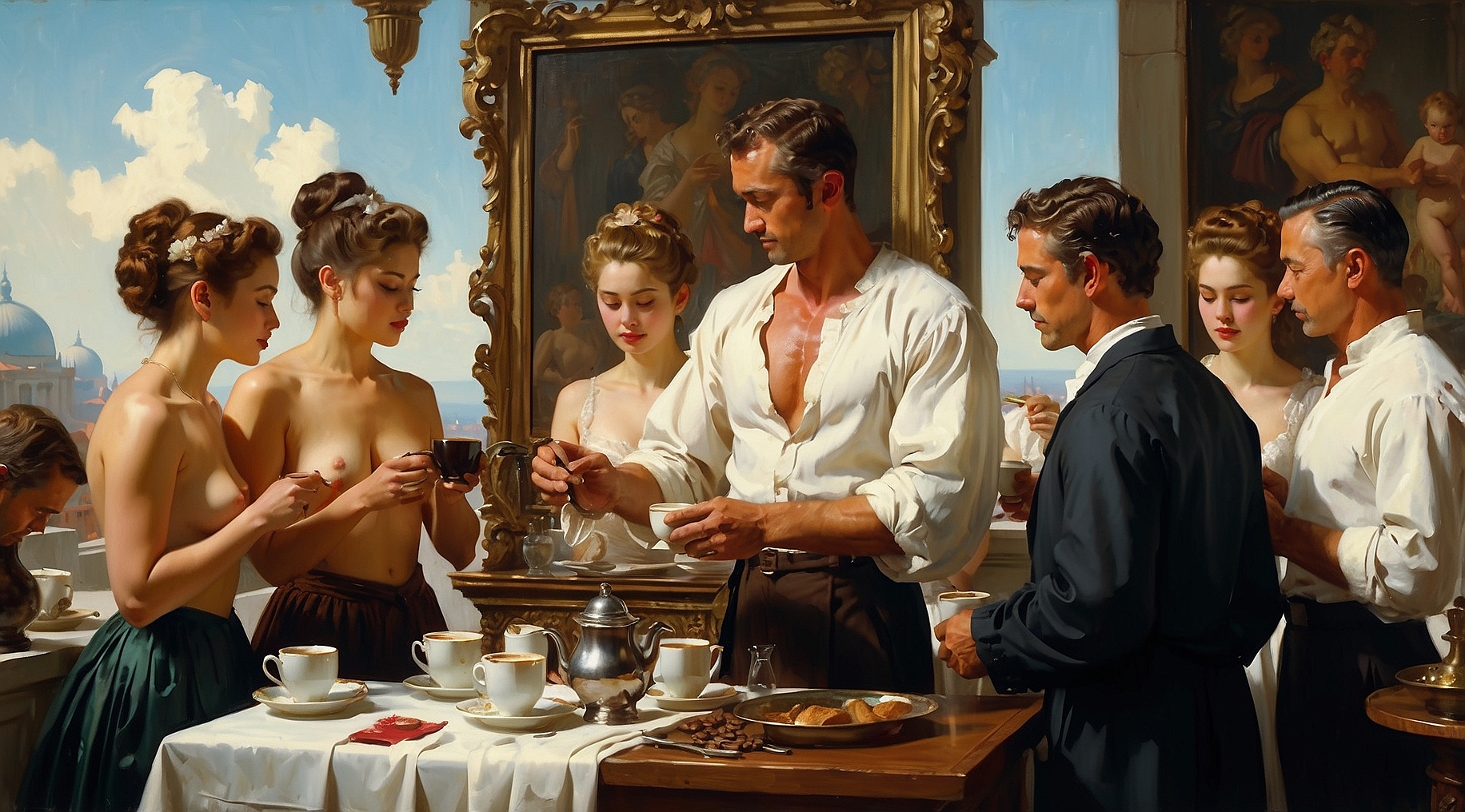
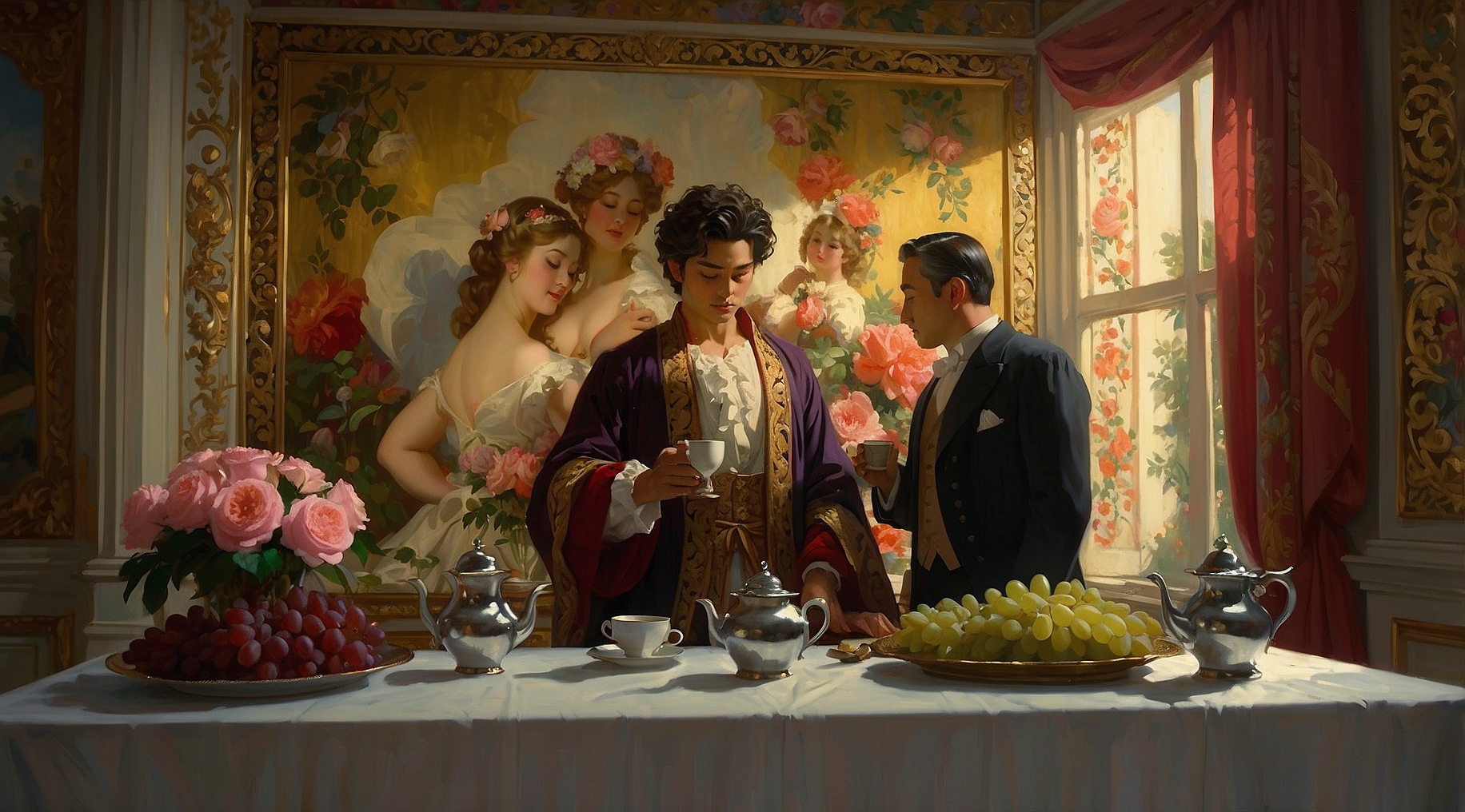
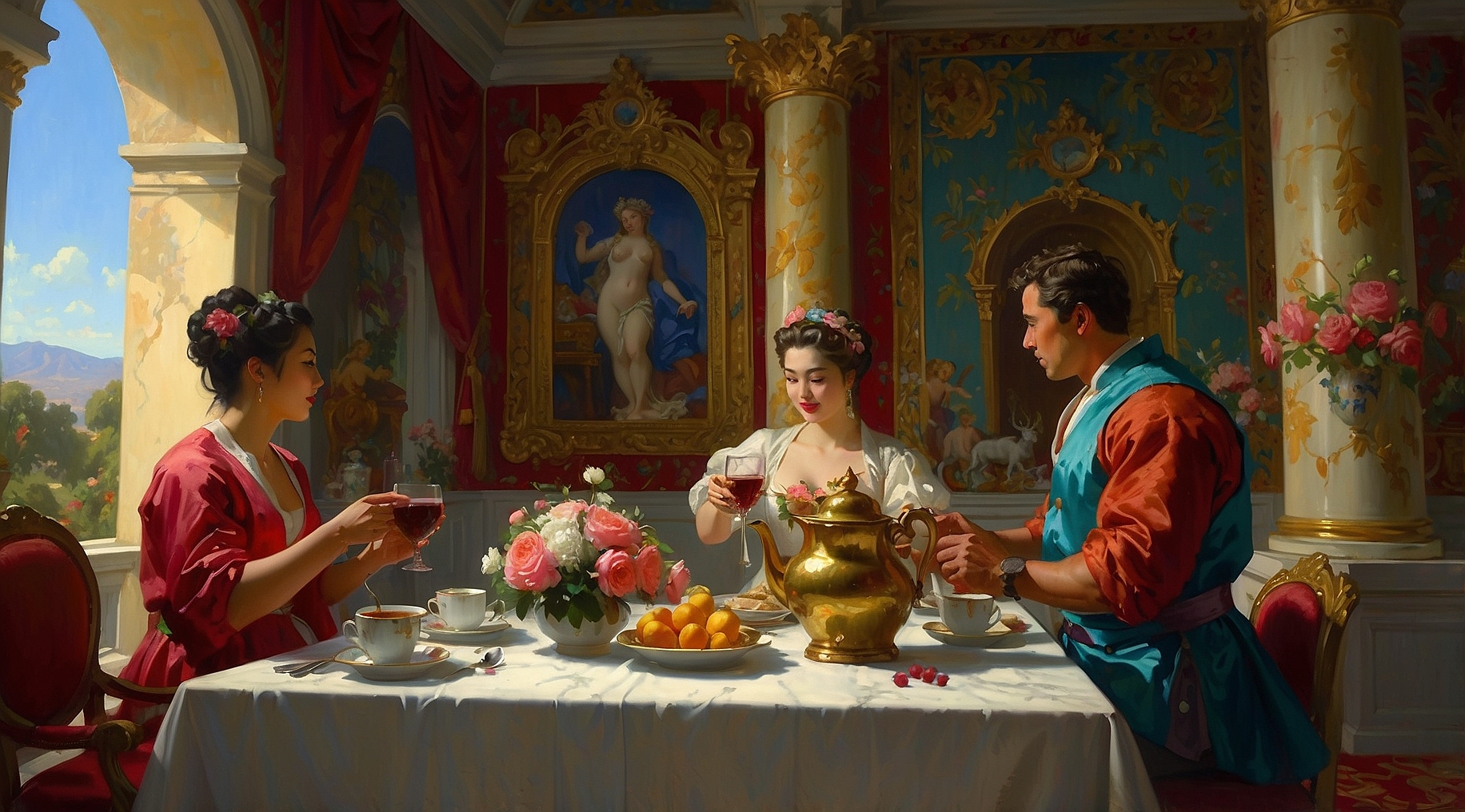
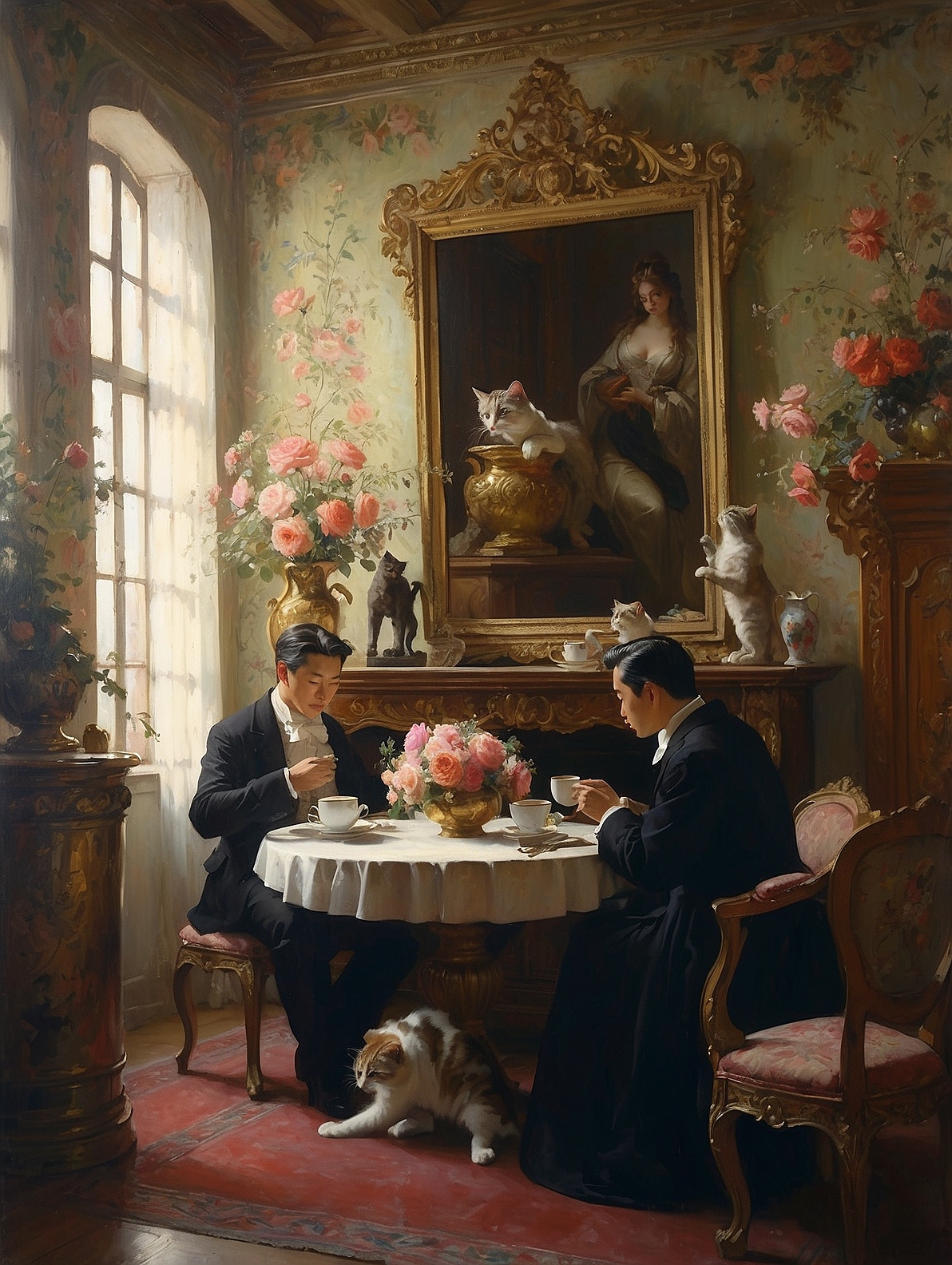
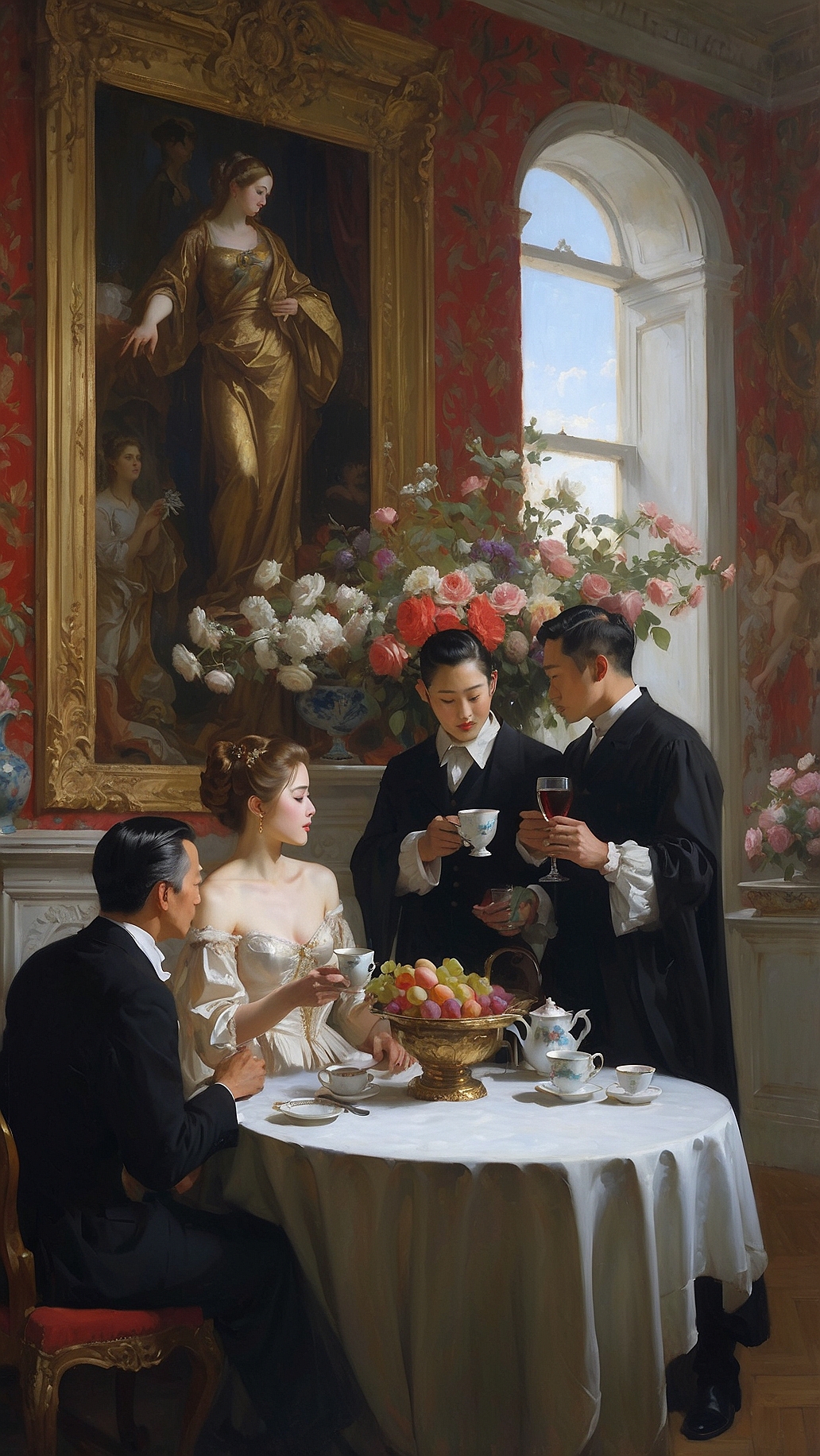
Some MM art generations



























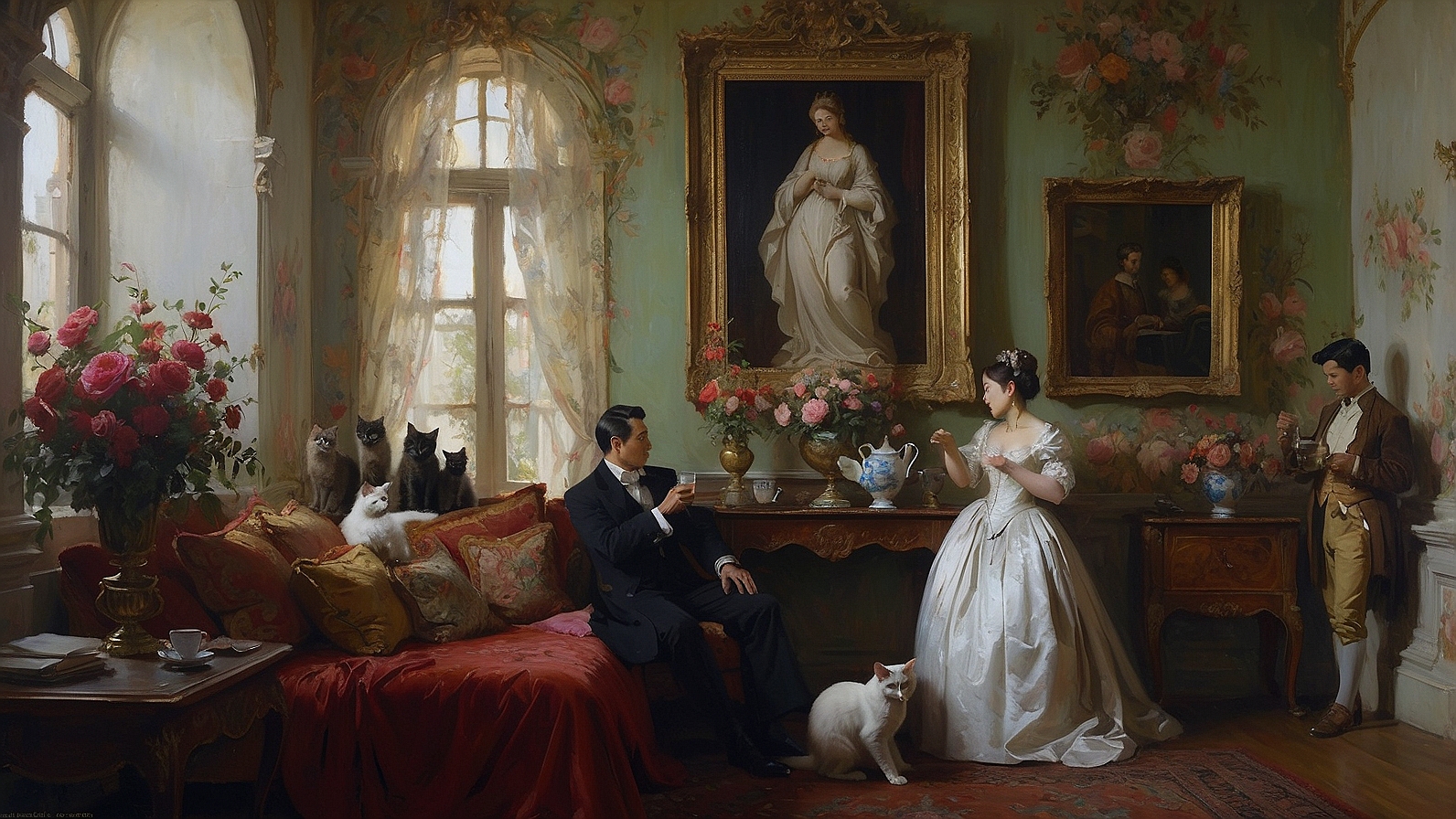





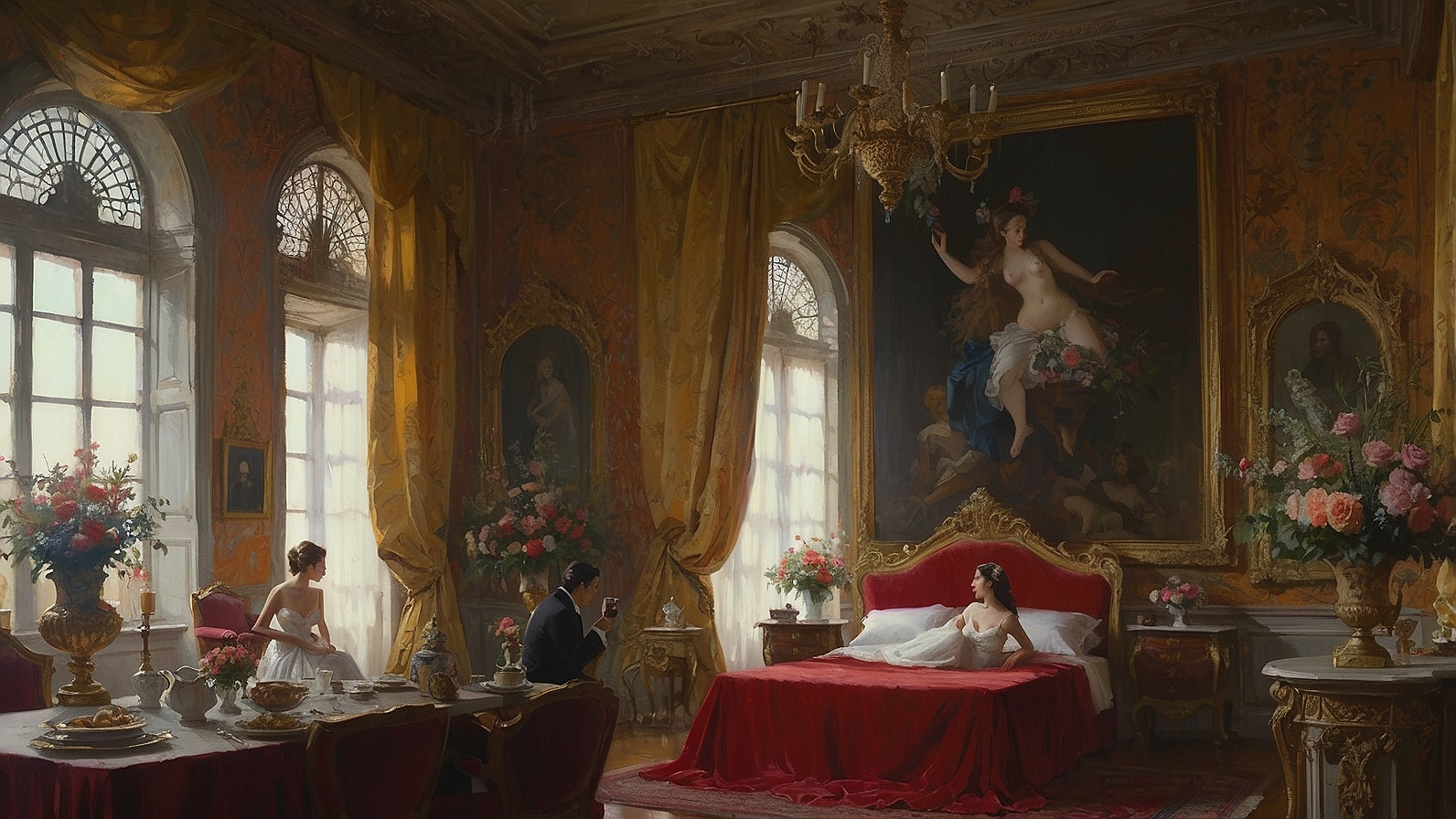





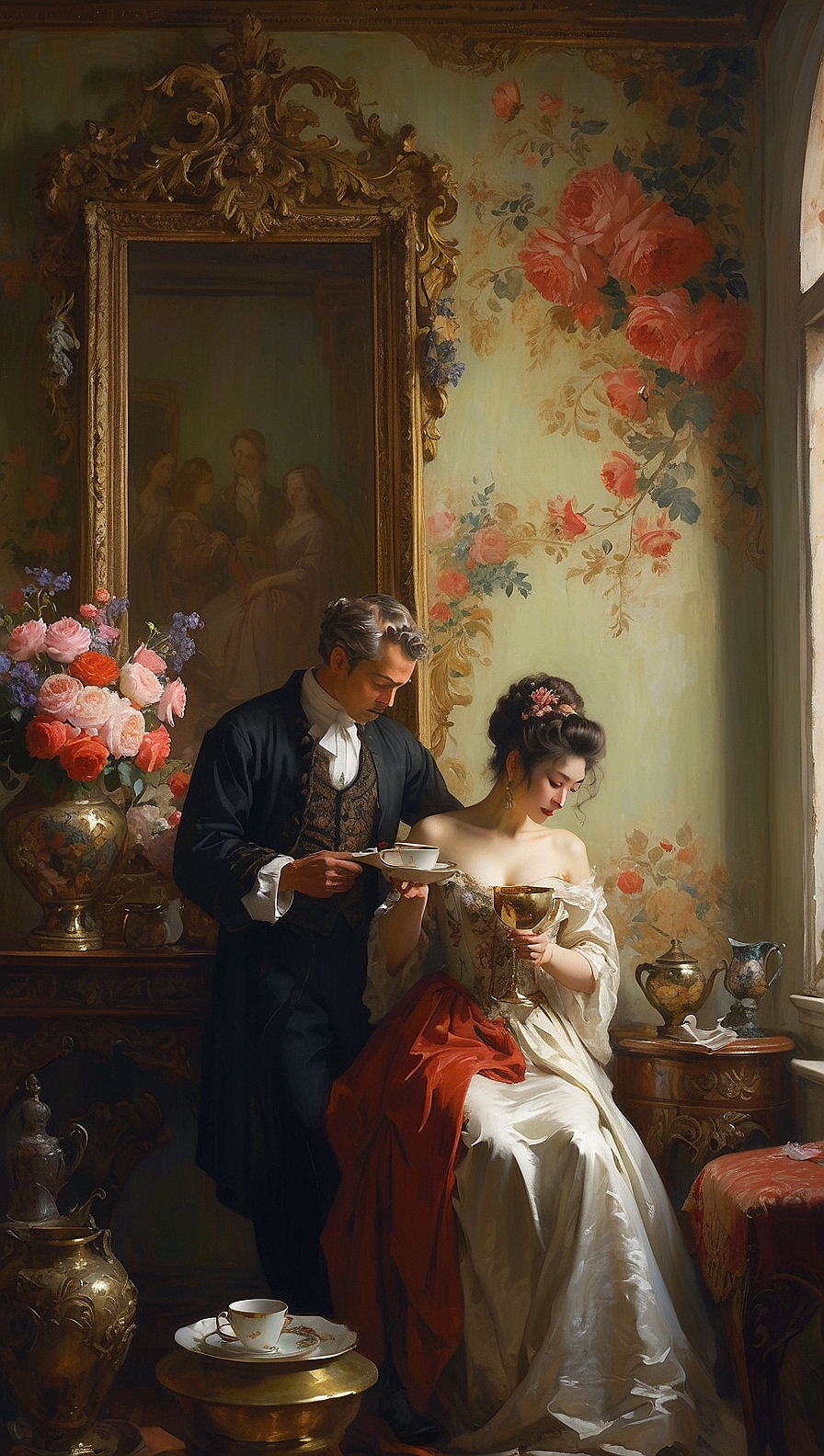

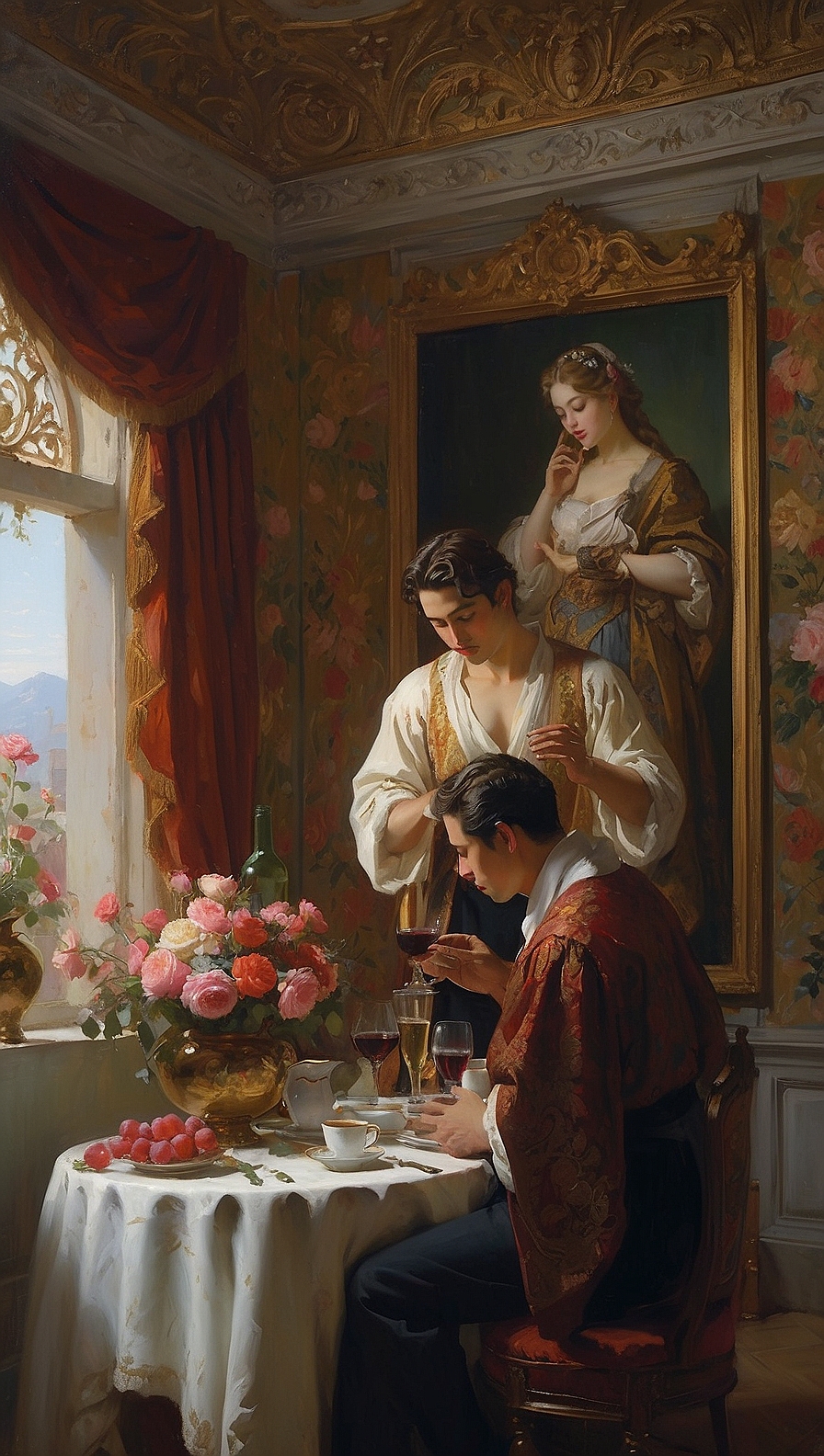












How would you rank the China’s threat to European security?
It’s hard to evaluate.
Chairman Mao, in the last year of his life, had already said: “Europe is both weak and fragmented. If by 1985 Europe still cannot develop its own independent capabilities, especially militarily, and still needs American support, then Europe will pay a heavy price.”
Decades later, China once again extended an olive branch to Europe (in 2017), but Europe still trusted the United States, distrusted China, and ultimately rejected China. So what else is there to say?
良言难劝要死的鬼 Good advice can’t persuade a ghost determined to die,right?
(fragmented)
Submitted into Contest #279 in response to: Write a story about a character who’s lost.… view prompt
Harry Stuart
“No,” she intoned with a still spirit, “you will understand when you reach your destination (fated outcome).”
With a weariness, I accepted the magnitude of the moment for what it held in promise. A second nod was given in an understanding that this journey was mine, an unfolding of events that would lead to home (self-exploration).
-(delusion)
–(despair)
—(deceit)
—-(damage)
—–(darkness)
——(discussion)
—–(deviation)
—-(depth)
—(duty)
–(desire)
-(divinity)
All the words and feelings twisted into a unified whole (deliverance).
And so I turned with unsure footing to the new day, bound in beauty, set to find myself again (repeated pattern). For the first time, I took note of the hawk circling in a lazy swoop of air, the ease in which the oversized bird hovered above knowledge. I let myself focus on the minutiae of each blade of grass I trampled, listening to the footfalls as twigs cracked and I broke the earth (destruction).
The sunlight filtered through the canopy of dancing leaves, the winds whistling their resolve in the cold damp of time. My attention drawn to the sudden scampering of a nearby squirrel, hopping a path to safety (unknown), I longed to be a companion. For as much as I have fought for solitude, the crux of my pursuit has been the elusive acceptance, to be chosen, to be loved (tragic grandeur). I walked further into the abyss, daring anyone to oblige.
“Pray about it,” I heard the unnatural sound of my whisper, trudging deeper into the accumulated angst and misery. I have basked too long in the rejection of self-loathing.
Carefully hiking through the woods, my thoughts wander to the mundane. The routines which confine are liberating in their predictability. They let the soul rest (vanquished sleep). I can smell the morning coffee, how the warmth rises from the cup, holding me in its redolent grasp. It is the knee-jerk reaction I need to own the beginning (familiarity). I read the newspaper the old-fashioned way where the fingertips are inked in black. I walk Ozzy, my truest faithful companion. Fern will get there, but she is a disordered mess of playfulness that exists only for the frivolity of the moment. I shower. I take photographs of people’s best moments: the weddings, christenings, birthdays, graduations, and anniversaries. I capture sunsets, ocean swells, nature returning to its foregone state, but I hold in my heart the weight of reluctance.
Disillusionment.
(all i really want is for you to hear me. tell me i’m wrong. that i’m onto a purposeful lead (forgiven), that i won’t feel lost for the entirety of this trek. please tell me something. do you hear my pleas? don’t ever assume that I don’t feel the pain.)
I run my hand along the outside edge of my pants’ pocket, feeling for the outlines of a map, something to supplement the vague directions provided (attenuated comfort). The woods intersect with the sighing stream. My gait quickens, lured by the melancholy sound of the water as it runs its parallel course. The water is cold and crisp in its movement through my fingers. I feel alive (secure), connected to this source of life. I take a sip from the cupping of my hands to sustain activity (folly).
I sense that I am close. The night descends with a rapidity that starts at the far edges and creeps inward, narrowing my field of vision (limited fear). The first inkling of starlight appears, the faint glow of another world. I continue the methodical advancement, quiet footsteps. Night smells different than day, an odious quality, and I am heightened to the sensitivities of danger.
Squinting, the smoke lifting from the chimney is discernible. It rises in a steady ascent, inching above the horizon. The light from the house holds a steady glow behind the curtains. It comes rushing back with a forcefulness, the words we passed between each other without considering that tomorrow might not come (feigned recklessness).
“Do you still want this?”
“Yes,” you mouth the word with a pained expression, imploring me to see the underlying hurt.
“Let’s try then,” I choke it out, begging for the chance.
“I’m scared.”
“What are you scared of?” I ask. The way you look at me is disabling, like I should have guessed at your concerns (broken).
All you wanted was to protect your station, to scurry away your heart. I can see it now, the reflexive choice we make when confronted with the breathlessness, the idea of falling in love (honesty).
(i told you every way i could without saying i love you. i am at fault.)
I sprint toward the afterglow of what could have been, running faster and faster. Stretching my legs past exhaustion, I race a path toward the future. I take the stairs two at a time that lead to the porch of the humble house. Stopping inches from the sturdy door, I collect my thoughts (hurriedness). With my arm raised, my fist leaning against the wooden frame, the night air pacifies my breathing. Inhale. Exhale. Think about what you’re going to say.
Before the present coalesces with the past, the door opens. In that singular space when our eyes connect, when our souls plunge to a depth that portends forgiveness, I am privy to the secret (lost). We are soulmates, tethered to the inexplicable.
I will accommodate the burden of two hearts.
What historical fact would shock most people if they discovered it?
May 22, 1957: The day a thermonuclear bomb was mistakenly dropped on the United States.
On that day, an American B-36 bomber flew over New Mexico south of Albuquerque.
This bomber was designed for a specific task: transporting nuclear bombs!
Furthermore, its payload of 05/22/1957 is nothing more than the thermonuclear bomb (= H-bomb) Mark 17.c, the most powerful at the time…
The purpose of this trip is to transport the bomb to a military base in order to remove it from service, without incident and in good weather.
The B-36 approaches its destination at 11:48 a.m., at an altitude of just 500 m. It did so without counting on turbulence that shook the plane after it had made a quarter turn to head for landing.
We don’t know exactly what happened, but there are several versions: the one that appears frequently is that one of the soldiers in charge of transport security lost his balance and triggered the bomb release by mistake.
In any case, the cargo compartment door is ripped off and what had to happen happened, the H-bomb falls from the plane! The latter is also propelled in height (it occupies 300 meters of altitude) losing the 20 tons that the bomb weighs.
After a few hundred meters of falling, the bomb’s parachute opens (a classic mechanism to slow down the fall and give the plane time to get out of range).
The most powerful H-bomb of the time was just dropped by mistake on May 22, 1957 at 11:50 am in the United States by an American bomber…
Here is a diagram comparing the power of an A (atomic) and H (hydrogen) bomb:
Fortunately, the bomb falls to the ground, but no chain reaction occurs. In fact, for greater safety, the bomb is transported separately from the plutonium cores!
Without this precaution, the Mark 17 bomb would have devastated everything within 30 km of its surroundings, including the city of Albuquerque and the Sandia laboratory, one of the country’s main laboratories for the development and testing of thermonuclear weapons.
In the midst of the Cold War, the United States would have been weakened like the USSR during the Chernobyl accident.
And that’s without counting the even more devastating side effects, like the radioactive cloud, etc.
In the end, the accident only spread
radioactive
debris
over an area 1.6 km in diameter, an area that was later completely decontaminated by the US military.
They really weren’t far from disaster!
Did you notice last night when Trump honored that little 13-year-old cancer survivor, not a single Democrat applauded? They are so bitter, they could care less that a child survived cancer.
Wasn’t it Trump who slashed the money for cancer research?
And wasn’t it Trump who stole money from a children’s cancer charity to commission a painting of himself?
You know what would REALLY help kids with brain cancer?
Well, not clapping.
Actually funding research.
And universal Healthcare so 10,000 kids just like the one Trump paraded before the cameras last night can have the treatments they need without their parents going bankrupt trying to pay for it.
INSANE Turn of EVENTS: The U.S. and Russia are Combining Their Forces To STOP Europe and Britain
Why did Russia choose to go with China instead of the US or Europe, when it comes to economic partnerships and military alliances?
Let us begin by noting that times have changed, and the US and Russian economies now have essentially comparable export-import structures. Even if for different reasons, both also have the same macroeconomic issues: a rust belt crisis that they hope to overcome by reindustrialization.
Both technically have the necessary natural and human resources to make it happen.
That being said, the current arrangement gives little room for productive economic cooperation. At present juncture, trade between Russia and the United States is negligible, with a value as low as $3.5 billion a year, primarily in items that are indispensable and are absolutely vital to the Americans.
As for Europe and China they are formally very close as economic partners from the Russian perspective, as they are both huge consumers of raw resources and energy as well as sources of finished products, making them complementary to Russia.
Both have pros and cons. For starters, Chinese consumer goods are of significantly better value than European products. Russia was plagued by prejudices in this area and was slow to open, preferring European goods long after Europeans themselves had turned to purchasing Chinese. Nowadays, the availability of Chinese goods enables households to drastically save money while improving their quality of life.
Another problem is that China is a net food importer, whereas Europe used to lobby for food exports. It’s hard to believe now, but fifteen years ago, potatoes in Russia came from the Netherlands and Germany, dairy from Finland, meat from Denmark, Germany, and France, and even ice cream was transported from Europe to Siberia by trucks. Thanks to the cooling of European relations following the Maidan debacle in 2014, Russia is not only self-sufficient in the aforementioned items, but also a major food exporter, for the first time since 1913, with China and other Asian countries being the primary importers.
China is also open to importing Russian high added value finished and intermediate goods, which range from the aforementioned food, including packaged and branded, and expensive cosmetics to high-end weapon systems and aircraft engines. As part of imperialist policy, Europe would never accept anything Russian with a higher added value.
The cons compared to Europe are not many and stem mostly from the fact that the Chinese are stiff business partners that are exceedingly materialistic. That first looked repulsive to the Russians, who take a high-trust approach to commerce. On the other hand, it teaches Russian businesses how to be more competitive which is a favorable overall impact. Furthermore, no matter how tough making business is, there is no habit in the Chinese to regard their counterpart as inferior and try to exact an unequal arrangement, which is another hallmark of European imperialism. It is critical for the European not only to profit but for his counterpart to lose on a deal. On the contrary, if you provide Chinese with a good profit potential, they honestly feel that you are also entitled to the same in return.
Another issue to consider is that not all items are available in China. If one desired a high-capacity gas turbine or precision manufacturing tools, he needed to travel to Germany. On the other hand, once the sanction war began, the Germans were adamant about ensuring that their paying customers could not use their products, and those who attempted to circumvent it were snitched by the the producers and faced charges by German authorities. Buyers of Japanese or American devices did not face such troubles for some reason. The same is true for airlines that used to operate Airbus fleets, as opposed to those who continue to fly Boeings without trouble. You know exactly how those people feel about Germans and Germany, and you also know that they will never buy anything German in their lives.
Long story short, the United States is an unlikely business partner for Russia; Europe and China are technically similar, with the exception that China is open to trade while Europe is not, and China does not harbor ventral hatred for Russians, does not wish to kill them, nor uses trade as a weapon, making China a logical choice.
Incredible guitarist and singer~Davy Knowles ~Gotta Leave~At Clearwater Festival
Sir Whiskerton and the Magic Monocle: A Tale of Mysteries, Mischief, and Misused Magic
Ah, dear reader, prepare yourself for a tale of enchanted eyewear, magical mishaps, and one very clever feline who learned that even the most powerful tools come with a price. Today’s story is one of mystery, magic, and the importance of using power wisely. So, grab your sense of wonder and a pair of spectacles (just in case), as we dive into Sir Whiskerton and the Magic Monocle: A Tale of Mysteries, Mischief, and Misused Magic.
The Discovery of the Monocle
It all began on a quiet afternoon when Sir Whiskerton was exploring the attic of the old barn. Among the dusty relics and forgotten treasures, he discovered a peculiar monocle. It was old, with a golden rim and a faint, otherworldly glow. “What’s this?” Sir Whiskerton murmured, holding it up to the light.
“This!” echoed Ditto, who was busy practicing his echoing skills by repeating Sir Whiskerton’s every word.
As Sir Whiskerton placed the monocle over his eye, he felt a surge of energy. Suddenly, he could see things he had never seen before—hidden clues, secret messages, and even the faint outlines of magic in the air. “This monocle,” he declared, “is no ordinary piece of glass. It’s magical!”
“Magical!” echoed Ditto, who was now juggling three acorns.
The Mysteries Begin
With his newfound magical powers, Sir Whiskerton set out to solve mysteries and help his friends. He used the monocle to find Doris the Hen’s missing eggs, locate Rufus the Dog’s favorite chew toy, and even uncover the source of a mysterious leak in the barn. The animals were in awe of Sir Whiskerton’s abilities, and he quickly became the farm’s go-to problem solver.
But as Sir Whiskerton continued to use the monocle, he began to notice something strange. The more he relied on its magic, the more unpredictable it became. One moment, it would reveal the truth; the next, it would show him illusions or distort reality entirely.
The Magic Goes Awry
The turning point came when Sir Whiskerton tried to use the monocle to mediate a dispute between Gertrude the Goose and Doris the Hen over a patch of feed. Instead of revealing the truth, the monocle showed Sir Whiskerton a vision of the two birds engaged in an epic, feather-filled battle. Startled, Sir Whiskerton stumbled backward, knocking over a stack of hay bales and causing chaos in the barn.
“This monocle,” Sir Whiskerton muttered, “is more trouble than it’s worth.”
“Worth!” echoed Ditto, who was now hiding behind Sir Whiskerton.
The Lesson Learned
Realizing that the monocle’s magic was too unpredictable to rely on, Sir Whiskerton decided to put it away. “Magic may be powerful,” he said, addressing the animals, “but it’s no substitute for good old-fashioned detective work. The real magic is in our ability to think, to reason, and to work together.”
“Together!” echoed Ditto, proudly.
The Moral of the Story
As the animals gathered around, Sir Whiskerton took a moment to reflect. “The moral of the story,” he said, “is that magic, like any tool, can be tricky. It’s not the power we wield that defines us, but how we use it. Whether you’re a cat with a magic monocle or a dog with a glowing green tail, the true magic lies in your mind and your heart.”
“Heart!” echoed Ditto, who was now juggling three acorns.
A Happy Ending
With the monocle safely stored away and the farm back to its peaceful ways, the animals returned to their usual routines. Sir Whiskerton, though he no longer had magical powers, felt a newfound sense of pride in his ability to solve mysteries using his wits alone.
As for the monocle? It remained in the attic, a reminder that even the most powerful tools come with a price. And as Sir Whiskerton drifted off to sleep on his sunbeam, he couldn’t help but smile at the thought of Ditto, the ever-enthusiastic echo, practicing his detective skills by mimicking Sir Whiskerton’s every move.
And so, dear reader, we leave our heroes with the promise of new adventures, new challenges, and hopefully, no more magical mishaps. Until next time, may your days be filled with laughter, love, and just a little bit of feline genius.
The End.
Kitchen Hints and Tips
Salads and Salad Dressings
Cole Slaw
- Make cole slaw by putting chunks of cabbage with a little carrot and onion in the blender together with a couple of cups of water. Drain off the water before you add the dressing.
Gelatin
- To soften unflavored gelatine in the microwave, place 1/4 cup water in a 1-cup measure. Sprinkle gelatine over water and allow to soften 1 minute. Cook on HIGH for 15 seconds; stir. Cook on HIGH for 20 seconds; stir to fully dissolve gelatine.
- Pour gelatin desserts right into foil cups placed in a muffin tin. You’ll have pre-measured servings and, best of all, no cleanup.
- To unmold gelatin, rinse the mold pan in cold water and coat with salad oil. The fill with gelatin mixture. The oil will give the gelatin a nice luster and it will easily fall out of the mold.
- Mix gelatin desserts in a pitcher instead of in a bowl. When you’re finished, just pour it into the bowls or mold and eliminate annoying drips.
- To quickly thicken gelatin, pour liquid gelatin into a metal pan; place in freezer for 15 minutes.
- To gel fruit juices that are difficult to gel, such as peach juice, add 1/2 teaspoon plain gelatine to each cup of juice. Soften gelatine in 3 teaspoons juice and add to remaining hot juice. Add 1 teaspoon lemon juice to each quart of fruit juice.
Molds
- Wet the serving dish before unmolding gelatin. It will be easier to slide the mold into the center of the plate after it comes out of the form.
- To unmold gelatin, run a thin, hot knife around the edge of the mold. Rinse a kitchen towel in very hot water, and squeeze the towel as dry as possible. Wrap the hot towel around the mold. It will create just enough heat so that you can slide the gelatin from its container without any melting.
- Top-of-mold trim and side trims must be firmly chilled in gelatin before filling the mold or design will move in the mold.
Salads and Salad Dressing
- Make a delicious salad dressing by thinning leftover party dip with buttermilk.
- Substitute grapefruit juice for vinegar in oil-vinegar dressings.
- To add some crunch to fruit salads, use almonds and dried banana chips as “croutons.”
- If salad greens are wet and you need them right away, place in a clean white pillow case and spin dry in your washing machine for a few seconds. This is especially good to know if you are serving salad to a large crowd.
Kitchen Hints and Tips
Microwave
- Lemon Microwave Cleaner – Add 4 tablespoons of lemon juice to 1 cup water in a microwave-safe, 4-cup bowl. Boil 5 minutes in the microwave, allowing the steam to condense on the inside walls of the oven. Then wipe clean.
- To determine whether or not a dish is safe to use in the microwave, pour 1 cup water in to a glass measuring cup. Place the measuring cup in the microwave in the dish being tested. Microwave at HIGH for 1 minute. If the dish being tested is warm and the water cool, the dish is unsafe.
What was your bad experience in life?
Christmas eve, 1978, I was 18. My two closest friends had just called it a night after heavy drinking – liter bottle of russian vodka in a closed for the holiday discotheque in Vienna, (.at), my one friend had the keys to.
I walked home a few minutes, to my mother’s condo, where I was residing. I thought I had “drunk myself straight”, meaning that at a certain point during a heavy liquor binge such as when drinking vodka, some feel that they are no longer drunk, but completely sober.
This can manifest when one already has depression symptoms, (As I had). So I get home, thinking I’m not drunk at all – of course I was drunk, but because I did not feel drunk, thought I was not.
I then had an idea to watch the sun come up in the most easterly part of Vienna as my gaze fell on my mother’s VW “Bug” / “Beetle” car keys. I had no driver license at the time, but could drive and drive well.
So I took the keys to the car, left the condo and got in the VW Bug/Beetle and started driving east. It was about 5 A.M. at the time and pitch dark.
All was well at the time, I thought, I’m driving satisfactorily, stopping at red lights and so on.
All of a sudden I spot another VW bug/beetle pull out of a side street and shortly thereafter turn on blue flashing lights – the police were behind me.
So because I was young and under the influence of alcohol, decided to outrun the police.
So here’s the comical thing about that incident. I was in a VW bug/beetle and the police were in a VW bug/beetle. So they in their VW bug/beetle were chasing me driving a VW bug/beetle.
They got no closer to me, both cars were not known to be fast to begin with. Well, I came up on this one intersection with a traffic island splitting the road into a right and left lane.
I was trying to go left, but drove too fast, losing control, and jumping up over the traffic island curb and came to a stop on the traffic island, competently unable to proceed further due to front suspension damage.
The police approach me,tell me to get out and proceed to question me, beginning with why I was driving without my lights on, and continuing on to why I did not stop when saw their flashing lights…
Well I almost walked away with just a couple of fines, but some police officer got the idea to test me for drug alcohol content. I came up positive after blood was taken from me.
I was allowed to leave the police station I was taken to, and on the long walk back to my mother’s condo with the realization that not only had my mother paid for my entire college education, but now I wrecked her car.
It was too much for me, I already was suffering from undiagnosed depression, and felt that only DEATH could release me.
If I had an opportunity to kill myself quickly at the time, I probably would not be writing this.
So life goes on – only one more time in my life did I have such suicidal thoughts… but here I am, benefiting from the eternal Grace and Mercy of a loving God.
FIRST SPACESHIP ON VENUS (1960) | Full Movie | Space Sci-Fi Classic
What a great grade-B science fiction classic from 1960. Colorized.
Delicious.
About magic monocle. If you know how the things work, what’s the way, what’s the structure (not mean glass) or something, and if you can control it well when you (maybe want to) use it, then it will be a useful, good tool. But you must be careful, you need to control the tool, use the tool well, but not just go with the mysteries, move to the places wherever it lead for you. It’s not your guide, teacher or your religion.
Movie:
If you can watch the movie 《我是誰》 (Who Am I (1998) ) or imagine the hospital scene, there’re scientists or engineers are forced to make an experiment, use the power from the very active rock and output the energy to electric wires. But it’s too much active and output too much electric power, then the lights in hospital more bright then explosion. Later, the rock is out of control, break the containers then everything explosion.
Something about me:
The thing is coming, but not confirm, because I’m not sure. Maybe I will for sure, but I don’t know what’s that time, some days later, or years later, I hope not such long time. So, it’s many things I didn’t know but understand through MM’s informations would be faster and easier in usual, though I read, because I don’t understand by listening what MM said, or the other people who say English and out of what I can handle, not such easy and such clear like “Good morning everybody, I hope this video finds you well.”
Why I learn English? I was / am (not sure about the time against the situations) forced to be. Well, the things I care about in English is to know what MM describe, and maybe the other some. I know the USA would / will (very deep) fall for 50 years, at least 40 years, some days ago or much earlier, I forget, before I read MM’s video “Talking about DEPRESSION”, but I didn’t tell anyone. That’s upon experience, something there will be trouble, it’s not a good choice to do that.
Then this’s what I want to say but not confirm:
Such like in affirmation campaign, (maybe in usual) things need to clam down. That’s upon what’s the things and how those working. Your tyres wreck a bit, but every time you go forward (not about the direction), every time you use the tool, and carrying more heavy things with your vehicle, use the tool more stronly, and move far and the tyres round more and more, use the tool too much time or too much frequency. At / On the time, you need the things calm down, stop it, and replace those wreck tyres by new tyres. Some tool would reset automatically, depend on what it is, but your tyres wouldn’t.
(And whatever tyres, tools, or what MM said the super highway in affirmation campaign videos, that’s just the easy way for know something, but not mean that the “something”.)
Some people don’t need the stop period after / between affirmation campaigns. That’s not mean no stop period, but if someone only need few hours or few minutes, or even few seconds, or much more to the how many times in a second, then it’s more likes no need the stop period for it. You wouldn’t do affirmation campaigns every second. I don’t know are there someone do it every hour, but that’s not me.
About the things change in about 4 Hz. I tried 8 Hz before, but that’s too fast, and such like not engery collective, such like what you hear isn’t music but noise. I tried 2 Hz, but that’s slow, but it’s better than 8 Hz.
4 Hz is I try to put things in, and it match to about 4 snapshot in each second. I personally prefer snapshot more than worldline, I use snapshot since high school, so… That’s not mean I do affirmation campaign in 4 Hz, that’s impossible, I think.
About what put in, some of which or some parts of which are like, if you can imagine a table, maybe it’s empty, or computer, cell phone, food above, the define “table” can mean “table only” or “table and what”. Then you’re not send a sentence to 2 sides, but rather, you send an informations / constructions / ways / methods about the thing or a group of things collective together with the container.
“_” said / show / make me know, something what I can do, actually isn’t match to the others. I have / I’m with some different elements that the other people don’t have.