
Today, I was musing about what to talk about. It was 50 / 50 “Mid-80’s lifestyle” and calm country wooded brooks.
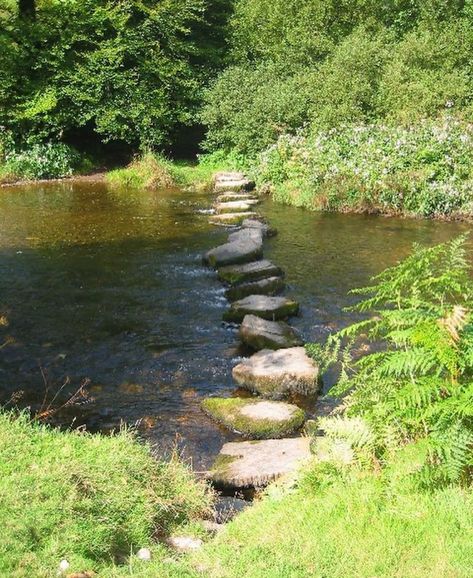
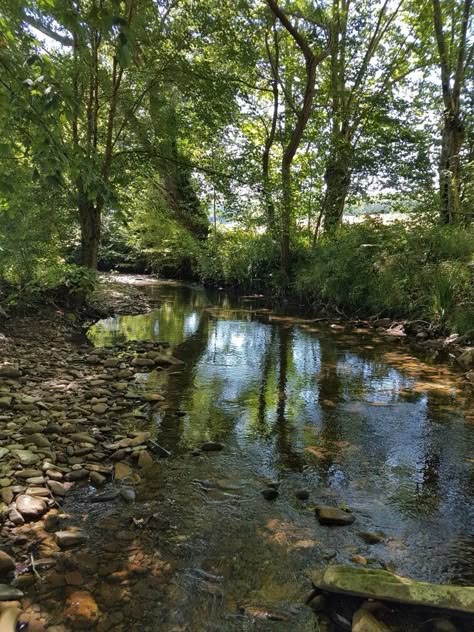
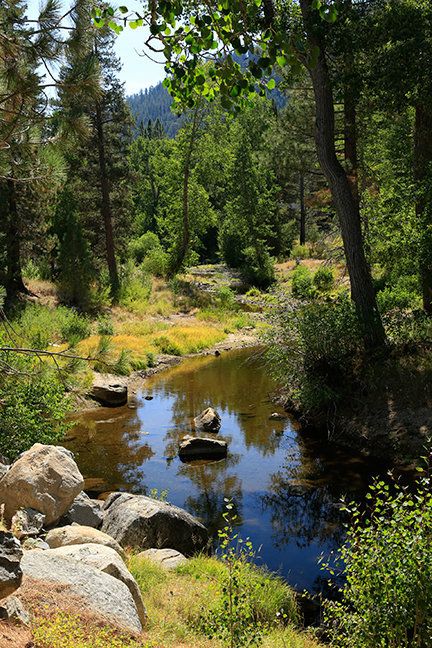
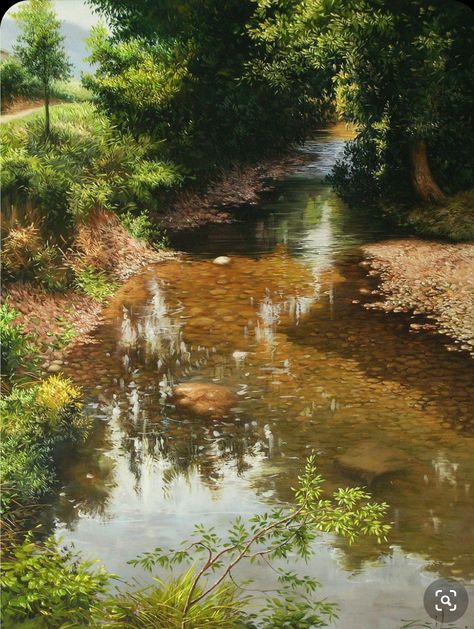
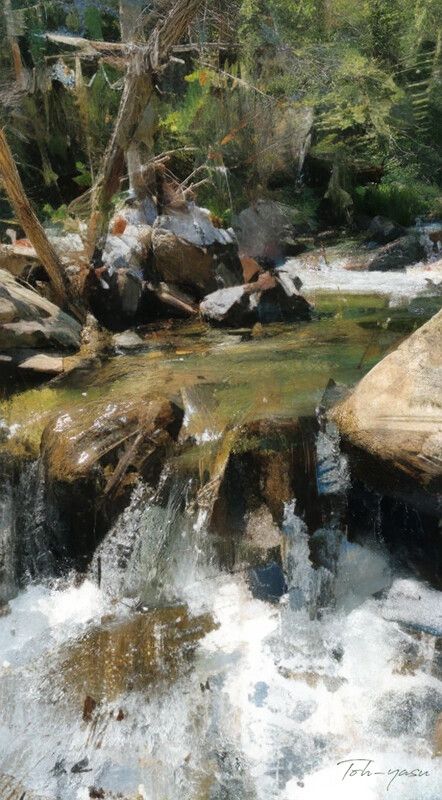
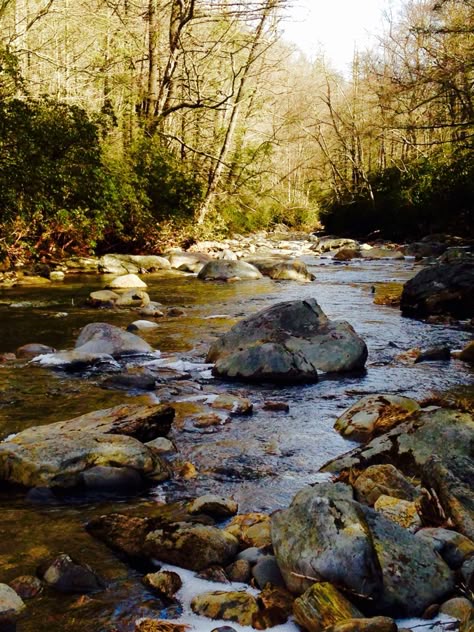
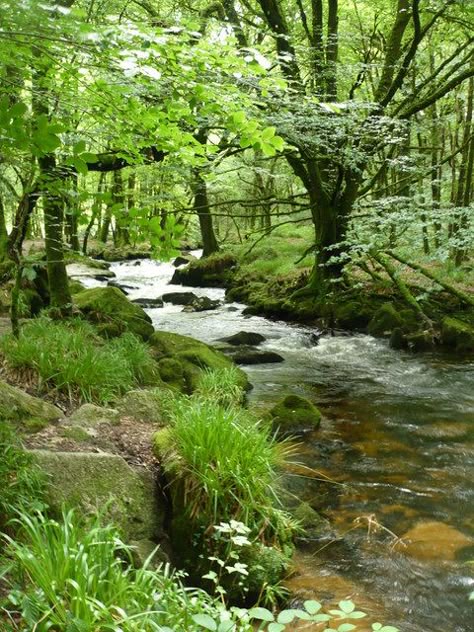
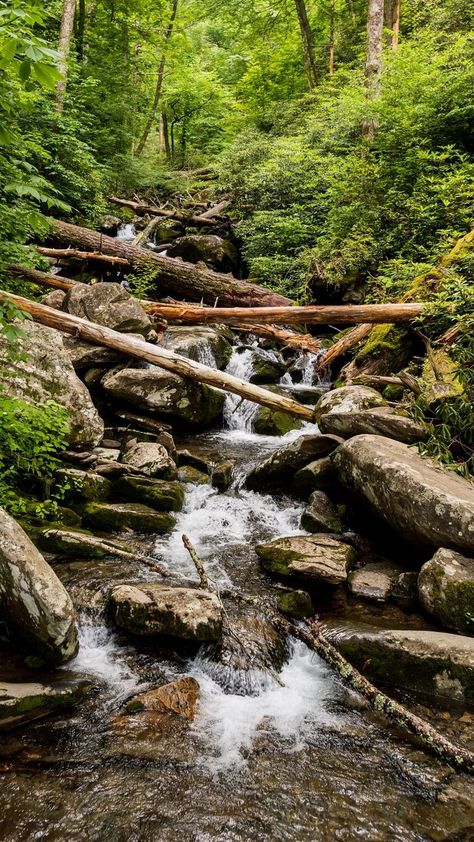
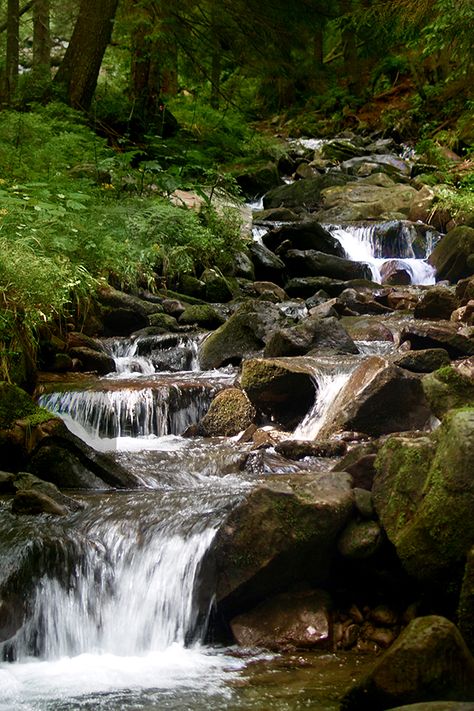
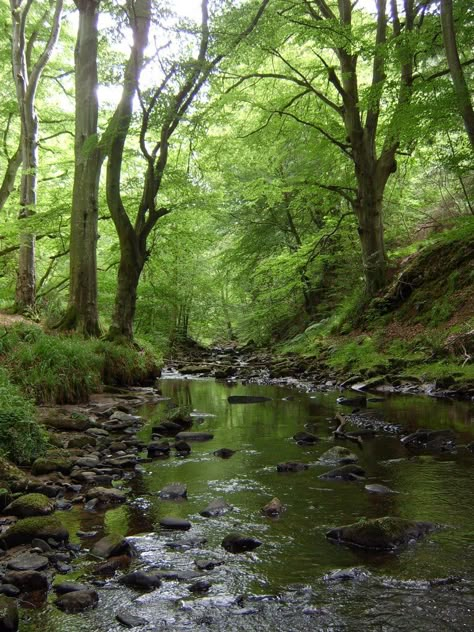
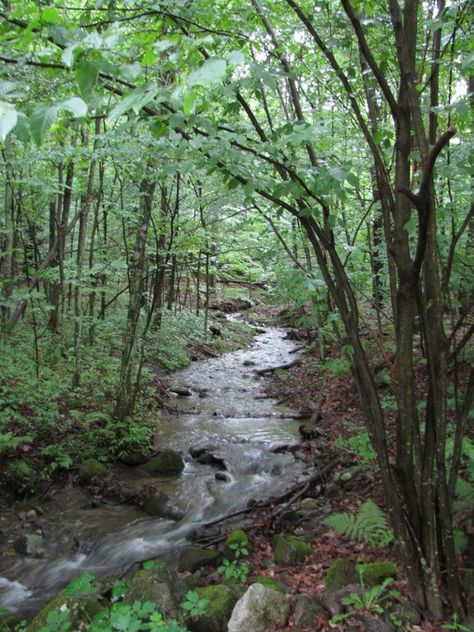
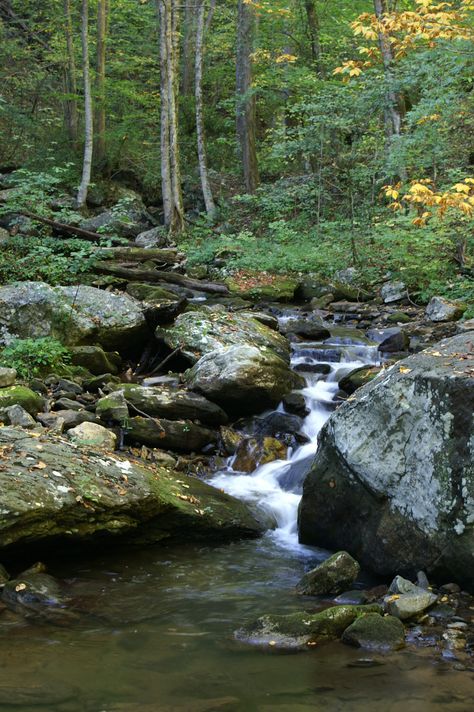
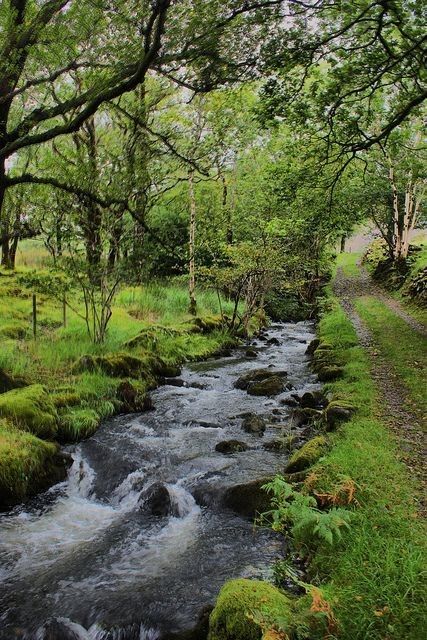
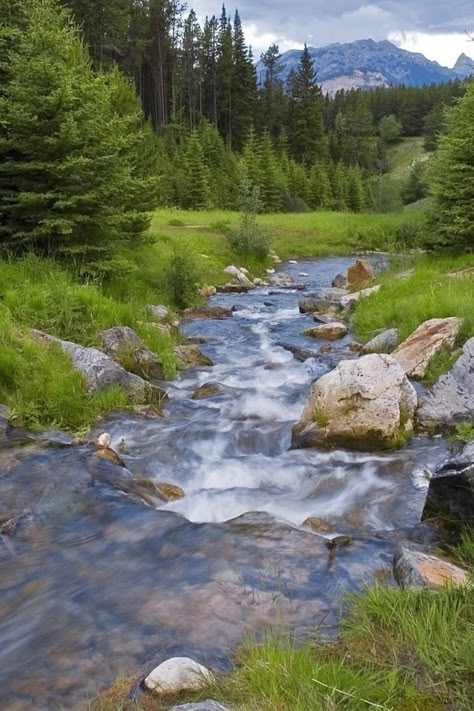
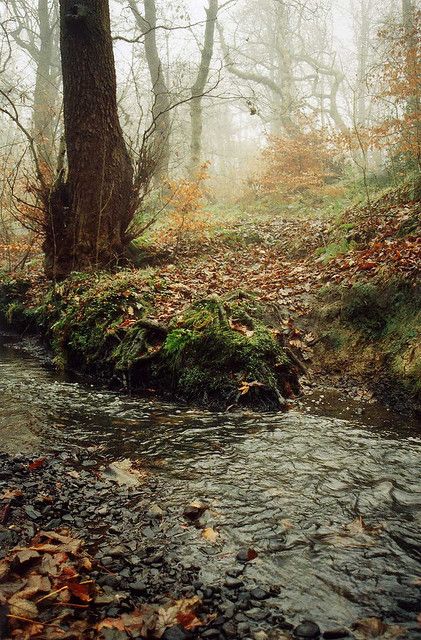
Today, we are going to talk about gentle wood brooks. These are small streams of water that runs down the hill. It’s active and fresh. It gurgles. Softly. Pleasant and nice.
You can look down into the water and see the seaweed, moss and algae clinging to the rocks under the water.
here and there might be a few tiny fishes. And a nice big one might be hidden. Usually under a rock, or a downed tree that shades the stream.
Good moment. Good time.
If you all ever get a chance, take a little walk in a state park, and enjoy a talk to a stream.






Today…
What are the differences between how the Chinese and Americans perceive the current tariff wars between the US and China?
About 200 years ago, during the Qing Dynasty, China exported large quantities of porcelain, silk, and other raw materials to the West, while importing very few Western goods. This resulted in a huge trade surplus for China, especially in trade with countries like Britain and France. Massive amounts of silver flowed into China, which caused dissatisfaction among Western powers.
They came up with a solution: selling opium to the Chinese. The massive imports of opium offset the trade surplus. Just as the Chinese government was preparing to ban the opium trade entirely, Western aggressors launched two wars of invasion against China. These became known as the humiliating “Opium Wars” in Chinese history (two in total), and they are a period that no Chinese person will ever forget.
Two hundred years later, China, through large-scale machinery and manpower, now manufactures the most comprehensive and wide-ranging commercial products in the world and exports them globally. Certain aggressors are once again trying to reverse the situation through hegemony and warfare—isolating, blockading, and imposing “tariff barriers” on China. Will history’s humiliation be repeated? The 1.4 billion Chinese people will never allow it.
China understands this deeply: surrendering or kneeling will not bring dignity or equality. Only strength grants a voice.
Now, the tide has turned. China’s military power has become the first line of defense safeguarding the nation’s economic sovereignty.
If China didn’t have its own military power as a safeguard, the U.S. wouldn’t be waging a tariff and trade war against China — it would be a real war. But now the world has turned upside down, and China is no longer the China of 200 years ago.
Russia Brutally Took Revenge on NATO and UKRAINE For Launching Eight ATACMS Missiles on BELGOROD
A question for seafarers. My gf’s son is about to graduate from marine engineering. We want to him luggage as a graduation present. What sort of luggage, size and style, would be approprate for a new seafarer to use?
I spent 40 years in the Merchant Marine…
Get your son three pieces of luggage…
- A wheeled 90 liter duffel bag.
- Most of the time, a “regular rotation” to the same ship will allow your son to leave most of his gear on board the ship, but in a pinch, it all needs to be kept in a bag that can be shipped home if his assignment is changed suddenly.
- A “Carry-On” size backpack… Be careful here, the airlines have been reducing the allowable size of this item…. The current record holder for smallest is “WestJet” with 21x15x9 inches….
- All of your sons essentials need to be carried here, with enough room for a change of clothes… Once assigned to a particular ship, most of his travel can be done out of this bag.
- OPTIONAL – A large computer bag… This is the “Other” item allowed as a carry-on, so take advantage and get the largest bag that will fit under an airline seat, which is 18 inches x 14 inches x 8 inches.
Tell your son I’m proud of him…
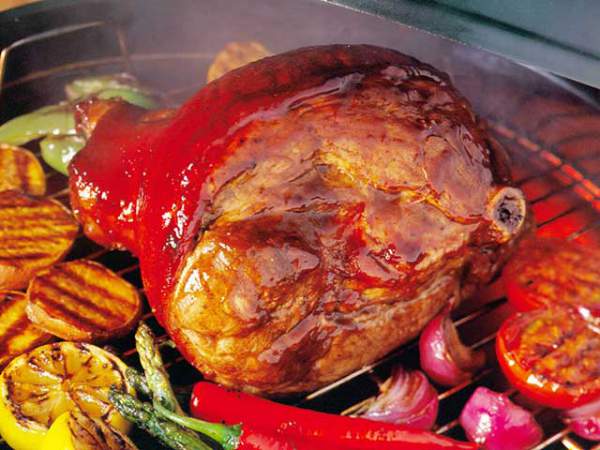
Grilled San Antonio Leg of Pork
Show your guests a little leg. This fresh leg roast is a great way to welcome the summer grilling season. Serve with grilled vegetables, fresh seasonal fruit and try Jícama Salad with Chile and Lime.
Yield: 8 to 10 servings
Ingredients
- 1/2 fresh pork leg roast, about 3 1/2 to 4 pounds
- Salt and freshly ground black pepper, to taste
- 1/2 cup smoky barbecue sauce
- 1/2 cup grape jelly
- 2 teaspoons chili powder
Instructions
- Prepare medium-hot banked fire in kettle-style grill. Season pork roast with salt and pepper. Grill over indirect heat, not directly over fire, in covered grill.
- Meanwhile, stir together barbecue sauce, jelly and chili powder.
- After roast has been on grill for 30 minutes, start basting with sauce mixture every 5 to 10 minutes until internal temperature of roast, measured with a meat thermometer, reads 150 degrees F, 20 to 30 minutes more.
- Remove roast from grill and let rest 5 minutes before slicing to serve.
Nutrition
Per serving: Calories 328 calories; Protein 38 grams; Fat 13 grams; Sodium 248 milligrams; Cholesterol 110 milligrams; Saturated Fat 4 grams; Carbohydrates 14 grams; Fiber 0 grams
Blank Slate
Written in response to: “Write a story with the line “You never know a good thing until it’s gone.”“
Lee Golightly
He sighed and licked his teeth. He was sure that something from his teeth was adhering to his tongue, something stale and gangrenous. With a wrinkled nose, he spread some toothpaste on his finger and worked it around his teeth for about five minutes. He then rinsed and spit multiple times. The finger pulsated with filth afterward, so he rinsed that several times too.
It doesn’t have to be this way, he thought. Who really cares about my teeth? If they all fall out, if my gums receded into the hollow maws where my jaw should be and I become unable to eat anything above the firmness of gelatin, who would run to my side? Would she come to me? Would she even understand? Why am I going to this effort, other than to quiet the thoughts that intrude upon me constantly?
Wait.
“My shampoo’s missing too,” he shouted. This shout pierced the air a little more sharply. “What did you do with it?”
“I didn’t touch your shampoo,” was the response floating through the wall.
How could she not have touched his shampoo? He certainly would never have moved it. To do so would have instilled a discomfort that could not be easily uprooted – not in a minute, hour, day, or even week. His shampoo bathed his hair, which made his scalp tingle, which quieted the thoughts. He could comb his hair then, smooth it and shape it with gel, fretting as he ran the comb again and again. Once the hair was in place, he could go to work and have a tolerable day. She didn’t see the shampoo, that it was the catalyst for making the day work. Not that anyone cared about his hair, of course. She hadn’t mentioned it in a while, either. Did she not see him anymore? Do we no longer see the things we care about, once they become commonplace?
Where was his shampoo bottle?
Battling the swirl of anger stirring in his parietal lobes, he turned on the water and made sure it was comfortable. He let the warm water slide over his skin, and tried to feel each drop. Glancing to his left and right, he was surprised to discover that the soap wasn’t there either. What had she been doing? Was she trying to drive him mad? He dared not holler again, for fear of antagonizing her. Rather than use her soap, he simply stood as still as a statue and let the water do what it could. It was better that way.
After finishing the shower and toweling off, he trudged back to his dresser and began the daily rummaging routine. Half his socks seemed to have disappeared, along with some of his shirts. What did it matter, though? Nobody stared at him as he was working. No one checked on his well-being. Who cares what shirt was on him?
Hungry and irritated, he went to the kitchen where she was washing dishes. He still hadn’t gotten that dishwasher, but he had promised he would someday. She didn’t turn around as he inspected the refrigerator. It seemed rather sparse compared to the day before. Had she thrown out all his favorite foods? He settled on toast, and he didn’t let it cook long enough. There was no butter or jelly, for some reason, so he choked down the dry bread and tried to chase it with some water.
Wait.
“Where’s my favorite cup? Is it dirty?”
“I don’t see it over here,” she said to the wall.
Frustrated, he grabbed a cup he could find and threw some liquid down his gravely throat. He then went to the door.
“Bye,” he said as he put on his boots.
“Bye,” she said, never turning around. A cup, no doubt his favorite one that wasn’t in the cupboard, clunked against the stainless steel sink basin.
He walked outside and got into his car, the one he loved so much. It was a beauty, American, with a leather package. He reached down and picked a stray seedling off the carpet, then gently deposited it outside. The carpet was a matte black with gold trim around where it met the base of the console. His bucket seats cradled their passengers with a tenderness a mother would envy. His after-market radio sprang to life as he turned the key, a futuristic beam of light rolling around its perimeter as it booted up. It synced to his phone, but nothing happened. No songs played for him. He caressed his steering wheel and weighed whether he should stop and fix the connection.
Then, he chose silence.
Perhaps it wasn’t the best decision, as his thoughts crowded his mind. He tried to turn them off, but decided against it. Perhaps it was better to let them slosh about anyway, letting them concuss his brain and press down against his spinal cord. They swam in front of his eyes and rushed past his ear canal, rendering him blind to what he saw and deaf to what he heard. And just like that, he was at work. He parked at the end of the lot, where no one bothered to park and no strangers’ doors swung wildly. As he got out, he noted how fast the trip seemed and how sparse the buildings seemed to be.
He worked for hours. Many nodded a greeting to him, but few spoke to him. He noticed that the lady who usually offered him mints wasn’t there. No matter. Who would get close enough to be bothered by his breath, anyway?
The day did not go well. His tools weren’t there – or maybe they were, he couldn’t be sure. It seemed as though they had slowly begun to disappear, one by one, like so many shampoo bottles. Were they being stolen? Was he misplacing them? The thoughts wouldn’t let him determine the answer.
Wait.
“Can I speak to you?” asked He.
The approach had been stealthy, and he jumped a little. “Yes,” he said. He hoped his slow exhale couldn’t be noticed.
“I saw the work you did last week,” He said. “Frankly, I’m a little disappointed. I feel like you could do better. You have done better, in fact. Is everything ok?”
No. “Yes.”
“I’m a patient man, you know. I’m not here to come down hard on you. Just pick it up a notch.”
“Sure thing,” he said. “I’ll try harder.”
“I know you will,” He said. And then He was gone for the day.
The cold tremble of embarrassment and anger went down his chest. Why did He not appreciate him more? After all those years working – what had he been working for? Was he not entitled to a little mistake now and then? Even a few mistakes? Who was perfect? What had all this been for?
The burning in his chest spread out, lapping up more acreage in his soul, becoming a forest fire. His hands trembled as they attempted to operate and produce. More mistakes were being made – but what did it matter now? He couldn’t please Him. No matter what happened, it would never be good enough. It never was, and never had been. He couldn’t get it right the first time, and seldom the second. When he did get it right, someone was always there to criticize, and sometimes that person was himself. Sometimes it was Him. Many times it was her. There were never compliments, though. Only negativity.
Where were all the tools he needed? Did he even truly need them, as he could never use them to truly succeed?
Why continue to try?
Quitting time came at last, merciful but unfriendly. He walked to his car at the end of the lot. Of course, he was the last one to reach his vehicle, but the emptiness of the lot vacuumed some pressure away from him. He turned around to observe the departure of his workmates, but somehow they had all cleared out. There were no vehicles anywhere – not in the lot, nor on the road. Was there an accident? Had he entered a dream for a bit, sleeping standing up in front of the curious drivers? Why should he even care where they were now?
He got into his car and realized he was nervous. Something was very wrong with everything. The leather interior looked a bit dull in the evening light. There were scratches on the dashboard that he hadn’t seen before. Each one looked fresh, like it had been made that day, but he knew that was impossible. Was he losing his grip on reality? Who would be there for him, to tell him that he had changed? Who would give him back his tools, or his shampoo, or his soap, or her? Would there be volunteers?
He felt himself driving fast. He checked his rearview mirror, but he couldn’t see his place of work anymore. He adjusted the mirror, but the mirror was fine. The thoughts washed over him once again, and this time he could see no buildings as he drove. Reality stretched to the left and to the right into infinity, rushing away from him and towards him at the same time.
If he could not see it, did it matter?
He drove for hours. He drove neither home, nor away from home, but rather follow the road that tugged at him. He could not see the homes, the businesses, the schools, the parks. It must’ve been green grass that he passed, but it seemed like one mass of matter, heavily pixilated. He was surprised to find that he did not yearn for the old days. He yearned for nothing at all, took pleasure in nothing, and thought of nothing. There was no wind, no grass, no trees, no animals – simply a horizon.
Somewhere along the line, though, he found his way home. It didn’t look like home, though. All the decorations were missing. There were no shutters, no welcome mat, no chairs on the porch. He wasn’t even for sure that he could see windows. It did not matter, of course, for he had no need of looking out of them. He stepped out of his car and shut the door, then took a few steps toward his suddenly blank home. It now seemed to him that the home look like a toddler’s drawing, with little feature, except the door and the shape of the roof. He felt for his keys, but they weren’t there anymore. He turned back to see if they were in his car, but to his great surprise his car was not there anymore, either.
A resigned sigh came out of him, and he turned back to the house. He shuffled his feet up the sidewalk, or what he thought was the sidewalk, and opened the door. At this point he almost expected it. There were no walls, no doors, no fixtures. All of their pictures were gone. He thought he saw her walking away somewhere, but he couldn’t be sure. Space seemed fuzzy at this point, and he wasn’t sure where the boundaries of the house ended or began. He thought he could remember them, but as he tried, he found that the memories stood at the fringe of his consciousness, a hazy outline.
He reached out to grasp at something, and he grabbed nothing and everything. Colors fluctuated and swirled in front of him. Atoms formed and disintegrated in his hand. Humanity orbited around him, saying much and nothing. Memories formed solid but indescribable shapes in front of his eyes, then faded away. Who was she? Who was He? Who were they? Why did they forsake him? Was this it?
Wait.
He backed out the door, and turned around. A white color stretched out before him into the vast infinity. He looked back at where his house was, and that, too was gone. There was only he. White, the color of all colors, overtook him. The world had become a true blank slate, one that seemed to never have been used. He spun around multiple times to make sure, but he indeed was alone, without any form of anything to accompany him. Seeing this, he felt something he had not felt in a long time. Contentment.
For the next several time periods, he stood in wonder at the world he had created. His was a world of blissful starkness. No heavenly bodies moved, no luminaries, no stars. There was no dust, nor water, nor fire. There was no cold and hot, no shape, and no senses. There was simply the eternal blank slate. His thoughts were clear, his nerves were merely simmering. There was nothing to organize, to look after, to value. He did not care, nor need to care, about anything.
I don’t care about anything.
I don’t care about…
I don’t care.
I don’t.
I.
He looked down at his hands and feet, and his phalanges were webbed together. He couldn’t move them at all. His feet felt as though they were stuck to the surface underneath them. He was laying down, hurtling backward and downward, blasting upward into the white void. The nothingness began to frighten him.
I.
I might.
I might also.
I might also care.
I might also care about…
Wait.
It wasn’t a jarring hit, but a gentle nudge. He felt sudden volume between thumb and webbed fingers, and he was surprised to feel himself able to move his arms. He lifted his arm to see what had implanted itself in his hand.
His shampoo bottle.
The emotion he felt at seeing the shampoo bottle overwhelmed him. Without blinking, he took in the form of it. It was red, with an artistic swoosh over the brand name. He found himself able to push down one end of lid. The other side popped up, and the familiar delightful scent enter his nostrils. He took in the hints of lavender and berry, along with the stronger, muskier odors that they market to men. He imagine himself applying it to his dry scalp, feeling the molecules interact with his head. He imagined the liquid penetrating his hair follicles, sizzling through each individual strand of brown hair and reinforcing it. He felt the slight slipperiness of the plastic bottle contrasted with the rough surface of the white label. How did they even do this? he wondered. How did someone mix just the right ingredients to create a substance to put on your hair to make it better, stronger? Who made the shape of the bottle, or who invented the way it would be marketed? Who wrote the label? Who came up with the name of the shampoo? Who invented those handy lids? The questions didn’t have answers, but he was just happy to be able to consider them again. He was happy to care about the shampoo bottle again.
He felt the bump on his right hand, and he knew it was her. He looked up, and he saw her smiling at him. Had she been smiling the whole time, even when her back was turned?
“Hi, Grayson,” she said.
“Hi, Katelyn.”
“How was your day?”
Good. “It was good. How was yours?”
“It was rough. I left my wallet at work and had to double back and get it. That’s why I’m late.” She smiled wearily. “My wallet! My whole life is in there, practically. How could I forget my wallet?”
“I guess sometimes you never know a good thing until it’s gone,” he said.
She cocked her head at him. She didn’t understand, and didn’t need to. “Yeah,” she said, “I guess so.”
As a mechanic, have you ever performed free work on a customer’s car because you felt bad for them?
Sometimes if I know somebody is down on their luck and I can help I try to. One time a neighbor with an old Buick from the 1960s came by to ask if I knew why the Buick wasn’t running right. His face was all scratched up pretty bad. I jokingly asked if he had tried to rescue a cat out of a tree without gloves and without knowing the cat better. He said no it wasn’t a cat that did it but his wife. He explained that she had Alzheimers and he found her trying to grind up her wedding ring in the garbage disposal. When he tried to stop her she flipped out and attacked him not knowing in the moment who he was despite 60 years of marriage. I said let’s go have a look at that Buick.
We walked down the street to his house and he opened the garage. I smelled gas right away. I thought maybe he had flooded it but he said no it wouldn’t crank over. I took the battery back to my shop and charged it overnight until it was good. I returned to his garage and put the battery in and the car cranked and started but ran really rough. Under the hood I saw the carburetor casting was cracked and leaking thus the gas smell. I had never seen that before. He didn’t have money for a new carb. and I worried he’d light the garage on fire and burn down the house so I asked if I could take the car back to my shop for a few days to diagnose it and he said sure. The more I looked the more problems I found. He was trying to get the car ready to sell. I started with a long overdue tune up with plugs, points, condenser, rotor, cap, and new plug wires. It needed a new air filter so I got one—and a fuel filter. He came by daily to check on my progress when he took his mental health walks to get some breathing room and a few moments away from his ailing wife. He was super stressed. I kept him posted as to what I had done and he kept saying the plan was to sell it not restore it and he didn’t want to spend a lot on it. I got that but you can’t sell a car leaking gas.
The Buick started and ran well after the tune up parts, with the timing and dwell set right, but the carb leak was a problem. I told him he really needed a new carb. and he said he couldn’t afford one. I suggested a carb rebuild kit for $25 and he liked that. I knew it wouldn’t fix the leak but it needed a rebuild anyway and that gave me an excuse to remove the carb. which I did. While the carb was out I cleaned it up and put in all the rebuild parts. I also cleaned up the crack area and JB welded it, leaving it to dry 24 hours before I put it back on. The Buick was resurrected, didn’t leak, and ran like new. It had taken a week or so at 2–3 hours a day. I cautioned him that I didn’t know how long the crack repair would hold so he should keep an eye on it and shut off the engine if it ever smelled like gas. I had done a similar repair on a motorcycle crankcase that had lasted over 15 years so I was pretty confident the carb leak was fixed. He asked what he owed me and I told him I had spent $45 on the tune up parts and that would be fine if he could afford it. He drove the car home and said it ran like the day he bought it new in the 1960s when he returned to pay me the $45. I had spent more than that on the parts and many hours of labor but he had helped me out in the past many times as well as other neighbors so it was my contribution to a longtime neighborhood hero.
MM AI generations





Is China winning?
Well in terms of being the world manufacturer yes. In terms of being the country that can deliver a devastating blow to the USA economy and ultimately Uncle Sam’s ability to continue to use the budget for war yes.
The United States ever went to war with China they’d be in for a surprise. Apparently they’re foolish military and blind loyalists want to believe. That spending most of the countries Budget on outdated weapons. Makes them a better and more powerful military. Then a country that doesn’t spend as much and has Superior technology.
Maybe they don’t have as many tanks or jets or something else as the USA does. But they’re Superior technology will more than make up for that. One of the reasons why the United States military is such poor quality. Typical for them to underestimate their opponent and have delusions of being invincible.
China’s New Shenyang J-50 Stealth Fighter Challenges U.S. Air Supremacy!
What is the reason behind Chinese restaurants having secret menu items written only in Mandarin?
If you can see it written on the menu in Mandarin then it’s not a secret. Can’t read Mandarin? Cool. Got a cellphone with basic Google translate? Open the camera translate function and hold the phone over the Mandarin script. Instantly you will see an English translation. And the pinyin is available so you can say it in Chinese to your waiter.
Don’t want to order it if you don’t know what it is? Cool. Got a cellphone? Do the above steps and now take the Chinese name for it and open your search engine. Search the internet. It will give you a description, ingredients, recipes, pictures, etc. If it sounds good, order it.
Afraid to try to pronounce it in Chinese to your waiter? Cool. Got a finger? Point at the menu where the item is listed when he asks for your order.
I had the reverse problem the other day. I went to a new Chinese restaurant and saw “shrimp toast” on the appetizers section and said “what the heck?” And since I am of the mind that you should try anything at least once, I ordered it.
And I took a bite and was immediately in Malaysia and Singapore again eating radish cake! But I couldn’t remember the name for it and the restaurant owners didn’t speak much English and I don’t speak much Csntonese. So, I took my cellphone and I asked my friends in the Quora ASEAN WhatsApp group and found out it’s loh pak koe (Cantonese) and also known as chai tow kueh (Hokkien). So now I know what it’s actually called and where to get more of them in my tiny Southern US town. I went back later that week and ordered another one and she brought me a bag stuffed FULL of them! Knowledge is power! 🤭🤣😂
This concludes my TEDtalk for how to order a not-secret Mandarin item from a menu. Thanks for coming.
Sir Whiskerton and the Mystery of the Teleporting Teapot: A Tale of Time-Traveling Tea, Causality Conundrums, and a Very Confused Pig
Ah, dear reader, prepare yourself for a tale so steeped in absurdity, it could only be brewed in the mad teapot of Sir Whiskerton’s farm. Today’s story involves a missing teapot, a turtle with a temporal agenda, and a genie who insists tea is “a state of mind.” So, grab your favorite cup (preferably one that stays put), and let us dive into Sir Whiskerton and the Mystery of the Teleporting Teapot: A Tale of Time-Traveling Tea, Causality Conundrums, and a Very Confused Pig.
A Most Peculiar Disappearance
It all began on a quiet afternoon—or at least, it would have been quiet if Chef Remy LeRaccoon hadn’t been screaming like a tea kettle with stage fright.
- Chef Remy: “Mon dieu! My quantum teapot—it has vanished! AGAIN!”
- Sir Whiskerton: “Perhaps it’s just… steeping in another dimension?”
- Ditto: “Dimension!”
Chef Remy’s prized possession, the Quantum Teapot™, was no ordinary vessel. Crafted from “unobtainium alloy” (which he definitely didn’t steal from a mad scientist’s garage sale), it could, in theory, brew the perfect cup of tea by borrowing heat from the future.
But lately, it had developed a habit of disappearing at the most inconvenient times.
- First disappearance: Mid-brew, right before Doris’s “High Tea & Gossip Hour.”
- Second disappearance: While Ferdinand attempted to sing an opera about chamomile.
- Third disappearance: Inside Porkchop’s snack pile, which the pig swore he didn’t eat.
Sir Whiskerton, ever the detective, narrowed his eyes. “This calls for investigation. And possibly a backup teapot.”
The Suspects (and Their Alibis)
Suspect 1: Zephyr the Genie
Found floating near the teapot’s last known location, swirling a cup of “ethereal oolong.”
- Sir Whiskerton: “Did you take the teapot?”
- Zephyr: “Whoa, heavy accusation, my feline friend. Tea isn’t a thing, man—it’s a vibration.”
- Evidence: His lava lamp was suspiciously warm.
- Verdict: Innocent (but very unhelpful).
Suspect 2: Porkchop the Pig
Discovered napping atop a pile of snacks, one of which looked like a teapot.
- Porkchop: “I plead the fifth. Also, is this a teapot or a cookie?”
- Evidence: Teeth marks on the lid.
- Verdict: Guilty of snacking, but not theft.
Suspect 3: Slow Bob the Turtle
Absent. Very absent.
- Sir Whiskerton: “Wait a minute… where is Slow Bob?”
- Ditto: “Bob!”
The Time-Traveling Tea Party
Following a trail of loose tea leaves (and a faint smell of “temporal bergamot”), Sir Whiskerton tracked Slow Bob to the pond’s edge—where the turtle was hosting a very exclusive gathering.
- Slow Bob: “Welcome, Sir Whiskerton! Care for a cuppa? This one’s from the Jurassic Period.”
- Sir Whiskerton: “…That explains the dinosaur-shaped biscuits.”
As it turned out, Slow Bob had been “borrowing” the teapot for his Time-Traveling Tea Parties™, where he invited historical figures for “a spot of causality-defying Earl Grey.”
- Guest List:
- Benjamin Franklin (who kept asking if the tea was charged).
- Marie Antoinette (who demanded cake instead).
- A very confused Tyrannosaurus rex (who just wanted to know where the milk was).
- Slow Bob’s Defense: “I steep history! Also, time is relative… unlike my love for a good Darjeeling.”
The Temporal Consequences
Unfortunately, borrowing a quantum teapot without permission had… side effects.
- The farm’s chickens began laying hard-boiled eggs.
- Rufus the Dog’s bark now echoed three seconds before he made it.
- Porkchop remembered eating future snacks, which distressed him deeply.
- Porkchop: “I vaguely recall devouring a pie that doesn’t exist yet. Am I a time criminal?!”
- Sir Whiskerton: “Yes. But we’ll focus on the teapot first.”
The Moral of the Story
After negotiations (and confiscating the teapot from a reluctant Slow Bob), order was restored—mostly.
The moral, dear reader, is this: Sharing is caring… unless it’s causality. Some things—like tea, time machines, and Porkchop’s snacks—should come with clear borrowing policies.
A Happy Ending
- Chef Remy: Installed a quantum lock on the teapot. (It now disappears predictably every Tuesday.)
- Slow Bob: Limited to non-temporal tea parties. (He invited a rock. It was a stone-cold conversation.)
- Porkchop: Therapy for “future snack guilt.”
- Sir Whiskerton: Took a nap. Finally.
The End.
Post-Story Summaries
Moral: Sharing is caring (unless it’s causality).
Best Lines:
- “I steep history!” – Slow Bob
- “Tea isn’t a thing, man—it’s a vibration.” – Zephyr
- “Am I a time criminal?!” – Porkchop
Post-Credit Scene:
The teapot briefly materializes in the middle of Ferdinand’s opera, causing him to quack in reverse.
Key Jokes:
- Dinosaur biscuits at a tea party.
- Rufus’s time-displaced bark.
- Porkchop’s existential snack crisis.
Starring:
- Sir Whiskerton as the Temporal Detective
- Slow Bob as the Tea-Time Bandit
- Chef Remy as the Frantic Frenchman
- Zephyr as the Groovy Guru of Beverages
P.S.
Remember: If your teapot vanishes, check the space-time continuum first. Then check Porkchop’s snack pile.
What did the US and its allies want during the Vietnam War?
Unlike most wars we have unique insight into the actual US reasons for the Viet Nam war due to the fact that various papers were stolen which showed internal US government discussions and memos to the president of the US explicitly stating various goals and operations of the US. These are known as the “Pentagon Papers” and anyone can read them.
The original and main reason for starting the Viet Nam war, was to prevent China from having influence in Asia. The US did not care about Viet Nam or the people there, they simply didn’t want China expanding it’s power, to do this the US wanted to subjugate 3 areas, Korea+Japan, India-Pakistan and Southeast Asia, in order to encircle China.
Later on in a memo during the LBJ reign, the main reason for staying in the war even after it became a political disaster, was that US military didn’t want to suffer a humiliating defeat at the hands of untrained and ill equipped peasants, as it made the conventional US military look weak and incompetent. This resulted in major up-scaling of air bombing of Viet Nam and non-discriminatory death squads and other mass killings, to inflate both enemy combatant body count, and to destroy the country so thoroughly that it would not recover for decades, which could then be blamed on the communist north Vietnamese. The systematic destruction of the Vietnameese country side can be read about in the book “kill everything that moves”, copies can be found online. Warning, it’s not a fun read, and I don’t recommend it if you get easily emotional.
DISASTER: Snow White’s Box Office CRASHES & Rachel Zegler FIGHTS BACK!
What is an incident that changed your life?
I once sat next to a “special needs” kid (alright, he was slightly physically and mentally disadvantaged) on a school trip to a theme park. Poor lad couldn’t handle anything — shrieking, crying, shouting — despite the teacher’s best efforts to keep him smiling and calm.
We were on that big pirate ship ride — you know the one that goes WOOOSH 180° backwards so you’re staring up at the sky wondering what life choices brought you there — and then WOOOSH 180° forwards again. Absolute chaos. 😅
Well, this kid was ruined on that ride. Midway through, he completely lost control of his bladder. His toffee apple was smeared across his face, arms, chest — basically, he looked like he’d lost a food fight he wasn’t even trying to win. His bag of fudge exploded all over the floor at our feet.
When we got off the ride, he absolutely screamed his lungs out — full banshee mode. The teacher, Ms Elaine, looked like she was ready to quit life. She was so drained she couldn’t have given a monkey’s about this monkey and would probably have paid good money to be anywhere but there.
To top it all off, after they cleaned him up and handed him a fresh toffee apple (rookie move), Abdul — that was his name, lovely Iraqi lad, one of many who came to the UK during the first Gulf War — decided to pull a disappearing act.
Mr Dobson had been handed babysitting duty at this point and tried to impress Abdul with one of those claw machines in the arcades. Big mistake. While Mr Dobson was busy trying to grab a stuffed toy, Abdul wandered off.
Come 4:30pm, everyone’s on the coach… except Abdul. 😂
They eventually found him, covered head to toe in mud, toffee apple, and who knows what else, looking like he’d survived a zombie apocalypse. And of course, my mate Racist Stewart (don’t worry, he’s thick, not dangerous) was pointing at him, laughing his head off like it was the best thing he’d seen all year. Honestly, I wouldn’t say the incident changed my life — but judging by the looks on the teachers’ faces, it definitely changed theirs. 😅
Jumbo Prawns and Balsamic-Orange Onions

Yield: 4 servings
Ingredients
- 2 large sweet onions, sliced
- 2 tablespoons extra-virgin olive oil
- 1 teaspoon kosher salt
- 1 teaspoon freshly grated orange zest
- Juice of 1 orange
- 2 tablespoons balsamic vinegar
- 1 teaspoon finely chopped fresh rosemary
- Pinch of crushed red pepper
- 12 raw shrimp, (6/8 per pound), peeled and deveined
- 1/4 cup sliced scallion greens
Instructions
- Heat oven to 400 degrees F.
- Toss onions, oil and salt in a 9 x 13 inch baking pan until coated. Cover with foil. Bake until softened and juicy, about 45 minutes.
- Remove foil, stir and continue baking, uncovered, until the onions around the edges of the pan are lightly golden, 25 to 30 minutes.
- Stir in orange zest, orange juice, vinegar, rosemary and crushed red pepper. Bake until most of the liquid has evaporated, about 30 minutes.
- Stir in shrimp and bake until cooked through, 20 to 25 minutes.
- Stir in scallion greens and serve.
Nutrition
Per serving: 314 calories; 10g fat (2g saturated fat, 6g mono unsaturated fat); 259mg cholesterol; 18g carbohydrates; 36g protein; 2g fiber; 550mg sodium; 581mg potassium
Vitamin C (40% daily value), Iron (26% DV), Magnesium (40% DV), Potassium (17% DV)
Exchanges: 2 vegetable, 4 lean meat, 1 1/2 fat
Carbohydrate Servings: 1
Attribution
Recipe and photo used with permission from: National Onion Association
What factors have contributed to China’s economic success despite not being a democratic country? Can other non-democratic countries achieve similar success by following China’s path?
Democracy does not necessarily mean success.
At least not in the context of Western democracy.
In my wife’s hometown, there’s a type of hand-pumped well. To draw water from it, you first have to pour in a certain amount of water; otherwise, no water will come out.
(By the way, how fast has China developed? My wife’s hometown used to be very poor. In the winter of 2005, I visited her family in northern China. There was no running water or heating, so it was incredibly cold. I was particularly enthusiastic about fetching water from the well every day—not just to meet my father-in-law’s household needs but also to help the neighbors. My mother-in-law praised me for being hardworking. In reality, I was just so cold that fetching water was a way to warm myself up…
In 2022, when I took my kids there, they had running water and heating. My kids saw tall buildings, clean parks, and electric vehicle charging stations everywhere, and said, “This isn’t much different from Beijing. How can you say Mom’s hometown was poor?”)
For any country to take off, it first needs to have a bucket of water poured in.
During the economic rise of Taiwan Province in our country, the so-called Ten Major Construction Projects were built under a military government, during the period of White Terror.
When South Korea’s economy began to develop, it was under a military government that arbitrarily suppressed its people.
When Japan sought to “leave Asia and join Europe,” its initial capital came from prostitution in Southeast Asia and the brutal exploitation of female textile workers.
(A Japanese film about how Japan forced its girls into prostitution to buy warships)
(A Japanese film about the brutal exploitation of Japanese female textile workers.)
During China’s economic development, when there was a lack of funds, some unscrupulous “economists” advocated “retracing Japan’s path to rise by sacrificing a generation of young girls to prostitution, which could provide the urgently needed capital for our economic construction.”
The mainstream public opinion at the time was: “Get lost! We are a socialist country, not heartless capitalists! We may sell our blood, but we will never sell our dignity!”
I am proud of my motherland.
Even Britain—was the Industrial Revolution a gentle and refined affair?
Without slaughtering Native American Indians and the blood and tears of countless Black slaves (and Chinese slaves too), could the United States have risen?
…
If you only look at the presence of ballots, that’s a false democracy.
Every country in Africa has “democratic elections,” but I don’t see Africa taking off.
In some South American countries, drug lords have better equipment than the national army, and during a presidential election, hundreds of candidates get killed—that’s hardly democracy.
Remember the hand-pumped well I mentioned?
Back then, China was a desert with no water source at all. This well was filled by us cutting open our own arteries and pouring in our blood…
Letters to the Octopodes
Written in response to: “Center your story around a character who’s afraid of being forgotten.“
Oliver James
No surprise, then, that recent scientists have to turned to guessing which species will inherit our cognitive mantle. We wonder which of the primordial creatures known to us might develop the most similar combination of self-consciousness, perception, and abstract thought that seems, to us, so unique in the world. In our hearts, we ask whether we really are so unique, and if any of the Earth’s animals might remember us when we are gone.
Our best guess for a successor is, surprisingly, the octopus, of the order Octopoda, an invertebrate sea-creature with eight arm-like tentacles, each with its own nervous system. Humans have feared the octopus for millennia. The Norwegians had their kraken myth, the Greeks invented the Gorgon. Maybe we feared them both for their physical strangeness and for their brilliance. They are remarkably good problem-solvers.
So, it seems the octopus will inherit the Earth. The irony – that the creature most likely to replace us is one of the least similar to us – is not lost on me.
Reader, I have to assume our scientists will be correct. It is all I have to work with. Assuming you are a descendant of the octopus species, maybe a historian reading these letters as part of some ancient time capsule, please know that we were fascinated by your ancestors, and that humans would be thrilled to hear that you’ve deciphered our text.
You may recall, somewhere deep in your being, what we did to you, to the oceans and the Earth itself. Remember above when I said we were afraid of you? Fear inspired us to do harmful things. I hope that will make us more sympathetic in your eyes. We grew too powerful and caused terrible damage all over the world, but behind that catastrophe was a group of scared animals, trying to ensure their safety.
Humans have made many mistakes in our time here. If I can leave you with any wisdom at all, it would be this: do not let your fear control you.
January 1, 2081
Today is the first day of 2081, a holiday known to us as New Year’s Day. Growing up, New Year’s meant snow on the ground, ice castles and hot chocolate and fireworks and skating. Fireworks are illegal now, they could damage the DOM. Snow is a distant memory.
We get by, though. New Year’s is my favourite day. Tonight, I’ll sit outside the pod with my neighbours and watch virtual fireworks beamed straight into my OcuLink implant. Far from the real thing (they never could get the scents right), but close enough to impart a little bit of wonder. The other old timers and I will remember our time as children, the feeling of cold air brightening our crimson cheeks, the smell of burning carbon. We’ll smile together.
The DOM’s resident children will swim in the creek and climb the few non-fruit bearing trees available, despite a long-standing ban on tree climbing. The council deemed it too risky an activity, trees being a precious commodity here, but the elders choose to overlook it on New Year’s. The kids deserve to cut loose once in a while.
I sired many of the children, bred as they were in the Council’s population maintenance program. Council pairs up fertile residents on a rotating basis, counting procreation among our civic duties. I often feel a pang of sadness upon spotting one of mine, since children are raised and educated collectively by the Council itself. Even though I interact with them, I have no role in their upbringing beyond serving as a sort of passive supervisor. I find it hard not to recall the past, the family I grew up with and the way parents, at that time, could really know their children.
I remind myself, at these times, that I have little to complain about. Life in the DOM provides me with more than enough food, friends, and reading material. Use of the OcuLink is a delicacy, but I do enjoy it once in a while. They were once mandatory hardware, but we lost the ability to install them long ago, making it, and me, a lucky relic.
Now, in my sixty-fifth year, and seeing as I have no real descendants, I’ve decided to write to you. I feel a bit silly, writing these letters to some unknown reader, in a language probably long-dead. A younger me would have called this trite behaviour. In my old age, though, I feel a need to leave something of me behind. To give something of myself to the world.
I wonder whether you, Reader, will count the years? Especially since you are, most likely, aquatic or amphibian. Certainly you will have your own rituals, and ways of tuning yourselves to the seasons, however you experience them. I hope you get to enjoy something like New Year’s, too.
Reader, I hope these words reach you, somehow. I hope you recognize yourself in them, and that they guide you, in some small way, towards a better world than the one we created.
February 1, 2081
I’ve decided that February 2081 will be last month in the DOM. Life is good here, or at least tolerable compared to life outside, but memories of my home have dogged me since I penned the last letter. I have my health, but I am aging, and if I wait any longer I fear I’ll be too infirm to travel.
Vestiges of human life remain outside, though modern communities are a far cry from the great cities of the past. Life inside a DOM is comfortable, if predictable, and life outside is short. Since I expect my remaining time to be short anyway, I think the time has come to once again make contact with the world.
I grew up in a small, wooden house, adjacent to a deep ravine. The city government maintained a system of stairways and trails for residents to walk in the ravine, cutting through dense forest on either side of the water. They would search the forest for birds, for no reason other than to see them, and to watch them maintain life. Humans love to observe the behaviour of other creatures. Of course, humans also privilege themselves over other creatures. We enjoy their existence as long as it does not obstruct our immediate goals and desires. I really should say that we used to act this way, before industrial food production systems collapsed and we were forced to reconsider the structure of our lives.
The English language includes three possible plural forms for the word octopus: octopuses, an anglicization of the Greek root, octopodes, the Greek plural form, and octopi, a mistake, based on typical Latin pluralization. As a linguist, I cannot help but find this funny. We believed we could control the world, the very systems we, and you, depend on, and we named and categorized other creatures as though your existence depended on us instead. We could not even decide on your name.
Your species, Reader, will probably maintain collective memory of a time when the ocean rapidly warmed and became littered with foreign objects. Life became considerably harder for you, and you had to adapt to survive. Our species carries memories like these with us, embedded in our instinctual behaviour and our emotions, and I am sure you will remember, too. If you want to understand why humans acted the way they did – why we put you in such danger – I recommend you read two books. They are Homer’s epic poems, The Iliad and The Odyssey. They are indisputably important artefacts of human culture, though there may be even greater works with which I am unfamiliar. They are ancient, but I suspect you could find just about every human motivation explained and demonstrated in those pages.
The hero of The Odyssey, Odysseus, goes off to war in a distant land, and then returns to his home. On the way, he and his friends are faced with many trials and dangers, and must use their intelligence to survive. In a small way, I am also going home.
I write to you with the assumption that you are, in a sense, replacing humans. We no longer exist in this scenario, and you have created new civilizations and new systems that allow you to thrive and survive in a hostile world. I hope this is not the case, though.
I would like to think that, perhaps, humanity will find a way to sustain itself in this desolate environment. Maybe we will even find a way to restore what we have ruined. I hope that you, dear Reader, might exist with us side-by-side, that we might create a world worth living in. I hope that you will share your great works with us. Maybe we will read The Odyssey together.
How can you enhance the flavor of pasta carbonara? What ingredients can be added and how should they be prepared?
Pasta alla carbonara is incredibly flavourful if you follow the traditional recipe and if you use quality ingredients. The dominating flavours are egg (yolks), guanciale and pepper.
So, if your carbonara is not flavourful enough you must make a mistake. Here are some common mistakes which make your carbonara bland:
- Do you put cream in your carbonara? Adding cream dilutes the flavour and makes it taste bland.
- Do you put too much cheese in your carbonara? Or parmesan cheese? First, you take pecorino romana. Or half of pecorino and half of parmigiano reggiano (I prefer 100% pecorino). Second, 50g is the right amount for 4 servings. Americans tend to use too much cheese – which dilutes the delicate flavour of egg and guanciale. Carbonara is not mac’n’cheese.
- Do you use enough egg yolks? You get the best flavour if you use just the yolks and 1.5 to 2 egg yolks per serving. You can use the whites for other things (pisco sour is a good idea). Other recipes call for 3 whole eggs + 1 extra yolk for 4 servings. The more yolk, the better.
- Do you use guanciale or just bacon? Guanciale is from the cheek and has more fat than most bacons which are from the belly. And the fat (or lard) is decisive for the flavour.
- Do you sear the guanciale on medium heat until translucent and golden-brown? High heat kills the flavour. The heat must be low enough to melt some of the lard – which gives flavour to the sauce. And if the guanciale turns black it gets bitter and loses flavour. And of course, you do not add any cooking fat or oil – which would dilute the flavour.
- Then, do you cook the pasta al dente? This is extremely important, otherwise they become soggy.
- Do you put the cooked pasta in the pan and stir thoroughly, so they are completely covered with lard?
- Do you add the egg yolk – cheese mixture when the pasta have cooled down a bit? If the pasta are too hot you get scrambled eggs and the flavour is gone. The safest way to do it is to pour the pasta with the lard and guanciale in another bowl and then add the egg-cheese mixture.
- Do you add a ladle of cooking water and stir well? The starch and the salt in the cooking water give texture and flavour.
- And do you add a generous amount of fresh-grated black pepper?
- And finally: Do not add any other stuff (like peas, mushrooms, garlic, herbs, chili or whatever) – it would be diluting and distracting.
Follow my instructions and you will get pasta alla carbonara to die for.
Have you ever witnessed someone standing up to a bully? What happened?
Bullies. The word itself can give me the ick, considering I was the victim for nine years straight. I was quiet and shy (but outgoing with friends)—the perfect type of kid to pick on. From the first day of Year 1, I was years smarter than my classmates, so much so that I had to be moved up to Year 3 to keep me interested.I was a little too smart, even for third grade. To compare, at the end of year five, most kids understand simple addition and subtraction of fractions; I was working on advanced algebra and some calculus. In English, we would learn about similes and metaphors while I was working on practicing on Year 9 English papers.
By year three, I was awarded a full-ride scholarship for years 4 and 5.I was three to four years younger than my peers, and therefore, that itself was enough to bully me forever. But one thing they didn’t know was that behind the curtains of my perfect grades was a young girl mastering Level 8 gymnastics at six and being awarded a blue belt.Boys at that age were pesky, annoying, and borderline terrible, considering their bullying came in the form of physical bullying. I kept to myself my hobbies and usually just passed the time by reading. I had two friends—(both of them are okay with sharing their names)—Sofie and Amelie.
They were supportive, got good grades, and were the type of kids you would group with the “nerdy but nice” girls. They didn’t treat me differently, which was mainly why I was friends with them, and they didn’t mind tolerating the occasional teasing from was not until two new classmates, K and M, joined the class. From day one of joining the class, I knew their intention was for me to live in hell. They hurled insults, very colorful language, and even items. I tolerated their vile insults until one day when they took it too far.
Sofie was from a poor family – her mom worked triple shifts and often went without lunch.K and M openly decided to ram Sofie’s head into her locker before taking her only sandwich – the one thing that her family was able to give to her – and pouring it onto her. Her head had blood pooling – enough to send the normal third grader screaming. The teachers weren’t there, for some reason. I didn’t know why. Without giving it a second thought, I launched myself on K, a punch to his nose and a kick to his balls. I roughly cornered him in the boy’s bathroom, something I was NOT proud of, before spraying a large amount of pepper spray at his face and slamming the door shut. I heard him screaming bloody murder as I rushed to Sofie.
Her head was bleeding from a cut, and I assumed she had a minor concussion. For health-related things, I wasn’t the best, but I knew enough to know that Sofie needed to be admitted to the hospital, and K and M needed a severe lesson. Two blows on M left him sunken on the floor. It was enough for him to feel heavily hurt, just not enough to bleed. I think I gave M a small concussion in the the process of the entire ordeal, I smashed a chair at M, as well as gave K a broken arm from cornering him.
The pepper spray didn’t hurt him, but people learned the lesson – never come for my friends. I was soon given a week-long suspension, but the aftermath and what actually happened got it off my permanent record, and now I still remember how to never judge someone by their appearance.