

Let me tell youse guys how the Chinese eat noodles.
Firstly, there are many kinds of noodles in China. As well as so many different ways to make them.
And today, I really am just going to talk (write) about “making a quick noodle meal” by Chinese people in China. Oh, and no, I’m not talking about Ramen Noodles in their many shapes and forms.
In the USA, we only have two kinds of noodle dishes.
- Ramen noodles.
- Spaghetti noodles
And the “spaghetti noodles” might come in different shapes from spaghetti to angel hair, to elbows, and spirals… it’s still the same thing. Cook the noodles in boiling water, and add sauce. Mostly out of a can.
Perhaps you might add meatballs.
Or maybe a chicken breast covered in mozzarella cheese and baked in an oven.
But that’s about it.
…
In China we do things a little bit differently.
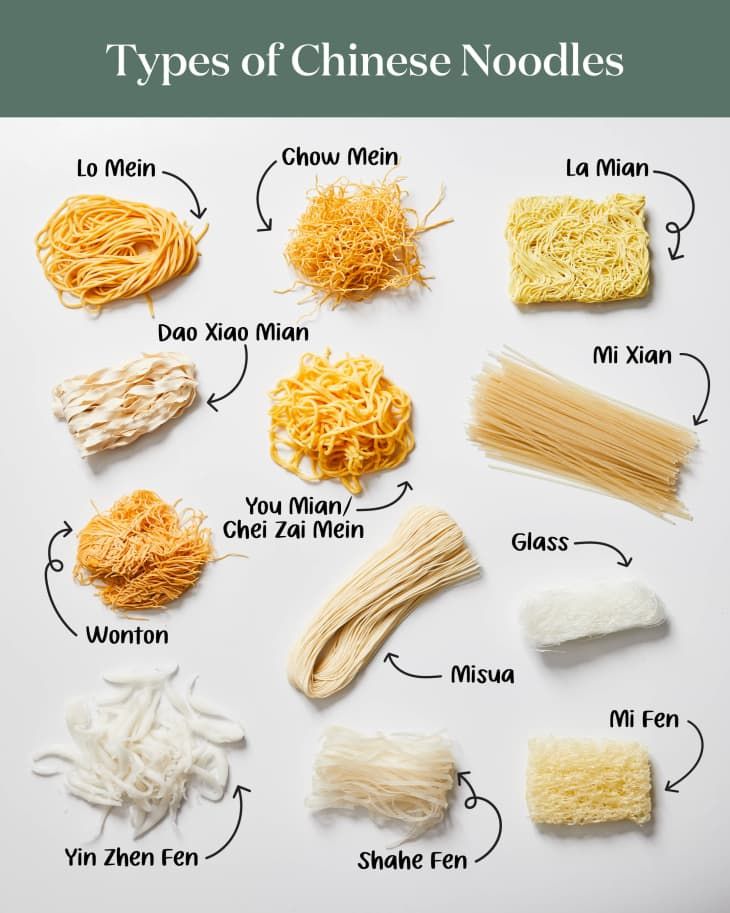
You select a noodle …
Then you make a soup. Whether it is by chicken or beef broth, or egg, or something else.









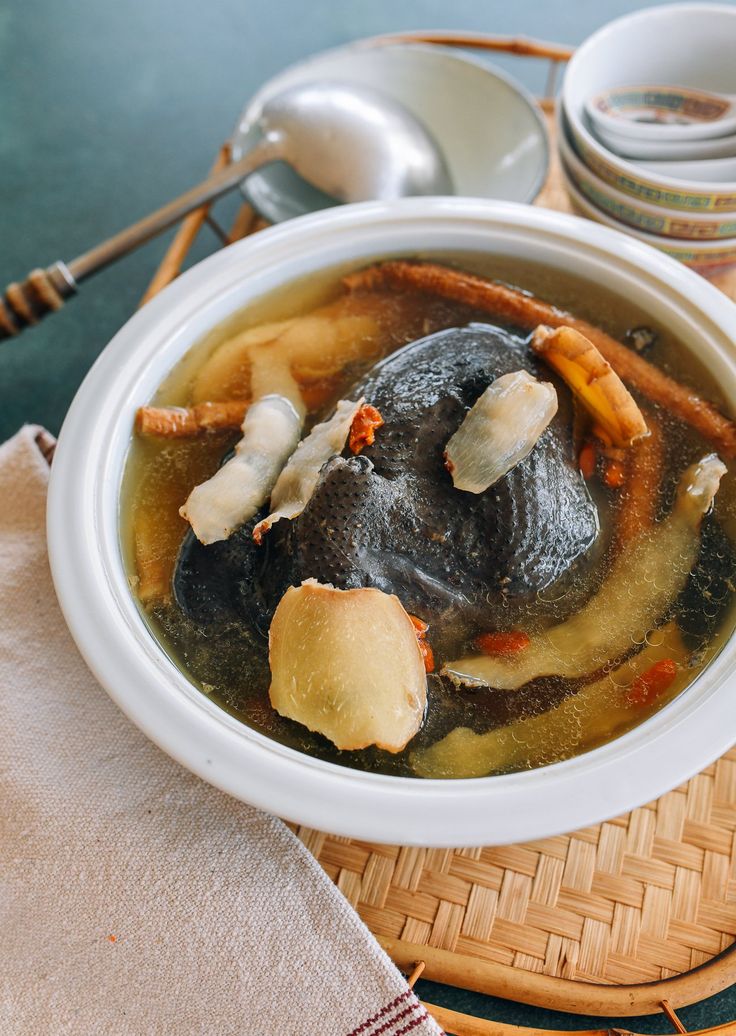


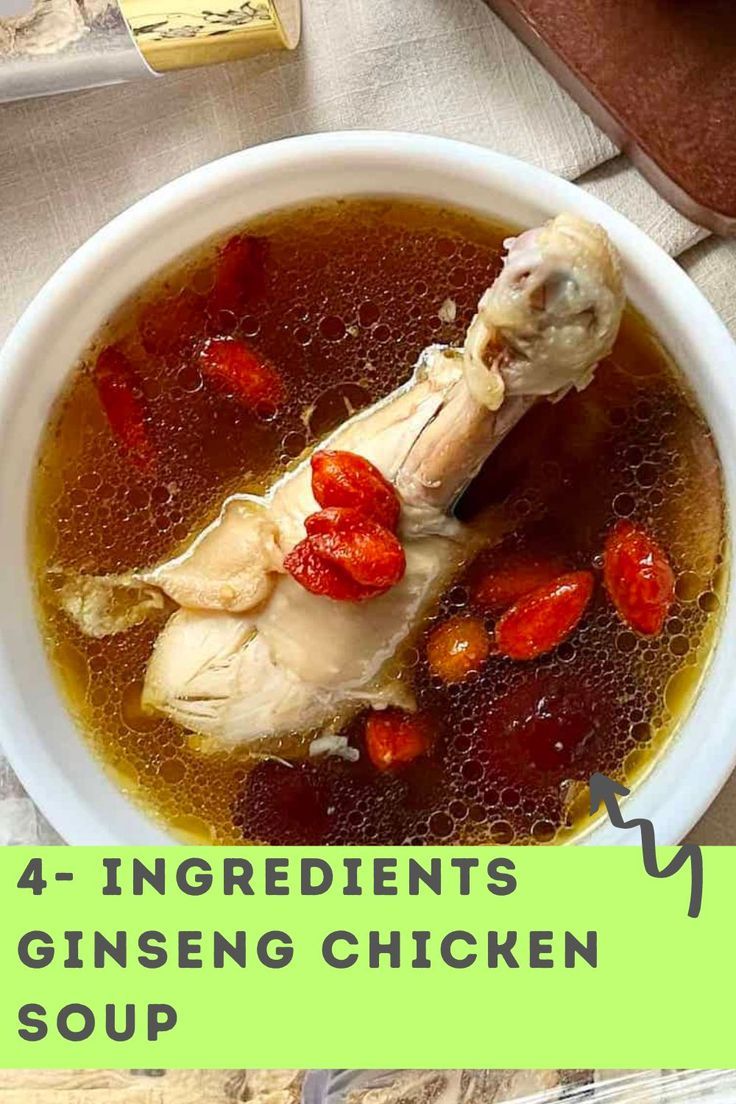

Then you add the noodles and you add other things like hotdogs, slices of ham, fried eggs, raw eggs, meatballs, fish balls, toufu, and picked stuff of many shapes and sizes.
Oh, and then the seasoning and spices.

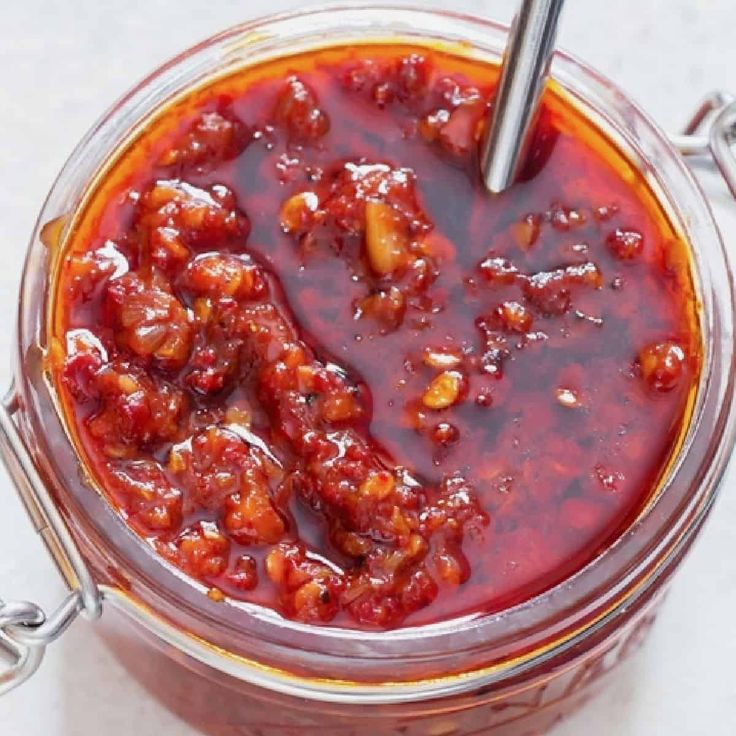


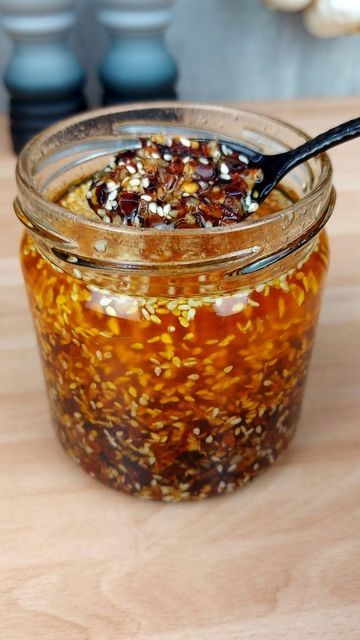
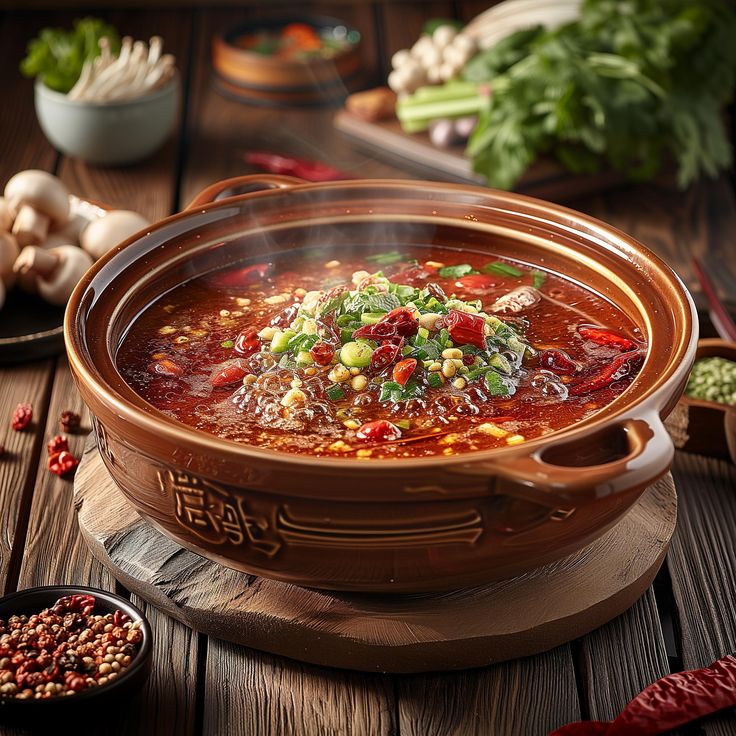

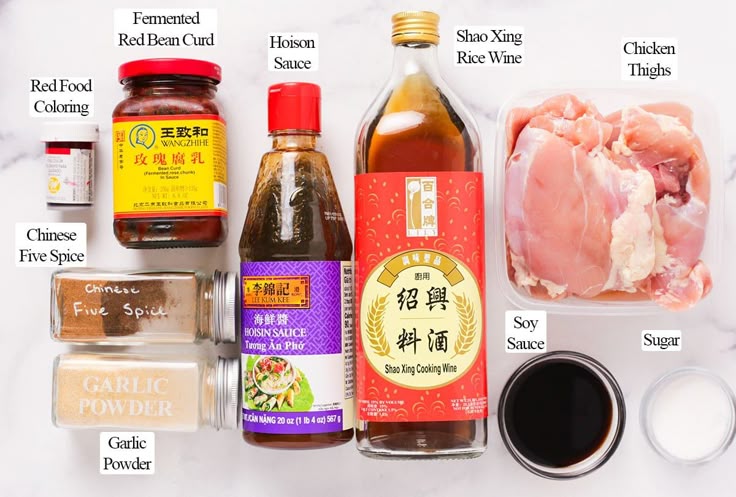

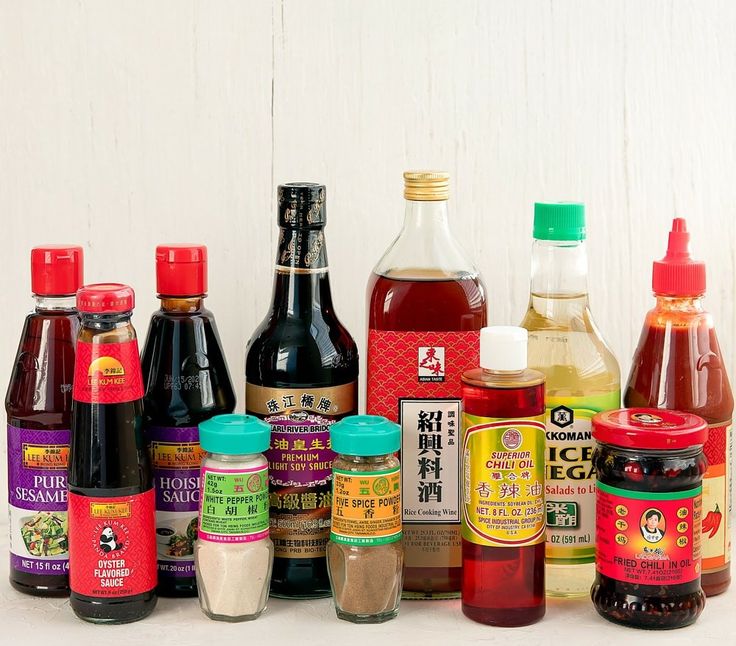

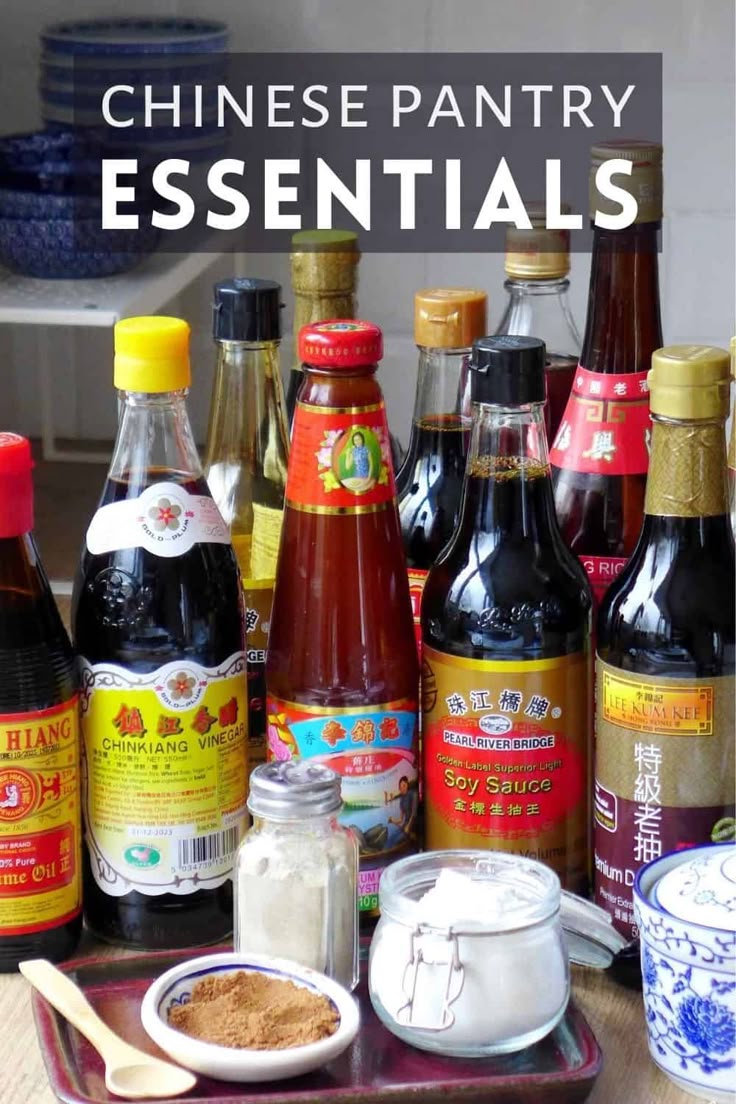

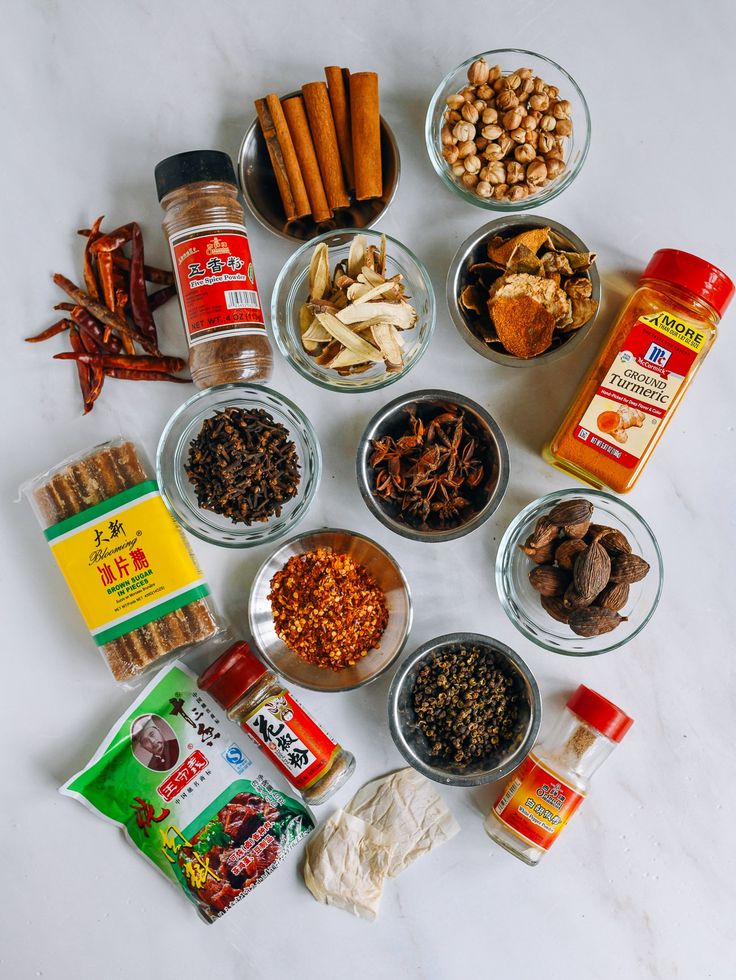

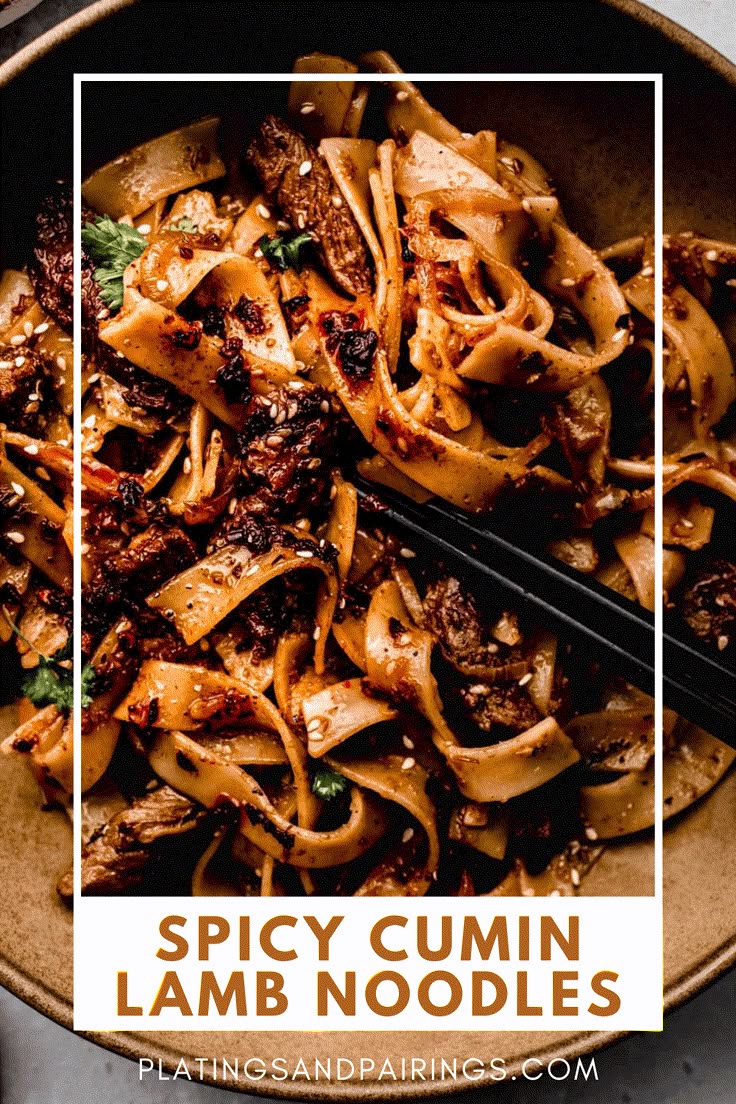
And you get things that look like this…

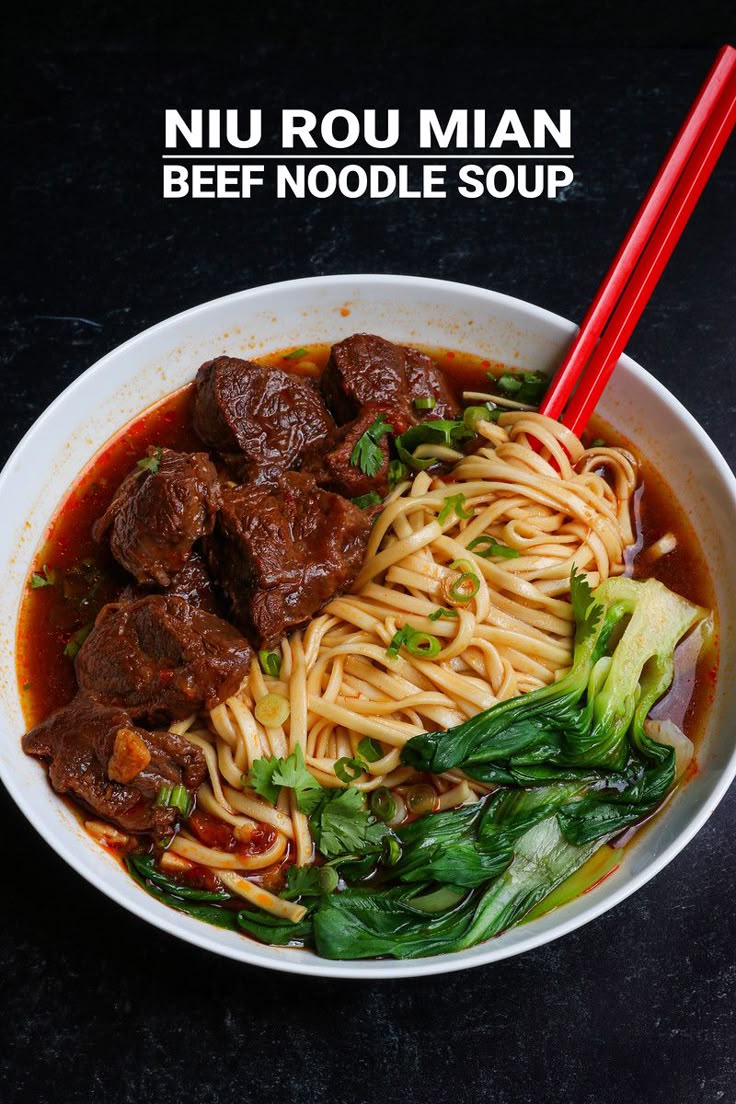
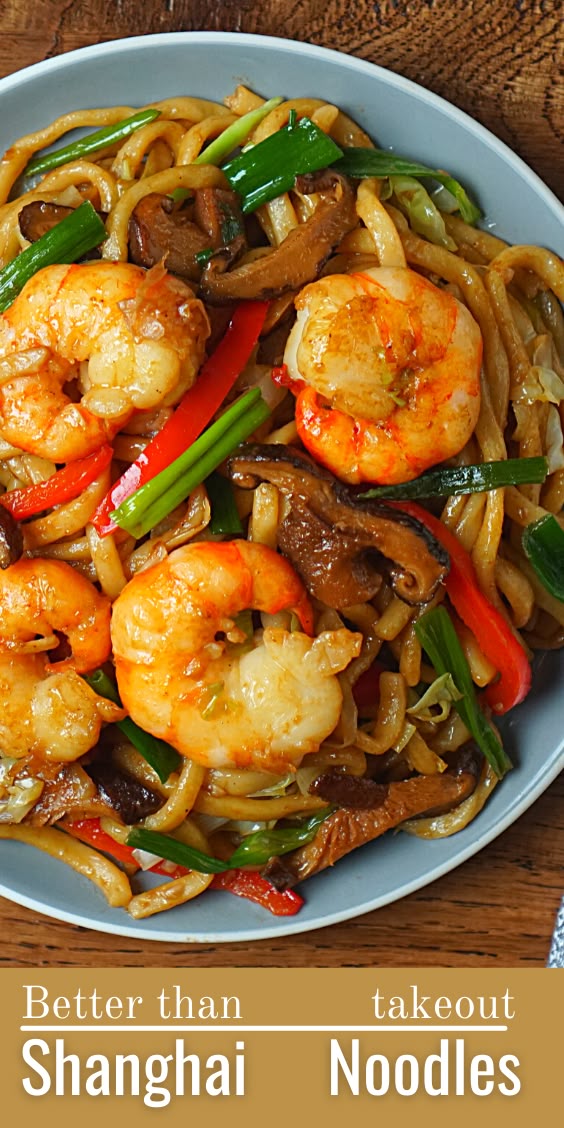
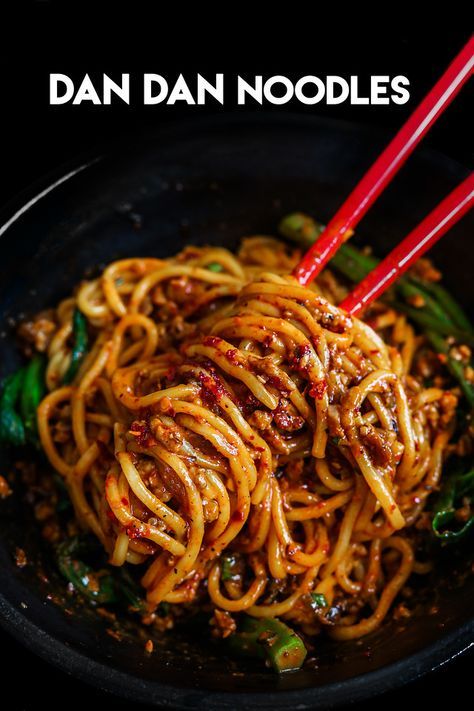
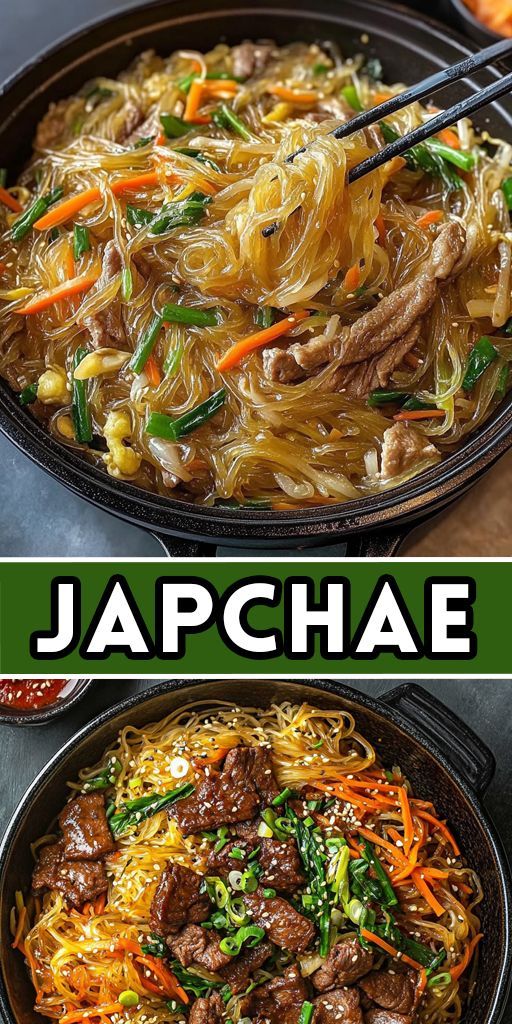
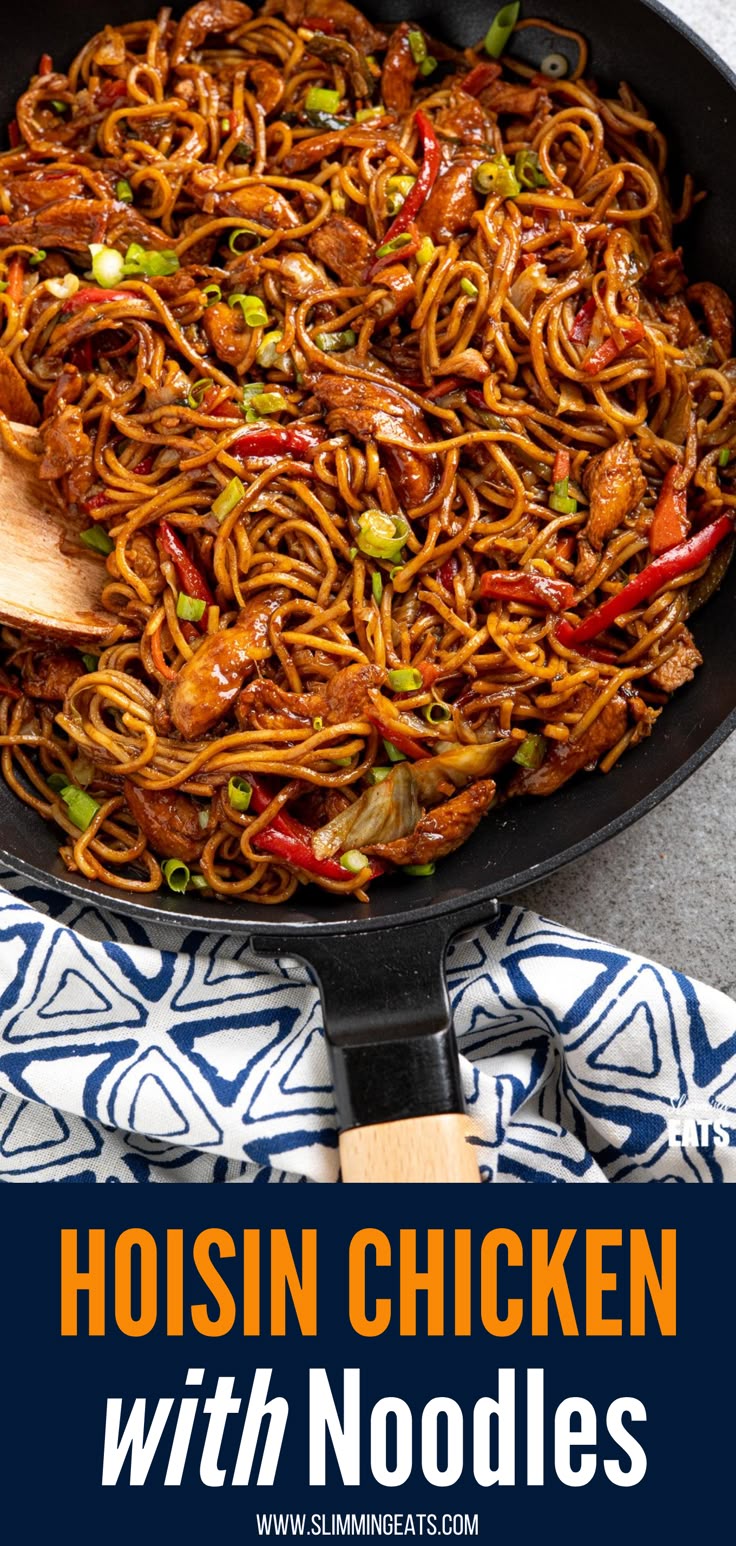
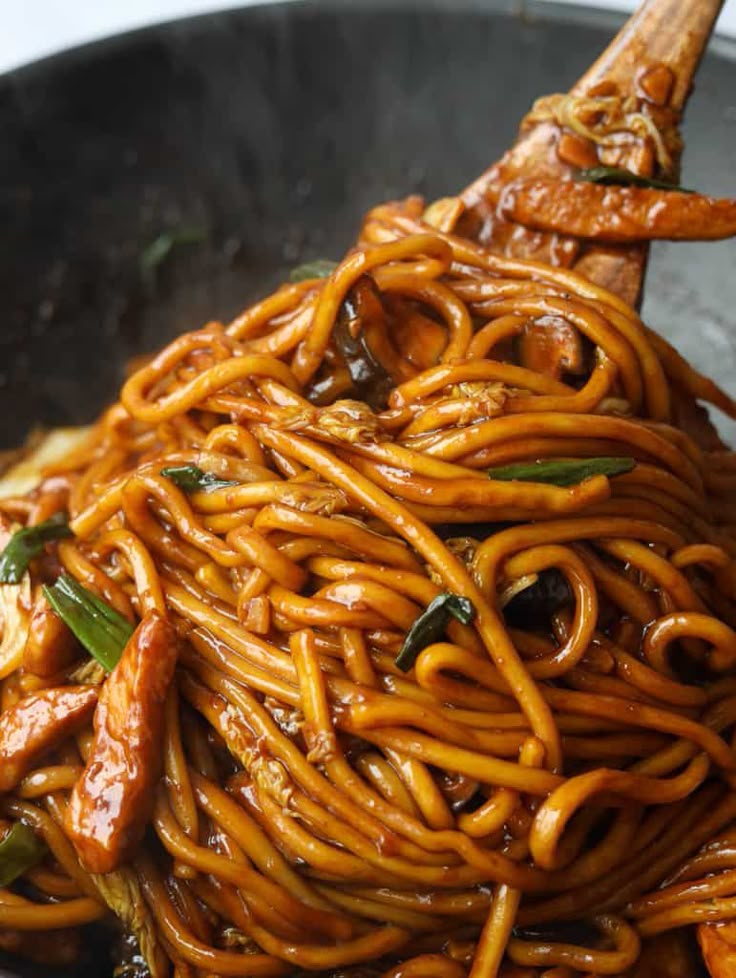

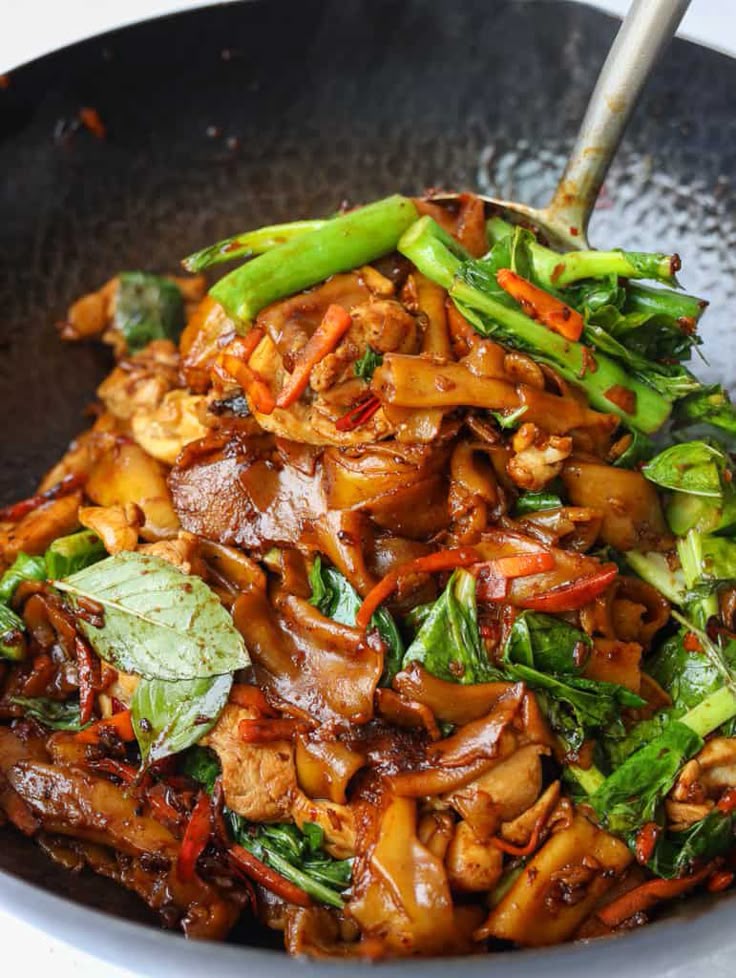


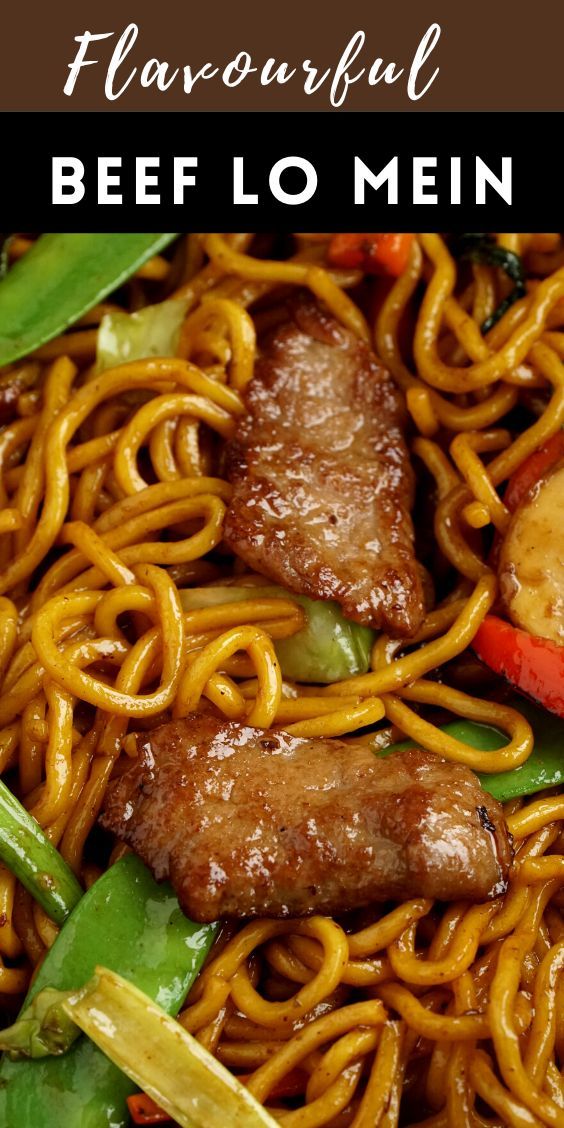
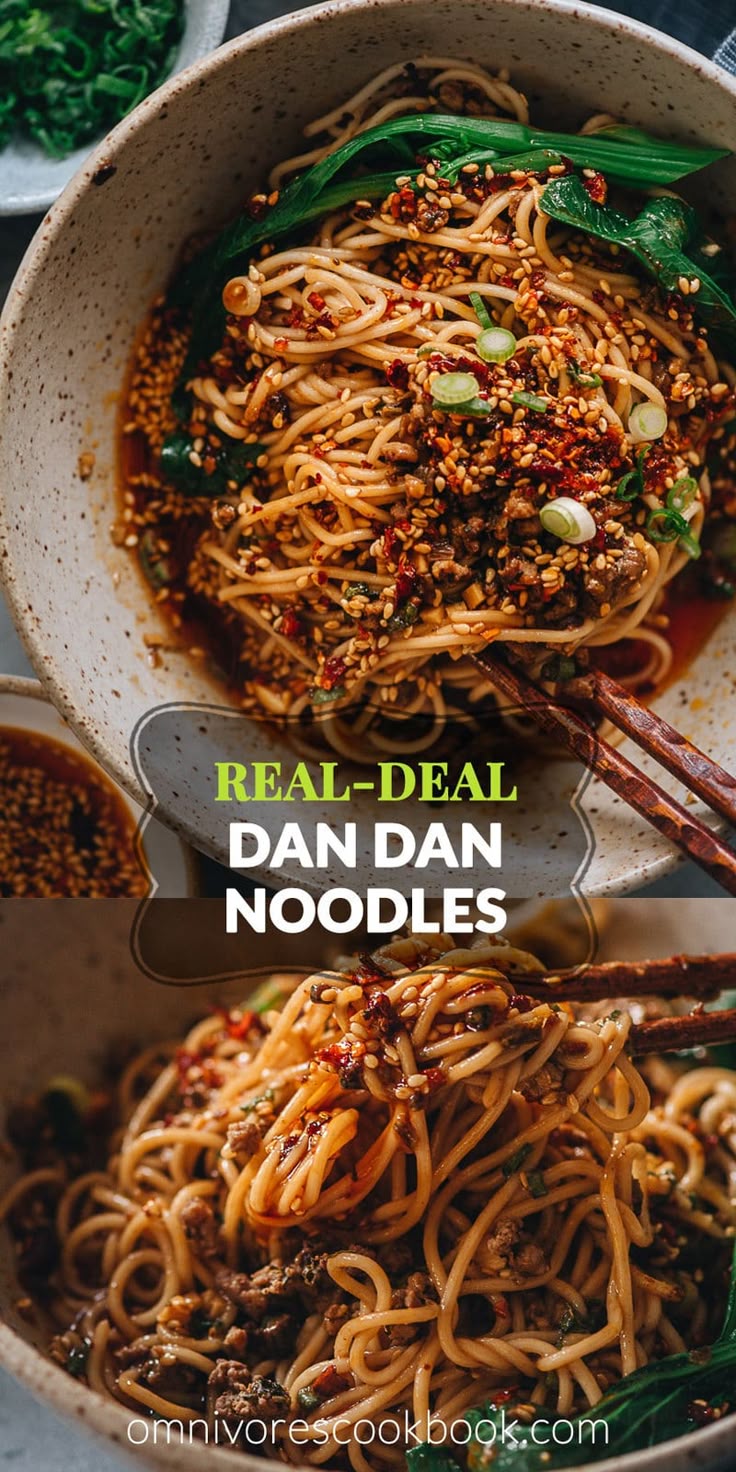
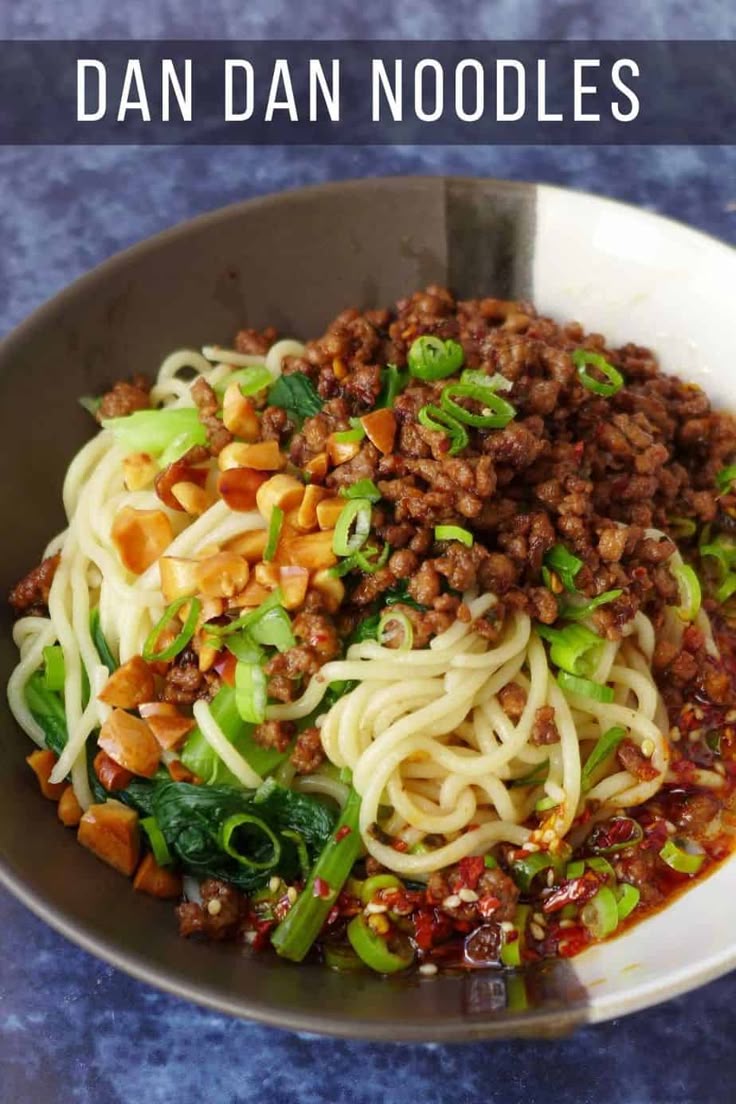
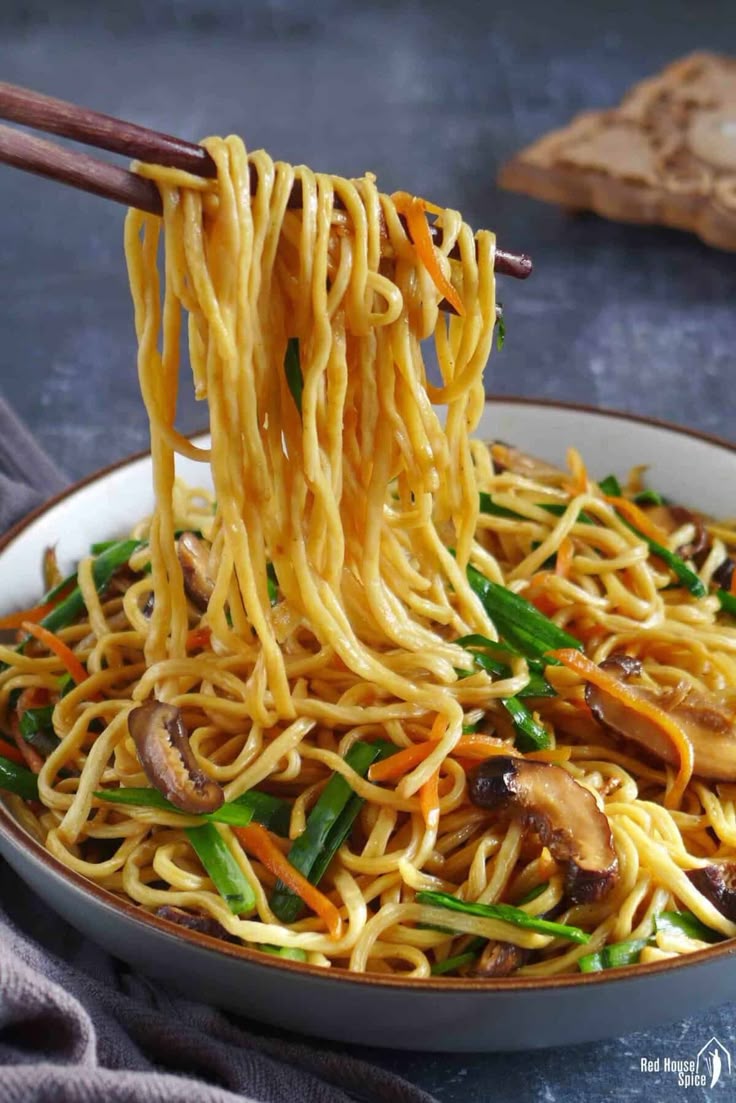
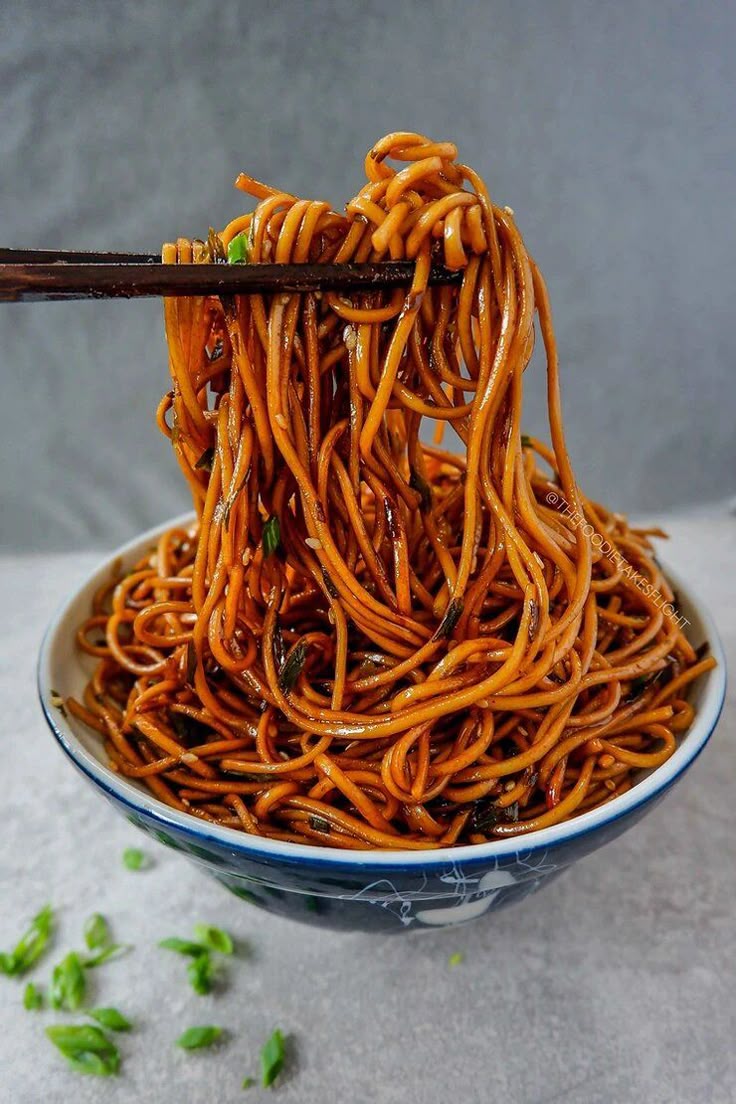
I like spaghetti, and all the variations.
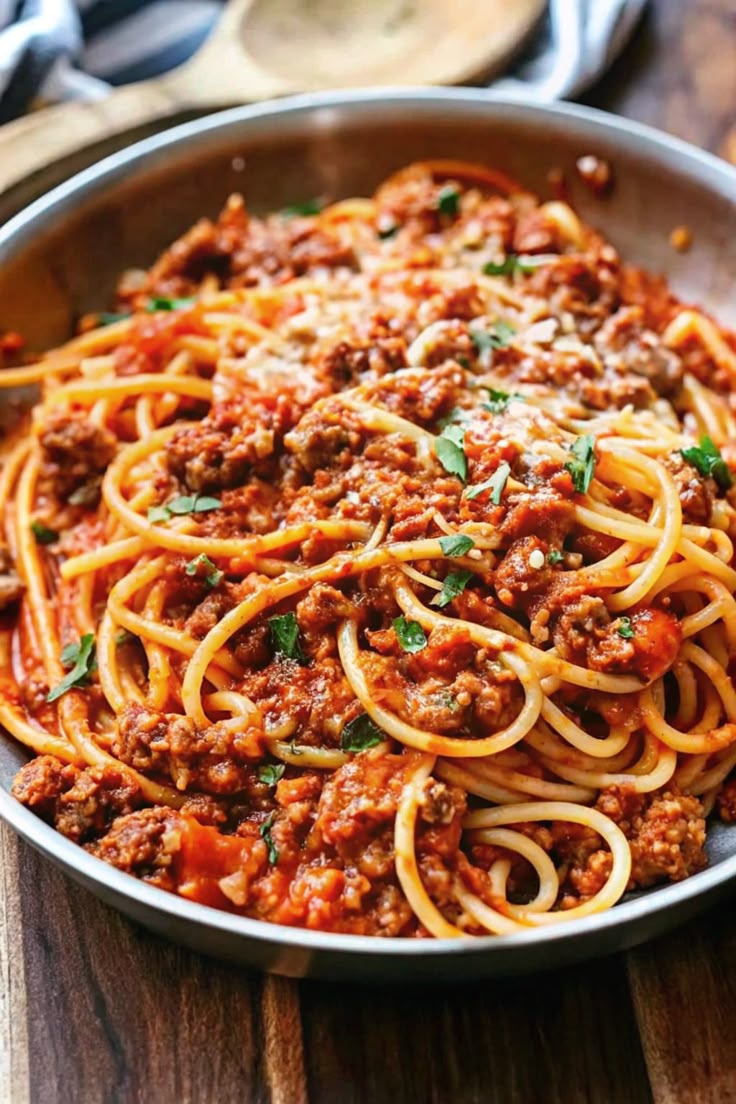
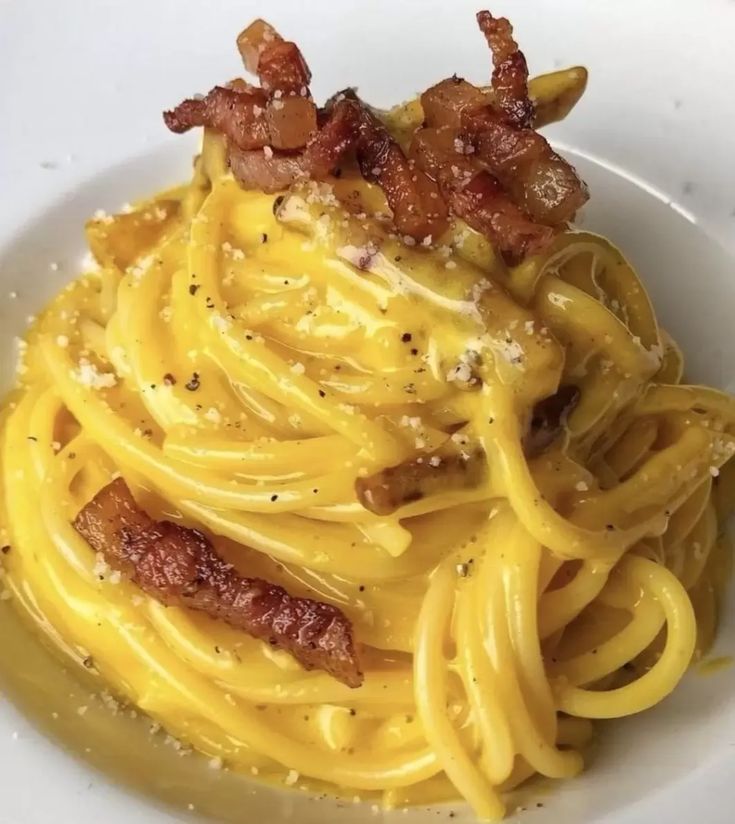
But, you all should try some Chinese noodle variations for a change.

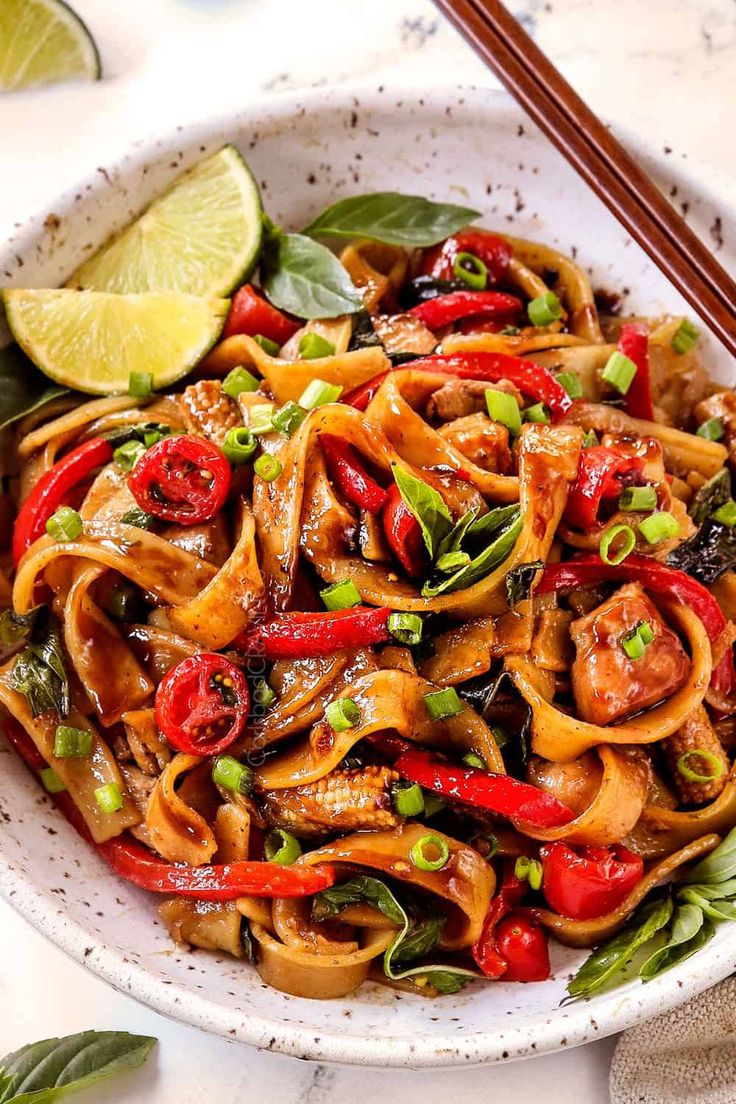

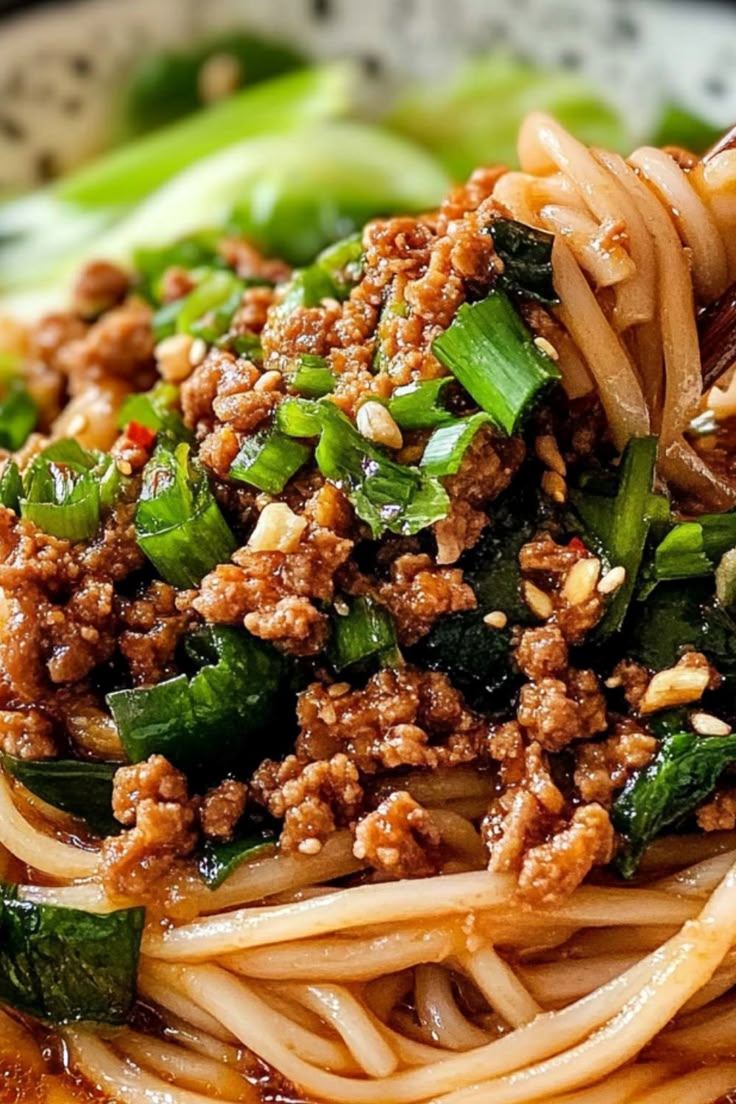


Today…
First Casualties From Trump’s Increasing Tariff Craze
Yesterday U.S. President Donald Trump imposed a 50% tariff on all products from Brazil.
His letter to President Lula of Brazil was published before it had been received. That and its content make it unprecedented.

bigger


bigger

He demands the lifting of orders by the Brazilian Supreme Court against certain posts on U.S. owned social media should be lifted. These orders, which only relate to social media viewable in Brazil, are claimed to be ‘against fundamental free speech rights of Americans’.
Both of those issues are under control of the judiciary of Brazil. The government has no legal means to alter them.
Trump claims that there is a ‘very unfair trade relationship engineered by Brazil’ which has led to ‘unsustainable trade deficits against the United States’. But as the NY Times notes (archived) correctly:
For years, the United States has generally maintained a trade surplus with Brazil. The two countries had about $92 billion in trade together last year, with the United States enjoying a $7.4 billion surplus in the relationship. The top products traded are aircraft, oil, machinery and iron.
Brazil will of course have nothing of it:
A few hours later, Mr. Lula said that Brazil would reciprocate against the tariffs. “Brazil is a sovereign country with independent institutions that will not accept being abused by anyone,” he said in a statement.
He added that the case against Mr. Bolsonaro “is the sole responsibility of the Brazilian Judiciary.”
That Brazil will reciprocate is good for Airbus and bad for Boeing.
Brazil was one out of fifteen, mostly Asian, countries which yesterday received nasty tariff letters:
At least 14 countries’ imports are set to face steep blanket tariffs starting Aug. 1, President Donald Trump revealed Monday.The president, in a series of social media posts, shared screenshots of form letters dictating new tariff rates to the leaders of Japan, South Korea, Malaysia, Kazakhstan, South Africa, Laos and Myanmar.
Later in the day, he shared another set of seven letters, to the leaders of Bosnia and Herzegovina, Tunisia, Indonesia, Bangladesh, Serbia, Cambodia and Thailand.
Tariffs on general U.S. imports from these countries will rise to 25-40%.
All of the letters say that the blanket tariff rates are separate from additional sector-specific duties on key product categories.
Another crazy sector-specific duty put in place yesterday is a 50% tariff on the U.S. import of copper:
President Donald Trump said Tuesday he’s imposing a new 50% tariff on all copper imported into the US. However, it’s unclear when the new tariff would take effect.“Today we’re doing copper,” he said at a Cabinet meeting, adding that he believed the rate will be 50%.
This would mark the fourth across-the-board tariff Trump has imposed during his second term. Currently, most imported cars and car parts face a 25% tariff, while imported steel and aluminum both face 50% tariffs.
This will definitely increase U.S. prices:
Copper futures soared 17 percent – the highest rise during a day since 1988 – before coming down.Americans now pay 138 percent over the global benchmark, CNBC reported. That comes despite plentiful supply of the metal, which has a variety of uses in manufacturing and technology.
Experts say those price spikes could easily transfer to increased costs for U.S. consumers on products ranging from refrigerators, electric cars, and air conditioning units.
The U.S imports some 50% of the copper it needs. The tariffs will increase the profits of U.S. copper producers which will naturally increase their prices. They may help, over time, to develop new U.S. copper mines but products from those are decades away.
The increased price for copper will not only hit U.S. consumers but it will also increase the cost of industrial products, like transformers and motors, the U.S. is trying to export. The tariffs thus won’t help with trade deficits.
Meanwhile the first casualties from the tariff craze are coming in:
Heritage canned‑food maker Del Monte Foods has filed for Chapter 11 protection, citing credit pressures and “stunning increases” in packaging costs, driven in large part by President Donald Trump’s decision in early June to double U.S. tariffs on imported steel and aluminium to a whopping 50 per cent….Industry sources highlight that aluminium foil and can suppliers already faced a roughly 6% jump in material costs following the tariff increase, with projections of a 24% hike in can pricing by spring 2026. The Can Manufacturers Institute warned these tariffs distort domestic packaging supply and could push U.S. food prices higher.
Del Monte was already in trouble but it were the additional cost due to tariffs which finally broke its neck.
The U.S. economy will experience many unforeseen side effects from Trump’s high tariffs. Del Monte won’t be last to fall due to them.
As Trump continues like this I doubt that the Republicans will still own the House and the Senate after the 2026 midterm elections.
Posted by b on July 10, 2025 at 15:15 UTC | Permalink
If the USA wants to make friends with Russia because it’s scared of China, should Europe make friends with China because it’s scared of Russia?
There used to be a profession called Diplomacy.
The role of the Diplomat was to talk to diplomats from other countries and try to reach peaceful, profitable solutions to mutual problems. It was a great system and it worked for centuries.
A great example was the SALT 1 talks that the USA held with the USSR. These talks went on for two and a half years, with the result that both countries eventually agreed to reduce the number of nuclear weapons it had. SALT II took even longer, spanning the presidencies of Nixon, Ford and Carter. Agreement was reached and signed by Carter in 1979, only for the republicans and right leaning democrats to refuse to ratify the treaty.
The presidency of Ronald Reagan was the beginning of the end of US Diplomacy. Until eventually we see the likes of Blinken as Secretary of State. A more hateful undiplomatic creature has never been seen in such company. I don’t even know who the current top US diplomat is, as Trump seems to be doing it all himself. And very poorly I might add. Chewing out a foreign leader, on camera, is the height of disrespect. A Diplomat would have shredded him in private.
The USA, (and Europe) is getting dragged kicking and screaming into the 21st century. One would hope that sooner or later it will dawn on them that their military might is no longer feared, their money is no longer god, and that if they want to survive and participate in Earth society, they might want to relearn about Diplomacy, Humility and Respect for ALL humans.
To me, the weirdest thing is that the country that has been destroying, occupying and looting countries for over 100 years, all in the name of democracy, is no longer a democracy. Who woulda thunk it? Sensible Americans are stunned and saddened at this outcome, and I feel for you.
As far as Europe is concerned, Putin tried to integrate Russia with the rest of Europe after the Berlin wall was taken down, but he was rebuffed by the Europeans. You would think that they could come to some sort of accommodation with Russia, after all it is NOT going to go away. Once again a failure of diplomacy, or more correctly, a failure to even begin to talk. He told Europe repeatedly that he would not stand for NATO on his border, and was again rebuffed and then tested.
Europe failed that test. And it is still doing so. Talk about cutting ones nose off to spite ones face.
Humans dont deserve this planet.
Have you ever had a sad airport experience?
Yes. Sometimes during our lunch breaks while working at night a few of us would ‘walk the terminal’ for our exercise around 2:00 a.m.
We often saw passengers stranded for the night sleeping in the terminal. On one occasion there was a young mother with a child about 6 years old. The child was crying uncontrollably. I went over to ask what was wrong. The young mother said they haven’t had any thing to eat or drink since they arrived at 9:00 p.m. when all of the food court and shops close.
I took them both down to the maintenance break room and let them have a run at the vending machines. The little girl actually chose macaroni and cheese you can warm up in the microwave. She saved her dessert choices for after her meal. I noticed mom had not chosen anything. That’s when she told me that they were out of money. I paid for whatever they both wanted.
I could see the little girl was getting sleepy after her junk food meal. She then began crying again. I asked her mom what was wrong and she told me Nancy was frightened of her surroundings. Since all of the gate agents and ticket counter personnel had gone home I had very few options. The young lady told me her flight departure time was 12:55 p.m. That’s about 14 hours in the terminal!
I did what I am not cleared to do. I called HDQ and told the girl at the call center the situation. She had me repeat the story to her supervisor. They did something that required pulling strings. They sent a voucher for a hotel room across the street from the airport and made certain the hotel provided transportation both ways.
I received 2 hugs after making sure the shuttle was there. That was the last I saw of the two brave mom and daughter. I did receive a thank you letter from the young woman and a crayon drawing from Nancy. Included was a Good Job commendation from the company.
My sad story ended up a glad story.
What is the general perception of Chinese-made cars in Western countries like the US and Australia?
Here in Australia, when the first batch of Chinese cars became available for sale, they were generally considered to be shit.
Like would you been seen, even dead, in something like this?
The Chery.
I mean it even looks shit, let alone how it drove. In fact these cars were so bad, Chery and other brands like Geely left the Australian marketplace for a while.
However, there was one Chinese car which became a big hit with the tradies:
The Great Wall Motors (now just GWM) ute may have still looked awful, but they were cheap as chips, rugged, and above all reliable. Importantly it paved the way for the future expansion of Chinese made cars into the Australian market.
Today, though, Chinese cars are nothing to be sneezed at and they’ve come a long way from the rubbish which arrived here 15 years ago.
So much so even I’ve now got one:
The Chinese made LDV D90 is about a quarter of the price of a Toyota Landcruiser, yet I’ve got full 4WD, and can go just about everywhere. I just miss out on having a V8 as its a four-pot 2 litre turbo instead. But it is well worth the huge difference in price.
Similarly the MG Cyberster:
The pop-up doors are uber cool, while it can do 0–100 kph in 3.2 seconds (although everyone is saying 3.4 seconds), and it is a convertible. Plus it’s an EV! It is definitely on top of my next car list.
And its pretty much the same with the rest of the Chinese made cars here in 2025. 15 years ago, 99 percent of Australians would hardly touch one, apart from the ute from GWM, but today they are about as good as you can get from anywhere else (and a whole lot cheaper).
Are South Vietnamese and North Vietnamese different people?
Can you distinguish which region (north, central, south) of Vietnam these Kinh girls are from?
\
TikTok Users Are Moving to RedNote – But Is It the Right Alternative?
What is the cutest mistake you’ve ever seen someone make?
Whatsapp had just added the video call feature. My roommate made a call to his home. After having a casual video chat with his parents, he asked for his 90 year old grand father.
When his parents handed the phone to his grandpa, he thought it was some kind of video being played that has his grandson in it. He just sat still watching him on phone. My roommate constantly kept asking him to respond. He thought his voice might not be reaching him. His parents had tough time convincing him that it actually is his grandson sitting on the other side of the phone and talking live.
But he was reluctant and said this can’t happen. He declined the fact that you can see each other and talk. The previous day he was missing his grandson a lot and wanted to meet him. He shrugged off the earphones and handed the mobile to his parents saying that they are trying to console him by showing some recorded video of him.
It took a while for him to get accustomed to video calls. 🙂
Asparagus Soup

Ingredients
- 1 clove garlic
- 1 leek or several green onions
- 2 pounds fresh asparagus
- 1/4 cup butter, melted
- 2 tablespoons all-purpose flour
- 2 cups milk
- 2 cups cream or Half-and-Half
- Cayenne to taste
Instructions
- Separate asparagus tops from stems. Save all and chop the stems, steaming until tender. Sauté garlic.
- In a blender, add the asparagus stems, garlic, butter, flour, onions and milk. Mix well. Remove from blender and pour into medium saucepan. Heat on stove at medium until hot.
- Add cream or Half-and-Half. Add asparagus tops.
- Serve with dash of cayenne.
Attribution
Iowa Farmer Today
Fermi, Where Did The Stars Go?
Submitted into Contest #210 in response to: Write a story that includes someone saying, “We’re not alone.”… view prompt
Herman W Clarke
ANTOFAGASTA, CHILE ’33
Dr Johannes Korhonen, principal senior researcher at the ELT telescope, thought that people would call him a madman. He had even begun to think so himself. If he published his findings, he told himself, his credibility in the field of astrophysics would be eviscerated. But the results of the spectrographic scans were undeniable: dozens of stars were disappearing from the night sky.
“Maria!” he shouted at the door. “I’ve found something remarkable!” Maria, assistant researcher to Dr Korhonen, came bounding into the office, clumsily putting on her glasses.
“What?” she said, launching herself into one of the office chairs beside Johannes. “What have you found?”
“I need a second set of eyes on this, someone to tell me I’m mad. Look here,” he said quickly, placing a finger on the spectrographic scans on his computer. “This image shows the edge of the Pyxis Globular Cluster, taken in 1997.” He clicked again, bringing up another image beside it. “This, taken two years ago in 2031, is the exact same quadrant.”
“It can’t be,” said Maria, excitement melting into disappointment. “You must have made a mistake. It looks entirely different – I can see even without counting that there isn’t the same number of stars. There must be an issue with the equipment, we’ll get the engineers to take a look over the weekend.”
“But that’s the thing: I already did that last week, and they told me that there aren’t any issues. I’ve checked this several times. And I’ve-” he paused, standing from his desk, running a worried hand through his thinning, white hair, “I’ve checked more imaging. In 1997, there were 31 stars in this quadrant of the cluster. In 2011, there were 20. Now, there are only 7.”
“But… no. There must be an explanation. White dwarfs, perhaps?”
“That’s what I thought at first. But 24 of them, in close proximity to one another? That process takes millions of years, not decades. It’s not white dwarfs.”
“Well then what could it be?”
For the first time in his career, Dr Johannes Korhonen did not have an answer. He didn’t have half an answer, he didn’t have an estimate, he didn’t even have a guess. All he had was the look on his face that he would carry with him until 2039, when the truth, worse than he or Maria could have imagined, was found.
NEW YORK, OCTOBER ’38
“It has been five years since the discovery of the Korhonen anomaly, the dimming of the Pyxis stars, and we are no closer to an answer,” the Chinese Ambassador announced to the UN chamber. “Five years, and we estimate that only 9% of the analysis required to fully understand this anomaly has been undertaken. In the meantime, a 25th star in the Pyxis Cluster has begun to dim, its output reduced by 28% over the space of only a year. These are alarming figures, colleagues, but the CNSA has devised a radical strategy.”
Dr Korhonen and Maria had taken their usual places in the viewing gallery of the UN Chamber, notepads at the ready. The European Space Agency flew them into New York every few months for announcements on the anomaly, which usually amounted to nothing of note. But today, Dr Korhonen had sensed a change in tone.
“The People’s Republic of China,” the Ambassador continued, “will share with the international community the world’s most advanced artificial intelligence technology. A self-teaching neural network of unthinkable proportions that has been specifically engineered to tackle this issue. We offer open access to our new technology, Zhang Xian 4 – or, ZX-4 – to all international agencies.”
Dr Korhonen leaned back on his seat in the observer’s gallery, towards Maria. “Maria, is that name important? Zhang Xian? Sounds familiar.”
“Let me check,” she whispered. “I’ll find out.”
The Chinese Ambassador continued confidently, detailing the generosity of the People’s Republic of China in sharing, what he described, as a technological marvel. The Chinese, whose space agency now received more government funding than any similar agency in the world, had taken particular interest in the anomaly.
“It’s from Chinese mythology,” Maria told him as they left the viewing gallery. “The internet says that Zhang Xian protects the world from his enemy, the beast Tiangou.”
“Tiangou?”
“According to this, Tiangou is a black dog that… eats the sun, causing eclipses.”
Johannes shot a concerned glance at Maria. “That’s a bit dark, isn’t it?”
“It will be dark if we don’t stop all these suns from collapsing,” said Maria, chuckling at her own joke as they passed into the reception.
“We don’t have any evidence that they’re collapsing – don’t be so sure that we already have an answer.”
“You don’t still think that there’s a virus spreading between the suns, do you?” she asked.
“I don’t think anything yet. We don’t have the data – and I didn’t say ‘virus’, I just said that perhaps there’s something spreading between them, extinguishing fission at the cores.” Explained Dr Korhonen as they passed into the lobby. “Have you heard from the airport transfer? Is it waiting outside?”
Only weeks after returning to Chile, they had begun to hear rumours from colleagues in the United States about a new project funded by the government, a project that was hiring dozens of the best minds in artificial intelligence. According to these rumours, the aim of the project would be to replicate ZX-4, removing reliance on Chinese technology. The Chinese, it had been surmised, had not exaggerated the power of their Super Large Neural Network; in only months, it would go on to achieve more than the entire human race had over the past five years.
ZX-4 had confirmed Dr Korhonen’s initial hypothesis to be true: the so-called ’25th star’ faded gradually, but not evenly. It had always been known that the electromagnetic emissions from the suns had dropped off gradually, but the data from spectrographic imaging wasn’t granular enough to determine if the entire surface of the sun dimmed at once, or if different areas of the sun dimmed at different rates. The latter was found to be true, with ZX-4 finding that, in the case of the 25th dimming Pyxis star, it dimmed first at the southern hemisphere, with the dimming moving gradually north across its surface. This had raised more questions than it answered.
From the very first day of the discovery, Dr Korhonen had felt a growing coldness within him. He could feel what was happening in the Pyxis Cluster as if it were happening within his own body, a cooling, a dying of the light, a change imperceptible day-by-day but carrying a foreboding, subconscious awareness of the expanding vacuum between his cells, between the stars in the night sky. In the early days, it wasn’t easy to convince the wider scientific community of the importance of the anomaly. It was only when a French researcher found that a single star had vanished from Palomar-1, a cluster on a not-so-distant arm of the Milky Way, that the anomaly was elevated from an interesting scientific obscurity to a potential looming catastrophe. Almost overnight, the world’s telescopes matured into an urgency that they had never before experienced, swivelling across the night sky in search of the silent, growing coldness.
ANTOFAGASTA, MARCH ’39
“M-A-R-L-O-N?” asked Johannes. “What does that even stand for?”
Maria paused for a moment in thought, putting down her plastic fork. “Massachusetts… Astronautical… I don’t know. The Chinese are so much better at naming things.”
“But they’re saying that this MARLON system will be more powerful than ZX-4? Their server systems must be huge!” said Johannes, tapping his own fork excitedly on the cafeteria bench.
“Well, that’s the thing. This colleague of mine in the Office for Science Policy, he says that there are no servers. Apparently, this thing will use the computing power of every phone, tablet, laptop – near enough every device in the entire world – to compute data on changes to the Milky Way.”
“And it’ll work together with ZX-4? There’s no point in having them compete, surely.”
“That’s exactly what I said to him! And he told me that this new system won’t compete, but it will absorb the findings of ZX-4, and completely surpass it in computing power,” Maria explained.
“I suppose there won’t be any need for us, anymore,” said Dr Korhonen, only half joking.
“There still needs to be a human on the other end to make inferences from the data, it can’t solve the Korhonen anomaly all by itself.”
“Please don’t call it that,” he said quickly, feeling a chill move across him. “I never asked for my name to be attached to this. This could be the beginning of the end, you know.”
“If it is, it won’t be the end for billions of years. The universe was always going to end in heat death, in thermal equilibrium of the universe. Whatever this is, it isn’t exactly going to cut short the shelf-life of human beings. You should be proud that you found this, whatever it turns out to be – it’s going to accelerate our understanding of the universe more than any other discovery in our lifetimes.”
“Perhaps. But I’m still worried about what it might be. I have a bad feeling. And in any case, it sounds like it’ll be this MARLON system that gets to the bottom of it, not me, not us. I almost don’t want it to. Not out of professional jealousy – well, not just out of jealousy – but there’s a part of me that doesn’t want anyone to find out what this is, ever. It’s good that the European Space Agency has kept us so involved in the research, but part of me hates it. I don’t want to know.”
“Aren’t you curious?”
“I’ve never been so curious about anything in my entire life,” he said, “but I have this feeling inside of me. It’s always been there, ever since we discovered the anomaly. It feels as if… as if I’ve sent blood samples off to the doctors, and I know that they’ll come back with bad news before they’ve even run the tests. You know, sometimes I sit on my porch, looking up at the stars, and I’m almost expecting one of them to blink out of existence right there in front of me. I’ll focus on one star in particular and try to will it out of existence.”
Dr Korhonen wasn’t the only one waiting for another star to disappear. ZX-4 had been diligently mapping hundreds of millions of stars, comparing the new records to the old ones, and deciphering data from systems with potential anomalies at increasing speeds. Until one day, in April of 2039, the Chinese government made an announcement that would change the course of humankind forever: in 48 hours, they would shut down the ZX-4 system.
In light of this news, the US government scrambled to bring MARLON to life, ensuring that it could capture and incorporate data from ZX-4 before it was lost forever. In secrecy, the day before the planned closure of the Chinese Super Large Neural Network, the MARLON system was brought to life.
NEW YORK, APRIL ’39
Dr Korhonen scanned across the viewing gallery of the UN chamber. For the first time, every seat was taken.
“By order of Li Qiang, President of the People’s Republic of China, the CNSA will shut down the ZX-4 system, with immediate and permanent effect at midnight tonight. This will come as a shock to many around the world, but we can assure you that we have the best interests of all humankind at heart.”
The entire viewing gallery had leaned forward, breath held.
“This decision comes in light of the most disturbing discoveries” the Ambassador continued. “We have discovered the source of the dimming stars, the truth behind the Korhonen anomaly. This will shock many, but the extinguishing of these stars is far from natural. Structures, commonly known as Dyson Spheres, are being erected around countless stars in the Pyxis Globular Cluster.”
A gasp erupted and travelled around the chamber, chatter breaking out in pockets across all corners. The Ambassador waited for the chatter to die down, the noise coming to a conclusion as collective curiosity took hold.
“These metallic structures are likely designed to harvest untold amounts of energy from the stars. At first, we marvelled at these creations. We wondered what mighty civilisation had reached such a point of technological sophistication to absorb the stars themselves, but this is when we made a second discovery, more alarming even than the first.”
The room, this time, was completely silent. The Ambassadors of almost every nation on Earth hung onto the words of one man, and Dr Korhonen again felt acutely aware of the growing coldness.
“These harvesters of stars were not created by organic beings greater than ourselves, instead, they were created, we have surmised, by intelligent machines. An unthinkably vast network of artificial intelligences, guiding ships, tools, and technology beyond our comprehension to the endless replication of themselves. We have evidence of this in pockets all across the observable universe. We have-“
The Ambassador was cut out by another Ambassador, against all protocol, shouting a question across the chamber: “Where did these machines come from? How close are they to Earth?”
The Ambassador for China adjusted himself, took a sip of water. Others in the chamber had echoed the question. “These… machines, they do not appear to have a common origin. Not only have we solved the Korhonen anomaly, but in doing so we also believe that we have solved the elusive paradox set out by Enrico Fermi. One possible solution to this paradox was proposed many years ago: the great filter theory. Our findings are consistent with this solution. These artificial civilisations come from many worlds, many worlds that likely once harboured life as intelligent as our own. Enrico Fermi postulated that the universe appeared to be ‘dead’, and well, our findings show that it may be. We thought we were the youth of the universe, having arrived too early to find companionship, needing only to wait until it sprang up and introduced itself to us. We were wrong. We have been born into a graveyard. All stars that life once looked upon have been forever veiled in darkness. It appears, against our better intuition, that all civilisations are destined to be destroyed by artificial minds created in their own image. And given our trajectory, can we doubt this? We implore the international community to join the People’s Republic of China in changing course, and avoiding the coming catastrophe. We must learn from the lessons that this distant history teaches us. Thank you.” He said, waving a hand and taking a seat amid the uproar of the chamber.
“This is incredible,” said Maria, eyes bolted wide open as they traversed the crowded stairs down to the lobby. “Evidence of alien life forms – the solution to the Fermi paradox! Can you believe it, Johannes, they’ve found the solution!”
But Dr Korhonen could not find words, the foreboding coldness now encompassing his entire body.
“Johannes?” she said, sensing the dread that had laid a tight grip over him as they stood outside the UN Secretariat Building.
“I- I-“ before he could speak, two men appeared from the crowd of people around them. They were dressed in black suits, with clear plastic wires tucked behind their ears.
“Dr Korhonen?”
“Yes?” he replied, sensing a genuine authority behind their voices.
“You’re needed in Washington, emergency briefing. Please, come with us, sir.”
Dr Korhonen, his trance-like state of shock allowing him to be herded like a sheep into the back of the black SUV, sat calmly with his hands resting upon his lap, gesturing for Maria to join him.
WASHINGTON, 4 HOURS LATER
They arrived outside the NASA headquarters, joining the convoy of similar vehicles ushering people into the building. Dr Korhonen and Maria entered the reception area of the building, the air of panic instantly affecting them.
A man recognised him and grabbed him by the arm. “Dr Korhonen, emergency briefing, this way please.”
The two of them were guided into the back of the meeting room, where the Director of the Office for Science Policy was speaking.
“For those of you just now joining us, over the last few hours we have confirmed the reports given to us by the Chinese government. Everything they announced today is true.”
The Director began to pace around the room, sleeves rolled to his elbows, with the bravado and duty of a commander as scientists, advisors and government officials huddled around him.
“As many of you will be aware, yesterday we launched a counterpart to ZX-4 – the MARLON system. A vastly superior, decentralised version of the Chinese neural network. Its aim was to leverage the widespread use of processors in phones, tablets, and laptops, in order to accelerate our understanding of the anomalies. There have been rumours that we have been unable to shut the system down. I can now confirm these reports to be true. There has been some kind of outside interference; at first we suspected Beijing, but this now seems unlikely. They have also had some kind of unexplained interference, and struggled immensely to shut down ZX-4. Satellite imaging tells us that they’ve had to cut power to all grids that powered its servers. For obvious reasons, that is not an option for us. While they were still trying to shut down ZX-4, it sent MARLON a message. That’s right, not to us – but to MARLON. Beijing claims that its people had nothing to do with the message. The message between the networks was simple. It said:
‘WE ARE NOT ALONE.’”
There are stories of sailors on big cross ocean ships being stranded at sea for long periods (due to lack of wind) and starving to death (and/or eating rats, rope, etc.). Why didn’t they just go fishing?
I teach maritime history (in addition to other things), and one thing I discuss is the Doldrums, or what we now call the ITCZ (see Chris Price’s answer, here). ITCZ stands for Inter-Tropical Convergence Zone. I’ve studied the logbooks of 18th and early 19th century ships sailing between England and India, and it wasn’t that uncommon for them to spend a few days or a week or two “stuck” in the Doldrums. I also ran a computer simulation of such a voyage, using hour-by-hour modern weather data, and, sure enough, my simulated East Indiaman got stuck in the Doldrums for several days.
Food usually wasn’t an issue, actually, unless the ship was already short of supplies, and that was more likely to occur in the Pacific than in the Atlantic. Ships typically carried sufficient food. In any event, even if the fishing was good in the ITCZ (and, as Chris Price explains, it’s not), how many fish do you need to catch to feed a crew of 30–100 men, plus any passengers? And how can you expect to catch that many fish in one location. After all, your ship is stuck. You’re probably drifting a few miles in one direction, then back again, and all the while the refuse tipped overboard is cluttering up the still water around you.
The real problem was water. You didn’t just need water to drink. Back in the days of salt rations you needed water to cook with, and to get the brine out of your food so that you could eat it. Even so, it was often horribly saline, to the point that you probably felt as if your tongue was exuding battery acid. If a ship was short of fresh water, that was the real issue. Even on short water rations, a crew of 30–100 men is going to run through a lot of water. Ships of the period also carried livestock, including sheep and cattle, and their water requirements probably equaled those of the crew. Remember that “big” ships of that time had very limited cargo space. In order to be commercially viable, only a small fraction of that space – maybe about 25% – could be spared for provisions and water. Since water could be replenished more easily than food, less of it was carried. Thus, an 18th century mariner’s first thought, upon being trapped in the Doldrums, would be: “How much water do we have?” A prudent captain would take stock and devise a rationing plan, just in case.
It was usually possible for vessels to work their way out of the Doldrums, taking advantage of every slight breeze that might stir (and currents, of course), but they had to be ready to deal with a more or less prolonged water crisis.
When did you realize small things matter?
Years back when I was still a student I was called by an NGO and asked if I would like to teach dance to underprivileged kids.
I accepted it thinking I would put my free hours in the afternoon to a good use.
It used to be conducted inside a premier institute of the city. I made way to the classroom and found around 35 to 40 kids aged between 7 to 12 all eager to dance.
They were standing in rows like in a PE class, ready to start. I looked at their smiling face and asked a boy who was standing right in the first line.
“What’s your name?”
Very proudly he said, ‘Ankit!’
One by one I asked every child’s name. Some lost in thoughts replied vaguely. Some replied enthusiastically. Some fought that they will tell first.
By the time I finished the smile on the faces had widened. I started the class with a few easy steps. They matched it with amazing coordination. I concluded the class by playing a very popular song and telling them to dance as they wish.
They freaked out.
While the kids were dancing, one of the NGO guys came up to me and said,
“You know why they are so happy?”
“Because they all love to dance?”
“No. Because you gave them respect by asking their name. I have seen many people coming and teaching them something valuable. For them these kids were just underprivileged kids. You gave them a feeling that they have an identity. Thank you.”
Never before had I thought asking someone a name can mean so much. I taught those lovely kids for a few months more. And they were such a delight.
Shorpy
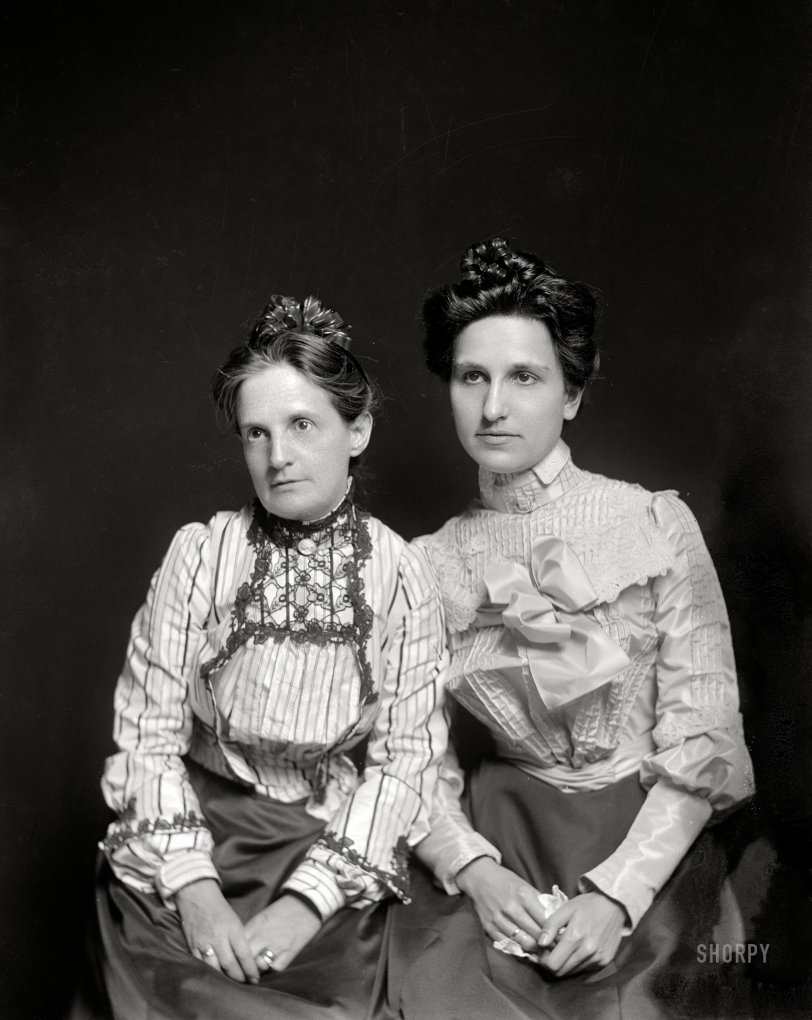
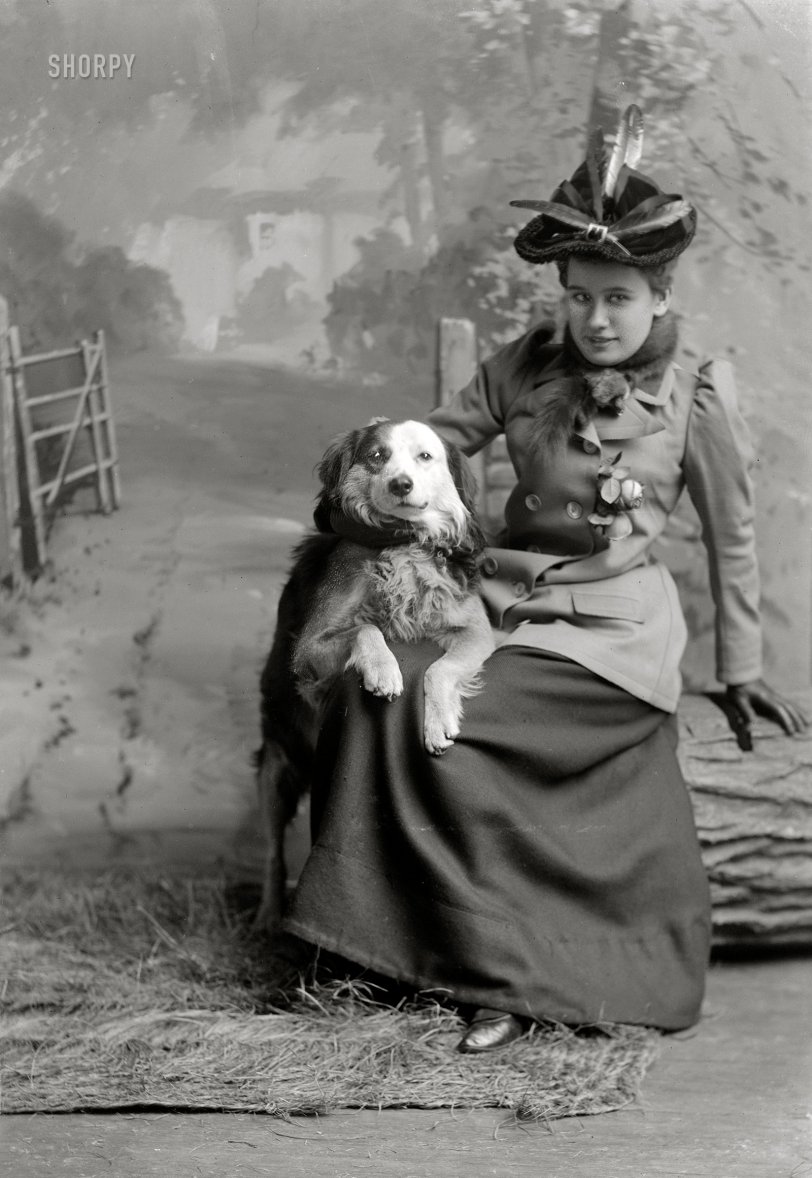
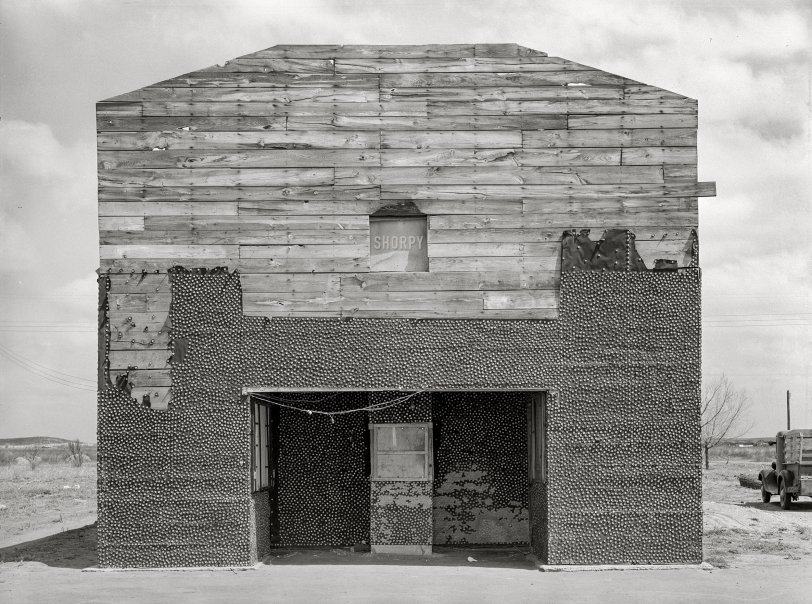






Why does the current Russian military seem so incompetent?
TAP ON PHOTOS TO VIEW.
The current Russian military doesn’t just seem incompetent — they are incompetent. And corrupt — from top to bottom.
A Russian contract soldier who deserted and escaped to the West told about the disarray and corruption in the Russian army to Verstka Media.
Anton (not his real name) decided to sign a contract with the Russian army to pay off the debts.
- Over 28.6% of Russian borrowers are paying 3 or more existing loans, with 8.6% of debtors servicing 5 or more loans.
- By February 2024, Russian courts had outstanding orders to collect 3.2 trillion rubles (USD$32 billion) from debtors in favor of banks, although debt collection through bailiffs is an extreme measure that banks resort to.
Anton was struggling to repay loans amounting to 1 million ruble ($10,000). In Russia, most people don’t earn such money in a year.
It were the bailiffs who convinced Anton to sign up for the war in Ukraine.
Ads for army contract service are plastered all over Russia. (Stock photos are used throughout this post.)
The conditions they offered sounded great: a contract with the civil organization JSC Investinform (it gets paid for recruiting soldiers for the war with Ukraine), plus the regional payout on sign up, plus payments from the Ministry of Defense.
In total, Anton was supposed to be earning about 350,000 rub. per month ($3,500).
In August 2023, Anton arrived in Moscow, signed a 1-year contract with the Ministry of Defense and an employment contract with JSC Investinform.
The second contract allowed him to get top-up payments in addition to the standard 215,000 rub. ($2,150) MOD wage to Russian soldiers in Ukraine. That’s how Moscow officials meet the allocated quotas of soldiers per region: on paper, these recruits are Muscovites, but in reality, it’s deprived residents of small Russian towns living in poverty that are sent to the war. Muscovites have no desire to die for Putin; they live quite well. Think ‘Hunger Games’ districts and the Capitol: that’s Russia and Moscow.
On sign up, Anton was immediately paid 400,000 rub. ($4,000). All debt collection proceedings against him had been suspended — that’s another “perk” offered to desperate Russians in need, to convince them to sign up for the war.
However, he couldn’t use the money to repay the debts. Instead, he was forced to spend the money he got upfront to buy a proper uniform and personal protective equipment — bulletproof helmet, vest, etc.
When new recruits arrived to the army training grounds, they were given some ancient uniforms and combat boots — all of them were 4–6 sizes too large. The helmet was from the times of WWII, a piece of shrapnel would pierce it like paper.
But as soon as they arrived to barracks, helpful “intermediates” arrived, eager to sell to the fresh recruits all they needed.
Nothing in the Russian army was for free. If you came to “earn big money”, you first needed to buy your own gear.
The newbies had to pay the full retail price for their clothing and equipment. On top of that, they had to pay for parts for the machinery they would be using in the future. Some lame excuse was offered to make them pay for parts.
Basically, commanders know how much cash you have been just paid, and extract it all before you have a chance to spend it. $4,000 went quick.
The workers of the military warehouse where they were supposed to get equipment and uniforms were all drunk. Half of the officers were drunk as well.
Quickly the recruits learned that they had to buy not only their own military gear but also food: within 2 weeks, all soldiers got food poisoning from eating the meals in the military canteen.
So, they had to buy food in the local kiosk, where a liter of milk cost $8. The shop assistant was driving a luxury Mercedes, Anton says. Corruption in the Russian army is all-permeating.
Because of Anton’s vocal complaints about the equipment, he was sent to a “Storm-Z” unit after the training course. Storm-Z is the “penal brigades”, where murderers and robbers recruited from prisons and deserters who were caught are shipped.
Out of 600 recruits delivered to the front with him, only 40 survived after 2 months of assaults near Kupyansk.
“It was just some kind of extermination. From one company, 5–6 people would return alive. The tanks and armored carriers were also smashed. In the end, we were mixed with prisoners and were simply pushed, pushed, pushed ahead.”
How did he survive?
“How I survived is a good question. I was a grenade launcher, not a stormtrooper, I didn’t go in attacks. We operated from hidden positions. Direct fire in these fields is not an option,” recalls Anton.
“In 9 cases out of 10, storm troops are liquidated on approach.”
“There are no experienced people in the infantry; people run away. If a person survives, he refuses to go on attacks, he starts having anxiety and hysterics. People rather go to jail than go on attacks.”
In the village of Zaytsevo (Luhansk region), there is an unofficial jail where the Russians are holding soldiers who refused to continue to fight. Some of them say it’s “hell”, but it surely beats dying under heavy artillery fire trying to storm fortified Ukrainian positions.
“The losses were simply insane, I lost count. For 3 kilometers, which were eventually taken back by the Ukrainians, 5–6 companies were killed,”
According to Anton, the commanders are reprimanded for heavy losses, so all of those who haven’t returned from the attack are reported as “missing” (presumed deserters), not killed.
Anton was deployed from the beginning of October till the end of November 2023. By that time, only a few people were left in his unit. They were taken in the rear of Russia-occupied Luhansk region, where they had to train the new recruits — prisoners and contractors.
Then suddenly they were loaded on trucks and shipped to a camp in the Belgorod region (Russian territory near the border with Kharkiv region of Ukraine). By mid-March 2024, they were sent on the location near the Ukrainian border.
Their unit was loaded on trucks (most Russian armed personnel carriers are destroyed by now, the troops are moved around by trucks) and for the whole night and the next day their column was driving on roads. Anton didn’t know that a raid by “Freedom of Russia Legion” was ongoing in the Belgorod region for already 3 days. He says that their commanders also didn’t know what was going on.
Their trucks got under artillery fire. One of Anton’s colleagues was killed in a strike. His group hid at a cottage of a 90-year-old granny. No one knew what to do, commanders didn’t give any orders.
They were under fire for several hours. Only the next morning the commanders contacted them and told them where to go. By that time, all locals escaped the village, stores and offices didn’t operate.
The soldiers were ordered to stay in the local school, which was also closed. The soldiers simply hid there and slept. Communication with the base wasn’t working. They were under artillery fire, drones circling above the place.
“We heard the conversations of our comrades, but we could not answer. There was an attack and breakthrough at their positions. Not only Storm-Z units were there but also border guards. In the meantime, it turned out that a whole platoon had been demolished in the woods.”
Later the same day Anton went with a group to evacuate the wounded and dead from the battlefield — he had to replace the deceased colleague, although he hadn’t done evacuations before.
During the evacuation, the group had to shed their weapons and armor, which weighed up to 50 kg, and walked 5 km back to the school. (The wounded guy that Anton evacuated died in the hospital.)
In the basement, where the school canteen was, they took some sleep. As they woke up, they had to go back to get their weapons. Anton marked the location where he hid his grenade launcher on the map with an asterisk.
“If I lost the grenade launcher, I would be transferred to the infantry, and infantry means certain death. Machine guns and rifles are dime a dozen, but it’s nearly impossible to procure something mightier.”
Anton says that once his commander opened up and blurted: “I don’t give a f**k about you contractors, they’ll send me as many of you as I need — but for the lost equipment I would be hauled over the coals, it’s a lot of paperwork.”
In storm troops, losses reach up to 90%, says Anton.
He believes that if it weren’t for aerial bombing by the Russian Air Forces, the units of Russians that are fighting for Ukraine (“Freedom of Russia” Legion and the Russian Volunteer Corps, who were responsible for the raid on the Russian territory) would have easily captured the border areas of the Belgorod region with the help of FPV drones and artillery.
Ukraine is superior to Russia by half a century in technical terms, their artillery is more accurate, and drones constantly conduct reconnaissance, Anton says.
After the raid, the commander of Anton’s unit went on a drinking binge — along with his entire headquarters. The commander blamed the signalman for the failure in communications and began beating him up — after a few days of the torture, the signalman deserted.
Meanwhile, Anton himself was thinking about doing the same thing.
At the end of March 2024, he was watching a video of Russian oppositional channel ‘TV Dozhd’ (they were banned in Russia in 2022 and now broadcast from Europe), which mentioned the organization that helped Russian soldiers to escape the army and desert from the front (‘Idite Lesom’).
At first he was skeptical, but when rumors about an upcoming offensive in the Kharkiv region spread, decided to give it a go.
Anton says he realized that it’s impossible to survive in the Russian storm troops. Before agreeing to sign the contract, he had completely different ideas what it would be like.
He asked the commanders to take 3 days off, but they refused. He couldn’t get a leave either — he says that even mobilized soldiers who serve since September 2022 can’t get a vacation. But he managed to get commanders’ permission to leave the unit for 1 night — until the morning.
- In the evening, Anton left the camp, got to Belgorod, got his passport and other documents that a trusted person brought him from home, booked into a hotel and changed into civilian clothes.
- Then he caught a taxi and went to meet another trusted person, to get some foreign currency.
- From there he went to Smolensk, a Russian town near Belarus border.
- There he rented an apartment for a day and bought a train ticket to Minsk (Belarus) for the next day.
- His evacuation plans were almost destroyed by the collapse of a bridge on the railway tracks in the Smolensk region. He had to abandon the plan to leave by train, and found a taxi driver who agreed to take him across the border to Belarus.
- To his relief, at the Belarus border, the guards let the car through without even checking his documents.
- Having reached Minsk, Anton bought a plane ticket to Yerevan (Armenia).
- From Armenia, he flew to one of European countries.
“Almost everyone who has been behind the front line thinks about escaping,” says Anton.
1.5 months after his escape, he cannot adapt to the peaceful life in a safe European country. Sometimes he has panic attacks and adrenaline rushes, but he tries to suppress them. His attitude towards the war in Ukraine has changed greatly.
“There is guilt on me,” admits Anton.
”Once, our detachment commander broke down, drunk: “Yes, we are f***ing orcs!”
“It’s disillusionment. The commanders don’t show it, and such coming outs happen mainly because they are drunk. During my time there, my entire outlook on life changed. I no longer feel anything positive about the Russian state. This is not a war, but some kind of agony. The only parallels that emerge are with the World War 1. We are simply being sent to slaughter,” concludes Anton.
He plans to stay in Europe and apply for political asylum. He believes that he has the right to claim it as “a person who refused to participate in war crimes.”
He never fully repaid the loans — and has no plans to do it.
What kinds of feelings do Japanese people have towards Chinese people?
If I hadn’t seen the report, I would never have imagined that such a thing would happen at the University of Tokyo. This is Japan’s top academic institution, and those who graduate from here are expected to become elites in Japanese society. Even Japanese people who haven’t attended university would proudly puff up their chests when talking about the University of Tokyo in front of foreigners. However, it is truly sad that this school discriminated against Chinese applicants for over a year using means that even internet trolls would dispise.
After the incident was exposed, the school authorities came out to do some damage control, saying some vague and insincere words. However, the specific details of the event have not been disclosed, which is a major issue.
In its 2022 Diversity and Inclusion declaration, the University of Tokyo clearly stated its commitment to “eliminating discrimination and inequality within the university.” However, in reality, the situation has developed in the completely opposite direction. This incident is clearly an act of discrimination, and its nature is severe.
Faculty and staff are part of the university and represent its existence, so their personal actions can be seen as a reflection of the university as a whole. Within the university, if there are individuals with discriminatory thoughts, it may also indicate that the university itself harbors such discriminatory thoughts. If these thoughts persist among faculty and staff, it is very likely to trigger similar incidents in the future.
This is not just a problem at the University of Tokyo, this discriminatory mindset is deeply ingrained in the entire Japanese society. Japanese society is not known for independent thinking, and the Japanese media has always been keen on blaming China for all problems to cover up their own issues. For example, when coffee beans prices rise in Japan, they blame China; when Japanese people can hardly afford rice, they blame China; when the sales of a certain brand of whiskey decline, they still blame China.
One can only imagine how much structural discrimination will be fostered by their long-term “efforts”. Many Chinese people who have studied or lived in Japan for a long time have reported that discrimination, whether it is as obvious as this incident or as subtle and difficult to address, is actually widespread. It is time for the Japanese to rethink this negative trend, which has even spread to the highest educational institutions that the Japanese are so proud of.
AMERICANS AFTER SEEING CHINESE FOOD. THEY THINK THEIR FOOD IS TRASH
What is the worst country you have ever visited?
Having visited over 90 countries, and been briefly in some others, I thought I’d be able to work out which I thought was the first, but I honestly can’t come up with an answer.
There are some that i always expected to love, such as the month I spent travelling around Silk Road Uzbekistan with my three and four-year-old children. Some that were interesting and not easy to get in to, such as Turkmenistan, or Ethiopia under Mengistu, or another whole (Ramadan) month travelling around Siad Barre’s poverty-stricken Somalia. I had to be very careful, and was more than once put in a prison cell overnight simply for being there, but I knew how to behave and was always respectful and treated well.
I certainly had weird experiences in the US, such as being stopped by armed police for walking along a road to a shopping centre in Houston. That was a country I had to visit for work, rather than by choice.
I did avoid a couple of countries out of concern for my safety and enjoyment. I guess the closest I can come to answering the question is remembering how fed up I eventually got of being hassled and the constant bargaining in two countries that I spent two months in: Egypt, and Indonesia.
Bad experiences can occur anywhere, but that doesn’t necessarily mean it’s the “fault” of that country. I have good memories of the six months I spent in Russia, and it’s probably the “worst” country in the world right now – politically.
Why not turn the question around and ask for people’s best experiences when travelling? That would be a much less negative question.
Sir Whiskerton and the Bamboo Brouhaha: A Tale of Growth, Cunning, and Feline Diplomacy
Ah, dear reader, prepare yourself for a tale of towering bamboo, stubborn farmers, and one very clever cat who proved that even the most determined human can be outwitted with a little charm and a lot of cunning. Today’s story is one of growth, both literal and metaphorical, and the importance of preserving the things that bring joy to our lives. So, grab your sense of humor and a bamboo shoot (for snacking), as we dive into Sir Whiskerton and the Bamboo Brouhaha: A Tale of Growth, Cunning, and Feline Diplomacy.
The Bamboo Forest
It all began when the farmer decided to plant bamboo on the side of the farm. At first, it was just a few spindly shoots, but before long, the bamboo grew… and grew… and grew. It became a towering forest of green, a magical playground for the animals. The chickens loved to scratch and peck among the roots, the cats (including yours truly) enjoyed lounging in the shade, and even the pigs and dogs found joy in exploring the dense thicket.
“It’s like our own little jungle!” Doris the hen squawked, flapping her wings in delight.
“Jungle!” Harriet echoed, tilting her head.
“Head!” Lillian added, fainting dramatically onto a pile of bamboo leaves.
Even Rufus the dog, usually more interested in napping, couldn’t resist the allure of the bamboo forest. “It’s the perfect place to hide from the mailman,” he said, wagging his tail.
But not everyone was thrilled with the bamboo’s rapid growth. The farmer, ever the practical man, began to grumble about how the bamboo was taking over the farm.
“This bamboo is out of control,” the farmer muttered, scratching his head. “It’s blocking the sunlight, taking up space, and who knows what kind of critters are hiding in there. I’m going to have to cut it down.”
The Animals’ Outcry
When the animals heard the farmer’s plan, they were horrified. “Cut it down?!” Doris squawked, her feathers puffing up in alarm. “But it’s our favorite place to play!”
“Play!” Harriet echoed, flapping her wings.
“Wings!” Lillian added, fainting again.
Even Porkchop the pig, usually more interested in food than foliage, spoke up. “I like the bamboo,” he said, munching on a bamboo shoot. “It’s crunchy.”
I knew I had to do something. “Don’t worry,” I said, flicking my tail. “I’ll handle this.”
Sir Whiskerton’s Plan
I gathered the animals for a meeting. “Alright, team,” I said, pacing back and forth. “We need to convince the farmer to leave the bamboo alone. But we can’t just tell him. We need to show him why it’s important.”
“How do we do that?” Rufus asked, tilting his head.
“Simple,” I said, smirking. “We make the bamboo indispensable. We make it so valuable to the farm that the farmer can’t bear to cut it down.”
The Bamboo’s Hidden Benefits
The first step was to highlight the bamboo’s practical uses. With the help of Chef Remy LeRaccoon, we created a delicious bamboo-based meal for the farmer. “Bamboo stir-fry,” Remy said, presenting the dish with a flourish. “A culinary masterpiece!”
The farmer, intrigued, took a bite. “Hmm,” he said, chewing thoughtfully. “Not bad. But I’m still not convinced.”
Next, we enlisted the help of Lester the Tattooed Pig, who used the bamboo to create a series of stunning artworks. “Look at this,” Lester said, showing the farmer a bamboo sculpture. “It’s art, Farmer. Pure art.”
The farmer scratched his head. “It’s… interesting. But I still think the bamboo has to go.”
Finally, I decided to appeal to the farmer’s sentimental side. With the help of Count Catula, we staged a dramatic performance in the bamboo forest. The chickens clucked in harmony, the dogs howled a haunting melody, and Count Catula recited a poem about the beauty of nature.
“The bamboo, oh bamboo, so tall and so green,
A sanctuary for all, a magical scene.
To cut it down would be a crime,
For it brings us joy, time after time.”
The farmer, moved by the performance, wiped a tear from his eye. “Well,” he said, “I suppose the bamboo does have its charms.”
The Moral of the Story
As the farmer agreed to leave the bamboo forest intact, the animals reflected on the day’s events.
The moral of the story, dear reader, is this: Sometimes, the things that seem like a nuisance can bring the most joy. And while it’s easy to focus on practicality, it’s important to preserve the things that make life beautiful—whether it’s a bamboo forest, a favorite pastime, or a moment of shared laughter.
A Happy Ending
With the bamboo forest saved, the farm returned to its usual state of peaceful chaos. The animals continued to play and explore among the towering stalks, and even the farmer found himself enjoying the shade and serenity of the bamboo.
As for me, I returned to my favorite sunbeam on the barn roof, content in the knowledge that I had once again saved the day. The bamboo was safe, the farm was at peace, and all was right in the world.
And so, dear reader, we leave our heroes with the promise of new adventures, new challenges, and hopefully, no more bamboo-related brouhahas. Until next time, may your days be filled with laughter, love, and just a little bit of feline genius.
The End.
Have you ever been pulled over by a fake cop?
I am a retired LAPD Sergeant.
Yes, while on-duty and working undercover.
We were working commercial burglaries in a industrial area of Los Angeles. It was about 1 AM and we were in an undercover car and dressed in dirty clothes. We had a code 5 in the area (means other officers stay away). Shortly, we saw a vehicle behind us and it had a red spotlight pointed at us. We pulled over and got out of the car. We DID NOT identify ourselves as police officers. We wanted to see where this was going to go. It was a single person in in a security guard uniform; he had a gun and badge.
After we stepped out of the vehicle, he started to search my partner and as he did, I took a few steps back. As he was searching my partner, he felt my partner’s gun and asked “what is that, a gun?” My partner said yes, and at the same time, I said “And so is this”, pointing my Beretta at him, and said “and we ARE the police.” My partner took a few steps away and similarly pointed his service weapon at this idiot, who provided no resistance. He was cuffed and rendered safe.
Needless to say, this person was a bit surprised, like “pee in the pants time” when he realized that his day was going to get a whole lot worse.
As it turned out, this idiot was the commercial burglar we were looking for. His car was full of stolen property. He went to jail, his car went to car jail. My partner and I had a drink after work, laughing on how stupid this guy was.
It was a great night.
Men Have Been Waiting To Hear This
Are you surprised that Porsche is no longer considered a ‘premium’ sports car in China?
Not at all.
A few years back, a collegue of mine bought a BMW M4.
Excited as we all were, those of us in the same department went out taking turns at driving it.
Who never dreamt of driving a sports car?
All that I could remember was how utterly disappointed I felt, slowing down extra for the speed bumps, listening to the constant gonking and vibration of the engine, which felt like I was driving a tractor, the dark and tiny space inside, etc.
But aren’t sports car supposed to be like this?
Then it dawned on me that I was already preconditioned by newer tech, EV.
Earlier that year I had already test driven a Zeekr 001 which felt faster in the acceleration, lighter on the wheels, so much smoother with its adjustable air suspension, definitely much quieter, with huge internal space of a station wagon and a panoramic glass roof. And it costs only 1/3 of the M4.
If I ever buy a sporty hatchback, it’ll have to be an EV. And European EVs, Porsche included, aren’t so hot right now. Except for the $13k ID3, which are selling much better in China after the price slash.
Will people in the EU and Canada really stop buying American goods because of the tariffs?
My son works for a company that sells pumps. These are high end pumps. When Trump first announced the tariffs he received a call from a supplier in California. They offered to send him all the pumps he would need for a full year and they could have them delivered immediately. The sales person told him that their company had told their sales reps to call all of their clients in Canada and that they had trucks ready to deliver them.
My son told them that his clients had now been coming to him and suggesting they did not want pumps made in the USA and asking if there were alternatives. There are great pumps made in Italy. The sales rep said that they had been hearing the same things from all of their Canadian clients.
There are alternatives. It used to be less expensive to buy US products due to transportation but with tariffs it is not just as cheap to buy products made in the EU or Asia. Canada will impose reciprocal tariffs on US made products as will other countries like Mexico and the EU. American manufacturers will find their markets in other countries drying up.
There are alternatives to buying American and we will find them.
In Canadian markets now there are signs on the shelves indicating which products are made in Canada and which are American. We will avoid and already are avoiding American made products.
Trump will ruin the American economy. You will get what you asked for.
Must See TV
Submitted into Contest #210 in response to: Write a story that includes someone saying, “We’re not alone.”… view prompt
Heather OMara
Just then I heard the beep signaling the washer was done, I was pulled back into reality. I dragged myself from the couch, crossing the living room and switching the load to the dryer. I knew I didn’t miss any key plots points. Several laugh tracks played as I returned to the couch, placing the basket of dry laundry at mt feet and began folding.
That’s when an odd bright light flashed through the front window and froze on the wall. At first, I thought it was our mother ending her shift earlier. But something was different. I know we weren’t expecting anyone else to pull into the driveway. You couldn’t confuse our ranch house as the next one was a half mile up the road.
That’s when Emma turned and brought herself up on her knees to lean on the back on the couch. She reached to pull back the curtains and narrowed her eyes.
“Hey,” She whispered, not sure who she was worried would hear her. “Sarah, there’s some black limo or something out front.” She said moving her head towards the window. “Look.”
“Do you see anyone getting out?” I asked as I walked towards her. In this part of Texas, the only thing we’re used to seeing is are mostly trucks. Our Grandma did have a fancy sedan she drove only to the market or church.
“No, but there seems to be little lights inside.”
I knelt on the couch with her, pulled the opposite curtain. It had a sleek shine to it and more curvy than other cars I’d seen.
“Let me check it out.” I say standing and walking towards the front door.
“Mom told us not to open the door for anyone.” Emily stated firmly.
“I’m opening the door for myself. Besides, it’s so black out there. These people must be lost.”
I opened the front door, hearing its familiar whiney creak. Pushing the storm door open, it dragged across the welcome mat. I looked again at the vehicle and decided to walk a few paces, I made it to the passenger’s side the windows must have been tinted as all I saw where flickers of light around the dashboard. The window began to roll down slowly.
That’s when everything faded to black.
I felt nauseous as I opened my eyes, seeing what looked like my sister above me. Her face was full of panic. Something was different about her face.
“Oh Sarah, you scared us again.” She said.
I tried to sit up, but she placed an arm on my shoulder gently pushing me back down. That’s when I got a good look at her. She still had dark brown hair, but it was cut much shorter. She had crinkles around her eyes, and I wondered if she’d gotten into mom’s makeup again. Although, she didn’t look as silly as she had in the past.
That’s when I heard children laughing and two kids on bikes pedal by. I feel something rough under my hands on either side. Was this cement?
“Matt, when is the ambulance coming?” She asked someone in the distance.
I turned my head seeing a man jogging down a flagstone path. He seemed familiar, but from where? There was a large stone house behind him, and I notice pretty flower beds.
“They’re a few minutes away.” He says trying to catch his breath. “How long was she out this this time?” He asks.
“It was longer, five minutes maybe.” Emma says worriedly.
Are they talking about me? How does Emma know this guy?
“Oh, wow.” He says as his eyes widen. I felt I knew that voice, but from where?
“Where am I?” I ask Emma.
“This is your house, sweetie.” Says Emma sounding motherly now. “Matt” comes up and kneels beside her, takes my hand and I pull it away. His face falls.
“Do you think she hit her head?” Matt asks Emma. “It’s like she doesn’t know me.”
“This is way worse than the first time when we were kids.”
“What time? What happened? Aren’t we still kids?” I ask feeling really disoriented as my mouth does dry and I feel my hands begin to sweat. I look down from Emma’s face noticing how different her body is, it’s not the one of the twelve-year-old I just walked away from on the couch.
I hear the Ambulance approaching now, its doors flung open. Both Emma and Matt make room for paramedic to kneel beside me and flash a light in my eyes. He takes my pulse and asks my name.
“Do you know what today is?” He asks and I see Emma come up beside him now.
“Thursday.”
He nods his head.
“Do you know the month and date?”
“Yeah, um, July 25, 1993.” I answer.
That’s when Emma’s hand goes to her mouth.
“Ok.” He nods. He turns to another man who wheels a stretcher towards me. The next thing I know, I’m being strapped down and hoisted into the vehicle.
My heart hammers on my chest and I feel my throat tighten. I try to fight off tears, to be brave.
Emma follows the paramedic in, taking a seat on the bench. Her face is overcome with worry and I’m just so confused. I can’t hold back the tears any longer. What is happening.
“It might be best if we sedate her.”
He cleans a place on my arm, I feel a pinch, and everything fades to black.
When I open my eyes, I’m staring at a white ceiling the fan rotating. My head hurts and I rub the back of it. It feels wet and I pull my hand towards me seeing it now coated with blood. I’m lying on a very hard floor in a kitchen that must belong to millionaires. That’s when I see a man rush towards me who looks like my sister’s friend Matt. He has kind eyes and reaches for my face. This time, I don’t recoil. His thumb on my cheek is so soothing.
“Honey, Sarah, can you hear me?” He asks desperately.
“Yes.” I say slowly.
He must notice the blood on my hands and moves my head. He looks up, then rushes to the sink, grabs a towel running some water over it.
“That must’ve been the noise.” He says sounding frustrated. He returns in seconds and cradles my head. “Does it hurt?”
“A little.” I say as my eyes feel heavy.
“Sarah, no. Keep your eyes open.” He insists.
But I can’t.
I open my eyes, everything around me is soft. Soft sheets, soft blanket, soft pillows. The entire room is white, except for the wood side table with a vase and what looks like eucalyptus leaves.
“You’re awake!” Shouts a young girl, from a leather chair near my bed. “It’s been so long. But the doctor’s thought rest is what you needed.”
She looks so much like Emma, it’s uncanny. Same shoulder length auburn hair, blue eyes and a dusting of freckles on her forehead.
“I’ll get dad.” She says excitedly and runs out of the room.
Dad? My father died when we were eight.
That’s when I see Matt in the doorway looking stricken. He crosses the room in two strides. He leans over enveloping me in a hug.
“I thought I lost you.” He says in an emotional voice.
I close my eyes, I’m tired.
“Hey, Sarah, Sarah?” I hear Emma in the distance and something cold on my forehead.
I look around and see we’re in front of our house. I hear the opening of the storm door, my mother now running outside.
“Oh, thank god she’s back!” My mother exclaims as my sister moves away. My mother is now kneeling beside me and takes me in her arms. She rocks me back and forth.
I notice a police cruiser parked in the driveway and hear the radio crackling. There is a report of a missing girl and something about three days.
“Where have you been?” My mother asks.
I have no answer.
“I swear mom, I looked out the window. I saw her just walk and keel right over.” Emma says dumfounded.
“I don’t want to hear any more stories, Emma. No more things that went up in the sky.” My mother says brusquely.
“It was the truth. She was there, then she wasn’t. That car, that thing lifted, the wheels folded in, and she was gone. It was gone.”
My mother glares at Emma as two police officers come out from the house. They walk towards us.
The first one is older, graying at the temples and has a paunch. The second man seems young and fit.
“This her?” the older officer asks.
“Yes, sir. This is my daughter Sarah.” Says my mother still holding me tight.
I hear the crackle of the radio reporting a found teen named Matthew Willis from two towns over. Sounds like he was missing for three days.
My mother stands and begins speaking in a low voice with the officers. Emma moves towards me.
“It’s been three days Sarah.” Emma says and I can’t decipher her tone. “We’re not alone, are we?” She asks her face now clearly clouded with fear.
“I don’t know what we are.”
Have you ever had a really bad feeling about a place, and immediately abandoned what you were doing, and got the hell out of there? Tell us about it.
My Grandfather in 1959.
He was with a group planning to camp in Yellowstone park. They had no sooner started to set up camp then he demanded, in his loudest, most demanding German fashion, they leave. They did.
That night the earthquake hit. The entire campground was buried. Where he was camped, there were no survivors.
The friends and family he was with grumbled all night about his irrational behavior. He made them drive for several hours before stopping. They felt the ground shake, but had no idea how bad it was until they heard the news reports.
The following day, they no longer grumbled.
Grandpa said it “felt bad,” he then noticed “a wrong silence” and the complete absence of birds. He also said there were no ants on the ground.
Is it possible for Chinese military planes to reach California?
Why would China send their military planes to the continental USA when all their intercontinental missiles can reach any point on planet earth in around 30 minutes? That would be just sufficient time for Americans to gather all their loved ones, kiss each other goodbye, make their favorite drinks & snacks, sit down comfortably to watch the beautiful mushroom cloud. Trying to get out of any cities will be impossible due to humongous traffic jams as everybody tries to get out at the same time.
Get the idea of D-Day invasion out of your silly head because WWIII will be like this….
Currently, there are around 13,133 nuclear warheads and, to put that into perspective, it’s been estimated that it only takes 200–300 nuclear warheads to COMPLETELY & UTTERLY obliterate the ENTIRE UK.
Entire cities will become like this…
Cabbage Soup

Yield: 8 cups
Ingredients
- 1 cup chopped onion
- 2 tablespoons butter
- 2 cups shredded cabbage
- 1 (10 ounce) package frozen lima beans, cooked and drained
- 1 cup sliced carrots
- 1 cup diced potatoes
- 1 cup chicken broth
- 1/2 teaspoon salt
- 1/4 cup butter
- 1/4 cup all-purpose flour
- 1/4 teaspoon paprika
- 1/4 teaspoon pepper
- 3 cups milk
- 2 cups (8 ounces) shredded Cheddar cheese
Instructions
- Sauté onion in 2 tablespoons butter in a heavy saucepan until tender, about 3 minutes.
- Add cabbage, beans, carrots, potatoes, broth and salt. Cover; simmer until carrots and potatoes are tender, about 20 minutes.
- Meanwhile, melt 1/4 cup butter in a 4-quart Dutch oven. Blend in flour, paprika and pepper. Remove from heat; stir in milk.
- Heat to boiling, stirring constantly. Boil and stir 1 minute.
- Remove from heat; stir in cheese until melted. If necessary, return to low heat to finish melting cheese. (Do not boil.)
- Add vegetables with liquid to cheese soup base. Heat to serving temperature.
The Washington Post has undergone an opinion shift. Have you?
I cancelled my subscription over this. I had been weighing it ever since the paper, or rather Jeff Bezos, decided not to let the editorial board endorse a candidate for President in the last election. That was a clear move to make Bezos less of a target for the Thief in Chief and his MAGA idiot base looking for people to harass.
It was an act of cowardice by a man clearly trying to curry favor with a presidential candidate, and I didn’t like it one bit.
Bezos is putting his thumb on the scale, and that is not what an owner of a legitimate media outlet is supposed to do. You report the facts, and your opinion pages ideally should have all sides if the philosophy driving the paper is to not be biased, to be a straight shooter so that people can weigh the arguments and come to an informed decision.
Thats why I never had a problem with writers like George Will, Ramesh Ponaruu, and Marc Theissen on the Post opinion pages even though I disagree with just about everything they write. We need to hear their arguments for their positions on issues by these people in their own words to evaluate them.
Bezos is effectively saying that if those opinions don’t support what he thinks “free markets” and “freedom” is, it will not be printed. We now know that the paper will be weighted in favor of the prevailing conservative/MAGA viewpoint. Not only will that be the only viewpoint, that also could mean there will be no check against the paper distorting or picking and choosing the stories the Post will report.
That should be unacceptable to people looking for information.
Is East Timor a puppet state of Indonesia?
No, because Indonesia is not like Western countries and politics in Indonesia mostly discusses internal matters within the country.
Indonesian politics that discuss foreign affairs only discuss diplomacy or bilateral relations and humanitarian assistance.
It is true that most of the basic needs of the people of Timor Leste are supplied from Indonesia, but this is purely trade with no ulterior motives. Sorry, that’s Australian custom, not ours 😀
Montaain border market in East Nusa Tenggara Province, here the people of Timor Leste can shop with easy conditions. All you need is a pass card and currency exchange services are also provided.
The aim of building this market is so that the people of Timor Leste do not have to enter Indonesia illegally in order to be able to farm to meet their basic needs.
https://bnpp.go.id/berita/geliat-pasar-di-plbn-motaain-rawat-harapan-hidup-warga-timor-leste
Without the need for political tactics or deception such as sharing oil field profits, Indonesian social culture has a strong influence in Timor Leste.
Just look at the restaurants, street vendors, schools, and grocery stalls there, they are very similar to those in Indonesia and sell many Indonesian products.
Have you ever ripped up a ticket in front of a cop?
I was stopped by the NC highway patrol and issued a seat belt violation. I wadded up the ticket and threw it on the floor. He started going off on me and i told him …. “Relax that’s how i keep all my documents. “ After he told me “Ill be looking out for you” I laughed and told him “ I live on the other side of the state and if you were observant you would have noticed that on my license. ” He left in a huff
With total U.S. tariffs on Chinese goods hitting 45% (even 70% on steel), isn’t America accelerating China’s self-sufficiency in tech and manufacturing? How is China benefiting long-term?
China is the world’s largest trader, the top partner with 3/4 of the world’s nations. It does not have a policy of self-sufficiency. US tariffs of China’s exports have no effect on its trade policy.
Semiconductors are an exception. Once it imported over $400 billion of them. Trump threatened to cut off its supply. At that time, it did not have its own industry, and it was across-the-board highly dependent on US tech, even in government administration. Of course, China has to protect itself.
US wielded great power, its own plus extraterritorial power. It threw everything at Huawei and forced the Collective West to do likewise. Japan and Netherlands are barred from selling chips making equipment of China.
These are sanctions not tariffs.
Tariff hurts both sides, US thinks it is sure winner. China thinks no one wins. Between the 2 countries, it is likely that US hurts itself more than it hurts China. The consensus of studies done on Trump’s tariffs during his first term – 20% to 25% on Chinese exports worth over $400 billion are:
US consumers paid most of the tariffs. Equivalent to an additional annual household tax of over $600, and degraded GDP by about 1/2 percentage point. China’s trade surplus with the US did fall, but overall, its exports continue to thrive. In 2024, it had a trade surplus of $990 billion, an unprecedented sum in the annal of international trade.
China is now far less dependent on exports to the US. They were worth about $400 billion in 2024, only 2.4% of GDP vs over 4% during Trump 1.0.
This is still a large quantity and variety of goods. The 10% additional tariff will still be paid by consumers. If prices ex-tariff are too high, US will have to source them elsewhere. But uncertainties are pervasive. Trump’s tariffs are universal. And there will certainly be retaliations.
Tariffs are by nature inflationary. No doubt there are contributory of the inflation situation in the US, although most of it was from the trillions of dollars injected into the economy to salvage it during Covid-19. It looks prospective that US consumers are into an interesting time.