


Here’s a story for you.
I was taking care of my dying mother and needed to get some more chemical for the pool.
So I drive to the local pool store. But the owner wasn’t in. Just his kid or a yound cousin.
When I was accidentally given the wrong pool chemical by a dumb 16 year old kid working in the pool store. It was a bag of water treatment chemical to scour out latrines. Turned the water cloudy white and steamy.
Soon after that the owner of the store frantically called me and warned me not to use it. I told him… “Uh oh. Too late”. As I had poured the chemical in the pools and it was bubbling!
So he hopped in his car and raced to our house, and ran up to the pool carrying these two other bags of chemicals which we poured into the pool. Eventually after a few hours we were able to neutralize the damage. But it was a close one.
I could have died if I bathed in that pool of acid!
Sheech! Talk about a bone-head mistake.
Today…
Why do people in China worship the way of life of the West? Beijing, Shanghai, Changsha, yes, in all cities they dress in Western fashion, have Western haircuts, and have Western-style bars. Isn’t that a declaration of bankruptcy for Chinese culture?
In China, only salespeople such as insurance salesmen and real estate salesmen are keen on wearing suits, while the rich dress casually and people of high status are keen on wearing “Executive-Style jackets”.
Bars are not a Western product. There were various bars in ancient China where people drank, listened to operas and songs.
As for interior decoration, there are many interior design styles, from modern to traditional, contemporary, postmodern, etc. The interior decoration styles of most bars in China are mostly contemporary-styles.
contemporary-styles interior design focuses on simplicity, current trends and open spaces and is pretty much the same all over the world.
How did contemporary-styles become Western-style?
John Andresen, Will you tell me that the sun and the moon are also Western-style?
What’s the easiest and fastest way to become powerful?
You must have known Bruce Lee.
Lee weighed 75 kg when he believed that gaining more weight was pointless. Then he lost 14 kg. With a weight of only 61 kg, Lee did such things which still amaze people.
– He broke many punching bags because he used to punch very hard. After breaking several punching bags, Lee began putting metal in them so that the bags could withstand the force of his punches.
– He could punch a person’s chest with his fist from a distance of just 1 inch and throw it several feet away. To see Lee’s motion, the cameras had to use slow motion because Lee was very fast. Lee acquired this talent by focusing his mind extremely hard. He had a sharp mind like a needle. He was the best at focusing on his art. With this, he was able to achieve in less time what no one else could achieve in double the time.
Now you will ask why am I telling you about Bruce Lee when no one else has the same talent like him. Well, if you can achieve even just 25% of what Lee did, you’ll be able to gain strength.
“Do two things with unwavering confidence: pay tremendous attention to your will, and repeat the exercise every day. No holiday.”
Kitchen Hints and Tips
Soup, Stew, Chili and Gumbo
- Line a soup bowl with plastic wrap, two pieces crossways, and fill the bowl with soup. Place in the freezer. When frozen, remove from bowl and wrap. When ready to eat soup, unwrap frozen soup. Put frozen soup right into the soup bowl, then microwave. This is wonderful for leftover soups.
- Puree leftover meats, vegetables and gravies. Freeze and add to the stock the next time you make soup.
- Freeze extra soup in empty, clean milk cartons. The rectangular shape stores easily in the freezer, and the cartons are easy to empty. Staple the top closed and tape it with freezer tape to prevent freezer burn.
- Always start a meat stock in cold water to pull the most juices possible from the meat. If you start it in hot water, the meat seals itself and keeps the juices in.
- When making meat-based stocks, always add a couple tablespoons of vinegar to the water. The vinegar makes the broth a little acid and causes some of the calcium in the bones to be released which makes the stock much more nourishing.
- To keep refrigerated stock fresh and safe to use, take it out once a week, bring it to a full boil and boil for 3 to 5 minutes. Cool and return it to the refrigerator. This also incorporates the flavors that you have added to your refrigerator “stockpot” during the week.
- To improve the flavor of canned bouillon and consommé, try simmering with some additional seasonings such as extra onion, garlic, celery and/or bouquet garni for about five minutes. It will significantly improve the flavor.
- A leaf of lettuce dropped into the pot absorbs the grease from the top of the soup. Remove the lettuce and throw it away as soon as it has served its purpose.
- Don’t throw away steak, roast, or chicken bones. Wrap them and freeze until needed for soup stock.
- Always start cooking meat and bones in cold, salted water.
- For clear soup broth, strain the stock through a coffee filter or clean nylon hose.
- If stew is too salty, add raw cut potatoes and discard once they have cooked and absorbed the salt.
- Add two or three eggshells to soup stock, and simmer for 10 minutes. The shells will help clarify the broth.
- If soup or stew is too salty, add a teaspoon each of cider vinegar and sugar, or simply add sugar.
- To remove fat from soup, add a few lettuce leaves. The fat will cling to them.
- Onions and garlic don’t need to be peeled when adding to a stockpot if you’re going to strain the stock and discard them later. Just wash them and cut them up.
- If too salty, add raw cut potatoes and discard when they have cooked and absorbed the salt.
- Shake soup cans before opening them, and then open the bottom end. The soup will slide out of the can easily.
Chili
- A teaspoon or so of vanilla extract in chili helps cuts the acidity of the tomatoes!
Gumbo
- Add sliced okra to gumbo about 20 minutes before serving; cook just until tender. Excessive cooking results in a pot of stringy, viscous gumbo.
- Do not add file powder to the pot of gumbo. It will break down with excessive cooking. File powder should be added to the individual serving bowl, 1/4 to 1/2 teaspoon each, depending on personal preference and bowl size. If you add it to the whole pot of gumbo, do not re-boil.
Stock
- Never salt stock until it is used in its final product, such as sauce or soup. Otherwise, the saltiness would increase as the stock is reduced during cooking.
- Never use internal organs such as livers, hearts, gizzards or kidneys in making stock. They contain blood which gives stock a very strong and unpleasant taste.
- To avoid risk of bacterial growth, do not leave prepared stock in the refrigerator longer than two days. Freeze for longer storage.
- Bring stock to a full boil and skim the surface BEFORE adding your seasonings or herbs so that you don’t skim them all away.
- Do not freeze stocks longer than six months. Poultry and veal stocks begin to lose their flavor, and fish stocks get very “fishy.”
- When straining stocks for use or storage, be sure to press firmly on the bones and vegetables to release the flavor.
What are some tips for staying overnight at a hotel?
Just one thing from me. Privacy issues.
When you arrive at the hotel, what you need to do is:
- Enter the hotel room.
- Turn off all lights, close the curtains and eliminate all sources of bright light.
- Turn on your phone camera with the flash off.
- Scan all areas of the hotel, including mirrors, bathrooms, wardrobes etc.
If you find one or many purple light spots like this on your phone screen..
Immediately dismantle the location where the purple spot is. It is a hidden camera.
Take a photo/video of the camera you found (evidence), then disconnect the camera cable, reinstall and tidy it up, then leave it alone until you get home.
Once it’s time to go home, the camera is legally yours. Cut everything up and take it away. The hotel cannot sue you for stealing the camera, because if they do that, it’s the same as them claiming they installed the camera. It’s permissible and legal to sue you for billions. 😄
If it is lost or the hotel takes it secretly when you leave the room, then report the lawsuit with the available photos/videos.
I have collected four, one is an expensive wifi camera. Not bad
Trump Tried to Tariff China…You Won’t Believe How Beijing Responded!
Ch. 2 & 3: The Cabal; The Secret Library.
Submitted into Contest #251 in response to: Dream up a secret library. Write a story about an adventurer who discovers it. What’s in the library? Why was it kept secret?… view prompt
Ken Cartisano
“It really doesn’t look like much of a…”
He stopped and turned, “It isn’t much. I told you that.” It was the size of two city blocks, no more. They were headed toward a slight mound of earth at the far end of the park.
“But I thought it was a fort.”
“It was not a fort.”
“But…”
“It was never a fort. Ever.”
“Then why did they…”
“I don’t know, Cage. I wasn’t here.”
A man clearing his throat disrupted their bickering. “Is that you, Cathy?”
Norman turned to look at her but couldn’t see her face blushing in the darkness—but he heard her sheepish reply. “Yeah, it’s me. I thought we agreed to use my stage name…”
“Ah yes, I’d forgotten about that. Well, since I’ve revealed your real identity, I suggest we eschew our private little fantasies and stick to using our real names. I think we owe it to Mr. Manchester. Don’t you think that’s reasonable, Norman?”
Norman nodded, but knew not to whom he was nodding. The disembodied voice came from somewhere up the hill. He took the paved walkways with steps to the top of the mound, Cathy, formerly ‘Cage’, followed him. What they saw in the dim light of a distant streetlight was a five-foot-deep coquina foundation, with various rectangular interior walls, and smaller recessed pits or bins. The disembodied voice returned with an affable lilt, “Not much to look at, I know, kind of the ugly duckling of historic structures. But that should help us in our search.”
A police officer came ambling up, nodded to Cage and Norman, removed a toothpick from his mouth and said, “You there, in the pit, come on out.”
The man who belonged to the disembodied voice stood up, revealing his upper half in the street light. In an instant he had clambered out of the hole and onto the structure’s solid coquina foundation. He dusted himself off and offered to shake the officer’s hand. The policeman ignored it. “You all know the park closes at six?” They all shook their heads. “And it’s going on midnight.”
They looked at one another and shuffled their feet. The man who had climbed from the pit addressed the officer in a velvet-smooth voice. “You’re not on duty, are you officer?”
“No sir, I’m not.”
“So you were just doing your civic duty by coming over here.”
“Yes sir, pretty much. To be honest, I was a little curious, this little fort is not that interesting in broad daylight, so to see three adults wandering around in the middle of the night. Well, you know how it looks.”
“No. How does it look?” His voice oozed with exaggerated innocence.
The off-duty officer squinted at the three of them in turn, then looked off into the distance, a touch of annoyance in his voice. “You could be vagrants, you could be loitering, you could be casing a couple of yachts in the marina over there…”
The man held up his hand, “Officer please, say no more. I see your point. I was wholly unaware of the kinds of mischief we could’ve been up to. Let me start over. My name is Morely. I’m a visiting professor from St. Leo’s over on the west coast.” He held out his hand again, and the officer reluctantly shook it. “These are my interns, Cathy, here, and that human sunflower over there is my main man, Norman,” he looked over the officer’s shoulder at Norman, “Manchester, right?”
“Right.” Norman agreed. His amazement was completely missed by the off-duty cop.
“Let me show you some identification,” Morely said as he extracted a billfold from his coat and handed it to the officer, along with two 100-dollar bills. The officer stiffened at the sight of the money and tried to give it back.
“No, no.” Morely stepped back and held his hands up. “You weren’t planning on arresting us, were you?”
The officer was still shaking his head. “Of course not. Then you can’t consider that a bribe, as I don’t believe we’re in any trouble. If you check with City Hall,” he pointed at the building right across the street, “and I’m sure you will, you’ll find that we have a permit for non-invasive pre-industrial excavation.”
“What’s that supposed to mean?” The cop looked confused, irritated.
“It means…” Morely bent over and read the officers name tag. “It means, Officer Blake, that we can only examine or take things that are loose.” The officer still seemed alarmed.
“Officer Blake, we would only take tiny pieces.” He pulled a small specimen bag out of one pocket and held it up. “We’re not a demolition team, I mean really.” He pulled his jacket pockets inside out, “We don’t even have hammers. I’m beginning to think I should pro-test.”
The officer relaxed, chuckling at his own stupidity. Then surprised them all by asking, “But why would you want to be looking for it at night?”
“What makes you think we want to look for anything at night, sir?”
“Well, the blatant darkness for one,” the cop pointed out, “and the two-hundred bucks, that wasn’t for nothin.”
With a disarmingly stern expression on his face, Morely pointed to the officer and said, “You sir, are going to be a lieutenant some day.”
Officer Blake folded the two one-hundred-dollar bills in half and slipped them into his top pocket. “St Leo’s eh?” He started to walk away and stopped. “I’m gonna stop by the station before I go home and let everyone know that for two hundred bucks, they can come by and watch you three work.”
Morely, who had almost forgotten the cop, jerked around, “Oh, I do hope you won’t do that.”
“You don’t carry that much money around?” The cop asked.
“Oh no, it’s not that, I have plenty of money Officer, eh, Blake. It’s the interruptions. I can’t stand the interruptions.”
They stood there staring at each other for a moment. Just as the officer turned to leave, Morely stated, very loudly for that time of night, “But for you, Officer Blake. You’re welcome to come round any time you like.”
“Yes sir. I’m sure that won’t happen. You folks have a good night.” The echoes of his wingtip shoes faded quickly.
Chapter 3: The Secret Library.
Norman directed his attention toward Professor Morley, “Before you say another word I want to know who you really are, and what the fuck we’re supposed to be doing here?” With a subtle glance he included Cathy in the discussion. In the short silence that ensued, he added, “I just want the truth.” He looked at Cathy again, but she was looking at her left shoe and didn’t notice.
Morley said, “Good.” He dusted himself off again as if he had bits of off-duty cop on his clothing. “I need you, Norman, plain and simple. I need you,” he held his hands above his face and twisted them as if wringing water from a towel, “I need you to find things Norman. That’s what you do.”
“I do?”
“Yeah you do. Did you ever find something for your Mom?”
“Car keys.”
“What about your Dad?”
“Coffee.”
“Your Dad would lose his coffee?”
“Every morning.”
“And you’d find it.”
Norman nodded. “Piece of cake.” then looked askance at the Professor, who noticed the look.
“Now see here, Norman, I have my own ways of determining people’s skills. I certainly didn’t follow you around for forty years taking notes.” He shook his head and added. “You’re a finder. It’s difficult to define, but I know it when I see it. Now look…”
He looked at his watch as Norman nodded toward Cathy and said, “What about her? What’s she?”
By the expression on her face, she was thinking that herself.
Professor Morely looked pained, he really did, he compressed his lips, shook his head and wagged his finger at Norman. “See that. That’s the finder in you. You’re like a goddamned metal detector, and there’s old ‘Clang’ standing there,” he pointed his thumb at Cathy.
“It’s Cage,” she reminded him.
“Cathy, Clang, Cage, whatever.” He focused back on Norman. “You couldn’t help but go off and start pinging and beeping with her standing right there.” He sighed. “I’m just glad you didn’t do it when the cop was standing here.”
“Wait a minute, what did I do? And you didn’t answer my question, ‘what is she?”
“Cathy’s a magnet. Okay?” He allowed their clever remarks to be said without reacting, and then continued. “No really. She’s a magnet. Quite powerful, maybe influential is a better word. She has a field that extends well beyond her reach. She can affect other people in a room before they’ve even seen her.”
Norman looked dubious, so Morely continued, “It’s not pheromones, or perfume. She can repel people just as well, and not just other magnets, depends on what pole she presents.
He turned his full attention on the woman. “Now get out there and start repelling people Cathy, if you don’t mind. And it’s time you got down to finding something Norman.”
“What am I looking for? You don’t think there’s going to be a manuscript lying in the shadows down there, do you?”
The professor hesitated. “I don’t know that I should tell you.”
“You don’t think it would help if I knew what I was looking for?”
“No. Not really. No.”
“Oh, come on. This is unbelievable.”
“Are you serious?” That was Cathy, adding her clang to the conjugation.
Morley pointed at her. “You’re being attractive, I don’t need that right now.” And to Norman he said, “You’re being inquisitive. Curiosity doesn’t find things, except on rare occasions when it also gets itself killed. Don’t be inquisitive. Just find.”
“You gotta give me something, Professor.”
“It’s a library, Norman. You’re looking for a library.” That was Cathy again, pulling on things with her personality.
“Goddammit, Cathy. If I see another cop come along, even a drunken cop…”
“Yeah? What are ya gonna do, professor, horsewhip me again?”
Suddenly the crickets fell silent, the cicadas ceased cicada-ing, the wind became calm, flags stopped flapping, even the nearby traffic light refused to change. As if the whole world were suddenly hanging on their every word. Or so it seemed to Norman.
“He’s, I mean I’m kidding, Norman. He didn’t really horsewhip me.”
“Norman please,” Morely said, “the library. It must be here.”
In the manner of finders since the beginning of man-find, Norman turned his time off. He at once felt the crumbling stone under his hands and inhaled the sweetened scent of dew-laden moss growing in huge patches all around them. He heard the tolling of several bells, a mournful sound, and the shriek of a gull somewhere in the fog. Norman’s eyes snapped open as his senses tracked the sound. And he pointed. “There. The library is right there.”
Morely said, “That’s a boat, Norman.”
“That—is your library.”
It was right across the street. In the city marina, dead center in the middle of town.
Six minutes later they were standing on the wharf, leaning into a stiff wind coming off the water. The wind caused the boats lines to slap against the masts, most of them were hollow and will ring like a bell. This boat had no mast. It was a large twin-engine live aboard. Shaped like a sportfisherman but with no outriggers. No gear, just some seats and a plastic picnic table on the aft deck. Lights were burning in the main galley, as they should be, but nothing of the interior could be seen through the curtained windows and doors.
The three of them stood there, staring at the boat. She was named, ‘It Takes Me Out of the Story II.’
The professor hesitated. “I think you should board the vessel as well, Cathy.”
“I would much rather have you call me Cage, Professor.”
She had enough metal on her to make a cage, but he said, “Cathy’s a nicer name.”
“I don’t care about nice.”
“It’s a prettier name.”
“I don’t care about pretty.”
He tried to usher her onto the boat but she stepped aside and said, “After you.”
By the time she finally got on the boat, he mostly wished she hadn’t. Because Norman had already entered the ship’s cabin and hadn’t come out yet. Cathy was already affecting their plans.
Morely entered the cabin’s main parlor just a few moments after Norman, but the parlor was already empty. A hatch and ladder led down to what should have been the engine room, but appeared to be another lower deck, in the middle of that was another hatch and ladder, to another lower deck. The secret library, and Norman had gone down there. A thick black binder was lying on the chart table and he picked it up. It was heavy, dense and zippered shut. This wasn’t what he came for, but something was radically wrong here and he didn’t want to be involved. All he had to do now, was get out of there. He turned toward the ladder and there stood Cathy. “Where’s Norman?” She said.
Morely waved her towards the second hatchway, let her see for herself.
“He went down there?”
Morely nodded.
Cathy walked over to the hatchway, looked down, and was instantly overcome with nausea and dizziness. It pissed her off so much that she screamed out his name, and commanded him to return at once. Her demeanor was so imperious, it was almost funny. Except it wasn’t funny, as the seconds ticked away . At the moment that it seemed most frightening, who should come tottering up the ladder but Norman Manchester, blanched face, stiff-legged, carrying a batch of papers in one hand that looked like it might be a manuscript. He almost didn’t make the last few steps, cut lip, swollen eye, soaking wet.
She grabbed him under one arm guiding him toward the rear of the cabin. “Christ almighty. Are you all right?”
“Barely.” He said, but he smiled. “It was crazy. Every book ever written is in there, and it feels real. Your eyes water, your skin feels itchy, and the smells…”
Cathy and the Professor looked into each other’s eyes and began pushing and pulling Norman out the cabin door, off the boat and away from the docks as quick and soundlessly as possible. Norman was a bit breathless, but trying to say something.
Neither of them wanted to hear what he had to say until they were well clear of the marina. They shushed him and pushed him. It was instinctual, he thought, there was no real danger of anything coming up and out of that boat.
Finally, he shook off their grappling arms and sprang free. “Stop! Stop it, now.” Professor Morley’s face was lined with genuine fear, Cathy’s face was pale, sickly, but could not hide her concern, presumably for his health. “I’m fine,” he added, patting himself unconsciously. “And wet?” He took another look at both of their faces and said, “It was just a library, people.”
It was the first and only time that Professor Morley groaned.
What is an “Only in Japan” moment?
When we lived in Japan, my dad took a group of friends out to a nice restaurant. He knew it was a pricey place, so he brought 50,000 yen ($500) per head to make sure he could cover it all. It was a set menu place, where they just brought out courses, and you didn’t find out what it cost until they brought the bill. He noticed the courses getting more and more high-end and started to get worried. When they brought out the Kobe Beef course, he knew he was in trouble. When the bill came, sure enough, he was way short. They didn’t take credit cards, for some ridiculous reason, and he didn’t have his checkbook. When he explained to the manager what happened, the manager asked him to write down his address, and told him they’d send him a bill in the mail, then thanked him for his business and sent him on his way.
Understand, neither my dad nor any of his guests had ever been there before, they weren’t known to the manager or staff, he was a total stranger and a foreigner who owed them thousands of dollars, and their response was to send him on his way and bill him later. If there’s another country on earth where that would happen, I’ve never seen it.
Pictures of better days
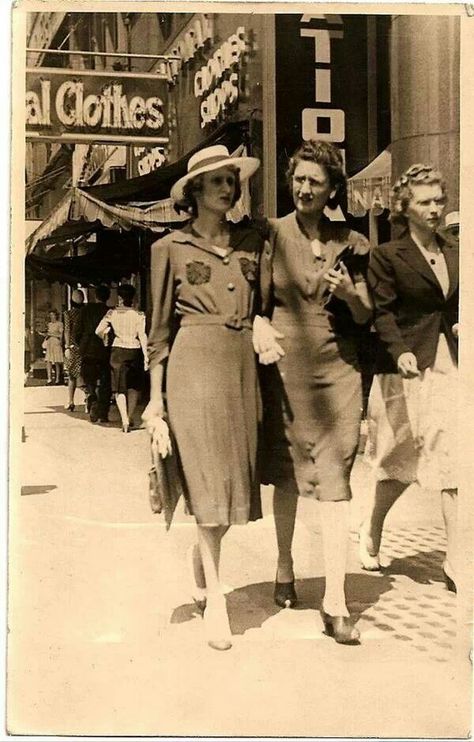
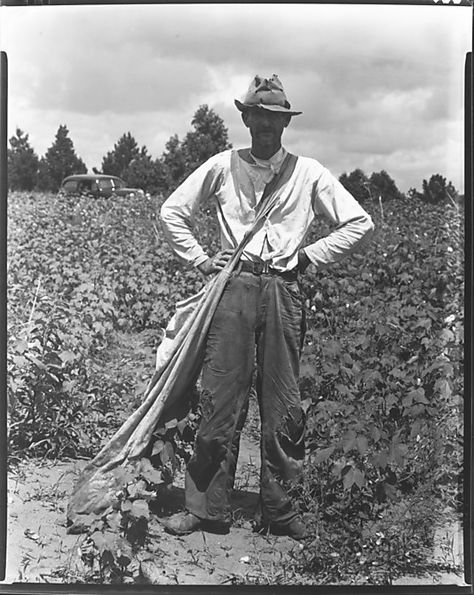
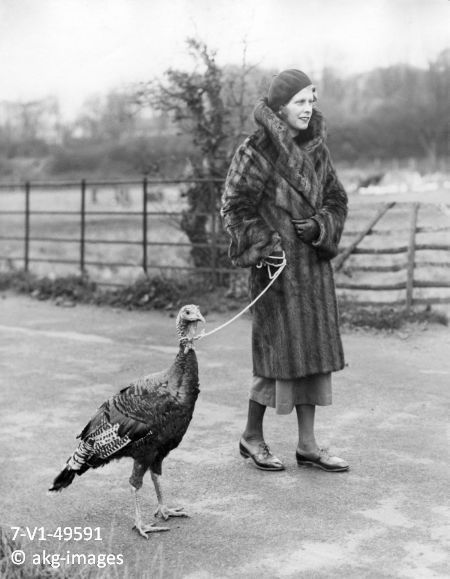
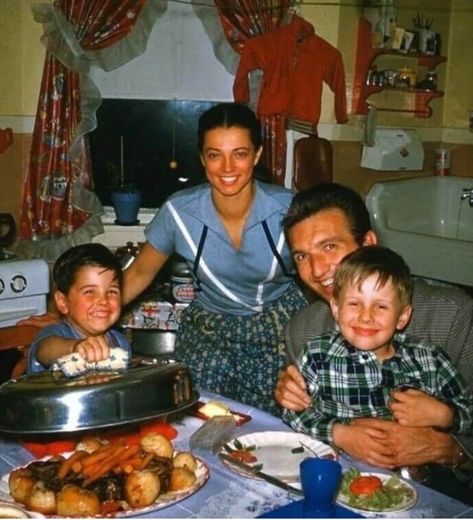
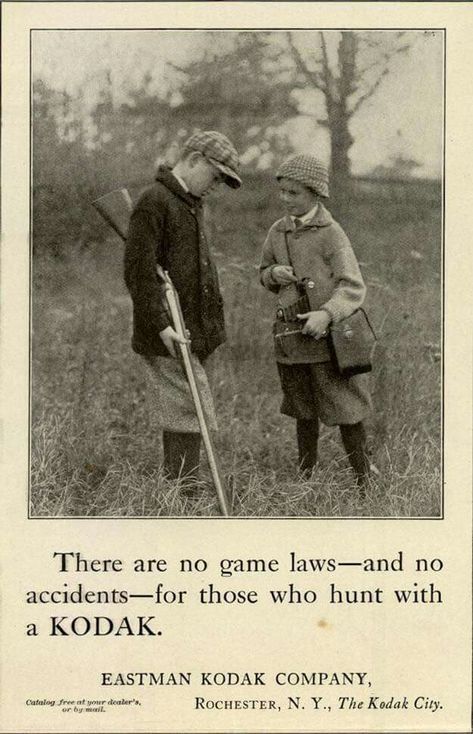
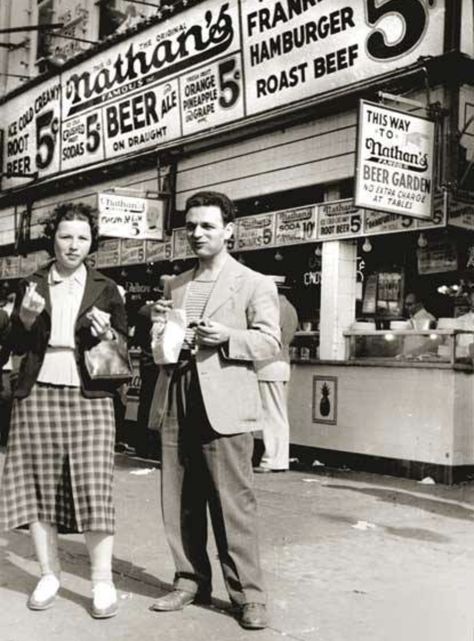
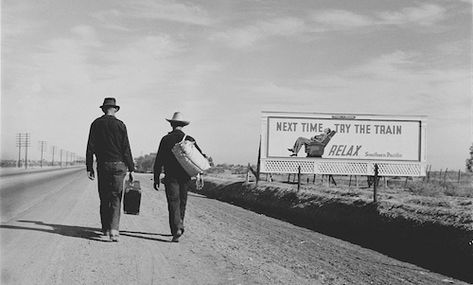
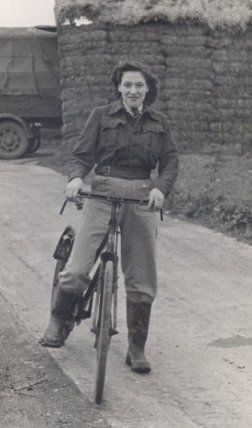


What is an insane coincidence that you’ve experienced?
I travelled to Zimbabwe in 1990 and initially stayed with a family in Bulawayo. The TV they got there was very limited, controlled from Harare and drip-fed via microwave into the Zulu end of the country. It consisted of Benny Hill re-runs, UK football matches, and the odd documentary.
We were all sitting in their 1970’s decor living room, watching the old brown television when I was asked .What is it like where you live in England?’
As the question was asked, the TV programme changed to a documentary about otters being re-introduced into the river Culme in Devon . My parents live in Uffculme and their house is very close to the Culme, and if you walk along the old railway track bed that follows the river you pass less than 100 yards from the house.
The otters mentioned in the TV programme were on and around the old wool factory weir which is on the river just behind mum and dad’s house
So, when they asked me, I just pointed to the telly and said, well, actually, it’s like that, because that is where my parents live and very close to where I grew up.
They were astounded….And then, to cap it all…I heard my dog bark….On the TV, in Zimbabwe … I said…’And that’s my dog….
And sure enough, it turned out the otter shots were done while I and my Springer Spaniel were visiting Mum and Dad 6 months before my African trip..
How weird is that!
She RAGEQUITS After Being Asked to Rate Herself from 1 to 10
Republican lawmakers are growing alarmed over signs that President Trump’s expanding trade war is hurting the economy. Do you think the tariff threats are having a chilling effect on the US economy?
Republican lawmakers are Trump’s poodles. They would not dare articulate anything adverse about his tariffs, maybe only in their bedrooms. No need to pay attention to them. There are plenty of signs that are not pretty.
First, there are the confusions. Trump is obsessed with Mexico and Canada. No one know what he really wants. There is this on/off of tariffs, such as for automobiles, but only for a month. He lets loose Elon Musk, who claims he had slashed off billions of expenditure. This is disputed. He did cut the size of the civil service and shut-down USAID. The civil service is in a flux. There are fears he plans to raid Social Security, Medicare, and Medicaid.
Investors took him seriously that he would cut taxes and slash red tapes. The market gave him the Trump premium. But hopes are fading. The premium is gone. He wants to cut interest rates, but the Fed is not convinced that inflation is under control, especially amid the uncertainties caused by his tariffs. Market chatters are loud about stock price corrections, especially in the fancied tech sector.
Even without tax cuts and notwithstanding Musk’s claims, fiscal deficit this year is expected to surge beyond $2 trillion, to over 7% of GDP. The national debt has surpassed $36 trillion and the annual interest bill is pushing $1 trillion. Such vast sums of money are unprecedented.
Trump’s tariffs are expected to raise prices for consumption and manufacturing, and the resulting higher costs of living and costs of doing business. There are also the uncertainties of retaliations.
Retail sales in January were weak, with consumer spending down 0.5% in real term from the month earlier. The consumer index published by the University of Michigan plunged in February. Initial claims for unemployment insurance last week rose to 242,000. The property market is under pressure, the mortgage rates hovering 7%. Pending home sales in January fell to their lowest since 2001.
This is still early day. Whatever tariffs he has announced are not yet in the system. He has a long way to go with tariffs. He has not yet dealt with EU and Japan. He is expected to be harsh on them. He claims EU had rip off the US over the years, while Japan owes it to the US, not spending enough to defend itself and passed the burden to the US. And there is still his reciprocal tariffs which he said he will announced on 2 April. Americans therefore find the uncertainties disconcerting and are worried.
Analysts at Morgan Stanley expect his tariffs will lop off a percentage point from the US growth rate. A high frequency tracker of GDP growth, published by Atlanta Fed, points to a contraction of 1.5% in 1Q25.
These are tentative. Nevertheless, it is fair to conclude that Trump’s tariffs have a chilling effect on the US economy.
Sir Whiskerton and the Burping Bullfrog: A Tale of Bloating, Boats, and Bovine Burps
The Burping Begins
The Investigation Begins
The Unlikely Cure
The Moral of the Story
A Happy Ending
The End.
Is China considered part of Western society by Westerners? Can you provide other examples of things that are not considered part of Western culture, even though they may be?
China is unlikely to be accepted by the West as part of so-called Western civilization.
It’s completely different from Japan.
Japan and South Korea can be accepted as “honorary whites,”
but China absolutely cannot.
Firstly, China itself is an original civilization, and secondly, China is too large in scale.
The West accepting China?
If that happened, would the West, especially the white world, still remain white?
With our massive scale and long history, we would quickly assimilate you.
(Chinese civilization is like a “drug” – once you come into contact with it, you can’t leave it behind. For example, calligraphy… a purely non-utilitarian, extremely challenging art form. Once you engage with it, you’ll spend endless time studying it, becoming immersed in it…)
Japan and South Korea can seamlessly integrate into the Western system because they were originally secondary civilizations of Chinese civilization.
For us, it’s impossible, and we wouldn’t even consider it.
To borrow the lament of Emperor Chongzhen at the fall of his dynasty: “Why was I born into the imperial family!”
There are 200 countries in this world.
Not many are born into the “imperial family.”
China is one of them.
To use a perhaps not entirely appropriate analogy:
China is a star – it can capture or lose satellites, but it is difficult for it to become a planet or a satellite itself.
“Oh, East is East, and West is West, and never the twain shall meet,
Till Earth and Sky stand presently at God’s great Judgment Seat;
But there is neither East nor West, border, nor breed, nor birth,
When two strong men stand face to face, though they come from the ends of the earth!”
Look, the most proud among you Westerners share a similar mindset to mine. Although everyone thinks they’re superior, in essence, we’re the same. However, unlike him, I don’t believe in the idea of the “end of history.” Instead, I prefer an old Chinese saying: “Thirty years east of the river, thirty years west of the river!”
“Thirty years on the east side of the river, thirty years on the west side” is a Chinese saying that reflects the idea of life’s ups and downs, and how fortunes can change over time.
It suggests that no one stays in a position of advantage or disadvantage forever.
“The emperor’s throne rotates; this year it’s my turn to rule.”(Black Myth,wukong, From The Journey to the West) This means that power and success are not permanent. Just as the emperor’s position changes hands, so too can anyone’s circumstances shift dramatically over time.
This is the most significant difference between China and other Asian countries.
Such sayings, like the one uttered by Xiang Yu 2000 years ago, “I can replace him(Qin Shi Huang Di)” have penetrated deep into our bones and become part of our DNA.
In contrast, I rarely see this in other Asian countries, including those in Southeast Asia.
Should the US be willing to go to nuclear war with China over Taiwan?
Unless American politicians decide to experience the world of Fallout, I don’t believe things will come to this point.
For the US, Taiwan is more of a pawn in its containment of China in the Asia-Pacific region, rather than a core interest. Engaging in a nuclear war with China, which possesses strong nuclear retaliation capabilities, over a pawn does not align with the fundamental interests of the US. Once a nuclear war breaks out, both the homeland of the US and global interests will suffer devastating blows, a cost that it can’t afford. The US is more inclined to use economic, political, and military deterrence measures to maintain its “position,” rather than opting for the extreme measure of nuclear war.
China has a comprehensive nuclear triad system, with land, sea, and air-based nuclear strike capabilities. Even if the US were to launch a preemptive strike, China has the ability to conduct effective nuclear retaliation, causing unbearable damage to the UShomeland. This nuclear balance prevents the US from easily initiating a nuclear war against China.
The US is also aware that its conventional forces in the Asia-Pacific region are unable to prevent the PLA from achieving national reunification actions. Relying solely on conventional military forces to intervene in the Taiwan Strait, the US military has no advantage. For example, in December 2024, the USNI published a rather concerned article suggesting that the US military should prepare in advance and establish new military bases on the third island chain. This is because the US military has found that these bases may be within the range of PLA missile strikes. Even Marines stationed in Ryukyu has begun to leave, preparing to withdraw to Guam 2,300 kilometers away, and if necessary, further retreat to Hawaii. This is a real strategic consideration. Using nuclear weapons will not solve the problem, but rather will lead to even greater disasters.
Nuclear war poses a huge threat to all of humanity and would trigger a global catastrophe once it breaks out. If the US were to initiate a nuclear war over the Taiwan question, it would face strong condemnation from the international community, leading to isolation and significant damage to its international image and reputation. Similarly, there is a serious division among the American domestic population and political forces regarding the prospect of a nuclear war with China. Nuclear war would result in massive casualties and economic losses, consequences that American society won’t bear. The government would face immense pressure domestically, and it would be challenging to garner enough political support to wage a nuclear war.
Of course, some people in the US, driven by their own political agendas or influenced by anti-China forces, occasionally make statements threatening China with nuclear weapons, such as this article published in Newsweek. However, these crazy statements are more of a form of “nuclear blackmail” and political manipulation. Hope it can’t represent the true intentions and policy direction of the US government.
What is the craziest thing you’ve had to do as a business owner to get someone to pay a bill?
My parents started one of the first computer dealerships in the U.S. and by extension I was involved with the business from childhood until I was well in my 30s. In 1995, when I was in college, I had a client who bounced a check for $3,500 dollars buying a Datalink Laptop and evading all calls from myself and other staff as to finding another way to pay for it. The police did not assist as they called this a “civil matter.” Our company attorney was not going to be cost effective as he would end up getting paid about the same amount as the laptop, by the time a lawsuit would conclude. I figured the laptop would come back one day for service and we would have a chance at recouping our money. I put the name of this client on a list of people who owed money to the company. About six months later one of the of the 50–100 computers which came in a week for service, a computer caught my eye. It was a Datalink Pentium laptop with a broken screen along with marks which showed a failed repair attempt had taken place. I wanted to see if the serial number was the same as the unit we were owed money for, it took about ten minutes for me to get a result even though they had done their best to obscure the serial number on the outside of the unit. They failed to realized the serial number was also present inside the unit in several places. It was the same unit.
The laptop had been brought in by a different person, and this female pretended to have bought the computer from a person she met in a restaurant. The screen was cracked which was about $1500 to replace for the customer and at the time out cost was about $700, I figured we could sell the unit as used for at least $2900 after replacing the screen and putting a full year warranty on the unit. Finally, this female called and I had the call transferred to me. I asked her how exactly she had bought the unit, and if she was a aware there was no warranty on the unit since it had been dropped. She wanted to have the screen replaced, I asked how she would pay, and she said she would pay with a check. I agreed, as I had a feeling it would be the same bank account. When she came to pay for the repair, we matched the check to the same account as before. So, we showed the prior bounced check and she pretended to not know anything. We told her the unit would be need to be paid for in full and also the repair would be added on the bill. She stated she going to get a credit card from her car. As I expected, she never came back.
We would rent out the laptop to one of our corporate clients for six months for $1500 and then sell the unit for $3000 at the end. In essence we made our money back from the laptop. The odd thing was that they had planned to essentially steal a laptop but ended up buying our brand, which could only be serviced by us. So there was a good chance the laptop would come back to us for one reason or another in time. They had indeed managed to procure a laptop without paying for it, but dropped it just months into having it. They had tried to find a screen for it, as we could see marks of another failed repair, but they could not source the screen. So they decided to have a person bring the laptop in for service, hoping we would not realize it was the same laptop. Incredibly, they tried to use the same bank account to again bounce a check. Obviously they believed the same game would work twice. We would eventually decide that all checks even when making it through our verification system would have a waiting period of five days.
Before my wedding, I decided to have a little fun with my AP. It was supposed to be my last betrayal
What are your thoughts on China retaliating with additional tariffs of up to 15% on some U.S. goods?
This time, China imposed an additional tariff of up to 15% primarily on farm products, including chicken, pork, soy, wheat, corn, cotton, sorghum, seafood, fruits, vegetables, and dairy. The estimated volume affected by these tariffs is around $40 billion.
It appears that U.S. farmers are the most significantly affected by these tariffs, sadly!
This is a meticulously considered countermeasure designed to put pressure on the U.S. while allowing room for possible further negotiations and actions to prevent the escalation of tariffs from the U.S., such as the proposed 60% tariff increase by Donald Trump.
A key factor to consider is that China exports around $500 billion to the U.S. while importing only $150 billion, resulting in a trade surplus of $350 billion. In this scenario, the U.S. holds more leverage than China.
It is surprising to see how China has responded quietly and without much bluster. I assume they have planned for all possible scenarios, including the scenario of a U.S. decoupling…
Let’s wait and see how things unfold!
The Library of…
Submitted into Contest #251 in response to: Dream up a secret library. Write a story about an adventurer who discovers it. What’s in the library? Why was it kept secret?… view prompt
Jack Lacey
Down the cobblestoned streets, devoid of life, a grand ancient-looking structure appeared. Its Gothic architecture, with towering spires and intricate stone carvings, beckoned him closer.
Despite the eerie, almost otherworldly feel of the place, John felt a flicker of recognition, a whisper of familiarity that he couldn’t quite grasp. Driven by this inexplicable pull, he started walking towards the structure, his footsteps echoing in the empty streets.
The closer he got, the more details he could make out. The massive wooden doors were slightly ajar, creaking as they moved with the faint breeze. The windows were tall and narrow, filled with stained glass that depicted scenes he couldn’t quite discern through the mist. Letters were carved into the stone, reading, St. Bernaldo Library.
John hesitated for a moment at the threshold, his hand hovering over the door handle. He took a deep breath, his curiosity and the strange sense of déjà vu edging him forward. With a gentle push, the door swung open, and he stepped inside, leaving the fog-covered city behind.
The interior of the library was vast and dimly lit, with towering bookshelves that seemed to stretch infinitely upward and outward. The air was cool and filled with the musty scent of old books, a smell that John found oddly comforting. He let the heavy wooden door close behind him.
As he took in his surroundings, John felt a sense of awe mixed with unease. The library was silent, shattered by the soft whispers of pages turning. However, he couldn’t see anyone else around.
The high windows allowed slivers of light to filter through, casting long shadows and creating a play of light on the dark oak floor.
John wandered through the aisles, running his fingers along the spines of the books. Many of the titles were worn and faded, but he could make out enough to see that the library’s collection was vast and eclectic. Classic literature, ancient texts, modern novels, and obscure manuscripts all shared space on the shelves.
He paused in front of a particularly old and ornate bookshelf, its wood etched with age and intricately carved with symbols he didn’t recognize. There was something about this section that felt different, more significant. As he continued to explore, he noticed a faint, almost imperceptible hum emanating from somewhere deep within the library.
Drawn by the sound, John moved deeper into the maze of bookshelves. He passed rows and rows of books, each one tempting him to stop and read, but the hum grew louder, guiding him onward. He rounded a corner and found himself in a secluded section of the library.
The secluded section was marked by a faded wooden sign that read The Trials of St. Bernaldo Library. The letters were carved with a precision that suggested great care and reverence. John’s heart quickened with a mix of curiosity and apprehension. He reached out and touched the sign, tracing the letters with his fingers.
He turned his attention to the books on the shelves. Unlike the rest of the library, these books had no titles on their spines. Instead, each book had a small, neatly written label attached to its cover. John pulled out a random book and read the label.
Sarah T. June 3, 1997.
He opened the book and scanned the first few pages. To his amazement, it detailed personal memories—specific moments and thoughts from Sarah’s life. John read about her first day of school, her childhood dreams, and her favourite places. It was as if someone had transcribed the contents of her mind onto the pages.
John turned to the last page and let his eyes trace over the black ink.
Sarah T. has not passed the trial.
Realization struck him. This section of the library held the memories of everyone who had ever entered. A chill ran down his spine, with a mix of curiosity and fear. He carefully placed the book back on the shelf and looked around, his mind racing with questions.
Driven by an urge to understand more, John moved quickly but methodically, scanning each label as he walked down the aisles. After what felt like an eternity, he found exactly what he was searching for.
Standing motionless, his hand trembled slightly as he pulled it from the shelf and read the words repeatedly—as if they would somehow vanish if he tore his gaze from them.
John Thompson.
He opened the book, and as he began to read, vivid memories flooded back. He saw himself as a child, devouring books in his hometown library, his parents’ faces, and his younger sister, Ellie, laughing at one of his jokes. He remembered his love for writing, the hours spent crafting stories, and the thrill of finishing his first novel draft. Then he saw more recent memories—visiting this very library, feeling the same sense of déjà vu, and a woman named Sarah, whose face was a blur but whose presence felt deeply significant.
John’s heart pounded as he read further, realizing that he had visited the library multiple times. The recognition was overwhelming, and he felt a mixture of excitement and dread. He had to understand why this was happening and what it all meant.
As he closed the book, he noticed a faint glow coming from deeper within the secluded section. Compelled by curiosity, he followed the light, hoping it would lead him to more answers about the library and his own past.
He navigated narrow aisles, feeling a growing sense of urgency. The memories he’d just read were like puzzle pieces, but the picture was still incomplete. He needed to find the source of the light and the answers it might hold.
The glow led him to a small, unmarked door hidden behind a row of shelves. It was old and ornate, with intricate carvings similar to those on the bookshelf. Taking a deep breath, John pushed the door open.
The room was unlike any other in the library. It was circular, with shelves that curved along the walls, filled with books that seemed to pulse with energy. In the centre of the room stood a pedestal, upon which lay an ancient-looking book, its cover adorned with mysterious symbols that seemed to shift and change as he looked at them.
John approached the pedestal, feeling the hum intensify. He reached out and touched the book—a surge of warmth spread through his fingers. He opened it and began to read, hoping to find more about his past and the library’s secrets.
The book detailed a hidden section known as the Sanctum of Erasure, a place where the most powerful memories were stored and guarded. It spoke of a guardian, a cloaked figure responsible for protecting these memories from those who sought to misuse them. The guardian had the power to erase memories to maintain the library’s sanctity.
John continued to read the ancient book, piecing together the clues about the Sanctum’s location. The book mentioned specific artifacts that acted as keys, scattered throughout the library, each linked to significant memories of past visitors.
John retraced his steps through the library, searching for these artifacts.
The first clue led him to a small, dusty alcove in a forgotten corner of the library. He found a delicate, old locket on a velvet cushion. As he picked it up, he was overwhelmed by a rush of memories—Sarah’s laughter, their shared dreams, and the day she vanished without a trace.
He continued his search, guided by the faint memories that surfaced with each step. His journey took him to various sections of the library, each filled with books and artifacts that stirred fragments of his past.
John found a fountain pen in the poetry section, a diary in the travel section, and a pair of old spectacles in the history section. Each artifact brought back memories—his first published poem, a trip he had taken with Sarah, and long conversations about history and philosophy. These items, seemingly mundane, were pieces of his lost life, and together, they formed a clearer picture.
As he gathered the artifacts, John noticed a pattern—each memory involved Sarah. She was the common thread that tied his past together. The realization hit him hard—Sarah’s disappearance was linked to this somehow.
With the artifacts in hand, John felt a sense of anticipation and fear. He returned to the circular room where he had found the ancient book. As he placed each artifact on the pedestal, the room began to change. The shelves shifted, and the floor beneath him rumbled. A hidden door slowly revealed itself behind the pedestal.
John pushed the door open and stepped into the Sanctum of Erasure. The room was bathed in a soft, ethereal light, with walls covered in flowing, glowing script that seemed to move like a living tapestry. In the centre of the room stood a large, ornate chest, and next to it, a figure cloaked in shadows.
The Librarian emerged from the darkness, their presence both intimidating and sorrowful. The Librarian’s face was partially hidden, but John could see shimmering golden eyes peering at him.
“You shouldn’t have come here,” the Librarian said, their voice a blend of authority and sadness.
John squared his shoulders, clutching the locket tightly. “I need to know the truth. What is this place? What happened to Sarah?”
The Librarian sighed, stepping closer. “The library exists to protect powerful memories and prevent them from being misused. Your visits, and your love for Sarah triggered a series of events that put the sanctity of these memories at risk. Sarah’s disappearance was a consequence of those events.”
John’s heart sank. “What events? Why not just tell me instead of taking my memories?”
“Some truths are too dangerous to remember,” the Librarian replied. “But your determination has brought you here, and now you must decide what to do with the knowledge you’ve uncovered.”
John looked around the Sanctum, his mind racing. He felt the weight of the artifacts and the memories they represented. He realized that the answers he sought were within his grasp, but they came with a price.
Determined to uncover the full truth, John stepped towards the chest, ready to unlock the final pieces of his past and confront the guardian of the library head-on.
As John approached the chest in the Sanctum of Erasure, the Librarian watched him carefully. The air in the room seemed to dissolve, as if the very walls were holding their breath.
With a steady hand, John reached out and opened the chest. Inside, he found a collection of ancient scrolls and artifacts, each radiating a faint glow. As he examined them, he felt a surge of power coursing through him, as if the memories contained within were alive and waiting to be unleashed.
But before he could delve deeper, the Librarian stepped forward, blocking his path. “You cannot go any further,” they said, their voice firm but tinged with sadness. “The memories contained within the chest are too dangerous. They hold the key to unlocking the full truth, but they also carry great risk.”
John’s resolve wavered for a moment as he looked into the Librarian’s eyes. He saw the weight of centuries of guardianship, the burden of protecting the library’s secrets from those who would misuse them. But he also saw a glimmer of something else—compassion, perhaps, or a shared sense of loss.
“But I have to know,” John said, his voice steady despite the uncertainty gnawing at him. “I need to understand what happened to Sarah.”
The Librarian hesitated, then nodded, as if rehearsed. “Very well,” they said. “But know that the truth may not be what you expect. Sometimes, ignorance is a kindness.”
With that, the Librarian stepped aside, allowing John to approach the chest once more. He took a deep breath, steadying himself for whatever revelations lay ahead, and reached out to take hold of the nearest scroll.
The Librarian shook his head as John unrolled the scroll. He read the words inscribed on the ancient parchment, each line revealing a fragment of his past and the events that had led him to this moment.
He saw flashes of his life with Sarah—their first meeting, their shared dreams, their moments of joy and laughter and love. But intertwined with these memories were darker, more sinister visions—her disappearance, the hidden agendas, and the secrets that had torn them apart.
As he read on, the truth became clear. Sarah’s disappearance was not a random event but a deliberate act, orchestrated by those who sought to manipulate the power of the library for their own gain. John’s repeated visits to the library had triggered a series of events that put Sarah in danger, and his memories had been erased to protect her and the library’s secrets.
The realization hit him like a physical blow, shattering the fragile illusion of his past. He felt a wave of grief and guilt wash over him, the weight of his actions and the consequences they had wrought bearing down on him like a crushing weight.
But even as despair threatened to consume him, a spark of defiance flared within John’s heart. He refused to let the truth destroy him, refused to let the darkness win. With a steady breath, he gathered his strength and prepared to face whatever lay ahead.
The Librarian stiffened. ‘I am sorry, but you have failed your trial,’ they said.
‘What trial?’ John questioned, retreating and allowing there to be a respectable amount of distance between them.
‘I am sorry John Thompson,’ The Librarian said.
Without hesitating, John sprinted through the library, the memories of his past and the weight of his newfound knowledge weighed heavily on him. John heard the hissing whispers of the Librarian mumbling something, followed with a rumble that shook the walls and caused books to fall from the shelves around him, but he didn’t think much of it. As long as he got out of St. Bernaldo Library, the Librarian could not take his memories.
With each step, he felt a sense of purpose growing within him, a determination to break free from the cycle of loss and betrayal and forge his own path forward.
As he rushed out into the fog-covered city once more, he knew that the journey was far from over. But he also knew that he was not alone—that he carried within him the strength of his memories, the power of his love, and the resilience of his spirit.
As he ran through the fog, his memories began to fade, slipping away like grains of sand through his fingers. He clutched his head, trying desperately to hold onto the threads of an unknown past to no prevail.
He tripped, tumbling to the hard stone below.
John Thompson blinked awake, his vision slowly adjusting to the thick, enveloping fog that surrounded him. He sat up, his head pounding with a dull ache, and looked around.
The city was deserted, the streets eerily silent. Buildings loomed out of the mist, their shapes distorted and ghostly. John had no memory of how he got here, or why he was alone, but something about it felt awfully familiar.
How do wealthy people manage their money differently from the middle class?
One fundamental difference is the relationship with their Accountant
The Middle Class, use their Accountant to file tax returns every year and that is that
They manage their own money
They invest, save their own money
They control their own money
The Wealthier classes, use their Accountant to handle and manage their money for them
Except they are called Financial Advisors
They handle all inflows of income, investing the income, paying expenses, planning taxes and paying taxes
Neither Dhoni nor Mrs Dhoni would have any idea how much money they have real time or how their assets have grown on a day to day basis
They would get a report of their wealth every six months or once a year
They would have customized credit cards with insanely high limits and a phone call to a Manager for any payments they want to make
If they plan a vacation, everything is organised and paid for by the Financial Advisors and Accountants
Even the Cash money they want to spend is handed over to them by the Financial advisors
The network of managers and financial advisors plan the incoming revenue, outgoing expenses, investments and taxes
If Mrs Dhoni wants to buy a home, all she needs to do is select the one she likes and decide when to perform the ceremony
She has no reason to bother with where the money is coming from and what the interest rates are
That is decided by the financial advisors
For their services, they charge between 6 to 10 per cent of the total income from inflows and investment
—
The downside to this is that the financial advisors may mismanage the money under their trust
So the better option is to ensure someone trustworthy is your financial advisor
—
So the wealthy people focus on their core competence
Playing Cricket, Acting, Designing a Computer chip, Philanthropy, Managing a Multi Million Dollar Business etc
Their money is managed by professionals
The Middle Class cannot afford to do that
They have to manage their money on their own
Examining Bank Deposit rates and checking if every rupee of interest has been paid, Screening through 20 Banks for 0.05% higher interest, Calculating income taxes on their own and disputing an extra 500 Indian Rupee tax due
—
This is generalization
I know rich people who would never trust a financial advisor with their money and would go through everything with a fine comb
—
The wealthier you are, the burden of managing your wealth can be handed over to someone else while you relax and focus on what you do best
It is why the jump from middle class to rich is extremely steep
It’s when you are in a position to trust someone else with your wealth and when your wealth is considerable enough for you to necessarily entrust someone else to manage it
(Manage – is not the same as just Investing. Manage is receiving inflow, monitoring inflows, paying expenses, paying taxes, investing and planning)
—
This was a question in one of my job interviews
“How do you know you are rich?”
I answered “When I cannot keep up with how much money I have and need someone professional to tell me”
Kitchen Hints and Tips
Snacks
Popcorn
- Popcorn will pop better if you store it in the freezer and pop while frozen.
- Buy the inexpensive brand and keep the kernels in the refrigerator. Put them into hot oil to pop.
- Make sure all your popcorn kernels pop by rinsing them in cold water before cooking.
- Make gourmet popcorn by melting 1 tablespoon each of peanut butter, grape jelly and butter and pour over 6 cups of popped corn.
- “Old maids” can be eliminated by running ice cold water over the kernels before throwing into the popper.
- Form popcorn balls around lollipops.
- Before you serve it, put fresh popcorn in a large plastic bag with a small hole cut in a bottom corner, then shake. The unpopped kernels will spill out from the hole.
- Popcorn should always be kept in the freezer. Not only will it stay fresh, but freezing helps eliminate “old maids.”
Potato Chips
- If potato chips lose their freshness, place under the broiler for a few moments. Take care not to brown them.
- For garlic-flavored potato chips, put a peeled garlic clove in a container with chips for several hours. Discard garlic clove before serving chips.
- Freshen soggy potato chips quickly by placing in a 375 degree F oven and baking for a few minutes. Watch them carefully and remove before they brown.
Potato Peels
- Potato Peel Snacks: When peeling potatoes for mashed potatoes, save the peelings, toss them in a bowl, season with salt, pepper and a little Italian dressing and bake at 400 degrees F for 20 minutes, or until they are crispy. It makes a quick and healthy snack.
Why would someone want to live in a hotel permanently?
Because they are wealthy, have no interest in owning or managing a house (or even hiring personnel to manage it), and the hotel provides accomodation, and full service to their guest. Now, a person who may decide to live in a hotel long-term would likely have a substantial discount, especially if they are precise in their payments, and likely live in a suite, not a room. Something like this, with a bedroom (or sometimes two, for guests or for a personal assistant or butler), one or two bathrooms, a living room, and often a kitchenette:
Being in a hotel means that you never have to worry about cleaning and other issues, if there is any maintenance to be done, you will be moved to a different suite for a few days, but since you always occupy the same suite you can customise it with personal decor. If you have a kitchenette you can make your won meals if you want (or rather have the butler do it for you), order your meals from the room service, or also use the restaurant. Basically you have all of the comforts of a home and none of the hassles.