
No comment
USN under Trump
Earlier this week, I posted about the US Navy’s continued self-humiliation when they announced plans to steal a Coast Guard cutter to become their new “frigate” to fight China with.
Srash posted an off-hand comment that was so silly I didn’t even find it too funny… at the time.
Well… it looks like I’ve grossly underestimated the ability of the US Navy to further enshittify itself.
The very next day, Trump announced this:
I… I genuinely struggle to find words to describe the absolute insanity of these moves.
Let’s review the litany of failures of the US Navy since 2000:
- Tries to build a “gun-focused” stealth destroyer, the Zumwalt. Gun ends up being literally too expensive to fire, and ship itself is a disaster, only 3 built, program cancelled.
- Tries to build a “modular” littoral corvette, the “Littoral Combat Ship”. It is now better known by all as the “Little Crappy Ship” and widely considered the worst ship ever designed by a modern naval power.
- Tries to copy an Italian frigate, fails, cancels program
- Decides to steal a coast guard cutter without a single missile launcher or real gun to be the new “frigate”. This will be the most lightly armed frigate in naval history since the advent of steam-power.
And now…
BATTLESHIPS! BIG, BEAUTIFUL, TRUMP-CLASS BATTLESHIPS!
Or at least that’s what Trump is calling them.
In his speech, Trump claims that this is the first time that the US is launching a battleship since 1994. As always, his number is wrong. The last battleship built by the US was in 1944, the Iowa-class. And even in 1944, the concept was obsolete.
Fortunately for the US Navy, there are still a few adults left in the room, and the new “Trump-class battleship” is not an actual battleship, except in tonnage terms (est. 35,000 tons). In reality, it is a massively oversized guided-missile cruiser, similar to the Soviet Kirov class “battlecruiser” which is also not a “battlecruiser”. Another way to think about it is that it will be an Arleigh Burke destroyer, except 4X heavier, and only about 50% better armed (if we assume that the rail gun will ever work).
The main armament is a 128-cell VLS battery, which is only 16 more than the PLAN’s Type 055 DDG. But the ship is 3.5X larger than the Type 055, and about 12X more expensive (assuming a single hull is ever built, and to budget). Oh, and the Type 055’s VLS cells are extra-thicc, so in reality it has more VLS total area than the Trump-class will.
—
A MEME AND A GRIFT
Let me make something crystal clear: not a single one of these ships will ever finish construction. It is an open question if they will even start construction. The design isn’t finalized and there’s only one naval drydock in the entire country that’s large enough to build something like this. And that drydock is currently building aircraft carriers.
This project serves only 2 purposes:
- Placate the Trump baby
- Launder money to defense companies courtesy of the American taxpayer
Tens of billions will be sunk into this project in the coming 3 years, and not a single hull will be built. When the next president takes over, regardless who it is, this project will be cancelled. It will go down in history as the worst naval development failure, even worse than the Zumwalt and LCS, at least those ships has a defensible concept, the Trump-class is just a meme from day one.
—
COMRADE TRUMP STRIKES AGAIN
For the PLAN, this is yet another windfall.
Even though not a single Trump-class “battleship” will ever be built, and the budget for them hasn’t even been formally allocated yet, it’s a fairly safe bet where the money and resources will be cannibalized from: the Arleigh Burkes.
The Arleigh Burke destroyer is the ONLY US Navy warship that is still in serial production, and also the only “modern” warship in the entire US Navy. The only other warships that the US has to throw at China are the Ticonderogas, which the US Navy is planning to retire.
So having fewer Arleigh Burkes will just be another benefit to the PLAN.
Thank you Comrade Trump, you have once again contributed to bringing about the Chinese Century of Prosperity, and the corresponding American Century of Humiliation.
Comrade Trump is providing critical support to the ascendency of the PRC, one Trump-class “battleship” at a time!
China’s pre-owned car exports boom And the prices are surprising.
Project Dome
Written in response to: “Center your story around a person who believes they’re the last human on Earth.“
Tamara Chase
PROJECT DOME
Chapter one.
One is the loneliest number.
It wasn’t supposed to happen for at least another fifty years. Stars like our sun are supposed to last ten billion years. To say we on earth weren’t prepared for this event was an understatement. Most of the population still didn’t believe that our sun was on its way out. The population figured it was another scheme to get people to save energy the ozone layer, or recycle more.
The day the World Leader verified the terrible rumors, he downplayed the harsh reality with promises of underground safety and dome-type structures in place to house the population. Not many seemed to address why anyone would want to live through such a catastrophe.
Earth’s sun burning out wasn’t something anyone could fix except God. It didn’t look like He was going to intervene, and He didn’t. Even with the cooling temperatures and the sun flickering, the people went about their lives like nothing so devastating and life-ending was coming.
Many dome-like structures were supposed to be built, each housing several thousand people, but we didn’t get started soon enough.
On this particular day, I and five other scientists were working in Dome One, trying to figure out the glitch in the water system. This unit was to house five hundred people. The six of us had been working most of the day, and we had fixed the water system. We were ready to head home when it happened.
The sun started flickering, going dim, then bright. We were standing in the main room at the entrance of the Dome. A giant room with mostly windows. Huge panels of unbreakable glass-like material. The flickering sun was still going from dim to bright, but the dimness lasted longer each time. Then the flickering stopped, and it was like it was late afternoon again. We collectively let out our breaths. We all felt a little shaky and started talking simultaneously, nervous and relieved, and that’s when the unimaginable happened. The sun flicked off for the last time. We stood there looking up at the strangest sight. The sun was a dark mass, but the day still looked sunny. The light from the burned-out sun was still traveling. When the last traveling light reached us, utter, complete blackness would be beyond the Dome walls.
Chapter two.
Hello darkness.
No one said anything. Our brains were trying to process what had just happened. Then, instinct told me I needed to get to the panel at the entrance of the Dome and get it locked. I started running as I heard a noise outside, getting louder by the second. But I was running on instinct. Then, the reality slammed into my head. I had to get to the panel and lock the entrance before people running to the Dome could get there. Because if I couldn’t lock the entrance door, we would all die.
Those outside when the sun finally burned out were already dead. Men, women, and children, walking or running, were dead. I hit the panel seconds before the masses hit the Dome. We six were silent as the chaos outside the Dome took place. The people were pounding and screaming at the door, demanding to be let in. We couldn’t let them in. There was room inside the Dome, but if we let them in, we all would die.
You see, you had to undergo a sterilization process before entering the Dome. A process that took five minutes. We could have let four hundred and ninety-four more into the building, twenty at a time. But the scared, panicked people outside wouldn’t have counted off twenty and stopped. They would have all rushed in at once, and we couldn’t stop them. Listening to the screaming and pleading people outside was agony. The only saving grace was that we couldn’t see anyone after eight minutes because it was pitch black outside. It took eight minutes for the light from the sun to reach us after the sun burned out. In those eight minutes, we saw our friends and, worst of all, family members outside begging to be let in. We had to endure this for several days. It took days for the earth’s temperature to cool, so life was no longer sustained.
I’ve considered why we didn’t prepare for this sooner so more people could have been saved. And then I think, save for what? For life inside a Dome module? Watching what some people were capable of while trying to get in gave me an idea of what they might have done if they knew there could be no long-term consequences.
Perhaps we thought we might be rescued by another life form. This is the only reason I can think of for proactively surviving a disaster of this magnitude. But we stayed alive by keeping the others out. I know that memory stayed with us.
Chapter three.
Table for six.
We six, consisting of three men and three women, lived alone on the face of this planet in what was known as Project Dome. The rest of the earth was a frozen ball of blackness. The scene that lay beyond our walls, thank God, could only be imagined. Unless rescued, we knew we would live together in this Dome until old age. There are no germs in our environment, nothing to end our lives prematurely. This was the only way to eliminate the need for hospitals and medicine.
Our computers supply synthetic water and the only sustenance required for our bodies. The latter is in pill form, which we swallow once a day. We will either have to be rescued or become old and feeble and eventually be unable to care for ourselves.
There will be no procreating in Project Dome. The sterilization process we must engage in before entering the Dome eliminates the reproduction capacity. I am sure we would all have agreed not to reproduce; however, this subject was never discussed. It reminded us of our mortality.
We six weren’t alone in Project Dome. We lived with fifteen robots, who carried out some of the tasks required for the upkeep of the Dome. The robots weren’t needed for much more than simple housekeeping and grounds maintenance, and we didn’t interact with them much. They were programmed while the people slept.
The one thing that weighed on our minds and contributed to our endless bouts of depression was the fact that we would never eat solid food again. Once a day, one gray pill was all our bodies required to sustain life. A scientific miracle, yes, but an unintended torture nonetheless. I know the luxury of sitting down to a meal must seem trivial. But while we endured months of meaningless existence, dreams of real food governed our thoughts. We knew our lives were over; it was a matter of time. There were no simple pleasures to look forward to aside from sex, and this lost its ability to overcome after a short time.
We had no vacations or picnics to look forward to. No birds flying overhead, no babies to bring joy to our lives. Nothing but this circular Dome with six people living inside and black frozen nothingness outside, forever. Yet, live on, we did, and we endured the same monotonous routine time in and time out for months. For we have no day or night. We have no summer, spring, fall, or winter. Only time. I know there were times when I didn’t think I could hold it together. I’m sure that had to be true for everyone. We did have a library in the Dome, where one could read just about any book one could think of. But I found it made me homesick for my old life. We could watch movies to fill the endless periods, but the feelings when the movie was over are hard to describe. For there was nothing left. No cars, no airplanes, no lakes or rivers. No fishing or hunting or going out to dinner. No ordinary life problems to solve. There certainly wasn’t any need for money. The magnitude of the loss we have experienced goes on. So why was food and the need to eat something so prominent? I can’t understand. Only that it was.
Chapter four.
Green eggs and ham.
We were consumed with thoughts of real food. I guess there were many small luxuries of life we could have chosen for our thoughts to be consumed by, but I think this particular one picked us. Our existence was over, and we couldn’t think of anything else except eating real food. We had accepted the reality of our lives; why couldn’t we accept that we would never have a real meal again? We just couldn’t. We would torture ourselves and each other with food conversations, describing in minute detail the textures, colors, aromas, and tastes of every food we could think of. Looking back, I think these conversations helped to alleviate some of the cravings. We were being ridiculous, but we couldn’t stop. I don’t know if anyone will ever find us or read this journal, but I still have to write mainly for myself.
You see, we found the answer to our dream. After endless months of a gray capsule swallowed once a day, one of us stumbled across a large crate marked ‘experimental vegetable seeds.’ Perhaps the scientists had thought to provide a more naturalistic environment within the Dome, thus providing gardens and gardening for the people. We didn’t care why. All we cared about was that they were here and we had found them! We do have artificial soil and plants. These are almost like the real thing, yet not real. But the seeds were real, the product they could produce was real, and finally, we felt we had something to look forward to.
They were found in the entryway, in a sort of closet-type compartment on the other side of the sterilization chamber, a place we had never had any reason to explore, waiting to be discovered, planted, nurtured, harvested, and eaten. Yes, eaten. Our tortuous make-believe food conversations took on a whole new meaning. We were fairly confident that the artificial soil could support the cultivation of vegetable seeds. The environment we lived in was constant and virtually ideal for growing a garden.
So, grow a garden we did. We selected one of everything in the crate. There were carrots, lettuce, broccoli, tomatoes, onions, peppers, and potatoes, a virtual smorgasbord of delights. We had decided to let some vegetables go to seed so we could continue to have real food for as long as we lived. Our existence finally had meaning, for we had a garden to grow.
We held our breaths in anticipation to see if the artificial soil could produce a live plant. We felt the synthetic water wouldn’t harm them, for it didn’t harm us. We refused to believe that we had stumbled across these jewels, only to have our hopes dashed from the soil unable to support life.
Our fears were unwarranted. The feelings that the green mist of seedlings poking their heads above the soil gave us were not unlike the feelings a mother has when she looks at her baby, I’m quite sure. Weprettyasized about our vegetarian feast that wasn’t so far off.
During the waking hours, we laughed and joked, something we hadn’t done for quite some time. We tended to our seedlings and later full-grown plants. We disciplined ourselves not to pick the vegetables before they were ripe, surprisingly well. We had agreed that in one more week, we would harvest. None of us slept well in anticipation. The thought of getting to experience these vegetables was unequaled to anything I had ever dreamed of in my entire life.
Chapter five.
I robot.
None of us had expected what happened next, but we should have. As I write in this journal, I weep at the memory of it. For during the so-called night of our damned domed existence, the robot maintenance crew leveled our beautiful precious garden. Once it had happened and we got over the initial shock, it made perfect sense. Any foreign matter was removed while we slept with the meticulous care of the robots. We didn’t see them much because they only came out while we slept, or we might have realized the potential threat and been able to save our exquisite garden. Why they hadn’t discovered it sooner, we weren’t sure. It definitely would have been less painful had they found it sooner. For we were less than a week away from harvest.
We felt defeated and depressed beyond belief. We all did nothing but lay in our bunks for days. If someone had told me a few months ago that a carrot, or lack of one, could have triggered such enormous feelings, I would have thought them insane, but it was real.
After we wallowed in our misery for a few days, the verdict was unanimous: we would replant. This time, we would watch our garden with vigilance. We would rotate on all-night shifts to keep a 24-hour watch. Our precious tomatoes, onions, and peppers would reach maturity this time. We could intervene with the robots’ work, but our expertise didn’t include programming the damn things, so we had no choice but to keep an ever-watchful eye. It turned out it was easy to intervene with the robots. We wished we had known because we would have been eating by now. So now we had months to wait again. The good news was we had nothing else to do and nothing but time.
Chapter six.
Let’s get ready to rumble.
I don’t need to articulate the procedure again. Our hearts were in it because what else did we have to look forward to except our garden and the much-anticipated meal? But it was different this time, and we were anxious and afraid instead of light-hearted and cheerful. So, night after night for months, we took turns rotating on a night shift, and we were able to intervene when the robots came again.
Well, were we successful? Did we finally produce a garden with a crop fit for a king? After months and months of waiting, did we get our payoff? Yes, we did. Our first meal was the most memorable, and we made absolute pigs of ourselves. We crunched and chewed carrots and broccoli and tomatoes and potatoes for hours. It was a little like heaven in the hell we lived in. We ate until we were full, then we ate and ate some more.
I think we were all anxious to go to bed so we could wake up and have breakfast to look forward to. We all ended up throwing up and having bouts of terrible diarrhea, but we didn’t care. After we recovered from our belly aches, we could verbally reflect on our first great disappointment with the garden. We felt melancholy and deliciously full for the first time in a long while. We spent several months experimenting with every vegetable recipe we could think of, and we were truly content.
We had no cookware because the gray pills replaced any need to cook. We managed to come up with pots and vessels to cook in. Then, we created a stove that produced enough heat to bake, fry, and boil. We mutually painstakingly avoided any talk of our dismal surroundings, and it was beautiful to enjoy conversation.
Chapter Seven.
Down with the sickness.
The happiness was relatively short-lived. After about a month, the first signs of sickness started showing up. We thought it was just our bodies adjusting to the food introduced into our systems. We tried slowing down on our real food and ate every other day. On the off days, we took our gray capsule. This seemed to help, but within another month, three of us were dead. There was nothing we could do; we had no doctors.
The three of us that were left didn’t take time to grieve. We were too busy trying to find the cause of the sickness, which might tell us how to cure it. We ran tests on everything and came up with nothing. We knew if we had the same sickness as the other three, we didn’t have much time left, so we did the one thing we had hoped we wouldn’t have to do. We ran tissue samples on our dead. The computers told us something our brains couldn’t comprehend: that the tissue and, ultimately, the body had been killed by germs. The sterilization chamber removes the immune system, so even the common cold could kill us. But since we live in a completely germ-free environment, we need no immune system. Everything that comes through the chamber is freed of germs, so how did these germs leak in and kill us?
Chapter Eight.
Time is on my side.
I’m the only one left and don’t have much time. I’m hurrying to finish this journal before I, too, die. I have figured it out. You see, the one specific we overlooked too late was where we found our crate of killer seeds. They were in storage outside of the sterilization chamber, and we didn’t stop to spend the five life-saving minutes required to protect us from the germs they carried. Oh sure, I think I can step into the sterilization chamber, and all the germs that are living inside my body would be destroyed. But I don’t think I’m going to try that. I would rather be dead than live my life out alone in Project Dome. So, in another day, two at the most, I too will be killed by the germs, and the human race will be extinct.
Mushroom Soup (No Cream, No Flour)
I don’t know what’s come over me lately, but I can’t seem to stop making soups. This time we’re using white button mushrooms, herbs, and a few other simple ingredients to create a creamy healthy easy vegan mushroom soup without cream or flour. Not to brag, but this hearty mushroom recipe is also gluten-free and paleo. So, it’s basically air. Nobel prize here I come.

I said creamy mushroom soup, and the secret here, again like the butternut squash soup, is cashews. You can of course, use coconut milk too. I had made some cashew milk the day before, and I used it to make the soup thicker and creamier. I didn’t strain it, so those small chunks you see in some of the photos – it’s cashews. You won’t have them if you use coconut milk or strained cashew milk.

Another magic trick I did to make things creamy was blending about a cup of the soup, once it was all cooked and adding that blended mush back into the cooking pot.
Result = SO good! I actually am not crazy about mushrooms (they kinda freak me out), but this soup is amazing! We enjoyed it for dinner and then for lunch the next day. Here’s the recipe and I’ll include the step-by-step photos below.
Yield: 3-4
Mushroom Soup

Using white button mushrooms, thyme and a few other simple ingredients, this tasty creamy easy mushroom soup is healthy, vegan, gluten-free and made without cream or flour.
Ingredients
- 12oz/ 350g white button mushrooms, washed, sliced*
- 1 onion, finely chopped
- 2 garlic cloves, minced
- 1 carrot, chopped
- 1/2 cup spinach or kale (optional)
- 1 tbsp fresh thyme leaves
- 1 tsp fresh ginger, grated
- 1 tbsp olive oil
- 2 tsp crushed red pepper
- 2 cups water**
- 1 cup cashew milk***
- 1-2 tbsp lemon juice (fresh)
- salt and pepper to taste
Instructions
- Clean and slice the mushrooms. Finely chop the onion, kale (or spinach if using) and carrot, mince the garlic, grate the ginger and wash the thyme leaves.
- Sauté the onion and garlic with the crushed red pepper, grated ginger and olive oil in a cooking pot at medium-high for 1-2 minutes until fragrant.
- Add in the mushrooms and saute, stirring for about 2 minutes. Then add in the carrots and the kale. Stir for two more minutes. Add salt, pepper and the water or the stock.
- Bring to a boil and add the thyme leaves. Once boiling, reduce the heat and simmer 15 minutes.
- Add in the cashew milk and the lemon juice, and cook for 2-3 more minutes, stirring.
- Take out 1 cup of the soup and blend it (I used an immersion blender for this), then add it back in to make the soup thicker.
- Stir for a few more minutes and serve!
- Enjoy!
Notes
*cremini mushrooms will do just as well
**or stock
***you can also use coconut milk; for the cashew milk, I blended ⅓ cup soaked cashews with ⅔ cup water
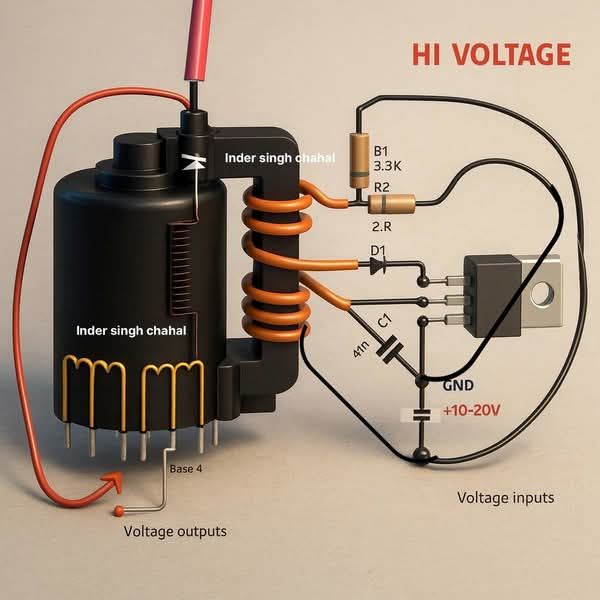
Pictures

















He Groomed a 12-Year-Old Online. Then Hid Under Her Bed.
What type of locks can lock pickers not easily break into? 11 more answers
·
Oooh! I know this one!
I pick locks as a hobby, and at school I used to piss people off by casually opening their combination locks without looking at them (the cheap ones are easy – the better ones take more tries). I utterly failed to open the combination lock of a safe at a clients’ office, even though they gave me an hour to open it. Damn… I would have loved to see their expression if I had succeeded…
I also used to teach locks and locking mechanisms at the Security company I used to work for.
So here’s a sort of overview answer:
The most basic kind of lock is the old-fashioned mechanical lock. Here’s an example…
There are of course, even simpler locking systems, such as this
But frankly, they are about as secure as tying something up with a piece of string, because even without training, you can quite easily open such a lock with a bent nail.
But returning to the cylinder lock above (the first image, not the padlock). Look carefully at the key. The key has two levels of security:
- Insertion protection: The lengthwise grooves will prevent the wrong key from even being inserted into the lock.
- Rotation protection: the jagged part along the bottom of the key will align with the pins in the lock and allow the rotation of the cylinder only if the pins are aligned correctly.
Sounds secure, right? Haaaahahaha. No.
*** Edit for clarity: Because we are only dealing with a single row of pins, picking this is not difficult.***
I can pick a lock like that in a few seconds, no kidding. It takes two elements to do this, and a little dexterity in your fingers:
- A torsion wrench, which is basically a Z-shaped tool with a flat end that allows you to apply a gentle rotation to the lock.
- A pick, which you insert into the lock and “stroke” the pins. Due to the gentle tension, once a pin is in the correct place, if you haven’t applied too much or too little rotational torsion, the cylinder will turn a teeny weeny bit and hold the pin in place.
Once the last pin is aligned, the cylinder turns. Bam! Door opened.
It astonished me when I visited the US recently how many doors still have this pretty useless type of lock.
But mechanical locks can be more complex (and secure). I’m most familiar with Swiss locks, so here’s an example of a fully-mechanical lock with its key (from KABA):
Those holes in the sides of the key are where the pins aline to allow the cylinder to rotate. Now in principle it can be picked like the simple cylinder lock above – and it even lacks insertion protection. But the difficulty is that I’d need to jiggle the pins on both sides of the lock (which align with both sides of the key), which is a lot tougher to do.
And then we get this sort of key (same supplier):
Okay – this is getting gnarly. Notice the complex pattern? Headache stuff.
Or this:
Damn – look at those microgrooves and holes, even along the fricking EDGE of the key! What are they trying to do? Make the lives of lockpickers as hard as possible? Oh… yeah. Of course.
But so far we’re just talking mechanical locks. Let’s take a look at a mechatronic key. (Actually I think the key above is also a mechatronic key…):
This key uses the mechanical protection described above, but in addition has a chip in the “head”. An RFID chip which is activated when it is in a corresponding lock (or close to it, as such keys can also function as access badges). Even if all the mechanical pins are lined up, there is at least one pin which you can’t even get to mechanically – which aligns only when the RFID chip sends the correct code. So with my paltry lockpicks, I’m pretty much screwed here.
Also, such locks can be programmed to allow access (to regular employees, for instance) only during office hours, so their key won’t work outside regular working hours. Neat.
And the more sophisticated systems also allow access tracking, so you can tell who unlocked which door and when – or more precisely: Whose key opened which door and when…
Which brings us to biometric locks:
Because keys can be stolen and used by someone else, access control companies are very interested in locks that don’t need a key that can be lost or stolen. So fingerprints, retina scans… I unlock my phone and my laptop with my fingerprint nowdays. It’s reliable and consistently works.
So does this mean that such locks can’t be “picked”? Well, they can’t be opened with a lockpick, but one of the most fun parts of working in Security was penetration testing of physical security. So we had to try and get into secure areas without having the right access code or key. There are still ways of getting in, of course. The old classic: watching someone type their code into the keypad. Works great from across the parking garage with a zoom lens and a video camera. And the person thinks they are alone. Yeah…. no. We now have your code!
Or my favourite, which of course only works with regular doors and large companies: hurry up behind someone, especially in the rush hour, with your arms full of boxes. That nice gentleman will hold the door for you. And… you’re in. Works best if you’re a pretty girl – so that wasn’t my speciality. But fast-talking my way in was. Two times out of three someone believed my sob story of the lost access badge and I have a meeting and I work in corporate Comms with ((insert actual name here))… Sorry, sorry… Oh thanks! You’re a life saver! (not… cos now I’m in.)
Or the old “I’ll show myself out”, and then hide instead of actually leaving, and you’re in during the night.
Soooo… No system is secure. Or better: Every system is only as secure as the people using it. You can have the best. most secure access system, but if someone holds the door for a total stranger – it’s useless.
There is no such thing as an “unpickable lock” or 100% secure access control. But there are degrees. My skill at lockpicking ends at the simplest Kaba lock I discuss above, for instance, and anything beyond that would require me to bypass the lock entirely. Or to take out the door hinges. Did I tell you that story? Oh okay – another time, then.
Disclaimer. No, I’m not affiliated with KABA – I’m just quite familiar with their locks because they are in widespread use here. There are other excellent lock companies here also, but the underlying principal is common to them all – so I simply chose KABA as an example.
Question: What type of locks can lock pickers not easily break into?
The Pigernator’s Mud-Wrestling Musical
A Tale of Swine, Slop, and Second Chances
It began, as all things theatrical on the farm do, with a dramatic accusation.
Oinkster, the porcine prodigy of pathos, stood atop a feed bucket in the middle of the sun-baked pigpen. His snout was raised to the heavens, a single, artfully placed daisy behind one ear.
“A grave injustice has been committed!” he proclaimed, his voice trembling with the vibrato of a born thespian. “The very spotlight of this pen—the sacred glow of creative attention—has been usurped! Stolen! By a… a cybernetic philistine!”
He pointed a quivering trotter across the slop.
There, lounging in a particularly luxurious mud puddle, was the Pigernator. His leather jacket was draped over a fence post, his signature sunglasses perched on his snout. He was not doing anything particularly dramatic. He was simply… enjoying a mud bath. But for Oinkster, the sheer, relaxed presence of the massive, formerly fearsome pig was an act of theatrical aggression.
The Pigernator opened one eye. A low, grumbling sigh, like rocks tumbling in a gentle stream, emerged from his chest. “My core functions,” he rumbled, “are currently dedicated to thermal regulation and sediment suspension. Your dramatic frequencies are interfering with my mud.”
“MUD?” Oinkster shrieked, leaping from the bucket. “This isn’t just mud! This is my stage! And you, you chrome-plated chorus boy, are downstaging me with your… your silent, stoic competence!”
Sir Whiskerton, observing from the shady fence line, gave a slow blink. This had the potential to escalate from drama to debris. He nudged a small stone with his paw.
The stone rolled into the pen, landing with a plop in the mud between them.
Both pigs looked at it.
Then they looked at each other.
An idea, absurd and wonderful, bloomed in the humid air.
“A duel,” Oinkster whispered, his eyes gleaming. “Not of brawn… but of artistry. A contest of physical expression! A… a mud-wrestling musical!”
The Pigernator’s cybernetic eye-implants whirred softly, processing. “Mud-wrestling. Musical. Define parameters.”
“The parameters are passion!” Oinkster cried. “The winner shall be the pig who best combines aquatic grappling with emotional storytelling! We shall have… a chorus!” He whistled, and from the tall grass, a troupe of tiny, meticulously rehearsed crickets emerged, holding miniature sheet music.
The Pigernator looked at the crickets. He looked at the mud. He looked at his own powerful, metallic forelegs. A memory flashed in his processor: a karaoke defeat, the joy of a shared beat, the warmth of a sunbeam with no mission attached. His original programming—SWINE-BASED JUSTICE PROTOCOL—flickered and died in the face of a far more compelling algorithm: CREATIVE CATHARSIS ROUTINE.
A slow, deep sound began to build in his chest. It wasn’t a threat. It was a backbeat. Oink-snort-CLANK. Oink-snort-CLANK.
“I’ll be back,” the Pigernator grumbled, standing up with a mighty, mud-sloughing heave. “For the second verse.”
The farm gathered as the pen was transformed. Doris was appointed Head Dramaturge and promptly fainted at the sheer scope of the production. Lester the Tattooed Pig set up an easel by the fence, dipping his tattoo needle in different shades of mud. “I shall capture the struggle!” he announced. “In splash-form! On this watermelon!”
Sir Whiskerton took the prime seat on the fence, his monocle polished for optimal viewing.
The cricket choir tuned up with a sound like tiny, pissed-off violins.
And so, The Terminator of Tubs: A Musical of Swine and Slop, began.
Act I: The Grapple of Loneliness.
Oinkster took center stage, slithering through the mud with balletic grace. He sang a soaring, heartbreaking aria:
“Alooooone! In the silty abyyyyyss!
No one understands my artisanal bliiiiiss!”
He attempted a dramatic body-slam, which mostly resulted in a graceful splatter that coated the front row of crickets.
The Pigernator responded not with song, but with a powerful, rhythmic series of stomps that shook the earth. STOMP-CLANK-squelch. STOMP-CLANK-squelch. It was a wordless, industrial ballad of isolation. He picked up Oinkster with surprising gentleness and placed him carefully in a deeper puddle. “Your emotional resonance is noted,” he intoned. “But your structural stability is compromised.”
Act II: The Diva-Off.
Furious at being upstaged by technical feedback, Oinkster launched into a coloratura tantrum, hitting a high C that made several chickens clutch their ears.
“You can’t just STOMP the emotion! You have to FEEL it! You have to BE the mud!”
“I am 34% mud by volume,” the Pigernator stated factually. Then, he did something astonishing. He began to move. Not with programmed menace, but with a slow, surprisingly fluid groove. He synchronized his Oink-snort-CLANK beatboxing with the cricket choir, creating a weirdly funky, mechanical symphony. His sunglasses fogged up from the steam rising off his hot metal parts, giving him an even more enigmatic look.
Lester, inspired, began furiously tattooing the watermelon with a spectacular abstract splatter-portrait titled “Foggy Determination.”
Act III: The Joyful Climax.
The contest faded. The collaboration began. Oinkster, swept up in the incredible rhythm, started using his snout to throw mud in perfect time with the Pigernator’s clanks. They became a whirlwind of synchronized splashes, a duet of dirt, a pas de deux of pure, unadulterated porcine joy.
Oinkster stopped singing words and just laughed, a bright, oinking giggle.
The Pigernator’s rumbling beatboxing softened into something that almost sounded like… chuckling.
The cricket choir reached its crescendo.
Sir Whiskerton’s tail tapped a perfect rhythm on the fencepost.
The mud wasn’t a stage anymore; it was a playground.
They ended in a heap, a magnificent, muddy sculpture of tangled limbs and contented grunts. The applause from the barnyard was deafening (Porkchop’s enthusiastic oinks alone registered on the Farmer’s decibel meter).
Oinkster, panting, looked at the Pigernator with new eyes. “You… you have a gift.”
The Pigernator’s fogged-up lenses turned toward the setting sun. “My original mission parameters were flawed,” he processed aloud, his gravelly voice softer than ever. “This output—collaborative, messy, acoustically variable—is 200% more optimal.”
As a prize, Martha presented the golden turnip from the Disco Duck Derby. The Pigernator looked at it, then at Oinkster, then at the mud-covered, smiling crowd.
He took the turnip and, with a gentle plop, placed it on Lester’s freshly tattooed watermelon masterpiece.
“The victory,” he stated, “is in the shared data. And the improved mud consistency.”
That evening, as the stars came out and the pigs soaked in their triumphant mud, Sir Whiskerton summed it up for Ditto.
“You are not your programming,” he purred. “You are the song you choose to sing, even if you have to invent the instruments. Especially then.”
The Pigernator kept his sunglasses on, even in the dark. Some habits die hard. But now, behind the lenses, his eyes were closed, not in vigilance, but in peace, listening to the cricket choir’s encore and the simple, honest joy of a mission finally, wonderfully, changed.
Jingle on.
(Or, in pig-latin: Program… clash… groove… belong.)
The End.
Spicy Calamari and Bean Soup
Name something you’ve never wanted to eat! I’ll go first – calamari and bean soup!

Now that is a combo you probably never even thought about. Like what kind of a sicko would come up with that? This one (pointing at myself). Well, this is my attempt to change your mind, because it did work on me. Because I’m a total fan of beans and squid now.
I made this soup a few days ago for dinner and I kept thinking how amazing it was with every bite I took. Okay, I realize how annoying this looks. I threw the recipe together by putting whatever I had in the freezer into a cooking pot did some abracadabra, called it a soup and now I’m kissing its butt.
Shocking! Like, can you be more full of yourself? I don’t think so.
But it’s for a good cause, because I think you’ll like it too, and it’s a healthy one. This soup is perfect for the Mediterranean diet, it is rich in protein and fiber, it is packed with lycopene, folate, iron and even omega-3’s…and it’s really tasty and versatile.
If you don’t have calamari – fish would work too. No beans? Try chickpeas. No dill? Go for basil or oregano. Here’s the recipe, I’ll include some step-by-step (oh baby, you are always on my mind) photos below.

Yield: 4
Spicy Calamari And Bean Soup

This spicy calamari and bean soup is a dinner recipe you probably never thought about making, but it’s SO tasty! It’s simple and ready from scratch in about 30-40 minutes!
Ingredients
- 8oz/220g calamari, clean and cut
- 1 onion, chopped
- 2 cups cooked beans, rinsed and drained
- 1 sweet pepper/ bell pepper, thinly chopped
- 1-2 spicy peppers (like jalapeno) thinly chopped
- 3 tomatoes, blended (around 2 cups sauce)
- 5 garlic cloves, minced
- 1 tsp paprika
- 1 tsp oregano, dried
- small bunch dill, thinly chopped
- 1 1/2 tbsp olive oil
- 1 cup water or stock
- 1 cup kale, chopped
- Salt and pepper
Instructions
- Chop the sweet and spicy peppers, onion, dill, peel and mince garlic. Wash and blend tomatoes into a sauce. Cut the calamari into bite-sized pieces.
- Heat some olive oil in a pan and saute peppers, onion with paprika and oregano for 2 minutes.
- Stir through the calamari and beans.
- Then add salt, pepper, kale, blended tomatoes / tomato sauce. Lastly, add the water or stock.
- Bring to a boil, then reduce heat and simmer for 15 minutes.
- Taste test for salt and pepper, then add in the minced garlic and dill and cook for another 5 minutes.
- Serve immediately and enjoy as is, add lemon juice if desired, with bread or with toppings of choice!
Why Tipping Feels Like a Scam Now
The Madman And The Doll
Written in response to: “Center your story around a person who believes they’re the last human on Earth.“
Felix De Spiegeleir
Enough for Aryen to see the remnants of what had once been a bustling city. Jagged skyscrapers stood like broken teeth among the rubble of a hundred and more buildings. Rusting hulls of abandoned cars littered the streets leading in and out of the once city.
“Well,” Aryen sighed, turning Rob to face the sight. “What do you think, Rob?”
Rob didn’t answer. He rarely did.
“That’s what I was thinking!” Aryen exclaimed, carefully placing Rob in the breast pocket of his vest. “Maybe we’ll even find someone today!”
With an excited spring in his step, Aryen hurried down the small hill, leaving small wisps of dust wherever his feet made contact with the earth. He reached the main road that led to the once city and made his way over the one of the abandoned, rusty cars. He often found useful tools in the glove compartments and trunks, and every car was well worth checking. If luck was on his side, he’d even find someone today. Someone that wasn’t dead.
Car by car, step by step, Aryen inched his way closer to the city. He knew that searching each and every car was impossible, but it felt like such a waste whenever he passed by one and had no idea what was inside it. Luckily cities were just as, if not more, exciting than rummaging through rusting cars. There was so much to see, so much to look for.
There had to be someone else here.
Right?
Aryen slammed the door of an especially worn-down vehicle shut – it had been empty – and turned his focus towards the once city that now surrounded him. Shattered skyscrapers towered above him, giant ruins of a lost world judging him from atop their mighty thrones. Parts of them had fallen down on the smaller buildings around them. Giant beams of steel and metal that had destroyed whatever had found its way in their path.
“What was that?” Aryen asked, looking down at Rob hanging about in his breast pocket. “No, Rob, forget it. I’m not going up there.” He cocked an eyebrow. “I might be crazy, Rob, but I’m not crazy. It’s too dangerous.”
Silence reigned for a moment, the only sound the soft blows of a warm wind finding its way through the once city’s ruins.
“You’re a smart man, Rob.” Aryen broke the silence first. “But now you’re acting erratically. I’m not going up there, end of discussion.”
A hint of frustration in his step, Aryen continued his way through the once city. It was easy to get overwhelmed in a place like this. So many places to discover, so many possibilities behind each door. But Aryen knew that in order to survive, one had to be decisive. One wrong decision could end it all in a heartbeat. A support beam on the verge of cracking, a hole that had opened up during the earth quacks, a wall that would give way at the slightest touch…
Without Rob, Aryen figured he’d been long dead. Rob was the perfect lookout, always peering ahead towards what was coming. He never took his eyes of their path. Most reliable.
The metal door fell inwards with a loud clunk, sending up whirls of dust around it. Aryen massaged his foot for a second, he had misjudged his kick just slightly. Toes and heel all healed up, he made his way inside the building. The light from his flashlight shone just bright enough for Aryen to take in the room. It had once been a walk-in refrigerator, he figured. Most shelves were empty, looted long ago by people who had died years ago. Some still had stock though, and Aryen smiled as he moved aside some rotten carton and found several cans of pineapple rings. They were still sealed.
“Well look at that,” he said. “Looks like it’ll be fine dining today.”
He showed the can to Rob.
Rob didn’t answer. He rarely did.
Stashing whatever cans he could find in his backpack, Aryen left the building a satisfied customer. It still felt weird walking past the cashier desks without paying. Sometimes, Aryen would leave crumpled bills he had found at the self-checkout. It felt like the right thing to do, a final reminder of a different life.
He readjusted the mask that covered the lower half of his face and continued his way through the streets of the once city. With food secured so early on in the day, Aryen found himself relaxing as he walked through the ruins of civilization. He looked through cars, waste bins and storefronts for whatever could be useful in his travels. Soon enough, two knives, a new walking stick – a headless broom handle – and a fresh pair of boots had been added to his collection. The boots he had put on immediately, his old pair was a leaky as the car he had found them in weeks ago. The knives were welcome as well. They had been preserved quite well and were near completely rust free. A rarity these days.
Hours later, he exited the main center of the once city on the opposite side he had entered it. His backpack weighed significantly heavier than it had this morning, which was a good sign, yet Aryen still felt a sense of disappointment. Five years now he had walked from one destroyed city to the next. Five years, four of which with Rob by his side, of loneliness. Where had everybody gone? There were vague memories of conversations he had. Memories of a world on the brink of collapse. And then he had woken up in this hellscape, everyone and everything he knew gone.
“No, you’re right,” he answered Rob’s question. “We’re all alone. Just you and…”
He fell silent.
There. In the dust.
Aryen stared in shock at the footprints in the dust before him. Two pair of them, clear as day and leading away from the city. He checked the soles of his own shoes just to be sure – he had walked in circles before unknowingly – but knew the imprints were of a different pattern.
He squatted down next to the prints and took of his goggles. Immediately, dust pricked into his eyes causing small tears, but he ignored it. They might very well have been tears of joy.
“Look at that!” he yelled, grabbing Rob from his sentry spot and moving him closer to the footprints. “Those aren’t mine! Someone was here!”
He turned Rob towards him.
“I’m not seeing things!” he argued the doll. “They’re there, right there! Look!”
Aryen gave Rob another chance to take a closer look.
“Exactly,” he said. “Those aren’t mine. Or yours.”
His eyes followed the direction the footprints lead towards. Away from the city, and into the desert. A chill ran through Aryen’s spine. He had remained close to the roads, town and cities for as much as he could. The desert was dangerous, void of water and food sources and surprisingly easy to get lost in. He hesitated for a moment. Putting his own survival above all else was the logical decision, that much he knew from experience. Yet here there was a chance. A chance to no longer be alone.
“I’m doing it,” he decided, the newfound weight of his backpack supporting the decision. “We’re going into the desert, Rob. You ready?”
Rob didn’t answer. He rarely did.
As a track inspector for TCDD (Turkish Railways), I walked 20 km along the tracks every day. I frequently found turtles that local residents had placed on the railway line. I carried them out.
A tortoise wanders desperately on the railway tracks – without grass, without water. The sun beats down above it, the rails and rubble glow below. If it finds a level crossing, it escapes. If there isn’t one, it is thwarted by the 20 cm high sleepers.
After kilometers, she turns back. When the midday heat becomes unbearable, she only stretches her head into the shade of the track. Her body chars in the sun. When the heat becomes unbearable, internal bleeding begins. She dies, bleeding, choking.
For 30 years I carried two liters of cold water in my backpack. I would place the tortoises in the grass, pour water over them, and let them drink from my hand. I only handled them with gloves – the heat would burn bare hands.
In three decades I saved thousands. But I found hundreds more with blood-encrusted heads in the shadow of the tracks. I begged farmers: ‘Don’t put them on the tracks! They’ll die a painful death.’
May those who abandon them there never see heaven.
In the photo: I found this tortoise helpless between the tracks. I carried it out, cooled it down, and gave it water. Because I found it, it is alive today.(more)
Since bottled water is a relatively recent thing, did people 50 yrs ago drink a lot less water daily?
·
Actually, yes. They did.
A lot of people drank coffee or soda or any of the other various drinks they had, but there definitely was not a trend that told anyone to drink more water.
Though it was fairly common for people to drink water. Just straight tap water.
People tend to forget that the US is a bit unusual in that you can drink tap water in nearly every location in the country. Places where you can’t safely drink the tap water are so rare they those locations will often times tell you early on not to drink the water.
For most of Human history, the number of deaths from drinking “bad” water was unbelievable.
I went to Maracaibo Venezuela a few years ago and was lucky enough to stay at the home of a friend of mine there. He told me that, when I was in the shower, to me careful to not get any of the water in my mouth.
In the morning, he had a woman who would come in and make us breakfast. She filled up a 5 gallon pot with tap water that she boiled for 30–60 minutes after running it through a filter. Even with that, they would make it into a kind of Limeade as the taste of it otherwise was foul.
My friend told me that they took the water straight out of lake Maracaibo, with very minimal treatment, basically just a rough filter to keep the bugs out. And when they were done with it, they put it right back into lake Maracaibo.
For reference, this is lake Maracaibo
What Happens to Promiscuous Women After 35 – The Truth Behind the ‘I’m Ready Now’ Phase
The Truth.
Someone who has sex with 5 dudes a week for 30 years, isn’t going to stop forever just to live in a family with a man with money.
tri to contact you about 4 years ago – here and as Bob V via linked in. U supercharged a change begun after Fukushima. I post on X but have never mentioned as I wanted your non objection first. Today I found a reference or two to you. Can we somehow discuss? I would not do it like this but choice is limited.
thanx for that, we can find a way. no worries. i am out of country now. -mm
“What type of locks can lock pickers not easily break into?”
I don’t know, I just say.
The soul lock + other special key(s) are really hard break into, even if try to find something out under ground or under ocean.
What make it harder? If that person forget about the key(s) and the precise location of the lock(s).
Maybe I will think about what happen under ocean.