

Are there any economic or political reasons why a country might encourage stockpiling food even when there’s a surplus, like in China’s case?
China likes to plan.
It has crop reserve, oil reserve as well as others.
It has a capital city reserve, the brand new and empty city of Xiong’an, which started construction in 2017 when Trump took office, in case the US and China tension end up in nuclear war.
It has an industry reserve. Entire underground cities full of factories, experimental labs and nuclear facilities underneath the mountain ranges in China’s West and Southwest.
It has bomb shelter reserve. Under every Chinese urban residential or public building, there are anti-blast shelters, doubling as parking during peacetime, for preparation for nuclear war.
And it has intellectual reserve too.
Wang Huning, one of China’s promitnent social science scholars, already saw through the US’s wealth divide and wrote a book about it in 1989, predicting the American political divide, the year of China’s Tian’anmen Square incident, when Chinese people were still on food rationing. He’s now China’s No.4 in command.
1.6K views
Teen Reacts to Sentencing — He Thought It Was Just Probation
Why did Big Pharma find it necessary to create fentanyl, considering it’s 100x more potent than morphine? 61 more answers
Open spine surgery.
My back was opened from my hairline to my waist band. Then they dug the infected tissue out. The next day the infection that they missed tunneled through my healthy tissue and collapsed my lung so they did a thoracotomy and dug the infection out of my chest.
Then they opened up my belly and removed several feet of my intestines. Then for an encore they did all of that once more. 6 major surgeries in 4 days. All of my core muscles were cut. My husband has compared my body to “a scarecrow assembled by untalented blind children.”
He’s not wrong. When I woke up from the Coma I was afraid to speak because I knew I was going to scream and never be able to stop. To be able to communicate with me I needed pain relief.
Thankfully it was available. To be able to do physical therapy and learn how to walk again I needed to be able to push through the pain that was preventing me from moving. I needed to be able to heal.
Pain relief is necessary for healing. We can’t fix everything in medicine but we can give people pain relief. Why would you want to deny them that?
I never needed help stopping the medication that I believe saved my life. When I first woke up from the Coma my first instinct was to see if I could jump to my death from the window. It was locked but I’m positive that if I hadn’t had pain relief I would have found a way to stop hurting by myself.
If you don’t understand that then be quiet because you don’t get to have an opinion about what I can endure. Lucky you.
You never hurt badly enough to understand why we need narcotics. Well I have and you don’t get to tell me that they are unnecessary.
Millennial watches “Mr Rogers” for the First Time😢
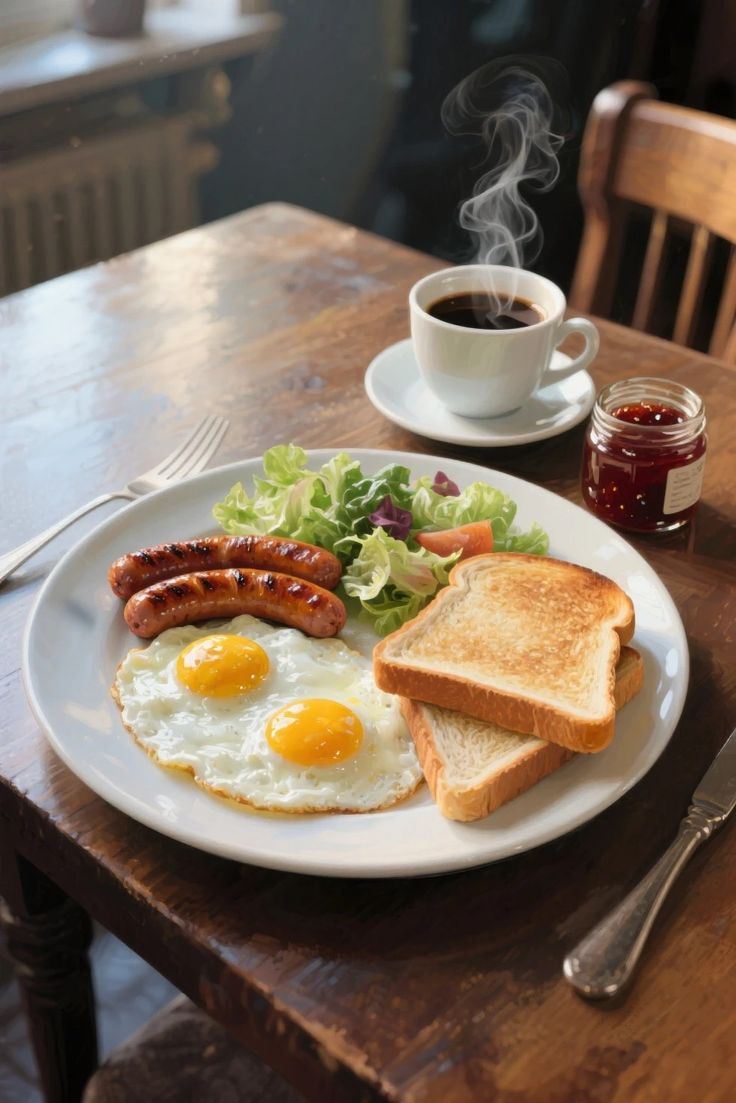
Cat Litter Casserole
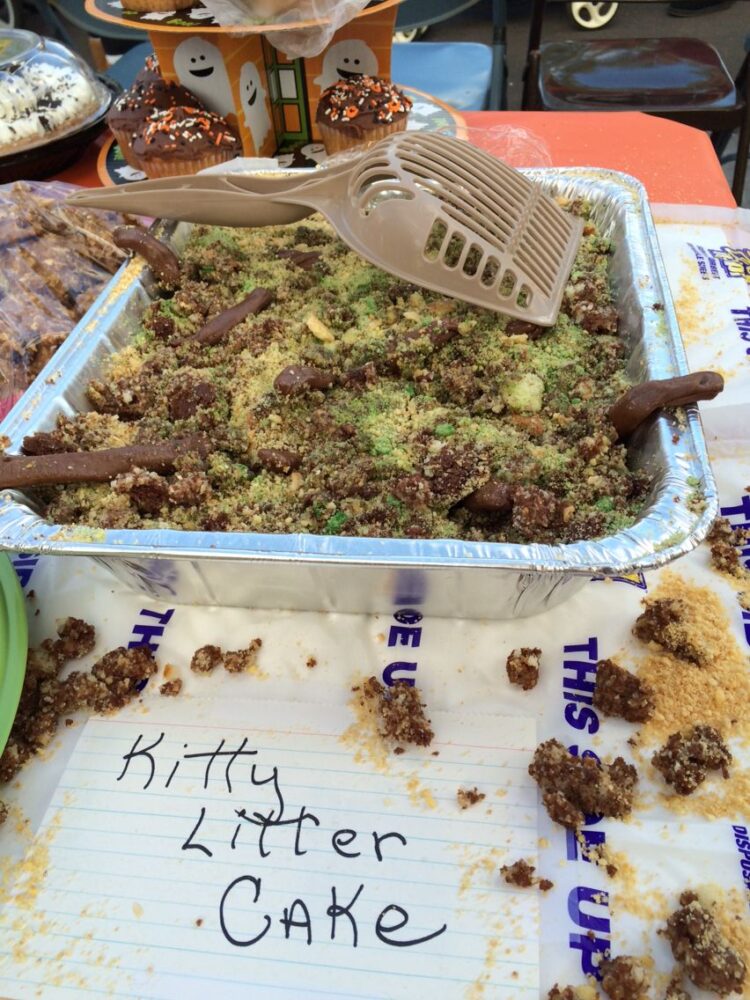
Yield: 8 to 10 servings
Ingredients
Beef Mixture
- 1 cup Biscuit Baking Mix
- 1 cup shredded Cheddar cheese
- 1 pound ground beef, turkey or pork sausage
Litter
- 2 cups long grain rice
- 3 3/4 cups water
- 2 teaspoons salt
- 2 tablespoons butter
Instructions
- Heat oven to 350 degrees F.
- Using clean hands, mix together baking mix, cheese and ground beef in a large bowl. Mold pieces of this mixture into various sizes/shapes. Place the pieces so they they don’t touch in an ungreased baking pan.
- Bake for about 20 minutes, or until brown, firmly and slightly crusty.
- While the meat cooks, place water, rice, salt and butter into a large saucepan. Heat on high until water begins to come to a boil. Stir, turn heat to low and cover pan. Simmer without lifting the cover for 14 minutes.
- Remove saucepan from the stove and carefully, lift off cover. Break apart or fluff the rice with a fork and set pan aside.
- When meat is done, carefully transfer to paper towels to drain.
- Spoon rice and meat into the now empty pan, leaving some meat partially uncovered.
Pictures









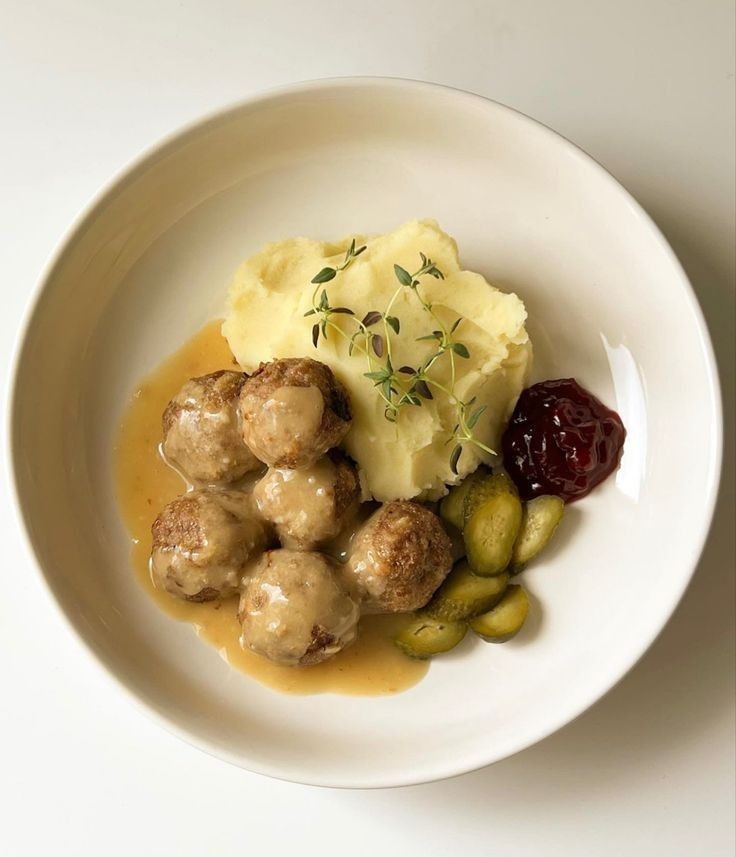
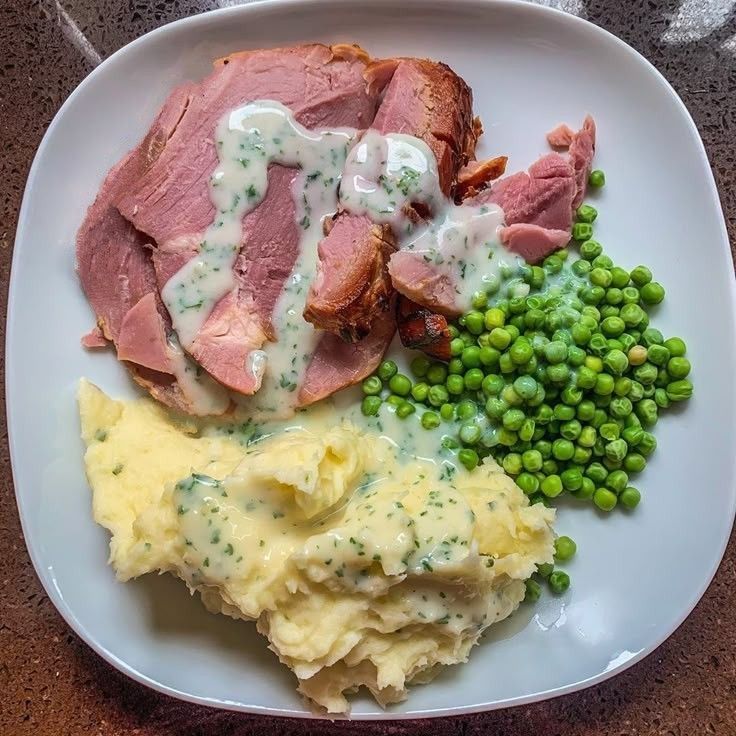



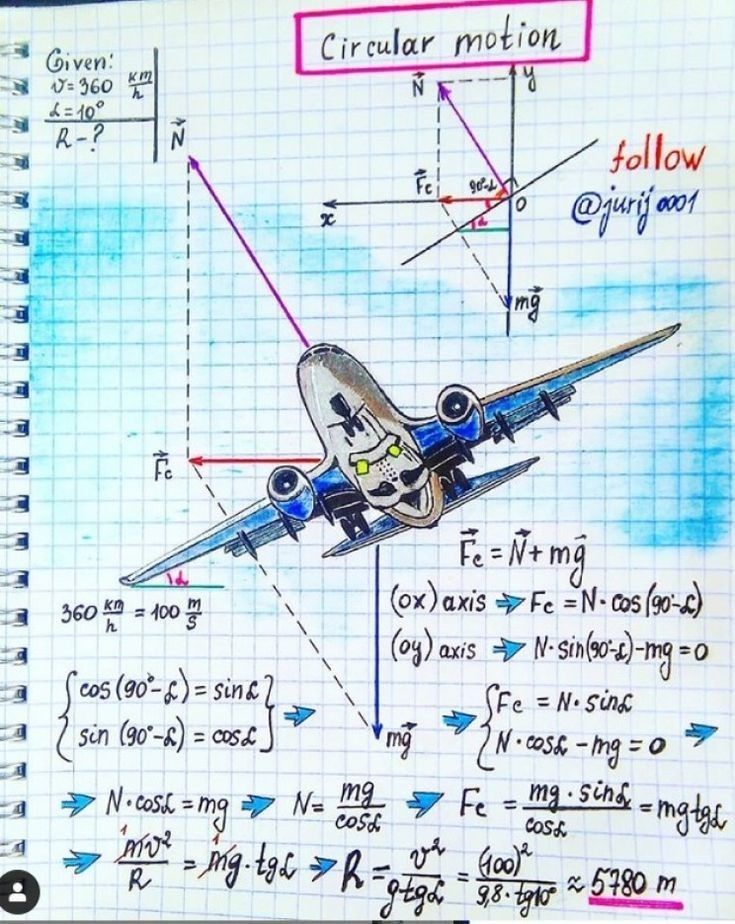



























A Family Tradition in the Sky
Written in response to: “People have gathered to witness a once-in-a-lifetime natural phenomenon, but what happens next is not what they expected.“
John Steckley
Fiction Science Fiction Speculative
Grandfather Jack died in his late 80s, only three years after the demise of Halley’s Comet. It was the saddest day of Ralph’s young life. Fortunately, his grandfather had willed his telescope and its comet pictures to his grandson. Ralph went on to have the career that his grandfather had very much wanted many years before. He became a professor at a university with astronomy, particularly comets becoming his research speciality. His greatest triumph was writing what would be called the definitive book on Halley’s Comet, complete with suggestions why it had exploded, blaming devices sent deep into the skies by selfish corporations. The most difficult aspect of his research for the book was trying to find out whether or not an ancestor of his had known Halley himself. Eventually, with the help of a colleague who taught British history, he learned that one of his ancestors had lived in the same town in 1705 as did the famous scientist, so it was at least a possibility that the old family story was true. Ralph wrote that he was sure that it was. The rest of his research was more solid than that.
Eventually the year came when Ralph himself had become a grandfather. His grandson was as charmed by his grandfather’s stories as Ralph had been many years before by his. This was particularly true when the boy was told the story of 2061 while he was viewing the last moments of Halley’s Comet.
The Farmer’s Letter and the Weight of a Name
A Tale of Hands That Shake, Tea That Cools, and the Courage to Be Held
Ah, dear reader—prepare your heart. Today’s story does not begin with a quack, a snort, or even a kazoo blast.
It begins with a tremor.
A fine, almost invisible shake in a calloused hand—not from cold, but from absence.
So settle in. Breathe deep. And step—gently, lovingly—into The Farmer’s Letter and the Weight of a Name.
The Note in the Mailbox
At noon, the sun hung high and golden.
The Farmer found the note where Martha had left it—not hidden, not hesitant, just there, resting in the curve of the mailbox like a promise.
He read it once.
“Back in three days.”
Twice.
“Catnip’s favorite—extra fish flakes.”
A third time—lips moving silently—
“Don’t forget to water the lavender. —M.”
Then—the world shifted.
His hands trembled—not violently, but deeply, like roots in unsettled soil.
His breath caught—not in panic, but in the quiet ache of missing.
He tried to work.
- The tractor wouldn’t start—engine coughed, died.
- The fence post slipped from his grip—hit the ground with a soft thud.
- Even his boots felt too heavy.
He sank onto the porch steps—head in hands, shoulders bowed.
Whispered, just once:
“Three days. Just three.”
But it felt like forever.
The Farm Steps In
No one rushed.
No one spoke first.
They simply gathered—not to fix, but to anchor.
- Bessie padded over, mug in mouth—steam curling in lazy spirals.
She set it beside him.“For the jitters, man.”
Her mood ring glowed soft gold—“The vibes are… tender.” - Doris settled beside him, wing brushing his arm—light, steady, sure.
“She’ll be back. She always is.”
“Is. Is.” echoed the breeze—not Ditto, but faith. - Sir Whiskerton leapt down from the roof—one smooth motion—and placed a paw on the Farmer’s knee.
Not pressure.
Presence.“You’re not alone in missing her.”
“Her. Her.” echoed the sparrows—soft, sure.
And Catnip?
He didn’t speak.
Didn’t nudge.
He simply curled at the Farmer’s feet—a small, warm weight—and, for the first time since dawn, ate the food Martha had left.
A single bite.
Then another.
Then—a slow, rumbling purr, low and new, like a first breath after a long dive.
The First Touch
The Farmer didn’t move for a long time.
Then—slowly—his hand descended.
Not to lift.
Not to guide.
Just to rest—on Catnip’s back, where fur was soft and warm and real.
A breath.
A pause.
A shared quiet.
Catnip leaned in—just once—and the purr deepened.
The Farmer exhaled—long, slow, full.
And in that moment, the farm held its breath—not in pity, but in witness.
This is love, Sir Whiskerton thought.
Not the grand declarations. Not the saved worlds.
But this: a shaking hand. A warm back. A purr that says: “I’m here. You’re safe.”
The Moral of the Story
That evening, as fireflies rose and the farm hummed in C-sharp, Sir Whiskerton addressed the animals—not from the roof, but from the porch step, beside the Farmer and Catnip.
“The moral of the story, dear reader, is this:
Strength isn’t in hiding your need—it’s in letting others hold you when the world feels thin.
The Farmer didn’t need to be ‘fine.’ He needed to be real. And the farm? It didn’t ask him to stand. It sat beside him.
So go ahead. Let your hands shake. Let your voice break. Let someone rest a paw on your knee.
You are not too much.
You are not too heavy.
You are held.”
Doris dabbed her eyes—not with a wing, but with pride.
“A tactile metaphor! I can’t bear it!”
“Bear it! Bear it!”
And the Farmer?
He sipped the tea—cool now, but still sweet—and placed his other hand over Sir Whiskerton’s.
No words.
Just weight.
Just warmth.
Just home.
Post-Credit Scene
Later, Martha’s bicycle crunches up the lane.
She dismounts—tired, smiling, lavender in hand—and sees them:
The Farmer, still on the steps.
Catnip, still curled at his feet.
Sir Whiskerton, still beside him.
She doesn’t rush.
She kneels.
Places the lavender beside the empty bowl.
Strokes the Farmer’s hand—the one that shook, now steady.
And whispers:
“I’m back.”
He looks at her—eyes clear, heart full—and smiles.
“I knew you would be.”
Catnip stretches—one slow, luxurious arch—and nuzzles her hand.
Then curls back beside the Farmer—not choosing, but including.
Outside—the stars twinkled.
The wind hummed.
And somewhere, faint on the breeze—
Purr… sigh…* home *… love.
Jingle on. 🌼🐾💛
(Or, in farm-ese: Shake… hold… breathe … belong.)
The End.
Passed out next to the trash can, the two poor exhausted kittens cried out weakly for help
The Legends of Maclaughlin Lake
Written in response to: “People have gathered to witness a once-in-a-lifetime natural phenomenon, but what happens next is not what they expected.“
Roger Skrypczak
###
Rob and I left for the cabin, as always, on the first Saturday morning in April. Many of our friends wanted us to join them on their pilgrimage to the South to watch the eclipse, but that was out of the question. We had a tradition to maintain. The drive from Chicago took around eight hours, and we arrived while it was still light. We could open the water pipes and start a fire in the fireplace to warm the cabin. The last remnants of snow were still hanging on but would likely disappear in the next few days.
Rob unloaded the groceries and suitcases from the van while I prepared supper. It was a delightful evening of reading and snuggling in the large master bedroom. We woke early, ate a hardy breakfast, and took a walk out the main road and back. We checked the pier for ice damage, but it seemed to have weathered the winter without too much stress. Rob replaced a few nails that worked their way out of place, and that job was completed.
We decided to take the fifteen-mile trip into town and have dinner at one of the local supper clubs, which served fried chicken with all the fixings on Sunday nights. We were back in bed before ten, reading passages of our favorite books to each other. It was a very romantic evening.
Monday morning, the sky was clear and sunny. Rob had tuned in to the local radio station to hear the news. I hadn’t been very excited about the eclipse until the new reader said the eclipse would be about 60% around 2:00 pm in northern Wisconsin. “That might be interesting,” I mentioned to Rob.
“Indeed, we can sit on the pier and watch from there. I brought some dark viewing glasses in case we could see a partial eclipse.” Rob sounded more enthused than I had expected.
We took our lawn chair down to the pier at the designated hour and got ready for the big show. It wasn’t long, and we could see the moon moving ever so slowly in front of the sun. Soon, it started to darken, and the air temperature dropped, causing a slight fog to lift off the water. Then, I saw them through the grey mist that hovered over the lake. Four men in a small fishing boat about thirty yards from Rob and me. Rob and I strained to see the image but could not see the men’s faces.
“Where the hell did they come from?” Rob whispered. Although I could not see their faces, I could hear them talking. My heart nearly stopped when I recognized all of their voices. I listened to my late husband, Mel, say, “Cast over toward the bullrushes, Dad.” Hans replied with a slight edge to his voice, “This is not the first time I’ve fished here, Mel. I know what I’m doing.”
Then I heard my dad’s voice, “Hurry up and cast so I can toss this red and white daredevil in there too.” Dad had been gone for over twenty years.
“You ain’t gonna catch anything with that rusted old piece of crap, Harry. Even if a fish hits it, the treble hook will break off.” I would recognize that voice anywhere, especially how he spoke to my dad. It was Uncle Stu, Harry’s older brother.
As it got darker, the images became clearer. Mel was sitting in the back of the boat with one hand on the old four-horse motor. Hans sat in front of Mel with Dad in front of him. Uncle Stu sat in the front of the boat, reeling in a good-sized northern. I could not take my eyes off the four men. Rob never knew any of them, but he saw and heard them just the same.
Neither of us bothered to look up at the eclipse. The fog began to lift as it became lighter, and a slight breeze blew it off the lake. The four men in the boat drifted away along with their voices. Soon, the full sun was out, and the water was a deep blue with a slight ripple.
Rob and I did not speak for a long time as we stared at the lake, hoping to see the image again. Rob then asked, “Did you see that?” I could only nod. My heart was in my throat. The memory of these four men fishing on MacLaughlin frequently when they were alive came rushing back. All of them, at one time or another, referred to the lake as a “little piece of Heaven,” and there they were.
How do Chinese people feel that they will have war soon, whether they want to or not? At the very least, the U.S and Japan (and the rest of the “five eyes”) seem very hell-bent on war with China, nukes or no. 16 more answers
99% of Chinese people believe that China can easily defeat Japan.
100% of Chinese people believe that within 2,000 kilometers of China’s border, China can defeat any adversary, including the United States.
Therefore, we are not worried about war at all.
We have complete confidence in our military.
He begged everyone for help at the elevator, but they all pretended not to see…
Was there ever a prisoner that others were terrified of while in prison? 67 more answers
·
Ed was pretty scary.
As a teenager he had killed his grandparents with a rifle for a triviality, but after juvie his life could have proceeded somehow, if it wasn’t for something that had been building up inside him which he claimed was rooted in the fact that his mom constantly ridiculed him in the presence of other people.
“Serial killing is always sculptured in childhood,” as they say.
The last two people Edmund killed were his mom and somewhat later her best friend. He had been screaming to his mom’s severed head for an hour or so and had thrown darts at her empty eyes (after having “engaged” with her empty mouth for a while), but the exhaustion finally kicked in after his mom’s friend was done as well.
And Ed Kemper has been in jail ever since.
And through his brilliant mind (and his calm and beautiful voice) he has prolifically narrated hundreds of audio children books for the visually impaired, and been a helping hand every which way.
But sometimes Ed cracked a joke (or two) to prison psychiatrists, journalists, agents or prison wardens, because Ed was 6′9′’ (2.06m) tall and nothing less than a Hulk, and strong enough to snap someone’s head in the blink of an eye.
He once famously told FBI agent Robert Ressler:
“The guard isn’t coming back. They’re on change of shift. He’s not going to be here for 30 minutes. In that time, I could snap your head and leave it on the table. I’d own the prison then. I killed an FBI agent.”
(Later he claimed it was a joke.)
He also used his intelligence to turn other lesser prisoners into slaves (through a gaslighting dog routine with peanuts), and Ed always enjoyed it —
What a wonderful man indeed.
Casserole Italiano

Yield: 4 to 6 servings
Ingredients
- 1/2 cup chopped onion
- 1/2 cup chopped green bell pepper
- 1/4 cup butter
- 1 1/2 pounds ground round
- 1 1/2 teaspoons salt
- 1/4 teaspoon pepper
- 1/2 teaspoon oregano
- 2 tablespoons Worcestershire sauce
- 1 (8 ounce) package elbow macaroni, cooked according to directions
- 1 (3 ounce) can button mushrooms, drained
- 1 can tomato soup, undiluted
- 1 medium tomato, chopped
- 1/2 cup grated Parmesan cheese
Instructions
- Heat oven to 375 degrees F.
- In a large skillet, sauté onion and green pepper in butter over medium heat until tender.
- Add ground round, cooking until brown.
- Add salt, pepper, oregano and Worcestershire sauce.
- In a 2 1/2 quart casserole, combine cooked macaroni, ground round mixture, mushrooms, soup and chopped tomato. Cover and bake for 40 minutes.
- Remove from oven; sprinkle cheese on top and bake 5 minutes longer, or until cheese is melted and brown.
Why explain a work of art?
I lived with a woman once who was knowledgable about art. I was looking through one of her art books when I came across Jackson Pollock’s Number 31 (1950). I said, “I could do that.”
She said, “Shut up.”
I few years later we were in New York City and went to the Met. At one point she put her hands over my eyes and said, “Okay, walk this way.” I went with her wondering what was going on. Then she removed her hands and said, “Look.” It was Number 31 by Jackson Pollock.
I was rather stunned by how big it was. It was huge, covering most of a large wall. “So you could do that huh?”
I was speechless. She went on, “Do you see the suggestions of form here? You get images at the edge of your perception but they don’t quite coalesce into forms you can really grasp. There’s a strong sense of movement, of energy, of potential, but it’s ephemeral. The painting is a moment, not a story. It is of the now and that’s where it strikes you. There’s no past and no future, only now. That’s what makes this so great.” I’m paraphrasing here, but it’s pretty close to what she said.
Well, some say you can’t explain art. I don’t know, I think she did a damned good job of it there. I’ve been a fan of Jackson Pollock ever since.