


The Breakfasts That Built America
Let’s not mince words.
In 1953, a mother in West Virginia could feed her husband and four children breakfast for 11 cents. Eleven cents. She used lard, day-old bread, and one egg.
Today, that same family spends $14 on cereal and milk that expires in a week.
We have been sold a lie. The lie is that convenience is progress. The lie is that saving time is worth sacrificing nutrition. The lie is that the food industry has our best interests at heart.
The truth is simpler and harder to swallow: we traded real food for processed garbage, and we are paying for it with our health, our wallets, and our dignity.
The Context
We are entering difficult times. The economy is unstable. The supply chains are fragile. The cost of everything is rising. The American middle class is being squeezed out of existence.
And the food industry is still selling us sugar and cardboard in colorful boxes.
If we are going to survive—not just financially, but as a people—we need to adapt. And that means changing how we consume. Especially how we eat.
The answer is not in the grocery store aisle. The answer is in our grandmothers’ kitchens. The meals that fed America through recessions, layoffs, and winters when the furnace ran out of oil. The meals that kept men working 12-hour shifts and children running to school with full bellies.
Here are the breakfasts that built America. They cost almost nothing. They were made from ingredients that lasted. And they disappeared because cereal companies, frozen food brands, and fast food chains spent billions in advertising to make you forget your grandmother ever cooked.
The List
24. Cornmeal Mush
In Appalachia and across the rural South, breakfast often began with a pot of cornmeal mush so thick a wooden spoon would stand upright in it. Mothers stirred cornmeal into boiling salted water and cooked it low and slow until it turned creamy and smooth.
A 5-pound sack of cornmeal cost about 20 cents and it lasted the family two weeks of breakfast.
Served hot with a drizzle of sorghum molasses or a splash of buttermilk, it was the meal that kept sharecroppers and coal miners on their feet until noon. The leftover mush was poured into a loaf pan, chilled overnight, sliced, and fried in lard the next morning until golden and crispy on both sides.
Today, cornmeal mush has been completely erased by instant oatmeal packets and sugary cereals. A breakfast that cost one penny per serving was replaced by one that costs $1 and delivers half the nutrition.
21. Oatmeal with Lard
Before brown sugar and maple syrup became standard oatmeal toppings, families who could not afford sweeteners stirred a spoonful of lard and a pinch of salt into their morning oats. The fat made the oatmeal rich and filling, stretching a bowl that might have left a working man hungry by 9:00 into fuel that lasted until lunch.
A canister of rolled oats cost about 19 cents in 1955. The lard was already sitting by the stove.
The unsweetened savory version of oatmeal has been completely forgotten. Today, we drown oats in sugar, honey, and flavored syrups, never realizing that the original American way to eat oatmeal was salty, fatty, and simple.
Nutritionists now recommend adding healthy fats to oatmeal for sustained energy. Our great-grandmothers figured that out 70 years ago with a tin of lard.
20. Fried Egg Sandwich
Not the elaborate creations on Instagram with avocado and sriracha. The 1950s fried egg sandwich was one egg fried in bacon grease until the edges laced brown and crispy, slapped between two slices of white bread with salt and pepper. That was breakfast, lunch, and sometimes dinner.
Eggs cost about 60 cents a dozen in 1956. One egg per sandwich meant breakfast for the whole family cost less than a dime.
We have turned the fried egg sandwich into a gourmet item that costs $8 at a brunch spot. In 1955, it was the cheapest meal a mother could make, and it was perfect exactly the way it was.
17. Flour Gravy and Biscuits
This is the breakfast that the USDA actually promoted during the Korean War because it was cheap and filling and could be made with pantry staples that lasted for months.
Mothers made a roux with two tablespoons of lard and two tablespoons of flour, cooked it until golden, then slowly whisked in milk until it thickened into sawmill gravy. Poured over split biscuits, it was the foundation of the southern breakfast. The entire meal cost less than a dime.
But here is what the food industry does not want you to know. When cereal companies launched their national advertising campaigns in the 1950s and 1960s, they specifically targeted families who made biscuits and gravy. The message was clear: modern mothers serve cereal. Old-fashioned mothers stand over a stove.
It worked. Within a generation, homemade biscuits and gravy went from daily breakfast to weekend novelty. Those companies made billions selling corn flakes to families who had been eating better for free.
Sawmill gravy contains flour, fat, and milk. Corn flakes contain 17 ingredients, including three types of sugar. We traded up in convenience and traded down in everything else.
15. Leftover Potato Cakes
Nothing was wasted in a 1950s kitchen, especially not potatoes. Mothers mashed last night’s boiled potatoes with a beaten egg, a spoonful of flour and salt, then formed patties and fried them in bacon grease until the outsides crackled golden brown.
Potatoes cost about 4 cents a pound in 1955. The egg and flour added almost nothing to the cost.
This was recycling before anyone used the word. It was resourcefulness baked into the daily rhythm of the kitchen. Today, we throw away leftover potatoes without a second thought. In 1955, that would have been unthinkable.
12. Egg in a Hole
Take a slice of bread. Cut a circle out of the center with a glass. Fry the bread in butter. Crack an egg into the hole. Cook until the white sets and the yolk stays runny.
That was egg in a hole. And it was the cleverest breakfast trick of the 1950s.
Mothers made it because children who refused fried eggs and children who refused toast would somehow eat both when they arrived together looking like a surprise. The cutout circle was fried alongside and used for dipping. Nothing was wasted, not even the bread scrap.
A single egg, a single slice of bread, a pat of butter. Breakfast for a child for three cents.
8. Fried Mush and Eggs
Mothers in Ohio, Indiana, and Iowa fried slabs of chilled cornmeal mush until crackling crisp and served them alongside fried eggs. The yolks broken and mixed into the mush on the plate.
A farm breakfast that cost almost nothing and stuck with a man through a morning of hard labor. The crunch of the fried mush against the soft, runny yolk was a texture combination that no modern breakfast food has replicated.
Cereal is soft. Toast is dry. Pancakes are spongy. Nothing crunches and oozes the way fried mush and eggs did at 6:00 in the morning in a farmhouse kitchen with frost on the windows.
7. Buttermilk Biscuits and Sorghum
The biscuit itself was the masterpiece. Flour, lard, buttermilk, salt, and a pinch of baking soda. Mixed fast, handled as little as possible, cut with an overturned glass and baked in a screaming hot oven until the tops blistered golden.
Mothers who could make proper biscuits were respected in their communities the way athletes are respected today. It was a skill that took years to develop and seconds to ruin.
When Pillsbury introduced refrigerated biscuit dough in the 1960s, homemade biscuits began their long, slow death. A skill that had been passed from mother to daughter for 200 years was replaced by a cardboard tube that pops when you twist it.
We traded mastery for convenience, and breakfast has never recovered.
5. Rice and Milk
Cold leftover rice from last night’s supper, placed in a bowl, covered with cold milk, and sprinkled with sugar. That was breakfast for millions of American families, particularly in the South and in Asian-American communities across the West Coast.
The rice was already cooked. The milk was already bought. The sugar was a luxury that cost 4 cents a pound.
The whole thing came together in 30 seconds with no cooking and no dishes beyond the bowl and spoon. It was the original cold cereal, predating every boxed product on the supermarket shelf. And it was better.
We replaced it with Rice Krispies and called it innovation.
3. Water Gravy and Biscuits
When there was no milk for sawmill gravy and no meat for redeye gravy, there was water gravy. Flour browned in lard, thinned with water, seasoned with salt and black pepper, poured over biscuits.
That was it. The poorest breakfast on this list and arguably the most important.
Water gravy kept families alive during the Depression and lingered through the 1950s in pockets of Appalachia and the Deep South where poverty never fully retreated. The trick was browning the flour long enough to develop a nutty toasted flavor that masked the absence of milk or meat.
Mothers who could make water gravy taste good were performing a kind of alchemy. They turned flour, fat, water, and will into something a child would eat without crying.
1. Biscuits and Pot Liquor
Pot liquor was the cooking liquid left behind after boiling greens, turnips, collards, or cabbage. It was dark, rich, salty, and loaded with vitamins that had leeched from the vegetables during cooking.
Mothers saved it the way they saved bacon grease—in a jar on the stove, ready to be reheated and poured over split biscuits the next morning.
This was breakfast for families who had almost nothing. The greens were grown in the garden. The biscuits were made from flour and lard. The pot liquor was a byproduct that would have been poured down the drain in any modern kitchen.
But it contained iron, calcium, vitamin C, and potassium. It was a multivitamin in a bowl of broth served over bread that cost a penny to make.
Nutritionists at Tuskegee University documented the health benefits of pot liquor as early as the 1930s, finding that families who consumed it regularly had lower rates of anemia and malnutrition.
We threw it away. We poured liquid nutrition down the sink because we decided it looked ugly and smelled old-fashioned. And then we spent billions on vitamin supplements to replace what pot liquor gave us for free.
The Challenge
Try one of these breakfasts this week. Just one.
The cornmeal mush. The potato cakes. The fried egg sandwich made the way it was meant to be made. Then come back and tell me if your grandmother was wrong.
I tried water gravy on a Tuesday morning. I sat at my kitchen table staring at the plate, realizing that a woman with nothing in her pantry made something out of flour, fat, and water that tasted better than anything in my freezer.
Share which one you are going to try. If your family still makes any of these, tell us where you are from.
These were not just breakfasts. They were proof that the people who had the least knew the most about feeding a family.
What are some unusual photos that we haven’t seen before?
These are some unusual historical photos I came across on the internet.
1. Sean Connery, who plays James Bond, is surrounded by beautiful women during filming.
2. Princess Diana holding her youngest bridesmaid at her wedding.
3. The seal on Tutankhamun’s tomb before it was opened in 1922. This seal was 3,245 years old.
4. British Prime Minister Winston Churchill is seen petting his cat Blackie aboard the battleship HMS Prince of Wales.
5. Muhammad Ali posed alongside Nelson Mandela at the 2003 Special Olympics.
6. The first human cannon, Zazel. It was launched in 1877.
7. In 1910, President Theodore Roosevelt became the first president to fly in an airplane.
8. The oldest photograph of the Taj Mahal, taken between 1850 and 1860.
9. A scene of alcohol being poured in the United States during the Prohibition era in 1929.
10. The first computer mouse. Patented by Douglas Engelbart in 1968.
Lots of sex if you were young and considered genetically desirable. They were breeding healthy Aryan girls with the same types of men. Blonde and blue eyed to the front of the line. It was free, uncommitted sex. Something young people tend to like.
And the Reich took care of the babies in special SS “Kindergartens” called Lebensbornto raise them to repopulate the conquered territories. Most would be adopted out to select families, mostly of the SS.
It is estimated 900 pregnancies resulted from the Nuremberg rallies alone. Sex between select, young, genetically pure Germans was encouraged. Awards, like Cross of Honour of the German Mother were given to women who contributed the most to the Reich. The German high command knew they had to make up for the millions of soldiers and civilians who would be lost in the war. They thought long term. But the Reich only lasted 12 years, not a thousand, so it was all for naught.
Sports and physical fitness were also widely organized and encouraged. And people were taught to embrace manual labor, not look down on it as in previous generations, especially the decadent 20’s. So, life was pretty good for most Germans, outside of those deemed undesirable, until the war came home to them.
Top photo League of German girls-1934
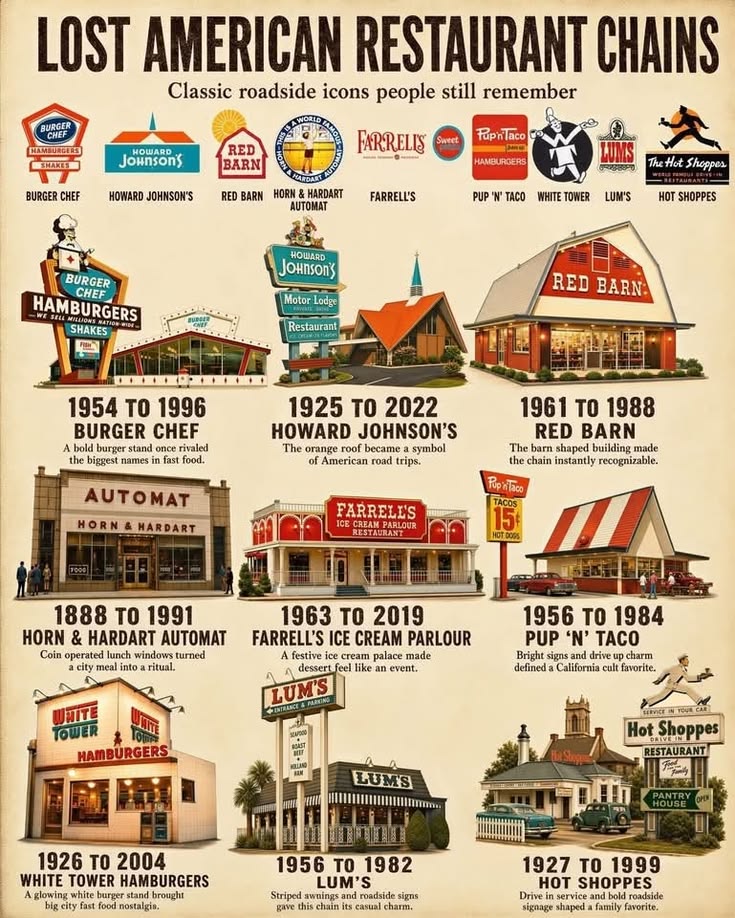
7 Restaurants Every American Family Ate At in the 1980s — And What Really Happened to Them
Seven restaurants your family ate at in the 1980s, and the real business reason each one disappeared. Not one of them closed because people stopped showing up.
The orange roof you could see from a mile down the highway. The steak dinner with the food bar. The chain that invented the kids meal six years before the Happy Meal existed and then lost the lawsuit over it. The two chains that died on the same afternoon in the same bankruptcy. And the one that is still open tonight, in the original building, serving the sandwich every burger chain in America copied.
First Light

Scott Speck
 13 likes
  16 comments
Fiction Science Fiction Speculative
Written in response to: “Write a story about light returning to a place that has been deprived of it for a long time, literally or figuratively.“ as part of Before Summer’s End.
First Light
I step down off the train, onto a crowded rush-hour platform. The long line of electric lamps above us buzz annoyingly, and flicker rapidly on and off. The stroboscopic light pattern makes me feel dizzy. It’s five PM, here at the open air train station, as the mood of the commuter crowd drops from gloomy to abysmal – strange for a Friday afternoon.
“Same old shit,” someone complains. “Make twenty Lux a week, and still I gotta stumble home in the dark.”
Then the station lights stabilize, brighten a bit, and the crowd grumbles out their best attempt at a cheer.
Despite the cynicism, I, for one, am on cloud nine and can’t wait to get home. I just got a big promotion at work – and a pay bump from fifteen to thirty Lux a week!
Mom and Dad have been urging me to move out on my own for several years, and now I can make it happen.
High on the cement wall above the tracks, someone has spray painted “Banish the Darkness! Establish the New Order!” The work of subversives, or some punk kid pretending to be one. The news reports, now and then, about a New Order operational cell being exposed, its members arrested, interrogated – they who would destroy the fragile balance of our work, our lives. The rebels claim they can return free light to all of us, if we only question the authority of our leaders. But how can anyone create free light? It takes a lot of energy and machinery. Otherwise, we’d have only darkness, twenty-four hours a day.
Walking beyond the metro station, I enter Haversham. Wow, what a place – one of the three wealthiest neighborhoods in the world. House façade columns four feet wide. Mansions that stand three stories tall, each floor with twelve-foot ceilings. So ostentatious – the windows here are large and undraped. I cringe every time I think about the light loss through those huge rectangles. Couldn’t these folks donate some of their Lux millions to light everyone’s homes? Hell, give Wexley a few…
Our house has windows one tenth their size, with mylar blinds drawn most of the time. But Haversham is upper crust. Here, residents can collectively afford the tier three Lux tax. The streets are free of trash and vagrants, and one can always see clearly beneath the street lamps.
At the Haversham perimeter, guards wave me through, and I enter Leister. This place feels like home t – it’s almost a duplicate of my neighborhood, Lanecroft. Tidy two-bedroom homes, dimly lit streets, but I can still see my way around. I stop at a variety store and pick their fanciest bottle of gin. I slap 35 Flickers onto the counter and set off again for home.
Then comes that fork in the road. I always avoid Wexley – known infamously as The Abyss – and hoof it two extra miles to stay in brighter, safer neighborhoods. Over the years, my friends and I have only entered Wexley on a dare. But I’m chomping at the bit to get home and tell my folks about the promotion. So I pause and consider…
The gap between two towering, decrepit tenement buildings beckons. Cigar butts and bits of broken glass speckle the pavement, and the stink of rotting garbage wafts out. It’s true – police have upped their patrols here. And I do carry mace and know karate. So I think I can handle that quarter mile through the narrowest part off Wexley.
I buck up and move forward. A half block in, I round a corner and stare into total blackness. Then the orange glow of cigar ashes become visible, pulsing in the darkness. Shouts, loud conversations, and sporadic bursts of laughter suddenly cease. Dead silent, and it creeps me out. Here in The Abyss, folks congregate outdoors. Despite the stink of trash, the air circulation out here is better than the ventilation in their cramped flats. So they hang outside, to socialize, drink, smoke. Or make trouble. Now and then, anyway…
I don my dark-vision glasses and switch them on. Their heads-up display shows fifty percent battery charge, which is more than enough.
Through my glasses, I see the world around me, rendered in shades of amber. But there’s a downside, too. My face now glows like a beacon, because the image intensifier output from the glasses, in addition to entering my eyes, also reflects off my pale skin. I’m the only source of light, besides cigar ashes, in the whole godforsaken neighborhood.
Still, it’s too late to turn back. Almost two blocks in, and three or four to go. Someone inhales deeply, gathers a wad of mucous, and spits. It smacks wetly on the pavement ahead. Was that meant for me? My pulse quickens. This silence – it wraps around me like heavy, smothering velvet. I speed up my pace down 6th Street, hand in pocket, fingers wrapped around the mace sprayer. Those faint, whispered conversations – they’re worse than the silence. They’re about me, I know, about my intrusion into their realm of darkness.
Ahead, a point of light emerges from an open doorway. My glasses amplify it a thousand-fold, so it balloons into a region of blinding brilliance. I groan while I switch off the glasses and remove them. I’m seeing spots at the moment, but as my eyes re-adjust, I watch a man carry a lit candle across the street, his face shining with sweat. He halts against the opposite wall, turns to face me. Then a second man emerges from the same doorway, then another. On short order, six men holding candles stand in a line across my path.
Terrified, I spin around and see a line of men behind me. Trapped, I remove the can of mace. Then one of them speaks, in a gravelly bass voice. From his tone, he sounds in-charge. Confident.
“Put that crap away,” he says, voice echoing off among the tenement building walls. “No one needs to get hurt here. But we do need to talk.”
“Listen, if you want my glasses, you can have ‘em. Just please let me pass. I’m trying to get home is all.”
My words sound choked with panic. My heart races as sweat pours off of me.
“You an engineer?” the man says.
“Yeah, yeah I am. Mechanical. How do you know?”
“The way you dress. Your walk. Your manner. I was one, once upon a time. Come forward, so we can talk.
With no way out, I walk toward him, now standing in the middle of the line of men. I’m shaking terribly, my heart in my throat. He reaches out a hand as I near him, and I take it. His grip is strong and firm, the skin of his hands rough, calloused.
“I’m Sebastian,” he says. “Welcome to The Abyss. And, before we go any further, we need your help. Desperately.”
A shudder runs through me. Then it hits me. I know who these people are. Part of the New Order. To cut a half hour off my walk home, I’ve stumbled into a New Order enclave.
“What help can I provide to you? I’m just heading home after a hard day’s works. Does this have to do with ransom?”
From what I know, everyone here lives in poverty – not a single Lux, perhaps not a single Flicker to their names.
“No ransom. I know you’ve got lots of questions. And you’ve already figured out, from how I’ve been talking, that you we can’t let you go home tonight.”
Could I blast a few of them with mace and run for it? No, there’s too many of them. And others probably lay in wait further ahead. A pit forms in my stomach as I think of Mom and Dad worrying themselves sick, calling the police to open a missing person’s investigation.
“Join us,” he says gravely. “Make a big difference for all of us.”
“How can I help Wexley? I’m an expert in mechanics. You mean repair things in your buildings?”
“When I said all of us, I didn’t mean just Wexley. I meant the world…”
—
It’s been a grueling two months. Part of it’s the physical exhaustion from working myself ragged twelve hours a day. The other stress is mental. The fear of being exposed by the government. And knowing that my family has probably given up hope that I’m alive.
Living up here in the Roof is dizzying. Frightening. But also exhilarating. My family and I never knew the Roof existed. My grueling climb up here, through tunnels dug through the rubble by the New Order over a span of five years, took us a week.
The air is noticeably thinner, over twelve thousand feet above what I had thought, for thirty-four years, was “the whole world”. And to stand near the cliff edge, just beneath the Roof’s mammoth dome, and gaze down upon a world kept in perpetual near-darkness – it’s beautiful, but also angering. To think that, for the past four centuries, the wealthy, the powerful have purposely kept us in the dark to maintain their own dominance over the rest of us. To enhance their prestige. Their riches. To dole out their precious currently – Lux – so we can see see in the dark. So we’ve worked for them as their slaves, while they lived in their brightly lit mansions.
My Rebirth happened soon after I reached these lofty heights. When Sebastian guided me up through the long-dormant machinery of the Roof and, for the first time ever, I saw the clear light of day. And knew the difference between day and night. When I learned about the Sun, the Moon, the birds, the forests. It was all a miracle. A revelation.
But long ago, those in power disabled the Roof’s motor drive. Left it to rust as the world languished in near-darkness. Work had been underway for years to restore the Roof’s systems again, and that’s where I helped. To work tirelessly with the brothers and sisters in the New Order – the builders, technicians, craftsmen, electricians – and restore all of the disabled systems.
And at last, we were ready.
I stand at the cliff’s edge and check my watch. Ten seconds to noon, when the sun is highest in the sky. My heart races, and I pray to God this works.
On my watch, the second hand meetings up with the minute and hour hands…
A deep shudder rolls through the Roof, and a resonant hum suffuses the air around me. The main motors have come back online. Next, loud thumps and scrapes – almost deafening in loudness – as the locks are undone, their immense, foot-diameter steel bolts retracting.
Then a roar – the roar of freedom, as the mammoth structure, weighing close to a million tons, begins to retract open. I wonder what those below must be thinking right now. They can surely hear it. Down there, folks are watching glasses of water fall off tables as the whole world shudders in an all-consuming rumble.
“I’m sorry Mom! I’m sorry Dad!” I shout out into the chasm below. I’d vanished from their world, but it’s something I had to do. During my work, I could never go back, never risk blowing our cover. Not when we were getting so close…
A sharply pointed star of light burns through the hazy atmosphere, projects its blinding geometry across the city below. And it continues – each section of roof retracting like a curved pie slice, exposing more and more sky.
My world, kept in darkness for centuries, for much longer than was necessary after Great War poisoned the air above, grows brighter and brighter. Far below, people look up and see the Sun for the first time.
We are free. Free to climb up and out of this immense pit that has been both our home and our prison. It’s time to live again.
Today is First Light…
The company I work for gave everyone a nice company coat for Christmas.
I used a marker to write my name on the inside label so I could recognize mine, because all the coats looked the same.
One day I looked at the hook where my coat had been hanging, and it wasn’t there. I checked all my coats… my coat was gone, as were my favorite sunglasses.
I told management.
She expressed her regret, but there were no more coats.
Two weeks passed… and I regularly checked to see if my coat was hanging somewhere.
After about two weeks, I spotted it on a hook at the other end of the room. I grabbed it and hid it at my workplace.
One of the night shift workers rushed towards me and demanded HER coat.
I told her I didn’t have it… I had mine. Then I showed her the sign with my name on it. Then I asked her where my sunglasses were. She replied that she didn’t know.
I told her she had 24 hours to get it, or I would tell management who had stolen my coat.
That would have been a clear reason for termination.
She handed me the glasses the next day and said she had found them in her husband’s car.
She has since been transferred, but whenever I see her, she avoids me as if I had the plague.
In 1756, the British Army sentenced Daniel Morgan to 500 lashes for striking an officer.
The officer had struck him first.
Five hundred lashes was a death sentence in practice. Morgan was 20 years old, a wagon driver, no rank, no family connections, no recourse. He stood all of it. When it was over he went back to work.
For the next 25 years he told the story the same way every time. He was certain the drummer had miscounted. The British had only given him 499. They still owed him one.
On January 16, 1781, that man chose to place his army between two rivers with no line of retreat and wait for Banastre Tarleton.
Tarleton had 1,100 men and the most feared cavalry in the South. Morgan had 600, most of them militia. Every professional assessment said Morgan had trapped himself.
He had done it on purpose.
Morgan knew his militia would run if they had open ground behind them. So he removed the ground. He put the Broad River there instead. Then he walked campfire to campfire the night before the battle and told every man exactly what he needed from them. Two volleys. Aim for the officers. Pull back in order. That was all.
He designed the battle for the army he had. Not the army he wished he had.
45 minutes of fighting. Tarleton escaped with fewer than 200 men. Morgan captured 500 prisoners and lost 12 killed.
The man who knew exactly what he could carry had just broken the British Southern Campaign.
Rule 2 of 76 Rules of Command is live on Substack. Put the river where it needs to go.
25 Forgotten Truck Stop Meals American Drivers Ate Before Fast Food Killed Them
Here are some facts that I find hard to believe:
1. The sun shrinks about one and a half meters every hour.
2. If two pieces of metal touch in space, they will stick together forever.
3. Albert Einstein never wore socks.
4. The electric chair was invented by a dentist.
5. Adolf Hitler was named ‘Man of the Year’ by Time magazine in 1938.
6. The names of all continents end with the same letter as their initial letter (in English).
7. There are about 200 bodies on Mount Everest.
8. More than 300 misspelled words in Webster’s 1996 dictionary.
9. The United States Navy is the second most powerful air force in the world. The number one most powerful, of course, is the United States Air Force .
10 FORGOTTEN Woolworth’s Lunch Counter Foods Nobody Serves Anymore
The most famous escape from the Soviet Union occurred on December 13, 1974.
Stanislav Kurilov, a cosmopolitan oceanographer, jumped from a passenger ship in the Pacific Ocean to reach the Philippine island of Siargao, after swimming over 100 kilometers in three nights and two days. Armed only with fins, a mask, and a snorkel, without water or food, Kurilov was banned from traveling abroad in the Soviet Union, but he was determined not to accept that.
The ship “Soviet Union” traveled across the Pacific Ocean from Vladivostok to the equator on a voyage where Soviet tourists did not require visas and which was completed without a single stop in foreign ports. This was the only way Kurilov, whose movements abroad were restricted, could attempt to escape the USSR. Although no one believed it was possible to flee the Soviet Union, Kurilov was determined.
After his escape, a commission was formed that decided to imprison him for another 10 years for treason. However, Slava Kurilov was already veryfarHe began to live and fulfill all the dreams he had had for years. He studied the ocean, went on trips and expeditions, even to the North Pole.
Born 1954-1965? You’re Not Boomers.
Many people don’t know this but the most horrifying prison break in history occurred in April 1944. Rudolf Vrba and Alfred Wetzler were two young Jewish boys who somehow managed to escape from Auschwitz. They weren’t just trying to save their own lives. They escaped to try to alert the rest of Europe to the horrors within the camp.
Their plan was smart. They discovered a loophole in the way the Nazi guards worked. Guards monitored an outer work area during the day. However, at night these guards would always retreat to the main camp walls. So the two men decided that if they could just get out of the way in that outer area before the evening headcount, they would be outside the guard line by night.
They were helped by some friends in the camp to hide in a large stack of wooden planks. The most frightening thing was the guard dogs, they could smell anyone. To prevent them, both of them were mixing strong tobacco with gasoline and pouring it all over the wood. This trick completely messed up the dogs noses.
On April 7 they went into the woodpile. The guards normal rule was to search that area for three days when the sirens went off. For 72 hours, Rudolf Vrba and Alfred Wetzler did not eat or drink, nor did they speak, even when they heard boots walking directly above their heads. On April 10, the guards left. The men scrambled out, walked 85 miles to Slovakia and wrote a report that saved 200,000 lives.
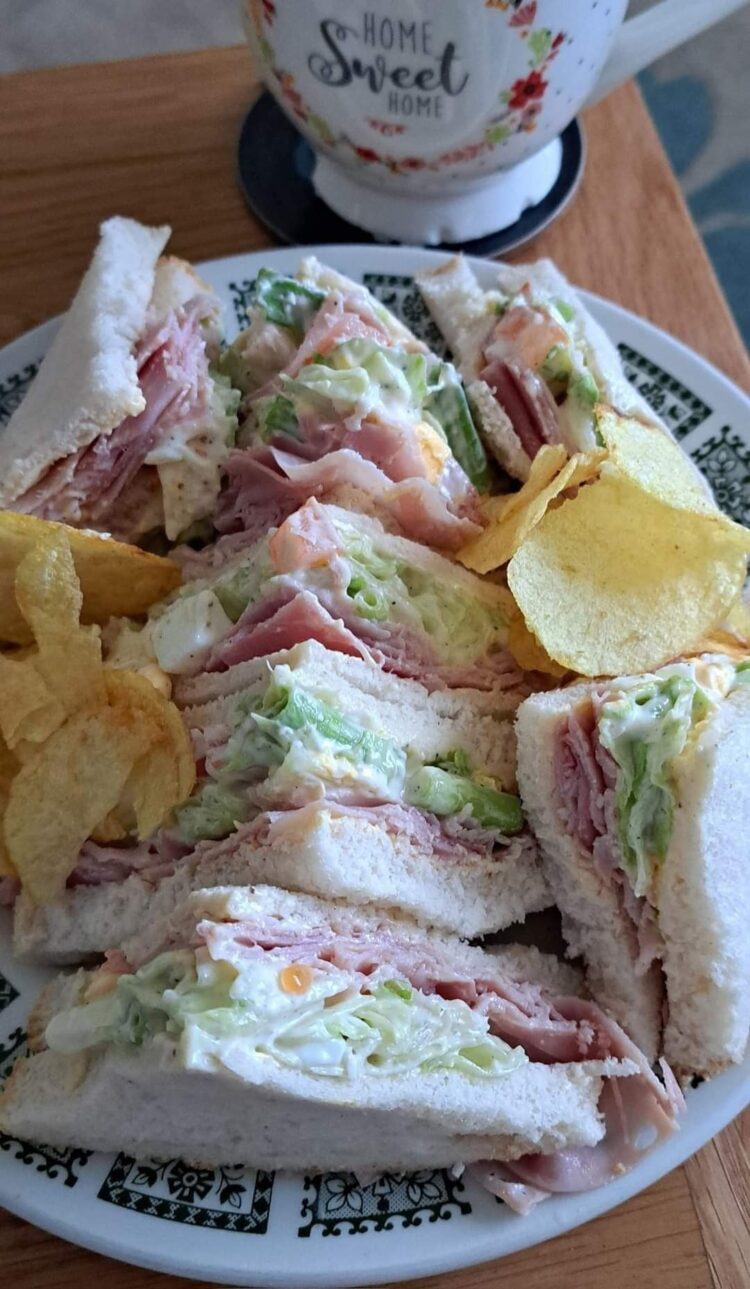
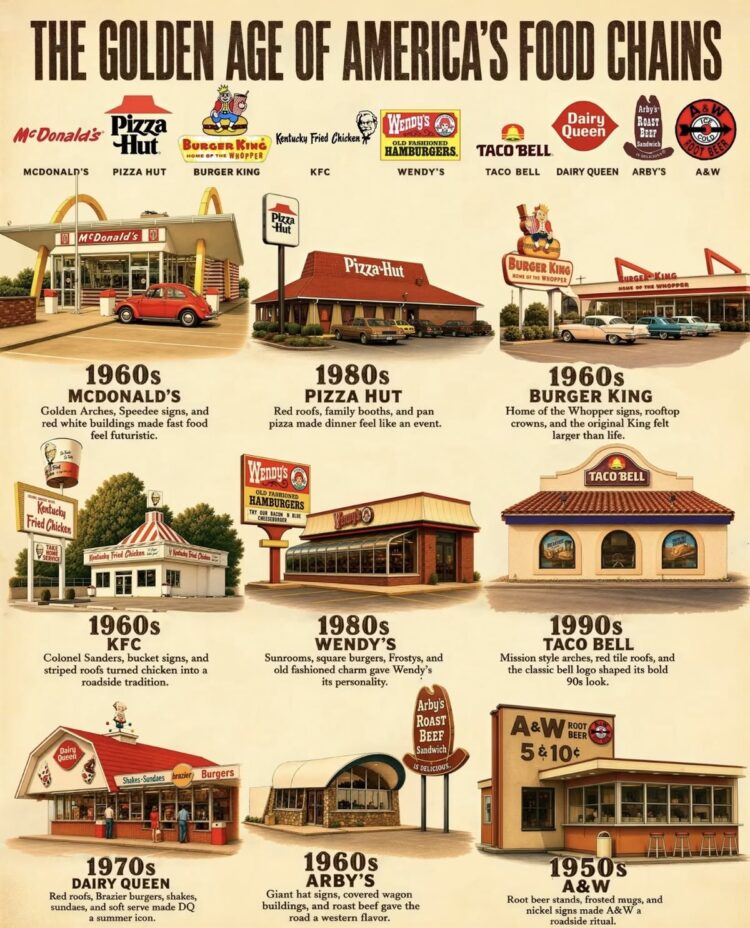
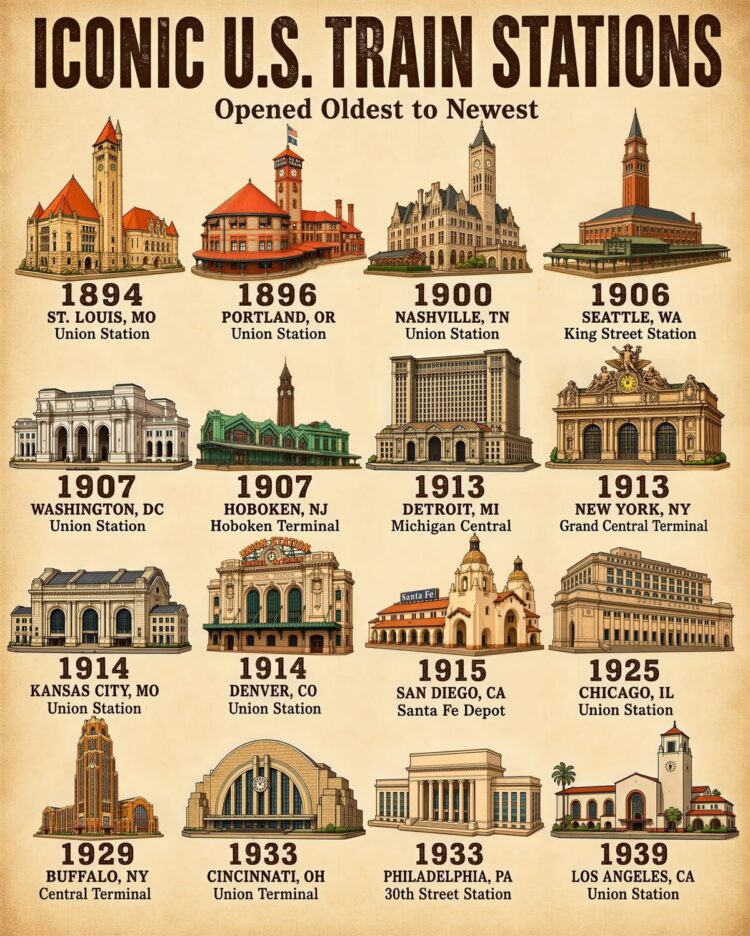
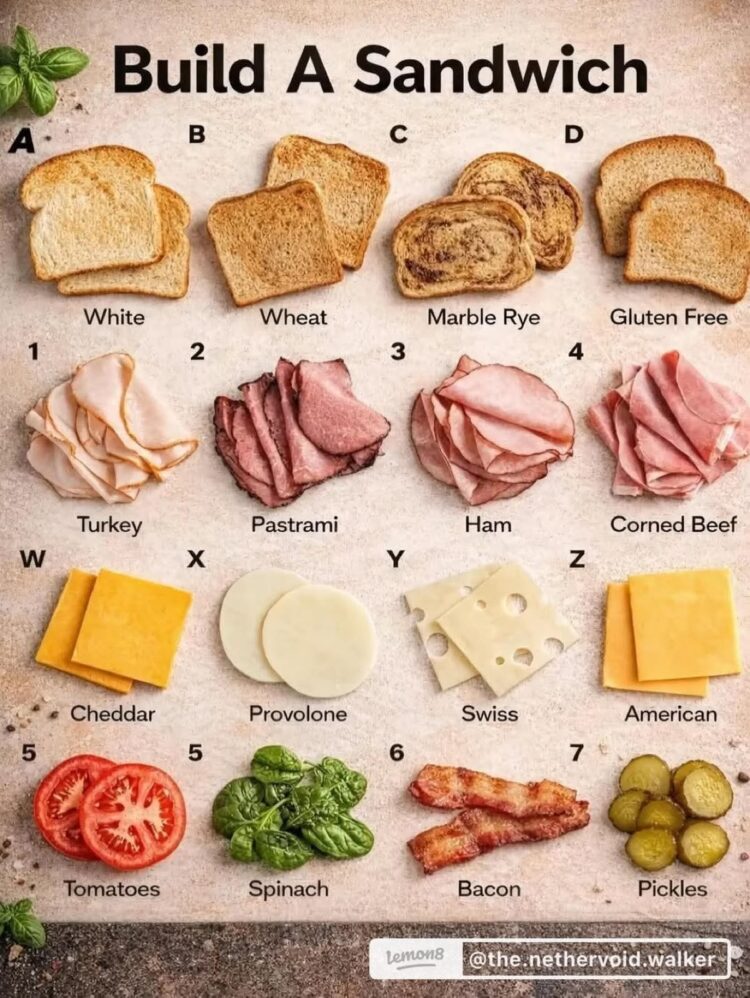
25 LONG LOST American Sandwiches That Built This Country Before Fast Food Killed Them
Pictures


























































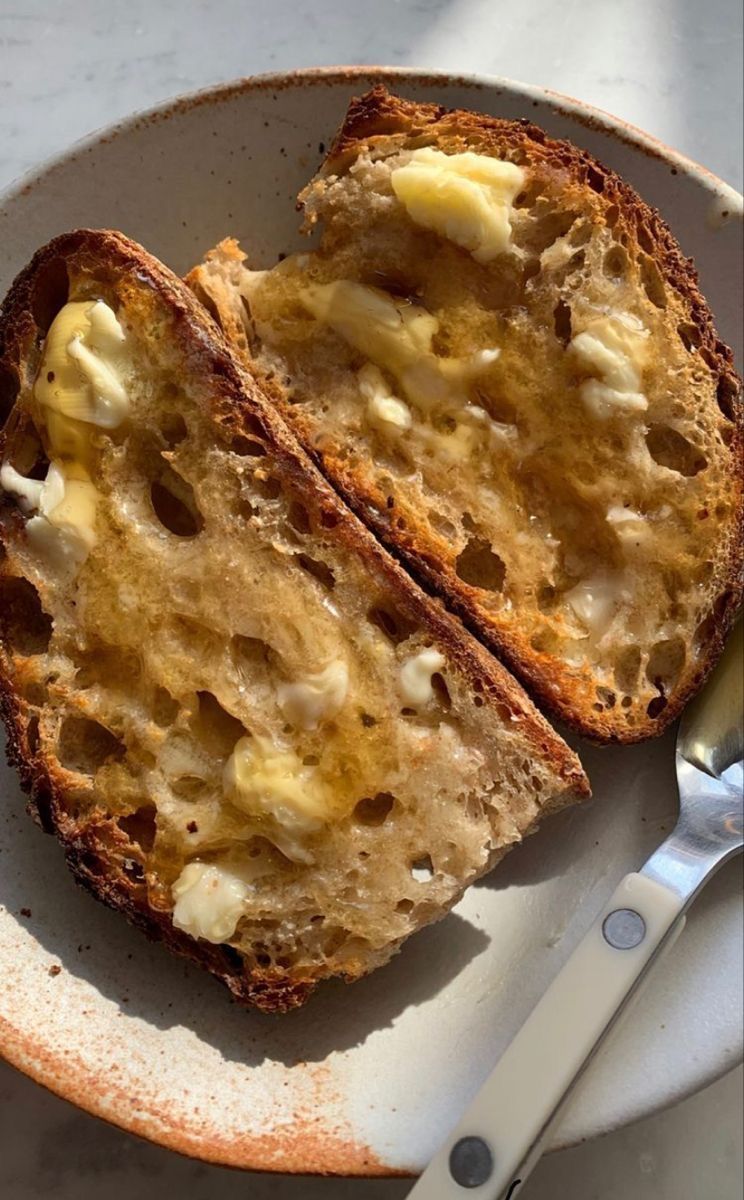


















The Bagel Recipe That Finally Replaced My Store-Bought Habit

Homemade Bagels (Simple & Chewy)
Back when my kids were little, weekends often started with bagels from the local bakery. We’d pick up a dozen, and by the afternoon, most of them would already be gone. Over time, I started to notice how much we were spending just on bagels, and I thought to myself, “Why not try making them at home?”
The first attempt wasn’t perfect, but the smell of fresh bagels baking in my kitchen was enough to convince me it was worth learning. After a few tries, I realized making bagels at home isn’t as complicated as it looks. The dough is simple, the process is straightforward, and the best part is pulling out a tray of golden bagels that are chewy on the outside and soft inside.
Now, homemade bagels are a regular thing in my house. Sometimes I make them plain, sometimes I top them with sesame seeds or everything seasoning, and every single time they disappear quickly. It’s one of those recipes that feels special without being difficult, and once you’ve made them yourself, it’s hard to go back to store-bought.
Where Did You Learn This Recipe?
I first got the idea years ago when I watched a friend boil and bake her own bagels. I couldn’t believe how easy she made it look. I went home, tried it myself, and while it took some practice, it soon became part of my cooking routine.
Why Homemade Bagels (Simple & Chewy)
They’re fresher, more affordable, and taste so much better than anything in a bag from the store. Plus, you can customize them however you like — plain, sesame, onion, poppy seed, or “everything.” Once you see how simple they are, you’ll understand why I keep making them.
What is Homemade Bagels (Simple & Chewy) Made of?
They’re made from a yeast dough that’s shaped into rings, boiled briefly in water, and then baked. The boiling step is what gives bagels their classic chewy crust while keeping the inside soft and tender.
What to Have with Homemade Bagels (Simple & Chewy)
- Cream cheese (classic and always good)
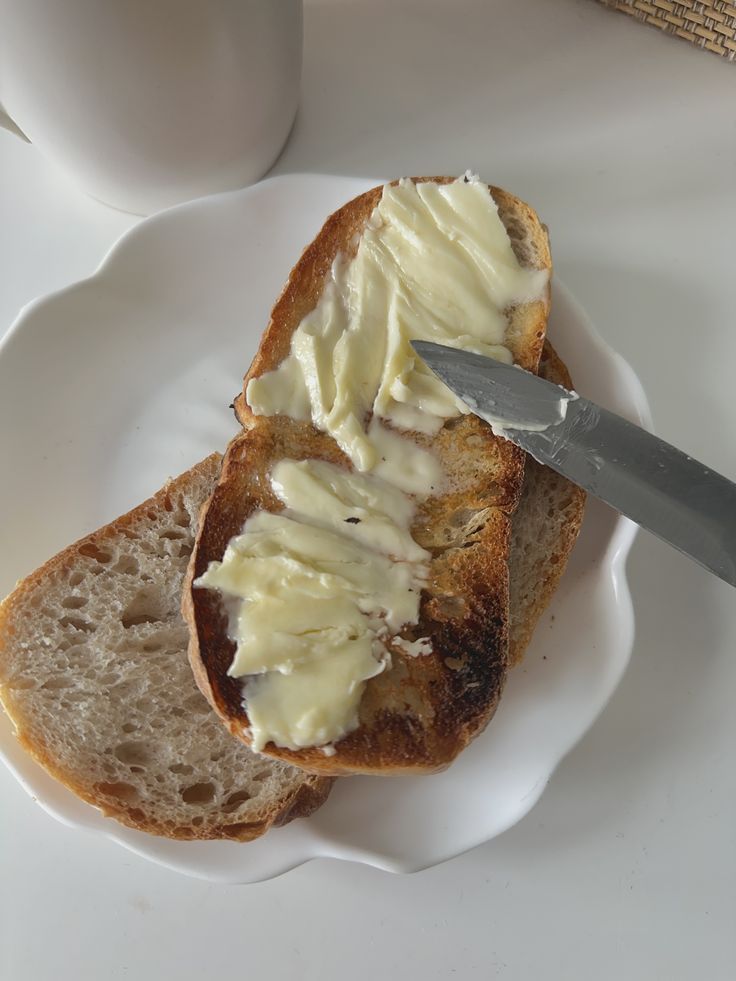
- Butter and jam
- Sliced avocado with a sprinkle of salt and pepper
- Smoked salmon with cream cheese and red onion
- Egg and cheese for a quick breakfast sandwich
Is Homemade Bagels (Simple & Chewy) Healthy?
They’re made with basic ingredients like flour, yeast, and water, so they’re not unhealthy in themselves. They are higher in carbs, so they’re best enjoyed in moderation. You can also use whole wheat flour if you want to make them a little more wholesome.

Kitchen Equipment
- Large mixing bowl
- Wooden spoon or dough hook with stand mixer
- Clean kitchen towel
- Pot for boiling water
- Slotted spoon
- Baking sheet
- Parchment paper
Ingredients
For the Bagels:
-
- 1 ½ cups warm water (110°F)
- 2 ¼ tsp active dry yeast (1 packet)
- 1 tbsp sugar
- 4 cups bread flour (you can use all-purpose if needed)
- 2 tsp salt
For Boiling:
- 8 cups water
- 2 tbsp sugar (or honey)
For Topping (Optional):
- 1 egg white, beaten (for egg wash)
- Sesame seeds, poppy seeds, or everything seasoning
How to Make
Step 1 – Make the Dough
In a large bowl, combine warm water, yeast, and sugar. Let it sit for 5 minutes until foamy. Add flour and salt, mixing until a dough forms. Knead for about 8 minutes by hand or with a dough hook until smooth.
Step 2 – Let it Rise
Place the dough in a greased bowl, cover, and let it rise for about 1 hour, until doubled in size.
Step 3 – Shape the Bagels
Punch down the dough and divide into 8 equal pieces. Roll each piece into a ball, then poke a hole through the center with your finger. Stretch it slightly to make a ring.
Step 4 – Boil the Bagels
Bring a large pot of water to a boil and stir in the sugar (or honey). Drop bagels in, 2–3 at a time, and boil for 1 minute per side. Remove with a slotted spoon and place on a parchment-lined baking sheet.
Step 5 – Bake
Brush each bagel with egg white and sprinkle with toppings if desired. Bake at 425°F (220°C) for 20–25 minutes, until golden brown.
Tips
-
- Don’t skip the boiling step — it’s what gives bagels their chewy texture.
- If you want extra flavor, mix dried onion flakes, garlic powder, or cinnamon sugar into the dough.
- Bagels freeze well — slice them first, then pop them in the freezer for easy toasting later.
FAQs
Can I make bagels without boiling them?
You can, but they won’t have the chewy texture that makes bagels special.
Can I make whole wheat bagels?
Yes, just replace half or all of the bread flour with whole wheat flour.
How long do homemade bagels stay fresh?
They’re best eaten within 2 days, but you can freeze them for longer storage.
Other Recipes Like This
Conclusion
Homemade bagels might look complicated, but once you try them, you’ll see how simple they really are. They come out chewy, soft, and so much fresher than anything in a plastic bag from the store. For me, baking bagels has become one of those little kitchen habits that makes mornings feel a bit more special.
Servings: 8 bagels
Cooking Time: 25 minutes
Prep Time: 1 hour 20 minutes (includes rising time)
Nutritional Information (per bagel):
- Calories: ~270
- Carbohydrates: 55g
- Protein: 9g
- Fat: 1g

The Bagel Recipe That Finally Replaced My Store-Bought Habit
Servings
8
servings
Prep time
1
minute
Cooking time
25
minutes
Calories
270
kcal
Ingredients
-
-
For the Bagels:
1 ½ cups warm water (110°F)
2 ¼ tsp active dry yeast (1 packet)
1 tbsp sugar
4 cups bread flour (you can use all-purpose if needed)
2 tsp salt
-
-
-
For Boiling:
8 cups water
2 tbsp sugar (or honey) -
For Topping (Optional):
1 egg white, beaten (for egg wash)
Sesame seeds, poppy seeds, or everything seasoning
-
Directions
- Step 1 – Make the Dough
In a large bowl, combine warm water, yeast, and sugar. Let it sit for 5 minutes until foamy. Add flour and salt, mixing until a dough forms. Knead for about 8 minutes by hand or with a dough hook until smooth.
Step 2 – Let it Rise
Place the dough in a greased bowl, cover, and let it rise for about 1 hour, until doubled in size.
Step 3 – Shape the Bagels
Punch down the dough and divide into 8 equal pieces. Roll each piece into a ball, then poke a hole through the center with your finger. Stretch it slightly to make a ring.
Step 4 – Boil the Bagels
Bring a large pot of water to a boil and stir in the sugar (or honey). Drop bagels in, 2–3 at a time, and boil for 1 minute per side. Remove with a slotted spoon and place on a parchment-lined baking sheet.
Step 5 – Bake
Brush each bagel with egg white and sprinkle with toppings if desired. Bake at 425°F (220°C) for 20–25 minutes, until golden brown.
What is a criminal case that changed unexpectedly?
The protagonist of this case is an 18-year-old girl, Denali Brehmer.
Denali met a supposedly young millionaire online, but as usually happens in these cases, on the Internet no one is who they say they are.
One day, the young millionaire made Denali an offer: if she accepted, he would have to kill someone and document the entire process, in exchange for $9 million in cash. She eventually accepted the macabre offer and even chose a victim: her best friend.
Denali recruited three of her friends, and they got together and apparently discussed how to carry out the murder and how they would divide the “pot.”
They took the girl on a hike and, when she least expected it, shot her in the head, tied her up and threw her into the water.
There was just one problem: the guy she was talking to, that “young millionaire” who was talking to her, was just a normal 22-year-old guy who lived in Indiana and pretended to be a millionaire to manipulate women. People.
In the end, the only reward this girl will receive is prison.
This happened back in my university days, and it’s still one of the wildest stories from that whole period of my life.
A girl I was living with at the time picked up a secondhand piece of furniture, an old wardrobe with a set of drawers. Nothing special about it at first. Then, about six months later, she showed up at my door at three in the morning, practically dragging me out of bed, insisting I had to come see something immediately.
She’d found an envelope tucked underneath one of the drawer shelves, hidden well enough that it had apparently gone unnoticed by whoever owned the wardrobe before her. Inside was a nine-page handwritten letter, and the story it told was honestly incredible. It had been written by a woman whose father had gone to prison back in the 1970s, when she was still a young girl. Before he was locked up, he’d left her a hand-drawn map showing the location of a large sum of money he’d hidden in an old, abandoned well. But she’d never actually gone to retrieve it. She was too afraid that showing up with that kind of money, without a clean explanation for where it came from, would land her in legal trouble too. So the letter, the maps, names, dates, all of it just sat there, tucked into a piece of furniture that eventually got sold off secondhand, probably by accident.
The location described in the letter was roughly three and a half hours from where we lived. So naturally, six of us piled into a car that weekend and went looking for it, treating the whole thing like a genuine treasure hunt.
And here’s the twist: we actually found what we were looking for. We tracked down the woman from the letter, now an adult herself, and in the process learned a pretty obvious but important lesson, that money you stumble across which clearly belongs to someone else isn’t yours to keep, no matter how long it’s been sitting there waiting. Still, we did end up getting a reward for our part in it, nothing life-changing, but enough to cover our rent for the entire following school year, which honestly felt like a small miracle at the time.
I know the obvious question people ask at this point is why we didn’t just try to keep it ourselves. A few practical reasons made that basically impossible. First, the money was sealed under a massive slab of steel, something like 30 centimeters thick and covering roughly half a square meter of ground. It took six grown men and an excavator just to move that thing out of the way. On top of that, the rope originally tied to the money bags had completely rotted through over the decades, so there was no way to just haul everything up ourselves. And since the well sat on private property, we had no legal way to access it without explaining exactly why we were there in the first place.
So in the end, we just walked up to this woman’s door and told her, pretty much word for word, “We think there might be a lot of money buried somewhere in your yard.”
What followed was honestly one of the more surreal afternoons of my life, half the town showing up to watch, including the local fire department, as they pulled bag after bag of old banknotes out of a dried-up well that had probably been sitting untouched for decades.