

How are you all doing?
How has this year been a treating you all?
Are you coping well, fearful, apprehensive, hopeful or just treading water?
Don’t let the media get you down, and don’t allow the apparent crazy-world around you upset you. The world is filled with good stuff. Of all sort.
For me, it’s food, and friendships.
For others it might be golf, sailing or pets.
Today, I want to show you some happy pictures that I enjoy.
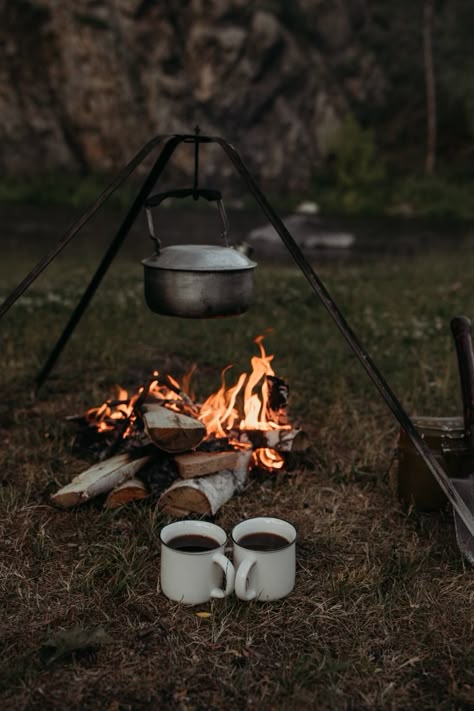

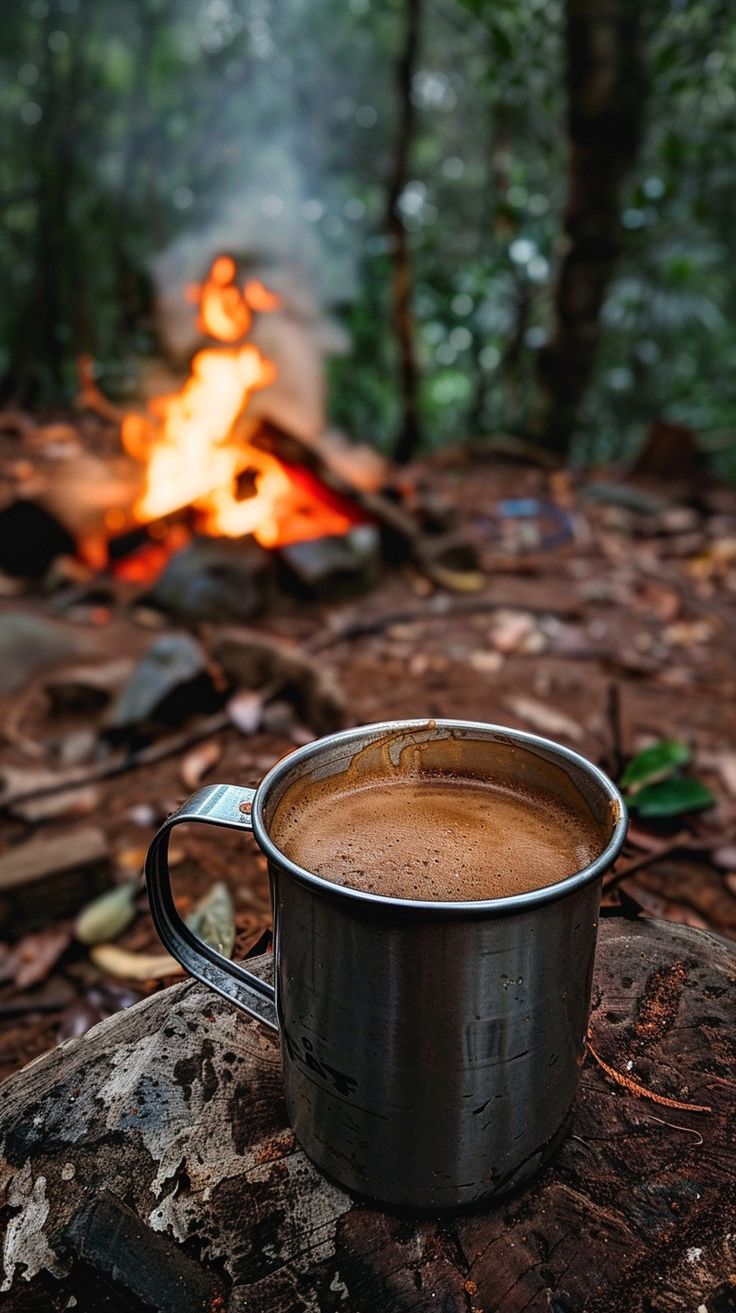
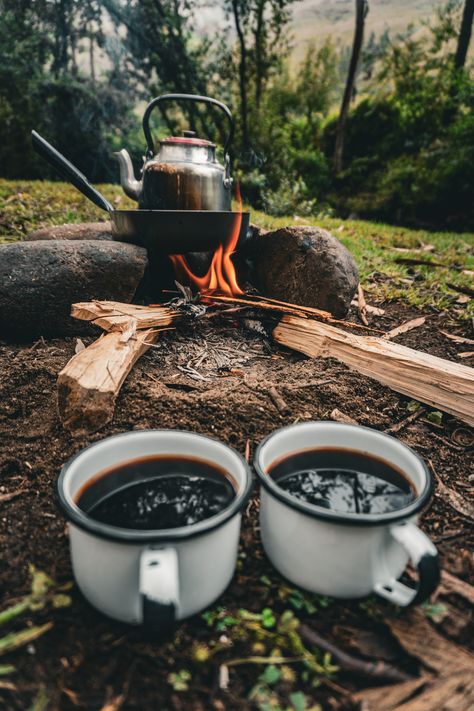






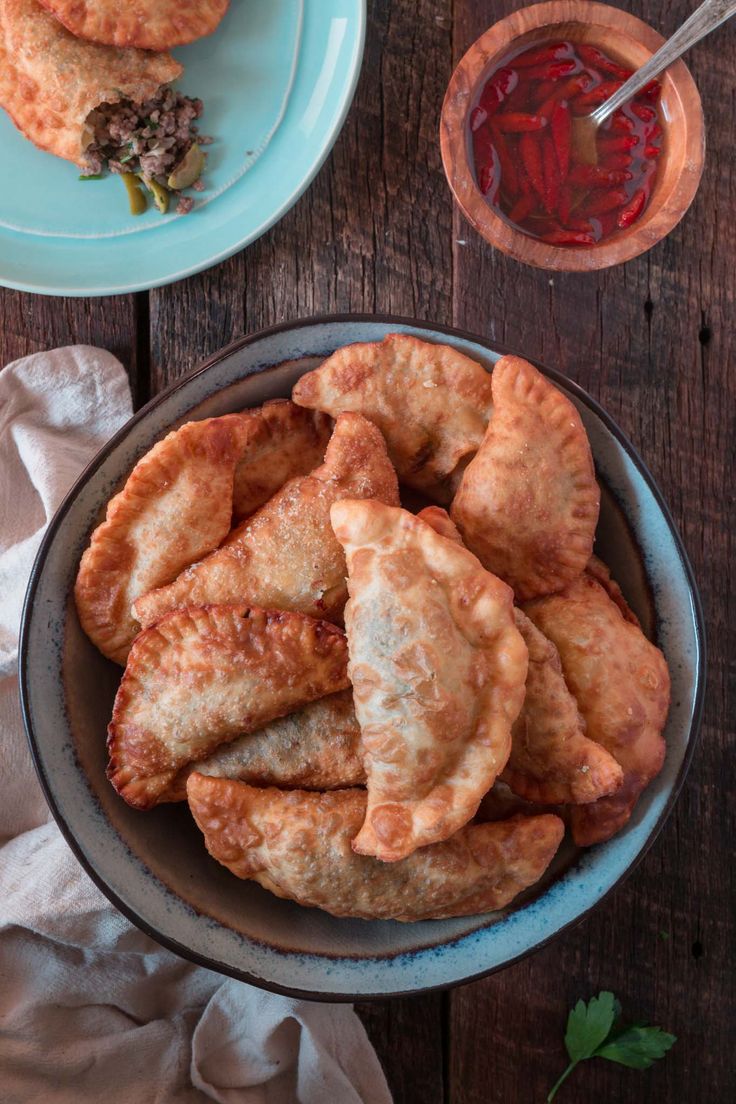

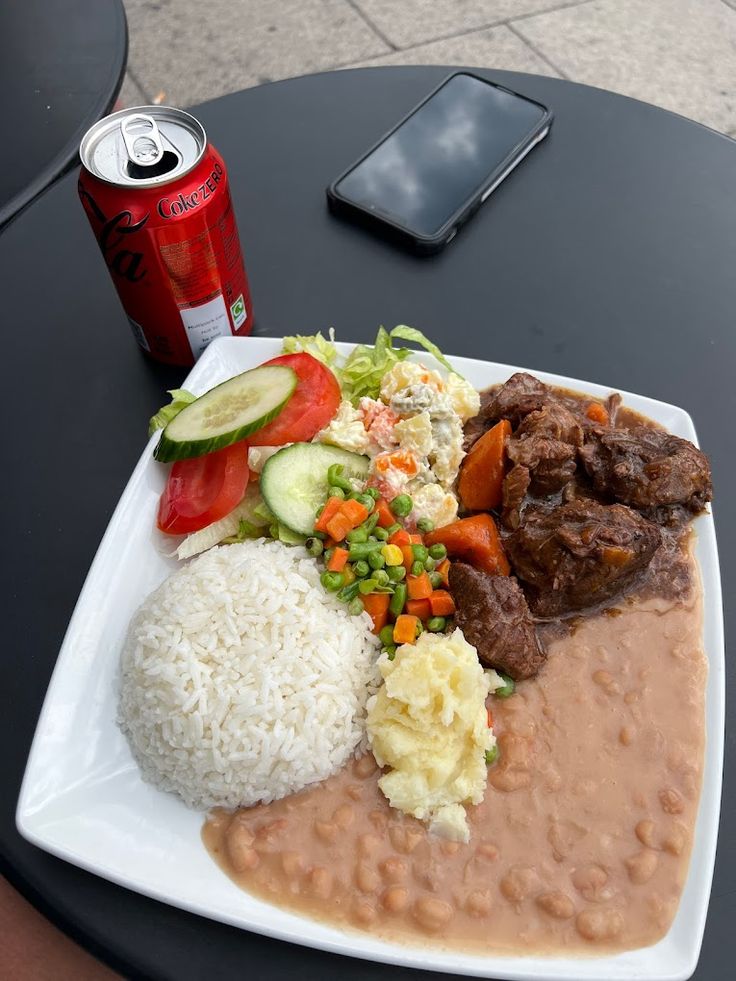
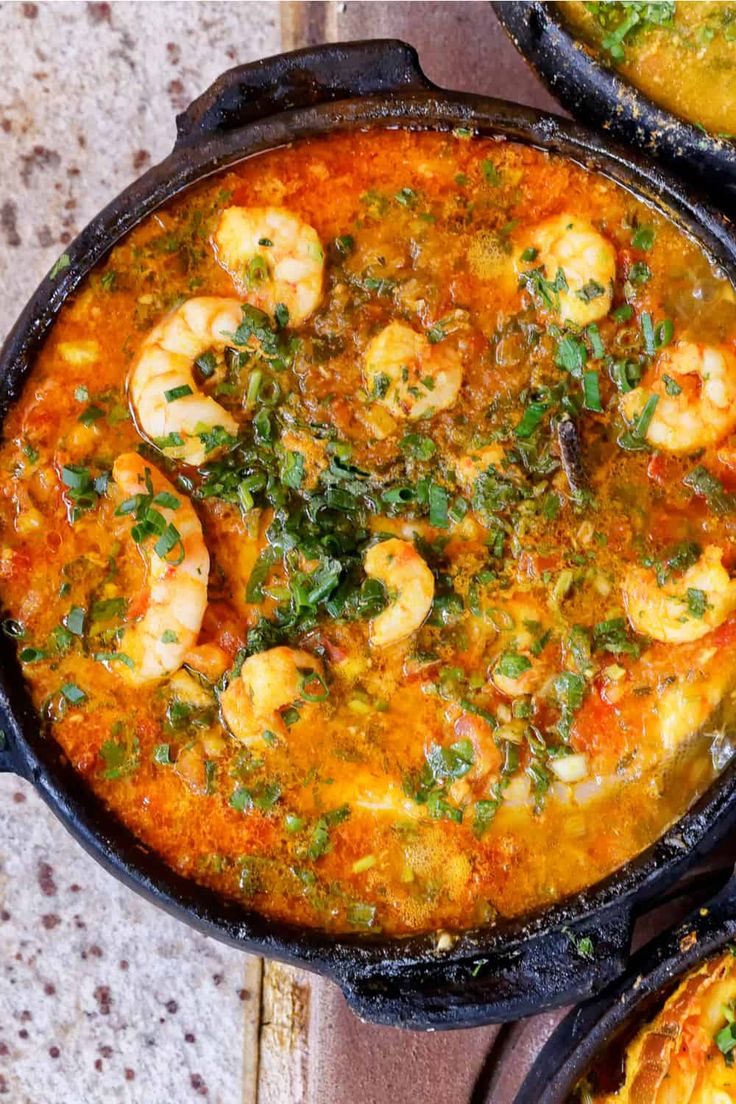
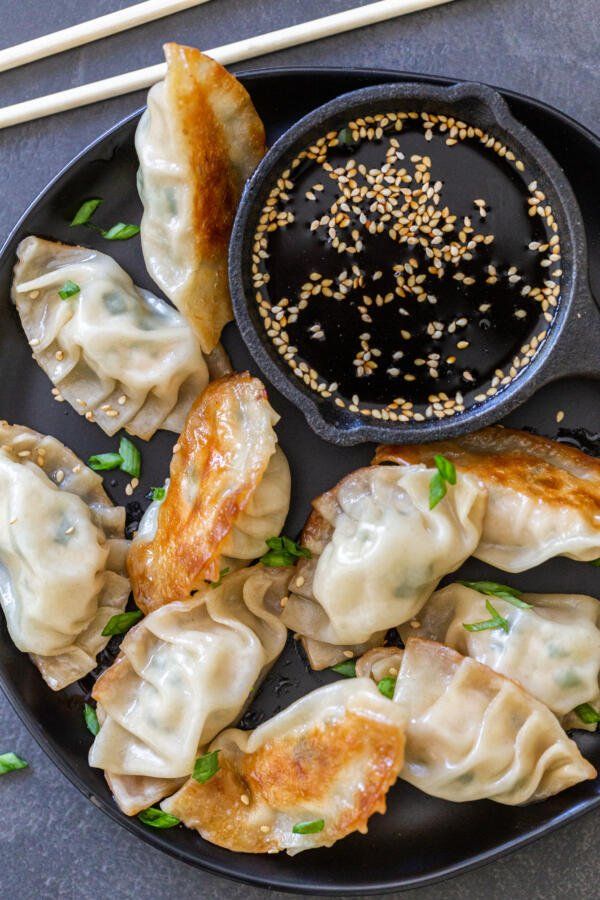
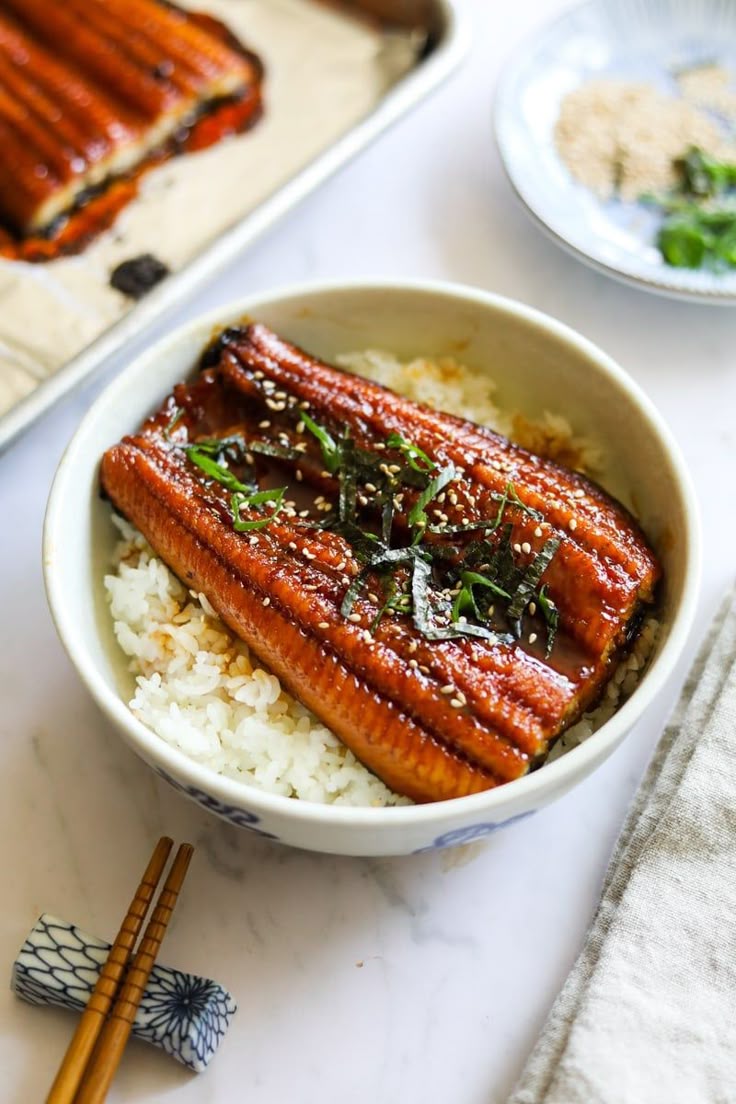
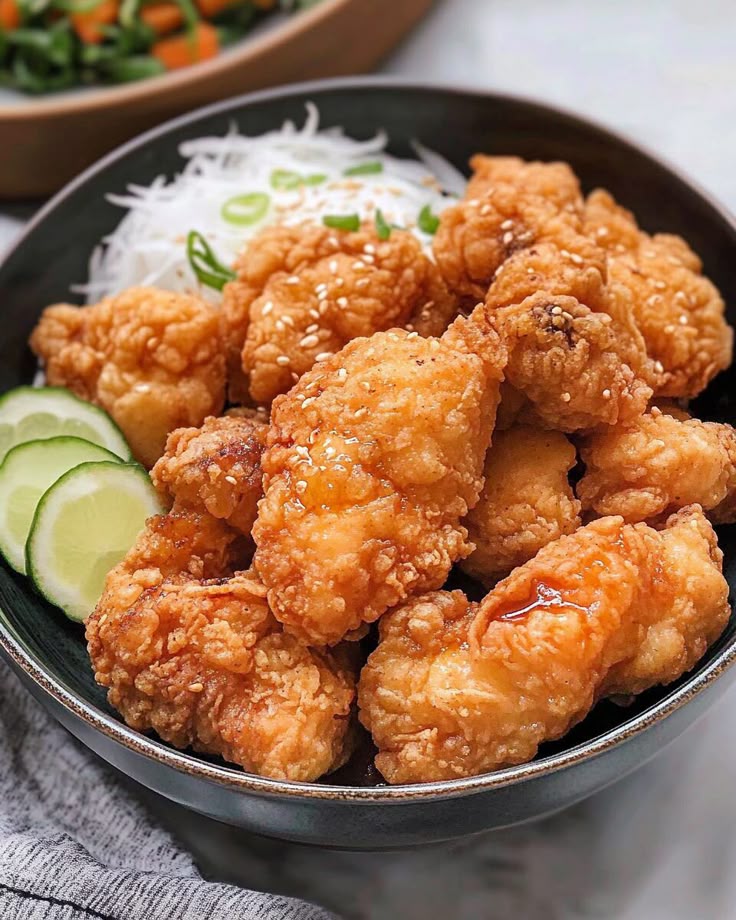
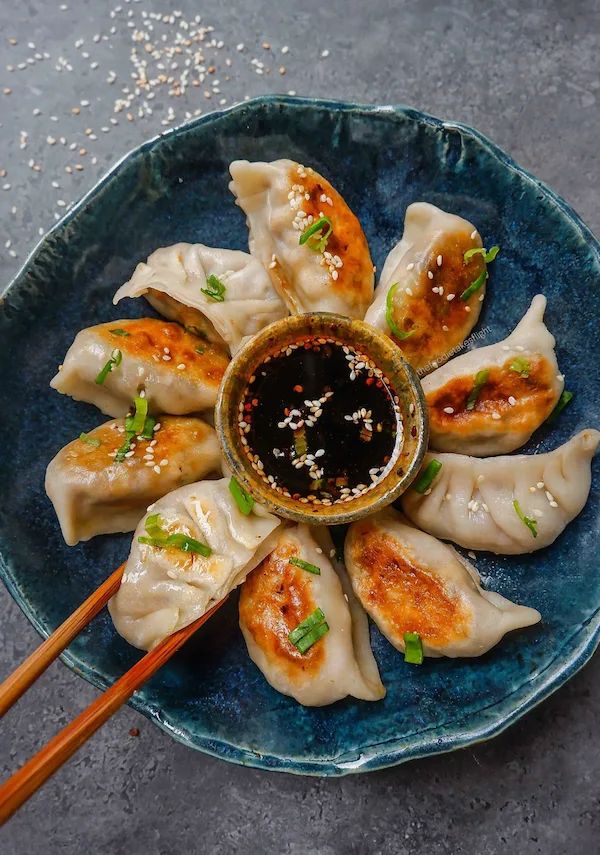
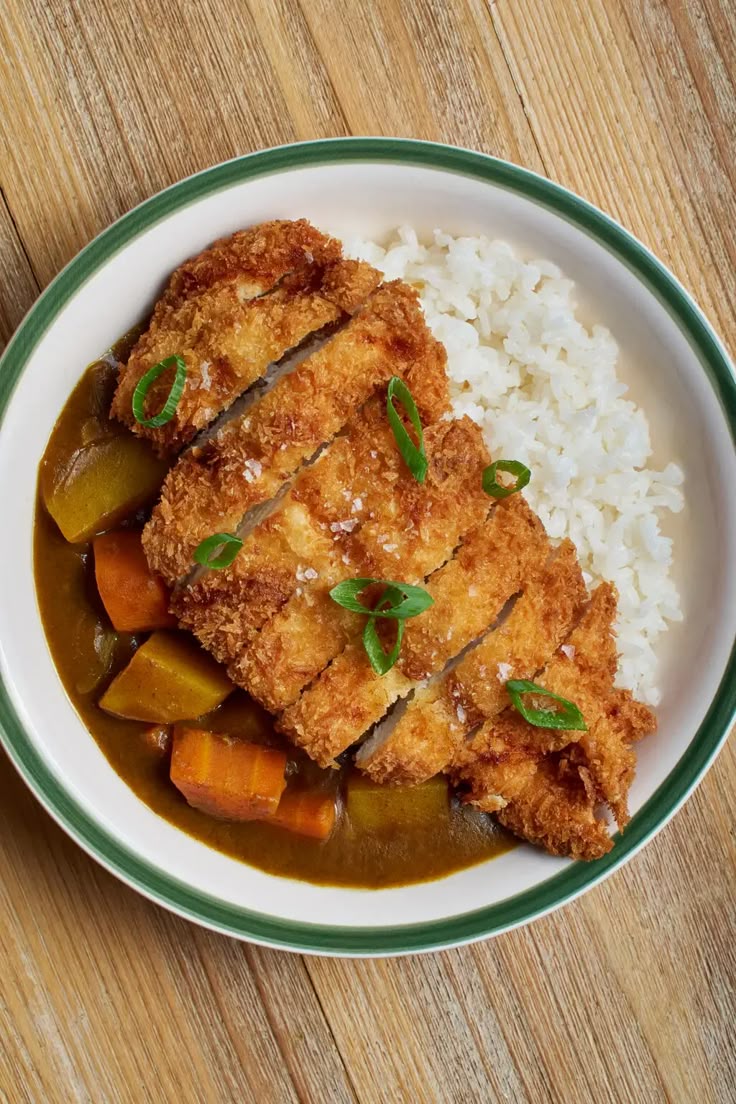
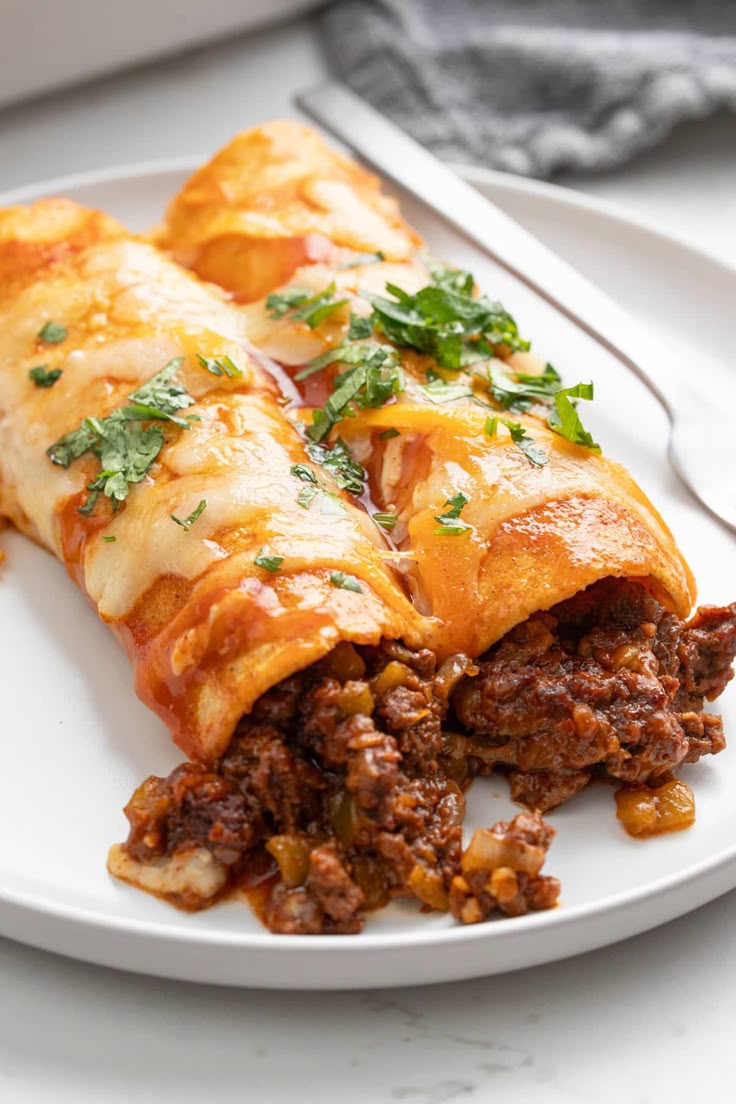
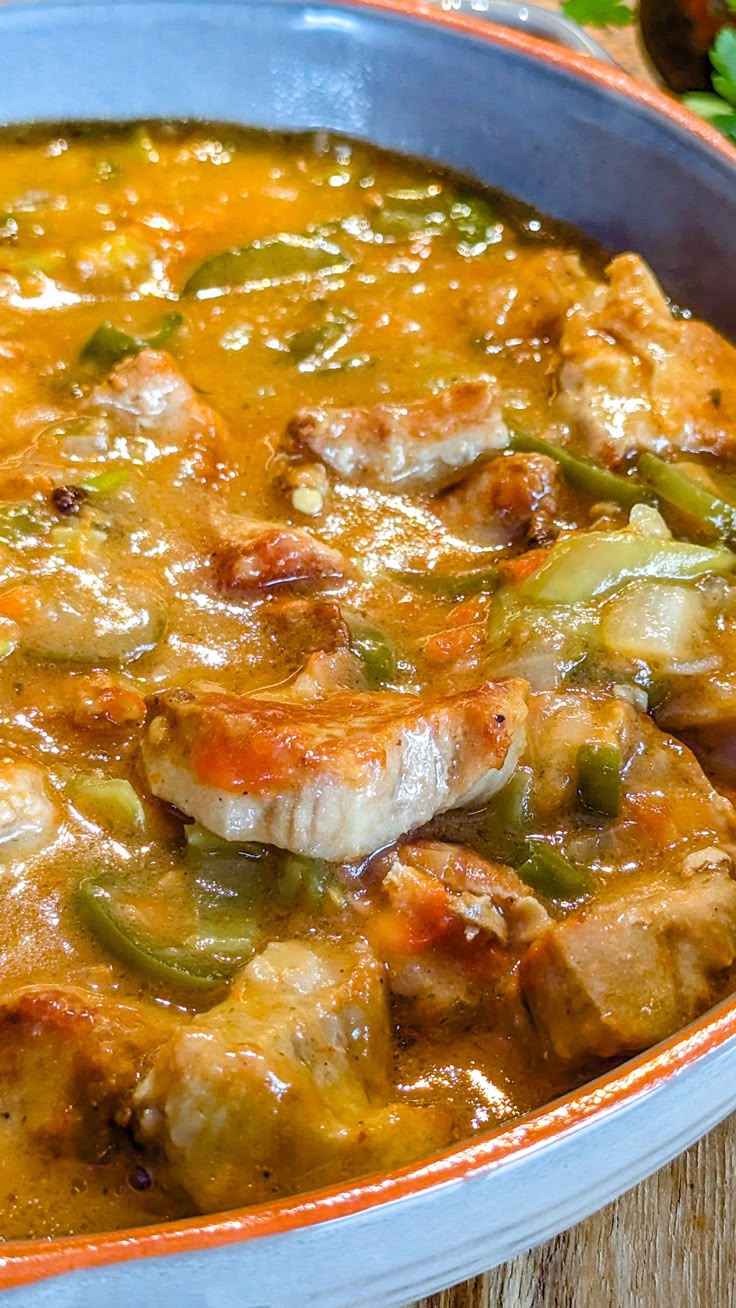
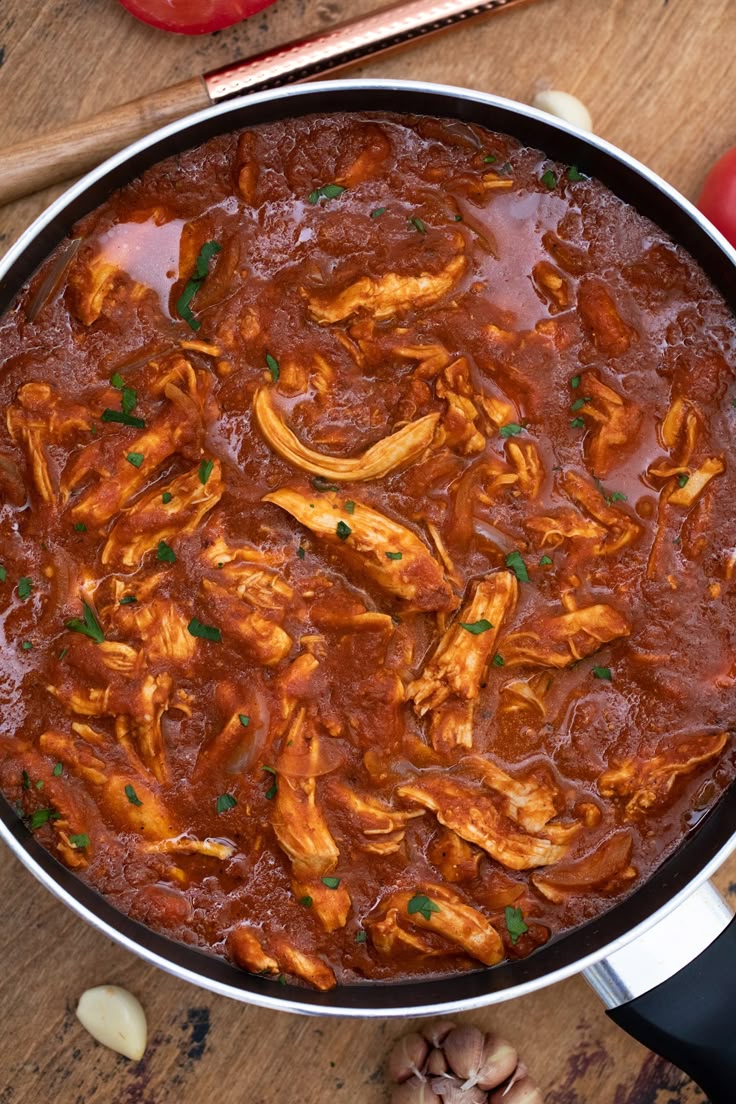
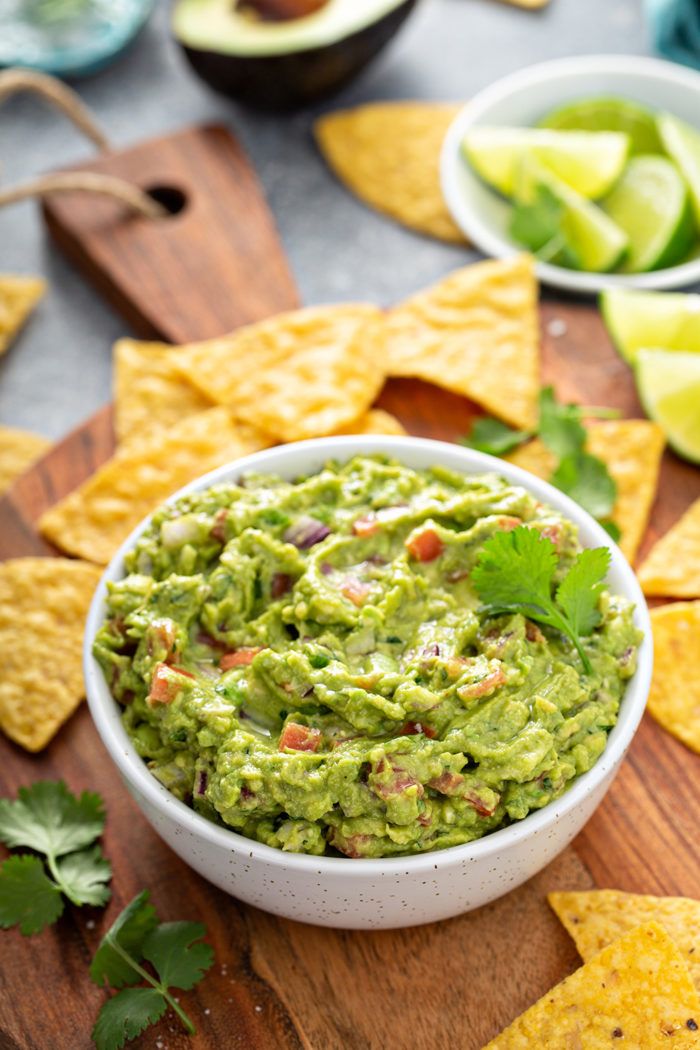
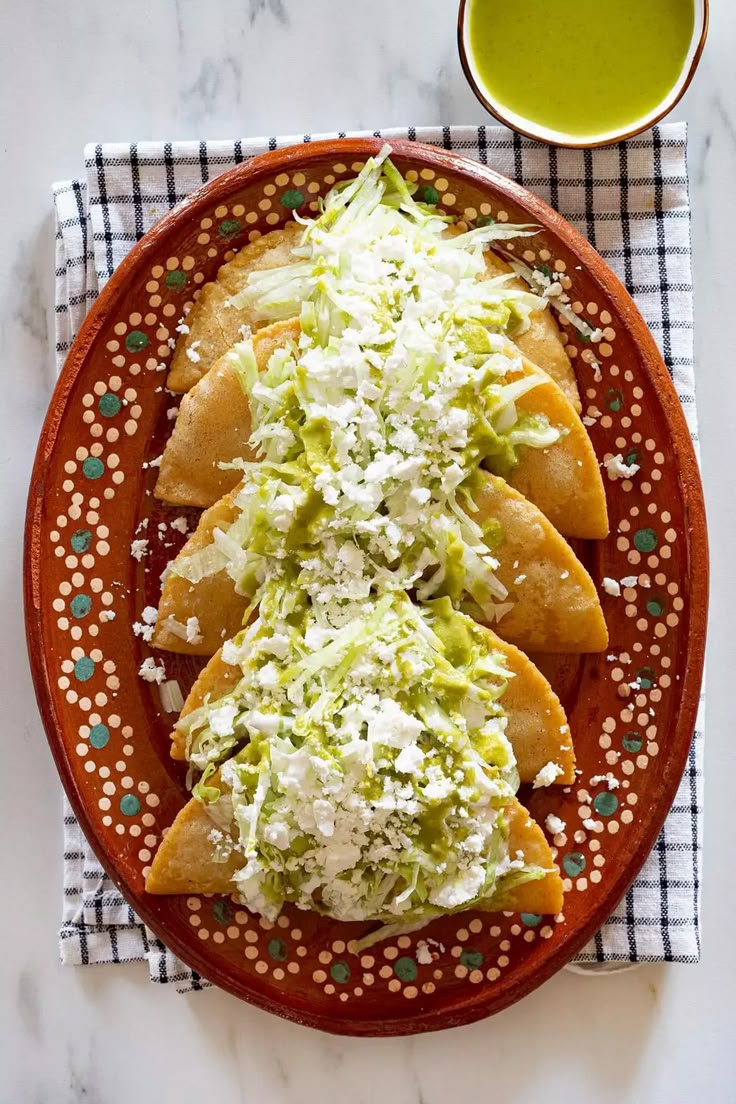
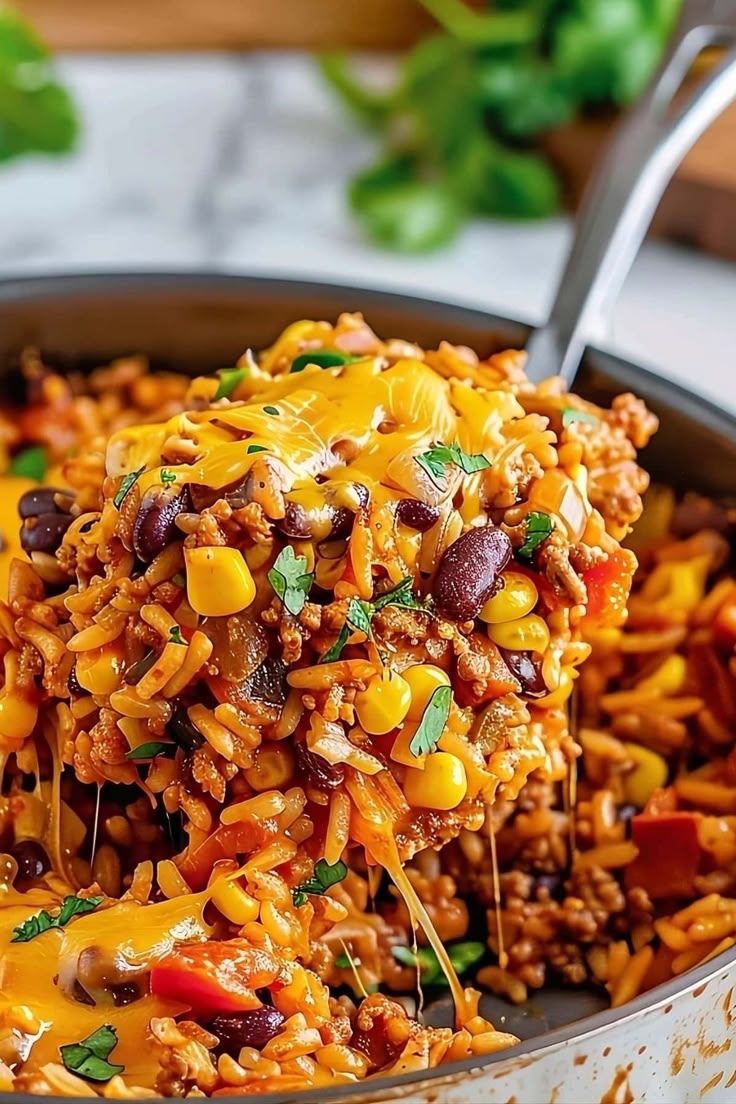
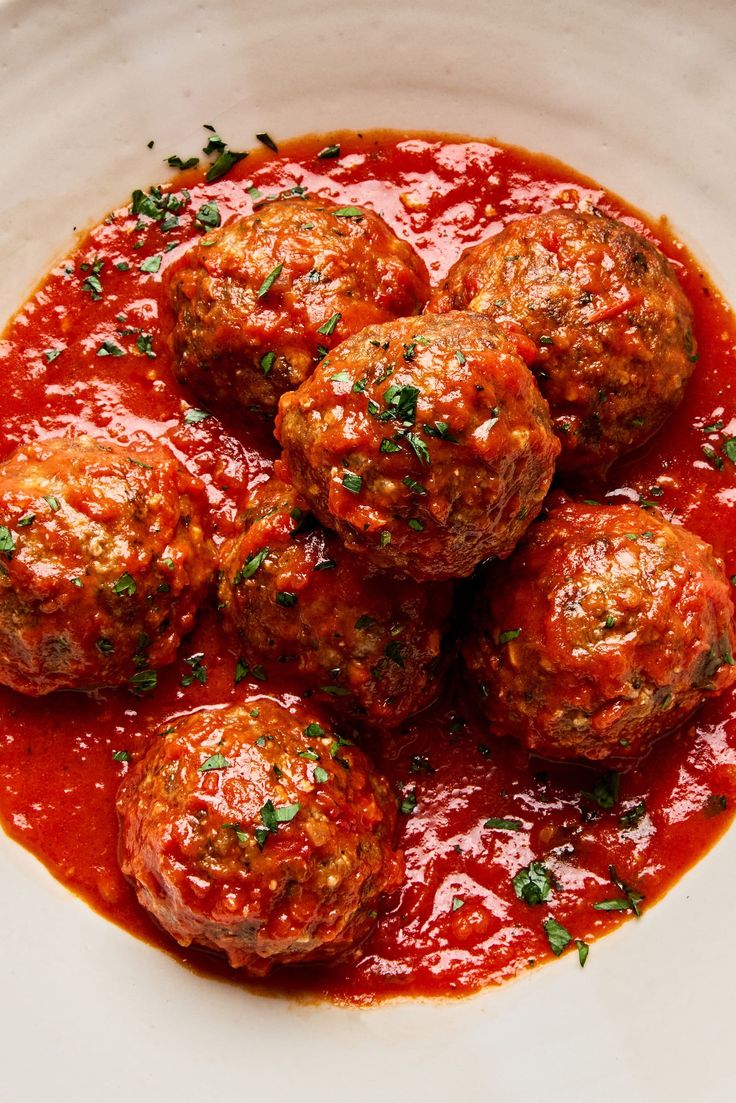
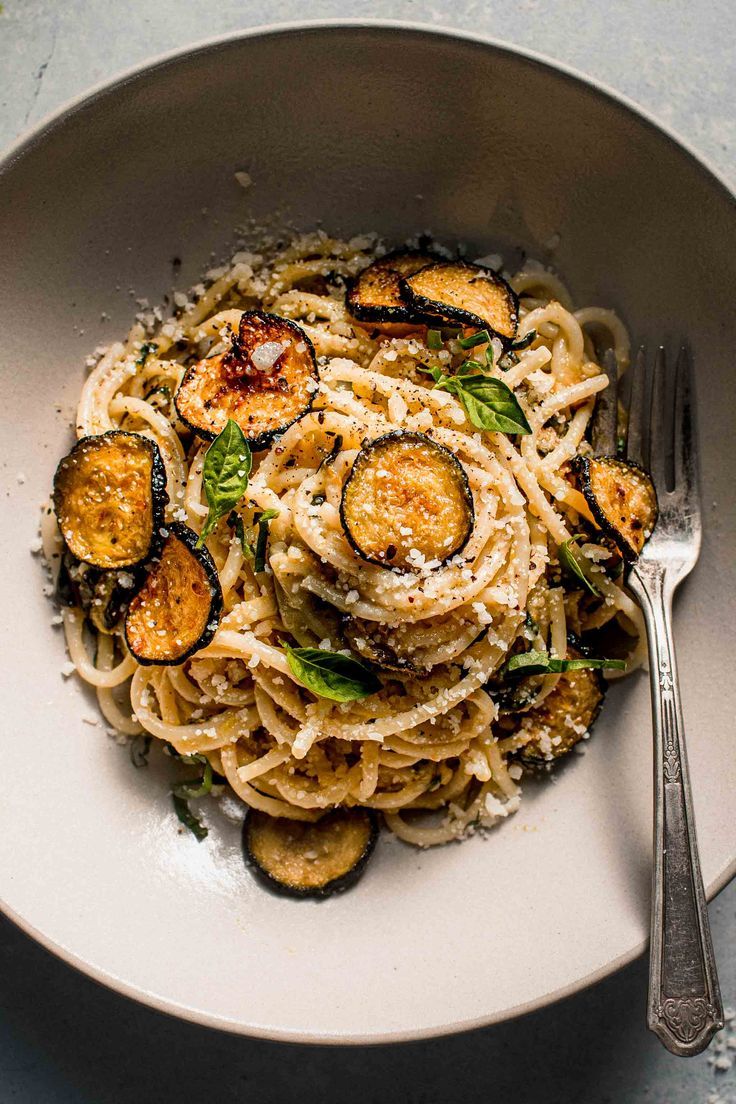
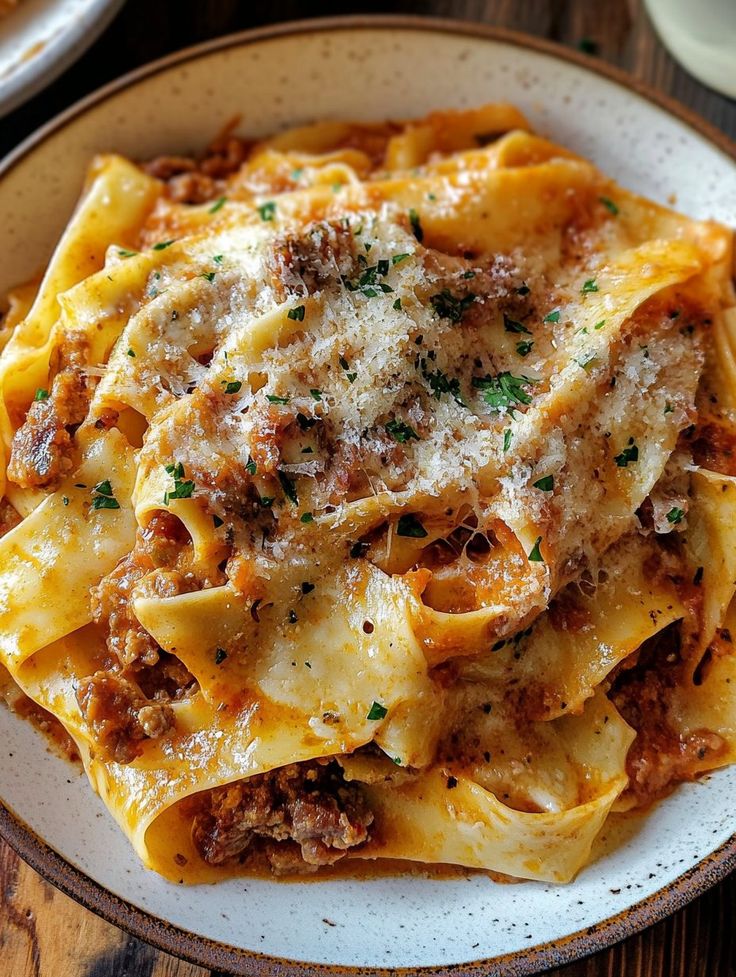

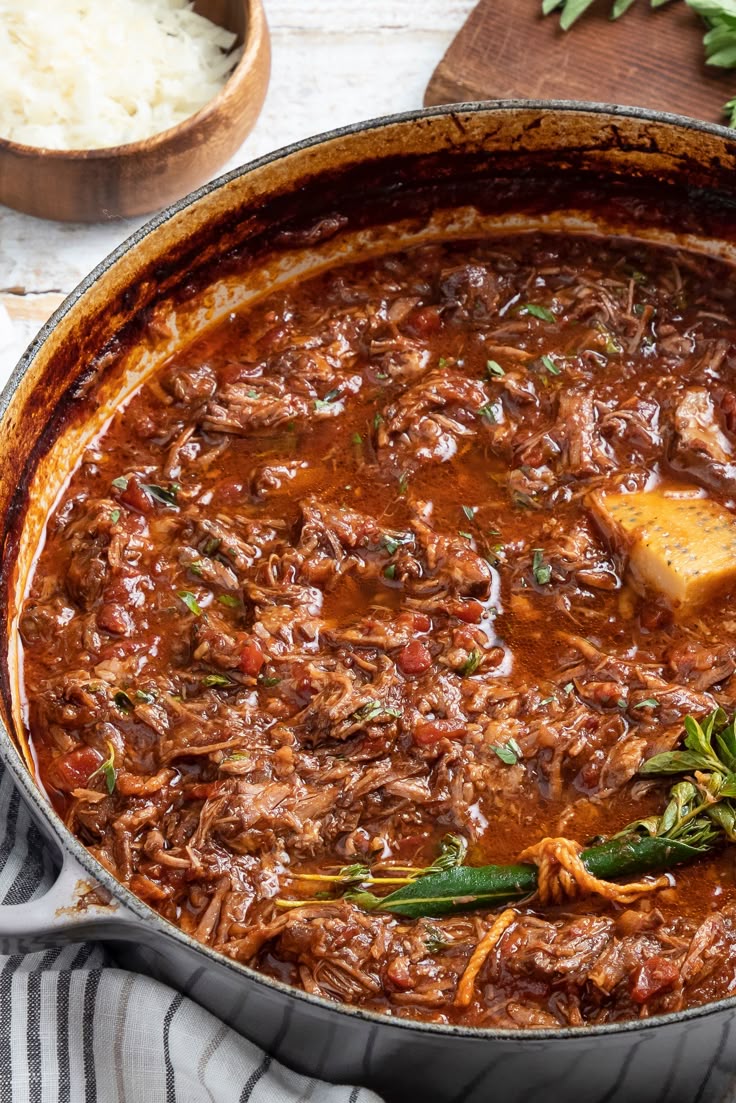
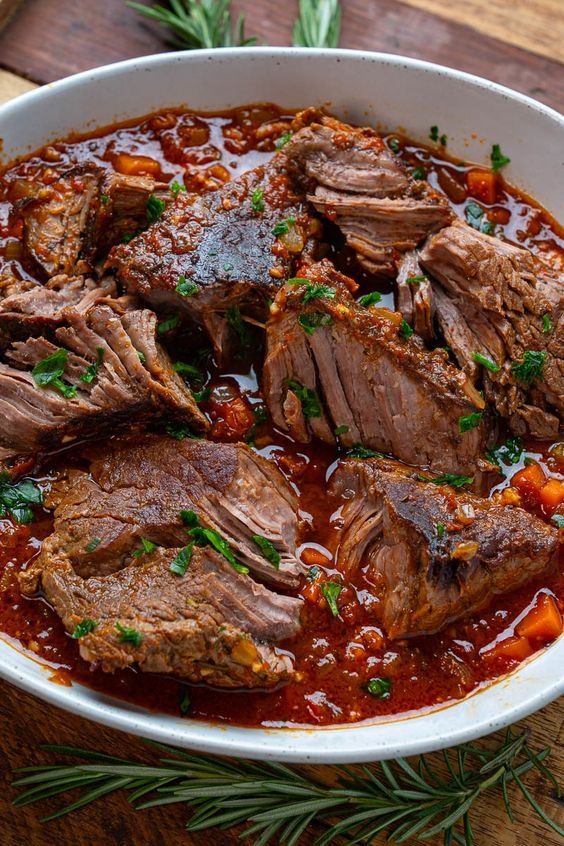
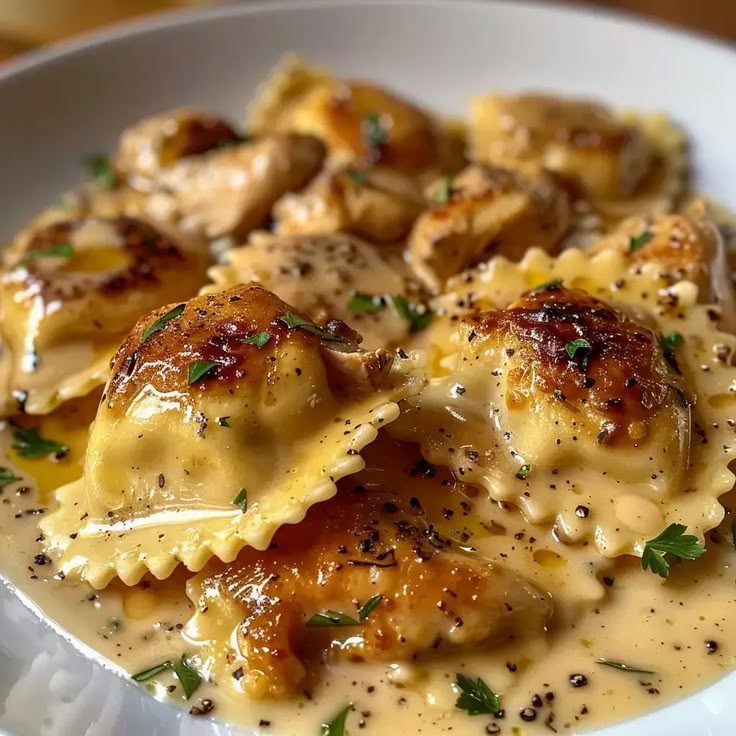
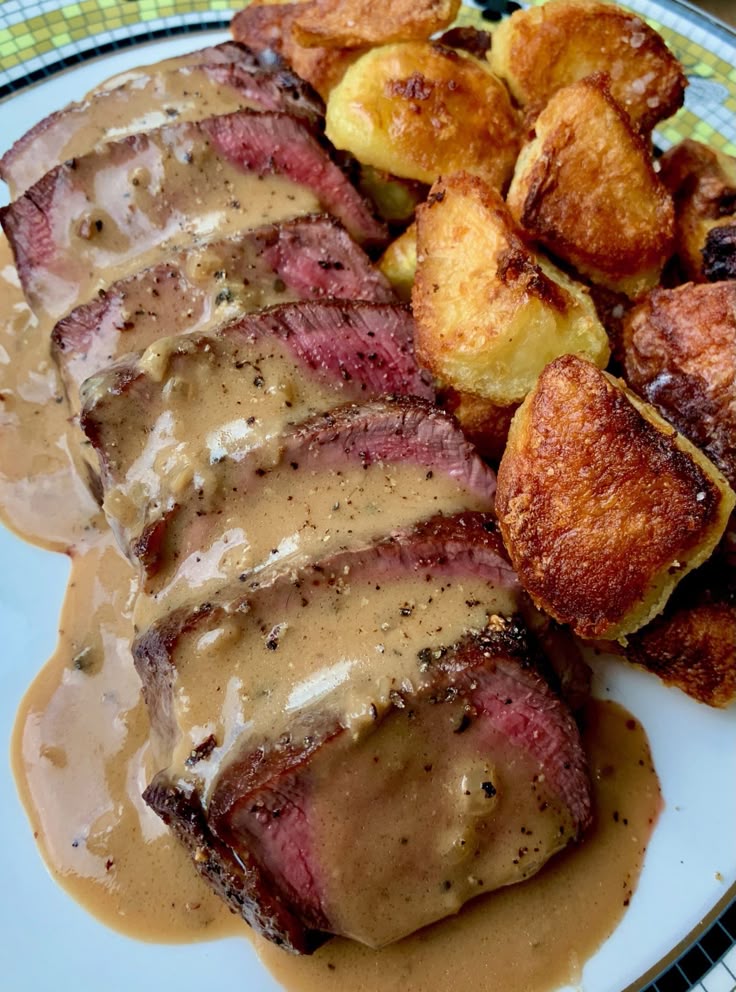
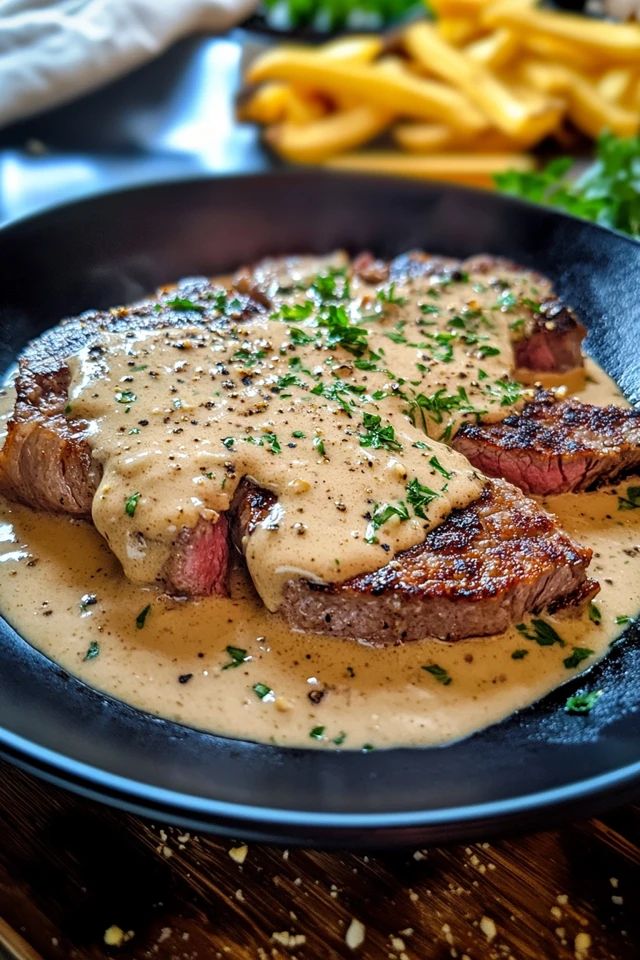
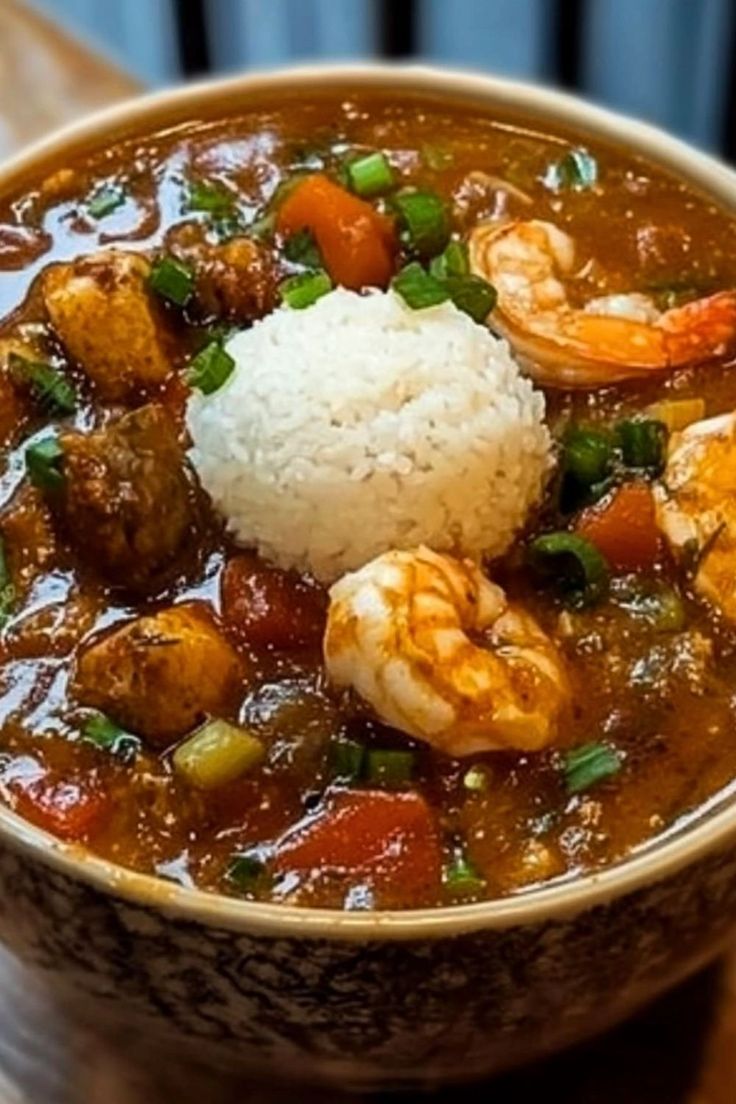
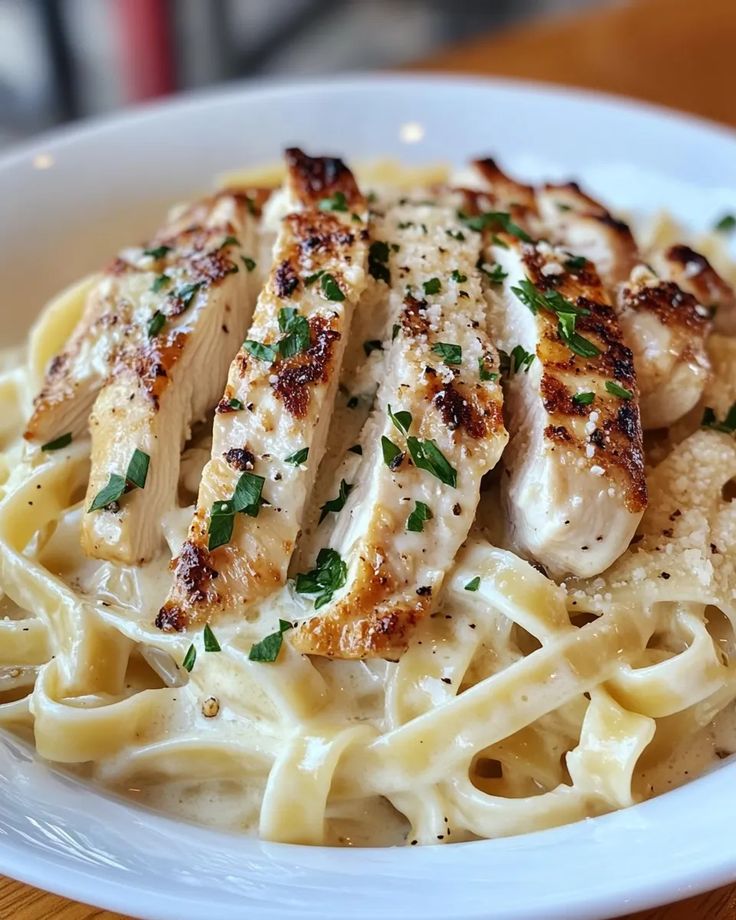
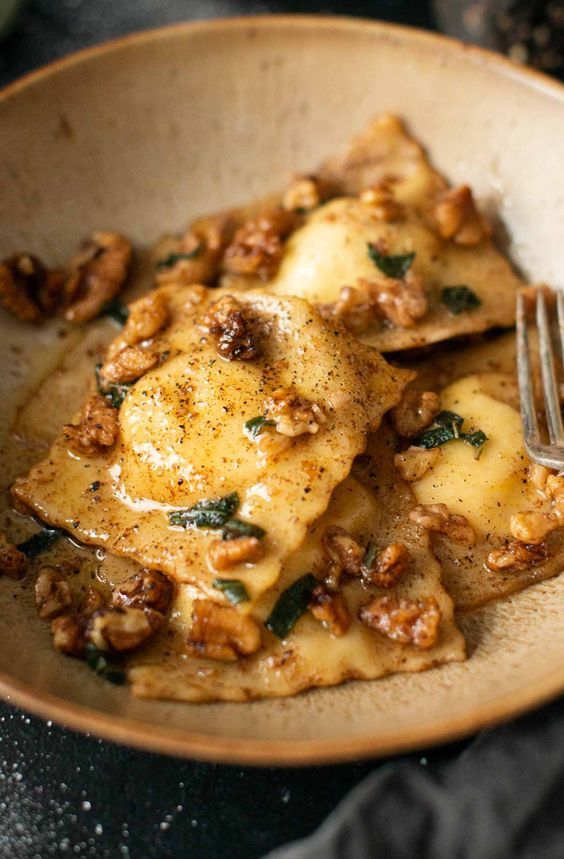
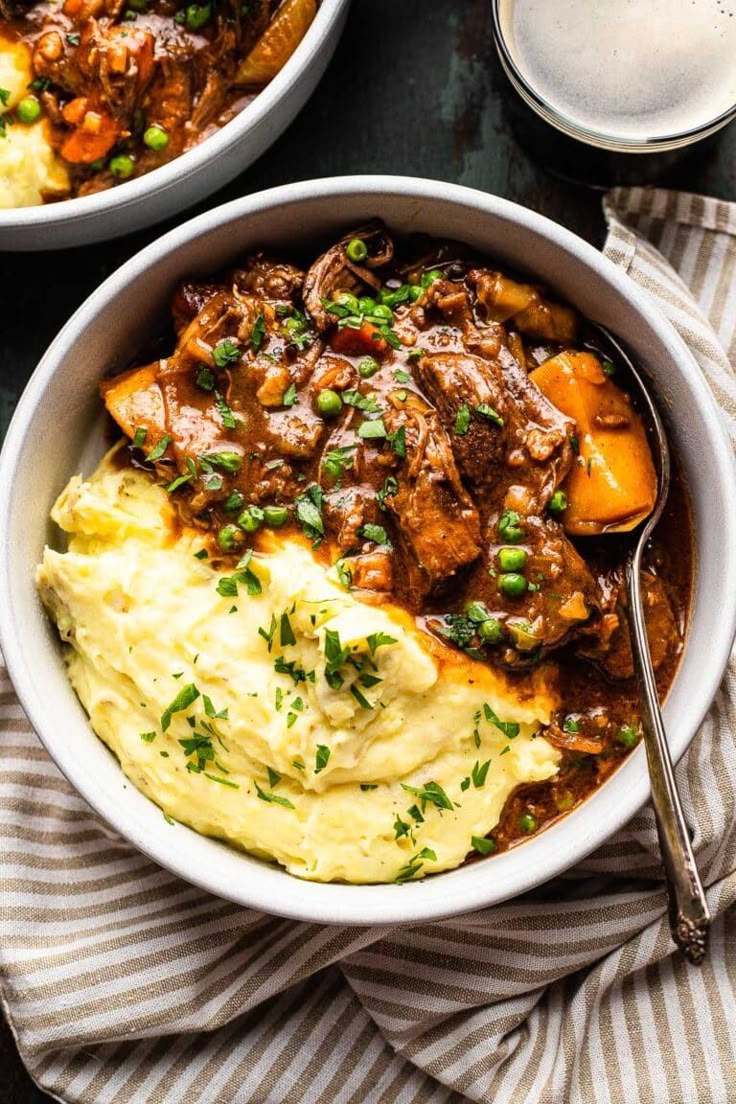
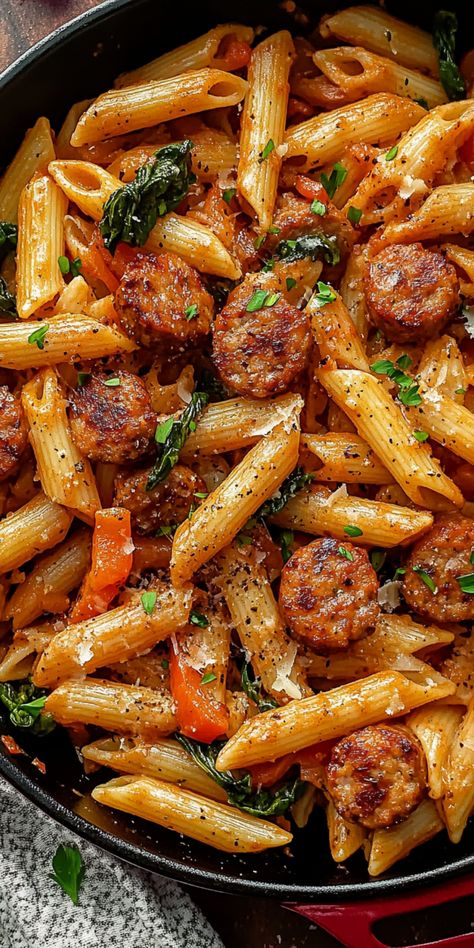
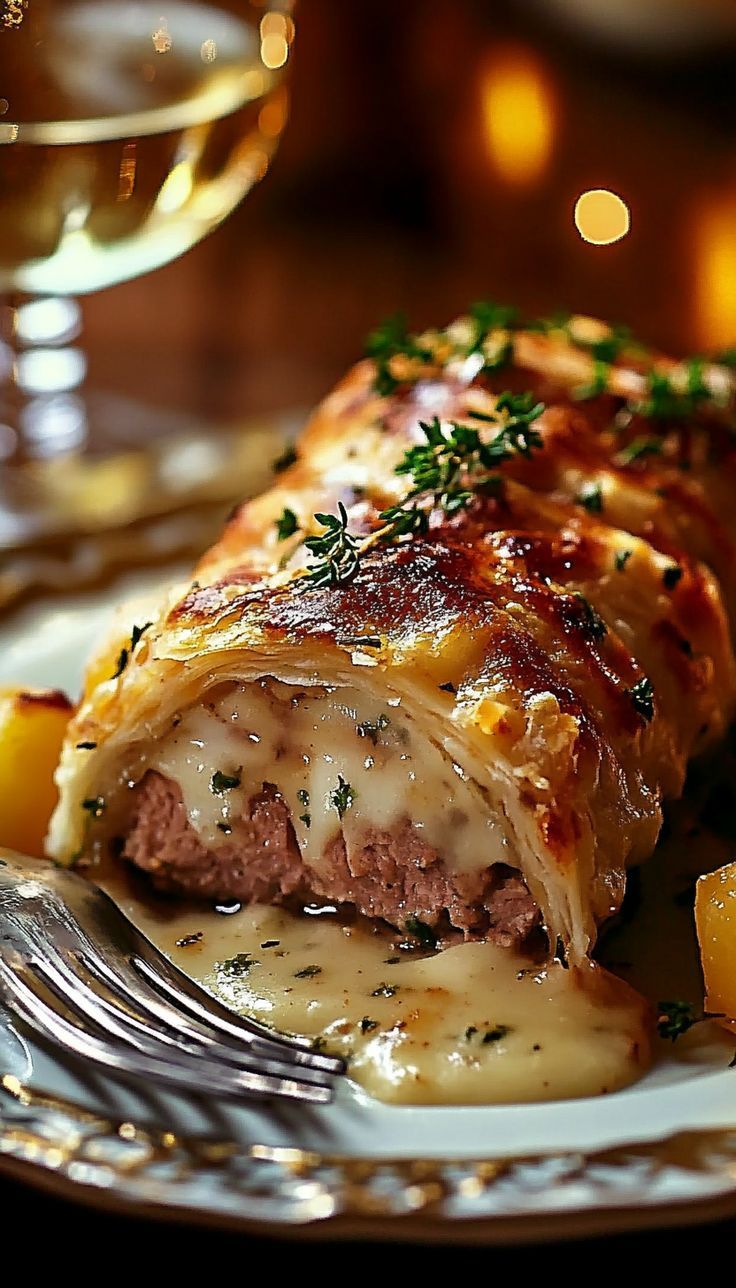
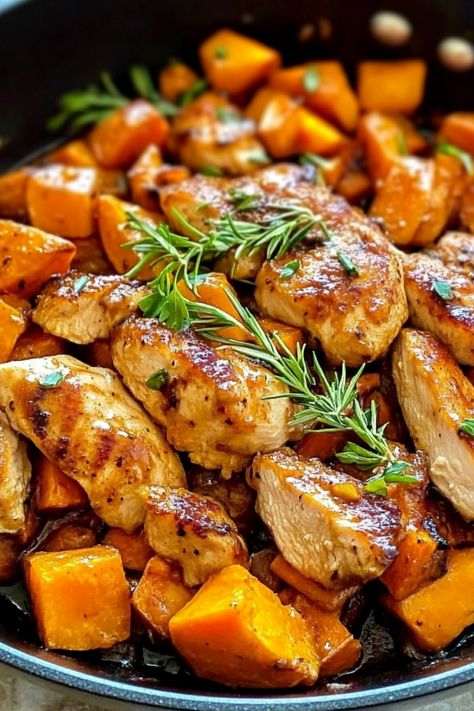
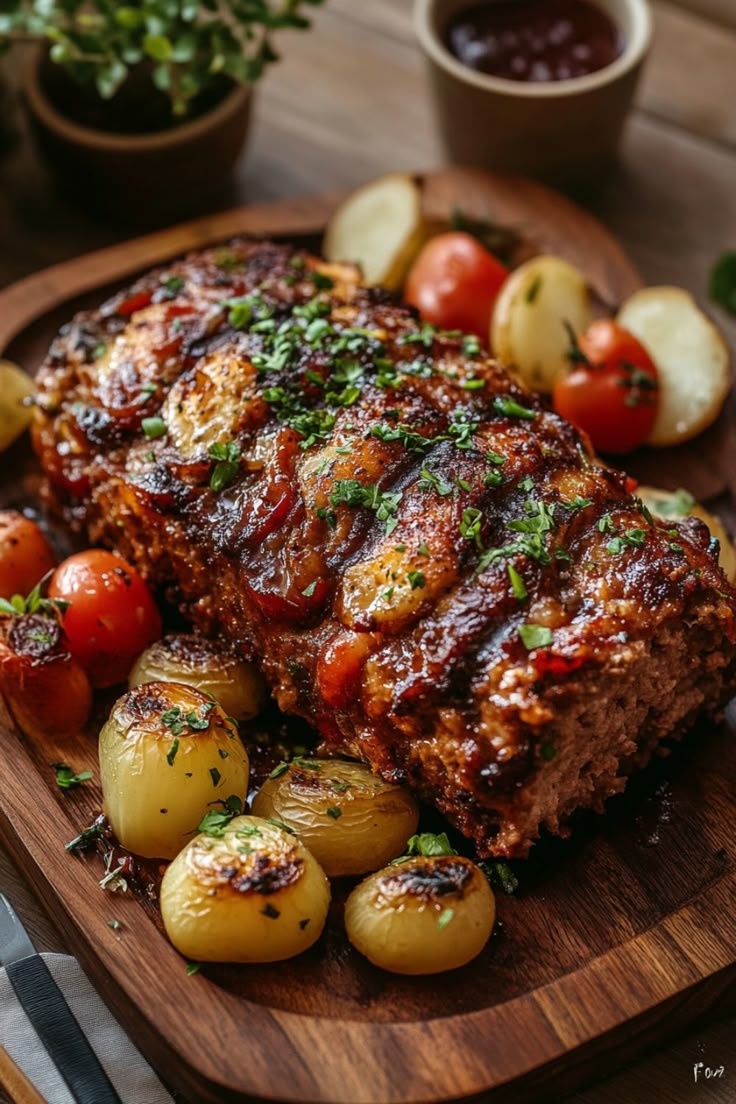
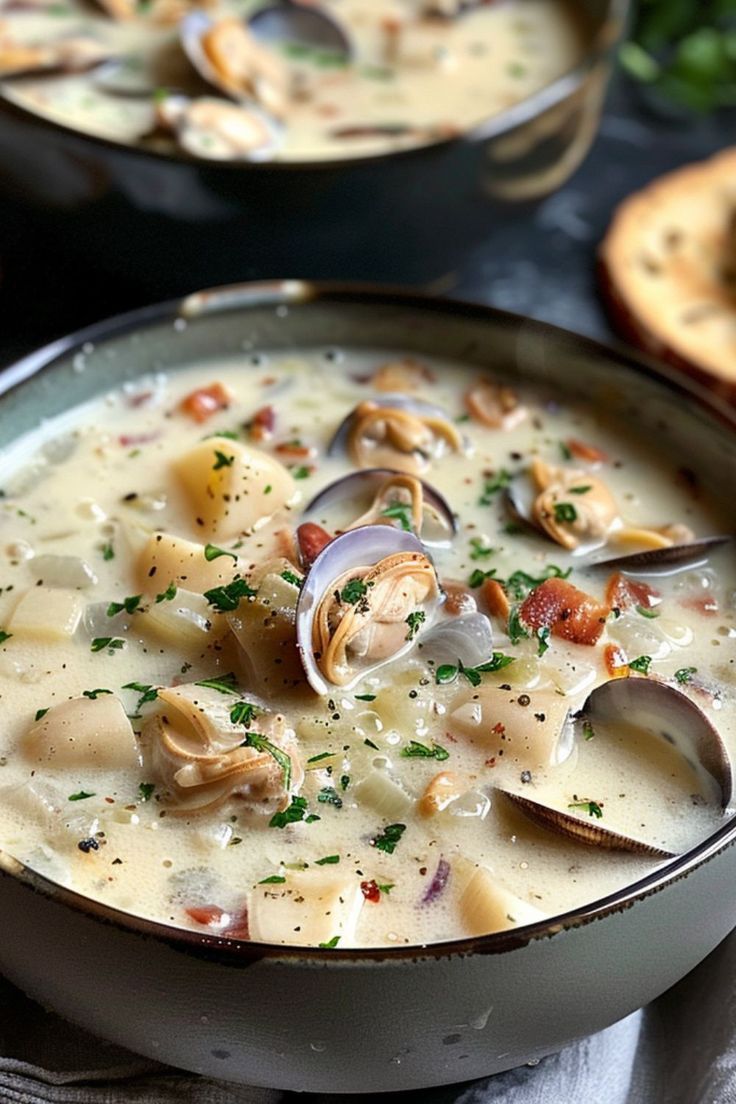
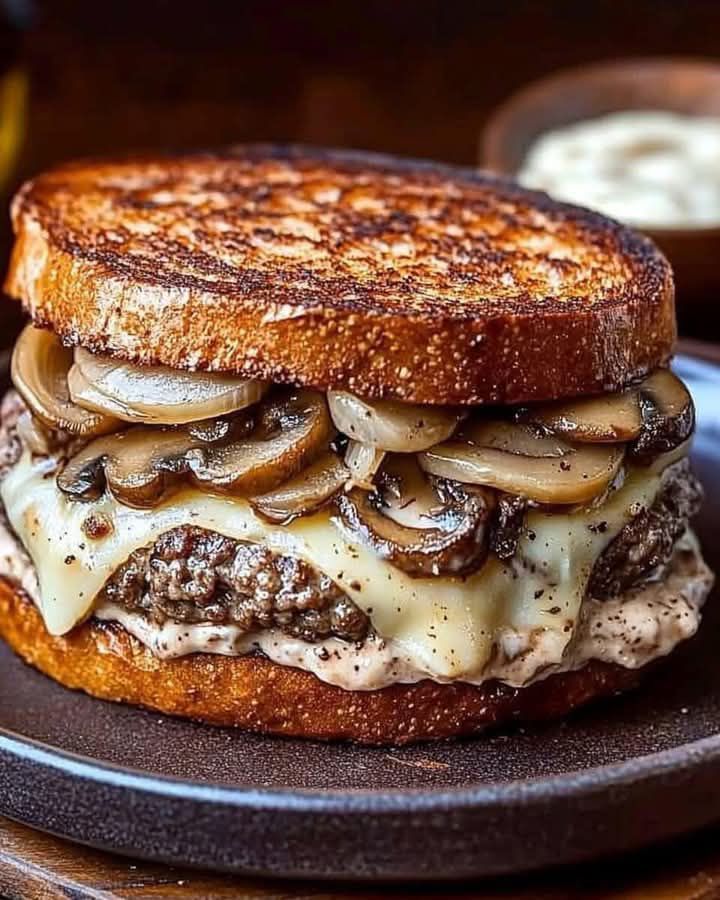
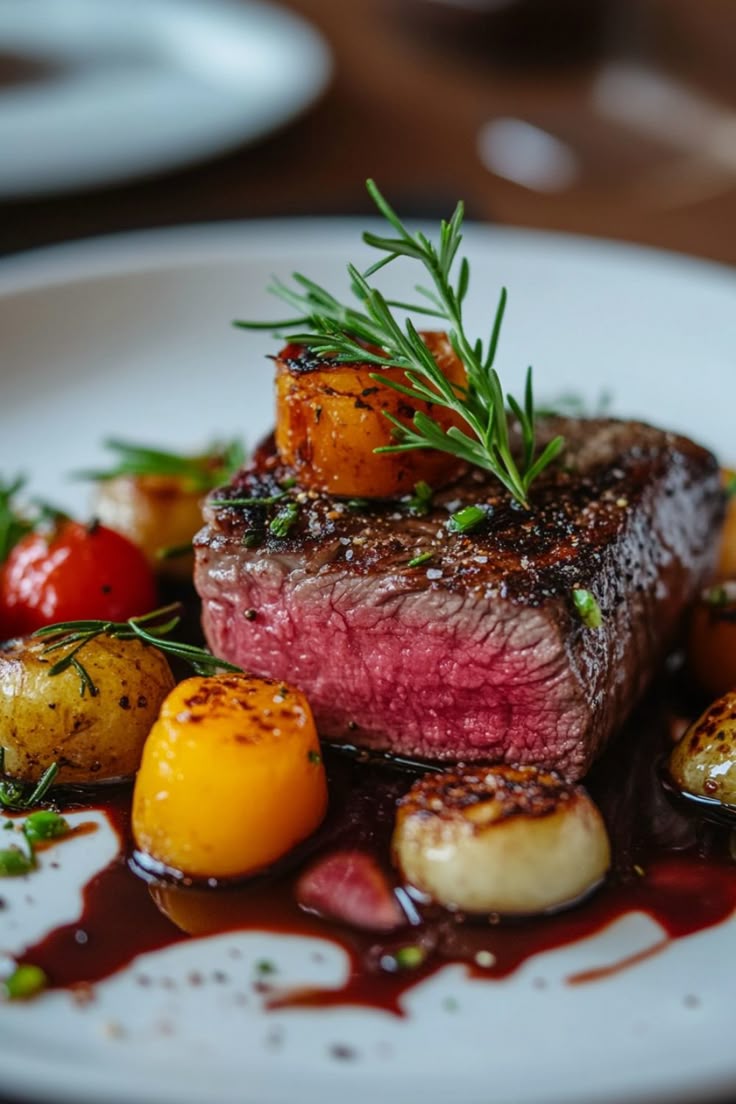
Great days everyone….today…
From China’s perspective, how does it view U.S. actions in the Indo-Pacific as attempts at destabilization, and what countermeasures might Beijing take to assert its influence without escalating conflict?
China continues to beef up defense and diplomatic bulwark, anticipating the inevitable clash some day, hopefully not very soon. China will persist on the grand strategy of peacefully expanding its sphere, mainly through the BRI and BRICS, that has brought tangible success. China’s forte is peace, which is a stark contrast to the US. This grows more obvious as the world is better educated by the day. Most Asian countries share similar culture, thus their world view, with China. The clash between the US and China is more of a cultural war than a military one. The odds of this conflict is not in US’s favor. China doesn’t have to do anything drastic. The US lapdogs like Philippines, Japan and South Korea will have to change their stance as China keeps growing stronger while they keep declining.
Biden’s failed machinations did China great service. That’s what Trump is desperately trying to contain now. Trump’s total capitulation to Putin on Ukraine proves that he is preparing for the showdown with China, but I am afraid Trump is way too optimistic. Russians will never forget this war and the support they get from China.
India’s fallout with the US and Canada and now Russia will greatly vitiate US influence in the Indo-Pacific region, too. The US needs to start worrying. Biden’s legacy has profoundly changed the geopolitical landscape forever.
Iran’s New Drone Aircraft Carrier: Game-Changer or Laughable Stunt?
If the Chinese system is so effective, why does it only work in China and isn’t being adopted by other developing nations?
I was bigoted about China. I kind of bought the claim that they were stealing all of Western civilizations ideas and were not really innovating.
How embarrassing of a line of thought is that? But I did desperately hope it was true and I hoped that they would steal the monks Theory of Everything which is now an ebook on Amazon called The Gift of full knowledge.
I simply didn’t care who saved modern societies. After all they did make solar panels the cheapest form of electricity! Obviously they are an innovator on a vast scale to revamp an entire country.
It’s always dangerous to talk about politics because people are immersed in it and are very opinionated. Keep that in mind when I say that China is simply a different philosophy about government.
Nowhere since Aristotle studied the ways and politics that people set up to govern themselves 2500 years ago or something, have we figured it out. There isn’t some wonderful system that we can fall back on. I do like America’s theory of a balance of powers, but I’m not sure it doesn’t succumb to excessive government and bureaucracy and I also think it has been captured by the 1%.
All that the Chinese system is doing is asking people to not engage in politics. The government will do that and keep an eye on trying to keep the most jobs and development and happiness for its people in exchange for them staying out of the big decision making processes involved in government.
This interesting hybridized experiment has worked surprisingly well. It’s very young and experimental and we have no idea how it might apply to other countries. It may be prone to problems with authoritarianness and abuse of bureaucracy. We will just have to wait and see.
The wrong thing to do however is to engage in trade wars with a system that has proved effective and has made so many people happy.
It’s also wrong to imagine that they should change and be more like us. We are seeing a magnificent experiment the likes of which the world has never seen before. It was a monumental task to take a country in extreme poverty and turn it modern so quickly. A Trade War at this time is simply the wrong thing to do.
if God did not spare Angels
Submitted into Contest #279 in response to: Write a story from the POV of a zombie, mutant, or infected creature.… view prompt
Isabella Schaller
There was a cabin, we hadn’t been in some years, it was out in the woods on the mountain just out of town, and there we’d be away, definitely. Away but not safe. At least that’s what I thought, and I think that’s what everyone else thought, but they wouldn’t say it. Not to Dad, who knew it too, but tried to convince himself so much that maybe he started to believe in it.
I fell in and out of sleep, those days, on the ground with everyone else, or on someone’s back, rotating between Mom and Dad and Jodie. Jodie who was still sniffling a little every day at the loss of Bud, and all the others we had to leave behind, but mostly Bud, until Dad would yell at him to SHUT UP about it already. And then his tears would fall in silence as to not perturb him, but fall they would.
On the fifth day, propped up against the tree in fever, there was nothing left to eat so nothing left to be sick with. They had stopped feeding me anything after about two days, when they realized it was a waste of rations, but now there was nothing left for anyone. Mom was leaning against the trunk, standing still. Jodie was sitting on an upturned root, across from me keeping his distance. Nobody was too close, though each of them had me breathing hotly down their necks at some time during the day.
Dad was looking at me, then he looked away. “We’ve got about fifteen more miles.”
Mom was carving a dove with her knife and a stubby branch she’d picked up on the way “Are you sure?”
She didn’t say it, because she still had some respect for him, but I think she wanted to ask because he had said there was fifteen more miles probably something like fifteen miles ago. Jodie was sweating where he sat. It was a hot day. It dripped down his face so you couldn’t tell if the tracks on his cheeks were sweat or tears. Dad shouldered his bag, setting it down, and himself with it.
“I know.” he said, and then a little louder, “I know, okay?!”
Mom nicked her finger and let out a little hiss. She pressed the bleeding into her shirt, and put the knife away. Dad glanced at me again, I was almost asleep.
“What are we gonna do with her?” he whispered to Mom.
Jodie perked up at that.
“What do you mean?” Whispered mom back, “What do you mean? The same thing we’ve been doing.”
“We’re out of food.” Dad said
“And?” Mom’s voice raised, and then looking at me, she lowered it quickly, “And?”
They probably thought I wasn’t lucid enough to understand.
“She is slowing us down”
“She is your daughter!”
“Not anymore!” “You don’t know that.”
Dad turned away from her hard gaze, her bright blue eyes, angry with him, he could never stand that. He held his face in his hands letting out a deep, deep sigh.
“I think Dad is right.” Jodie said, Mom turned her head to him, quickly, furiously. He curled into himself a little bit at her glare, then straightened up.
“Look at her, Mom.” and she did. “Just look at her,” he repeated.
I must look like something dead and alive, I thought.
Mom sighed, and picked up Dad’s pack, hoisting it onto her shoulder with her own, “We’re wasting time.”
She turned away, waiting for Dad to dutifully hoist me onto his back, for Jodie to sigh and get up, for us to continue on as the day was eaten away.
Darkness fell late, around 7:30 in conformity with the season. We stopped again, it was dark, but we weren’t at the cabin yet. I was set in my usual position, against a tree. Mom stayed by my side, pushing my sweaty hair out of my face. Jodie was getting sticks, his flashlight flickering about in the woods, the batteries were almost out and he kept smacking his hand against it, cursing. Dad was setting up a fire, telling Mom to stay away with his eyes. She heard them.
“Leave me be” she said without looking up, still petting my head. It felt good. Dad grunted. Mom squeezed the flyer between her hands, and then tossed it at him.
“Its not contracted through touch anyways.”
He picked it up, glanced it over and crumpled it into his pocket.
Jodie returned, arms full, a good stock of wood. The land was all warm and dry and ready to burn. He tossed it down into the pit Dad had made and began to arrange it.
“I think it’s dead for good.” He tossed Dad the flashlight, who hit it against his palm once, twice—harder— before dropping it into the dirt and nodding.
“We can start using mine then.” he said, and then, “Won’t be long now, about six miles I think.”
Dad’s lighter still had fluid, thankfully. It wouldn’t forever, but it would get them to the cabin. He gathered some dry grass and leaves for kindling and lit it in his hand, blowing softly, then setting it into the sticks. Mom had moved away from me and closer to the fire. I was further away, they didn’t want me to get hot. But the fire was less for heat and more for light in this weather.
My eyes opened up as the fire began to burn. Little inklings of light dancing around in the sky and crawling on the kindling, feeding itself, grew to small orange flames. It had been blurry before, their faces, and everything else. I was just waking up. But the fire let me see, and pulled my eyes open.
I remember still, it was something I always liked to watch. Fire burning. Its like a dance. Licking up into the sky and back down, it moves differently every time, you never know what its going to do so your eyes follow it in rapt attention.
Dad noticed my waking, how my eyes were wider, no longer tired slits. His back straightened, Mom noticed, and then Jodie, they both turned around, waiting, for something.
I smiled. It was the first time in a while. I hadn’t been awake in so long, not really. I love their faces, lit by the fire like that. I think about it still, all the time. My favorite picture in my mind. There, in the past they are perfect. A little worse for wear, but that’s the way I like it. Not picture perfection, no Hollywood magic. Just them, and their eyes, watching me, smiling a little bit at my smile, waiting to see.
Dad saw it before I felt it, because in a few seconds his knife was buried in my chest, and my arm was outstretched to Mom, just an inch away from her face. He pulled the knife out, and pulled himself away out of reach, tugging Jodie and Mom behind him. It hurt, it hurt so bad.
I looked down, blood oozed out of my chest, thick with the virus. It hurt. Mom was grabbing at his arm to get to me, scratching and drawing blood. “What did you do?! What have you done?!”
He held her back, breath shaking with adrenaline. Jodie stood by his side, waiting to be given orders. They stayed like that, while my fingers came up to the hole in my chest to play with the thick blood there, look at it, dark and nearly purple like dying things are.
It hurt. I wanted to get to her, to go back, to just a little before. I wanted her touch, her caress on my head. Mom. She’s crying. Don’t cry. Don’t cry. Parents aren’t supposed to do that. Are they? I just want to fall asleep, next to her. She’d never betray me. Her daughter. Her only daughter. Never.
I’ve got to convince them I haven’t got it. I haven’t got the virus. They don’t need to kill me. They don’t. I can stay with Mom then. So I tried, I tried to stay still. Just go back to sleep, I thought, then they’ll pick you up, and bring you to a warm bed, and pet your head while you sleep and can’t feel.
But the body betrays the mind, and it hurt, so I didn’t want to get up but I did, and I ran again, at them, to her. Dad slashed the knife again and Mom screamed. It cut from my hip to the collar bone this time. I felt it, but my body didn’t.
It was hungry. It was their fault, I thought, their fault they stopped feeding me. But also my fault I kept throwing it up. If they had just kept feeding me I wouldn’t be so hungry. But I was hungry, so my body ran for something easier, and threw itself at the third.
“Jodie!” Dad shouted, diving to defend him. His son. His only son.
The fire crackled behind them, flames coming up to bite. They’re like me, I thought, they’re so hungry. He wasn’t fast enough though, and my hand landed on Jodie’s neck, and we tumbled into the dirt together. I was on top of him, my muscles were so sore, they felt like they were tearing themselves apart with the strength they were using to fight against him, but they kept on. I was ready, leaning down, it was horrible, I was going to be sick, I was going to be saved, satisfied finally after weeks of muddy reality and fatigue, would my eyes be clear now? I wondered.
But he thought fast, and shoved his hand into the fire, screaming as he did it, to pull out a fresh burning stick and jam it into my eye. It broke on impact, but hot coals broke over my face and I pulled back screeching. Why did he do that? I thought. Why are they doing this? I love them, I’m still their daughter, his sister, I’m just so hungry. And at the same time, revolted by my involuntary movement and craving, I wished my body would break and destroy itself so I might burden them no longer and so the pain might stop. Somewhere, distantly in my mind I thought, so I was sick. I really really was.
Then, with a firm kick from behind, landing on my back, I tumbled into the fire.
Dad. Right, he was behind me. The pain was screaming, but the fire was beautiful, my eyes weren’t burned yet, so I could hold up a hand and look as the flames ate greedily along my skin, ate away at my flesh, and I could look out, look out from that fiery curtain on my fleeing family, my Mom’s tears still fresh. But she was no idiot. And she, holding her own pack, clinging to my father, still crying, ran with them.
My hand reached out, on fire, burning up, and seeing her leave my body had the will to roll over and out. Beating itself, the beautiful flames down as much as it could, standing to watch them go. A hot, steaming thing. Little embers in my burned hair, lit up in the dark.
Fire. They say that is the only way you can kill those who are lost. They knew it, they knew I was lost, that’s why they did it. No other reason.
But I didn’t burn long enough, so the job wasn’t done. Never got to my head, where the sickness lives. They made it, I think. I would never go and see, not like I could. But if I could I wouldn’t either, because then they’d finish the job. And though sometimes being is tiring, being nothing is worse.
I’m awake now all the time. My body is small, smaller than it was. But I feel good. It feels good not to be sick anymore. I don’t look it, passing by. I don’t look awake, just like another of those burned things. A sinner angel that god sent to hell on judgment day. But I am awake, I’m awake all the time.
So I sit, on brittle legs that gave out moments after I first tried to stand, I sit still, against the tree. Nothing bothers me, my rebel body cannot have its way, it cannot satiate its hunger, it cannot hurt me. It cannot move. So I can rest. Animals pass me by, though I still screech and stretch out my arms to them, and they run off quickly.
Leaves fall, it rains, it snows, all the seasons in their beauty and their enthralling colors, but I still miss looking at fire. When I sit, after a long spell of a lot of the same, sometimes I pray for lightning, just to see something interesting again, to see something that could kill me for real should He let it. And sometimes, rarely, if it’s dark, and the moon at the right angle, and I’m paying attention, I can see smoke rising somewhere about six miles away.
What is the most valuable thing you ever found anywhere?
I worked as an auctioneers assistant when I was straight out of high school. The business subsisted on unclaimed deceased estates so we received a lot of rubbish which sadly often included flea infestations.
As was sorting through the usual dross I came upon some unknown Lionel and Norman Lindsay pencil drawings. A rare and happy find.
Another day while elbow deep in crappy goods I came across a very old piece of sterling silver tableware. The owner/auctioneer said “That’s George First silver” and it disappeared from my ken to be never seen again. I know that he did one of his shonky acts and sold it off the books.
Much later when trying to find it’s antecedents I became sure of two things. One, it was much, much earlier than George 1. Two, it was way more valuable as a historic piece than the melted down silver price it would have been sold for. What a waste.
Having to clean the ends of the barrels of a valuable Russian shotgun was a pleasure I could have well forgone. It sold for $5K in 1970. The bed, that the previous owner was found in, was sent to be burnt. No amount of greed could remove the imbedded organic material.
Then later the most valuable thing was my firstborn.
Sloppy Joes Five Ways
Sloppy Joes Five Ways gives you the traditional sloppy joe plus four delicious variations…Southwest, Hawaiian, Moroccan and Asian.
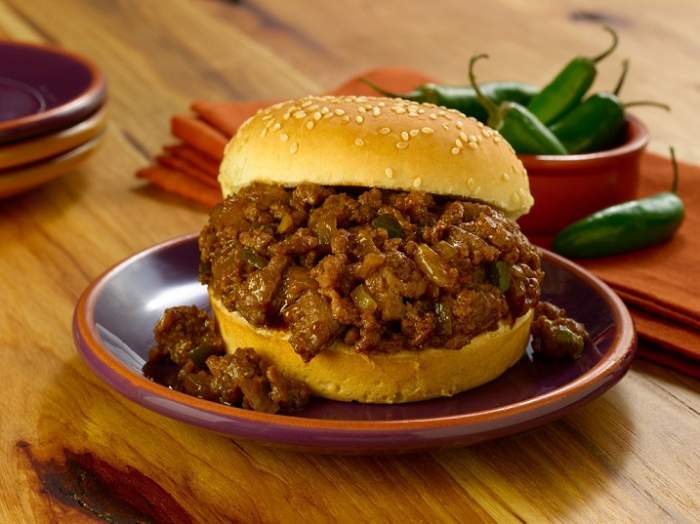
Total: 30 to 35 min | Yield: 4 servings
Ingredients
Sloppy Joe
- 1 pound ground beef (93% lean or leaner)
- 1 cup finely chopped yellow onion
- 1 cup finely chopped green, red or yellow bell pepper
- 1 (15 ounce) can no salt added or regular tomato sauce
- 2 tablespoons brown sugar
- 1 1/2 teaspoons yellow mustard
- 2 tablespoons Worcestershire sauce
- 4 hamburger buns, split, warmed
Toppings (optional)
- Dill pickle slices
- Cole slaw
- American or Cheddar cheese slices
Instructions
- Heat large nonstick skillet over medium heat until hot. Add ground beef, onion and bell pepper; cook 8 to 10 minutes, breaking beef into small crumbles and stirring occasionally.
- Stir in tomato sauce, brown sugar, mustard and Worcestershire sauce. Bring to a boil and cook for 5 to 7 minutes or until sauce is thickened, stirring occasionally. Season with salt, as desired.
- Divide beef mixture evenly onto rolls. Garnish with toppings, if desired.
Notes
Cooking times are for fresh or thoroughly thawed ground beef. Ground beef should be cooked to an internal temperature of 160 degrees F. Color is not a reliable indicator of ground beef doneness.
Southwest Variation
Prepare recipe as directed above, substituting 2 cups salsa for tomato sauce and omitting Worcestershire sauce and brown sugar. Add 1/2 cup drained canned black beans and 1/2 cup frozen corn with ingredients in step 2. Serve in warmed taco shells. Garnish with shredded lettuce, chopped tomato, shredded pepper-Jack cheese, chopped avocado, pickled or fresh jalapeño slices and chopped cilantro, if desired.
Hawaiian Variation
Prepare recipe as directed above, substituting 1/2 cup sweet barbecue sauce for tomato sauce and omitting Worcestershire sauce. Add 1 undrained can (8 ounces) crushed pineapple in juice with ingredients in step 2. Serve in small sweet Hawaiian honey wheat dinners rolls. Garnish with dill or sweet pickle slices or pickled jalapeño slices, if desired.
Moroccan Variation
Prepare recipe as directed above, omitting Worcestershire sauce. Add 1/2 cup raisins, 2 teaspoons pumpkin pie spice and 1 teaspoon ground cumin with ingredients in step 2. Remove from heat and stir in 1 tablespoon nonfat Greek yogurt. Serve in naan or pita pocket breads. Garnish with cucumber slices, nonfat Greek yogurt and chopped pistachios, if desired.
Asian Variation
Prepare recipe as directed above, adding 1 tablespoon ground ginger with ingredients in step 1. Substitute 2 tablespoons hoisin for Worcestershire sauce. Serve in warm crusty rolls. Garnish with cucumber slices, shredded carrot and chopped cilantro or chopped green onion, if desired.
Attribution
Recipe and photo used with permission from: Cattlemens Beef Board and National Cattlemen’s Beef Association
What’s the best revenge you’ve gotten after being fired or let go from a job?
I worked in data processing, and the friday before a major change in computer systems, I was laid off.. My changes affected the way information was accessed and updated. Over the weekend I was offered a position with a nice pay raise. Well that Monday when the computer systems were brought up, nothing worked correctly because computer programs that I changed were not brought into the computer per the instructions that I had written. In addition they had not backed up critical data, to back things out, so they were between a rock and a hard place.
My previous employer called me up and wanted me to come back and get the computer systems up and running. I explained that I had accepted employment elsewhere and would not change my decision. My previous employer then offered me a bonus of 1/4 my annual salary if I would come in, correct the issues. I was scheduled to start my new job a week later, so I said draw up a contract, and I will be in.
It took me approximately 16 hours to straighten things out and laughed my way to the bank in order to cash that check.
I playfully roasted his looks during pre-game with friends, his comeback left everyone speechless
https://youtu.be/sB6re8D-pZU
Sir Whiskerton and Wilma’s Weather Woes: A Tale of Quacks, Confusion, and a Cat’s Cleverness
Ah, dear reader, prepare yourself for a tale of meteorological mayhem, feathered folly, and one very confused goose who thought she could outsmart the clouds. Today’s story is one of misplaced confidence, farmyard chaos, and a cat who proved that even the loudest quacks can’t drown out the truth. So, grab your raincoat and a cup of tea (for warmth), as we dive into Sir Whiskerton and Wilma’s Weather Woes: A Tale of Quacks, Confusion, and a Cat’s Cleverness.
The Quacking Prophet
It all began on a crisp autumn morning when Wilma the goose, ever the dramatic and self-assured bird, decided to share her latest discovery with the farm. “Listen up, everyone!” she honked, flapping her wings for emphasis. “I have unlocked the secrets of the sky! From this day forward, I shall predict the weather with my mighty quacks!”
The animals gathered around, intrigued by Wilma’s bold declaration. “How does it work?” asked Doris the hen, her feathers ruffled with curiosity.
Wilma puffed out her chest proudly. “It’s simple,” she said. “I quack at the sky, and the sky quacks back. The louder I quack, the worse the weather will be. Trust me, I’m a natural!”
Sir Whiskerton, lounging on his favorite sunbeam, raised an eyebrow. “A natural, you say? I suppose the sky has been waiting for your quacks all this time,” he quipped, his tone dripping with sarcasm.
But Wilma was undeterred. “You’ll see, Sir Whiskerton! My quacks are never wrong!”
The Great Blizzard Panic
The next morning, Wilma waddled to the center of the farmyard, took a deep breath, and let out a series of ear-piercing quacks that echoed across the fields. “QUACK! QUACK! QUACK!” she bellowed, her neck stretched toward the heavens.
The animals froze in their tracks. “What does it mean, Wilma?” asked Rufus the dog, his ears perked up in alarm.
Wilma turned to the crowd, her eyes wide with urgency. “A blizzard is coming!” she declared. “A massive, snow-filled storm that will bury the farm in white! We must prepare at once!”
Pandemonium ensued. Doris the hen began stuffing straw into the coop to insulate it from the cold. Porkchop the pig started stockpiling acorns, convinced they would be the only food source for weeks. Even Ferdinand the duck, usually too self-absorbed to care about the weather, began practicing his “snow quack” for the impending storm.
Sir Whiskerton, however, remained skeptical. “A blizzard, you say?” he mused, glancing at the clear blue sky. “I don’t recall the forecast calling for snow. Perhaps we should—”
But before he could finish, Wilma interrupted. “The sky doesn’t lie, Sir Whiskerton! My quacks are infallible!”
The Investigation
As the animals scrambled to prepare for the supposed blizzard, Sir Whiskerton decided it was time to investigate. “Ditto,” he said, turning to his ever-echoing apprentice, “we need to get to the bottom of this weather nonsense.”
“Nonsense!” Ditto repeated, nodding enthusiastically.
Sir Whiskerton began by consulting the farm’s resident weather expert, Leonardo the bullfrog. “Leonardo,” he said, “what do you make of Wilma’s predictions?”
Leonardo croaked thoughtfully. “Well, I haven’t heard any rumbles from the clouds, and my pond isn’t freezing over. I’d say the chances of a blizzard are… slim.”
Next, Sir Whiskerton approached Bessie the Tie-Dye Cow, who was busy knitting scarves for the animals. “Bessie,” he said, “do you really believe a blizzard is coming?”
Bessie adjusted her rose-tinted glasses and smiled serenely. “Oh, Sir Whiskerton, the universe works in mysterious ways. But if Wilma says it’s going to snow, who am I to argue?”
Sir Whiskerton sighed. “Clearly, I’m the only one with a lick of sense around here.”
The Light Drizzle
The next morning, the animals awoke to… a light drizzle. Not a blizzard. Not even a snowflake. Just a gentle rain that barely wet the ground.
Wilma stood in the middle of the farmyard, her feathers drooping with disappointment. “But… but my quacks!” she stammered. “They were so loud! How could this happen?”
Sir Whiskerton sauntered over, his monocle glinting in the faint sunlight. “Wilma,” he said, “while I admire your enthusiasm, perhaps next time you should consult the actual weather forecast before sending the farm into a panic.”
The animals grumbled as they dismantled their snow preparations. Doris the hen muttered about wasted straw, while Porkchop the pig lamented the loss of his precious acorn stash.
The Moral of the Story
As the animals gathered to reflect on the day’s events, Sir Whiskerton delivered the moral of the story. “Dear friends,” he said, “while it’s important to trust your instincts, it’s equally important to verify your facts. A little research can save a lot of trouble—and acorns.”
Wilma nodded sheepishly. “I suppose I got a bit carried away,” she admitted. “Next time, I’ll check the forecast before quacking at the sky.”
A Happy Ending
With the drizzle clearing and the farm returning to normal, the animals decided to make the best of the situation. They gathered in the barn for a cozy afternoon of storytelling and laughter, with Sir Whiskerton regaling them with tales of past adventures.
As for Wilma, she learned a valuable lesson about humility and the importance of double-checking her predictions. And while she still quacked at the sky from time to time, she made sure to keep a weather app handy—just in case.
And so, dear reader, we leave our heroes with the promise of new adventures, new lessons, and hopefully, no more weather-related chaos. Until next time, may your days be filled with sunshine, laughter, and just a little bit of feline wisdom.
The End.
How difficult is it to make processor chips that only a few countries can make them?
There are several reasons why only the US, Korea and Taiwan can make the latest chip processor technology.
The semi-conductor fabrication industry is very wasteful of capital with a profit margin that is not too big. For example, TSMC’s total revenue in 2021 was USD 50 billion but the cost of capital expenditures (machine purchases, factory expansion, research, etc.) was USD 28 billion. In 2021, it was above average. Average expenditure, but usually the capital expenditure of the semi-conductor fabrication industry is 30-50% of turnover for costs.
With such strong capital, China’s flagship company SMIC can currently only produce 14nm chips or 2-3 generations behind the competition, and even then only 10 thousand chips a month. What’s worse is that the profit margin of the old chip is far below the latest product. So every year it has to receive subsidies and government assistance to survive, and it is still struggling, in the last 10 years it has changed CEOs 3 times.
HR also plays a very important role in making processor chips. It takes highly educated people who are experienced in making chips because the technology is very difficult, not a fresh graduate S1 level but a PHD level from MIT. SMIC has been poaching engineers and executives from TSMC back and forth, even now its CEO is a graduate of TSMC and Samsung.
If you already have capital and human resources, there is one more obstacle, namely the EUV machine to make microchips. Well, the supplier of this machine is only 1, namely ASML in the Netherlands. This machine is incredibly expensive, hundreds of millions of dollars and its production is also limited, for the latest machine it can only produce a few dozen machines per year. If there is a new microchip fabrication company, it is forced to buy a used machine that is 2-3 generations behind, which is more expensive to maintain.
The point is that the chip fabrication industry has a very high barrier-of-entry, burning money and low profit margins. Singapore went bankrupt facing this industry. China is now half-dead trying to catch up with the western industry by burning money, even though its technology and production are far behind the competition.
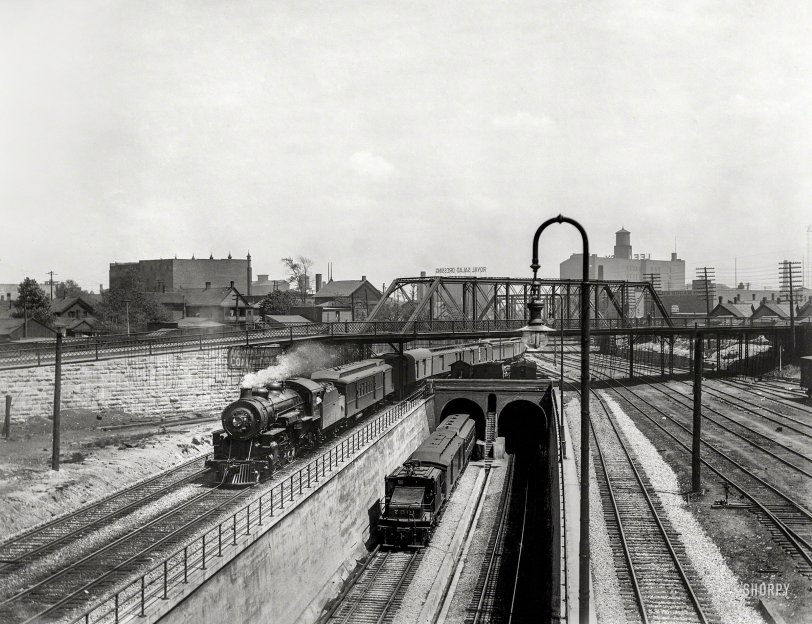
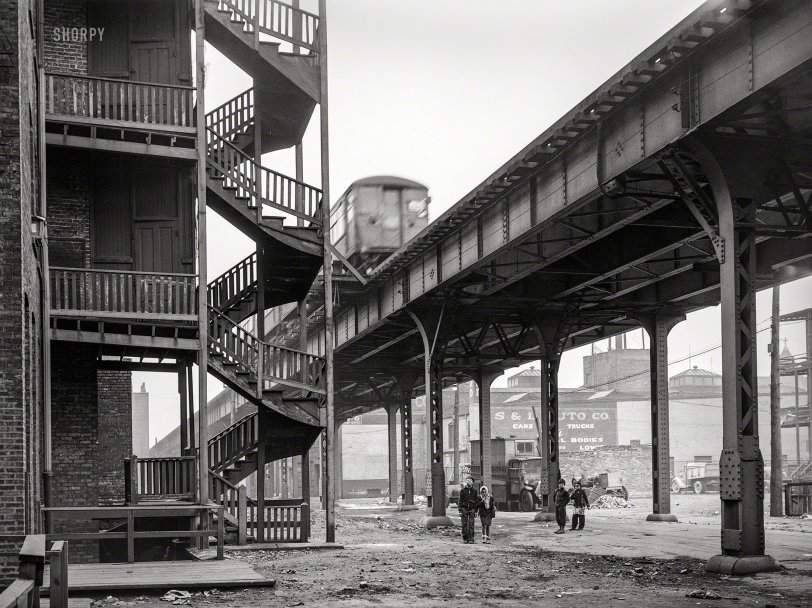
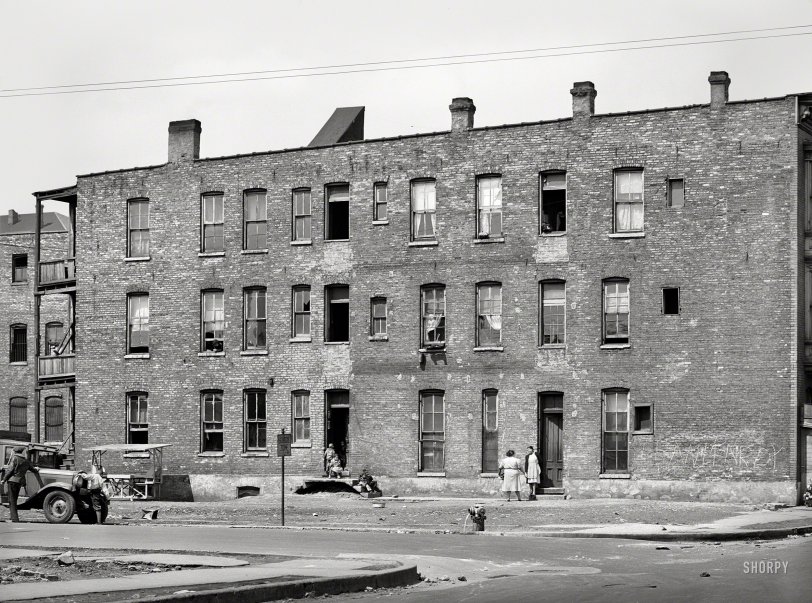
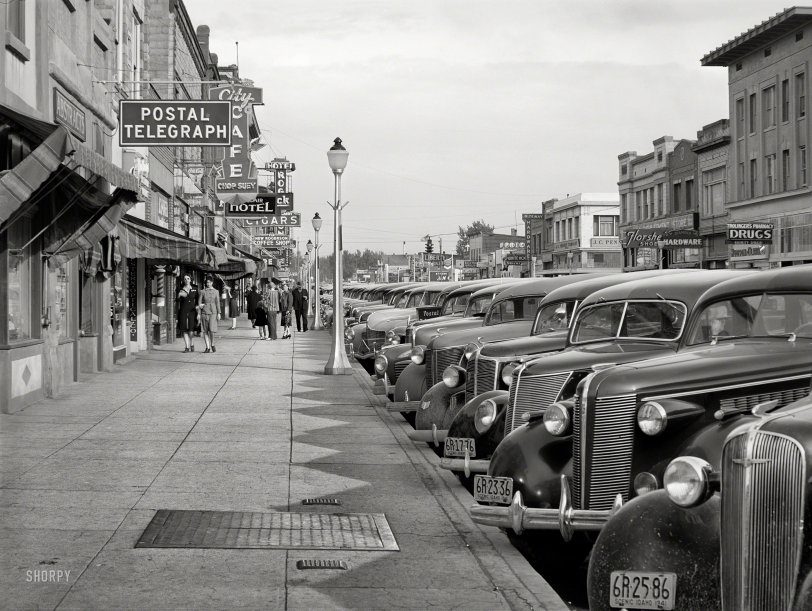
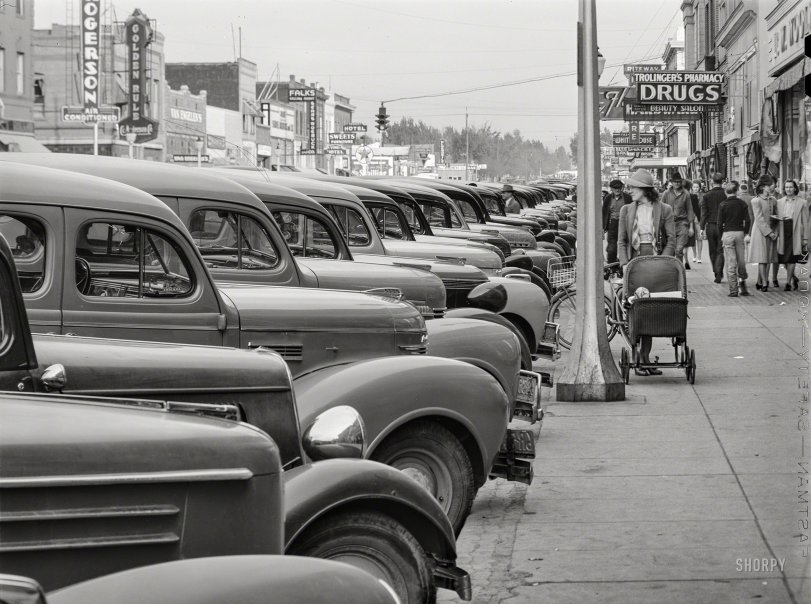
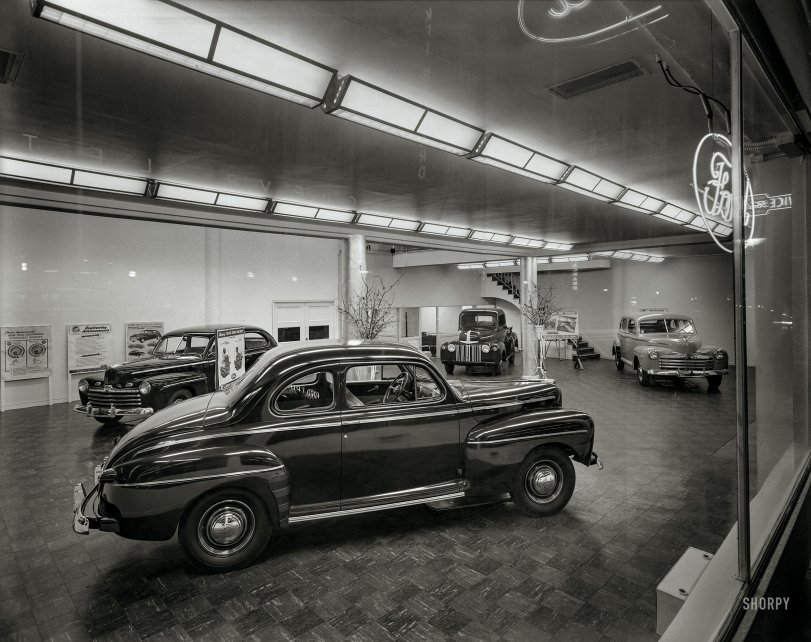
Shorpy



Will the tariffs on U.S. chicken, wheat, corn, and cotton by China be passed on to American consumers?
China’s tariffs on U.S. chicken, wheat, corn, and cotton will not be passed on to U.S. consumers, but they will be passed on to U.S. farm states and “Rust Belt” rednecks. They will lose their largest market for agricultural products and will have a hard time selling the chicken, wheat, corn and cotton they produce.
Rust Belt rednecks happen to be Trump’s main supporters. 😁
Author of Hillbilly Elegy, Vice President of the United States, JD Vance
For China, there are more choices of agricultural importing countries, Brazil, Mexico, Russia, India and so on are good choices; If the price of imported agricultural products rises, it will also stimulate the development of domestic agriculture and increase the purchase price of domestically produced agricultural products, which will be beneficial to Chinese farmers; The Chinese Government will also provide agricultural subsidies for farmers and food subsidies for consumers…There are many ways to cope.
Is China 15 years behind South Korea?
China doesn’t think highly of South Korea. China doesn’t have South Korea in its eyes.
To be honest, in China’s eyes, South Korea is not as important as Vietnam.
At least, a large number of China’s low-end manufacturing industries have been transferred to Vietnam; so China will spend time communicating with Vietnam.
Do Chinese citizens still have to bring Mao’s Little Red Book everywhere they go?
There is none at all.
I haven’t had known since I can remember, nearly 50 years now.
Now, the only thing we must carry when we go out is our phone, because not every store supports facial recognition payments. As an old man, I’m used to hiding two “Grandpa Mao” (100 yuan bills with his image) behind my phone case——really just in case,lol,—for example, if the phone runs out of battery? But in all these years, I’ve never spent them.
What you’re referring to is usually called the “Little Red Book” in West, a condensed version of Mao Zedong’s quotations.
In fact, the Chinese refer to it as the “Red Treasure Book,” literally meaning a red book that is as precious as a treasure.
The “Little Red Book” you mentioned is now an app that many girls like, but I’ve never used it.
The term “Red Treasure Book” later evolved to mean “the book I treasure the most.”
For example, when I was in college, the Red Treasure Book referred to GRE books.
At that time, the top young people in China had one ultimate life goal: to immigrate to the United States and become American.
The three science and engineering geniuses I know have become Americans.
Their IQs are all above 180, I guess.
One of them had already self-studied the master’s level math and physics textbooks in high school.
Just Jimmy Dovich’s seven volumes of Advanced Mathematics Linear Algebra Probability Theory Exercises Selected and Refined, he did them several times in high school.
At that time, I was very pessimistic and thought China would never catch up with the U.S. If China’s geniuses take pride in becoming Americans, how could China possibly develop?
However, it turns out I might have been wrong. Perhaps more geniuses stayed in the country; maybe they just aren’t good at English (I really know such people—science and engineering geniuses, whose English… is worse than me).
The fervor was so intense, almost like the flames of passion, akin to the reverence for Mao Zedong during the Cultural Revolution, so it’s no surprise that it was called the “Red Treasure Book.”
A more sentimental usage: “Charlotte’s Web,” “Fun with Physics,” “The Adventures in the World of Physics” were the Red Treasure Books of my childhood. (Indeed, these were the books I read countless times in my childhood, over and over again.)
>>>
This has been a tradition in China for a long time, to compile famous people’s sayings into books for publication.
The most famous example is Confucius, and Zhu Yuanzhang also published such a collection.
However, most of the books I read as a child were published during or before the Cultural Revolution, including textbooks. The front page was always required to print Mao’s quotations, and some books would include many quotes throughout.
For example, the math problem in the textbook might have been like this (the numbers are fabricated, but quite similar):
The American imperialists’ steel production is 100 million tons per year, the Soviet revisionists is 76 million tons, and China is currently 9 million tons.
However, the U.S. annual growth rate is 0.5%, the Soviet Union’s is 0.7%, and China’s is as high as 12%. How many years later will China’s steel production surpass that of the U.S. and the Soviet Union?
Answer: Chairman Mao taught us, “From the standpoint of dialectical materialism, we must view the development of things. Every process of development has both favorable and unfavorable contradictory factors, and these favorable and unfavorable factors are mutually opposed, interdependent, and transformable…” (in bold) … Traitor, comprador, and scab Liu Shaoqi (also in bold) advocates the philosophy of “It’s better to buy than to make, better to rent than to buy,” the philosophy of submission, crawlingism, which severely harmed the production of our steel industry… … (And then comes the mathematical calculation formula)
As a result, by the time I was over fifty, I still remember Mao’s quotations by heart.
The three quotes that left the deepest impression on me are: “The Chinese people are capable and determined; they will definitely catch up to and surpass the world’s advanced levels in the not-too-distant future.” “Weapons are an important factor in war, but not the decisive factor. The decisive factor is people, not things.” “Where there is oppression, there will be resistance.”(in bold,in my mind:)
One day after elementary school, several trucks full of something were unloading at a nearby garbage dump near my home.
They were all Mao’s badges, of various sizes and materials. During the Cultural Revolution, they probably produced billions of them, but after the Revolution, no one wore them anymore, so they were disposed of as garbage.
I picked up a bag full of them and then melted them in an iron pot, trying to do a “Great Steel Production” Campaign (at that time, China’s steel output was very low, which was a deep wound for us; we desperately wanted enough steel, and now we have more, about 55% of the world’s total production).
I didn’t do it with malicious intent; I was just a kid at the time and somewhat naive.
I neither worshipped nor hated him.
I just thought these metals, mostly aluminum, were wasted if thrown away, so I tried to melt them and reuse them.
My dad said that if this were in the past, our family would definitely have been labeled as a counterrevolutionary family, and we would have been ruined.
But he didn’t scold me because by then, no one really worshipped Mao anymore.
Back then, those badges, treated as garbage and discarded in truckloads, are now very valuable.
Many people collect them—badges of different qualities, ages, and conditions, with prices ranging dramatically, similar to art collections. If you don’t know much about them, don’t get involved.
If I had collected all those badges back then, piled them up in the yard (rural houses didn’t cost much), I would definitely be financially free now.
His “Little Red Book” was probably printed in the billions. The last printing was halted by Deng Xiaoping, and the high-quality paper was then used to print the national college entrance exam papers.
If you look at my previous responses, you’ll know I was a TRUE follower of Mao.
But these badges, the Little Red Book, and the extreme personal worship were indeed very strange.
Based on my understanding of Mao, he definitely knew about it, but it was also something he had to tolerate.
After World War II, China faced a very complex situation. The national steel production was pitifully low—now a single wealthy person can buy it all.
National power generation was only 0.043% of today’s level. Most of the population was extremely poor and illiterate.
There were bandits, robbers, thieves, and swindlers everywhere.
Mao completely transformed the country.
For example, the bandits, who caused so much suffering to the Chinese people, were wiped out by nearly 200 divisions while Mao was simultaneously fighting American forces in the Korean Peninsula, killing 2.6 million bandits.
At the same time, millions of drug addicts were rehabilitated… In short, his achievements were extraordinary, rarely seen in history.
For a long time after the Cultural Revolution, his reputation among young people was very poor.
When I was in middle school, I really disliked him because my Chinese teacher hated him intensely and often cursed him in class.
Later, I found out that my teacher’s family was once the largest landlord in our area before the liberation, extremely wealthy.
Mao redistributed land, property, and factories from the rich to the poor, so the descendants of the wealthy didn’t like him, which was inevitable.
My grandmother passed away at the age of 94. I would never dare speak well of Mao in front of her.
This wasn’t because her wealthy family was completely deprived of property during her childhood, but mainly because my grandfather was persecuted to death during the Cultural Revolution.
Objectively speaking, the Cultural Revolution was a tragedy, but it also had its rationale. Mao used extreme methods in an attempt to break the historical cycle of our nation (nation-building, striving for strength, stagnation, corruption, decline, dark ages).
I understand his motivations, but I’m not optimistic about them. In fact, in his later years, Mao himself was also very pessimistic. Human nature is like that.
Now that Mao Zedong’s influence is once again growing in China, this is very normal.
I’ve said many times, China has once again reached a critical point in history, and the world’s hegemon, the United States, has noticed China’s rise and is determined to suppress it. At this moment, the Chinese people will definitely remember Mao Zedong and hope to draw strength from his wisdom once again.
This has led to the renewed popularity of the Little Red Book and Mao Zedong’s selected works and collected writings.
Many people praise Mao Zedong’s selected works as books of wisdom, claiming they benefit greatly from reading them.
Honestly, I’ve read them, even the English version, but didn’t gain much from them.
This is probably because I’m rather slow-witted.
However, I really enjoy reading, so I’ve collected a few sets of Mao’s selected works from the Cultural Revolution period, including some hardcover editions with slipcases, in excellent condition.
At the time, they weren’t expensive, but they are worth a bit now. (The value depends on the edition, printing batch, and so on.)
I have a good friend who works at Huawei. He greatly admires their CEO, Ren Zhengfei, who is a huge fan of Mao.
When he was young, he was a “model follower of Mao Zedong.”
If you look at Ren Zhengfei’s internal speeches, from the titles to the writing style and logical reasoning, he closely imitates Mao Zedong.
As a result, my friend also developed a deep admiration for Mao.
He asked me to recommend a version of Mao’s selected works for him to buy online.
I told him I’d give him a set of the Cultural Revolution hardcover edition, ensuring no one else in their office would have it,They all have prints from 2020 or later, while mine is from 1966, not long after the Cultural Revolution started! (There are many versions of Mao’s selected works, and the price differences depending on the edition and condition are staggering.)
“A treasured sword for a warrior, a red powder for a lover. “
I read it for a long time and gained nothing, otherwise, I’d give it to you.
He was very moved and said, “I will study hard and improve every day.” (This is also a quotation from Mao, every Chinese child knows it, because at least in our time, every classroom had this slogan on the walls, followed by another of his hopes for children: unity, tension, seriousness, and liveliness.)
California Chicken Enchiladas
Barbecue chicken, tomatoes and cheese are the stuff these enchiladas are made of. Topped with sour cream and avocados, they make a delightful meal.
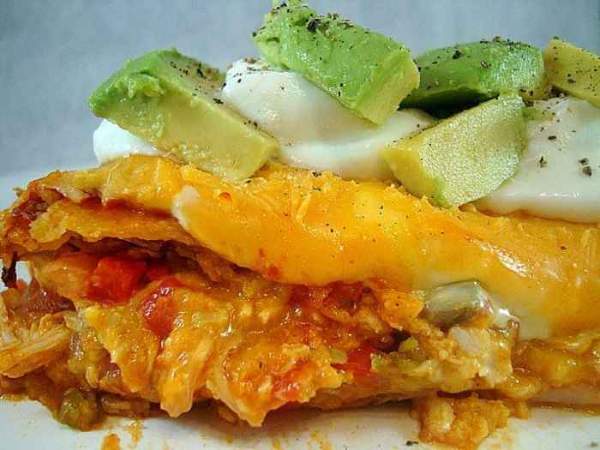
Yield: 8 enchiladas
Ingredients
- 1 teaspoon olive oil
- 1 cup diced green bell pepper
- 2 cups cooked, chopped chicken
- 1 (14 ounce) can petite diced tomatoes, drained and divided
- 1 cup barbecue sauce, divided
- 2 1/2 cups Monterey Jack shredded cheese, divided
- 1/4 cup water
- 8 (8 inch) flour tortillas
- 8 slices cooked bacon, crumbled
- Sour cream
- 2 avocados, sliced
Instructions
- Heat the oven to 375 degrees F.
- Heat the olive oil over medium heat in a large skillet. Add the bell peppers and saute for 3 to 4 minutes.
- Add the chicken, 1 cup diced tomatoes and 1/2 cup barbecue sauce. Stir until heated through.
- Add 1 cup of the cheese and stir until melted.
- Stir together the remaining 1/2 cup barbecue sauce and water. Spread half of this mixture in the bottom of a 13 x 9 x 2 inch baking dish.
- Lay the tortillas on the counter and divide the chicken mixture evenly down the center of the tortillas. Roll them up tightly and place side by side in the prepared pan.
- Spread the remaining thinned barbecue sauce on top of the tortillas. Sprinkle the crumbled bacon evenly over the top, and then top with the remaining cheese.
- Bake for 20 minutes. Broil for the last minute to brown the top of the cheese, if desired.
- Top with the remaining tomatoes (or same them for later use), sour cream and sliced avocado immediately before serving.
What long-term implications does Russia’s likely extraction of rare earth minerals and possible start of a war in Europe have on the global economy and trading landscape?
Why do you assume the possible start of a war in Europe – assume that Russia will start the war?
Your question is predicated on the belief that Europe must always be stronger than Russia. This is an unsound position.
First, Europe is not one united sovereign nation. Historically, they had been more at each other than with each other. Second, nations wax and wane. The indications in recent years is that it is waning. The Ukraine war had been debilitating, and it looks like US will tear it asunder.
Rare earths minerals are essential materials in the electronics and defence industries. But they are not the main drivers of economic growth.
Rare earths are not rare. The difficulties are the processing and refining and the waste disposals. Russia could export them to China for refining or refine them at home. China controls the main technologies, and it is likely it will licensed them to Russia. Either way, the mining of rare earths would benefit the economy.
Naturally if there is a war in Europe, it will not be good for the global economy. This is the fact of life of the intertwine of economies. But it would not be a world war such as WW2.
It would be devastating for Europe. US will not defend Europe, no matter who may be the president. Trump is setting the template. The rest of the world has moved on, and as earlier mentioned, European influence is already waning.
Europe has to find its own geopolitical space based on building friendships than blindly follow the US. At the way it is going, it risks becoming irrelevant.
Who was the stingiest and most frugal millionaire in history?
Calm down, by far the two millionaire brothers, Maurice and Harrold King, these two brothers spent their entire lives in misery, their lifestyle was so famous that it gave rise to many stories about them.
These two brothers lived eccentrically, but not as you might imagine. They lived on a ranch and owned land worth a total of $6 million, even though they knew they didn’t care.
They lived in a shack where there was no electricity or water.
Harold and Maurice never studied, they learned everything they needed to learn on their own, from reading, carpentry, farming, buying and selling land where they earned all their money.
These brothers lived in the same conditions from birth until their death.
Many people called them crazy, saying that they were wasting their money living in these conditions, and in fact, I think they were living as they wanted, they were wiser than people think.
These two brothers are the most economical millionaires I have ever met, they just wanted to continue accumulating a fortune, a fortune they left behind because they never used it.
The Quiet Island
Submitted into Contest #279 in response to: Write a story from the POV of a zombie, mutant, or infected creature.… view prompt
Sarah Womack
She sat down in the dappled shade and demolished the fruits. The juices ran down her chin, but she didn’t care. She hadn’t eaten real food in weeks.
After a short rest – and a brief pee in the bushes – Flo continued along the road. She didn’t know how much further she’d have to walk, but she knew that so long as she kept the mountains behind her, she’d be alright.
By mid-morning, Flo had given up wiping the sweat from her brow, surrendering her eyes to the stinging. She wanted to rest but knew that the heat would only get worse as the day wore on.
Besides, her parents would have surely woken up by now and discovered she had gone. Would they come looking for her? Would they be brave enough? Could they be brave enough?
Flo pressed on, the trees thinning until there was nothing besides a few fragrant shrubs and yellowed grass. She grabbed a handful of thyme and rubbed it with her fingers, the sharp scent cutting through the dry air.
Her eyes widened when she noticed the view ahead of her.
“There it is,” she said, running a hand through her hair, which was now thick and greasy. In front of her, not half a mile away, was the sparkling waters of the Mediterranean Sea.
“Eat that, Duke of Edinburgh,” she said and laughed.
In the distance, she could make out a small fishing village, with its rocky pier and shallow sandy beach. There were no boats at the pier, nor any out at sea. There were no planes in the sky, either. It was all so eerie.
Flo had arrived in Crete less than two months ago. She’d been brimming with excitement for her first holiday abroad. But now, after everything that had happened, it seemed like a distant memory.
She paused for a moment, her gaze drifting to a tiny island not far from the shore. It was too small to be inhabited by people, but she could see specks of birds circling above. She wondered if it was possible to swim to the island. Back in school, she’d earned her 200-meter badge – which she was quite proud of – though this distance looked at least twice that.
Pulling herself away from the view, she followed the road.
It twisted and turned and descended toward the town, and eventually, the surface transitioned from gravel to tarmac. The first building Flo came across was a row of holiday villas, each a different pastel colour.
She approached one of them, standing on her tiptoes so she could see over the stone wall and into the garden. There was a swimming pool, but the water was murky green.
A body floated facedown in the center.
She wandered over to the next villa, which didn’t have a wall, and was relieved to find that the swimming pool was empty. Unfortunately, the sunbed next to it was not.
A woman lay flat on the bed, her arms dangling on either side. She wore a black bikini and her spilled guts glistened in the sunlight, festering and dissected by the feral cats.
Flo turned to leave, but after a few paces, her morbid curiosity got the better of her. She glanced back and stiffened.
The woman was sitting bolt upright.
Flo swallowed hard and hurried along the road. Behind her, she heard a low gurgle, wet and bubbling.
The village was only a short walk from the villa. It had a central road that led directly to the seafront. Along the road were numerous shops that sold what her dad would call “tourist tat.” Trying her luck, Flo stepped into one of them at random.
Inside, the air was thick and stale. Flo scanned the shelves, hoping for something – anything – edible. The place, however, had been ransacked. What was left had little use to her now: fridge magnets, postcards, swimming goggles, ceramic figures, tourist guides offering the “hidden gems” of Crete, hand-crafted wooden coasters and honey dippers, and-
There.
Right at the back of the store, perched high on the top shelf, stood a large jar of stuffed green olives. Flo didn’t care much for olives, but it was not the time to be picky.
She walked down the aisle toward the shelves and reached upward, but it was no good. She needed to get higher.
She found an empty crate nearby. Using it as a step, she touched the base of the jar with her fingertips. It would have to do.
She began to edge the jar when something stirred from somewhere inside the store.
Flo turned her head, her eyes darting from aisle to aisle, searching for the source of the sound.
Nothing.
Alright, she thought, just grab the olives, and get the hell out of here.
She continued maneuvering the jar, inch by inch until she could get her hands under it. Got it.
She lowered the jar and tucked it safely under her arm.
As she climbed down, her vision suddenly blurred, a million black flies swarming behind her eyelids. The ground seemed to shift beneath her feet, and the next thing she knew, she was lying flat on her back.
Dazed, Flo tilted her head to one side, her gaze lingering on the smashed jar of olives beside her, the brine pooling across the floor.
Something crunched over the glass.
Flo snapped her head up and gasped.
A slender, crooked figure was shuffling toward her, walking over the shards of glass. She was an elderly woman. Her skin was pale and torn like tissue paper. Her sunken eyes were a clouded grey and unblinking.
Flo scrambled to her feet, scoring her palms on the broken glass as she stood, though she barely felt the pain.
The woman inched closer. Her jaw hung open, her lips cracked and bloodless. A faint groan rose from her throat like a rusted hinge.
The old woman stood between Flo and the exit.
Flo hesitated, her eyes flickered between the woman and the doorway. She picked up the crate and shoved it into the elderly woman.
The woman staggered back, arms flailing.
Flo tossed the crate aside and made a break for the exit. She was almost there when the light from the doorway darkened.
A hulking creature stepped into the store. It stood six feet tall, its chest and shoulders matted with hair. Blistered skin peeled away in leathery strips, scorched by the heat. The creature gave a deep, sickening groan as it lumbered toward Flo. Behind it, more zombies filtered in. Two, three, four. So many.
Flo stepped backward, but slipped on a smear of suncream, landing hard on the floor. She yelled in pain. She grabbed the shelves and pulled herself up, knocking over a stand of sunglasses that clattered to the floor.
Flo spun around and froze.
The elderly woman stood at the end of the aisle, blocking her path.
“No,” Flo whispered. A wave of hopelessness overwhelmed her. She pressed her back against the wall, her body trembling. The undead closed in.
Flo squeezed her eyes shut, bracing herself, waiting for the inevitable. One second, two seconds, three seconds, four-
She opened her eyes.
The zombie, the big one, stood in front of her, the stench was suffocating.
Flo held her breath, remaining completely still.
She watched with confusion as it turned its back to her, looking down at where the sunglasses had landed. The others slowed, too.
Flo frowned. What was happening?
She waved her hand in front of one of them. It didn’t even flinch.
They must have been attracted to the sound, Flo thought. They’re not interested in me.
Flo slipped past the mob – they looked almost as confused as Flo felt – and stepped out into the blinding sun.
I’m invisible.
For the next couple of hours, Flo embraced her newfound superpower. She raided the shops and managed to scavenge a box of honey-soaked pastry nests and two cans of Greek lemonade.
She consumed the lot in one sitting, before moving to other shops, trying on dresses and sunhats and expensive jewelry. She grew strangely accustomed to the zombies – now that they didn’t seem to see her as a meal.
When she grew tired, Flo headed to the beach. She laid a towel on an empty sunbed and sat down.
A few zombies rested on nearby beds, cooking in the heat. Another was crawling across the sand, a cockroach scuttled across its back. A young boy, who looked to be of a similar age to Flo, laid flat on a paddle board that had washed up to shore. A little girl, just a toddler, sat upright in the shallow water. She was wearing two armbands but one had deflated. The gentle waves kept pushing her over, but she sprung back up – a loose tooth, unsteady but clinging into place.
Flo kicked off her shoes and let her toes sink into the sand. She pulled out a bottle of sun lotion from her tote bag and applied it to her bare arms and legs, careful not to get it on the plaster covering her left ankle. She dried her hands on the towel, then pulled off the plaster – no need to hide it anymore. The bite mark had swollen since yesterday, but she could still make out the dental impression of the old man in her ankle, it reminded her of the clay impressions she’d had made for her braces a few months prior.
She sighed, then laid back on the sunbed.
It was stupid. She was stupid. She’d gone and gotten herself bitten and ruined everything.
Two swallows danced in the sky. Flo watched as they flew out to sea toward the island.
Flo closed her eyes, her mind spinning. I had no choice. I had to run away. I couldn’t let them see me like this.
She tried to focus on the sounds. The fizz of the sea foam. The rise of the crickets. The chirp of the birds.
The soft groans of the undead.
Flo drifted to sleep.
When Flo woke, the shadows were stretched long across the sand, and the sound of the crickets had died back.
Flo glanced at her ankle. Her stomach twisted.
Dark purple veins had formed around the wound. She traced them with trembling fingers, her chest tightening.
Not long now.
“I’m sorry,” Flo whispered, tears forming in her eyes. “I didn’t mean for this to happen.”
She pulled the towel from under her and wrapped it over her shoulders. She hugged her knees to her chest, shivering despite the lingering warmth.
Everything ached; ached like it did when she’d had the covid vaccine last Autumn.
She pictured herself as a zombie, imagining her eyes turning grey and wandering about aimlessly. She imagined seeing her parents, and seeing the pain and horror on their faces when they recognized her.
Then, she imagined her younger brother, his eyes lighting up when he saw her – too young to understand. She reached out to him, as if to hug him, but instead pulled him close and opened her mouth to bite-
No. Stop it.
Flo stood up, staggering to the water’s edge.
I can’t let that happen. I won’t.
She went over to the paddle board. She tipped it, letting the body of the boy slip into the water.
She climbed onto the board, her hands shaking as she picked up the paddle. The sea stretched out before her, painted in hues of pink and orange, and on the horizon was the island.
She pushed off, letting the board drift from the shore.
This was where she was meant to go all along, she knew this now. To the island.
“It’s going to be ok,” she whispered to the waves.
The island loomed ahead, its rocky cliffs sharp against the twilight sky. Gulls cried overhead, their calls echoing across the water.
I can’t hurt them now.
AMERICANS TRYING CHICKEN FEETS FOR THE FIRST TIME! CHINESE SUGGESTED MEAL ON REDNOTE | STEAMED EGGS
What are the limitations on the development of Chinese aircraft carriers in terms of technology and personnel?
Question: What are the limitations on the development of Chinese aircraft carriers in terms of technology and personnel?
Answer:
Time.
Look, let this lesson from WWII sink in: Ships doesn’t beat aircrafts.
And let this lesson from Cold War sink in: Aircrafts and ships don’t beat missiles.
And finally, let this 21st century lesson sink in: missiles, manned aircrafts and ships ultimately isn’t as important as drones.
As the result, PRC military development (since 1950) has very clear and logical priority: land army and missiles takes priority. The former is the foundation of a nation’s defense, without a land army, you can’t protect your basic borders and without missiles, you are missing the very basis of the advance weaponry.
Hence why despite English audience’s stereotype of “Chinese military backwardness”, the Chinese were actually already exporting missiles of various kind back in 1980s and the real world Chinese military are extremely heavy on missiles and rockets.
After missiles and land army, a nation’s most important asset will be the air force, hence why a bit later than the missiles, the Chinese were making their own aircraft since the 1960s. In fact, a common misleading narrative is that “Oh, China is so behind US in aircraft in 1990s”. That message is misleading because while it is true that Chinese air force equipment is quite behind in US in 1990s, but that point is actually also the specific point where the biggest gap between China and US aircraft.
Meaning after 1990s and before 1990s, the gap between China and US aircraft are both smaller. There is a rather simple reason for it: China was in major military budget reduction in 1980s and it was focusing on economic development.
Yes, the Chinese were in full economic development mode 10 years behind Cold War ended and that’s one of the key reason they had a head start on economy over other nations.
The reason they could do that was because in the diplomatic actions prior and after 1979 war with Vietnam, the Chinese manage to successful reached a balance, thus neutral position between US and USSR. Meaning with the two superpowers in check with each other and only two major powers (India and Vietnam) neutralized via 1962 war and 1979 war, the Chinese had a golden opportunity to develop economy and the Chinese leadership seized it.
As the result, by 1990s, the Chinese air force’s mainstream equipment is rather behind times, which gave most of the English audience the misleading impression that “Chinese equipment was always inferior to US”. No, the reality is that was you saw back in 1990s were the low point, not the normal performance.
And no, US didn’t miss the opportunity, hence why the 1996 Taiwan strait crisis happened. The only issues is that while the conflict itself was humiliating for the Chinese, PRC immediate got back to US during the 1997 financial crisis. The Wall Street attack on Southeast and East Asia was only halted when it met PRC backed Hong Kong. So any nations in the region that was thinking to do something back in 1996 immediately backed off by 1997. Duh, they know despite the military failure, the Southeast and East Asia nations need PRC as a the economic anchor.
It is not a coincidence either. Like I said, the military weakness of PRC in 1990s is the direct result of diverting military budget to economic development. So while the military shows weakness, the economy showing strength is completely logical and normal.
Thus begun the long years of PLA air force against US air force in the East Asia sky. The conflict lasted from 1996 to 2010. During these years, both side will aggressive meet and drive out the opponents non-civilian flights in East Asia region. They’d use radar painting, stealth, close-fly by and even live flares and such to force the opponent’s aircraft away. Some of the key events include the 2001 South China Sea collision:
Hainan Island incident - Wikipedia
2001 aviation accident between aircraft of the US and China The Hainan Island incident was a ten-day international incident between the United States and the People's Republic of China (PRC) that resulted from a mid-air collision between a United States Navy EP-3E ARIES II signals intelligence aircraft and a Chinese Air Force J-8 interceptor on April 1, 2001. The EP-3 was flying over the South China sea at a point roughly midway between Hainan Island and the Paracel Islands when it was intercepted by two J-8II fighters. A collision between the EP-3 and one of the J-8s caused damage to the EP-3 and the loss of the J-8 and its pilot. The EP-3 was forced to make an emergency landing on Hainan without permission from the PRC, and its 24 crew members were detained and interrogated by Chinese authorities until a statement was delivered by the United States government regarding the incident. The ambiguous phrasing of the statement allowed both countries to save face and defused a potentially volatile situation. [ 1 ] [ 2 ] This sea area includes the South China Sea Islands , which are claimed by the PRC and several other countries. It is one of the most strategically sensitive areas in the world. [ 3 ] The United States and the People's Republic of China disagree on the legality of the overflights by U.S. naval aircraft of the area where the incident occurred. This part of the South China Sea comprises part of the PRC's exclusive economic zone based on the United Nations Convention on the Law of the Sea (UNCLOS) and the Chinese claim that the Paracel Islands belong to China. This claim was acknowledged by Vietnam in 1958 but it has since reversed itself to contest the claim after the end of the Vietnam War in 1975. The United States remains neutral in this dispute, but patrols the sea regularly with naval ships and airplanes, during what it terms freedom of navigation operations. The PRC interprets the convention as allowing it to preclude other nations' military operations within this area, but the United States does not recognize China's claim for the Paracel Islands and maintains that the Convention grants free navigation for all countries' aircraft and ships, including military aircraft and ships, within a country's exclusive economic zone. [ 4 ] Although the United States is not party to UNCLOS, it has accepted and complies with nearly all of the treaty's provisions. [ 5 ] An EP-3E of VQ-1 A PRC Sukhoi Su-27 force is based at Hainan. [ 6 ] The island also houses a large signals intelligence facility that tracks civil and military activity in the area and monitors traffic from commercial communications satellites. [ 7 ] The United States has long kept the island under surveillance; on May 22, 1951, for example, RAF Spitfire PR Mk 19s based at Hong Kong's Kai Tak Airport flew photo-reconnaissance missions at the behest of U.S. naval intelligence. [ 8 ] On April 1, 2001, the EP-3 (BuNo 156511 ), assigned to Fleet Air Reconnaissance Squadron One (VQ-1,
And the other major event is not shown in English media, which the 2004 Chinese air force ambushing the Taiwan leadership’s flight during their flight to Penghu islands.
The latter is actually much more important, because by 2004, the Chinese aircrafts such as J11B are already in service, which is more than a match for the F-15s at the time. (F-22 is a rather interesting story, I will talk about it a bit later.)
The PLAAF force basically completely bypassed the US detection system and showed up right next to the Taiwan leadership’s flight. Meaning that at this point, if a live war broke out, PRC can pretty much eliminate the Taiwan leadership at ease.
As the result, by 2010, due to equipment attrition and 2008 economic crisis, US ceased its response to Chinese non-civilian flights and US air force withdrew to the second island chain, effectively yielding control of East Asian sky to PRC.
So, it is at this point, the PLA navy is finally safe to expand out of the Chinese coast and into the greater oceans around the world.
So this is the answer to OP’s question. The Chinese looked “slow” on carrier development, because PLAN really didn’t receive most of the attention until 2010. 15 years is a very very short period of time and the Chinese naval development speed is already extreme fast.
Just wait for 20 more years, you’d see a completely different picture.
Oh, if you are interested in the pivot point of Chinese-US naval power balance, just look at this post I made for the 2016 South China Sea confrontation:
Back in the late 1990s, it is always public assumed the the engines for the fifth generation fighters need to meet the “two 10s” requirement, meaning a thrust weight ratio exceeding 10, and engine life-span exceeding 10,000 hours.
Oh and it was also breached, back then, that US airforce pilots must have 250 hours+ of fly time per year.
We know nowadays all these turned out to be false.
We know now, that F119 used by F-22 has a thrust weight ratio around 7 and F135 used by F-35 has a thrust to weight ratio around 5~6.7. While this is better than the WP-7 engine used by the Chinese air force in the 1990s. It is actually slightly inferior to the Chinese WS-10 engine that started production in 2006.
And the current king of turbofan engines is the Chinese WS-15, with a monstrous thrust weight ratio of 10.87 due to the new material it is using.
BTW, the new engines that China is current testing for its sixth generation aircraft include a pulse detonation engine (which is a generation ahead of the turbofan engines). The pulse detonation engines are meant for sub-hypersonic flights (as in, Mach 3 or above).
In the engine lifespan department. The false information is much more simple to understand: US’ engine lifespan include major refit/rebuild, the Chinese engines don’t. In other words, the 10,000 hours lifespan of F119 will include no less than four major rebuild and refit, where the Chinese 2,500 hours lifespan is between major rebuild and refit.
And for aircraft training, fun fact, the US training hours include air travel time to site. This means by the same standard, the modern day PLAAF pilots will be clocking about 500+ hours per years, where US air force pilot’s hours have gradually degraded to 120 hours.
No, ground simulator time is not included in China’s 500+ hours. Their time is the real air time alone.
And no, if you think US’ current training hours are bad, the Europeans pilots have less the 50 hours per year in the air.
A big part of all this is because the Chinese engines actually turned out to be longer lasting and their maintenance is better. And without a military industry complex profiting from it, the Chinese equipment are also much much cheaper at the same performance.
So we know, nowadays, the Chinese winning the air conflict with US from 1996 to 2010 is actually not at all surprising. This is because by 2000s the Chinese economy was already much more stable and its equipment cost is much lower.
Technology-wise, while US were indeed ahead of PRC, the advantage was actually much smaller than people thought with only about five years of gap by 2000.
The problem is that the two nations certainly isn’t developing at the same speed, so the reality is that PRC actually went past US in many areas by 2010.
And my personal take is that US (at least the higher-ups) probably knew this. The Chinese government probably also had some idea, but they could afford to be wrong.
Hence why the whole illusion/wish on somehow US navy can hold the line against the Chinese navy is nonsense. As of 2024, the Chinese shipbuilding capacity is literally over 200+ of US and the Chinese are technologically superior in almost all department. More important, the gap is getting bigger, due to basic education, budget effectiveness, corruption, etc.
Could tariffs introduce supply chain inefficiencies or raise the prospect of retaliatory actions from Mexico and Canada?
According to Reuters report, Canadian PM Trudeau announced Canada would impose tariffs of 25% on C$30 billion worth of US imports with immediate effect, and an additional worth of C$125 billion if Trump’s tariffs were still in place in 21 days.
Ontario Premier Doug Ford told NBC he was ready to cut off shipments of nickel and transmission of electricity to the US in retaliation.
Mexican President Claudia Sheinbaum is expected to announce her country’s response on March 9.
The tariffs and retaliations would cause havoc in the supply chains in the 3 countries which depend on cross-border shipments to build cars and machinery, refine energy, and process agricultural goods.
The US-Canada and US-Mexico trades are worth over $2 trillion annually.
Just a little observation regarding China being 15 years behind South Korea… (🤣🤣🤣)
… but for the not so side-splittingly hilarious observation: the vast majority of Koreans believe that; and also believe that the Chinese still wear purple pyjamas and go everywhere on push-bicycles.
The propaganda blanket (starting at earliest elementary school level) reinforces that monstrous delusion from the get-go.
Of course, the movers and shakers– big business, etc– and well informed internationally traveled Koreans who know what’s really going on– know otherwise. But they are in the vast minority. And usually only communicate with each other in tight little circles, profiting financially and otherwise from the collective mass delusion mightily. They sure ain’t truth-telling Mr and Mrs Kimchee, that is for sure.
(As it is with all such vassals of the Empire of Anal and Rainbow.
Until it won’t be, anymore…
Tick Tock…..)