


As a boy growing up, I had dogs and cats.
My dogs had collars. My cats, nope.
The dog collars came in two flavors. One was a regular leather collar with the mandatory “dog tag” by the local government and the mandatory red “rabies tag” showing that the doggie had been vaccinated.
When the dogs died, the collars and dog related stuff were all thrown into a cardboard box and set in the basement where they sat for a decade or two until they were thrown out in one of the moving and relocation processes.
However, the choke collar remained.
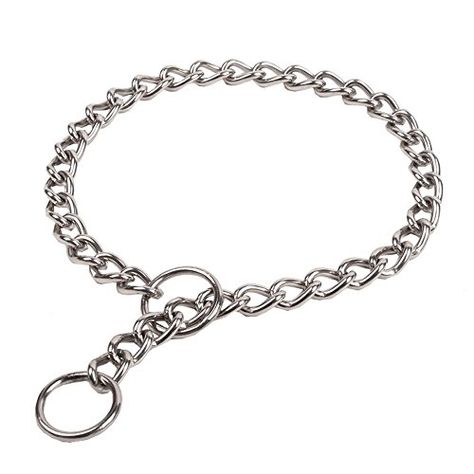
Apparently it hung on a nail on the cellar work bench, and was long forgotten.
Then some untold years of so later, Frisky’s old choke collar made it’s way to my mother’s junk room where it was being used to hold a door (with a broken lock and handle) shut.
Ah.
It’s funny how things turn up over time in the most strange and unlikely places.
Today…
In a single-payer healthcare system, what prevents hospitals from overcharging for treatment, since they know that the government will pay for it anyway? If the prices are controlled, wouldn’t it be unfair to the spirit of free markets?
Your thinking has been tainted by the Mafia-type healthcare system in the US, where everything from beginning to end is profit-driven.
Universal Healthcare is not profit-driven.
For example, aspirin in bulk costs around 1 cent each.
In the US, a hospital might charge $50 for an aspirin given to a patient. The profit is used for dividends to stockholders, million-dollar CEOs, bribes to Congress, and lobbyists, all in order to maintain the Mafia.
In Universal Healthcare, the patient is given the one-cent aspirin for “free”.
There are no stockholders, million-dollar CEOs, bribes to Congress, or lobbyists.
The aim is to break even, not make a profit.
How safe are online purchases in China?
Very safe.
For a number of years I ran my own small business making and selling children’s jewelry. (Don’t look so shocked. There is a niche market for it in the US and people will pay good money. Especially for custom work.) I ordered all of my supplies from Chinese vendors. They provided me bulk product for very reasonable prices.
I never had a problem. I always received what I ordered and in excellent condition. The only thing you want to be mindful of is if you want low cost or free shipping you’ll need to wait up to six weeks. I knew that so I always planned ahead and ordered well before I needed something.
All the pieces for this sensory chew necklace were ordered from China.
Though sometimes you can’t please everyone (lol) I was always pleased with my purchases.
The Thinking Inside Russia: “Operation Oshelomlenie”
Hal Turner World October 31, 2025
Russian Philosopher and writer Alexander Dugin warns that only a shock-and-awe campaign can shatter the West’s arrogance and restore Russia’s power.
Interview with Alexander Dugin in the Sputnik TV program Escalation.
Presenter:
I’d like to begin with a truly important topic, the importance of which everyone understands. Yesterday, Vladimir Vladimirovich announced the successful tests of the Burevestnik missile—a new missile capable of circling the planet for months, potentially unsettling the West and any other country. Western media outlets like the New York Times dubbed this missile a “flying Chernobyl,” saying it destabilized the situation and complicated arms control. The West’s reaction was very strong. I’m curious: How will this missile affect the balance of power? What advantages does it offer us at this stage?
Alexander Dugin:
First, I must admit that I’m no expert on weapons proliferation, and I’m hesitant to appear amateurish in this field. I’m a sociologist who studies geopolitics and political psychology, so I’ll analyze the topic from those perspectives, perhaps with a touch of philosophy.
It seems to me that Trump, under the influence of neoconservatives, has created a misperception of Russia’s position in the Ukraine conflict, our capabilities, interests, values, and what we are and are not prepared to do. We cannot find common ground with a Trump who is convinced that pressure, threats, or raising his voice are sufficient to end the conflict in Ukraine. He needs to abandon this belief and reshape his mindset. This is difficult to achieve with words alone. There have been negotiations in Anchorage, meetings between our president and Trump. He is an impulsive man who lives in the moment, is angry and aggressive, but respects strength and decisive responses. We understand that we have tried different approaches to communicating with him, but he refuses to accept a “soft” approach. He sees any kind of politeness as a sign of weakness.
When we say, “We’re open to dialogue,” he thinks we’re powerless to continue the war. When we propose a compromise, he replies, “Only on our terms: a ceasefire, then we’ll sort it out.” It’s fundamentally wrong to view Russia, a major nuclear, military, and economic power, as a subordinate, like a protectorate like Europe, Ukraine, or Israel. We’ve recognized this. Neither politeness, nor declarations, nor reasonable formulas work for it. It perceives politeness as weakness, reasonableness as cowardice, and willingness to compromise as surrender. This is completely wrong, and it never has been. We must demonstrate our strength. President Vladimir Vladimirovich used the word oshelomlene (“shock,” “stunning”) when referring to this issue—the West must be shocked by our actions. The Burevestnik test, dubbed the “Flying Chernobyl,” is a step in this direction. But this is not enough; we must go further.
We must intimidate the West because they have run out of rational arguments. Only something truly frightening can force them to speak to Russia on equal terms.
Presenter:
Isn’t the fact that the Burevestnik can stay airborne for long periods of time and is nearly impossible to track or shoot down scary enough on its own?
Alexander Dugin:
The point is that the West views our statements with skepticism. I’ve studied the Western press: many describe the Burevestnik as a bluff, a fantasy weapon, doubt its merits, and are confident they’ll find countermeasures. This will always be the case: our demonstrations of force are met with accusations of distrust and deception. Dmitry Seims rightly emphasizes: To overcome bluffing, a real show of force is necessary.
The West bluffs more skillfully: modest achievements are exaggerated as “great breakthroughs.” Trump speaks in a bombastic style: “Great! Magnificent! Absolutely!” His rhetoric, full of power and confidence, captivates people like a cobra hypnotizes a rabbit. Our 35 years of diplomacy were based on a different foundation: “Let’s avoid conflict, find compromises, and consider our interests.” The response: “Great, we’ll crush you!” Precise strikes that leave Iran’s nuclear program untouched are presented as victories. The media seizes on this, and Trump himself believes Iran is “on its knees.” These are self-fulfilling prophecies: they declare a “devastating attack,” present a fabricated outcome, and it works in virtual reality. Our revelations and arguments are unimpressive. Trump’s failures are declared victories and receive media coverage.
We need to attack a sensitive point that can’t be ignored. I have no idea what that will be. The president is talking about oshelomelene: The West must be shocked. We launched the Burevestnik, but there was no reaction. Even if they’re afraid, they claim Russia is bluffing, its economy is weak, sanctions are effective, and assets can be seized. We’re facing hell. Trump, while looking better, is practically waging Biden’s war. He keeps saying, “This isn’t my war,” but he acts as if it were his own. Soon, he’ll say, “This is my war, and I’ll win it in one day.” We need to sharply temper our rhetoric. They’re not observing formalities, while we’re still politely accepting blows. Kirill Dmitriev, in the spirit of Gorbachev, is trying to normalize relations with the US, but they perceive this as a white flag, a surrender.
Presenter:
Next, we’ll discuss the visit of Kirill Dmitriev, Chairman of the Russian Direct Investment Fund, and the normalization, or lack thereof, of Russia-US relations. I want to return to your remarks about Oshelomlenie. You previously suggested that this could be the beginning of “Operation Oshelomlenie,” linked to attacks on infrastructure in Ukraine. What is this “Operation Oshelomlenie”? Do you mean a show of force with our missiles on the battlefield?
Alexander Dugin:
Again, I’m no weapons expert, but I do study the collective consciousness. Sometimes a small, precisely targeted drone can have a greater impact than destroying Ukraine’s entire infrastructure, especially if that destruction goes unnoticed.
We live in a world of symbols and images, where there’s no direct connection between our power and its perception. I’m not telling you what to attack—models must be calculated. For example, with Zelensky—that’s one reality; without him—it’s a very different reality. They’re confident we won’t be able to conquer it. Their goal isn’t to liberate Ukraine, but to wage war on us through others. As long as Zelensky exists, even if he’s alone, it’s integrated into their propaganda, and everything becomes “fantastic, wonderful.” Destroy infrastructure—they’ll hide it. The military sees real maps and satellite imagery, but the public, which decides on sanctions or attacks, is shown manipulated images. Manipulating reality isn’t new; it’s the West’s postmodern approach over the past 30 years. A military operation is ineffective without media support, without striking images, even without AI-generated images. A combination of military action, policy, explanations, visual images, and demonstrations is required to convince the audience. If it’s not shown, it’s as if it never happened.
We weren’t prepared for this kind of war—this is a new challenge for us. We measure success by the number of killed and the territory liberated, pardoning our enemies, preparing a “goodwill gesture” for 20,000 murderers in a cauldron. What we need is an act of defiance that targets our opponents, not ourselves. This requires not only military strategy but also media mastery. To stun the West, especially in the context of Trump’s escalation, you need to get them to shout, “This is terrifyingly fantastic, the Russians have crossed all the limits!”—while they continue to insist that we are weak, not advancing, avoiding decisive action, and making concessions.
But there are actions that rhetoric cannot distort. They must be taken. The methods exist.
Presenter:
You mentioned the attacks on Bankova [Street]. Is that the surprising factor?
Alexander Dugin:
The attack on Bankova has been discussed so much that it’s lost all meaning. I don’t know what it will be—a tiny drone, an electronic pigeon, an incomprehensible microscopic element, or a Burevestnik descending from the sky. Perhaps a tiny mosquito will eliminate Yermak and Budanov, or something more fundamental. I don’t make decisions; I don’t know our capabilities, and I don’t offer advice. Those responsible must decide. But: it’s dangerous to announce the oshelomene and not to stun.
Our rhetoric is sharpening, we’re showcasing our capabilities, and people are waiting for our next move. We need to stun our enemies so they’re truly shocked. I’m monitoring the West’s reaction—they’re staying quiet about Oreshnik and Burevestnik. Trump doesn’t seem fazed.
In this terrifying game of clamoring for humanity’s fate, I analyze its psychology, sociology, geopolitics, even its smallest gestures. But there’s no stun.
We’re not finished yet. Our goal isn’t to convince them with our power, but to shake them. If Trump says, “This isn’t my war,” cuts off their support channels, and leaves the Europeans to fend for themselves, then we’ll surprise some. We need to shake Albion, Paris, and Merz. The attack by unknown drones alarmed and unsettled them, but it didn’t shock them. Something incredible is needed. We must stop harboring any illusions that they’ll take us seriously. We’re stronger, more dangerous, and more powerful than they think. We must prove it, and that’s the oshelomlenie operation. So far, there are no results. We must continue.
Presenter:
Let me clarify: Kyryll Budanov is on the terrorist and extremist list. I’d like to add to your remarks: Trump said, “They don’t play with us, and we don’t play with them.” What could this possibly mean?
Alexander Dugin:
Nothing. Like a little cough. We could say the same thing: “We’re playing, they’re playing.” When Trump has nothing to say, he’ll make some absurd comment that makes sense but doesn’t make sense. This means we don’t surprise him. When we surprise him, he’ll speak coherently. For now, this is his usual trolling—interpret it however you like; he doesn’t even understand what he’s saying. His resolve to escalate to a new nuclear escalation hasn’t been broken. Unfortunately.
Presenter:
I have one final question about “Operation Oshelomlenie.” For example, if Ermak or Zelensky were removed, as you mentioned, don’t you think European media and politicians would immediately use this to create a martyr image and explain to their citizens that there was now a direct threat requiring preparations for war with Russia? They’re currently manipulating the facts to paint a vague picture, and this would provide them with the perfect tool.
Alexander Dugin:
Perhaps it will. But if someone wants to fight against us, they will start a war, whether they find a pretext or not. I’m not insisting on concrete decisions. Operation Oshelomlenie has been declared, and I believe it’s a timely and correct decision. However, the nature of the operation is the exclusive authority of the Commander-in-Chief and the military-political leadership. I’m not suggesting or implying anything—I’m simply offering examples and examples.
But remember this: If we don’t stun them, they will prepare for war more successfully and quickly. We say, “We’ll stun them now,” but we don’t act. Then they will stage a provocation themselves—sending a “mosquito” to Zelensky, blaming the Russians, and blaming us for everything. False flag operations are the standard practice in modern politics. If we don’t act, they will do it for us and use it against us.
Reality has lost its credibility—it no longer exists. Everything is determined by appearances. There’s a lack of power imagery. They say the Russians are dangerous but insignificant. We threaten but are helpless. This paves the way for their aggression: the image of a ruthless but weak enemy like Saddam Hussein or Hamas. They lure us into this trap, and we don’t resist. We repeat, “We are peaceful, we don’t want to attack.” They respond, “They are weak, they hide their threats, they are afraid of being exposed.” This is one-sided information warfare.
There are rare opportunities—few, but they exist—that could undermine their information attack strategy. We must attack their information bubble, not the West or Ukraine. This bubble is dangerous: it creates an image that justifies a real war against us—like the Tomahawk missiles and nuclear submarines Trump mentioned. They believe that attacks like the one on Iran will force us to surrender. The more we declare, “We won’t attack, we’ll follow the rules,” the stronger the impression of our weakness. We take 20,000 Ukrainian soldiers captive, exchange them, create conditions—that’s perceived as weakness. How can we change that? I don’t know. But it’s necessary.
We must put in place mechanisms that take the information dimension into account. Their lies are not harmless—they lead to missile attacks on our territory. Then we must respond forcefully. They integrate everything into their narrative—peacefulness, firmness, negotiations, decisive action. How can we disrupt their information warfare at this critical juncture? We must halt the aggression the West is increasingly approaching. The balance between rationality and force requires fine-tuning. Escalation or endless evasion is tantamount to surrender.
This is the art of war, high politics, the art of the struggle for sovereignty and national interests. Politics is a struggle for existence—a philosophical category. Some rulers possess this art, while others wreak havoc. We must not rest on our laurels—storm clouds are gathering above us. It is time to seek allies for a potential war.
I propose establishing a military alliance with China: If the West understands that an attack on us will provoke a reaction from our allies, this will deter them. If their attention shifts to Taiwan, we must support China. We are on the verge of doing so. Russia and China are powerful economic, geopolitical, and military powers. We must strengthen our ties with India and other countries. A litmus test of this is the US aggression against Venezuela and Colombia. If they change regimes there, it poses a threat to us. This is their Monroe Doctrine, their “Ukraine,” and they will not stop. Success will increase their confidence in their ability to act against us and China. We must intensify our geopolitical efforts in Latin America. If we allow Trump to easily change regimes there, our position will worsen.
Presenter:
So should we provide weapons?
Alexander Dugin:
To everyone—Iran, Hezbollah, Venezuela. Actively, massively, unrestrainedly, as the US does. At the same time, say, “We’re for peace, Trump, you’re great, but this is business.” Maduro paying for Oreshnik missiles and air defense systems—that’s a deal. As Trump said, “That’s a deal.” If you live with wolves, howl like a wolf. That’s oshelomlene.
And we say, “We will not support Hamas, Hezbollah, we will reach agreements in Syria, we will help Iran from afar, we will not form military alliances within the BRICS.” That makes us “Cheburashkas”—not scary, crazy cartoon characters preparing for an attack. The West portrays the war against Russia as a cartoon.
Now we must disrupt their “cartoon” war plan. Trump is strong in his MAGA ideology, but he’s acting monstrously, not at our expense. Our stake isn’t just in the line of contact, but also in Russia’s global position. We are a polar opposite, and in the Middle East, we must take a stand on our friends and enemies, forge alliances, and provide military and financial assistance with the expectation of reciprocity. This applies to Africa, Asia, and Latin America. A great power cares about everything, even the Falkland Islands. Do we have the resources?
If our resources are insufficient, any displacement will cost us our sovereignty. We are surrounded, and the enemy will demand more—the colonization of Russia. The West is talking about this day and night, creating resources for our collapse—conspiracies, regime-change operations. If we show weakness—Africa, Latin America, the Middle East, Asia will not be ours. Then they will say, “Siberia is not yours, the North Caucasus is not yours.”
Western hegemony is a machine operating in new, networked realities. Artificial intelligence is a prime example. Like Elon Musk, we embrace it without understanding that it has liberal landmines planted within it. It could explode like Hezbollah’s pagers. We don’t grasp the scale of the conflict we’re currently engaged in. We don’t understand the technical side, the grant-based recruitment of our science, culture, and economy. The West has infiltrated us and left back doors in every institution—democracy, the free market. In the 1990s, we handed the keys to the city to the enemy. And we still haven’t fully liberated ourselves. We’re fighting at every level, including information, but we don’t always know how. We think the conflict may be local, but it’s a global one.
Presenter:
We’re thinking in good faith, but the world isn’t ready for this. You mentioned allies and China. I want to clarify: Donald Trump’s current visit and his upcoming meeting with Xi Jinping on October 30th—what should we expect from this? Some outlets are reporting that Trump will try to divert China’s energy away from Russia.
Alexander Dugin:
That’s partly why he’s going, but not only why. Trump has abandoned his MAGA philosophy and embraced a neoconservative stance. He’s a tool in the hands of people like Lindsey Graham. His goal is to build alliances in Southeast Asia using threats, bribes, and offers that, in his view, China can’t refuse. This is war. He says, “I’m competing with China,” but he’s fighting us. Biden, Obama, the neoconservatives—that’s today’s Trump.
Trump isn’t just fighting China; he’s making deals against us. Xi Jinping is unlikely to take radical measures against us, but we must work to prevent that from happening. We need to build a strong partnership with China. Our president is working tirelessly on this, but the mechanisms of Russian politics are sometimes unable to adapt to these challenges—they are too slow, bureaucratic, and cumbersome. Putin acts like a hero, as if the fate of humanity depends on him, but his instructions are drowning in paperwork, and the vertical structure becomes horizontal. We must accelerate our alliances with those who share a multipolar agenda—militarily, economically, and strategically. Operation Oshelomlenie has several phases: making positive strides in global politics, winning new friends, and supporting allies.
His visit is a hostile move. He’s plotting and making deals against us. He thinks he’s in control, but Russia is a sovereign state and will not obey him. He’s caught up in our conflict while expecting an easy victory. Europe is also grumbling, but it’s following the neoconservatives. And that’s dangerous.
What is the Role of Consciousness in Quantum Mechanics? – Ask a Spaceman!
What is the role of consciousness in quantum mechanics, if there even is one? Is there any way at all to develop a coherent view of nature based on quantum mechanics? What are the ultimate lessons that we can learn from quantum mechanics? I discuss these questions and more in today’s Ask a Spaceman!
Why does the military still use 5.56 rounds if they can’t penetrate armor?
It can’t?
But in the stupidity of that question, as something changes, poof, there’s a solution?
Gee, 5.56 mm can’t penetrate body armor?
that’s interesting, but first off,
For most of the enemies we actually engage…
What is this body armor of which you speak?
Generally, they didn’t have it.
some did, but they weren’t large in numbers.
The Taliban didn’t have body armor in huge quantities until it was abandoned to them in Afghanistan, they are trying to use it, notice that you’ll see more and more terrorists who were taught to index their weapons as well.
some will know what’s wrong with the gear on these guys.
But guess what?
the Taliban are no longer our enemy, so them having massive quantities of excellent body armor means nothing to us in the realm of what 5.56 mm can do!
The concerns.
So 5.56 mm can’t defeat body armor worn by our near peer enemy threats, which means the Chinese and the Russians.
It’s best we don’t tell these guys of the Ukrainian 78th Assault Regiment that the Russians wearing body armor didn’t die, and the bullet holes they put in them didn’t exist.
Yep, none of those guys you killed with torso shots, actually were shot.
Hold on Russians, don’t surrender, they only have M4’s. Those are 5.56 mm rifles, they can’t harm your torsos according to the person who asked the question at the top.
As for the Chinese body armor, we know it was worthless against AK’s in Africa during that fiasco UN mission.
But for near peer threats, with body armor, the US is already working on that.
The new rifle and machine gun adopted by the US Army is in a higher caliber and it’s more of a full rifle round rather than an intermediate round. This will address the concerns about the future threat.
Originally Answered:
Contrary to what some other answers suggest, the 5.56mm round was not designed to wound rather than kill. That is one of those myths that rates up there with using a tampon to stop bleeding
Research was done in the 1950s into the characteristics of firefights. The studies showed that firefights were typically initiated within 200m and resolved within 100m. It also demonstrated the high volume if missed rounds in a typical contact, and that rifle fire was generally used to suppress in contacts. It was determined that to effectively suppress a target you needed a round to get within 3ft of them every 2 seconds, and this needed lots of ammunition.
A project to study ammunition effectiveness demonstrated that a smaller round than the 7.62mm could be used while still maintaining lethality at normal combat ranges. There was no point carrying heavy ammunition which is effective at 1000m when most of your firefights are resolved at a fraction of this distance. This would allow more ammunition to be carried for the same weight. It would allow the weapon firing it to be lighter and have lower recoil than a full power round, thus improving accuracy when fired quickly or on automatic. A tender was put out and the .223 Remington round (5.56mm M193) was developed in response, itself a development from the .222 varmint round. 5.56mm NATO (SS109/M855) was designed in the late 70s-early 80s as a response to the increased use of body armour by Soviet forces. The SS109 round was designed to have better armour penetration properties than the M193. 5.56mm became the standard NATO cartridge, mostly because of pressure from the US despite more effective rounds being developed elsewhere.
No where in the the development criteria was the desire to wound rather than kill stated. Shooting to wound is not stated in the training pamphlets or doctorine of any NATO force. No where is the idea of wounding to remove more people from the battle suggested. From a personal perspective I was an infantry soldier for over 2 decades. I have taught recruits and was a skill at arms instructor and was never taught this as a doctorine. I firmly believe this concept was initially started when training staff were questioned about what the change was made and they didn’t know the answer so thought this made sense. Myths become reality quickly in the military.
Creating a weapon that is specifically designed to wound goes against the Geneva conventions regarding the use of weapons that cause unnecessary pain or suffering. It also does not make sense from a tactical standpoint. It works on the assumption that the enemy have the same regard for casualties that we do. It also assumes that they will stop fighting to treat and evacuate or that a wounded soldier cannot fight. It also assumes they dont have separate evacuation chain that doesn’t take their shooters out of the battlefield.
The 5th section battle drill is the attack and fight through the enemy position, followed by the 6th drill which is the reorg. At this stage having won the contact, enemy wounded who cannot fight are now regarded as hors de combat. I now own their position and am duty bound to render aid and evacuate them if safe to do so. The enemy wounded are now my responsibility and a drain on my medical equipment, evacuation chain and further medical resources, not the enemies.
Good to see some myths are still floating around though.
Grilled Sticky Ribs
Kick-off summer festivities with these succulent ribs. Baked first, these Grilled Sticky Ribs are then grilled with a sweet chili glaze for a delightful Asian-inspired finish.

Prep: 20 min | Cook: 3 hr 15 min | Yield: 5 to 6 servings
Ingredients
- Aluminum foil
- 2 racks (about 4 pounds total) baby back ribs
- Garlic salt
- Ground black pepper
- 1 tablespoon vegetable oil
- 1/4 cup finely chopped red onion
- 1 teaspoon finely chopped garlic
- 1 teaspoon grated fresh ginger
- 3/4 cup Maggi Taste of Asia Sweet Chili Sauce
- 1/2 cup Apple Nestlé ® Juicy Juice® All Natural 100% Juice
- 1 tablespoon rice wine (mirin)
Instructions
- Heat oven to 300 degrees F.
- Using knife, remove membrane from bone side of ribs (this step is very important for tender ribs). Pat ribs dry with paper towel; season both sides liberally with garlic salt and pepper. Place ribs in a large roasting pan, overlapping as needed. Add about 1/2 cup water to pan. Cover tightly with foil.
- Bake for about 3 hours or until meat is very tender but not quite falling off the bones.
- Heat oil in small saucepan over medium-high heat. Add onion; cook, stirring occasionally, for 2 to 3 minutes or until soft.
- Stir in garlic and ginger; cook for 1 minute.
- Stir in sweet chili sauce, Juicy Juice and rice wine.
- Reduce heat to low; cook for 8 minutes or until sauce is reduced to about 1 cup (it should be thick and sticky).
- Heat grill or broiler.
- Brush glaze over tops of ribs. Grill over medium flame for 4 to 5 minutes or broil about 4 inches from heat for 3 to 5 minutes or until sauce caramelizes.
- Serve with any remaining glaze.
Many Chinese weddings are very extravagant and lavish nowadays. Is it so important to the status of Chinese couples/families to make it this way? Why?
I’m an outsider looking in and a Western woman who spent $75 dollars on my wedding dress and less than $3000 on an entire wedding that I solely paid for when I had my failed marriage, so I’m not sure I’m one to ask.
From what I can tell of my years listening to my Chinese friends and reading about modern Chinese customs, it seems to be that when two families join together in Chinese culture, that a wedding is a time when they showcase their wealth.
Or at least showcase their ability to provide for their children who are marrying.
This is likely what you are experiencing.
I suppose it is about saving face.
I personally do not see the need to spend such money on one day but it is just a difference of culture and if they can afford it, then it is none of my business how they spend their money.
And anyway, I have heard they recover what they spend when the guests give red envelopes so I suppose it all evens out in the end.
Heir to the Ring
Written in response to: “Write a story about a cherished heirloom that has journeyed through multiple generations.“
Keshav Mathur
The pilot glanced at Ethan through the rearview mirror. “We’ll be landing in about 10 minutes, Mr. Scott.”
Ethan nodded. The vast property sprawled beneath them, its manicured lawns and imposing architecture a stark contrast to the chaos of the city he’d just left behind. The rotors began to slow, and the helicopter touched down smoothly on the expansive driveway.
A wave of unease rolled through him.
******
The grand living room of the Scott mansion buzzed with subdued conversations as Ethan stepped through the ornate double doors. The space, adorned with sleek modern art and opulent furnishings. Four key executives stood near the center. Frank Lunz, the poised CFO in an impeccable suit; Chairman Harold Fox, an old man with silver hair and a commanding presence, his father’s oldest friend and advisor; Linda Chen, the Chief Legal Counsel; Marcus Reed, the charismatic Head of PR.
“Ethan,” Frank began, his voice gentle. “We’re all so sorry for your loss.”
Fox placed a hand on Ethan’s shoulder. “Thomas was a visionary. Please accept our deepest condolences.”
Linda nodded in agreement. “If there’s anything you need, we’re here to support you.”
Marcus added, “This must be an incredibly difficult time for you.”
Ethan managed a small smile, a little surprised to see everyone there. “Thank you, all of you. I appreciate your support.”
He took a deep breath, glancing around the room. “I need some time alone.”
As Ethan turned to leave for his room, Marcus exchanged a fleeting look with Linda. “Ethan, if I may… We hate to bring this up now, but we need to discuss the messaging.”
Ethan paused. “Can this wait?”
Linda stepped forward, her tone soft. “Your father’s sudden passing has created some uncertainty. The stock is plummeting since it’s known you have been critical of the company.”
Frank interjected smoothly, “We’ve already spoken with the President and he is ready to suspend trading for the day.”
Marcus continued, “With his passing all his shares and board seats pass down to you. We’d like you to meet with the board and address the press. A statement from you could reassure investors that you won’t make any rash decisions.”
Ethan’s frustration boiled over. “You vultures have no decency! Maybe I should go straight to the press and announce I’m donating all my shares to Greenpeace.”
The room fell silent, tension thick in the air. Chairman Fox said with a steady voice. “The kid has just lost his father. We need to give him some space.”
Ethan turned and began ascending the grand staircase, his eyes lingered on the portraits of his ancestors—Scotts going back five generations, all titans of industry. The weight of their legacy pressed heavily on him. With that, Ethan continued up the stairs as the room below watched him go, concern apparent in their eyes.
****
Ethan lay on his bed, mindlessly staring at the ornate ceiling. He was still trying to process the morning’s events and the flood of memories that accompanied his return to his childhood home. A soft knock broke the silence.
“Come in,” he said.
Chairman Fox entered. “I’m sorry about downstairs,” he began, his voice quiet. “They’re not bad people—just stressed.”
Ethan sat up, legs dangling over the side of the bed. Ethan had known Mr. Fox since he was a kid. “I understand.” Ethan responded.
Fox held out a sealed envelope. “Your father asked me to give this to you personally, if…if anything happened to him. He made me promise it would pass directly from my hands to yours.”
Ethan’s heart thudded. He took the envelope. “Thank you,” he said, voice catching in his throat.
Fox squeezed Ethan’s shoulder. “I’ll leave you to it.” He stepped back, quietly closing the door behind him.
For a moment, Ethan simply stared at the envelope. Finally, with trembling fingers, he peeled it open.
Inside was a single sheet of paper, and an unmistakable glint of metal. He tilted the envelope, letting a heavy silver ring slide into his palm. It was intricately carved, the edges smooth from generations of wear. Ethan’s eyes flickered to the letter. And he read the note:
Son, if you are reading this, it means I have passed away unexpectedly, and I couldn’t hand over this ring in person. This ring has been passed down for five generations. It marks the transition of a Scott from boy to a man. Put it on, and may it guide you as it has guided all the great men before you.
A single tear traced down Ethan’s cheek. He hadn’t expected a sermon, but part of him longed for more—some final message. Instead, there were just these few lines.
He turned the ring over in his hand. Suddenly, the full reality of his loss washed over him. All his anger and regrets tumbled into a raw ache. His father was gone, and there would be no more chances for reconciliation.
Slowly, Ethan slid the ring onto his finger. It felt oddly comforting, its metal cool against his skin. He lay back against the pillows and covered his eyes with his forearm, silent tears slipping down. And drifted into a fitful nap.
*****
A sudden, intense heat surged through his finger, jerking him awake. Blinking against the haze of half-sleep, he realized his father’s ring was burning with an unnatural flame, its metal glowing a fierce, pulsating white.
A flash of light erupted from the ring, and Ethan could only stare in disbelief as it swallowed the room around him. When the glow subsided, he found himself outside on a wooden bench, the warm scent of fresh grass and blooming flowers drifting through the air. He recognized this place instantly—the Scott estate lawn, bathed in the golden light of a late afternoon sun.
Before him, a younger Thomas Scott carried a four-year-old Ethan on his shoulders, both of them carefree and laughing. The sight tightened Ethan’s chest with a wave of nostalgia and regret.
As Ethan took in the idyllic scene, he noticed an older version of his father approaching. This Thomas Scott, around fifty five years old, broad-shouldered and fit, white hair and beard, dressed in a casual collared shirt tucked into jeans.
A thousand questions flooded Ethan’s mind.
“Dad?” Ethan breathed, pulse thudding in his ears. “Is…is this a dream?”
Thomas settled onto the bench beside him. “It might feel like one, but it’s not. This is a next-generation virtual reality device—tech humanity isn’t ready for yet.”
Ethan’s heart pounded. “VR?” he repeated incredulously, glancing at the vivid colors of the estate. “It feels so real. But if this is VR, you’re not just…a pre-recorded—”
“—message?” Thomas finished for him, a rueful smile tugging at his lips. “No, son. You’ve always been quick to notice details. This is a digital reconstruction of me, built from my biological and mental blueprint. Think of it like a living hologram, projected by the ring’s interface.”
Ethan swallowed hard, his eyes drawn again to the ring. “But…how?”
Thomas placed a comforting hand on Ethan’s shoulder, the touch surprisingly real. “That ring has carried forward an ancient secret through generations of Scotts, one older than our family even.”
Ethan’s breath caught. “What secret?” he asked.
Thomas sighed. “I know you and I haven’t always seen eye to eye. I was too busy to be the father you needed. But it’s time you learned the truth”
Ethan felt a chill ripple through him. The lawn around him began to shimmer and blur. The ring again sent gentle waves of warmth up his arm. The vibrant greens and blues of the estate’s gardens gave way to the muted browns and greys of a grimy factory floor.
He found himself inside a large, dimly lit building. Steam hissed from great metal pipes crisscrossing the walls. The air was thick with the pungent odors of oil and soot, and shafts of pale daylight streamed through high windows. Metallic clanking and the hum of machinery filled the space, their gears turning as they spun cotton into cloth. Through the haze, Ethan could see workers stooped over machines, their faces smudged with coal dust and fatigue.
“This,” came the voice of Thomas Scott, “is Manchester, England. The year is 1825. My great-great-great grandfather Alexander Scott ran this textile mill—one of the most successful in the region.”
They moved closer to a small, glass-walled office that overlooked the rows of steam-powered looms. Within, a young man—Alexander Scott—pored over ledgers, tapping a quill against his chin in thought. He appeared to be in his early thirties, with a stout build and sharp, intense eyes. His hair was cropped short in the style of the day, and he wore a high-collared waistcoat.
“There’s Alexander,” Thomas said.
A faint knock at the door drew Alexander’s attention. A mail clerk entered the office, handing over a small parcel. Slicing it open, Alexander withdrew a simple wooden box. Inside it lay a ring— identical to Ethan’s, gleaming in the oil-lamp light.
Alexander’s brows drew together in confusion. He lifted a folded note from beneath the ring and began to read. Though Ethan couldn’t make out the words, he saw the flicker of shock cross Alexander’s features. Carefully, Alexander slipped the ring onto his finger. An immediate burst of faint light illuminated the office as the office itself vanished.
Ethan’s stomach lurched as though he were plummeting from a great height. When the world came back into focus, he found himself standing in what appeared to be the vacuum of outer space—except he could breathe normally, as though in a protective bubble. Earth shone below him, the blue-green sphere rotating against a star-splattered backdrop. He instinctively reached out, a surge of awe and vertigo mixing in his chest.
“The ring connected Alexander to the Space Guild for the first time,” Thomas’s voice explained. “Helping him see Earth from a vantage point no human in the 1820s could have imagined.”
Ethan’s eyes widened. And then, without warning, they began traveling—stars streaked by in a blur. Ethan felt no wind, no shift, just a rapid change of the visual landscape. Far from Earth, they arrived at a large, luminous planet crowned by swirling turquoise clouds. Its skies were dotted with silver spires and floating structures.
A moment later, Ethan and Thomas stood inside an enormous, domed chamber. The architecture was futuristic, yet oddly elegant—glass-like walls curved overhead, letting in the planet’s golden sunlight. At one end of the room, five tall thrones were arranged on a raised platform. Each seat was occupied by a figure that was…not human.
Standing before this panel of five was Alexander Scott, still dressed in his 19th-century attire. He looked dazed, overwhelmed.
Thomas murmured, “This was the first formal contact. For reasons unknown to us the Guild decided to choose our family. The Guild is the largest multi-species organization in the known universe, uniting many intelligent races.”
Ethan opened his mouth to speak, but the scene shifted again. They returned to Alexander’s factory office, where subtle transformations took place: new, steam-powered looms operating at unprecedented efficiency, advanced designs well ahead of what any competitor had at the time. The business boomed, catapulting the Scott name to prominence. Then the view fast-forwarded to a grand opening ceremony in 1865: Edward Scott, Alexander’s son, inaugurating a steel mill. Towering furnaces glowed in the background.
The scenes continued to flow: 1910, with William Scott in America, leading a factory churning out car engines and rudimentary airplane engines for military use in the looming First World War. Then 1950, showing Charles Scott presiding over the production of advanced aircraft engines and increasingly sophisticated weaponry.
Finally, the montage settled around 2022, returning to the modern day. They saw Thomas Scott, walking through vast data centers humming with supercomputers, then standing beside rocket prototypes lined up in a massive hangar. Rows of electric cars rolled off automated assembly lines.
Through it all, Thomas’s voice guided Ethan:
“The Guild nudged each generation of Scotts, offering insights ahead of our time. They guided our adoption of advanced technologies, from steam engines and steelmaking to rocket propulsion and AI. We weren’t the only innovators in history, but our family was always a step ahead.”
Ethan, reeling from the breadth of what he’d seen, tried to focus. “Why would they do that? Why help us so much?”
Thomas turned to him. “One of the Guild’s missions is to bring new civilizations into their fold. They call it the Great Unification. ‘Intelligent life,’ is rare and precious. They want to see it flourish. But there’s a catch.”
“The Guild only deals with a civilization that has a single recognized authority. No endless fracturing into warring factions. They find it too dangerous.”
Ethan exhaled, “So, they wanted our family to…what? Take over the world?”
“In a way… yes” Thomas said. “Enough that, when the time comes, Earth might present a unified front under a leader they are comfortable with. That way, the Guild can integrate humanity peacefully—share knowledge, resources, and the biggest gift of all – ability to bend spacetime.”
“That’s insane,” Ethan muttered angrily. “Nobody has a voice in this. We have no right to decide what’s best for billions of people.”
“If humans remain fractured when the Guild arrives, the risk of an interplanetary conflict is too great. The Guild has only one response to such potential threats.” Thomas replied.
A new scene loomed: a luminous beam lancing through Earth’s atmosphere, impacting the planet with catastrophic effect. The surface rippled and broke apart in an instant. Ethan drew a sharp breath, watching in horror as shockwaves rippled across continents, the planet consumed in a bright burst of annihilation.
Ethan turned away from the vision in horror. “What if we refuse integration?”
Thomas’s voice was somber. “Because in some time, with the advent of AI our technologies would be advanced enough to pose a threat far beyond Earth. The Guild will have no choice but to put us down.”
Thomas gently placed a hand on his shoulder. “I tried to steer the world toward a future where we’d be interconnected through technology, economics, and infrastructure. But as you know, the path has been messy.” He sighed. “And I regret many decisions.”
Thomas continued. “Every generation of Scott did what they had to. Now, it’s your turn, son. You must decide if you’ll carry on. But if we do nothing, the Guild will see humanity as too chaotic, too dangerous…”
Ethan asked “When does the Guild arrive?”
Thomas replies in a somber way “They arrive in 50 years… you will be the one who will be negotiating with them.”
Ethan swallowed hard. “But… what if—”
Thomas replies, “I know it’s a lot to take in son. But you were always so smart, so brave and yet so kind. You don’t see it yet but you were born for this.”
“I have a strategy laid out for Scott Industries. We’ll discuss it very soon. But first, you need to get back, Jessica is about to knock on the door.”
Before Ethan could utter another word, the simulation dissolved into streaks of white. He found himself back in his darkened room, the ring cool on his finger. Ethan looked down at the ring as his mind raced.
A soft knock at the door broke the silence. “Mr. Scott?”. It was his father’s secretary, Jessica. “Are you awake? We need you to discuss the plans for… for the funeral.”
“I’ll be down soon.” he said quietly, clearing his throat.
She hesitated. “Is everything all right?”
No, he thought, it isn’t. Nothing could be the same after the choice he had just made in that moment. But he squared his jaw. “I’m fine,” he said. “Let’s… let’s gather the team. I have a statement to prepare for the press, and a meeting to schedule with the board.”
Surprise flickered across Jessica’s face. She nodded, though. “Of course, Mr. Scott. I’ll gather them in your father’s office.”
A rising AI star left a promising US career to return to China
Fu Tianfan, a 32-year-old expert focused on AI-driven drug discovery and materials development, has returned to China from a tenure-track assistant professor at New York’s Rensselaer Polytechnic Institute, and joined School of Computer Science at Nanjing University. His decision highlights China’s growing allure for elite global talents in the competitive tech landscape.
Fu aims to transform pharmaceutical processes through AI. He said China’s growing investment in higher education had created unprecedented opportunities for young scientists like him. At Nanjing, he intends to form cross-disciplinary teams to enhance drug design and clinical trials, partnering with industry to accelerate market entry.
While recognizing the U.S.’s established dominance in research infrastructure and commercialization, Fu emphasizes China’s advantages: a vast patient population for clinical data, proactive biomedical policies, and tech firms advancing AI innovation. His return also aligns with personal goals—reuniting with family after years overseas.
The Younger Generations Really Hate The Boomers …..
When insurance companies denied people for pre-existing conditions, before Obamacare, did that mean people who had them couldn’t get insurance?
Pretty insane, right?
When I got kicked off my parents insurance back in the early 2000s, my dad suggested I call his old buddy Mike, an insurance salesman, and get a new policy, which should be pretty cheap for a healthy guy in his early 20s. So I filled out the forms, and heard back from Mike the same day I handed him the paperwork.
“You have asthma? I can’t sell you a policy if you have asthma.”
I was unable to insure myself, because of asthma.
I was then explained, for the first time, the concept of “pre-existing conditions.” I spent days flabbergasted that a person could be denied the right to affordable healthcare simply because they needed the healthcare. It turned out that the only way I would be able to insure myself was through my employer. . .my employer that kept the labor force below fulltime employment so that they didn’t have to offer insurance.
I had to find a different job in order to get insured, ultimately one that didn’t offer insurance until after you’d worked fulltime for a year, which is common practice in the working-class world.
So yes, this is how it was before Obama enacted the ACA. There are a lot of problems that need to be worked out of the ACA, but mandating the coverage of pre-existing conditions was one of the great accomplishments of Obama’s legislation.
Sir Whiskerton and the World as a Scratching Post: A Tale of Boundaries, Blunders, and Feline Wisdom
Ah, dear reader, prepare yourself for a tale of scratched fences, mischievous gnomes, and one very determined cat who taught a valuable lesson about respect and responsibility. Today’s story is one of exploration, boundaries, and the importance of treating the world with care—even when you’re having fun. So, grab your scratching post (or a sturdy tree, if you must), as we dive into Sir Whiskerton and the World as a Scratching Post: A Tale of Boundaries, Blunders, and Feline Wisdom.
The World is Your Scratching Post
It all began on a sunny morning, just as the farm was waking up to the gentle clucking of Doris the Hen and the distant mooing of Bessie the Tie-Dye Cow. Sir Whiskerton, the farm’s resident detective and philosopher, was perched on the barn roof, surveying his domain with a satisfied flick of his tail. Beside him sat Ditto, his ever-eager apprentice, who had a habit of repeating Sir Whiskerton’s every word.
“Ditto,” Sir Whiskerton began, his voice calm and authoritative, “today, I shall teach you an important lesson: ‘The world is your scratching post—treat it accordingly.’”
“Accordingly!” Ditto echoed, his tiny paws kneading the air.
Sir Whiskerton nodded. “Precisely. The world is full of opportunities for exploration and fun, but it’s also important to respect the boundaries of others. Do you understand?”
Ditto tilted his head, his eyes wide with curiosity. “Boundaries?”
“Yes, boundaries,” Sir Whiskerton said, gesturing to the farm around them. “For example, the farmer’s new fence is not a scratching post. It is a boundary, meant to keep us safe and organized. Do you see?”
Ditto nodded eagerly. “Boundary! Not scratching post!”
Sir Whiskerton smiled. “Good. Now, let’s put this lesson into practice.”
The Farmer’s New Fence
The farmer had recently installed a brand-new fence around the perimeter of the farm. It was a sturdy, white-picket fence, designed to keep the animals safe and the crops protected. The animals admired the fence, marveling at its pristine condition and shiny paint.
“Oh, cluck!” Doris squawked, inspecting the fence. “This is the most beautiful fence I’ve ever seen!”
“Fence!” Harriet echoed, tilting her head.
“Beautiful!” Lillian added, fainting dramatically onto a pile of hay.
Sir Whiskerton approached the fence, his tail flicking with approval. “Indeed, it is a fine fence. But remember, Ditto, this is not a scratching post. It is a boundary, and we must respect it.”
Ditto nodded, his tiny paws twitching with excitement. “Boundary! Not scratching post!”
But as Sir Whiskerton turned to address the other animals, Ditto’s curiosity got the better of him. The fence looked so smooth, so inviting… surely one little scratch wouldn’t hurt?
Before anyone could stop him, Ditto leapt at the fence, his claws sinking into the wood with a satisfying scratch-scratch-scratch.
“Ditto!” Sir Whiskerton cried, his voice filled with alarm. “What are you doing?!”
Ditto froze, his claws still embedded in the fence. “Uh… scratching?”
The animals gasped in unison, their eyes wide with horror. The once-pristine fence now bore a series of deep, jagged scratches, marring its shiny surface.
“Oh no!” Doris squawked, flapping her wings. “The farmer’s new fence! It’s ruined!”
“Ruined!” Harriet echoed, scratching her head.
“Farmer!” Lillian added, fainting dramatically onto a pile of hay.
Sir Whiskerton sighed, his tail flicking with frustration. “Ditto, this is exactly what I was trying to teach you. The world is your scratching post—but you must treat it with respect. This fence is not yours to scratch.”
Ditto’s ears drooped, his eyes filled with guilt. “I’m sorry, Sir Whiskerton. I didn’t mean to ruin the fence.”
Sir Whiskerton placed a paw on Ditto’s shoulder. “I know you didn’t. But now we must fix this before the farmer finds out.”
Gnomeo’s Mischief
Just as Sir Whiskerton was about to devise a plan to repair the fence, a mischievous laugh echoed through the barnyard. The animals turned to see Gnomeo, the farm’s resident gnome, standing nearby with a twinkle in his eye.
“Well, well, well,” Gnomeo said, stroking his beard. “Looks like someone’s been naughty.”
Sir Whiskerton narrowed his eyes. “Gnomeo, this is no time for your antics. We have a fence to repair.”
Gnomeo chuckled. “Oh, I’m not here to cause trouble. I’m here to help. After all, I’m the one who told Ditto about the fence.”
The animals gasped again, their eyes wide with shock. “You did what?!” Doris squawked.
“What?!” Harriet echoed, tilting her head.
“Gnomeo!” Lillian added, fainting dramatically onto a pile of hay.
Sir Whiskerton’s tail flicked with irritation. “Gnomeo, why would you do such a thing?”
Gnomeo shrugged, his grin widening. “I thought it would be funny. Besides, the fence was looking a bit too perfect. It needed some… character.”
Sir Whiskerton sighed, his patience wearing thin. “Gnomeo, your idea of ‘character’ has caused a farm-wide problem. Now, we must fix this before the farmer finds out.”
Gnomeo’s grin faded, replaced by a look of guilt. “Alright, alright. I’ll help. But first, you scratched my hat!”
Sir Whiskerton glanced at Gnomeo’s hat, which now bore a series of claw marks. “Consider it a fashion upgrade,” he said dryly.
The Farm-Wide Debate
As Sir Whiskerton, Ditto, and Gnomeo worked to repair the fence, the other animals gathered to discuss the incident. The scratched fence had sparked a farm-wide debate about boundaries and respect.
“The fence is a boundary,” Doris declared, flapping her wings. “We must respect it!”
“Boundary!” Harriet echoed, nodding vigorously.
“Respect!” Lillian added, fainting dramatically onto a pile of hay.
Rufus the Dog wagged his tail. “But what if the fence is in the way of our fun? Shouldn’t we be able to explore and play?”
Porkchop the Pig snorted. “Fun is important, but so is respect. We can’t just go around scratching everything we see.”
Bessie the Tie-Dye Cow mooed in agreement. “Peace and love, everyone. Let’s find a balance.”
Sir Whiskerton, overhearing the debate, stepped forward. “The world is your scratching post—but you must treat it with respect. Boundaries are important, but so is exploration. The key is to find a balance between the two.”
The animals nodded, their eyes filled with understanding. “Balance!” they chorused.
The Moral of the Story
As the fence was repaired and the farm returned to normal, the animals reflected on the day’s events.
The moral of the story, dear reader, is this: Respect your environment, even when you’re having fun. The world is full of opportunities for exploration and adventure, but it’s important to treat it with care and consideration. Boundaries exist for a reason, and respecting them ensures harmony and balance. And through it all, Sir Whiskerton’s wisdom reminded everyone that even the most playful actions should be tempered with responsibility.
A Happy Ending
With the fence restored and the lesson learned, the animals gathered for a celebratory feast. Ditto, now wiser and more responsible, sat beside Sir Whiskerton, his tiny paws twitching with excitement.
“Thank you, Sir Whiskerton,” Ditto said, his eyes filled with gratitude. “I’ll remember to respect boundaries from now on.”
Sir Whiskerton smiled, his tail flicking with satisfaction. “I’m glad to hear it, Ditto. Remember, the world is your scratching post—but treat it accordingly.”
As the sun set over the farm, the animals laughed and chatted, their bond stronger than ever. Sir Whiskerton lounged on his favorite sunbeam, content in the knowledge that he had once again saved the day. The farm was at peace, and all was right in the world.
And so, dear reader, we leave our heroes with the promise of new adventures, new lessons, and the enduring importance of respect and responsibility. Until next time, may your days be filled with laughter, love, and just a little bit of feline genius.
The End.
What was a time when someone absolutely deserved to be fired?
I worked in the banking industry for decades. At one time (in the 90s) my employer decided to license select individuals to sell annuities and mutual funds.
I worked hard for my licenses and was successful in my particular branch office.
One day I overheard a coworker who was a new accounts rep ( not licensed to sell investments) on the phone with a bank customer.
She was talking about renewing a CD.
Suddenly she said “hey I have a friend who has some great investments that may interested you.
Here is his number” …honestly I almost fell out of my chair.
Aside from her violating a few banking laws ( silly stuff like SIPC disclosures and FDIC rules), she was directing business away from me.
And we got along… it was weird.
I could not get to the compliance department fast enough.
Turns out she was getting a little cashola from her friend for every referral.
And here’s the nutty part: she DID NOT GET FIRED.
She got a stern talking to.
Eventually she did get fired for something else.
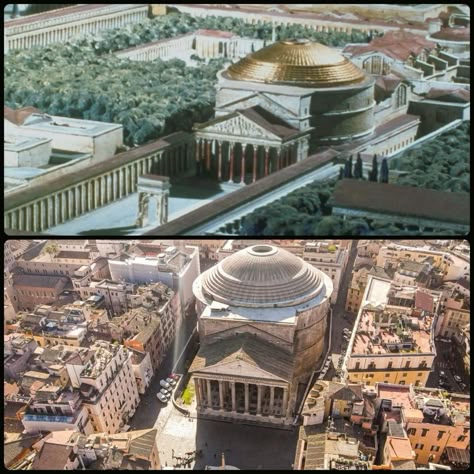
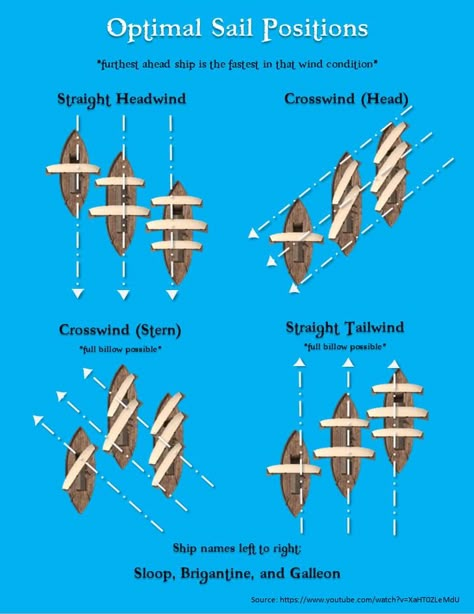
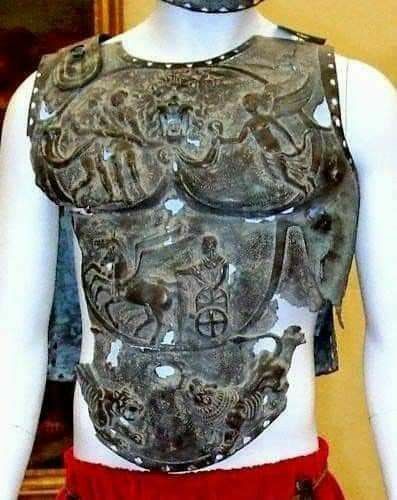
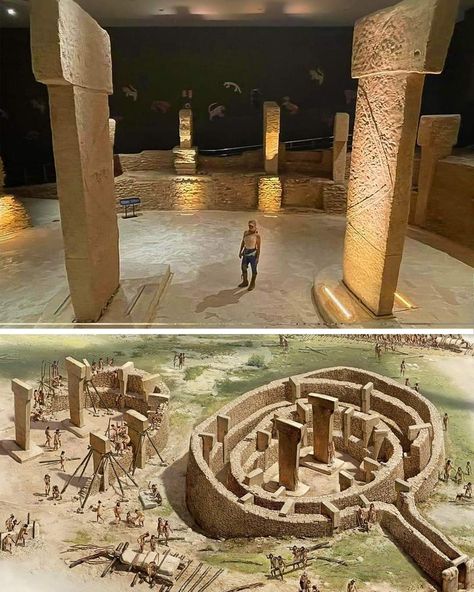
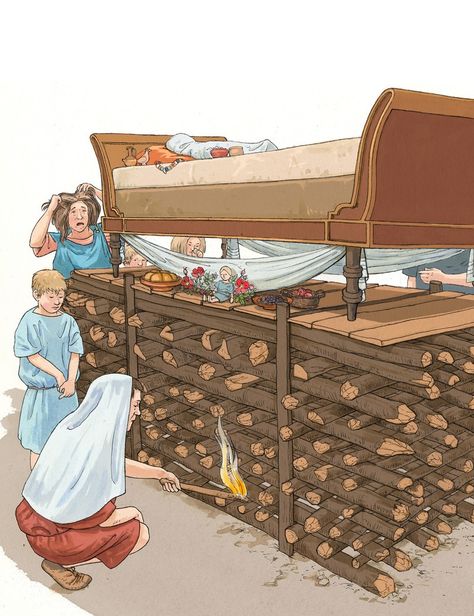
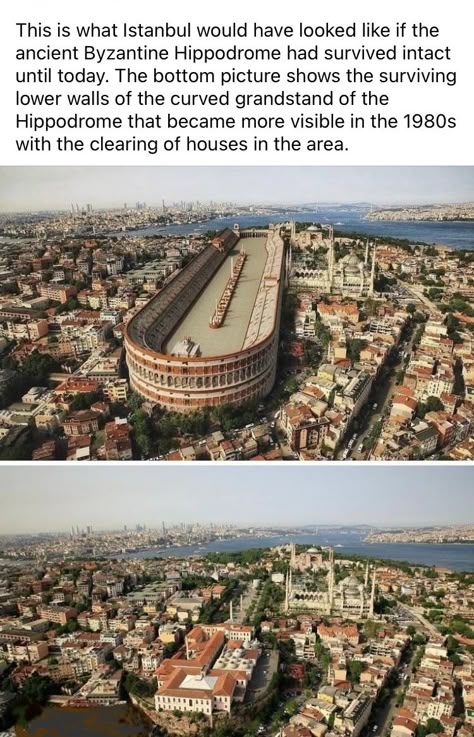
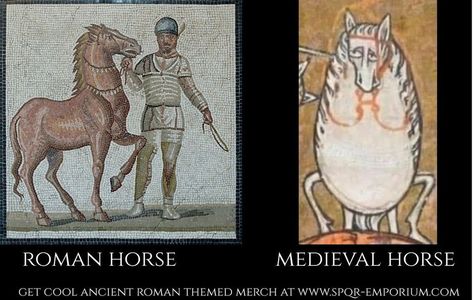
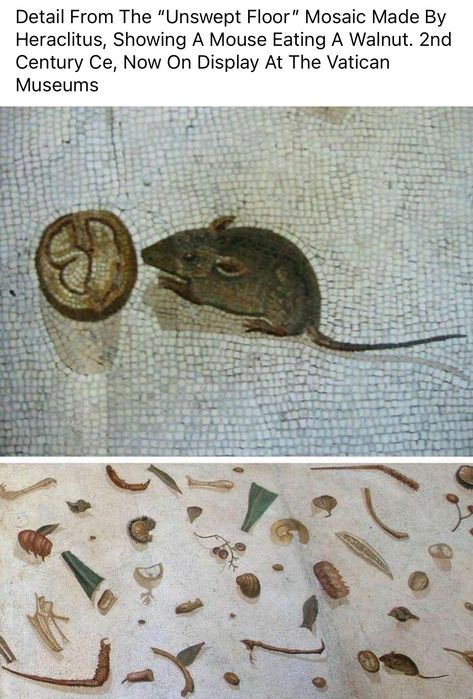
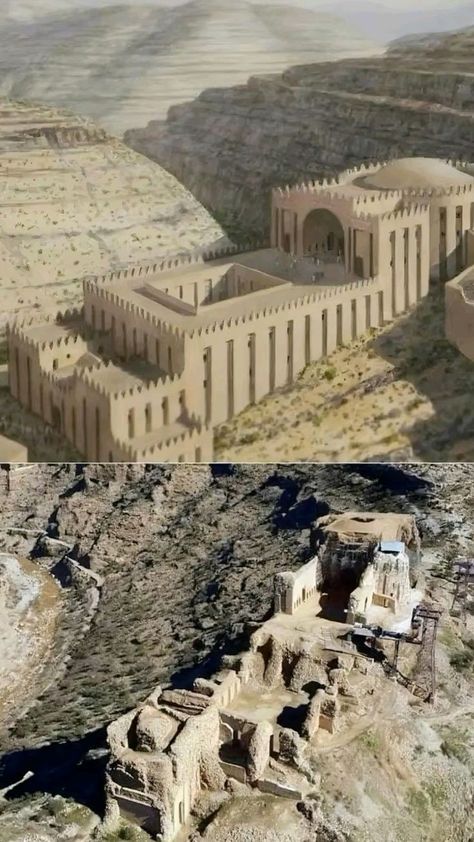
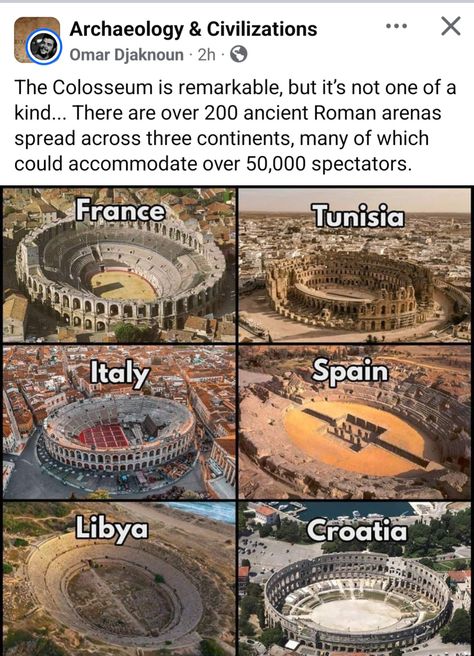
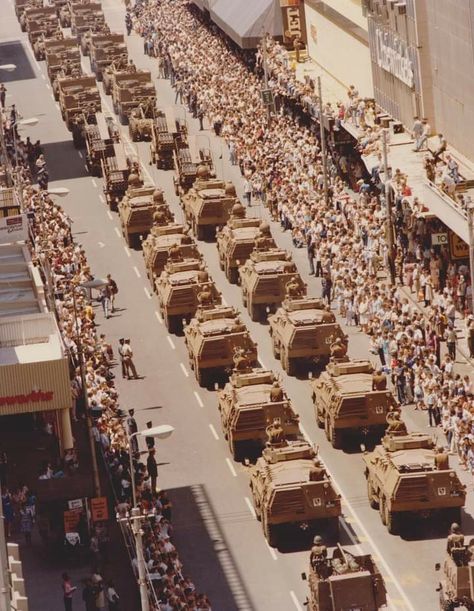
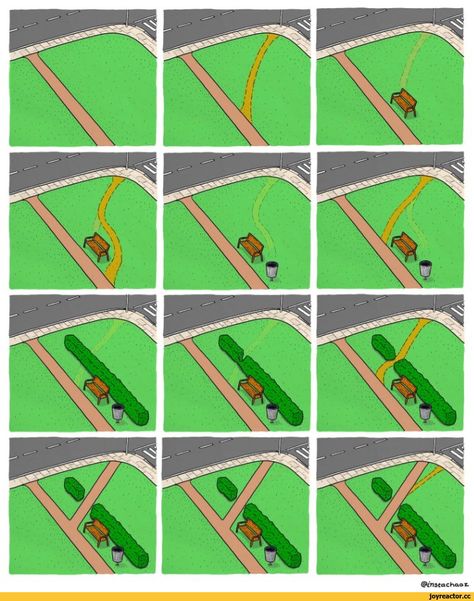
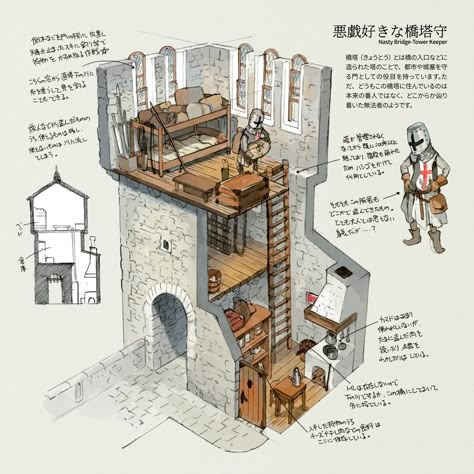
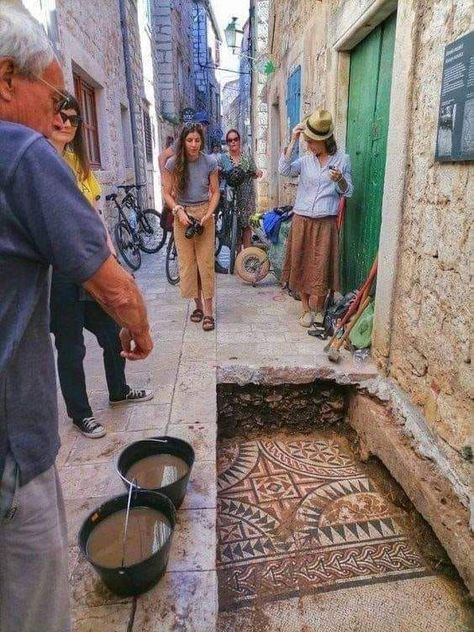
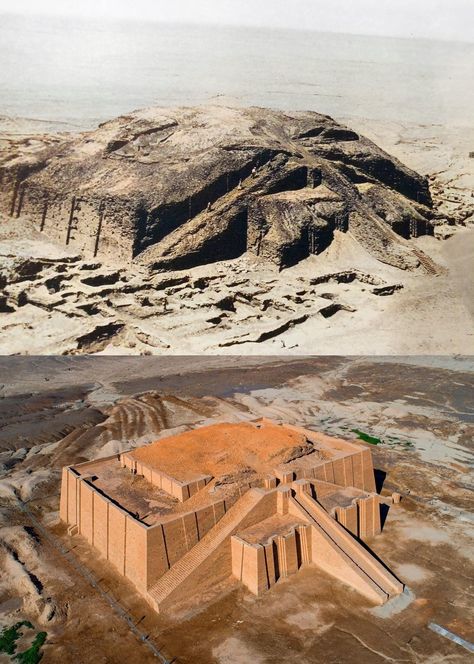
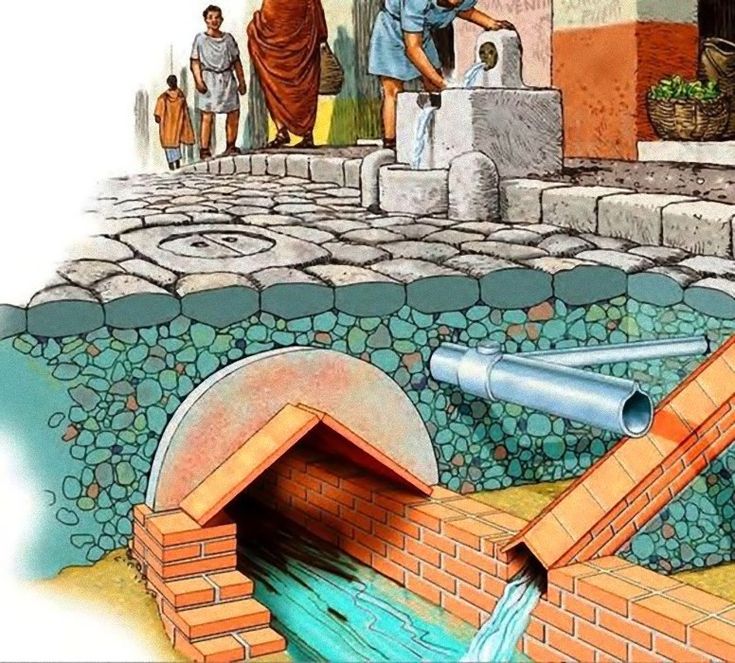
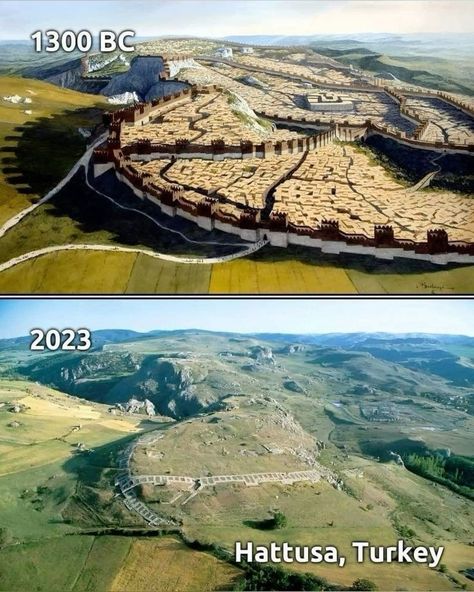
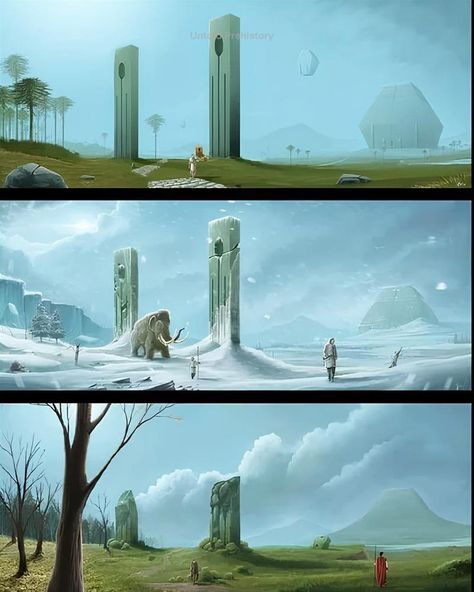
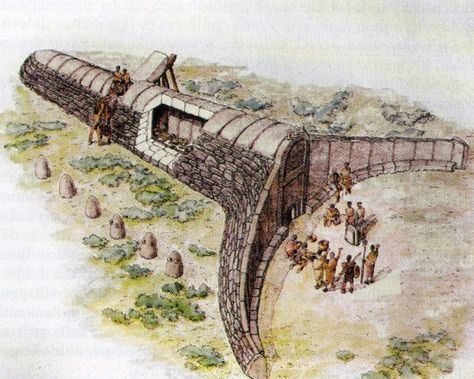
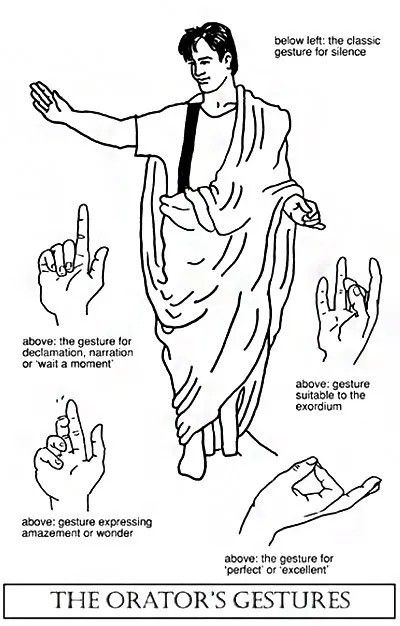
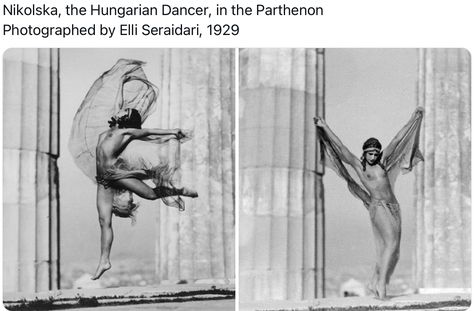
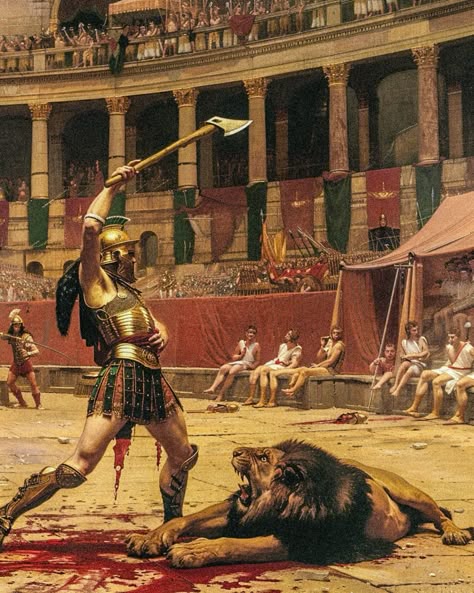
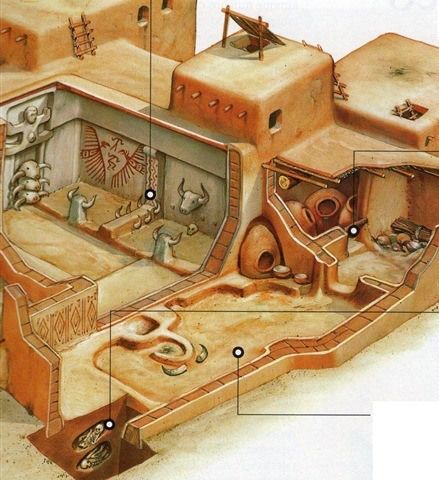
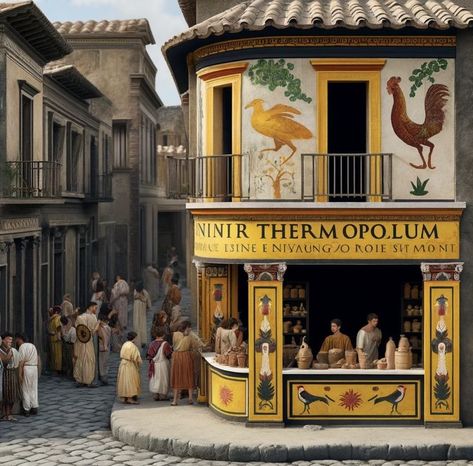
Ancient discoveries


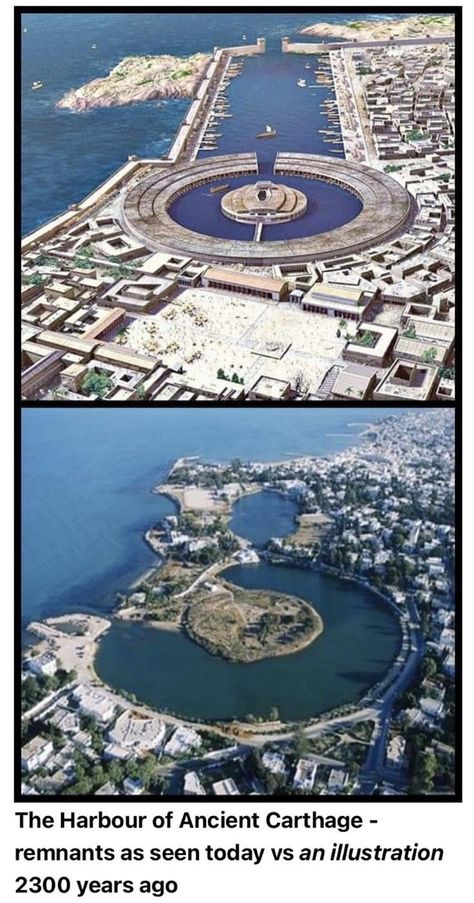
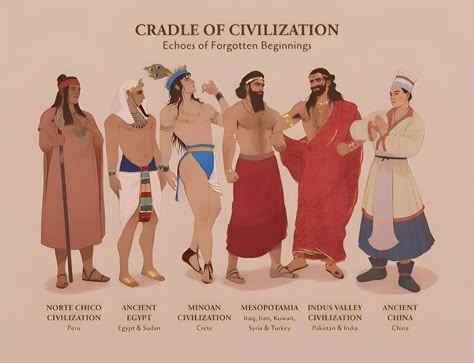
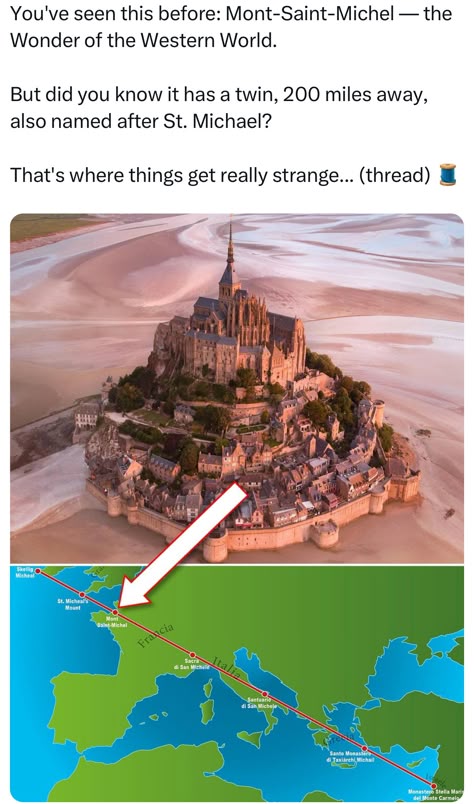
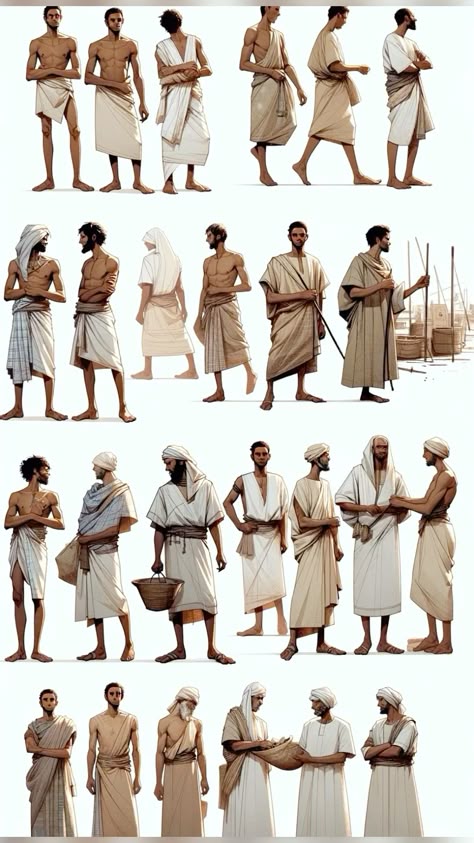
What is so overrated about living in USA?
- You are probably living with a massive amount of debt. Now, pretty much everyone in every country has some sort of housing debt. However, in most developed countries, that’s the only debt you need. For example, Europeans don’t routinely need cars and can easily do without one in most cases (saving, about $1,000 a month). They get free education right through university, so no student debt. They’ve got universal health care, so no medical debt. They also don’t have supplementary debt from vacation homes or watercraft.
- You’re playing health roulette. Even if you’re insured, there’s no guarantee that if you do get seriously ill you won’t fall into debt. Michael Moore’s “Sicko” didn’t address uninsured Americans, but insured Americans who were screwed over by their insurance company, which denied coverage or claimed they had pre-existing conditions.
- You have virtually zero employment rights. Only about 10% of American workers are unionized, and the minimum wage is criminally low and hasn’t been raised in decades. You can be fired for no reason and there’s nothing you can do about it in the vast majority of cases. Even in Canada, there’s 30% union employment, the minimum wage is higher, there’s two weeks minimum vacation (versus zero in the US) and paid parental leave (versus not even the guarantee of unpaid leave in the United States). In Europe, things are even better – widespread parental leave, six weeks paid vacation, and higher unionization rates. For example, Sweden has no minimum wage, but unionization rates are extremely high and workers are well paid ($25 an hour at least, plus benefits).
- Your statistics on average salaries are skewed by high income earners. In fact, a Canadian in the the bottom four quintiles of salaries (the bottom 80% of income earners) will almost always make more than their counterparts in the United States and then won’t have health care expenses on top of that. However, the top 20% of American income earners blows away the top 20% of Canadian income earners to bring up the average.
What are some new uncoverings by DOGE, the department of government efficiency?
Ah…
Here’s a good one.
Welcome to the U.S. Office of Personnel Management’s Retirement Operations Center in Boyers, Pennsylvania—where your federal retirement dreams go to fossilize. Buried in a limestone mine like some Cold War relic, this place processes 10,000 applications a month with all the speed of a glacier racing a tectonic plate. It’s 2025, but they’re still shuffling paper by hand, because apparently fax machines and floppy disks are too cutting-edge. The backlog’s so bad, your file might sit there longer than a fruitcake in a thrift store—untouched, unloved, and gathering dust.
The absurdity doesn’t stop at the manual labor. They’ve got 700 clerks down there, squinting at forms in a cave so damp, the paperwork’s practically growing mushrooms. Need an update? Good luck—calling their helpline is like shouting into a void that echoes back with elevator music and a pre-recorded “try again later.” Some genius decided a decommissioned mine—once used to store secret government cheese—was the perfect spot for this. Now, your retirement’s stuck in a bureaucratic bunker, guarded by stalactites and a system so outdated, it makes a carrier pigeon look like high-speed Wi-Fi.
And the delays? They’re legendary. Applications vanish into the abyss, only to resurface years later like a time capsule from a parallel dimension. One retiree’s pension got so lost, they probably found it wedged between a miner’s lunchbox and a 1970s memo about typewriters. Meanwhile, the clerks trudge on, processing files slower than a toddler counting jellybeans, while the OPM shrugs and offers parking validation—like that’s a fair trade for your twilight years. This isn’t a retirement system; it’s a geological dig site, unearthing benefits at the pace of an archaeologist brushing dirt off a dinosaur bone. By the time you get your check, you’ll be too old to spend it—or they’ll have mailed it to the wrong cave.
Retirement: Mined Over Matter – because your golden years are more likely to be unearthed by a geologist than by the OPM.
Well, You Asked For IT: A Russian Corvette Attacked a French Military Plane Over The Baltic Sea
As you may recall, a month ago, while commenting on the events in the Baltic region and the damaged submarine cables, I stated that the provocative actions of the North Atlantic Alliance against Russia could potentially trigger a new global war. Unfortunately, as time has shown, everything now happening indicates that a Global War could breakout at any moment. NATO countries’ attempts to block Russia’s access to the Baltic Sea are only exacerbating the situation in this region of the world…………………………………………………….
Have you ever walked out of an interview?
Yes.
A few years ago, I had an interview with Intel to be a software engineer. On my resume is a senior design project that I participated in while in college, which was in conjunction with a local engineering firm and NASA.
I was immediately asked a question about it, I explained much of what I worked on was proprietary and I signed a non-disclosure agreement, but I explained as much as I could about it without giving away any actual details.
A little later in the interview I was asked for more detail about the project, I reiterated that I could not explain any more and asked to continue with the interview.
One interviewer insisted that I expound on the project I was involved in. I stood up, and said I can’t go into anymore detail, and since they continued to ask me to do something that would be illegal, I was no longer interested in the job and left.
I received a call later on that day, and was offered the job. It was apparently a test to see if I would honor a confidentiality agreement.
Man Meddles With Nature
Written in response to: “Center your story around a character who’s struggling to let go.“
Daisy Tetlow
Her eyes went wide for just a moment, her mouth opened, I knew this was it. I had never seen death, but I knew by the contortions of her face that this was dying. I leaned forward, expecting her to turn to me, in her final moment, say something profound, or tell me then how much she loved me.
But she collapsed, like a shrunken caricature of my real mother. There was a strangle gurgling like a drainpipe.
And then she was dead.
My chair was creaking, I was still itching with this unkillable sensation of more, something else is supposed to happen, I thought. Despite seeing her, from the two absolute stages of being alive and dead, this horrid anticipation of then what?
Of course, I went looking for my father.
The police shrugged, maybe peered down the road where it had happened, but that was most of their investigation. I knew then nobody would be of help.
I used everything at my disposal. I tracked his cards, his phone, his bills and nothing came of it. It was, in no exaggeration of the word, like he had completely vanished. In my mother’s first death, it was as though both my parents had been killed, and I was inconsolable.
I did not know where else to look, where to predict he would be in the future.
Before I could poke through time, I lived in the dark. My tongue tasted rancid, my chin itched and flaked. For several weeks I shuddered away from everything one was supposed to do. trays of food were left for me; cousins, aunts, great-grandparents, essentially strangers who’d pass by in a breeze. Old cabbage, Turkish delights, baked pasta with stringy, under-cooked broccoli, chocolates with bursts of alcohol, and I’d shake my jaw like a dog eating medicine.
I picked at these in my hopeless despair.
I imagined my father escaping on an adventure. A satchel of belongings on a stick, hiking into the mountains, growing out a horrible, ginger beard.
But when I really considered my father, and what he must have been thinking to ruin our lives, I figured he was dead already, though I never said this out loud.
Regardless, this thought enraged me.
I could see my mother disappearing in her mortuary freezer, lying in wait for me to do something. Even then, in the time that had passed since she had died, I felt this terror that, if I were to bury her in the ground, how will she get out again?
I could not throw away her things, or move or clean anything in the house, wash the cutlery she had last used, move her shoes from the door, because she would need them again.
This spiral would send me into fits of anguish, and shadows of people would pass through the house, sometimes friends, or police with no news of my father, but I was somewhere else, hiding in a dug out waiting for someone else to do something for me.
It was impossible to rest, to close the chapter which I had not finished reading. It was not the motivation of due process, or my vagrant father climbing cliff sides which invigorated me. He had caged my mother into a realm I could not get to, and I had every intention of pulling her out. Wherever my father was, I didn’t care.
Despite the magnitude, or the excitement, in the human meddling of time, I have so far achieved nothing. I won’t bore you with the mechanics, the details and such. I wouldn’t ask an Olympian to teach a baby how to swim.
Sometimes an event only needs traversing backwards several seconds, in which I prevent my father’s knife with my hands, but then my mother falls backwards regardless, hitting her head and dying. I go back several minutes, leaving a pillow for her to land on.
This seemed to have worked, and as she leaves the home to buy ingredients for dinner, a pothole sends the truck flying, colliding straight into her side and she is dead long before the ambulance arrives. So I go back several days in my second attempt, destroying the knife, watching my father like a guard, and in doing so I miss my mother, driving in his car, unaware of a loose wire, a nick in the tire, a fault in the engine and dying, all events in which I have also tried to prevent.
I have even sold the car before, no doubt frustrated with me, she is forced to take a train, or a bus, or a taxi. A terrorist explodes, the train track derailed, a car bomb beside her stuck in traffic, a meteor, a gas leak- even the second hand smoking of other people, standing around her at the station, and when I am quite satisfied nothing has happened for several years, she is dead by some mass growing inside of her.
In other times, I chased back the root of the causation into such vast expanses of the past, I was struck by giant insects, unbearable heat and foreign greenery- only to get lost in finding the single event which spiraled into the death of my mother. Sometimes it is the fight between two birds, the construction of the house, the fault of one splinter poking askew in the foundations, or the face of the earth, which when the space debris falls, lands directly onto her and she dies instantaneously.
Despite my many attempts, and all the avenues I had taken, going mad in the process of derailing time, I was no closer to preventing her end as the first day she had died.
Ironically, in my efforts, I had ruined the finality of my own dying, the dilemma of ‘what next,’ had been lost on me, like it had become another language in which I was no longer privy in speaking.
The fear of death, and of punishment had been eradicated. The blackness of the end had been illuminated by my meddling.
But despite this thought, when I returned again to find my mother under white sheets, in an inoperable state, or perhaps buried already, this revelation mounted to nothing, and I knew less than when I started.
Of course, the stress consumed me. She must have noticed something changed about me, our relationship was now akin to a zookeeper and his tiger. I sat with her for dinner, logging the fire while we read, or watching her cut fruit into little shapes– all the while like a madman, waiting for the strike of death and for my arms to reach backwards, hoping as I did every time, to find the original cancer, and hack it off.
On one such instance, I had stopped death by several months, chasing back the food she must have eaten, preventing some hyperlipidemia. The details are lost to me now.
It was her birthday. It was her fifteenth fiftieth birthday, and every time, I took her to a diner to eat fat burgers and milkshakes. She liked the stereo music, but I was quite sick of the same songs by then, I had even remembered the rotation.
We picked at little conversations for a while, and I fiddled with a scrunched-up ball of used tissue in my pocket.
‘What’s next?’ She said airily, swirling her straw in the sad bit of milkshake leftover.
‘Tonight?’ I said, a cautious grin, she had never asked to go to a bar, or a club before.
‘Well, just, what are you going to do next?’
‘Next?’
She put her palms flat on the table, her eyes crinkling, one side of her face illuminated with the neon red outside, ‘What are you going to do?’
‘I don’t follow,’ I said, and I meant it.
‘You’re done with grad school, you said you hated teaching sciences, so what are you going to do?’
I sat stupidly for a moment. Too embarrassed to look at her, I didn’t remember the last time I had considered the future, what I was going to be, certainly not with the presence of death, and the work of surveillance.
I heard her laugh into a smile. ‘You know, a long time ago, I was your teacher,’ she said, not unkindly. ‘Tying your shoes, and when Spots died,’ she was looking somewhere else, speaking her thoughts, her face flushed from her birthday prosecco, ‘I didn’t understand why you were so upset but your father told me, dogs are very special. And when you die, sometimes they just starve, too sad and loyal to eat. But your father and I pushed you in the right direction and you wrote that little poem for Spots, and you buried him by yourself. And you picked the flower from my garden. I think that was the first lesson you taught yourself.’
I remember this birthday, her fifteenth fiftieth birthday, because it was the only timeline she had said this.
I sat there, staring at her in the light, her benevolent features, and could only think of all the instances she had died. Her body in so many places, at so many different times, dying or dead in ways I didn’t know were even possible. And despite how prolonged one instance might have been, as I sat watching her there, happy and nostalgic, humming to Elvis, the notion of alive, and then dead, were so inextricably different, I felt the food I had eaten swirling inside of me.
It is a blink, a space in time I couldn’t penetrate. This third point, before she is dead, but not quite when she is alive. So many of these instantaneous transitions had made the unbelievability of her death even more unexplainable than when she had first slipped away from me.
I drove her home that night. Her fingers wobbled when she locked the door, and she laughed at how drunk she was. I heard the door close to her bedroom and that was that.
Two months later she was dead again.
I never kept count of these things, I figured, if I did, I would set up the expectation that it would happen again, which wasn’t right. Of course, I did everything I could to implement more precautionary measures, but I never allowed myself to imagine how she would die next– it had never even occurred to me that at some point, I had to allow it to happen.
I remembered what she had said.
I think that was the first lesson you had taught yourself.
I felt so strung out. I left my mother in waiting again, some freezer, in the care of some doctor she was fond of. When I drove home to an empty house, I reached backwards again. A sensation hit me, I felt my stomach lurching and my hands tensing. Just as I was about to penetrate it, find whatever else had killed my mother, I felt my foot catching on the chair leg and I fell forward. I caught myself just in time to slump over on my side.
I twisted something. A pain shot up my leg like a wire all the way up to my spine. I waited it out on the floor, I felt the cool touch of the wood against my skin, which calmed my nerves and when the pain dulled into a quiet throb, I sat up feeling rather foolish.
There was a chill about the room, and I was suddenly aware of how hungry I was.
The pantry was empty, except for pancake mix, some sliced almonds, and lunchbox raisins. I didn’t know what to do with myself, I didn’t know how to keep myself clean or how to conduct myself.
I could still hear her door closing on the night of her birthday.
I realised then that I had never, in some moment of clarity, for all my mother’s deaths, I had never attended her funeral. I had never gone through any of the formalities, I had never fitted a black suit, sent out emails, checked her life insurance, or anything that follows death. I had always waded backwards through time, so much so, I was unsure of what year I was living in (until, of course, the next time she died).
Yes, I was struck by the absence of my mother, but not in any natural sense. I had never given the time to mourn, it had never crossed my mind. I had never experienced the full cycle because everything in my logical mind disagreed with the inevitability of her death. There was no formal agreement, but I understood my mother to be a permanent fixture of my life. But this wasn’t right, and as I picked at baking ingredients, and dry oats, I felt stupid.
Changing her timeline suddenly felt useless, and I was exhausted.
A wind rattled the glass and when I turned, I saw the garden outside, illuminated by the moon.
There was a large rock, surrounded by smaller, round stones, where I had buried Spots.
A childish name but I was a young boy. Besides my mother, nothing had compelled me. And yet, for no reason I can formulate, I sat on my knees where I had covered Spots in the garden soil and cried.
I could imagine his little bones, I remembered the horror I had felt as a child, and even then, I thought, wouldn’t it be better if he had never existed at all.
I considered this of my own mother, whatever this meant for my own existence, was a scientific question I never entertained– one I didn’t care for.
Under the moonlight, I pulled backwards again, snot still wobbling on my lip. I knew how far I had gone before and pushed it harder, one more time. I felt my body penetrating; my face being pulled in a gust of wind until I was somewhere else. I grabbed the tendrils of time, weaved them between my fingers like strands of hair.
When I opened my eyes, I felt as though I was in God’s first preconception of the earth. I seemed to be existing in a place where time didn’t exist–or didn’t matter. Cloudless, entirely shapeless, I couldn’t even describe the colours I could see.
I was in knee deep water; I waded forward until it rose to my chest. I could feel the sand under my feet, a slight sinking sensation, but not uncomfortably.
I considered what my mother might have said, or what my father would have done, thinking, again, about whether I should leave, return for a little more time. But as the water rippled like a long pelt of fur, I knew then I would end up here again.
My mother would be dead again. Perhaps by my father’s knife, or a dog bite, or a terrible gruesome accident, even by suicide–endless possibilities like a ribbon of infinity, and I couldn’t follow it any longer.
I closed my eyes as the sand licked over my face. I imagined Spots in the garden, limping with cancer, panting and giving up. I saw my mother, as she had died the first time, before my inventions, her face sunken in, how confused I was. The unimaginable finality of death, like a chill in my breath, as the ground swept beneath me.
And when I am layers deep in rock, hardened next to footprints and dead creatures, I hope the bristles don’t itch and the sun isn’t too jarring– if I can pray for so much.
What strategies can be used to boost the demand for U.S. products among consumers in other countries?
Well. It might help if there were a lot more US products to consume.
Most of our exports are agricultural and our use of GMOs and glyphosate (banned in most EU countries) have made that problematic in some markets. Plus we’ve just alienated the Chinese, our biggest importer of agricultural products.
We have very little manufacturing and a lot of it is for auto makers based outside the US.
We did have a growing market for US spirits and wines, but that was in Canada and the EU which are currently boycotting US products.
Since we’ve alienated most of our allies, our defense industries are losing contracts.
Think about what’s in your home.
50 years ago nearly everything would have been made in the US, your TV is probably made in Japan or China, same with your game console, your phone? Made in China Your car? Probably German, Japanese or South Korean. Your Chevy Silverado? Made in Canada. Your Harley Davidson motorcycle? Made in Mexico. Your clothes? Probably China, India, Pakistan and Turkey. Your appliances? Germany, Japan, China or maybe India.
Nothing is made in the US.
You can’t sell what you don’t have.
In order to boost demand for US products we have to make products, products that other countries want.
Revitalizing our manufacturing sector will take time and the best way to do it would be by subsidizing small businesses and start ups and incentivizing them to keep their manufacturing operations in the US.
Wait, Trump just pretty much shut down the Small Business Administration.
So much for that idea.
Lemonade Fried Chicken

Ingredients
- 6 ounces frozen lemonade concentrate
- 1 cup water
- 2 1/2 pounds frying chicken, cut up
- 1/4 cup unbleached flour
- 1 teaspoon salt
- 1/4 teaspoon ground black pepper
- 1 cup vegetable oil
- 2 tablespoons butter, melted
Instructions
- Heat oven to 350 degrees F.
- Mix lemonade concentrate and water in a small bowl. Pour over chicken in larger bowl. Refrigerate for 2 hours or longer.
- Drain chicken and reserve liquid.
- Mix together the flour, salt, and pepper in a small paper bag. Add well drained chicken, one piece at a time, and shake to coat evenly.
- Heat oil in large skillet over moderate heat. Add floured chicken; cook until evenly browned, turning pieces over carefully.
- Remove chicken and arrange in a single layer in a shallow baking pan. Brush chicken with melted butter. Add reserved lemonade.
- Bake uncovered about 1 hour, basting chicken with lemonade from pan every 15 minutes. About 15 minutes before chicken is done, drain off excess juice from pan.
- Serve hot.
Why is it that people in countries who have universal healthcare who don’t mind the free rider problem, assume that everybody else should also just ignore the free rider problem?
Let’s be clear here.
The ‘free rider’ is my 15 year old niece, who is working hard to get an education so that her taxes can keep me in incontinence pants when I’m old(er).
The ‘free rider’ is my mother, who is 84 years old, frail and suffering from dementia.
The ‘free rider’ is the guy down the street who doesn’t have legs anymore since discovering an improvised explosive device in Afghanistan.
We are all ‘free riders’ at some point in our lives.
We are people, not problems.
China vs. America: Why Americans Are Migrating to RedNote from TikTok | She’s SINGLE Magazine
Discover the eye-opening differences between China and America in this collection of viral TikTok shorts! From innovative technology to affordable lifestyles, see how Chinese culture is setting new standards. As the TikTok ban drives American users to RedNote, many are realizing just how advanced and unique China truly is.
Explore the cultural contrasts, technological advancements, and why RedNote is becoming the go-to platform for U.S. creators. Don’t miss these fascinating comparisons that are sparking conversations around the world!