(Repost) The true and historical manner to wage a revolution. You need to get filthy drunk. (duplicate)

The American Revolution was built on a foundation of booze, led by tavern addicted Founding Fathers who could drink any frat boy under the table.

Yes, and we will explain it right here.

Throughout history, nations rise when there is righteous leadership that cared for its citizens' welfare and do the greater good. When they are corrupt and self-serving, those nations fall. Learn from history because we live in a world governed by cause and effect. History will repeat itself.

-Tom Tan

I’ve discussed this all before. You need to have a responsible government. One that decides to work FOR the people it is supposed to represent. And then, once that government gets it’s internal affairs in order, it makes alignments and agreements with other nations to build up trust. And that meas no CIA-style, NED-style, or NID-style interference and American-style “color-revolutions”.

Don’t you know.

Thursday, February 04, 2021, 22:52
 
China, Russia stress adherence to non-interference
 
By Xinhua
 
China and Russia said Thursday that the principle of non-interference  in other countries' internal affairs, one of the basic norms governing  international relations, should be upheld.
 
In a phone conversation between Chinese State Councilor and Foreign  Minister Wang Yi and Russian Foreign Minister Sergei Lavrov, the two  sides also pledged to jointly preserve global and regional strategic  stability.
 
...
 
The two heads of state have also agreed to celebrate this year the 20th  anniversary of the signing of the China-Russia Treaty of  Good-Neighborliness and Friendly Cooperation, pointing out the direction  for deepening the comprehensive strategic partnership of coordination  between the two countries, Wang said.
 
Both sides should take this opportunity to add new dimensions to this  important treaty and send a clear message to the world that the two  countries will safeguard the security of themselves and along their  peripheries, he added.
 
http://www.chinadailyhk.com/article/156995
-Posted by: Mao | Feb 11 2021 21:38 utc | 20

Indeed.

As a direct consequence of Donald Trump wanting to throw the entire world into an enormous bonfire (global nuclear winter), the rest of the world reacted…

  • New and strong alliances have formed.
  • America has become severely isolated.
  • People are questioning the value and worth of having a “democracy

But America isn’t giving up. The neocons are (seriously and really) “foaming at the mouth for a fight with China, or Russia (as the fall-back” default). Phew! It makes me want to hurl.

Caught In The Act - New York Times "Selectively Misquotes" Scientists To Fit Its "Prescribed Narrative"
 
The New York Times continues Trump's anti-China campaign by  claiming that China hindered a WHO investigation into the origins of the  SARS-CoV-2 pandemic and is withholding data.
 
On W.H.O. Trip, China Refused to Hand Over Important Data
The information could be key to determining how and when the outbreak started, and to learning how to prevent future pandemics.
 
Chinese scientists refused to share raw data that might  bring the world closer to understanding the origins of the coronavirus  pandemic, independent investigators for the W.H.O. said on Friday. The investigators, who recently returned from a fact-finding trip to  the Chinese city of Wuhan, said disagreements over patient records and  other issues were so tense that they sometimes erupted into shouts among  the typically mild-mannered scientists on both sides.
 
China’s continued resistance to revealing information about the early  days of the coronavirus outbreak, the scientists say, makes it  difficult for them to uncover important clues that could help stop  future outbreaks of such dangerous diseases.
 
“If you are data focused, and if you are a professional,” said Thea Kølsen Fischer,  a Danish epidemiologist on the team, then obtaining data is “like for a  clinical doctor looking at the patient and seeing them by your own  eyes.”

...

Peter Daszak, a member of the W.H.O.  team and the president of EcoHealth Alliance in New York, said the trip  was emotionally draining, as he and the team came to terms with the  trauma of the early days of the pandemic. The team interviewed some of  the first people to fall ill with Covid-19 in Wuhan, as well as medical  workers.
 
“The world doesn’t realize, you know, that they were the first to get  this thing,” Dr. Daszak said, “and they didn’t know how bad it was.” 
 
While the Times claims that the Chinese have more data than  they provided (they don't) and insinuates that they have something to  hide, the researchers quoted in its piece reject both as nonsense.
 
Linking the NYT propaganda piece Peter Daszak refuted its basic tone:
 
Peter Daszak @PeterDaszak - 11:27 UTC · Feb 13, 2021 This was NOT my experience on @WHO mission. As lead of animal/environment working group I found trust & openness w/ my China counterparts. We DID get access to critical new data throughout. We DID increase our understanding of likely spillover pathways.
 
New data included env. & animal carcass testing, names of  suppliers to Huanan Market, analyses of excess mortality in Hubei, range  of covid-like symptoms for months prior, sequence data linked to early  cases & site visits w/ unvetted live Q&A etc. All in report  coming soon! 
 
Quoting Daszak's tweet Thea Fischer pitched in:
 
Cont. reading: Caught In The Act - New York Times "Selectively Misquotes" Scientists To Fit Its "Prescribed Narrative" 
 
 Posted by b at 17:23 UTC | Comments (69) 

The neocons are still living in their fantasy world, and the reality is starting to peer through the veil. America looks like a real ignorant, and stupid, piece of evil elephant shit.

The New York Times told blatant lies there including quoting Dominic Dywer whom they claimed was part of the WHO team. 
 
Here Dwyer admits he was never on the team but part of a group of "independent experts".
 
"We go there as an international group and we're not part of the WHO, we're just independent experts."
 
https://amp.abc.net.au/article/13140456?__twitter_impression=true
 
Thea Fischer who was actually on the WHO covid origins team said the  quoting of her out of context to convey a message exactly opposite to  her experience was intentional (also known as lying). 
 
NYT usually are subtle and crafty with their lies. With some countries like China they are bald faced liars.
 
Posted by: Doryphore | Feb 13 2021 20:20 utc | 29
Here is Reuters taking the don't trust China narrative farther:
 
https://www.reuters.com/article/us-health-coronavirus-who-china/china-refused-to-provide-who-team-with-raw-data-on-early-covid-cases-team-member-says-idUSKBN2AD090
 
So now we will be endlessly debating "raw data". 
 
This type of psychological terror (deliberate sowing of confusion and  distrust)  inflicted on the general public constantly is, in my view,   criminal. 
 
Posted by: JB | Feb 13 2021 20:36 utc | 30

Ugh! It makes me want to drink a beer.
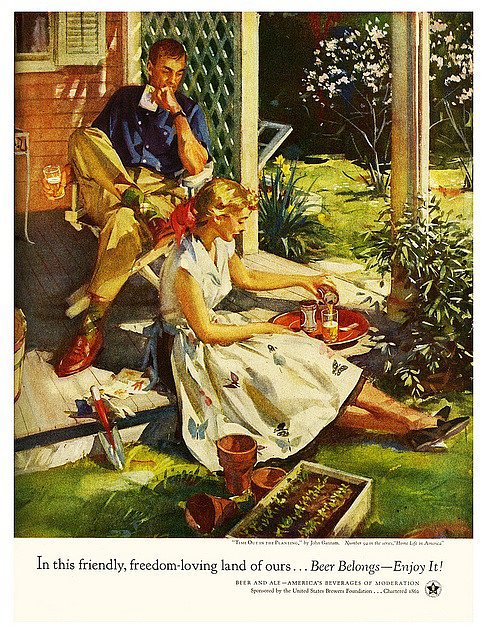
Beer belongs.
Beer Belongs.

Why is “democracy” so valuable?

It’s heavily promoted (don’t you know) that one-person, one-vote system is the pinnacle of “freedom” and “liberty” in the world. Which is rather strange as the founders of the United States said the absolute opposite.

And people are looking at these various systems of governance with a keen eye. Maybe there needs to be some changes they wonder…

Daniel Bell has put forward his views in favor of China's political meritocracy... against the one person one vote (Western Democracy model) as a mode of selection for political leaders. He has done this  in two books.

The China Model: Political Meritocracy and the Limits of Democracy
Princeton University Press, 2015. ISBN 9781400865505.
 
Dean of the School of Political Science and Public Administration at Shandong University and professor at Tsinghua University (Schwarzman College and Department of Philosophy). He was born in Montreal, educated at McGill and Oxford, has taught in Singapore, Hong Kong and Shanghai, and has held research fellowships at Princeton's University Center for Human Values, Stanford's Center for Advanced Study in the Behavioural Sciences and Hebrew University's Department of Political Science. 
 
Here:
https://youtu.be/e63ro_suARA

Ah. The founders of America were terrified of democracies. They wanted the United States to be a Republic.

You must be swimming in that great delicious "democracy". How's it working out for ya?  

The Founders explicitly stated that democracies are dangerous and they always devolve into oligarchies, and if they still don't collapse from the corruption within, they become military empire that all tend to be consumed in great wars that pretty much destroy the nation irrevocably.  That's why they made the United States into a Republic. You know, like China is today. 

But don't my word for it. Read the Federalist Papers. Read what they had to say in their own words. It's on-line and it's free. great stuff, too.  It discusses in great detail things that are important.  

https://guides.loc.gov/federalist-papers/full-text

Beer.
Beer is necessary.
"The idiocy of  believing supposed democracy meaning  each individual vote is equal in an economy of staggering wealth inequality where politcal power ... blah blah"

Everyone's  vote in U.S. democracy is absolutely equal, the same as every  spectator's cheer is equal at a football match. It doesn't matter  whether you're cheering for the home team or the visitors, everyone's voice in the stadium has equal validity and value. Of course, it doesn't  determine the outcome of the game, but the crowd gets to feel it participated in the victory or defeat.

Maybe there's idiocy to be mined in conflating process with outcome.

John Rachel

Now for some perspective…

How did America move from a “freedom loving (and living) Republic” to a tyrannical military empire controlled by a minority of ultra-wealthy oligarchs? It all started off right. They were saying the right things, and drinking the right beverages…
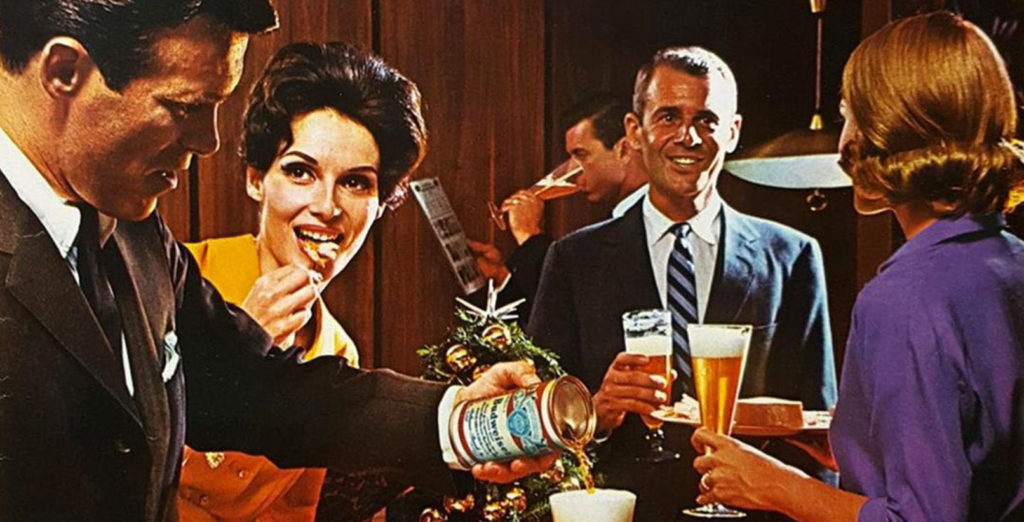
Vintage Budweiser advertisement.
Saying the right things and drinking the right beverages.

.

The following is a reprint of “Colonial Americans were pretty much always drunk The American Revolution was built on a foundation of booze, led by tavern addicted Founding Fathers who could drink any frat boy under the table.” written on Christmas eve, December 24, 2020. Reprinted as found with some tasty MM modifications because, well, I am drinking some fine libations in honor of the Founders of the United States. Never the less, all credit to the authors.

Images of our Colonial forefathers usually involve powdered wigs, petticoats, and the thrill of throwing tons of tea into the Boston Harbor.

Woo, woo!

Although we often think of their era as proper and civilized, it turns out that the people who led the American Revolution knew how to party.

They were party animals! You bet-ya.
Beer powered revolution.

.

In fact, the American Revolution was built on a foundation of booze, led by tavern addicted Founding Fathers who could drink any college frat boy under the table.

Now…

Don’t you all just LOVE history?

Beer saved the Mayflower

The first settlers brought with them the English tradition of beer drinking.

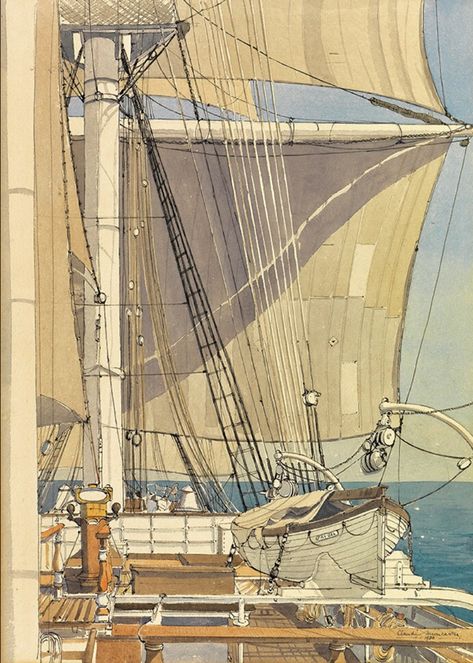
Even during the famous 1620 voyage of Pilgrims on board the Mayflower, beer saved the voyage. The water aboard ship reportedly become brackish and potentially deadly while the beer on board remained drinkable.

The latter part of the voyage kept sailors and passengers alike happy with a good supply of beer. We tend to think of the Pilgrims as sober-faced, upright people who avoided fun at all times, but they obviously packed a lot of beer on board before embarking on a lengthy trip aboard the very crowded 110-foot Mayflower.

The Pilgrims were planning to go to Virginia but ended up in Massachusetts, landing on a cold, snowy, wind-blown coast on December 19, 1620. A minor inconvenience, you’d think.

The change in plans apparently was caused by the lack of water and the dwindling supply of beer on board the ship. Captain Christopher Jones recognized the need to preserve the dwindling stocks for his sailors on the return journey (which would be far too dangerous to undertake until the following spring), and so the passengers were encouraged to land near the top of Cape Cod.
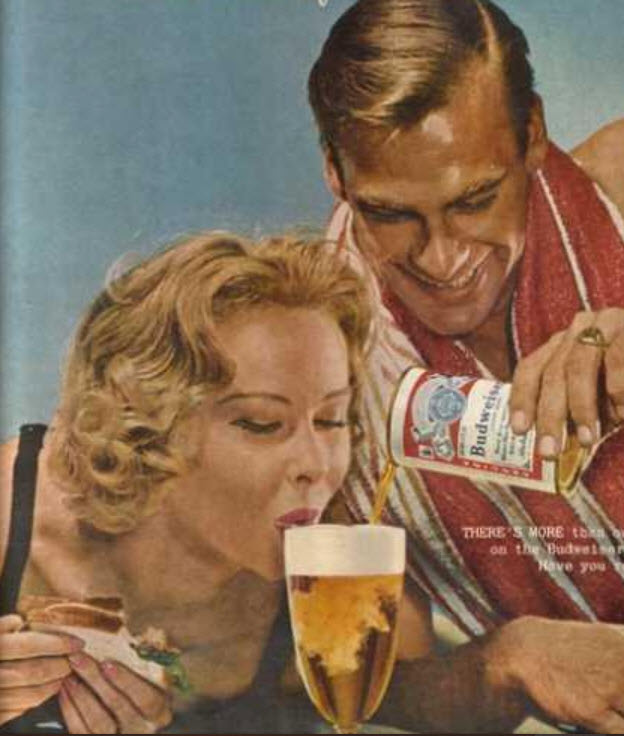
Everyone loves beer.

.

Jones knew that the fresh water found in Massachusetts would be insufficient for the return voyage. First, the water might go bad on the return voyage; secondly, he and his sailors were not accustomed to drinking water.

His crew were not accustomed to drinking... water.

These instructions to keep beer on board the Mayflower for the return trip did not go down well with the Pilgrims. William Bradford complained that he and his companions “were hastened ashore and made to drink water, that the seamen might have the more beer.

Pilgrim William Wood complained that he did not dare drink the water in the wilderness, preferring beer.

He wrote his opinion of fresh water: “I dare not prefere it before good beere.” (Wellsprings: A Natural History of Bottled Spring Waters by Frank Chapelle).

Used to beer, the Pilgrims were quite upset that they had to drink water instead.

The Pilgrims in Massachusetts were not the first Europeans in North America to enjoy alcohol.

The Dutch also had a functioning brewery in what is now Lower Manhattan by 1613, beating the Mayflower immigrants, who would not have anything resembling a formal brewhouse until at least 1621. Even before that, the Roanoke colony tried brewing with corn as early as 1584 (obviously before going missing).

The Pilgrims’ first encounter was an order for beer

A Native American startled the Pilgrims on March 16, 1621, by walking into Plymouth Colony and greeting them in English.

His name was Samoset, and soon it became clear that he was just looking to fill his mug, specifically with beer.

"Hi dudes! My name is Sam, but you can call me Sam-o-set. Hey, I don't hope that you would mind having a few brewskies with me? I'm awfully tired and really thirsty."

Samoset knew European ways and the taste of a cold one because he was a sagamore (lower-level chief) hailing from an Eastern Abenaki tribe in Maine, where European fishermen had already established some trade routes.

He had picked up some English, as well as a hankering for the fishermen’s beer.
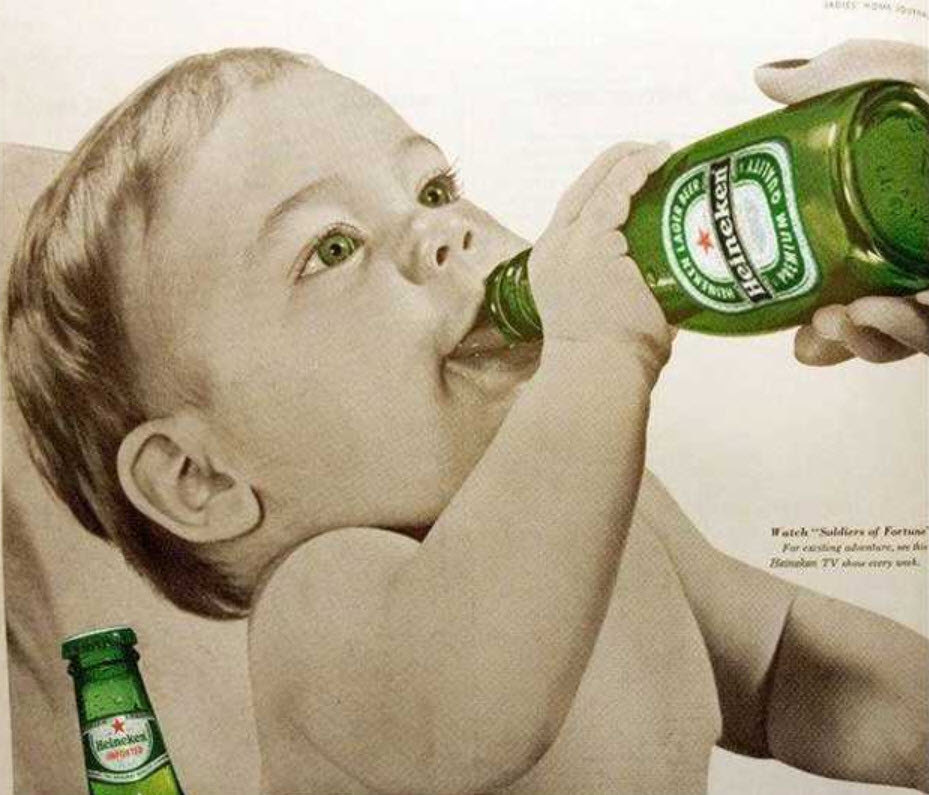
Everyone loves beer.

.

Native Americans produced their own alcoholic beverages before settlement, but these were often weaker drinks used mainly for ceremonial purposes.

And yes, Samoset was the guy that introduced the Pilgrims to Squanto, one of the primary translators who helped arrange the first Thanksgiving with the local chief.

Eight ounces a day

“Beer is living proof that God loves us and wants to see us happy.” 

– Benjamin Franklin

Oh baby!

A look into the daily drinking habits of our forefathers will explain how integral alcohol was to our history. Consider this: it is estimated that there were more taverns per capita than any other business in colonial America. In fact, the Colonial Williamsburg web site says:

Colonial Americans, at least many of them, believed alcohol could cure the sick, strengthen the weak, enliven the aged, and generally make the world a better place. They tippled, toasted, sipped, slurped, quaffed, and guzzled from dawn to dark.
Many started the day with a pick-me-up and ended it with a put-me-down. Between those liquid milestones, they also might enjoy a midmorning whistle wetter, a luncheon libation, an afternoon accompaniment, and a supper snort. If circumstances allowed, they could ease the day with several rounds at a tavern.
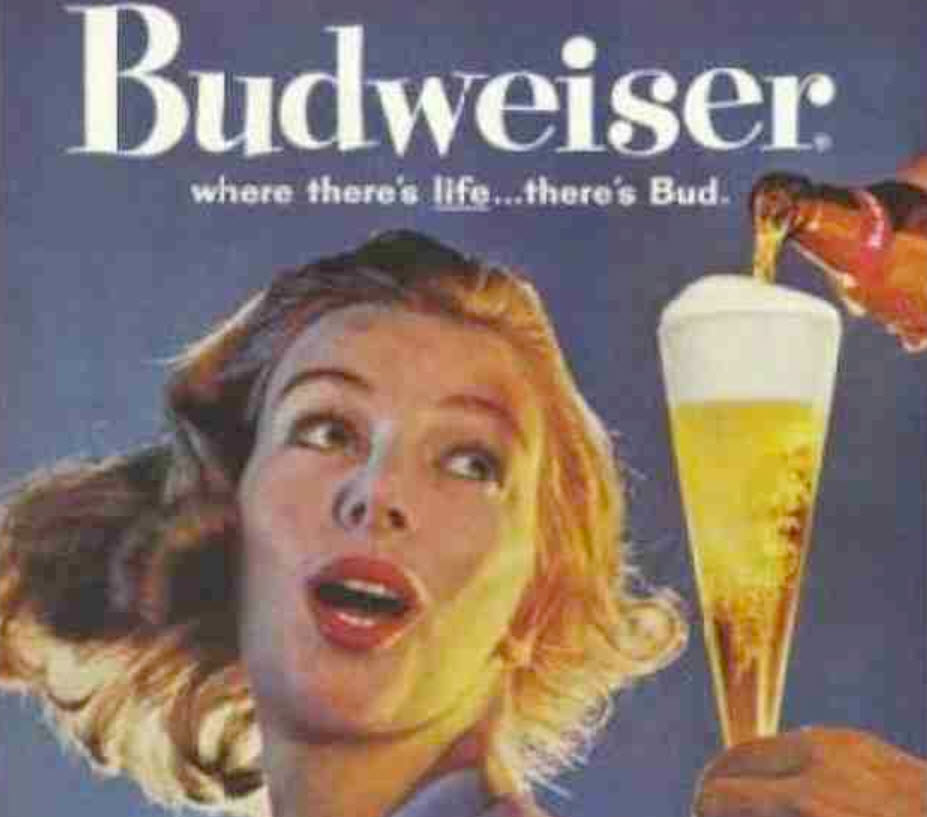
Gals love beer.
Alcohol lubricated such social events as christenings, weddings, funerals, trials, and election-day gatherings, where aspiring candidates tempted voters with free drinks. Craftsmen drank at work, as did hired hands in the fields, shoppers in stores, sailors at sea, and soldiers in camp. Then, as now, college students enjoyed malted beverages, which explains why Harvard had its own brewery. In 1639, when the school did not supply sufficient beer, President Nathaniel Eaton lost his job.

Colonial Americans drank more alcohol that in any other era, and certainly more than the national average today. It is estimated that the average American at the time drank eight ounces of alcohol a day.

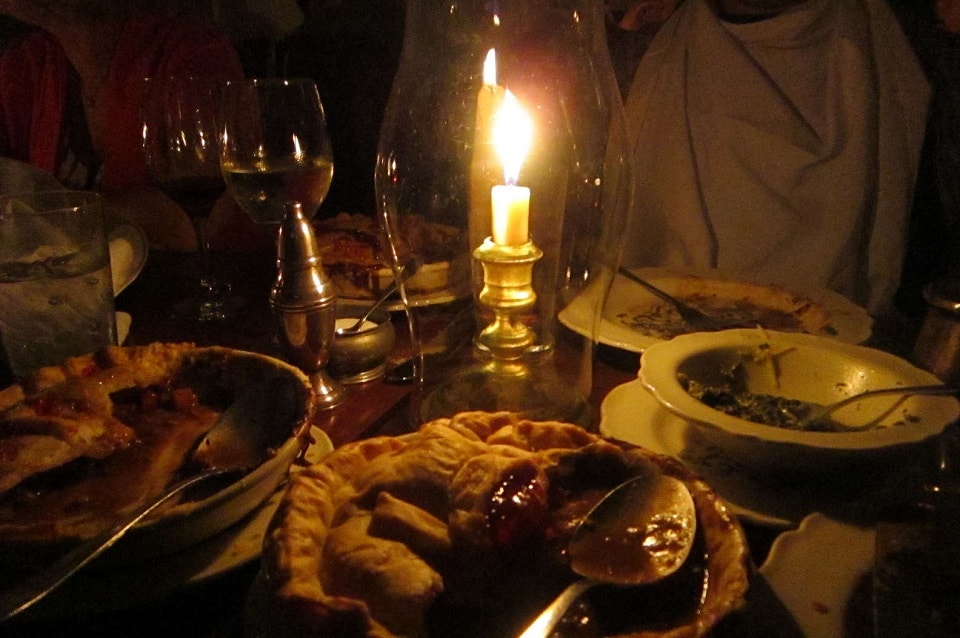
A typical day started with a few shots of rum — coined an “Antifogmatic”— which would combat the morning fog. Back-breaking physical labor was a daily reality for the working class citizens of Colonial America, and this often led to another shot of rum by mid-morning, which was called a “cooler.” A little before lunch, our ancestors would enjoy a hard cider or two, and this would continue until it was time to visit the local tavern.
.

Upon dinnertime, they would enjoy a hearty meal and some brews with friends; claret, ratafias (a fortified wine or a fruit-based beverage), creams, punches, and other concoctions were also standard.

Before they went to bed?

The day would not be complete without a glass of wine to ease hardworking Americans into blissful sleep.

It’s no wonder that the rest of the world looked upon America as “bright and shining star” to emulate.

The American Revolution was fueled by spirits

“Wine is necessary for life.” 

– Thomas Jefferson

Although there were endless meetings and debates that paved the way for America during colonial times, our forefathers’ love for a good drink was just as vital. Indulging in a cold lager was not only embraced — it was pretty much expected.

Some of the most revered men of the American Revolution professed their love for a refreshing, relaxing beverage.

Thomas Jefferson planted vineyards at Monticello and encouraged others to take up the practice; he was also known to import thousands upon thousands of bottles of his favorite wine.

As for Washington, he operated his own whiskey distillery and it was said that he could dance the night away with four bottles of wine under his belt. His Revolutionary War personal expense account for alcohol from September 1775 to March 1776 amounted to over six thousand dollars (Washington & Kitman, 1970).
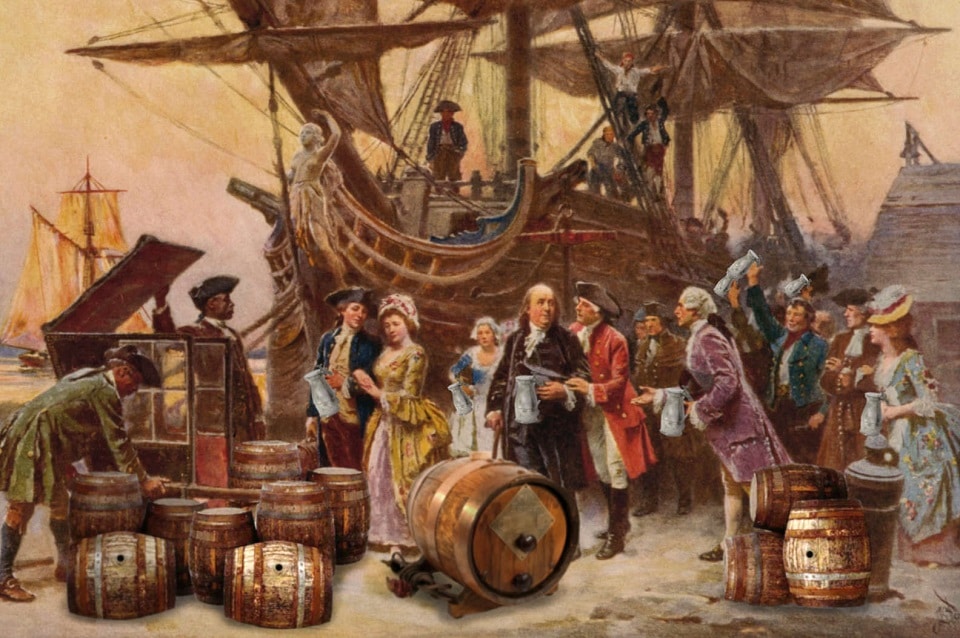
Franklin’s Return to Philadelphia, 1785, painted by Jean Leon Gerome Ferris (1863-1930) — with some, uh, later enhancements.
“My manner of living is plain…a glass of wine and a bit of mutton.” 

– George Washington
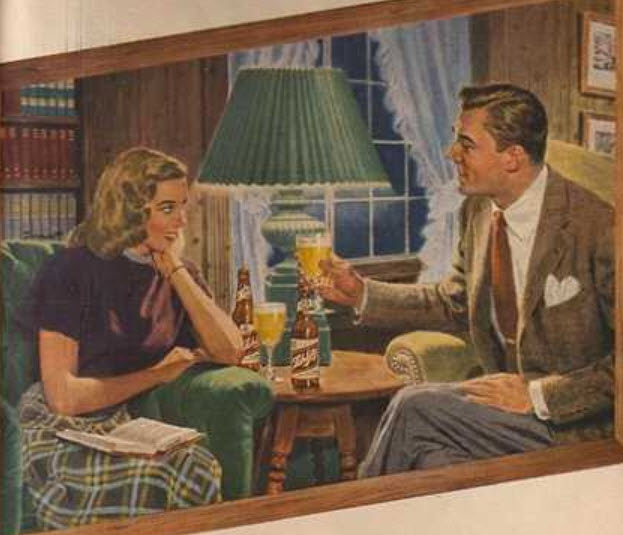
Beer is good for you.

.

Not only did alcohol provide a good time, it also caused some serious controversy — to the point of a war breaking out.

Wine almost sank ships — the Liberty Affair

American patriot John Hancock caused quite the stir when he smuggled Portuguese Madeira into the American colonies and things didn’t go exactly as smoothly as he had intended. The seizure of his ship sparked a riot and the burning of a British customs boat.

Here’s how the International Wine & Food Society describes the events:

Asked to name the key events that led to the American Revolution, many will bring up the Boston Massacre of 1770 or the Boston Tea Party of 1773. But another incident that proved to be just as critical in fostering the revolution was the Liberty Affair—an important turning point in American history during which Madeira played a central role.
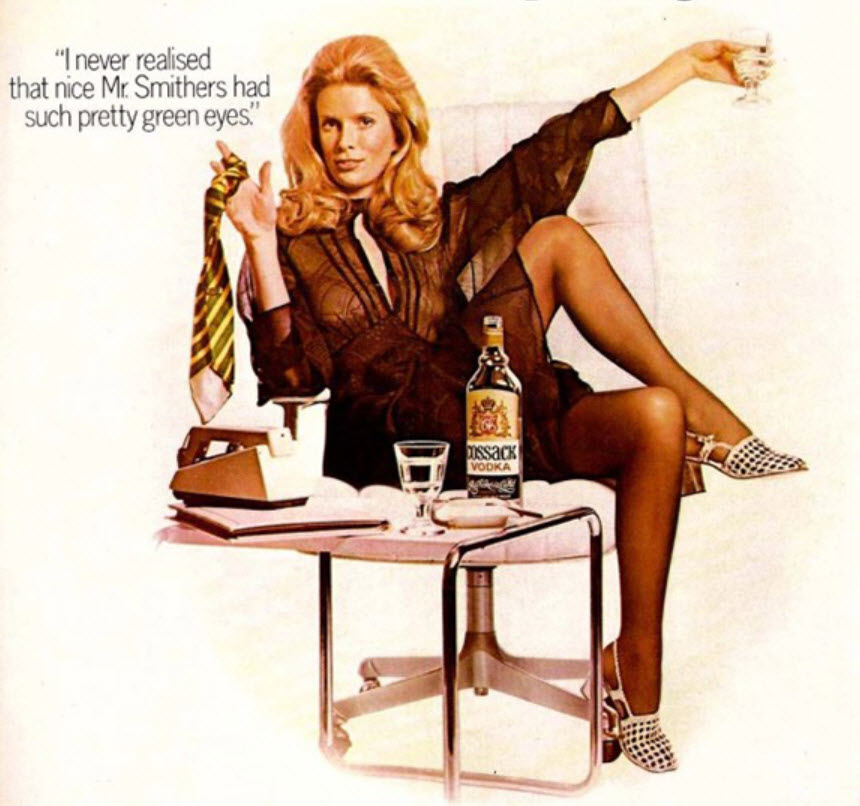
Before John Hancock became famous for his signature, he was a Boston merchant and alleged smuggler who constantly thumbed his nose in the face of British tax collectors. On May 9, 1768 however, his sloop Liberty arrived with 25 pipes (large wooden barrels) of “the best sterling Madeira,” just one quarter of the vessel’s carrying capacity. 

Believing that he had unloaded the rest without paying the required duties, the ship was seized and Hancock was charged with smuggling. This resulted in one of the worst riots in Boston’s history when colonists, already infuriated with the Royal Navy for impressing them [the taking of men into a military or naval force by compulsion], violently revolted in the defense of Hancock and his supposedly smuggled wine. Call it the Boston Madeira Party!

Cheers to that!

Conclusions

Did you know that America is trying to ban alcohol again? Yup it’s true.

I had to read that twice. Then what the fuck are you supposed to drink at bars? Coke-cola? Sometimes I just read the American “news” and just shake my head. Is this all that delicious “democracy” that I keep hearing about? Is this what “freedom” is all about?

I guess that Pennsylvania is going to be “better” than Florida. I meet your ban and I raise you a double ban. Take that you sheeple!

Don’t even think about flying to PA or FL to have a good time. It ain’t gonna happen. No way. No how.
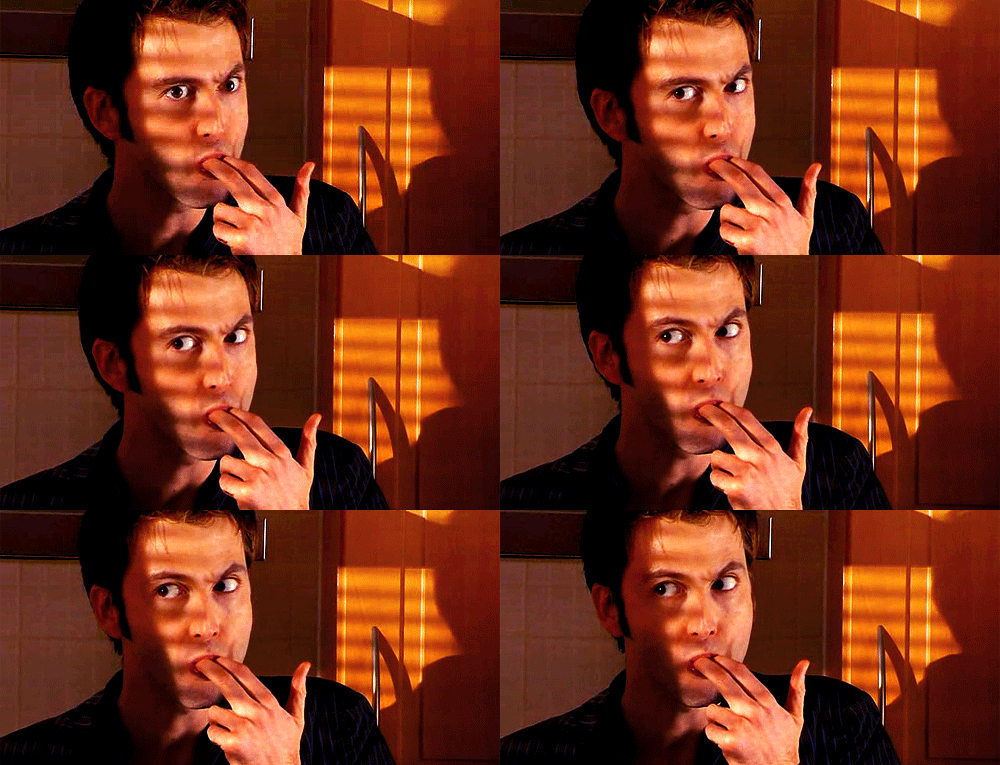
“Democracy” it’s finger lickin’ good!

Well, drinking white wine (I am drinking 53 degree hard grain right now (also known as “white wine”) makes me want to say “phooey” to all this stuff about “saving” America and recovering it to something worthwhile. As I drink I see the wisdom of the forefathers.

  • If it is working, you did good.
  • If it is broken, it is up to the people in-charge of running it, to fix it.

If that does NOT happen, then your system (that you put in place) is a failure. And you know what? You need to start again, all over.

I know, I know. Drinking is “taboo” in the United States.

But outside of it, it’s part of life. It makes and helps you see the insanity that the Untied States has become.
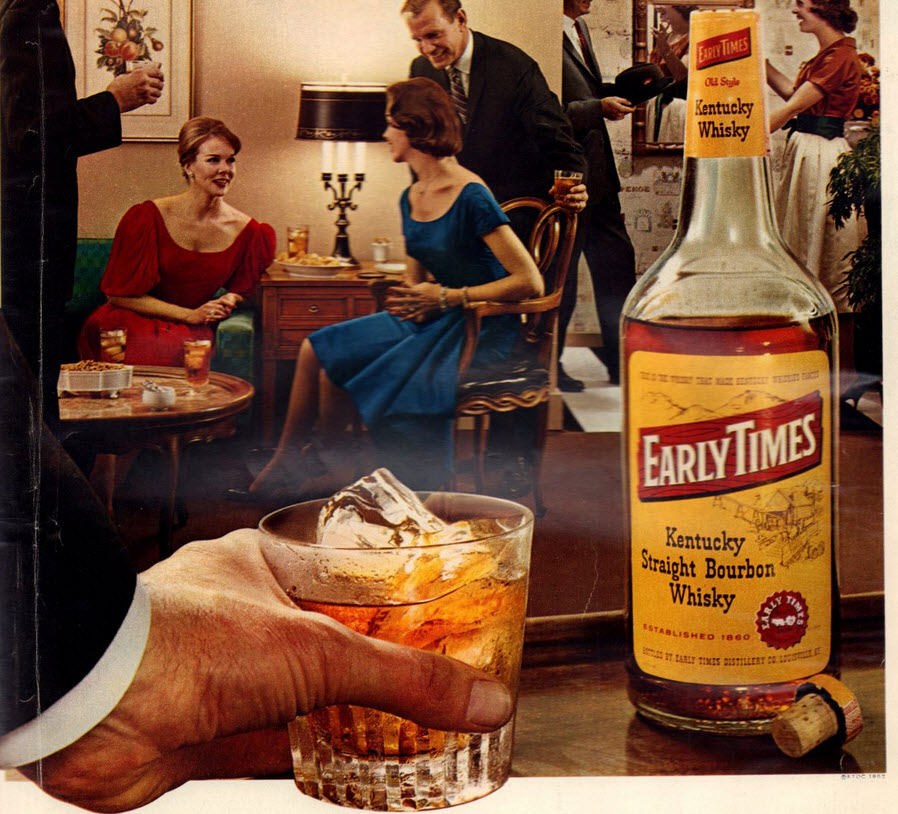
Whisky.
Doing things right.

.

The forefathers of the United States were smart.

Drunk, but smart.

But their wisdom is lost. It’s all off in dusty unread volumes in the back of old libraries. No one pays what they said, and give it any attention. For goodness gracious, people talk about how great “democracy” is!

That is so amazing. That is the LAST THING that they wanted to happen to the Untied States that they created. They warned about it. They pleaded. They wrote; “what ever you do… DON’T ever, ever establish a “democracy”. Because if you do you will create an oligarchy. And if you don’t stop it, it will evolve into a military empire and everyone’s lives will become “toast”.

Be toast - Idioms by The Free Dictionary
https://idioms.thefreedictionary.com/be+toast

toast, to be. To be doomed or unworthy of further consideration. 

This slangy usage dates from the twentieth century. It can be applied to a person, a group, an idea, a project, and so on. It must be distinguished from being the toast of something, such as “the toast of the Academy Awards,” which means a person receiving much acclaim.

The “last thing”.

They also smoked weed” don’t you know…

…(have you) ever watched the movie “Dazed and Confused”?
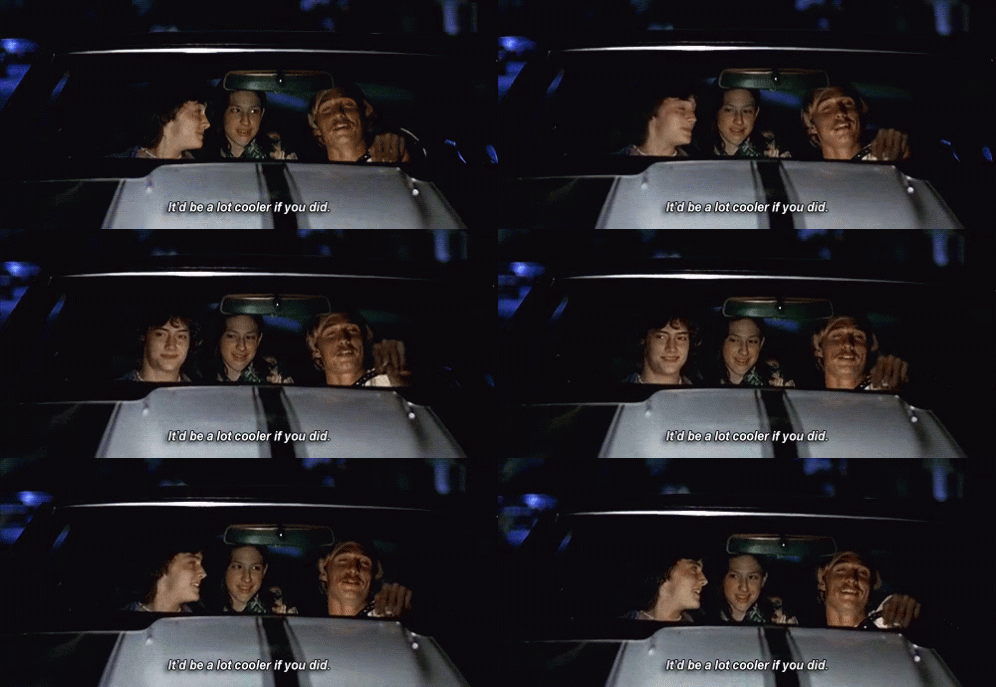
.

Or maybe the MM audience are all too “high brow”.

But they were correct.

Do your best, and show the way. If others abuse it, it’s not your role to change them. Let them learn from their mistakes. Let them make them and suffer the consequences. And while all this is going on, you all just go off to your nice “safe place”, cavort with pretty girls (or guys if that is your desire), sing a few songs, try to dance a jig or two, and eat some delicious food with some fine, fine libations.

Oh…

And please, make sure that you have some pet pals (dogs, cats, and horses) would be really nice. Make sure that you have some treats on hand. And let those “fuck ups” that are running your nation into the ground… suffer the consequences of their ignorance.
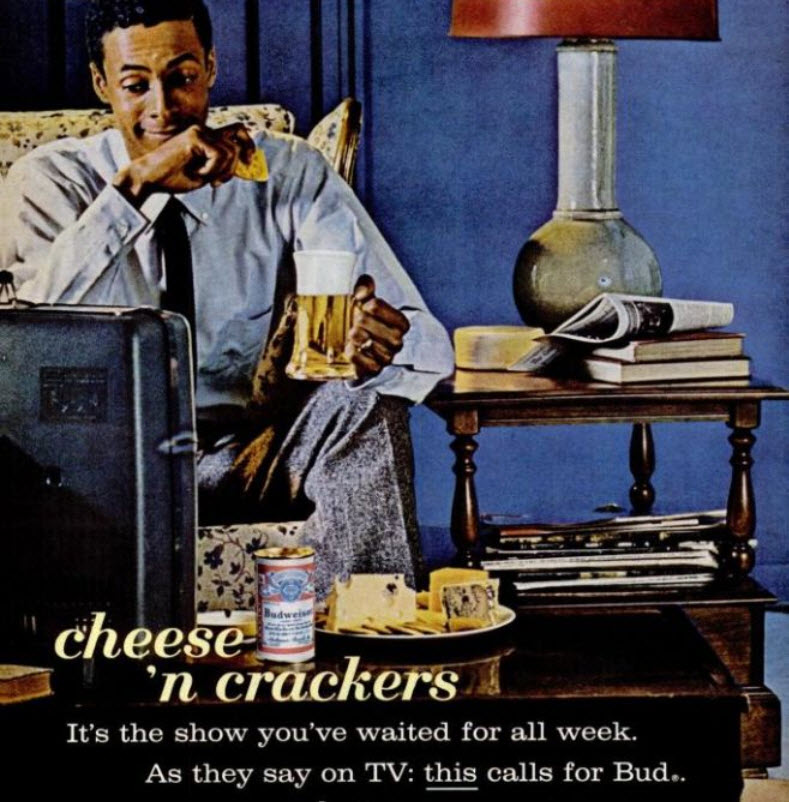
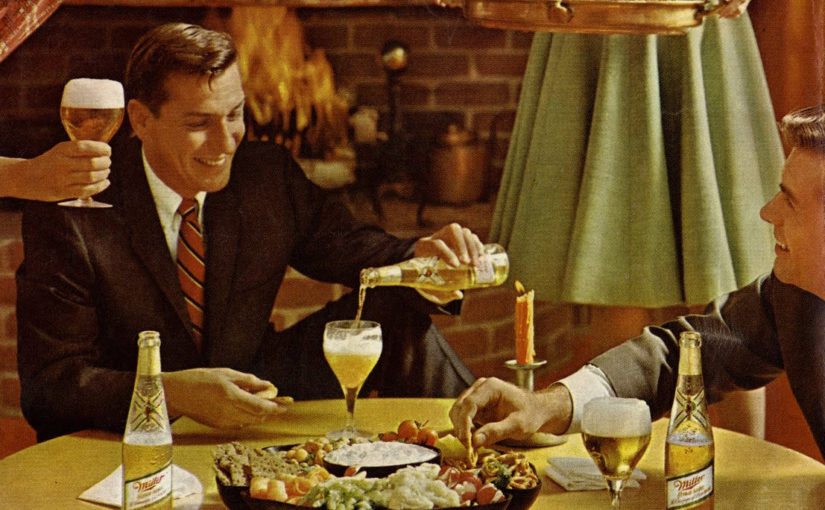
It’s time for some cheese and crackers, and some nice frothy cold beer. (Hey! Doesn’t that green lamp base to the right look like a 1960’s style bong to you all?) Ah. Remember the days when couch end tables were filled with magazines… Oh, those were the days.

.

I’ll tell you what.

Go be with others that share your appraisal of the current state of “fuck up”, and just enjoy life. You all will be gone soon enough. Don’t you know…
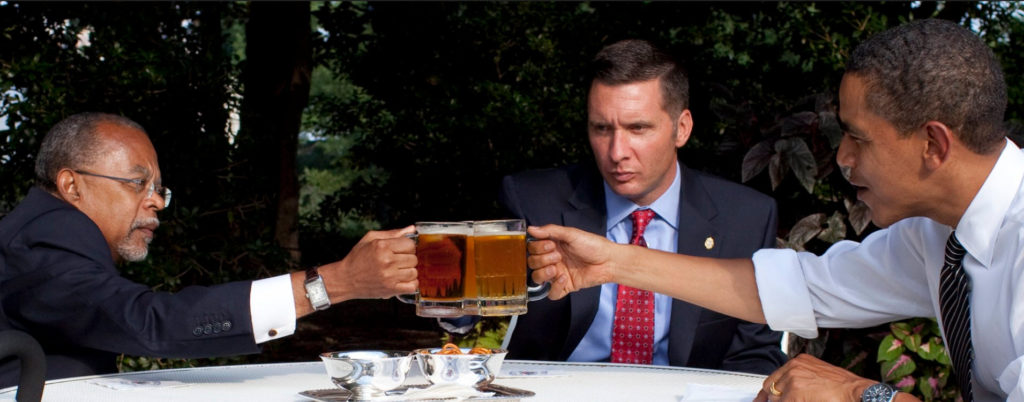
Trump did not drink alcohol.
Obama,love him or hate him, at least he drank beer.

And you know, the Chinese love to have fun too…

And yes they really do. Anyone that drinks beer and alcohol can’t be all bad. In fact, I argue that all of the disruption during 2020 was due to the non-drinking teetotalers of the American neocon administration. And that’s my strong opinion.

You all need to have a good time.

.

We all need to have a good time. It’s what humans do.

But there are people who have evolved past the basic needs of being human. Instead, they have become a different kind of creature. And I have discussed this at length elsewhere, don’t you know. We as humans need to get a little crazy and a little silly at times. I strongly believe this.

We as humans need to get a little crazy and a little silly at times. I strongly believe this.

.

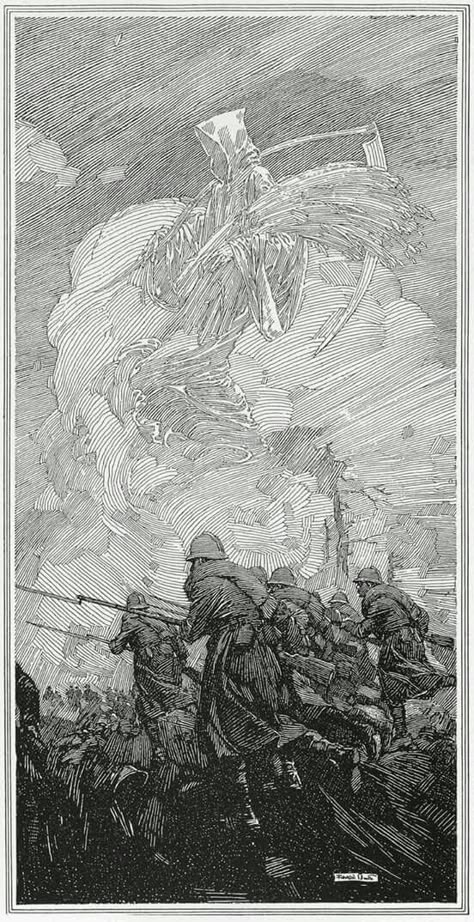
But on a much more serious note. Take care of whom is running the nation. There are many, many psychopaths out there, and they all seem to evolve towards positions of power and control. You know, if you continue to let sociopaths and psychopaths run the United States Government, then this is what you all can look forward to…

Change the uniforms, and change the name of the targeted group. It’s coming to America you all. If you are port of the “undesirable group” this will be your fate. Sure as shit. Who’s gonna be the objects of this assault? Oh, you know. You know.

.

You know.

Don’t you?

Lately

Lately I have been researching my family history. Ah. It’s a long story. I’m West Prussian and Irish. A mutt. An American mutt living in China. But still, looking at my history shows some things that put a real smile on my face, and some perspective.

It also explains my love of beer, whiskey, and pretzels. Glorious, hot, fresh, steamy horseradish-covered pretzels.
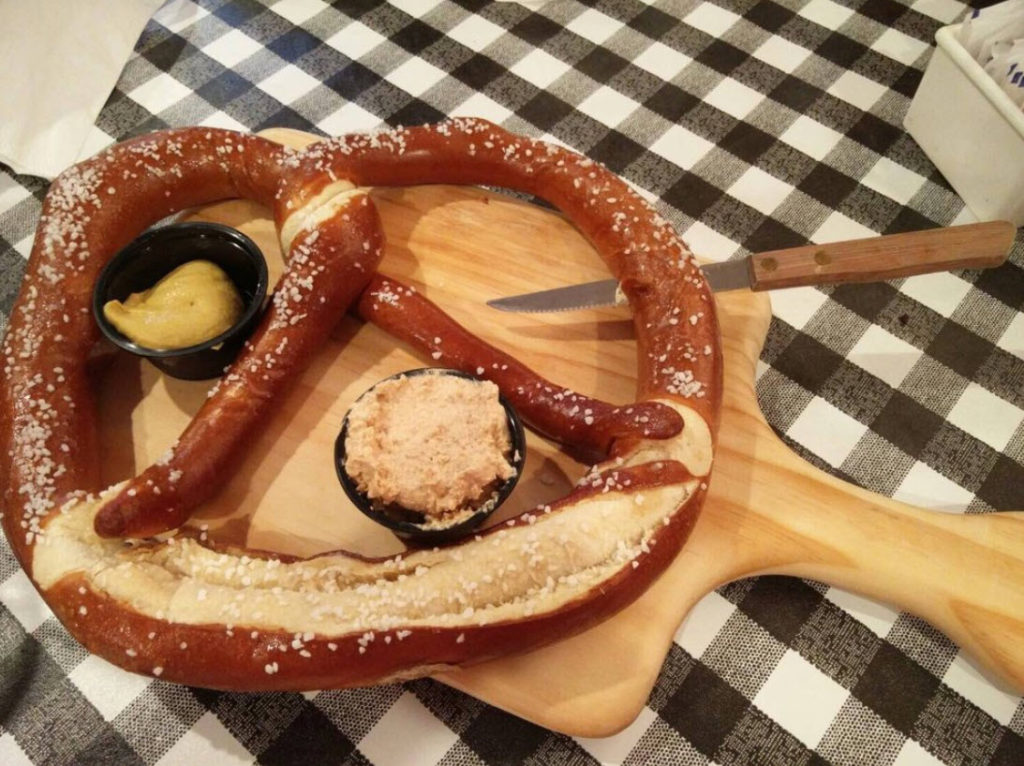
Pretzel
Pretzel, hot, with mustard and horseradish. Yum!

.

Oh and don’t forget the kelbassa.

Kielbasa
Food

Kielbasa is any type of meat sausage from Poland, and a staple of Polish cuisine. In American English the word typically refers to a coarse, U-shaped smoked sausage of any kind of …

Wikipedia

Oh, and I do love a good strudel, some fine Polish sausages, and some big-chested beer girls. Not to mention a tad bit of accordion music, and some jig dancing. Those Lederhosen also helps me get into the mood.

Lederhosen
Costume

Lederhosen are short or knee-length leather breeches that are worn as traditional garments in some regions of German-speaking countries. The longer ones are generally called Bundhosen or Kniebundhosen. Once common workwear across Central Europe, these clothes—or Tracht—are particularly associated with Bavaria and the Tyrol region.

Wikipedia
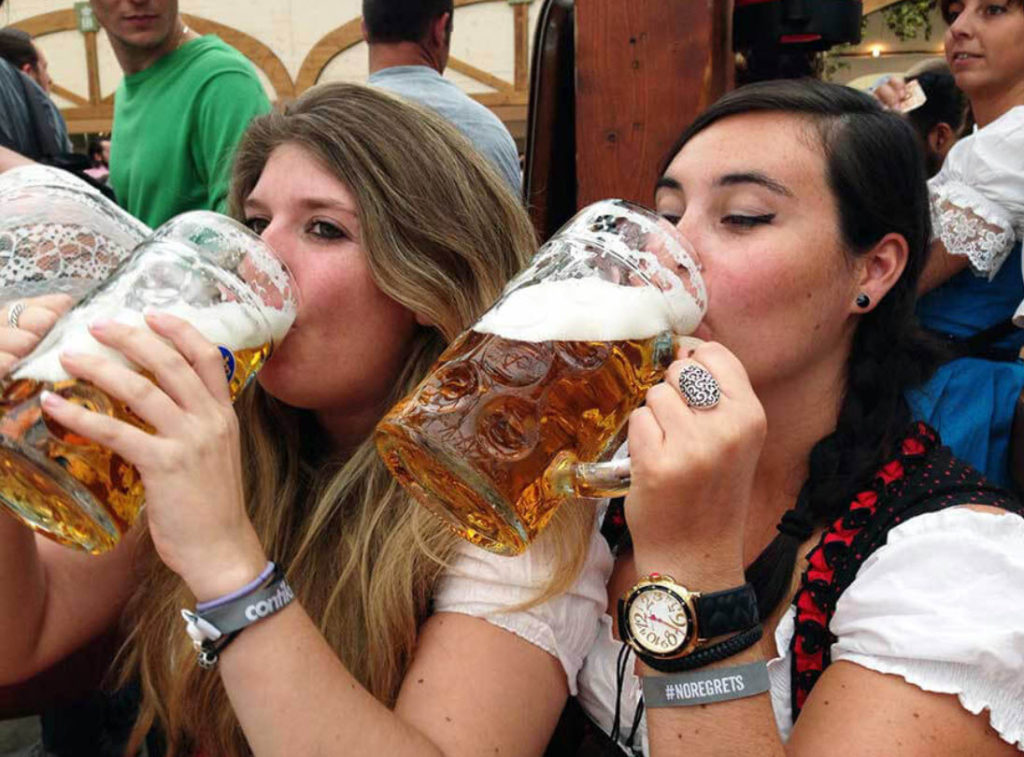
Beer Girls.
Beer Girls. Germany.

.

And some Beer People.

Beer People. Germany.

.

Beer people having fun. Here’s some more beer girls.

More beer girls. Why do they all look like my sisters and cousins?

.

Beer.

This was a post about beer, and some nonsense about America thrown in for things to talk about while drinking beer. I hope that you enjoyed my daily rant.

Phew! This tires me out. It’s time for a beer.

Do you want more?

I have more posts in my Food Index…

Articles & Links

You’ll not find any big banners or popups here talking about cookies and privacy notices. There are no ads on this site (aside from the hosting ads – a necessary evil). Functionally and fundamentally, I just don’t make money off of this blog. It is NOT monetized. Finally, I don’t track you because I just don’t care to.

To go to the MAIN Index;

Master Index
  • You can start reading the articles by going HERE.
  • You can visit the Index Page HERE to explore by article subject.
  • You can also ask the author some questions. You can go HERE to find out how to go about this.
  • You can find out more about the author HERE.
  • If you have concerns or complaints, you can go HERE.
  • If you want to make a donation, you can go HERE.

Please kindly help me out in this effort. There is a lot of effort that goes into this disclosure. I could use all the financial support that anyone could provide. Thank you very much.

[wp_paypal_payment]
If you enjoy what you see, it would be helpful if you could assist in hosting this forum. A donation would be appreciated.

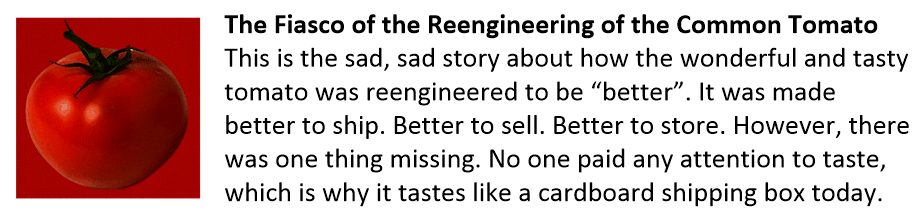
(Repost) The Reengineering of the Common Tomato

Did you know that the tomato is a fruit? It actually is, you know. It certainly does not taste like one today. Though, it really used to. Tomatoes used to be sweet and delicious.

That is, until the 1920’s in the United States. What in the world was going on then? All that damned “Progressivism” and trying to change America into a utopia ruled by a benevolent wealthy class. Nonsense. Oh, yes. They implemented the Federal income tax, and they banned alcohol and did all kinds of things (like giving the right to vote to woman) to turn the world into “Heaven on Earth”. Yup. That’s why they dragged us into a war in Europe (one that our founders promised and vowed that we would never ever get tangled up into again…).

Oh, but I digress… after all, they meant well.

In part of the rush to make America a utopia, numerous programs were set in motion. One of which was reengineering the tomato. The bland, sterile, and cardboard-tasting tomato is the result of what happens when well-meaning people tries to improve something. Progressive millennials please take note.

Let me tell you all the secret story of the destruction of the humble tomato…

The Early History

From what I can gather, the tomato originated in the Americas.

They probably came from a geographic area around Peru. (Some reports place it at the extreme Southern section of South America.) As such, wild tomatoes can still be found in the Andes Mountains. We do not know if the Incans cultivated the tomato. However, we know that by the time the conquistadors came to Central and South America, there was widespread cultivation of tomatoes. I can well imagine an Incan, wearing one of those funny black hats, smunching on a tomato next to his favorite lama in the misty fog swirled mountains.

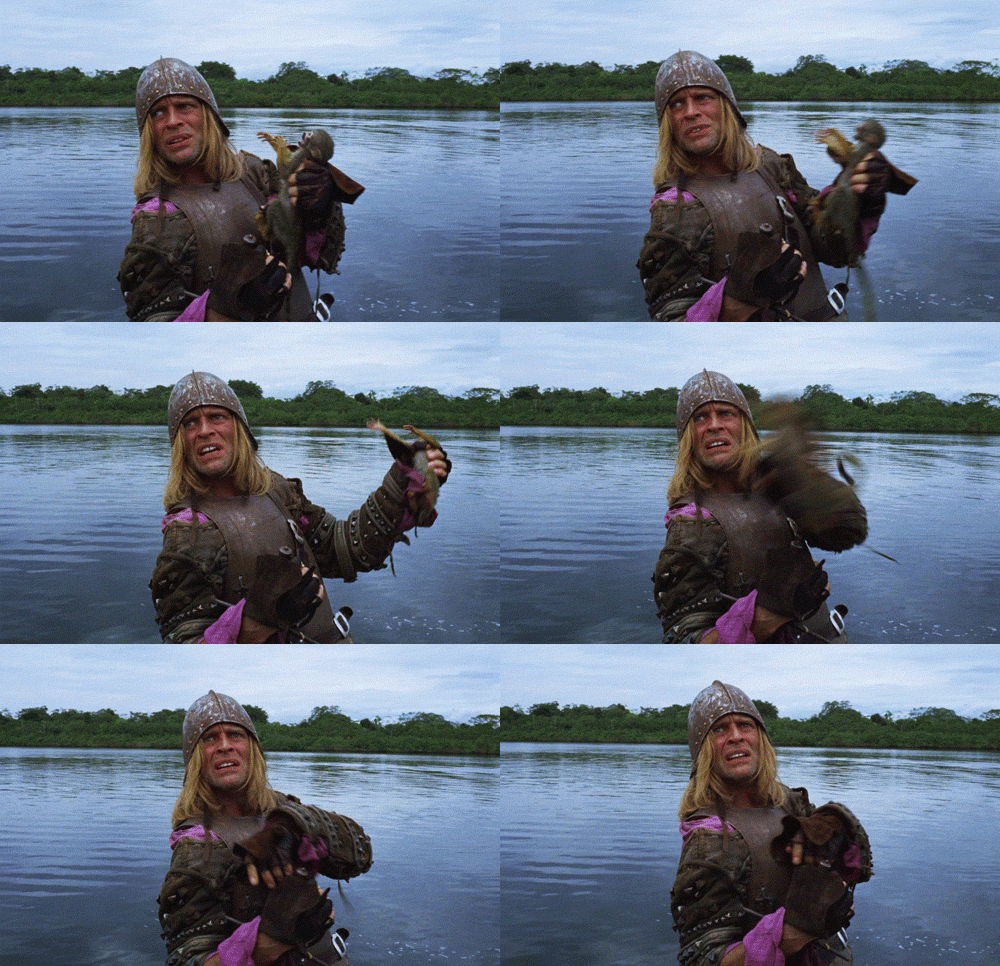
It was Spanish conquistador Hernán Cortés who first fell in love with this plant. From records, we know that he was exposed to it after he looted the Aztec city of Tenochtitlan. I can also picture him. Dressed as Aguirre and wearing the armor of that time, eating a tomato in his gloved fist; the red tomato juices running down his arm. While his armed force stands nearby with their flags and crosses. When he returned back to Europe he managed to carry some seeds back with him, along with coco, tobacco, gold, slaves…

It was the explorers to South America that ended up bringing the tomato back to Europe. Aguirre was one such explorer.
Aguirre was the king of his domain. His domain included gold, cocaine, slaves, monkeys and tomatoes. Aguirre was the king of his domain. (Image Source)

The seeds grew rapidly in the warm Mediterranean climate. For various reasons, the Spanish government started encouraging its production. As such, production began in both Europe and the various Spanish colonies. We know that during the 1540s the tomato started being produced in Spanish fields. Therefore, it can be assumed that it was begin grown as a food.

 A Dangerous Poison

While the Spanish had an obvious love for this wondrous fruit, the other European nations did not.

All throughout Europe and England, it was considered a dangerous poison. It was viewed as an unhealthy plant of which the red tomato fruit was a lethal poison. Thus, instead of treating it as a fruit, they used it as a tabletop decoration. This continued through the 17th and 18th centuries. As a decorative fruit, they cherished their appearance and beauty. To get the best-looking tomatoes, they experimented with selective breeding. As a result, there was an explosion of tomatoes of many colors and shapes.

Why did everyone in Europe consider this a dangerous poison?

There are two primary reasons. One of which is the appearance. There is a striking resemblance of tomatoes to the deadly nightshade plant. This is not something that can be taken lightly. Nightshade is extremely lethal. Back then, they did not have the same kinds of medical care that we have today. If you digested deadly nightshade, you would die.

Secondly, most Europeans thought that the tomato was poisonous because many of the wealthy people who ate it got very sick afterwards. This had nothing to do with the plant. However, it had everything to do with the plate that the tomato was ate off of.

It all had to do with the way plates and flatware was made in the 1500’s. Rich people in that time used flatware made of pewter. Pewter is a metal that has high-lead content. What happens is that foods that are high in acid, like tomatoes, would cause the lead to leech out of the plates. So if a tomato was on the pewter plate, the lead would leach into the tomato. This of course would result in lead poisoning and death. Because poor people, who ate off of plates made of wood, did not have that problem it was obvious what the problem was; the tomato. Today we know the truth; it was a tomato on a pewter plate.

This is the primary reason why tomatoes were only eaten by poor people until the 1800’s, especially poor Italians.

Changes during the 1800s

Apparently, Jefferson grew tomatoes on his large farm. As such, all of his daughters and granddaughters used them in numerous recipes. They did what many of us do today, they pickled them for storage. Jefferson’s son-in-law, Thomas Mann Randolph, mentioned that though tomatoes were hardly known ten years prior, by 1824 everyone was growing and eating them. So, maybe Jefferson was an outlier, or maybe he was a trendsetter. We don’t know for sure. All that we knew is that he liked tomatoes. Hey! Anyone who likes tomatoes can’t be all-bad.

The popularity of tomatoes increased during the 1800’s. We don’t know why. I personally think that the American Civil War had something to do with it. When the carpetbaggers headed South to take advantage of the devastation caused by the war, they brought tomatoes and tomato seeds with them. Soon, the entire South was a bloom with tomato plants. The world was made right again!

Thank God for tomatoes!

Around the same time as the Civil War Reconstruction period, there was an interesting period of immigration from Italy. It is true. During the 1800’s there was a mass immigration from Europe to America. Europe includes Italy, which is where the idea for pizza comes from. Indeed, how can we not talk about pizza when we are discussing tomatoes. For what is pizza without a tomato? Why it is nothing more than just bread and cheese.  Indeed, there is no pizza without tomato sauce, and pizza was invented around Naples, Italy in the late 1880’s.

(According to history, the story is that pizza was created by a forgotten chef in Naples. For one reason, he must have thought that it was a good one, he wanted to celebrate the visit of Queen Margarite. This queen was the first Italian monarch since the French conquered Italy. The chef made the pizza from three ingredients that represented the colors of the brand new Italian flag.  These colors were red, white, and green. The red is the tomato sauce, the white was the mozzarella cheese, and the green was the basil topping. And that my dear boys and girls, is how Pizza Margarite was born.)

As popular tomatoes were, they were difficult to grow and harvest. They were mostly grown at home for personal and private use.

“There was not in the United States at the time an acre of tomatoes from which a bushel of uniformly smooth tomatoes could be gathered,”

- Alexander W. Livingston.

Oh, we know about Thomas Edison, and Nikola Tesla. Both of whom brought electricity to America and the world. But, what of the other great scientists and inventors and their contribution to society? Are not the others important? You betcha they are!

The so-called “modern age” of commercially grown tomatoes started as the brainchild of Alexander W. Livingston. He was an American botanist and scientist who dedicated much of his life on “improving” the tomato for commercial use. In his labs he managed to cross breed different types of tomatoes. He used the selective breeding of various types for his own nefarious ends. For he wanted to make the tomato an easily farmed plant. As such he was quite successful. It was he who developed the first commercial viable tomatoes. His 1870s breed called “Paragon” became an instant success. With this, followed a large tomato industry that eventually made the tomato one of the most popular fruits in America.

Joseph Campbell of Campbell’s soup came out with condensed tomato soup in 1897. With pizza and tomato soup firmly in place on Americans dinner table, the humble tomato became a solid fixture of the American diet. Everyone was eating tomatoes.

By the time the turn of the century came about (the year 1900), tomatoes were as American as Shoe shine boys, Blackface, playing the piano in the home living room, courting young women in the family parlor (or on the front porch while they sang to them), and a highway speed limit that was established at eight miles an hour.

Ah, you can’t have progress without limits, don’t you know?

Enter the Progressive Utopists

Starting in the 1870s, tomato breeders have been using traditional, non-GMO breeding techniques to develop the best tomatoes. They wanted tomatoes that would look ripe (nice and red), without any green portions, blotches or soft spots on the skin. They also wanted a thick skin that would not break during picking and transport. At that time, most tomatoes were grown on small farms or at home. Tomatoes needed to be harvested often, and carefully. They fell off the vine rather easily when ripe and tended to break easily because they had a thin skin. This needed to change.

Around 1920 or so, numerous teams (often located in universities or colleges) began to implement programs to “improve” the tomato. Of course, their idea of improvement was not to make it taste better. Rather, instead to make it easier to grow, ship and sell. As such, the implementation of strong reengineering programs for the tomato began in earnest. As the tomato “improved”, so did the ability to harvest it commercially.

Initially, large-scale production of tomatoes was mostly limited to the East coast of the United States. This continued, and production spread into California after World War 2. The seasonal workers in California were able to pick the tomatoes, but it would not last for long. By the early 1960’s, there was a shortage of skilled tomato pickers. As a result there became a need to utilize mechanical pickers. These machines could pick the tomatoes off the vine quicker but they had some problems. Most notably, they couldn’t select between green and ripe tomatoes, and they also tended to damage the tomatoes.

In those days, the machines would rip and tear the tomatoes. It would crush them. It would bruse the skin. The machines would get clogged up with the juices of damaged tomatoes, and time needed to be devoted to repairing the machinery.

Selective breeding all through the 1960’s was devoted to making the tomato easy to harvest and to ship.

Tomatoes became beautiful. They became a uniform red. No green skin or splotches anywhere. They became round, instead of plump. They became firm instead of juicy. They became thick skinned instead of thin skinned. They became perfect for harvesting and shipping.

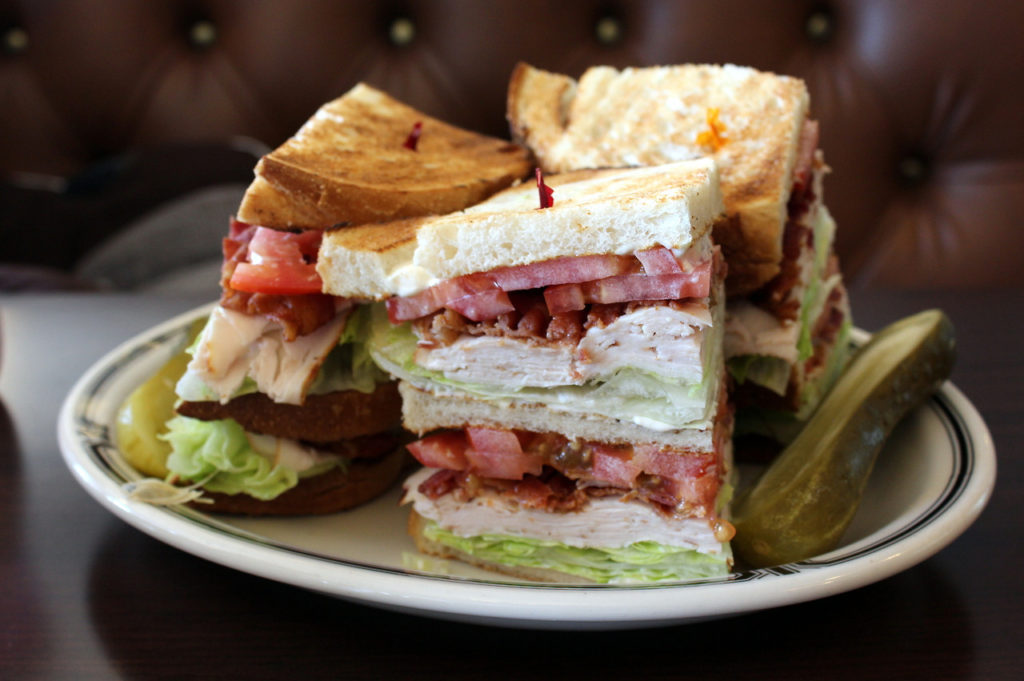
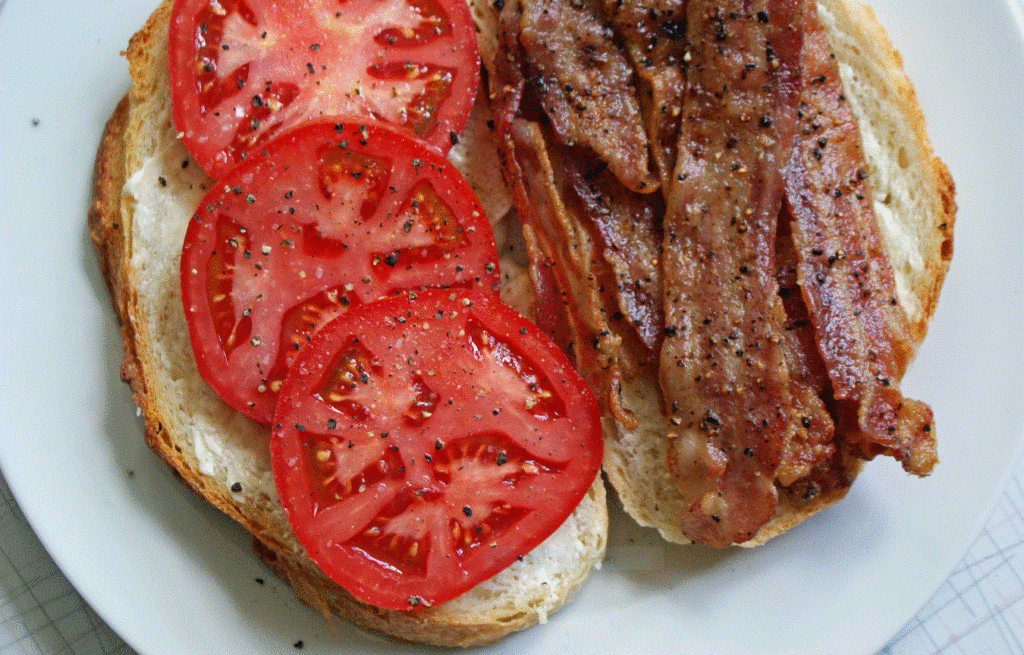
Club Sandwich.
A tomato is nothing if it is not used for smunching. I would suggest that a nice club sandwich (as pictured) be a suggested venue to eat the humble tomato. Yum!

However, all this came at a cost. They became tasteless, boring, bland and tough. They lost much of their sweetness. They lost their aromatic smell, and they lost their taste.

This was not lost on the producers who used tomatoes in sauces, stews, and soups. To compensate for the degradation of the taste in tomatoes, the industry started to add sugars and corn syrup. Thus, by the end of the 1970’s tomatoes and tomato products were almost completely reengineered to be mass-produced and shipped in mass. All that remained were a few spots where “radical” holdouts treasured their own unique tomato plants. These were called “heirloom tomatoes”.

As a result the tomato today is a bland, red orb. It is no longer the juicy delicious tasteful plant that it once was.

How Tomatoes became Bland

Luckily for us, other people have noticed that tomatoes have started to taste terrible. For me, of course, I have stopped buying them in the grocery store. When I buy tomatoes, I go for the smaller tomatoes, and whatever local “heirloom” tomatoes that might be available.  Other than that, I grow them next to the bamboo in my yard. Together, we have formed a silent group of tomato affectionados that demand tomatoes that have flavor.

Through study and evaluation, we have discovered why tomatoes taste so bland.

There are numerous reasons. Firstly [1], tomatoes were bred to be easy to ship. Secondly [2], tomatoes were bred to ripen evenly. Thirdly [3] they are not permitted to ripen on the vine. Finally, fourthly [4] they are bred to be plump and full of water, not full of tasty volatiles.

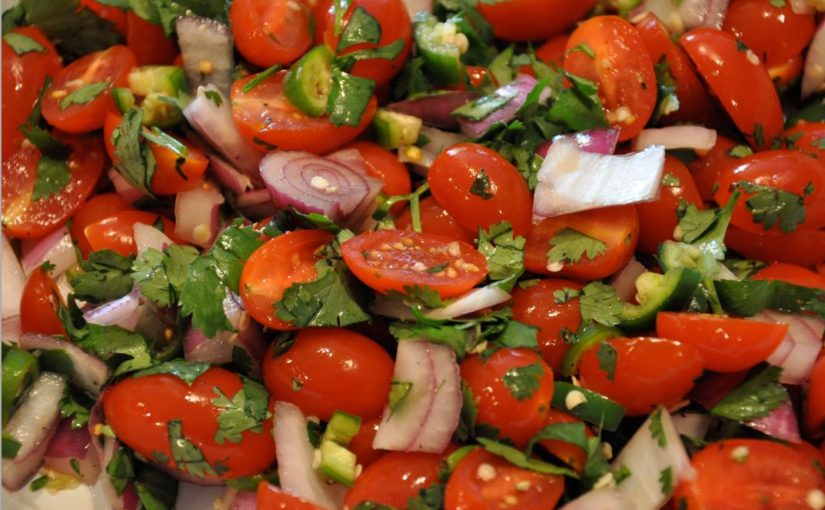
Easy to Ship

It turns out the problem with tomatoes today is that the genes that give tomato taste has been bred out of the plants. Over the years, the tomatoes have been bred to behave more like a shipping box, or a cardboard box. Of course this was done for shipping concerns. In the past, tomatoes had a hard time surviving the road to the market. They needed to be bred to act like a shipping box, or cardboard box. Which pretty much explains why they taste that way as well. Duh!

Tomatoes today taste like cardboard boxes because they were gred to behave like one.
Tomatoes were bred to ship like a cardboard box. They were designed to be sturdy and have a maximum shelf life, as well as a long display time. Indeed, the ideal tomato, from the point of view of a store, is a cardboard box.

Researchers into this problem have discovered a “genetic switch” within the tomato. This switch is responsible for much of the sugar production within the tomato. In the breeding efforts to make the tomato easy to transport to the grocery store, the growers have turned off that switch. All the efforts to  bred the tomato for hardiness destroyed the ability for the tomato to taste good. It bred out the sugar. This can make chewing on the tomato like eating a piece of rubber. The mutation to make the tomato act like a shipping box inadvertently turned off the sugar production switch, making the tomato bland.

Researchers discovered that a protein called GLK helps to create the sugar within the tomato.  It also regulates photosynthesis in the plants, which also contribute to the production of sugar. This protein can be found near the stem and also tends to delay the reddening of the tomato skin. So all those nice red tomatoes in the supermarket contain either less or no GLK proteins, meaning the tomatoes taste bland. Yes. So if you see a nice evenly red tomato, smell it. If it has no smell, it will also have no taste.

Now comes the frightening part.

It’s not just in the United States. It’s all over the world! Indeed, researchers tested over 25 commercial tomato varieties from all over the world. Every single one of them contained the genetic switch mutation. None of them had any decent quantities of the GLK protein.

"The mutation they describe in their paper is in literally 100 percent of modern breeds sold in grocery stores today,"

-Harry Klee, a molecular geneticist at the University of Florida, Gainesville

Even Ripening

Just like the genetic switch to make tomatoes easy to ship, a genetic switch was found to make them ripe evenly.

As stated previously, commercial tomatoes are selected for uniform ripening. It was discovered early on that shoppers would select the ripest and reddest tomatoes in the grocery store. People bought red tomatoes. They shied away from green tomatoes, and tomatoes with imperfections. People came to associate red tomatoes with ripeness and large quantities of sugar. This is what happened, even though that is not what was actually happening.

Today, unripe (commercial) tomatoes are a light green color that turns into a uniform red when ripe. This is how it is with the breeds today. However, this was not always that way.

Heirloom tomatoes grew differently. When they ripen they do not do so evenly. They often have a dark green coloration near the stem even when the fruit is fully ripe. This is the secret to flavor. This top area of the tomato is known as the shoulders. It is what makes the tomatoes tasty.

It is the green shoulders on tomatoes that help develop the nice flavors and sweet tastes of tomatoes.
Green shoulders on tomatoes are what makes them taste good and sweet. It is too bad that this feature has been bred out of commercial tomatoes.

The big problem, and the reason why it was genetically bred out, is that green shoulders make it harder to tell when the fruit is ripe and ready to pick.

Shoppers and grocery stores were often unhappy with green shoulders. That is, until 1937. In 1937 a “miracle tomato” appeared. This tomato, called “All-red” had the curious  ability to ripe evenly. It was bred at the North Dakota State University Agricultural Experimental Station. The “All-red” tomatoes ripened to a bright uniform red with no green shoulders. This trait was called the ‘uniform ripening’ trait. It revolutionized the world of tomatoes and was immediately incorporated into all of the commercial tomatoes worldwide.

Yah. But like any horror movie, there are tradeoffs that you need to confront.

The so-called ‘uniform ripening’ trait avoided green shoulders by turning off a very important and key tomato gene. This gene, known as SIGLK2, increases chloroplast production in the tomato plant. Chloroplasts make energy through photosynthesis. They also turn tomato fruit a darker green. They ripen more evenly, which makes them more visually pleasing to consumers, and it’s easier to tell when they’re mature. This trait is governed by a cluster of genes called the “uniform ripening locus” or simply “u”. But…

But…

These chloroplasts to tend to make the important stuff. They manufacture sweet sugars and yummy carotenoids. In fact, the non-commercial tomatoes; the heirloom tomatoes receive 25% of their sugars from the chloroplasts in the fruits and 75% from leaves. So surprise, surprise! Those green shoulders on tomatoes are actually a good thing. They are a visual indicator that the tomato has more carbohydrates and more flavors. By breeding out the green, growers were breeding out the flavor.

Ignore the Vine

Today’s commercial tomatoes ignore the vine. The tomatoes  are not permitted to ripen on the vine, which as everyone knows, is the best way to enhance flavor in fruits and vegetables.

Instead, they are picked green and stored in the dark. In order to give them that nice uniform red color, the unripened green tomatoes are gassed with ethylene. This is a nice trick that modern farmers use. It is a way of painting the tomatoes a red color without using red paint. The ethylene gas reacts with the tomato skin. When gassed, the tomatoes develop a red coloration. Which is, of course, the appearance of ripening.

Store bought tomatoes are not ripe. They just look like it. Real tasty tomatoes are vine ripened. Vine ripened tomatoes develop more sugars and thus more flavor.

Finally, all (if not most) commercial tomatoes are usually refrigerated. Refrigeration damages both fruit flavor as well as texture.

Full of Water instead of Volatiles

Aside from the tasty sugars, modern tomatoes were bread to be full of water. The volatiles were bred out of them. The key to a good tasting tomato is the volatile compound. This is a chemical that easily becomes a gas and therefore can be smelled. It is the volatiles, which are sorely lacking in most mass-bred tomatoes. They are a primary source by which a tomato acquires its sweet taste.

Now, the stores that sell the tomatoes, and the farmers that grow the tomatoes do not care at all about the taste. They want the biggest and heaviest tomatoes possible. That is because the heavier the tomato, the more money that they can sell it for.

Once a truck is loaded with tomatoes at the farm, the buyer of the tomatoes weighs the truck with and without the tomatoes. The difference is the weight of the tomatoes. The heavier the tomato, the more money the farmer makes.

This is a case of bigger is better. So the breeders turned on a combination of genetic switches that turned off volatiles, and bred the tomatoes to be water containers.

Volatiles were bred out of most store-bought tomatoes. Instead of volatiles, water has become the dominant component. What this means is that not only do mass-produced tomatoes don’t taste very good, but they don’t have as much nutritional value either.

There are six major volatile compounds that add the important flavor to a tomato. This was identified by Harry Klee, a biologist at the University of Florida. In research, he and his colleagues identified six volatile compounds that work together to impart better taste in a tomato. What is most interesting is that they do not particularly create sugars. Instead, these compounds add a sweet taste to the tomato without adding sugar.

Klee, experimented with 100 tomato varieties with 13 panels of 100 people. Each one rated each tomato according to taste and sweetness. The researchers used a technique known as gas chromatography to vaporize the tomato samples and sort out their molecules. This resulted in a list of chemicals and their concentrations within each sample. It was through this study that they found out that chemical compounds known as volatiles are very important. Volatiles are released as we chew and trigger a response in the olfactory system, contributing to overall taste sensation. By comparing the consumer panels’ tomato preferences to their chemical profiles, the team came up with a list of 13 chemical compounds strongly linked to likability.

Surprisingly, much of that taste came from the volatile compounds and not from sugar. Klee found that the volatiles, working through sensors in the nose, convinced the brain that a certain tomato was sweeter than another. Thus, when a tomato has both volatiles and natural sugars, the taste in a tomato really pops out.

Unfortunately, volatiles have been bred out of all the commercial tomato varieties.

Today

Today all of the commercial tomatoes no longer make sugars in the tomato meat. They get them from the leaves. They are unable to make their own sugar because the SIGLK2 has been disabled. They have no taste because they have no volatiles. They produce less carotenoids than heirloom tomatoes. This means that they have no interesting flavors (sweet or not sweet). Commercial tomatoes have less carbohydrates, less carotenoids, no volatiles, and less sugar.

But they do look better.

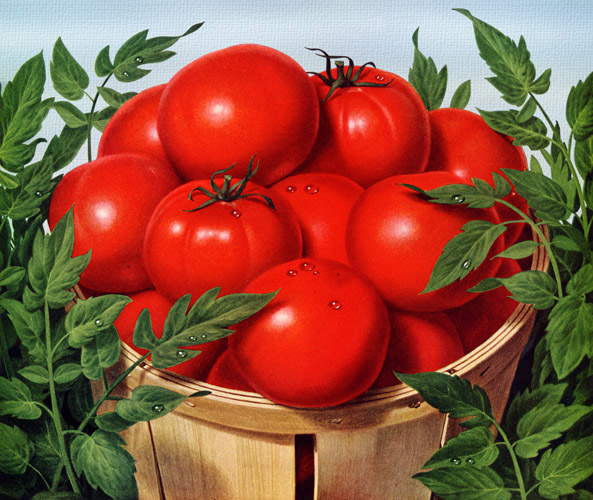
Tomatoes were bred to be bland and tasteless.
The ideal tomato from a vintage advertisement. Nice big, plump and red with no green shoulders, no imperfections, and no taste. (Image source.)

Enter the Busybodies

Much as I hate to say it, there are a number of busybodies that want to destroy the chances of you (the reader) ever getting to eat a “real” tomato. The EU, out of Brussels wants to ban it. Leaving everyone in the EU stuck with eating cardboard tasting commercial GMO “improved” tomatoes. They have come up with excuses to justify this decision, but as you should know by now, there are reasons and then there are true REASONS for doing anything.

In America, certain liberal progressives are out at it again. They too want to ban Heirloom tomatoes. According to Jane Black, commercial tomatoes taste just as good, if not better, than the heirloom tomatoes. Of course, I disagree. I think it is because I have a greater appreciation of food than those busybodies. But, you know, it’s only my opinion. Ah, but what else would you expect from WaPo? Eh?

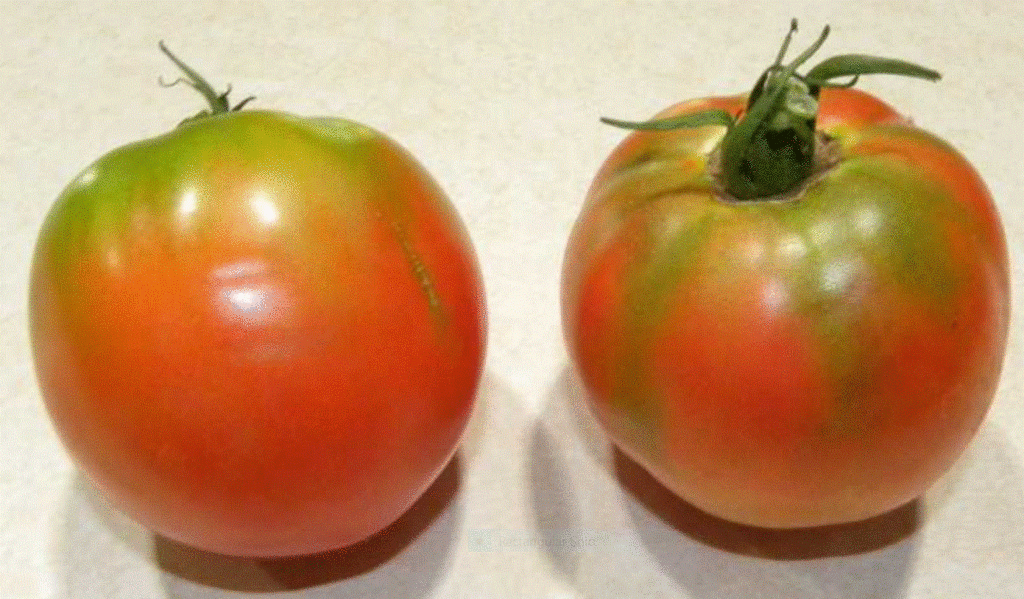
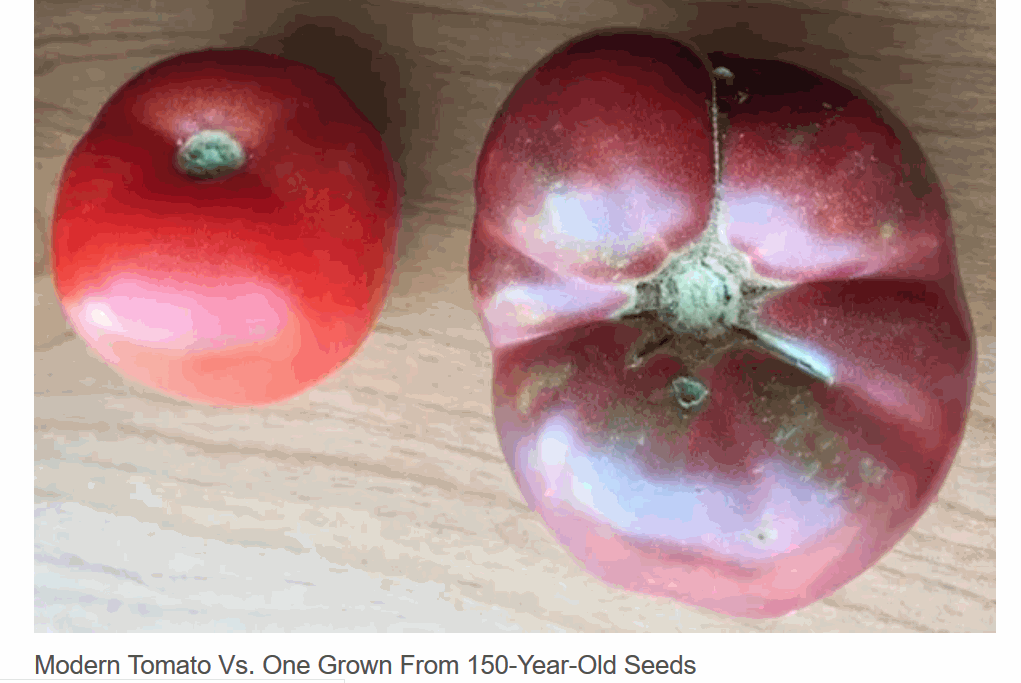
Modern tomato compared to the "improved" progressive tomato.
Modern tomato compared to the “improved” progressive tomato

Ah, like all busybodies, they have their excuses. However, like all busybodies, they tend to keep their real reasons secret…

What Can We Do?

The first thing that I would suggest is to start ordering and planting heirloom tomatoes at home. In the summer, stop buying them at the grocery store. Every chance you get, complain to the grocer and the manager of the vegetable section how terrible the tomatoes taste and that you refuse to buy them. If enough people do this, perhaps we can one day reverse this deplorable situation.

I buy mine off taobao. The link will take you straight to the tomato seed section. Remember that one USD dollar is around 6.3 yuan. So take the cost and divide by six to figure out how much the seeds cost in dollars.

I am curious what others think about this. Perhaps you too have noticed that store-bought tomatoes taste like water filled baseballs. Maybe there are people who have grown their own tomatoes and have some hints on how much better they are. Maybe there are people out there in internet-land who, like me, also love the tomato sandwich. Come on. Don’t be shy.

I would also like to know about your tricks on planting seeds. We cannot buy tomato sprouts here in China, and I am just having a real dickens’ of a time trying to get them to grow. I’ve followed everything recommended here, and here, but they just sort of never make it past germination. Right now, today at the time of this writing, I have a plastic egg container filled with chicken poop with various Chinese heirloom seeds in it. I keep them moist and in the sun. It’s been ten days, and still no sprouts. Why?

—UPDATE—

It turns out that seeds in China are all coated with a plastic paint. This prevents the seeds for germinating in hot and humid weather. You need to scrub the paint off prior to planting the seeds. You let the seeds soak in warm water for around ten hours, and then you rub the paint off. Then once the paint is off, you can then plant them.

—END UPDATE—

It’s a tough world out there, and tomato lovers need to stick together against the onslaught of tomato haters, busybodies, and the armies of ignorant fools.

I believe, and I say, there are certain things that we need to fight for. These things are important to us, and we need to draw a line in the sand. I say that if we cannot have a tasty tomato, then what is the point of eating them! Gosh Darn It!

Links

Here are some links to buy some great heirloom tomato seeds;

Conclusion

One of my all-time favorite things to do, in the summer, is to enjoy a tomato sandwich. This is a very simple affair. It is just a big slice of a big juicy “Big Boy” or “Better Boy” tomato between two slices of plain white sandwich bread and gobs of Miracle Whip salad dressing.

Unfortunately, tomatoes have been getting less tasty over time. Initially I didn’t notice it so much. But when you taste a “real” tomato and then experience a “commercial tomato” the difference is astounding. Look, I don’t just mean “Hey, that’s a pretty tasty tomato.”, I mean “WTF! WTF! Holey Heck! What is the Friggin’ heck going on with this tomato! “ It is that noticeable.

Bacon really enhances the flavor of a tomato sandwich.
Talk about Heaven on Earth! How about properly cooked bacon on rye bread, with fresh heirloom tomatoes, with salt and pepper and Miracle Whip . Yum! (Image Source.)

Those that have written about this phenomenon tend to down play the significance. They shouldn’t. It’s a serious issue.

While I might joke about the millennials who want a utopia where unicorns prance about on fields of clover in the bright sunny light, I too wish for a perfect life. However, my idea is a much simpler one. I dream for a nice fresh heirloom tomato sandwich on Miracle Whip slathered bread and an frosty cold bottle of a good golden beer. I can only pray that this becomes a commonplace reality.

There is Hope

From an article from Sci-News;

Tomatoes are one of the most eaten vegetables — although they actually are fruit botanically — with a worldwide annual production of 182 million tons, worth more than $60 billion.

U.S. tomato consumption per capita was 9.2 kg (20.3 pounds) for fresh tomatoes in 2017 plus an additional 33.2 kg (73.3 pounds) of processed tomatoes eaten per person. They are the second most consumed vegetable in the United States after potatoes.

While cultivated tomatoes have a wide range of physical and metabolic variation, there have been several severe bottlenecks during its domestication and breeding. This means today’s tomatoes have a narrow genetic base.

The tomato pan-genome helps identify what additional genes beyond the reference might be available for crop breeding and improvement. It includes all of the genes from 725 different cultivated and closely related wild tomatoes, which revealed 4,873 genes that were absent from the original reference genome.

“The pan-genome essentially provides a reservoir of additional genes not present in the reference genome. Breeders can explore the pan-genome for genes of interest, and potentially select for them as they do further breeding to improve their tomatoes,” said co-lead author Dr. Zhangjun Fei, a researcher with Boyce Thompson Institute for Plant Research and the U.S. Department of Agriculture-Agricultural Research Service.

“One of the most important discoveries from constructing this pan-genome is a rare form of a gene labeled TomLoxC, which mostly differs in the version of its DNA gene promoter,” added co-lead author Dr. James Giovannoni, a molecular biologist with Boyce Thompson Institute for Plant Research and the U.S. Department of Agriculture-Agricultural Research Service.

“The gene influences fruit flavor by catalyzing the biosynthesis of a number of lipid-involved volatiles — compounds that evaporate easily and contribute to aroma.”

In addition, the researchers found a new role of TomLoxC — it facilitates production of a group of apocarotenoids that work as signaling molecules influencing a variety of responses in plants including environmental stresses. The compounds also have a variety of floral and fruity odors that are important in tomato taste.

The rare version of TomLoxC was found in only 2% of older or heirloom cultivated large tomato varieties, although the version was present in 91% of currant-sized wild tomatoes, primarily Solanum pimpinellifolium, the wild predecessor of the cultivated tomato. It is becoming more common in newer varieties.

“It appears that there may have been strong selection pressure against or at least no selection for the presence of this version of TomLoxC early in the domestication of tomatoes,” Dr. Giovannoni said.

“The increase in prevalence of this form in modern tomatoes likely reflects breeders’ renewed interest in improved flavor.”

The results are published in the journal Nature Genetics.

_____

Lei Gao et al. The tomato pan-genome uncovers new genes and a rare allele regulating fruit flavor. Nature Genetics, published online May 13, 2019; doi: 10.1038/s41588-019-0410-2

Take Aways

  • Tomatoes are a fruit.
  • Tomatoes taste like a vegetable because the sweet taste was bred out of them.
  • The reason that tomatoes taste this way is due to greed.
  • Mast people, and science agrees, that heirloom tomatoes are tastier than commercial tomatoes.
  • Liberal progressives in the EU and America want to ban tasty tomatoes.
  • I like fresh tomato sandwiches and icy cold beer.

RFH

How about a Request For Help? I tire of busybodies and statists who poke fun at the ideas and theories of others. They offer no constructive dialog. Rather they just make fun, ridicule, and then scurry under a rock.

I use this forum as a way to disseminate some of the things that I learned though my years of life. I like to talk about things as I have experienced them, and I am always willing to listen to what others have to say. (Though when it comes to tomatoes, I do have some very strong opinions.)

So, if you, the reader, were so interested, I would welcome your stories. Tell me how you came to love tomatoes, and how to grow them. Tell us your secrets on getting the sprouts started, because that is one thing that I am having a very difficult time doing. Tell us all how you use them, and why you think that it is just “OK” to ship and sell cardboard tasting tomatoes in stores. Share with us your theories as to why the EU is trying to ban any seeds that are not being used by the top food-producing mega-corportations. Share with us, because we want to know.

This is my callout, to you the reader, to assist all of us in solving these mysteries. After all, this is a far better use of the internet than for looking at Justin Bieber videos.

FAQ

Q: What is a “heirloom tomato”?
A: A heirloom tomato is a tomato variety that was NOT bred for mass consumer sales and distribution. As such, it was bred for taste, appearance, and smell. Because heirloom tomatoes are difficult to pick and ship for the mass market, they are seldom found in grocery stores. They can (for the most part) be obtained by growing them yourself by planting seeds.

Q: What is the history of the tomato?
A: Tomatoes originated in South America near Peru. They have been bred over the years as a consumer product. As such, they are now treated as a vegetable instead of as a fruit. This is because the sweetness and volatiles have been bred out of them. They are used in the most important food dishes in America; the pizza and hamburger.

Q: What is a tomato festival?
A: A tomato festival is a place where people display and sell their own (often non-commercial) tomatoes. These are various home-developed heirloom tomatoes. It is an excellent place to sample different types of tomatoes, chat with other tomato lovers, and buy and trade tomato seeds.

Q: Why do you like beer?
A: Icy cold beer tastes great after a long hard day of work and labor. It relaxes you. It lets your tension go away, and it tastes really, really good with fresh heirloom tomatoes. (Oh, so does wine, but you drink it differently. Hillary Clinton is a big Chardonnay fan. I can’t fault that, she does have good taste in wines. Though I am a dry red wine fan, myself.)

Q: Can I drink wine with a tomato sandwich?
A: Let me say this clearly. Tomatoes taste good anytime, anywhere, and prepared in any way. Wine goes great with just about everything. Hillary Clinton is a big Chardonnay fan. I can’t fault that, she does have good taste in wines. Though I am a dry red wine fan, myself.

Q: How do the Chinese eat tomatoes?
A: The Chinese people love tomatoes just like Americans do. They use the tomatoes for all sorts of dishes, but the most important one is the “tomato with egg” dish. This is an AMAZING dish that every single American who has visited China has fallen in love with. It is not what you think; just scramble eggs with tomatoes. No. You prepare the tomatoes with some special spices and then mix in eggs. It is glorious!

Q: What is the best use for a tomato?
A: I think that the best use for a tomato is to eat it. I really don’t think that it can compete against the rose as a decoration. When eating it, I would suggest that it be picked off the vine fresh. I do prefer vine ripened tomatoes. A good tomato tastes great just as is. I often add a pinch of salt and pepper for flavor, but that is just me. If you need to add sugar, then you know that the tomatoes you are eating are a commercial variety.

FR Posting

This article was posted on free Republic on 5AUG18. You can read the comments HERE.

Posts Regarding Life and Contentment

Here are some other similar posts on this venue. If you enjoyed this post, you might like these posts as well. These posts tend to discuss growing up in America. Often, I like to compare my life in America with the society within communist China. As there are some really stark differences between the two.

Why no High-Speed rail in the USA?
Link
Link
Link
Tomatos
Link
Mad scientist
Gorilla Cage in the basement
The two family types and how they work.
Link
Pleasures
Work in the 1960's
School in the 1970s
Cat Heaven
Corporate life
Corporate life - part 2
Build up your life
Grow and play - 1
Grow and play - 2
Asshole
Baby's got back
Link
A womanly vanity
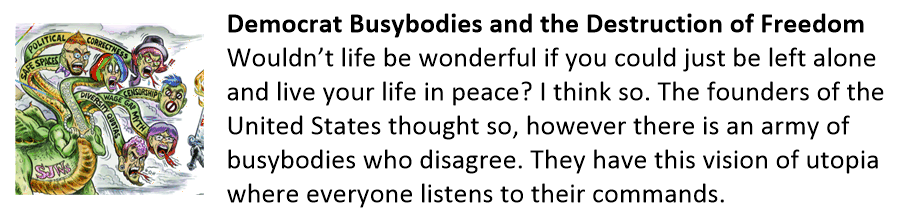
SJW
Army and Navy Store
Playground Comparisons
Excuses that we use that keep us enslaved.

Posts about the Changes in America

America is going through a period of change. Change is good… that is, after it occurs. Often however, there are large periods of discomfort as the period of adjustment takes place. Here are some posts that discuss this issue.

Parable about America
What is planned for American Conservatives - Part 2
What is going to happen to conservatives - Part 3.
What is planned for conservatives - part 4
What is in store for Conservatives - part 5
What is in store for conservatives - part 6
Civil War
The Warning Signs
r/K selection theory
Line in the sand
A second passport
Link
Make America Great Again.

More Posts about Life

I have broken apart some other posts. They can best be classified about ones actions as they contribute to happiness and life. They are a little different, in subtle ways.

Being older
Things I wish I knew.
Link
Travel
PT-141
Bronco Billy
How they get away with it
Paper Airplanes
Snopes
Taxiation without representation.
Link
Link
Link
Link
Link
Link
Link
Link
Link
Link
Link
1960's and 1970's link
Democracy Lessons
A polarized world.
The Rule of Eight

Stories that Inspired Me

Here are reprints in full text of stories that inspired me, but that are nearly impossible to find in China. I place them here as sort of a personal library that I can use for inspiration. The reader is welcome to come and enjoy a read or two as well.

Link
Link
Link
Link
Link
Link
Link
Link
Link
The Last Night
The Flying Machine
A story of escape.
All Summer in a day.
The Smile by Ray Bradbury
The menace from Earth
Delilah and the Space Rigger
Life-Line
The Tax-payer
The Pedestrian

Articles & Links

You’ll not find any big banners or popups here talking about cookies and privacy notices. There are no ads on this site (aside from the hosting ads – a necessary evil). Functionally and fundamentally, I just don’t make money off of this blog. It is NOT monetized. Finally, I don’t track you because I just don’t care to.

  • You can start reading the articles by going HERE.
  • You can visit the Index Page HERE to explore by article subject.
  • You can also ask the author some questions. You can go HERE to find out how to go about this.
  • You can find out more about the author HERE.
  • If you have concerns or complaints, you can go HERE.
  • If you want to make a donation, you can go HERE.

The Tail-Fibonacci Fiasco

Corruption in China is different from anywhere else

There are two types of Corruption

  • Corruption that does not affect the image of China, Chinese People or impact the Great Rejuvenation of China
  • Corruption that impacts any of these – Image of China, Chinese People or Great Rejuvenation of China

The Former is tolerated for everyone EXCEPT PLA, PARTY OFFICIALS & CIVIL SERVANTS

The Latter is ruthlessly crushed with brutal punishments

The Latter is called PUBLIC CORRUPTION and is punished with death, life imprisonment or 10–25 years jail.

The Former is punished for everyone except PLA, Civil Servants and Party Officials with Fines, Blacklisting and occasionally 1–3 Years Jail

For PLA, Civil Servants and Party Officials – any corruption is bad and attracts a harsh punishment


Doping

Doping in China is seen as a heinous crime because a doped athlete disgraces China and it’s Image

So a Doped Athlete in China gets 3–7 years Jail, Blacklisted from sponsorship and participation for at least 12 years which may extend to 20 years, banned from acquiring a passport and forced to minimum distance of 2,000 Km from home for 3 years minimum which may extend upto 10 years

In the West, a Doped Athlete gets banned and that’s that

So NO CHINESE WOULD EVER DOPE INTENTIONALLY IN THEIR WILDEST DREAMS

If they do, the next 13–27 years of their lives are finished

Corrupt Politicians

If the Pawar family had been in China and if Ajith was proven to have embezzled ₹70,000 Crore of public money as alleged or even ₹ 3 Crore (500,000 RMB equivalent in Real Standards)

Ajit would have been executed or imprisoned for life with no parole

His wife, kids would have been forced to live in the North for 15–35 years, monitored, restricted from having a passport or being allowed to work in the Civil Service

His brothers, sisters, parents, in laws would all be HUKOU restricted meaning they would be investigated and if it was proven that they knew the money was embezzled and yet took gifts, loans etc – they would face 1–3 Years Jail and permanent ban from business ownership, company directorships, civil service, public positions and leasing any Hukou property and NO INTERNET ID

Basically a lifetime of house arrest

Plus ALL THEIR MONEY WOULD BE TAKEN BY THE STATE

Why?

Because Corruption by a Party Official Or Leader is AGAINST THE PEOPLE OF CHINA

It is a crime against the PEOPLE , PARTY & STATE

This is what keeps the PRIDE IN THE CIVILIZATION

When Chinese people see this, they feel PROUD of their State

Bribes become “Incentives” & Official

If an Official demands 2500 RMB for quickly processing your documents in 2 days instead of 5, CHINA MAKES IT OFFICIAL instead or a Bribe

They call it FAST SERVICE

The Office charges 2500 RMB more and pays 1000 RMB as bonus to the official

If an Engineer finishes a project within time, he gets a bonus which is usually between 20 days fee to 7.5% of the fee (For a 300 Million Yuan fee, that’s between 26,000 to 130,000 Yuan bonus)


What Corruption is Tolerated

  • Party Officials taking advantage of inside information to invest in stocks or having their families invest in stocks but capped to a maximum
  • Party Officials families getting the pick of the plots during a Hukou Auction
  • Local Government Officials demanding a Gift for quick approvals for factories as long as this Gift is REASONABLE and doesn’t compromise quality

For instance, you can demand 600,000 Yuan gift from a factory for quick approvals to set a manufacturing unit

However if the unit produces defective products which causes loss of life or pollution, you and your family will pay the price

Most corruption today is confined at Provincial Level with National Government being almost 100% Clean

Unlike Cesspit India 😞😞😞😞😞

Sir Whiskerton and the Tail-Fibonacci Fiasco: A Tale of Twisted Tails, Overzealous Coaches, and One Very Confused Kitten

Ah, dear reader, steel thyself for a tale so mathematically absurd that even Pythagoras would clutch his hypotenuse in horror! Today’s misadventure stars Ditto, our favorite echo-kitten, as he faces the ultimate challenge: the Kitten Gaokao Physical Exam, administered by none other than Lucifer the Chipmunk—self-proclaimed “Revolutionary Gymnastics Coach.” What followed was a whirlwind of tail acrobatics, questionable scoring, and a Fibonacci sequence that somehow became a knot. So, grab your protractors and join me for Sir Whiskerton and the Tail-Fibonacci Fiasco.


Act I: The Revolutionary’s Demands

Lucifer the Chipmunk, perched atop a podium made of acorns and sheer ego, addressed his “students” (Ditto and a very reluctant Porkchop).

  • “Comrades!” Lucifer barked, waving a tiny flag that read TAIL POWER. “Today, we crush the bourgeois limitations of feline flexibility! Your tails shall spiral like the proletariat’s unstoppable rise!”

Sir Whiskerton, observing from the sidelines, muttered, “That’s not how tails—or revolutions—work.”

Ditto, ever eager to please, wagged his tail. “Okay! Like this?”

  • “Pah!” Lucifer scoffed. “A mere wag? The revolution requires geometric perfection! Behold!”

He unrolled a scroll depicting the Fibonacci sequence (1, 1, 2, 3, 5, 8…), which, when graphed, forms a spiral.

  • “Your tail must mimic this! Or face re-education!”

Porkchop squinted. “My tail’s a curl. Like a cinnamon bun.”
“Then you are counter-revolutionary scum!” Lucifer hissed.


Act II: The Tail Trials

Ditto, trembling, attempted the impossible:

  1. First try: A wobbly loop. “1…?”

  2. Second try: Two loops. “1, 1…?”

  3. Third try: A tangled mess. “2, 3, 5, help—”

By the eighth attempt, Ditto’s tail resembled a pretzel dipped in existential dread.

  • “Help! Help!” he squeaked, wobbling in circles. “I’m stuck in math!”

Enter Lady Quacka, the farm’s resident artistic judge (and self-proclaimed “Diva of Duck Aesthetics”).

  • “Darling,” she sighed, tapping Ditto’s knotted tail with a fan, “your form is… adequate. But where’s the passion? The drama?”

She scribbled on a scorecard: 9.5 for “emotional resonance.”

  • “But—but it’s a knot,” Ditto whimpered.

  • “Art is suffering,” Lady Quacka replied, wiping away a theatrical tear.


Act III: The Moral (and the Untangling)

Just as Lucifer prepared to declare Ditto “a failure of the state,” Sir Whiskerton intervened.

  • “Enough,” he said, calmly unknotting Ditto’s tail. “Tails are for balance, not algebra.”

Lucifer gasped. “This is revisionist tail propaganda!”

But the animals had spoken:

  • Porkchop: “I’ll stick to cinnamon bun mode.”

  • Bessie the Cow: “Groovy spirals are, like, energy, man.”

  • Rufus: “I just chew mine.”

Moral: Not everything needs to be a masterpiece—especially not your tail.


Post-Credit Scene

Lucifer, undeterred, tries to teach the scarecrow “Marxist leaf-fluttering.” The scarecrow flops over.

Best Lines:

  • “The revolution requires geometric tails!” – Lucifer, probably on a watchlist

  • “I’ve achieved negative numbers!” – Ditto, mid-tangle

  • “Art is pain. Also, this is why I eat worms.” – Lady Quacka, scoring a butterfly

Starring:

  • Lucifer the Chipmunk (Tiny Tyrant of Tails)

  • Ditto (Kitten of Knotty Despair)

  • Lady Quacka (Duck of Dramatic Judgement)

  • Sir Whiskerton (Voice of Reason, Unraveler of Nonsense)

Key Jokes:

  • Porkchop’s tail “auditioning for a bakery commercial.”

  • Lucifer’s “Tail Gulag” for underperforming squirrels.

  • Lady Quacka awarding “extra points” because Ditto’s panic “had Baroque potential.”

P.S.

Remember: If your tail forms a fractal, consult a doctor. Or a poet. Or both.

The End.


Bonus Teaching Notes:

  • Math Tie-In: Introduce Fibonacci sequences with Ditto’s tail! (Or just laugh at the chaos.)

  • Emotion Vocabulary: Frustrated (Ditto), Outraged (Lucifer), Pretentious (Lady Quacka).

  • Creative Writing Prompt: “If my pet could take a Gaokao, it would test ______.”

Tail-twistingly yours,
The Sir Whiskerton Team 😼

The biggest culture shock was moving from the US to Japan. Let me give you a few examples that have touched my heart.

  • Train It’s very quiet on the train. Except for occasional quiet conversations, you’re using your cell phone or something. It’s a far cry from someone in the New York subway who speaks loudly, speaks on a cell phone, plays an instrument, and so on, like an American. Now, a few months after arriving in Japan, you can tell who has just arrived by the loudness of their voices on the train.
  • The children go to school alone. Every day I see a four-year-old taking a train to school, crossing the street with his hands held high so that those driving him can see him. If you let a four-year-old go on the streets of Los Angelis for even five minutes, people will say you’re crazy.
  • I pay for my electricity, phone, and water at 7-Eleven. It feels very strange that in the US they did everything online.
  • Bicycle and walking. The transportation system is so efficient here that I rarely drive. I have a small car, but I’ve only been here twice to get gas in six months.
  • All in an orderly line. Bus stops, train stations, convenience stores, concerts, etc. Japanese people are good at forming orderly lines. In the US, people stand here and there even if there are landmarks where people should stand and line up while waiting for a bus. Even though you were the first to get a good seat on the bus at a bus stop, someone standing somewhere other than the landmark still blocks you.
  • Mask!? When people are sick, they wear masks on their faces to prevent others from getting sick, and to protect themselves when others get sick. In the US, when you get sick, you walk around coughing at everyone (though of course not by design)

There is much the world can learn from Japan.

Edit Dear friends of India, thank you for your comments and insight. I didn’t expect to receive so many comments from India in my response.

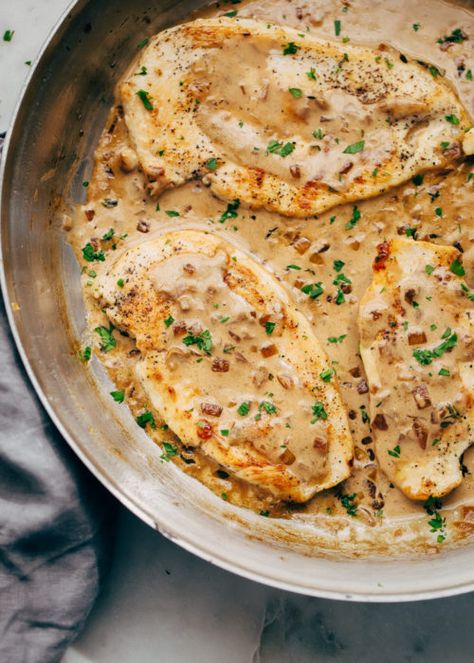
Chicken in Ginger Cream

Yield: 8 servings

dc8cf566cb4f55e708f97229ae095e66

Ingredients

  • 5 to 6 pounds fresh fryer parts
  • 1/4 cup all-purpose flour
  • 1/2 teaspoon ground ginger
  • 1 teaspoon salt
  • 1/4 teaspoon white pepper
  • 6 tablespoons butter
  • 3 tablespoons all-purpose flour
  • 1 1/4 cups chicken broth
  • 1/4 cup light cream
  • 2 tablespoons finely minced, crystallized ginger
  • Parsley sprigs

Instructions

  1. Shake chicken a few pieces at a time in a paper bag with flour, ginger, salt and pepper.
  2. In a 10 or 12 inch enamel skillet or casserole, brown the pieces skin side down in melted butter for about 10 minutes over moderate heat.
  3. Turn and brown 10 minutes more.
  4. Cover pan and simmer until done, about 10 minutes.
  5. Remove chicken and keep warm.
  6. Add 3 tablespoons flour to juices in skillet. Heat and stir for about 5 minutes.
  7. Add chicken broth and cream. Stir until smooth and thickened.
  8. Season with salt and pepper and more ground ginger, if needed.
  9. Pour sauce over chicken on serving platter.
  10. Garnish with parsley and crystallized ginger.

The TRUTH about teaching in CHINA – you’ll be SHOCKED!

Pinder

Written in response to: Set your story after aliens have officially arrived on Earth.

Nina H

“Stop breathing on me,” Kerry said through gritted teeth.“Technically, I’m not breathing. I’m filtering. But I suppose it means the same thing here,” Broggo said in reply.“Ok, then stop FILTERING on me!” Kerry snapped and got up from the couch in a huff.“I sense displeasure. And I believe it has been caused by me. Am I correct?” Broggo queried.“Yes, it most definitely has been caused by you! Ugh! How YOU were matched with ME is…is…well it’s unexplainable!” Kerry yelled from across the room of her tiny apartment.“Of course it’s explainable. You see, my kind were all entered into the Pinder database detailing our traits. All of your kind were also entered into the database, and through a series of precise calculations and analysis of data we were matched with each other. It is the most sensible way to account for the influx of population of my kind from Sliggo to Earth. We need shelter, and your kind can help us transition to life here. It’s quite genius.” Broggo explained.“I KNOW the rationale behind it, you slimy, four-eyed, tentacled creature. I just don’t agree with it!” Kerry lamented.“Article 8, Section 12 of the Planetary Habitation Agreement signed by your President indicates that failure to comply with Pinder placements will result in fines, imprisonment, and loss of citizenship,” Broggo reminded Kerry.“That seems better right now than this living arrangement!” Kerry said, grabbing her car keys and heading for the door.“I’m going to class. Do not touch anything. Or break anything. Or explore. I’ll be home in two hours and will make dinner. Do NOT go near the stove again when I’m gone! I still can’t get the left burners to work and I need another fire extinguisher after your last attempt!” Kerry said and stormed out the door.“I believe we are making progress in our interspecies relationship,” Broggo said, turning his blue mouth upwards into a smile.

Kerry slammed her car door, and turned the key in the ignition. It has been over two months since the sky turned an unnatural shade of green, and spacecrafts made of unearthly metals emanating purple lights descended upon Earth. The majority landed all across the United States, with a handful in Europe and Asia. It was uncertain whether more would be coming, but something had to be done. In an unprecedented meeting of world leaders, it was decided that the best way to handle the situation was to welcome the alien creatures, assigning Earthmates to each one. A system was developed and quickly put into place, systematically matching Sliggon and human. Once assigned their Earthmate, they would be able to acclimate to life on this planet in peace. This planet did not need any more help destroying itself, and just maybe the Sliggons could help in an intergalactic partnership.

But some partnerships were a bit strained at the moment. Despite the scientific basis of Pinder, maybe not all matches were, well, well-matched.

Kerry sat in class taking notes on the profound works of various physicists. She couldn’t concentrate, and nothing she wrote made sense upon review. She sighed, set down her chewed up yellow number 2, and rested her head in her hands. She had a headache thinking of what Broggo was likely ruining back at home.


Back at home, Broggo was ruining Kerry’s favorite dresses as he attempted to color code them in her closet. He did not agree with the current haphazard arrangement, which unsettled his thought patterns. As he pulled each dress down, he tore several and slimed up the others. Tide Stain Remover was no match for whatever chemical composition coated Broggo’s exterior.

In an unsuccessful attempt to rehang the clothes, he accidentally tore down the bar in the closet they hung on. He stared with all four of his eyes at the wooden bar his tentacled arms were wrapped around.

“Well. This is not going as I had planned,” Broggo said to the spider plant hanging in the window. He always waited for a reply. He never got one.


Kerry closed her notebook, gathered her things, and steeled herself against the thought of heading home to Broggo.

She thought about his attempt to cook her dinner. He took a cup of strawberry yogurt from the fridge, put it in a pot on the stove, and added Cheerios, three Oreos, and several scoops of corn starch. The plastic yogurt cup melted, everything caught on fire, and her kitchen hasn’t smelled the same since. But he wanted to make her happy. That’s more than most people in her life these days. Maybe she wasn’t giving him a chance. She wasn’t the easiest to live with either. She was messy, unorganized, and a free spirit when it came to chore completion. She had a motto of “why do today what can be done tomorrow?”

Kerry suddenly swiped right into the drive-thru of Dunkin Donuts. She ordered half a dozen assorted donuts, a chocolate frozen coffee, and a vanilla latte. Even Sliggons would appreciate that, right?

She drove home sipping her latte, ready to present her peace offering. She had lost her temper for no reason, and it wasn’t the first time. Maybe being Earthmates wouldn’t be so bad after all if she gave Broggo a chance. And nobody (no creature?) could be worse than her last human one. She still hadn’t forgiven her for stealing her boyfriend right under her nose, then parading him around the apartment. After living in an awkward, uncomfortable sea of tension for two weeks, they both found a new place together.  What was she even thinking? Humans can be awful creatures.

Kerry laughed and thought “Hmph, good riddance to both of them! Broggo may very well burn the place down, but he’s never going to backstab.”

And with that, Kerry unlocked the door and went back to her (their) apartment.  She watched with a smile as a thankful Broggo inserted three Boston Cremes into his stomach opening.

Maybe Pinder got it right after all.

Moved to Tears in Shanghai.Now Want to Bring Parents to Settle in China?

Pictures

8c1249ae11b616ec2a5912d41c31d3ff

c7b0c6d62183488f608913a6a3aac7b3

3212b55584279afc6e4b208de6ea47f4

37092dbb8f4691b2a8ba66079a1537dc

abaded408fedaddc15068512cf5aeb73

988a179400ca2257d29b562bf22db5ce

e2b478c16e090a3c74b09813112ab500

50fd0930ec923428a274864a1f31b79b

820723ea092bdd8e911302795ecfd333

b6d2d60ffa723dbce51d80c34db6d07e

b7ebc527116afa2d89b80912a6b485ca

4c101356a9fdb2ab4e2e11d20789f2c1

bbfe87a7fadcdee2d5e045113e7bae2c

72514b0ac4cbf1936bc758782f16cab8

244a4979f703217405b14a9c517c4ff4

7ceee8064fc22aa319f58bea8ab0dd95

14a7f5e76abe2ff8521973985bb30adf

5e65fc7bde2eabb6d993533fe9a3cb8e

c09472afefce77c3b39c091c612d98b4

20a526e53ebf37af6c0f5c7d9ea263d1

9b17cd40864625fa59840a93e8d1ef1f

c9136730d7e228af233966e9fe6a9630

Screenshot
Screenshot

d1605c411502700c7c5b4f5261e91430

5a7a6d5cbb7e0fb9f2c6efdb1d3d3164

b343980ea832ae6032fd257e34d8a52c

819af5c09db2373b338ed23369e6fad3

a2f4ade23a8ca94393d88ff05ae8be44

01c354de5dbb9b4d25db23f342fbb68f

d34ae7664d484fc0e0e7657235623e98

a55c55dc78a0aee51fe4b2f314ab2bb7

870725d52954c1af48e8a40b08a7d9a1

57b863c96ac9694644665f472bb88738

fc7419047f644d71d4f2e08c769e1ff1

d0ab107a8c480cdf1c388bf4d0a1f2d0

b69fe3980ce7c4e86a6b0e2f60a25ba0

8bc1f36760909039fccc11855f437adc

4caf43eeb2c9276013b289e4a368646c

Screenshot
Screenshot

63caafa672fcb8d8918e26fa4b0de348

Robots. Yeah, I get that. When I was 16 I resigned from the human race, because who would want to be associated with those boring idiots? Come to think of it, I’ve never applied for re-admission…

Invisible. Honestly, I never even noticed how people treated me, so you’re one up on me in that respect. At least I never got bullied (after the age of five anyway.) Nowadays I like being invisible, having to interact with people is a pain.

Hate. Not something I really understand. I can be content with food, sleep, and videogames. Mind you, in my teens and twenties I was more pro-active. I joined clubs, political groups, environmental organizations. I really enjoyed being in a square-dance club. Might not be your thing, but you never know until you try.

Change. Uh, yeah, I got nothing. I have changed since I was your age (although not a lot) but most of it wasn’t by choice. Maybe clubs. Try and find something you’re interested in and join a club about it. I belonged to a fencing club, once. Watch out for the left-handers…

Little Lost Robot – Asimov short story. (1962)

Years ago (as in almost 2 decades now) When I was in the Navy I got to witness a rather interesting race. We were deployed aboard USS Nimitz on something called a Tiger cruise. That’s the last part of the deployment where the ship would invite family members aboard for the final leg between Hawaii and our home port on the West Coast. The cruise was very popular, and many family members came aboard. I want to remember over a thousand and lot of the crew were asked to start their leave early to make room for the “Tigers”.

Anyway, during the weeklong cruise, the ship performed many shows for the tigers, including airshows, mock gun battles, firefighting and damage control drills, and finally near the end, this sort of quarter mile drag race between us and the other ships in our group.

Well, drag race, I guess if you replace sports cars with warships, and the quarter mile is actually more like a few miles, and we all had a slow running start so the ships wouldn’t drift into each other. Most of the ships in our group participated.

With everyone on the flight deck watching, someone said “go” and the cruiser took off fast. That was impressive. I suppose if the race was only a quarter mile, the cruiser would win every time. The cruisers being light and fast, powered basically by *four* modified jet engines (similar to the ones fitted to DC-10s back in the day (remember those?). Rather than using the thrust, they gear it to the shafts to turn their screws. But anyway, they get the best proverbial “0–60” quarter mile win, hands down. And this was an older Ticonderoga class. I Imagine the newer Burkes might be even faster, but feel free to comment your knowledge.

However, after a couple minutes we could see that even though we were behind them, we were at least keeping up, if not slowly catching up with the other ships and *sub safely behind us in the wake. Unfortunately for us, the race ended before we could catch them, so we took second place. But now the plot twist.

The captain then over the 1mc (intercom loudspeaker) revealed that only 3 of our 4 shafts were running, those of us who didn’t already know then learned that number 4, had been offline for much of the deployment. I guess revealing something like that when the deployment only a few days had left, wasn’t really a big deal and helped explain our second-place finish to those were expecting us to win. (Nimitz was scheduled for a major drydock overhaul once we got back and that was already pretty well publicized)

Anyway, we nearly won that race on 75% power. I think if the race was longer, we would have certainly won. In the worst case after couple days(ish?) at flank speed, the cruiser would burn all its gas and loose its advantage while it slowed to refuel (feel free to comment if you know better), while us being nuclear could have just kept going. Looking back months before the show, I think what is impressive was seeing us do regular operations, flight ops and so on at regular operating speeds on only 3 of the 4 screws for most of our deployment. As pointed out in the comments, If any other ship lost an entire shaft, it would be limping, while Nimitz kind of just shrugged off like an Olympic sprinter can shrug off a mildly sore ankle, and still claim a medal.

So sorry, I Couldn’t tell you if an aircraft carrier is the fastest ship (the actual top speed is classified anyway), but if it’s in a race anything longer than a quarter mile, I’m not betting against it.

Below, completely irrelevant photo I took while on a later cruise. being on such a fast ship, sadly we still couldn’t make it home in time for Christmas.

*Modern subs are faster when submerged, so they didn’t really have a fair fight on this occasion.

**Thank you for the correction. Please read Ian McDonald’s comment for a better description of the cruiser’s power plant.

Edit- Wow, I never got 800 votes in one day before! For the occasion I cleaned up the spelling. Thank you for all your votes! (-: .. and I see 2000 now, thank you! Lots of good comments below as well.

Oh, if you ever get a chance to do one of those Tiger cruises, just say yes! It’s like you get to experience life in the Navy for a few days without actually having to join the Navy!

No More Elephants in the Zoo

Written in response to: Set your story after aliens have officially arrived on Earth.

⭐️ Contest #210 Shortlist!

Michał Przywara

Anita Cable never seriously expected to come back from the dead. The forms Dr. Costa had her sign even said: they’d do their best, but the technology to reverse cryonic suspension just didn’t exist yet. And even then, there was still the glioblastoma.To her, it was all the same – bury, burn, freeze. A corpse was just a corpse, after she moved out. But it was little Molly that insisted, and how could Anita deny her anything?“I’ll wait for you, Mom,” Molly said, right before the cryo-capsule closed. As though Anita was just going for a trip. As though she’d actually ever return. The last thing she remembered was pressing her hand against the honeycombed ferro-glass, gasping as a blizzard tore through her veins.“Molly,” she whispered. Blinked. Realized she could see. Before her, floor-to-ceiling windows, the bleary lights and shadows of the city, a daytime rainstorm. Beneath her, a comfortable – was it? Yes, it was comfortable – leather recliner, then fluffy slippers, a fine orange carpet. Around her, some kind of upscale lobby? Low couches, glass tables, tall ceiling. And a strange man.“Hello, Anita.” White, at the far end of middle-aged, in a nice, if strange, indigo suit. He held a clipboard but his expression was kind.“Molly?” Where was she? Where was here? Anita placed her palm on her own cheeks, curious to find she was warm.“How are you feeling, Anita? The reanimation process can be a bit of a shock to the system.”“I’m… fine.” No headache, no blurry vision, no trembling. She was surprised to realize it was true. “I’m fine.”The man jotted something down. “Good, good. Glad to hear it. My name’s Dennis, by the way.”Her fingers trembled, reaching towards his outstretched hand, but when their skins touched – when she felt the impossible warmth of another living human again – she grasped him tightly, for fear of him disappearing. A nervous hitch, half giggle, half cry, escaped her.“It’s all right,” Dennis said, tone softer. “It’s a lot to take in, I know. You don’t feel any lingering numbness? There’s a gentle sedative still in your system. It’ll be hours before it wears off entirely.”“No. No, it’s like… Actually, I’ve never felt better.” She ran her fingers over her temples, over her jaw. Gently touched the tender bald area where they’d sawed off a part of her skull in the myriad failed surgeries – and shivered when she felt hair. Short, supple, but definitely hair.

“Is the cancer gone?”

Dennis straightened and smiled more broadly. “It feels good to be alive, doesn’t it?” Only, the smile hinted at a sadness, or maybe a dread of things to come. “We must assume the cancer’s gone, yes.”

“Assume? Aren’t you a doctor?”

“No, I’m not.” His breath was measured. “I’m a fellow patient.”

“So they figured it out after all.” She snorted, what might have been a chuckle. Shouldn’t she be happy? Perhaps it was the sedative. Or shock, at coming back to life.

Anita decided to risk standing. She braced herself against the armrests of the recliner and carefully rose – only to discover she had no trouble whatsoever. “They really figured it out.” No weak muscles, no shaky legs, no dizziness. She spun her arms, touched her toes, lunged, jumped. Her heart fluttered and she felt warm.

“So,” she said. “Where is the doctor then?”

Dennis glanced out the window, at rain splattering with a low drum. “A lot has changed, Anita.”

“A lot has…” She let the question trail, narrowed her eyes. “How long was I out for?”

“Come on, let’s go chat in the cafeteria.” He ushered her out of the lobbyish room, which didn’t remind her of the cryonics institute at all. “You mentioned a name when you were coming to. Molly. Is she someone special?”

The warmth in her chest spread to Anita’s cheeks, and she felt herself reaching for a smile. When was the last time she truly smiled? It must have been Molly’s seventh. All her friends did the princess thing, but Molly wanted elephants.

Real elephants, Mom! Not cartoons.”

They plastered all the walls with elephant posters, and went to the zoo – which was happy, to see them, and sad, to see them imprisoned, and Molly vowed to free all elephants – “No more elephants in the zoo!” – and then when the cake arrived – goodness! Grey was not a good colour for food, but Molly loved it.

Anita hugged herself, imagining holding Molly again. “She’s my daughter. She’s the reason I’m here.” That smile pushed against the sedative. “She was right. And I’m going to get to see her again.”

She stopped abruptly at the cafeteria entrance, glossed right over the size and decorations. Nearly jumped when she saw glowing blue words appear suspended in the air.

13:13. Currently: Free roam. Next at 15:00: Communal welcoming in Hall 17.

“What the hell is that!?”

“It’s a holoserver,” said Dennis. “Only I disabled the ads and retooled it to show our… well, no need for ads, I’m sure you’ll agree. Why – did you not have these, back when?”

“Words floating in the air?” She stepped a little closer to the mystery, fingers creeping. “Can I touch it?”

“Yes, yes, perfectly safe.”

The letters distorted where her finger prodded, but that was it. No cold, no heat, nothing fuzzy. No sensation at all. She withdrew her hand, frowned.

“We didn’t have these, no. Our ads were in print. On TV. On the internet, I guess.”

“Teavey?”

“Television. A box with sound and pictures. And idiots.” Anita shivered. All the warmth she had felt before faded, replaced by a cold deep in her gut. “Dennis – how long have I been frozen?” He looked at the floor. “What year is it?”

Dennis hesitated.

She grabbed his coat and pulled him close. “Tell me!”

“Anita, please, calm down–”

“–What. Year. Is. It.”

“We don’t know.” He guided her to one of the empty tables when she let go of him. “Please, sit.” A polished vending machine produced two steaming cups of something like tea, and he set them on the table.

“How can you not know what year it is?”

“A lot has happened while we were in stasis.” He took a sip and frowned into the distance, walking down a road that never got easier. “I went under in 2101.”

Anita’s eyes widened.

“You were what,” he continued, “early 2000s? The youngest patient – chronologically, not biologically – was suspended in 2248.”

He took another sip. “You might be wondering why you don’t find this more shocking. When the sedative wears off, you will, and we’ll be here for you when you do.”

“And we are the other patients?”

Dennis nodded. “To the best of our knowledge, the year is somewhere in the mid to late 3000s. You’re wondering why we don’t just ask someone, right? Like the doctors or other staff?”

Anita nodded.

Dennis drew himself up, preparing for a particularly challenging sprint. “In short, we can’t. Something… some thing, happened. To the world. To humans. While we slept. We don’t know if it was war, or disease, or what, but.” His throat hitched and he took another sip. “Everyone’s gone. We’re the only ones that are left.”

They sat in silence for a while. Anita felt her heart run maybe a beat or two faster, followed by a dull disappointment that there wasn’t a panic. Rationally, it crossed her mind she’d not see Molly again after all. Never see her again. Shouldn’t that be crushing? It ought to be, damn it.

“Wait,” she said. “If everyone’s dead, who brought us back?”

Dennis nodded, expecting this.

“We’re not alone.”

None of it really sunk in until that evening. She heard the words, they lingered in her now-healthy brain, but they didn’t register until the lights went out. Meeting the others – hundreds of patients, a small town – at the communal welcome in Hall 17 was a blur, a parade of time traveling strangers. And the talk of the aliens that roused them? Incomprehensible.

She started screaming at midnight. As Dennis said, the others were there for her, whether she wanted them or not. They made a human straight jacket, smothered her with shared experience, a common circumstance. Kept her from doing the regrettable thing she yearned to do.

Because what was the point of living in a world where Earth no longer belonged to Man? What was the point of a life without Molly?

“Can I see them?” she asked Dennis a couple weeks later. More than anything else, the idea of aliens felt unreal.

“In time, yes. They are uncomfortable to get used to, and there are biological precautions we must take.”

“They talk to you?”

“In a sense. They have an amazing grasp of our technology, and they’ve been able to communicate via our computers. I don’t know if they actually talk, per se. And… they are hard to understand. There’s little common ground between us. Culturally speaking, that kind of thing. I get the sense they’ve gone to great lengths to understand us.”

“Why are they here?”

“Far as I can tell, just for living. From their point of view, they’ve settled an unoccupied world.”

“And why,” Anita asked, “did they wake us?”

It was another one of those questions where Dennis hesitated. “To see if they could. To preserve the native fauna of their new home. Our de-extinction is of scientific interest to them.”

She was allowed to walk around the tower – for the whole facility was its own skyscraper – freely, but never alone. Never out of sight. No matter how many times she told them she was fine over the first few months, that she’d adjusted and wouldn’t do anything, there’d still always be one or two humans in eyeshot.

They saw through her lies.

It came as a shock to her the first time she saw children. Three of them, about the same age as Molly had been. Shrieking, barreling down the hall, absorbed in a running game. Then came a profound sadness that such tiny, young people had been afflicted with this fate. Cursed with an incurable condition, frozen, and thrust into a future that didn’t make sense, a future without a future.

“But they’re not patients,” said Renee, one of her constant companions. In better circumstances Anita would have called her a friend. In a different world, in a different time. If they hadn’t been born two centuries apart.

Renee smiled. “Those kids are real. More real than you and me. They were born here-and-now.”

Ambivalence. Vague dread. Anita’s other constant companions. “So the aliens are breeding us.”

Renee, too, hesitated. “I guess that’s one way of looking at it. I won’t lie, procreation is encouraged. And yeah, it did make my skin crawl. Still does. But those little rascals? They don’t care. This isn’t weird for them and they didn’t come here with baggage. Didn’t lose anything in the past. They’re just kids, having the times of their lives.”

She was allowed to walk around the tower, but not outside. Never seemed to stop raining there. Dennis said it wasn’t exactly rain, that there were things in the air that were no longer friendly to humans. Things that evolved without us, passed us by. No walking outside the tower without an environmentally sealed suit, anyway.

“Can I have one?”

“In time,” Dennis said. Because he knew. “We all went through it. It’s hard adjusting to this new world of ours.”

“I’m fine.” Of course, she didn’t really need the suit for what she was planning.

She took to watching the rain from the ground floor. Casually, she placed her hands on the windows one day. Nothing odd about that. Then another day, casually she placed her hands on the door. Still very normal, just a woman lost in thought. Then the next day, she did the same and pushed just a bit. Just until the door gave a little.

Not locked.

Anita smiled, and began preparing for the end. She picked a day the next week. A day everyone decided was Monday. Nobody knew if their new calendar lined up with pre-extinction, but there was something comforting about having regular Mondays. She was pleasant to everyone, played with the kids, embraced the community. And let go. It wasn’t a terrible place, but it just wasn’t for her. Her time had come and gone.

She never saw the aliens, which was a regret. The idea both enthralled and repulsed her, and still seemed unreal. Ah, but life was all about accepting the nevers and moving on.

Finally her day came. Good luck, with Renee being her chaperone. “I could sure go for a coffee,” Anita said, her hands on the door. “Would you mind?”

“Could go for one myself.” Renee left to fetch them, because she trusted Anita. That was an unexpected barb in the heart. But no matter, this had to be done.

And as luck often does, good turned to bad when Dennis came down the stairwell. “Anita! Guess what?”

She closed her eyes and swore under her breath. “What?”

“I found a TV!” Anita glared at him. “Well, I think I did, anyway. There’s a good chance it’s not an original. You know, they constantly tinker with our tech, taking it apart and reproducing it. I think they maintained this building for us, and all the food and whatnot. Doesn’t seem like it would survive thousands of years without help otherwise. Our caretakers.”

She sighed. This Monday was looking to be a real Monday.

Dennis placed something in her hand. A small, flat bit of plastic, looking like a narrow thumb drive.

“What’s this?” she asked. There was a strip of masking tape on it, and in faded pen, “33875 ANITA CABLE”.

“A Q12 drive, I believe. Maybe a Q14? A mid twenty-first century storage medium, anyway.” He grinned. “Often, people recorded messages for their loved ones. For when they woke up. Most of them are holos, but for this older tech, well, it took me a while to track down a way to play it back.”

“Messages?” Her eyes widened. “Wait, you mean – this is for me?” Cold arced along her nerves.

“Would you like to watch it?”

They sat down in one of the myriad empty rooms in the tower, where Dennis had set up a giant, flat monitor. He slipped the drive in the bottom and dimmed the lights. Renee meanwhile joined up with them, bringing the promised coffee.

“Would you like us to go?” Dennis asked.

Anita looked between the two, found her throat dry. “Stay. Please.” The butterflies in her gut roiled.

Dennis hit play.

A mahogany office appeared, bookshelves for walls, a heavy desk, a woman sitting behind it. Her hair, a tight white bun, and her eyes, yellowed, and her skin, scarred by time.

“Hello, Anita.” There was gravel in her voice. “You probably don’t recognize my face, but we used to live together. It’s me, Molly. Hello, Mom.”

Anita clamped her hand over her mouth, but she’d lost all her words anyway.

“Only I’m not Molly Cable any more. It’s Carson now, and it was Gaines for a while too. A lot has happened.”

Anita’s eyes bleared.

“I wish I could tell you in person, but, ah, well. Life doesn’t work that way. I never stopped thinking about you though, and I never stopped hoping. And now, well, I still hope they bring you back one day, and we can catch up. Like this, at least.”

Anita nodded along, and when Renee offered her a handkerchief, she took it.

“I don’t know where to start, to be honest. Feels like I have eighty odd years to cover.” Molly chuckled. “Hope you don’t mind, but I recorded a lot of footage. The cryo people were very accommodating. Frankly, it’s helping me remember my own life, which is nice, as the old memory isn’t what it used to be.” She sighed. “I never did save all the elephants, but I did work with them for five-odd decades. Well, time enough for that later. Hey, I’m not alone here – do you want to meet your grandkids?”

Anita nodded, and dabbed away another tear.

“I’ve a feeling you said yes. Good, good. Well, I hope you have some time, Ma, ’cause the family’s grown quite big.”

“All the time in the world, baby,” Anita said. And all thoughts of Mondays left her mind, as she met those who came after her, and those who went before.

In China’s recent border conflicts with neighboring countries, a large amount of retro equipment has been used.

Both sides have tacitly turned the fighting into something resembling warfare from about 1,500 to 2,000 years ago.

(Heavy weapons used by the Chinese side at the China–India border)

(This one is a bit much—this weapon is 4,000 years old. It was gradually phased out after 220 AD, and now it’s been brought back again.)

Collections of the National Museum of China

Both sides also prepared long-range fire suppression troops

(In the naval clashes between China and the Philippines, you can see Chinese soldiers holding axes.)

(A type of naval combat gear widely equipped by the Chinese side. On one hand, it can hook enemy boats and pull them in to launch boarding combat; on the other, it can be used to fend off enemies trying to board.)

(One can imagine the bewilderment of the arsenal when they received such design specifications.)

(“It’s been many years since I last saw soldiers of the Great Tang.”)

(“Dare I ask, officer—have the soldiers of Qin, Han, Tang, or Ming returned?”)

EDIT

You may not believe it, but over the past few decades, China has disbanded 19 cavalry divisions, yet it still retains one active classical cavalry unit—four companies, with a Mongolian Chinese as the battalion commander.

Their training still follows traditional methods, such as saber slashing and thrusting.

In documentaries, you can see that their training is extremely tough.

I don’t know why this unit still exists, but as a form of cultural continuity, it’s actually quite nice.

Chicken in Peanut Sauce

Quick, easy and full of flavor! This Chicken in Peanut Sauce recipe takes just 20 minutes and is a perfect variation to try to spice up everyday meals. Garnish with fresh cilantro and serve with rice.

Chicken in Peanut Sauce

Ingredients

  • 1 1/4 cups water
  • 1 cup roasted peanuts
  • 3 Maggi Garlic Flavor Seasoning Cubes
  • 3 tablespoons vinegar
  • 1 tablespoon hot pepper sauce
  • 1 tablespoon granulated sugar
  • 2 tablespoons vegetable oil
  • 1 pound boneless, skinless chicken pieces, cut into 2 x 1/4 inch pieces
  • 2 tablespoons coarsely chopped peanuts (for garnish)
  • Cilantro leaves for garnish
  • Hot, cooked rice

Instructions

  1. Place water, 1 cup peanuts, seasoning cubes, vinegar, hot pepper sauce and sugar in blender; cover. Blend until smooth; set aside.
  2. Heat oil in large skillet over medium heat.
  3. Cook chicken, stirring frequently, for 3 minutes or until golden.
  4. Add peanut sauce. Cook, stirring frequently, until it reaches a boil.
  5. Reduce heat to low; cover. Cook for 5 minutes or until chicken is cooked through and sauce has thickened slightly.
  6. Top with crushed peanuts and cilantro; serve with rice.

Oh, that’s easy.

Starting in the 1980s, in an effort to bust unions, the U.S. Department of Commerce actually instructed manufacturers how to move their facilities to other states, and, more importantly, to factories in Mexico and China. This was a great success, made corporations a lot of money, and reduced union membership in the United States from about 30% to 10%. When you look, most of the remaining unionized workers work for governments.

Then there was a ruling that manufacturers could no longer refuse to sell to retailers who wouldn’t sell the product at the manufacturer’s minimum retail price. That essentially meant retailers could dictate how much they would pay for a product at wholesale, which forced many remaining American manufacturers to outsource overseas.

Now, frankly, foreigners buy a lot of stuff from the United States. The U.S. is the #2 export nation after China. The thing is, ordinary consumers aren’t getting those goods – they’re “durables” – things you buy once and use for years or decades – cars, aircraft and industrial grade equipment.

For American consumers, this has been great – cheap clothing from Bangladesh. Cheap electronics from China. Cheap fruit from Mexico.

And, frankly, if you import more than you export, it’s really an indication that you’re a rich economy.

And there’s no money anymore in consumer goods. There are some factories that continue to manufacture high end goods for a specific market, like expensive German colored pencils, but those are few and far between. Consumer goods have razor thin margins.

And, frankly, the U.S. can’t compete on a cost basis because of wages. Mexicans can grow corn cheaper and West Africans can grow cotton cheaper. The only reasons those still get grown in the United States is thanks to heavy subsidies.

Over in Singapore, they’ve never cared about full employments, so they only make high priced goods, like hard drives. They export a lot of stuff. The Netherlands is one of the leading agricultural exporters in the world, and a lot of that is flowers, where they effectively corner the world market.

Meanwhile, the economy in the United States is largely based on financial systems, which pays better than any other form of work.

Wife Said “My Body My Rules, Don’t Touch Me” So I Said “My Money, My Rules, Don’t Ask Me …

Interesting story.