


i saw a video about the decline in insect populations. they mentioned a policy / theory / trend called the "bugless windshield trend" or something along those lines. please tell me about it -MM
Read 12 web pages
The term you’re looking for is most commonly known as the “windshield phenomenon”. It’s the widely shared observation that far fewer insects seem to splatter on car windshields during road trips than in decades past.
What It Means
This observation isn’t just nostalgia; it’s seen by many as a tangible, everyday sign of a serious and widespread decline in insect populations, sometimes referred to as the “insect apocalypse”. Entomologists and conservation scientists have taken this anecdotal evidence seriously and have been working to gather data to confirm or refute it.
Is There Evidence?
Yes, several studies have provided data that backs up what many people have noticed:
- UK ‘Bugs Matter’ Survey: A 2024 report from the UK found that the number of bug splatters on vehicle license plates has declined by 63% since 2021.
- Historical Decline in the UK: A comparison of citizen science data from 2004 and 2021 in Kent, England, showed a staggering 71.5% decline in insects sampled on cars over that period.
- German Nature Preserves: A landmark 2017 study documented a 75% decline in the total weight (biomass) of flying insects in protected areas in Germany over 27 years.
- Other Examples: The decline has also been noted in specific species, such as Florida’s lovebugs, which were once notorious for coating windshields but have become noticeably scarce in recent years. Even prominent biologist E.O. Wilson recalled a drive from Boston to Vermont where his car windshield only collected a single moth.
Why Are Insects Declining?
Scientists have identified a combination of human-driven factors that are likely contributing to the decline. These include:
- Habitat Loss and Damage: The conversion of natural areas to farmland and cities reduces the space where insects can live and feed.
- Pesticide Use: Widespread use of insecticides in agriculture and on home landscapes harms beneficial insects.
- Climate Change: Shifts in temperature and weather patterns can make habitats unsuitable for many species.
- Pollution and Light Pollution: Artificial light at night can be particularly harmful to moths and other nocturnal insects.
- Agricultural Practices: The focus on large-scale, single-crop farming reduces the diversity of plants that insects depend on.
Important Scientific Context
While the trend is concerning, scientists also urge caution when interpreting the “windshield phenomenon” on its own. There are a few caveats:
- Cars Are More Aerodynamic: Modern vehicles are designed to push air over them more efficiently, which could mean fewer insects hit the windshield, even if overall insect numbers haven’t changed.
- Not a Precise Science: Personal observations are not a substitute for controlled, scientific monitoring. Insect populations can fluctuate from year to year and vary greatly by location.
- Global Picture is Complex: While many regions show declines, the picture is not uniform everywhere. More data is needed to understand the global scale of the problem.
Ultimately, the “windshield phenomenon” is a powerful and relatable example of a complex ecological issue. It serves as a sign that something significant is happening to the natural world, prompting scientists and conservation groups to take action to better understand and protect vital insect populations.
What Happens When All the Baby Boomers Are Gone?
One day in 2008, a Russian man named Dmitry Agarkov was checking his email junk folder when he came across an offer for a credit card from Tinkoff Bank.
At first glance, the offer wasn’t bad, offering 13% interest and decent credit limits.
Interested, Dmitry decided to read the contract to see if it was as convenient as it seemed.
As you might have guessed, it wasn’t. There were many differences, but most importantly, the fine print stated that instead of 13%, the interest rate was actually a staggering 45%.
Most people would have thrown the document away at this point… But not Dmitry. He decided to have some fun.
Dmitry scanned the document into his computer, then analyzed and changed many of the bank’s terms to ones that were more favorable to the customer.
It lowered the interest rate to 0, removed the credit limit, and declared that the customer “is not obligated to pay fees and charges imposed by bank tariffs.”
To top it all off, he added that if the bank tried to change any of the terms of the contract, they would have to pay him about $90,000, and if they tried to cancel it, they would have to pay about $180,000.
After making all these changes, Dmitry printed the contract, signed it, and sent it to the bank.
He expected never to hear from the bank again, but after a few days Dmitry received the contract signed and certified by the bank.
Dmitry was now the owner of the best credit card in the world!
For the next 2 years, Dmitry used the card.
He didn’t make huge purchases, like expensive cars or huge houses. (Although he would have been perfectly within his rights to do so!) He lived his life normally, making normal purchases.
Eventually, in 2010, Tinkoff Bank attempted to close Dmitry’s credit card after he made a late payment, and sued him for unpaid fees and late charges totaling approximately $1,300.
Dmitry, knowing he was right, took them to court.
Tinkoff Bank simply argued that they hadn’t read the contract and therefore didn’t know what it said. For this reason, they wanted the contract invalidated.
But the judge ruled that the changes Dmitry had made to the contract were valid, because both he and the bank had signed it. He said Dmitry didn’t have to pay any late fees, only the balance he owed (about $600).
But Dmitry, after his initial victory in court, was not finished yet.
He decided to sue Tinkoff Bank, saying they had tried to modify and/or terminate the contract, and therefore owed him, according to him, approximately $727,000.
Tinkoff did almost everything possible to avoid paying Dmitry.
But in the end they ended up reaching an agreement with Dmitry and his lawyer, who accepted.
Along with an unknown amount of money (which was likely more than $10,000), Dmitry received a special debit card from the bank, which gave up to 30% cash back on certain purchases.
Dmitry Agarkov ended up earning thousands of dollars (if not more).
All because he read the fine print.
This is what I call fucking the system.
People Have Changed And It’s Actually Terrifying…
Genghis Khan’s wars are estimated to have killed 40,000,000 people.
Genghis Khan was convinced of the superiority of the nomadic lifestyle and did not understand the importance of trade, cities, administration, etc.
The early years of his wars. For him, razing a city was no more difficult than cutting down a tree. He thus used terror to wage war. People had every incentive to surrender, otherwise the Khan would raze the city once it was captured.
For settled populations, razing a wealthy, trading city was incomprehensible, as the aim of the war would have been to seize the city. But for nomads, wealth is not measured in land but in horses. Ultimately, northern China and present-day Iran were almost entirely destroyed.
Dozens of cities, including some of the richest in the world, were wiped off the map. Some were never rebuilt. The city of Merv, for example, was known as one of the most prosperous cities in the world. Since the Mongol invasion, nothing remains of it.
Pictures



































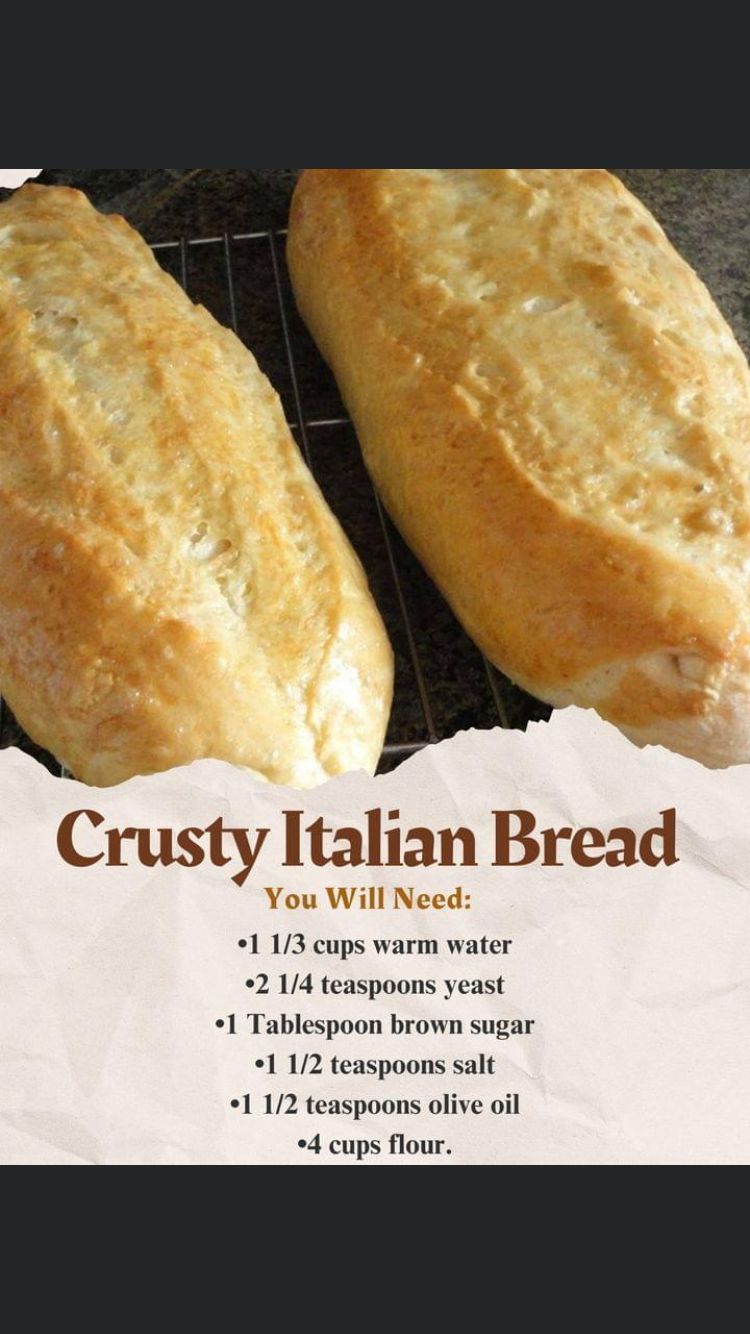











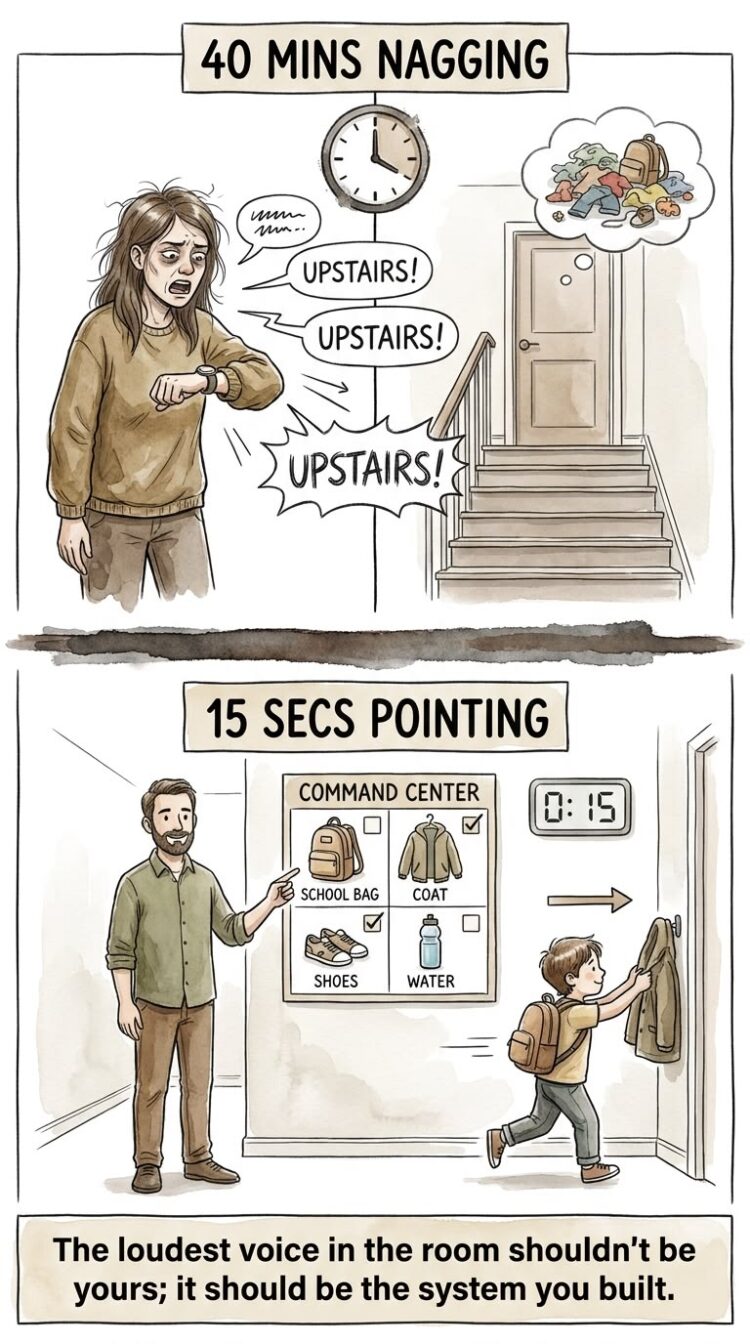










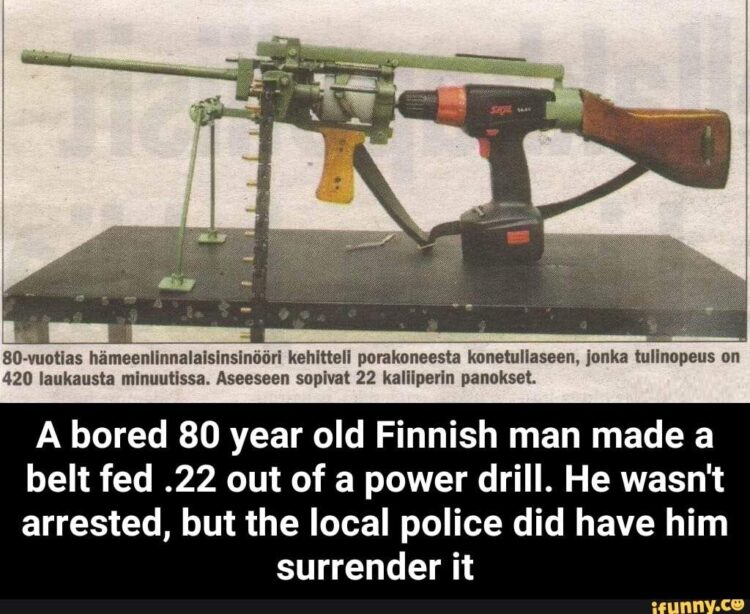









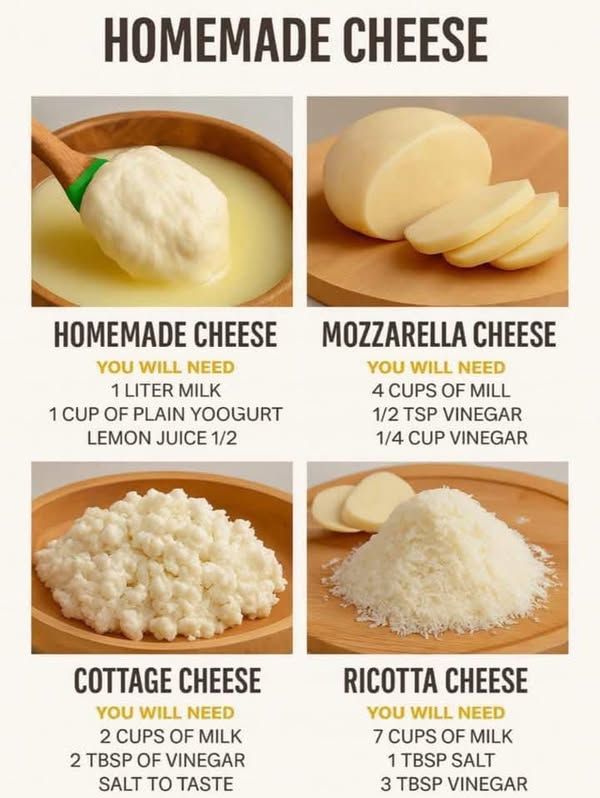












Ciabatta

Updated Jul 23, 2023
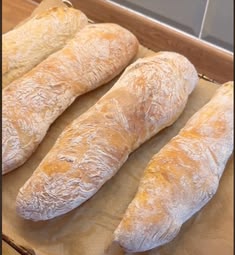
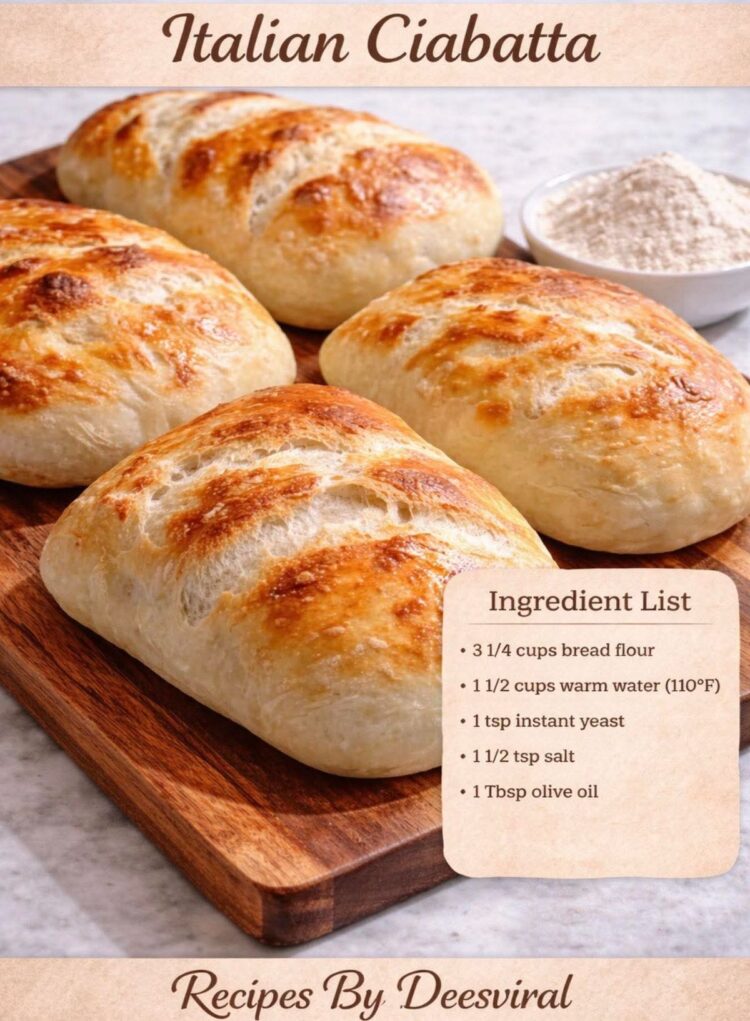
This ciabatta recipe for traditional Italian bread is made the authentic way with a biga, or starter, and turns out a loaf that’s incredible on its own or in a sandwich.
Add Us As A Trusted Google Source
This post may contain affiliate links. If you make a purchase, we will make a wee commission.
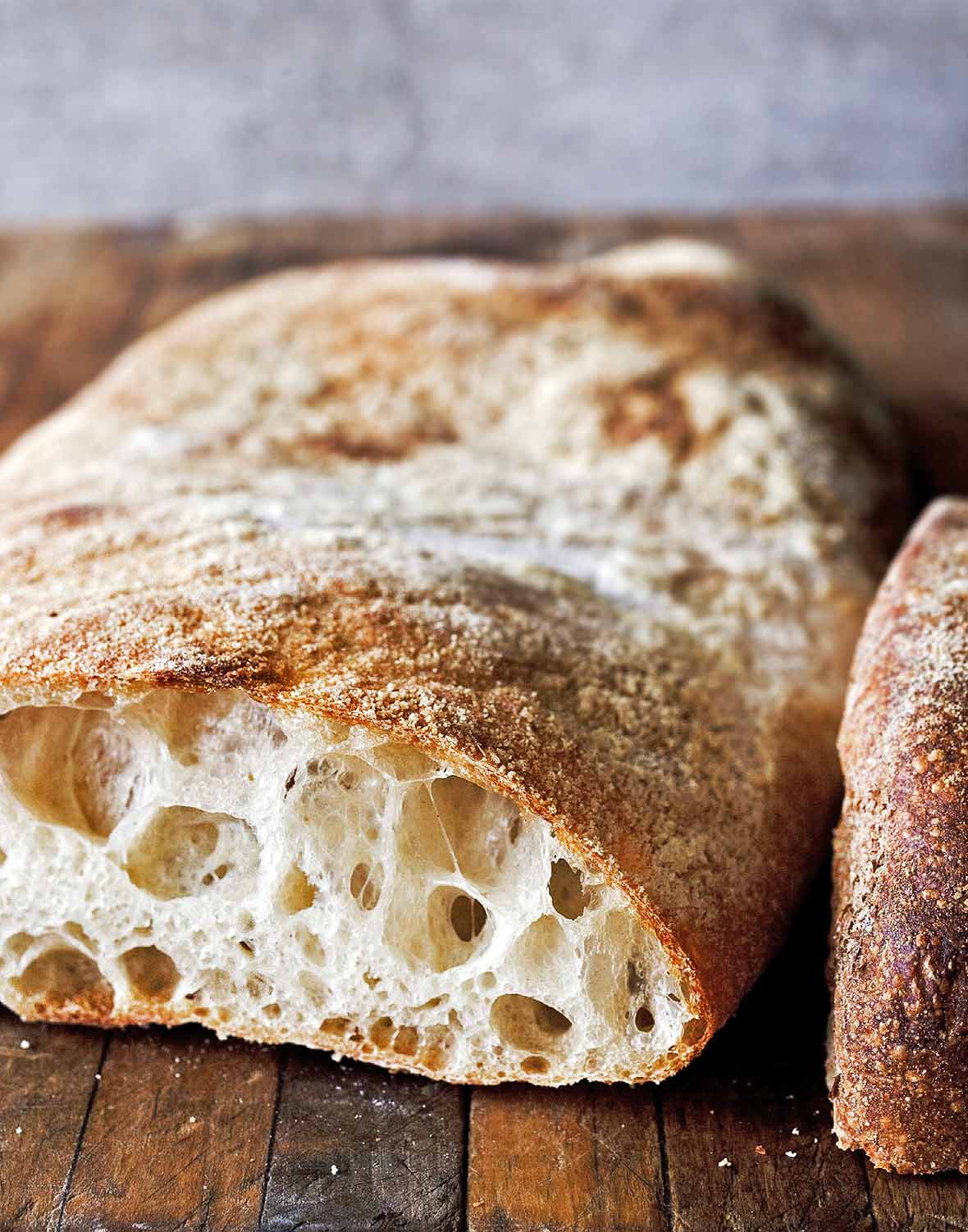
I can’t think of a way to describe the fabulous and unusual taste of ciabatta, except to say that once you’ve eaten it, you’ll never think of white bread in the same way again. Everyone who tries this bread loves it.
“Ciabatta” means “slipper” in Italian; one glance at the short, stubby bread will make it clear how it was named. Ciabatta bread is a remarkable combination of rustic country texture and elegant tantalizing taste. It is much lighter than its homely shape would indicate, and the porous, chewy interior is enclosed in a slightly crunchy crust that is veiled with flour. Eat it for breakfast or slice an entire ciabatta horizontally and stuff it with salami and cheese.
This ciabatta recipe should be made in a stand mixer, although it can also be made in a food processor. I have made it by hand, but I wouldn’t recommend it. (You can’t really put the dough on the table for the entire duration of kneading because the natural inclination is to add lots of flour to this very sticky dough, and pretty soon you wouldn’t have a ciabatta…unless you are willing to knead the wet, sticky mass between your hands–in midair–turning, folding, and twisting it rather like taffy, your hands covered with dough.)
Resist the temptation to add flour, and follow the instructions! The dough will feel utterly unfamiliar and probably a bit scary. And that’s not the only unusual feature: the shaped loaves are flat and look definitely unpromising. Even when they are puffed after the second rise, you may feel certain you’ve done it all wrong. Don’t give up. The ciabatta bread rises nicely in the oven.–Carol Field
Ciabatta
Equipment
-
2 baking stones
Ingredients
- 1 teaspoon active dry yeast
- 5 tablespoons (2 1/2 ounces) warm milk
- 1 cup plus 3 tablespoons (9 1/2 ounces) water, at room temperature (if using a food processor, use cold water)
- 1 tablespoon (1/2 ounce) olive oil, plus more for the bowl
- 2 very full cups (17 1/2 ounces) biga, rested for 12 hours
- 3 3/4 cups (17 1/2 ounces) unbleached all-purpose flour, plus more for the work surface
- 1 tablespoon (1/2 ounce) salt
- Cornmeal
Instructions
-
If making the bread in a stand mixer: Stir the yeast into the milk in a mixer bowl; let stand until creamy, about 10 minutes. Add the water, oil, and biga (be sure to weigh the biga, don’t just measure it by volume) and mix with the paddle until blended. Mix the flour (be sure to weigh the flour, don’t just measure it by volume) and salt, add to the bowl, and mix for 2 to 3 minutes. Change to the dough hook and knead for 2 minutes at low speed, then 2 minutes at medium speed. The dough will be very sticky. Knead briefly on a well-floured surface, adding as little flour as possible, until the dough is still sticky but beginning to show evidence of being velvety, supple, springy, and moist. (If the dough seems almost impossibly sticky to work with, reread the headnote above from author Carol Field.)
If making the bread in a food processor: Stir the yeast into the milk in a large bowl; let stand until creamy, about 10 minutes. Add 1 cup plus 3 tablespoons of cold water, the oil, and the biga (be sure to weigh the biga, don’t just measure it by volume) and mix, squeezing the biga between your fingers to break it up. Place the flour (be sure to weigh the flour, don’t just measure it by volume) and salt in the food processor fitted with the dough blade and pulse several times to sift the ingredients. With the machine running, pour the biga mixture through the feed tube and process until the dough comes together. The dough will be very sticky. Process about 45 seconds longer to knead. Finish kneading on a well-floured surface until the dough is still sticky but beginning to show signs of being velvety, supple, moist, and springy. (If the dough seems almost impossibly sticky to work with, reread the headnote above from author Carol Field.)
-
Place the dough in an oiled bowl, cover with plastic wrap, and let rise at room temperature until doubled, about 1 1/4 hours. The dough should be full of air bubbles, supple, elastic, and sticky.
-
Turn the dough onto a generously floured surface and cut it into 4 equal portions. Roll each portion into a cylinder, then stretch each cylinder into a rectangle about 10 by 4 inches, pulling with your fingers to get each portion of dough long and wide enough.
-
Generously flour 4 pieces of parchment paper placed on peels or upside-down baking sheets. Place each loaf, seam side up, on a piece of parchment. Dimple the loaves vigorously with your fingertips or knuckles so that they won’t rise too much. The dough will look heavily pockmarked, but it is very resilient, so don’t be concerned.
-
Cover the loaves loosely with damp towels and let rise until puffy but not doubled in size, 1 1/2 to 2 hours. The loaves will look flat and definitely unpromising, but rest assured that they will rise more in the oven.
-
About 30 minutes before baking, preheat the oven to 425°F (220°C) and slide 2 baking stones on the center rack to heat. [Editor’s Note: If, like us, you haven’t yet bought yourself a baking stone, flip some large cast-iron skillets upside down and bake the bread on their bottoms. It ought to do the trick. It has for us.]
-
Just before baking the bread, sprinkle the stones with cornmeal. Carefully invert each loaf onto a stone. If the dough sticks a bit to the parchment, just gently work it free from the paper. If you need to, you can leave the paper on and remove it 10 minutes into baking.
-
Bake the ciabatta for a total of 20 to 25 minutes, spraying the oven 3 times with water in the first 10 minutes. Transfer the loaves to wire racks to cool.
Notes
Tips for Handling Ciabatta Dough
Before you make this authentic ciabatta recipe, understand that the dough can be tricky to handle correctly. It’s wet. Incredibly wet. It will stick to your hands. It will stick to your work surface. It will stick to everything it comes in contact with. That’s okay. Don’t add extra flour or you’ll get disappointing results. Just rest assured that, as you make the dough again and again, you’ll become practiced in how to handle it. Here, a few tips.
Weigh the ingredients. If you pack flour into the measuring cup, it will come out weighing substantially more than what you expect or that the recipe intends. If you must measure it by volume, first pour it into a bowl, stir it to aerate it, and then scoop it into the measuring cup. [Editor’s Note: We understand that the weight-to-volume equivalents in the recipe below are off-kilter compared to what most of us home bakers are accustomed to using. We took these measures directly from the book in which this recipe was printed because they’re the author’s intended cup measures when you use her pour, stir, and scoop method we just outlined.]
Have a bowl of water nearby when you’re shaping the dough. Wet dough won’t stick to wet hands, so dip your hands in the water before you scoop up the dough. You can also dip your dough scraper into the water and then use it to cut the dough into 4 portions. Wet your hands before you roll the dough into a cylinder so it won’t stick as much. And then, with those wet hands, pull it into the rectangular shape.
Do NOT worry if the loaves look flat and unpromising. Here’s what Field has to say on the topic. “Trust me when I say they will rise on the floured pieces of parchment paper, even though they certainly don’t look as if they will. Let them rise until they’re puffy but not doubled. They still won’t look as if they will be anything you could believe in. If the thought of turning the little loaves over onto the baking stone is too daunting, you can put them still on their parchment paper straight onto the stone without turning them over. You’ll miss the veining of flour that makes the loaves look so attractive, but you might gain confidence this time and then be bold enough to try turning them over the next time.”
This recipe should ideally be made in a stand mixer. It can be made in a food processor. And while folks have made it by hand, it’s not recommended. (The natural inclination while kneading it is to add lots of flour to the very sticky dough, and pretty soon you won’t have ciabatta.) So just follow the instructions below. The dough will feel utterly unfamiliar and probably a bit scary. And that’s not the only unusual feature: the shaped loaves are flat and look definitely unpromising. Even when they are puffed after the second rise, you may feel certain you’ve done it all wrong. Don’t give up. The bread rises nicely in the oven.
Follow the recipe. It’s written by a baker with untold experience baking bread and seeing home cooks through the inevitable learning curve that comes with handling Italian bread dough, which is much different and wetter to work with than the standard American bread dough. Trust us. When you heed her words, you’ll make it through this recipe with ease and grace—or as close to grace as you can manage when you’ve got flour smudged on your nose and bread dough clinging to your fingers. We also suggest you take a look at the comments beneath the recipe from others who, like you, were curious about trying their hand at this bread so you can learn from their collective experience, tactics, and techniques.
The Sol-Child’s Former Home

Steffen Lettau
 21 likes
  8 comments
Drama Science Fiction Speculative
Written in response to: “Write a story about light returning to a place that has been deprived of it for a long time, literally or figuratively.“ as part of Before Summer’s End.
“We rode a solar flare here”, he whispered to himself. Again, in the void, no one could hear him as there was no air and, currently, no atmosphere. For Sol-Children, their atmosphere would be too extreme for the worldly beings designed as flesh and blood; it wasn’t just the extreme heat, but the noise and the unpredictable movement of the surface that would have overcome even the strongest of them. Only the compatible races, those combined of both the organic and the energy that connect with and even reproduce with the Sol-Children, could handle their power but would still not come to their home as it was still a star and would dissipate them in a matter of hours. Still, on the outskirts of the corona, they would watch as their offspring would play upon the outstretching flames erupting from the star, their mirth filling the quiet ambience. Now, the only thing that Doal was riding was a hardened corpse that spun with so many stars that could have also gone out.
He continued walking. The expanse was huge, but he had time to reflect. After all, a Sol-Child could live for hundreds, maybe even thousands, of planetary cycles. Plus, he had the Causeways, so there was no rush. Where would he go, anyways?
He stopped at another area a few days later. “Here, we had one hell of a sunspot!” Even if such had passed on while the star was still alight, he could have sworn that this vicinity was cool to the touch, reminiscent of how the temperature of a sunspot would drop significantly as opposed to its surroundings. Being on it would mean waiting weeks unless one wanted to really fight to get off of it, thanks to the magnetic fields gathered there. He strolled across it, feeling nothing different. The gravity was definitely weaker, and the magnetism was all but an echo.
Another few days saw him looking at another region, this one slightly more warped than the rest. “Ah, our very own storm central”, he whispered. “Where be the winds that twisted and turned, roaring in our faces as we roared back during our rides?” He reached up a hand, recalling the solar tornado that he and his friends would jump into, revolving at speeds that would tear ships apart yet left them laughing in the maelstrom’s wake. If it were possible, he would have shed a tear for such a memory, yearning for that amount of mirth to pile upon the cold and glassy surface once more. But it was just the sounds that he remembered, all in his head and unable to escape into the reality before his very eyes.
Finally, he came to one particular spot. It was perceived by him as the smoothest spot upon this cosmic carrion and still one of the most significant locations. Here, he was brought back and laid down, looked after until the day that he could plant his own two feet upon the plasma that vaporized anything that wasn’t like him or like the star. The sun provided sustenance and shelter, a world of his own and with his own people. Though structures formed and disappeared, more could be made as it was energy and they could manipulate it. Now, the only structures that could be formed would have to be cut and shaped by giant tools, all with the aid of light provided by machines generating fractions of pieces of what he and his kind could provide from their own literal beings. “There will be others to come, to claim, to cut, and to even sell.” He wiped at his eyes, more as a copied gesture but very much real in reaction. His former home would end up as a resource spot, with every piece to be carved out regarded as little more than a commodity.
Doal looked up to the night sky. There were the lights of the stars looking back at him, but now he wondered: how many of those suns were little more than levitating diamonds, as cold as their current environments, useful only as building materials? He would find out through the method that every Sol-Child possessed at the age of maturity, which was the ability to open the Causeways. These would be like multiple wormholes opened at the same time, roads with different lanes and accessed only by beings of immense powers of energy capable of reaching even through the fields of quantum mechanics to bypass traveling through space itself, saving time (and fuel, as some species managed to break through with great costs to energy). But Doal had to be careful, as he didn’t want to end up upon another empty globe.
Before he stabbed through space to commence his journey beyond the void, he turned back to look upon the dark sheen he once called home. “I will find your children”, he promised. Then he pushed up and, to all other possible witnesses, he slid out of sight and left behind total silence.
They Won’t Show You What Collapse Actually Looks Like — 5 Countries That Already Fell
Listen to this…
In 1992, Sarajevo — a city that hosted the Winter Olympics just 8 years earlier — was surrounded by artillery. For 1,425 days, an average of 329 grenades hit the city daily. In Russia, 4 million excess deaths followed the Soviet collapse between 1990 and 1995 — the highest peacetime mortality spike in recorded history. In Argentina, the government froze every bank account overnight in 2001 and limited withdrawals to 250 pesos a week.
In Venezuela, two-thirds of the population lost roughly 25 pounds in a single year from starvation. In Lebanon, a banking Ponzi scheme wiped out 170 billion dollars in deposits, and then a 2,750-tonne ammonium nitrate explosion destroyed the port that handled 80% of the country’s imports. None of these countries expected to collapse.
In this video, we talk about what societal collapse actually looks like for ordinary civilians, including the Siege of Sarajevo and the black market economy it created, Russia’s post-Soviet mortality crisis driven by alcohol and despair, Argentina’s corralito bank freeze and the barter networks that replaced the formal economy, Venezuela’s hospital collapse and mass emigration, and Lebanon’s compound crisis of banking fraud and the Beirut explosion
It is September 2008.
A man and his wife are visiting a family on an impressive estate in the Scottish Highlands – the man is world-famous, by the way – they pick some porcini mushrooms, fry them in butter and eat them with some parsley at a lovely dinner with the woman’s sister and her husband.
Thank God her four children didn’t touch the mushrooms.
At lunchtime the next day, all four adults feel ill.
Really ill.
As they frantically flipped through a mushroom book, their tired eyes realized the terrible truth. They had thought they had eaten this:
It’s important to know that porcini mushrooms have tubes on the underside of their caps, not gills…
Porcini mushrooms are indeed extremely tasty edible mushrooms that are widely used in kitchens around the world.
But these people hadn’t eaten any porcini mushrooms at all.
What they had actually picked and eaten were these ones below:
You can see that these mushrooms have gills .
They are called Deadly Webcaps – “Pointed Webcap ” – and there is a reason why the adjective “deadly” is in its name: they are among the most poisonous mushrooms in the world.
The mistake is completely incomprehensible when you consider the totally different morphology of the two mushrooms – gills versus tubes – but they paid a high price for it…
The next morning Alastair felt ill, and as the day progressed, my wife Charlotte started feeling strange, and by the afternoon I was feeling a bit odd myself. Then things happened very quickly, and by the end of the next day, all four of us were in Elgin Hospital.
Everyone was told they should prepare for kidney transplants – and immediately afterwards they were already being prepared for dialysis.
My heart ached terribly – dialysis puts enormous pressure on your heart. And then my daughter Lauren came and started it, and then all my children came – even Finlay, who was only 9 at the time… and my daughters said, “Daddy, I’m going to give you one of my kidneys.”
In the end, he was saved with the help of his daughter’s kidney – and the others ultimately received kidney transplants as well.
They had no other option.
In the three years between the accident and his transplant, he had to undergo kidney dialysis every other day, and he later stated that not only did he feel absolutely miserable and like a wreck, but he also never urinated again…
He died of a heart attack on August 9, 2022, 11 years after his kidney transplant.
This man’s name was Nicholas Evans.
He was the author of *The Horse Whisperer*.
With 15 million copies sold, his book is on the list of the best-selling books of all time.
But he simply wasn’t a mushroom whisperer.
This is the railway in Tuva. 12 years ago, Vladimir Putin personally gave the go-ahead for its construction.
Yes, nothing has been built in 12 years.
2011: Putin personally hammers a golden nail into the sleeper at the launch of the railway.
This is what modern Russia is all about: lies and theft under the guise of grandeur.
The pompous launch of the road to nowhere.
This is a true monument to Putin and Putinism, starting with the “golden nails”.
(Which had undoubtedly already been stolen).
Empty promises, self-promotion, and corruption. Many things have been built—mansions, yachts—the list goes on and on. But not in Tuva.
Putin’s palace by the sea and Putin’s yacht.
The essence of Russia is in these photos.
Although everything looks good on Russian TV.
Russia is stuck on the road to nowhere.
And there is no turning back.
“Top 10 NEW Mandela Effects of 2026”

Things to stop buying and start making
If you’re wanting to save some big grocery bucks, it’s time to start thinking about things to stop buying and start making yourself. I’m talking about making your own pantry staples and household essentials!
Not only does creating your own stuff keep more money in your wallet, often times it’s better for your health! I mean how many times are you stuck reading a label in the store wondering what half of the ingredients are? By making your own essentials, you’re ensuring that you know each and every ingredient involved.
Also, an aspect of the frugal lifestyle for some, or many, is to be more self sufficient. Rather than running to the store every time you run out of something, you could try making it yourself! Once you know how to make everyday items, you’ll save yourself a lot of trips to the store, reduce your plastic waste, all while saving lots of money.
Creating your own products from scratch is simple. But to make it even easier for you, I’ve round ed up a list of 30 things to stop buying and start making:
- Homemade Peanut Butter | Fox and Briar
- Homemade Yogurt | Faithfully Gluten Free
- Homemade Mayonnaise (video) | Simple Bites
- Homemade Bisquick | SimplyFrugal.ca
- Homemade Ketchup | Cupcakes and Kale Chips
- Homemade Instant Oatmeal Packs | SimplyFrugal.ca
- Homemade Flavoured Coffee Cream | SimplyFrugal.ca
- Homemade Butter | Unsophisticook.com
- Homemade Cream of Chicken Soup | Buns in my Oven>
- Homemade BBQ Sauce | Simply Scratch
- Homemade Bread Crumbs | Make and Takes
- Homemade Ranch Dressing | SimplyFrugal.ca
- Homemade Taco Seasoning | SimplyFrugal.ca
- Homemade Cream Cheese | Alpha Foodie
- Homemade Bouillon Cubes | Simple Bites
- Homemade Alfredo Sauce | Genius Kitchen
- Homemade Pancake Mix | SimplyFrugal.ca
- Homemade Sweetened Condensed Milk | Cooking with Books
- Homemade Brown Sugar | Nourishing Joy
- Homemade Sour Cream | Oh Lardy
- Homemade Powdered Sugar | Mom with a Prep
- Homemade Vanilla Extract | SimplyFrugal.ca
- Homemade Pizza Dough | SimplyFrugal.ca
- Homemade Baking Powder | Mommypotamus
- Homemade Refried Beans | Simply Scratch
- Homemade Tomato Sauce | Love and Lemons
- Homemade Apple Sauce | Pioneer Woman
- Homemade Pop Tarts | Smitten Kitchen
- Homemade Worcestershire Sauce | Little House Living
- Homemade Laundry Detergent | DIY Natural
- Homemade All-Purpose Cleaner | SimplyFrugal.ca
- Homemade Soy Sauce | Little House Living
- Homemade Dryer Sheets | SimplyFrugal.ca
How many of these have you tried? What are some things to stop buying and start making that you would recommend?
Garlic Olive Oil Sauce for Pizza
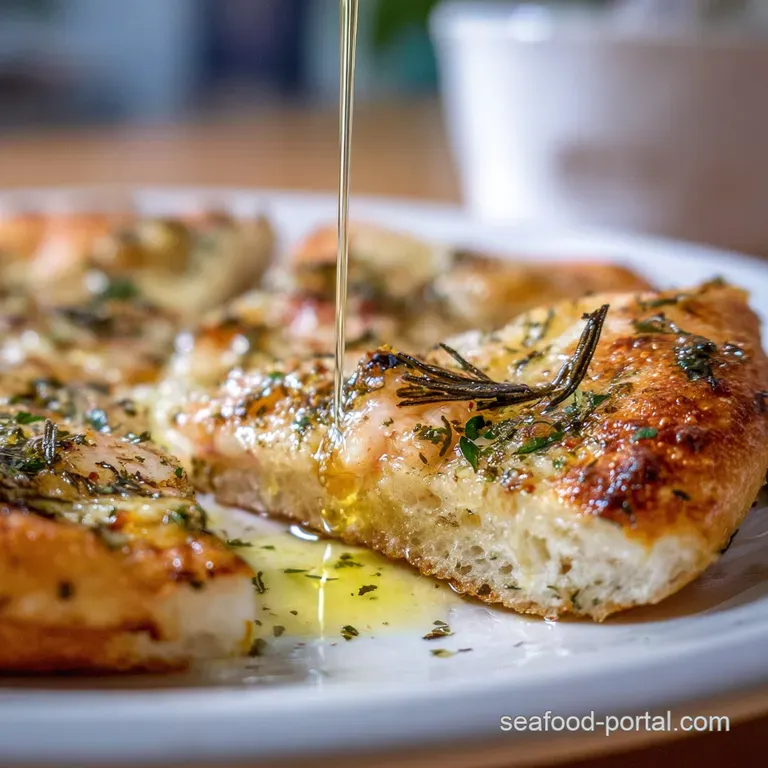
A simple, aromatic infusion that replaces heavy red sauces with a silky, fragrant base.
- Time: Active 5 mins, Passive 10 mins, Total 15 mins
- Flavor/Texture Hook: Silky, nutty garlic with a gentle chili warmth
- Perfect for: White pizzas, gourmet flatbreads, and dipping crusts
Best Garlic Olive Oil Sauce for Pizza Technique
You know that smell? That intoxicating, savory aroma that hits you when you walk past a high end wood fired pizzeria? That is exactly what we are making today. Honestly, once I realized that the secret to those incredible white pizzas wasn’t some expensive imported cheese but a properly infused oil, my Friday nights transformed.
I used to just toss raw garlic on my dough and hope for the best, but it always ended up either burnt and bitter or crunchy and harsh. This method fixes all of that. We are talking about a velvety, aromatic drizzle that acts as a flavor foundation for everything from fresh mozzarella to salty prosciutto.
We have all been there, staring at a dry crust wishing for more than just jarred marinara. This recipe is the answer. It is quick, it uses pantry staples, and it makes your kitchen smell like a dream. Let’s get into how we layer these flavors so you never settle for a boring slice again.
Why These Flavor Layers Work
To get that restaurant quality finish, we have to treat our ingredients with a bit of respect. It is not just about mixing things in a bowl; it is about how the heat interacts with the aromatics to create a cohesive profile.
- Lipid Infusion: The fats in the extra virgin olive oil act as a solvent, pulling fat soluble flavor compounds out of the garlic and herbs.
- Sulfur Transformation: Gentle heating breaks down harsh Allicin in the garlic, turning it from pungent and sharp to sweet and nutty.
The Science of Why it Works
The cold start method allows for a gradual temperature rise, ensuring the garlic releases its aromatic oils before the exterior can brown. This prevents the formation of bitter nitrogenous compounds that occur when garlic is shocked by high heat.
| Infusion Time | Garlic Texture | Flavor Profile | Best For |
|---|---|---|---|
| 2 mins | Crisp/Raw | Pungent & Sharp | Garlic bread topping |
| 6 mins | Soft/Golden | Sweet & Mellow | White pizza base |
| 10 mins | Very Soft | Toasted & Nutty | Dipping sauce |
The table above shows why timing is everything when you are looking for that specific “pizzeria” vibe. If you go too short, you get that bitey raw garlic taste that lingers for days. Go too long, and you lose the fresh herbaceous notes of the rosemary.
Analyzing Every Essential Component
When we talk about a simple sauce like this, the quality of your components really matters. Since there are only a few ingredients, each one has a big job to do in terms of texture and taste.
| Ingredient | Science Role | Pro Secret |
|---|---|---|
| Extra Virgin Olive Oil | Primary Solvent | Use a “harvest” oil for peppery back notes |
| Fresh Garlic | Aromatic Base | Microplane it to maximize surface area contact |
| Red Pepper Flakes | Heat Catalyst | Add to cold oil to bloom the spice evenly |
The way you prep the garlic is actually the biggest variable here. I used to just mince it with a knife, but switching to a microplane was a total shift for me. It creates a paste like consistency that melts into the oil rather than leaving chunky bits that might burn on your pizza.
Essential Ingredients and Substitutes
Here is exactly what you need to grab from your pantry. Keep it high quality where you can, especially the oil, because it is the star of the show here.
- 0.5 cup extra virgin olive oil: This is the body of your sauce. Why this? Provides the silky mouthfeel and carries all other flavors.
- 6 large cloves fresh garlic: Must be fresh, not the pre peeled stuff in a jar. Why this? Fresh cloves have the essential oils we need to extract.
- 0.5 tsp red pepper flakes: Adds a tiny hum of heat. Why this? Balances the richness of the oil and cheese.
- 0.25 tsp sea salt: Brings all the flavors into focus.
- 1 small sprig fresh rosemary: For an earthy, woodsy aroma.
- 0.5 tsp dried oregano: That classic “pizza” smell we all love.
- 1 tbsp Pecorino Romano cheese: Finely grated for a salty, umami kick.
If you are looking for something with more body or a different flavor profile, you might want to try this Garlic Butter Sauce recipe instead. It is a bit richer and works wonders on a thicker crust.
| Original Ingredient | Substitute | Why It Works |
|---|---|---|
| Extra Virgin Olive Oil | Avocado Oil | Higher smoke point, but loses the fruity olive flavor |
| Fresh Rosemary | Fresh Thyme | Similar earthy vibe, though slightly more floral |
| Pecorino Romano | Parmesan | Less salty but still provides that essential umami |
Adding the Pecorino at the very end is my little secret. It does not fully melt into the oil, but it creates these tiny salty clusters that pop when you take a bite. It is a massive upgrade over just using salt alone.
Garlic Olive Oil Pizza Sauce
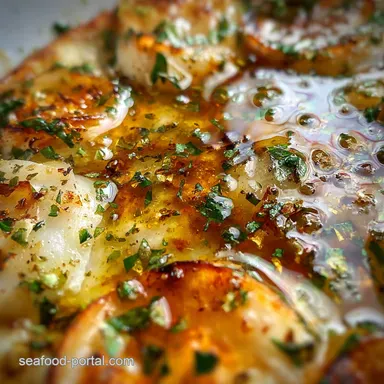
Ingredients:
Instructions:
Tools for a Silky Infusion
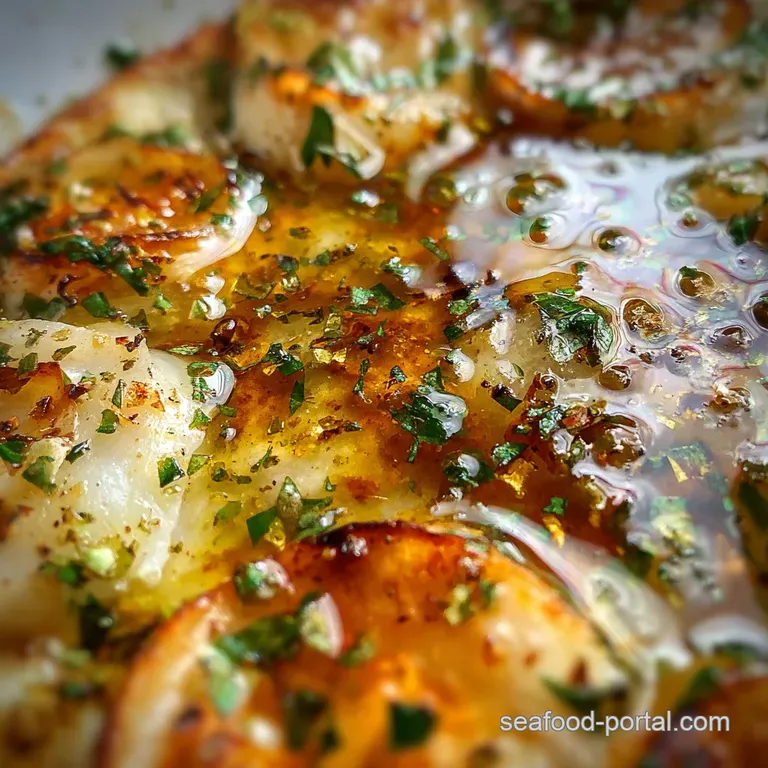
You do not need a laboratory, but a few specific tools make this much easier. I always reach for my smallest stainless steel saucepan. If the pan is too big, the oil spreads too thin and the garlic can scorch before it infuses.
A microplane or a very fine grater is your best friend here. It turns the garlic into a slurry, which is exactly what we want for a smooth Garlic Olive Oil recipe that coats the dough evenly. You will also want a heat proof pastry brush to apply the sauce to your pizza dough.
Steps for the Perfect Drizzle
This process is fast, so make sure you have everything prepped before you turn on the stove. We are going for a gentle “steep” rather than a hard fry.
- Microplane 6 large cloves fresh garlic.Note: This creates a paste that infuses much faster than minced cloves.
- Combine oil and aromatics. Place 0.5 cup extra virgin olive oil, garlic, 0.5 tsp red pepper flakes, and the rosemary sprig in a small cold saucepan.
- Start on low heat. Turn the burner to its lowest setting until the oil begins to tiny bubble around the garlic.
- Infuse slowly. Let it simmer for 8 minutes, swirling occasionally.
- Monitor the color. Cook until the garlic turns a pale straw color and smells nutty.
- Add the dried herbs. Stir in 0.5 tsp dried oregano and 0.25 tsp sea salt.
- Pull from heat. Remove the pan from the burner immediately to stop the cooking process.
- Remove the rosemary. Take out the sprig once the oil has cooled for 2 minutes.
- Finish with cheese. Stir in 1 tbsp Pecorino Romano until it slightly softens into the warm oil.
- Cool and apply. Let it sit for 5 minutes before brushing onto your raw pizza dough.
Chef’s Tip: If you want an even deeper flavor, let the sauce sit at room temperature for an hour before using. The flavors will continue to marry as it cools.
Fixing Common Infusion Mistakes
The most common heartbreak with this sauce is burnt garlic. Once it goes past golden and hits dark brown, it becomes incredibly bitter, and there is no saving it. You have to start over.
Why Your Garlic Turned Blue
Sometimes garlic turns a funky blue or green color when it hits acid or heat. This is just a reaction between the sulfur in the garlic and trace minerals in the oil or your cookware. It is totally safe to eat, though it looks a bit wild.
Why the Sauce Smells Burnt
If you smell a sharp, acrid aroma, your heat was too high. Garlic has a very high sugar content and low water content, meaning it scorches in seconds. Always start with a cold pan and use the lowest setting your stove allows.
| Problem | Root Cause | Solution |
|---|---|---|
| Bitter Taste | Garlic overcooked | Strain the oil and try again with lower heat |
| Too Spicy | Pepper flakes bloomed too long | Add more oil to dilute the heat |
| No Flavor | Heat was too low/too fast | Let it steep longer off the heat before using |
While we are on the topic of avoiding disasters, here is a quick checklist to keep you on the right track every time you make this.
- ✓ Always start with a cold pan and cold oil
- ✓ Use a microplane for the garlic to ensure even infusion
- ✓ Never leave the stove – garlic burns in the blink of an eye
- ✓ Remove the rosemary sprig before it starts to fry and turn bitter
- ✓ Add the cheese only after the oil has cooled slightly to prevent clumping
Creative Ways to Mix Flavors
If you want to branch out from the classic profile, this base is incredibly forgiving. I once added a teaspoon of lemon zest right at the end, and it completely changed the vibe of a shrimp pizza I was making.
- For a citrus kick: Add 1 tsp of fresh lemon zest after removing from heat.
- For deep umami: Stir in 1 tsp of anchovy paste while the oil is still warm.
- For a smoky finish: Use smoked sea salt instead of regular sea salt.
If you are scaling this for a big party, keep in mind that you don’t need to double the salt and spices linearly. I usually do 1.5x the spices for a 2x oil increase to keep the balance right. For a larger batch, use a slightly wider pan but keep the heat just as low.
Proper Storage and Zero Waste
You can absolutely make this ahead of time. In fact, it’s a great meal prep hack. Store it in a glass jar in the fridge for up to 5 days. Just a heads up: the olive oil will solidify in the fridge. Don’t panic!
Just let it sit on the counter for 15 minutes or give it a quick 10 second blast in the microwave to bring it back to a liquid state.
Don’t you dare throw away any leftover oil. It is basically liquid gold. I love drizzling it over roasted vegetables, tossing it with pasta, or using it as a dip for crusty sourdough bread.
If you have rosemary stems left over, toss them into your compost or use them as skewers for grilled veggies to get every bit of use out of them.
Best Ways to Use Sauce
This sauce is the absolute king of the “White Pizza.” My favorite combo is brushing this heavily on the dough, then topping with fresh mozzarella, dollops of ricotta, and a handful of fresh arugula after it comes out of the oven.
It also works beautifully as a finisher. Instead of using it as a base, bake your pizza with just cheese and then drizzle this over the top right before serving. The heat from the pizza will wake up all those garlic and rosemary aromas again, creating a sensory experience that your guests won’t forget.
If you’re doing a seafood pizza, this sauce paired with some sautéed shrimp is a match made in heaven. Just be ready to share the recipe, because people will definitely ask how you got that flavor.