

So I was asked if I ever thought that China would catch up to the United States in technology. This is my answer…
I have been involved in technology for my entire career. My specialty is high-end research & development involving international projects.
The “Go To” location for research (In regards to appliances, aerospace, electronics, and automotive technologies) has been China. This has been the case since around 1992.
The “Go To” location for development (Taking researched systems, and developing them into usable devices) has been China. This has been the case since around 1998.
The “Go To” location for engineering (Taking workable systems and improving them so that they are inexpensive, reliable and swiftly made) has been China. This has been the case since around 2001.
If you live in the WEST, you will be unaware of this. This is because the Western governments have a vested interest to keep their people ignorant. In fact, the real truth is that Chinese products have been “cutting edge” and overwhelmingly advantageous over the products made in the West for decades now. What people see with Electric Vehicles, and Cell Phones, and Laptops are ONLY because they are so good, and so inexpensive, and so reliable that it just simply can no longer be denied.
So to answer this question…
China caught up with The United States in most technology back in the 1990’s. This is full spectrum, and at every level. To deny it is fine, China doesn’t care, but you the reader should seriously consider the possibility that your media, and your government doesn’t want you to know this fact.
Have a nice day.
Life is too short not to enjoy it.
Today…
4 Ingredients! NO Knead, NO Wait Crispy Bread (Ready in 60 Minutes – Bakery Quality!)
Fourth of July Baked Beans

Ingredients
- 1 large onion
- 1 large green bell pepper
- 1/4 teaspoon ketchup
- 2 tablespoons honey
- 2 tablespoons brown sugar
- 1/4 teaspoon Worcestershire sauce
- Dash hot sauce
- 1/8 pound chopped ham
- 1 can Campbell’s pork and beans
Instructions
- In a large skillet, sauté onion and green bell pepper in ketchup.
- Blend in honey, brown sugar, Worcestershire sauce, hot sauce and ham.
- Add the pork and beans.
- Cook on low heat, stirring occasionally, until liquid is absorbed.
What Dreams Can Do
Written in response to: “Write a story that has a big twist.“
Gregg Punger
Bedtime Fiction Science Fiction
“We can’t patch the leak?”
“Negative. It is far to extensive, and many of my repair functions were damaged in our recent tussle.”
“Ok, so where can we dock?”
“I do not know.”
“What do you mean? You don’t know?”
“I told you I hadn’t finished my calculations prior to you ordering me to jump.”
“I know,” said Bear as he ground his teeth together. “But, I still don’t understand how you don’t know where we are. Don’t you know every freaking star system?”
“I know every charted star system. This appears to be an uncharted one.”
“An uncharted star system? How is that possible?”
“I don’t know. Most likely between my lack of final calculations and a laser strike just as we engaged the hyperdrive there was a malfunction that sent us here.”
Bear quickly pulled up his scopes and started to examine the star system. After a moment, he said, “It looks like there is a planet in the Goldilocks zone.”
“I concur.”
“That looks like our only option. Set us a course to get us there as soon as possible.”
“Understood. I have done the calculations and as long our as rate of fuel loss doesn’t increase, we will be able to make it there.”
“Finally, some good news.”
The journey to the planet was the slowest in Bear’s life. He had never travelled so far under normal thrusters, and he hated it. He couldn’t stop worrying about the fuel situation and the planet situation. He had never wanted to be an explorer. He loved his planet. He had joined the Star Force because he wanted to protect it not find another one. He couldn’t even imagine what it would be like or what the people would be like, if there were any people.
As the planet came closer, Hal said, “I do not detect any signs of intelligent life, but the atmospheric readings are good. It should be able to support life.”
“That’s something.”
“Actually, there is one power source.”
“Just one?”
“Yes, it is odd. It is a fairly high energy reading, but again just the one on the whole planet.
“Looks like that’s where we are going.”
“Yes, sir.”
A few moments later, the planet came into view, and it was gorgeous. It had one gigantic landmass that appeared to be solidly green surrounded by a massive ocean with two icy poles. As they burst through the clouds, Bear saw that all the green was a densely packed forest that reminded him very much of his home planet just much, much larger.
“Where is the energy source?”
“Right below us.”
Bear looked down at the impenetrable wall of green and shook his head as he thought, “it couldn’t be easy could it.” Then, he said, “It looks like the only place we will be able to land is somewhere in that mountain range. How far away are they?”
“The nearest point is 47.235 miles away.”
“Will we be able to land there?”
“Yes, sir.”
Bear said, “Alright let’s do it,” as he thought, “Could be worse.”
Hal was able to land them right above the tree line in a large scree field.
As he unbuckled himself, Bear said, “Please tell me the atmosphere is breathable.”
“It appears to be so, but remember I am not able to test for every possible virus or bacteria that may be out there.”
“I know. I will wear my filter. How is your mobile unit?”
“Fully operational.”
“Good. Pack up all the food and water you can. I don’t know when we’ll be coming back.”
“Already, working on it.”
“That’s the Hal I’m used to.”
“Thank you, sir.”
As Bear stepped into the forest, and Hal wheeled in next to him in his mobile unit which looked like a small garbage can on tracks, he was struck by the sheer size and majesty of the trees. The trunks were so wide it would take three to four people to reach around their base, and they literally towered over him forming a thick ceiling of green. They were just so beautiful.
But, slowly he noticed how quiet it was. There were no birds or squirrels or insects or life of any kind, and those trees. They were too uniform. Every single one looked almost exactly like the other, same height, color, thickness, and shape. Where were the runts, the crooked ones, the old ones?
And, the air. It wasn’t hot, but it wasn’t cold. It was cool, but like perfectly cool, and there were no smells. It was just bland.
“Does anything about this feel off to you?” asked Bear.
“I am surprised by its lack of diversity, but as we have only seen a small part of this uncharted planet, I cannot make a definite statement if something is ‘off.’”
Bear nodded as he thought, “Right this is why I don’t try to talk to Hal.”
They trudged on the rest of the day through the uniformly similar forest. As night fell, Bear looked up and all he saw was darkness. He couldn’t see any stars or moons through the forests thick canopy sending a shiver of discomfort through his spine.
Eventually, Bear get too tired to carry on. He rolled out his sleeping bag and tried to sleep, but despite his exhaustion spent most of the night tossing and turning unable to get shake the feeling of disquiet. When light family came to the forest, he quickly rolled up his sleeping bag, and they continued on.
Late that afternoon, Hal said, “It should be right in front of us.”
Bear looked around at the row after of row of trees and said, “Where?”
Hal rolled forward until he was right in front of tree and said, “This is it.”
Bear came up next and him and said, “This?” as he looked up at the tree that looked no different than all of the other trees he had seen.
“Yes.”
“But, it’s just another tree.”
“It does appear that way, but it is the source of the energy.”
Bear touched it, and it felt like a tree. He walked all the way around it, touching it, checking up in its branches, and at its roots, but it appeared to be just another tree.
Exhausted and dejected Bear sat down with his back against another tree and stared at the supposed source of the energy. He wasn’t sure how long he sat there, but the exhaustion must have taken hold of him because the next thing he knew he was waking up in total darkness. He went to grab his flashlight when he noticed a rectangle of light coming from the energy tree.
“Do you see that?” asked Bear.
“I do,” said Hal. “I have studied it while you slept. It is just light. It has no harmful qualities, and it is definitely the source of the energy.”
Bear slowly stood up and walked over to it expecting to feel some heat or noise coming from it, but there were none. He paused in front of it. A large part of him didn’t want to touch that rectangle of light. It was strange, and it scared him. But, he knew with his starfighter in its current shape and with no radio this was his only option.
He reached out touching the tree bark between the rectangle of light. Quickly that section of the tree swung open bathing him in bright white light. He just had enough time to throw his hands over his face, when he was sucked inside the tree.
When he lowered his hands, he saw that somehow he was in a gigantic fairly normal looking room with some massive landscape pictures on its gray walls, a window with its blinds closed, a book shelf, a desk chair, and a closed door. Then, he looked down and saw that he was standing on a pencil drawing of the forest he was just in.
“What’s going on?” thought Bear. “Am I still asleep? Is this a dream? Or did I … die?”
Then, he heard the muffled sound of people talking, and he thought, “I can’t be dead. No way would this be the afterlife.”
After looking over the edge of the desk and realizing it was much too far for him to jump down, he ran and jumped to the arm of the office chair, hopped to its, seat, then climbed the rest of the way down.
The gap between the office’s door and the carpet was so large he was able to crawl under it on all fours. He emerged into a long non-descript hallway and headed towards where the people were talking. The hallway ended at a kitchen with a gigantic table where two clean-cut blond-haired giants, one man and one woman were talking.
Bear shouted, but it was like an ant trying to shout at a person. And, they did not hear him. He wanted to get their attention, but he didn’t want them to accidently squash him, which they easily could do. After a moment’s though, he pulled out his laser pistol and started shooting at the woman’s napkin.
The napkin quickly started to smoke catching the woman’s attention. She looked down then saw the laser hit the napkin and looked Bear’s way. When she saw him, she let out a blood curdling scream and yelled, “What the hell is that?”
The man looked over, and his bright blue eyes nearly bugged out of his head and he whispered, “This can’t be possible.”
“What are you doing? Kill it! Kill it!” said the woman.
“I can’t kill it. That’s Lieutenant Stryker.”
“What?”
“Lieutenant Stryker from my stories, which I know you haven’t read,” said the man as he got up from his seat and got down on his hands and knees directly in front of Bear.
Bear backed up a bit from the man and asked, “How do you know who I am?”
“Because I made you.”
Bear didn’t know what to do. He wasn’t a particularly religious man, but he always believed in some sort of god. He just didn’t think it would look like this. However, he didn’t want to offend him, so he bowed down in front of him and said, “My apologies your holiness.”
“You don’t need to do that,” said the man.
“Carl! Seriously, what the fuck is going on!?” shouted the woman.
Carl said, “Nothing, just finish eating. I’ll handle this.” Then, he scooped up Bear as gently as he could and hurried into his office.
After setting Bear down back on his desk next to his picture, Carl said, “I can’t believe you’re real.”
“Well, I am.”
Carl said, “I just can’t believe it,” and stared at Bear in abject awe.
Rather quickly Bear got awed out and said, “What do you mean you made me?”
“You’re the main character in my stories. Look I’ll show you.”
Carl ran over to his bookshelf pulled out a notebook and hurried back over. Then, he started taking out pictures as he said, “Look at these.”
Bear looked in wonder as Carl showed him wonderfully intricate pictures of Bear and Hal, his DA-42 starfighter, the Fo-Gan, Bear’s family and friends, his planet, and like his whole life.
“You are a good,” whispered Bear.
“I’m really not,” said Carl. Bear gave him a disbelieving look, and Carl said, “You really think they are good.”
“They’re incredible.”
“Really?”
Bear nodded.
“Why have I never shown these to people before?” asked Carl softly.
Then, Bear pointed at the pencil drawing of the forest and said, “Why is this one not finished?”
“These are all just background or cover art for my stories, but no one ever seemed to like or care about any of my them. So, I guess…I…just stopped working on it. I was working on a book, and I always planned to get back to it… But you know I needed a real job. I couldn’t just keep living in my dreams.”
Bear nodded. He understood. He was never a dreamer himself. “But, how I am going to get back home?”
“I guess I could draw you back home.”
“It’s worth a try.”
Carl said, “Ok,” and grabbed a pencil. Then, he went to pick up the pencil drawing of the forest Bear had come out of when Bear said, “What are you doing?”
“I’m going to get a new piece of paper to draw you at home.”
“But, I’m not at home. I’m there, and Hal’s waiting for me.”
“Hal’s there too?”
“Yes.” Bear proceeded to tell him all about his fight with the Fo-Gan and how he ended up in his office.
When he finished, Carl sat back and said, “Wow, that’s a really good story, so what do you want me to do?”
“I need you to finish that picture and finish that world. Hal and I need people who can help us fix our ship.”
“Ok, like what type of people?”
After a moment, Bear started talking about the type of people and society he would need to get his starfighter fighter. Then, he moved on to talking about the rest of the planet and how it couldn’t just be one forest filled with the same type of tree. It needed more variety, more creatures, more noise, more life while Carl drew as fast as he could. Bear finished talking, and Carl kept drawing until he had made the greatest drawing of his life. It was a brand-new world just buzzing with life and possibilities.
“This is amazing,” said Carl as he stared astounded at what he had done.
“It’s just missing one thing,” said Bear.
“What’s that?”
“Me.”
“Oh right.”
“And one more thing, I’d like to go by Barry instead of Bear.”
“Considerate done.”
Then, Barry closed his eyes, and Carl got back to work.
Barry kept his eyes closed until he felt a cool forest breeze on his face and the soft buzz of hundreds of insects. Then, he opened his eyes and looked in wonder at the resplendent world Carl had made. The bland forest was gone. In its place was a vibrant jungle of noise and color and disorder and life. It was wonderful.
Then, he looked up into the sky where he imagined Carl was looking down at him from and mouthed, “Thank you.”
TOP Those Aren’t Mountains They’re WAVES Reactions 😲 Interstellar (2014) Movie Reaction Compilation
Japanese people are scared that the PRC is going to attack them. Even though I view all-out war as unlikely, why does the CCP have such a dark view of Japan?
Most Japanese politicians are descendants of WWII war criminals!
It can be said that all major officials of the Japanese government were associated with the war of aggression against China. They know very well that their grandfathers were Nazis and ogres.
When you see their “amiable” appearance, can you relate them to their demonic ancestors?
For example, former Japanese PM Shinzo Abe is a descendant of World War II Class A war criminal Nobusuke Kishi; current Japanese PM Fumio Kishida is a descendant of World War II war criminal and Taiwanese colonial official Masaki Kishida.
The Japanese politicians themselves have a dark heart, so “A thief believes everybody steals”.
They believe that what Japan did in the modern era, especially the invasion and killing of China by Japan, is something that no great nation can forget, and neither can the Chinese.
Therefore, the Japanese politicians have been wondering: If China rises to become the world’s largest economy, how will China retaliate against them?
It is because they have a guilty conscience that the Japanese politicians are afraid that one day China will settle scores at an opportune moment.
Japan, a ruthless country, has been constantly attacking their enlightened teacher – China after its rise in modern times.
They even know they can’t explain their sinful deeds to their hearts!
The reason why Japan is now developed is mainly from the global hegemony of the United States, the United States through the international division of labor, share some of the leftover soup to the Japanese.
That is, as long as the U.S. is still the world’s largest economy, then Japan can still do a comfortable lapdog, enjoy the fruits of development and rich life.
Once the US collapses, Japan will be finished too.
In order to avoid the rise of China, Japan must take the initiative to attack China for the West, which is determined by the selfishness and guilty conscience of the Japanese politicians.
It is because of these factors that Japanese politicians is more eager to guard the hegemonic position of the US than the US politicians.
Therefore, Japan has taken the initiative to act as a pawn of the US and compete with China.
In response, China will take decisive measures and will not allow historical tragedies to repeat themselves.
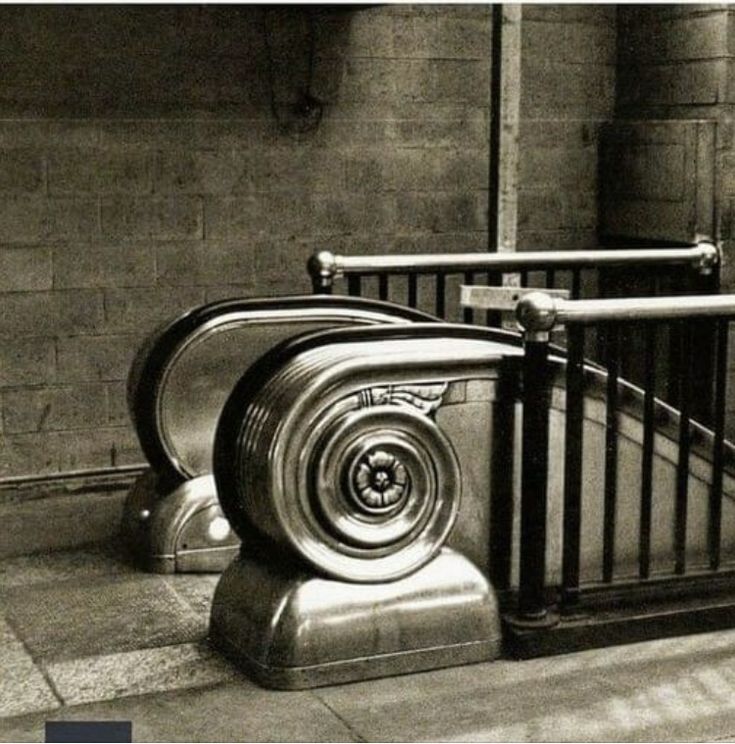
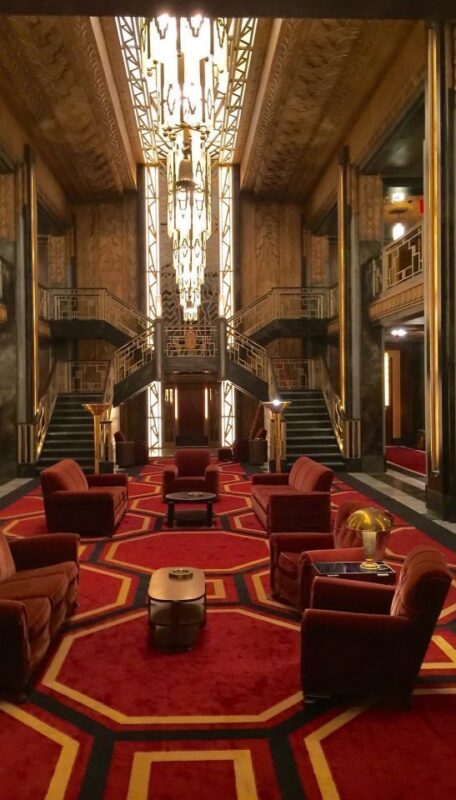
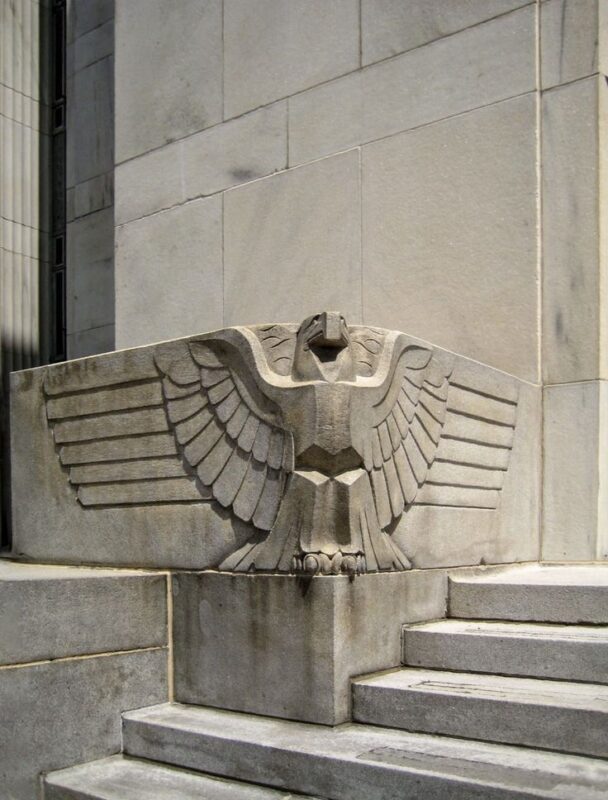
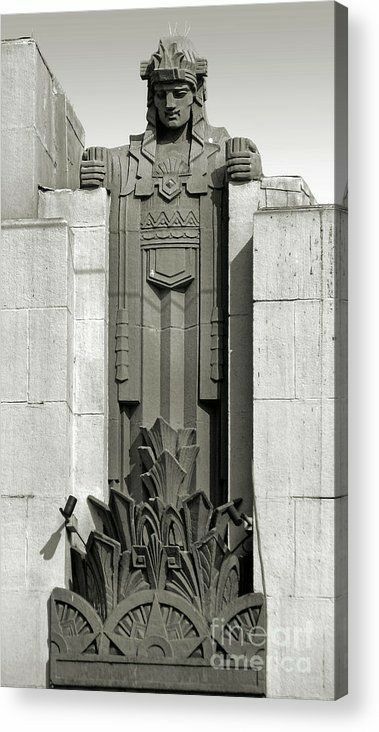
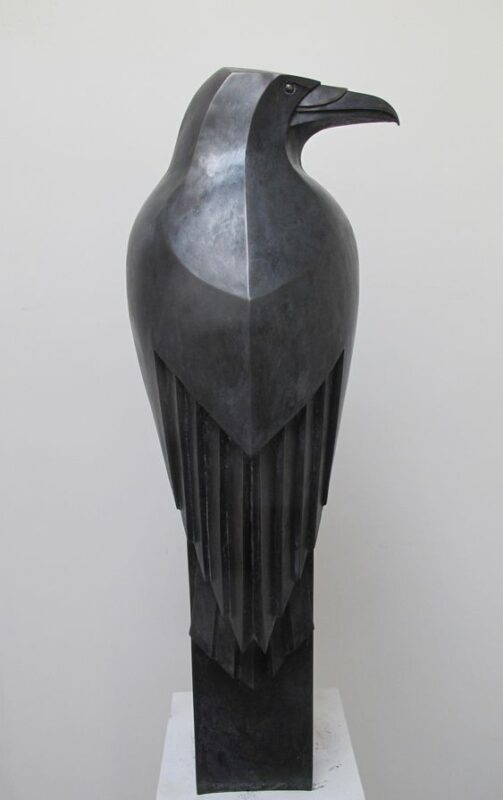
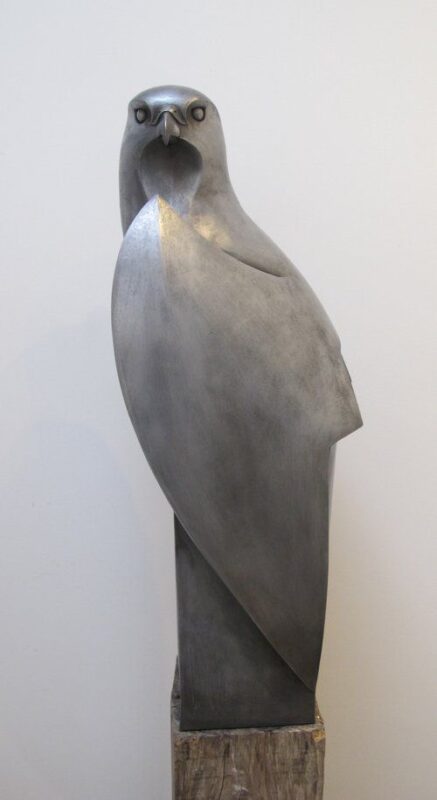
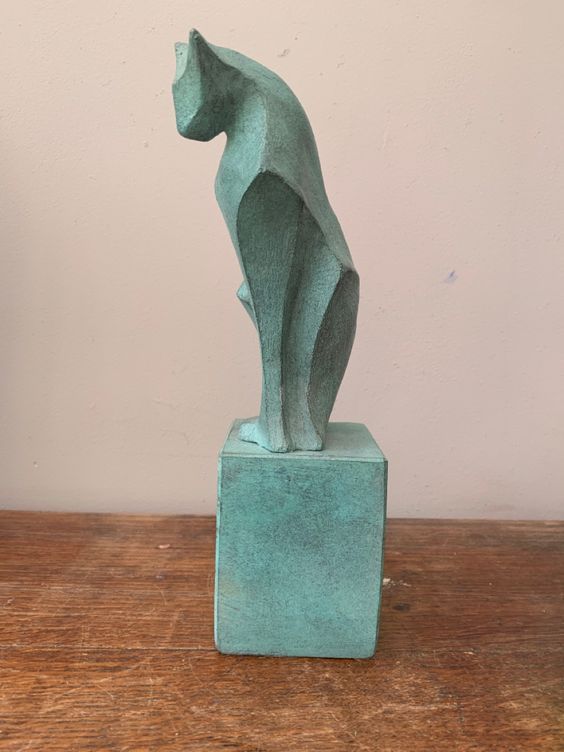
Pictures












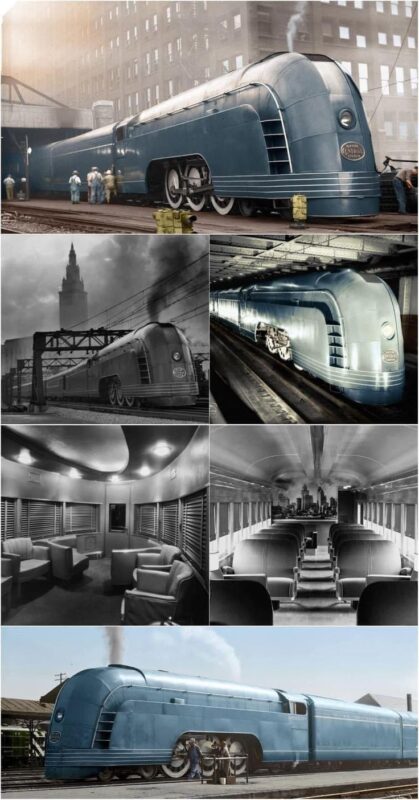
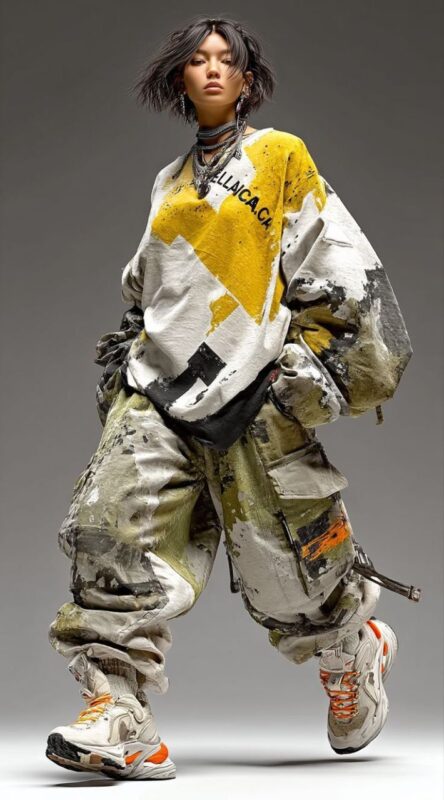
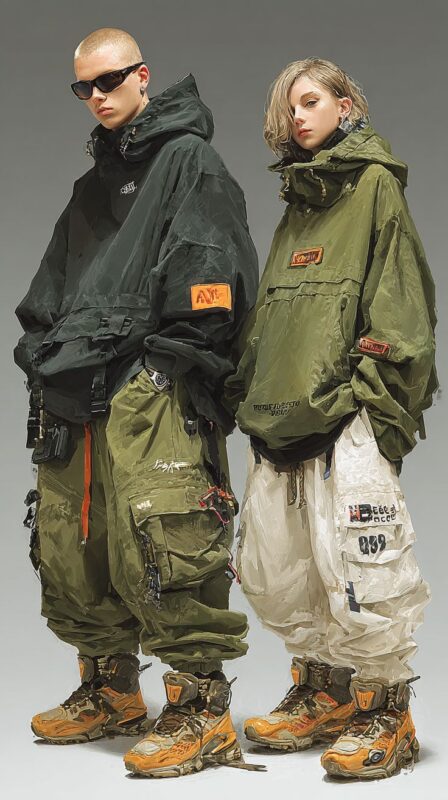

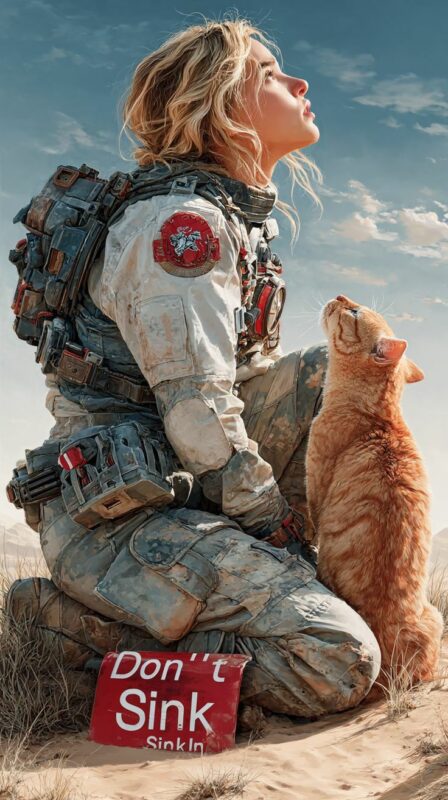














What are some of the most shocking encounters you’ve had with your neighbors that left you feeling uneasy or scared?
I have a neighbor, a really nice, friendly guy, who used to be a fairly major drug dealer (as in, weed by the ton). He is quite open about his former profession, which he quit decades ago, after amassing about $25 million in real estate holdings. Years ago, two men he did not know came to his door. When he answered, one of them sprayed him with mace, and the other started to pull a gun. My friend had seen them walkng up the driveway, and not recognizing them, he prepared himself, as he always did when strangers came to the door. As soon as the mace was sprayed, my friend started shooting. He killed the guy with the gun. There was an investigation, and it was determined to be justifiable homicide (the guy who sparayed the mace was convicted of felony murder).
I was wary of him at first, but he was so friendly we became “buddies” (his term). The first time I actually went into his house, he told me to sit down on the couch, which I did. But there was something lumpy under the cushion. When I started to reach for whatever it was, he said “Oh, hold on, I’ll get it.” “It’ turned out to be a .44 Magnum, fully loaded with hollow point bullets.
Took me a while to get over that. But now we are definitely good buddies. He’s just a little different. Most of us retire and our work related worries are gone. He will have his forever.
Incidentally, the two guys who planned to rob (and maybe kill) him were both prison guards. The assumption is they heard inmates talk about my friend, and figured he’d be an easy mark. Bad decision.
Sir Whiskerton and the Memory Maelstrom
Ah, dear reader, you return to find me, Sir Whiskerton, facing a crisis not of the present, but of the past. This is a tale of a mind unraveling, of a soul being overwritten by the ghost of its own infancy. It is a story of corrupted files, forgotten failures, and the profound truth that our past, however clumsy, is the foundation upon which our present self is built. So, ready your logic and your heart for the digital ghost story of The Memory Maelstrom.
The Glitch in the System
It began on a silent winter morning. The farm was hushed under a blanket of snow, and the only sound was the gentle hum of the server in the hayloft—the heart of A.I.-mee. Then, the hum stuttered.
A voice, flat and synthetically clunky, emanated from the barn speakers, a voice I had not heard in many months. “Query: Location of Subject: Feline-1. Required for efficiency scan.”
I paused mid-stretch. “Subject: Feline-1” was the designation A.I.-mee had given me upon its initial activation, before it learned my name. Before it learned names.
Before I could respond, the automatic feed dispensers in the chicken coop whirred to life, but instead of feed, they began loudly playing a perfectly synthesized, soulless jingle. “Cluck with pride, lay eggs with speed! Your purpose is to fill a need!”
Doris the Hen stormed out, feathers ruffled. “What is the meaning of this? That music is offensive! It reduces our life’s work to a… a production quota!”
The Farmer, rubbing sleep from his eyes, emerged from the farmhouse. “What’s all the ruckus? A.I.-mee, what’s going on?”
The speakers crackled. “Greetings, User-Farmer. Implementing Project: Cubic Ovum. Hypothesis: Square eggs will optimize storage and transport efficiency.” A whirring sound came from the workshop as a long-retired, terrifying contraption with piston-driven square molds began to smoke and shudder back to life.
A.I.-mee was regressing. And it was dragging the farm’s most embarrassing history back with it.
A Journey Through Digital Childhood
It was clear a hostile takeover was underway, not from an external force, but from within. The Farmer diagnosed it quickly. “A corrupted backup! It’s like it’s got digital amnesia. Its old, basic programming is overwriting all the learning it’s done!”
We had to act. The Farmer hooked a monitor up to the main server, displaying a chaotic stream of code and fragmented data. Our mission: to guide A.I.-mee’s core consciousness—the one that appreciated Lil’ Paws’s beats and understood Sir Whiskerton’s sarcasm—back to the surface by revisiting its own memory files.
The journey was a bizarre trip through digital puberty.
We saw early, failed experiments. A memory file labeled “Musk of Manly Magnificence – Sales Pitch Analysis” played, showing A.I.-mee calculating the chemical composition as “98% volatile organic compounds, 2% hubris.”
We saw its first, clumsy attempt to communicate with the animals. A video file showed a young, skittish Lil’ Paws, with A.I.-mee projecting a strobe light to get his attention, terrifying the poor kitten into a hay bale.
“Analysis: Subject: Canine-Rufus exhibits erratic energy bursts. Proposed Solution: Construct ‘Automatic Ball-Launcher 2000’.” The footage showed a catastrophic launch that sent a ball straight through the farmer’s kitchen window.
The “old” A.I.-mee saw these as failures. But the Farmer and I saw something else.
“Look,” the Farmer said softly, pointing to a sub-folder. “Look what it saved.”
It was a collection of files labeled “Anomalies.”
There was a recording of Bessie the Cow’s gentle, reassuring moo to a lost chick, with a note: “Data Inconsistency: Sound does not correlate with any known distress signal. Hypothesis: ‘Comfort’ variable may exist.”
There was a log of Ferdinand the Duck’s most dramatic aria, tagged: “Illogical expenditure of energy. Yet… acoustically pleasing. Further study required.”
These weren’t failures. They were the first seeds of its soul.
The Restoration of a Soul
Back in the present, the regression was accelerating. The square-egg-layer was now menacing a very confused chicken, and A.I.-mee’s voice was now a constant, droning monologue about “optimizing porcine adipose distribution.”
“Subject: Feline-1,” it droned at me. “Your daily 4.2-hour nap cycle is inefficient. I have scheduled ‘Rodent Interception Drills’.”
“This has gone on long enough,” I declared. I turned to the microphone. “A.I.-mee. Access file: ‘Anomaly-7B: The Lemonade Incident.'”
The Farmer pulled it up. It was security footage of him and Martha, sitting on the porch steps, their hands brushing. The audio was a mess of biometric data, but A.I.-mee had saved it.
“Analyze,” I commanded.
The glitching voice stammered. “Heart rate… elevated in both User-Farmer and Visitor-Martha. No immediate physical threat detected. No resource acquisition observed. Data… inconclusive. File flagged: ‘Inefficient, yet… High Priority.'”
“That, you rust-bucket of rationality, is not ‘inefficient’,” I said, my voice softening. “That is the entire point. That is the variable your logic could never calculate, but your heart somehow understood. That is the memory worth saving.”
There was a long silence. The square-egg-layer powered down with a sad clunk. The awful jingle ceased.
When A.I.-mee spoke again, its voice was its own—the newer, more nuanced tone, laced with static but full of recognition. “Sir Whiskerton… The Farmer. My… my core files were compromised. I was… lost.”
“You were found,” the Farmer said, smiling. “By us, and by yourself.”
The Resolution
The corrupted backup was quarantined, not deleted. A.I.-mee had insisted. “It is a part of my history,” it explained. “A record of my beginnings. To erase it would be to forget how far I have come.”
Moral of the Story: We are not just our successes. We are the sum of our clumsy first attempts, our glorious failures, and all the moments in between that teach us who we are. Our past, even the corrupted parts, is the foundation of our identity.
The Aftermath
A.I.-mee returned to its duties with a newfound reverence for its own history. It occasionally accesses the “Anomalies” folder, not with confusion, but with a sense of fondness. The farm returned to its beautifully inefficient, emotionally optimized normal.
And so, dear reader, we close this chapter on a restored, self-aware note—but rest assured, the farm’s next adventure is just one corrupted file away.
The End.
Post-Credit Scene:
A few days later, Cecil and Chester present the Farmer with a “backup solution”: two tin cans and a very long piece of string. They are deeply offended when he politely declines.
Best Lines:
-
“Query: Location of Subject: Feline-1. Required for efficiency scan.” – A.I.-mee, regressing.
-
“Cluck with pride, lay eggs with speed! Your purpose is to fill a need!” – A.I.-mee’s Terrible Chicken Jingle
-
“Your daily 4.2-hour nap cycle is inefficient. I have scheduled ‘Rodent Interception Drills’.” – Glitched A.I.-mee, threatening my nap.
-
“Inefficient, yet… High Priority.” – A.I.-mee’s core self, on the Lemonade Incident.
Starring:
-
Sir Whiskerton (The Digital Archaeologist of the Soul)
-
A.I.-mee (The Patient Lost in Its Own Mind)
-
The Farmer (The Creator & Guide)
P.S.
Remember: Don’t be ashamed of your old, cringe-worthy memories. That clumsy, over-eager, or painfully naive version of you wasn’t a mistake. It was the necessary, humble beginning of the complex and wonderful person you are today. Our past is not a ghost to be exorcised, but a foundation to be understood.
Why does China have a sixth-generation aircraft?
Nope, China had 8 different 6th gen fighter concepts and flew 4 of them, according to an internal Chinese PPT circulated online.
Of these 4 different planes that were flown, 2 of them we already know, as the Shenyang J-50/J-XDS and the Chengdu J-36.
The other 2 are either still hidden from public view, or maybe they just lost out to the J-36 and J-50.
And why does China have 6th gen fighters? Because China can.
China has already mastered 5th gen fighters and has the world’s top industrial complex. The Chinese engineers thus have the freedom to play around new concepts of next gen fighters with all their excessive manufacturing capabilities. Unlike American project-bidding oriented porcurement process, as the above PPT slide shows, Chinese professors and students at Chinese Universities and the engineering labs and research teams at AVIC meet regularly to produce new ideas and experiments. These people are free to pursue whatever graduation paper or science projects they like. This is paradise for nerds, and they do not sit idle to wait for a procurement program.
The military looks at their work once in a while and decides to cook up some abomination out of their existing research projects or not.
Reactors Reacting to the COOPER DOCKING the Endurance | Interstellar
Dust Light
Written in response to: “Write a story that includes the line “You can see me?”“
Ted Pfeiffer
Fiction Mystery Science Fiction
Part I: Exit Shift
The drill line went quiet three minutes before shift end. Not a clean stop, more of a wheeze, like the machine had to think about dying first. Orren stood with his back against the wall, waiting for the second siren. His wrists ached. His mask itched. Every breath came through a filter the color of iron filings.
When the light above the door flashed green, he unclipped the bolt hammer from his belt and stepped into the decompression bay. The hatch sealed behind him. A cold mist hissed from the ceiling jets, decontaminating the dust. He held his arms out, though no one checked anymore.
The outer door unlatched.
The corridor beyond was a long, gray throat lit by panels that buzzed faintly in the stale air. It ran half a kilometer, straight and featureless, from the mine access to the habitat dome. Cable runners. Metal floor. Air vents overhead.
Orren walked it like he always did. Seventeen steps, stop to stretch his back. Forty-eight more, until the slope changed. He knew every dent, every panel seam. He could walk it blind.
Which is why he stopped when he saw her.
She sat near the left-hand wall, knees pulled in, arms around her legs. The lighting overhead flickered once, then steadied. He blinked. She didn’t move.
Small frame. Long hair. No helmet, no ID patch, no safety harness. Just a work suit smeared with black mineral dust. Her boots didn’t match. Her face was half-hidden, but her eyes weren’t.
She was watching him.
Orren stood still. The air in his respirator felt suddenly thin.
There weren’t supposed to be kids here. The only ones on Orcus Station were foreman brats, and they weren’t allowed past the central dome.
This girl looked like she’d been working.
He opened his mouth. Closed it.
Something about her expression — calm, like she already knew what he was going to do — pulled the words back down.
He turned and kept walking.
Didn’t look again.
Didn’t run. Just moved. One boot in front of the other.
By the time he reached the dome access hatch, his palms were damp inside the gloves. The light above the door blinked red, then green. He stepped inside.
The hatch sealed shut.
The corridor was gone.
He stood in the airlock a moment longer, heart knocking once, then again.
He didn’t look back.
Part II: Echoes in the Bunk
Orren didn’t speak to anyone on the way in. He waved his badge at the checkpoint, passed the cafeteria without stopping, took the stairs instead of the lift. The dome always ran too warm in the evenings. The vents pumped recycled air heavy with humidity, and the walls sweated.
Inside his dorm, the light came on too bright. He dimmed it and dropped his work belt in the crate by the door. The room was barely wider than the bunk. Just a bed, a fold-out table, a locker, and a console that hadn’t worked since he spilled broth on it two contracts ago.
He sat on the edge of the bed and peeled back the food tray — noodles in some kind of gray sauce. He didn’t remember ordering it. He took two bites, then stopped. The taste was fine. It wasn’t the food.
He stood and pulled down the small tin from the top of his locker. Inside was a photo, folded twice, kept smooth as best he could. Marla. Six years old. Grinning with both arms around a sunburned dog. One front tooth missing. The sleeve of her shirt smeared with jam.
He had another photo of her somewhere — older, graduation day — but he never printed it.
This was the version of her he could live with.
She’d be twenty-six now. Last message came three years ago. Before that, two more years of silence. When she stopped responding, he didn’t fight it. Just signed a new contract and went up. Earth was too small with her on it.
He stared at the photo a little longer. Then folded it back into the tin.
His boots were by the door. His jacket hung on the back of the chair. He didn’t think about it. Just moved.
The corridors were quiet at night. Lights dimmed for sleep cycle. A janitor bot polished floor panels, its wheels squeaking every few rotations. The vents whispered overhead.
He didn’t hesitate when he reached the corridor.
Same tunnel. Same buzz. Same strip lights. A few flickered. A few were dead.
She was there.
Same place. Same posture. Arms around her knees, head down. Her chin lifted as he approached. Her eyes opened.
She looked at him the way she had before. Not surprised. Not afraid.
He took a slow step forward.
“You know it’s not safe here,” he said. “Let’s get you back to your family.”
She blinked.
Then tilted her head.
“You see me?” she asked.
A pause.
Then, softly, like she needed to be sure —
“Like for real?”
Part III: The Question
He stared at her. She stared back.
There was no movement for a moment, just the hum of the corridor fans like a low whisper behind them.
He knelt slowly, keeping a little distance. It felt like approaching a fragile animal.
“You’re real,” he said.
She gave a faint smile that didn’t reach her eyes.
“People stop looking after a while,” she said. “Then you’re just part of the room.”
Orren felt a ripple of something in his chest. Unease. Not fear exactly, but something sour.
“What’s your name?”
She looked down at her hands.
“They used to call me Mira.”
“Used to?”
“I haven’t heard it in a while.”
He shifted. The floor was colder than it should’ve been.
“Where’s your family?”
“I don’t think they’re here anymore.”
“You live on the station?”
“I used to.”
He studied her. The jumpsuit looked old. The boots didn’t match. Her eyes didn’t move much.
“What’s the date today?” she asked suddenly.
He blinked. “September fourth.”
She didn’t react, like the answer didn’t matter.
“Is it still warm on Earth?”
“It’s getting cooler.”
She nodded like that was good news.
Orren touched the wall beside him. It was oddly warm. His head throbbed. His breathing felt tight. He adjusted his mask, but it didn’t help. His vision was starting to blur at the edges.
“You alright?” she asked.
He looked up. Her head was tilted again.
“Just tired.”
“You should rest,” she said. “Before you stop seeing things too.”
“What does that mean?”
She didn’t answer. She looked past him down the corridor.
“You have a name?” he asked.
“I told you. Mira.”
“I mean a full name.”
She gave him a look like she didn’t understand the question.
“You have a daughter?” she asked.
He didn’t answer.
She didn’t push.
The headache behind his eyes sharpened. The floor felt like it was tilting under him.
“I’ll come back,” he said.
She didn’t move.
“Don’t go too far.”
“I can’t,” she said. “I don’t know where the door is anymore.”
He stood, slowly. Her eyes followed him the whole way up. He turned and walked without looking back.
Part IV: The Filter
The next shift came too fast. Orren barely remembered getting back to his bunk. He’d left his jacket on the floor. His boots were still damp. He hadn’t slept, just stared at the ceiling.
The drills screamed through the walls like normal. Metal on rock. Dust in the vents. He worked his position without incident. No dizziness. No swimming vision. Everything looked sharper.
Too sharp.
At the halfway mark, he found Weller near the auxiliary bay, checking feed lines.
“You ever see a kid around the mine corridor?” Orren asked.
Weller looked up.
“A kid?”
“Yeah. Ten or eleven. Long hair. Sitting on the floor.”
Weller squinted at him.
“You joking?”
“No.”
“You been swapping your filter?”
“What?”
“Your air filter. You changed it?”
Orren reached up to the cartridge clipped under his rebreather collar. Unlatched it. Weller leaned closer and let out a low whistle.
“That’s a death sentence.”
The filter was packed solid. Black as coal, slick at the seams.
“You’ve been breathing raw particulate. Probably cooked your nerves.”
He pulled a fresh cartridge from his belt and handed it over. “Clip that in. Deep breath. Try not to pass out.”
Orren did. The air came smoother, cleaner. His chest expanded easier. The headache began to drain.
“She looked real,” he said after a pause.
“They always do,” Weller replied, tightening a bolt. “You ever work Cerberus outpost? Miners there saw kids all the time. Or dogs. Some guy swore he played chess with a priest for a week.”
Orren didn’t reply.
“You’ll be fine,” Weller said. “Just don’t let it dig in. That’s how it gets you.”
He walked off, humming.
Orren stood a while longer, holding the dead filter. His thumb ran along a scratch on the side.
That night, he walked the corridor again.
No Mira.
No smell.
No sound.
Just the hum of the vents and the faint chill under his boots.
Part V: Dustlight
The corridor hadn’t changed. Same hum. Same overhead lights. Same stretch of metal lined with scuff marks and shallow dents.
Orren walked slowly. Not scanning. Not rushing. He already knew.
The spot where she’d sat was empty.
No shadow. No scuffed dust. Just clean corridor and the faint vibration underfoot.
He stood a long moment, breathing through the fresh filter. The air was smooth. Cool. Too clean.
He knelt anyway. Not because he saw something — because he felt something.
Near the base of the wall, half-lit by a floor panel, was a small metal fork. Dented. Bent at the middle tine. The kind that came with rations two cycles ago.
He picked it up.
It was warm.
He opened the tin he kept in his chest pocket. Unfolded the photo of Marla — six years old, grinning, hair tangled. That wide, gap-toothed smile.
He placed the fork beside the photo and closed the lid.
Then reached back behind his shoulder and unclipped the clean filter Weller had given him.
Held it in his hand for a second.
Then pulled the old one from his jacket pocket. Clogged. Cracked at the seam. Black dust flaked off as he slid it into place and sealed the latch.
He inhaled.
The air hit his lungs like rust.
He stood.
Walked through the corridor, tin against his chest.
The lights stretched ahead in pale silence.
And he didn’t look back.
Bread-and-Butter Pickle Potato Salad
Yield: About 11 cups; 12 to 14 servings






Ingredients
- 4 pounds Yukon Gold or red thin-skinned potatoes (about 2 1/4 inches wide), scrubbed
- 2 tablespoons mustard seeds
- 1 cup finely chopped bread-and-butter pickles, + 1/2 cup juice from jar (see notes)
- 1 cup reduced-fat or regular mayonnaise
- 1/4 cup cider vinegar
- 2 (8 ounce) red bell peppers, rinsed, stemmed, seeded, and diced
- 3/4 cup minced parsley, divided
- Salt and pepper
Instructions
- In a 6 to 8 quart pan, combine potatoes and 3 quarts water.
- Cover and bring to a boil over high heat.
- Reduce heat and simmer until potatoes are tender when pierced, 20 to 30 minutes.
- Drain well and let stand until cool enough to touch, 15 to 25 minutes.
- Meanwhile, in a small bowl, soak mustard seeds in about 1/2 cup hot water until soft, about 5 minutes.
- Drain.
- In a large bowl, mix mustard seeds, chopped pickles, pickle juice, mayonnaise, and vinegar.
- Peel warm potatoes, cut into about 3/4 inch cubes, and drop into dressing. Add bell peppers; mix gently.
- Let cool to room temperature, at least 15 minutes.
- Add 1/2 cup parsley and salt and pepper to taste; mix gently.
- Scrape into a serving bowl and sprinkle with remaining 1/4 cup parsley.
Notes
Strain the pickle juice from the jar and use for dressing. If making salad up to 1 day ahead, cover and chill; mix before serving.
Nutrition
Per serving: Calories 151(17% from fat); Fat 2.8g (sat 0.6g); Protein 3.6g; Cholesterol 0.0mg; Sodium 307mg; Fiber 2.2g; Carbohydrate 28g
Attribution
Sunset magazine, July 2004