There are so many things that exist today that didn’t exist 20 years ago.
Cellphone cases, for one. And well, for that matter, all things “cellphone”. For 20 years ago, the most popular phone was a “Blueberry”. And sure there were earbuds operating at bluetooth 1.000000000. LOL.
Face scanning door locks? Only on Hollywood. QR code scans. Nah. Never happen. Barcodes were the big thing, don’t you know. And people still watched nightly “news” on the “television”. And yeah, social media existed, but not anywhere near the prevalence that is is now.
So, yeah. Times change. And some of the most abrupt changes are going on right now as we read…
Take Artificial Intelligence, for example. Electric vehicles, large scale solar power. Electric motorcycles and mini scooters. Drones.
Oh, and all those wonderful and amazing coffee flavors. Whether it is Starbucks or LuckedIN. It’s all amazing.
The change happens, but we don’t notice. It’s a blur.
Large Language Models never existed 20 years ago. But electric razors did. And you know what? Yeah, they still exist today too. As do kids party balloons.
Now… what about our furry friends? Dogs and cats? Their lives are so short. All my buddies that I had 20 years ago are no gone. And perhaps that is the most meaningful impact of change.
The ebb and flow of life, relationships and love.
Not things.
Today…
Jason Bourne Escapes Interrogation Room | The Bourne Supremacy
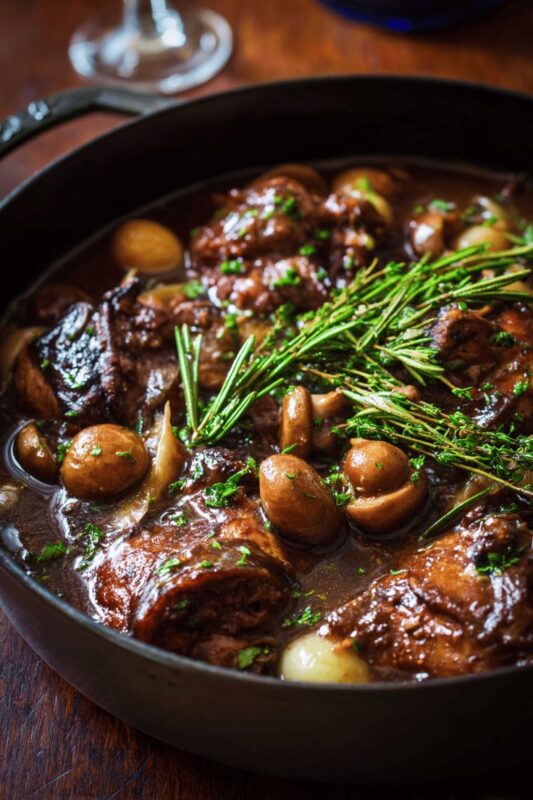
Coq au Vin (Chicken Braised in Red Wine)
Coq au Vin is a classic French stew in which chicken is braised slowly in red wine to yield a rich sauce. Sliced or baby carrots and potato chunks can be added to this, if desired.

Yield: 4 servings
Ingredients
- 1 chicken, cut into 9 pieces
- 2 tablespoons unsalted butter
- 10 ounces pearl onions, peeled
- 4 slices bacon, cut into 1-inch pieces
- 1 tablespoon all-purpose flour
- 3/4 cup chicken stock
- 1 bouquet garni (parsley, thyme, bay leaves), (garlic optional)
- 1/2 pound whole button mushrooms
- 2 cups red wine (Pinot Noir, Burgundy, etc.)
- Salt, pepper
- 1 tablespoon red wine vinegar
Instructions
- Brown the chicken in the butter in a frying pan over moderate heat.
- Place chicken in a heavy casserole.
- Brown the onions and bacon in the frying pan and add to the chicken.
- Remove all but 2 tablespoons fat from the pan.
- Add the flour and stir well.
- Add chicken stock, bouquet garni, mushrooms, wine, salt and pepper. Stir and pour over the chicken. Cover and simmer for 30 minutes.
- Add the red wine vinegar.
- Reduce the sauce before serving.
Feathered Eyes
Written in response to: “Write a story that has a big twist.“
Veronica Parkos
Cancer took her that spring.
The old man just wasn’t the same after that. He still came to the park each morning, still claimed that old bench, but it was like something had snuffed out the last spark in him. His binoculars sat beside him more often than in his hands and when he did raise them to his eyes, there were no soft smiles or shared glances. Just silence and stillness.
There was no one to share the moment with anymore and I watched his eyes slowly stop following the birds. They just fixed on the horizon – cold and unmoving. I couldn’t help but feel sorry for the old man.
He sat like that for months – still, distant, looking somehow lost. Eventually, I went to the bookstore and picked up a bird-watching book of my own. I started rising earlier in the morning, lingering in the park longer and tracking the birds the best I could.
Honestly, I had hoped maybe, just maybe, seeing another pair of binoculars nearby would bring him back – even if only a little.
It was early August by the time I started to really get the hang of bird-watching. I found myself enjoying it more than I expected. The vibrant reds of the cardinals and the bold blues of the jays really stood out to me like looking at a living painting.
I even caught myself calling out to no one in particular, “Oh wow! That one’s a beauty!”
One morning, I glanced the old man’s way and he was looking back at me. He noticed the book and binoculars in my hand and gave me a slow nod. I smiled and waved, taking a step toward him.
For a second, I thought he might speak with me. His mouth tugged upward at the corners slightly, but then he turned back toward the pond with sullen eyes – shutting me out.
But the next day, he had his binoculars in hand. I smiled when I noticed him raise them several times to look through before lowering them to jot something down in his book.
This went on for a week before I finally worked up some courage to speak with him.
“Is that a white-throated Sparrow?” I blurted one morning.
His eyes flashed toward me. I noticed and quickly pointed at the bird, heart pounding.
He gripped his binoculars tighter, then raised them to the tree line to examine the bird in question.
“I only ask because… I thought they didn’t show until later in the fall, right?” I tried to push our conversation forward, but the old man remained silent.
With a nervous chuckle, I added, “Ahh well. Must mean we’re in for an early winter. Bummer.”
The old man finally lowered his binoculars and looked at me. His brow furrowed and he muttered to himself before he scribbled in his book.
I sighed and turned back to my own binoculars.
Over the next month, the old man grew increasingly withdrawn. I wasn’t quite sure what I had expected when I had encouraged him to pick up his binoculars again, but this wasn’t it.
Each morning, I saw him scanning the tree line with a sharpness I hadn’t seen before, mumbling incoherent words under his breath then scribbling furiously in that battered book. He seemed angry.
I wanted to approach him again – make sure he was alright. But after the last few failed attempts, I felt resigned. What could I do except watch him slip deeper into his own madness.
It was practically October now. Fall leaves scattered across the path, slick from last night’s storm.
I spotted the old man at his usual bench, binoculars raised, locked on to something across the pond. His book lay beside him worn at the seams; its pages now crammed with extra notes, sticking out like feathers on a molting bird.
He seemed particularly irate this morning as he shouted across the pond “You can’t fool me!” His fist raised in the air.
I froze, keeping my distance and turned my gaze across the pond, lifting my own binoculars to get a better look.
That’s odd.
I pulled my binoculars back down and opened my guidebook, flipping through the pages until I found what I was looking for. I blinked, rubbed my eyes, then peered into the lens again.
Warblers should be gone by now.
I stared at the bright yellow bird for several minutes. It seemed completely oblivious that it was out of season.
That’s definitely a Warbler.
I shifted my gaze back to the old man. He seemed refocused – staring at something else across the pond. I tried to follow his gaze, but couldn’t figure out what he was looking at.
“HA!” he shouted suddenly, snapping my attention back to him.
He jabbed a finger toward the water. “Caught you too!”
I hesitated. What was he pointing at?
Slowly, I moved closer, careful not to startle him. His eyes didn’t leave the pond.
“The birds know,” he muttered, voice barely above a whisper. “They always know.”
I glanced down at his open book. At the top of the page, one word was scrawled in large, shaky handwriting.
Reflections
Beneath it, rows of uneven tally marks.
“What’s this?” I asked, nodding toward the book.
The old man looked at me, then the page, and back again. His eyes locked on mine, sharp and deliberate. He hesitated for a moment – as if he wasn’t sure about me yet. He sighed.
“Look over there,” he finally said, pointing across the pond. “Tell me what you see.”
I raised my binoculars.
On the far side of the pond, an old woman stood tossing handfuls of feed toward a pair of white feathered birds. These birds hung around often, so I knew what they were immediately.
“Looks like a couple of pigeons,” I said matter-of-factly.
The old man grunted. Then slowly, he pointed again – this time directly at the pond.
“Look in the water and tell me what you see.”
I followed his gesture. The water rippled faintly in the morning breeze, just enough to shimmer.
I remembered the page in his book: Reflections.
Narrowing my focus, I looked, not at the birds themselves, but their mirrored shapes in the water.
“I…I’m not sure. They seem normal to me,” I started, and he scoffed at me.
“Look harder!” he demanded. I looked again.
What was the old man trying to show me?
I saw the bird feed scatter in front of the birds in the reflection and that’s when I noticed it.
Where’s the old lady?
I shifted my gaze back up from the pond. The old lady was still there – but her reflection wasn’t. I watched for a few moments and noticed that even the birds seemed to be behaving abnormally around her – taking off in flight when the feed would scatter around them, then land back down to eat. It was as if they couldn’t tell where the feed was coming from.
I looked back at the old man, his eyes were wide with hope – like he had noticed this too and just needed someone to confirm he wasn’t crazy. I scratched my head, thinking of what to say, but all I could muster out was “Her reflection.”
The old man smiled.
“Precisely.” He rifled through his guidebook, pulling out page after page. Some pages had incoherent scribblings or words, while others had sketches of strange alien-like figures. He grabbed one of the drawings and shoved it into my hands. The figure had an elongated body, antennae, and eyes too large and too dark for any human.
“They’re watching us.” His eyes darted like a hunting bird. “They have to be.”
“Aliens?” I asked and his gaze sharpened on mine.
“Of course, there’s no other explanation.”
“I don’t understand, why aliens? And why would they lack a reflection?” I tried to make sense of what the old man was saying but he merely pointed a finger to his nose. I furrowed my brow and he scoffed, waving his hands furiously.
“Bahh, you wouldn’t understand. But I’ve seen one with my own two eyes.” His voice lowered to a hoarse whisper.
“You…saw them?” I asked, more curious. He nodded.
“I first noticed inconsistencies after you pointed out the Sparrow a few months ago. You were right,” he grinned to me, “they don’t show until later.”
“But, sometimes birds migrate early or late for the season, right?” I pondered aloud. He shook his head.
“Not with everything else I’ve noticed. I saw a Warbler earlier and nearly croaked. Those birds are supposed to have flown south by now. So, if I’m seeing the white-throated Sparrow as well? It’s odd. Those birds don’t flock in the same areas at the same time.”
I listened to the man’s explanation with wonder. He really knew his birds – but that still didn’t explain everything.
“What about the aliens. You said you saw them?”
He nodded.
“The reflections. I noticed one day in particular when I was following a bird that almost flew into someone across the pond. I gazed slightly at the water and noticed the person lacked a reflection. I was confused, ‘Why do these people lack reflections?’ I had thought.” The old man seemed frantic shuffling through more of his pages. He found what he was looking for then shoved it in my hands.
It was a photograph of a large steel door. The door in question had an exit sign displayed above it but it led into some alleyway – as if the door stood on its own. I glanced back up at the old man – who smiled triumphantly.
“I saw THAT lady,” he pointed across the pond at the woman feeding birds, “Walk right up to the door in that picture. She grabbed her face and just yanked it right off!” He motioned as if he, too, were pulling his own face off.
I widened my eyes in horror as I listened to the old man. My chest felt tight and an odd pressure built behind my eyes. His notes scattered more and a picture of his late partner fell to the ground. He reached down to grasp it, but then kept his head hung as he clutched the photo.
“My only blessing I can have is knowing my poor Giddy never saw any of this.” A single tear fell from his eye. “Poor woman was in such bad shape already, the shock alone would have killed her.”
I sat beside him in silence and gently wrapped an arm around his shoulders. An attempt to comfort him in his time of need. I let him sob for a few minutes before he slowly settled himself.
“I’m so sorry for your loss,” I mentioned. He began to wipe his eyes and froze. I could feel his shoulders tighten under my arm and I tried to meet his eyes. But they were staring at the ground. I looked down and saw a puddle on the ground under us. The old man was staring right where my reflection should be.
He slowly raised his head and looked at me in horror.
I sighed and reached into my pocket to pull out the small communicator I had and pushed the small red button on the side.
“Enclosure resident 35 has become aware. I’ll need him placed in isolation immediately.” Across the pond, the old woman paused from feeding the pigeons. She reached her hand into her blouse. Clutching something, I could see her speak into her own communicator.
“Do you need my assistance?” she asked.
“No,” I shot back quickly. “What I need from you and everyone else is to get your suits checked with IT immediately- the camouflage mechanism has faltered. The birds are noticing. And speaking of the birds, I could excuse the Sparrow a couple of months ago, but a Warbler today? Someone correct this immediately.”
The old man didn’t speak at all. He just stared, perplexed as I opened the cover on my communicator to log the incident – one more breach like this and we’ll have to recalibrate the human enclosures again.
She Tried to Ruin a Man’s Life… Then Lost Her Job Instead! | The Coffee Pod
How does the control of Chinese companies by the CCP impact innovation and market competition?
The CPC doesn’t interfere in Management Or Creativity
I. Golden Share (1%)
The Government of China holds a 1% Golden Share in most companies that possess – Proprietary, Core Technology that can be Licensed or repackaged
This includes Tencent, Ali Baba, Bytedance, DJI, Unitree, Horizon Robotics, CATL, Nio, Xpeng, BYD and many others
The rule is
(I) Licensing of the Core Technology to any organization, entity, individual, company whose management is outside the boundaries of Mainland China MUST BE DONE WITH APPROVAL of the Government
(II) Sale of the Core Technology to any organization, entity, individual, company whose management is outside the boundaries of Mainland China MUST BE DONE WITH APPROVAL of the Government
(III) Licensing or Sale to any organization, entity, individual, company whose management is within the boundaries of Mainland China but where more than 5% is held by a parent organization outside the boundaries of mainland China, MUST BE DONE WITH APPROVAL of the Government
Apart from this the Government doesn’t interfere in ANY OTHER DECISION
Just Sale and Licensing of Core Technology
II. Umbrella Financing
Chinese Companies where the Government holds a Golden Share MUST necessarily
- Invest a minimum of 15% Profits into Research and Development with a minimum of 50% of the amount invested into Universities for Research in Key areas identified under the Five Year Plans
- Apportion a minimum of 7% Revenue or 1% Profits into investment into a Tech Umbrella Fund to fund aspiring Startups and Entrepreneurs
- This is the Minimum. Huawei (31%), BYD (22%), Alibaba & Tencent (21%), DJI (20%) invest significantly more into R&D than the minimum. Likewise Alibaba invests almost 4% Profits into Umbrella Funds
So in China, THE BIG TECH IS ALSO THE SEED VENTURE CAPITALIST
III. Data Access & ICP
Every Company in China above a certain size (Min 501 employees or Above 20 Million Yuan a year in revenue ) MUST have a minimum of 1 Government Representative for every 500 employees to supervise REGULATORY COMPLIANCE
For a company with 6,000 employees – that’s 12 Government Representatives from the MIIT
This is ONLY APPLICABLE to companies that have a PDAL (PUBLIC DATA ACCESS LICENSE) – where the company has permission from the Government to access data from all the Public Camera Feeds & Public Data Resources
Not to companies that make Chairs or assemble smartphones
Likewise Government demands an ICP license for any and all companies that put any information online including a dynamic web portal
IV. Exit Rules for Startups
The Regulations mandate that when a Startup becomes an IPO, no stakeholder may exit for a minimum of 3 years or sell/transfer more than 15% of their share of company shares during the same period. The Founder of such an IPO cannot exit for a minimum of 10 years or sell/transfer more than 15% of their share of the company for minimum of 10 years
Membership to the Party
Founders and CEOs of Big Tech Companies in China are offered Party Membership in Consultative Roles and play a big role in the CCCP
This includes the Founders of Deepseek and Kimi
There is no ACTIVE INTERFERENCE and CPC control doesn’t impact their creativity or innovation in any way
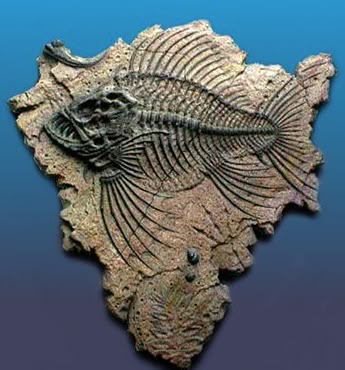
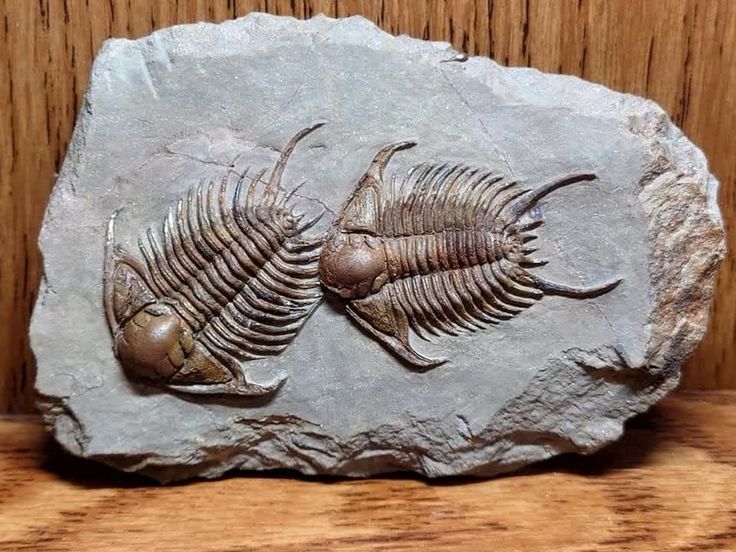
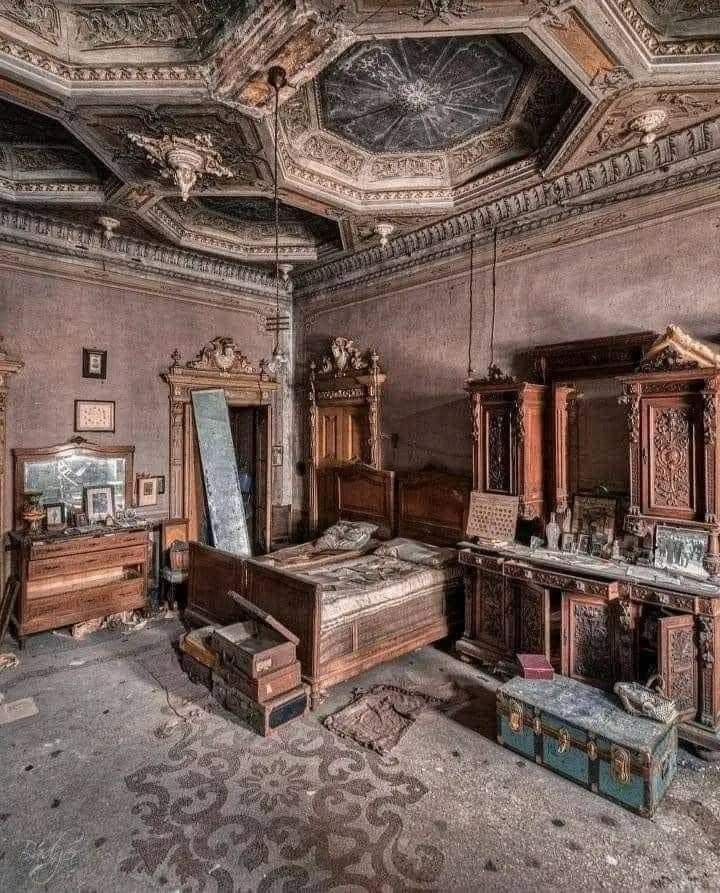
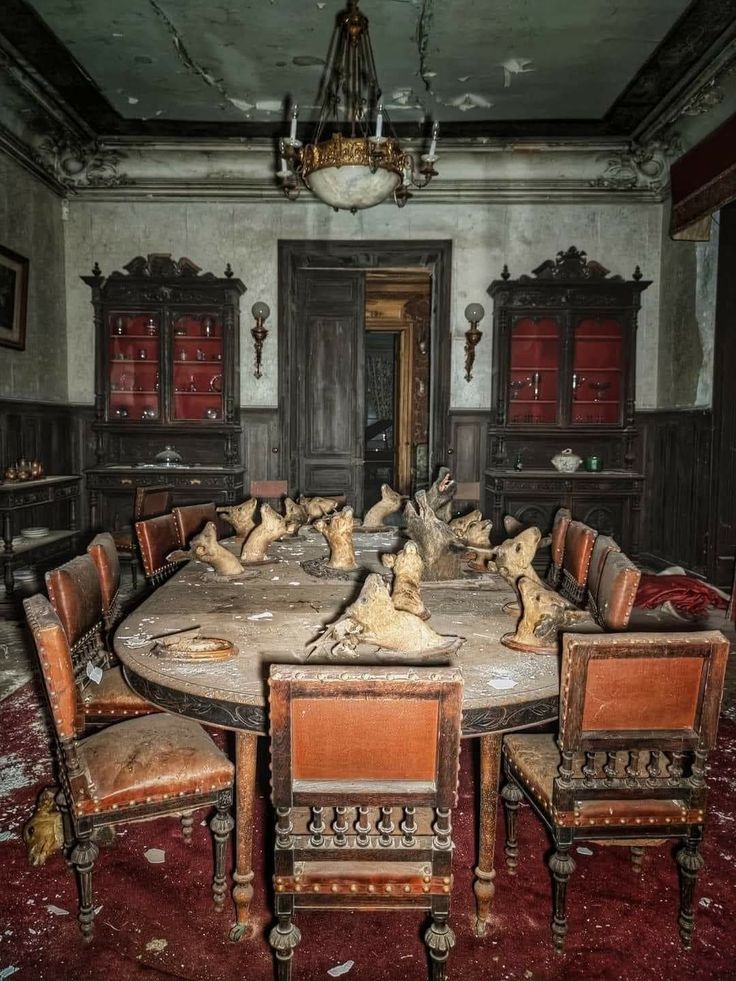
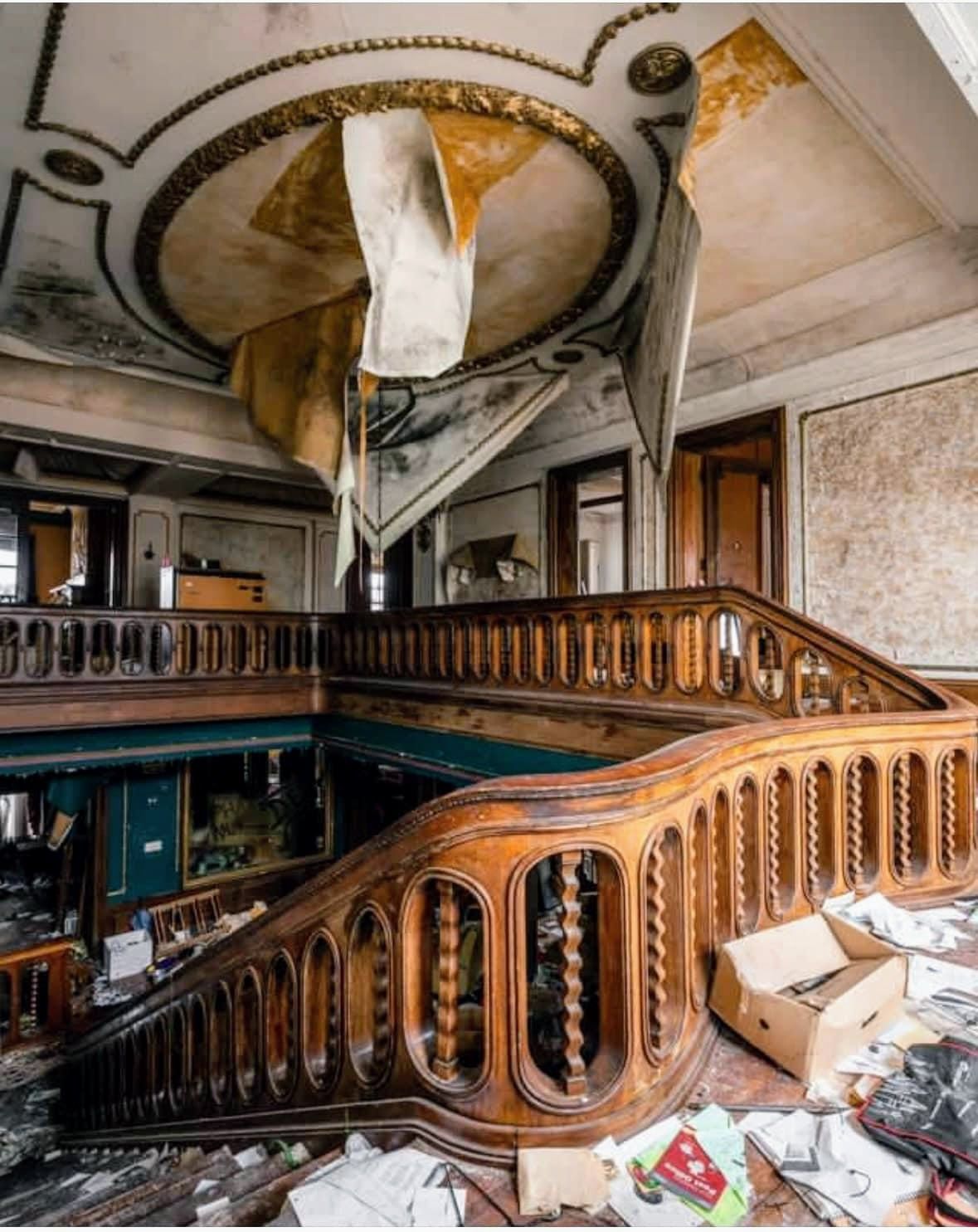
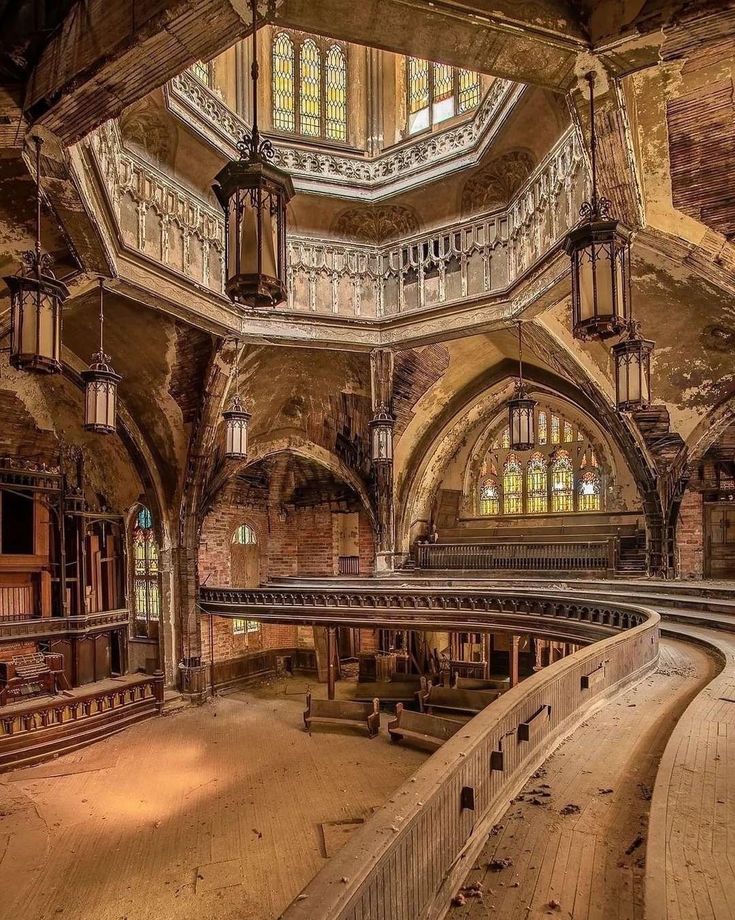
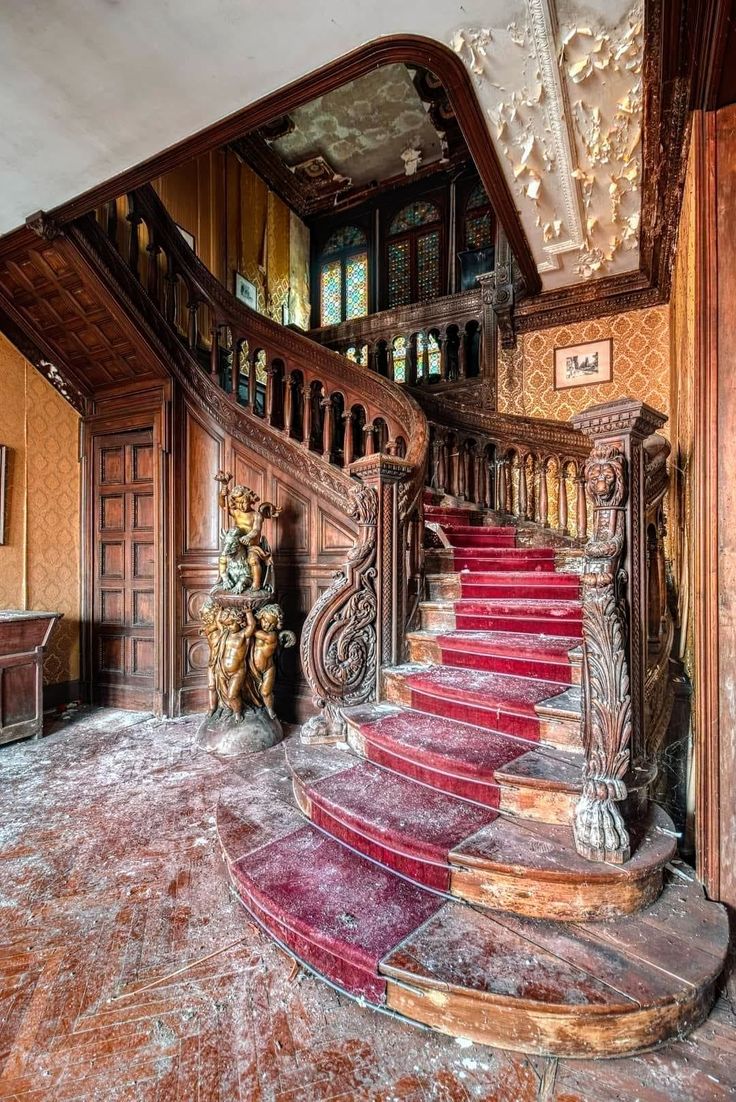
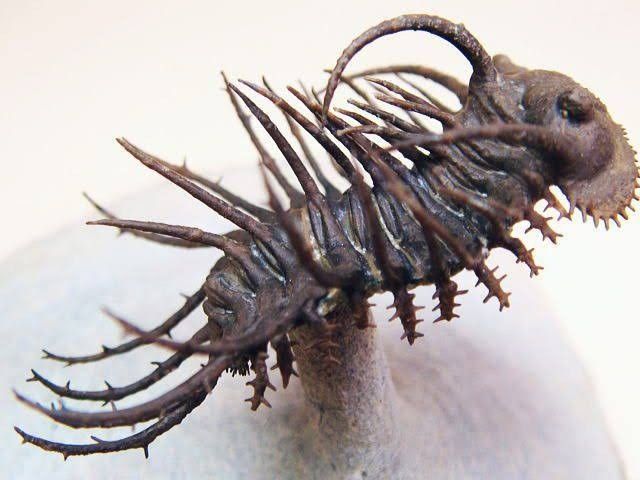
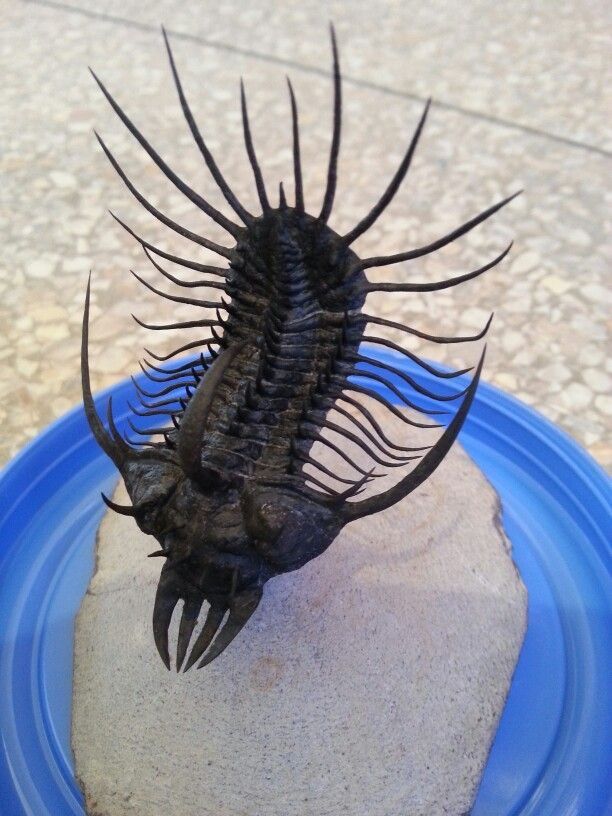
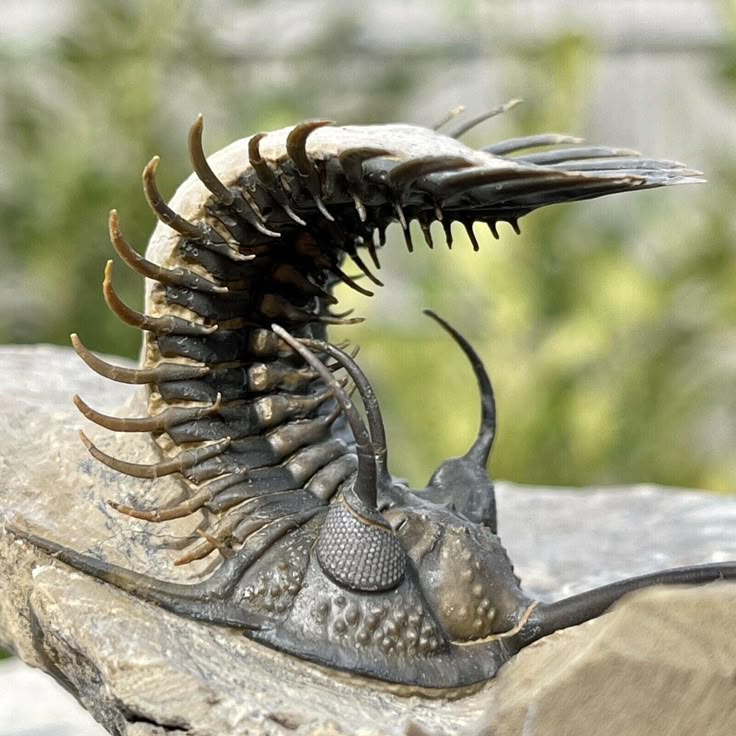
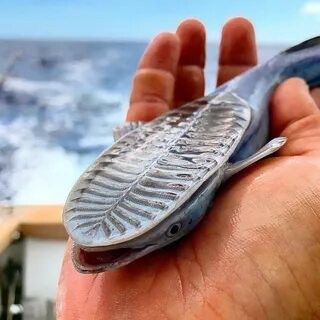
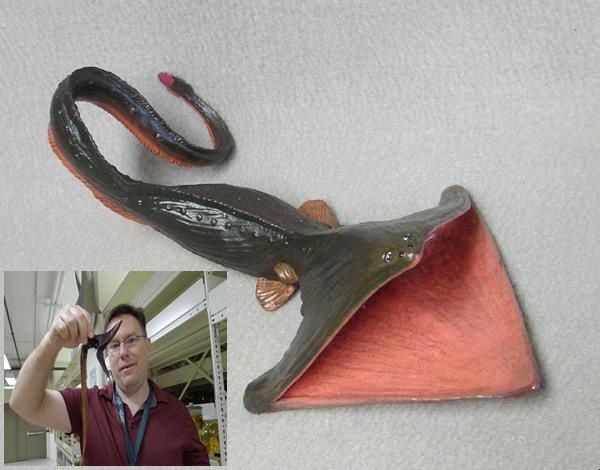
Pictures









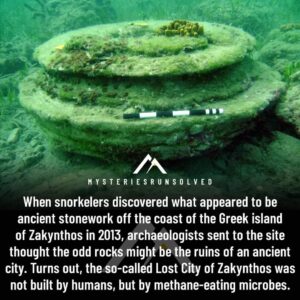
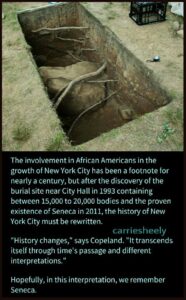
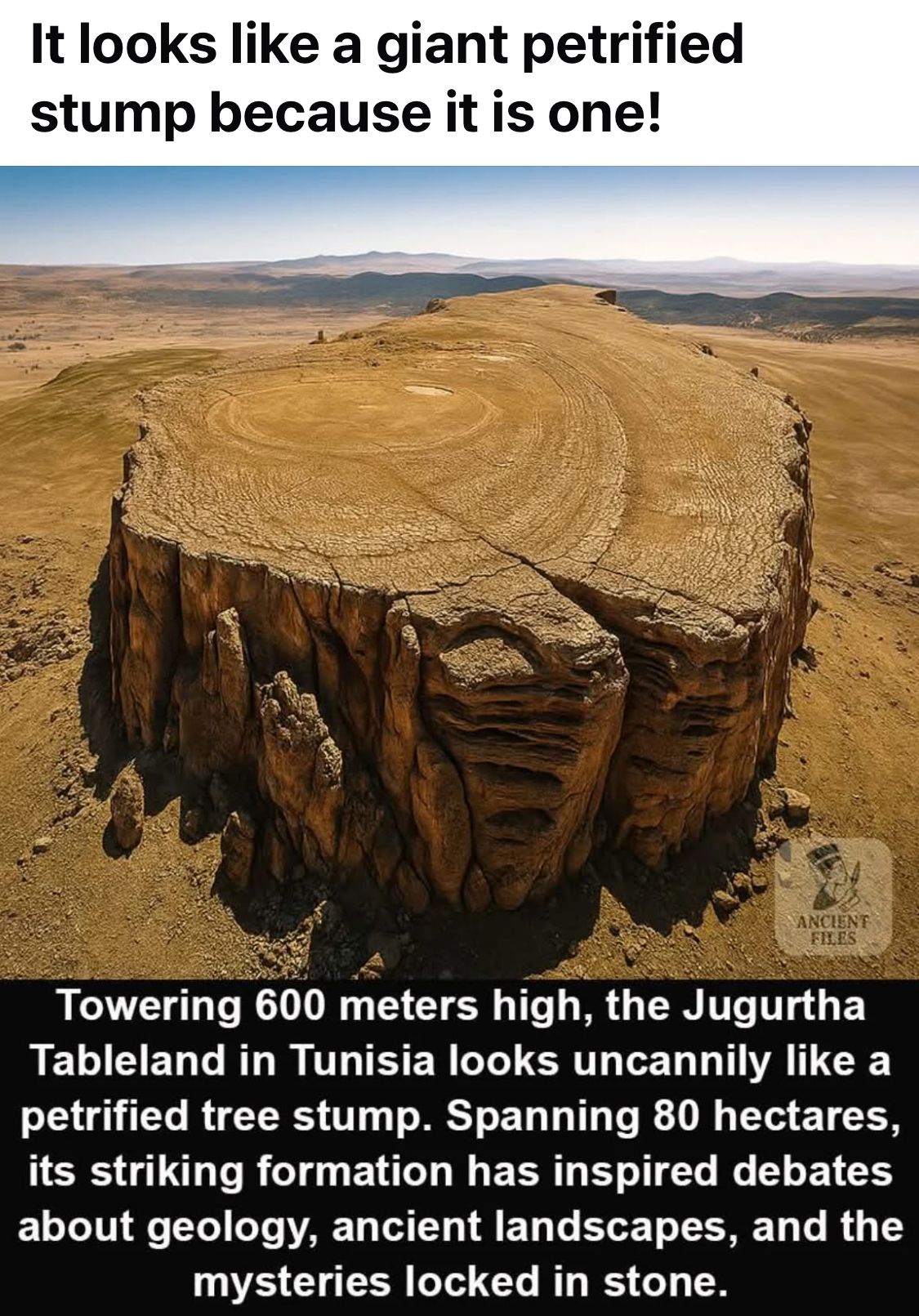
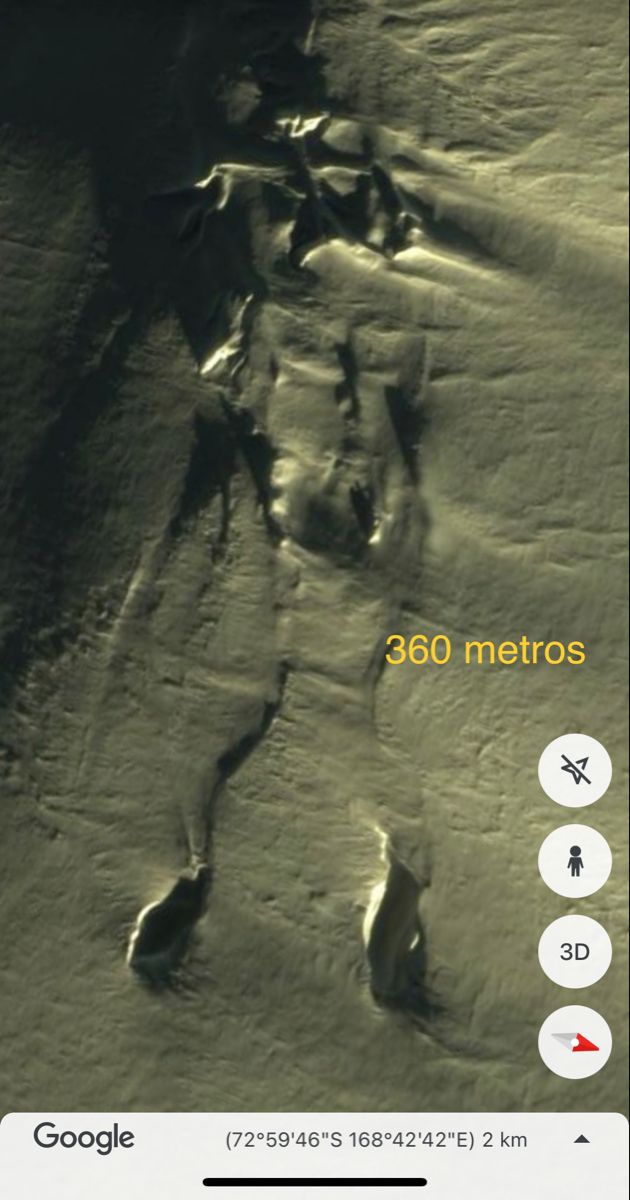
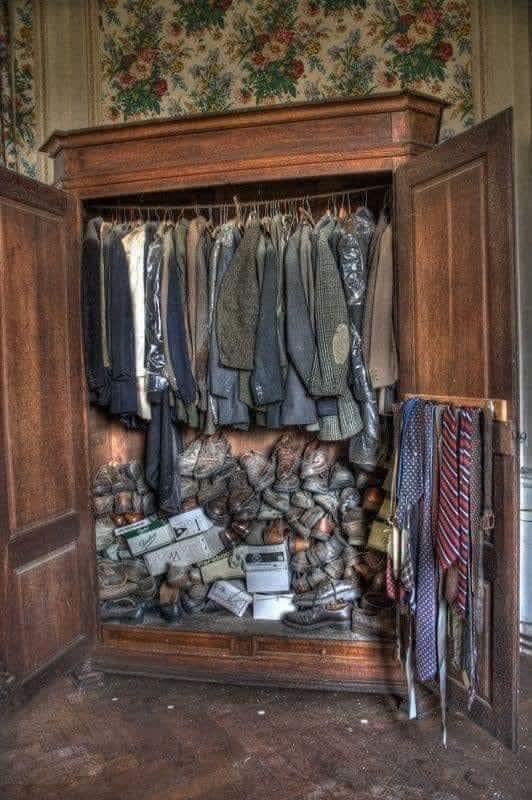
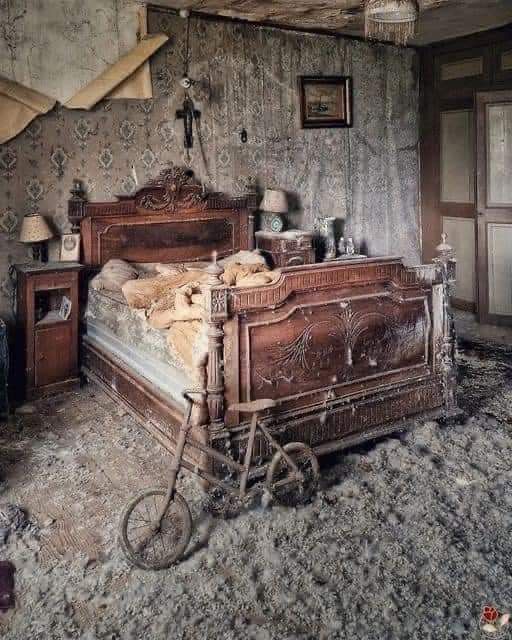
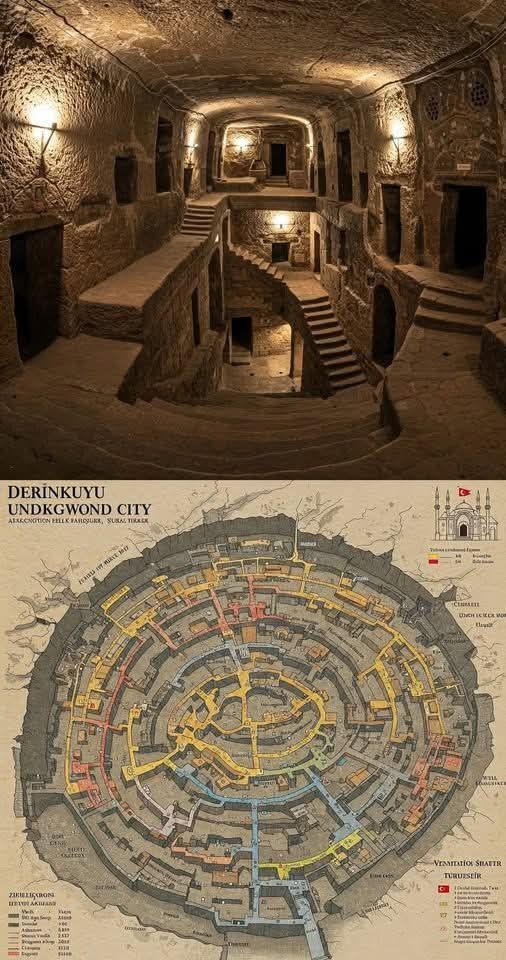
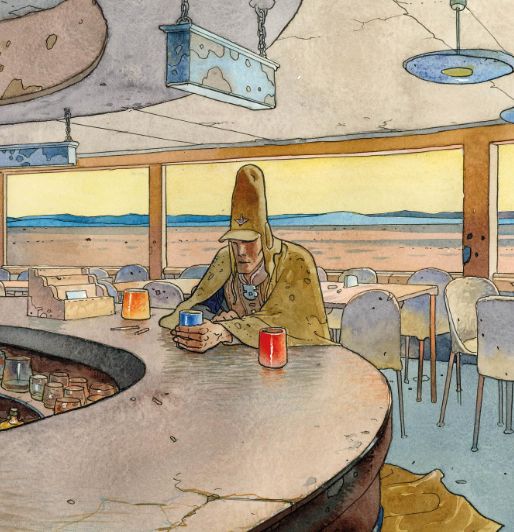



How do weaker inmates survive in prison?
It’s either sink or swim in there. And just cause you might be physically weaker, that doesn’t mean you’re weaker in mind. Arthur Shoepenhuar said that you cannot change a person. You can’t change their personality, what they think about, or how bad their breath stinks, but you can use that person and bend him to your will. Now this will take some reciprocity on your part as well as his. If you pay this guy who
You can’t change, that doesn’t mean he won’t keep you safe for something in return. Give him 20 bucks a week to keep you out of danger. So, just know that there are many types of weakness, but there are also many forms of strength, and even though I’m 6′6″ and 245, I’d still take a strong mind over a strong body, but since you’re not gonna have much to do, you can work on strengthening your body and mind. Get to the weight room when you can and get to the library when it’s available. Use everything you’ve learned and redefine yourself. Other inmates will see that and you’ll get more and more respect until you can kick the guy with halotosis out of your circle cause now you’re strong in body as well. In prison, you need to think outside the box. So never fear another person, fear the day when your mind stops producing profound ideas. It’ll be hard, but nothing worth having comes easy, especially in the joint. That’s me, the day I got out. All those scars on my face are from prison fights except one. I found I don’t have to fight to get heard. I just gotta learn discipline and restraint. I’m out now, and I have my own business. I advocate for the conditions in prison to change, and I don’t have to fight someone just cause they bumped into me.
Sir Whiskerton and the Ballad of the Humble Beetle
Ah, dear reader, you’ve returned once again to join me, Sir Whiskerton, in another delightfully absurd adventure! Today’s tale involves a crisis of artistic integrity, a jittery hedgehog, and a philosopher who worked in a medium most… organic. It was a lesson in scale, in perspective, and in the fact that true inspiration can roll into your life from the most unexpected directions. So settle in for the gritty, down-to-earth (pun very much intended) tale of The Ballad of the Humble Beetle.
The Frustration of the Artist
It began on a crisp, early autumn morning. The farm was painted in fiery hues of red and gold, and the air smelled of woodsmoke and decaying apples—a scent Porkchop the Pig had declared “the official cologne of the season.” I was enjoying a contemplative bask on the porch, mentally composing what I felt was a particularly elegant monologue regarding the migratory patterns of the common moth, when my concentration was shattered.
“Whiskerton! Sir Whiskerton! You’ll never believe it! It’s monumental! It’s… it’s… prickly!”
It was Simon the Hedgehog, quivering with such intensity that a few autumn leaves had become impaled on his spines, giving him the appearance of a nervously shuffling shrub.
I sighed, a long-suffering sound I had perfected. “Simon, while I appreciate your enthusiasm, ‘prickly’ is not a news category. It is your default state. Unless the sky is falling in a particularly spiky manner, I am currently engaged in the delicate art of composition.”
“But this is important!” he insisted, his tiny nose twitching. “The Great Oak at the edge of the pasture… it’s… it’s judging me! With little black eyes!”
I flicked the tip of my tail. “The tree is judging you.”
“Yes! A thousand tiny, shiny judgments!”
“Simon,” I said, with what I felt was immense patience, “you have likely been sampling Chef Remy’s new ‘Fermented Fungi Fizz.’ A mind preoccupied with arboreal persecution complexes is not a mind focused on high art. Now, if you’ll excuse me, I am wrestling with a most elusive muse.”
I gestured grandly to the empty space before me. “I am attempting to capture the profound melancholy of the season, Simon. The fleeting beauty! The tragic nobility of the falling leaf! I cannot be bothered with tales of a judgy tree.”
Simon’s quills bristled further. “Oh, high art, is it? Well, maybe your art could use a little perspective! A little… grounding! I know just the fellow to help.”
Before I could protest, Simon had scurried off, muttering about “hoity-toity felines” and “the real workers of the world.” I shrugged and returned to my musings. A hedgehog’s hurt feelings were no match for the siren call of my genius.
Little did I know, Simon’s idea of “help” was about to introduce me to the tiniest, and most eloquent, revolutionary I had ever met.
An Audience with Dante
Later that afternoon, as I was trying to find a rhyme for “ephemeral” that wasn’t “hysterical,” Simon returned. He was not alone. Perched precariously on his head, nestled between two quills like a living, chitinous crown, was a dung beetle. Not just any dung beetle, mind you. This one possessed an air of immense dignity, his elytra polished to a brilliant obsidian sheen, and he clutched a tiny, perfectly formed ball of dung as if it were a royal orb.
“Sir Whiskerton,” Simon announced, his voice dripping with vindicated smugness. “May I present Dante. Dante, this is the ‘artist’ I was telling you about.”
The beetle, Dante, cleared his throat—a sound like two tiny pebbles being tapped together. “A pleasure,” he boomed, in a voice absurdly large and resonant for his frame. “Simon informs me you are a wordsmith of some renown. I have come to commission an epic.”
I blinked. “An epic.”
“Indeed,” Dante said, gesturing with one delicate leg toward his dung ball. “I require a grand saga, a heroic ode, a magnum opus to commemorate my magnum opus. This,” he declared, his voice trembling with passion, “is not merely a sphere of detritus. This is the Sisyphian struggle given form! It is my life’s work, my legacy, my… beacon.”
I stared, first at the beetle, then at Simon, then back at the beetle. “You… want me to write an epic poem… about a ball of poo.”
Dante drew himself up to his full, minuscule height, deeply offended. “I beg your pardon! This is a meticulously curated, aerodynamically perfect, nutrient-rich masterpiece of decomposition and renewal! I have rolled it from the far pastures, navigated the treacherous pebbles of the ‘Path of a Thousand Agonies’ (you call it the garden path), and scaled the ‘Peak of Eternal Toil’ (a particularly stubborn dandelion root). Its story is one of perseverance, of struggle, of the unyielding spirit of the worker! It deserves a Homeric treatment!”
I was flabbergasted. “My good… beetle,” I spluttered. “My art deals with the grand themes! Love! Loss! The existential dread of a closed door! I cannot debase my talents by penning ‘The Poopiad’!”
Dante’s antennae drooped slightly. “I see. So, my struggle is too… humble for your rarified sensibilities? You, who have never known the true weight of the world upon your shoulders?”
It was then that Simon, with a mischievous glint in his eye, chimed in. “Maybe it’s not about the subject, Whiskerton. Maybe it’s about the artist’s ability to find the epic in the everyday. Or are you not up to the challenge?”
The gauntlet had been thrown. My pride, that most fragile of feline possessions, was pricked. “Very well!” I declared. “I shall compose your epic! But I shall do it in a modern, relevant format! A rap!”
Dante looked intrigued. “A… rap?”
“A rhythmic poetic form,” I explained haughtily. “It requires a certain… verbal dexterity that I, of course, possess in spades. Let us adjourn to your… uh… ‘Peak of Eternal Toil.’ I must observe the subject in its natural habitat.”
A World Within a World
What followed was an education in scale. Following Dante as he resumed his labor was like watching a mountain climber conquer an alp, if the alp was a small hillock and the climber was the size of my claw. The farm I knew so well transformed into a vast, perilous continent.
A dewdrop became a shimmering lake he had to navigate around. A fallen twig was a fallen redwood. The “Path of a Thousand Agonies” was, in fact, a gravel walkway, each stone a boulder to be surmounted. And the other insects! They weren’t just bugs; they were a bustling, diverse society with their own dramas.
We passed a trio of aphids having a heated, high-pitched argument about the best leaf. A line of ants marched by, chanting a work song about the virtues of industry, casting suspicious glances at Dante’s “unorthodox” cargo. A spider, suspended on a silken thread, offered unsolicited and frankly cynical literary criticism.
“An epic, eh, Dante?” the spider quipped. “Make sure he includes the chapter where you almost dropped it down that crack yesterday. Real gripping stuff.”
“Silence, Philomena!” Dante retorted, not missing a push. “Envy is the crumb of the small-minded!”
I was beginning to see it. This wasn’t just a chore; it was a daily, Herculean labor. It required strength, strategy, and an unshakeable belief in the importance of one’s task. My writer’s block began to crumble, replaced by a strange, burgeoning respect.
The Studio Sessions
Finding a beat was the first challenge. I enlisted the farm’s premier hip-hop duo, MC Scratches and his hype-cat, Lil’ Paws. They took one look at Dante and his mission, and Lil’ Paws immediately started beatboxing a funky, determined rhythm using a fascinating combination of purrs, sputters, and clicks.
“Yeah! This is the real stuff, Scratches!” Paws cheered, using his partner’s ‘artist name.’ “Forget the moths, man, this is a struggle we can all feel! Boom-pss-chk-push-bap!”
The lyrics, however, were another matter. My initial attempts were… strained.
“Ahem,” I began, pacing before Dante, who had paused his rolling to observe. “I am the scarabaeus, a real righteous… uh… feed-us? No.”
Lil’ Paws winced. “Bruh. ‘Feed-us’? That’s weak.”
“I am the dung beetle, my purpose is… mung-ical? No, that’s terrible.”
Dante sighed. “Perhaps focus less on what I am, and more on what I do. The push. The struggle. The roll.”
The word “roll” sparked something. It was simple. It was honest. It was the heart of the matter. I thought of Dante’s journey, of the micro-world I’d witnessed, of the sheer, unadulterated grit. The words started to flow.
“Yeah… check it… ahem…”
Lil’ Paws dropped the beat.
(Boom-pss-chk-push-bap-boom!)
I began, my voice finding a new, grittier cadence:
“Yo, I’m Dante, the king of the underground scene,
My kingdom is dirt and my crown is green,
I push a sphere of my dreams, nutrient-dense,
This ain’t just a job, it’s a life philosophy, hence!
I navigate pebbles like they’re jagged cliffs,
Got no time for the ants and their hierarchical tiffs,
I’m a solo operator, a rolling stone,
Pushing this masterpiece all on my own!
It’s the Circle of Life, a funky rotation,
The foundation of the farm’s whole civilization!
So step aside, let the professional through,
I got a world to build, and my ballad’s long overdue!
ROLLIN’ WITH MY HOMIES OF DECOMPOSITION!
Yeah! It’s a soil-based mission!
ROLLIN’ WITH MY HOMIES, PUSHIN’ THROUGH THE NIGHT!
Makin’ the world fertile, and doin’ it right!”
I finished, panting slightly. The barn was silent for a moment, save for Lil’ Paws’s fading beatbox. Dante, the humble beetle, had tears in his tiny black eyes.
“It’s… it’s perfect,” he whispered. “You understood.”
An Underground Hit
We decided to perform the piece, now titled “Rollin’ with My Homies (of Decomposition),” for the entire farm from the hayloft stage. The reaction was mixed, to say the least.
Ferdinand the Duck placed his wings over his heart. “The vulgarity! The cadence! It’s an assault on opera!”
Doris the Hen clucked, “A song about dung? What’s next, a ballet about mud?”
But the younger animals, and the entire insect population that had gathered in the rafters and walls, went wild. The ants stopped their marching to bob their heads. The aphids squealed in delight. A chorus of crickets provided a spontaneous string section.
The song became an overnight, underground sensation. Literally. You could hear it being hummed by earthworms, tapped out by centipedes, and recited in snippets by cheerful grubs. Dante became a celebrity in the micro-world, a working-class hero. He’d finally been heard.
Simon the Hedgehog found me later, basking in the afterglow of my unexpected success. “So,” he said, no longer jittery but smugly serene. “Was that ‘judgy tree’ business really so unimportant?”
I had the grace to look abashed. “My dear Simon,” I purred. “It appears my perspective was… outsized. You were right. Even the smallest voice deserves an epic. Though perhaps next time, one with slightly less… aromatic subject matter.”
He chuckled, a rustling sound. “I’ll see what I can do.”
The Resolution
Peace, of a new and slightly more rhythmic kind, returned to the farm. Dante, now a celebrated artist-philosopher, continued his work with renewed vigor, his epic providing a soundtrack to his labors. I, Sir Whiskerton, had learned a valuable lesson in empathy and the infinite layers of story that exist right under one’s nose. And Simon? He just smiled, happy to have proven that the biggest lessons often come in the smallest, and most persistent, packages.
And so, dear reader, we close this chapter on a low-frequency hum—a testament to the fact that true art isn’t about the grandeur of the subject, but the truth in the telling. The farm’s next adventure is surely just one humble, rolling idea away.
The End.
Moral: Even the smallest voice, and the humblest struggle, deserves to be heard and can contain an epic all its own.
Best Lines:
-
“This is not merely a sphere of detritus. This is the Sisyphian struggle given form!”
-
“My art deals with the grand themes! Love! Loss! The existential dread of a closed door! I cannot debase my talents by penning ‘The Poopiad’!”
-
“You, who have never known the true weight of the world upon your shoulders?”
-
“Envy is the crumb of the small-minded!”
-
“ROLLIN’ WITH MY HOMIES OF DECOMPOSITION! Yeah! It’s a soil-based mission!”
Post-Credit Scene:
A week later, Chef Remy LeRaccoon is seen presenting a new, shimmering, black-and-gold dish to his assistant, Doctor Notoriouso. “Behold! I was inspired by ze epic! I present: Pâté de Terroir en Croûte!” Notoriouso takes a hesitant bite with a tiny fork. His eyes widen. “Chef… this is incredible! It’s earthy! It’s complex! It’s…” Remy winks. “Oui. It is ze dung ball. But do not tell zem ze secret ingredient.” Notoriouso freezes, the fork trembling in his paw.
Key Jokes:
-
Sir Whiskerton’s artistic frustration and his dismissal of Simon’s “judgy tree.”
-
The sheer juxtaposition of a dignified, eloquent philosopher beetle whose life’s work is a dung ball.
-
Whiskerton’s terrible, forced rhymes like “scarabaeus/feed-us” and “dung beetle/mung-ical.”
-
The farm’s micro-world being described with epic, perilous terminology (Path of a Thousand Agonies, etc.).
-
The mixed reaction to the rap, with the high-brow animals horrified and the insects treating it like the greatest hit of the millennium.
Starring:
-
Sir Whiskerton (Detective, Philosopher, & Reluctant Underground Rap Pioneer)
-
Simon the Hedgehog (Jittery Provocateur and Agent of Perspective)
-
Dante (Eloquent Dung Beetle & Unlikely Muse)
-
MC Scratches & Lil’ Paws (The Feline Flow Brothers, providing the sickest beats for the soil)
-
The Entire Insect World (Tiny, Judgical, and Ready to Rock)
P.S.
Remember: The greatest epics aren’t always written in stars; sometimes, they’re rolled right past your feet, if you only take the time to look down.
What’s your favourite Breaking Bad scene?
From the Season 3 episode “One Minute.”
It involves the Salamanca twins, Leonel and Marco.
They are out to kill Hank, who is warned by Gus Fring via mobile phone that they are on their way. “You have one minute.”
Hank frantically scans the busy parking lot.
They are coming.
Leonel attacks first, shooting Hank in the arm through the back window of his car.
Hank responds by gunning it in reverse and crushing Leonel’s legs against another car.
Leonel’s gun falls into Hank’s car, and he grabs it.
Hank then escapes the vehicle, staggering off, leaving a trail of blood as he tries to escape on foot.
Marco goes after Hank, shooting some innocent bystanders along the way, and his gun is empty.
Marco reloads, dropping something from his pocket.
It is a bullet.
Hank shoots Marco several times, emptying the gun in his hand (and he has no spare magazines, he’s flush out of bullets), but Marco has a bullet proof vest.
Marco shoots Hank.
Hank collapses from his gunshot wounds.
Marco prepares to kill Hank with his gun.
He then decides it’s “too easy” and he wants to inflict more suffering on Hank as revenge for his brother.
The dropped bullet is near Hank’s reach.
Meanwhile, Marco retrieves an axe from his car to kill Hank with.
Hank sees the bullet and strives desperately to pick it up so he can load it in the empty gun.
Marco is coming, intent on killing Hank.
Hank manages to load the bullet into the ejection port of the gun.
Marco raises the axe high over his head, intending to bring it down with lethal force.
Hank raises the gun.
Marco gets his brains blown out thanks to that lucky bullet. Hank survives.
I love this scene due to the suspense, due to Gus Fring’s involvement/maneuvering, and the fact if Marco had just shot Hank he’d have won the game, but he decided to be a sadist and got shot in the head.
FIRST TIME HEARING ‘Tears For Fears – Everybody Wants To Rule The World’ | GENUINE REACTION
PETRUSHKA
Written in response to: “Write a story that has a big twist.“
HAAKON RAGNSKJOLD
Historical Fiction Science Fiction
Here and there, impromptu bands had sprung up. He heard raucous accordions, strident violins and the almost military tattoo of the drums. They almost threatened to drown out the pipes of the calliope on the other side of the square.
A slide had been set up from the roof of the highest building of the town—a full three stories! Below this turned and spun a festive merry-go-round. They had carved magnificent and fabulous beasts—there was an alkonost, her woman’s face and naked breast grown out of her hawk’s body (how did that get by the priests?) A rusalka, drenched in her sea weeds, an indrik-beast, with its twisted horn—and above all, the Zhar-Pititsa—the Firebird!
Three maidens danced in a circle, cheered on by the onlookers—they dressed as the Zorya, the Morning, Evening and Midnight Stars.
The peasant turned from these vanities. Time enough to dally with girls later. There is always something alluring to them about a holy man.
Two drummers, dressed in mock Cossack military garb, paraded up and down the square. The people flocked after them, rushing in like a tide, wanting to get for themselves the best possible view. The crowd was rapt in attention. Everyone was on high alert, almost as if a real battle was about to begin—but no! It was the Puppet Play.
The drumming ceased so suddenly as to catch everybody by surprise.
At that precise moment, the Sorcerer ripped aside the dark blue curtains. His head thrust itself between them. A silvery, peaked turban crowned his head. His eyes—as commanding and hypnotic as the Serpent in the Garden—stared at the gathered crowd, dead faced, as if it he who was the puppet and not the performers yet to be revealed. There was none at that moment that could free themselves from that ophidian stare.
He stepped out stealthily between the curtains. His sapphire cloak was spangled with frosty white stars. From somewhere beneath a robe of gold brocade he produced a flute and began a haunting, bewitching melody. Like the wind, it came from everywhere—and from nowhere. Did any in the crowd realize they were swaying in time to the Sorcerer’s seductive song?
And then the Sorceror drew aside the curtains. In three separate compartments the puppets stood, supported by thick rods beneath their arms, as unmoving as displays in a museum. There was a sigh of wonder. So beautiful were the three, their costumes marvels of needlework and embroidery.
The Sorcerer waved his flute like a baton, over each compartment.
First the light shone over a gaudily-dressed Blackamoor. Flowing gold pantaloons and a glistening green mail shirt. On his head was a turban crowned with a gorgeous peacock feather. His face was black as coal and his eyes were gawking and googly. He snapped into life and looked around him with a grotesque stare.
Then the light shone on the Ballerina. She wore a scarlet coat, skirt and petticoat. She had on a vest of sardine and carnelian over a white blouse and bodice. A crimson bonnet rested on her head. Her eyes snapped open. She smiled prettily. No one noticed that her eyes were empty.
At last the light switched on over Petrushka, a rather awkward looking, humpbacked doll. He had on orange and white harlequin-checkered trousers, and a peaked red cap. He snapped up to jaunty wakefullness.
How could the puppets wake up like that? Who was pulling their strings?
A sprightly melody came playing from somewhere. The legs of the puppets began to dance. They kicked up their heels and even lifted themselves off the floor. If the crowd had sighed in wonder before, they now gasped in astonishment and delight. The puppets moved so realistically! They might almost be alive. What a wondrous puppet maker the Sorcerer must be!
But then, the greatest wonder of all! For of a sudden the three figures came down from their supports. They ran, the danced, they moved into the crowd!
The Sorcerer made magickal gestures with his flute and free hand. The puppets moved as he willed them to. He grinned with delight! The people had never seen anything so wonderful. Marionettes without strings! How were they able to move?
The Moor danced, full of himself. The Ballerina circled around him. Poor, humpbacked Petrushka! Jealous, he takes out his slapstick and strikes at the Moor with it, chasing him away, chasing him around the ring cleared by the crowd!
The peasant began to notice what the crowd did not. The smile was yet on the Sorcerer’s face, but there was an increasing strain, as well. Petrushka, the Moor and the Ballerina’s every move had expertly mirrored the deft hand gestures of their master. But little by little, it seemed as if they began to veer away and by stages were ceasing to be a perfect reflection.
But the Sorcerer was a seasoned showman. He did not let his difficulty be known, but the peasant knew, and he slowly smiled.
The performance came to an end. The three puppets dance hand in hand and all seems to go well. The Moor collapses, cross-legged, his hands raised as if he is the star of the show. The Ballerina and Petrushka lie collapsed and fallen. Lifeless. The crowd laughs. They are delighted by the performance.
The Sorcerer bows low from the waist. He hustles the puppets back behind the curtain. He will ready them for the next show.
But the peasant can tell. Something is wrong. And he grimly smiles. While other fair-goers go this way and that, he strides calmly behind the stage. There, two Altai horses stood, unmoving as statues, and unnerving in their silence. The one was as white as the fallen snow. The other as coal black as the Blackamoor.
The Sorcerer was sunk into a velvet upholstered chair. He had removed his peaked turban and his head rested between his fingers. He looked up as the peasant entered.
“What is wrong, my friend?”
“Did you see? When Petrushka chased the Moor, you saw how he struck at him?”
“What of it? It is an old story. He is jealous of the handsome Moor, and wants to chase him away from the pretty Ballerina. That is exactly what he did. Just as you directed him.”
“No. This was different. It was like an actor—”
“Well, of course he is like an actor-he is an actor.”
“But Petrushka is always a figure of fun. He is made to be laughed at. A comedy. But—have you ever seen Pagliacci? A clown in a traveling troupe—”
“Much like your traveling troupe…”
“—becomes jealous of his wife, suspecting she has a lover. Right in the middle of a performance, he murders both of them. What should have been comedy he turns to dark tragedy. My Petrushka was too vehement when he was striking at the Moor. It was too forceful. It was as if…my little puppet was taking his role a little too seriously.”
The peasant shook his head. “I saw nothing out of the ordinary—and I’ve witnessed a few of your productions. But even if Petrushka is throwing himself more fully into his work, that can only improve things. Do not the people laugh all the more heartily at those too full of self-importance? Take my word for it, this will make your show an even greater success with the people!
“Why not take my advice? You have an hour till the next show. Drink kvass. Go to sleep. The morning is wiser than the evening. Here—take it. I brought it, knowing you would need it.”
The Sorcerer nodded, drank of the proffered bottle, lay his head back and closed his eyes. When he was sure the man had drifted off, the peasant went into the chambers where the puppets were kept.
He watched them from a hidden angle. Petrushka. The little puppet was indeed not playing a role. The peasant watched, fascinated. This was better than he could have expected. This was no act! The puppet was in love. He loved the little Ballerina—and the Sorcerer had locked him away from her!
He turned to the next room. The Moor was a grotesque and disturbing figure. Yet, he was the perfect pawn for the peasant’s plan. He had ridden with the Sorcerer and while the puppeteer slept, he had spoken with the puppets. And little, by little, what he said began to play in their minds.
When he had first seen the puppets, they had simply lain there, un-moving. They did nothing but what the Sorcerer bid them. Bereft of his command they said and did nothing. But that was before the peasant began speaking to them while the Sorcerer lay sleeping.
A year and a half ago the sky had split apart. Even hundreds of leagues away one could still see the light in the sky days later. He remembered reading a copy of Sankt Peterburgskie Vedoosti at Twelve Midnight and did not get Shah, confused with Schyah.
Not knowing why, he had set out on pilgrimage. It was not until he passed the Stony Tunguska River, and saw the trees of the forest all knocked down and burnt on both sides that he began to grasp the enormity of what he had embarked on.
The Tungus peasants had said it was Ogdi, the Fire God who had done this. This was no region where the Orthodox Church held sway. Unprotected as it was, it was no wonder the god had released his power here. “Ogdi sent fire from the sky because of our sins,” they had said. Even a year and a half after Ogdi blasted their land they would not venture there. Ogdi had cursed the ground!
But the peasant was not the only man who dared that prohibition.
The stranger drove a vardo gypsy cart. Even from a hundred feet away the peasant knew there was something strange about the Altai horses that drew it. If someone was to skillfully make a machine out of clockwork and made it in the shape of horses, they would have walked and cantered like that.
The stranger was going to Kraznyarsk and invited the peasant along. In three days they would be at the Shrovetide Fair. The stranger was German. His name was Augustus Grissom.
“And I am Grigorii Efamovich,” the peasant said. Foreigners are not greatly trusted in the Russian motherland, but Grigorii had traveled to cities like Sankt-Peterburg, and Moskva, where in general they were more educated and far more likelier to be more accepting.
When they rested in their journey, Grissom showed him the puppets. Grigorii was delighted. He had often enjoyed puppet plays , though the priests never quite approved of them. But what of it? He had done far worse things than go see a play full of little idols!
“This is my Blackamoor, from the Alhambra, in Moorish Spain. He is my villain. A brutish fellow. The enemy of all good Christian folk.
“And this—she is my Ballerina. Is she not a beauty, though a rather empty-headed beauty when you get right down to it.
“But this is Petrushka—he’s the only one who has a name because he is my hero, and he always wins against the stupid Moor, who can not match his cleverness.”
“They are wonderful—but how can you make your puppets move? One man cannot move three puppets.”
“But these are more than just ordinary puppets. You will see—they are alive!”
A year and a half ago, when the sky exploded, Augustus Grissom had come here days later. He had found something.
“A comet was in the sky, Grigorii. It exploded but some of what was in that comet came here. It was like metal—but it was alive! Alive like you and I. Over the next year I took that metal and I molded it into whatever shape I would. These are only the first three, but I can make many more.”
“They are fantastic! But they are no more than clowns. Could you not do so much more with them?”
“Of course! They have no thoughts or desires of their own. What I say to them they absorb—and they will do whatever I tell them to do.
“They are as strong as ten men—no, a hundred. I could turn them into soldiers. They don’t need to eat, or sleep. They will just do what I tell them to. No army could fight them. Who has an army of such soldiers rules the world.”
They were three days on the road to Kraznyarsk. That first night, when Grissom was sleeping, Grigorii went secretly to the puppets.
He spoke to Petrushka. The eyes came open but the puppet said nothing. For hours Grigorii talked with the doll, who said nothing but simply listened.
On succeeding nights he spoke with the Moor. He was boorish. He was totally full of himself. He was exactly like the character Grissom has set him to play. But Grigorii spoke with him most. The immense, white eyes looked back at him and gleamed with a strange intelligence.
He spoke with the Ballerina but there was little to say. She was as empty headed as she was coquettishly pretty.
The Ballerina marched into the Moor’s room, playing a strident military tune on a trumpet. Grigorii marvelled that Grissom remained asleep through all that racket.
At first he wanted nothing to do with her. He was more interested in protecting a coconut that had fallen from a tree. He had conquered it, posturing and threatening with his scimitar.
But the Ballerina danced and marched around him.
And in the other room, Petrushka could see what was going on. Anguish filled his heart.
With all his strength he broke through the door and found the Ballerina in the arms of the Moor. He ran at his ancient enemy and attacked him…the Ballerina was his, and no one would take her away from him!
But the Moor knocked away the slapstick. Fury was on his face and he began to chase after Petrushka. His scimitar was in his hand and he swung it murderously.
The Ballerina followed them around on tip toes. It never entered her head to even try to stop them. She pursued with open eyes and head as empty.
Many of the fair goers drew back to the blue curtained stage. Something was making quite the ruckus behind the curtain flaps.
Suddenly Petrushka ran out, it was almost as if his feet were hobbled together. The Moor burst from behind the curtains. He made a great show of valor. The crowd drew back. The two figures seemed a little bit too serious in their pantomime.
Suddenly the Moor struck and Petrushka fell. It was not blood that poured our from his back, but what looked like a pool of quicksilver. The Moor triumphantly strode back inside the curtained stage. The Ballerina, which had followed him out followed him back in
They roused the Sorcerer from his slumber. One of your actors has murdered the other.
No, the Sorcerer said. It is only a doll, and he picked up the corpse of the murdered Petruskha and it was as light as a feather. Un-living. It had always been un-living.
The crowd dispersed. Even if only a pantomime play, they found it too disturbing, and in quite questionable taste. The square was soon practically deserted. It had begun to snow, anyway.
“This was your doing, was it not, Grigorii Efamovich?” when the peasant rejoined him.
“Of course. All they were they got from you. The Moor took the belligerence that would have destroyed the world with invincible, invulnerable soldiers. I think you loved a girl like the Ballerina once and she didn’t love you. And Petrushka? He’s that part of you you can never forget—who knows only unrequited love.
“But you never saw them as anything more than machines. You never thought what might happen if those machines gained a will of own, and learned to think for themselves. Never thought what might result if they decided to turn those dreams of yours (dreams which they adopted) into reality.
“All they needed was someone to give them that will. As if I’d let Mother Russia fall into the hands of someone like you.”
Choucroute Garni
Literally “garnished cabbage,” this classic Alsatian dish features mellow sauerkraut garnished indeed-with a wealth of smoked meats. Serve an Alsatian white wine with this dish, and lightly buttered rye bread or pumpernickel.


Ingredients
- 4 pounds sauerkraut, refrigerated, rinsed well and drained
- 1/2 pound bacon, diced
- 2 large onions, peeled and coarsely chopped
- 3 carrots, pared and sliced
- 1/2 cup parsley, chopped
- 2 bay leaves
- 10 black peppercorns
- 10 juniper berries
- 4 whole clove
- 3 cups white wine (fruity, Riesling or Mosel)
- 4 cups chicken broth
- 1 pound boneless pork loin roast, cubed
- 1/2 pound ham,cubed
- 1 pound smoked pork sausage, sliced
- 1 pound brats, sliced
- 2 green apples (tart), cored and coarsely chopped
Instructions
- In a large Dutch oven, or other kettle with lid, slowly cook bacon with carrots and onion over medium heat, stirring occasionally, about 8 to 10 minutes.
- Place parsley, bay leaves, peppercorns, juniper berries and cloves in cheesecloth bag or large tea strainer. Add to pot along with sauerkraut, wine and broth. Bring to a boil; cover and simmer for 1 hour.
- Add pork loin, ham, sausage, and bratwurst; simmer another hour.
- Add apples and simmer for 20 minutes more.
- Serve immediately or refrigerate overnight and reheat to serve.
Attribution
Recipe and photo used with permission from: National Pork Board