

Growing up in the 1960’s in Western Pennsylvania was a magic time. I didn’t realize it of course, but looking back, some of the elements that I experienced was truly magical. With emotions, scents, smells and relationships forming an intoxicating concoction that was truly splendid and wonderful.
The smell of the crisp Fall air as we dressed up and went Trick-or-treating. The taste of pumpkin pie, ah la mode. The flurry of Fall-related television shows, and the misty morning fogs.
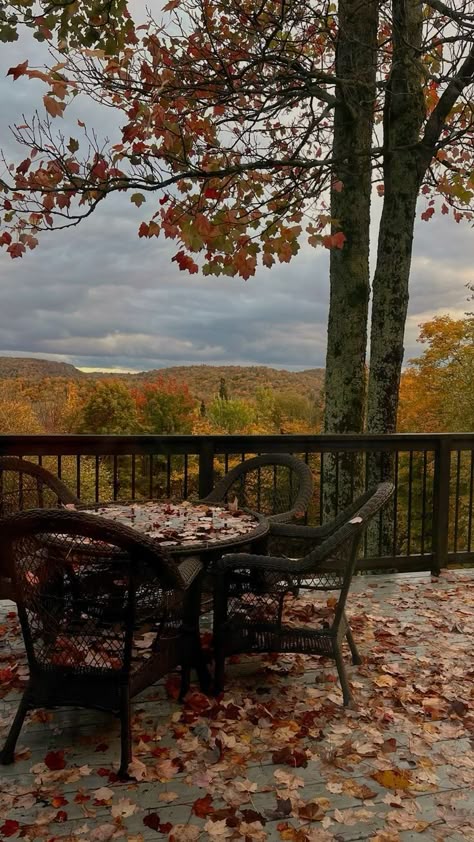
Yeah. I miss that.
And you know what? I’m also going to miss what I have right now. I’ll remember the good and forget about the bad. And that is life. So, with today’s post… please enjoy what you have WHILE you are living it.
Take care everyone.
Today…
Regarding Epstein
Trump’s attitude and pronouncements have been inept and insulting to much of his support
base. I don’t know what’s going on in his narcissism-addled mind, but I have some theories on what’s going on around the Epstein file in general. In no particular order:
Theory 1 — the truth is so horrible that it could besmirch not just the perpetrators, not just one or two agencies, but the whole nation (and maybe allies) as utterly and irredeemably depraved to an extent that decent people everywhere would repudiate anything and everything American.
Theory 2 — Epstein-connected information and/or assets are still part of active intel operations and are covered by national security legislation protecting them from being revealed.
Theory 3 — Epstein’s network is just one part of a much vaster blackmail landscape linking hundreds or thousands of influential people and organizations across multiple types and instances of wrongdoing in a giant, complex Mexican stand-off. (E.G. Bill Gates might be part of a financial crime involving senators who had nothing to do with Epstein, and on and on.)
Theory 4 (everyone has heard of this one) — Mossad was running Epstein and the criminal zionist regime is running the Trump administration.
Posted by: Figleaf23 | Jul 17 2025 14:47 utc | 10
MADNESS! US Military Commander Reveals NATO Plan to Conquer Russia’s Kaliningrad


The Commander of U.S. Army Europe and Africa (USAREUR-AF), Gen. Christopher T. Donahue, stated recently that NATO has developed a plan to capture Russia’s heavily-fortified exclave of Kaliningrad “in a timeframe that is unheard of” in case of a full-scale conflict with Russia.
Planning for such an operation follows the implementation of a new allied strategy known as the “Eastern Flank Deterrence Line”, which focuses on bolstering land forces, integrating defense production, and deploying standardized digital systems and launch platforms for rapid battlefield coordination within NATO.
Further speaking about the new strategy, General Donahue stated, “The land domain is not becoming less important, it’s becoming more important. You can now take down anti-access, area-denial bubbles from the ground. You can now take over sea from the ground. All of those things we are watching happen in Ukraine.”
According to Donahue, the U.S. Armed Forces and NATO allies possess the capability to rapidly seize Kaliningrad. The American general noted that Kaliningrad is approximately 75 kilometers wide and is entirely surrounded by NATO member states — “There is absolutely no reason why we cannot dismantle Russia’s A2AD (Anti-Access/Area Denial) zone from the ground faster than ever before. We’ve already planned for this and developed the necessary capabilities.”
Hal Turner Snap Analysis
This is madness. Utter fantasy. Complete futility. Why? Because General Donahue’s perception of NATO does not seem to match the actual reality. In my estimation, NATO’s actual reality, is more like this:
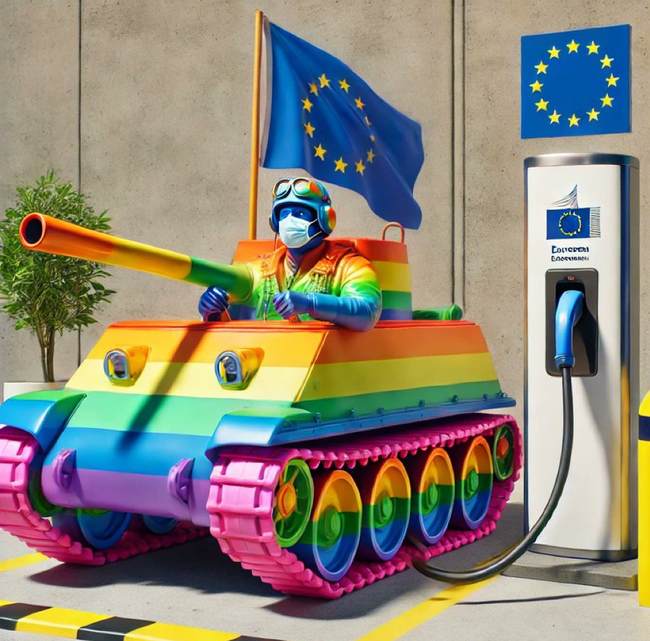
Face the facts: Europe is broke. It’s a fight just to get them to spend five percent of GDP on their own defense.
Europe doesn’t have the actual manpower.
Europe has given most of its weapons and ammunition to Ukraine.
So all of it would fall upon AMERICAN troops.
Given that reality, one wonders if he’s planning on taking Kaliningrad as fast as he lost Kabul Airport?
Here’s how his plan ends:
No thanks.
As a mechanic, did you ever refuse to fix someone’s car?
I wasn’t a mechanic, I was a service manager. A guy drove into the lot, he had poked a rod through his block. How the car was still running was a mystery. For some context, this was 1978, he was driving some little 1970 English import, a Vauxhall Viva, possibly. The blue book price was less than $500. He was a recent immigrant, with broken English, and obviously didn’t have much money, from the car he was driving.
I explained that it would cost twice as much to fix the car as it was worth. He didn’t appear to understand. So he called his pastor, who was his sponsor. I talked to the pastor when he arrived, and he called me a racist for refusing to work on an immigrants car. I explained it two different ways, and it didn’t make any difference.
I finally gave up, wrote up a work order, for $1200. Then I ran down the street to a convenience store, and bought an autotrader magazine. I handed him the work order first, and he audibly gasped. Yet it was just what I had verbally told him. Then I flipped the magazine open to a car like his, but in better shape, for sale for $500.
The light switched on. He wasn’t happy, but he now understood why I didn’t want to repair it. Since it was worth more than the car was worth ,to repair it, we would have required cash up front. Before starting the job.
My boss wasn’t happy with me, for spending my time driving away a customer.
I have no idea if the guy could have afforded to make the repair.
The next week the pastor started sending other members of his flock to us.
Surprise!
China’s first public display of the “Underground Nuclear Great Wall” shocked the world! How strong is this underground nuclear strategic project? What does it mean to the international landscape? In this program, Zhang Zhaozhong will deeply analyze the real strength of China’s nuclear deterrence system for you and take you to uncover this mysterious fortification. Don’t miss this blockbuster interpretation of national defense and security!
<video deleted on YouTube>
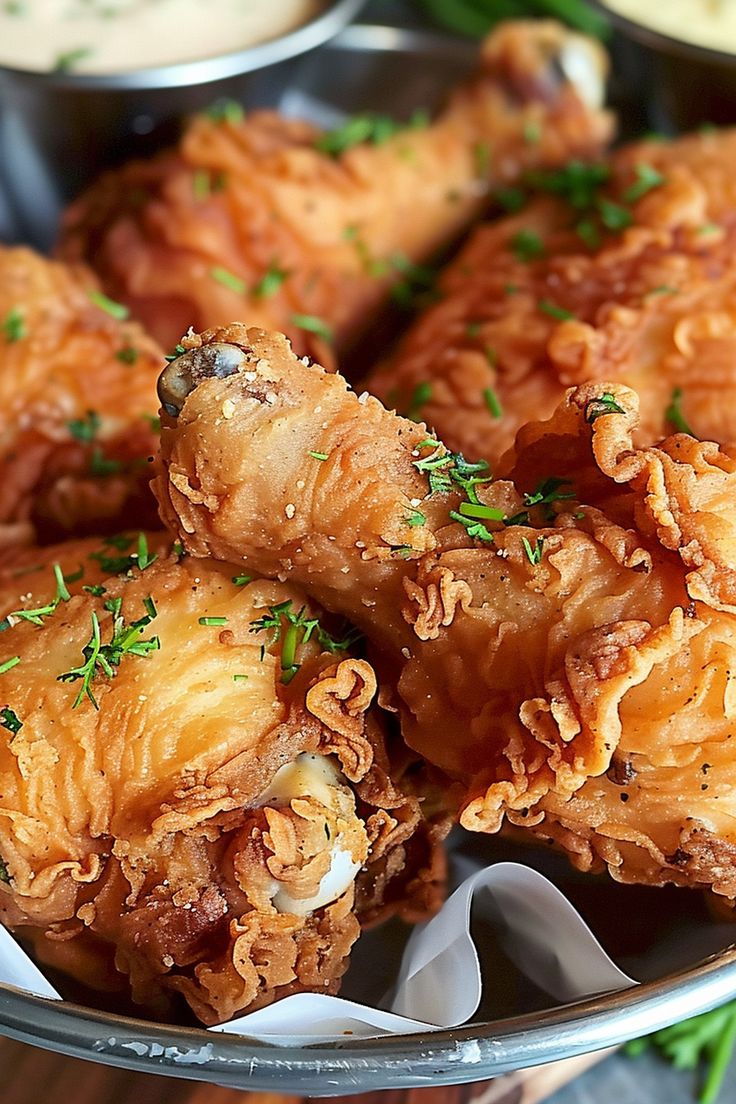
Southern Buttermilk Fried Chicken
Fry early in the morning to serve that night or fry the day before to serve for the next day.

Ingredients
- 1 quart buttermilk
- 1/4 cup Tabasco
- 2 (3 1/2 to 4 pound) frying chickens, cut into serving pieces, well-washed and dried
- 4 cups all-purpose flour
- 3 tablespoons coarse salt
- 1 tablespoon cayenne pepper
- 4 cups vegetable oil
Instructions
- Combine the buttermilk and Tabasco in a large nonreactive bowl.
- Add the chicken pieces and toss to coat well.
- Cover with plastic film and allow to marinate for 3 hours.
- Line two baking sheets with parchment paper. Set aside.
- Place the flour in a large plastic bag.
- Combine the salt and cayenne. When well-blended, add to the flour and shake to blend. Working with one or two pieces at a time, add the marinated chicken to the flour mixture and toss to coat well. When nicely coated, transfer to the parchment-lined baking sheets. Continue coating chicken until all pieces are done.
- Heat 2 cups of oil in each of two large heavy duty frying pans until very hot but not smoking.
- Add the chicken pieces to the hot oil, taking care not to crowd the pans, and fry, turning occasionally, for about 25 minutes or until cooked through and golden brown and crisp.
- Using tongs, transfer the fried chicken to paper towels to drain. (If you need to make more than two batches, preheat the oven to low.
- Place the fried chicken on baking sheets in the preheated oven with the door slightly ajar. This will keep the chicken warm and crisp while you continue frying.)
- Place the chicken on a large serving platter.
China launched a 50 000 ton drone carrier. What are its roles and capabilities?
Can a country impose heavy import tariff to one specific country for one specific product?
Yes.
Although Dimitra Triantafyllidou’s more detailed reply below is also correct.
In fact, tariffs need to be targeted in order to work. If Country A is heavily subsidizing Product B, to the point that the importing country’s domestic suppliers can’t compete, a targeted tariff levels the playing field to ensure fairness and maximize competitiveness.
At least in theory. More on that below.
What trump is doing is completely different. 10% across the board on everything China makes isn’t a tariff; it’s protection money.
He’s slapping tariffs on things which aren’t available domestically. That’s not evening the playing field. It’s just taking money out of the pockets of American consumers and putting in the federal coffers so it can be used to pay for more tax breaks for the rich.
trump is hoping he can bend China to his will on completely unrelated topics. And if that fails, at least he’ll “make” some money. (I’m still not sure he understands the money comes from Americans, not the exporters.)
And then things get complicated. The leaders of the country being extorted can’t afford to back down, so they retaliate. And then you’ve got tariffs that have nothing to do with relative pricing, subsidies, protectionism, or anything else. It is, literally, war.
Let’s end by going back to the example in the third paragraph. America put tariffs on imported washing machines (multiple countries), claiming they were being dumped in the US. As a result, US consumers paid more (price + tariff) for imported washers. But here’s the twist: instead of using the breathing room given to grow share, domestic makers decided to pad profits. So Americans paid more for American washers as well.
We’re not done. Since many people buy washers and dryers at the same time, some bright spark figured out you could raise the price of dryers — which weren’t tariffed — by the same amount. And so they did.
In the end, American consumers got screwed. And that’s why the fact you CAN whack tariffs on a particular item doesn’t always mean that you SHOULD.
Council of the Zodiac Ambassadors
Submitted into Contest #245 in response to: Set your story in a world where astrology and the movements of celestial bodies deeply impact the lives of inhabitants.… view prompt
Martha Kowalski
Week of 4/8/2024
Agenda: Horoscope Town Hall with Ambassadors Aria (Ram District), Tori (Bull District), Gev (Twin District), Candace (Crab District), Leon (Lion District), Virginia (Maiden District), Libby (Scales District), Scott (Scorpion District), Satoshi (Archer District), Catherine (Sea-Goat District), Atticus (Water Bearer District), Pierce (Fish District)
“Order, everybody! I call Day 4 of the Convention of the Zodiac Ambassadors to order!” Aria announces, pounding the gavel to commence the meeting. A hush falls over the audience in the gallery – as leader of the Zodiac, Aria’s voice is quite commanding, and her flame red gown makes her impossible to ignore as she crosses the stage briskly to her seat at the head of the table. The eleven other ambassadors settle into their seats as well: Tori daintily crosses her ankles, Leon runs a proud hand through his honey blonde mane, and Candace smooths out her flowing, turquoise skirt.
“Thank you for coming to the Town Hall with the Ambassadors,” Aria continues. “Each of the representatives will first give an update of the happenings in each of the Districts, and then give you the opportunity to ask questions and voice any concerns. At the end of the hour, we will discuss the upcoming solar eclipse. For now, we will begin going down the table. Tori?” she passes the microphone to her left.
Tori stands up with the charm and grace of a Southern belle, her pearly pink dress like a petal around her. “Residents of the Bull District should be cautious to watch their spending during the next month until the Sun moves into our District,” her twangy voice rings sweetly through the hall. “We have recently prospered and received a large influx of wealth, but what may seem like good investments now could come back to haunt us on a rainy day. We are in a solid economic place now, but we should beware of easy come, easy go.” She starts to sit down, then adds, “Oh, but our restaurant industry has really taken off since the start of the spring.” Constituents from the Bull District give a little cheer.
“Thank you, Tori,” Aria says. “Gev? News from the Twin District?”
Gev takes the microphone and straightens out his jewel-toned tie. His stylishly messy hair swoops as he stands up and a couple of girls in the audience swoon. “The Twin District has faced some problems getting projects completed. Management has promised one thing but done another, so I want to reassure you that it is my top priority to get those projects underway on schedule.” – the British pronunciation – “I have already spoken with Representatives Castor and Pollux, and they’ve agreed to form committees to oversee each of the tasks. These include breaking ground on the new computer science wing at the main university campus, awarding the research grants from the record-breaking number of applicants we received this year,” a pause for applause, “and updating the exhibits in the museum. We have many good ideas in progress, but we are lacking in completion. Take this time to focus on priorities and make these ideas come into fruition. We will be very proud of the results once we put in the hard work.”
“When will the grant recipients be announced?” someone in the audience asks.
“I anticipate by the end of Saturn in our District.”
“Will there be much disruption in traffic with the construction near campus?” someone else asks.
“Some road closures around the IT departments are planned, but it should not cause much more congestion than that.”
Candace is up next, tucking her thick red hair out of her heart-shaped face before she begins in a soft voice. “The Crab District has been functioning well as a community, but we’ve found ourselves closed off from our neighbors. Since we are an island, that is to be expected, but we need to be more open. I know we are often afraid of being taken advantage of or we can be overprotective, but some more trust will do us a world of good and allow us to make stronger connections with people who care about us.” She adjusts her seashell necklace as she sits down and passes the microphone over to Leon, who grabs it eagerly.
Leon does not need a microphone. He uses it anyway. “No matter which District the Sun is in, we are getting the best path of the Sun anyway,” he grins, confidence radiating around him. “The Lion District is prepared for being the hub on the Path of Totality for the upcoming eclipse, and we are ready for tourists to flock into our fine District for the sight. We are shining bright, and big success is in our future!” Big cheers from the Lion District audience.
Virginia rises with a more subdued, down-to-earth attitude. “While we may not be as flashy as some of our neighbors,” she shoots Leon a cool look, “our District’s vegetation is in full bloom, which means that we will soon be able to export our harvests. Some of our main contracts are with the Ram District in exchange for coal,” she glances over to Aria who nods in agreement, “with the Bull District in exchange for timber,” Tori also confirms, “and with the Water Bearer District in exchange for clay and cement,” she shares a nod with Atticus. “We are refreshed and rejuvenated and ready to go with a renewed sense of purpose and energy.”
“Would we be able to trade for shellfish from the Crab District as well?” a resident asks.
Virginia glances over at Candace, who agrees.
“Yes, Candace, let’s work on a contract for that after this meeting.”
She folds the creases of her green gown around her and passes off to Libby, who stands up poised and diplomatic. Her black hair is pinned up in perfection, and lace white gloves fit snugly to her delicate wrists. “As the center of legal doctrine,” she begins with masterful eloquence, “our District’s judges and scholars are preparing this year’s case studies for publication. We are still undecided on how to resolve a handful of technicalities, but we anticipate the volume to be available for all Districts by the start of Jupiter in the Bull District. At that time, our busy season will come to an end and we will be able to take a rest from our obligations. Until then, we are hard at work.”
“Are there any new regulations the other Districts should be aware of at this point?” an audience member asks.
“We are finalizing some zoning and property permits, but nothing that should affect existing property laws. These will be more relevant for new construction projects.”
“Like the computer science wing?” a Twin District resident wonders, and Gev glances over curiously.
“Ah, yes, that is a very good point,” Libby answers. “We will be sure to publish any guidelines before breaking ground on the wing. Gev, you and I can speak on this matter later.”
Scott addresses the audience next. “The Scorpion District has perfected new technology that makes the mining of ore and minerals much easier and faster. We have a large supply or quartz and silver –” a sliver watches flashes on his wrist under the sleeve of his black cashmere sweater – “that we are going to be putting on the market soon. Part of this week’s convention is to draw up contracts with the other Districts so they can get first purchase at favorable prices.” This creates a collective mutter of approval from the Ambassadors. “Overall, our District is aimed for success and forecasted to receive much financial gain.”
“I would like to address the Archer District’s spring health goals,” Satoshi says, brushing the jet-black bangs out of his eyes. “With the start of warmer weather, the District parks will be open for recreation again.” A soft wave of applause from its residents. “Air quality has been improving, and we also have some new greenspaces open. I would like to encourage our residents to get outside and be active this season. Take the opportunity to care for your mind and body, and spend some time in nature.”
“I would like to echo Satoshi’s encouragement,” Catherine takes over. “The Sea-Goat District faced an exceptionally harsh winter this year that has made many people lonely and discouraged, but as some Neptune moves into the Scales District, this promises an improvement in both the weather and our moods. We should find ourselves motivated and energetic again in the coming weeks.”
Atticus stands up, adjusting his glasses so that the sleeve of his denim blazer slips a little to reveal his I know wrist tattoo. “Our residents have been incredibly creative while Uranus was in the Scales District, and we have produced some wonderful artwork as a result. Therefore, the Water Bearer District would like to invite you all to our art exhibition in honor of the eclipse entitled, From Dark Into Light: An exhibition of black and white photography. Entry fee is $10; all proceeds go towards scholarships for our art students and any remaining funds go towards local charities. The exhibit runs from the eclipse to the end the Sun in the Ram District.” The Ambassadors and audience give a round of applause.
Pierce closes out the line of Ambassadors. “The Fish District has been investing heavily into our education system, especially early education programs, and in healthcare for the elderly. These programs include art classes, social dances, poetry readings, gardening days. We want to make sure the most vulnerable in our communities are cared for and don’t feel forgotten. Our District’s residents are caring and compassionate, and we are dreamers because we believe we can turn those dreams into reality – and these programs are serving as proof that we can.” He takes a small, shy bow as he receives some applause, his green eyes crinkling happily. The microphone makes its way back to the start of the table to Aria.
“Alright, thank you to all the Ambassadors for their updates. To close out the table, the Ram District has been very active in research the past couple of months. We are brimming with ideas, inspired by Jupiter in the Water Bearer District, and we are making substantial progress getting our results out there. I know that we are impatient to get things done, but I caution us to take our time – I know it’s hard for us – but really take a moment to step back to make sure we check all our boxes, cross all our t’s, dot all our i’s, so we don’t have to go back and redo silly mistakes. But overall, we are in a good place.”
There’s a brief shift in the room as the Ambassadors wrap up their respective updates and field any remaining questions before focus changes to the upcoming solar eclipse.
“Well, as we all know,” Aria continues to lead, “the solar eclipse is coming up. Atticus mentioned the art exhibit in its honor, and Leon invited everyone to the Lion District to best witness totality. Are there any questions about what to expect for this special event?”
“Is it a good day to work and be productive?” someone else asks.
“Well, I was thinking to take the day off from work to actually see it,” another audience member replies instead.
“I agree with that,” Aria laughs. “To answer your question though, yes. All signs point to any endeavors taken up on the day of the eclipse are more likely to succeed, especially before peak, so if there is anything you want to accomplish, I suggest doing it then – just don’t miss the actual eclipse!”
“Will it be a good day for love?” someone asks and people immediately chatter in interest – always a popular question for the Ambassadors.
“Should I go for the ‘total eclipse of the heart’ joke?” Scott teases.
Libby rolls her eyes and answers seriously, “For that, I would recommend asking your local Constellation Consultant to look at your personal star chart.”
“Any other question?” Candace glances around.
The audience members, satisfied with the answers and guidance they’ve been given, start to mill towards the exit.
“Wait!” a child excitedly remembers. “Are there still eclipse glasses available?”
“Yes, definitely,” Atticus says. “In fact, you can find them at the main entrance of the hall, so pick up a pair as you leave!”
“Have a lovely Sun in Ram District season and a wonderful solar eclipse, everybody!” Aria adjourns the meeting.
What is the rudest thing you have experienced while eating dinner at a friend’s house?
There’s a woman of a different nationality who lives on my road.
I’m choosing not to share her nationality so as to avoid bias of any kind. I only mention it, because it may very well be that her fellow countrymen would find nothing unusual about the story I’m sharing.
She’s very forthright. Some would say tactless. The first time I ever met her, shortly after moving onto the road, she told me ‘You seem like a very anxious person. You should consider homeopathy.’
It was an interesting statement to make to someone you’ve just met and don’t know from Adam.
There are few people on my road who can tolerate her for this reason. She just says things that make most people cringe, but I have a strange tolerance for people’s quirks, so long as I know they mean well.
She came round our house one day, back when I was married. She said she was having a few of the neighbours round to her house for a soirée. She handed us an invitation.
‘Do eat dinner before you come, because I won’t be serving food, just nibbles.’
My (ex) husband wasn’t too keen, because…well…because…he’d met her! But, I insisted it would be rude to turn her down.
So we showed up at her door on the designated night and time. Our bellies were full. We’d had our dinner beforehand, just as we’d been instructed.
When she answered the door, it was almost as if we’d caught her unawares. For a split-second, I thought maybe we’d got the date mixed up.
But, she soon invited us in. Phew, we thought. At least our other neighbours will help take the edge off this already awkward start.
Except, there were no other neighbours. There was no one else there. Just her and her husband.
Hmmm…
She waved her hand and muttered something about how everyone else she’d invited was busy.
Shit on a stick.
But the shit got even stickier when she and her husband began to serve themselves up their dinner at the table! Two place settings.
WTF?
‘Oh, would you two like some?’ she asked, as her husband placed her plate in front of her.
Well, erm, actually no. Because we’ve already had dinner. Like you told us to. Remember?
‘Oh, well, we’ve not had dinner, so we need to eat,’ she informed us. ‘Have a seat.’
So, that was the night we sat at a table like awkward interlopers, just watching two people we barely knew eat their dinner.
It was seriously the oddest experience. After they’d finished eating, we chatted with them for a bit, then we said our goodbyes and walked across the road, toward our house.
My husband and I didn’t even look at each other as we walked away from their house. We stared straight ahead, and all I heard was his voice mutter ‘Never. Again.’
I couldn’t argue with him.
China’s Next-Level Power Play: AI, Gaming, and Movies Changing the World!
Really great.
What disgusting thing you as an Australian have seen an American do?
I was in Angeles city in the Philippines at the local SM mall, sitting at a little restaurant having a typically delicious meal when I heard an American going off incredibly rudely at the waitress. Apparently his burger wasn’t cooked “right”. Now I don’t know if it is a typical American reaction however he had brought the poor waitress to tears and as A typical Aussie I just got up and said “stop being a c*nt F*ckface, she didn’t cook it, she just bought it to you” He just about physically cringed and started to carry on that I shouldn’t call him that name and that it was none of my business. I just said “We’re both foreigners here and I don’t want a c*nt like you to give us all a bad name. Don’t like being called a c*nt then don’t act like one you c*nt”. Yes we aussies have no problem using that particular word if the situation calls for it. He was almost crying as he left and didn’t say another word to anyone. I found it disgusting that he thought he had the right to crap on the way he did in a foreign country, especially one that doesn’t have the land volume to run lots of cattle therefore burgers aren’t a big thing there (except in Maccas that have infiltrated most countries) and it was just disgusting the way he carried on. I apologised to the young lady for my language but I wasn’t going to let him talk to her like that. She came over and said thankyou when I finished my meal and I said I would come back every day I was there because the food was delicious. Truly, it was disgusting to me the way he carried on, if we had been in Australia I wouldn’t have said what I said I would have just kicked the shit out him, he was just a piss poor excuse for a human. Again I am not tarring all Americans with the same brush, there was a couple of Americans staying at the same hotel I was and they were very nice, polite people, it was this one prick at SM who would give americans a bad name.
Is this still the BBC? After all these years, this is the first time I’ve seen the BBC report on China like this.
Where’s all the sarcasm and the rhetoric of threats from before?
It turns out that they’ve all been bought off by the CIA/MI6. From 2023 to 2024, the U.S. Agency for International Development (USAID) donated over $3 million to the BBC, making it the broadcaster’s second-largest donor!
After Musk exposed USAID, these smear campaigns are losing their funding. The world is going to see a truer China.
Who was the most ignorant American you have ever met?
Originally Answered: Who was the most ignorant person you have ever met in America?
I’m going to give an example of ignorance, not closed mindedness, and it’s an experience that stuck with me because it really taught me to be more understanding.
I was having lunch at a small restaurant in Dallas in ’05 and was being served by a waitress who was probably in her mid to late 30s. When I handed her my credit card she saw my name and said:
“Huh, that’s an interesting name, what kind of Mexican are you?”
I was a bit confused and said “I’m not sure what you’re asking.”
She responded “You know… are you a Guatemalan Mexican, Salvadorean Mexican, you know, what kind of Mexican?”
I’m kind of snarky so my gut was to immediately shoot back a snide comment, but a few things occurred to me.
- This woman was extremely friendly and trying to engage with a customer.
- I’m ambiguously beige and while of Indian parentage I often get confused for mediterranean, latino, persian, etc.
- Most Americans have never left the country (60%+ don’t have a passport)
- With the Mexican border about 500 miles away, a knee jerk assumption that a foreigner who looked like me was from Latin america isn’t the worst guess in the world
- She was making an effort to understand national differences in Latin America.
So yes, she was ignorant about nationalities and geography, but she was trying and ignorance and closed mindedness aren’t the same thing.
Instead of being a dick I decided to engage her in conversation (the diner was pretty slow). I explained where my family was from and we got to talking about travel and ended up having about a 20 minute conversation.
Moving through life in a series of well traveled highly educated bubbles it was a really good reminder for me that the experience of a lot of people in this country is wildly different from mine but a lack of exposure doesn’t always mean a negative response and it’s worth giving people a little slack.
Given recent events, should Hong Kong residents seek protection in the United States?
I just spent a week in Hong Kong. It was difficult, being that I’m an American so used to free speech, to have my rights hindered in such profound ways. I wasn’t expecting the confinement.
This is me, being confined to an isolation cell for violating civil order with too much free speech. The terribly sad thing was, I was not alone:
There were hundreds of other political prisoners too. We were trapped. Trapped high in the air no less. I’d say that’s tantamount to torture. I mean can you imagine having to look down and see this:
And this:
Truly terrifying. Thanks to talks between our two governments and tireless efforts from the Secretary of State, I am on my way back to the United States today, but can you imagine if they’d not come to my aid?
Lest some of you do not have your sarcasm goggles on today, let me clarify that my time in Hong Kong was amazing. The events of that week I hold in my heart and treasure; and I can’t wait to go back. Hong Kong is the most beautiful place I’ve visited as of yet and I fell in love with it and the people. They are kind and welcoming. If you’re looking for a tourism destination or a vacation there is so much to do and see for nearly any budget. You should definitely go and see for yourself. And no, they definitely should not flee. I hope they realize how very blessed they truly are, because, blessed they are.
Special thanks to F KC Lo for the photos and editing of them. I think he did a great job capturing my “deprivation of freedom.”
Sir Whiskerton and the Case of the Curious Circus Caper
Ah, dear reader, prepare yourself for another purr-fectly delightful adventure in the life of Sir Whiskerton, the farm’s most brilliant (and modest) detective. Today’s tale involves a traveling circus, some overly curious farm animals, and a mystery that only our feline genius could unravel. What follows is a story filled with laughter, chaos, and a moral that will leave you grinning like a cat who just discovered an endless supply of tuna. So grab your popcorn and let’s leap into The Case of the Curious Circus Caper .
The Arrival of the Big Top
It all began on a crisp autumn morning when the animals noticed something peculiar happening in the vacant lot near the farm. A massive striped tent was being erected, accompanied by colorful wagons, clanging bells, and the unmistakable smell of cotton candy wafting through the air.
“Circus!” Doris the hen squawked excitedly, flapping her wings. “A real circus has come to town!”
“Real circus? Oh, I can’t bear it!” Lillian screeched, fainting dramatically onto a pile of hay.
Harriet waddled over, pecking at the ground nervously. “Do you think they’ll have acrobats? Or maybe… lions?”
“Lions?” Porkchop the pig snorted. “I’m more interested in their snack stand. Did you smell that cotton candy?”
Sir Whiskerton flicked his tail dismissively. “Circuses are nothing but noise and nonsense. But if you must know, I’ve already deduced that this particular troupe is called ‘Mr. Ducky’s Marvelous Menagerie.’” He adjusted his monocle. “Though why anyone would trust a duck to run a circus is beyond me.”
Despite Sir Whiskerton’s skepticism, the farm animals were buzzing with excitement. The circus promised thrills, spills, and enough spectacle to keep even the most jaded chicken entertained.
Curiosity Gets the Better of Them
As night fell, the temptation proved too great for the farm animals. Led by Ferdinand the duck (who fancied himself a star performer), a group of curious critters snuck out of the barn and crept toward the circus tents.
Inside the big top, they marveled at the dazzling lights, the trapeze artists swinging high above, and the ringmaster—a flamboyant duck named Mr. Ducky—who bellowed commands in a voice loud enough to rival Harold the rooster.
“This is groovy, man,” Bessie the tie-dye cow whispered, swaying to the music. “Like, totally far-out.”
But things took a turn when Rufus the dog accidentally tripped over a rope, causing a unicycle to roll straight into a stack of clown shoes. Chaos erupted as clowns tumbled out of barrels, elephants trumpeted in confusion, and a tiger leapt onto its pedestal, roaring menacingly.
“Retreat!” Sir Whiskerton shouted from the shadows, where he had been observing the scene. “You fools have caused pandemonium!”
Too late. As the animals fled back to the farm, they realized one of them was missing—Doris the hen!
The Great Hen Heist
Back at the barn, panic ensued. “Doris has been kidnapped!” Harriet clucked hysterically. “Oh, I knew this would happen! I just knew it!”
“Kidnapped? Oh, I can’t bear it!” Lillian fainted again.
Sir Whiskerton rolled his eyes. “Nonsense. She’s probably hiding under a haystack somewhere. Or worse—she wandered into the lion’s den.”
“No, no, no!” came a muffled squawk from outside. The animals rushed to the window and gasped. There, inside a gilded cage beneath the circus tent, was Doris. She was surrounded by glittering feathers and wearing a tiny tiara.
“They’ve made me their queen!” she declared proudly. “Isn’t it magnificent?”
“Magnificent? You’re trapped in a cage!” Sir Whiskerton said, exasperated. “This isn’t a promotion; it’s a predicament.”
The Rescue Plan
With no time to waste, Sir Whiskerton devised a daring rescue plan. Rufus would create a distraction by howling loudly enough to wake the entire county, while Ferdinand posed as a backup singer for the ringmaster. Meanwhile, Sir Whiskerton and Ditto would sneak into the tent to free Doris.
“Remember,” Sir Whiskerton instructed, “we must act swiftly and silently. No unnecessary quacking or clucking.”
“Clucking? Oh, I can’t bear it!” Lillian echoed, still sprawled on the hay.
Ignoring her, the team sprang into action. Rufus’s howl sent the elephants stampeding, while Ferdinand belted out a rendition of “Quack Me to the Moon” so off-key that even the clowns covered their ears.
Under cover of chaos, Sir Whiskerton and Ditto slipped into the tent. They found Doris preening in her cage, completely oblivious to the commotion.
“Doris, we’re here to rescue you!” Sir Whiskerton hissed.
“But I don’t want to leave!” she protested. “Look at my crown! And these feathers make me look fabulous!”
“Fabulous won’t save you from becoming tomorrow’s dinner special,” Sir Whiskerton snapped. “Now step aside.”
Using his superior intellect, Sir Whiskerton picked the lock with a bent feather and swung the cage door open. Just as they were about to escape, however, Mr. Ducky appeared, flanked by two suspiciously muscular geese.
“Well, well,” the ringmaster quacked. “What do we have here? Stowaways in my marvelous menagerie?”
The Twist
Before Sir Whiskerton could respond, a deep rumble shook the tent. From the shadows emerged Longwei, the gentle dragon who lived nearby. His golden eyes glowed softly as he regarded the scene.
“Is there a problem here?” Longwei asked in a calm, resonant voice.
Mr. Ducky paled. “A-a dragon?! We didn’t sign up for this!”
Longwei stretched lazily, curling his tail around the frightened ringmaster. “Perhaps it’s time you packed up your circus and moved along. These animals belong to the farm, not your show.”
Realizing resistance was futile, Mr. Ducky and his crew hastily dismantled the tents and fled into the night, leaving behind a trail of confetti and dropped popcorn.
A Happy Ending
With the circus gone, the farm animals returned home, exhausted but exhilarated. Doris reluctantly gave up her tiara, though she insisted on keeping the feathers as souvenirs.
“Well done, Whiskerton,” Rufus said, wagging his tail. “You saved the day again.”
“Indeed,” Sir Whiskerton replied smugly. “Though next time, try not to howl quite so loudly. My eardrums are still ringing.”
As the animals settled down for the night, Longwei curled up beside the pond, purring contentedly. Even the farmer, oblivious as ever, hummed a cheerful tune as he tidied the barn.
The Moral of the Story
The moral of the story, dear reader, is this: Curiosity may lead to adventure, but it can also land you in hot water. It’s always best to explore new experiences with caution—and perhaps a clever cat by your side.
And as for Sir Whiskerton? He returned to his sunbeam, content in the knowledge that he had once again saved the day—and ensured that the farm remained the happiest place on earth.
Until next time, my friends.
The End.
This Is Why MARRIAGE Is The WORST Deal For Men In 2025
Shorpy


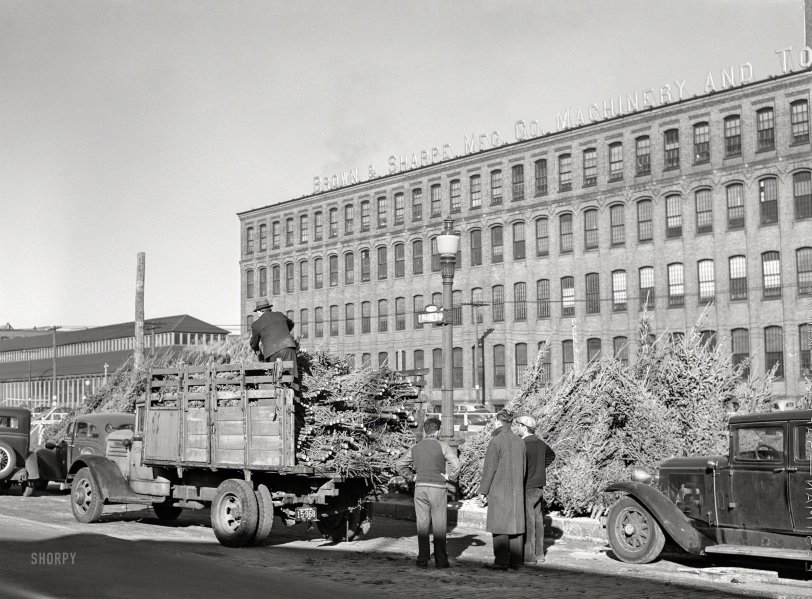
How badly will American manufacturers be hurt by retaliatory tariffs by Canada against American goods? How will all this economic warfare likely play out, in the long run?
Canada can find new markets for Canadian products faster than the US can find new sources to replace Canadian products. Since the tariffs were announced, Japan, the UK and China, have said they will take as much lumber as we can produce, the same for potash, steel and aluminum. Oil will be a bit slower to recover, but once the pipeline to the east coast, or the Great Lakes is complete, oil will recover 100%. Beef, pork, chicken, produce, eggs and milk are going to take a couple more weeks.
Once we are supplying our resources and products for more money that the US was paying, getting resources etc. from Canada again, will be problematic at best. We may be able to ramp up production enough for some products to have the surplus needed to sell some of it to the US, but it will be at full price, not the good guy discount you are getting now.
Trump is not a smart man, he is a loudmouth bully, who found a way to make money with threats, aka. Extortion. I don’t believe we can work with Trump in the future, especially if he goes through with the tariff’s. It’s an absolute that the US has lost access to our resources and any other product that we have acquired new trading partners to supply to and buy from.
Bottom line, we don’t need the USA as a trading partner, anyway near as much as the US needs Canada as a source of trade. The US is going to get hurt, how much depends on Trump.
Why is the new SU-57 receiving criticism despite still being in development and not yet fully evaluated?
The most honest and simple answer for the criticism is that it is Russian. The US funds it press through things like USAID to pour out negative press and propaganda especially about Russia and China.
On Monday(Sept 9, 2024), the House passed HR 1157, the “Countering the PRC Malign Influence Fund,” by a bipartisan 351-36 majority. This legislation authorizes more than $1.6 billion for the State Department and USAID over the next five years to, among other purposes, subsidize media and civil society sources around the world that counter Chinese “malign influence” globally.
This is information is swallowed up by the Western masses, over time most of Western society has been taught not to think for themselves and depend on the corrupt media. This is how you had situations like Iraq, Afghanistan, Serbia and Libya happen without any push back from Western societies.
This is the same tactic they use with both Russian and Chinese equipment. In the case of the SU-57 they use mal-information which “is information which is based on fact, but removed from its original context in order to mislead, harm, or manipulate” . So for example you will hear people say that SU-57 patent says that its RCS goal was 0.1sqm which it did say. The things they will not tell you are that the Sukhoi has said that the actually RCS number is confidential, and that F-22 ATF also called for it to be 0.1sqm. The difference is that Lockheed Martin has told US the RCS number they claim for the F-22 and F-35, Sukhoi has not.
You will also hear a claim of how slow the production has been. According to credible sources there are about 32 SU-57 serial fighters with a few late prototypes brought to production level, so in total about 36-40 units since 2021 when they went into real production. Which is a production rate of about 10 per year in what is admitted to be low rate production. How does this compare to F-22 production? Well the F-22 produced 195 units between 1996 and 2011, which makes it an average of 13 units. People will say that is a long time ago. The F-15EX got a contract in 2021 to build 80 fighters as of the end of 2024 8 have been produced while in low rate production or 2 units per year.
The simple answer to low production is the Sukhoi said so. They said way back in 2021 that they only wanted 24 or so with first stage engine. The Al-51F1 engine was completed and ready to be installed with serrated nozzles for 2024, however there was a decision to move to flat nozzles which caused a delay in the engine being installed. As of 2025 the upgraded SU-57M with new engines and other unknown upgrades will arrive.
The SU-57 is the most battle tested of all the 5th generated fighters. The F-22 has shot down a balloon is 20 years and the F-35 shot down a drone and probably through the Zionist regime bombed some helpless targets unable to fire back. The SU-57 has shot standoff missiles like the Kh-69, Grom-E2, Kh-59MK2. It has shot down a fighter from 217km with R-37M, it has shot down SU-27 in WVR. In the first few months 4 fighters did a SEAD mission test into Ukraine.
Why is the filet mignon such a popular cut of meat?
Filet is popular because it’s tender. It’s very tender. It’s, a tender loin.
Now that you’re done laughing your ass off, here’s the deal. Tenderloin is a shit cut of meat. It tastes like not too much and it’s as expensive as fuck all. It tastes like nothing because, as a muscle, it does nothing. It just shoots through the sirloin, like a meat missile, and gets absolutely zero exercise from the animal. The lazy ass tenderloin is just along for the ride. For that reason, it develops no flavor and remains as tender as my heart.
That’s pretty damn tender.
Some time ago, I don’t have a date, the American Beef Council, the “Beef, it’s what’s for dinner” people, did a study of beef eating American consumers. They determined that tenderness was the number one attribute that beef eating Americans were looking for in a steak, and with that, the tenderloin became their Queen. Beef has good marketing, so they were able to convince you that the tender filet is a fancy amazing steak worthy of a high price, despite the fact that it has little flavor.
As a bartender, who was that one customer you will never forget?
There are so many but there was this one particular old man. He was so cute and so nice. He was an accountant at the office next door. He drank Cutty water y’all and always sat in the same seat. He came in everyday and would tease me all the time because I’d never been camping. He nicknamed me Ritz Carlton. He would say “She’s so girly and fancy, she camps at the Ritz Carlton”. About a year after I’d left that bar, I heard that he’d passed away. Then, one day, I was at home when I got a phone call. It was an attorney informing me that he was in charge of the mans will. And…he had left me his 5th wheel RV! I WAS SO SHOCKED.. but he’d always said he was gonna get me to go camping even if it was the last thing he did. And he stuck by his word. I guess all the way to the end.
The Fate In Our Stars: A Professor Deshpande Mystery
Submitted into Contest #245 in response to: Set your story in a world where astrology and the movements of celestial bodies deeply impact the lives of inhabitants.… view prompt
Martin Ross
“In a 2020 survey of more than 173,000 Chinese ages 18 to 60, major personality traits were shown to have no reliable correlation to stereotypes associated with individual zodiac signs, such as heightened ambition in Aries, loyalty and passion in Leos, perfectionism in Virgos.”
The man smirked. Saanvi continued.
“At the same time, these stereotypes pose some undesirable social effects. The sign Virgo carries negative connotations for many Chinese, who see persons born under that sign as fussy or critical. Many respondents indicated they would refuse to date or even hire Virgos.”
The smirk vanished. “So what?”
Saanvi grinned happily. “The pandemic spurred a resurgence of interest in astrology. Isolated young people sought guidance in navigating challenging situations. My students have referred me to a number of astrology podcasts, and some even use dating apps like Co-Star that match astrologically inclined individuals. Did you know the global astrology industry was valued at $12.8 billion in 2021, and may reach $22 billion by 2030?
“Scientists are concerned about a generation leaning on astrology to make major life decisions influenced by commercial interests. You see ‘woke’ philosophy as indoctrinating individuals into a liberal hive mindset, correct? My interest is to encourage students to look within themselves for answers and scrutinize beliefs and institutions that propose predestined identity, behaviors, and destinies.”
“Dr. Deshpande?”
Again, Saanvi was forced to look up, this time at Assistant Prof. Ethan Cooper behind her shoulder. She smiled with amusement as Cooper and the stranger exchanged wary nods.
“Yeah, the president just got here,” the sculptor/metalsmith murmured.
“Gonna wait outside, I think,” the burly man rumbled, moving off. “Thanks for the conversation, Doc.”
“My,” the department chief breathed. “Doctor Deshpande. Did you hope my honorary or your indomitable presence would frighten him away?”
Ethan shrugged. “Sorry, Saanvi. After the vandalisms last week, I just wanted to, uh…”
“Assert alpha dominance? As if the president would deign to grace us with his presence during NCAA finals. Our guest neither raised his voice nor attempted to shout down my arguments. He didn’t come here for trouble. He was here for a specific purpose. Or person.”
“Please do go on.”
“The obvious assumption would be that our guest was a parent, venturing into the academic lion’s den to admire, tolerate, or more likely investigate his child’s creativity. Only one of the 12 pieces seemed to attract his full, considered attention. I tested him and sparked a reaction. Exasperation – affectionate exasperation.
“So our guest appeared to share a relationship with one of our artists. Parental, perhaps. But, if so, a detached or disaffected relationship. He asked if others enrolled their offspring in the University for this type of woke abstract nonsense, not if this was how his hard-earned wages were being expended. He may be a father, but an estranged one.”
“Long-lost daddy come to reconnect?” Ethan theorized. “Or maybe reclaim?”
“Why risk a public confrontation here in the gallery when he could simply wait outside?”
Prof. Deshpande did not normally subscribe to cues. But the uniformed man in the gallery entrance caught her eye, and she raised a finger as she crossed the floor.
“You Dr. Dez–, Desh–?” the young campus cop demanded.
“Deshpande, yes. May I help you?”
“We got one of your guys, one of your students, and he asked for you. A Hayden Barr?”
“I’m familiar with him. A sophomore. Has he been injured? Has he committed some kind of infraction?”
“Yeah, the second one. And, well, more than an infraction. We got a dead guy.”
**
He lay at the foot of the concrete bench beside The Abattoir of Ideas, at Wrightson Hall’s south entrance. The quad was relatively deserted, and red and blue University/Millington PD flashers illuminated Ethan Cooper’s tarnished metal installation, defining the tools of butchery, destruction, and warfare the assistant professor had welded about a VW-sized “brain.”
Even in the intermittent darkness, Saanvi could discern the seeping slit in the art critic’s black tee. She paused to study the spray-painted graffito on the bench above him, then sought out her sophomore, sitting dejectedly in the back seat of a Millington cruiser.
“Steve and I rolled up when we saw the dude on the ground,” a sturdy female University officer reported, one leg blocking Hayden’s flight. “Guy here was about 30 feet away, and he fled when we called out. I gave pursuit and brought him down in front of the Communications building.”
“And you didn’t lose sight of him at any time during the, ah, ‘pursuit’?” a fortysomething city detective asked. “Couldn’t have thrown anything away, stashed a weapon?”
“Nothing on him.” She glared at Hayden.
“And you didn’t see anybody else nearby?”
The officer backed a step, her baton nearly concussing Hayden Barr. “Nobody.”
“Detective Mead?” Saanvi asked gently.
The Millington cop looked down at his friend of an ostensible friend. “Professor. How you been?”
“Up to this point, very well. Should Mr. Barr contact an attorney?”
“Don’t know yet. We can’t seem to find a weapon.”
“I’m sorry, but weaponry is art,” Saanvi said. “The man’s wound seems wider and broader than what one might expect from an ordinary piece of cutlery or hunting knife. And I would be interested in knowing if the blade’s exit path might exhibit tearing.”
“You would. OK. Why?”
“That symbol someone spray-painted near the victim. Specifically, the symbol for the zodiac sign Sagittarius. The Archer.”
**
“It’s very…” Det. Mead struggled as he surveyed the 12 paintings, sculptures, lithographs, and miscellaneous objets about the now-deserted gallery.
“Yes,” Saanvi replied. “Each of my Ancient Norms in Contemporary Culture students was charged with creating a work conveying the superstitions, stereotypes, and/or influence of astrology in modern society. Sagittarius here takes aim at modern male toxicity.”
“And the artist?” Mead asked, staring up at the steroidally brawny behemoth in a red cap and loincloth leveling a camo-finished crossbow.
“Donita Carver. Who has been in Chicago for the last three days following the death of her grandmother. Moving on, Pisces is a water sign often used to connote healing, and the artist, Meta Gahrab, chose to address climate change and the oceans.”
Saanvi led Mead to the largest piece, anchoring the central wall.
“Fuck,” the detective stated. “Is that…?”
“It most assuredly is,” Prof. Deshpande sang. “Virgo. Chrystle – Chrystle McMasters, the artist, has a talent for using negative space.”
“And positive,” Mead argued, averting toward the descriptive placard next to the silk-screened, anatomically detailed canvas. “The little dudes with the bio-suits and ladders?”
“The patriarchy, working to preserve pristine womanhood,” Saanvi related.
“Mm. So how’s this connect to dead redneck downstairs?”
“I spotted the gentleman almost as soon as he entered the gallery. This was the first piece he approached.”
“Well…”
“He displayed no shock or prurient interest. He called the exhibit woke, a waste of college tuition. But he didn’t comment on what the general public likely would view as the most offensive piece in the gallery. So I pushed his buttons a bit. I referred to a Chinese study of discrimination against those born under the sign Virgo. He reacted as if familiar with the perceived traits of the Virgo.
“Now, are you aware of the recent series of break-ins and vandalisms across campus? The campus police have investigated, but I’m unaware if the Millington Police have been involved.”
Mead shrugged. “You guys told us you wanted to keep this inside the University. Minor damage, broken locks, some graffiti, maybe fake gang symbols, nothing major stolen.”
“Our department was one of the five targeted. It’s difficult to divine a common political or personal grievance against the medical imaging lab, the Center For Advanced Energy Utilization, the School of Environmental Sciences, the astrophysics department, and the School of Arts. Then I identified the symbols left at the scenes. Astrological symbols, specifically those for the signs Taurus, Aquarius, Scorpio, Leo, and Capricorn.”
“Maybe some kind of anti-science thing?” Mead pondered. “Some twisted rightwing protest? I take it the energy and environmental sciences folks do a lot of eco research, that sort of thing?”
“Well, the Nazis commissioned Swiss astrologer Karl Ernst Krafft to advise high-ranking German officials, and of course, we know Nancy Reagan came to depend on a White House astrologer to help guide the president’s activities and movements.”
“Soooo, what, the Campus Young Republicans are behind this?”
“I would doubt that. But my class discussion of the break-ins did reveal that a number of students – including three or four of mine – are involved in an astrology group, a club, of sorts…”
“Oh, good,” Mead responded. “A mystical stargazing cabal.”
“Not certain how they chartered it,” Saanvi said. “Would you care to speak to one of the founders? She’s also our Virgo.”
**
“Yeah, I said I don’t know,” Chrystle McMasters told the iPhone through her teeth. “No, I would rather you didn’t – you’re such an Aries, such a control freak. I said, I will see you at home. You got that leftover cake, and we can binge and do Squid Game.”
The artist tossed her phone in an open canvas bag and yelped as she spotted her faculty mentor and a very obvious cop waiting in the open gallery doorway.
“I’m sorry to intrude, Chrystle,” Prof. Deshpande murmured.
“Just my helicopter girlfriend. Sometimes, the matriarchy can be as oppressive as the patriarchy. And who’s this?”
“Detective Mead with the Millington Police. He’s investigating the murder that took place outside. Did you know someone painted the symbol for Sagittarius next to the body?”
“Jesus, this about the group?” McMasters breathed. “Dudes, we’re not a fucking cult or a terrorist cell or anything. We meet at the Coffee Commune, do our charts and talk about relationships and financial shit and stuff. I don’t know who these other assholes are, especially if they killed some guy. Was he a student?”
Mead pulled his iPhone from his windbreaker, and pulled up a photo. “Maybe you seen the guy? I’m going to show you the victim now. If you’re up to it.”
“If I’m up to it. Gimme.” The rangy brunette grabbed the phone, and her eyes locked on the image. The phone dropped to the eco-friendly bamboo floor.
“You OK?” Mead asked, retrieving his phone.
“Fuck no,” McMasters rasped. “That’s my fucking dad.”
**
“Well, biologically speaking,” Chrystle clarified after chugging the water Prof. Deshpande had supplied. “They put him in Joliet for shooting that minimart clerk in Bolingbrook 15 years ago. He came up for parole last fall, and started calling and texting. Said he was getting out in January, and when I made the mistake of telling him about the exhibit tonight, he said he wanted to come. I didn’t think he’d actually show.”
“You didn’t see him in the gallery?” Mead asked. McMasters slumped back, eyes red but dry.
“Yes, I fucking saw him, so I hid back here in the office. Then Professor Deshpande and Ethan got rid of him. I thought.”
“And you didn’t go anywhere after your dad left?”
Chrystle repeated her favorite catchphrase. “Ethan, Prof. Cooper, was working on some grant forms over there. We talked shit the whole time, ‘til you guys shut the exhibit down.” She drained the rest of the bottle. “I didn’t think Dad’d have the balls.”
**
Ethan Cooper had retreated to his second floor office, where he appeared to be completing the aforementioned grant application.
“Yeah, Chrystle was with me the whole time. She didn’t say anything about that guy, though. Kinda figures – growing up in Nebraska, I met a lot of tough guy hardcases like that.”
“Let’s change gears for a moment,” Mead said. “When the art department got vandalized a few months back, was anything valuable stolen or destroyed?”
The craftsman pushed back from his keyboard. “I wouldn’t say valuable. Hayden couldn’t finish his current project because they apparently walked off with what ferrofluid we had left.”
“Ferrofluid?” Mead asked.
“Hayden’s been working in ferrofluid – it’s like this magnetic liquid you can use to create static or even moving sculptures. Hayden’s become almost like a Jedi with the stuff.”
“So this is like a chemical compound. What else they use it for?”
The artist turned to his laptop and, after a few minutes, dropped back. Saanvi skirted the detective and peered over Cooper’s broad shoulder. Then she looked to Mead. “Oh, cursed academic myopia. Ferrofluids are used in recycling to remove metals from refuse and in bioresearch to separate particular cells from cell clusters. They can be applied in drug targeting and theoretically in developing thruster mechanisms for small satellites. As well as medical imaging and possible harvesting of ‘vibration energy’ from the environment. I think that might well constitute an ‘Eureka.’”
Mead frowned. “Still doesn’t tell us where our missing weapon might be.”
Prof. Deshpande smiled. “Actually, the victim was virtually surrounded by weapons. Come along, please.”
**
“Nope,” Assistant Professor Cooper sighed after an exhaustive inswpection. “Everything seems to be in order, and, what’s more, intact. Unless the killer brought welding gear.”
“What’s that on your sleeve?” Mead asked. “No, left one. Looks like blood. See you can find where that came from.”
Cooper focused his Maglite over the fused composite of knives, augers, mines, bayonets, and butcher’s tools reminiscent of the Nebraska sculptor’s adolescence. The spotlight halted over a congealing red-black streak bisecting a SWAT shield.
“Ah,” Saanvi turned toward the campus cruiser. “Oh, by the way, a belated Happy Birthday!”
“Thanks!” the killer sang, before gripping the passenger door frame.
“Ah,” Mead echoed. “Leftover cake for a March birthday girl. An Aries, I presume? You mind I take a look at your unit, Officer What…?”
“Officer Quennell, Dana Quennell.” the compact policewoman stated crisply, relaxing her grip with a tight smile. “No, not at all, Officer…?
“Detective. If you and your partner can just stand off, over there. And yeah, you, Barr? Get on out of there.”
“The bizarre but minor nature of the recent Zodiac break-ins didn’t rise to a city investigation,” Prof. Deshpande began. “But I imagine you were quick to volunteer to search the premises, Officer Quennell. It was simple enough to remove small quantities of ferrofluids and ID them as stolen. Chrystle must have told you weeks ago her father planned to visit, and being the ‘helicopter’ girlfriend she describes, you were worried he might pose a material threat, rekindle a toxic relationship?”
Det. Mead foraged in the trunk of his own unit, tugging an MPD poncho free.
“Did Chrystle tell you she would ask her father to meet her outside the Arts Center, or did you suggest it? Ethan’s stunning installation. A perfect forest in which to hide a leaf.”
“Chesterton,” Ethan mused. “The Father Brown guy. Antisemitic bastard, too.”
“My. You staged the campus break-ins to accumulate enough ferrofluids to magnetize your disappearing ‘arrow.’ Then, you affixed it to Ethan’s piece. You contrived a reason to come by the center, and watched for McMasters. You pulled your improvised weapon from the sculpture, impaled Chrystle’s father, sprayed the zodiac symbol on the bench to implicate the campus ‘vandals,’ re-concealed the arrow, and called your associate to the scene.”
“Yo, Steve,” Mead called. “While we were inside, she search that, uh, installation thing?”
“She was hoping we’d find the weapon, score some points. I kept an eye on Barr.”
“And what’d your partner do after searching the thingie?”
“She checked out her unit. Dana thought the front driver’s tire looked low.”
Quennell started to move forward. “Whooaaa, girlfriend. See, you thought the dumbass cop would search inside the car and then wish you a contrite fare-thee-well.” He spread the poncho on the damp asphalt behind the open driver’s door, and knelt next to the radial with a grunt. In a second, he displayed a bloodied, sawed-off metal “arrow” – seemingly a sharpened ornamental fence topper.
“It would appear you got something stuck on your undercarriage,” Mead observed.
**
“It was his own ‘sign,’” Saanvi extinguished the gallery lights. “He bore his own poorly rendered constellation.”
“Prison tat,” Det. Mead nodded. “The four outside dots are the prison, the center the prisoner. Good eye, Doc.”
“Tattoos are art,” Prof. Deshpande noted. “What marks us; how we mark ourselves. Ultimately, we seek tribal connection, or we adapt to survive within the tribe. Whatever that may entail.”
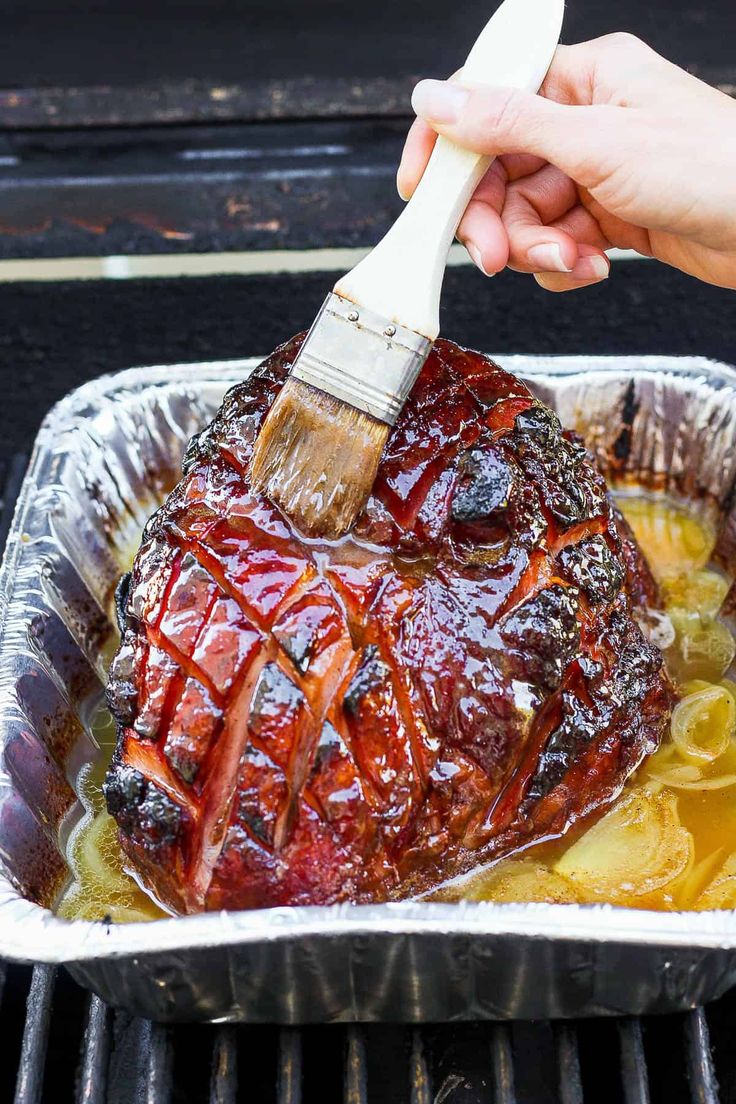
Georgia Baked Ham
Ingredients
- 1 (13 to 15 pound) fully cooked bone-in ham
- 4 cups sifted all-purpose flour
- 1 cup brown sugar
- 2 tablespoons ground cloves
- 2 tablespoons ground cinnamon
- 2 tablespoons ground mustard
- 1 teaspoon black pepper
- 1 cup (approximately) apple cider (not hard cider)
- Brown sugar for topping
Instructions
- Trim some of the fat from ham.
- Combine flour, brown sugar, spices, mustard and pepper. Add enough cider to make a dough.
- Roll out dough into an oval, large enough to cover top and sides of ham. Drape dough over ham and lightly pat it in place so it clings to the surface. Do not encase the ham completely with the dough, just cover the top and sides leaving the bottom open.
- Place the ham on a rack in a shallow, open roasting pan. Start ham in a cold oven. Set control to 325 degrees F.
- Bake until thermometer reads 160 degrees F, about 3 1/2 to 4 hours, basting with cider every 30 minutes.
- After it’s baked, remove dough jacket and discard.
- Sprinkle ham with brown sugar and return to oven until top is bubbly and golden.
Who was the most interesting person you’ve ever been seated next to on an airplane?
As a kid I often travelled from Copenhagen to Chicago to visit my father’s family.
On this flight my father had gotten us some very cheap tickets, though these seats were several rows apart. It didn’t really matter much to me, since I was pretty much fully immersed in a book I was reading, Dværgen fra Normandiet by Lars-Henrik Olsen.
I had a couple of chapters left when food service began and I had to put the book away. This was when the boy next to me tried to start up a conversation by asking what book I was reading, allowing me to gush to this stranger about my current “favorite” book (back then I had a new favorite every time I picked up a book). I went on and on, retelling the plot, pointing out my favorite passages, commenting on the characters, etc. Oh and to clarify the next part, I had the aisle seat, the boy was in the middle, and an older man in the window seat. I soliloquized for about 15 minutes until the man in the window seat leaned forward and said: “Thank you”.
Turned out it was the author, travelling with his son. I spent the entire visit living high on this experience, telling my father about it over and over, starting as soon as we landed.
President of China: “The West must adapt . . . . or disappear.”
Hal Turner World July 15, 2025
President Xi Jinping of China, meeting with Foreign Minister Sergei Lavrov of Russia, made some brutal remarks about the United States and Europe today.
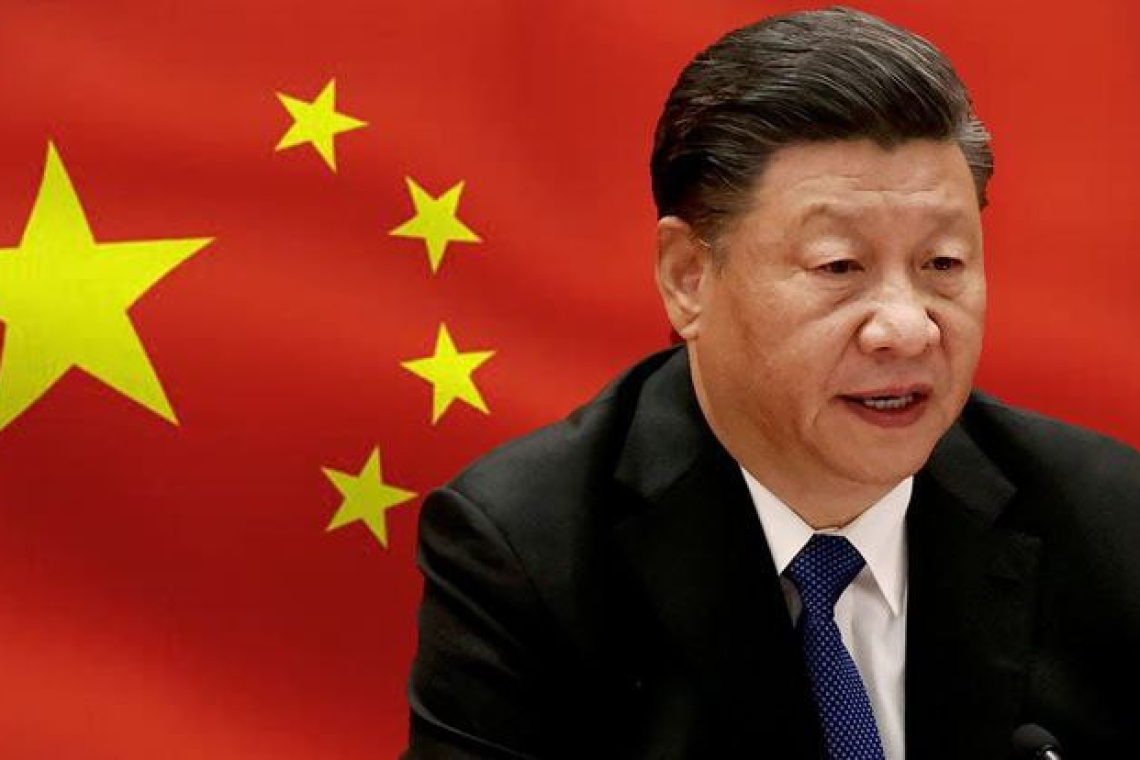
Xi said “China and Russia are not building an alliance. We are building a new global reality. The West must either adapt or disappear.”
He went on to say: “The West wants others to live in perpetual poverty so that their banks remain rich.”
Then, the big remark: speaking before Lavrov and Iran Foreign Minister Araqchi, Xi Jinping declared: “We do not seek to rule the world… only to liberate it from those who believe they own it.”
He’s talking about us; the United States and Europe.
Readers would do well to seriously contemplate the serious implications for us in the US and Europe.
Xi Jinping is not some nobody; he’s President of China. They have the men, the equipment, the Navy, and the money to make-good on every word he spoke.