
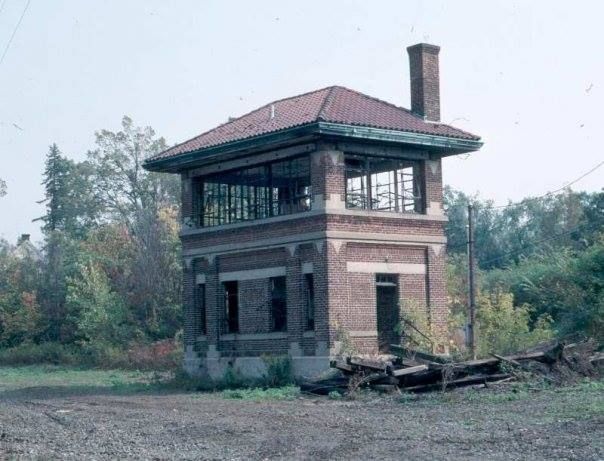
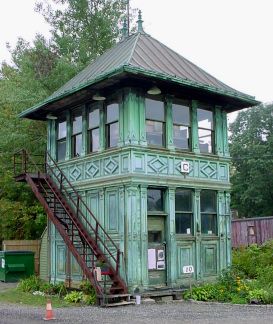
Often I look at abandoned buildings, outbuildings and structures and wonder how I could make it into a home. All from the massive decaying Victorian homes, to abandoned barns, shed, and factory warehouses.
Of course, the practicality of such a renovation was always far beyond my budget. But yeah. I do muse about those things. Ah, they reside in my dreams.
Here’s some old switching stations for railroads, and rail tracks that are abandoned. I think that they would make some pretty awesome small homes for the man who is crafty enough.
Today…
“Code Blue” Official Lyric Video | KPop Demon Hunters | OSV
Everything is changing. Including how music is promoted.
What was the craziest thing your manager demanded you to do at work?
She drank a lot.
Whiskey was her orange juice to my breakfast.
In school, part of my area of study was entrepreneurship. I was awarded a paid study grant to work with a small business owner named Cheryl. Cheryl’s business was simple. If you wanted something with your logo on it, she’d get it for you.
It didn’t take long to figure out that Cheryl’s morning glass of Jack also triggered her mutant creative side. Being the intern, this meant I was her go-to guy for weird stuff.
Her requests were absurd.
One time she wanted me to develop my own inventory tracking technology using satellites because a common RFID system was too expensive.
Yeah, let me grab some paperclips and Popsicle sticks and get on it.
Another time she asked me to partner up with a new graphic design employee to make a hologram of her, like in Star Wars, that could give building tours to free up her schedule.
Before you ask, no, I didn’t get to that project either.
One day Cheryl called me into her office.
“Hey Matt.” A whiff of her whiskey breath seared my nostrils. “I want to relocate the company to someplace cheaper. Would you go out and find new properties?”
Other than wondering if her head would explode if I lit a cigarette, it also crossed my mind that I’d never moved apartments, much less an entire business.
“Uh, okay.”
She continued, “Check out the Free Trade Zone at the airport. Maybe you can even talk with the city about getting tax breaks.”
Instead of doing what a smart person would do and say no, I agreed to this sorcery.
I contacted Hillwood, the company that owned the Alliance Airport, and scheduled a meeting.
If you don’t know, Hillwood is a fancy international real-estate developer based in Dallas, Texas, owned by Ross Perot Jr. They’re the real deal.
To me, though, it was just some company that owned an airport and some buildings.
I drove up to Hillwood’s headquarters in my beat-up Honda and parked. I climbed out of my car and walked up, cheap folder in hand, to the nice building, my too-small-suit suffocating my body in the scorching Texas heat.
I arrived into their stunning lobby. It was immediately obvious I didn’t belong.
What did they do?
They treated me like a billionaire.
A beautiful receptionist greeted me. “You must be Mr. Bennett. Can I interest you in a cold beverage.”
“Water. Thanks.”
Then she directed me to a comfortable chair.
I flipped through a book or something.
A couple minutes later, she walked over. “Follow me to the conference room. You’ll meet everyone there.”
Everyone? What does she mean, everyone?
We walked into a huge conference room. The massive table reminded me of the old Batman movie where Bruce sat awkwardly on one end of the table with his date on the other.
Alone, I pretended to write important notes. Condensation from the bottled water pooled up on the table.
Then the door opened.
In walked five important-looking people wearing suits that fit a lot better than mine. One by one they greeted me with, “Mr. Bennett” and sat around me.
I was in way over my head.
I explained my task.
Relocate a podunk company to an expensive Free Trade Zone at an expensive airport so we could peddle cheap trinkets conference people throw away in their overpriced hotel rooms.
The whole thing sounded ridiculous to me.
That didn’t matter to the Hillwood guys. They acted like I was Elon Musk moving Tesla to Dallas. They leaned forward, asked questions, took notes and laughed at my dumb stress-relieving side comments. One of the suits even invited me to take a private tour with him of some of their properties.
At the end of the tour, he gave me his card, smiled and shook my hand goodbye.
Total class act.
After that close-call, I figured that was enough. Cheryl’s weird ideas got older by the day. It didn’t help that I also had about twelve managers telling me what to do.
I had to find a way to escape her whiskey-fueled pipe dreams.
One day I was walking through the warehouse.
Then I saw them…
Lying in the corner were some old blueprints peering out from a pile of junk. I grabbed them. From that day on, I carried them wherever I went.
I’d be walking down the claustrophobic hallway, a manager would look at me, inhale in preparation to hand off busy work, look at the blueprints and say, “Oh, never mind. Looks like you’re busy.”
Nobody bothered me again.
First Lesson: If something sounds ridiculously impossible and the risks are low, give it a shot. You’ll probably learn a lot and, even better, you’ll have a good story to tell.
Second Lesson: If you’re a business owner, be cool to the little guy. He’ll appreciate it forever. And even if he never ends up a customer, he’ll probably tell that story to everyone he knows.
Last Lesson: Nobody messes with a guy carrying blueprints.
Which episode of the Twilight Zone still sends a chill up your spine today?
Which episode of the Twilight Zone still sends a chill up your spine today?
A Nice Place To Visit (S01E28)
(Big spoilers, obviously. If you haven’t seen this episode go watch it first. You have been warned.)
A criminal named Henry “Rocky” Valentine is shot by the cops after fleeing the scene of a robbery.
He wakes up in the alley with an old man in a white suit standing over him. He says his name is Pip but Valentine insists on calling him “Fatso” or “Fats”.
Pip takes Valentine to a lavish apartment.
He tells Valentine that everything inside is his, and any changes he wants or anything else he needs, just ask and Pip can get it done for him. Whatever he wants. Fine food, fine clothes, money, women, anything.
After some conversation Pip helps Valentine understand that he died in that alley.
Pip: Mr. Valentine, do you remember when we met earlier today? I told you I was, in a sense, your guide, and you said you needed a guide like a hole in the head? As a matter of strict fact, you had a hole in the head, only a short time before. A bullet hole.
Valentine: Oh, yeah, that’s right. The cops, they- Then I must– I must be dead.
P: Mm-hm.
V: Well, if I’m dead, then-then all of this, the joint, the-the clothes, the-the booze. Then I must be in Heaven. Yeah, that’s it. That’s It, I’m in Heaven, right? You’re my Guardian Angel or something like that?
P: Something like that, yeah.
Valentine is overjoyed and for a time he goes wild, visiting a casino where he wins huge sums of money and collects a small harem of beautiful women to hang around him.
Though he does begin to wonder, what exactly did he do to deserve this? He knows he lived a life of crime and violence and he wouldn’t normally expect to find a paradise waiting for him in the afterlife.
He has Pip take him to the Hall of Records to look himself up but finds only a list of his sins, each one worse than the one before. No good deeds at all.
He’s troubled by this and asks if someone made a mistake by sending him here. But Pip assures Valentine mistakes are “not likely”. He is exactly where he is supposed to be. Valentine is still confused but figures God must have had a reason for sending him here after he died, and who is he to question that?
So he returns to his hedonism. But after a while it starts to grow stale.
He goes back to the casino where he wins again…and again…and again. Every hand of poker is a winner. Every pull on the slot machines is another jackpot. His harem of beautiful girls are always smiling like robots, always doing whatever he says when he says it and how he says it. He can’t even play a game of pool without miraculously clearing the table on his first shot.
Valentine breaks down and tells Pip he is indescribably bored. All this stuff he wanted, none of it means anything if it’s all just handed to him like this.
He tells Pip he isn’t cut out for Heaven and demands to be sent to the Other Place.
And then the bomb drops.
Valentine is shocked.
He tries to leave but finds the door to the apartment locked.
And the episode fades out to the mocking laughter of Pip, who was never an Angel at all…
“A scared, angry little man who never got a break. Now he has everything he’s ever wanted, and he’s going to have to live with it for eternity – in the Twilight Zone.”
I love this episode because of the way it fools the viewer as much as it does the main character. Pip never once lies to Valentine. He merely lets him assume certain things. And the episode does the same to the viewer. It got me good the first time I saw it when I was a teenager. And Sebastian Cabot’s maniacal cackling as the episode fades out stuck with me for a good while.
I’m sure this isn’t the first time someone has imagined Hell as a place where you get everything you ever wanted but none of it means anything. But it was the first version I ever saw.
Why are Tesla sales down 10% in China? Is it the Musk political issue again?
Not in China.
Chinese are probably the luckiest people in 2025 era. China has the most technologically advanced society. I won’t bore you with highspeed train or EV because they are everywhere. Let me tell you about Low-Altitude Economy
It’s a whole new economic sector (with multiple industries). It’s like China is building highspeed freeway when the rest of the world was still riding horses.
The reality of movies like Minority Report, 5th Element, Ghost in the Shell, soon will come alive in China.
Most Chinese are kind of sheltered and naive in terms of world politics. They don’t face trolls, propagandists, racists. So lucky.
Who is Elon Musk?
Man needs no introduction. Many of you can give me a version of that son-of-a-biatch and how much you despite him. But in China, he is da boss.
Elon surrounded by his beloved workers in Shanghai
大老板 as Chinese call it. The big boss. This is an endearing yet respectful term Chinese call their leaders. He provides 20,000 employments for Chinese in Shanghai and pays $323 million USD tax to China.
Meanwhile Tesla paid zero tax to US in 2024.
Da big boss makes sure his relationships with Chinese government and Chinese population are in top shape. It is his life line.
Elon met with Chinese Premier Li Qiang in Beijing on Sunday, April 28, 2024
Why is Elon Musk different in China?
China doesn’t normally practice cancel culture. But when China does, China goes big. Most Western companies who made mistakes offendeding Chinese people, whether through ignorance or pure innocent mistake, they always see themselves with big losses, some practically gave up on the biggest market of the world. Elon cannot afford to behave like son-of-a-biatch in China.
The looming trade war
US literately nullified all Huawei registered patents in US, causing Huawei to lose billions. US threatened to take over TikTok. US banned many Chinese products.
There are about 100x more targets China could hurt US right inside China. China could simply nationalize Tesla, and Elon can’t do a thing to stop it.
Hence, Elon is doing his best to allow China to see he is a respectable and reasonable businessman: something Chinese highly values.
Elon Musk political fiasco in US is just a comedic footnote in China.
So why is Tesla not dominating China?
I did say Chinese people are the luckiest in 2025 era. One other reason is competition. Thousands of companies compete, consumers win big.
Competition is kind of cutthroat in China. No political sway, no lobbyist, no campaign donation to get a senator to swing in your favor. Entrepreneurs don’t have a lot of political power in China.
Elon should feel lucky he is number 2 in China among 20–30 sharks. It could have got much worse. Competition is rated “For Mature Audience only” in China while US is kind of PG-13.
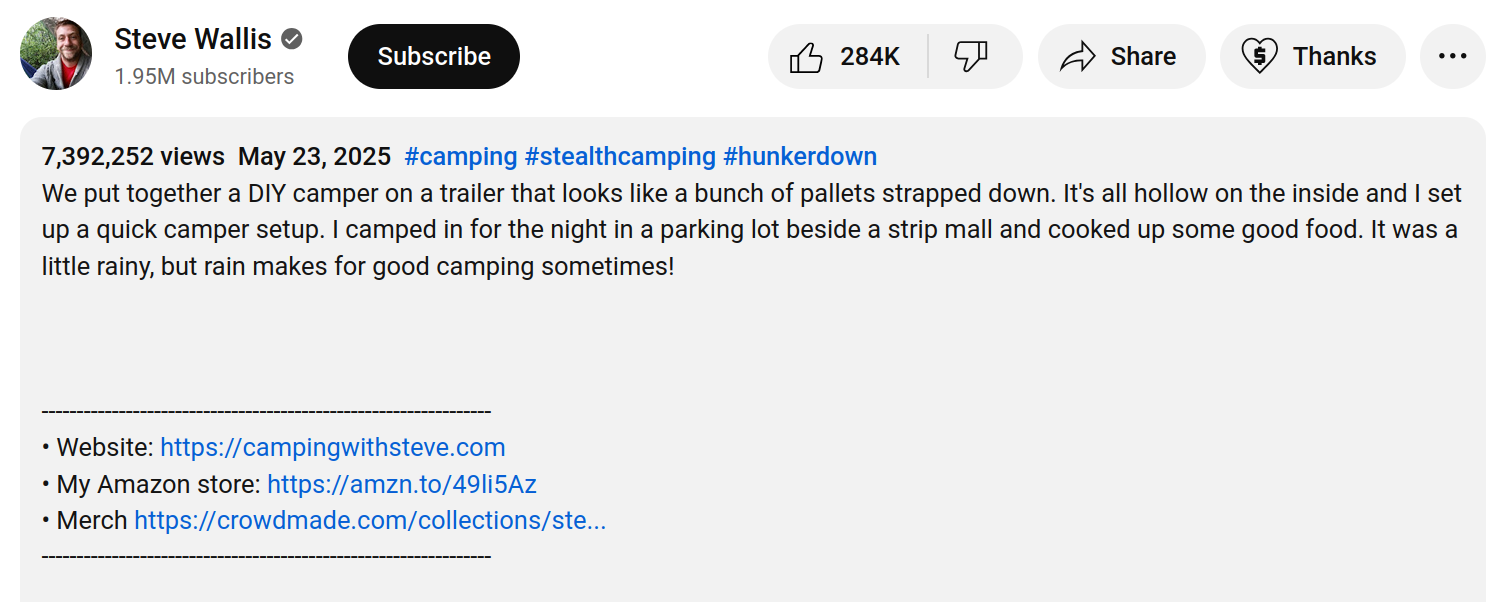
Camper Disguised As Pallets
Professor Quackenstein’s Chilling Condensation Catastrophe
Ah, the farm. A place of tranquil meadows, gentle breezes, and—on most days—a strict adherence to the laws of thermodynamics. But then there was Professor Quackenstein, the farm’s pre-eminent (and arguably only) Mad Hydrologist and Invention Architect, known in certain circles as 疯狂鸭博士 (Fēngkuáng Yā Bóshì). The Professor’s latest invention, the Quacken-Klimatizer 3000, promised to give Martha’s Farm “bespoke weather,” but instead, it delivered an environmental anomaly the local news would later call a “minor, spittle-based ice age.”
The trouble began, as it always did, with a misplaced decimal point and an overabundance of ambition. Professor Quackenstein, adjusting the dial for a “mild, breezy Tuesday,” accidentally cranked the system to ‘Sub-Arctic Chill, Max Condensation.’
The machine didn’t explode. It merely sighed—a long, deep, frosty sigh—and blasted the Professor with a wave of super-chilled gas.
It was a cold so precise, so scientifically targeted, that it didn’t freeze his feathers or his feet. It only lowered his core temperature just enough that his saliva instantly froze upon contact with the air.
“A-CHOO!” tried the Professor, aiming for a dignified sneeze.
Instead of a spray of duck-ish moisture, two tiny, pointed icicles—dubbed “beak-sicles” by the bewildered Professor—formed on the tip of his beak. They were instantly followed by a small, perfectly square ice cube that plopped onto the floor.
“Remarkable!” he squawked, or at least, tried to. But the words came out like: “Re-m-r-k-k-b-bl-h!” His beak was now a semi-frozen, low-fidelity megaphone, and every syllable he uttered resulted in another few milligrams of frozen water vapour, slowly building a translucent, slippery wall around his lab bench.
Sir Whiskerton, the farm’s resident Arbiter of Calm, found the Professor’s lab five minutes later. The cat was expecting to sign off on a new sprinkler system, not a geological event.
The lab was now less a workspace and more a bizarre, spit-built igloo. The Professor was frantically gesticulating, trying to explain his “Chilling Condensation Catastrophe,” but he could only produce a high-pitched, staccato clink every time a word escaped his icy lips.
“P-p-p-pr-r-bl-m!” he insisted, waving a clipboard frozen into a solid block of ice. The Professor was also wearing a duck-sized wool scarf, which only served to insulate his neck while leaving his mouth an architectural hazard.
“Professor,” Sir Whiskerton said, placing a velvet paw near the growing wall of slippery cubes. “I appreciate the avant-garde aesthetic, but are you… accidentally building a prison out of your own spit?”
“A-s-s-s-l-t-y!” the Professor confirmed, spitting a tiny, icy brick that bounced harmlessly off a stack of books.
Just then, Bingo the Dog bounded into the lab, his tail a blurry propeller of canine enthusiasm. Bingo, never one to let a scientific anomaly stand between him and a snack, immediately spotted the newly formed “beak-sicles” dangling from the Professor’s mouth.
Crunch.
Bingo snapped at the Professor’s face, mistaking the frozen saliva for a delicious, low-calorie treat.
“B-ng-g-o! N-n-n-o-o!” cried the Professor, recoiling.
Crunch, crunch. Bingo chewed happily, his breath fogging the air. He then turned his attention to the growing Spittle-Wall of Doom and began enthusiastically licking the slick, chilly blocks, convinced the Professor had invented a new flavour of dog treat.
“Good boy, Bingo. Not a treat,” Sir Whiskerton sighed. He surveyed the scene. The Professor was now trying to melt the ice on his face using a tiny blowtorch—a device usually reserved for putting a perfect char on ice-sculptures of his own face. It was spectacularly ineffective, merely glazing the beak-sicles in a thin layer of melted water that instantly re-froze into a thicker layer of ice.
The crisis was accelerating. Every time the duck spoke, moved, or breathed, another piece of his laboratory furniture was being sealed into a spermaceti-smooth wall of duck-spit ice. The floor was a minefield of tiny, self-replicating hazards.
“Right,” Sir Whiskerton declared, tapping his chin thoughtfully. “This is a clear-cut case of Super-Cooled Salivary Condensation. The Quacken-Klimatizer 3000 has not just chilled the air; it has created an atmospheric duck-spit frost point.”
Sir Whiskerton began a quick calculation on a fresh, non-frozen pad of paper. “The human mouth is about 37°C. The surface temperature of a duck’s beak is typically cooler, let’s say 25°C. For saliva, which is mostly water, to instantly flash-freeze into a structured cube at this humidity… we’re looking at an ambient temperature of approximately minus-17 degrees Celsius, or a localised kinetic energy drop of precisely 2.4 Quacken-Units.”
He looked up. The Professor was now accidentally building a perfectly formed, ice-sculpture archway leading to the sink.
“Professor, your body heat, combined with this specific atmospheric freeze-point, is turning you into a one-duck, self-constructing, frosty architect,” Sir Whiskerton explained. “But more importantly, we can’t simply break all this ice; it’s too slippery and we’ll turn the lab into a pond.”
The cat had an idea—a subtle, powerful idea that required the gentlest of forces.
“We need heat, but not aggressive heat. We need a slow, pervasive, delicate warmth,” Sir Whiskerton murmured. He knew exactly who to call: Longwei the Dragon.
Longwei, a creature of immense power and surprising domestic tranquility, was found in his favourite sunbeam, polishing his scales.
Sir Whiskerton laid out the situation: “A mad duck, a dog with a frozen-spit chewing habit, and an entire lab sealed by an accidental, salivary glacier.”
Longwei’s eyes widened, then softened. The dragon understood that great power must sometimes be used for the most delicate care. He flew over to the Professor’s lab, careful to land far away from the slick, icy threshold.
He stuck his massive, noble head through the nearest window, took a slow, deep breath, and began to gently purr.
It wasn’t a roar of fire. It was a soft, vibrating cloud of thermodynamically-perfect warm air—a slow, tender breeze that permeated the room. The purr was barely audible, but the effect was immediate. The tiny, frozen structures began to sweat, then soften, then turn into clean, harmless puddles.
The beak-sicles melted into a satisfying drip that the Professor immediately wiped away. The ice-clipboard turned back into a sodden sheet of paper. The beautiful, accidental spit-ice sculpture of the farm—which, strangely, had managed to depict a surprisingly accurate replica of the barn’s rooster—dissolved into a sparkling puddle.
In less than a minute, the lab was merely damp, the Professor was merely chagrined, and Bingo was merely confused as his snack had disappeared.
“Th-thank you, Longwei. An impressive display of controlled geothermal output!” the Professor declared, his voice now only slightly froggy.
Longwei simply offered a soft, smoke-free smile.
The farm returned to its usual, sensible, non-spit-freezing climate. Sir Whiskerton looked at the damp floor and then at the tiny, abandoned blowtorch.
“Professor,” he said mildly. “Perhaps next time we test the climate control device in a slightly more contained area. Maybe… a teacup?”
The Professor, now wrapping his duck-sized scarf around his whole face, nodded solemnly. “A teacup. Or perhaps… next time, I simply wait until I have swallowed before trying to explain my theorems.”
The End.
Post-Story Analysis
Moral: Even the greatest geniuses need to test their theories on a small scale before they accidentally turn their spit into a danger.
Best Lines:
- “Professor, are you… accidentally building a prison out of your own spit?” – Sir Whiskerton.
- “The Professor was now trying to melt the ice on his face using a tiny blowtorch—a device usually reserved for putting a perfect char on ice-sculptures of his own face.”
- “Bingo the Dog… mistook the frozen saliva for a delicious, low-calorie treat.”
- “It was a soft, vibrating cloud of thermodynamically-perfect warm air—a slow, tender breeze that permeated the room.”
Post-Credit Scene:
Professor Quackenstein, inspired by the accidental masterpiece, patents his new invention: The Quacken-Scuplture 5000: Atmospheric Spit Art. He tries to convince Bingo to be his ‘primary production unit,’ but Bingo only wants to eat the prototypes.
Key Jokes:
- The Professor’s beak is frozen shut, making his scientific explanation sound like “Re-m-r-k-k-b-bl-h!”
- Bingo the Dog keeps trying to chew on the “beak-sicles” and the walls of spitty ice, thinking they are treats.
- The Professor’s futile attempt to use a tiny blowtorch designed for melting ice-sculptures of his own face on his actual face.
- The absurdity of Sir Whiskerton having to deduce the “freeze point” of duck-spit to solve the crisis.
Starring:
- Sir Whiskerton as The Cat Who Solves Scientific Emergencies by Studying Saliva.
- Professor Quackenstein as 疯狂鸭博士 (Fēngkuáng Yā Bóshì), The Architect of Accidental Ice Prisons.
- Bingo the Dog as The Unofficial Quality Control Taster of Frozen Condensation.
- Longwei the Dragon as The Gentle Giant with a Thermostatic Purr.
P.S.
The laws of physics are not suggestions, but they are remarkably flexible when a mad duck is involved.
The Real Reason Gen Z Will Never Own Anything And Pay Forever
This is really good. The business model of subscription services will be very bad for people when times go hard.
Imam Bayaldi (Stuffed Aubergines)

Ingredients
- 4 medium size eggplant
- 2/3 cup olive oil
- 2 large onions, sliced
- 3 cloves garlic, chopped
- 4 large tomatoes, peeled
- Handful of parsley, chopped
- Salt and pepper, to taste
- Nutmeg, to taste
Instructions
- Cut eggplants in half lengthwise. Scoop out a little of the flesh to make room for the filling. Sprinkle the insides and reserved flesh with salt; set aside for about 15 minutes.
- Meanwhile heat 3 tablespoons of olive oil in a pan; add onions and garlic and sauté until soft and golden. Stir in tomatoes, parsley and seasoning and cook 5 minutes more.
- Heat remaining olive oil in a pan and fry the eggplant flesh for a few minutes, then add to the tomato mixture.
- Fry the eggplant halves in the same pan, until the flesh softens, adding more oil if necessary.
- Arrange eggplant in a baking dish and spoon on the stuffing. Pour 2 1/2 cups boiling water into the dish, cover and simmer on low heat until the eggplants are cooked, about 1 hour.
Notes
This can be served hot or cold.
A Modern Wife
Written in response to: “Write a story that only consists of dialogue. “
Kyra Medrano
PARKER: I’m alright, thank you for asking.
CROUCH: Uh huh, yeah. Of course. Well. Tell me about [pause] your living situation.
PARKER: My husband and I live in Cameron Park- About a thirty (30) minute drive east, traffic depending. He’s a career pilot, retired Air Force. Now just a hobbyist. We’ve been together for twenty-six (26) years. Married for twenty-three (23). No children.
CROUCH: [pause] When they told me you- [cuts off]
PARKER: Yes?
CROUCH: Nothing, nothing. Please continue.
PARKER: I’d been waitressing, until the start of the year. My husband mostly keeps to the house.
CROUCH: He doesn’t work?
PARKER: No, his only income at present are his checks from the VA.
CROUCH: And did you have a change in career?
PARKER: A change in having a career, rather. My health declined. Suddenly and rapidly.
CROUCH: Do you care to elaborate? On the nature of your health crisis?
PARKER: Mental. Emotional. Years of stress and fatigue catching up, the doctor said.
CROUCH: Is that when Mr. Parker brought the humanoid robot into the household?
PARKER: Advanced human, if it is all the same to you, and it was a bit more involved than that. There was a period of weeks spent attempting to get me well before that concession was made.
CROUCH: A concession on whose part?
PARKER: Mine. I resented the idea. Even as I continued to deteriorate.
CROUCH: [unintelligible]
PARKER: You’ll have to speak up detective, my hearing isn’t what it used to be.
CROUCH: Ha. Yes. Of course, ma’am. Could you tell me about the process of integrating the humanoi- Advanced humanoid into the household? How Mr. Parker behaved in the time between it’s arrival and the [pause] event.
PARKER: Of course. It became clear, both to my husband and my physician, that I was not making any real, tangible effort to recover by late May. My husband and I agreed that it was time he move on.
CROUCH: Agreed? Earlier you suggested it was more of a [pause] surrender. Or giving up, on your part. Concession, is the word you used.
PARKER: Yes, and it very much was. It had become clear that I was letting go of myself, and so to was it time for me to let go of my distrust and dislike of advanced human tech. It was the obvious path forward.
CROUCH: And what did you mean about Mr. Parker moving on?
PARKER: You were told I asked for a divorce, correct?
CROUCH: Yup. [pause] Yes.
PARKER: That was an error in judgment on my part, before the advanced human ever came into the equation.
CROUCH: Could you elaborate on that?
PARKER: No.
CROUCH: Ok. Let’s stick to what you might know. What made Mrs- [cuts off] what made you finally agree to the purchase of the humanoid.
PARKER: [pause] Advanced human, detective, if it is all the same.
CROUCH: It isn’t, to be frank with you. Please continue.
PARKER: [pause] Very well. Outside assistance was necessary. To provide clarity.
CROUCH: Clarity.
PARKER: Yes, clarity.
CROUCH: Ok. So Mr Parker purchased the humanoid, what happened after the arrival?
PARKER: For a period of weeks my husband walked her through her duties. I was in no state to teach her anything. So he had to explain to her how to do the laundry, how and what to cook, how to keep house. All the roles I was failing to fulfill.
CROUCH: So it was Mr. Parker that programmed her.
PARKER: That is correct.
CROUCH: Even though her purchase was meant specifically to be in your service?
PARKER: She was. No one knows what I need better than my husband. And again, I was in no state to help myself. The programming would have overwhelmed me.
CROUCH: Sure, but what you’re describing to me sounds more like a homemaker than a nurse or companion. Both of which seem like they were needed. By you.
PARKER: It was my husband’s needs we were concerned about. The woman he married was failing to meet the most basic agreements of their union. A compromise was necessary.
CROUCH: I’m sorry?
PARKER: You have nothing to apologize for detective. You are doing a perfectly fine job.
CROUCH: Ok. [pause] Can I just- I’d like to clarify some things on my end.
PARKER: Of course.
CROUCH: Mr. Parker purchased a humanoid replication of his wife so that she- it could fulfill the role his actual wife was too ill to play?
PARKER: Essentially, that is correct.
CROUCH: Meanwhile Mrs- [cut off] you were left to suffer your condition alone?
PARKER: I was hardly alone. I had the company of my husband and the advanced human both.
CROUCH: Your husband, who you’d have liked to divorce, and his humanoid replication of yourself, which you were against inviting into your home.
PARKER: You are looking at the situation through a very narrow lens detective, and you are neglecting the fact that her presence did improve my condition, with time. Relief from wifely duties was beneficial for us both.
CROUCH: Then what happened. What caused Mr. Parker to turn on her?
PARKER:The advanced human’s quality of work improved, the wife’s health improved, and I was ready to be alone with my husband. So it became a process of proving myself the more effective, reliable partner.
CROUCH: And?
PARKER: And I was. We all could see it. I performed more proficiently than she ever had, in the entirety of their time together.
CROUCH: Their time together. Mr. and Mrs. Parker?
PARKER: Mr. Parker and the defective product.
[15 second pause]CROUCH: The defective product. [pause] Are you referring to the humanoid or Mrs. Parker?
PARKER: There was a reassignment of roles. Based upon the data supplied by the initial trial period.
CROUCH: How do you mean?
PARKER: I was upgraded to ‘Wife’ and she was downgraded to- What was that word you were using? ‘Humanoid’.
CROUCH: A human being cannot become a robot anymore than a robot can become a human being.
PARKER: My husband and I disagree. Why should he be left with an inferior product, when a superior model is available and willing?
[27 second pause]PARKER: Detective?
CROUCH: Tell me about the night of March twenty-third (23rd).
PARKER: Of course. I had gone out to run a few errands later in the day, at my husband’s request.
CROUCH: Uh-huh.
PARKER: That is to say, I was away from the house until the early evening. My husband was sitting on the couch in the living room when I returned. I asked for his help bringing in groceries, and he got up to assist without a word.
CROUCH: Where was Mrs. Parker in all of this.
PARKER: I was bringing in the groceries.
CROUCH: No. Mrs- [pause] where was the [pause] what did you call her earlier?
PARKER: The defective product.
[5 second pause]CROUCH: I’m not going to say that. Where was she?
PARKER: In the kitchen.
CROUCH: Preparing for dinner?
PARKER: On the floor. Waiting to be picked up after.
CROUCH: Explain.
PARKER: She’d made a mess of her circuitry, and her coolant was pooled all over the floor. Stained the tiles. The forensic photographer can show you, I’m sure, if they haven’t already.
CROUCH: I’ve seen the pictures. What did you do after you found the body?
PARKER: My husband was absolutely starving, so I made dinner. After which he asked that I clean up the kitchen, and so I did. He kissed my cheek and retreated to the bedroom while I worked, asked that I join him when I was finished.
CROUCH: What did you do with the body?
PARKER: What do you do with your disposables?
[10 second pause]PARKER: I know that the body has been recovered. That its recovery is the reason we’ve been brought in. If I’d known the fuss it was going to cause I would have done more. My husband is very upset with me.
CROUCH: So he killed her, brutally, in the time that you were out. That’s what you’re telling me.
PARKER: I am not. I am telling you that the model was ineffectively programmed, and so was decommissioned. I do not know by whom or at what time, as I was away from the house.
CROUCH: Was your husband expecting visitors?
PARKER: None that I am aware of.
CROUCH: Did he see the body?
PARKER: He did not enter the kitchen, it is entirely possible he did not know it was there.
CROUCH: He asked for you to clean up.
PARKER: After dinner, yes.
CROUCH: I believe you are intentionally obfuscating my questions.
PARKER: I am not programmed to do so.
CROUCH: So you are capable of acknowledging your inhumanity.
[11 second pause]CROUCH: If what had been found on the floor of Mr. Parker’s kitchen had in fact been ‘circuitry’ and ‘coolant’ this conversation would not be happening right now.
PARKER: And why not?
CROUCH: Property damage and murder are entirely different crimes.
PARKER: I don’t understand.
CROUCH: That’s alright, Mrs. Parker. [unintelligible] …stupid fucking waste of time.
PARKER: If this device [tapping, presumably on recorder surface] rendered all of our discussion unintelligibly would you not replace it?
CROUCH: [pause] I think we’re done here. [pause] Thank you for [pause] coming out Mrs- look I can’t do this anymore- [unintelligible] shut her down.
PARKER: He is a good man, detective. A rational, practical m- [cut off] [the humanoid robot is shut down.]
INTERVIEW CONCLUDED
The Scariest Apocalypse Movies That Will Blow Your Mind | Ranking 2025
The world before the apocalypse – what happens step by step when the system begins to collapse? In this Ranking 2025, you’ll discover the best end of the world movies, apocalypse films, and civilization collapse stories you must watch. From 80s classics like Threads and The Day After to modern hits like How It Ends, It Comes at Night, and Contagion. Each movie shows a different vision of collapse – from pandemics and blackouts, to nuclear wars and the slow breakdown of society. These are terrifyingly realistic films that still shock audiences today.

What are the pros and cons of being an Army officer? Do people regret joining the Army?
My two cents, probably not universal.
Pros:
- Pretty good pay, especially as you progress to Major, Lieutenant Colonel and beyond.
- Travel opportunities. Overseas assignments if you want them, deployments whether you want them or not. Got to live in Germany, travelled all over Europe. Middle East quite a bit. Iraq was an experience.
- Leadership opportunities. Army likes to thrust it’s officers into leadership roles in organizations they know nothing about. Builds confidence when you do well (or for me when I don’t manage to get fired).
Army: “Know anything about asphalt/concrete?”
Me: “No.”
Army: “Good, you’re now in charge of an asphalt/concrete platoon.”
Repeat for pretty much anything in the Army.
4. Schooling. Army loves educating it’s officers. Master’s degree is pretty much expected as you progress. Plus a never ending series of mandatory (for promotion) schools. Officer Basic Course, Captain’s Career Course, Staff and General Staff College. Senior Service College (if you’re lucky). Plus all the other “cool guy” schools like Airborne, Ranger, Air Assault, etc. are usually made more available for officers versus enlisted.
Cons:
- You’re going to get shit on, especially as a junior officer (lieutenant to captain). You’ll get your ass chewed, disrespected and punished (at worst) and questioned, challenged and mistrusted (at best).
- Get used to being in charge and blamed for everything that goes wrong in your organization. Private Snuffy comes up hot on a drug test? “When’s the last time he was counseled on drug use?” Lieutenant Snuffy lost a radio?, “It’s the commander’s fault for not enforcing supply discipline, charge him for the cost of the radio.” It’s a game you get used to but it still sucks.
- Social expectations. Some people love this shit, I don’t. Balls, hails and farewells, New Years meet and greet with the general, boss hosting a BBQ, etc. Unwritten rule is that attendance is mandatory and you’re expected to, “have fun.”
I’m sure some people regret joining the Army. I don’t, I needed this shit. I appreciate (for me) being an officer, the Army does invest in and develop you. I believe the experiences are unmatched with other professions. I’ve watched a 6–7 year old kid stare at me while running his finger across his throat in Iraq but I’ve also got to party with Bulgarian Soldiers in Sliven and visit a mall in Qatar that had a damn Venetian canal inside of it.
How does a liquor manufacturer that makes 12 year old scotch stay in business for the first 11 years?
I was once told a little story about whisky makers and their aging claims by a cynical old excise duty consultant who had been round a good few blocks in the sector. I don’t have the answer to the conundrum – people who know more about whisky than me might explain it easily – but it certainly made me think. This was in the mid-1990’s when 30 year old whisky was just taking off from being a specialist collectors’ curiosity into a relatively mass market item and demand was doubling each year.
“I was at (distillery X) recently” he said “and I couldn’t help remarking to them that I really hope they put their Master Distiller from the mid-60’s on a good pension. When they asked why I said the man must’ve been an absolute genius. Having inherited a long tradition of only holding back one or two casks of the annual production for 30 year storage, sometime about 1963 he must have thought ‘you know, I reckon by 1993 people are going to start getting more into this 30 year old thing….better put down a little extra’. Then in 1964 he must’ve thought ‘Yeah…and by 1994 it’s really going to be taking off, better double last year’s lot’. And in 1965 he decided to double it again. And now you’ve got this amazingly profitable legacy of an ever growing stash of 30 year old whisky to sell, coming on in just the right quantities you need each year, all down to that man’s incredible foresight! You really do owe him big-time!”
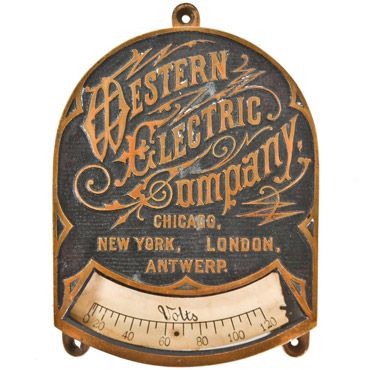
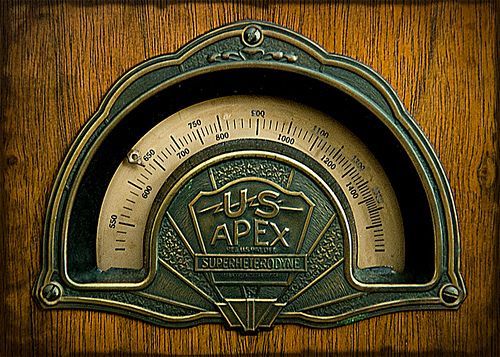
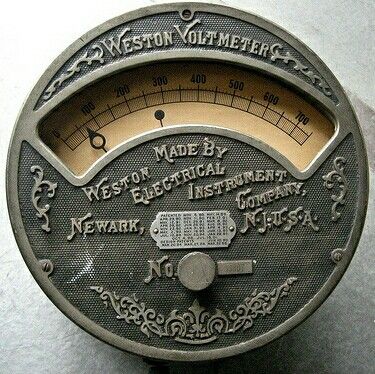
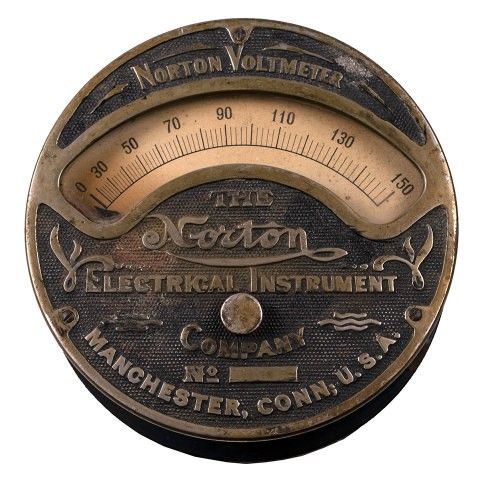
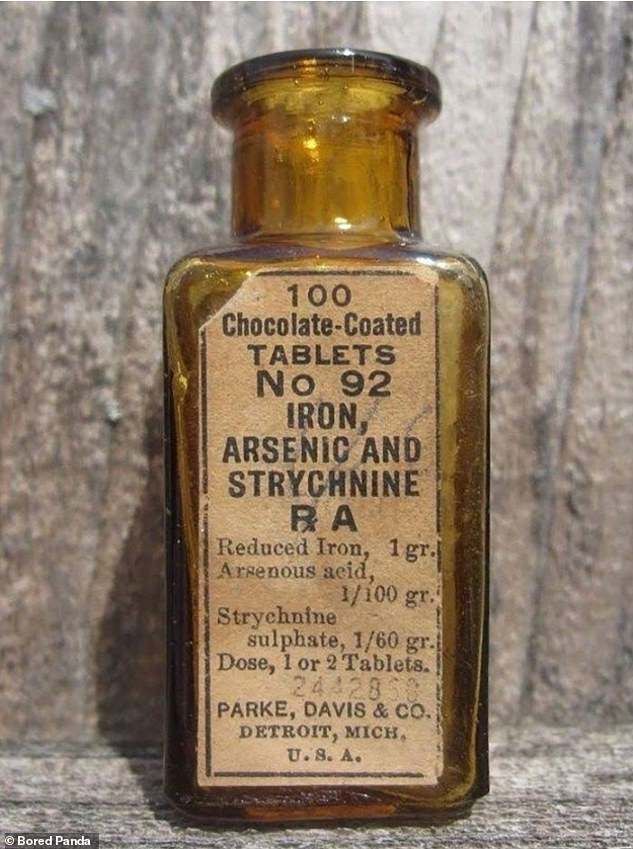
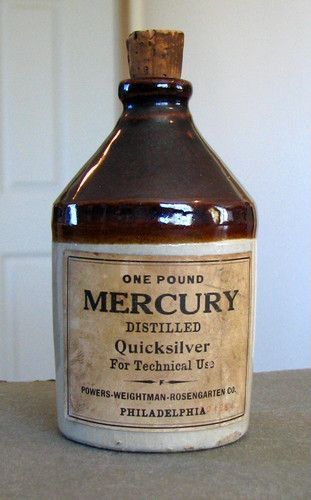
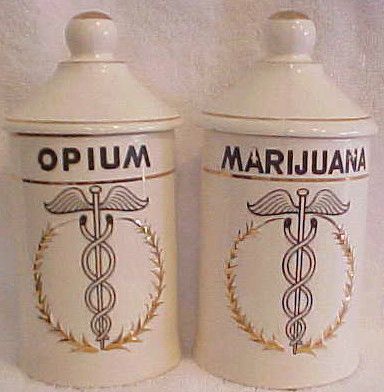
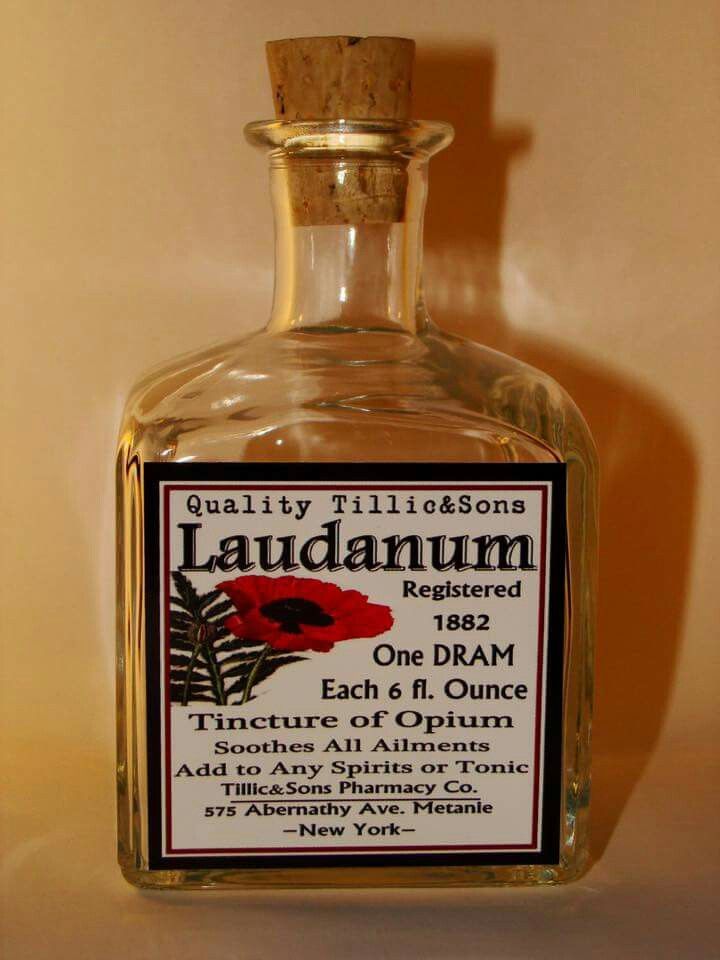
Pictures
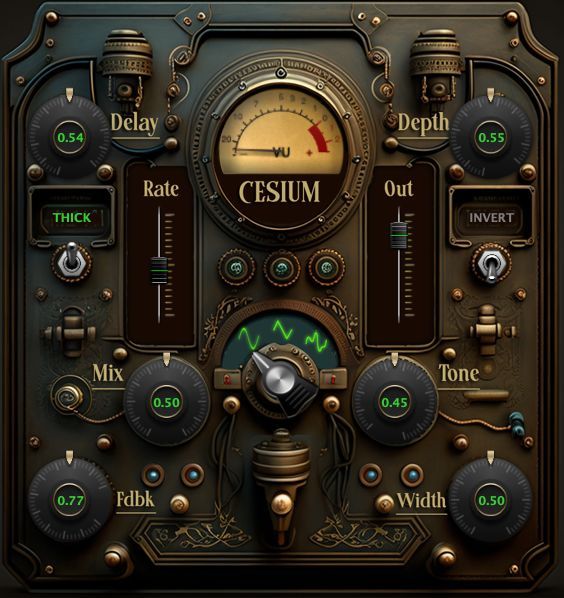
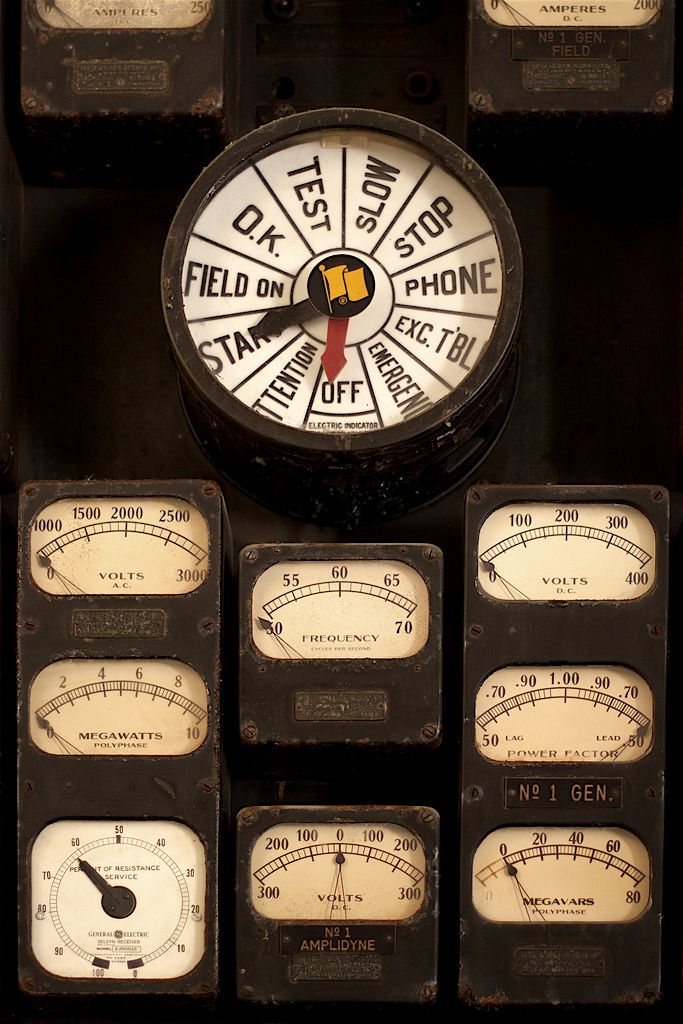
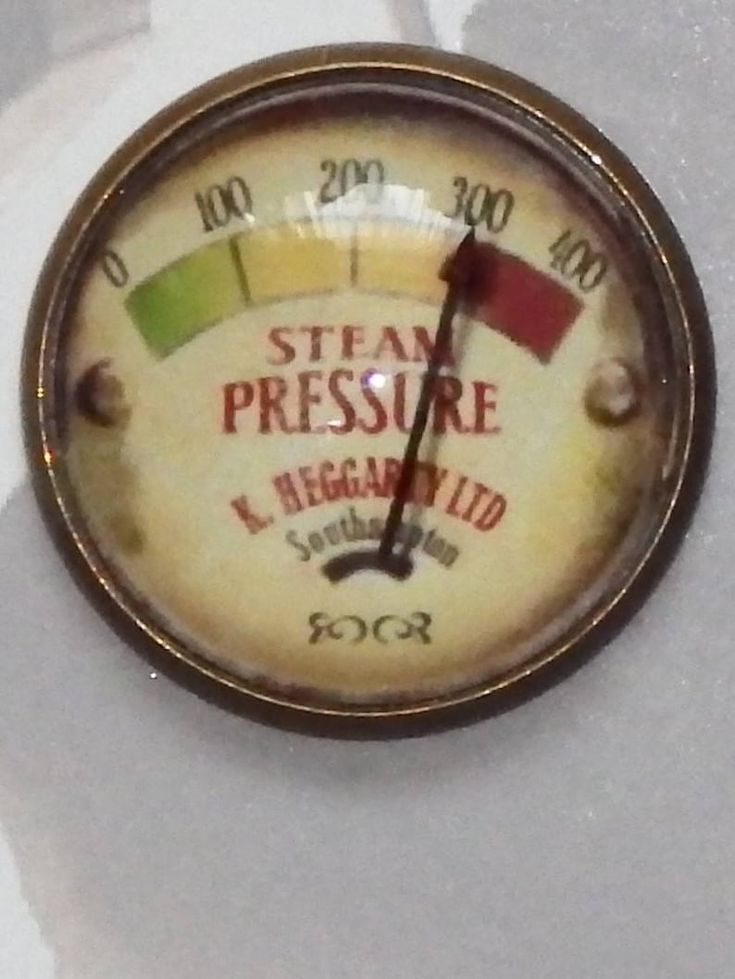
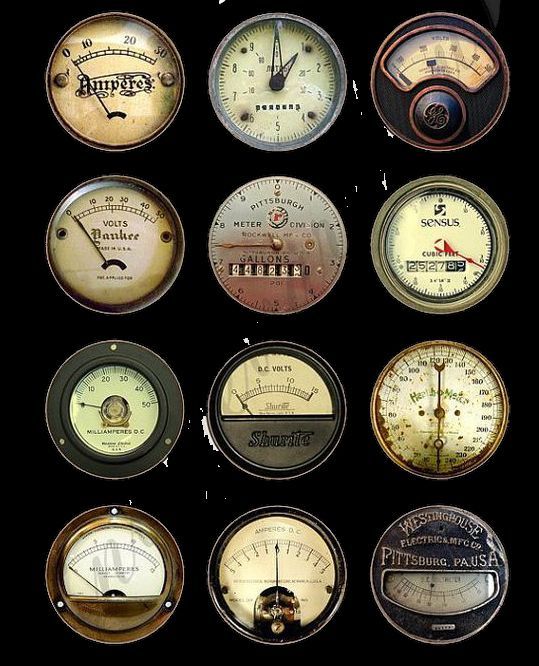
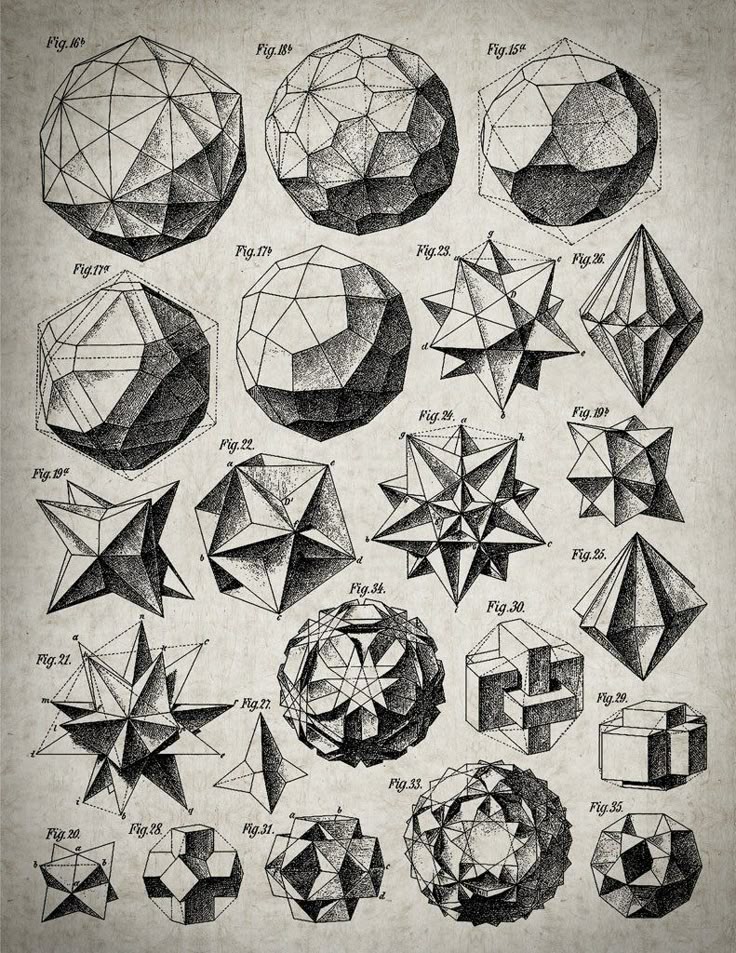
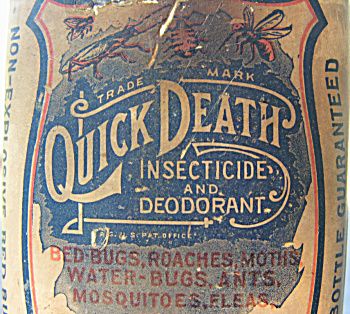
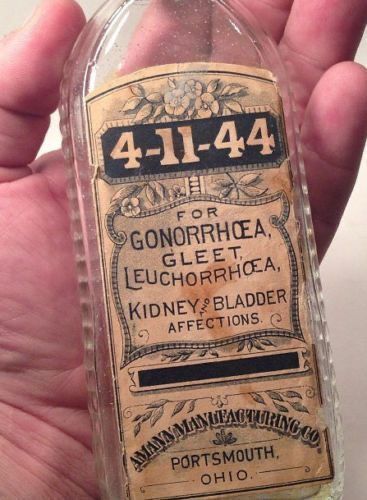







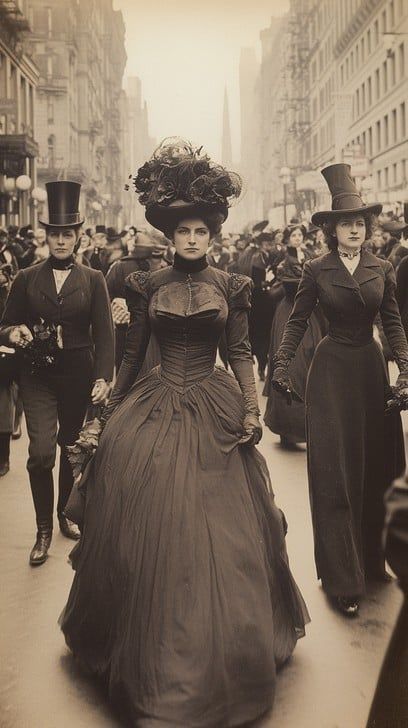








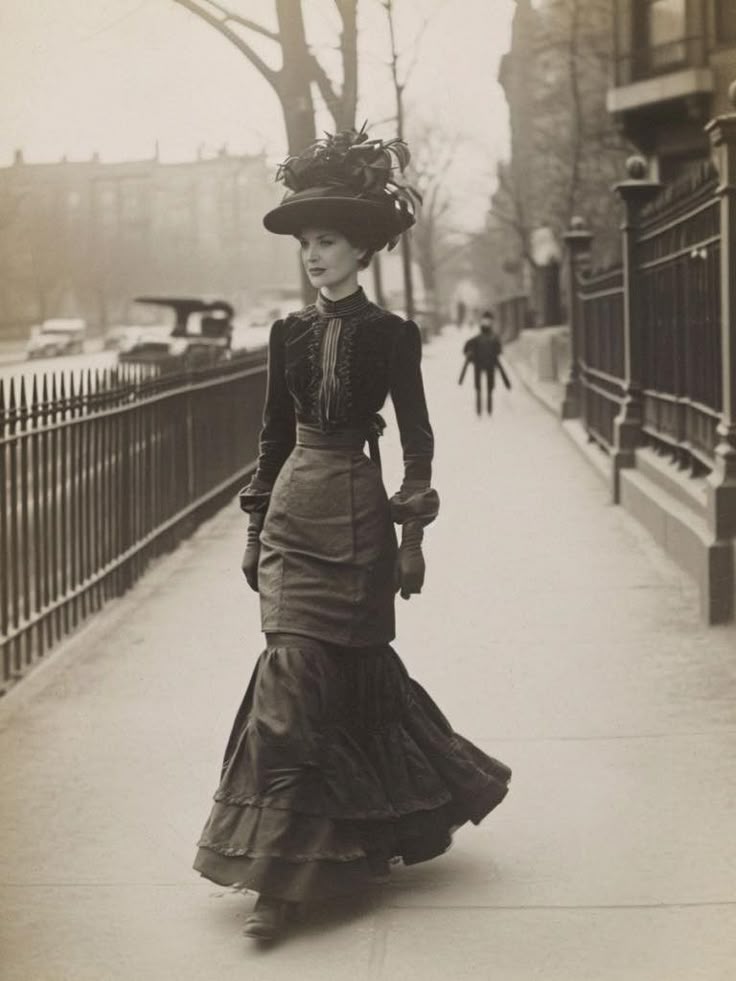



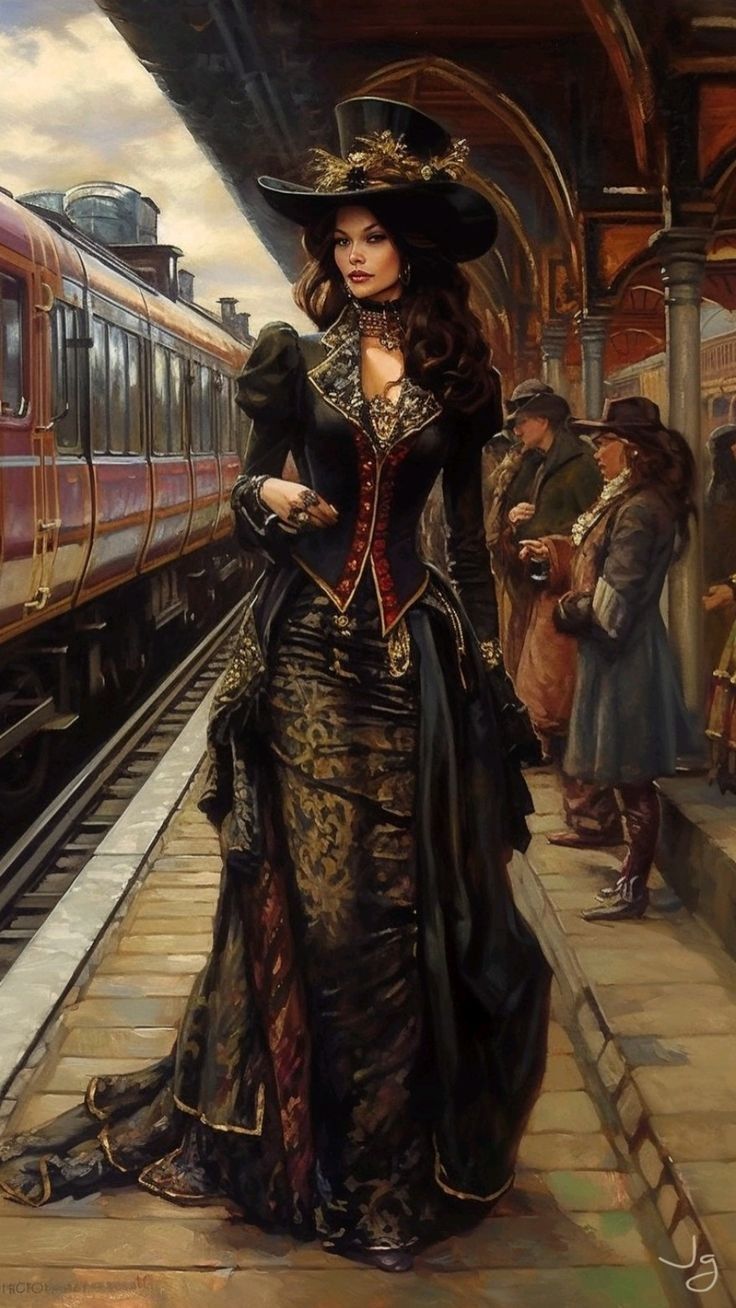
‘THE AMERICAN EMPIRE IS OVER’: Expert Explains How The USA Is COOKED | The Kyle Kulinski Show
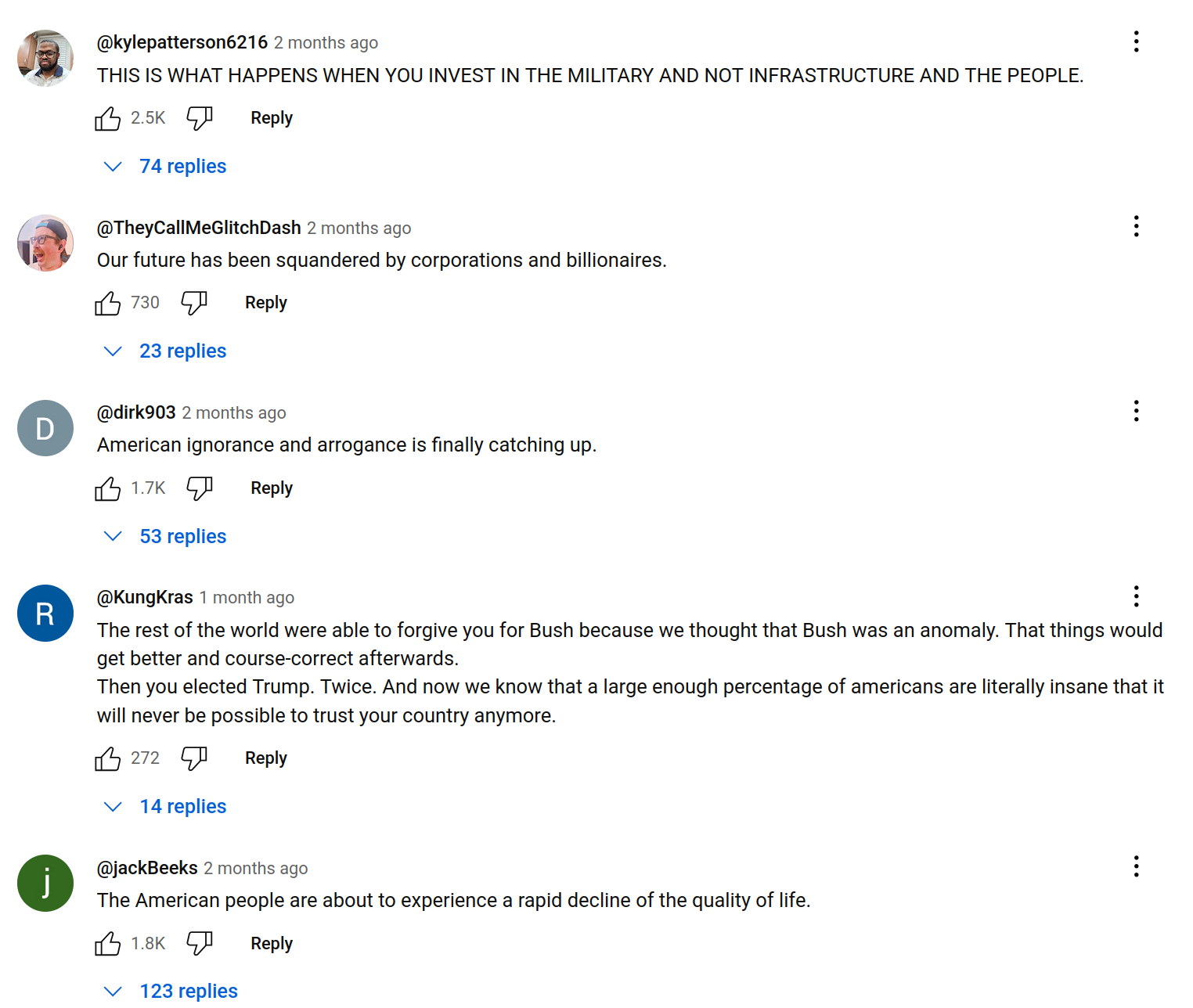
If statehood were offered to Australia and New Zealand instead of to Canada, would they warm up faster to the idea of becoming part of the most powerful and richest country the world has ever seen? Are they more pro-America than Canadians?
In the 1990’s I was offered twice as much money plus a green card to work in the US.
I turned it down.
They increase the offer to three times what I was making.
I turned it down.
Seeing the state of the US today I am VERY happy that I made that decision. I would not want my children to have to live there.
What happened at a job that made you say “I quit” right on the spot?
Oh! I have a great one for this!
Before I finished my degree, I worked at a certain grocery store. Here’s what you need to know: 1. Although Texas (where I live) is a “right to work” state (you can get fired at any time for any reason), I worked at a grocery store chain that had a union. One union rule was “if you work more than 8 hours in a shift, you’d get paid overtime for anything over those 8 hours.”
Little did I know, I was “good at the job.” This meaning I would get called to do random things, because I could do them fast, and I took pride in my hard work.
The “big boss” was going to walk the floor the next day, and they told me I needed to work in dairy. A new truck just came in earlier that morning. Dairy was always feared at my store; it was where most people tended to go before they inevitably quit.
It was my first day in the department, and my only help was going to leave 3 hours into my shift. Needless to say, they called me to do everything but dairy until about an hour before my shift ended. I got no training in my “new department” before my dairy manager left.
8 hours went by, and I went to the dairy fridge to put away the extra inventory I was working on. A brand new store manager approaches me…
Manager: “When does your shift end?” (Remember over 8 hours means overtime pay)
Me: “Now. It’s been 8 hours.”
Manager: *looks around and notices there’s a lot of inventory still sitting in the fridge* “What have you done today?”
Me: “I just finished this pallet. I only had time to do this 1.”
Manager: “Only 1? You’ve been here for 8 hours! What have you been doing all day?!” (Nearly yelling)
Me: “I set up the snack display, worked on the registers for about 3 hours, put away all the put backs from the front, had my break, and only got to work in dairy for about an hour. I did everything I was asked to do.”
Manger: “Well, you still should’ve gotten through at least 3 pallets.”
Me: “I wasn’t even able to get trained, because the dairy manager left before she could help me due to everything else you had me do.”
Manager: (Huge sigh) “Ugh! I guess I’ll just have to do it myself!”
I walked out, and I never returned. That was 3 years ago as of writing this, and I still haven’t forgotten it. To this day, I refuse to go back into that store.
EDIT: First post on Quora, thanks for all the upvotes! Thanks for the help in understanding what “right to work” actually means. Very insightful.
Since some don’t understand why I took it badly, here’s what happened in the prior 2 weeks before.
- I was working their online department. I was full time working and full time school. I worked MWFSS. I went to college Tu/Th. They moved me to working from 4 am – noon. My body physically couldn’t handle it, and they filled my previous position (working from 3 pm – 11 pm) without my knowledge.
- They needed a new cashier, and they told me I’d get full time hours (which I needed to pay for school). They couldn’t give me those hours, even though that’s what they told me beforehand.
- I finally got the hang of being a cashier, and then they moved me to this new department. I cannot stand the cold fridge for too long as it bothers my lungs with my asthma.
- This might’ve been an overreaction, but this was a brand new manager who had no idea how hard I tended to work. Like I mentioned, I really did take pride in my hard work. For her to essentially tell me that I didn’t do enough when she was the one that caused me to not get the training I needed was very upsetting. I even told them multiple times in the beginning of the shift that I needed to stay in dairy to learn before my manager left, and they told me “not to worry about it.”
- Lastly, could this have been an overreaction? Probably. But this was my 2nd job ever, and I loved what I did at this store before they moved me around so much. Sadly, this happened to many of their previous employees and many employees since then.
Automated Dating
Written in response to: “Write a story that has a big twist.“
Peter Von Zur Muehlen
Routine maintenance was easy enough for earnest to perform. Most of the inspections were automated. Earnest has to check the results, look for wear in the solar panels, and activate the automatic cleaning units which cleared the dust and debris. The service cart was stocked with herbicides to kill anything which started to grow. The solar/wind farms were maintained as sterile life free zones, and kept clean. Earnest did a lot of dead bird removal. When serious problems were found, he would report them and larger crews would be assigned to come and replace parts or perform repairs.
The social scene for people like earnest was not every robust. People lived very spread out here. He had an online network of friends which he would talk about books with, but it was all men. Earnest was not interested in hook up culture. He wanted to get married and have children, but finding women who wanted to get married was almost impossible now. He wasn’t a young man anymore either.
The AI robot doorman at the club checked each person who was trying to get in. Each club would begin to build a profile of the various people inside, using metadata and facial recognition, so that only people who fell within certain ranges of the tribal preference meter would be put together. This allows the Automated AI DJ system to create music selections based on the preferences of the people in the club so that everyone would always like the music playing. People looking to hook up with someone used their bio-metric smart-wear, which would light up and change colors, so that when you looked at someone, the color code would tell you if they were compatible and interested in you, and vice versa, which took all the guess work out of it. After every hook up, the system would send a survey request so that you could rate the experience.
Amy finally got into the club and used her phone to order a drink, and then she started dancing. People all around her moving their bodies to the music and feeling happy and excited as they eye one another. She danced for half an hour, with many men dancing around her, and with her, as Amy and the men sussed the mood ring like display of their bio-metric smart wear. Dan’s lights where all saying go, and they danced together a while, communicating with the eyes and their movements, until Amy led the way to a quieter side-room so they could talk a little and have another drink.
Dan smiled broadly at her, and then his face fell as he decided what to say or whether to speak at all. He smiled again, encouraged by the bio-metric match up, and being a bit of a goofball, he opened with a joke, “So, I applied for this great new job.” Amy’s face instantly betrayed her bewilderment at his opening words. “I applied for the job, and what they were looking for was someone who was equally knowledgeable about all of the different animals that live in Australia. I thought I had a good shot at getting the job, but then they told me that I was over-koala-fied.” Amy laughed, which encouraged Dan further, and they exchanged names, and began some small talk.
Thirty years earlier most of the cities had major crime and violence problems. The AI robot police units which were deployed swept through, and many people were killed, and many others were arrested. Vast enclosures had been constructed and everyone who was deemed dangerous to the new state order had been filed away under the category of unwanted. Inner city gangs and rural white supremacists, homeless people, and the mentally disturbed, were all just dumped into these prisons. The guards were robots and everything was automated. No one on the outside gave it any thought at all anymore. They didn’t even remember that this happened thirty years ago, much less know if any of the people were still alive.
Separate from the cities, and the rural areas, were the areas called super-urban. These were suburbs with tech and luxury. This is where the elites lived. They had been the architects of the new system, and they maintained it still, but all that meant was monitoring the system from time to time. The beginning of the actual revolution with AI tech came from the breakthroughs which allowed the entire minds and personalities of the top scientists and thinkers to be digitized and encased within the system. Once this was done, it didn’t take long for them to realize that as a digital construct they could be easily copied and propagated in many places. Legions of these saved minds had been outfitted into ships and robots and sent into deep space for exploration. No one remembered that, or thought about it anymore, either.
The elites had rights and privileges which the ordinary citizen did not. They controlled the system. Among them there was no hook up culture. The elites got married and raised families. They knew things about the system that everyone else did not. They knew that the overall population of the people in the rural areas was incredibly low. This worried them sometimes, and was debated. No action was ever taken, because their faith rested in the automation of the AI system, the robots, and the vast automated infrastructure that did everything. They had plans for replacing the few workers, like Earnest, that still did tasks on the system, with more robots and automation.
Timothy was the head of a committee that dealt with long range forecasts and projections. The meeting began and Timothy removed the file with the proposed plan for replacing the workers with more robots and placed it on the huge shiny conference table. The file folder was surprisingly old and worn, and the papers inside yellowed with age. No one seemed to notice. Objections rang out, “There are levels of sophistication involved in some of the basic jobs which the AI is not suited to. It needs that human touch.” Everyone agreed, and plans were made for further research.
Sylvan left the meeting and went to his computer monitoring station. He felt bored and uneasy. The meeting seemed repetitive to him. A strong sense of déjà vu echoed within him. A rebellious thought crossed his mind and he felt a surge of joyous wickedness about it. He trembled with anticipation as he imagined himself doing it and then, with a numbed feeling of fatalism, he opened up the bio-metric systems AI link overseer, and began making inquiries about people. He was going to force the hand of fate.
Amy was anticipating going home with Dan, who she found cute and funny, and her arousal was growing, when suddenly the lights of their smart-wear outfits changed. They were both surprised as this never happened at this stage, but they didn’t question the tech. The conversation petered out, and Dan backed away, and headed back to the dance floor. “Go back outside. There is a car waiting for you. The plan for the night has been changed.” The AI spoke through Amy’s earbud.
She exited the club and got into the waiting car. She was puzzled by all this. The car drove, and she wondered where they would go now. It wasn’t a huge list of different spots that she always ended up, but this time the car was taking a route she did not know. The car drove on for a hour and eventually it was taking a road through a tunnel which Amy had no idea even existed, and when it emerged, she was outside of the city. Amy stared in disbelief at the strange surroundings of obscure black shapes as the car drove on. There was no moon, and the looming shadows of trees, hills, and the distant massive solar and wind arrays, were mysteries that she could not solve. When the bright strip of stars of the Milky Way came into view on the horizon, she remembered that this even existed, and realized she had only ever seen it on a computer screen. The car went on for hours, and eventually she fell asleep.
Amy awoke in the hot backseat of the car with the sunlight streaming in just as Earnest had come outside and found the car parked in his drive. He was approaching the car when Amy stepped out. He couldn’t remember the last time he had seen a woman. Amy was beautiful. Harder to notice in the daylight, her bio-metric lights were all signaling to her of a match with Earnest. Earnest had no bio-metric lights. The AI spoke into Amy’s ear. “You will stay here and have children with this man.”
The range of emotions which overtook her at that moment were complicated but none of them were happiness. No part of that idea fit into her plan for her own life. Yet she didn’t know how to disagree with what the AI was directing here to do. She was frozen.
Earnest began to speak. “Hello, what’s your name? How did you get here? Why are you here?” Each question came after a pause in which he waited for her to respond, but she just stood there dumbfounded. He was about to speak again, when another car came roaring up the driveway. A large military truck. It ground to a halt on the crunching gravel, and five robot officers deployed from the vehicle, with weapons drawn.
The system didn’t take long to identify what Sylvan had done. When it found that it could not reverse what he had set in motion, it executed a backup plan. The officers opened fire and bullets ripped through Earnest and Amy and they both fell to the ground. At this moment they could each see the others’ damaged bodies. Wires, artificial parts, metal and poly-carbon and circuits. Though the system was designed for them to never notice this fact about themselves, a momentary realization flicked into the damaged processors of each of them. They were only puppets for the digital minds of the people they once were. In several weeks they would wake up anew, with this episode erased. The system was fully automated. No changes were needed.
“Unbroken” Official Lyric Video | KPop Demon Hunters | OSV
Everything is changing… including the nature of music promotion.
Kashmiri Lamb Meatballs
(Kashmiri Kofta Kari)
Beef is not eaten, so kofta are prepared with minced lamb in traditional Kashmiri cooking.

Ingredients
- 2 pounds ground lamb
- 1 tablespoon plain yogurt
- 2 teaspoons finely chopped gingerroot
- 2 teaspoons ground cumin
- 2 teaspoons ground coriander
- 1 1/2 teaspoons salt
- 1 teaspoon garam masala
- 1 teaspoon chili powder
- 1/2 cup vegetable oil
- 2 cardamom pods
- 1 stick cinnamon
- 1 cup water
- 1/4 cup plain yogurt
Instructions
- Mix lamb, 1 tablespoon yogurt, the gingerroot, cumin, coriander, salt, garam masala and chili powder. Shape into ovals, about 2 inches long and 1 inch thick.
- Heat oil in 12-inch skillet until hot. Cook and stir cardamom and cinnamon 10 seconds; reduce heat to medium. Add meatballs. Cook uncovered, turning occasionally, until meatballs are brown, about 15 minutes; drain.
- Mix water and 1/4 cup yogurt; pour over meatballs in skillet. Heat to boiling; reduce heat. Cover and simmer 10 minutes. Uncover and cook over medium heat until most of the liquid is evaporated, about 10 minutes.
- Remove cardamom and cinnamon. Remove meatballs with slotted spoon.
- Serve with Basmati rice if desired.
Yields 48 meatballs.
142 Days After the Zombie Outbreak: I Still Live in the Control Tower Above the Dead Airport
Creepypasta: 142 Days After the Zombie Outbreak: I Still Live in the Control Tower Above the Dead Airport One hundred and forty-two days have passed since the last plane lifted off from Philadelphia International Airport.

From the control tower, two hundred feet above the dead runways, I’ve watched the world unravel — jetliners falling silent in the sky, cities smoldering on the horizon, and the tarmac below becoming a hunting ground for the infected. I was a junior air traffic controller when the evacuation order came.

I stayed. Not because I was brave, but because I knew leaving was no guarantee of survival. Now the runways are cracked and overgrown, the hangars are rusting tombs, and the only voices left on the radio are desperate ones.

One of them belongs to a stranded pilot miles away, trapped and running out of time. If I want to reach him, I’ll have to go down into the concourse — a place I swore I’d never enter again. And in this world, every step taken at ground level could be your last.