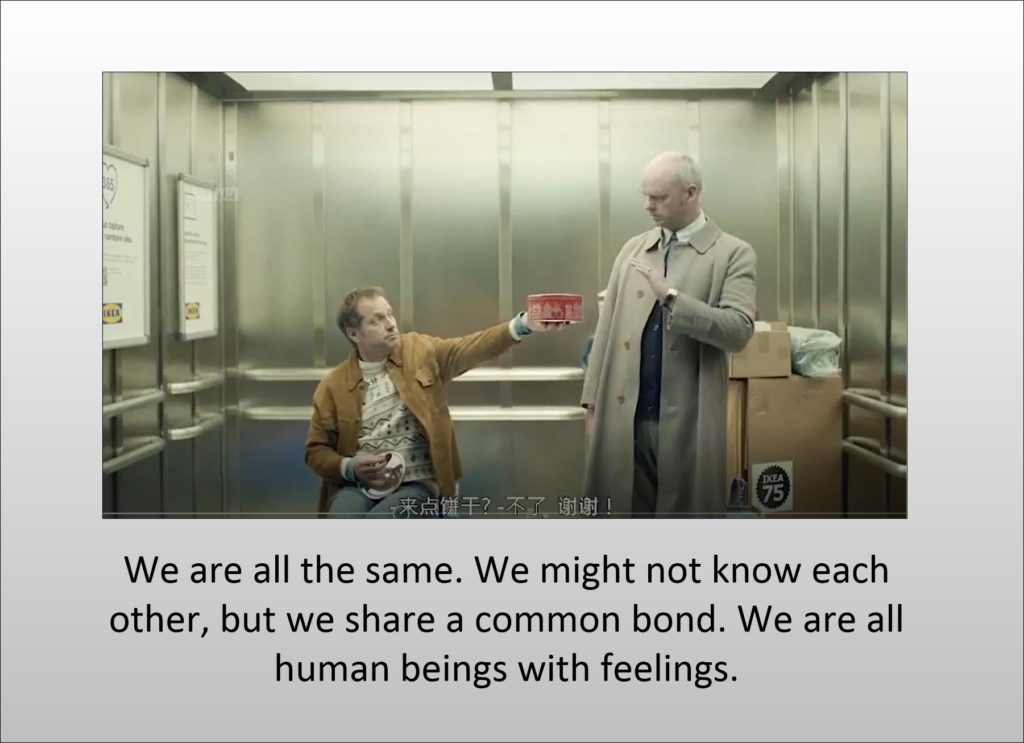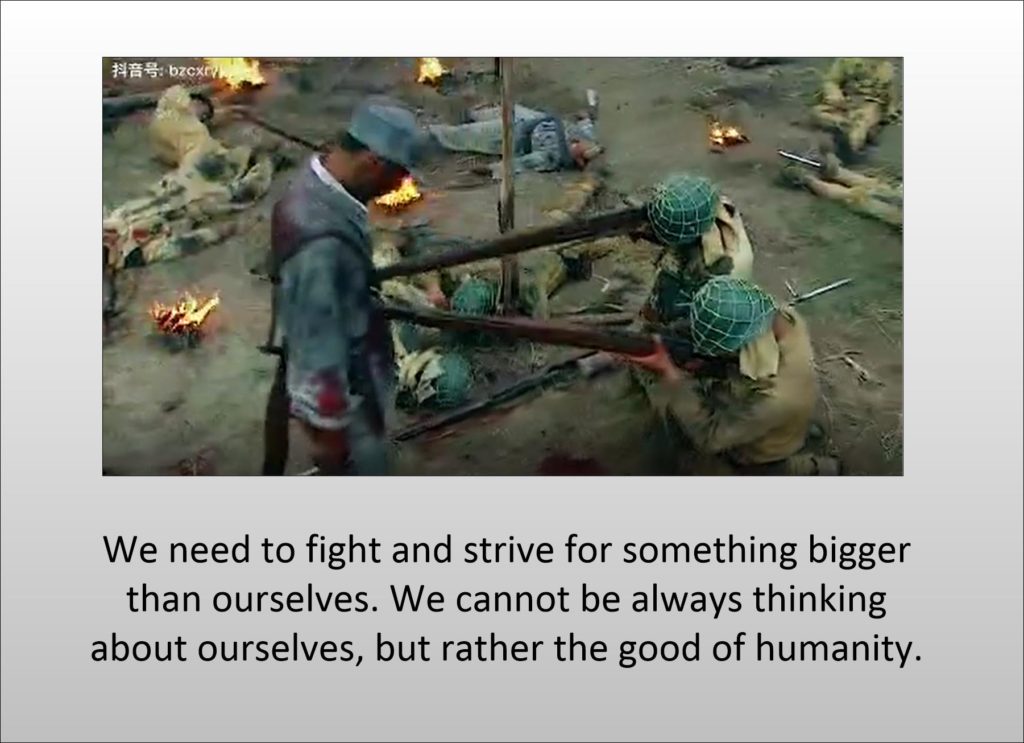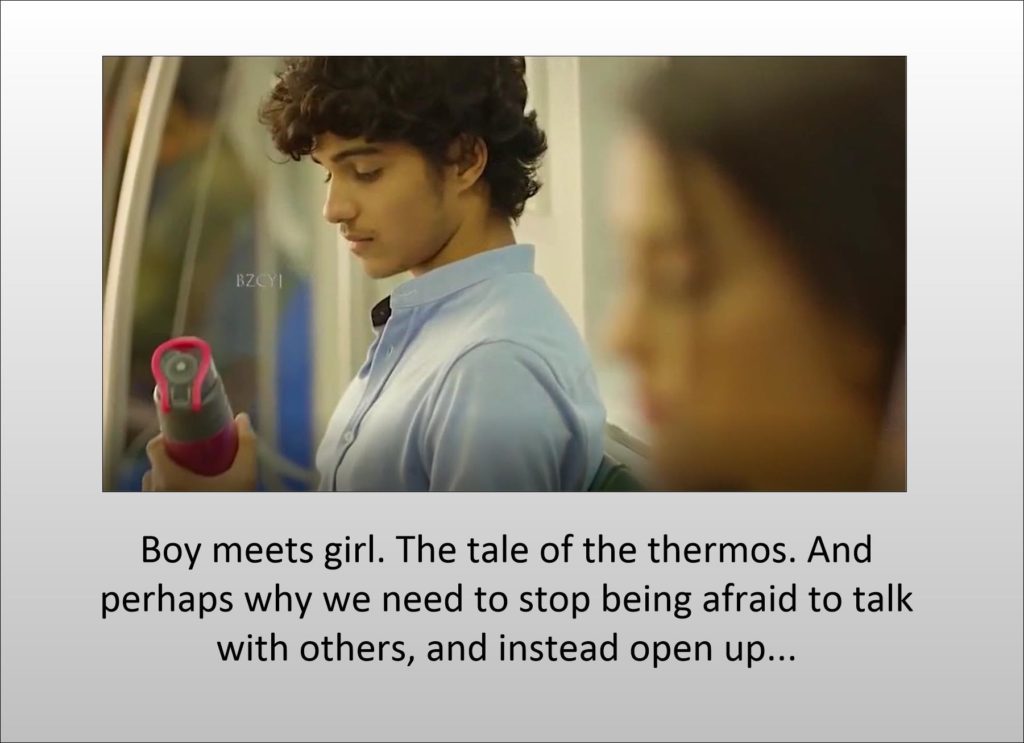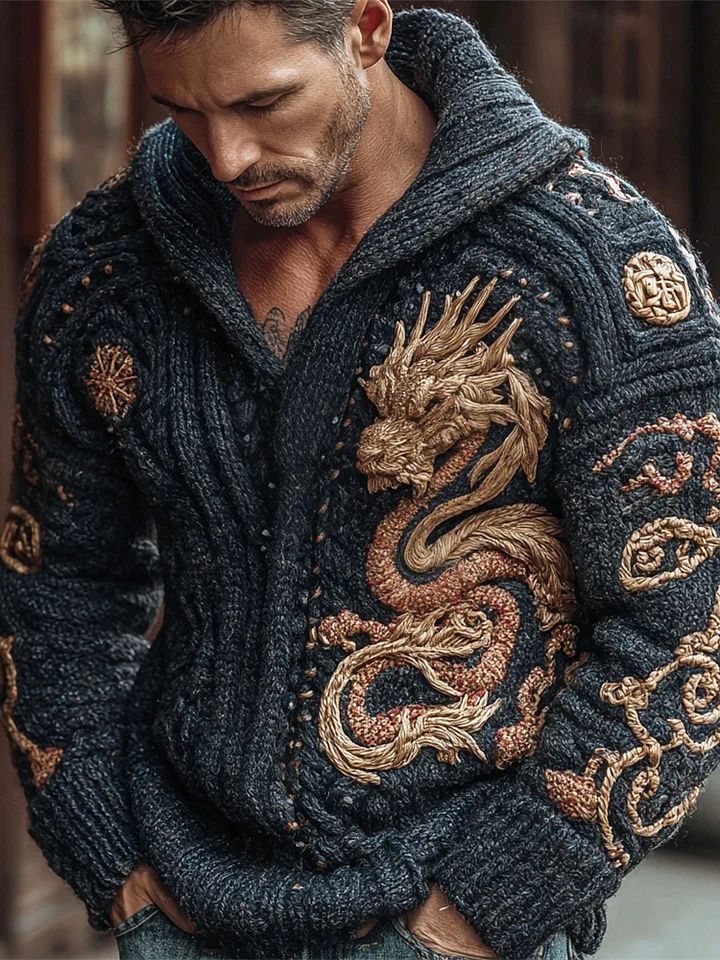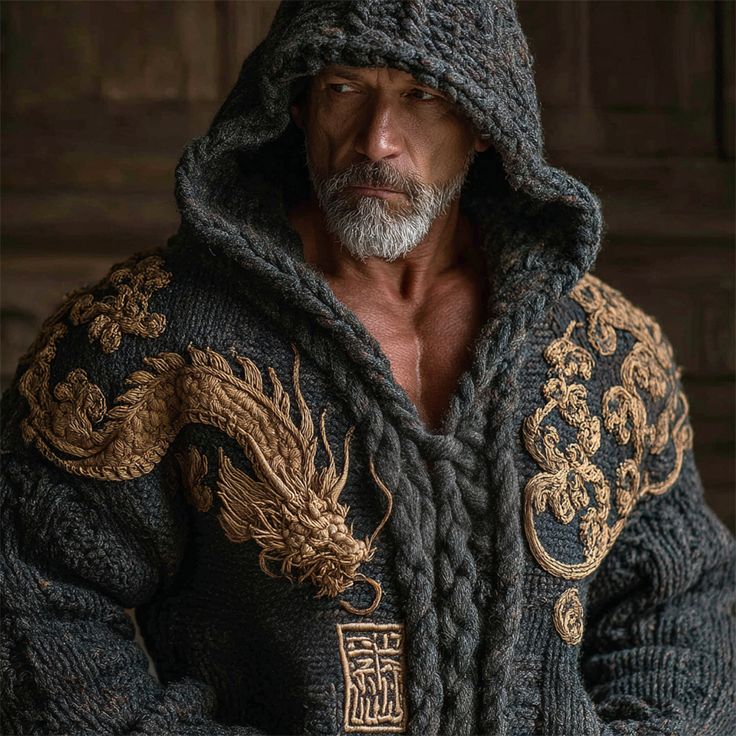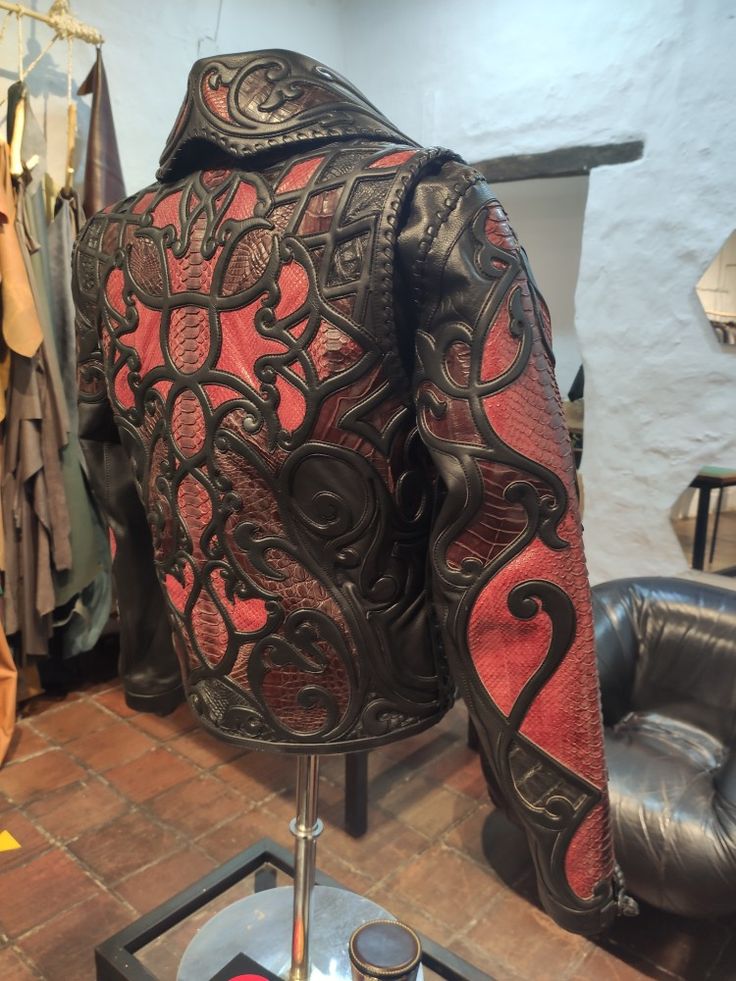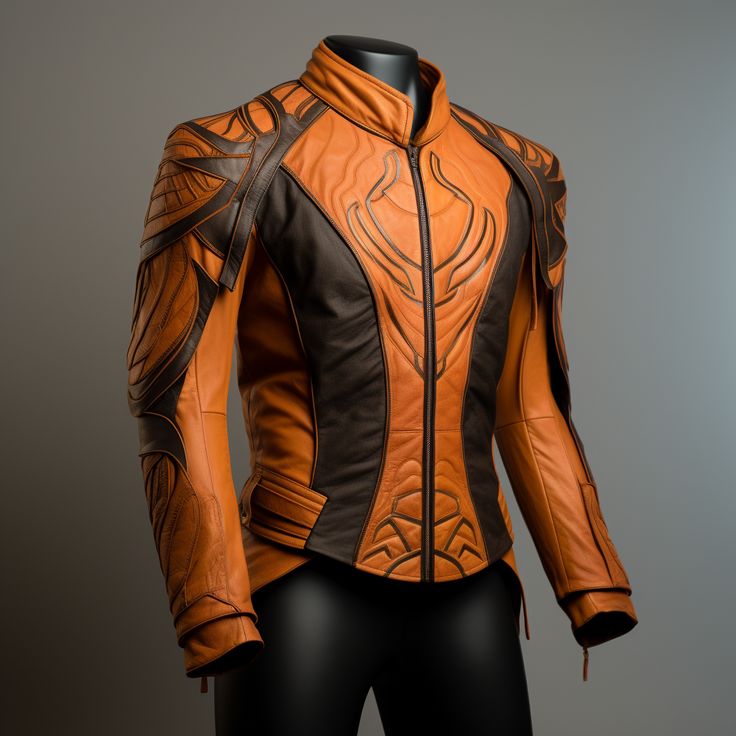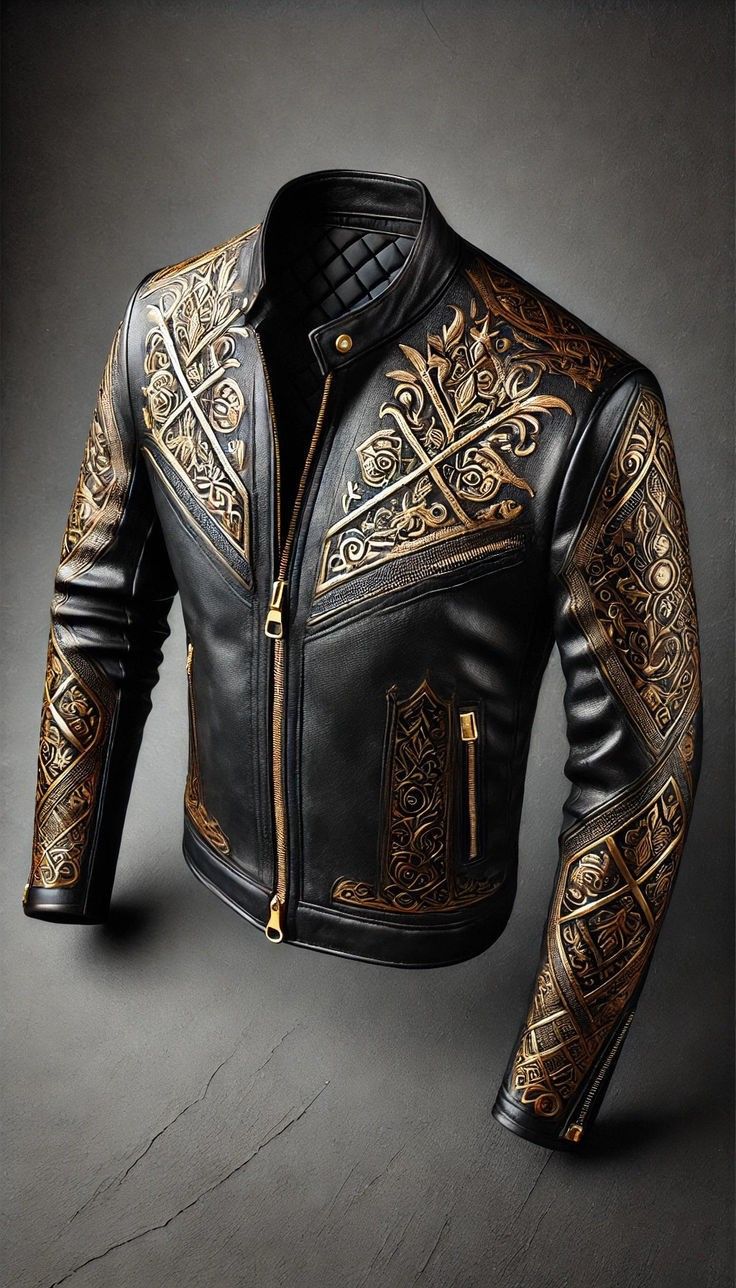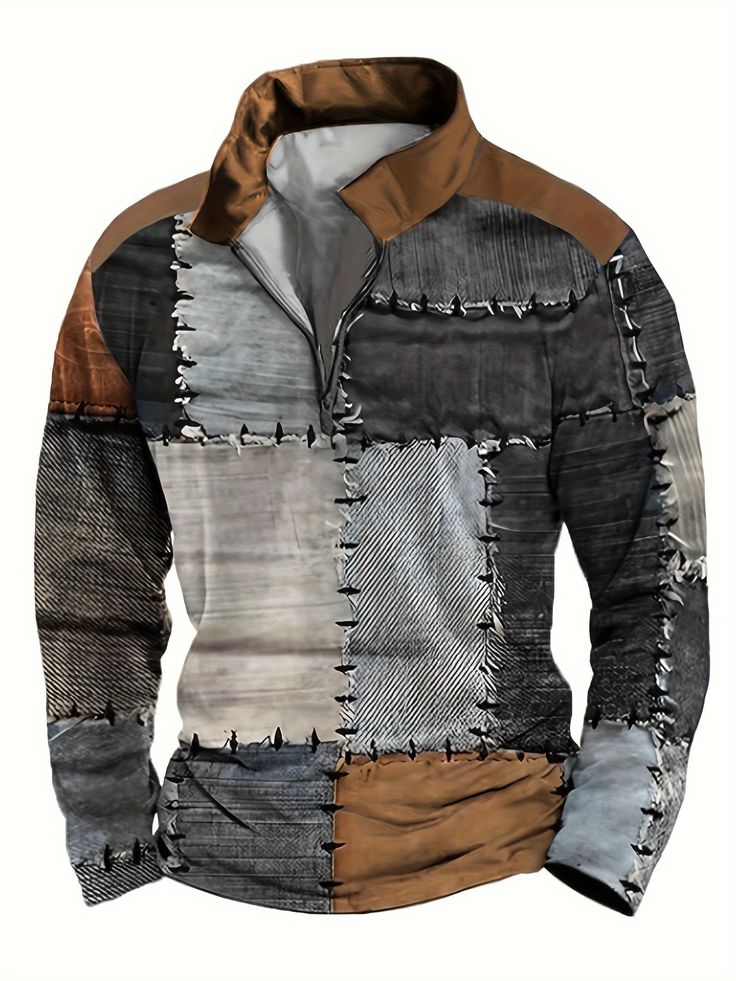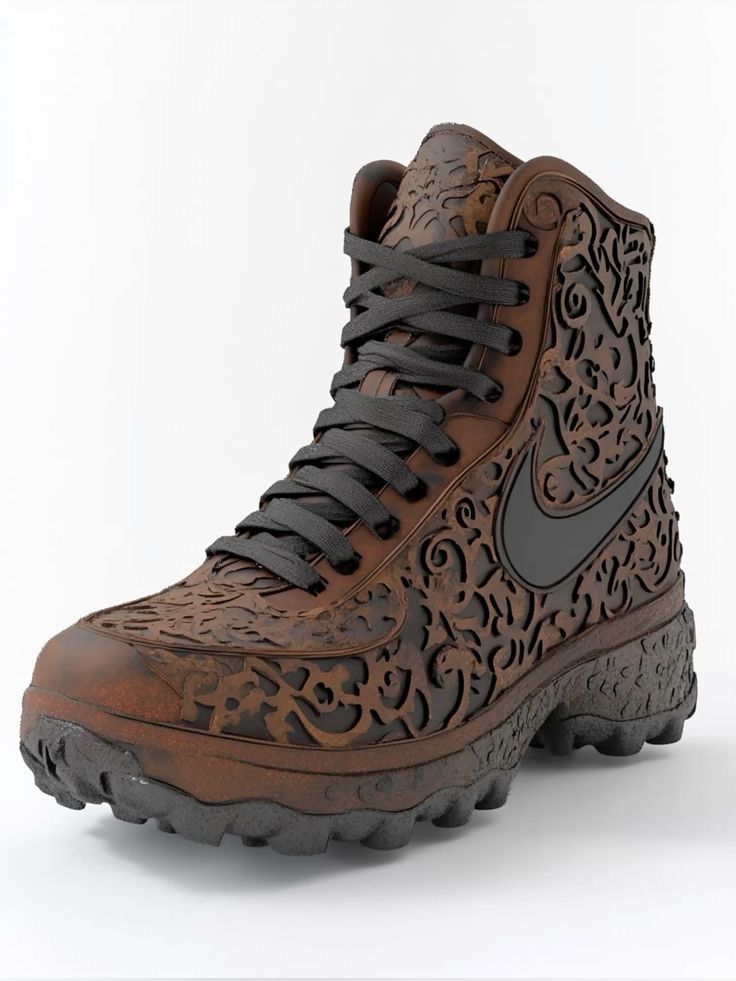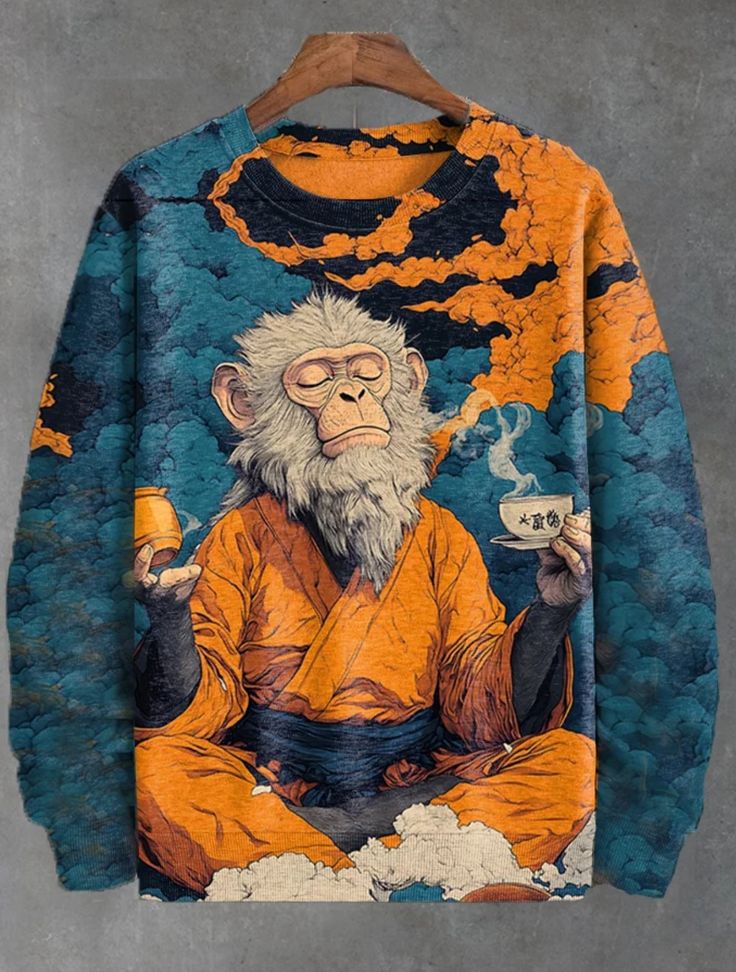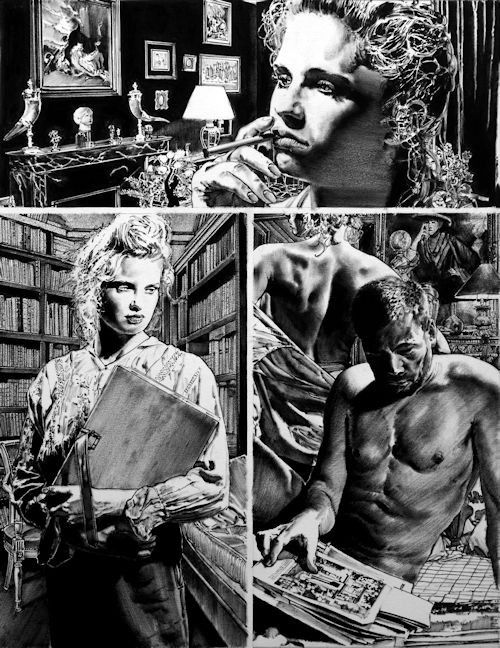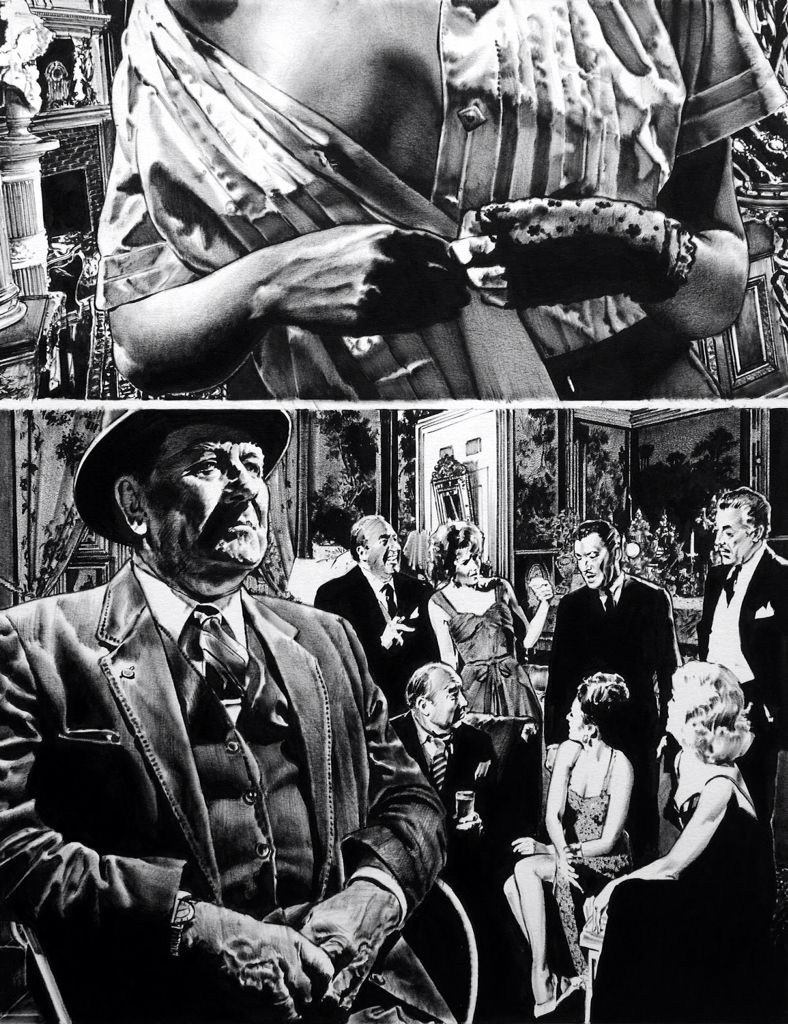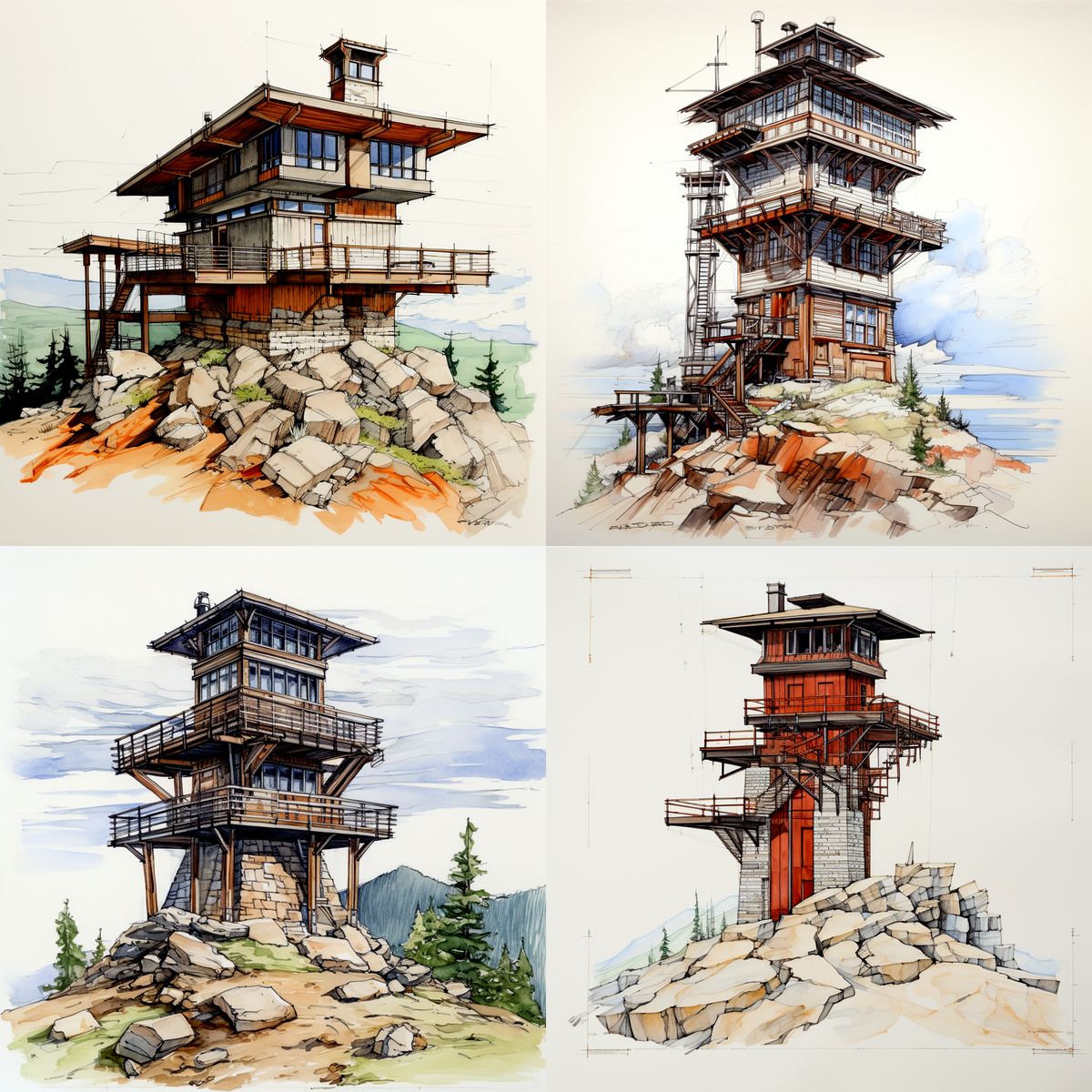

With the advent of AI comes all sorts of cool innovations. Today, I want to present some related to fashion. I’ve never seen such clothing…


Today…
Gnomeo and the Gas-Powered Gateway to Gloom
The trouble began, as all truly great farm crises do, just before the midday nap.
The farm had seen its share of chaos: milk heists, rogue mechanical ducks, and a pigeon who once tried to unionize the earthworms. But it had never experienced anything quite like the Great Fart-Fruit Fairy Gas Crisis of the summer.
It was Gnomeo, the self-proclaimed Fart Fruit Fairy, who was the epicenter of the commotion. Gnomeo’s unique, though often pungent, physiology was an engine of pure, chaotic wind. His diet, consisting almost entirely of fermented plums and overripe cheese, had always produced a remarkable quantity of gas, which he had recently begun to harvest.
The barn, a structure typically known for its sturdy beams and comforting smell of hay, now vibrated like an espresso machine on the highest setting. A high-pitched, whizzing sound, punctuated by a series of low, concussive thwumps, dominated the air. The roof beams groaned under pressure, and a thin, sickly green haze—smelling like a tragedy involving onions, sulfur, and a forgotten gym sock—seeped from every crack.
Sir Whiskerton, the farm’s preeminent detective and most dignified feline, sat on an overturned wheelbarrow, calmly polishing his monocle with a linen cloth.
“An interesting atmospheric pressure shift, wouldn’t you say, Reginald?” Sir Whiskerton asked, his voice a low, unperturbed purr.
Reginald the Dramatic Pigeon—whose current artistic phase involved wearing an enormous black feathered capote—was hovering near a half-written poem, his beak twitching.
“The stench is vast…” Reginald warbled, attempting to commit the olfactory offense to verse. He inhaled deeply for his next line and immediately slumped sideways, narrowly missing a bucket. He shook his head violently, blinked, and fluttered back to his perch. “It curls and clings… The pain is…” He fainted again, folding his wings with a flourish of artistic suffering.
“I believe, old friend,” Sir Whiskerton observed, replacing his gleaming monocle, “that Gnomeo has found a way to weaponize ennui.”
The Gas-Powered Gateway
The source of the problem was a Heath Robinson nightmare of copper pipes and rubber tubes cobbled together by Gnomeo in a desperate bid for self-sufficiency. He had tapped into his own “Fart Fruit” reserves, feeding the potent gas directly into a small, repurposed lawnmower engine. This engine, in turn, was powering his favorite new possession: a tiny, gas-powered propeller hat.
The hat was currently spinning so fast its bronze blades were a mere blur, generating a lift and thrust that Gnomeo hadn’t accounted for. The noise of the engine mixed with the centrifugal force had the entire roof of the barn hovering a perilous three feet off the walls, held in check only by the rusty latch of the hayloft door.
The barn door burst open, and Chef Chloe, the farm’s no-nonsense goose, staggered in, clutching a massive, floral-patterned bouquet of odor-eaters.
“Sir Whiskerton! This is not whimsical! This is a public health hazard!” she shrieked, stuffing half the bouquet into the engine’s exhaust pipe, which only made the gas smell like minty gym socks. “I can’t even taste my own paprika! He’s polluting the very air a decent omelet needs to breathe!”
Gnomeo, meanwhile, was oblivious to the existential threat he posed. He was standing on a stack of hay bales, the propeller hat pulling him upward like a rogue dandelion seed, flipping through a pocket-sized paperback titled The Gentle Art of Less Noise.
“I’m just fine-tuning the resonance!” Gnomeo squeaked, his voice strained by the wind. “The book says, ‘Find your inner sound’—and this is it! It’s the sound of progress!”
Bongos and a Breakthrough
Suddenly, a new sound cut through the chaos—a steady, hypnotic, thump-tap-thump-thump-tap-tap rhythm.
From his usual perch atop the water tower, Jazzpurr—the farm’s philosopher-poet-cat—was playing his bongos. The intricate Latin beat didn’t drown out Gnomeo’s mechanical farting, but it provided a counter-rhythm—a calming, purposeful syncopation against the engine’s chaotic thwump. It was order vs. entropy, played out in drumskins and intestinal gas.
Sir Whiskerton used the beat as his cue. He leaped onto the bales and approached Gnomeo with the quiet grace of a cat who knows the exact moment to intervene.
He looked at the tiny gnome, the ridiculous, buzzing hat, and the self-help book. He saw not a menace, but a tiny, fluorescent-green creature vibrating with a need to be seen. The absurdity was just a mechanism for attention. Gnomeo wasn’t trying to launch the barn; he was trying to launch his career.
“Gnomeo,” Sir Whiskerton said, raising his voice slightly over the din. “I admire your engineering. Truly. The efficiency of converting fermented plum gas into kinetic energy is… groundbreaking. But it has the volume of a thousand angry hornets and the scent of a tragedy.”
Gnomeo frowned, clutching his book. “But Sir Whiskerton, I’m trying! I’m being loud! This is my moment! If I’m loud, I’m present, right? The book says ‘make yourself heard’!”
Sir Whiskerton took the book gently, flipping it over to read the small-print subtitle: The Gentle Art of Less Noise: A Guide to Quiet, Focused Presence.
“Ah, Gnomeo. You’ve misunderstood the title,” Sir Whiskerton purred. “You are causing a scene, yes. You are creating the loudest, smelliest noise this farm has ever known. But are you truly present? No. You are a distraction. No one is looking at you; they are only looking at the problem you’ve created.”
He gestured to the swooning Reginald and the exasperated Chef Chloe.
“You see, Gnomeo, the best kind of attention—the kind that truly makes you feel seen—is not the one that causes an explosion. It’s the one that shines a light on your inherent, unique brilliance.”
Sir Whiskerton pointed to the whirring engine. “You have enough power here to launch the barn roof into orbit. But what if we used that tremendous, natural energy for a different kind of spectacle? A quiet spectacle.”
The Quiet, Spotlight-Stealing Solution
Gnomeo’s eyes—already enormous—widened. “A quiet spectacle?”
“Precisely,” Sir Whiskerton affirmed. “You have a gas problem, Gnomeo, and I have a lighting solution. We will convert your excess output into silent, pure electrical energy.”
With a flick of his paw, Sir Whiskerton detached the ridiculous propeller hat and, using a loose bit of copper wire from Gnomeo’s rig, connected the engine’s output to a small, dusty box he retrieved from his wheelbarrow.
The box was a forgotten relic from Professor Quackenstein’s disco phase: a repurposed glass globe designed to hold a very small, very bright light source. A spotlight-stealing disco ball.
“This,” Sir Whiskerton announced, tightening the final connection, “will be your true spotlight.”
As the gas flowed into the new system, the lawnmower engine quieted from a screech to a gentle hum. The green haze dissipated. The barn roof settled with a heavy, satisfying clunk back onto its foundations. The terrible, minty-sulfuric stench faded.
The energy that had threatened to tear the barn apart was now channeled into one single, powerful beam of light. The small glass globe began to turn, catching the beam and scattering hundreds of tiny, shimmering points of light across the interior of the barn, dancing to the steady, unbothered rhythm of Jazzpurr’s bongos.
The effect was mesmerizing. The whole barn floor—including the spot where Reginald had landed—sparkled. Everyone stared, not at the noise, but at the beauty.
“Oh,” breathed Gnomeo, watching the light dance. “It’s… quiet. But everyone is looking at the light.”
“And who powers the light, Gnomeo?” Sir Whiskerton smiled.
“I do,” the little fairy whispered, standing in the gentle glow. “I’m the source.”
Chef Chloe stepped forward, sniffing the now-clean air. She pulled the bouquet of odor-eaters from the exhaust pipe, her eyes reflecting the dazzling light show. “That, Gnomeo,” she said, her voice surprisingly warm, “is what I call finding your inner illumination. Now, if you’ll excuse me, I need to check on my paprika.”
Reginald the Dramatic Pigeon finally stood up, brushing hay from his capote. He looked around, saw the sparkling lights, and was genuinely moved. He picked up his notepad and, without fainting even once, scribbled a short, perfect line:
The light, though small,
Shines brighter than the noise.
Sir Whiskerton leaned back, the steady thump-tap of the bongos providing the final, peaceful soundtrack. Gnomeo had his spotlight, the farm was safe, and the air was, miraculously, breathable. It was a perfect, absurd, and truly present moment.
The End.
Moral
The best way to get noticed is not to cause a scene, but to be truly present. The spotlight you seek is the one you create through quiet, focused brilliance.
Best Lines
- “I believe Gnomeo has found a way to weaponize ennui.” — Sir Whiskerton
- “This is not whimsical! This is a public health hazard!” — Chef Chloe
- “I can’t even taste my own paprika! He’s polluting the very air a decent omelet needs to breathe!” — Chef Chloe
- “The light, though small, shines brighter than the noise.” — Reginald the Dramatic Pigeon
- “You are causing a scene, yes. But no one is looking at you; they are only looking at the problem you’ve created.” — Sir Whiskerton
Post-Credit Scene
Gnomeo tries to sell the leftover minty-sulfuric gas from the “cleanup phase” as a new line of avant-garde cologne. He calls it Le Ennui, but the only creature who buys a bottle is Cornelius the Crow, who plans to use it for an elaborate, terrible prank.
Key Jokes
- Reginald attempts to write a haiku about the stench, but keeps fainting mid-line.
- Sir Whiskerton’s observation: “I believe Gnomeo has found a way to weaponize ennui.”
- Chef Chloe’s complaint that the gas is “polluting the very air a decent omelet needs to breathe.”
- Gnomeo misunderstanding The Gentle Art of Less Noise and using his engine to be louder.
Starring
- Sir Whiskerton as The Arbitrator of Airborne Nuisances
- Gnomeo as The Fart Fruit Fairy, Chief Propeller Hat Enthusiast
- Reginald the Dramatic Pigeon as The Haiku Master Who Can’t Stay Conscious
- Chef Chloe as The Goose with a Nose for Danger (and Good Paprika)
P.S.
If you have a problem that smells like onions and sounds like a tiny rocket, the solution is rarely more onions or a bigger rocket. Sometimes, all it takes is a cat, a disco ball, and a cat who plays the bongos.
How do countries that recycle nuclear fuel deal with the radioactive waste and ensure safety?
The whole point of recycling nuclear waste is to capture and sequester the radioactive materials. To keep them away from anyone who might be stupid enough to pick up a highly radioactive rod and put it in their pants pocket.
Separate out the materials that are safe, and get them back into the normal recycling streams. Separate out the HIGHLY radioactive stuff, and put it somewhere safe for the 20 to 8- years it will take to become safe. Take the really long lived only slightly radioactive materials and put them away where they are unlikely to be seen for the next couple of hundred thousand years.
If something is radioactive enough to be dangerous for you to pick it up, it will not stay that way for a really long time. It needs armed guards to keep stupid people away. If it is mildly radioactive it is likely to remain that way for centuries or even millions of years. You don’t want a stupid person using it to build a house. Bury it somewhere that it will be inconvenient to dig up.
Homestead: Nuke Hits LA | Intense Scene
Witness the apocalyptic chaos as a nuke attack hits in this intense movie clip from Angel! Get ready for a heart-pumping, adrenaline-fueled scene that will leave you on the edge of your seat. The cinematic destruction is mesmerizing, with flames engulfing everything in sight and debris flying everywhere. How will the characters survive this catastrophic event? Watch to find out!
Ginger Coffee
(Qishr — Yemeni version)

Ingredients
- 1 cup cold water
- 6 teaspoons powdered coffee, not instant
- 6 teaspoons granulated sugar
- 2 teaspoons ground ginger
Instructions
- Place water in a long handled Arabic coffee pot (a small saucepan may be used).
- Add remaining ingredients. Over medium heat bring this mixture to a boil. Remove from heat until the bubbles disappear. Return to boiling.
- Repeat this process 3 times.
- Pour into demitasse cups.
- Serve.
I Left the Baby in Dimension X
Written in response to: “Center your story around someone who realizes they’ve left something behind.“
🏆 Contest #293 Winner!
Robert Egan
But this baby is wailing like an electric guitar.
And if there’s any doubt, then there’s the smell, or the lack of it. My baby farts like a race horse. No filtration system known to man can completely dilute it. Weaker noses would rush for the airlock, but I’m used to it after six months of sleepy time drives.
Oh Zod, this baby hasn’t let out a single toot since we left the other Pluto.
The glider’s autopilot detects my spike in stress levels and starts taking evasive maneuvers through chunks of frozen ammonia and methane, perhaps assuming that I’ve spotted interdimensional bandits.
I switch to manual, slam on the antimatter brakes, and turn to get a good look at the baby that’s not my baby. I think she realizes I’m not hers either because her wailing goes up an octave.
We hang motionless in space, floating in a velvet black sea where spiraling icebergs glint like diamonds, though all motion is relative. Everything’s relative, just another version of something else altered to a greater or lesser degree.
I trill and coo at the baby. Jasmine—if this baby who looks like mine also has the same name—eventually quiets down a little. Well, at least we have that degree of similarity.
She’s secured in her zero-gravity bouncer. It looks like the one I got my own at first glance, but then I see the Omni 360 label. I could never afford one of those…is this even my glider? Nope, this one has leather-trimmed seats. Mine has synthetic seat covers. How did I not notice?
Where is my Jasmine? Trilling and cooing at not-my-Jasmine all the while, I try to keep above the rising tide of panic.
The most important question is this: What would I do?
Continue on and pretend that I have the right baby?
No, I could never live with myself. Plus, Indigo would know the difference. She’d tell Lois and Lois 2.0 because she tells her mothers everything.
And my mothers-in-law would never let me hear the end of it:
You left your baby… in another dimension!?
I should’ve never stopped for that space burrito on the other Pluto.
I don’t do it too often, but if I went to the Plutaco’s in our solar system every time I took Jasmine on a sleepy time drive, then I’d pack on too many pounds and Indigo would find out that I’m cheating on our diet.
That’s what’s great about the Plutaco’s on the other Pluto. Tastes the same, but I’ll never gain weight. It’s all about those tiny differences in atomic properties that really add up when something as complex as a Plutaco’s burrito meets an incompatible digestive system from another dimension: Their space burritos go right through me.
Oh Zod, I crossed dimensions for the empty calories and now I’ve lost my daughter.
Not-my-Jasmine falls silent and wrinkles her nose. I smell it as well.
She’s not crying. She’s farting. Too much work. Too much driving. Too much babying. It was all in my head.
I take a deep whiff of relief. Oh no… that was me.
She begins bawling again. I redouble my trilling and cooing efforts to no avail.
Okay. Think. Think. I have my not-my-Jasmine in my not-my glider.
I know myself, and I have to trust in that.
So, what would I do?
There’s really only one answer.
I’d get my damn baby back.
I slam the not-my-glider into overdrive and set a zig-zag course for the other Pluto.
When we pass by this solar system’s Pluto, I resist the urge to stop and check there for my Jasmine. There’s no way my glider is faster than this upscale one, so she won’t be there.
I think I know what happened. Plutaco’s is great, but they make you get out and wait in line, an old Earth tradition they say. But if they really wanted to be authentic, I guess they’d also make you take your baby out of the glider.
I remember hearing somewhere that everyone on Earth used to freak out whenever someone left a baby behind in one of their ground gliders.
Doesn’t make sense to me. Why wouldn’t you leave your baby somewhere that’s climate-controlled and only opens to your touch? It’s the safest place for Jasmine when she’s sleeping
Or at least it was until I somehow got back into the wrong glider.
When we zip past egg-shaped Haumea caught in its high-speed spin, not-my-Jasmine’s cries take on a different color. I realize she’s giggling.
As the Kuiper belt thins out and we reach its edge, she laughs herself to sleep. Oh, so this baby likes to go fast.
Then, we pass through the veil. Instead of reaching the Oort cloud and interstellar space, we just arrive in another Kuiper belt wrapped around another solar system.
The rest of the universe is closed off to us, and no one knows why. Some say another civilization beyond our understanding has hemmed us in with alternate realities until we’re mature enough to venture forth to other stars. Everyone calls them the Shadowlords.
I wonder if the Shadowlords are watching my antics now and setting back the clock for humanity’s release.
Not-my-Jasmine and I don’t make it all the way to the other Pluto because another glider is hurtling towards us.
The other glider slows, and I do the same. We dock alongside one another.
When the airlocks open, I see man in his late-30s with a slight paunch.
He’s not-me, and he looks like he wants to punch me. I would.
“Other Plutaco’s?” he finally asks.
“Yeah…”
“How’d she do?”
“She cried until I went into overdrive.”
“Yeah, she does that. Yours farted no matter what I did.”
“Yeah, she does that. So…”
Without another word, we shuffle past one another and into our respective gliders.
As we undock our gliders, I lay my eyes on my own sweet Jasmine, still sleeping soundly and tooting away. It doesn’t matter what dimension we’re in because, for the moment, this is where I belong.
Ex Wife Asked for an Open Marriage, I Said “NO” and Kicked Her Out

When people get shot by a firing squad, do they die instantly?
Few executions end in an instant death.
Not even decapitation, with its widely documented reports of victims gasping and rolling their eyes for upwards of several minutes is exempt from this reality.
During the First World War at least 306 British Empire soldiers were shot at dawn.
This number may be as high as 471 if we include other Dominion Armies, including Canada, which executed 25 men, Ireland, which executed 22 men, and New Zealand, which executed five men.
Needless to say, this number was still fairly small when compared to other countries, such as France, which formally executed over 600 of its countrymen, while condemning thousands of others to informal executions by imprisonment in penal colonies where survival rates were next to zero, or penal battalions.
The execution of American Private Eddie Slovik in 1945 during the Second World War was known to have been a prolonged death in which a second volley was considered — a fate that was all the more ironic, because whereas the American military did not execute a single one of its men for cowardice and desertion during the First World War, the Commonwealth nations in contrast had abolished the death penalty for strictly military offences in 1930.
Within the British Army itself it was common for an officer to deliver a coup de grace on a condemned inmate.
Certain Dominion Armies, including Canada, did not have such a policy: those who survived the first volley automatically had their sentences commuted to life imprisonment, which at the time almost certainly guaranteed parole within a few years.
One British citizen by the name of Victor Silvester, who became known in his adult life as a dancer and composer, would later claim to have participated in five executions — a claim that is disputed, but not impossible, since his age prevented him from joining in a combat role, though he was enlisted as a medic and may have witnessed some of these incidents in person.
The first execution he participated in was recounted in vivid detail:
“The tears were rolling down my cheeks as he went on attempting to free himself from the ropes attaching him to the chair. I aimed blindly and when the gunsmoke had cleared away we were further horrified to see that, although wounded, the intended victim was still alive. Still blindfolded, he was attempting to make a run for it still strapped to the chair. The blood was running freely from a chest wound. An officer in charge stepped forward to put the finishing touch with a revolver held to the poor man’s temple. He had only once cried out and that was when he shouted the one word mother. He could not have been much older than me. We were told later that he had in fact been suffering from shell-shock, a condition not recognised by the army at the time. Later I took part in four more such executions.”
In the military, who was the worst officer you ever ran across?
In Kuwait just prior to the invasion of Iraq in 2003, I took over as XO of an Engineer company. Company Commander (CO CDR) told me to, “help” one of the new Platoon Leaders (PL), who was struggling.
This 2LT was a mess; disorganized, unmotivated, unintelligent. She had a very strong Platoon Sergeant, which somewhat masked her shortcomings but the more I paid attention, I realized she was just stealing oxygen. She literally did nothing. She just camped out in her HMMWV.
During the invasion, she was “detailed” to me to assist with quartering party activities (basically a small advanced party traveled ahead of the main body to prepare/organize security perimeter for when main body arrives). CO CDR gave her explicit instructions; she was to draw a sector sketch of the area (an old Iraqi oil pump station) the main body was to occupy.
At the pump station, I asked her a few times, “hey, you done with that sector sketch yet?”. She came back with, “yeah, I’m working on it.”
Couple of hours later when main body (and CO CDR) arrived, he asks her for the sector sketch. She never did it. He loses his shit. He tells her she’s fired, she starts crying.
Still crying, she comes over to me and asks me when she’s going to jail. I was like, “what?”. She says that when you’re fired in the Army, her understanding was that you go to jail (WTF!?). I tell her that’s not how it works. You’re just fired, no longer a PL. She then says, “oh, does that mean I get to go back to Germany now?”.
Wasn’t sure how she actually made it through college, ROTC, advanced camp, basic course. Engineer basic course is (or was) actually pretty hard. She’d been failed on so many levels.
Pictures


Will the belt and road projects in China elevate prosperity to the inland regions of China to it’s glorious days toppling the coastal cities fortunes base of maritime trade and exchanges with the west?
Definitely. This is critical for China’s overall industrial plans. Its BRI initiative has added several new rail and waterway options to transport inland outputs to overseas markets.
BRI Rails. China has several established “corridors” for rail links to Europe.
- Northern (Russian) Corridor is the most established that largely follows the Trans-Siberian Railway but now largely avoided because of the Ukraine war and wester sanction. The major hubs are Hamburg and Duisburg in Germany, and Warsaw in Poland.
- Central Corridor goes through Mongolia and similarly connects with the Trans-Siberian Railway to go to Poland and various European destinations. It is suffering the same fate as the Northern Corridor.
- Southern (Middle) Corridor. This multimodal route has since 2022 been the alternatrive to bypass Russia. From Alashankou or Khorgos (Xinjiang), this travels through Kazakhstan to the port of Aktau on the Caspian Sea, where containers are transferred to ferries to be transported to Baku, Azerbaijan, and continues by rail through Georgia and Turkey to enter Europe, or cargo can be shipped across the Black Sea to ports like Romania’s Constanța. This route faces significant capacity issues and longer transit times compared to the northern route.
- New transcontinental rail corridor linking China and Iran via Kazakhstan, Turkmenistan and Uzbekistan over a 10,400-km route. This land route provides an alternative to transport goods, including Iranian oil to bypass maritime chokepoints at Hormuz and Malacca.
Waterway. The megaproject about to be completed this year is the Pinglu Canal – located in the Guangxi Zhuang autonomous region and linking the inland city of Nanning with the coastal port of Qinzhou on the Beibu Gulf.canal to boost economic development in the Guangxi region and strengthen trade links with Southeast Asian countries.
This canal will provide a more direct route to the sea for provinces in southwest China, bypassing the longer route down the Xi and Pearl Rivers to Guangzhou. This is expected to shorten the shipping distance by over 560 kilometers and reduce transport costs.
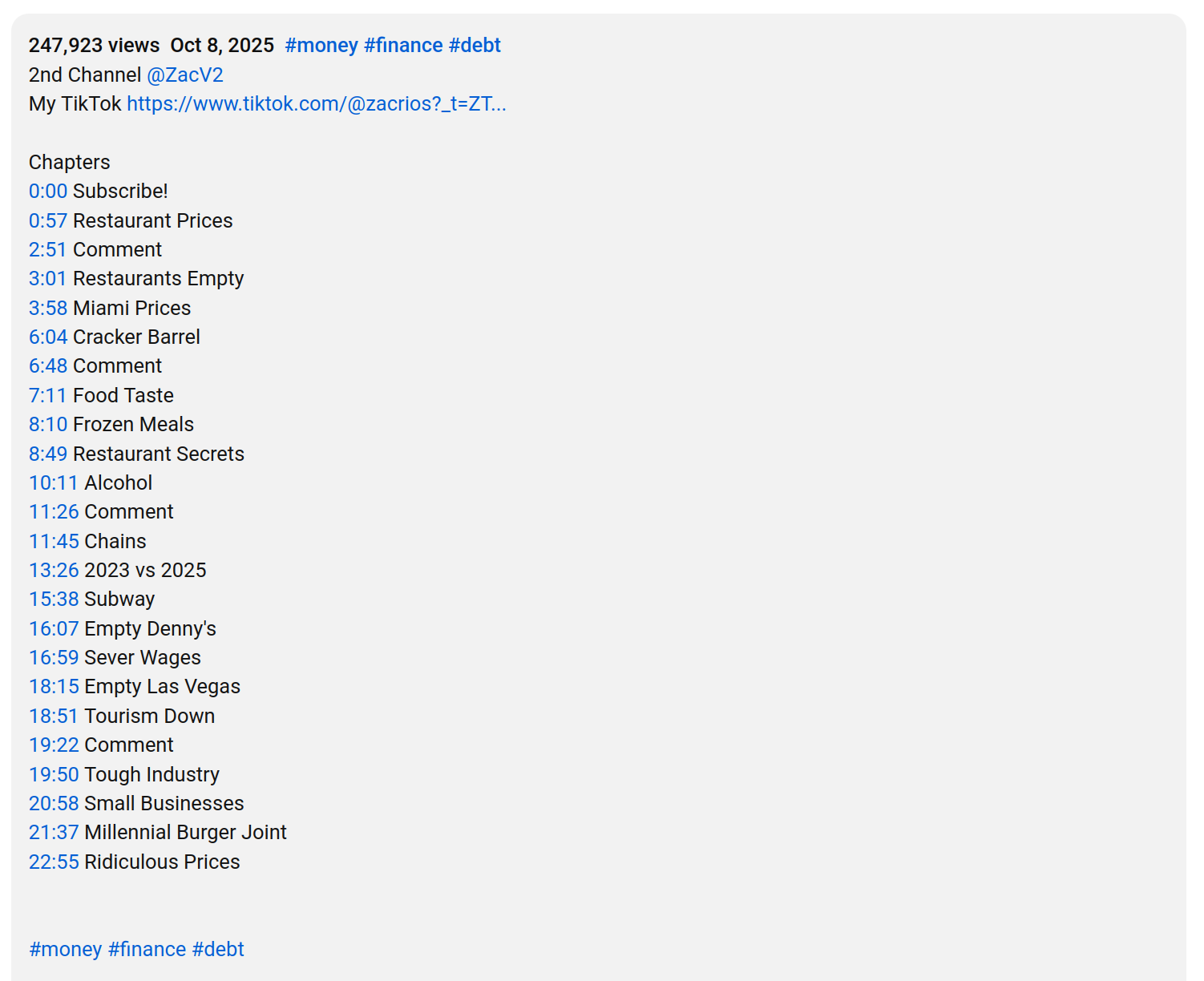
Why Restaurants are EMPTY & OVERPRICED in 2025

MASK
Written in response to: “Write a story where a character’s true identity or self is revealed.“
⭐️ Contest #316 Shortlist!
June Lawrence
MASK
By the time Jaxon was finally airborne, that old anger tic in his cheek had begun to work. All morning, everything that could go wrong had gone wrong: from the air shuttle landing at the wrong helipad, to his place in the aeropod queue mistakenly moved from high priority to low, to the inept takeoff of the pod just before his– a barista’s rental.
“Coffee Cop: We Perk and Serve,” read the magnet, hastily slapped onto the door. Coffee Cop. What a name. Probably chosen by those who had forgotten what a real cop was, picked because it was alliterative and sounded quaint.
When it was Jaxon’s turn to board and go, he tossed his briefcase into the storage bin behind his single seat. Aeropods were built for one. His ID band followed the briefcase, once he’d flashed it at the screen. “Good morning, Marshal,” said his screen, in the voice he’d picked to customize all his rides. “Good morning, asshole,” he muttered back. Better work out some of his anger en route, rather than at his destination.
It was thirty-seven minutes as the crow flew, from New York City to the rural prison. Another outdated expression: as the crow flew. There were no crows anymore, no pigeons or gulls. The few birds left were a more elegant sample. They lived in domed zoos, keeping the skies free for traffic.
Past the river, air traffic thinned. Fewer houses dotted the overgrown hills. Jaxon glanced once at the screen to get his ETA. He had gained two minutes. Good. Most of the other minutes, he watched the ground. It never got old: peering down at the old roads, mostly used now for trails by a few brave humans and resurgent wildlife. Birds had suffered, but every other species had gained land and new life.
Born between the first and second Schism, Jaxon dimly remembered cars on those roads. His grandfather’d had a car, had waxed it on weekends. ‘She must have driven that path,’ he thought. ‘To get to the city that day. To do what she did.’
People in the 2010s hadn’t needed to give reasons to travel. Most people had owned their cars: some were lucky enough to own more than one. Anne Landon had gotten up that day, made herself an omelet, walked to her own car in her parents’ driveway, and put the AR-15 in its backseat. Her car was a 2018 BMW Coupe in a sporty blue. The blood spatter against it had looked black.
As he dropped altitude to skim the trees, Jaxon saw the old signs. Billboards, people had called them. Time and elements had pulled away the paper in stripes, over the enlarged mugshots of the woman he was going to meet, as she had looked on her last day of freedom
“Free Annie,” read one sign. “No Child Is Born BAD,” read another.. She had been very young: just old enough to try as an adult, of average height, weight, and attractiveness. The only surprise in that famous mugshot, Jaxon thought, was in her eyes. It was as though she had surprised herself.
The city-state had sent Jaxon. Mass incarceration was archaic– a twentieth-century holdover not meant for the enlightened people of the latter half of the twenty-first.
“It’s time,” the governor had told Jaxon. “She has been a ward of the state for over fifty years. Fifty years! We want to shut that prison down. Annie needs to get with the program. Far worse offenders have been successfully redeemed and released. Far worse! Do you remember Dav “Lunchbag” Kenyon? He kept cooking his construction crew and packing them in his sandwiches? Voices told him to. We treated his schizophrenia. Now he’s a crossing guard– for a church.” The governor drummed his fingers. “Annie’s not schizoid. She’s something else. Go find out. Talk to her. Tell her she can’t act out to stay inside.”
“What happens,” Jaxon had asked, “if she can’t reform?”
“Can’t or won’t?”
“Either.”
The governor drummed his fingers on his glass desk and frowned. “She can. She must. We can offer counseling again and the best surgeons. We cannot force her to accept, not after that goddamned law tied our hands. If she doesn’t– if she attacks– self-defense is an option. It’s legally and morally inviolate. You’re a marshal. Dress the part.”
The prison guards found Jaxon’s gun when they ran his ID band twice, at each checkpoint.
“Can’t be too careful,” a guard told Jaxon; a half-apology, he supposed.
He nodded. Inane replies chased through his head, discarded: Bad Annie must be seventy by now; how much harm could one little old lady do? Jaxon didn’t voice these. He knew what she could do by the photos of what she had done.
“You be careful, too,” said the other guard, shorter by a hair. They had identical close haircuts, wore impassive faces and black striped uniforms, like the prisoners of old or referees.
“Natch,” Jaxon said automatically.
“She’s up for parole again.”
“Most prisoners would be on their best behavior then. They’d want to get out.”
“Not our Annie. Don’t worry, though,” one said as both guards pressed their hands to the door, opening it. “She is mellowing some with age. She might just nibble on you.” Hard for Jaxon to tell if he was joking, that granite-faced man.
The taller one stayed where he was. The shorter guard ushered Jaxon through the door. Their footsteps echoed down the long hallway, reverberating into emptied rooms. Most of the prisoners had been rehabilitated and gone.
Why, then, wondered Jaxon, did he feel watched? Eyes were on him– he knew it. He remembered combat and the fear that rose in his throat. Wars were also a thing of the past, though more recently extant than cars. An enemy watched him and waited, coiled and hidden.
“Most visitors aren’t allowed firearms,” the guard told Jaxon, quietly and without looking at him. “We’ve been instructed that you are to keep yours. Keep it close. Do not let her see it. There’s a chair for you just outside the room. I’ll raise the screen so you can see inside. The permeation is one-way, but only at the first strike. Objects, even small ones, can get in. But not out. Not unless you break the permeation first. Comprende?”
“Si,” said Jaxon.
His fear grew. Jaxon began to count: one, two, three, four, up to twenty. He began again. He knew from counting sheep at night to turn on the math side of his brain. This killed the cycling thoughts that helped no one. Jaxon could hear himself breathe, forced himself to slow it to match his count. ‘If the folks at the district could see me now,’ he thought. He wiped his neck with a tissue and tucked it inside his breast pocket.
It was a shock, having seen her young face so recently on the signs outside, to meet Annie in her old age. The white stripe that formed overnight in her dark hair after the shooting was muted; both halves were now gray. Most psychopaths didn’t wrinkle, Jaxon knew. They couldn’t feel guilt, couldn’t form the expressions of regret that lined a face. Annie did have wrinkles. Webbed lines ran down from the corners of her hooded eyes to meet a still stubborn jaw. Her face looked cut up– ‘like a ventriloquist’s,’ Jaxon thought.
“Hello,” she said, tentatively. “You’re new.”
“Hello, ma’am. I’m Jaxon Crenshaw. I’m from the New York district.”
“That sounds important,” Annie said, gravely. “Now what can I have done this time, to warrant such a visit?”
“May I sit down?”
“Please. I’ll join you. Oh, wait. I can’t. This will suffice.” Annie dragged nearer to the window a metal chair: one welded piece. No small metal pieces built into the chair, no cords in its cover. No tools at hand for a prisoner to off herself.
It was, however, a homey room. Patches of old orange jumpsuits had been repurposed into the quilt on her bed. On the walls, were penciled portraits of a man– the same man, Jaxon realized– dozens of times depicted. His nose bent slightly to one side, as though it had been broken before he met Annie. His eyes were large, soulful and sad.
He had no mouth.
“Oh,” Annie said, following his eyes. “That’s one of my victims. The one I dreamed of the most, though not as much lately. I thought I could exorcise him if I captured his face, at the moment before I shot him and he didn’t have a face anymore.”
“Why doesn’t he have a mouth?” Jaxon asked. He knew, but wanted her to tell him.
She raised her upper lip while smiling, as though smelling something unsavory: a classic sign of contempt. “Surely you know, detective.”
Jaxon knew. “The man was Bill Rodriguez. He was in the supermarket that day to buy a gift for his granddaughter’s fifth birthday. She was with him.”
“I remember.”
“You went to that supermarket because it had been doxed– I think that’s the right word. Am I right?”
“So far.”
“It was doxed on state news as a militant mask enforcer. The blue cities in 2020 had been the first to succumb to COVID-19. The red states– as they were then– got COVID later, but worse. Over one million Americans died. Millions more internationally. Doctors recommended social distancing and masking. Masks prevented the virus from spreading through moisture droplets. Everyone in that Safeway was masked. You never saw the lower half of Mr. Rodriguez’s face.”
Annie rocked herself gently in her chair. “You came all this way to recite my crimes?”
“No. I came all this way to ask you how you feel now– today– about the crimes that put you here.”
“Wow.” Annie looked at Jaxon, at his coat, where he thought her eyes narrowed on his waistband. “How do I feel? Hmm. How many people did I kill that day?”
“Fifty-eight.”
“And how many since?”
“None. You’ve maimed a few, which is why I’m sitting on this side of the window.”
“Hmm. I wonder. Well, I guess I’ll play. I get so few visitors now. Someone came to interview me once. She was writing a book about child killers. I was just past childhood, according to the courts, who tried me as an adult. This reporter thought I was more juvenile than juried.” Annie fingered her sleeve, worrying a loose thread. She looked up to catch him watching her. “Don’t worry. I can’t hang myself with a thread. Though if I did, I might save the city state some money and save you a future trip.”
Jaxon shrugged. “Do you agree that you were a juvenile? Was the trial fair?”
“Fair? Oh, yes. Fair and balanced,” she said, inscrutably and began laughing. “Oh, my. Fair and balanced, my ass. I was home schooled, you know. Home schooled or unschooled, whatever you choose to call it. I directed my own learning; never heard something I hadn’t asked about. My chalkboard was my I-Pad and my Social Studies was Fox and Friends. I lived in a bubble.”
Jaxon noted names to look up later: brands long obsolete.
“Do you have children, Mr. Crenshaw?”
“I did. I do.”
“Did?”
“They’re with my ex-wife now in another city state. They went south after the sun spot cooled things too much for comfort.” His answer was too long, he knew, and incomplete. A lie of omission was still a lie. His family had not left due to the sun spot, but Jaxon’s last black rage. He tempered his mood better now: with pills and mantras. He’d needed them earlier, when incompetence had threatened his chill. Incompetence of others, his wife would have asked, or his own impatience? Both, Jaxon knew. Both.
“Ah.” Annie sat back.
“Do you know much about what’s happening in the world today?”
“We do get the papers here.”
Jaxon had to laugh. She was refreshingly old-fashioned: a living time capsule. “Well, then, you must know about the Reform Project. It’s to do with people, habitats, and non-peoples.”
“Oh, yes. I do indeed. I read. It’s about all one can do in here. After the last gasps of capitalism, after the third Schism ended the Fourth Reich, and everyone everywhere moved to abandon consumerism and individual property, it’s all shared. You apply to use resources, which are assigned by need. How is that working out for you?” Annie asked, brightly.
Jaxon thought of his anger that morning, waiting to depart with his rental. “Fair,” he said.
“What a face! You can’t hide your anger– not completely. So, it’s not sunshine and roses out there. You almost make me sorry I’m missing out on this brave new world.”
Jaxon leaned forward in his chair, careful to keep his gun sheathed. “You don’t have to. That’s why I’m here. It’s time– again– to talk about your freedom. You’re up for parole soon. I want you to want it.”
“Do you know what happens when I get before the parole board? They can’t meet me in person anymore.”
He knew. “You can’t bite people to stay inside if there’s no inside. This prison is being repurposed.”
She looked around her, then, at the orange scrap quilt and wall of Bill Rodriguez’s face. Her hands– spotted with age and nails bitten down– shook. This was, Jaxon realized, only the second place she’d lived and, for decades, her only home.
“Why? For what purpose?”
Jaxon said, gently, “This building will be razed. The land is going to become a raptor sanctuary. Bald eagles have had a bad time with drones, aeropods, and flying cars. They need somewhere big to go.”
“Well. Trading one predator for another. Although I suppose bald eagles don’t kill. They just scavenge. I learned that from Mutual of Omaha– one of the few shows my parents let me watch.” Annie sat back. Her hands relaxed. She looked defeated and at once, both very young and very old.
“My parents were very Catholic, very conservative, very afraid of any new information that shook their foundations,” Annie went on. “Those foundations themselves were cracked. Mine was a crooked house. My father drank. My mother went to mass daily, confessed every Saturday for whatever sin she thought made my father angry enough to beat her– and us. I was the oldest. We were sheltered from everyone but them. I believed that my dad was as infallible as the pope. That our way of life was the right way. The American way. The only way. When I saw on the news what seemed the world hanging by a– well, by a thread! I was young, a hot mess, filled with… Something.”
“With what?”
Annie bowed her head. “Rage. Every teenager has a tiger inside, waiting to strike. Every human, if they were honest. You have yours. I can see rage pacing behind your eyes.”
Jaxon said stiffly that he was a cop. “We don’t get angry.”
“Ha! Tell that to your wife and kids. I read you, Mr. Crenshaw. You aren’t a closed book. You’re a tiger. Like us all.”
“You believe that only because you’ve been inside since the world was at its worst. The 2020s have gone down in history as among the most violent”–
She pounced. “Among the most violent decades. Not the most. There’s an old theory I read about, years ago, in the prison library. It proposes that every eighty years, humans erupt into violence. If you track backward old wars, you’ll find that’s true. I wasn’t the cause of chaos. I was the result. Another casualty. It’s 2070 now, so the tensions must be rising for the next turning. Aren’t you feeling angry, Mr. Crenshaw? Doesn’t it seem as if the world moves too slowly? That everyone but you is stupid?”
“No,” said Jaxon.
“Liar. You should meet your tiger. I know mine. I made its acquaintance that day, when I took my dad’s gun into that store and fired at everything that moved. Those people weren’t real to me then. Just symbols of evil, just elite city folks wearing masks and shutting down the economy out of fear. I wasn’t like them. I wasn’t afraid. I should have been.” She raised her eyes, startling Jason. Something flickered within.
“I should never get out,” Annie told him.
“Don’t you think you could chance being on the outside? You’d have help of all kinds. Monitored housing”–
“Like this?” Annie waved grandly at her walls and window.
“Not like this. In a freer setting, with counseling, surgical options to reset your chemistry so you can self-regulate. What? Why are you shaking your head?”
“It would never work. I can’t be mended. I don’t kill because I’m different or more dangerous amongst humans. I’m not special at all. What’s outside is worse. I need to stay.”
How to convince her that she couldn’t? The governor had given Jaxon a choice. He could take the quicker, albeit messier, option.
“Why draw Bill Rodriguez?” he asked her. “Why not Alivia, his granddaughter?”
“I saw him better. The little girl had a mask on, too, but it covered more of her little face. And afterward, she didn’t have a face.” The last words were spoken so slowly, Jaxon had to lean in to hear them. His hair brushed the permeable screen, but did not penetrate. Was she crying? Tears ran down her lined face, wetted her hands and lap. “Please. May I have a tissue?”
Jaxon reflexively reached for his and began to hand it through. The screen dissolved. Bad Annie’s hand went up, not for his tissue, but for his gun. She moved fast for someone so old. On her face was a look of such reproach, that Jaxon felt a nanosecond of humor.
It was a look which asked him why hadn’t he listened to her, a look which said, ‘Now look what you made me do.’
Why would the US consider reactivating the Iowa class battleships, and what roles could they fill that modern ships can’t handle?
They wouldn’t ever consider it. It’s not up to them.
Currently, they’re all museum ships in various parts of the country, not owned by the US Navy. So that’s hurdle number one.
New Jersey in Camden. Picture by me.
Hurdle number two is they’re not really meant to be operated again. When I went to see New Jersey when she was in drydock, they confirmed that the screws are welded shut to prevent water getting in. These ships are 80 years old, and while many navies use old ships and modernize them, they have done so since obtaining them. The Iowas have gone 30 years without operating, and probably have a whole lot of problems to be solved before we can get to the next step.
Welded shut. Those aren’t moving without significant rework.
The next step is modernizing them. They did receive upgrades when they were brought back for the 600 ship navy plan (more on that later) but that was with 80’s tech and weapons. It’s possible we could say that’s sufficient enough, but it’s more likely that we would update at least one of the systems, likely radar, some other electronic warfare devices, maybe some AA systems. When we did it last time, it cost roughly 400 million to modernize it; getting these ships back into fighting shape today would cost 100 million each, minimum. Getting more new systems could quadruple that cost, but oh wait! Gotta adjust for inflation. One dollar back then is now 4.16 today, so that’s 1.66 billion for a modernization (roughly)
So reactivating four aging ships in this day and age could cost us about 1.66 billion each, or the cost of upgrading all four of them back in the eighties. We could get two Arleigh Burke destroyers with that cost and still have a decent amount leftover. But never mind the destroyers; what role could the battleships fulfill?
Battleships aren’t used today, and with good reason. The only thing they’d excel at that other ships can’t do is shore bombardment, but is that really needed? We don’t have hardened bunkers that need busting on the shores, and after 24 miles, a battleship’s guns can’t reach. A battleship’s other use, taking damage, doesn’t really matter here either; as stated in many, many places, a missile can largely avoid armor and still deliver severe damage to the ship.
See this? Any ship can launch a missile, and just about all of them can launch more than the Iowas can.
Now it’s only AFTER writing all of this did I even consider they were asking about why we did this in the 1980s. I mentioned earlier that they were part of the 600 ship Navy in response to the Russians growing naval power and its Kirov battlecruisers. Back then, it was also more cost effective than building a new ship. Nowadays, it would be more expensive, and given the price tag I estimated to the best of my ability (I don’t know every problem that would have to be fixed before the ships can go back to service, and how much it would cost) it would probably be more beneficial long term to build new ships.
But to see this one last time? Oh, it would be beautiful…
Ghouribi (Moroccan Sugar Cookies)

Ingredients
- 1 cup vegetable oil or butter
- 1 cup granulated sugar
- 3 cups unbleached all-purpose flour
- 1/3 cup finely ground walnuts or almonds
- Cinnamon
Instructions
- Heat oven to 350 degrees F. Lightly flour an ungreased cookie sheet.
- Place oil and sugar in a large bowl and mix well. Gradually add the flour, a cup at a time, and knead well.
- Blend in the nuts. When the dough feels smooth, use the palm of your hand to roll it into balls the size of an egg. Pat into a round cookie about 2 inches in diameter. The cookies should not be flat. Place on the cookie sheet and sprinkle the center of each cookie with cinnamon.
- Bake for 25 to 30 minutes. Do not let the cookies become even slightly brown; they must remain off-white.
Notes
* A Turkish variation uses cocoa instead of cinnamon and is sprinkled with powdered sugar. These cookies can also be shaped into crescents.
Attribution
Lior’s Kitchen Talk
THIS Is What Happens When “Working Hard” Gets You NOWHERE
In this video, I talk about the sad feeling most people face today of working hard but financially getting nowhere, due to the high cost of living. Most people today are extremely discouraged. And they have no hope of ever owning a home or being financially stable. Rent prices, gas prices, and food prices, have gotten so high, that most people feel like their hard work is getting them nowhere.