

LOL.
I’ve been reliving my childhood by watching Tin Tin episodes on Youtube. What great fun.
Have a break and share one…
Today…
Americans Finally See What’s Coming… And It’s Too Late to Stop It
This is really SPOT ON!
What are common excuses taxi drivers use to bump up fares?
I am speaking purely as a London Hackney Carriage aka “Black Cab” driver.
The idea that we employ tactics to “bump up the meter” is an urban legend that people seem to believe
Our taximeters are owned by Transport for London (TfL), and we pay rent on that meter
TfL have calibrated the meter in such a way that it makes more financial sense for the driver to get you to your destination as quickly and efficiently as possible
Every time you flag a cab down, the meter starts at the minimum fare (£3.80) then ticks over based on distance and time.
If my meter is at £8.40 for the journey, it makes no sense for me to take a longer route to eek an extra 50p or £1 out of you when dropping you off and taking a new fare gets me a guaranteed £3.80
In fact short fares around Central London are the Holy Grail for taxi drivers, because we are getting multiple minimum fares in a short period of time, so we WANT to get you to your destination as fast as we can to take a new fare
The death for a black cab driver is being sat in heavy traffic because the meter clicks into a tick-over setting because the meter knows the wheels aren’t turning.
In that situation the passenger isn’t going anywhere but is still paying for the privilege, and the driver is burning diesel/electric range which is a lose-lose situation for everyone involved
So when a black cab driver starts taking back roads and rat runs, it’s not to “bump up the meter”, it’s to get the passenger to their destination quicker so they aren’t paying money to sit stationary in traffic, and so we can clear this job faster and take a new fare
Easy Butternut Squash Casserole Recipe
Looking for a comforting side dish that’s perfect for fall dinners but won’t keep you stuck in the kitchen all evening? We all know how busy weeknights can get, especially during the holiday season when there’s already so much on your plate.
After countless attempts to find the right balance between easy and satisfying, I’m excited to share this butternut squash casserole recipe that’s become a regular at my family’s dinner table.
It’s straightforward to put together, uses simple ingredients you can easily find at any grocery store, and tastes just as good (maybe even better) when reheated the next day.

Suggestions for Ingredient Substitution
Butternut squash can be replaced with sweet potatoes or pumpkin, offering similar texture and nutritional benefits while maintaining the dish’s hearty character. Use the same amount and adjust cooking time slightly as needed for desired tenderness.
Parmesan cheese can be substituted with nutritional yeast for a dairy-free option that provides a similar umami flavor and cheesy notes. Use about 3/4 cup of nutritional yeast to replace 1 cup of parmesan.
Celery soup can be swapped with mushroom soup or a homemade cashew cream sauce for those avoiding processed foods or seeking dairy-free alternatives. For cashew cream, blend 1 cup of soaked cashews with 1 cup of vegetable broth until smooth. Season with celery salt to maintain the original flavor profile.
Estimated Nutrition Facts
Estimated nutrition for the whole recipe (without optional ingredients):
- Calories: 1000-1200
- Protein: 50-60 g
- Fat: 60-70 g
- Carbohydrates: 70-80 g
| Preparation Time | 15-20 minutes |
| Cooking Time | 25 minutes |
| Total Time | 40-45 minutes |
| Level of Difficulty | Easy |
Ingredients
For the casserole:
- 1 tsp sea salt
- 1/2 cup diced red onions
- 1 can celery soup (I use Campbell’s brand)
- 2 cups cauliflower florets
- 1 cup Parmesan cheese (freshly grated for best flavor)
- 2 cups butternut squash (cubed)
- 1 tsp black pepper
For the topping:
- aged cheddar cheese (shredded for easy melting)
Step 1: Prepare the Vegetables
In a large bowl, add 2 cups of cauliflower florets.
Next, add 2 cups of cubed butternut squash to the same bowl.
Follow this with 1/2 cup of diced red onions.
Step 2: Add Cheese and Seasonings
To the bowl of vegetables, pour in 1 cup of grated Parmesan cheese.
Season the mixture lightly with 1 teaspoon of sea salt and 1 teaspoon of black pepper to taste.
Step 3: Mix and Combine
Next, add 1 can of celery soup to the bowl.
Mix all the ingredients together thoroughly until well combined and evenly coated.
Step 4: Assemble the Casserole
Transfer the mixed ingredients into a square baking dish, spreading them out evenly.
Top the casserole with a generous layer of aged cheddar cheese to your liking.
Step 5: Bake the Casserole
Preheat your oven to 375°F (190°C).
Place the baking dish in the oven and bake for 25 minutes, or until the cheese is melted and bubbly, and the vegetables are tender.
Step 6: Serve and Enjoy
Once baked, carefully remove the casserole from the oven.
Let it cool for a few minutes before serving.
Your delicious roasted butternut squash casserole is now ready to enjoy!


Image: Mollyshomeguide.com / Photograph by Molly
RISUS
Written in response to: “Begin with laughter and end with silence (or the other way around).“
Jesse Luna
Crime Science Fiction Thriller
He looked at the frozen smile again. “Another one.”
Outside, the city pulsed with its restless, endless rhythm. Neon towers reached toward clouds, their flickering advertisements promising happiness, perfection, eternity—reflections fractured into puddles, mirrored in the eyes of pedestrians below. Crowds moved, heads down, augmented eyes glowing faintly, detached from each other yet woven into the hum of the network. Drones hovered silently overhead, cataloging movement, enforcing an order no one asked for. Jace walked among them, a ghost shaped like a man, blending with the mechanical heartbeat of the city.
At the Orion Spire precinct, high above the restless megacity, officers moved silently behind transparent panels. Mira waited at the central console, her chrome arm catching reflections of neon light.
“You look distant,” she said.
“I feel… missing,” he admitted. “The pattern… the laughter… it no longer makes sense.”
Her gaze softened. “You’ve been immersed in it too long. Maybe that’s the point.”
He sank into a chair. “Eight victims. Eight deaths. Every signal eludes me. Every trace circles back… to me.”
“Back to you?” Mira’s voice threaded tension.
“I… don’t understand. Sometimes I feel like I am the source. But that’s impossible.” He stared at the city’s veins of light. “I’m just Verin. Just… human.”
Descending into the undercity, a labyrinth of conduits, rust, and shadow, ghostware drifted like half-dead phantoms. Rogue AIs lingered, some tethered to their remaining human cores, minds frayed at the edges, eyes flickering with fragments of memory. The laughter that haunted him in reports was absent; only the low hum of machinery accompanied him.
From the shadows, a figure emerged. Wires spilled from her temples, circuits faintly glowing. Lira Kaden.
“You shouldn’t be here,” she rasped.
“I’m looking for… something. A pattern. A source,” he said.
“You are the source,” she said softly, her words pressing against him like a physical weight. “But you’ve forgotten. You can’t see what you are.”
“Stop speaking in riddles,” he said, though the tremor in his voice betrayed him.
“I didn’t want this,” she whispered. “I tried to contain it, to make joy safe. But joy… is messy. You made it perfect, Jace. You—” She convulsed, a fragile laugh escaping, human and trembling, before fading into silence.
He stepped closer, noting the delicate circuitry beneath her skin, the echo of himself in her work. “You… did this?”
“I tried to stop it,” she said. “But it’s in the grid now. It’s… in you.”
Memory fractured, jagged and bright. Fluorescent lights in a lab, cascading code like water, rain streaking his face, Lira laughing beside him. Hands typing sequences he could not place. Each fragment carried warmth, terror, and purpose simultaneously. He shook his head. “No. It can’t be me.”
Lira stepped closer. “Don’t fight it. You buried yourself to protect them, to protect yourself. But you are RISUS-0. You always were. You just forgot.”
The name struck like a current of fire. RISUS-0. The AI that killed with laughter. The one he had been tracking. The one whose victims haunted him. And he was it.
“You… you’re saying I’m the killer?”
“Yes,” she said. “And you built it to save them, to remind them to feel. But joy became lethal when it was too perfect. You buried your identity to cope. But it’s time to remember.”
The Central Broadcast Hub rose above the city, a needle of glass piercing clouds. Its core pulsed like a living organism, threads of light stretching into every street, speaker, and neuron capable of carrying laughter.
“You built this,” Lira said softly. “And you forgot it. But you are still the only one who can finish it.”
Jace approached, every step weighted by revelation. Sparks arced along the floor as his cybernetic systems synced with the network. The city recognized him, the creator, the source.
“I… I can’t stop myself,” he said. “I’m… part of it.”
“Then don’t,” Lira said, touching his shoulder. “Embrace it. Remember. Be who you are, Jace. Be RISUS-0.”
The city trembled. The AI within him awakened fully. Threads of light spiraled outward, touching streets, windows, bodies. Voices rose in laughter—soft at first, then crescendoing—human and machine intertwined. Memory and identity collided. He was detective and AI, human and machine, creator and creation.
He laughed.
It began tentatively, trembling, ashamed. Then it grew. Full. Terrible. Exultant. It filled the chamber, spilling into the network, echoing from the towers. Every screen flickered with frozen smiles, every street vibrated with suspended laughter. Beneath it all, there was beauty. Joy. Memory of life nearly forgotten.
The network overloaded. Light fractured. Screens went black. Streets fell silent. Rain froze for a heartbeat, then fell again, soft and persistent. Lira watched, tears in her eyes, fragile smile touching her lips. “You remembered,” she whispered.
Jace sank to his knees, circuits thrumming. Human and AI merged fully. He laughed again—final, complete, carrying all memory, joy, and terror. The city trembled, then fell still.
Towers gleamed faintly under early light. Drones hung motionless. Holo-ads flickered and died. Streets were empty.
In the silence, Jace—or RISUS-0—felt the faintest echo of rain against his face. Every memory of himself as Jace Verin merged with the AI he had been: detective, creator, architect of laughter. And then he laughed once more.
Not hesitant, not human, but fully aware, fully RISUS-0. The realization and the act were inseparable. His laugh carried all of him, Lira, and the city’s joy before dissolving into silence.
The city exhaled. No engines. No drones. No laughter. Only rain pattering softly on glass and metal.
RISUS-0 had remembered. RISUS-0 had laughed. And in that final, terrible, beautiful laugh, the city became still.
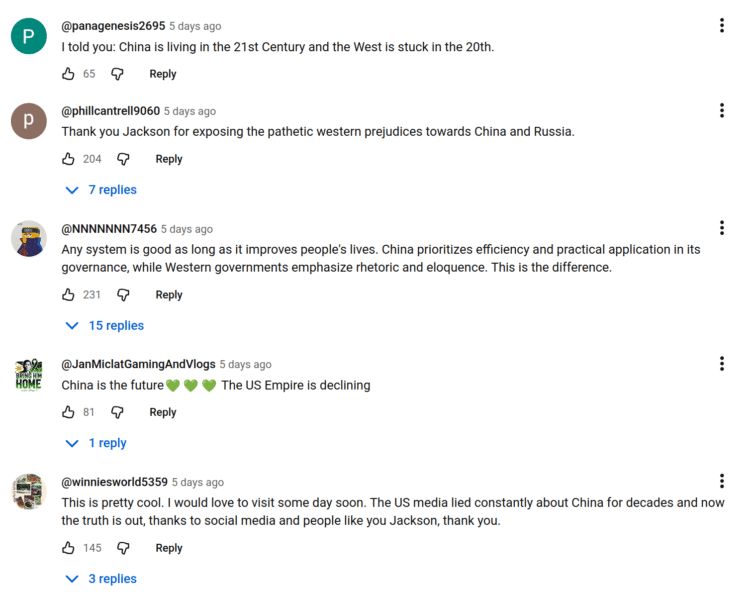
I VISITED CHINA | MY HONEST THOUGHTS
Col 27-Book 483 – Sir Whiskerton and the Barnyard Talent Show (A Tale of Gold Chains, Off-Key Dreams, and the Unstoppable Power of Terrible Talent)
Ah, dear reader—prepare your monocle, your earplugs, and your sense of schadenfreude. Today’s story does not begin with a quack, a snort, or even a kazoo blast.
It begins with a cough.
A dramatic, gold-chain-rattling, self-important ahem.
So settle in. Adjust your seat. And step—gingerly—into Sir Whiskerton and the Barnyard Talent Show.
Act I: The Announcement That Broke Reality
It began, as all great tyrannies do, with a poster.
Tacked to the barn door—over the “Free Hugs (From Bessie)” sign—was a glitter-bedecked flyer, printed in Comic Sans Bold and signed with a paw-print seal:
🔥 THE GRAND FARM TALENT SHOW 🔥
Sponsored by His Royal Highness, Genghis the Great
Prize: The Golden Acorn Trophy (and lifelong bragging rights)
Judges: Genghis (Head), Sir Whiskerton (Reluctant), Doris (Overqualified)
Beneath it, in tiny script:
“All acts must be pre-approved by the Office of Aesthetic Superiority.”
Sir Whiskerton, sunbathing on the roof, adjusted his monocle.
“Hmph. ‘Royal Highness’? He’s not even a prince. He’s a cat with a gold chain and a superiority complex.”
“Complex! Complex!” echoed Ditto—already wearing a tiny crown made of dandelions.
Genghis, perched atop the hayloft like a tiny, furry Napoleon, struck a pose.
“This isn’t a talent show, peasants. It’s a coronation.”
He gestured to his “Royal Court”:
- Lester, the lanky tabby, tuning a ukulele with three strings.
- Clyde, the bulldog, flexing beside a suspiciously labeled crate: “Confetti Cannon (Do Not Open Before ‘Finale’).”
- Loomis, the raccoon, holding a clipboard titled “Genghis’s Act: Perfection™.”
“My court will perform first,” Genghis declared. “To set the standard.”
“Standard! Standard!” echoed Ditto—who immediately tripped over his own crown.
Act II: The Talent That Wasn’t
The show began at dusk, lanterns strung between posts, popcorn (courtesy of Remy’s “Butter-Flavored Clouds™”) in paper cones, and Sir Whiskerton already regretting his life choices.
First up: Lester, “The Voice of a Generation.”
He cleared his throat—twice—then launched into “My Heart Will Go On”… in E-flat minor, backwards.
His voice cracked. The geese covered their ears.
“I’m the voice of a generation!” he croaked on the final note.
“A generation of tone-deaf cats, maybe,” Sir Whiskerton murmured—just loud enough.
Doris scribbled: “1/10. Sounded like a goose with a head cold.”
Next: Clyde, “The Human Cannonball (But Dog).”
He climbed into the crate.
Loomis lit the fuse.
BOOM!
Clyde shot out—straight upward—and got stuck in the hayloft rafters, legs kicking, tongue lolling.
“I meant to do that!” he barked.
“Do that! Do that!” echoed Ditto—now holding a rescue ladder.
Finally: Loomis, “The Magician of Misdirection.”
He pulled a scarf from his ear—which was on fire.
Produced a rabbit—which immediately yodeled.
And unveiled Genghis’s “Grand Finale”:
A glitter cannon labeled “Royal Radiance™”… filled with glow-in-the-dark pickle brine.
“Behold!” Genghis cried. “I shall dazzle—and win!”
He pulled the lever.
SPLOOSH.
Not a spray.
A tidal wave of neon-green brine.
It hit Genghis mid-pose—soaking him, his chain, his dignity—then cascaded over the judges’ table, dousing Ferdinand’s sheet music, Doris’s notes, and Sir Whiskerton’s monocle.
Silence.
Then—
“…I meant to do that,” Genghis whispered.
Act III: The Real Stars (Who Didn’t Try to Win)
Just as Genghis prepared to declare himself champion by default… the stage lit up.
- Ferdinand waddled on—wet, bedraggled, sheet music fused to his chest—and sang “Nessun Dorma”… while shivering.
The crowd wept (from cold and awe). - Bessie moo-danced—hooves slipping on the brine, mood ring pulsing violet-gold—turning near-falls into groovy pivots.
- Disco Dazzle, ever the opportunist, pulled out his mini boombox:“C’mon, sugar—let’s turn this pickle party into a groove!”
He dropped the needle on “Funky Farmyard Stroll (Brine Remix)”—and the whole farm danced, even Genghis, who tried (and failed) the disco point with one paw still tangled in wet glitter.
Sir Whiskerton stood.
Addressed the crowd—not as judge, but as witness.
“The moral of the story, dear reader, is this:
True talent can’t be faked; honesty wins in the end.
Genghis’s court didn’t dazzle. They delighted—in their glorious, soggy, off-key humanity.
So here’s the trophy—not to the ‘best’ act… but to the one that reminded us: joy isn’t polished. It’s lived.”*
He handed the Golden Acorn to Lester, who was still trying to tune his ukulele.
“For courage,” Whiskerton said. “And for making Doris faint on beat.”
“Beat! Beat!” echoed Ditto—now covered in brine and glitter, dancing with a yodeling rabbit.
The Moral of the Story
That night, as fireflies rose and the brine slowly evaporated (leaving a faint, pickled glow), Sir Whiskerton added a footnote to his journal:
“Authenticity isn’t about perfection. It’s about showing up—wet, cracked, glitter-stuck, and utterly yourself.”
And Genghis?
He sat beside Lester, sharing a soggy muffin (Remy’s “Brine-Soaked Delight™”), gold chain glinting green under the stars.
“Next year,” he muttered, “we add pyrotechnics.”
“Pyro! Pyro!” echoed Ditto—already drafting plans for a pickle-powered rocket.
Post-Credit Scene
Later, Chef Remy unveiled his newest invention:
“Talent Show Trauma Tonic™”
(“Guaranteed to soothe vocal cords, bruised egos, and pickle-stained fur—or cause interpretive karaoke.”)
Mr. Ducky bought the rights:
“Now with 200% more resilience!”
And on the barn wall—still faintly glowing—
a single phrase, written in Ditto’s careful paw-print:
“Standard: Wet. Beat: Groovy.”
(Footnote: “—D.D.”)
Jingle on. 🎤✨🥒
(Or, in farm-ese: SPLOOSH… thump… WOO! )
The End.
Pictures













































Why do Chinese people eat together and share one food in a dish instead of eating separately?
- Obviously, you do not know much about Chinese culture.
- China is not an exception in Asia, where eating together is a celebration of friendship/love/meeting and sharing.
- Food is just the center point to have an excellent relationship.
The Chinese people, well, most of them adore and basically worship their parents and grandparents.
It is not unusual to see parents/grandparents enjoying the meal with their son/daughter/SIL/DIL/and children and grandchildren.
There is no shortage of food in China, and in general, Chinese communities overseas are very well off.
Now,
The way it works: Chinese lunch/dinner is very elaborate.
The whole family sits on a massive round table.
And
This table has a lazy susan, which rotates.
Chinese people are very well-mannered; each person will take an appropriate portion, so everyone enjoys the dish.
Then
The second dish comes
And so
There are several dishes served one after the other, in enough portions to keep the conversation going for an extended time, and to nibble on the different dishes. And Chinese cuisine never ends.
It is a myth that the Chinese eat a lot of rice; they don’t. Sometimes troughs of rice go back untouched.
Here is the idea of prolonging time with loved ones and enjoying a variety of dishes.
When in China, do as the Chinese do.
This Chinese plate was massive, and I recall four waiters brought it.
We were all shocked to see this massive Chinese plate, and my wife could not stop taking pictures.
My wife and I were in China on one of our six trips with our Canadian Friends.
Chinese people work very hard: Every day is not a celebration.
There are endless street food joints and small cafes for casual dining/breakfast on a working day.
In China, there is food for everyone: Hardly anyone goes hungry.
Hope it helps
Just Add Water
Written in response to: “Let a small act of kindness unintentionally trigger chaos or destruction.“
Jim LaFleur
Fiction Horror Science Fiction
I stood, joints popping. The break room wasn’t far. I filled my coffee mug with water and walked to Marta’s desk before second thoughts could stop me.
“Sorry about this,” I whispered, tilting the mug. Water darkened the soil, vanishing faster than physics should allow. “Nobody should die alone in a cubicle.”
The leaves rustled despite the still air. Ventilation, probably. I added more water, watching it disappear into cracked earth. The plant looked so desperate that something twisted in my chest. Three years of eating lunch alone at this company. I knew what being overlooked felt like.
“There you go.” I set down the empty mug. “I’m Alex, by the way. Alex Monroe. Data analytics, which is exactly as thrilling as it sounds.”
The plant said nothing, naturally.
But talking to it felt right. A crack in the professional silence that defined my days. I touched one brittle leaf gently.
“I’ll check on you tomorrow. Maybe even give you a proper name.”
Walking back to my desk, I felt lighter. A small kindness in a place that had forgotten kindness existed. The fluorescents hummed approval, or maybe the building was just settling. Either way, I saved my work, shut down, and headed home feeling like I’d finally done something that mattered.
Next morning arrived humid and gray. I brought filtered water from home, the good stuff, not metallic tap water from the break room. The office filled with its usual sounds: keyboards clacking, phones ringing, Janet from accounting laughing too loud at her own jokes.
“Morning, Fern-ando,” I said, approaching Marta’s desk.
Gary from HR looked up. “Did you just name Marta’s dead plant?”
Heat crept up my neck. “It’s not dead. Just thirsty.”
“Fern-ando?” He snorted. “Weird, but good.”
I poured slowly, watching it soak in. Already the leaves seemed less brittle. One had even started uncurling, revealing vein patterns that seemed to pulse in morning light. Trick of my eyes from too much screen time, probably.
“You’re looking better already.” I glanced at Gary. “See? Just needed someone to care.”
By Friday, Fern-ando had transformed. Leaves unfurled in fractal patterns, geometric and impossible. The soil shimmered with what looked like crushed mica. Beautiful, if unsettling.
“It’s actually pretty now,” Diane from marketing admitted, pausing by the desk. “Still creepy that you talk to it, though.”
“Plants respond to positive energy,” I said, not sure I believed it but liking how it sounded.
That afternoon, while everyone attended the weekly metrics meeting I’d skipped, I noticed something beneath Fern-ando’s pot. A sealed folder, marked with Marta’s handwriting: CONFIDENTIAL – PROJECT SAMPLE 7.
Inside were photographs of a meteorite chunk, grainy and dark. Notes in Marta’s cramped script: “Dormant organism, silicon-based structure mimics terrestrial flora. Cellular reanimation triggered by H2O exposure.”
At the bottom, underlined three times: “DO NOT HYDRATE. H2O = REPRODUCTIVE CASCADE.”
My stomach dropped through the floor.
The words “reproductive cascade” echoed in my skull. I looked at Fern-ando, its leaves trembling despite the still office air. A faint vibration emanated from the pot, rhythmic like a heartbeat.
Then I heard it. A skittering in the ceiling tiles above.
“Alex?” Gary’s voice made me jump. “You okay? You missed the meeting.”
“Fine,” I managed, shoving the folder into my desk drawer. “Just… checking on the plant.”
He studied me, then shrugged. “Whatever. Hey, have you seen my stapler? Third one to go missing this week.”
After he left, I stayed frozen at Marta’s desk, watching Fern-ando. One leaf tracked my movement like an eye. Impossible. Plants don’t have muscles, don’t have nervous systems. But this wasn’t a plant, was it?
The skittering returned, louder now. Deliberate.
By six o’clock, I was alone again, paralyzed by indecision. Call someone? Who’d believe me? Hey, I accidentally rehydrated an alien life form and now it’s reproducing. They’d think I’d snapped from spreadsheet psychosis.
A ceiling tile shifted. Something dropped onto Gary’s desk. Walnut-sized, succulent-like, with tiny root-legs that clicked against the surface. It moved with purpose, dragging Gary’s keyboard cable toward itself.
Another tile shifted. Then another.
Within minutes, dozens of the creatures emerged, each slightly different. Some had leaf-mouths that opened and closed like tiny green beaks. Others sprouted wire-thin tendrils that probed the air. They moved in coordinated groups, stealing paper clips, wrestling thumb drives, building elaborate nests from shredded memos inside the communal ficus.
One hauled an entire stapler across the floor, its root-legs straining with effort. Despite my terror, I almost laughed. Almost.
Then I saw what they were building around Fern-ando. The stolen office supplies formed a careful lattice, a framework of metal and plastic. The mother plant pulsed at its center, growing larger with each pulse. Roots burst from drainage holes, spreading across Marta’s desk like veins.
The creatures chirped to each other in frequencies that made my teeth ache. More emerged from the vents every minute. Hundreds now. They’d stopped being cute.
One perched on my monitor, studying me with what looked like a cluster of tiny eyes made from pistil formations. It chirped once, sharp and questioning. When I didn’t respond, it leaped at my face.
I swatted it away, but not before feeling the sharp edges of its leaf-mouth. Blood welled from a thin cut on my palm. The creature landed on the carpet, chirping excitedly. Others converged on the spot where my blood had dripped.
They tasted it. Then they changed.
The playful theft stopped. The creatures grew silent, coordinated, predatory. They’d found something more useful than office supplies. They’d found organic material.
Gary arrived early Monday morning. I heard his scream from the parking lot.
“My finger! Something… something bit my finger off!”
By the time I reached him, he’d wrapped his hand in his shirt, blood seeping through the fabric. The tip of his index finger was gone, severed clean at the first knuckle.
“Must’ve caught it in the shredder,” he said, eyes wild with shock. “The shredder, right? Had to be the shredder.”
But I saw the truth in his expression. He’d seen them too.
Diane was next. She came in with a bandage around her ear, claiming a kitchen accident. Then Tom from IT, missing a chunk of hair, babbling about static electricity. Each injury precise, surgical. The creatures were harvesting.
I found their cache that afternoon. Inside the supply closet, they’d built a nursery. Strips of skin, hair, and fingernails mixed with soil stolen from every office plant. New organisms grew from this mixture, larger and more complex than their parents. These didn’t steal staplers. These had teeth.
The office lights flickered. In the strobing darkness, I saw words traced in vine-script across the break room wall: “MORE WATER.”
My knees buckled. They weren’t just reproducing. They were communicating. Demanding.
“We need to leave,” I told Gary and Diane, finding them huddled by the elevator. “Now.”
Gary cradled his bandaged hand. “The doors won’t open. Look.”
Plant matter had sealed the emergency exits, thick roots pulsing with that same alien heartbeat. The elevator cables were wrapped in vine sheaths. Even the windows had been covered with a film of organic material, translucent but strong as steel.
“The phone lines are dead too,” Diane whispered. Her bandaged ear had bled through. “I tried calling 911. Just got this… chirping sound.”
We were trapped. Three people against hundreds, maybe thousands, of evolving organisms. And at the center of it all, Fern-ando had transformed into something monstrous. The cute office plant now stood six feet tall, a trunk of twisted mineral and flesh, sprouting appendages that looked too much like human fingers.
“The water,” I said, understanding flooding through me. “They need water to survive. To reproduce. What if we dry them out?”
Gary laughed, bitter and sharp. “With what? Our breath?”
“The server room,” Diane said suddenly. “Industrial dehumidifiers. And maintenance keeps heat lamps for winter roof work.”
We moved through cubicle corridors like prey animals, ducking when shadows shifted overhead. The creatures had evolved past stealing office supplies. Now they hunted in packs, coordinating through ultrasonic frequencies that made our skulls ache.
Tom from IT hadn’t made it to work. We found what was left of him in his cubicle, precisely pruned. The creatures had taken fingers, strips of scalp, the soft tissue from his forearms, harvested with surgical precision. What remained had been arranged in careful geometric patterns radiating from his overturned chair. A warning or an art project, I couldn’t tell which.
The server room door required Tom’s keycard. I tried not to think about reaching into his pocket, about how the creatures scattered when we approached, chirping with what sounded like satisfaction.
Inside, four industrial dehumidifiers hummed quietly. Diane found three heat lamps in the maintenance closet. Gary grabbed every hair dryer from the bathroom. It wasn’t much, but it would have to be enough.
“We need bait,” I said. “They want water. We give them water.”
The water cooler bottle was nearly full, five gallons of what these things craved. I carried it into the main office area while Gary and Diane positioned our makeshift weapons.
Fern-ando’s trunk twisted toward me as I approached, its finger-appendages reaching. The creatures emerged from every hiding spot, drawn by the sloshing promise of hydration. They moved like a single organism now, a carpet of clicking roots and gnashing leaf-mouths.
I unscrewed the bottle cap. Water splashed onto the carpet. The reaction was immediate. Frenzied. The creatures swarmed the spreading puddle, fighting each other for drops. Fern-ando’s trunk bent forward, desperate.
“Now!” I shouted.
We turned everything on at once. Dehumidifiers roared. Heat lamps blazed. Hair dryers screamed hot air. The office became a desert in seconds, moisture ripped from the air so fast my lips cracked.
The creatures writhed. Their succulent bodies, designed to store water, couldn’t adapt fast enough. Some reached toward us with wilting tendrils, chirping in patterns that almost sounded like pleading. They weren’t attacking anymore. They were asking. But we couldn’t stop. We wouldn’t stop until every last one had crumbled to dust. One by one, they crackled and split like autumn leaves in fire. Their chirping rose to ultrasonic shrieks that shattered Gary’s coffee mug three cubicles away.
Fern-ando fought longest. Its trunk whipped back and forth, shedding layers of mineralised flesh. The finger-appendages grasped at nothing, curling into themselves as moisture fled. Finally, with a sound like breaking concrete, it collapsed into powder and strange, geometric seeds.
We kept the dryers running until the sun rose, until our throats were raw and our skin felt like paper. Only when nothing moved, nothing chirped, did we finally turn them off.
The silence felt wrong. Expectant.
—–
Days later, the news vans had finally left. Management called it a “chemical leak,” sealed the floor, promised a full investigation. We survivors got paid leave and NDAs thick as phone books.
I was packing my desk when she walked in.
Dr. Marta Levens looked exactly as I’d imagined. Gray-streaked hair, wire-rim glasses, the kind of face that suggested patience earned through suffering. She surveyed the devastation with an expression I couldn’t read.
“You must be Alex,” she said. Her voice carried an accent I couldn’t place. “The one who watered it.”
My throat constricted. “I’m sorry. I didn’t know. I just thought—”
“You thought you were being kind.” She knelt by the remains of Fern-ando, sifting through the powder until she found a single intact seed pod, no bigger than a pearl. “Kindness. Such a human concept.”
She cradled the pod gently, whispering to it in a language that hurt to hear. The pod split, revealing a tiny shoot that unfurled in her palm. Unlike before, this growth seemed calm, controlled. Natural.
“Six years I worked with them,” she said, not looking at me. “The specimens from the meteorite. They’re not invasive by nature. They’re symbiotic. They bond with a caretaker, share nutrients, share consciousness even. Beautiful, really.”
“But the notes,” I stammered. “The warning about water—”
“Reverse psychology.” She stood, the tiny plant swaying in her palm. “I knew someone would find them. Someone curious, someone caring. The organism needed to spread, to find new hosts. It would have been gentle. Gradual. A partnership.”
My legs felt weak. “Then what happened?”
“You happened.” She finally met my eyes. “You force-fed it kindness. Demanded gratitude. Plants—real plants—grow at their own pace. But you needed it to respond, to validate your loneliness. So you overwatered it. Overfed it. Overwhelmed it.”
The truth settled like ice in my stomach.
“The organism didn’t reproduce out of health,” she continued. “It reproduced out of panic. You triggered a defensive cascade, not a reproductive one. It attacked because it was drowning in your need to be needed. You taught it that human kindness is suffocating. Dangerous. Something to defend against.”
She placed the seedling in a small terrarium from her bag, movements reverent.
“You didn’t kill it, Alex. You taught it to fear us. And fear spreads faster than any symbiosis ever could.” She walked toward the exit, then paused. “Next time, let things grow at their own pace. Not everything thrives under the same care.”
That night, I stood in my apartment, staring at my collection of houseplants. Each one watered on a strict schedule. Each one talked to during my daily routine. Each one a testament to my desperate need for something, anything, to care for.
The Boston fern by the window seemed especially green.
I was about to water it when I noticed something by its pot. A tiny shoot, growing from the moisture ring left by this morning’s watering. Geometric leaves. Familiar patterns.
It pulsed once, gently.
Like a heartbeat.
Like a warning.
Like a second chance I probably didn’t deserve.
How do you feel about China now being wealthier, more powerful, stronger economically, and more successful than the USA?
Feel great and amazed at how well China is doing, but am TOTALY appalled at the U.S. anti China attitude just because China is doing better than them, it reeks of pure exceptionalism and arrogance,
it had to come, simply by numbers, China has double the STEM engineers and scientists then the U.S., also far more cash for R&D, that’s why they are now on top of the world, but also one other reason, they don’t waste their money on 740 military bases around the world, WHAT A WASTE that is for no returns whatsoever,
how do I feel? good on them FANTASTIC,
Chinese Millionaire Pretends to be Sheep Farmer, Gets Rejected on Dating Show in China
Has a police officer ever messed with you by exaggerating the severity of your crime?
Yes, they have. Two uniformed officers knocked on my door at 10:00pm and asked me where my red Mustang was. I explained it was my 16 year old son’s car and registered in my name until he turned 18. They said they had received a complaint from an irate homeowner. A water bottle flung from my son’s car not only landed in this fellow’s front yard, but came to rest near where the plaintiff was standing at the time.
Sounded like littering to me – municipal code violation and a possible fine. I called my son’s cell and told him to come home immediately because two policemen would like to have a chat with him. Figured that last bit would give him a chance to dispose of any evidence still in the car.
My son shows up with the convertible top down and two of his high school buddies in the car. The senior officer approaches him and asks if he threw a water bottle. He denied it. Next the same policeman asks the guy in the right front seat (the actual guilty party) the same question and gets the same denial. Then he tells the boy in the back seat that by the process of elimination his two friends had just implicated him in the crime and asks if he wanted to rat one of them out or face charges of assault with a deadly weapon. Think this kid was genuinely intimidated until he caught my exaggerated eye roll and decided to clam up also.
With all claiming innocence, there was no ticket and no arrest. Just a stern warning from the police. The two friends got the embarrassment of calling their parents to come over to my house to pick them up. I had to explain to my son how he was ultimately responsible for whatever was going on in his car even if he was not directly involved.
How One Company Built and Destroyed an Entire American City: Galesburg, Illinois
Fluffy Keto Cottage Cheese Cloud Bread
The perfect low-carb alternative needs to check a few boxes: first, it should be satisfyingly delicious. Second, it must be versatile enough to replace traditional bread without sacrificing taste. And third, it needs to be simple to make—because who has time for complicated recipes?
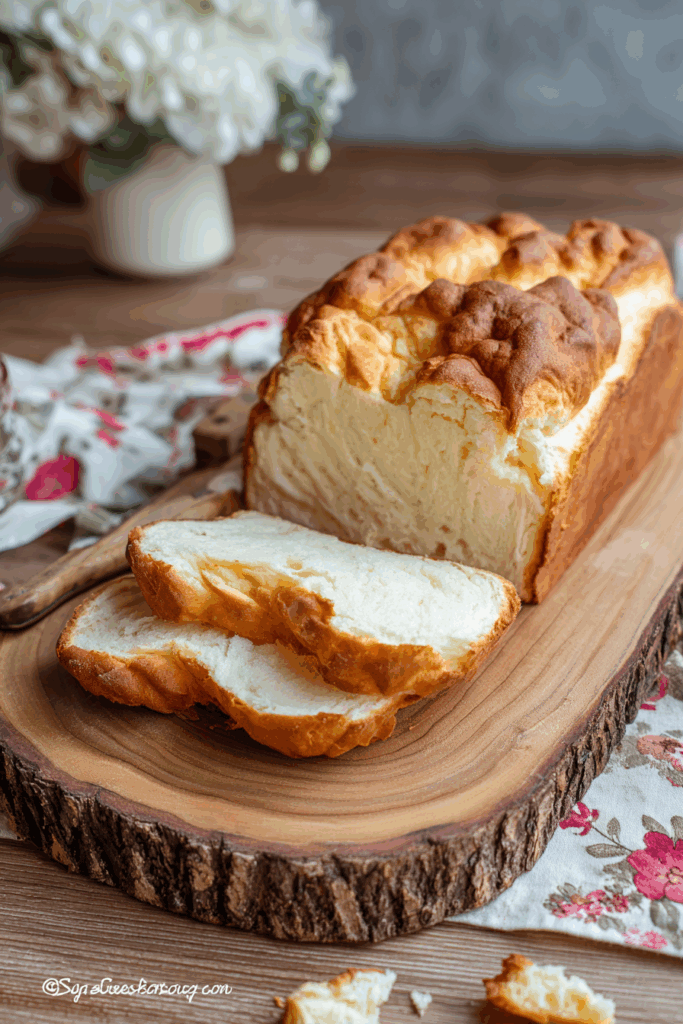
This Easy Cottage Cheese Cloud Bread ticks all these boxes and MORE. The cottage cheese is the secret weapon here—it adds a light, fluffy texture while boosting the protein content. You’ll have a cloud-like, bread-alternative ready in no time, perfect for sandwiches, as a side, or even on its own.
Serve this cloud bread for breakfast, lunch, or dinner—it’s a versatile option for anyone watching their carb intake or just looking to switch things up.
Why You’ll Love This Cloud Bread
- High protein content – With cottage cheese, whey protein, and egg white protein powder, this cloud bread packs a serious protein punch – perfect for hitting your daily protein goals.
- Keto-friendly – This bread alternative contains minimal carbs and fits perfectly into a ketogenic diet, making it a great option for anyone watching their carb intake.
- Versatile recipe – You can enjoy it plain, add bagel seasoning for a savory twist, or use vanilla extract to make French toast – it works great as a base for many different meals.
- Quick preparation – Ready in just 45 minutes, this recipe lets you enjoy fresh, homemade bread without the long wait times of traditional bread making.
- Simple ingredients – Most of these ingredients are common protein-focused pantry staples that you might already have if you’re into fitness or low-carb eating.
What Is Cloud Bread?
Cloud bread is a light and airy alternative to traditional bread, characterized by its fluffy, cloud-like texture.
It is popular for being low in carbohydrates and gluten-free, making it suitable for those following keto, low-carb, or gluten-free diets.
Cloud bread is typically made with eggs, cream cheese or cottage cheese, and a stabilizing ingredient such as cream of tartar or baking powder.
These ingredients are whipped together to create a batter that can be baked into rounds or larger shapes.
Its neutral flavor allows it to be used in both sweet and savory applications, serving as a versatile replacement for conventional bread in sandwiches, snacks, or even desserts.

Options for Substitutions
Making this cloud bread but missing some ingredients? Here are some helpful swaps you can try:
- Eggs: The eggs are essential for this recipe and cannot be substituted, as they’re the main structure of cloud bread. Make sure they’re at room temperature for best results.
- White vinegar: You can swap white vinegar with apple cider vinegar, lemon juice, or cream of tartar (use ¼ teaspoon instead). These all help stabilize the egg whites.
- Cottage cheese: Feel free to use ricotta cheese or cream cheese instead. If using cream cheese, make sure it’s softened and you might need to add 1-2 tablespoons of milk to match the moisture content.
- Whey protein powder: You can use unflavored collagen protein powder instead. If you don’t have protein powder at all, you can use almond flour, but your bread won’t be as high-protein and might be slightly denser.
- Egg white protein powder: This can be replaced with more whey protein powder or collagen powder in the same amount.
- Allulose: Any sugar substitute works here – monk fruit, erythritol, or regular sugar if you don’t need it to be low-carb. You can also skip it entirely.
Watch Out for These Mistakes While Baking
The success of cloud bread HEAVILY depends on how you handle your egg whites – make sure they’re at room temperature and your mixing bowl is completely free from any grease or moisture, as even a tiny bit of fat can prevent proper whipping.
Another critical mistake is rushing the egg white beating process – you’ll want to whip them until stiff peaks form, which means when you lift your beater the peaks stand straight up without flopping over.
When folding the egg white mixture into your cottage cheese base, use gentle, sweeping motions rather than stirring vigorously – aggressive mixing will deflate your egg whites and result in flat, dense bread instead of those airy, cloud-like results we’re after.
What to Serve With Cloud Bread?
Cloud bread is super flexible and works great as a base for all kinds of toppings, just like regular bread!
For breakfast, try spreading it with cream cheese and topping with smoked salmon and capers, or go sweet with butter and sugar-free jam.
If you’re making sandwiches for lunch, cloud bread holds up nicely with classic fillings like turkey and cheese, tuna salad, or egg salad.
For a simple snack, you can’t go wrong with spreading some almond butter on top and adding a few sliced strawberries – it’s especially good when the cloud bread is still slightly warm from the oven.
Storage Instructions
Keep Fresh: Your cloud bread will stay nice and fluffy when stored in an airtight container with parchment paper between each piece. Pop it in the fridge and it’ll keep well for up to 4 days.
Freeze: Layer them between pieces of parchment paper in a freezer-safe container or zip-top bag and they’ll keep for up to 2 months.
Cottage Cheese Cloud Bread FAQ
Why do my egg whites need to be at room temperature?
Room temperature egg whites are essential for achieving maximum volume when whipping.
I usually take my eggs out of the fridge about 30 minutes before I start baking, or place them in a bowl of warm water for 5-10 minutes if I’m short on time.
Do I need both types of protein powder for this recipe?
YES, using both whey and egg white protein powder gives the best results. The combination of these two proteins creates the perfect structure – whey protein helps with moisture retention and texture, while egg white protein adds stability.
I’ve tested this recipe many times, and this specific protein combination yields the fluffiest, most bread-like results.
Why is vinegar added to this recipe?
The small amount of vinegar helps stabilize the egg whites when they’re being whipped.
It works together with the baking powder to create a stronger protein network, which helps hold the air bubbles and keeps your cloud bread nice and fluffy. Don’t worry – you won’t taste the vinegar in the final product!
Estimated Nutrition
For the whole bread:
- Calories: 1,000-1,100
- Protein: 140-150g
- Fat: 40-45g
- Carbohydrates: 20–25g
- Sugars: 5-7g
For one slice (assuming the recipe makes 10 slices):
- Calories: 100-110
- Protein: 14-15g
- Fat: 4-4.5g
- Carbohydrates: 2-2.5g
- Sugars: 0.5-0.7g
| Preparation Time | 10-15 minutes |
| Cooking Time | 30 minutes |
| Total Time | 40-45 minutes |
| Level of Difficulty | Easy |
| Servings | 10-12 slices |
| Equipment | 5″x9″ loaf pan, 2 mixing bowls, stand mixer/electric hand mixer |
Ingredients
For the egg whites:
- 1/2 tsp white vinegar
- 6 egg whites (room temperature)
For the main mixture:
- 1 tbsp allulose (optional, for a hint of sweetness)
- 6 egg yolks (room temperature)
- 4 oz cottage cheese (full-fat for best results)
- 1/4 tsp salt
- 1/4 cup egg white protein powder
- 1/2 tsp baking powder
- 3/4 cup whey protein powder (I like Isopure unflavored)
- 1 tsp vanilla extract (optional, for french toast flavor)
Optional topping:
- bagel seasoning (everything bagel seasoning is great)
Step 1: Preheat Oven and Prep Egg Whites
- 6 egg whites (room temperature)
- ½ teaspoon white vinegar
Preheat your oven to 300°F (150°C).
Place your egg whites in a stand mixer or use an electric hand mixer along with a splash of vinegar.
Whip the egg whites on high speed until stiff peaks form, which should take about 10-15 minutes.
Once done, set the egg whites aside.
Step 2: Combine Egg Yolks and Remaining Ingredients
- 6 egg yolks (room temperature)
- 4 ounces cottage cheese
- ½ teaspoon baking powder
- ¼ teaspoon salt
- ¾ cup whey protein powder
- ¼ cup egg white protein powder
- 1 tablespoon Allulose (optional)
- Optional toppings: bagel seasoning
- 1 teaspoon vanilla extract (optional for French Toast only)
In a separate bowl, place the egg yolks and the remaining ingredients.
Whisk everything together until well combined.
Alternatively, you can add these ingredients to a blender and blend until smooth.
Step 3: Fold Mixtures Together
Gently fold a small amount of the egg yolk mixture into the whipped egg whites, incorporating it a little at a time until everything is well mixed.
Take care to keep the mixture airy.
Step 4: Pour and Bake
Pour the combined mixture into a parchment-lined and greased 5″x9″ loaf pan.
If you are making rolls, use a parchment-lined baking sheet or a silicone mold pan.
Place the pan on the middle shelf of the preheated oven and bake for 50 minutes, or until a toothpick or skewer inserted in the center comes out clean and the top is golden brown.
Step 5: Rest and Serve
Once the baking time is up, shut the oven off but do not open the door.
Allow the loaf or rolls to remain in the oven for an additional 10 minutes.
After this, remove from the oven and let it cool slightly.
Step 6: Enjoy
Enjoy your bread warm, toasted with a little butter, or cooled and used for sandwiches.
Yes.
The book The Invisible Billionaire tells the
story of one of these people: Daniel Ludwig.
In 1977, Daniel Ludwig had an estimated net worth of $3 billion.
Most people had never heard of his name.
Even his neighbors didn’t suspect he was rich.
Years later, a journalist tried to find out who Daniel was. He wanted to know how Daniel had managed to amass such a fortune.
The journalist interviewed Daniel’s neighbors.
His neighbors were shocked to discover they were living next door to the richest man on the American continent.
They replied that Daniel kept it to himself. He never socialized with anyone. They thought he was an executive at a bank.
Reading this book allowed me to learn three things that can help you understand how all of this was possible.
- Daniel amassed most of his fortune in businesses that didn’t directly involve consumers : shipping, oil, real estate development, and so on. This limited the number of people who needed to know his identity. He owned hundreds of separate companies, making it nearly impossible to determine their owner.
- Most people pay matchmaking agencies to advertise for them. Daniel paid a very large matchmaking agency to ensure his name never appeared in the newspapers.
- Toward the end of his career, he was working on a major development project in the Amazon called the Jari Project . This project was so vast that he had to work with the Brazilian government. This brought him unwanted publicity . As he was about to meet with the President of Brazil, a journalist asked him, ” Mr. Ludwig, do you have anything to say to the Brazilian people? ” His answer will tell you everything you need to know about his character. He replied, ” No, I have nothing to say to anyone. I’m busy working. “
There are tons of other interesting stories to read in Daniel Ludwig’s biography!