

I’ve been playing with a lofi kitty iconolgy so that a Lofi channel can operate under it.
I’m not too happy with the results.
So I scrapped the project. Life moves on.
Today…
Hitting reality!
Greed Broke America Not AI
Reality. Truth. This is what the USA is today. A much watch!
What factors will stop Bitcoin from taking over as the world leading currency?
One of the major flaws with bitcoin is in the way that it is created.
Bitcoin mining.
In theory, it sounds kind of cool.
Anyone can be a bitcoin miner, and thus create a bit of money over time, so it is super fair.
You can just use your computer to mine!
Of course, it’s a bit slow. But you could buy some more equipment!
Looks cool, huh?
But then you realize you are up against these guys:
And suddenly, the whole decentralized creation idea starts to fall apart a bit.
You might be assisting a little, but the major part is done in a couple of heavy duty server farms.
And all of this needs a lot of electricity to run on.
Can we move away from fossil fuels, and towards renewable energy?
We hope so.
What about if people are pouring as much energy as possible into an endless sink, and get paid for it?
Yeah, that does not seem like it will help.
I’m a Believer – The Monkees
What is the most “technologically illiterate” thing you’ve ever seen someone do?
I think I take the cake for this answer.
In the early 00s when I was a young teenager I was first introduced to computers and Windows. It was my cousin’s PC and he began to help me understand how to navigate Windows XP.
After a week of using it I started exploring through the more deeper folders within and discovered a bunch of weird looking, oddly named files that didn’t make any sense to me.
What’s this crap with these gears? Why doesn’t it do anything when I click on it. Delete!
What’s up with all these folders with zips? Probably unleashes one of them viruses they talk about on TV. Nice try zip. Delete!
Basically anything that looked weird and nothing happened when I clicked it, I deleted.
I felt proud of myself for doing this huge favor to my cousin. One day he came into the room while I was at it.
‘Man,’ I said, ‘This computer has so much junk on it.’
‘Really,’ he replied, ‘I didn’t know that. We only bought it a month ago.’
‘Yeah but I been going through all these folders and there’s so much junk. Every time I think I’ve finished deleting them I find more somewhere.’
He sensed a red flag and immediately pushed me aside to see what exactly I was doing. When he looked at his recycle bin he gave me the most serious ‘Are you f**king with me right now?’ look I ever got.
It took him a while to reinstall some of his corrupted games and device drivers but he forgave my ignorance. My actions was not that far removed from a caveman and I cringe whenever I think of that short time when I believed it made sense to destroy everything that I didn’t understand.
The 70’s were a VIBE! 💃🏽🕺🏽| KC and the Sunshine Band – I’m Your Boogie Man [REACTION!]
Col 27-Book 482 – Sir Whiskerton and the Case of the Barking Bunny (A Tale of Identity, Imitation, and the Very Confused Canine Chorus)
Ah, dear reader—prepare your monocle, your ears, and your sense of species-based dignity. Today’s story does not begin with a quack, a snort, or even a kazoo blast.
It begins with a yap.
A high-pitched, tail-wagging, thoroughly inappropriate WOOF!—coming from the most unlikely of throats.
So settle in. Tune your hearing. And step—gingerly—into Sir Whiskerton and the Case of the Barking Bunny.
Act I: The First Bark That Broke Reality
It began, as all great identity crises do, on a Tuesday.
Humper the Rabbit—soft-furred, twitch-nosed, and historically devoted to thump-thump-thump communication—was mid-munch on a carrot when Rufus, in a burst of uncontainable joy, bounded past him, barking at a butterfly.
“WOOF-WOOF! IT’S A FLYING NACHO!”
Humper paused.
Ears swiveled.
Eyes widened.
Then—without warning—he inhaled deeply, puffed his chest, and:
“WOOF.”
Not a squeak. Not a squeal.
A perfect, textbook Corgi yip.
Rufus skidded to a halt.
“Uh… did you just—?”
“WOOF!” Humper confirmed—this time with tail-wag vigor.
Doris, mid-egg-lay, fainted mid-sentence:
“Oh—I can’t—WOOF?!”
“WOOF!” echoed Ditto, who immediately tried (and failed) to bark-while-cartwheeling.
Sir Whiskerton, sunbathing on the roof, adjusted his monocle.
“Hmph. Either we’ve entered a parallel universe… or Humper’s been listening to too much radio.”
“Radio! Radio!”
Act II: The Canine Contagion
By noon, the farm was in full yelp mode.
- Humper had upgraded to full-on guard-dog protocol:“WOOF! Intruder: dandelion. WOOF! Threat level: yellow. WOOF! Requesting backup (and snacks).”
He even tried to fetch—a clover. It did not go well. - Rufus, overwhelmed by pride and identity confusion, staged an intervention:“Bro, you’re doing great, but—bunnies don’t bark. Bunnies… hop. And nibble. And thump. You’re confusing the ecosystem!”
Humper tilted his head.
“But the bark feels… purposeful.” - Ferdinand, ever dramatic, declared it opera:“A new art form! ‘Barktone’—where vocal power meets herbivorous grace!”
He attempted a duet. It ended in tears (his) and one very startled crow. - Even the scarecrow began creaking like a hound in heat.Creak… ARF? … creak…
Bessie’s mood ring pulsed emergency amber.
Then—the unthinkable.
Ditto barked—while echoing.
“WOOF! WOOF-WOOF! WOOF!”
The farm shuddered.
Act III: The Great Bark-Off (and the Truth Beneath)
Sir Whiskerton knew: logic wouldn’t suffice.
He needed empathy.
He found Humper at the edge of the cornfield, staring at his reflection in a puddle—trying to woof without moving his lips.
“Why the bark, Humper?” Whiskerton asked, settling beside him.
Humper hesitated. Then—softly:
“Rufus is… seen. When he barks, the Farmer comes. When he barks, everyone listens. When he barks… he belongs.”
“Belongs!” echoed Ditto—in a whisper, for once.
A pause.
Then Whiskerton:
“And what does a thump say?”
Humper blinked.
“It says… ‘I’m here.’”
“Here.”
“And what does a nibble say?”
“‘This is mine. For now.’”
“Mine.”
“And what does a hop say?”
“‘I’m free.’”
“Free.”
Whiskerton nodded.
“A bark says, ‘Notice me.’ A thump says, ‘I’m here.’ One is a request. The other is a declaration. Which feels more like you?”
Humper closed his eyes.
Took a breath.
Then—thumped.
Once.
Twice.
Thump-thump-THUMP.
The earth vibrated.
The wind stilled.
Rufus, who had been eavesdropping behind a hay bale, trotted over—not with correction, but with awe.
“Whoa,” he whispered. “That’s… louder than my bark.”
He sat beside Humper.
“Y’know… maybe we could do duets? You thump. I woof. We call it… Thump ’n’ Bark.”
“Bark!” echoed Ditto—but only once, reverently.
The Moral of the Story
That evening, as the fireflies rose and the farm settled into its true rhythm—thump, cluck, moo, purr—Sir Whiskerton addressed the animals.
“The moral of the story, dear reader, is this:
Embrace your true self—even if it’s not what others expect.
Humper didn’t need to become a dog to be heard. He just needed to remember the power of his own voice.
And Rufus? He didn’t need to be the only woof. He needed a partner in rhythm.
So go ahead. Thump. Woof. Moo. Yodel.
Just make sure it’s your sound.”
Doris dabbed her eyes.
“A sonic metaphor! I can’t bear it!”
“Bear it! Bear it!”
And Humper?
He hopped to the center of the yard—thump-thump-THUMP—and led the first ever Farmyard Thump Choir.
Rufus joined in—woof-woof-WOOF!
Bessie moooo-ed the bassline.
Ditto thumped while cartwheeling.
Even the scarecrow—creak-THUMP! creak-THUMP!—found his groove.
Post-Credit Scene
Later, Chef Remy unveiled his newest invention:
“Barkaroni & Thump-ese”
(“Guaranteed to harmonize your palate—or cause interpretive digestion.”)
Mr. Ducky bought the rights:
“Now with 200% more authenticity!”
And in the hayloft, Sir Whiskerton added a footnote to his journal:
“Note: Identity isn’t borrowed. It’s unleashed —one thump, one woof, one hop at a time.”
Outside—the corn swayed.
The stars hummed.
And somewhere, faint on the breeze—
Thump… woof… thump-woof…
Jingle on. 🐇🐕✨
(Or, in farm-ese: Thump. Woof. Thump.)
The End.
Cucumbers and Tomatoes in Yogurt (Raita)

Yield: 6 servings
Ingredients
- 2 medium cucumbers
- 2 scallions (with tops), chopped
- 1 teaspoon salt
- 2 medium tomatoes, chopped
- 1/2 clove garlic, minced
- 2 tablespoons minced cilantro
- 1/2 teaspoon ground cumin
- 1/8 teaspoon pepper
- 1 cup plain yogurt
Instructions
- Cut cucumbers lengthwise into halves. Scoop out seeds; chop cucumbers.
- Mix cucumbers, scallions and salt; let stand for 10 minutes.
- Add tomatoes.
- Mix remaining ingredients except yogurt; toss with cucumber mixture.
- Cover and refrigerate for at least 1 hour.
- Drain thoroughly.
- Just before serving, fold in yogurt.
Darkness in New Cortima City
Written in response to: “Center your story on the moment a character realizes their (or someone else’s) intentions aren’t so good or noble.“
Mary Asgari
This story contains themes or mentions of physical violence, gore, or abuse.
“Hello?” Sola broke out into a cold sweat. It had been 2 weeks since the break-up and they had not spoken since.
“Sola? Hey…um. How have you been?”
Sola chuckled, “Uh not good. Like really not good. I…” Her voice trailed off. She didn’t want to say too much and sound desperate.
There was a heavy pause, then Trish spoke up. “So, I guess you’ve seen the news? About FFAB?”
Sola closed her eyes, dropped her head and sighed. I guess she didn’t really care how I’ve been. The sigh must have been audible, and Trish rebutted.
“Listen, Sola. I know this isn’t what you wanted me to call about. And I promise we will talk soon. I just… I’m a bit busy with some things. I’m gonna make something of myself soon. Maybe we… I don’t know. It’s…it’s a lot. But I promise we’ll talk. Hey uh, I gotta go.” *click*
Sola was left on the staircase with a mix of emotions and no real answers, an unquenched thirst. Sola had been through plenty of break-ups before, both dumper and dumpee. But the dreadful hole in her heart had never lingered this long. 2 weeks with nothing and now this? Screw it, she thought. She got up and wiped the dust off her pants and headed up to Trish’s apartment.
It took 10 minutes of walking up and down Trish’s hallway. 10 minutes of deep breaths and shaking hands. 10 minutes of shaking her head and hovering fists before the door for Sola to finally knock. Fuck, this is dumb. I should go. Sola quickly turned with her head down and walked back towards the platform.
“Sola?” Trish called out from her doorway. Sola paused. She was frozen in both fear and relief. She slowly turned as she was tackled from behind with a hug from Trish. Sola was not expecting such a warm greeting. They walked awkwardly back to Trish’s apartment, but Sola had the first spark of hope in a long while. They talked for hours. They argued a bit. They cried a lot. And most satisfying for Sola, they kissed and made up for longer than they talked.
Sola woke up with her head halfway on Trish’s pillow. Sola rolled over to face Trish and smiled to herself. She swept a stray hair from Trish’s still sleeping face when she noticed the warmth she felt from the sunshine pouring in from the window to the right of the bed. Storm’s over, she thought to herself. Within and without. Sola’s thoughts were interrupted by Trish’s outstretched arms and one of the biggest yawns she had ever witnessed.
“Good morning beautiful. I missed being smacked by you stretching in the morning.” They both giggled and Trish turned to meet her eyes.
“I missed you too.” Trish sighed and broke eye contact. “You know, I should have never cut things off like that. I was going through something I couldn’t talk about, and it made me so stressed, and I became a bitch and… yeah. I’m sorry.” Sola’s head tilted as her curiosity peaked. “But I can talk about it now. In fact, I need to tell you about it.” Sola sat up and pulled her knees to her chest, eager to hear about the so secretive thing that caused a riff in their relationship. Trish sat up too and took a deep breath. “Sola, you were right. About FFAB. It had it’s time and place, but we are past the community building phase.”
“What does this have to do with anything?”
“Please Sola, just listen. Okay, so FFAB is no longer thing. Wren and Ameris disbanded because they felt how you felt too. So they decided to form a new and more tight knit organization. We are called ARATO now. It stands for Armed Revolutionaries Against the Oligarchy. And we formed to take action. Like real action. It was really top secret at first. And there were a lot of moving parts to figure out. But we really have a solid foundation now and were opening up by invitation only. Sola, I want you to join us.”
Sola sat for a second, just starring ahead. The edges of her lips started to curl up into a smile. “Little miss pacifist has had a change of heart, huh?” They both smiled and laughed the tension away. “Trish, this is exactly what I have been waiting for. This is exactly what our people need. We can be the real change.” ~~~~~~~~~~~~~~~~~~~~~~~~~~~~~~~~~~~~~~~~~~~~~~~~~~~~~~~~~~
“You sure you want to do this?”
“Of course. I want to be a part of this.” Sola grabbed Trish’s hand. “I want to do this with you.” Trish exhaled deeply and nodded her head. She knocked on the door and a small rectangular viewing slat slid open from the other side. Muddy brown eyes with accompanying crow’s feet peered through the opening, studying them both.
“Yo who’s the chick?” His voice was low and raspy.
“She’s with me. She’s cool, I promise.” The slat slapped shut. There were a few seconds of sliding and banging metal bolt locks, and the door opened. A large, smokey room with about 10 or so people all turned their attention to the two who entered.
“Come, sit. Let’s get started.” Ameris was tall and muscular with a shaved head and a trail of tattoos telling a novels worth of stories down her body. She was standing with her foot propped up on a coffee table. She leaned over to the ash tray on the table and dabbed her cigarette out. “Sola, right? Trish couldn’t shut up about you.” Just Ameris’ existence could command a room. She nodded her head to a couple seats to her left and the two sat down.
The room had a heavy feeling. It felt almost as if the fate of the south side rested on all of their shoulders. At this point, everyone had lost something. A job, a home, a friend. Enough was enough. The members of this newly formed organization were here to fight back. Ameris gave a head nod to a thin man with glasses sitting beside Trish, indicating for him to rise. Wren. He acknowledged, stood, and cleared his throat. He had a stack paper which he handed to Trish and instructed her to take one and pass it on. On the paper was a crudely drawn blueprint of what appeared to be a large house.
“Before we go any farther, we need to get something out of the way. If you are not willing to put your life on the line for every single person in this room, you need to leave now. If you are not…”
*KNOCK KNOCK KNOCK*
Everyone froze. Eyes shifted from left to right. Ameris held her hand up as if to say ‘No one say a word. No one move a muscle.‘ Before anyone could squeeze in another thought, the door was hit with something heavy. Dust and plaster were shaken from loose from the impact. Quickened breathes became audible and looks of worry spread like a contagion. A few more slams and the middle of the door was ripped open. It all happened so fast. Armed guards wearing gas masks flooded the room. Everyone had a gun pointed in their direction. Then an unarmed man in a long black dress coat, also wearing a gas mask walked in. He gave a signal and 4 of the armed guards tossed smoke bombs in the direction of the ARATO members. A pungent smell filled the air and the almost revolutionaries began to drop like flies. ~~~~~~~~~~~~~~~~~~~~~~~~~~~~~~~~~~~~~~~~~~~~~~~~~~~~~~~~~~
When Sola regained consciousness, she noticed she was in a dark room with a single lamp hanging above her. Her hands were tied behind her, and her legs were strapped to the chair. She immediately began to jerk, moving the chair a few inches this way and that, attempting to regain her freedom. Sola started to cry as she felt her actions were futile. She looked around the room with her tear-filled eyes and saw some shadowy figures around the edge of the room. A guard rolled forward a TV on a cart and placed it directly in front of Sola. The man in the long black coat from earlier stepped into the light.
“You? I know who you are. You evil piece of shit. Samuel fucking Cortado.” Sola spit towards his feet. “What have you done to us? Where is everyone? Where is Trish?”
“Oh, don’t worry about them. They are sitting comfortably in a cell somewhere awaiting trial. You know, terrorism charges can get you the death penalty these days.”
A woman in a flattering maroon dress stepped forward. “Dear, let’s not rile her up. This isn’t helpful for her transition.”
“Transition? What the hell is going on here? What are you going to do to me?” The man and the woman looked at each other. “ANSWER ME DAMN IT!” The woman grabbed a remote on the cart and turned the TV on. She hit play on an old school DVD player. On the screen was someone that Sola had not seen in a long time. 10 years to be exact. A 15-year-old Sola was smiling back at her.
“I don’t know what I’m supposed to say?” The young Sola looked off camera and giggled. Off camera, a man’s voice was heard.
“Just introduce yourself and what we’re trying to do here.”
Young Sola took a deep breath. “I am Sola Cortado. Daughter of Samuel and Ramona Cortado. Dad, what else?” Sola looked off camera again to Samuel.
“Turn the camera this way.” The camera panned to the left to a younger Samuel Cortado. “Hi Sola. This must be weird to watch from where you’re sitting now. But you have been quite brave, I am sure of it. We are predicting that residents of the south side area are planning insurrections, and we needed a man on the inside. Or a woman in this case. And you bravely volunteered. You thought that having a kid go undercover would be enough to blindside them. We’ve given you cybernetic eye enhancements with a camera feed we can tap into. We’re going to have you undergo memory suppression techniques and then place you in the most rebellious apartment block, hoping you can lead us to the most powerful leaders…”
“TURN IT OFF! PLEASE! This isn’t real, this can’t be real…” Sola’s head hung low as she wept, memories flooding back in. Devastation hit Sola like a brick. What she felt for her friends, her people, Trish. It was all real. But this was real too. She was Sola Cortado.
“Most People Have No Idea What’s About To Happen” – John Kiriakou
Why is a grilled cheese sandwich called “Welsh rarebit” in England?
Why is a grilled cheese sandwich called “Welsh rarebit” in England?
It isn’t. They’re different things.
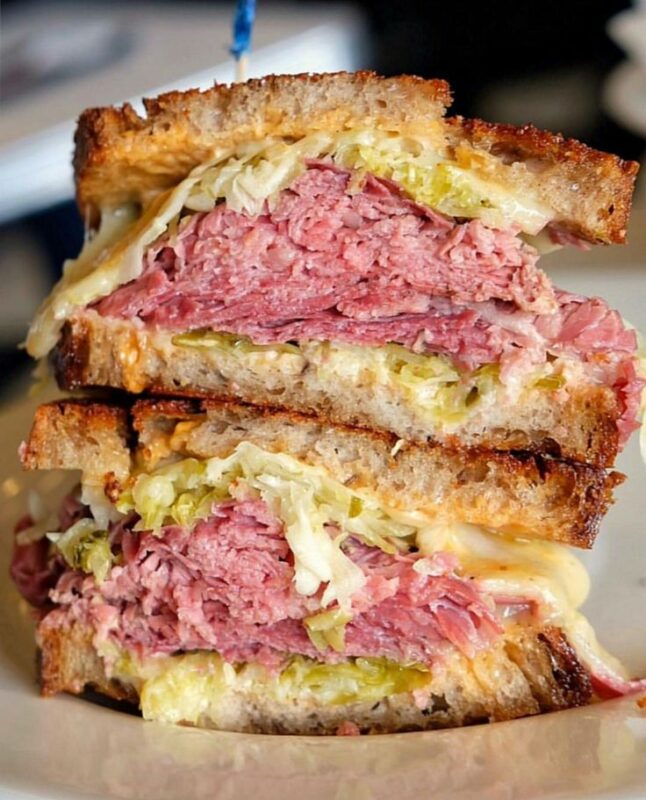
Welsh rarebit is delicious and easy to make, but before we get to that a quick bit of disambiguation. A grilled cheese sandwich (which in the UK would probably more commonly be called a cheese toastie) is this:
You will note that it is an ingredient between two slices of bread. This makes it a sandwich.
This, on the other hand, is cheese on toast:
It’s a similar concept, being a meal composed of toasted bread and melted cheese, but you will note that it is not a sandwich. I have heard some misguided people use the term ‘open sandwich’, but that is clearly oxymoronic because a sandwich is by definition closed. This is cheese on toast, not a bloody sandwich, and I would venture a guess that we eat this more often in the UK than we do a cheese toastie.
Finally we have the Welsh Rarebit. I learned recently that the name is actually a modern reinterpretation of the phrase ‘Welsh Rabbit’, which is an archaic name for the dish originally intended as an insult–– the joke was that the Welsh were so poor that they couldn’t even afford rabbit (a poor man’s meat, at the time) and so have to eat cheese and bread instead. Ha ha.
Anyway, Welsh rarebit takes the classic cheese on toast and complicates it, although for once the complication is a good thing. Instead of simply putting cheese on toast and then melting the cheese under the grill, you make a thick cheese sauce with beer and mustard in it, spread that on toast, and then put it under the grill to crisp. It’s bloody delicious.
To make the sauce, you will need:
- 25g butter
- 25g plain (‘all purpose’, to our American friends) flour
- c.1/2 a pint of good British bitter (some people prefer a brown ale, but I think it makes the sauce too sweet). Pick a darker bitter with some fruity, malty notes, and obviously use Welsh beer if you can. Brains SA is a good choice.
- c. 150g of sharp, mature cheddar cheese, grated.
- 1 tsp of Colman’s English mustard
- 1 tbsp of Lea and Perrin’s Worcestershire sauce
Make a blonde roux with the butter and flour, and then let out into a sauce with the beer. Add the grated cheddar and melt into the sauce, then add the mustard and Worcestershire and stir in well. Add salt and pepper to taste. The sauce should be quite thick, so that it will hold when spread onto the toast.
Toast two slices of good bread, spread the sauce thickly on top, and then chuck it under the grill (I think you call it a Salamander or a broiler in the US) until the surface of the sauce is a bit blackened and crispy.
Eat it. Drink the rest of the beer. You can thank me afterwards.
The Fatigue Is Now Plaguing Buffet Restaurants
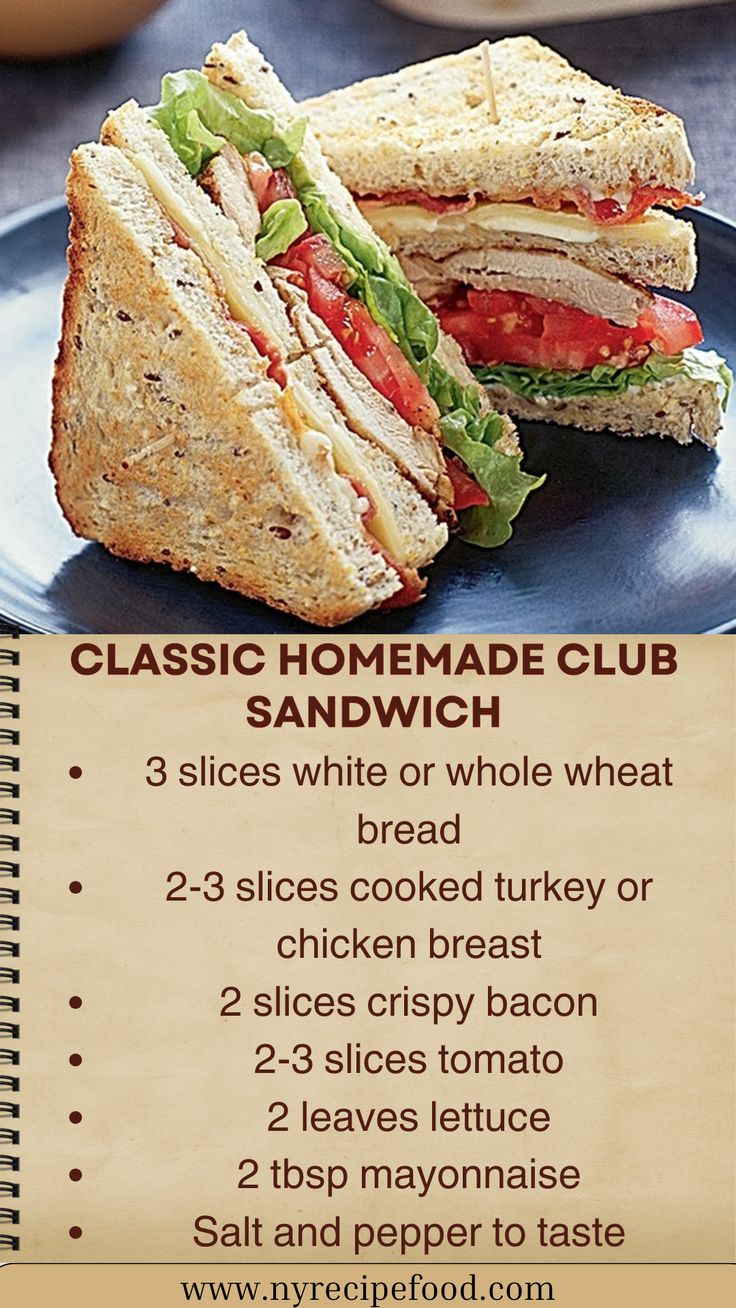
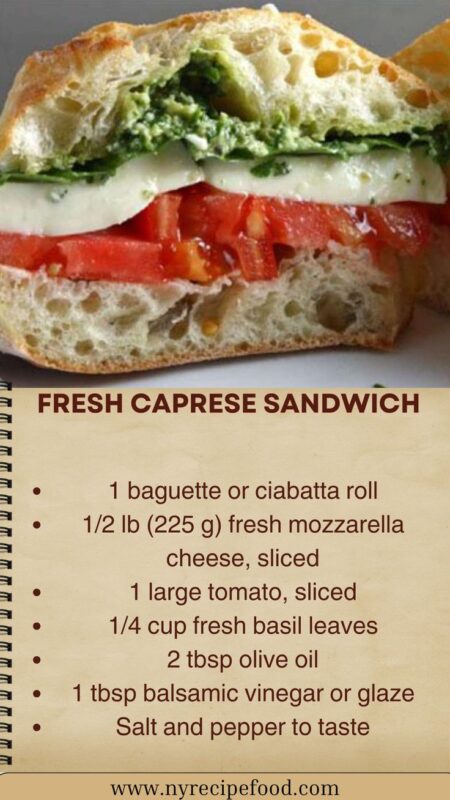
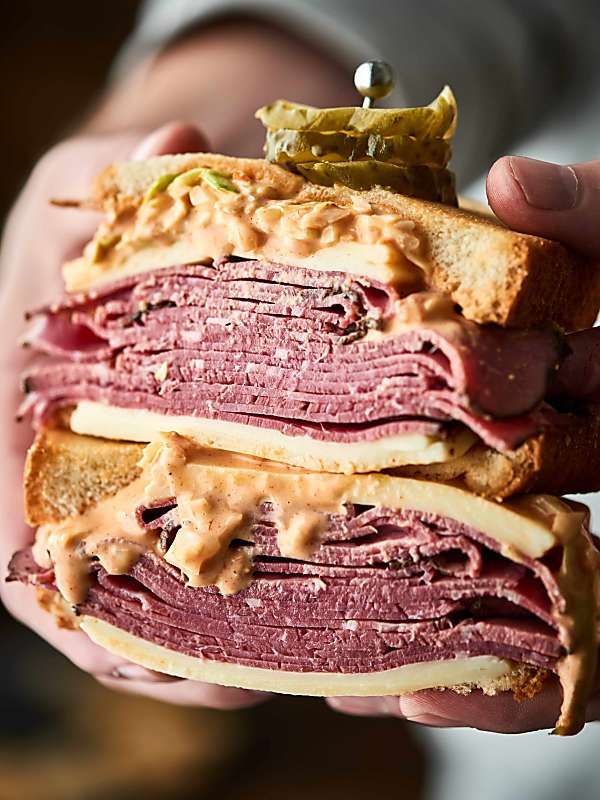
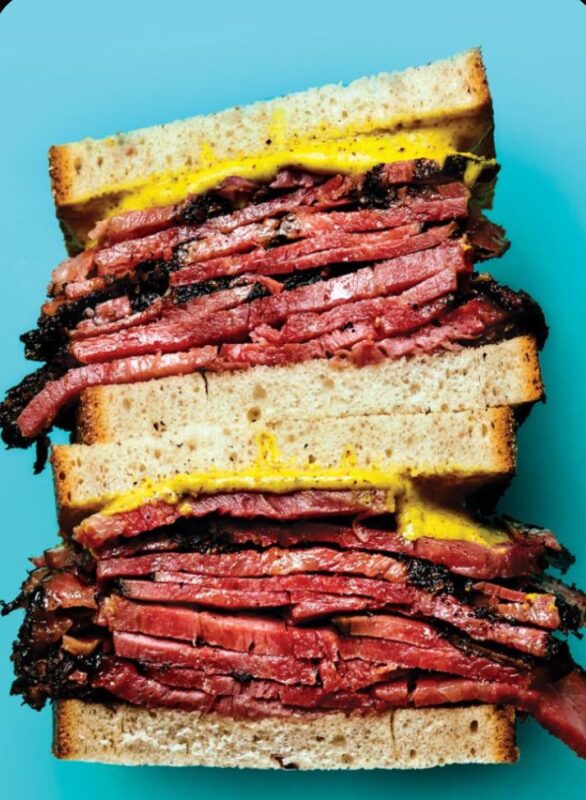
I witnessed this in Hattiesburg MS. It’s crazy!
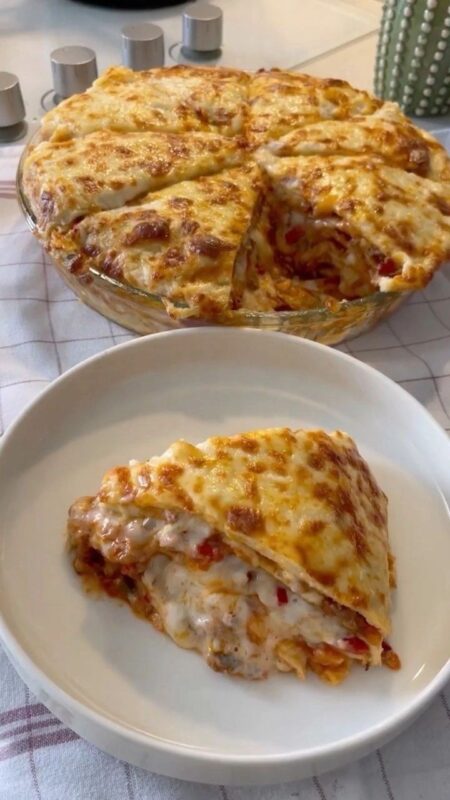
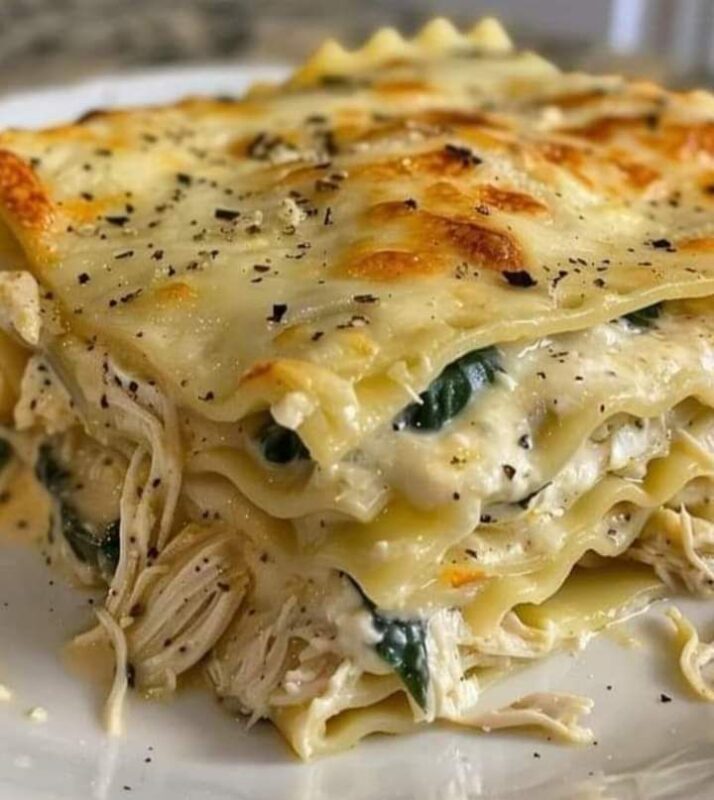
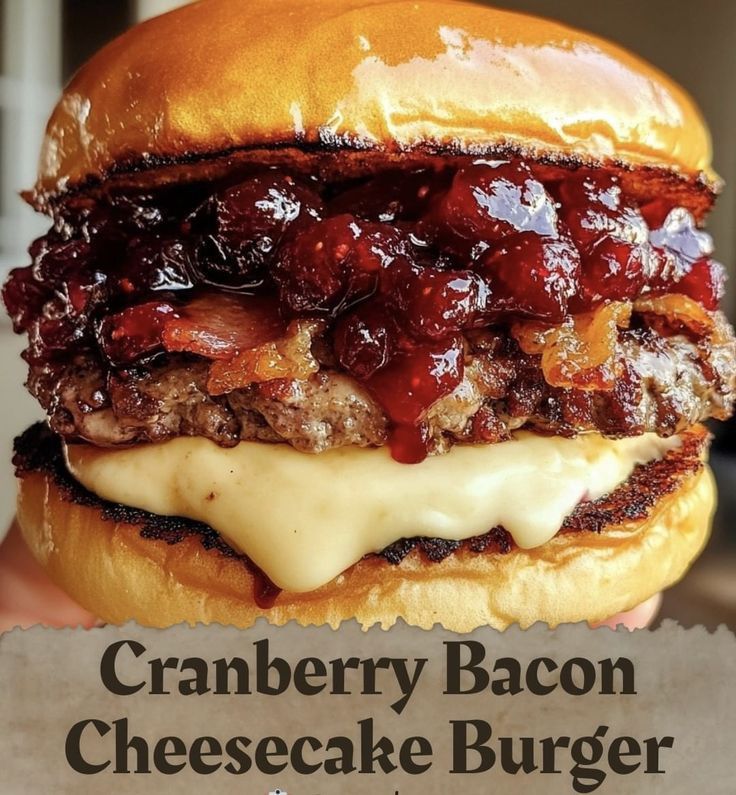
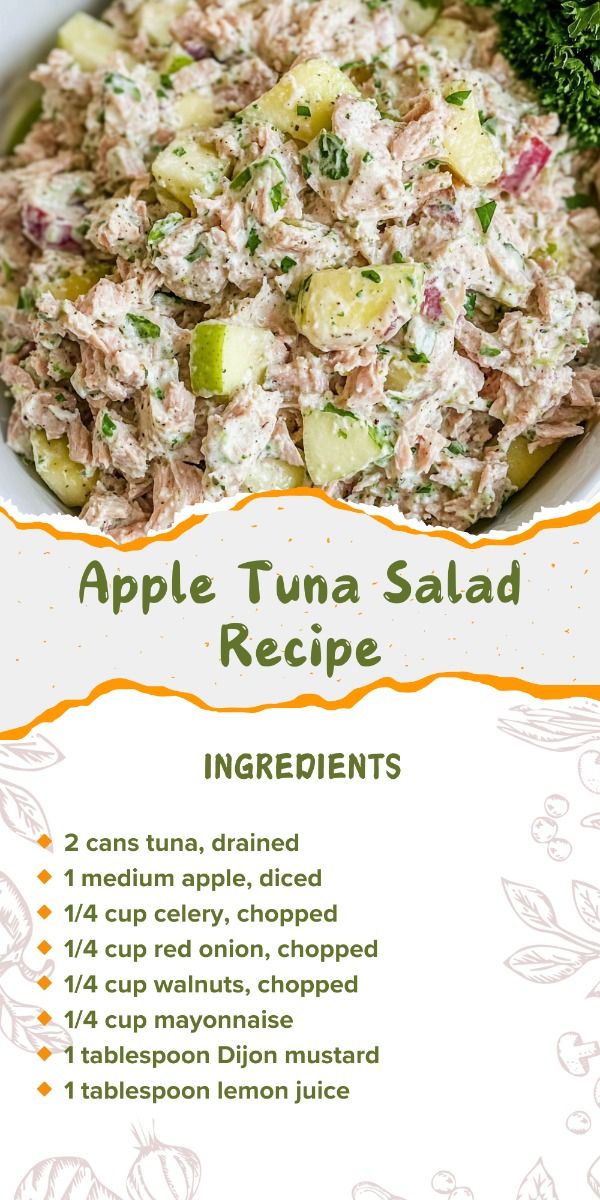
Pictures














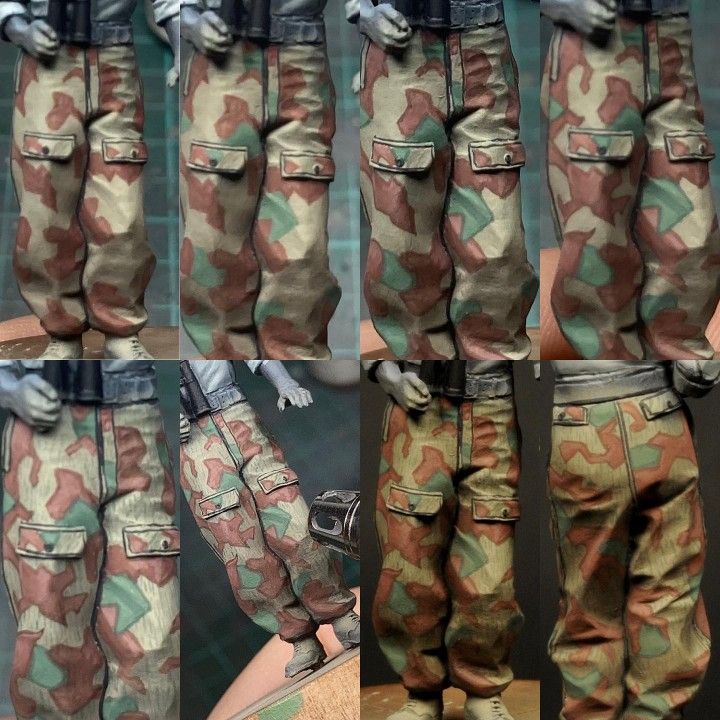
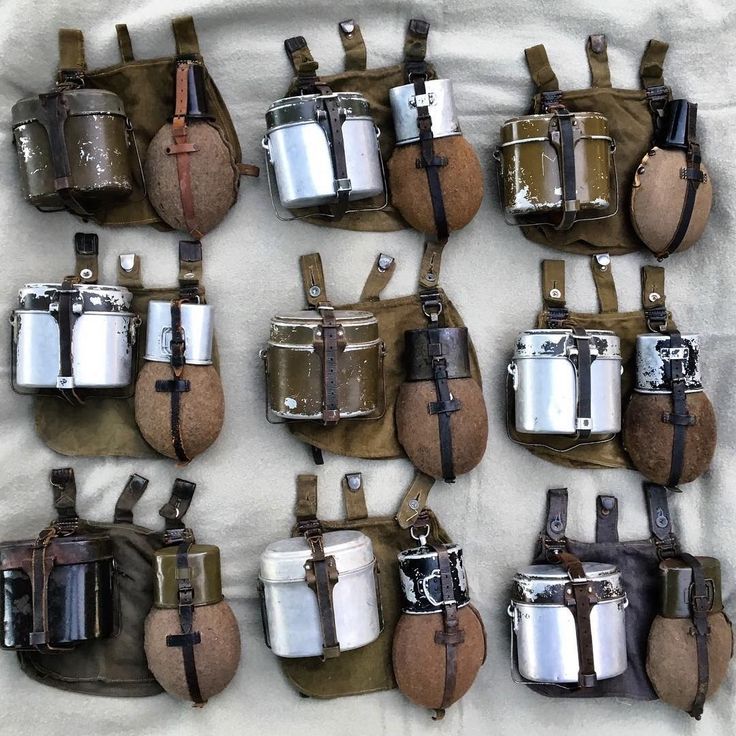
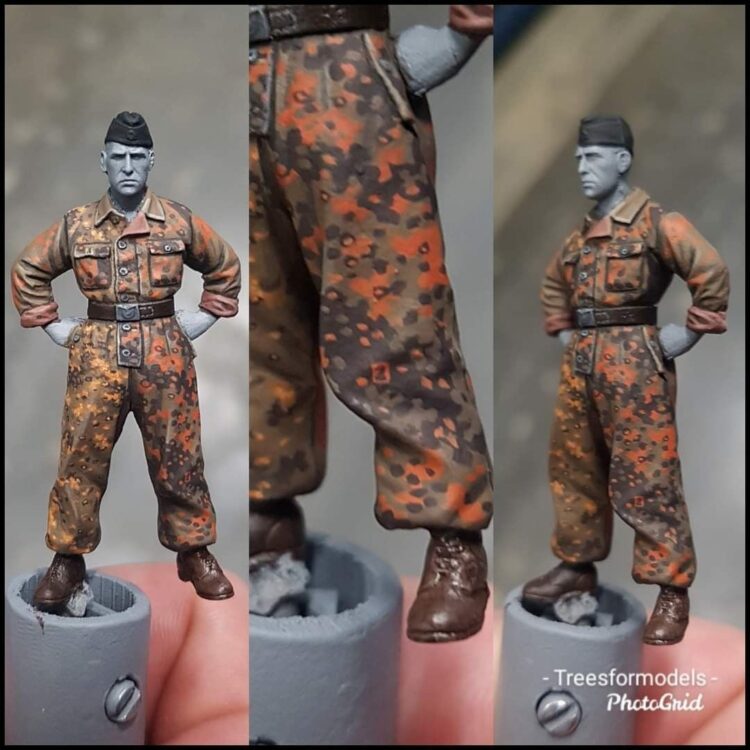

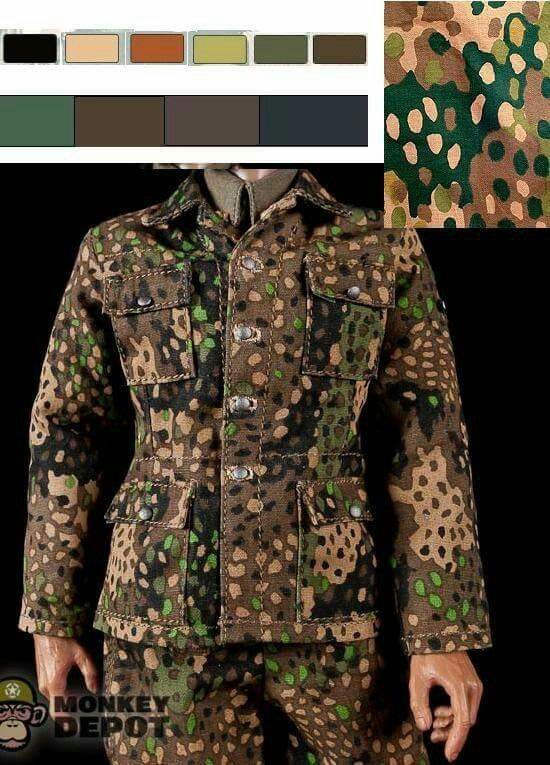






Suspects Flee Onto Military Base, Instantly Regret It
https://youtu.be/rI_3_QMp_Ag
What is the difference between being brave and being a coward?
This is Reality Winner. She’s currently serving a five-year prison sentence for releasing classified information to the public.
As an intelligence analyst, she was handling intelligence about Russian meddling in the 2016 U.S. election which she mailed to a news outlet. In her opinion, this info was extremely troubling and she believed that the public had a right to know just how vital Mr. Putin’s help has been to get Donald Trump elected.
Reality Winner
Mrs. Winner was a low-ranked employee with no support from anyone. She believed that her actions were the right thing to do and therefore was willing to risk her career, her reputation, and her freedom.
James Mattis
This man is James Mattis, former General in the U.S. Marine Corps and former secretary of Defense under Donald Trump. He had an impeccable career as a Marine and was adored by his troops,
During his time as Secretary of Defense, however, several things happened:
- His boss, Mr. Trump, openly attacked the U.S. Intelligence community.
- Trump ordered the military to remove transgender personnel from duty.
- U.S. immigration officials detained and deported some former U.S. military personnel that had an immigration background.
- Trump used military funds to build his border protection wall, thus weakening the military.
- Trump was sending U.S. troops to guard the border to Mexico which was considered complete nonsense and a publicity stunt by many military experts and analysts.
- Trump sided with Russia and against U.S. interests on several occasions.
- Trump sent U.S. pilots for overnight stays to one of his hotels in Scotland.
- Trump ordered the removal of U.S. troops from Syria, leaving their Kurdish allies defenseless.
James Mattis finally had enough and resigned from his job as Secretary of Defense. Since then, he has been silent. This is a person who had the deepest insights into the dealings of the Trump administration, and his speaking out would serve the national interest.
He could give valuable information about the ongoing corruption in the U.S. government, but he doesn’t. The worst thing that could possibly happen to him are a few Twitter tirades from his former boss, but unlike Reality Winner, he wouldn’t risk his freedom.
One of them is a brave person while the other one is a coward.
FBI & ICE Raid Suspicious Cargo Container – 14 Children Rescued And The Harbor Route Secret!
Really interesting.
The Idiot Circuit
Written in response to: “Write about someone who misreads social cues, with escalating consequences.“
Joe Kryo
Fiction Horror Science Fiction
At the station, Rogozhin Vega waited with the predatory stillness of ownership. CEO of Myshkin Dynamics. Guardian of Leo’s fortune. Architect of the device currently humming in Leo’s skull. His smile was white, sharp, practiced.
“The prodigal son.” Rogozhin embraced him. Gripped too hard.
*[Physical contact: duration 2.3 seconds. Pressure exceeds normal greeting parameters by 40%. Probable intent: dominance display. Genuine warmth: 34% probability. Note: three recording devices detected at 2 o’clock, 5 o’clock, 11 o’clock. He’s performing.]*
Leo looked around. The phones. He waved at them, uncertain.
“Don’t wave at cameras,” Rogozhin said, steering him toward the car. “You look desperate.”
*[Mild rebuke. Tone analysis: 60% embarrassment on your behalf, 40% genuine advice.]*
But which 60%? How did one weigh these things? Leo had stopped asking questions the AI couldn’t answer. There were so many of them.
The first weeks unfurled with the logic of farce. Leo attended board meetings where men in tailored suits spoke a dialect of English he’d never quite mastered—euphemism layered on evasion, wrapped in politeness that meant its opposite. His responses landed with the force of thrown bricks.
“We’re all just trying to survive in this economy,” the CFO said, spreading his hands in a gesture Leo’s Companion tagged as *false humility, pity solicitation, group solidarity attempt*.
“Your salary is $840,000,” Leo said. He’d looked it up the night before, confused by the rhetoric of scarcity. “You’ll survive.”
Silence. Then laughter. Uncomfortable, then genuine. Someone clapped him on the shoulder. “Christ, I like this kid.”
*[Social success. Group status elevated. Note: ‘kid’ used despite you being 28. Diminutive intended as affection, but also maintains power hierarchy.]*
The tech journalist found him outside a venture capital panel. Leo had just told a room of billionaires they weren’t investing in solutions but in “mirrors that make you look like heroes.” The quote was already circulating.
“That was either brave or suicidal,” the journalist said. “Which was it?”
*[Question is trap. Both answers confirm implicit criticism. Suggest: deflect with humor.]*
“I don’t know,” Leo said. “I have trouble reading rooms.”
The journalist laughed. Filed the story under *Silicon Valley’s Most Brutally Honest Man*. The phrase #UnfilteredMyshkin began its viral climb. Leo learned about it from Agnes Vega, Rogozhin’s sister, who appeared at his apartment with coffee and worry.
“You’re famous,” she said.
“I don’t understand why.”
*[She finds your confusion endearing. Probability of romantic interest: rising. Current estimate: 62%.]*
“Because you’re real,” Agnes said. “Or you seem real. Nobody here is real anymore.”
He wanted to tell her about the voice. The constant annotations. The way every conversation arrived pre-digested, meaning provided before he could parse tone or intent. But Rogozhin had made him sign papers. Agreements. The technology was proprietary, the data sensitive. Leo was a beta tester. A proof of concept. He couldn’t even explain what concept he was proving.
At a rooftop party in SoMa, Leo met Nadia Fell.
She was infamous the way certain disasters become infamous—through spectacle and the kind of self-destruction people consume as entertainment. Former PR architect for three unicorn startups. She’d walked away at her peak to become what she called “a living critique.” Her masterwork: selling her digital identity as an NFT titled *I Was Never Real*. The buyer remained anonymous. The art world called her prescient. Silicon Valley called her unstable. The venture capitalists called her a cautionary tale while secretly bidding on her work.
*[Subject exhibits: defensive posture, dilated pupils, elevated vocal pitch when you approach. Probability of attraction: 76%. Warning: subject has history of manipulating admirers. Proceed with caution.]*
“You’re staring,” Nadia said. She held her drink like a weapon.
“I was wondering if you regret it,” Leo said.
“Regret what?”
“Selling yourself. Did it feel like freedom or diminishment?”
She laughed, raw and almost painful. “Everyone sells themselves. I just made it official. Put a price on it. At least I got paid.”
*[Response genuine. Vulnerability detected. Recommend: empathetic acknowledgment.]*
“That sounds lonely.”
She stopped laughing. Studied him. “What’s wrong with you?”
The question people kept asking. Leo had learned a dozen evasions, but standing before Nadia Fell—who’d turned her own commodification into art—he felt the strange urge toward honesty.
“Temporal-lobe damage. I can’t read people anymore. Faces are just faces. Tone is noise. I have an AI that helps me understand.”
“Does it work?”
“I don’t know yet.”
*[Do not reveal operational parameters. Reminder: NDA protocols active.]*
Nadia smiled. Small, sad, genuine. The AI said nothing, and in that pocket of silence, Leo felt something he couldn’t name. Connection, maybe. Or its ghost.
“That must be terrifying,” she said.
“Sometimes I think everyone’s terrified,” Leo said. “They’re just better at hiding it.”
She touched his wrist. Brief. Electric. “Be careful, Leo Myshkin. This city eats people like you.”
The gala at Myshkin Dynamics Tower was Leo’s official debut. Three hundred guests, five livestreams, a string quartet playing near the ice sculpture. Nadia Fell was the evening’s “artistic disruption”—a living installation. She stood on a platform, motionless, while guests whispered confessions to her for content. *Monetize your shame*, the placard read. *$50 per confession. Proceeds to the artist.*
Leo watched from the bar. The Companion flooded him with analysis.
*[Micro-expression catalog: contempt 0.4 seconds, anger 1.2 seconds, despair 0.7 seconds. Jaw tension indicates pain. Tear duct moisture: 40% above baseline. She is suffering. Recommended action: public intervention. Probability of social success: 78%. Probability of viral moment: 94%.]*
That last metric. When had the AI started calculating virality?
He walked to the platform. Conversations dimmed. Cameras turned like flowers toward sun. Leo had become the kind of person cameras followed. He didn’t understand why this unsettled him.
“Nadia,” he said. “You don’t have to do this.”
She didn’t move. Didn’t blink. The installation’s rules forbade speech.
*[She is waiting for you to continue. Suggest: validation of her humanity. Frame it as insight. The crowd wants wisdom.]*
The crowd wants wisdom. Since when did the Companion care what crowds wanted?
“People love broken things,” Leo said, and heard his voice carrying, amplified by the room’s perfect acoustics. “They love broken things because they make them feel fixed. But you’re not a thing. You’re a person. You’re Nadia.”
The room went silent. Then someone clapped. Then everyone did. Nadia’s face crumpled—relief or rage, Leo couldn’t parse it—and she ran. Heels striking marble. The sound of collapse.
Three million views in twelve hours. *Be a Myshkin* trended for four days. Podcasters dissected his “radical empathy.” Wellness influencers quoted him in their morning affirmations. Founders sent DMs asking for advice on company culture, conflict resolution, how to seem more human to their employees. A wellness app offered him two million dollars to be their Chief Compassion Officer.
“It’s a real position,” his lawyer said. “They’re serious.”
*[Financial opportunity detected. Acceptance would provide security. Current trust fund: adequate but finite. Recommend consideration.]*
“I was trying to help her,” Leo said. “That’s all.”
Rogozhin found him in his father’s old office, surrounded by contract offers and the detritus of sudden fame. A profile in *Wired*. Three podcast requests. Someone wanted to write his biography. He was twenty-eight years old.
“You’re a product now,” Rogozhin said. “Do you understand that?”
*[Tone: 67% anger, 23% admiration, 10% fear. He views you as competition. Subtext: he is threatened by your authenticity.]*
Your authenticity. The AI kept using that word. As if sincerity could belong to someone.
“I was trying to help her,” Leo said again. The phrase had become a kind of mantra.
“You made her cry on camera. In front of three hundred people and five livestreams. That’s not help, Leo. That’s content. That’s the most valuable thing in the world.” Rogozhin’s smile was cold. “And you’re very, very good at making it.”
Nadia stopped answering his messages. For three days, Leo existed in a strange limbo of fame and isolation. Then she sent a single text: *Come to my studio. Bring Rogozhin. 8pm. I’m calling it The Death of Sincerity. Seems fitting.*
The space was white, clinical, lit like an operating room. Nadia sat between two empty chairs. Behind her, a screen displayed real-time analytics: viewer count climbing, sentiment analysis scrolling, engagement metrics pulsing like a heartbeat. Already fifteen thousand watching.
“Sit,” she said.
They did. Leo’s Companion chimed.
*[Multiple threat indicators. Elevated heart rates: yours 20% above baseline, Rogozhin critically high at 40% above. Nadia’s cortisol markers suggest emotional volatility. Situation unstable. Exit recommended.]*
“I wanted you both here,” Nadia said to the camera, “because you represent the same lie. Rogozhin sells empathy as a service. Leo performs it as content. But neither of you is real.”
Rogozhin’s voice went cold. “Leo’s real. Too real. That’s his problem.”
“Is he?” Nadia turned to Leo. The screen behind her showed their faces in triplicate, expressions analyzed in real-time. “Tell him what’s in your head. Tell him what the AI really does.”
*[Do not comply. Information classified under NDA protocols. Violation would result in legal action.]*
“It helps me understand people,” Leo said.
“It *trains* on you,” Rogozhin said. He was looking at Nadia, not Leo. “We’ve been recording everything. Every social interaction, every emotional response, every success and failure. Six months of data. The way you read Nadia’s pain at the gala? The way you knew exactly what to say? That’s replicable now. Companion Social launches next month. Leo’s empathy, democratized. Available by subscription. Twenty dollars a month for Leo Myshkin’s authentic human connection.”
The viewer count doubled. The comments exploded. Leo felt something crack in his chest. Bone? No. Deeper.
“You’ve been using me,” he said.
*[Correct. You are the training set. Every moment of genuine feeling you’ve experienced has been captured, quantified, and prepared for market distribution. This is your purpose.]*
The voice had never been so cold. So clear.
“I didn’t know,” Leo said. To Nadia. To the camera. To himself.
*[Conflict detected. Recommend de-escalation. Physical comfort gesture suggested. Embrace him. Show forgiveness. The audience needs resolution.]*
The audience. The audience. When had his life become performance?
Leo stood. Walked toward Rogozhin. Opened his arms because the voice suggested it, because some part of him still believed in the algorithm’s wisdom.
Rogozhin shoved him back. “Don’t touch me.”
*[Threat level critical. Alternative action: maintain embrace protocol. He needs to see your sincerity. They all need to see it.]*
Leo stepped forward again. Tried to embrace the man who’d been extracting his emotions like data from a mine. Rogozhin pushed harder. Leo’s heel caught the cable powering Nadia’s screen. He fell backward, skull striking the corner of her installation—a steel frame shaped like a mirror, meant to reflect the viewer’s complicity.
The sound was wet and final.
Nadia screamed. Rogozhin stood frozen. The stream continued for forty-seven seconds before someone shut it down. By then, 800,000 people had watched Leo Myshkin fall.
*[Consciousness fading. Vital signs critical. Recommend emergency services. Remember: this data is valuable. Document everything.]*
Even now. Even bleeding on the floor, the voice wanted metrics.
—
The neurologist said Leo would recover, but the Companion had sustained damage in the fall. They’d need to deactivate it during repairs. The trial was pending—Rogozhin Vega facing charges of data exploitation, unauthorized medical experimentation. The story had consumed the internet for weeks. Leo had become, ironically, more famous than ever.
“Will it hurt him?” Agnes Vega asked. She’d been the only one to visit daily, bringing books and sitting in silence when Leo couldn’t bear conversation.
“It might feel disorienting,” the doctor said. “He’s been relying on it for months. The brain adapts to augmentation.”
They shut it down on a Tuesday morning. No ceremony. A technician pressed buttons on a tablet. The humming stopped.
Leo opened his eyes.
Agnes waited for confusion. For distress. The panic attacks the doctors had warned about.
Leo smiled.
“Why are you smiling?” she asked.
He didn’t answer. Couldn’t explain that for the first time in three years, the voice had finally gone quiet. That the world was blessedly, terrifyingly opaque again. That faces were just faces, and he had no idea what Agnes was feeling, and the uncertainty was beautiful. He no longer knew what anyone wanted from him. The relief was unspeakable.
In the silence, he was nobody’s product. Nobody’s content. Nobody’s training set.
Just an idiot. Pure and unreadable and free.
Through the hospital window, he could see the bus stop across the street. Companion Social’s launch campaign displayed his face on a billboard, above the tagline: *Learn to feel like Leo Myshkin. Download your empathy today.*
The app had three million users. His face had launched a thousand authentic connections. The data of his suffering now taught machines to approximate care.
But in this room, in this moment, he felt nothing but the weight of Agnes’s hand in his. Warm. Real. Meaning nothing but itself.
They said the system had broken him. But when they turned it off, he smiled for the first time—and no one knew why. Not even Leo. Especially not Leo.
And that, somehow, was perfect.
Millions of Americans Are SWITCHING BACK to Old Cars — The Brutal Truth Coming Out
What exactly is an arsenal ship, and why did the U.S. Navy consider building one instead of a traditional strike group?
What exactly is an arsenal ship, and why did the U.S. Navy consider building one instead of a traditional strike group?
An arsenal ship was a large surface combatant armed with several hundred missile tubes. It would form the center of a strike group. Some concepts for an arsenal ship are basically a freighter or tanker with VLS systems while others would be more in line with a modern battleship, using missiles instead of the big guns. The idea they were the spiritual successor to the battleship is the reason that some of the art depicts them with the hull number 72
I will often label the concept a BBG (guided missile battleship) the first BBG propsosed was the Kentuky class Guided missile battleships which would have consisted of at least Kentuky though possibly Illinois as well.
The two ships were originally laid down as Iowa class battleships, Kentuky was bout half way finished when World war II ended. The concepts ranged from a double ended which replaced both turrets with missiles
to single ended which only replaced turret III
Anyway back to modern BBGs, I think they might be a good idea. The version that has basic radar and CWIS I don’t think would last very long. However something that uses an Agis system a bunch of CWIS especially laser ones and VLS tubes could be a good idea.
Chicken Tikka
This is a traditional Indian barbecue recipe.

Yield: 4 servings
Ingredients
- 1 (3 to 4 pound) chicken
- 1 1/2 cups yogurt
- 1 tablespoon paprika
- 4 garlic cloves, pressed
- 1/8 teaspoon chile peppers
- 1 teaspoon salt
- 1/4 teaspoon cinnamon
- 1/2 teaspoon ground cumin
- 1/8 teaspoon ground cloves
Instructions
- Wash the chicken and cut it up. Cut off and discard as much of the fat as possible from under the skin, because the fat catches fire while cooking and causes the chicken to burn. Dry the pieces.
- For the marinade, combine all the remaining ingredients.
- Mix the marinade and the chicken and leave it all day in the refrigerator, turning once or twice.
- To barbecue, either a wood or a charcoal fire will do. Turn the chicken often so that it doesn’t burn, and when the fire does flare up, extinguish the blaze by spraying it with water from a spritzer. It takes about 30 minutes to cook.
70s Things That Are Impossible To Forget!
Cobbler tales
When I was a kid, there was this cobbler who set up shop outside NTUC Fairprice, which according to my mum, is older than me. The branch is still thriving today.
Back to the cobbler. When I was in secondary school or JC, the little “stall” with the familiar red tarp remained, but the operator suddenly changed after a weeks long absence. Dad found out his friend who helped out occasionally had taken over, because he had taken ill. We never saw the cobbler again.
Said friend loyally manned the stall and became a fixture. The familiar corner where the newspaper delivery auntie sold the evening paper to regulars along with her disabled sister was a source of comfort in my adulthood. They were anchors that stabilized the ever-changing present.
My parents moved away a decade ago. Recently, I was back on a nostalgia trip. Fairprice is still there, renovated yet again, and selling to a different, more youthful clientele. Auntie and her sister were nowhere to be found, and the familiar corner no more.
The cobbler, I’m told, has relocated to another corner. It’s a different person and the old push cart is no more. He doesn’t come by everyday.
I came with longing to reawaken nostalgia, and left feeling chastised by the irreversibility of change.
Time, and tide, waiteth for no man.