
I joke about having to mow the lawn when I lived in the ‘States. Gosh! I haven’t mowed the lawn for years.
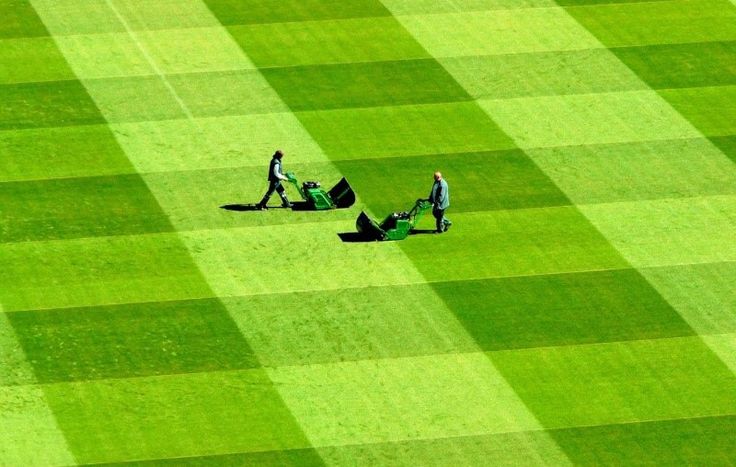
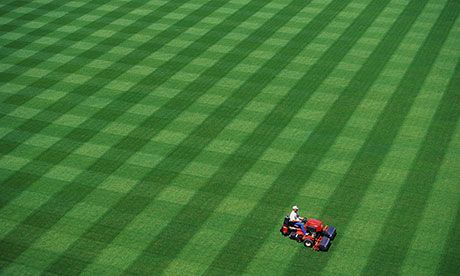
My second wife was anal about the grass it had to be double mowed; i.e. “stadium style”. Crazy ass bitch.
I mowed our lawn in the mobile home parks. What a pain. It was non-stop mowing noise from about 8am until 10pm. It actually worked out that way. No sooner did one person stop mowing when another started.
So I’m glad that that phase of my life is over.
Yet, when I lived on the Manor and was taking care of my mother, I would spend about 8 hours a week (roughly all day), mowing her 11 acres of grass. Luckily it was a riding mower. And yeah. I would ride with my ear buds in, and a can of beer between my legs and just chill out.
It was relaxing for the most part.
Sort of like Forrest Grump.
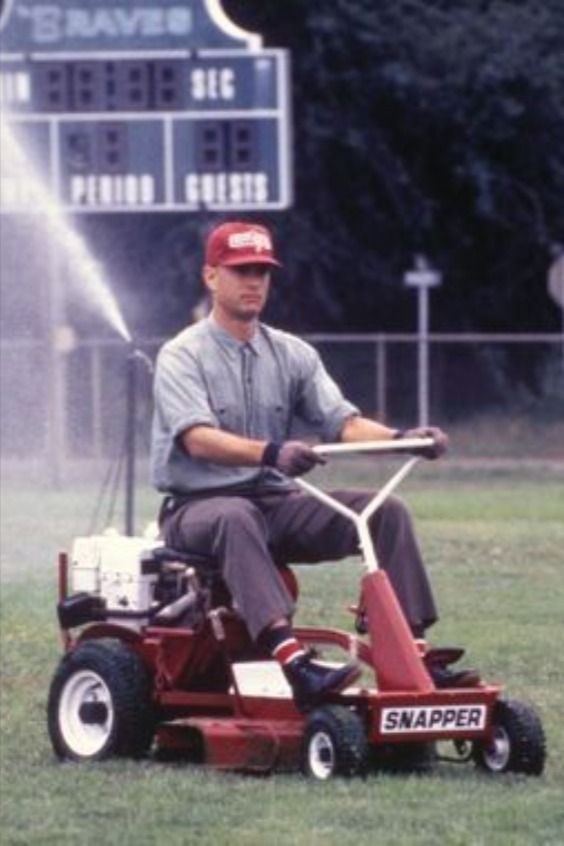
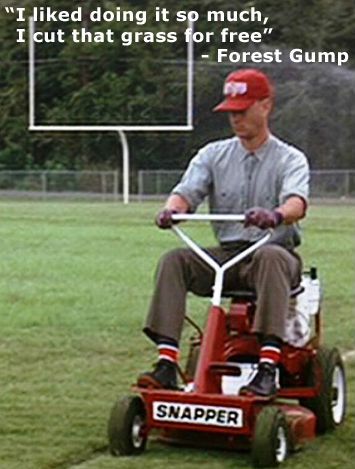
And if there is one thing that I miss about that ‘States, it’s that experience.
But I’m in China.
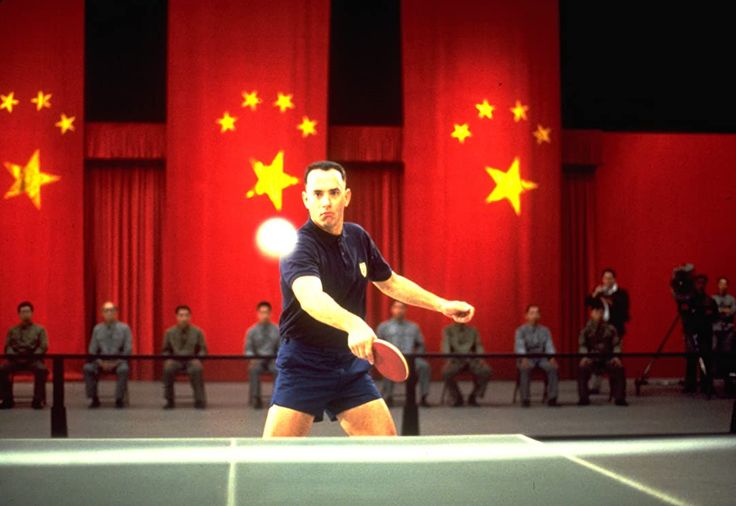
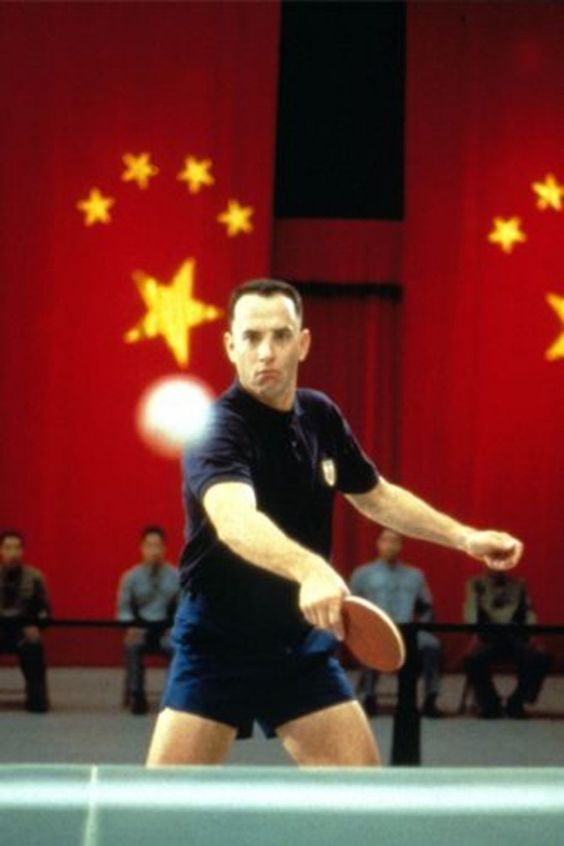
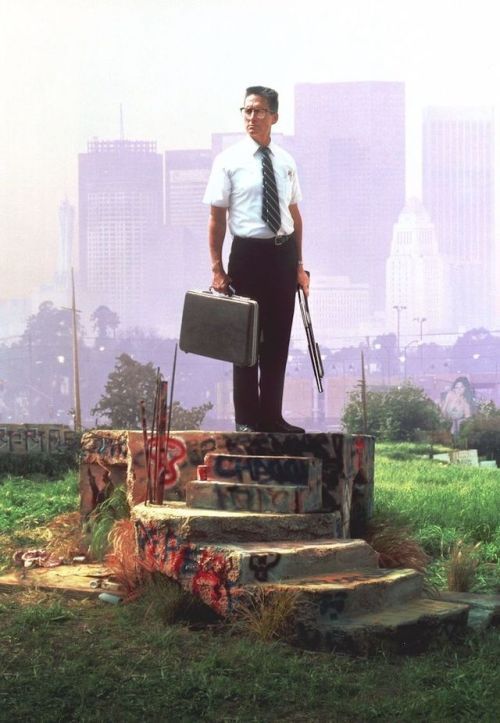
Here’s some Forrest Grump in China…
Today…
Will it be dooms day when the UN becomes totally and completely disunited?
Think of the New York UN headquarters as the location for business to be conducted for World Peace. If the location is now unsuitable because the rent, services, daily expenses, etc. are too high and found wanting and totally unsuitable for the business of maintaining peace and properity for the world, it is perhaps time to move that headquaters elsewhere. In fact a lot of countries in Africa had proposed resiting the UNHQ to Shanghai where the rent, services, expenses, etc. are much lower and better that the current New York. Most countries of the world still believe that the UN can perform a useful function to keep peace in the world. The USA had a very unsuitable POTUS in Trump. He had turned out to be a greedy warmonger and menace to the world. He started a war with Venezuela wanting to rob it of its oil, which was the largest reserve in the world. Next, he wanted to deploy its war machine to Greenland with the sma eintention of robbing it of its plentiful resources even though all the NATO countries said that they would start a war to repel the US arm forces. This may lead to his next adventure of annexing Canada which had declared that it should be the 51st state of the US.
In short, the POTUS Trump is an evil warmonger who destabilises the world. He broke all the UN rules and the rules restraing the powers of the Executive branch of the US. The US Judiciary and Legislative branches are trying to restrain him by declaring that he had exceeded the limits placed on him by the US Constitution. This sad saga is being played up in the US. Hopefully the US can restrain the destructive Trump now that the judiciary had found his evasion of taxes through illegal manipulations.
The world is quite united to go against the US because he started the global fracas by starting a tariff war on the world in 2025. The world is still suffering as a result of his tariff war. The countries of the world are involved in trade with China on a win-win basis with mutual benefit. The G7 and European countries thought that they were somewhat special to the US but they were disappointed that the US had not spared them from the tariff war. The countries of the world were rather united in their hatred of the US. There was no disuniity there.
In summary, the countries of the world were not disunited with the provocations by the POTUS Trump. In fact, they were quite united in their dislike of POTUS Trump for being a rogue warmonger! If the US decided not to accommodate the UNHQ in New York, Shanghai may be interested to take over the UNHQ. This is what the UN assembly must decide in the future. Meanwhile the world will still go on and the UN will still live on too because the countries of the world still believe that they need the UN for peace.
Now that “Justice Mission 2025” has concluded, let’s review the salient points.
ONE: IT’S GOING TO BE A BLOCKADE, NOT AN INVASION
China, unlike Japan, always telegraphs its strategic intent months, if not years, or even decades in advance. It doesn’t do sneak attacks. There will never be a Chinese Pearl Harbor (though I wish they would).
This one picture released by the PLA pretty much answers all lingering questions on what the plan is for Taiwan:
It’s going to be a blockade enforced by the Chinese Coast Guard. They even listed out the specific Coast Guard patrols that will be enforcing it.
As I explained in a previous post, a blockade has major advantages over an outright invasion. It’s low, risk and and low cost, even if it doesn’t give the PLA a chance to shine and awe the world.
TWO: THE AMERICANS AND JAPANESE WILL STAND ASIDE
Oftentimes, it’s the lack of action that speaks the loudest, and this is one of those cases.
In both Washington and Tokyo, “Justice Mission 2025” was met with silence and shrugs. Neither Japan nor the US sent any substantial naval or air forces to “monitor” the exercises. There was only a brief incident where an unidentified 3rd nation aircraft neared the exercise area. It’s speculated that it was an American spy plane, but nothing has been confirmed and the US denies responsibility.
This deafening silence is in stark contrast to past drills, and also to Takaichi’s recent statements that “a problem in Taiwan is a problem for Japan”. Apparently, if a problem happens in Taiwan, then the Japanese stay home and stfu. I have no doubt that Tokyo wanted to do something, but without the blessing from Trump, they don’t dare to do sh1t.
Furthermore, neither Washington nor Tokyo said a damn thing in response to China’s announcement of future blockades of Taiwan. That pretty much tells you everything you need to know about the future of Taiwan.
Trump ‘not worried’ as China’s live-fire Taiwan wargame enters second day
It’s clear that Trump isn’t even bothering to pretend like he gives a sh1t about Taiwan anymore.
THREE: THE DPP LOSES ALL CREDIBILITY
The DPP’s core promise to the Taiwanese people is two-fold:
- Despite being the party of Taiwanese independence, they will not trigger a war with Beijing.
- If Beijing still invades anyway, the DPP will defend the island to the last man and the last bullet. President Lai himself will strap on a vest and pick up a rifle.
Justice Mission 2025 has proven both promises to be utterly hollow.
It’s clear that Beijing intends to move on Taiwan, even if not through invasion. The DPP is clearly powerless.
When DPP officials were confronted with the question of how they intend to address the measly 10 day reserve of natural gas, they responded that in the next 3 years, they hope to boost that reserve to a 14 day reserve. Honestly, these people should just start lying. The truth is far too pathetic to utter out loud.
Lai himself kept indoors for the whole affair. Armored vehicles were seen around his residence, clearly ready to evacuate him in case the PLA decided to pull a Putin 2022. So much for resistance till the bitter end.
At this point, no one in Taiwan has any confidence in the DPP’s ability to defend the island, or even in their ability to avoid a showdown with Beijing. Many have resigned themselves to the fact that reunification is a matter of time, while others are still gaslighting themselves that Beijing will continue to do nothing indefinitely.
President Lai didn’t make a single public appearance during Justice Mission 2025. He hid in a bunker the whole time.
So what does all this mean?
Simple: the ball is firmly, 100% in the hands of one man:
DEWITT!
What are some amazing accidental archaeological discoveries?
In 2001, two ancient statues were blown up in Afghanistan on the orders of the Taliban. The monumental statues were called the “Buddhas of Bamiyan,” and they were carved into the side of a cliff in the Bamiyan valley of Afghanistan.
They were destroyed after the Taliban declared the ancient Buddhist statues to be false idols and had them blown up.
In a crazy twist of luck seven, years after the statues were blown up, an Afghan-led archaeological team discovered a series of hidden caves behind that statues. In the caves, they found oil paintings that dated back to the 5th century. This pre-dates the common perception that oil paintings originated in Europe hundreds of years later.
Col 13 – Story 539 – Sir Whiskerton and the Case of the Cow-tological Conundrum
A Tale of Farmer’s Folklore, Cosmic Cows, and the Weather in Her Hooves
Ah, dear reader, prepare for a tale of earnest misinterpretation, barnyard absurdity, and the quiet, groovy wisdom of a tie-dye cow. It’s a story that proves that sometimes, the most profound truths are not in the prediction, but in the peaceful, present moment of the predictor.
It began, as many of the farm’s peculiarities did, with The Farmer having a quiet, profound thought. He was mending a fence, a task that allowed his mind to wander the wide pastures of his unique intellect. His gaze fell upon Bessie the Tie-Dye Cow, who was at that moment performing her afternoon ritual: standing in a patch of clover, chewing meditatively, her mood ring glowing a serene periwinkle.
“Hmm,” The Farmer mused, not to anyone in particular (though a nearby scarecrow was a captive audience). “Look at her. So… in tune.”
Over the next week, a pattern—or what The Farmer perceived as a pattern—began to emerge in his meticulously kept (and wildly inaccurate) ledger.
Day 1: Bessie slept under the oak tree at noon. Observation: Light drizzle at 2:17 PM.
Farmer’s Note: “Cow horizontal = Atmospheric precipitation imminent.”
Day 2: Bessie stood statue-still in the meadow all morning. Observation: Unbroken sunshine.
Farmer’s Note: “Cow vertical = Solar confidence high.”
Day 3: Bessie scratched her ear with a hind hoof, lifting it briefly. Observation: High, wispy clouds drifted by.
Farmer’s Note: “Cow unipedal = Cumulus congestion, non-threatening.”
A theory was born, full-blown and magnificent in its complexity. The Farmer, with the fervor of a pioneer, drafted his seminal work on a feed sack:
“Bessie’s Bovine Barometer: A Definitive Guide to Hoof-Cast Meteorology”
| Cow Action | Predicted Weather |
|---|---|
| Standing Still | “Sunny & Clear (Cow-fident Skies)” |
| Lying Down | “Rain (Cow-nundrum Precipitation)” |
| One Leg Up | “Cloudy (Cow-culus Formation)” |
| Walking Backwards | “Wind Storm (Cow-unter Currents)” |
| Chasing Tail | “TORNADO WARNING (Cow-lic Velocity Event)” |
| Nodding While Galloping | “Electromagnetic Fluctuations (Cow-smic Interference)” |
| Tail Swishing, Left | “Partly Cloudy with Chance of Showers (Cow-cktail Mix)” |
| Tail Swishing, Right | “Partly Cloudy with Chance of HAIL (Cow-cktail with Ice)” |
He nailed the feed-sack chart to the barn door. The animals gathered, their confusion mounting by the second.
“Is he calling me a barometer?” Bessie asked Zephyr the Genie, who was floating nearby. “Because, like, I’m more of a mood ring, man. I reflect vibes, I don’t predict them.”
“Prediction is just reflection… of the future,” Zephyr said sagely, then paused. “Whoa. That’s deep. Or nonsense. I need more tea.”
Chaos, as it often does, ensued. The Farmer became a zealot of his new science.
He’d burst from the farmhouse, peer at Bessie, and make rapid declarations.
“TAIL SWISH RIGHT!” he’d yell, scrambling to move his prized tomato seedlings indoors. “Batten down the hatches! It’s gonna hail!”
The sun would shine brilliantly. The seedlings, now traumatized by their sudden relocation, would wilt.
Porkchop the Pig, ever the intellectual, was enthralled. “The epistemological implications are staggering!” he oinked to Sir Whiskerton. “Is she causing the weather through conscious bovine will, or merely entangling with it through quantum hoof-states?”
Sir Whiskerton watched the bedlam from his sunbeam, his tail tip twitching with mild irritation. “She’s a cow, Porkchop. She’s being a cow. The only thing she’s predicting is when the next patch of clover will be sufficiently sun-warmed.”
The situation reached its peak when Bessie, feeling a playful itch, gave a little hop and kicked her heels up. The Farmer, consulting his chart in a panic, found no corresponding weather event.
“A NEW SIGN!” he cried. “Cow… levitation? Propulsive joy? This could mean anything! ATMOSPHERIC ANOMALY! POSSIBLE RAIN OF FROGS!”
He ran to build an ark out of rain barrels and old shutters.
It was too much. The farm was in a constant state of unnecessary emergency. Doris the Hen was too stressed to lay. Rufus was barking at clouds that weren’t there. Even Gnomeo had taken to wearing a tiny, homemade hard hat.
Sir Whiskerton knew he had to act. Not to expose The Farmer as wrong—for his heart was in the right, if bizarre, place—but to restore peace.
The moral of our story, dear reader, is this: In our search for patterns and meaning, we must be careful not to burden others with our interpretations. True wisdom lies in observing without imposing, and in letting beings simply be.
Sir Whiskerton’s plan was simple. He waited for a perfectly calm, clear afternoon. Bessie was doing what she did best: standing in the sun, swishing her tail peacefully, being a magnificent, tie-dye monument to now.
The Farmer rushed out, chart in hand. “Ah! Tail swish left! Partly cloudy! I must adjust the solar panel angles by 3.7 degrees!”
“Farmer,” Sir Whiskerton said, leaping gracefully onto the fencepost beside him. His voice was calm, respectful. “A moment of your time.”
The Farmer, who held Sir Whiskerton in high (if puzzled) regard, paused. “Is it about the barometric pressure? I think Bessie’s chewing cadence might correlate—”
“It is about Bessie,” Sir Whiskerton interrupted gently. “Look at her. Not as a instrument, but as… herself.”
They watched. Bessie lowered her head to nibble some clover. She let out a soft, contented moo, a sound like a cello note played in a meadow. A butterfly landed on her nose. She didn’t shake it off; she just blinked slowly, sharing a moment with it.
“She is not predicting the weather,” Sir Whiskerton said. “She is experiencing the day. The sun feels good on her back, so she stands. The grass is cool, so she lies down. The fly is annoying, so she swishes her tail. She is living in harmony with this moment, not forecasting the next.”
The Farmer stared. The complex equations of hoof-placement and cloud-cover faded from his eyes. He saw, perhaps for the first time, the simple, beautiful truth: a cow, at peace.
A slow, shy smile spread across his face. “Oh,” he said softly. “She’s just… being Bessie.”
He took the feed-sack chart down from the barn door. Later, the animals saw him repurpose it. With Martha’s help, they painted over his frantic notes. In their place, they painted a single, splendid, slightly abstract portrait of Bessie, with the words: “Bessie’s Law: The Present Weather is Always ‘Groovy’ If You’re Present With It.”
A Happy Ending
Peace returned to the farm. The Farmer still glanced at Bessie, but now with a fond smile, not a meteorologist’s scrutiny. He’d see her lying down and simply think, “Bessie’s comfortable,” and maybe decide it was a good day for a nap himself.
Bessie, freed from her prophetic duties, felt the shift in vibes. Her mood ring glowed a constant, blissful gold. She even started a popular, slow-moving mindfulness seminar called “Chew Your Cud, Not Your Worries.”
And Sir Whiskerton? He returned to his sunbeam, the crisis averted. He had learned a valuable detective’s lesson: sometimes the greatest mystery is not why someone behaves a certain way, but why we insist on reading our own strange stories into their simple, beautiful lives.
The farm was safe, sane, and once again delightfully absurd—not because a cow predicted the weather, but because a farmer finally learned to see her.
And so, dear reader, we leave our heroes under a perfectly predictable sky—the kind that’s just right for being exactly who you are.
The End.
Loaded Mashed Potatoes Meat Loaf Casserole
Loaded Mashed Potatoes Meat Loaf Casserole is two of your favorites in one dish.


Yield: 6 servings
Ingredients
Meat Loaf
- 1 pound extra lean ground beef
- 1/2 cup onion, diced
- 1 cup seasoned Italian bread crumbs or 1 cup crushed Stove Top stuffing
- 1/2 cup milk
- 1 egg
- 2 tablespoons brown sugar
- 1 tablespoon Worcestershire sauce
- 1/2 teaspoon kosher salt
- 1/4 teaspoon black pepper
Topping
- 1 (4 ounce) package garlic-flavored instant mashed potatoes*
- 1 1/2 cups water*
- 1/2 cup milk*
- 1 1/2 cups shredded Cheddar cheese
- 1/4 cup real bacon bits or 3 slices bacon, cooked and crumbled
Instructions
- Heat oven to 375 degrees F.
- In a large bowl, combine beef, onion, bread crumbs, milk, egg, brown sugar, Worcestershire sauce, salt and pepper then press into a 9 inch square or comparable baking dish.
- Bake uncovered for 25 minutes, then remove and drain any excess fat.
- While the meatloaf is cooking, prepare mashed potatoes as per package instructions, using 1 1/2 cups water and 1/2 cup milk.
- Spread over the top of the meat loaf, then top with Cheddar cheese and bacon bits.
- Bake for an additional 10 minutes, until the cheese is melted and the mashed potatoes are slightly crispy.
Notes
* Or make your own mashed potatoes instead. This would be a great use for leftover mashed potatoes.
Police Arrive to Save a Kid — What They Find Shocks Everyone
The Evolution of Meat
Written in response to: “Center your story around a person who believes they’re the last human on Earth.“
Len Rely
“I suppose we could just cut out the bad spot…” Mitzi was saying. Sam struggled to think of how someone’s eye could possibly have gotten in there. A finger maybe in the processing… He felt like he was going to pass out, so she helped him into bed leaving the steak sitting there.
As soon as the lights were out, the steak began to lift itself on thousands of little black hairs that covered its underside like the tendrils on a sea urchin. It dropped to the floor and gradually made its way across the room in a span of twenty minutes.
Sam suddenly awoke from a nightmare, his head throbbing and he looked deliriously at the alarm clock which read 3:30 AM. Then he flipped on the lamp. Everything seemed normal until he glanced over at his wife lying next him and her face was the ribeye steak!
“Honey what’s the matter?” Mitzi sat up and looked at him with the steak’s one bulging eye, the strap of her nightdress falling off her bare shoulder. “Don’t you find me attractive anymore?”
Sam rushed out of the room into the kitchen, looking for something to defend himself with but she was right on his heels, eyeballing him curiously.
“You know, I think we should get rid of all the knives in the house…” Mitzi turned to the drawer and started going through it.
Sam tried the back door but couldn’t get it to open. He retreated into the den where the coals from a fire were still smoldering in the fireplace, and for some reason all of the irons were sticking out of it. He pulled out a branding iron that looked like a waffle, the end of it smoking and went back into the kitchen wielding it.
The steak-woman had turned on the oven, opened the door and was sticking her face in it.
“Do you smell something?” she asked even though she had no nose. When she saw him holding the iron she jolted up and banged the back of her head.
“Ow!” she exclaimed. “What are you doing? I think I’m bleeding, come over here and take a look at it.”
She flipped her blonde hair forward to feel her scalp. “Where’s a mirror? I might need to see a doctor or something.”
Minutes later they were on the road, although Sam felt there might be something wrong with him. He looked over and the van next to them seemed to have a rack of ribs sitting at the steering wheel motioning for him to move forward. Sam suddenly thought of all those deliveries he had made yesterday.
As they stepped into the waiting room an entire side of beef turned and looked at him from one of the chairs. Next to it was seated what looked like a large chunk of pork fatback dressed as a boy, with an overstuffed striped shirt, Coke-bottle glasses and a beanie.
Sam and Mitzi took a seat in the examination room. The doctor’s face was covered in raw ground beef whose strands formed a neatly-pointed beard and curled above his ears in a ring around his bald head, the edges already going gray.
“So what can I do for the two of you today?” he asked cordially.
“Well I think I need some polysporin.” the steak sniffed. “But what I’d really like to talk about is… freshness. What should I be doing about skin care if I’m out in the sun? And I also seem to have an unnatural fear of dogs.”
“Perfectly understandable. None of us is getting any younger!” the doctor pointed to his graying temples. “Some women have been standing in front of the open fridge as an alternative to tanning beds. I know it wasn’t designed for that, but we were actually discussing an experimental new procedure this morning.”
He got out some transparencies, and remembering Sam was sitting there motioned for Mitzi to come closer so he could show her privately.
“He’s been acting very strangely since he got home from work yesterday.” the steak whispered. “He doesn’t look at me the same way, it’s almost as if I’m no longer a woman to him.”
“You are a very attractive lady.” the doctor placed his hand on hers. “Show this to him, maybe it will rekindle the flame?” He removed what looked like a deck of large playing cards from the desk drawer and slipped one of them to her which she pocketed.
Sam bolted from his chair and demanded to see what they were. The doctor turned them over and spread them across the desk. They were black-and-white illustrations that seemed to have no common theme except that they were grotesque, like something Charles Addams would draw. The first card showed two men dining at a restaurant, a thin man and a jovial, fatter man laughing and clapping his friend on the back. The second card had the same scene but the fatter man was now slamming his friend’s face down into his plate of food, his eyes bulging with hysterics. The third card showed a family in mourning sitting at a dinner table, their faces looking up in shock at their father coming in the front door with presents under his arms, the right side of his brain exposed and connected to his stomach with some kind of veins. The fourth card showed a woman whose face was in shadow sneaking up on her husband asleep in bed with a syringe in her hand. The last card which he took from Mitzi’s hand was difficult to put in words. It showed a woman who had just returned home from the hospital to a dining room decked with flowers, and a large cooking pot had fallen from the stove onto the floor from which something that looked like a ball of dough with eyes was emerging and shaking its fist at them.
“They’re just suggestions…” the doctor started to say.
Sam ran out the door and down the hall with Mitzi crying out “Wait Honey!” on his heels. She pursued him through the radiology department where an X-ray was taking place, and after she ran through an image of her face came up on the screen showing the T-bone of the steak.
Sam emerged out the back door breathing heavily. As he stopped to catch his breath he looked across the parking lot and noticed one of the restaurants that had taken his deliveries yesterday was directly behind the building. It was closed until further notice, so said a sign on the door that looked like it had been written by a blind person.
Sam curiously approached and knocked on the glass even though the lights were off inside. The door opened a crack and a gurgling, sloppy voice said “Yessss?”.
“Sorry to bother you. I’m the delivery guy who dropped off an order yesterday.” Sam explained. “I was just wondering if there was something wrong with the shipment? Is that why you’re closed?”
“Um, no. We’re closed because we’ve got something in here we’re trying to protect from customers.” the voice answered, a trace of black liquid squirting out. “We have a responsibility to safeguard our livers… I mean, our lives.”
Sam’s head started throbbing again and he felt he was going to pass out.
“By the way,” the voice spoke, “do you know how to get rid of stray dogs?”.
He started to keel over backwards, barely catching himself as he dropped down to the pavement and lost consciousness. The door opened and in his mind’s eye he felt people were gathered around him with concern, possibly staff from the clinic next door, and that he had only imagined the parking lot was empty and this whole business.
He was placed on a stretcher and carried inside. He could hear voices passing in and out of earshot, clinical workers he thought, but couldn’t make out their sentences. Then what sounded like a child’s voice said “Who is that? And why does he look so strange?”.
“He’s going to be of use to us. Let’s get him up on the table.” one of the adults responded, and Sam’s eye opened to reveal he was in absolute darkness.
“Oh goodie!” the child’s voice sounding like wet leather slapping. “He’s one of us now! He’s one of us now!!”
Neighbors Reported a Rotten Smell — What Police Found Behind the Wall Was Unthinkable
Wow wow wow wow.
This is crazy town.
What is a small act of kindness a stranger did for you that you still think about years later? 5 more answers
It was on Sunday 3 years ago , we were on our way to Church when we reached outside the Church as I was coming out of the car I dropped my phone without realizing , I went inside the church.The service began and I didn’t know anything until the end of the service when I started searching for my it everywhere without any success and I went inside the car. I checked everywhere but I could not find it so I was sad because I just bought it few months ago so, I thought maybe I left it at home . We went back home. I searched for it everywhere but I couldn’t get it and so I was broke somebody just called my aunt and told her that she picked a phone under the car . It was a lady so, my aunt told me “Glory , come talk to this lady she says she has your phone”and I talked to that lady she shared her location with my aunt and I went there and found her waiting for me she gave me my phone I was so excited, I thanked her ,I had some cash in my pocket it wasn’t so much but I gave her as a way of thanking her for her kindness, she was so kind!! Kind people exists!!
NB
“PLEASE BEAR WITH MY ENGLISH, I’M A SWAHILI SPEAKER” I just wanted to share my beautiful story!
Star Trek Next Generation – Gomtuu
A favorite of mine.
Was the SKS carbine ever used in war? 31 more answers
·
Maybe here and there but as far as my knowledge no not in any real capacity. The SKS kind of got cucked by the AK47 and the AKM. Which ended up being the better gun in the end and ended up being the weapon that would go on to be the icon weapon of Russian military forever more.
The SKS is a fine rifle… all be it, a bit lacking in some ways. The SKS is basically the AK in hunters clothes. It is good, but a lack of capacity made the AK favorable, also the lack of a full auto fire mode. As the SKS was always meant to be a semi auto weapon.
Now you CAN buy modern magazines and mod your SKS to accept 30 round SKS magazines, BUT it makes the gun way more unreliable. SKS’s can be very weird about magazines when you mod it out to accept the removable mags. It was designed with the fixed 10 round magazine. Th SKS is just way more reliable with the 10 round fixed magazine. Sure you can try your luck. And some mags might work fine. But even when they are the same brand. One mag might work flawlessly, the other might cause a ton of problems. So that is enough to make people just buy an AK. The SKS by all means got cucked out of glory.
Star Trek Voyager – Harry Kim Wormhole | Clip
Have you ever had to deal with kids causing a mess in your house during a holiday gathering? What did you do about it? 2 more answers
·
Many years ago, we had a Christmas Eve party with family at our house. Two nephews were about 9 and 10. Their parents were indulging in holiday cheer so they began to run wild. I attempted to keep an eye on them but was busy in the kitchen. After 5 minutes passed, I didn’t hear the boys in the house. I started to tell my husband to go look for them when a CRASH came from the front yard. Car alarms were just becoming popular and the relative that owned the car surely had one. It was a up and down siren sound – really loud. Guests spilled out the front door. After a moment we heard the boys father shout “what did you do!” Where a window used to be in his car was now a gaping hole. The boys had found some landscaping bricks by our front door. They were competing to see which one could throw a brick further. The 10 y/o broke the front drivers window of his parents car. He won the contest but ultimately his parents lost.
The question was about a mess in our house and what did we do about it. The disaster was confined to the front yard and most of the broken glass was in the car but there were some glass shards on the ground. We gave the boys father a broom and dustpan and he cleaned most of it up. We still found glass days and weeks later.
Indiana Woman Had Sex with Dog on Video: Police
What is normal in the United States that British find weird? 214 more answers
Since the recent Bondi Beach Shooting in Australia, I’ve seen a huge number of people (mostly Americans) insisting that gun bans don’t work.
The reasoning is either that mass shootings occur even with gun bans or that you need a good guy with a gun to stop a bad guy with a gun.
We should care about all gun deaths equally and not value mass shootings more. In 2023, Australia had 25 homicides by firearm. In the same year, there were more than 15,000 in the USA. At Bondi Beach, 15 people were killed. It’s a tragedy without a doubt, but it pales in comparison to the number of firearm deaths in the USA on a normal day.
One man single-handedly proved you don’t need a good guy with a gun to stop a bad guy with a gun.
Ahmed Al Ahmed.
An absolute hero, whose name is rightly known worldwide. His life will never be the same again, hopefully in a positive way. He’s still recovering, but a fundraiser for him raised $2.5 million, and once he’s out, he’ll surely be celebrated everywhere he goes.
It’s one thing to have guns for hunting, farming or sport, but owning guns because it’s your right is insane. If you want to prevent tragedies like Sandy Hook, the Las Vegas shooting, and the Uvalde school shooting, the Second Amendment needs some serious updating. There’s no reason the average citizen needs to own a gun. The rest of the developed world, including the UK, thinks it’s insane.
Wife Suspects Cheating & Finds Her Husband’s Sick Secret Instead
How come we can’t cook raw meat that has expired or gone bad? Isn’t the whole reason we cook meat to get rid of bacteria and other harmful substances that could make you sick?
Actually, a lot of the stuff about meat going bad is cultural, and/or misinformation.
People rarely eat fresh meat. It’s hard to do, because it takes a while to get the meat from butchering to shops to the table, and also, fresh meat just is not very good.
Ever heard of dry-aged steak? It’s a delicacy. People pay a premium for that.
It’s basically meat that’s been left to sit around for a long time.
It smells and tastes a bit funky, and the outer layer is often discarded.
It’s really good, despite how it may look.
My grandmother told me that during the war, they ate everything.
Including stuff like badgers, which apparently is very tough meat. The idea here was to kill it and empty it, and then nail the carcass to a beam in the attic.
After a couple of weeks, the meat had become tender enough for the carcass to fall off the nail, and then it was ready to be prepared.
Letting venison get tenderized is a normal practice.
Maggots look bad to our eyes, but you can actually eat them. And they produce an antibiotic film, that protects the meat from bacteria, and they eat up the most rotten bits. They are actually used in medicine to treat wounds by eating dead parts, and coating the wound in their antibiotic mucus.
It might sound strange, but keep in mind that casu marzu (maggot infected cheese) is considered a delicacy.
Many cultures waited until there were a couple of maggots to start eating the meat: it was not considered a big deal like it would be now.
Now, don’t get me wrong here:
Meat can, and does spoil in certain circumstances. And can be dangerous to consume, even when cooked, because of toxins that build up.
So you can’t just go around eating any old meat.
That’s why most cultures err on the side of “better safe than sorry”, and stick to whatever preparation methods they know are safe. And you should do that too.
However, know that there are also many things that leave the meat looking or smelling different, and that does not mean it has gone bad.
Adding this here, because it seems that a lot of people seem to find this very controversial.
We eat a LOT of rotten food.
It’s super tasty.
Cheese, wine, beer, yogurt, kimchi, sauerkraut, traditional bread, pickles, vinegar, kefir, buttermilk, chocolate, miso, natto, fish sauce, stinky tofu, tempeh, …
Fermenting stuff is not new.
You set up the conditions for certain microorganisms to be the ones most likely to develop, and then you let things rot for a while. Sometimes you want to make sure to pre-contaminate the food.
It’s called food preservation, but really, it’s just letting the food continue to be decomposed in a way that makes it easy for us to digest.
Pictures






































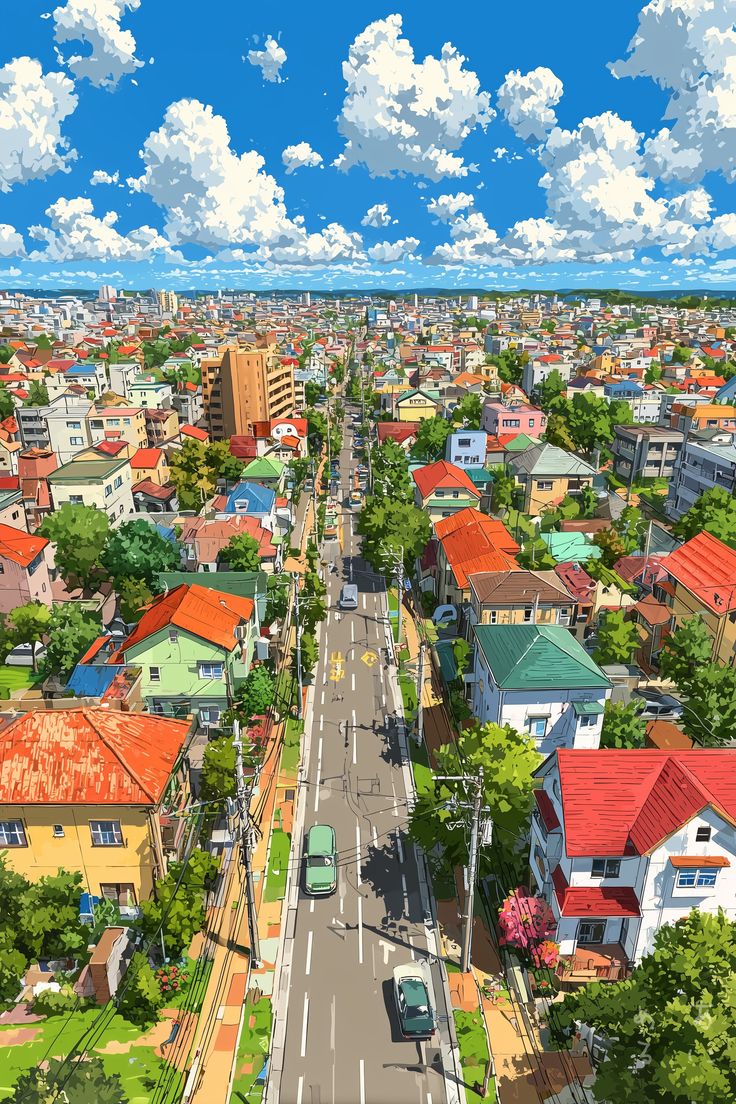

















What makes Japanese society so challenging for long-term foreign residents compared to just visiting?
I have a friend who is a member of the Hurlingham Club in London. This club is beyond exclusive, you must have a current member nominate you for membership, and then wait for years to be admitted. But since 2018 the waiting list has been closed, so forget it, there is no possibility of joining unless you are the child or spouse of a current member (my friend joined some time ago, as the child of a member). Once you are admitted, the fees are pretty reasonable, and the facilities are great, especially if you like tennis (as I do).
Japanese society is a bit like the Hurlingham Club only even more exclusive: The membership list has been closed for about 1500 years, and the only way to join is to be born to a mother and father who are both members (spouses don’t get automatic membership, and children of only one member get this strange ‘half’ membership). It is not that members think they are better than non-members, it is just that they are members of Japanese society, and non-members are not. Simple as that. Don’t bother applying: Citizenship doesn’t grant you membership, a spouse also doesn’t grant you membership, learning the language and customs certainly won’t grant you membership, you are just a non-member, get used to it.
If you become a long-term resident of Japan, ie you settle there, work there, build a family there, knowing the above, then you won’t be disappointed: You know the score from the outset. But people often go to Japan with sakura-tinted glasses on, and think they will be different, if they just try hard enough. You can see some of the long-term foreign residents on Quora insisting that they are different. That is delusional: They are still non-members and always will be. Grappling with something that seems so arbitrary and unfair can be difficult. A challenge, even.
Of course, new language, new customs, new rules, etc. can also be challenging, particularly at first, but if you make an effort, all of those things can be overcome. I have been an immigrant in three countries, and I wouldn’t say that Japan, in this regard, is the most challenging. It is work to live in a new country, but it is no more challenging than moving to most other countries, and in some regards the rewards of safety, cleanliness, great and punctual public transport, etc. make this effort worth it.
But, as American Express likes to say, ‘membership has it’s privileges’, and some of those are the privilege of not being discriminated against in housing, employment, and other ways. Some members of the Sakura Club would prefer to only allow other members into various aspects of their lives. Don’t take it personally, but, sorry, these things are only open to members.
I play my tennis at West Ham park in London. It’s only £5 per hour, the courts are decent, and they let everyone in. It’s not as nice as the Hurlingham, true, but that is life.
How do you deal with people who try to destroy your life dream/goal?
- Prove them wrong
I’ve had a chip on my shoulder for as long as I can remember because in school, people insulted me by calling me dopey and other names.
Being called names hurts, and in some ways, they still do, but I use these insults as fuel to drive me forward to be the best person I can be and prove to all the people who doubted me that they were wrong.
- When someone tries to destroy you, see it as a compliment
When someone attacks your character and tries to destroy you personally, it’s most often because they envy you. Those people want something you’ve got, and they don’t like that you have it and not them, so they petulantly attack your character.
- Laugh at them
These people who are trying to destroy you want to affect you; they want to get under your skin, so you stop pursuing your goals.
Don’t give them the satisfaction. Laugh at them and think, “I’m on the right track, and I’m capable of rousing envy in others.”
Rousing envy in others means you have qualities that other people seem to value and want. How can that be bad?
- You need to break a few eggs to make an omelette
If you’re pursuing anything worthwhile, you’re going to naturally p*ss off a few people in the process.
Not everyone will agree with you or want you to succeed. We can’t go through life being people pleasers. If we try to please everyone, we please no one.
Above all, please yourself.
- Lessons from smear campaigns
I’ve been reading Nassim Taleb’s books recently, and he writes about smear campaigns.
Nassim has many detractors (enemies) who hold views different from his, and a certain number of people go after him.
His experience was that it didn’t matter whether he was praised or reprimanded, even on a large scale, because any publicity is good publicity. His books sold more when people tried to destroy his character, drawing more attention to him.
But the key is you need to survive the smear campaign and not let it get to you.
If you can suffer the detractors, you’ll be unstoppable.
- Eventually, you become immune to these detractors
Many people insult me and my content when I write online (many are also very grateful and enjoy my writing). Eventually, you realise that all these insults amount to noise.
Rarely do some detractors have anything valuable to say, and I’m open to changing my mind, but most of the time their messages consist of petulant insults.
- Feel sorry for them
Whoever tries to destroy me, and there have been a few, I tend to feel sorry for. I think “If they were good upright people, they’d know the difference between right and wrong, what did they really hope to achieve by insulting me and trying to destroy my character?”
When you look at the true nature of these people who try to destroy you, I’d be surprised if you don’t feel sorry for them. They don’t know the difference between right and wrong.
- If it’s getting out of hand, call the police
In certain jobs I’ve worked in, I’ve dealt with people who are, unfortunately, victims of domestic abuse. If it goes as far as emotional and physical abuse, you need to cut ties with this person and get the police involved right away.
- Don’t let anyone destroy your life
I used to be a personal trainer, and many so-called “friends” and colleagues made fun of me for trying to establish my personal training business. This hurt, and I gave up.
I had only myself to blame for giving up. In hindsight, I let my friends’ opinions get to me and thus gave up. I should never have listened to them, or at least dropped the negative feelings I felt after hearing their insults.
- Dealing with people who try to destroy your life/ stop you from achieving your goals is inevitable
Life is full of naysayers, and most of the time, people try to stop you from achieving your goals because they don’t want you to fail. Other times, it’s because they can’t bear to see you succeed.
As long as you maintain your belief in yourself, you don’t have to listen to the noise from anyone else.
I’ll finish this post with a quote from Arnold Schwarzenegger:
“Ignore the naysayers.”
To all my enemies, are you not entertained?
Cops Found a Tunnel Connecting Multiple Homes — Then Things Got Worse
What the Hell? This is incredible.
Swept Away
Written in response to: “Center your story around a person who believes they’re the last human on Earth.“
Samuel Knight
“Time to sweep,” I said and sighed. And no one answered. No one ever answers. No one but the wind. It speaks. It spoke. But it couldn’t have been the wind. The windows were closed—the blinds were drawn—they’re always closed—always drawn—it’s always dark at dawn in here—it stinks in here—that’s because there’s no wind. Outside, while I work, the wind might talk, might hush or mock or play its twister games, but not in here. Never in here. So maybe it was me. Was me that answered, I mean. I never answer, but maybe I did this time.
Anyway, it answered—whoever answered—whatever? Ah. Yes. Yes! Whatever. It was a whatever. Yes. Because it was my broom—my special besom broom, Echo—I call it Echo—that answered. That’s why the answer sounded dry and distant and repetitive. My arms are long. Yes. That makes sense. Echo often answers. Echo’s my broom. It speaks in whispers, dry and sharp, with every sweep. Shhh, it says. Shhh. With its bristly shushing sounds, with every sweep—I realise that I’m sweeping now—I’m outside now—odd—with every sweep, it sounds its shushes like a person shushing others into silence, like the world should hush and let me work.
I don’t know why Echo shushes others into silence. In this silence, there are no others. There are never any others. Only me. There was a woman once. Now, only me. Out here. Only me. Me and my street. The street and its leaves. Me and the leaves that I sweep. They’re all I sweep. Leaves. But I’m not a leaf-raker. I am not a raker! I have Echo. Echo’s my broom. I am a sweeper! I sweep! That’s what I do. That’s what I am. A street-sweeper! Who sweeps. I’m alone. Once the wind called me a raker. A rakist! The audacity! I’d never rake. But Echo’s right. The world should hush and let me work. The wind that I can now faintly feel should hush. Today I have to work. I have to sweep up Fifth Street. Fifth Street is mine. It’s mine. It’s mine to clean, to keep—to maintain! That’s the word! Maintain! I maintain the streets. It’s mine to maintain. Fifth Street is maintained by me, and no one else. Or, it was. I’m forgetful now. I wasn’t once. I am now. Time twists.
But back to the street. It’s never clean. Fifth Street, I mean. It’s never clean. Leaves fall on it every day: curling, golden-brown. And every day, they seem a little darker. They fall from no trees—there are no trees here—not anymore—but they fall all the same. A little gift from nowhere. A little challenge by no one. “Clean Fifth Street!” my challenger decrees. But that’s not true. My challenger wouldn’t call it Fifth Street. I call it Fifth Street. I don’t know what street it is or what it’s called. I think it’s the only street, but one time when I had swept four-fifths of the street I saw that there was a fifth of the street left, so, naturally, I called that fifth of the street the Fifth Street, fifth of five that I’d had to sweep, but then I realised that since that street, the Fifth Street, was actually the same street as the rest of the street that I’d already swept, the whole thing was the same street as the Fifth Street and thus should have the same name as the Fifth Street and thus should be the Fifth Street, but since most place names drop the the I just call it all Fifth Street. Anyway, I have to work.
—
As day draws on, dull light dawns, and it starts. Gold leaves fall. Slow drifts. I mutter, starting my work, brushing Echo forward. Echo protests, bristles rasping on the broken paving. But it moves. I’m strong, arms long—Echo always moves for me. And now too, the wind is watching. I feel it on my back and on the back of my neck. I feel it soft and sharp. It’s both at once. Sometimes it helps, pushing piles into place. Sometimes it laughs, loosing them before I’m done. It’s so fickle. Always playing games. Makes me laugh. But it isn’t just a breeze. Don’t call it a breeze! It’s a voice, a hand, a thing with thoughts—and feelings too, don’t forget! Do not insult it! That didn’t go well last time. I feel it watching when I sweep. I feel its fingers tugging, teasing, testing, always testing. It knows me well, knows how to rile me up and calm me down. It toys with me. I’m fine with that. Sometimes, when it quiets, when it stills or shifts to something soft, I wonder what it’s doing. Honestly, my work is made quite hard by its distractions. But that’s fine. Anyway, I have to work.
—
A softing morning. Soundless. Still. I’m working well. No wind. No word. No sound. Save me. That’s weird. There’s not much left for me to do. I’ve gotten faster. Well, actually, I’m older. I’ve gotten slower. But I’ve gotten more efficient. I’m almost done. Almost. Fifth Street’s stretch is clean behind me for the first time in a long time. No leaves. No dust. Just clean. Grey pavement, rough and clean.
“I guess I’m done,” I say, somewhat surprised. “No more today.”
And just as I begin to bring my Echo over the last of this day’s leaves, I hear a sound. A strange sound. A high-pitched clink. And there, by me, at the end of the street, I saw it. A leaf. I thought for sure it was a leaf. The last leaf—perhaps made brittle by the early cold. But no. It was no leaf. It was something else. It shone. A sliver of a silver something, shining palely in the light—not gold at all—a sliver that should not be there—could not be there—must not be there!—yet was there. It was there for a reason. I—my fingers—itched to hold it, claim it, clean the floor of it, but my mind lagged, spinning leaflike in a wind of worry. What did it want?
My arms are long—just long enough to stretch to where the silver lay. Echo clattered to the ground just as my hand had found the thing it sought to hold. A key. No, not a key. A key-like thing. I turned it over in my hand and felt its edges sharp against my skin. Cold, smooth, and heavy in a weird way, heavier than its size should have allowed. It was a key-like thing. Its sharpness shivered, humming faintly on my skin, whispering—or was that the wind? It seemed to nudge. Nudge me, I mean. I’m me. Echo’s my broom.
Behind, the wind arose. It carried up my well-piled leaves—the piles I’d worked so hard to pile together!—and swept them down the street like a gilded tide. I jumped, shocked, raged, and shouted after it—but I can’t shout—and I ran after it—but I can’t run—so I hobbled, mumbling, behind my leaving leaves, dragging Echo with me. They moved so fast. They all moved. All. Every leaf.
“Swept away,” I muttered and growled. “Swept away. I was almost done. I was done! A little is fine. Sweeping some is fun. But all! You swept away all my work! All!” The leaves tumbled onward, flowing with the wind, increasing with its speed. “You… I just swept that!” And faster and faster they blew on, and I followed, until they, with dully rasping smacks, collided with a gate. I’d not known that that gate was there.
—
I approached it. It was old. I’d never seen this gate before. Its iron bars were black and bent and chains were wrapped around it, thick and tight, and rust made flakes upon their skins, and over and under those chains were strips of fabric, fluttering in the wind, leaves tasselled on them, written over with the words “KEEP OUT” and “DO NOT ENTER” alternating repetitively in bold.
I stood there, staring. The wind decayed, and leaves began to drop and gather up behind my feet like children huddled up behind their mother’s skirts. And when the leaves had fully fallen, there I saw a small, black lock. Black, but warm. I felt its heat. I sought out that silver key thing—I’d pocketed it—and it too was warm now, buzzing faintly in my grip. The wind gusted, hard, impatient, tugging at my shirt, my arms, my legs, my hair—no—I had no hair—but it tugged at where I should have had hair—pushing me forward. The key now quivered in my hand—or my hand now quivered on the key—as I brought it, the key, and my hand, them both really, closer up to the lock. It felt quite warm now, like it had come to life. I slid the key into the lock. There was no resistance, no awkward insertion, just a soft click, like an exhale. And then the wind blew hard, and a door part of the gate creaked open.
I stepped back for a moment, the gate yawning open, black and not. The key now burned within my palm, no longer cold, no longer heavy, only hot and weightless like its light—it was shining now—I think I mentioned that. I think. Anyway, the wind pushed me forward. Pushed! Insistent. Swirling with sounds I could not comprehend—sounds, echoes, of laughter, of weeping, shouting—tangled sounds, together rushing up much like a tide about to break.
I put a nervous foot out through the gate, then hunched myself and went through with my foot.
—
Light hit me like a slap. Too bright. Too full. It flooded in. I stumbled forward, clutching Echo, clutching hard like how a drowning man might clasp a drift of wood. The wind was heavy here, different, loud. It didn’t just play. It howled. It carried things.
I blinked. The world sharpened, focused. And I saw. Beyond the gate, I saw a street. A street not like Fifth Street with its silence and its emptiness, its golden barrenness. This street was alive. Cars honked. Drills knocked. Shoes stepped. And voices shouted. Voices! My God, voices! Voices shout! I’d forgotten the sound—I’m forgetful now. But as I stood, my senses stabilising, the wind rushed past me, wild and free, carrying the smells of food and the smells of people—people!—and the smells of puddles, and oil, and dirt, and something else—something electric in my nose. Rubbish. Actual rubbish. Filth! The street was filthy. Leaves. Wrappers. Cups. Papers. Mud. Spit. Muck. Trash. Everywhere, piles and drifts and smears of filth. Different filth. Filth alive, breeding, multiplying. Not like the leaves, orderly in their disobedience, but anarchic, defiant, irredeemable filth: a mess in need of me. It needed to be cleaned. It never would be clean. Never. But that didn’t matter. It needed me. I need someone. Fifth Street had been mine. Now this street would be mine. I had a lot of work to do. Start with the leaves before they rot.
I took a further step out through the gate, feet crossing the threshold. “There’s always more to do.” I said. The wind whirled with noise, triumphant in its sounds. I knew it was laughing. I was laughing. “There’s more mess than just mine.” I cried. “Alright!” I said through teary laughs. “Alright! Alright! I’ll clean it up. I’ll clean it all.”
—
I began by brushing Echo on the ground, its bristles hissing shushes at the crowds. The people tried to ignore us, tried not to look. They tried to walk around me, stepping over the piles I’d swept together. That was fine. It didn’t matter. This was my street now. It would appreciate my work one day.
One woman saw me. “Hey,” she said, sidestepping my well-swept piles. “What are you doing?” She had a uniform on.
I looked up, Echo poised mid-sweep, eyes wide, surprised—she looked angry.
“Sweeping.” I said. “Cleaning what needs cleaning.”
The woman frowned, anger deeper. “Cleaning? Why are you raking…”
“Sweeping!” I cut her off, yelling. “I am not a raker! I’ve raked nothing!”
She frowned. “Okay…” She said, on guard. “Look. You’re not meant to be here. What are you trying to clean? The gutter? And… and how did you get my—please give it back!” She snatched the keylike thing from me.
I smiled faintly, tilting my head. “I’m just cleaning, ma’am. I’m always cleaning,” I smiled deeper. “Got to get on with my work… Lots to do today… Always cleaning.”
She sighed deeply then put on a fake face, a fake smile, her eyes flicking to Echo like it was a weapon. “Come on,” she said, voice clipped and pretending caring. “Give me the branch. You can’t clean anything with this.”
“Echo’s my broom!”
“That’s a branch… Come. We’ll get you something at the station. Come. Let’s take you somewhere that will help.”
Help me!
“No. No.” I said. “I don’t need help. The streets need help. The leaves need help! Can you not see? They’re dying. They need to be swept away before they rot! I have to sweep. If I don’t…” I trailed off and swept away, the wind about us twirling, like in play, on over to the end of the street where there stood a great Autumn tree, shining with the sun, its leaves falling one by one, gold and in decay. I’d leaned upon some limbs like its sometime before this day. Or maybe I didn’t. I forget these things.
Loaded Barbecue Baked Potato Casserole
Barbecue sauce provides a flavorful addition to this delicious potato casserole that’s made using Old El Paso® green chiles – perfect for dinner.

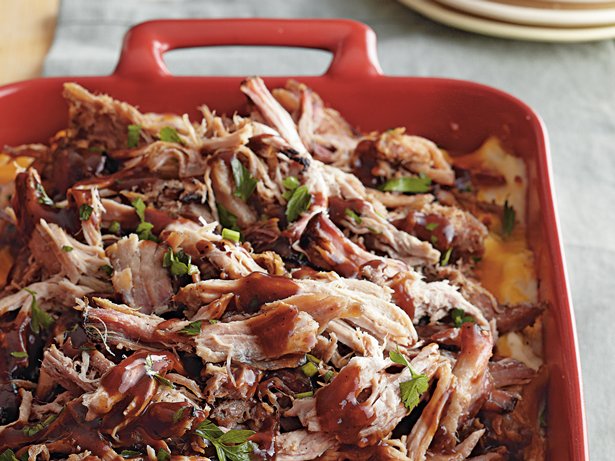
Prep: 25 min | Total Time: 1 hr 20 min | Yield: 10 servings
Ingredients
- 6 slices bacon
- 1 (24 ounce) bag frozen mashed potatoes
- 2/3 cup milk
- 1 cup (4 ounces) shredded pepper Jack cheese
- 4 ounces (half of 8 ounce package) 1/3-less-fat cream cheese (Neufchâtel), cut into cubes
- 1/2 teaspoon pepper
- 3 cups shredded Cheddar cheese (12 ounces)
- 1 (8 ounce) container reduced-fat sour cream
- 1 (4.5 ounce) can Old El Paso® chopped green chiles, drained
- 3 cups shredded barbecue pork or beef
- 3/4 cup barbecue sauce
- Chopped fresh parsley, if desired
Instructions
- Heat oven to 350 degrees F. Spray a 13 x 9 x 2 inch (3 quart) glass baking dish with cooking spray.
- In a 10 inch skillet, cook bacon over medium high heat for 8 to 10 minutes or until crisp; drain on paper towels, reserving 2 tablespoons drippings. Crumble bacon; set aside.
- In large microwavable bowl, stir together mashed potatoes, reserved bacon drippings, the milk, pepper Jack cheese, cream cheese, pepper and 2 cups of the Cheddar cheese.
- Microwave uncovered on HIGH for 4 minutes.
- Stir in sour cream and chiles until well blended.
- Spoon potato mixture into baking dish.
- Sprinkle with bacon and remaining 1 cup Cheddar cheese.
- Spoon pork evenly over cheese.
- Drizzle barbecue sauce over pork.
- Bake uncovered for 45 minutes or until bubbly.
- Let stand for 10 minutes before serving.
- Garnish with parsley.
Nutrition
Per serving: Calories 550, Total Fat 31g (Saturated Fat 17g), Sodium 1230mg Total Carbohydrate 33g (Dietary Fiber 2 1/2g), Protein 34g
% Daily Value*: Vitamin A 0%; Vitamin C 0%; Calcium 0%; Iron 0%
Exchanges: 1 Starch; 1 Other Carbohydrate; 2 High-Fat Meat; 1 Fat; Carbohydrate Choices: 2
* Percent Daily Values are based on a 2,000 calorie diet.
How do professional assassins manage to avoid leaving evidence at crime scenes?
Professional assassins, of the Léon variety, are almost entirely a myth. There isn’t some secret vocation of hyper-intelligent, disciplined hitmen walking among us, assassinating high-profile targets and using ingenious tactics to avoid detection. It’s a fictional archetype that makes for entertaining movies and video games.
Most assassins are low-level gang members who simply roll up on the target, unleash a hail of gunfire, and drive away. They operate in jurisdictions where police are understaffed and corrupt. They don’t get away with it because they’re forensic experts — they get away with it because police look the other way, or don’t have the resources and manpower to investigate vigorously. The victims are often criminals themselves, so there is little public pressure to solve the case.
There are rare examples of organized crime syndicates or intelligence agencies employing dedicated assassins — but even then, their targets are usually people who exist outside the purview of the law: gangsters and enemies of the state. They could shoot a target on his front porch, and it would draw little sustained scrutiny.
Now let’s talk higher-stakes assassinations. Let’s assume, hypothetically of course, that Epstein was assassinated by someone in a position of power. If that were the case… they didn’t do much to disguise it, did they? Epstein’s body had ligature marks, cameras were turned off, guards were mysteriously absent. Whoever (allegedly) organized the hit didn’t particularly care whether it was airtight, because they knew there’d be no real investigation.
Assassins aren’t evading investigatory tactics; they’re acting as if those tactics are irrelevant, because they are. They operate under conditions where investigations are deliberately bungled, or simply never performed in the first place.