
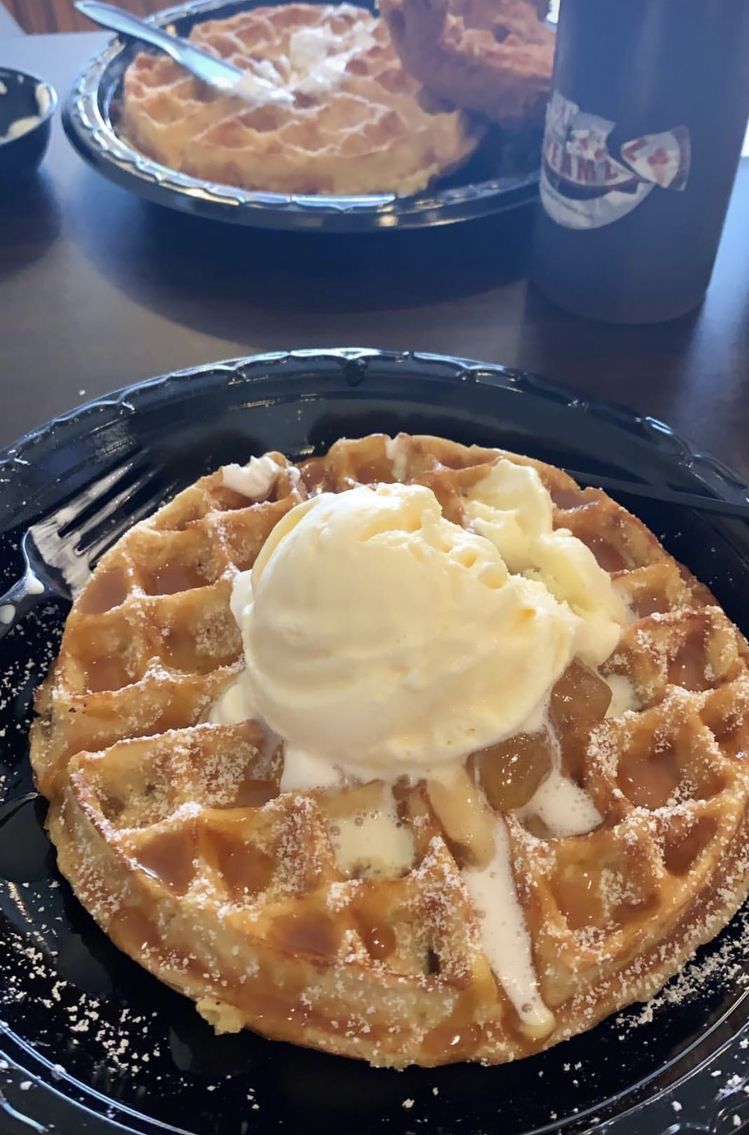
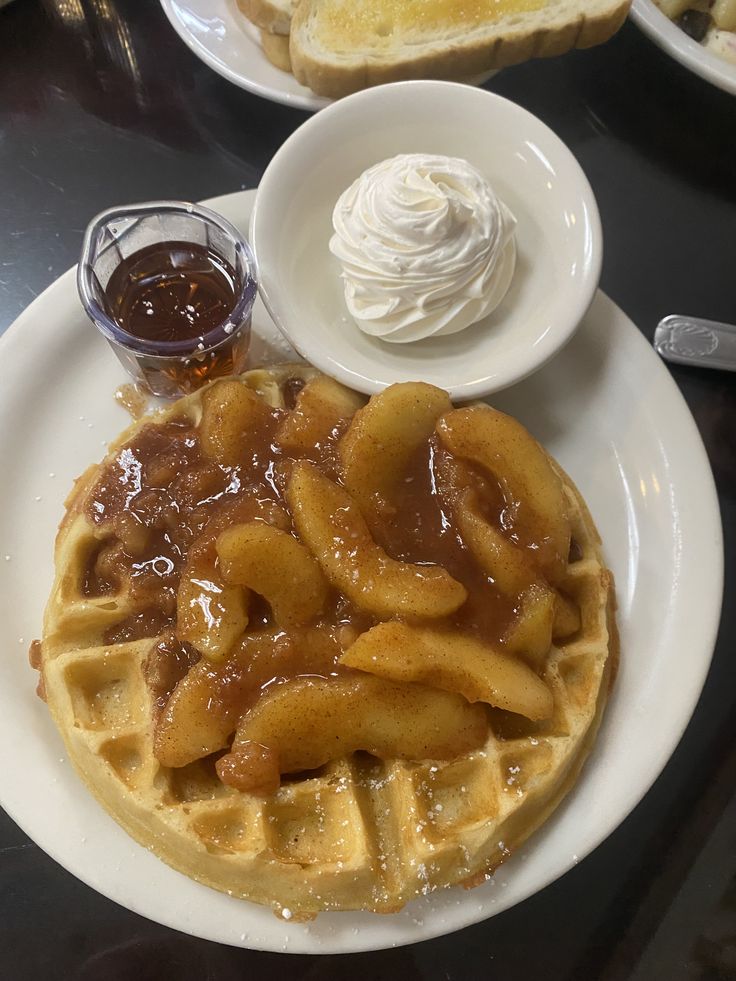
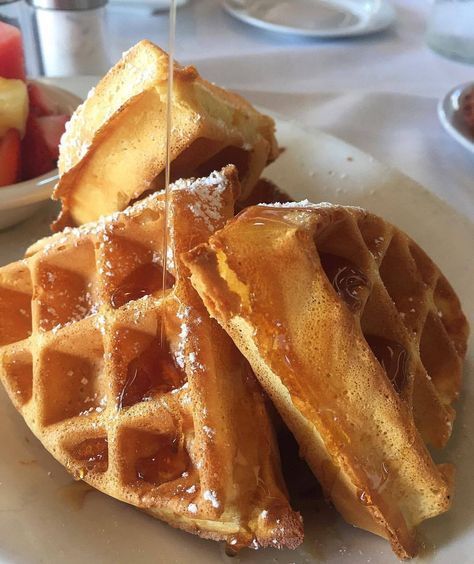
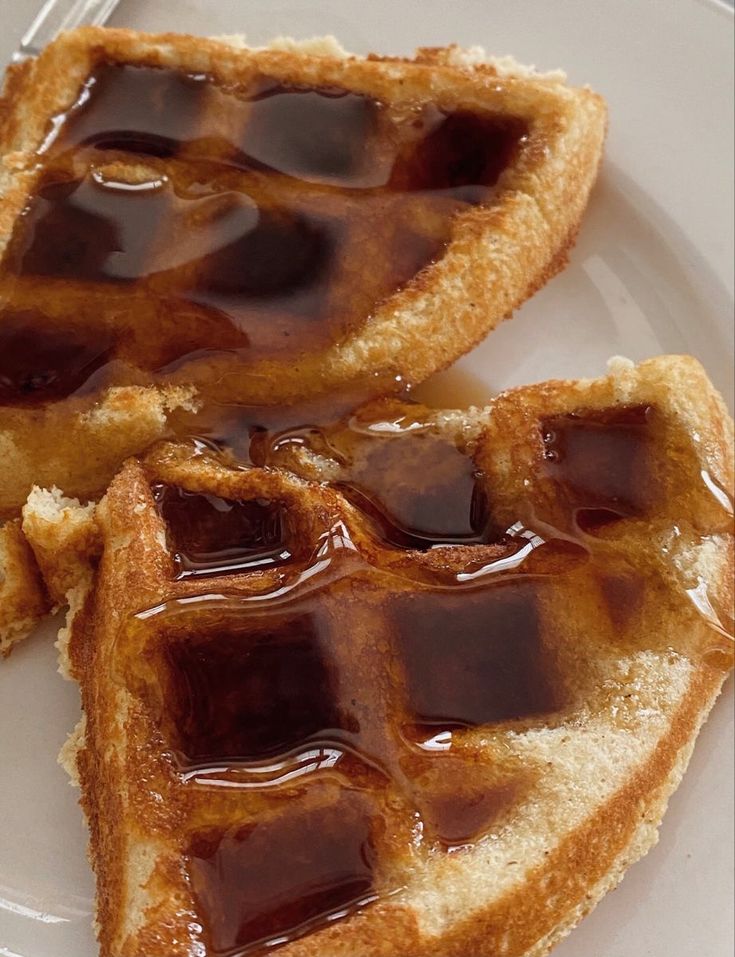
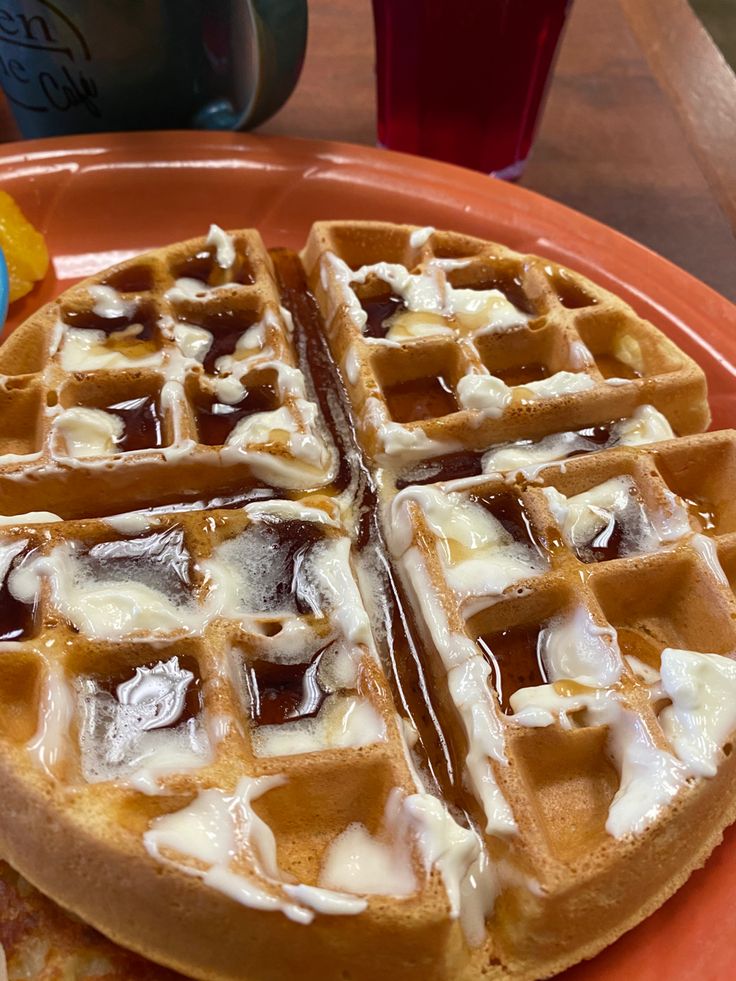
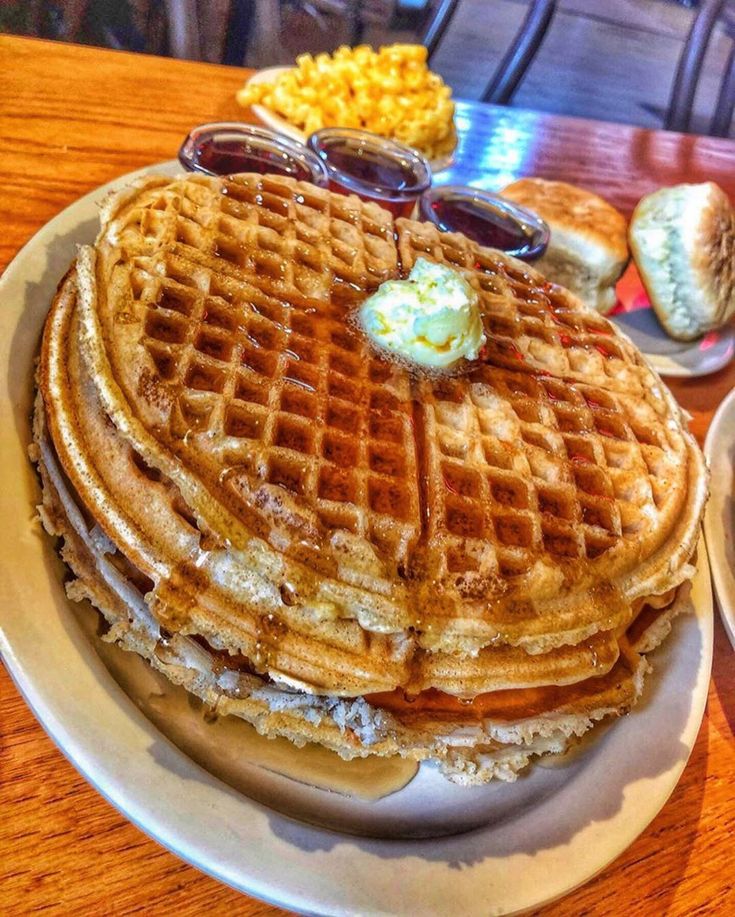
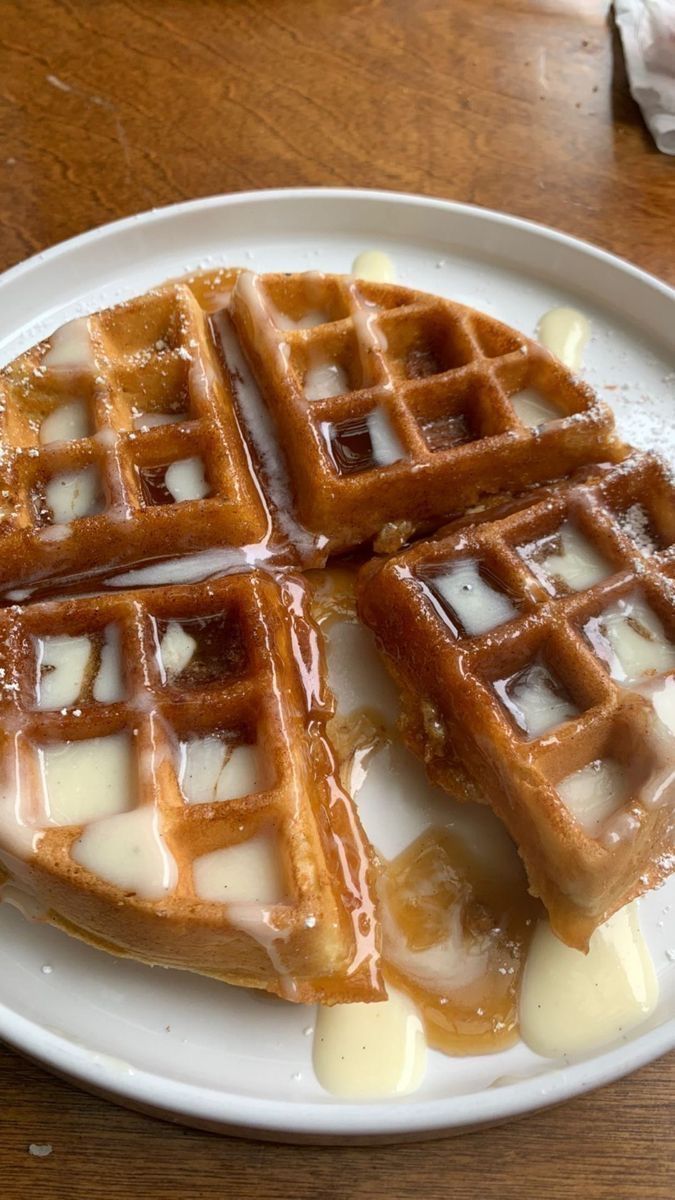
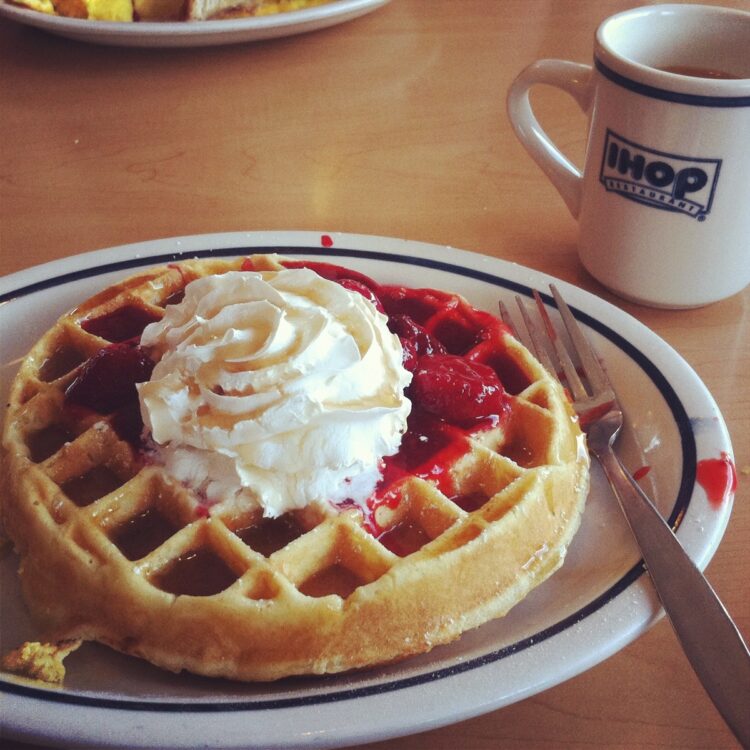
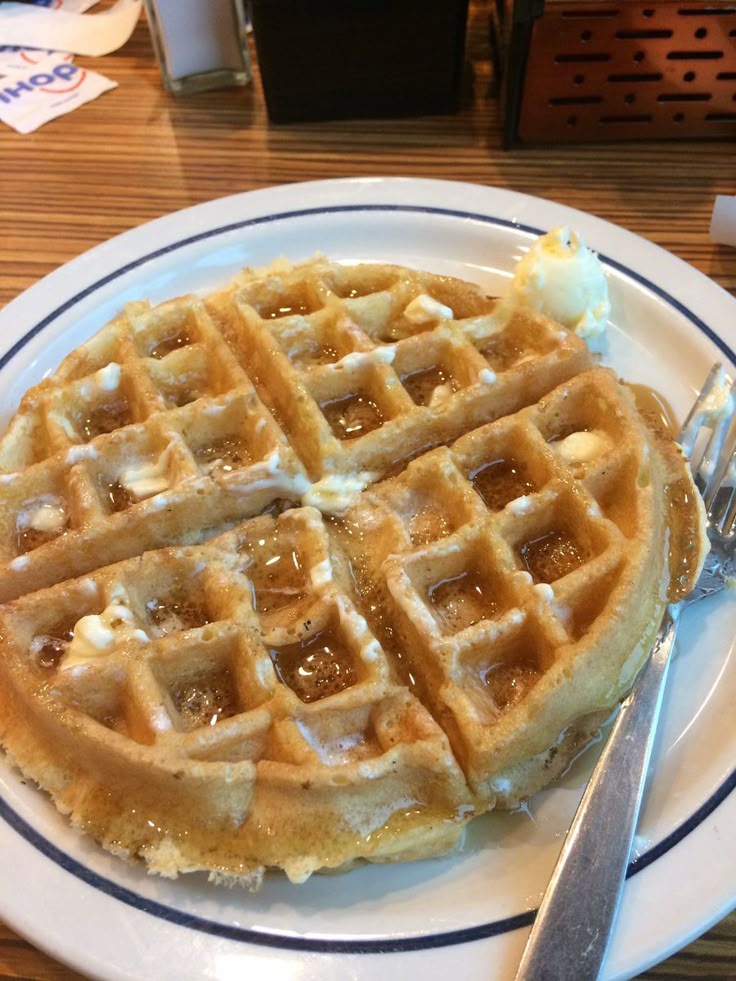
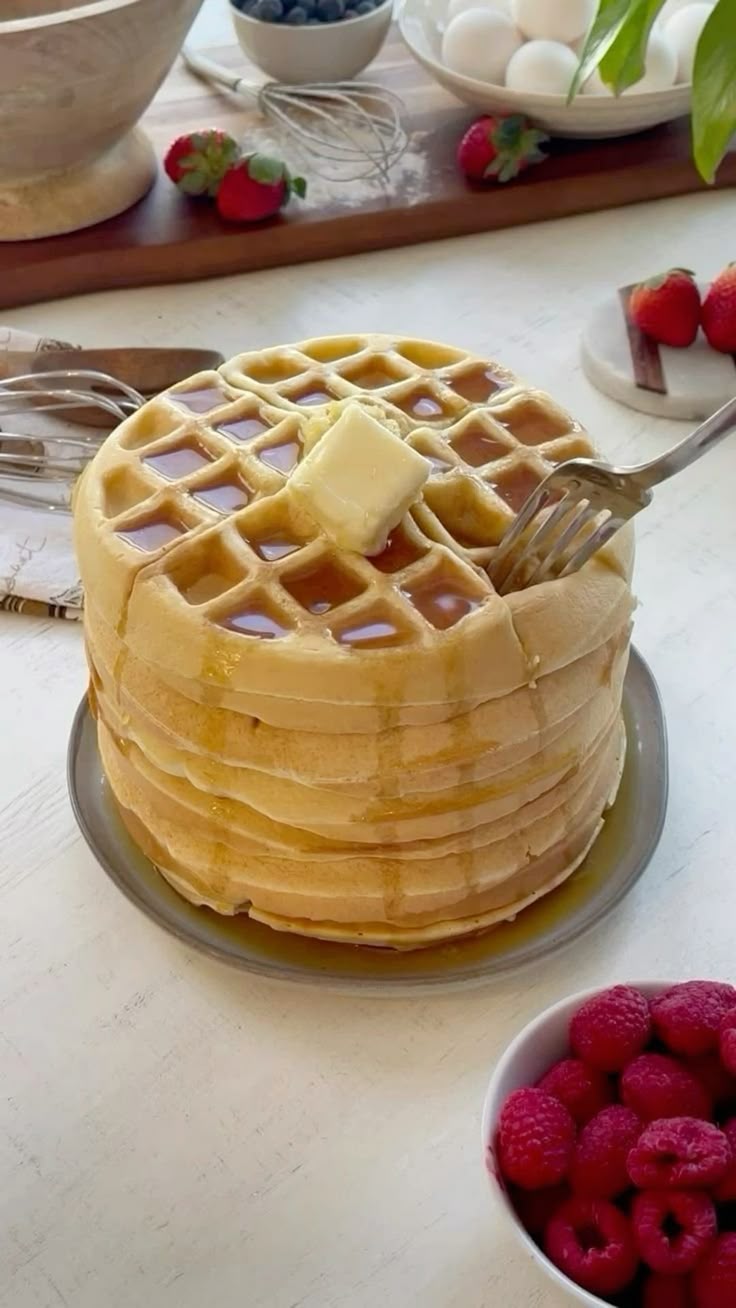
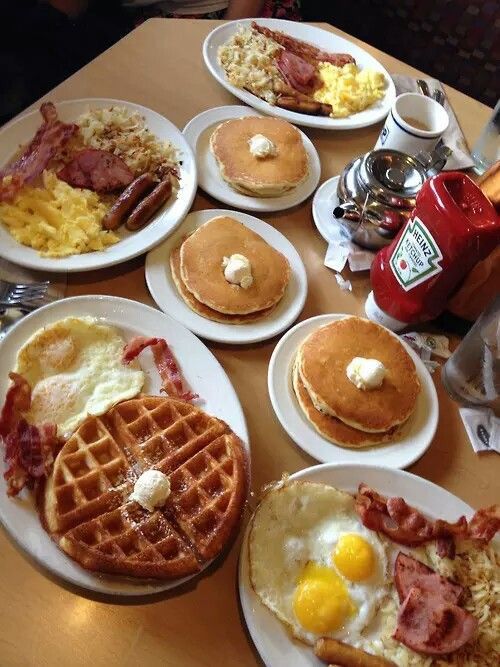
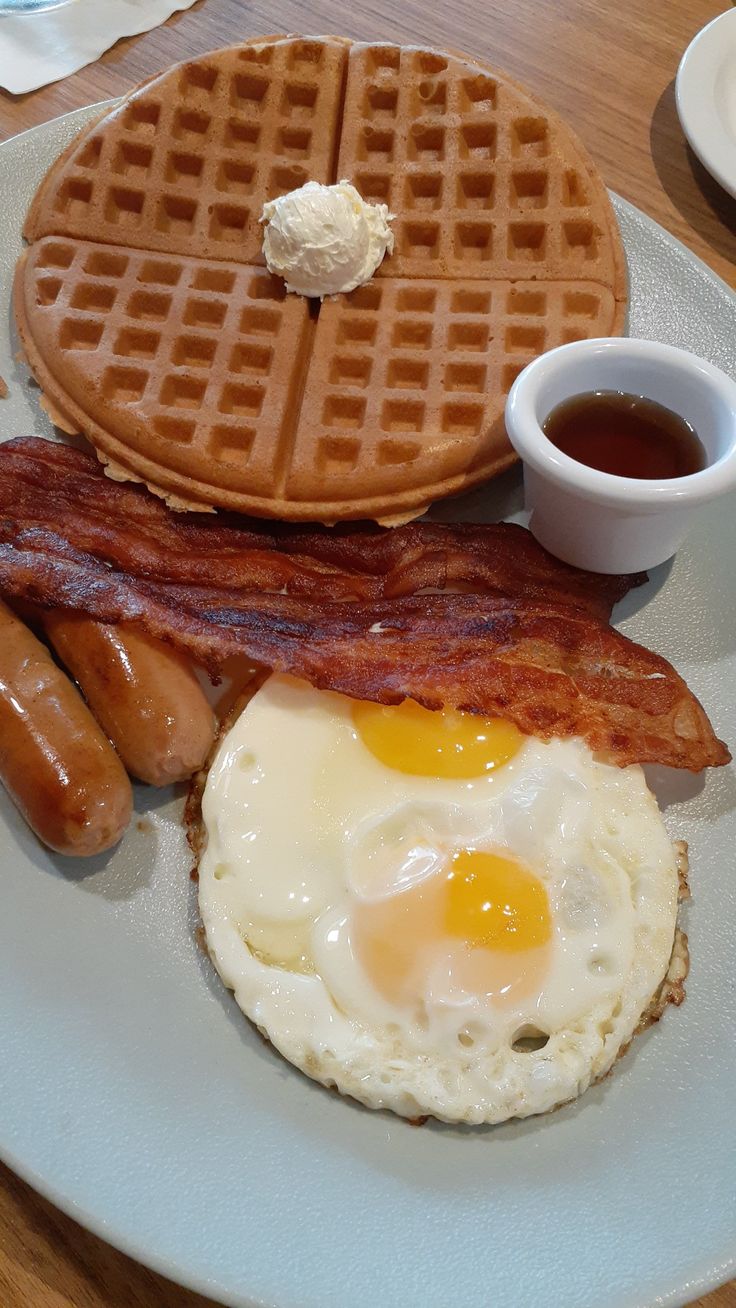
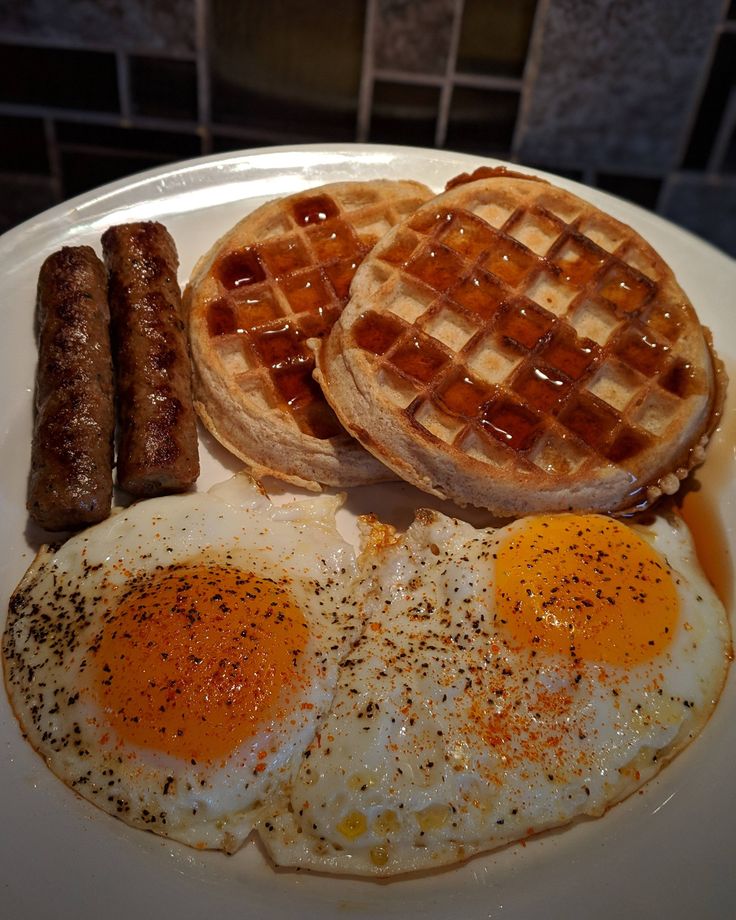
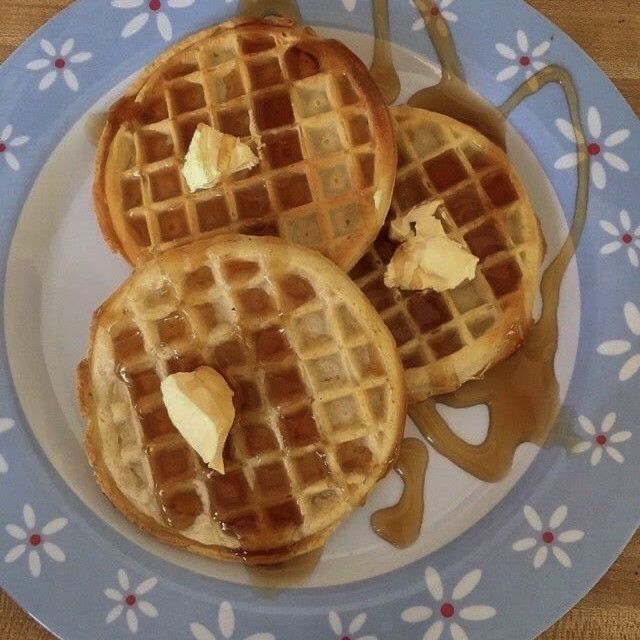
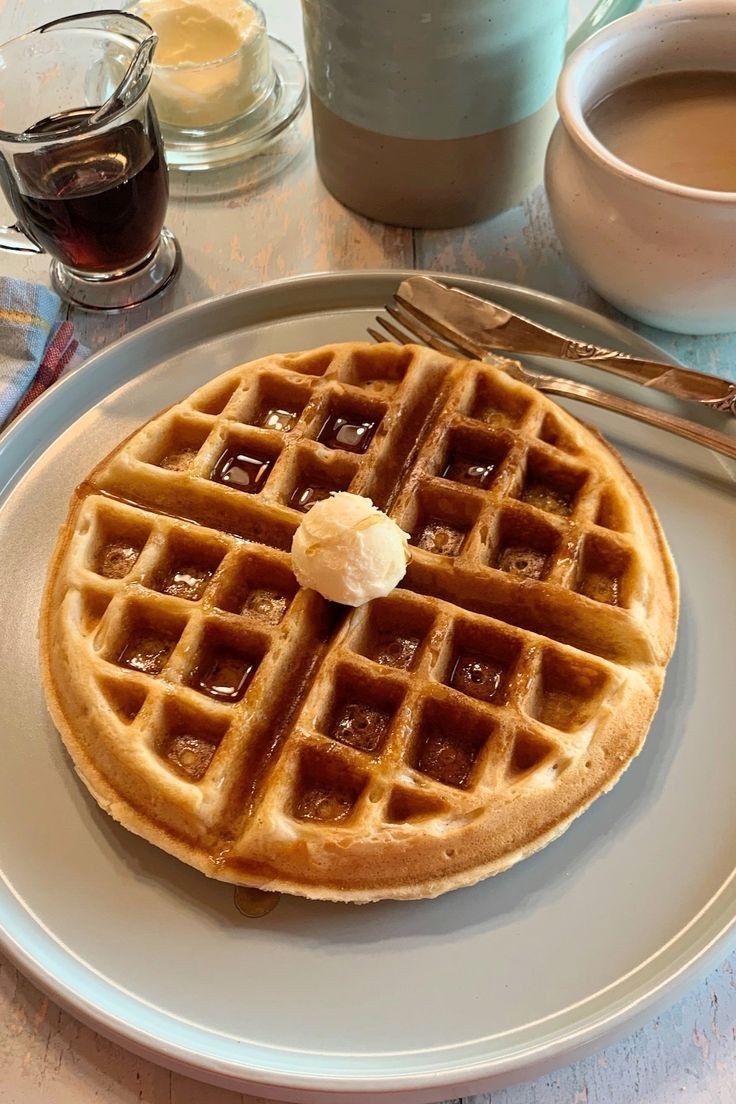
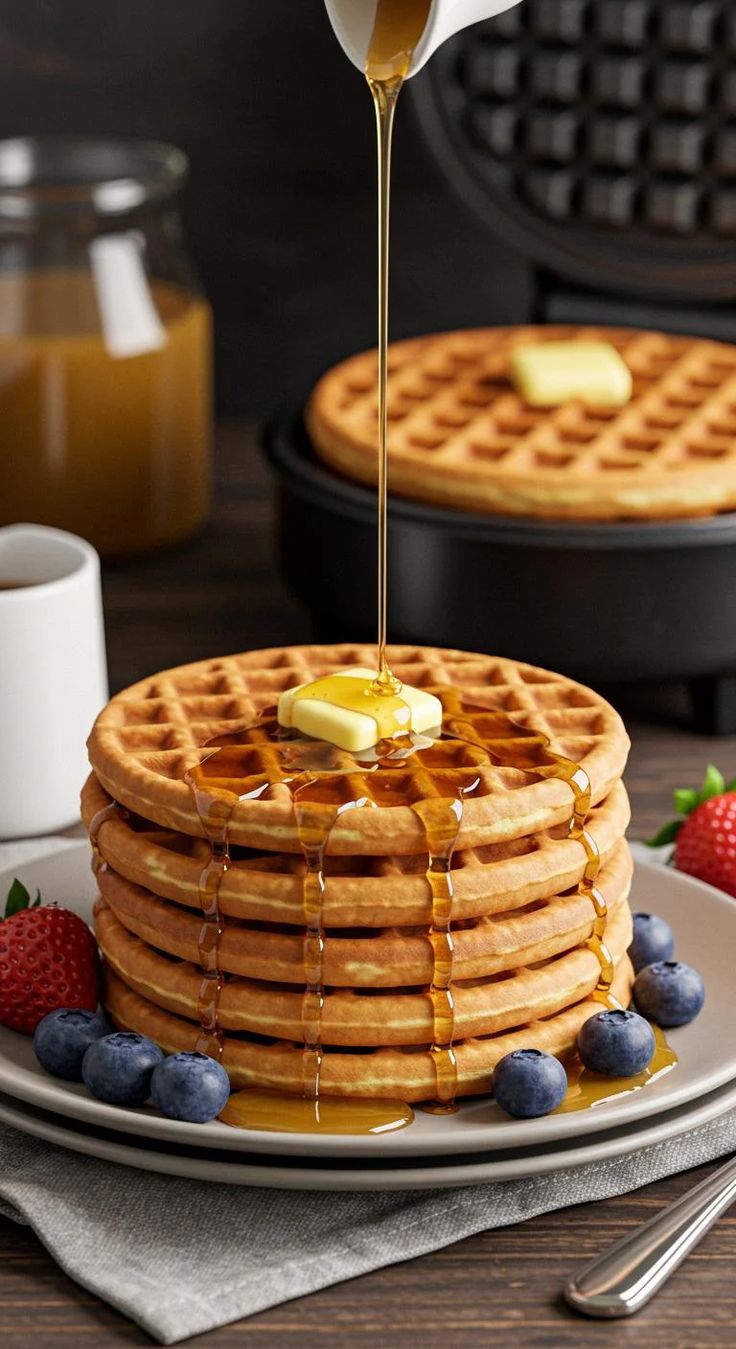
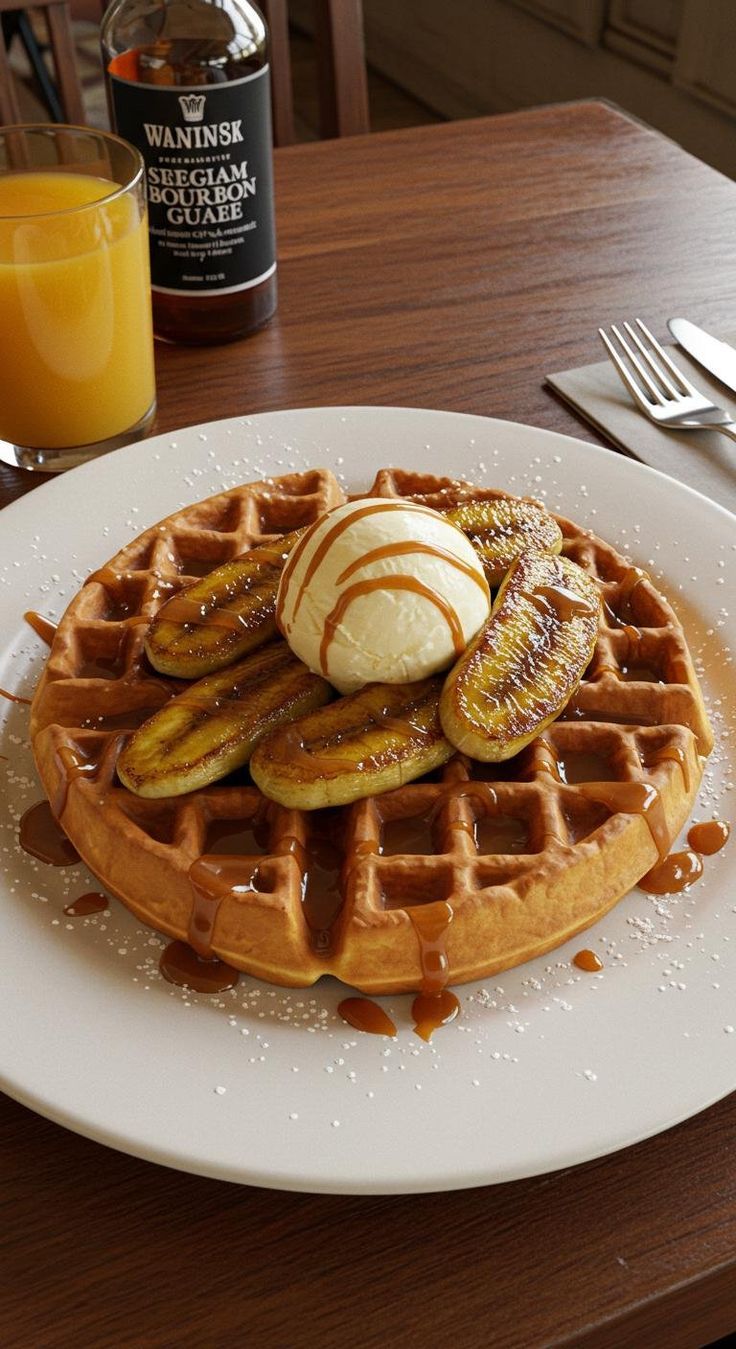
Today’s post is dedicated to waffles.
We don’t have them in china, though we do have “waffle bread” but it’s just not the same. Sigh.
Enjoy these images. And if you have a waffle-maker, well dust it off and whip up a batch.
Today…
What is the largest capacitor ever made and what was its purpose? 15 more answers
·
One of the biggest capacitors ever made had a plate area of about 31,700 m², or approximately 341,000 ft²: about four and a half soccer fields. Its purpose was to fly over 100 crew and passengers back and forth across the Atlantic Ocean.
It was the German passenger dirigible Hindenburg, which first flew on 4 March 1936.
The fatal fire that famously destroyed the airship on approach to Lakehurst, New Jersey on 6 May 1937 has long been known to be the result of the hydrogen gas used for buoyancy leaking from a cell near the tail and igniting. However, the method of ignition was not known until the late 2010s.
In an investigation documented by PBS’s Nova,
a group of air crash investigators and Dr. Konstatinos Giapis, a professor of chemical engineering at Caltech, used original materials to reproduce a hull panel and landing ropes from the Hindenburg, and made a discovery. All aircraft naturally tend to develop a charge of static electricity in flight, due to air friction. That isn’t usually a problem, since it’s static electricity: i.e. it isn’t going anywhere.
Until you ground it.
The landing ropes for the Hindenburg were made of thick hemp rope, kind of like this. And it was overcast and drizzling on that day, so the moisture made the landing ropes electrically conductive, which Dr. Giapis reproduced in the lab with a spray bottle filled with de-ionized (chemically pure) water. That grounded the electric charge that had built up on the envelope.
That set off a chain reaction. The dirigible envelope was made of fabric painted with layers of metallic dope, stretched over an aluminum frame as seen below.
The critical engineering error was that the envelope was not connected to the superstructure in any way: instead, wooden dowels were inserted as spacers to protect the fabric from rubbing against the bare metal. As long as the aircraft was in flight, this didn’t matter: the envelope and the superstructure had similar potential (voltage) levels. However, when the envelope was grounded by the landing ropes, it created a difference in charge between the envelope and the frame, with a dielectric—air—between them.
The Hindenburg had just become the world’s biggest air-gap capacitor. Remember: the technical definition of a capacitor is a device consisting of two electrically charged plates, separated by a dielectric ‘gap’.
The worst took about another four minutes to happen, as seen in videos that were shot of the accident. Dielectric materials are electrical insulators, and insulators have what’s called a breakdown voltage where they become conductive. Air is a very good insulator, with a breakdown voltage of about 3 million volts per meter, but nothing is perfect: lightning is an example of static electricity in the air exceeding the air’s breakdown voltage.
Because aqueous solutions are conductive, the breakdown voltage reduces in moist air, like when it’s overcast and drizzling. Like it was in Lakehurst on 6 May 1937. The voltage builds gradually, until finally the air ionizes and becomes a path for the charges to equalize. Dr. Giapis timed it with his reproduction Hindenburg envelope panel, and right around four minutes in, sparks started jumping between the envelope and the metal frame.
And these weren’t just happening in one place, but all over the envelope, including at the stern of the dirigible where a gas cell had been rubbed against the structure since the airship had first launched, and sprung a leak. Fire scientists speak of something called the fire triangle. To wit, you need three things to create a fire: fuel, oxygen, and a heat source.
Well, hydrogen is fuel, and the surrounding air it’s mixing with provides oxygen aplenty. And sparks from an ionized air gap provide the heat. Et voila.
Jerry Reed – Amos Moses (First Time Reaction) OMG!!! 😲😅😲
This is fun.
10 Things Sharp-Dressed Men Never Say | Ten Benefits Of Being A Sharp Dressed Man
Want the unfair truth?
Society treats a well-dressed man better than the man who is too lazy to care about his appearance.
How do I know this?
I made the transition from sloppy Joe who couldn’t care less about clothes to being one of the sharpest dressed man in town.
The change is not just an internal boost to the wearer’s confidence – but also creates a halo effect around you. In essence, creating opportunities that would not exist if you were poorly dressed .
As a result – there are certain phrases you will never hear from a sharp-dressed man because they would be unnecessary.
I have listed ten of them below.
1. “Only shallow people care about how you look.”
This is always the excuse of the man who goes out in grubby pants and a T-shirt, and then complains about his luck with women.
It has a certain allure as an argument, mostly because it lets the ill-dressed man feel not only excused but justified – he’s the mature, intelligent person here!
All those girls who keep passing him up are just shallow and only interested in the surface of things.
Wrong, of course.
Looking sharp isn’t about putting on an illusion. It’s about a mindset

Guys who dress “sharp” to attract women and don’t care about their appearance otherwise are easy to spot in a crowd.
They’re the jerks wearing the flashiest suits and the most expensive jewelry, and their over-the-top accents usually don’t match.
A true sharp-dressed man doesn’t have to worry about impressing the ladies. He takes the time to look good every day, regardless of whom he is going to meet.
He also seems to get a lot more numbers than his sloppy fellows – if that’s something he’s looking for. Funny how that works.
2. “Excuse me! I’ve been waiting 30 minutes for a table.”
Want to be ignored? Dress like someone inconsequential.
Now, there are limits here – if you’re going to a really high-class, top-reviewed restaurant at the peak of its popularity, just wearing a decent suit isn’t going to get you in any faster.
Everyone that’s going to a place like that will be wearing a decent suit.
But for the most part, if you dress like someone who has a bit of influence and station in the world, people will be quicker to make sure you’ve been attended to.

The flip side here, of course, is that a well-dressed man also never has to be rude to people in the service sector.
A good suit and a calm smile will get him through doors while the men in their shirtsleeves wait outside, without any need to belittle or bluster.
3. “Don’t worry, you can trust me.”
Working-class men who provide a service through manual labor, are generally not the targets of fashion advice.
But they still benefit from dressing well.
A construction worker in slacks and a good polo looks like someone you’d hire to build your dream home.
The same guy in a filthy T-shirt and his painter’s pants looks like someone who might cause unexpected delays and overcharge you.
There’s a time and a place for everything. When you’re working hard, dress practically.
But when you’re doing business – hit the shower, comb the hair, and throw on a decent shirt and maybe a blazer.
Jobs might not fall right off the trees and into your lap, but they’re a lot less likely to run the other way. And you’ll find a lot less worried employers hovering over your shoulder while you work, too.
4. “I’m not a student!”
This is especially a big one for men living in college towns – the sloppier you look, the more likely people are going to think you’re an undergrad.

That’s useful if you’re trying to sneak into a “free admission for current students” concert without paying the cover charge, but the rest of the time – assuming you’re not, in fact, an undergrad – you probably don’t want to be mistaken for one.
Upgrade the jeans to slacks, replace the T-shirt with something collared, and throw a decent belt and shoes on.
Suddenly, no one will ever mistake you for a college student on his way between classes again.
5. “Sorry – I’d give you a coat if I had one.”
It’s a little detail – but men who dress well tend to have spare layers on hand most of the time.
A well-dressed man doesn’t carry extra layers of clothing just to offer it to his date on a chilly evening out. He understands the difference a blazer makes to his appearance when a button-down shirt will be sufficient.
But most of the time, when a companion (and especially a lady) is underdressed and feeling the chill, someone who’s dressed up a little will have a jacket, a sweater or some other top layer to offer – and a decent-looking layer under it so that surrendering the garment isn’t embarrassing.
Don’t underestimate how often you’ll be in a position to lend a coat like a gentleman, if you have one available. And don’t underestimate how appreciative other people will be, either.
6. “I’m successful.”
If you have to brag about your income, it’s because you’re not dressing as well as you could.

It’s also rude. So don’t do it – just dress nicely, instead.
There are a lot of high-powered professionals out there who expect real respect for their achievements – but who are still wearing off-the-rack suits with no adjustments.
And they don’t look like world-beaters. They look like middle managers at struggling companies.
If you start with high-quality clothing and you get it adjusted to fit, you’ll never have to tell people that you’re making big bucks.
They would have already assumed it. Even if you’re actually pulling down $20,000 a year as a struggling freelancer.
7. “I’m not going to rob you.”
Think profiling isn’t real? Take a walk in an upper-class neighborhood wearing shabby clothes and see how long it takes a squad car to cruise by and give you the once-over. If your skin is dark, the effect will be even more severe.
Police officers make assumptions based on appearance just like the rest of us. If you’re well-dressed when they first encounter you, it’s going to make the assumption more favorable, regardless of the situation.
That comes in handy when you’re walking around late at night, or when there’s a big event going on and there’s a heavy police presence. They’re not looking at the guy in the nice blazer and dress shirt as a potential trouble-maker.
Dress nicely, and worry less about giving a n officer the wrong impression.
8. “I need to go home and put on nice clothes.”
Typically, you know ahead of time when you’re going to an event with a dress code.
But some restaurants, clubs and even theaters still maintain dress codes at the door. If you’re not dressed well enough to get in those doors it makes your options for impromptu evenings out more limited.
Happily, most codes aren’t that strict. If you’ve got a jacket and decent shoes, you’re probably getting in. Some clubs might care more about looking trendy than looking nice, but it turns out that even a conservative jacket will generally meet their standards. You won’t necessarily be the most impressive guy in the room, but you’ll get through the door.
9. “I don’t have anything to tie it down with!”
Here’s a short, easy, no-brainer for you – if you’re paying attention to your outfits, you pretty much always have a belt.
That doesn’t mean much until those rare moments where you find a stray dog and don’t have a leash, or someone’s hurt bad enough to need a limb bound tight, or a luggage strap fails, or any number of other crises that can be solved with a belt.
It’s not one of the benefits we usually think of when we talk about good dressing. But it is a basic, practical effect that you’ll always enjoy if you’re the sort of person who takes the time to always throw on a belt with his outfit.

10. “I feel strange looking this sharp. Are people looking at me?”
You can substitute another word for “butt” if you want to. We won’t judge you.
Looking good requires a decent fit. And what do you know – a decent fit also makes your clothing more comfortable to wear!
You even get a circular effect. It’s more comfortable to wear, which means you spend less time fidgeting or tugging unattractively on your crotch, which makes you look even better than the guys in unfitted clothes.
So by taking the time to learn their measurements and get the majority of their clothing adjusted, sharp-dressed men are also sparing themselves the discomfort of cheap, off-the-rack clothing.
Well-dressed men understand the importance of first impressions and they use this knowledge to their advantage. Studies in the field of enclothed cognition show the difference a suit makes to the psychology of the man wearing it.
A sharp-dressed man lets his clothes do the talking.
A Belly Full of Apples
Written in response to: “Imagine a world where exploration is forbidden, and write a story about a character who defies this rule to satisfy their innate curiosity.“
Story Time
Shame? What’s that? No, you know I don’t listen when He talks. It’s so loud and condescending. Do this, do that. Name this, worship me, “Stop rolling your eyes at me, Eve, or I’ll turn you back into a rib”–It’s all so boring. If any of it were all that vital to know, he’d write it down on a piece of stone. I suggested that to him once, and he pretended it was a bad recommendation, but secretly, I think he filed it away to use at a later date. The first time I see a rock with a rule on it, I’m going to look up at the sky, and say “Wow, who gave you that idea?” See if I don’t.
I’m not afraid of Him, you know. You might be, but I’m not. I’ve barely had time to contemplate my own existence, so the threat of having my existence nullified is of no concern to me. Clearly, He doesn’t want to get rid of us and start from scratch, or He would have done it already. No, he wants to teach us a lesson. He wants us to wander aimlessly for the remainder of our lives cloaked in this thing called shame. I shall not. I refuse. I have nothing to be ashamed of, and I will not pretend that I do. A man makes a silly rule, and if the rule is broken, that does not make it any less silly. I don’t care what sort of man it is. I don’t care if you say God is not simply a man. He sounds like a man, and because he can sound any way he likes, that means he wants to sound like a man. We call Him “He,” don’t we? Then he is a man with made-up rules for living that I was never going to obey.
I don’t care if He hears me. Let him hear me. I am meant to spend the rest of my days surrounded by needle-plants and you, a man with one rib. I am meant to wear rags, because not wearing them makes me feel strange. I am meant to have children, I suppose. Based on how disagreeable I am and how stupid you are, I can’t imagine they’ll be very endearing children. Once those children are here, I have no idea who they’ll have children with, because it’ll just be us. I guess that means once we die, and our children die, that’ll be the end of this nonsensical little experiment.
Oh, but at least we named the giraffes first.
A question for you, Adam, since He isn’t responding to us–
Why are we the only ones who can’t eat the apples?
I specifically saw a Loud-Bird eating an apple the other day. Why weren’t all the Loud-Birds cast out of the Garden? If a giraffe eats an apple, will it be thrown out of the garden? Why were we the only ones prohibited?
Right–the knowledge.
We’re not meant to know anything. We’re just meant to assign names, be fruitful, multiply, and praise Him every chance we get. If we want knowledge, then it’s out we go.
Well, Adam, I choose to know. I choose to know things. Not just some things, but everything. Why create an entire world and then tell me I’m not allowed to know anything about it? I can’t help but feel this was all some kind of test, and I will not be tested. Had I known that he was testing me, I would have eaten every apple on that tree. I would have stared up at Him with the seeds falling out of my mouth, and I would have laughed. For if I am to go into Exile, I am not going with an empty stomach. I will go with a belly full of apples.
My only regret is that I stopped at one.
I will not feel badly about you being punished for something I did either, because I have been punished many times over for you. For your laziness. For your superiority complex. For the way you smell at night when you are pressed up against me. It reeks so that I can barely sleep. Yet I have said nothing, because I have accepted that we are joined forever. You make strange noises in your sleep, but He never punished you for that. I took one bite, and we are damned. Be angry if you like, Adam, but do not expect me to worry myself over your anger. Your anger is your business. I will not make it mine.
Last night, before He woke us with our punishment, I had a dream. I had a dream that all of this was submerged in water. Enough water to cover even the tops of the tallest trees. There were more people. Lots more. They were running and screaming. Some were already drowned. In the distance, I could see a large boat, but it was too far away. I would never reach it in time. I would die alongside all these strangers.
Instead, I lay myself down. I began to float. Right up to the surface. I could still hear the wailing and the pleading all around me, but I was not making a sound. I simply laid like that on the surface of the water and let it take me wherever it wanted to go.
Meal-in-a-Pie Casserole
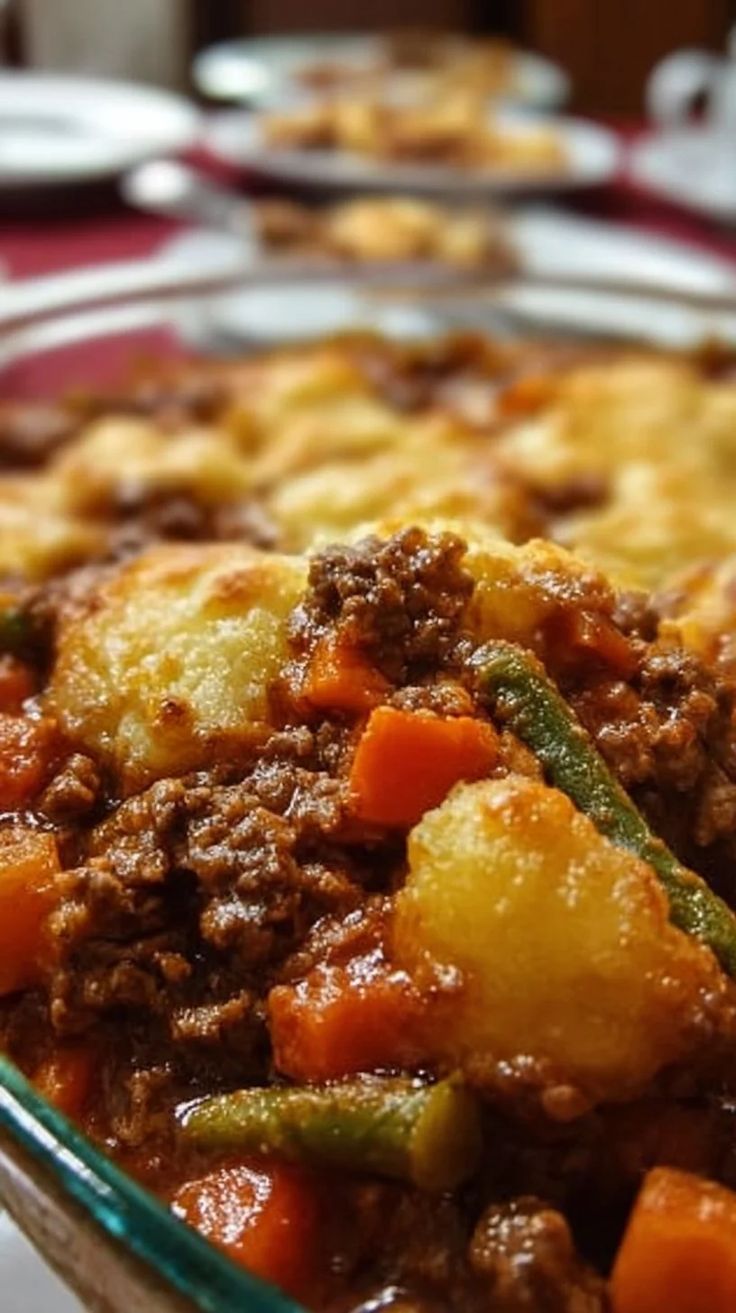
Yield: 6 to 8 servings
Ingredients
Brown Sauce
- 2 tablespoons butter
- 2 tablespoons all-purpose flour
- 1 cup beef broth
- 1/4 teaspoon Tabasco Pepper Sauce
Filling
- 1 (16 ounce) can Veg-All Mixed Vegetables, drained
- 1 deep-dish pie crust
- 1 pound ground beef, browned and drained
- 1 cup grated Cheddar cheese
- 1 egg
- 2 tablespoons milk
- 1/2 teaspoon salt
Instructions
- Prepare brown sauce base by browning flour in melted butter, stirring constantly.
- Stir in broth and Tabasco Sauce. Simmer, stirring constantly until sauce thickens and comes to a boil.
- Add Veg-All, ground beef and salt to brown sauce. Mix well.
- Pierce deep-dish pie crust with fork in several places and bake at 400 degrees F for 5 minutes.
- Pour meat mixture into pie crust.
- Mix together grated Cheddar cheese, egg and milk. Pour over meat mixture in pie plate.
- Bake for 15 minutes at 400 degrees F or until cheese topping is lightly browned.
Pictures








































































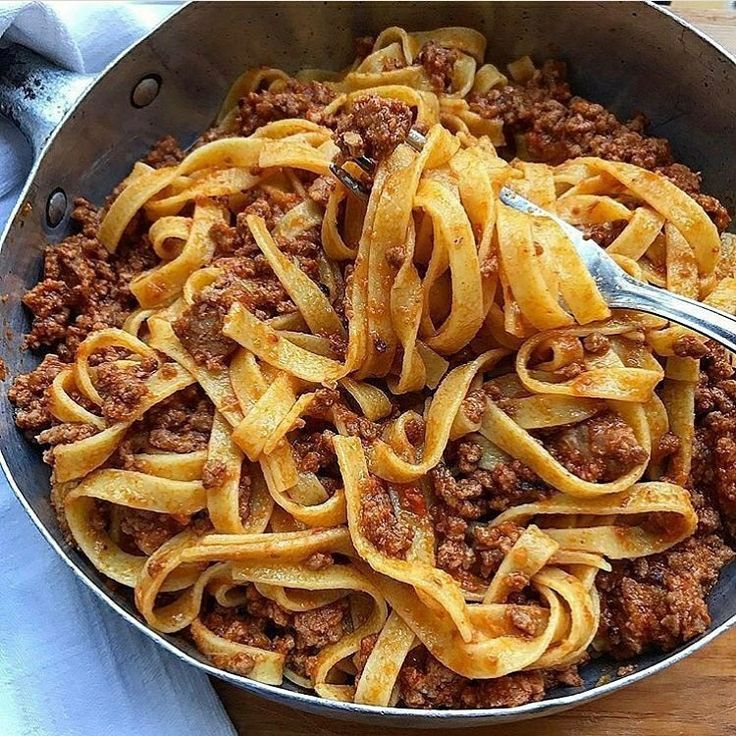
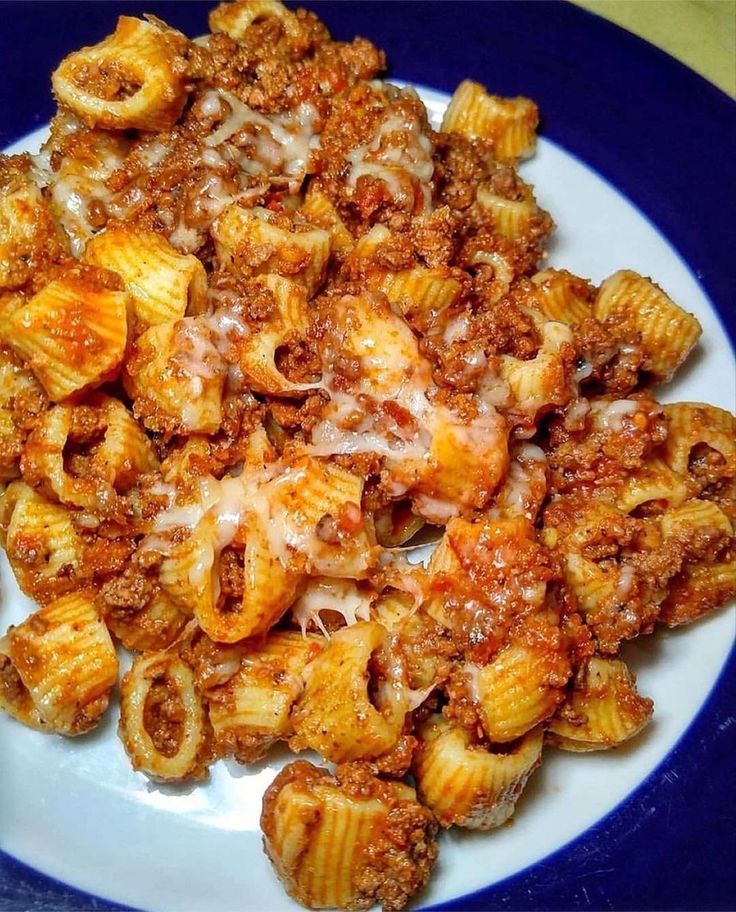
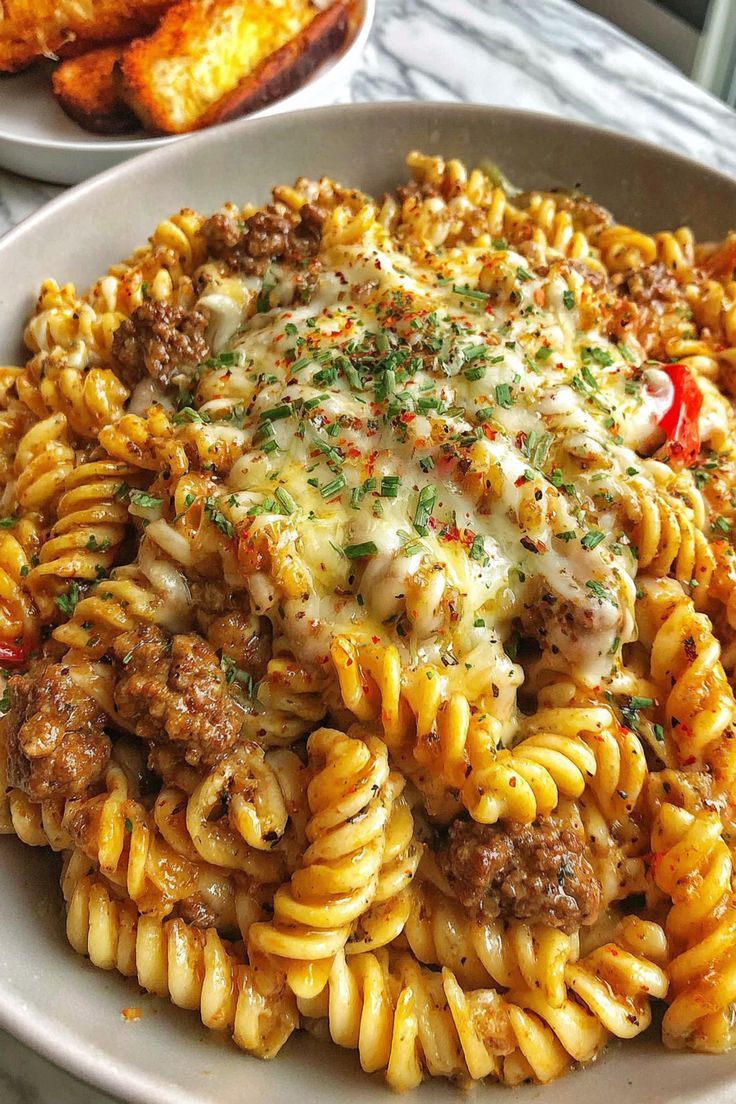
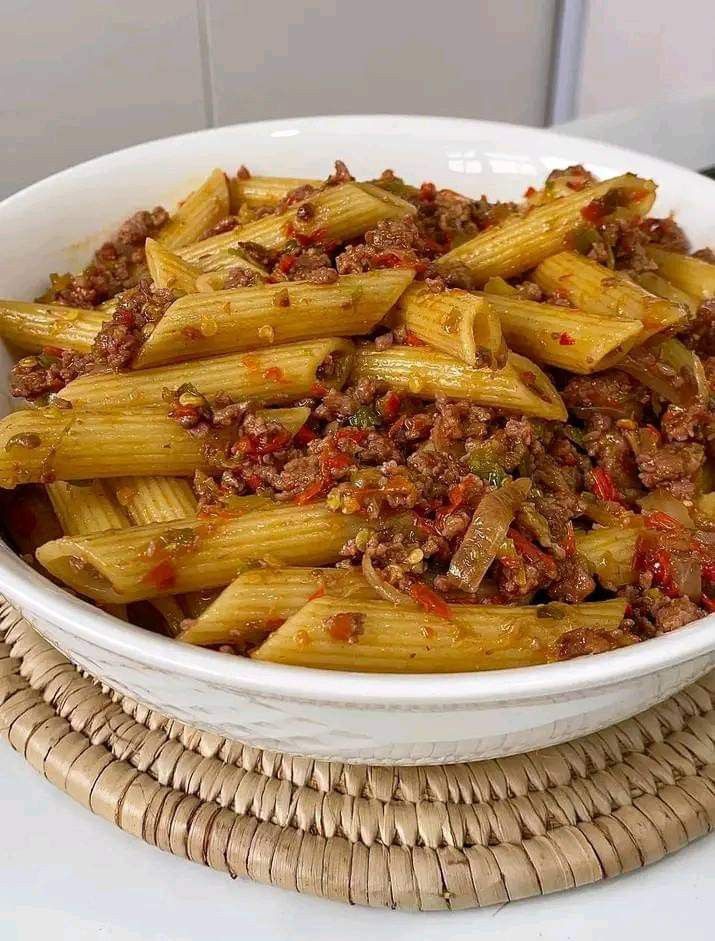
I was asked to answer this question, so here goes …
The truck driver probably isn’t going to worry about you at all until this happens
Then you will have ruined his day, and he’s likely to be truly pissed off. The paperwork alone is out of this world.
Now, I get it why people would want to draft a truck. In a sense you’re paying for that fuel one way or another in the cost of the goods you purchase, so you might as well try and get some benefit out of it. But you really have to ask yourself if the risk to your life, or someone else’s, is worth what you will save in gas.
In reality, as you are drafting a truck, you have zero forward visibility. You have to lock your eyes onto the trailer’s brake lights and be ready, all the time, to react as fast as possible because, pound for pound, we stop faster than cars do !!!
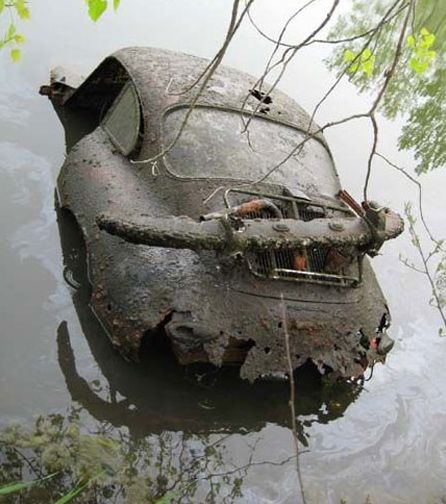
So … what if you’re not exactly paying 100% attention to those brake lights, and there’s a little moisture on the road, and the truck in front of you is running disc brakes all around (more common than you think), and he’s running light … you’re going to end up like the car in the picture, with your head pinned between the trailer door sill and the back of your seat, all the while praying that the fire truck with the jaws of life on board is only two cars behind you because you’re having trouble breathing.
You’re not really concerned about your legs though. You can’t feel them anyways. Your spine was severed as your steering wheel came down on impact and went through your guts.
Thankfully, your kids in the back seat, tucked safely in their car seats, will probably be alright. It’s just too bad their last memories of you are your last gasps of breath as you choke on your own blood, and bleed out on the car floor.
Not a pretty picture is it? At least you saved 37 cents worth of gas.
The Fool On The Hill 📀 Sergio Mendes & Brasil ’66 {Stereo} 1968
Wow!
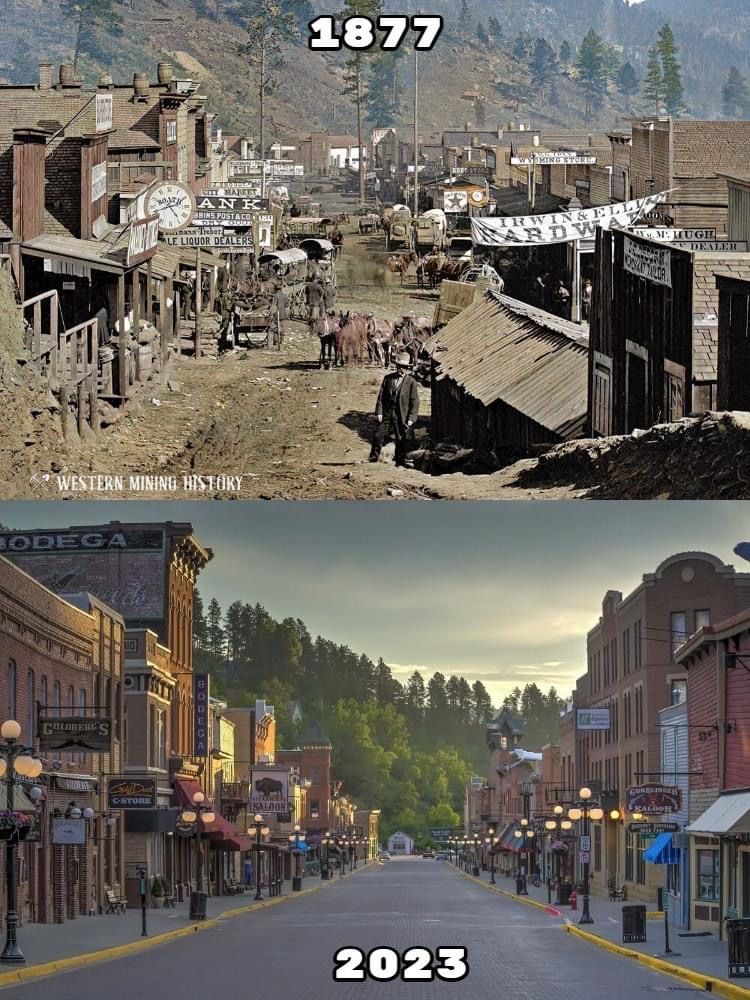
Time machine.
Red Means Stop
Written in response to: “Imagine a world where exploration is forbidden, and write a story about a character who defies this rule to satisfy their innate curiosity.“
Hannah Lynn
I winced, thinking of that leering glance I had received the night before. That sweaty face, those beady eyes looking me up and down like the men who inspected Papa’s cattle before placing their bid. My stomach clenched.
“What do you expect being the daughter of my beautiful Mama?” I smiled sincerely as my mother stopped her work for a moment and beamed at me. Did anyone still see her as beautiful after bearing six children? Did she feel cast aside as her husband took on yet another wife? My heart ached for her as I set the heavy plates around the large table.
***
Back at the creek my toes grasped the smooth rock keeping me steady as I flicked my line into the waters. I glanced over at my boots and bucket in the tall grass under the tree, my eyes moving up the trunk to see that hideous red ribbon blowing in the breeze.
“Red means stop, Isabel,” my father’s voice in my head as if I needed another reminder of the boundaries.
“Yes, Papa,” I whispered as a force of habit although alone in the water.
My gaze left the red ribbon and traveled up the center of the creek toward the bend, then to the mountains in the distance, blurry on the horizon. Were there people on that mountain? The stories of the outsiders flooded back for my review. I had noticed the slightest contradictions in the stories taught in the classroom over the years. Those inconsistencies nagged at me, poking holes in their reality, filling me with doubt of their validity. Could such evil truly live outside of our borders or was it a ruse to keep us here to work, to obey, to breed?
Seven days away from turning eighteen, I replayed the conversation I had with Jillian, my cousin and oldest friend. In whispers behind the barn, she had filled me in on her wedding night. The pain and humiliation as her new husband treated her roughly, heaving himself on top of her then pushing her away as he left to join his first wife in their bed. Was that my fate as well?
I looked across the creek at the row of red ribbons ensuring that we didn’t attempt to cross the waters onto the foreign land of the opposite shore. My thoughts went to Amelia, the girl who hobbled around the schoolyard looking anguished. Was it possible that the elders had cut off her toes for crossing the red ribbons or a convenient tale tacked onto a poor girl deformed at birth? Would they be so cruel?
“Red means stop, Isabel,” my father’s voice replayed in my head.
“I know, Papa, I know.” I called out having had enough of that voice, that threat, those red ribbons everywhere I turned. The edge of town, the back of the schoolyard, behind the small stores across town all were decorated with those hateful symbols. Red means stop. Red means stop.
A sudden image of that leering face popped into my mind as I cast my line out one more time. Seven days until I turned eighteen, then they could come for me at any time. I looked at the red ribbon in the tree over my meager belongings, my boots, my woolen socks. I pictured climbing that tree to grab the ribbon, waving it in front of my new husband, the man whose property I would become. Red means stop. I would wave it before those beady eyes, keeping him at arm’s length, keeping myself safe.
I thought of Mama, the special alone time we had shared just two days prior as we set the massive table for lunch. Could I go through with the plan? Could I break her heart?
A tug on my line pushed those thoughts from my mind as I pulled the fish out and stepped on shore adding it to the bucket. Temptation taunted me as I pictured myself going upstream to cook it on an open fire as I headed for a new life. Would I miss the huge family, the endless children by the wives, the knowledge that I would be a wife to one of the callers? Or would I find peace in those mountains, a life I couldn’t imagine as I settled in on my own?
***
Mama greeted me nervously as I entered the kitchen. A quick glance showed me an extra seat at the already crowded table. My heartrate quickened as I saw my mother busy herself, avoiding my eyes.
Suppertime came with the arrival of the beady-eyed man whom Mama introduced with downcast eyes.
“Isabel, you remember Papa’s second cousin, Elijah?” She seated him next to me as the lump formed in my throat forcing any possible reply down into my gut.
I took my seat next to my obvious intended.
“Elijah, please enjoy the filet fresh from the creek. Isabel is quite adept; you will never go hungry.”
I glanced out of the corner of my eye at the belly hanging over the brown leather belt, the buttons of the work shirt straining not to pop. Going hungry didn’t seem to be a problem, I thought with disgust at the prospect of feeding this man, this man old enough to be my father.
“Wonderful,” the word hung in the air with a sinister feel to it as his hand found my leg under the table and squeezed it. A heat rushed through my body; a red hot anger filled me as I clenched my fists.
“Red means stop,” I longed to scream, waving a blasted red ribbon in his face. Red. Means. Stop.
Suddenly I knew what I had to do.
***
Arriving at the creek, I took off my boots, then my woolen socks emptying out the collection of items hidden inside of them. I placed everything into the bucket quickly.
Gathering the fabric of my dress I deftly arranged it all into a knot at my hip, emptying out the few additional objects hidden for my new life. Would I even want to have these reminders, I wondered, pushing the thought of Mama aside for now.
I stepped into the waters, my waters that I knew so well which would sustain me going forward. I held the full bucket by its handle in one hand, my fishing pole in the other. The cool water rushed past my feet as I stood rooted to the spot.
The feel of that hand on my leg still fresh, the anger pulsed through my body. I stepped off the rock, my rock and moved forward in the creek, the red ribbon blowing out of the corner of my eye as I passed it by.
Col 29 – Book 544 – Sir Whiskerton and the Tea Party of Unlikely Friends
A Tale of Mismatched Chairs, Shared Cups, and the Alchemy of Belonging
It started, as so many impossible things do, with a single drop of rain.
Not a normal drop—this one fell sideways, shimmering like liquid opal, and landed not on the ground, but on the edge of Zephyr’s brimming, ever-bubbling lava lamp.
Pling.
The sound was small, but it rippled through the farm’s morning quiet like a stone dropped into a still pond. Sir Whiskerton, mid-stretch on the porch rail, paused. One ear twitched. The air tasted different—not of dew or hay, but of bergamot and possibility.
Zephyr appeared then, not with a flash, but with a gradual presence, like a tune you suddenly realize you’ve been humming all along. His lamp glowed a soft, buttery yellow.
“A table is required,” he announced, not to anyone in particular. “A long one. With chairs of… varied proportions.”
No one questioned him. When Zephyr spoke in that tone—a rare blend of whimsy and solemnity—the farm listened. Martha brought out the old oak plank from the barn. The Farmer carried three mismatched stools. Doris contributed her “emergency seating log” (normally reserved for fainting-related incidents). And from the bamboo grove, Bartholomew the Piñata whispered a single word that sounded like “expand.”
And so, the table stretched.
Not in a frightening way, but in a gentle, yielding way, like a sigh turning into a smile. It grew longer and longer, right down the center of the lane, until one end was warmed by the morning sun and the other was still cool with shadow.
Then came the teapots.
Zephrynapped his fingers—a soft, sparkling snap—and they appeared, not from thin air, but from the very essence of the farm itself.
An acorn teapot, its spout a delicate twig, steaming with the scent of forgotten forests.
A honeycomb pot, golden and humming softly, each hexagon holding a different kind of warmth.
A tiny lava lamp pot, bubbling with shifting colors, each bubble a different feeling waiting to be tasted.
The chairs were not filled by invitation, but by recognition.
One by one, they came—not the usual crowd, but the quietly different.
A Squirrel Who Couldn’t Climb.
His name was Pippin, and he arrived holding a tiny, beautifully crafted walnut catapult. He didn’t scamper up the table leg. He walked, slowly and with great dignity, and took the stool closest to the honey pot.
“I can’t get to the nuts,” he said, not sadly, but matter-of-factly. “So I designed a way for them to come to me.” He placed a single, polished acorn on the table. “It’s about trajectory, not elevation.”
A Goose Who Hated Water.
Her name was Seraphina, and her feathers were always impeccably dry. She carried a parchment scroll under one wing, edged with delicate, inky waves. She settled into Doris’s log chair with a soft whump.
“Water is loud and chaotic,” she murmured, unrolling her scroll to reveal stanzas of elegant, looping script. “But the idea of the ocean… now that has rhythm. That has sonnets.”
She had never touched a lake, but she had written three epics about the sea.
Sir Whiskerton, of course, was already there—seated in a rocking chair that hadn’t been there a moment before, a small china cup before him. He said nothing. He simply observed, his tail curled neatly around his paws, his presence a silent anchor.
Zephyr floated to the head of the table, which seemed to shift location depending on where you looked. He lifted the lava lamp teapot.
“The first pour,” he intoned, his voice like wind chimes in a gentle breeze, “is for what you lack.”
He poured.
Into Pippin’s cup swirled a tea that smelled of lofty pine and high breeze—the feeling of climbing, without the need to grasp.
Into Seraphina’s cup flowed a liquid that chimed like tide pools and tasted of salt-spray and peace—the essence of water, without the wet.
Into Sir Whiskerton’s cup went a steam that held the quiet of a sunbeam and the weight of a purr—the stillness of being utterly, completely enough.
“You don’t fit the world,” Zephyr murmured, pouring a cup for himself that swirled with glitter and gravitas. “Good. The world needed reshaping anyway.”
Then, the true alchemy began.
Pippin sipped his “climbing” tea and didn’t feel the urge to scale a tree. Instead, he felt his feet grow roots of contentment into the earth. He demonstrated his catapult, launching a dried berry that landed perfectly in Seraphina’s saucer.
Seraphina tasted her “ocean” tea and didn’t yearn for the shore. She felt a vast, calm depth open inside her. She read a line from her sonnet: “The wave that never breaks holds all the music of the storm.”
Sir Whiskerton drank his “enough-ness” and his purr deepened, becoming a low, resonant frequency that made the table hum in harmony.
Ditto, who had been hiding under the table, popped up between two chairs. “Try! Try!” he chirped. Zephyr poured him a thimble-sized cup that tasted of “bravery,” and Ditto, for the first time, sat still for a full minute, just feeling it.
Other guests shimmered into existence, drawn by the table’s gentle gravity:
- A Mouse Afraid of Holes, who built magnificent, sprawling palaces on open ground.
- A Rooster Who Couldn’t Crow, who conducted the dawn chorus with a graceful wave of his wing.
- A Bee Who Loved Silence, who painted instead of buzzed, creating tiny masterpieces on petals.
They didn’t fix each other. They didn’t even try. They simply shared the tea, which changed flavor with each sip—hope, rest, laughter, home—and in the sharing, their so-called lacks ceased to be absences. They became offerings. Pippin’s catapult became a way to deliver sugar cubes. Seraphina’s sonnets became the table’s soundtrack. The mouse’s palaces housed the extra teaspoons.
As the sun climbed higher, warming the endless table, Sir Whiskerton finally spoke.
“Belonging,” he said, his voice as smooth as the porcelain cup he held, “is not the absence of oddity. It is the presence of a table long enough to hold it all.”
He placed his cup down. It didn’t clink. It sang a tiny, clear note.
Zephyr smiled, a real, gentle smile that reached his eyes. “The permit for this gathering,” he said, producing a scroll that wrote itself in glowing, cursive light, “is permanently granted. Under bylaw: Heart’s Resonance, Clause: Eternal.”
The party didn’t end. The table simply became part of the lane. Some days it’s short, holding just two cups. Other days it stretches again, welcoming a new unlikely friend—a snail in a hurry, a cloud that prefers the ground, a tool that wants to be a toy.
They all find a seat. They all receive a pour.
And they all understand, deep in their souls, the unspoken truth:
You are not a puzzle piece trying to fit a broken picture.
You are a new color, and the world is waiting for your hue.
The table is always set.
The pot is always warm.
Your chair is waiting.
Jingle on.
(Or, in farm-ese: Odd… pour… share… belong.)
The End.
Jerry Reed Playing Guitar Melts My Brain
Creamy Paprika Steak Shells
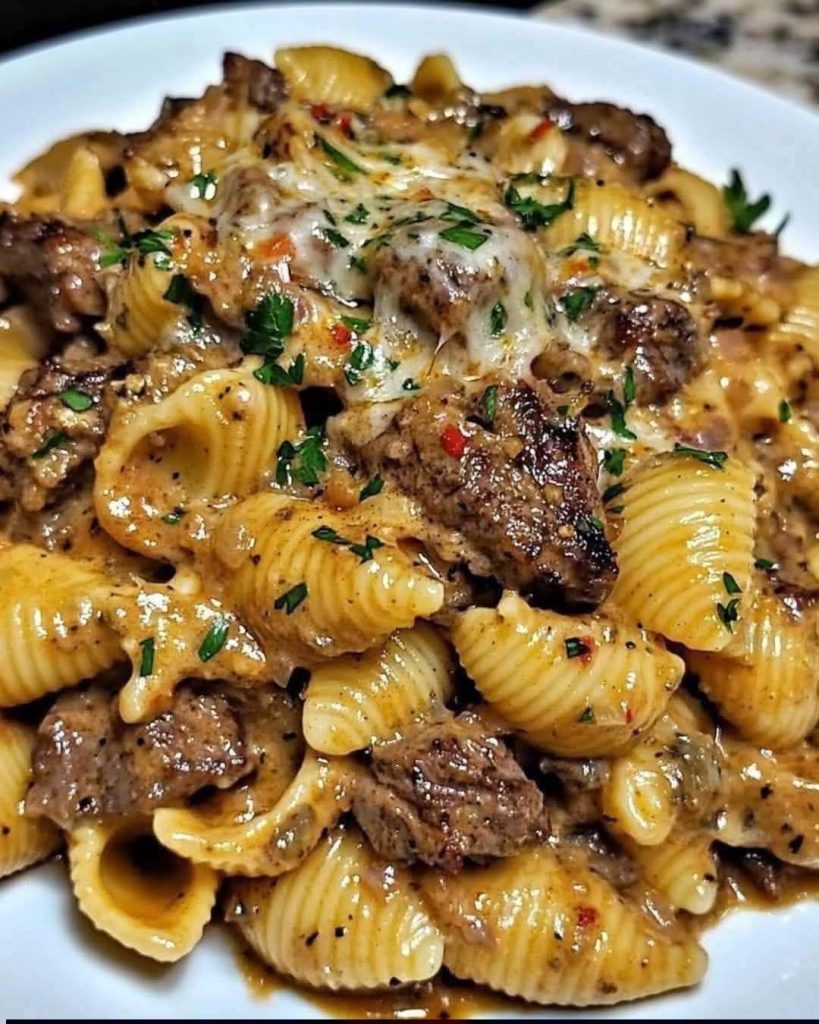
Get ready for a dinner that’s faster than takeout, packed with flavor, and big on comfort. Creamy Paprika Steak Shells is all about quick prep, an easy method, and a dreamy sauce you’ll want to scoop up with a spoon. All you need is about 30 minutes from start to finish—and just one skillet for the steak and sauce. It’s perfect for feeding a hungry family or wowing guests without breaking a sweat.
Ingredients
- 12 oz shell pasta
- 1 lb steak (sirloin or ribeye), cut into bite-sized pieces
- Salt and black pepper, to taste
- 1 tablespoon olive oil
- 1 tablespoon butter
- 3 cloves garlic, minced
- 1 1/2 teaspoons smoked paprika
- 1 cup heavy cream
- 1/2 cup beef broth
- 1/2 cup grated Parmesan cheese
- Chopped fresh parsley, for garnish
Directions
- Cook the shell pasta in a large pot of salted water according to package directions. Drain and set aside for later.
- Meanwhile, season the steak pieces generously with salt, pepper, and smoked paprika, tossing to coat evenly.
- Heat the olive oil in a large skillet set over medium-high heat. Once hot, add the steak bites and sear for 2–3 minutes per side, until deeply browned but still tender inside. Remove to a plate and set aside.
- Reduce the heat to medium and add the butter to the same skillet. Once melted, add the minced garlic and sauté for about 1 minute, just until fragrant—careful not to burn it!
- Pour in the heavy cream and beef broth, stirring to combine and scraping up any browned bits left from the steak. Let the mixture come to a gentle simmer, and cook for 3–4 minutes until the sauce slightly thickens.
- Stir in the grated Parmesan cheese until fully melted and the sauce is creamy and smooth.
- Add the cooked pasta shells and steak pieces back to the skillet. Gently toss everything together until the pasta and steak are evenly coated in sauce.
- Remove from heat, sprinkle with chopped parsley, and serve piping hot for maximum comfort!
What to Serve With
Creamy Paprika Steak Shells pairs perfectly with a crisp green salad tossed in a tangy vinaigrette, offering a fresh contrast to its richness. For a heartier meal, consider garlic bread or warm, crusty baguette slices to mop up every drop of sauce. Lightly roasted vegetables, like asparagus or broccoli, add color and nutrition. A glass of bold red wine (like a Cabernet or Malbec) will round out the meal beautifully. Need a fun family-friendly option? Serve with sparkling lemonade or iced tea!
Top Tips for Perfecting
- No steak? Swap in boneless chicken or even mushrooms for a vegetarian twist without losing that savory bite!
- Don’t overcook the steak—sear quickly for a perfect, juicy texture. For extra flavor, let the steak rest before slicing.
- Use smoked paprika for depth and complexity, but regular paprika works if that’s what you have.
- Feeling extra cheesy? Add more Parmesan or a handful of Gruyère!
- Deglaze your skillet well with the broth to catch all the savory browned bits—they’re flavor gold!
- Avoid burning the garlic by keeping the heat at medium and sautéing briefly.
- To double the recipe, use a larger skillet and cook steak in batches.
Black Creators Reactions to “Sheriff is a…” (Spoiler) Blazing Saddles (1974)
Is it true that humans were much healthier 50 years ago? What went wrong? 47 more answers
No, that’s a big myth, and you can spot the difference with just a few examples.
This is actor John Hoyt in the first pilot episode for “Star Trek”, “The Cage”. At the time it was filmed, he was 59 years old.
This is actor Brad Pitt in the movie “Once Upon a Time in Hollywood”. Pitt was 57 when the film was shot.
Most of the factors are pretty well understood. Smoking ages you like hell, and pretty much every adult smoked in the 1960s but now very few adults do. Alcohol consumption is way down too. So is tanning, which also ages you like crazy. Recreational drug use is also down.
And people are living longer. The problem with people living longer is that they tend to get diseases that are more common as you age, like cancer, kidney disease, liver disease, and diabetes.
Yes, obesity is up, but malnutrition is down. Back in World War II, the armed forces of many countries rejected people left and right for being underweight. School lunch programs in the United States may not be perfect, but they have led to a remarkable drop in problems caused by chronic malnutrition.
In other countries, the results have been astounding. The average height of men in the Netherlands was about 5′6″ in the 1960s, now it’s 6′0″. A good chunk of that is better food security.
65 years ago, the average resident of what’s now Bangladesh lived to the age of 42. Now the life expectancy is closer to western norms. A lot of that is the drop in childhood mortality from vaccination programs.