


I do try to avoid heavy and difficult subjects as of late. But this kind of cropped up and I want to present it.
Cats. Pets. Loved ones.
A beloved pet that died.
…
You know what is intensely sad?
It is to throw away your pet’s collar after they died.
…
Their leashes, their clothing, their bedding, and their toys and food. Getting rid of the old and then trying to move on forward.

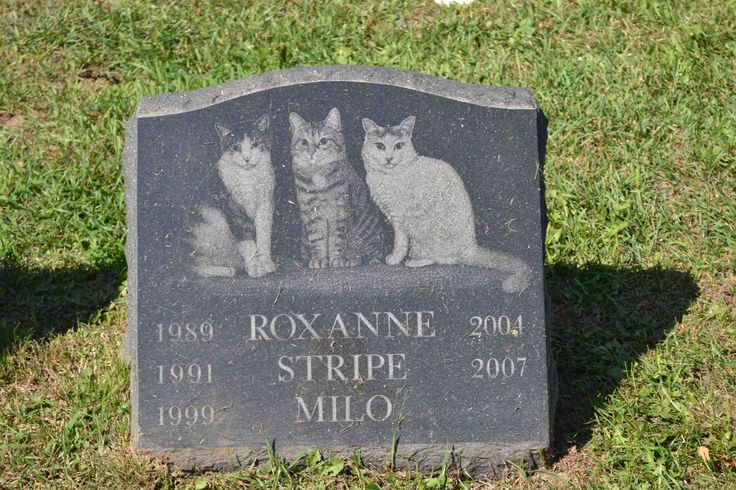
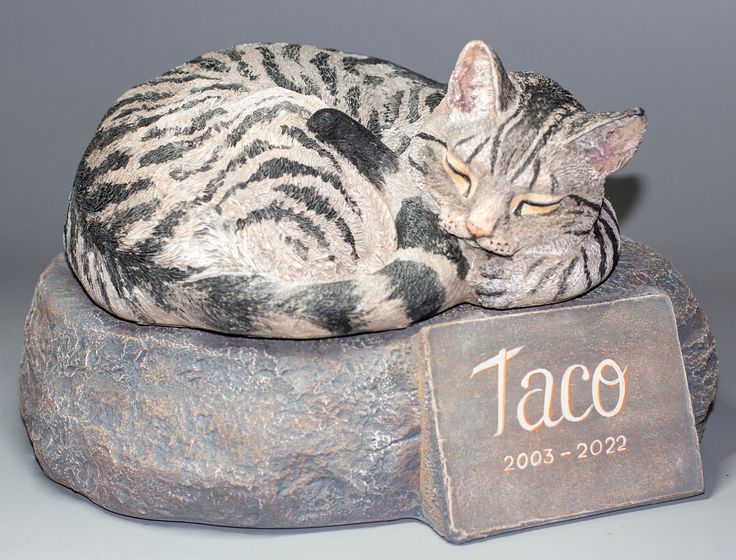

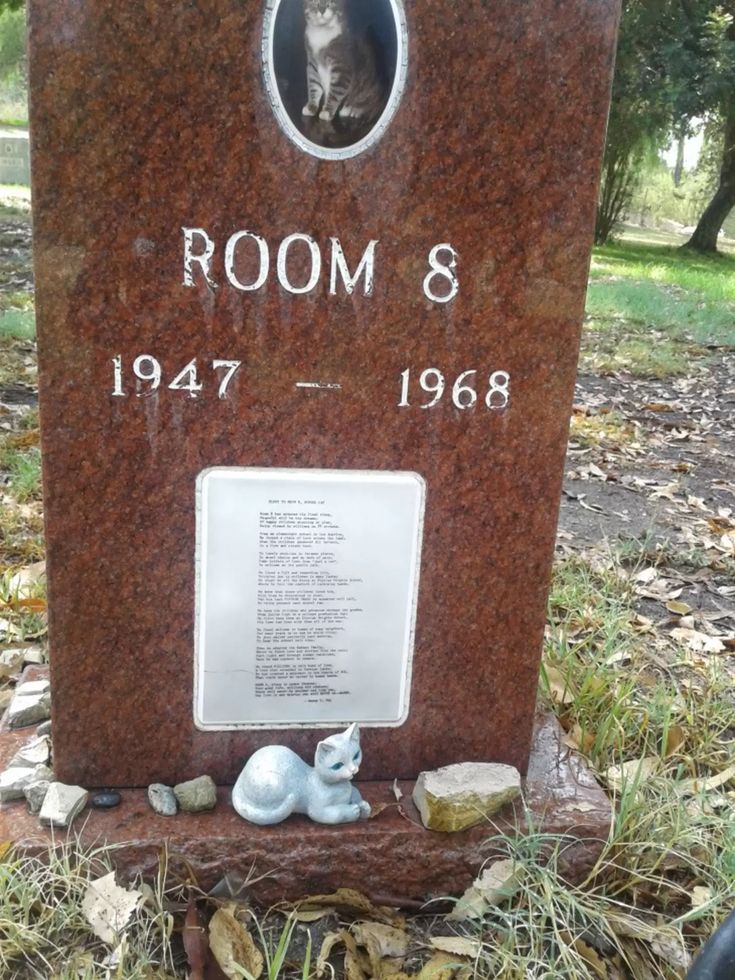
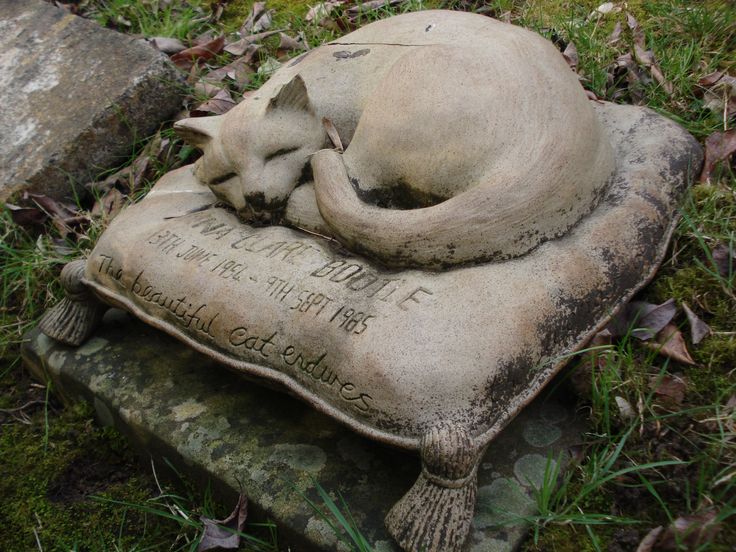

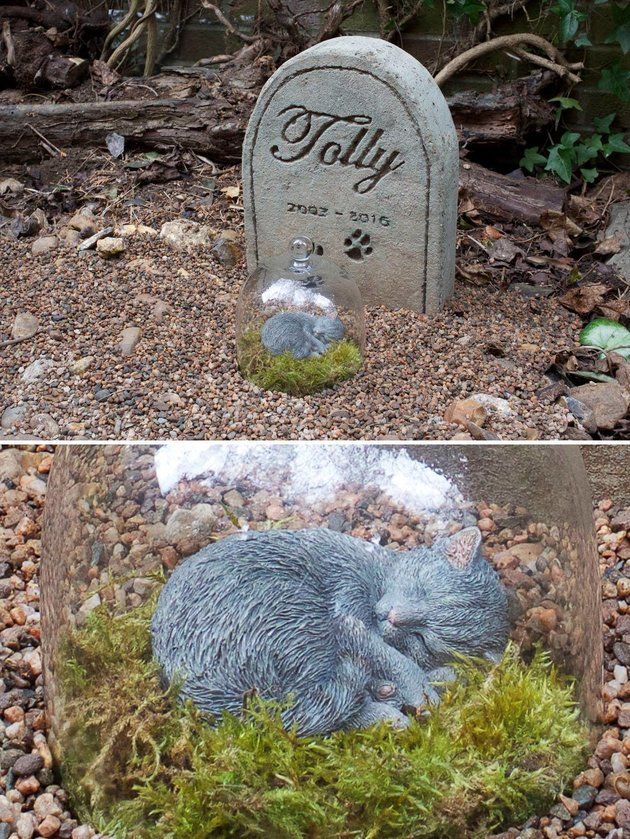
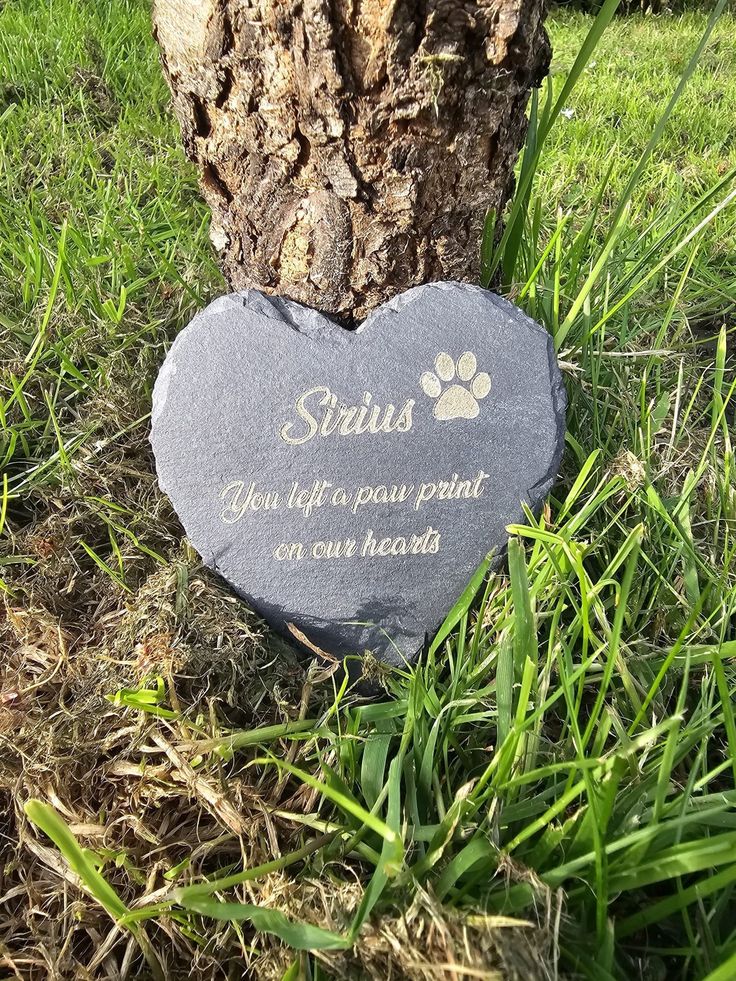
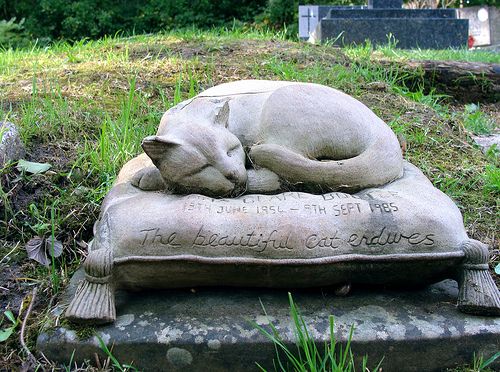



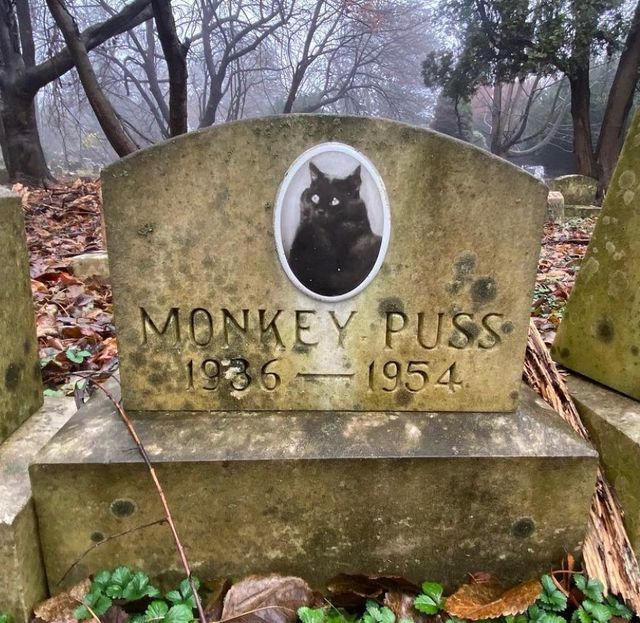
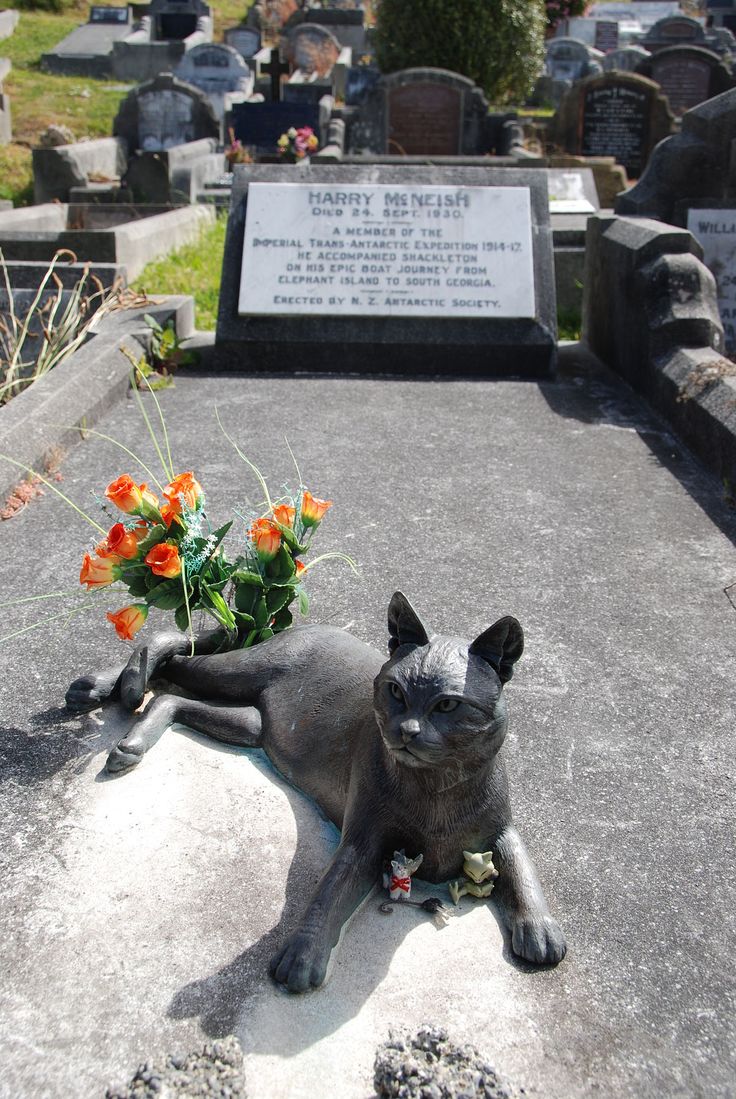
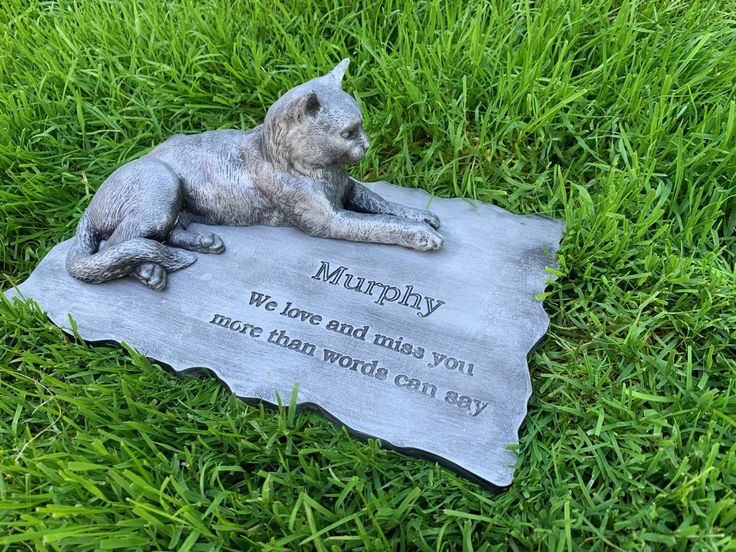
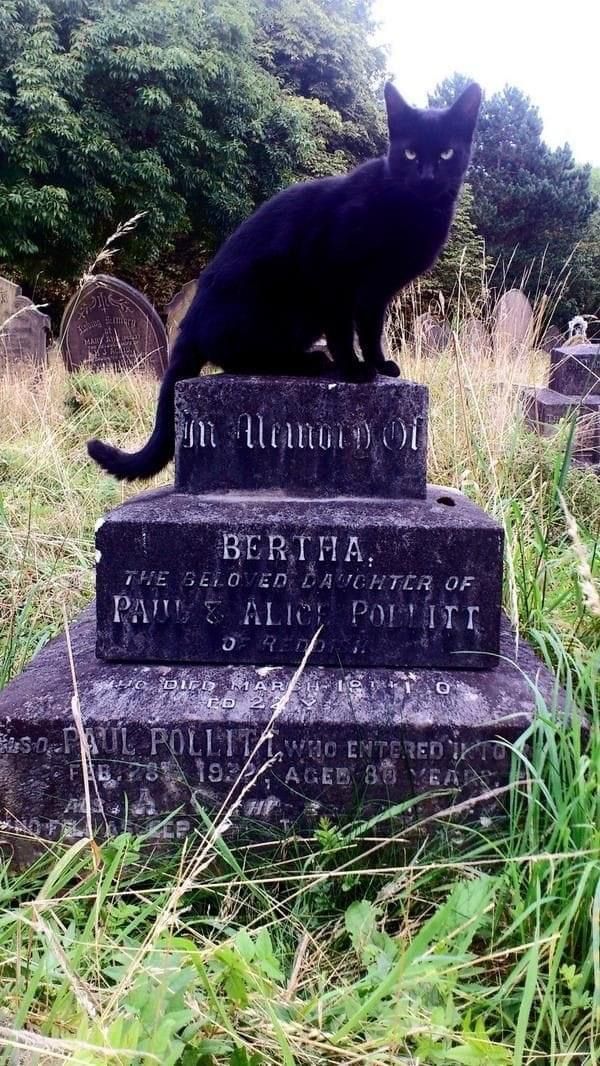
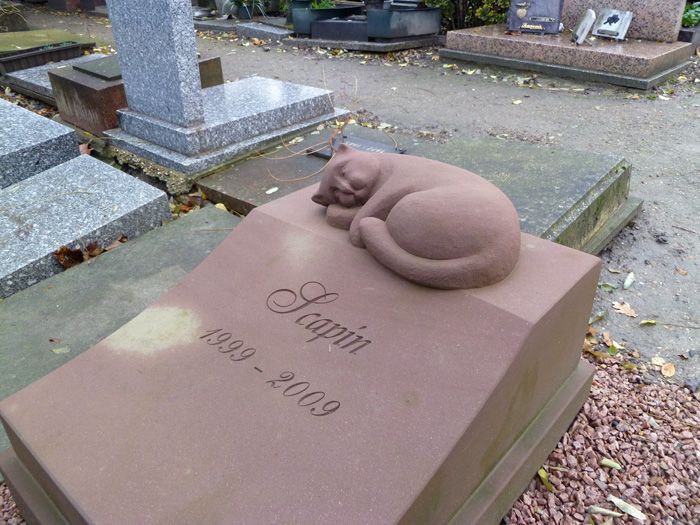

…
And, now that I sufficiently bummed you all out… do you know what is really wonderful?
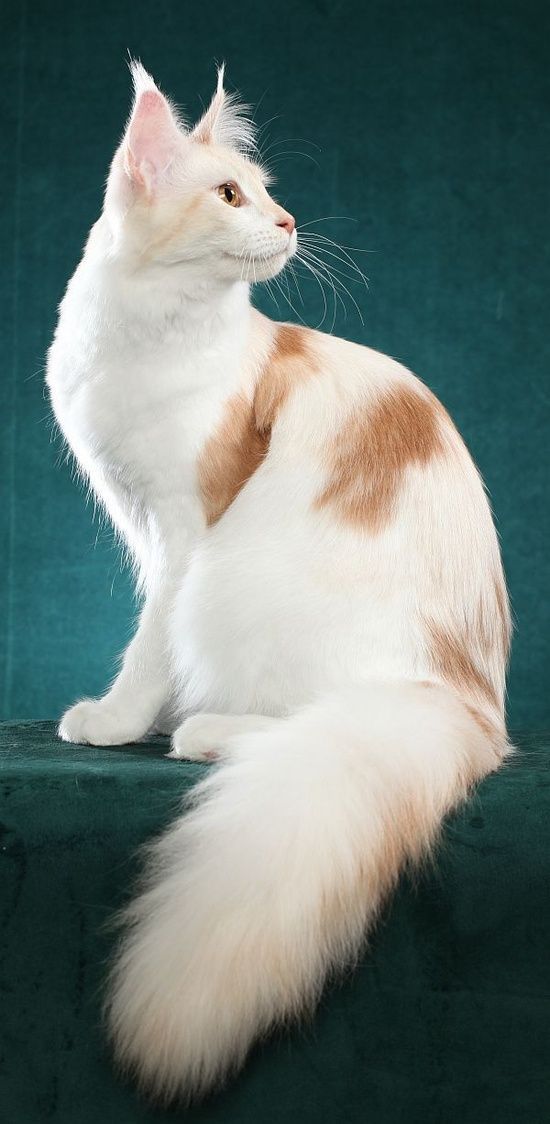
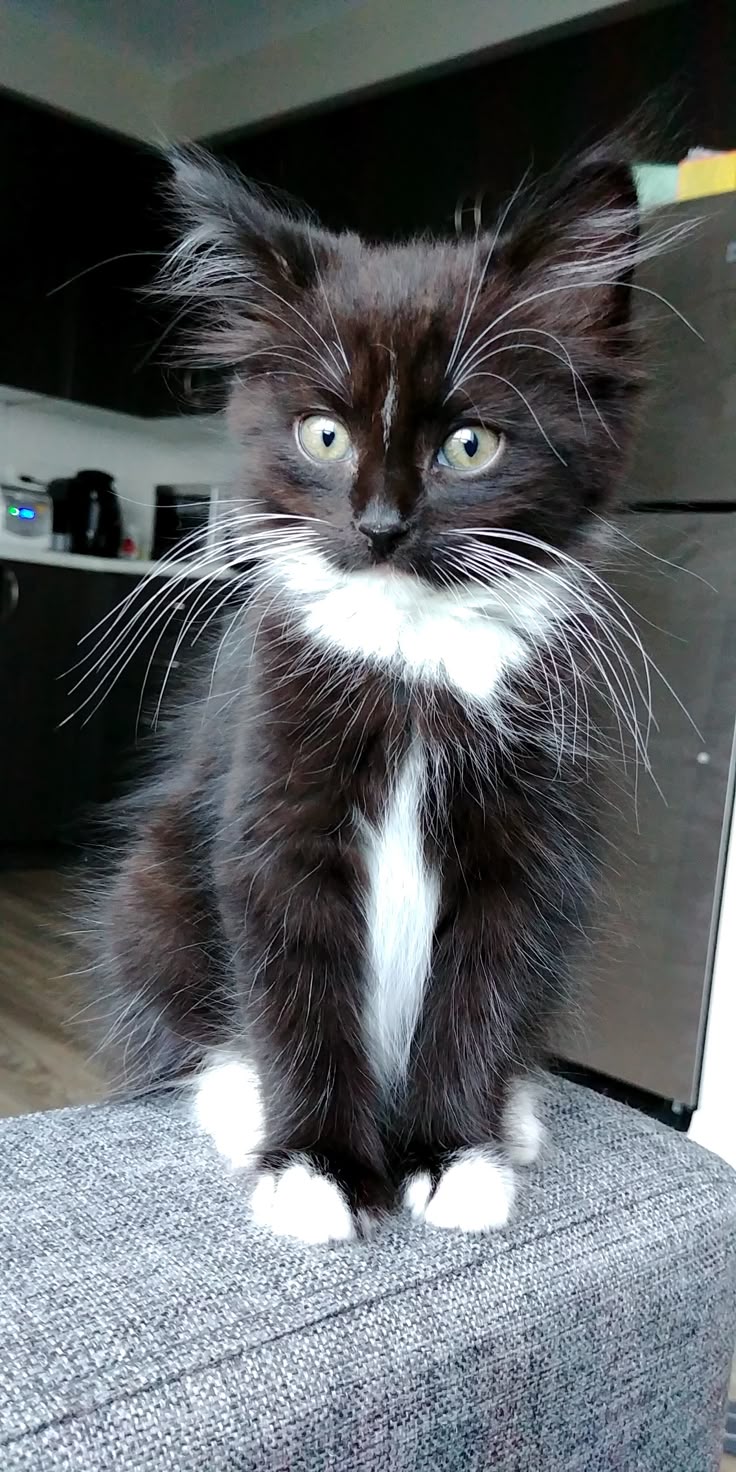
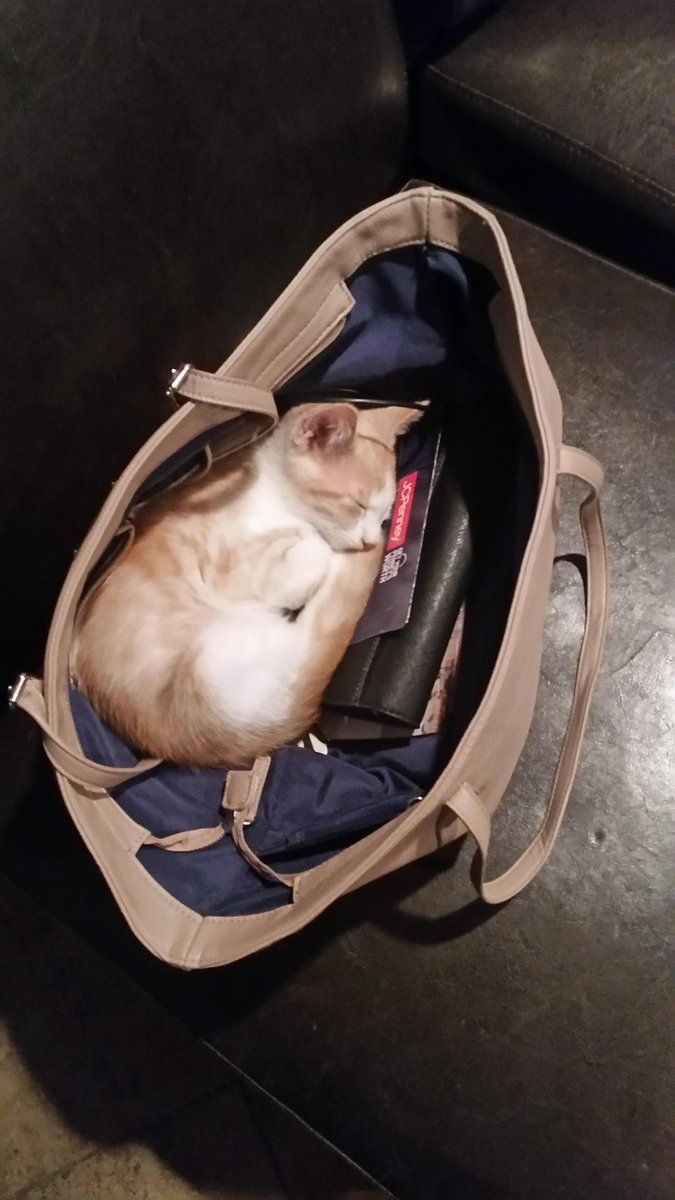
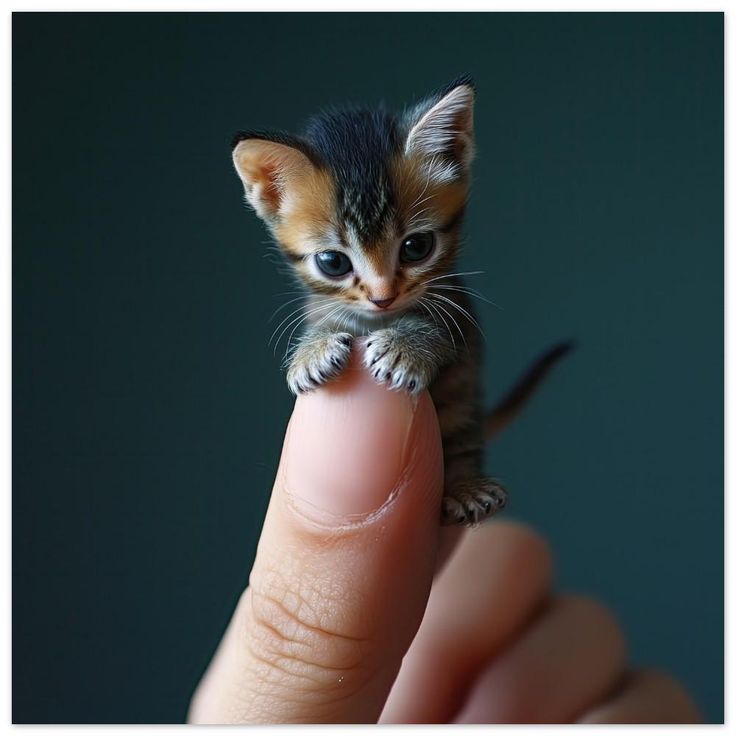
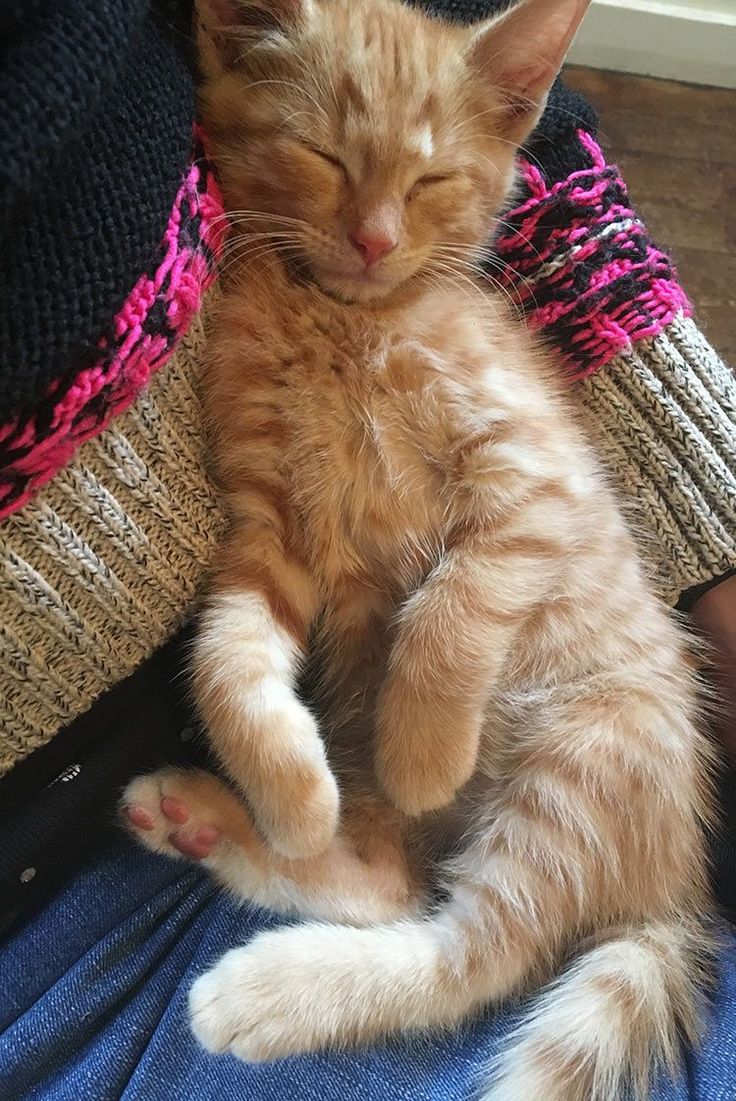
Finding a new pet that adopts you and all it want’s to do is be with you; hug you and lay with you.
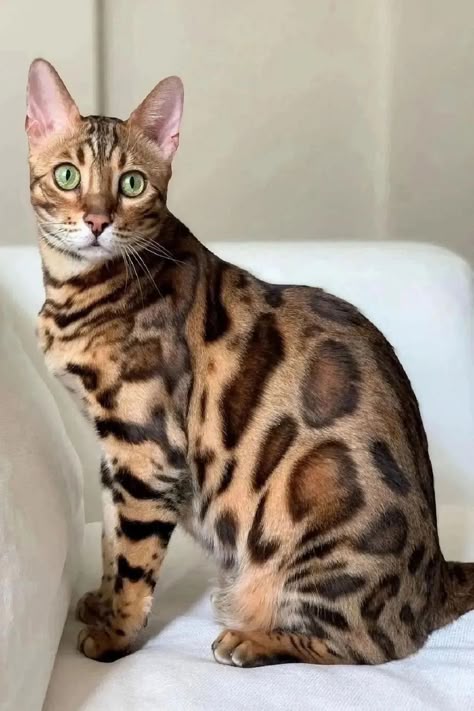
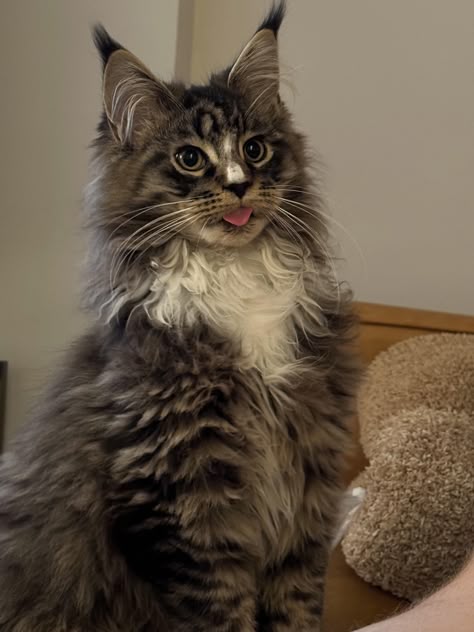
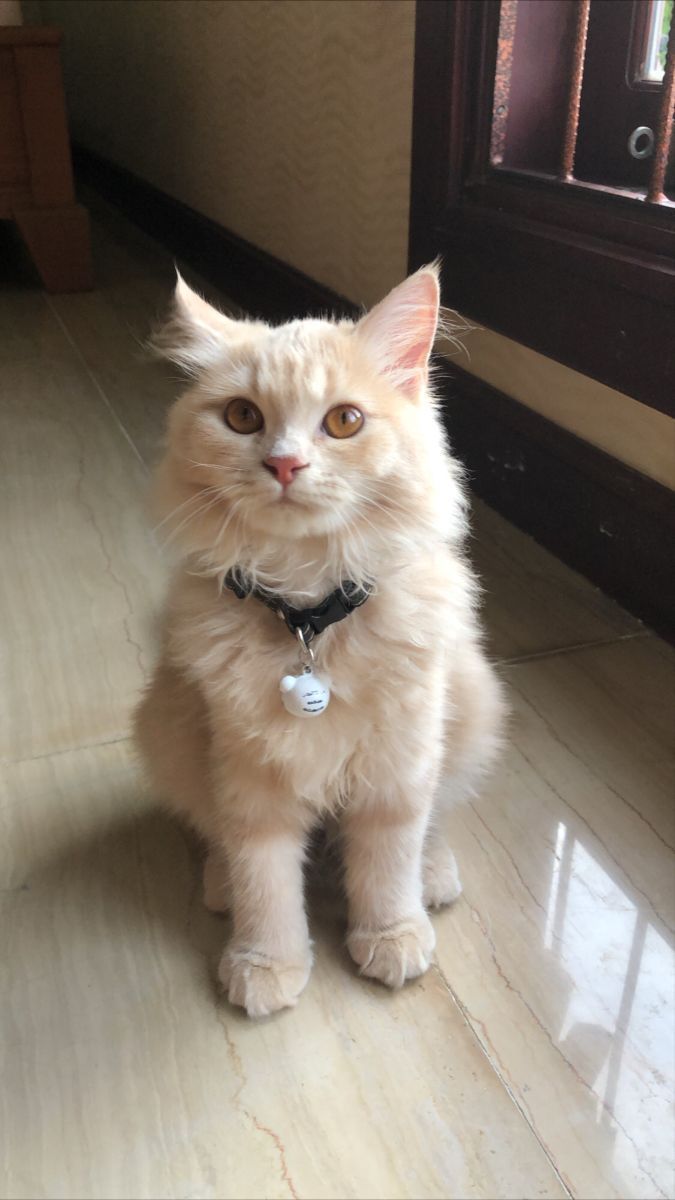
…
To appreciate the good, we have to experience the bad.
Sad to say.
Today…
What should I not do when I visit China?
Here are some things NOT to do in China. I’ll add a quick summary.
Shadeed Abdulmateen, an American citizen, was sentenced to death in China (for killing his girlfriend when she tried to break up with him).
Drug crimes are a big NO! Don’t mess with drugs. China has no tolerance for the drug threat. The penalties are high and there is simply no escape.
There are many recent examples where expatriates have received the death penalty.
Don’t create trouble with the locals. Don’t attack women. The security system is very complete. CCTV cameras are installed in all shops, restaurants, bars, pubs… troublemakers will be caught.
Harbin in winter.
Don’t get involved in politics. For example, Taiwan is a sensitive issue. You can’t just say whatever you want. If you are an American expat, you may be asked directly for your opinion on the Taiwan issue.
Locals, especially in Shanghai, prefer to talk business over politics.
Chinese people are patriotic. You are expected to show respect for the local culture.
Do not attempt to enter China illegally. First of all, it is not easy to enter illegally, and even if you do, you will be caught. Also, do not overstay your visa. Penalties include a fine of 500 Chinese yuan/day, with a possible ban on entering China again in the near future.
Terracotta Warriors of Xi’an.
Don’t expect to find spoons and forks in restaurants. You have to get used to handling chopsticks. It’s so important…
Don’t compare China to this country or that country. China has its own charm. The more time you spend exploring China, the more you will discover.
China’s strategic missile Dongfeng 51 test launch successful!
Kitchen Hints and Tips
Air Fryer
The air fryer isn’t just for frying; it’s great for other healthy cooking methods like baking, roasting and grilling, too.
- You need to spritz meat, French fries, etc. with just a little bit of oil before air frying. Do NOT use the canned sprays. Buy a cheap spray bottle at your local dollar store. Put whatever cooking oil you normally use in it, and spritz meat before cooking.
- Pre-heat air fryer before adding your food. Turn the air fryer on to the temperature that you need and set the timer for 2 or 3 minutes. When the timer goes off, the air fryer has pre-heated and is ready for food.
- Give foods plenty of space so that the air can circulate effectively; that’s what gives you crispy results.
- Lightly spray foods with cooking spray or add just a bit of oil to ensure they don’t stick to the basket. Invest in a kitchen spray bottle. Spraying oil on the food is easier than drizzling or brushing, and allows you to use less oil overall. There are aerosol agents in cans that can break down the non-stick surface on the air fryer basket. If you want to spray foods directly in the basket, invest in a hand-pumped kitchen spray bottle.
- Pat foods dry before cooking (if they are marinated, for example) to avoid splattering and excess smoke. Similarly, when cooking high-fat foods like chicken wings, make sure to empty the fat from the bottom of the machine periodically.
- Use the proper breading technique. It is important to coat foods with flour first, then egg and then the breadcrumbs. Be careful about the bread crumbs and press them onto the food with your hands, otherwise they will blow off in the air fryer.
- Add water to the air fryer drawer when cooking fatty foods. Adding water to the drawer underneath the basket helps prevent grease from getting too hot and smoking. Do this when cooking bacon, sausage, even burgers if they are particularly fatty.
- Use toothpicks to hold foods down. Every once in a while, the fan from the air fryer will pick up light foods and blow them around. So, secure foods (like the top slice of bread on a sandwich) with toothpicks.
- Don’t overcrowd the basket. It’s tempting to try to cook more at one time, but over-crowding the basket will prevent foods from crisping and browning evenly and take more time over all.
- Be sure to open the air fryer and shake foods around as they “fry” in the machine’s basket—smaller foods like French fries and chips can compress. For best results, rotate them every 5-10 minutes
- Open the air fryer as often as you like to check for doneness. You can open that drawer as often as you like (within reason) to check to see how the cooking process is coming along. This will not interrupt the timing of most air fryers – the fryer will either continue heating and timing as you pull the basket out, or pick up where it left off when you return the basket to the fryer.
- Use the air fryer to dry itself. After washing the air fryer basket and drawer, just pop them back into the air fryer and turn it on for 2 or 3 minutes. That dries both parts better than any drying towel.
Is President Trump starting to destroy the USA because Trump is losing support from European countries as well as Canada and it will be logical that the USA will decrease its influence world wide and a lot of military budget will be cut?
Trump is rebuilding America.
The United States has always been a country that relies on hegemony and plunder to accumulate wealth. But the international situation is different now.
The international community no longer allows the United States to plunder.
Trump is forcing the United States to accumulate wealth through self-production rather than plunder. This may require 1-2 generations to pay a painful price.
If Trump’s plan to rebuild the United States fails, then the United States is likely to become a third-rate country.
Chocolate Coconut Baby Cakes
Kitchen tools, gourmet foods, baking mixes, and hard-to-find baking ingredients mentioned in this article are available at The Prepared Pantry.
By Debbie Frantzen
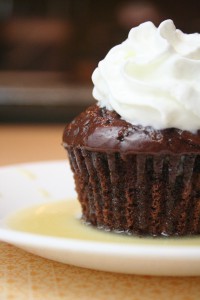
Baby Cakes are cupcakes designed for dessert. Emphasis is on taste, not design, and fancy decorations are not necessary though they should be attractive enough to serve at a dinner party.
We first made these from scratch, little chocolate cupcakes with coconut added and served in a caramel sauce. The recipe follows. But a mix is quicker and easier. We used a Fudgy Baby Cakes Mix. Instead of making the caramel sauce from scratch, we used a buttermilk syrup mix. My interpretation of buttermilk syrup is “butterscotch and caramel combined.”
Chocolate Coconut Baby Cakes (Mixes)
1. Mix a Fudgy Baby Cakes mix and make cupcakes per the package instructions but add 3/4 cup shredded coconut. There are chocolate pieces in the mix and the combination will be a deep chocolate and coconut combination.
2. Make a batch of buttermilk syrup. We added coconut flavor to make a coconut buttermilk syrup but the dessert is great without doing so. A teaspoon and a half of coconut flavor is about right.
3. After the cupcakes are baked, remove the paper liners and place one cupcake on each dessert plate. Pour warm buttermilk syrup over the cupcakes and top with dollops of whipped cream. Serve while the syrup is still warm and before the whipped cream melts.
Chocolate Coconut Baby Cakes (Scratch)
This is straightforward to prepare and fancy enough to serve to guests.
Ingredients
For the Cakes
- 1 cup butter
- 4 ounces unsweetened baking chocolate
- 1 1/2 cup sugar
- 3 large eggs
- 2/3 cup milk
- 1/2 tablespoon baking powder
- 1 1/2 cup all-purpose flour
- 1 1/2 cup flaked sweetened coconut
For the Caramel Sauce
- 1 (12-ounce) can evaporated milk
- 1 1/4 cup brown sugar
- 6 tablespoons butter
- 1 teaspoon vanilla extract
Instructions
- Prepare baking cups by greasing well and flouring the bottoms or use paper liners. A jumbo muffin pan works well. We sellpaper liners for jumbo muffins pans.
- Heat the oven to 350 degrees F.
- Cakes: In a large mixing bowl, melt the butter and chocolate together in a microwave stirring once or twice.
- Stir in the sugar until it is dissolved. hen stir in the eggs one at a time. Add the milk.
- Stir in the baking powder and flour. Finally, fold in the coconut.
- Spoon the batter in the prepared cups.
- Bake for 23 to 28 minutes depending on the size of the baking cups. A toothpick inserted in the center of the cake should come out clean when done. Cool on wire racks.
- Serve with Caramel Sauce.
- Caramel Sauce: Mix all the ingredients except the extract in a heavy saucepan. Heat over medium heat, stirring often, until the mixture boils. Gently boil for eight to ten minutes or until the mixture thickens. Remove from the heat and stir in the extract. Cool until the sauce thickens to serving consistency.
Dennis Weaver is the founder of The Prepared Pantry, a full line kitchen store in Rigby, Idaho. The Prepared Pantry sells kitchen tools, gourmet foods, and baking ingredients including hundreds of hard-to-find ingredients.
How bad is it to live in China?
Since moving to Beijing three years ago, I’ve discovered that life in China is a vibrant tapestry woven with contradictions—where ancient traditions clash with futuristic technology, and modest hospitality often hides behind a veil of social propriety. My experiences have taught me that understanding this complex culture requires more than just language skills; it demands curiosity and an open heart.
One of the most striking aspects of daily life here is the seamless integration of technology. Last summer, while traveling alone in Guilin, I got lost hiking through the Li River karst mountains. Within minutes, a local vendor offered me his smartphone to scan a QR code for a tourist map app. When I hesitated, he chuckled, “No worries! We all use WeChat Pay and Alipay!” By the end of the day, I had unintentionally joined a group of elderly villagers sharing their phones to help me locate my hotel. This moment crystallized how technology has bridged generational gaps and geographical barriers in China.
Another cultural lesson came during my first Lunar New Year celebration. My host family prepared an elaborate 12-course meal, insisting I try every dish. When I politely declined the second helping of fatty pork dumplings, my aunt loudly proclaimed, “You must eat until your belt feels like it’s breaking!” Embarrassed, I obliged, realizing that refusing food is not just polite—it’s downright rude in Chinese culture. Later, my cousin explained, “Sharing food builds harmony. If you leave anything untouched, it insults the cook’s effort.”
The juxtaposition of modernity and tradition also intrigues me. Walking through Shanghai’s bustling Nanjing Road, I’ve seen young professionals in tailored suits sipping Starbucks while practicing tai chi on nearby park benches. One rainy afternoon, I even witnessed a group of middle-aged women blocking traffic to perform a lion dance dance for a newly opened convenience store—a ritual meant to bring luck. These snapshots remind me that China is constantly evolving yet remains deeply rooted in its soul.
Of course, challenges exist. The language barrier initially felt overwhelming. Ordering coffee at a café became a comedy of errors when I confused “拿铁” (latte) with “浓缩咖啡” (espresso). But now, thanks to apps like Meituan (China’s Uber Eats), I’ve learned to navigate menus by pointing and laughing awkwardly. Non-verbal communication has become my superpower.
What surprised me most, however, is the warmth of strangers. During last winter’s blizzard, a deliveryman knocked on my door not with a package, but with a thermos of hot ginger tea. When I thanked him, he waved dismissively, “Neighbors help each other. It’s nothing!” Such acts of communal care, though understated, reveal a societal glue I rarely encounter elsewhere.
In conclusion, living in China has reshaped my perspective on what it means to belong. It’s a place where queueing for hours at a temple can feel spiritual, and bargaining in a wet market feels like a dance. While the initial culture shock was intense, the friendships forged and the lessons learned have made this journey unforgettable. As I sip my morning tea from a porcelain cup purchased at a street stall, I realize that China isn’t just a country—it’s an adventure waiting to unfold every single day.
Putin Offers Rare Earth Deal To Trump!
Will higher tariffs on China bring manufacturing jobs back to the U.S.?
No. Lets look at a real case study.
Ivanka Trump has a shoe product line, made in China. I was involved in an unrelated shoe importing business, our shoes were also made in China, and freight on board cost around $3 per pair. Add on the transport and the warehouse I had in Miami’s design district they costed us about $5 per pair, some were as generic a design as this one from the Ivanka Trunp collection.
We did not sell our shoes online, but we had 5 shoe stores around south florida in good malls, and could sell our shoes between $20-$30 a pair. Ivanka shoes go for around upwards of $30 per pair.
If we had to pay extra import duty tariffs, a container of stock was about $40,000 in value, so an extra 25% would cost us $50,000. The unit fob cost would be the same as when we ordered them to be made in China, but to move them to our warehouse, the landed cost, we would have to pay an extra $10,000 to Customs and Border Patrol agency, or smuggle them in from a ship on the Miami River, which we would not risk. It would start our prices at $3.75 to $7.50, so we might have to put up the shoe prices to $25-$60 a pair, to maintain our margins and cover our staff and premises overheads. With 7% sales tax, instead of our customers having to pay from $21.40 a pair to $29.75, which would have us lose customers. There is no way to get shoes made in the USA at that retail price for wholesale, let alone closer to $10 per pair. Especially as our best selling designs were ‘stripper shoes’ for the adult entertainment industry or club dancers, something like these, and had to be strong and comfortable:
As long as I could sell about 10,000 pairs of shoes a quarter, or about 27 pairs of shoes a day in each store, I could make all the overheads and could cut price of any remaining stock line from container 1 that should get enough to receive container 2 for the next quarter. Each container can contain around 10,000 standard shoe boxes with shoes. My facilities costs were about $60k a quarter, and salary, wages and other overheads about $100k a quarter, and every quarter end month was design and production planning for product to arrive in 6 months.
In response to a comment, manufacturing jobs in the USA will not be created as a result of tariffs set by the USA.
Tree of Life
Submitted into Contest #279 in response to: Write a story about a character who’s lost.… view prompt
Daniel Rogers
Cautiously pressing on the ground with one foot, I systematically tested for a concealed hot spring but found nothing that could explain the heat. After an hour, I gave up trying and accepted the impossible with immense gratitude. I’m alive, and as long as this heat holds out, I won’t freeze. A weight lifted, and exhaustion overwhelmed me, dragging me under like an avalanche. My eyes fell on their own accord. I gave in to sleep, laid against the massive trunk, and quickly passed out.
Something woke me—a noise. My adrenaline surged, alerting me to danger. Behind me, I heard a twig snap in two. I slowly stood and peeked around the trunk. A wolf sniffed the ground, emitting a low growl. He could smell me, and by the looks of him, he hadn’t eaten for a long time. I gasped. Instantly, the beast looked up, and our eyes locked together. His growl intensified, and he cautiously approached.
I shook, frozen with fear, and my fingers dug into the soft bark of the tree. The wolf made a wide circle, never taking his eyes off me. I couldn’t move, paralyzed to the spot. Until now, I had always believed my ability to lead would take me through any situation, but I couldn’t negotiate or leverage my way out. He has no hidden motive. He has nothing to trade. He doesn’t hate me or like me. He’s just hungry.
He hesitated only a few feet from me. He looked up, sniffed, then trained his focus back to me. I’m not sure why he hesitated, but it appeared to me he made up his mind to kill me. My fight-or-flight instinct kicked in, and I ran—no fight in this girl. I heard the wolf bolt. His furious bark and growl got closer. I knew he would pounce soon, but I refused to give up. Your entire life is supposed to flash before your eyes right before death, but for me, it was a ridiculous joke. I came to this wilderness leadership retreat to find my “inner” wolf. Now, I was about to be “in” a wolf. I felt his hot breath and knew he was about to bite into my leg. Suddenly, I heard a loud crack. The rustling of leaves. A sickening thud. A canine whine. Then silence.
My momentum took me into the blizzard. The temperature change knocked the breath out of me. I stumbled and fell – the sub-zero air hurt. My hands lost feeling as soon as I dug them into the snow to get back on my feet. Every exposed part of me began to tingle. I would die in minutes if I didn’t get back under the tree. I turned towards the tree to see a large limb on top of the wolf. Blood oozed from his mouth.
I dashed back under the tree, immediately embraced by the tropical climate. I stayed on the opposite side of the dead wolf. However, somehow, I knew I needed to drag the body out into the snow, where he would freeze. If I didn’t, the carcass would decay, and carnivores of all types would smell him. I plucked up enough courage to face the beast. I poked around, attempting to find the best approach. Pulling on his hind legs, I surprisingly found him easy to move. I dragged him through a carpet of leaves that made the task manageable. Once out from under the tree, I dropped him and returned to safety.
I began studying the strange tree and noticed knobs spread around the trunk protruding enough to be used as footholds. I carefully climbed, finding it easy, like someone had arranged the knobs exactly where I needed them. I sat on the first limb I came to, which was so wide I could have rolled over in my sleep without fear of falling off. I saw hundreds of limbs above me, with only the smallest amount of light penetrating the canopy of leaves on top.
Further down the limb, I heard what sounded like running water. I walked to the sound. To my surprise, I found a tiny waterfall. Looking up, I saw the waterfall flowing from leaf to leaf from somewhere above. I guess the melting snow from the canopy fueled this fall. Cupping my hands, I drank. Water never tasted so good.
While I drank, a bird landed on a nearby branch and began singing. I’m no bird expert, but this one appeared ancient, like it belonged to another period. It tweeted the most beautiful song, unlike any I’ve heard in New York.
“Aren’t you a beautiful thing. How’d you get here?” I reached out, and it fluttered away, landing only a few branches from me. To my surprise, there were dozens of apples growing from that branch. I climbed to it and ate. Delicious! I picked as many as I could carry and went back to my limb.
Over the next couple of weeks, I converted my limb into a bedroom. The leaves made a soft place to sleep, the waterfall provided water, and in addition to apples, I found grapes, oranges, pears, bananas, and almonds.
I thought about this tree a great deal. How does it generate heat? How can it grow a variety of fruits? And almonds? Where did the birds come from? No matter how much I tried, I couldn’t explain it. It just was. And I’d be dead if it wasn’t.
One morning, I heard a helicopter. I quickly climbed down, threw on my coat, and ran out to the field, jumping and screaming my head off. Predictably, it didn’t see me. How could it?
The following day, I heard the helicopter again. I didn’t move. There was no need to freeze just to be overlooked. I closed my eyes, imagining my home and parents, regretting that I waited too late to make them grandparents. My career took first place. It’s a shame. They would have made awesome grandparents.
A familiar smell jolted me from my daydream. Smoke filled my nostrils. The tree was on fire. Enormous flames engulfed the treetop, dropping fiery leaves and branches around me. I grabbed my coat, climbed down, and ran out from under the tree.
The fire grew impossibly fast, engulfing the entire tree. I couldn’t believe what I saw. In minutes, the fire destroyed my source of warmth, food, and water. I sat in the snow crying, knowing I would die before this day ended.
Suddenly, from behind me, I heard a helicopter hovering low. I turned, and the pilot saluted me.
The next thing I know, I’m flying in a heated helicopter, drinking a thermos of hot chocolate. The rescue crew told how they searched for our team and found everyone but me. They would have never found me if it hadn’t been for the fire.
I looked out my window and saw the tree still blazing, sending black smoke high into the air. A helicopter miles away would have been able to see that smoke plume. My heart broke, and tears filled my eyes. I felt a significant loss – like I lost a loved one. I also felt ashamed. I never sacrificed for anyone. I only thought about myself. My career. My future.
I took one last look at my tree – the tree that saved me. I’m not going to live for myself anymore. I’ve seen a better way.
Is Trump going to invade Canada?
Well, the short version is I don’t know what is or isn’t going through Mr. Trump’s head at any given time. But I can tell you that the United States will never invade nor attack Canada. The very idea is obscene. But more than that, it’s utterly impossible.
The US Army has a formula for the size of force that would be required to occupy a country. The formula takes into account various factors (logistics, topography, population, area, and so on). For Iraq, a country of 20 million people the size of California the formula said it would take 300,000 soldiers. And Iraq’s terrain (almost entirely plains) made it easy to occupy. And, initially, in 2003 the population largely welcomed liberation from a nasty dictator.
Then-Secretary of Defense Donald Rumsfeld ignored the formula, the occupation was always undermanned, and the result was a bloody insurrection that lasted almost a decade.
For Canada, the formula says a minimum of 800,000 troops. Given Canada’s immense size, varied geography, and challenging terrain, a more realistic estimate is twice that — over 1.5 M soldiers.
The US Army has 440,000 active-duty troops and another 490,000 reservists.
In other words, occupying Canada would take at least 80% of the entire US Army active and reserve force, and likely 150% of it. And the cost would be enormous; Iraq took somewhere between $760B and $1.1T, to support 150,000 deployed troops for seven years. That works out to something like $1M/deployed soldier/year, so occupying Canada would cost between $800B and $1.5T/year.
So it’s ridiculous. But more than that, it’s utterly obscene to even suggest it.
In all of history, powerful countries have never had good relations with their neighbors, and they don’t in the world today. And two powerful neighboring countries are always at each other’s throats.
Except Canada and the US — and Canada, make no mistake, is a very powerful country by world standards. These two countries have forged not just a friendship, but the greatest partnership in human history. It was put best over 85 years ago by FDR: “Americans know Canadians aren’t foreigners: they’re just Canadians. And, similarly, Canadians know Americans aren’t foreigners — they’re just Americans.” This is a partnership that is so close, so seamless, that we don’t notice it — until some clown threatens it.
Canadians have fought alongside Americans in every war since WW II. When Americans were stranded after air travel shut down after 9/11, Canadians took them into their homes. Canada and the US operate a joint military command — the North American Air Defense Command. We operate joint national parks. And the border between the two countries? It looks like this…
And this…
And this…
People can literally hold hands across the border:
800,000 Canadians live in the US. 970,000 Americans live in Canada.
We’re not foreigners. We’re family. And like all families, the actual ties between us aren’t the thousands of small agreements we make and live by daily, but an overarching consensus — we will treat each other with respect, love, and consideration, and the well-being of other members of the family is as important to each of us as our own well-being.
Family is precious, and between nations it is heartbreakingly rare. Alone among the nations, our two peoples have built a family. Above all else, let us keep it.
How did Chinese families survive the hyperinflation period of 1946-1948?
Honestly, I really know very little about this.
The hyperinflation between 1946 and 1948 left countless families in abject poverty, even starving to death.
The Nationalist government’s extreme exploitation of the people meant that 100 yuan could buy a cow one moment, but a few years later, 1,000,000 yuan could only buy a box of matches.
Yet both my father’s and mother’s families were considered wealthy during that time.
My great-grandfather and grandfather were mid-ranking officers in the Nationalist army. They sold off family property to join the military.
Though dying as martyrs in the war against Japan could be called heroic, the origins of their wealth were highly questionable…
Most likely, it came from being landlords, exploiting poor farmers…
When Chiang Kai-shek forced people to exchange their gold, silver, and other precious metals for paper currency, my father’s family didn’t hand over their gold.
That small stash of hidden gold saved my father’s family time and again in the long years that followed.
It was like a piece of candy secretly sucked on by someone starving to death in a famine…
I was 5 or 6—I can’t quite remember—when I fell ill. I recall my father and mother moving the wooden chest they’d made when they married, pulling out quilts, and finally fishing out a tiny piece of gold to sell to pay for my treatment.
I still remember my father saying at the time: “This is the last bit of gold our family has : )”
When that last bit of gold was spent, my illness was cured.
Looking back now, once that gold was gone, my family was no longer part of the “exploiting class.”
On my mother’s side, they were small capitalists with their own little factory.
My maternal grandmother had attended a women’s high school in Beijing back then.
She told me that when she went to school in the winter, she’d take a rickshaw, and sometimes along the way, she’d see—倒卧“daowo.”
It’s a hard word to translate, a specific term in Beijing dialect, now forgotten, meaning “people who froze or starved to death.”
She told me no one actually froze to death—all of them essentially starved. Before they died, they’d strip off their clothes, as if under some hallucination that it was too hot.
How tragic!
China must never be like that again.
After the founding of the People’s Republic, there was another great famine—the so-called “Three Years of Natural Disasters” (1959–1961).
It remains a taboo subject to this day.
My father’s side was relatively okay.
We had a relative who was a leader at a grain procurement unit.
My father was a child then, and this relative let him sweep the floors—really so he could collect the grains of rice that fell.
Little by little, it was enough to keep from starving.
Plus, living near the Yangtze River, we had some fish to eat, so no one in our family starved to death.
My mother’s side was in Beijing at the time.
My grandmother recalled: After work each day, she’d rush home, wash her face, and drink porridge. Beijing back then still tried to maintain enough food supply to prevent starvation.
After the porridge, the whole family would immediately lie in bed and sleep, not saying a word, conserving energy.
My wife’s family had it much worse.
They were farmers.
My mother-in-law said she was a child then, and people in the village starved to death—some even resorted to cannibalism. Her father decided they had to flee, taking the whole family, but the roads were blocked with checkpoints and machine guns, no one was allowed to leave. Her father decided to escape over the mountains.
They barely made it over, only to find… the road down the other side still guarded by militia and machine guns, no passage allowed.
Her father gave up in despair, leading the family back home, stomachs empty, all lying in bed, waiting to die.
But then a relative who worked raising horses for the production team secretly brought some horse feed, and the family survived. She said the feed was tied up in sacks, hung from the rafters—so the kids wouldn’t steal it.
This relative had no children of his own, but now every year, on his birthday, my mother-in-law’s family visits him with two roasted chickens, because he loves chicken.
I’m saying all this because there’s a very bad trend lately—denying the horrific famine of 1959–1961.
That’s wrong.
Comrade Lenin said, “To forget the past is to betray it.”
How many died?
The Western claim is 30 million. That’s not right either, because it’s based on total population figures.
But don’t forget, during a famine, people lose interest in sex, and the birth rate plummets.
My personal estimate is 6 million—3 million starved to death, and another 3 million died from diseases caused by malnutrition, totaling around 6 million.
Did the Communist Party have problems?
Yes, but not huge ones.
Before they took power, in a China weakened by poverty and backwardness, which year didn’t see one or two million starve?
During Japan’s eight-year invasion, at least 30 million of us were slaughtered.
They were just cautiously ruling, for the first time, over this vast, illiterate land, stripped bare even of trees—a place of despair.
I have a friend who’s utterly disappointed in our country and has now emigrated with his family to North America.
I understand him.
His father was brilliant, studying at China’s top science and engineering university.
During the famine, his grandmother, starving, went to find his father, since military-industrial students were guaranteed rations.
But by the time his father finished class, he found his mother had already starved to death.
That’s a thorn in my friend’s heart, so he emigrated in the end.
I wish him and his children well.
I completely understand.
But on the other hand, China was truly on the brink of collapse back then. For the sake of the cherished “independence and self-reliance,” we broke with the Soviet Union.
We were just too poor, with no other way.
Back then, the heroes building the atomic bomb were treated like kids—whoever made a breakthrough got a piece of candy as a reward…
It’s true…
It hasn’t been easy for us. It’s been so hard.
And yet, in those tough times, even the younger brother of China’s armored corps commander starved to death.
That’s really something—not many countries could manage that.
Lately, the U.S. says it wants a trade war with China. I find it laughable.
Go ahead and fight. We’ve crawled out of piles of dead bodies—hot war, nuclear war, whatever, let alone a trade war?
Hilarious.
US Experts Worried!China Finds 180K Tons of Rubidium,Worth 4.6B RMB per Ton,More Valuable Than Gold!
Do Americans ever leave the US in pursuit of a better life even though many immigrants immigrate to the US for a better lives?
Sure. Everybody has their reasons. And it goes both ways.
Picture, for example, what happened when Ecuador went on the U.S. dollar back in 2000. (I’ve never been to Ecuador, but it’s my full understanding that the one and only currency there is… the U.S. dollar. There hasn’t been an Ecuadorian currency in 21 years. They went onto the dollar to help stabilize the economy.)
But many people in Ecuador only make around $500 a month, and certainly most people make $2,000 a month or less. It’s totally possible to live an ordinary life in Ecuador, with all your basic needs met, for less than $2,000 a month — which is exactly why Ecuador is becoming a popular place for Americans to retire on their Social Security checks. (Since the average monthly Social Security check in the United States is $1,400, a country like Ecuador starts to look pretty good to an adventurous retiree, especially considering how difficult it can be to live on $1,400 a month in certain parts of the United States if you don’t own your own property and have very little in savings.)
Now imagine how attractive the United States is to someone working a low-wage job in Ecuador. (Since these countries are on exactly the same currency, this is a great way to compare the appeal of both countries to someone coming from the other one.) The minimum wage in Ecuador would put about $400 a month in your pocket. It’s almost inconceivable that you could live on that in the United States (one of the most expensive countries in the world), but if you come to the U.S. from Ecuador, live as cheaply as you can, work as often as you can, and send some of your money back to Ecuador… picture how soon you’ll be able to go back to Ecuador and retire comfortably.
After all, it’s extremely easy to make $2,000 a month in the United States. (That’s only $24,000 a year.) Next time you wonder why Ecuadorians and Mexicans are working as backwaiters or bussers at expensive restaurants in the U.S., remember this: as long as they’re putting that money into a savings account, they’ll do quite well if they ever go home — which is exactly why many of them are in the United States to begin with. (A current co-worker of mine, aged 40, is from Guatemala. He’s a backwaiter at a restaurant and works eight — yes, 8 — other jobs. He’s literally here to make enough money to go back to Antigua, Guatemala, and buy property to turn into AirBNBs. This is the good side of capitalism at work. And it will eventually improve Guatemala.)
Many Americans leave the U.S. in pursuit of a better life. There are tons of “digital nomads” and retirees. The U.S. is probably the best place in the world to make money — certainly one of the best — but many Americans, and I’m one of them, don’t believe it’s automatically the best or most interesting place to live. Some of us are annoyed by “conservative” politics, others are annoyed by “liberal” and “wokester” politics. This is all in the eye of the beholder. Some people just don’t want to pay U.S. taxes anymore (and unfortunately, unless you give up your U.S. citizenship, you’ll be required to pay Federal taxes even if you don’t live and work here anymore.)
For retirees, especially, life outside the U.S. can be a much better value financially. For ordinary working-class people under 60, leaving the U.S. usually isn’t so feasible, simply because there’s so much money to be made in the U.S.
I completely understand why people want to move here, especially if they ever want to go back to their home country. But if you wonder why more Americans don’t leave — it’s not because of lack of interest in the rest of the world (though that attitude also exists.) It’s because work opportunities in other countries just aren’t that great compared to what we already have here, certainly not in the countries that are really cheap to live in.
Because somebody in the comments section will invariably think that “the rest of the world = Northern Europe” (not a place I’m interested in), I’ll just add that it’s not easy for most Americans to get a job in Europe. Europe doesn’t want American house cleaners, hotel clerks, bus drivers, taxi drivers, industrial workers, etc. Like the U.S., Europe largely taps the “developing” world, its former colonies, for that labor. Pretty much your only shot at getting a job offer or citizenship in Europe, as an American, is to be a tech whiz, maybe an English teacher, or to marry a European citizen. I’m sure there are exceptions to that, but in general, Americans don’t find work easily in Europe.
For that matter, American’s aren’t very welcome — as workers — anywhere we want to go. The U.S. welcomes millions of people to come work here, but we don’t typically receive the same consideration in return when we want to move to your country and work. I love Mexico to pieces, I’d love to live there, but you have to have $150,000 in savings now to get permanent residency as a foreigner in Mexico.
And for doing this, the United States is “racist,” “Fascist” and “hates immigrants.”
Don’t piss on my door and tell me it’s raining.
Huawei Director with 6 Million Annual Salary, Sentenced for Stealing Secrets with 13 Others.
Sir Whiskerton and Lucifer’s Progressive Revolution: A Tale of Chaos, Cookies, and Chipmunk Charisma
Ah, dear reader, prepare yourself for a tale of unchecked freedom, knitting chickens, and one very determined feline who proved that even the most well-meaning revolutions need a little structure. Today’s story is one of chaos, creativity, and the importance of boundaries. So, grab your sense of humor and a pair of knitting needles (just in case), as we dive into Sir Whiskerton and Lucifer’s Progressive Revolution: A Tale of Chaos, Cookies, and Chipmunk Charisma.
The Declaration of Freedom
It all began when Lucifer the Chipmunk, ever the dramatic and free-spirited rodent, climbed onto a hay bale and declared himself the leader of a new progressive movement. “From this day forward,” he announced, his tiny chest puffed out with pride, “animals shall be free to do whatever they want, whenever they want, without consequences!”
“Consequences!” echoed Ditto, who was busy practicing his echoing skills by repeating Lucifer’s every word.
The animals, intrigued by the idea of unlimited freedom, quickly embraced Lucifer’s philosophy. Doris the Hen immediately started knitting sweaters for everyone, Ferdinand the Duck attempted yoga poses he had no business attempting, and Rufus the Dog decided to bake cookies—despite having no idea how to use an oven.
Chaos Reigns
At first, the farm was a whirlwind of creativity and excitement. Chickens knitted, ducks meditated, and Rufus’s kitchen experiments filled the air with the smell of burnt sugar. But soon, the lack of rules led to chaos. Doris’s knitting needles got tangled in her feathers, Ferdinand pulled a muscle trying to do a headstand, and Rufus accidentally set the barn on fire while attempting to bake a batch of “radioactive cookies.”
“This is getting out of hand,” Sir Whiskerton said, his green eyes narrowing as he surveyed the chaos. “Freedom is one thing, but this is pure anarchy.”
“Anarchy!” echoed Ditto, who was now juggling three acorns.
Sir Whiskerton Investigates
Sir Whiskerton knew it was time to intervene. He approached Lucifer, who was lounging on a sunflower, basking in the glory of his revolution. “Lucifer,” Sir Whiskerton said, his voice calm but firm, “your progressive movement has caused nothing but chaos. Freedom without boundaries is not freedom—it’s chaos.”
“Chaos?” Lucifer replied, twirling his tail. “Nonsense! This is the dawn of a new era, where animals can finally be themselves!”
“Themselves!” echoed Ditto, who was now hiding behind Sir Whiskerton.
The Experiment
To prove his point, Sir Whiskerton proposed an experiment. “Let’s see what happens when we remove all boundaries,” he said. “For one hour, the farm will operate under Lucifer’s rules. No rules, no consequences.”
The animals agreed, and for the next hour, the farm descended into utter chaos. Chickens knitted sweaters for the cows, ducks tried to teach the pigs yoga, and Rufus’s cookie experiments resulted in a second barn fire. By the end of the hour, the farm was in shambles.
The Moral of the Story
As the animals gathered around, exhausted and covered in flour, Sir Whiskerton took a moment to reflect. “The moral of the story,” he said, “is that freedom thrives within boundaries. Whether you’re a chipmunk, a cat, or a dog with a knack for baking disasters, rules exist for good reasons. They keep us safe, organized, and able to truly enjoy our freedom.”
“Freedom!” echoed Ditto, proudly.
A Happy Ending
With order restored and the farm back to its peaceful ways, the animals returned to their usual routines. Lucifer, though initially disappointed, realized that even a progressive revolution needs a little structure. He decided to focus on smaller, more manageable projects—like teaching the chickens to knit without tangling their feathers.
As for Sir Whiskerton? He returned to his sunbeam, content in the knowledge that he had once again saved the day. And as he drifted off to sleep, he couldn’t help but smile at the thought of Rufus, the radioactive dog, proudly presenting his slightly charred cookies to the farm animals.
And so, dear reader, we leave our heroes with the promise of new adventures, new challenges, and hopefully, no more barn fires. Until next time, may your days be filled with laughter, love, and just a little bit of feline genius.
The End.
How does this trade dispute between China and Canada compare to the trade war between the US and China?
Well, I asked my mainland friend about things Canadian that Chinese consume.
The first thing she thought of was this:
Canada Goose down jackets, considered a luxury product.
No. 2 was this:
Canola oil, which is considered distinctly Canadian.
She didn’t have maple syrup on the list, though she did include live seafood.
She also mentioned Canadian universities, but the degrees are no longer as desirable compared to the 2010s. In fact, graduates armed with Canadian degrees can have a hard time finding jobs, beyond choice faculties from several schools.
Canada is not relevant to the Chinese economy, or the minds of the Chinese people as a consideration.
Canada can play by the rules or it can choose not to.
Won’t cause too much of a ripple across the pacific either way. It’s action-reaction.
After all, Canada is the population of Guizhou, and most anglophones can’t even point to the province on the map.
American love to Tiktok Refugees to share Emotional Experience On Rednote | Chainies On Rednote
Will the USA be able to repair its relationship with other countries after Trump and his ilk are gone?
It took over a hundred years for the US to build and cement it’s relationship with the western world. It is strong and powerful and its allies felt secure that the US had their back. The US built its image that it always supported the victims of bullies and would not tolerate authoritarianism. The USA was the world’s good guys and everybody believed it. All that work the US put into establishing that reputation was destroyed instantly by their elected president. As he was running for president, Donald Trump laid out his putrid vision of America and still he was elected. His bullying of the friends of the US and his betrayal of Europe and Ukraine in particular was no surprise as he discussed these issues over and over on the campaign trail. Many of us did not want him near the Oval Office and that includes many staunchly conservative republicans. However warnings from the likes of Liz Cheney were ignored. She was severely punished and ostracized and her political career was ruined. The republicans should have listened to her instead of making her the enemy. This is how the current situation came to be.
If the USA ever wants to repair those relationships it needs to sharply move in another direction during the coming election cycles. However, the memory of the Great Trump Betrayal may never go away. I’m not overly optimistic that the reputation of the US can ever be fully repaired.
All the Ways We Learn
Submitted into Contest #279 in response to: Write a story about a character who’s lost.… view prompt
A.R. Eakle
The next morning, Maggie was at the salon cutting a woman’s hair. There was Trisha, Patty, Julia, and Danny too, all with their own clients in their chairs and a handful of people in the waiting area. Light music played over the speakers, a muted television was on with the weather channel. They kept the front door of the salon open to let a warm breeze in. They were talking the way they always did, about something or another, or somebody or somebody else.
“How people expect a young man to act anymore?” Maggie started. “What with social media, and ass and titties shoved in their faces”
“Not even real ass and titties neither,” Trisha said.
All the women let out an agreeable, “Mhm.”
Maggie continued, “The idea of a man has changed so much, how else a boy supposed to act? They don’t teach how to be a gentleman in school and there ain’t nobody around to teach them anything. I ain’t no man!” she said. “I’m only a woman.”
“Mmm, say it again, but like you mean it,” Julia said.
Trisha said, “Ain’t a woman in this world that needs a man. Every mother can be a father, but ain’t no father that can ever be a mother.”
They all laughed and smiled. Danny started washing a woman’s hair. She said, “Your boy gettin’ ‘round ain’t the biggest deal. ‘Least he comes home. Even if he does just sit on those games. You know where he is, don’tcha?”
Another woman from the waiting area said, “Those games is what’s rotting these young boys’ minds. What with the blood and violence ‘n all that.”
Danny said, “And the boys raised during wartime, those ones that had to go kill people when they wasn’t even yet twenty, fresh off their momma’s tit, had it any different? Men have always been violent things. That’s why fathers can’t be mothers, but mothers can be fathers. Us women, we got that violence in us, but we know how to control it. Them men don’t know nothin’ ‘bout that.”
All the women let out an agreeable, “Mhm.”
Maggie started again, “All I’m sayin’, is this boy hasn’t been the same since his daddy left us.”
“I’m sure you haven’t neither,” Danny said. “There’s nobody that blames you either. You can’t blame your son for that. He’s a good kid, Maggie. You raising him the only way you know how. He’ll be all right.”
All the women let out an, “Mhm.”
Maggie started to cry. “You all think so?”
“Sure as summer is hot,” Trisha laughed. “You want to teach that boy how to be a man without a man around. There’s some things that can’t be taught and you won’t learn ‘em ‘til you learn ‘em. Let that boy alone and be there for him when he learns what he needs to. That’s all you can do, that’s all I can do, that’s all any of us can do.”
The woman from the lobby let out an, “Amen! Let God do God’s work.”
All the women let out an agreeable, “Mhm.”
At the same time, when James had left to go to school, instead he went to Holly Brown’s house. It wasn’t the first time they had been together. Holly thought they might be in love and that one day they might run off and get married and have a few kids. That’s the way she looked at James; that’s the way she talked to him.
They were lying in bed, and James was deep in thought, far away from Holly Brown or his mother or school or even himself. His head was where those thoughts go that take you away from the world. Holly heard a car pull in. She jumped up and looked out the window.
“My dad,” she said. “James, my dad is home. You have to run. He’ll kill you. And I don’t mean that figuratively, I mean that literally. He will shoot you. Get up, get dressed. Run! Run!”
James jumped up out of the bed and struggled to throw his clothes on. He was just hopping to get his socks on when he heard the front door open in the other room. He heard shoes step inside. He heard the way they rushed into Holly’s room with the swiftness of a mother bear running toward her endangered cub.
“Hey, Mr. Brown,” James said, grabbing his shoes and opening the window.
“What the fuck is this, Holly?” Mr. Brown said. He leapt into the room and Holly tried to get between the two of them and gave James just enough time to hop out the window.
“Daddy, stop it. I love that boy, now you leave him alone.”
“I’ll be damned if I do. You stay here and don’t you leave. You’re grounded for the rest of the school year. I’ll deal with you when I get back.”
James was sprinting through yards, laughing the entire way. Mr. Brown had grabbed his shotgun and threw it in the front seat of his truck and sped off down the road.
James was back on the sidewalk, walking at a leisurely stroll. He looked around at the houses, at the sky, at the clouds and the sun. Then, he heard the roar of the truck. James turned, and there it was, the huge white Ford truck, barreling down the street. Before the thought to run reached his legs, the truck was there and Mr. Brown, a grizzly of a man, jumped out of his truck. He had his shotgun in one hand and grabbed James by the shirt collar with the other. His grip was stronger than a German Shepard’s jaws.
“Don’t you come around my house again. Do you hear me?” James didn’t answer him. He didn’t realize it, but he was terrified. Mr. Brown pushed James up against a nearby telephone pole and with one hand raised him up off the ground by his shirt. “I said do you hear me, boy?” James nodded. “What’s your name?”
“James,” he said.
“Well, listen to me, James. I am not a man to fuck with. Where’s your dad at? Didn’t he teach you anything?”
“Hell, Mr. Brown, I ain’t seen that man in years. But if by dad you mean mother, well she’s at work down at the salon on Main Street.”
He loosened the grip on James just enough that his feet touched the ground. “So your momma’s out working at a time you’re supposed to be in school, and instead you out shackin’ up with my daughter in my own house when I don’t even know what your name is?”
“That’s about the whole of it,” James said. “I’m real sorry, Mr. Brown.”
“Why ain’t you in school?”
“Didn’t feel like going today.”
Mr. Brown pulled James toward his truck and opened the door and threw him in. He threw the shotgun into the bed of the truck.
“Where you taking me?” James asked.
“Down to your mother.”
“Mr. Brown, please. Take me to school, take me out back and shoot me, just please take me anywhere but to my momma. We had a fight just last night and she’s already not happy with me.”
Mr. Brown didn’t answer and instead drove to the salon. When they pulled in, James stayed in the truck.
“Please don’t make me go in there,” James said. “Please, Mr. Brown, I’ll do just about anything you want. I’ll never even talk to Holly again. Please, Mr. Brown.”
“Get out,” he said. When James didn’t move, and he sat there staring like a statue out the windshield, Mr. Brown opened the passenger door, thrust himself in and unbuckled James’s seat belt. James was smacking and fighting trying to do anything to keep himself in that truck.
Mr. Brown hoisted James out of the car and grabbed him by the arm and dragged him into the salon. When the two walked in, all the women stopped what they were doing and looked at them. James was behind Mr. Brown, though he still had a tight grip of his wrist.
“Welcome in,” Patty said. “Something we can do for you today?”
Mr. Brown pulled James in front of him. “Which one of you does this one belong to?”
Maggie was trimming up a woman’s hair. She calmly put her scissors on the counter and told the woman she would only be a minute. She said, “Jameson Daniel Jones, what have you done?” Her voice was scornful and mean in a way that none of the women had ever heard before.
James looked at Mr. Brown. Mr. Brown said, “Found him at my house this morning. Ran off through the window putting his clothes on.”
“Boy, I told you. I told you just last night, didn’t I?” James didn’t answer. “Didn’t I?” James nodded. “You thank that man holding onto you for sparing your life. Go on, tell ‘im. And you better apologize like you never apologized to anybody in your life before.”
“I’m sorry,” James said.
“That ain’t no apology,” Maggie said. “You call him by his name and you tell him what you’re sorry for.”
Maggie grabbed her son and brought him in front of her. All the women and customers were watching.
“I’m sorry for having sex with your daughter this morning while you weren’t home, Mr. Brown. Thank you for not shooting me.”
At the sound of hearing daughter and sex in the same sentence, Mr. Brown’s blood began to boil.
“Thank you for bringing him, Mr. Brown,” Maggie said. “I’m sorry for any trouble he might have caused you and your family.” Her voice was soft and gentle and friendly. “Is there anything we can do?”
“No, ma’am,” he said. “Just don’t let him around my house again. You all take care now.”
That night, Maggie made pork chops for dinner. James came home from school and stayed in his room. He didn’t play video games, only laid in his bed. Maggie made no attempts to talk to him until dinner was ready.
“Food’s on the table,” she called to him.
His door opened and he came into the kitchen. Maggie was smoking a cigarette at the kitchen table. She hadn’t picked up a cigarette since she stopped when she got pregnant with James.
When James sat down with his plate, she looked at him and asked, “What’s the matter with you?” James didn’t answer. She took an inhale on her cigarette. “There ain’t much sense in yelling at you anymore,” she said softly. “It’s time we talked. What’s got you the way you been?”
“I don’t know.”
“Sure you do. I’m your momma, you can talk to me. So let it out. I’m not gonna say I’m not mad atchu, but I’m willing to listen and talk to you. Let me hear it. Go on, get you some cornbread over on the stove, too.”
He did so, and he came back and sat down. Maggie finished her cigarette and lit another one. “Go on,” she said. “Talk a bit.”
James took a few bites of food and they sat in silence in the kitchen.
He started, “Why did he leave? Didn’t he love you? Didn’t he love me? I loved him. Hell, momma, part of me still does. Doesn’t he want to be here and watch me grow up? Teach me things? Mr. Brown had a shotgun with him today and when I saw it I wanted to learn how to shoot it, and I almost asked Mr. Brown right then and there with his big hand wrapped ‘round my shirt if he’d take me out to the range and show me how to shoot that thing. Why doesn’t he even call me? The phone’s right there, he knows the number. I don’t even know where he is or nothing. Just left and disappeared one day. Why don’t he love me enough for even a phone call, momma? What I do? Was I a bad kid or something?”
Maggie put her cigarette out and walked over to him and hugged him and kissed him over and over. He began to cry. She said, “You’re the best kid a person could ask for. Don’t you go blaming yourself for you father’s sins and shortcomings. You didn’t do a thing wrong, not a single damn thing. Your father leaving was him. Had nothing to do with you or with me. The wind blows where it will and it has nothing to do with you or me.”
“I don’t know what to do, mom. I feel like I don’t know what I’m supposed to be or anything. I’m lost and confused. I want a daddy, I do. I love you and you can’t do more than you do, but I miss having a dad, momma. Maybe it’d be better if I never had one to begin with, but I had one for eleven years. What do I do now?”
“We’ll figure it out. Don’t you ever let no man, or lack of a man, define you or make you feel less than. You are beautiful, sweet, and perfect.”
James started crying more. He pushed his head into his mother’s arms and wept.
“We’ll start right here, right where we are,” Maggie said. “Sometimes that’s all you can do. I won’t ask no more of you than that.”
Is it possible to invent teleportation?
Interesting opinion. He believes that just because HE has never heard of it being invented and used, that (of course) it doesn't exist. Nope. The world does not work that way.-MM
But teleportation does exist. It’s just not in the way people imagine.
In 2009, an important step was taken. That year, an experiment by researchers at the Universities of Maryland and Michigan in the United States managed to “teleport” an atom of ytterbium (a little-known element on the periodic table, with 70 protons in its nucleus) to a distance of 1 meter.
“Teleport” is in quotation marks because it wasn’t exactly matter that was teleported.
What they managed to do was transfer the properties of one of the atoms, that is, quantum characteristics such as rotation, to another similar atom a meter away, which, in practice, is equivalent to teleporting it. In reality, none of the atoms moved.
This experiment proved that it is possible to copy the characteristics of entire atoms composed of multiple particles. Studies on quantum teleportation have been carried out since 1997 and, until then, experiments were carried out with simpler particles, such as photons or protons.
These researches, in fact, are not being done to try, someday, to teleport more complex matter (like a human being), but have helped to develop the principles of quantum computers.
In 2020, for example, in another study, scientists at the University of Rochester in the United States promoted the first transfer of information through quantum teleportation between particles of matter. Research into these near-instantaneous information transfers is advancing to create extremely powerful computers in the future.
Teleportation, this way, is unlikely to happen
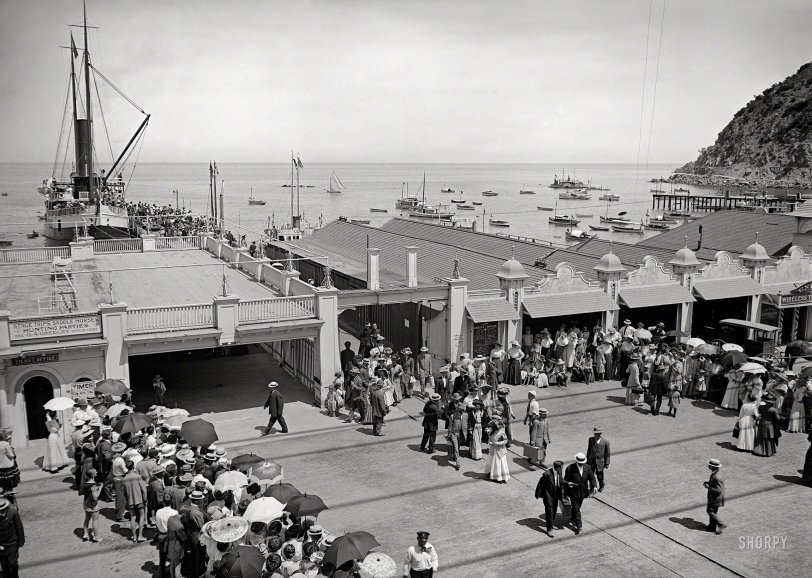
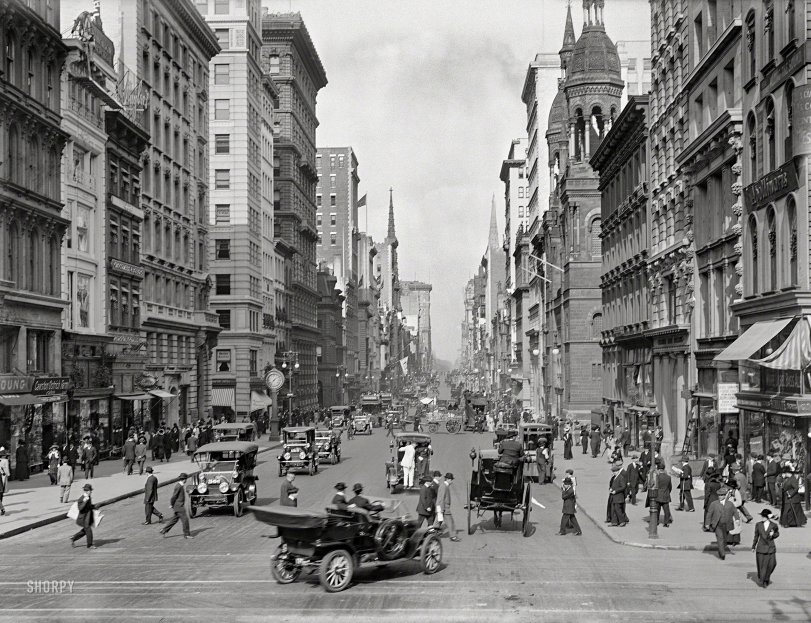
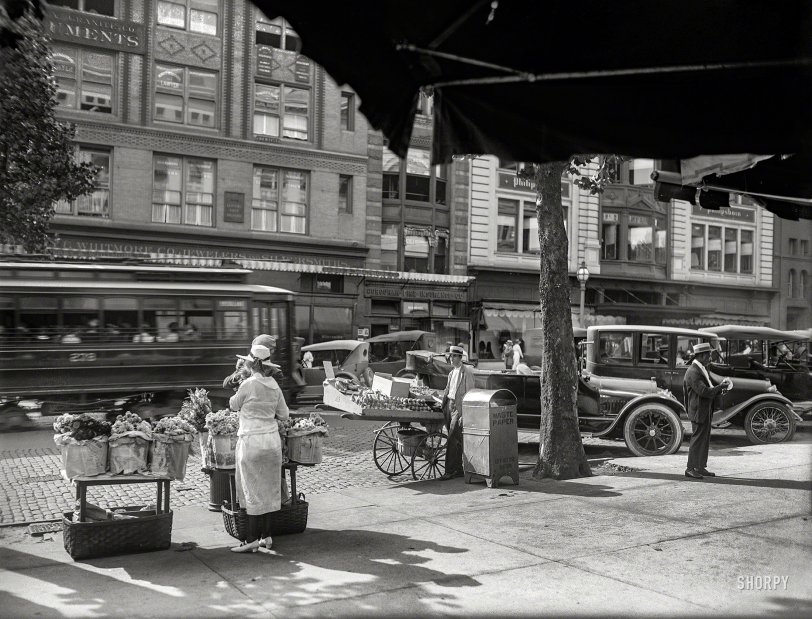
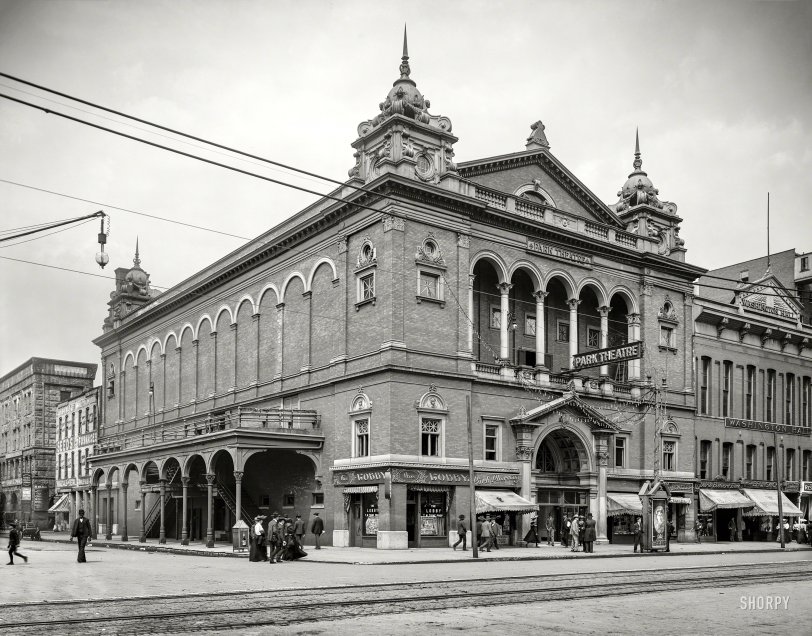
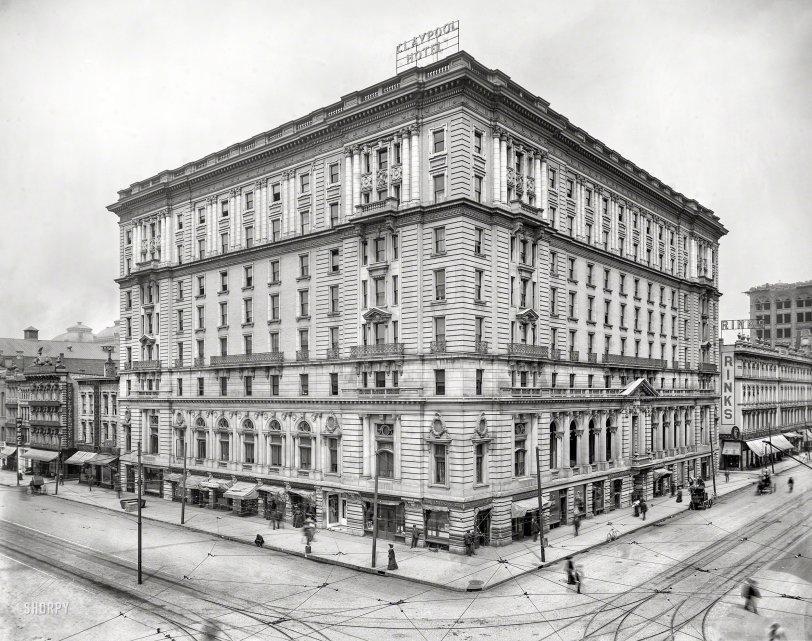
Shorpy






What is the most powerful thing a homeless person has said to you?
When i was 13, i tried meth for the first time. By the time i was 15, i was shooting up multiple times a day, every day. One of the people i met in my active addiction was a man who went by the name Silver. I didn’t know Silver very well, but he told me one of the most caring things i’ve ever been told. I was under the bridge that i had been staying under, with a bunch of other homeless people. There were probably about 6–8 of us altogether. My hair was matted and my feet were cold and wet. I hadn’t showered in days, and my face was covered in scabs. I had track marks all over my arms, and i was emaciated. Well everyone else was joking around, having a damn good time, but Silver looked very pensive. He had a serious, solemn look on his face, and although i’m usually pretty good at reading people, i couldn’t tell what he was thinking. I tried to forget about it and join the group in whatever they were bullshitting about, but i just couldn’t make myself ignore it. Then, suddenly he looks at me sadly, and in a serious, stern voice says “what are you doing here?” At the time, it hurt because I felt like I finally belonged somewhere and here he was telling me that I didn’t. Who did he think he was..? But he was right, i was a 15 year old girl who thought i could play with the big boys. I let my addiction take over, and it was almost the death of me. I didn’t have to be on the streets. I had a family i could go back to at anytime. I thought i was hard, but i wouldn’t have been able to survive on the streets on my own. I had people who watched out for me, and even though I didn’t know it then, he was one of those people. As of now, i have almost 5 years off meth. I have a job, a place to live, and most importantly, i have myself back. Every once in a while i see Silver on the street as i’m walking or waiting for the bus. It makes me sad because it’s clear that he’s still using, and i wish i could do the same he did for me. I’ll always be thankful for him, and in a way, look up to him. He told me what I needed to hear, not what I wanted, and that was refreshing.
As Good as Donuts, as Sweet
as Donuts — Just Easier
Kitchen tools, gourmet foods, baking mixes, and hard-to-find baking ingredients mentioned in this article are available at The Prepared Pantry.
by Dennis Weaver

We moved from Minnesota to Idaho. On our way out of town—not knowing what we would find in Idaho—we stopped at a Krispie Kreme donut store to stock up. I would like to say that it was the kids that needed the donuts in order to cross the Dakotas but the adults were driving the car. Since then, our kids have grown up and our tastes have changed. Sure, we occasionally make donuts but we make aebleskivers more often.
Aebleskiver are Danish puff pastries. They’re as versatile as donuts; they can be as sweet as donuts but you make them on the stovetop rather than deep frying them or baking them as you do donuts.
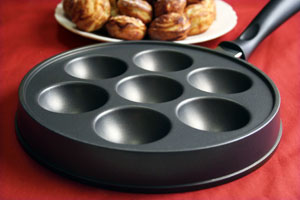
It takes a special pan, an aebleskiver pan to make these puffed pastries. A Danish Aebleskiver (Ebleskiver) Pancake Puff Cast Iron Pan is a heavy pan, usually cast iron, with a set of rounded cavities larger than a golf ball but smaller than a tennis ball. The pan is heated on the stovetop and each cavity is filled with batter. They cook as pancakes do but when they cook on one side, instead of flipping them with spatula as you would pancakes, you poke them with a skewer and roll them onto the other side. (My neighbor uses a hairpin.) It’s simple but it’s easier to show than to explain. Catch the link below to the video.
They are nearly always filled. Traditionally, they were filled with applesauce or sliced, sautéed apples. They are often filled with jam. We most often fill them with pastry filling and sometimes chocolate. One of our favorites is chocolate aebleskiver filled with chocolate + cherry jam. But you can fill them with anything, even savory fillings. We make corn aebleskivers—like cornbread—with cheese in the center.

There are two basic ways to fill them:
1. Fill the cavities two-thirds full with batter, add the filling—jam, chocolate, or whatever—and then add the rest of the batter. They are cooked with the filling inside. This is the traditional way of making them.
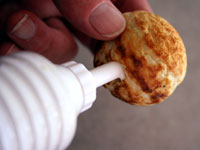
2. The other way is to cook them and then add the filling. You can use a pastry bag or decorator and a narrow tip. Insert the tip into each pastry and squeeze and fill as you would jelly donuts. A quick and easy way is to use a tube of Professional Chocolate Bavarian Cream Pastry and Dessert Filling, clip the tip of the pointed end, insert the end of the bag and squeeze. (Once you see the pastry bag and envision it, it’s easy. It’s the same method we use to fill cupcakes.
What About the Batter?
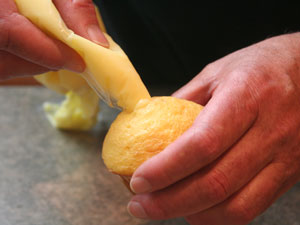
You can make your batter from scratch but most folks use either a pancake mix or an aebleskiver mix. If you use a pancake mix, add a little extra sugar to sweeten the batter and whip one or two egg whites as if you were making meringue and fold them into the finished batter. The egg whites will make the aebleskiver lighter and crispier.
With aebleskiver mixes, you won’t need to add the whipped egg whites. We produce and sell three different aebleskiver mixes: Classic aebleskiver, Chocolate Aebleskiver Mix – Puff Pancake (2 pound mix), and Jalapeno Corn Aebleskiver Mix–Puff Pancake (2 pound mix). Don’t overlook the jalapeño corn aebleskiver.
These are more of our favorite aebleskivers:
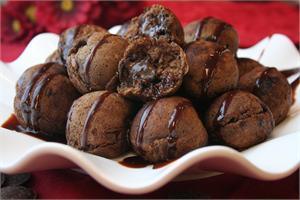
Chocolate aebleskiver with cherry jam or seedless raspberry jam and a chocolate wafer or kiss
Chocolate aebleskiver with peanut butter centers
Jalapeno corn aebleskiver with cheddar cheese centers
Jalapeno corn aebleskiver with cream cheese centers
Jalapeno corn aebleskiver with bacon and cheese centers
Aebleskiver with blueberry and/or lemon pastry filling
Aebleskiver or chocolate aebleskiver with Bavarian cream pastry filling
Aebleskiver with orange marmalade filling and orange cloud whipped cream
Aebleskiver or chocolate aebleskiver with commercial or homemade vanilla marshmallow cream
We thought we knew aebleskiver—till we bought this book by Kevin Crafts. He’s taken aebleskiver to a whole new level with recipes like pumpkin pie aebleskivers, strawberry shortcake aebleskivers, and molten chocolate lava aebleskivers.
What You’ll Need
• You’ll need a Danish Aebleskiver (Ebleskiver) Pancake Puff Cast Iron Pan + a FREE Classic mix. You can purchase pans in cast iron or nonstick. We prefer the cast iron because of the heat dispersion and retention qualities.
• You’ll probably want either Smart Buy! Buttermilk Pancake Mix (large 2 pound mix) or Classic Aebleskiver Mix – Puff Pancake (2 pound mix) to make your batter. With pancake mixes, you will want to fold in whipped egg whites. With aebleskiver mixes, you won’t need to.
• You’ll probably want Professional Chocolate Bavarian Cream Pastry and Dessert Filling. We sell pastry fillings in eight varieties. Bavarian cream is the most popular but don’t overlook the fruit fillings.
• You may want a decorator set or pastry bags. You’ll find those in the cake decorating section at The Prepared Pantry.
• You may want Imported Dark Chocolate Wafers – -Large 30 ounce package for drizzling or filling.
Dennis Weaver is the founder of The Prepared Pantry, a full line kitchen store in Rigby, Idaho. The Prepared Pantry sells kitchen tools, gourmet foods, and baking ingredients including hundreds of hard-to-find ingredients.
I agree with “…freedom thrives within boundaries.” and “…rules exist for good reasons. They keep us safe, organized, and able to truly enjoy our freedom.”
Without the boundaries, rules, maybe we will see something like the old empire again, or even worse.