
When I was a young boy, my father would take me with him on a bank run, or when he had to get his shirts cleaned or some other activity. He would drive to the location, park and then we’d get out. Then walk to where ever we were supposed to go to.
Usually as we would walk down the street, he would stop and me and him would get a “spit shine” from the guy who was there earning some change shining shoes. I will tell you that it was a great way to get a foot massage back in the day. Oh, I think that the last time I had one of those was back in 1976. Tell you what.
Back in those days, we all wore leather shoes. Very rarely did we wear canvas topped tennis shoes. It was just a different time.
In other instances, he would stop and buy me a hot pretzel with mustard from a street vendor. Never a hot dog. Just a pretzel. Personality quirk I guess.
The last time we were together, he bought each of us a cream-cycle flavored ice cream soft serve. And we ate it at the side of the ice cream stand. This was a few months right before he passed on. One of my favorite memories.
Today…
Do most people usually “blow through” a financial windfall?
This is a story about my brother and I.
After my grandpa passed away, my dad asked my brother and I to help run the family business – more just make sure it was going along well. We were given a monthly sum of $1,500. It wasn’t enough to quit work but it was something for the work.
My brother decided to just rent, quit work, and live off the rest. When he needed work, he would find a job where he worked a few hours then usually get fired and food came from the food back. The problem with this approach was this started when he was 35 and continued for 15 years.
Nothing changed with me. In fact, I bettered my career. With the extra money I sold my house and we bought a bigger house in a better location. My brother always sent me mean emails and texts how I had to work to pay the mortgage while he loved being retired and being able to sleep all day. I’ll admit, it did get frustrating.
In 2023, everything ended effectively ending the checks to both him and I. Now my brother is 50 with no work history for the last 15 years has a lot of explaining to do to try to find a job. Me continuing my career am able to still make my mortgage payments and have a valuable asset out of all of this.
Americans Crying at Letters to Li Hua on Chinese App RedNote

What are some examples of countries which went rapidly from rich to poor?
Nauru is a particularly tragic case. It reads like something out of a dystopian novel. I’d go so far to say that you can copy-paste this into bleak settings like Warhammer 40K and it would not sound out of place.
Nauru is a small Pacific island that used to be rich in phosphate, important for fertilizers. It was first discovered at the tail end of the 19th century and was exploited heavily by the 20th, especially after World War 2. The economy was entirely dependent on it. By the 1970s, the people there were living large. Their salary was massive compared to most places in the world and the government was flush with fertilizer dollars, just like how current Gulf states are drowning in petro-dollars.
But, rather expectedly, there can’t be an infinite amount of phosphate on a single, relatively small island. Slowly, the yield went down. Unfortunately, the government didn’t prepare adequately for the post-mining economy, so their paradise came crashing down. By around 2000, that was it. Now, all that is left are scarred landscapes like the ones above where phosphate mining took place. There are still a little bit remaining, but nowhere close to be able to sustain the economy. Worse, the pollution killed off a huge chunk of the natural habitat that weren’t already bulldozed for mining.
Now, Nauru might as well be part of Australia (again) because it’s highly dependent on that country. For an example of how far it has fallen, Nauru hosts one of Australia’s immigrant detention center, one that has attracted quite a bit of controversy about human rights abuse. Not exactly Gitmo (and they didn’t put convicted terrorists there), but somewhere in that neighborhood.
Think about it for a minute: Australia. A country with no shortage of empty land for detention centers and such. Nauru. A tiny island in the Pacific. As different as they can be. By all logic, why the flying fuck would a geographically massive country like Australia would “need” to put their migrants elsewhere when they can probably pitch some tents and ran a dust road somewhere in their deserts?
But the government of Nauru is so strapped for cash that this sounds like the deal of the millennium for them. Also, keep in mind that the center holds people from places like Iran and Iraq, not some Pacific islanders from around (or even from) Nauru running to Australia.
A quarter of the population is unemployed. And the government is the largest employer in the island. To supplement their meager income, Nauru also became a tax haven and money laundering center. I’m sure most people there completely understand that this is morally “bad”, but then the alternative is starving to death. Can we blame them? But that’s not all.
In one of the most grimdark ironies in history, because most of the island used to be mined, there’s no room for them to build farms. Food has to be imported from places like—you guessed it—Australia (among others).
And since you can only import food and that takes a while to get there, fresh food items like fruits and vegetables are naturally going to be expensive. Because of that, the populace rely on hi-calorie, highly-processed food that will last long. Surprise, surprise, Nauruans are now the MOST obese people in the world. Yes, more than US of A (which also has the same problem in far-flung Pacific territories).
How are they getting out of this? Honestly, I don’t think anybody knows. It will take a miracle.
And this is also the fate awaiting all the Gulf petro-states one day, perhaps before the end of the 21st century, if they don’t manage their wealth carefully. This is why we have UAE, Saudi, Qatar, and other countries pouring crazy amounts of money into futuristic projects and other investments—including things that everyone in the world would know is Haram is Islam.
Like Saudi’s NEOM, some sort of a “city” full of buzzwords like “sustainability”. They’re planning to even build a SKI resort (complete with snow) in the middle of a goddamn coastal desert far from anywhere. They throw money into all kinds of sports as well and paying top athletes to join their “league” by hanging one zillion dollars in their faces. Of course, foreigners coming down there are exempt from the strict gender rules enforced on the citizens. They don’t even care if they’re Muslim or not and I’ve even heard they’ve greenlit things like casinos and booze over there.
All this, so they don’t end up like Nauru by 2050s or 2100s.
Hands of a Sailor
Written in response to: “Write a story in which a character navigates using the stars.“
H.e. Ross
‘The wind started to go all wrong and Cop’n had to order a reef in the main. Then he had to order the jib topsail down, then another reef. The seas were kicking up with the wind against the current and the confusion from the reefs way behind us they said. We pulled down the foresail and the outer jib and charged through with just the main, foresail and inner jib. It was wet sailing on a dry boat as they say. But it didn’t stop there, no. Soon, it was wet from above and decks awash, and a howling that pushed the schooner steadily sideways. We found it tiring just to sit on that bumping, slanting deck. We had to pull all sail down, and off, and stowed, as best we could, below decks. We were now just hove-to with the handkerchief of a heavy staysail stropped to the main mast and pulled tight amidships to keep our head on and slanted to some monstrous waves.
‘The bowsprit stuck into the seas and put our decks completely awash with us hanging on to anything we could. Cop’n and Uncle Tubby were at the helm struggling to keep her at the right angles to the seas as we would go up and up into bright turquoise, then race down into a valley of dark green. We could see fish and even sharks and tortle in the waves turning over and over. My Junior Tote was gone along with his mates as the deck was cleaned off. A Nor’wester was what it was or a hurricane was what I was later told since it was the wrong time of year for a Nor’wester.
‘Cop’n changed course as we went down a wave and put us on a beam reach with the waves surfing us but the bowsprit was out of the water and we almost stayed still but we were pointing away from our destination and toward the reefs again.
‘I have to say though… that I liked it. No, I loved it. The wind and seas flying, the taste of salt something close to being really free, you know. With the wind on the beam you could stand up again and I remember standing there in the waist by the lee rail. That storm jib was strained and wet and shiny. The seas were foaming by us, aside us, under us. They had to be at least twenty foot and we just went up and up, then down, then up. The sky cleared and the rain stopped and the wind lessened a bit but Cop’n did not turn back the course at all.
‘I volunteered to take the helm, some of the boys were below and I think scared but I was almost in heaven in that storm and wanted the feel of control the wheel gives. There were always two of us throughout that day and we were not going forward much just enough to keep the vessel controlled, you know. The teeth of those reefs were still where they were and we did not want to be near them, so no more sail went up until evening fell. Cop’n made the boys come up on deck and set the forestaysail, but kept the storm staysail up, as he turned us back toward Key West since the waves were lesser now. I was sure we were out of it now and was even joking with Tote about being in a real storm at sea. Uncle Tubby heard me and said we were not in the storm yet. That there was a hurricane coming up and Cop’n wanted to get us as far away from the reefs as is possible before it hits.
‘I saw him tying two axes and a couple of machets to the main mast and an axe to the foremast. Tote told me we might have to cut the masts out. I had heard of that but when you are there it doesn’t make much sense and it too unreal, you know? When Uncle Tubby passed I called to him and asked if we would be cutting out the masts. He said if we have to but this hurricane was coming and Cop’n wanted to keep trudging toward Isla Pinos so we might have to cut them out. Uncle Tubby was of the opinion that we should reach over to Rio Largatos and hide in the mangroves over West in the Yucatan, in Mexico. But he knew it was not to be. Cop’n was a hard man to change his thoughts and was going to try for Isla Pinos and the reefs off there. Cop’n, Uncle Tubby said, thought the reefs would protect us since they would give us a windward shore. Thing was, Uncle Tubby said, hurricanes travel in a circle which could also make the reefs a leeward shore. It was too much of a gamble, he thought.
‘Part of Cop’n’s reasoning was that we had already lost all the tortle on the deck and would have to try and get some at Isla Mujeres after the storm but Uncle Tubby felt that we might lose some time at Lagartos but still be alive. This was all exciting to me. Tote thought I was nuts. The seas grew again. Their power was truly grand, no, not just grand, more than that. It was threatening, menacing like it was alive and completely focussing on us. The seas pulled the sky down until you could not tell the difference. The seas were in command and made everything loud and black. Night fell and the hissing and howling made me scream and now I was scared. I was scared. I had to pee but couldn’t move. I couldn’t see anybody though Tote and Uncle Tubby were right next to me pulling on me to get down. Life was a screaming blur, man.’
Dobie stopped and looked around. He drained his rum and looked around again, then down to his hands that were shaking. He looked at me and shook his head with his mouth open, then smiled.
‘Whoa, that was something, man. That was a true memory there, Rod. Man, I was there again. They say you can’t really remember a hurt or a fear but that is definitely not true because I just went through both. I was there and a tortle log flew at me and hit me in the arm. Uncle Tubby was yelling at me. I looked around at blackness and felt the cabin top, trying to raise myself up but being pushed down by wind. Wind. Wind pushing me like I was a piece of paper. I just felt it all, man.
‘I don’t know how long I was laying on the deck holding on to the foremast. I don’t remember getting to the foremast. This hand of wind just pushing me straight along the deck with my legs streaming aft. I don’t remember us going up and down waves, maybe because I couldn’t see through the water and wind in my eyes. I don’t know. But the morning came in as the wind increased then dropped to nothing. The seas ran this way and that and Celia just jumped around like a football being kicked between boys. Big old vessel she was, she was still just a football being kicked around. I had to hold on to even get to a sitting position. I only saw a couple of the crew’s heads just above the cabin top forward. The Cop’n and Jamie were at the helm. Their waists were lashed to the wheel box and their heads were hatless and tilted forward studying in the compass, steering by the compass. Jamie looked up. I think he had just noticed the lack of wind. He spoke to Cop’n, who looked up and around and slowly shook his head. It was so hot that my eyes were sweating in the stillness with wavelets jumping all around and Celia bouncing up and down. Then, she settled and the seas lay flat. Uncle Tubby yelled to get the tortle from out of the hold. He was yelling and yelling and saying we didn’t have much time. Get that weight out of the vessel was what he was yelling to us. I ran to the hold and jumped in. Tote was already there. We were lifting two and three hundred pound snapping and scared tortle up to hands above us.
‘Then the breeze started up and relieved the heat a bit as we hauled and hefted up by their flippers those shelled reptiles. I was glad that they were going back to the sea. Strange at that time to be remembering that I was glad that all of our work and time and pains of mosquitos, no-seeums, loneliness, homesickness was for nothing. I was really glad, man, deeply glad they were going overboard. Maybe I just had to think of something else other then this crap that I found myself in.
‘The seas started rolling with a rhythm again, they started growing tall as the breeze became a wind, became a gale. We got all the tortle out and could barely gain the deck again my arms were useless and my weight was much more then I remembered. Some hands pulled me out and I looked up at seas as high as the masts charging toward us. Celia rose and rose and rose with us tilted backward. I was holding onto the foremast again and feeling like I was laying against a wall with no bottom for my feet. We started going down the other side and I wrapped my legs around the mast. Things and people rolled, bounced, flew by me. The wind hit hard like a fist against my back. Maybe I have gotten this all out of order, I don’t know. I was there with a wind pushing me and Celia climbing again.
‘The wind had a soft whistling tune that I remember thinking of some song but could not remember what song. Maybe it wasn’t a song but a train whistle like in the movies. It was a train whistle but with deeper notes, then high pitched notes. It was a wind train charging at us pushing us up and pulling us down. When I looked I could see three men at the helm but did not recognise them because of the water spread across my vision. Then, trying to clear my eyes, I saw it coming from the stern with a clear blue sky above and perfectly outlined by that blue was a white mass of wave top, curling teeth-like, moving much faster then we were and we were not rising. I lashed the loose end of a water barrel line that was tied to an eye on the cabin side around my waist and waited. The wall of water sucked up the stern, lifting it and I could see Cop’n, Uncle Tubby and Jamie at the wheel all three of them with turned heads looking up at the sea.
‘That was the picture that remains to this day in my head. That was the last I saw of them. I can still see the Cop’n’s white shirt with blood stains on them, Jamie’s chequered shirt buttoned to his chin and Uncle Tubby shaking his head with a corner of a smile showing on half of his face. I think he was just accepting the fact that he was going the way of his father and his father’s father. I want to go that way too, you know.’
Dobie paused after saying that to turn his head and wipe a few tears away that wouldn’t stop flowing. He got up and walked over to the rail and cried up his sorrow at that loss and memory. His back was shaking as he let it out with a moan of deep hurt. After a while Dobie came back, smiling.
‘Yeah. Well, after that wave the seas got up bad and poor Celia was suffering. Somebody, on their sides so I could only hear them, were chopping at the main mast. Another big wave came and washed over us. No wheel. No Cook-rum. When it finished there was no main mast and the rigging had crashed across the cabin caving in a long streak of torn and splintered wood. Celia had turned to have the waves on her beam because of the mast dragging still connected to her by the rigging on her port side.
‘The next big wave came and we turned sideways and leaned and she was going down. I, with a clear thought somehow, pulled my knife out and cut the barrel loose from the cabin side. The barrel was basically empty and we bobbed up to the top of the seas. There was wreckage and the foremast top sticking up with a few men clambering on to pieces of board and anything floating. Another wave came and another and another until the big ones all stopped and I was alone, drifting with the barrel.
‘I saw a half of the cabin top and kicked my way over to it, hauling myself and the barrel up onto the top. There was still wind and a lot of sea but the big waves were only forming at one spot and Celia’s foremast with her wind pennant blowing sweetly was still sticking up there.There was nobody around that I could see but there was a dinghy upended floating a little way off. Somehow I tore off a part of the cabin top and used it as a paddle to get over to it. I got it upright and baled most of the water out with the scupper that was tied to the after thwart. Fishing lines were in a tangle but hooks and line were still aboard. A water cask held a little water in the bottom so I felt I could make do for a while. I broke up more of the cabin top to make paddles and the whole thing fell apart and mostly sank. The wind moderated and I went to sleep in the water in the bilge of the dinghy.
‘When I woke up it was night again but the wind was gentle and the seas were calm. The half moon stood out like the world was a nice place and I kept trying to piece it all together but couldn’t. When I moved my arms and legs were a source of sharp pain so I just lay there and fell asleep again. The day woke me with heat. I saw that I had a bunch of cuts on my body and my left shoulder was really hurting and I could barely move my arm. I saw where the sun was moving and knew that West would be Mexico so I baled water out of the dinghy as much as I could and got up into the bow and paddled. Later, when I figured it out with the fishing line, I tied pieces of wood from the wood I had saved for paddles and made a short mast then tied my shirt and trousers like a very ill-shaped sail and the dinghy responded and moved forward. I used another piece of my cabin top wood and rigged a rudder and very slowly started reaching toward the bottom of Mexico. I followed the sun during the day and the waxin’ moon at night. Then, there was Orion racing across the sky and the Big Dipper circling the North Star. I could figure where I was but not how far to where I wanted to go. No use worrying about it though, so I just kept moving West.
‘I would stop every so often to check the fishing line I was trolling with some of my blood soaked onto a strip of shirt. I caught a bonito and ate it too quickly. I vomited in the bilge while I was eating. I used part of that fish as bait and caught a small dorado. I ate a few chunks out of that and cut the rest into strips and laid them on the middle thwart to dry cook like we did at home.
‘The first night a haze blurred the stars I did start to worry since I could only go by the current I hoped was going West too. That next day I could see that that haze was brown, meaning land and washed my worries away. The stars came out that night making me smile and my heart beat wildly as I saw my current thinking was right. The next day almost at day break I made it to a reef and found a small cut to get the dinghy through. On the shore were people sun bathing and some of the women were topless.
‘So,’ Dixie had concluded, ‘that’s the story. And, as you can see I am here to tell it.’
‘You went back turtling for years though, didn’t you?’
‘Yeah, man.’ Dobie folded his thick right hand across his thick left hand.
The MASSIVE DELUSION of Women on Dating Apps | Modern Dating & Relationships
Why do Americans think the world revolves around them?
I think this question has a slightly untrue premise. Americans don’t “think” the world revolves around them, instead Americans behave as if this is true, often without realizing it.
In a way, as a US citizen who often travels, my travels serve to reinforce this attitude. I wrote in a few answers how it’s very difficult to travel to places where there is a clear lack of American influence in terms of food, music, language, and American corporatism.
Some weeks ago on vacation in Vietnam, I was shocked to find out that the first ATM/cash machine I visited did not accept my US bank card. So I went to another ATM closer to the city center of Da Nang. The same thing happened. What the hell?
So, I had to figure out what to do. Then I thought— I’ll just go to one of the large American hotel chains downtown and ask the concierge which ATM’s in the city American tourists can use. He’ll speak English and be used to this issue.
When I arrived at the hotel, there was a Starbucks attached to the hotel, so I took a detour to grab my usual morning coffee order: a venti of dark roast, black.
While I was waiting in line, another American stood in line behind me and asked “hey man, do you know where I can find an ATM that works with my card in the city?”
I said “no, that’s actually why I came to this hotel, it was to ask someone.”
He said: “oh, me too.”
Of course, I was right. The concierge spoke good English and knew where I could go. When I arrived at the bank, there was a McDonald’s strategically placed right next door.
Americans find that in most places we travel to, we can speak our own language, eat our own food, hear our own music, and drink our own coffee. We do this while navigating the city with an iPhone. It’s even true in countries we lost a war to 50 years ago.
(The first restaurant to greet me when I stepped out of the arrivals lounge at Ho Chi Minh City airport. If you didn’t know any better, you could be forgiven for believing the US won the war in Vietnam. Photo by author).
Banana Bread
(Pao de Banano — Guatemala)

Ingredients
- 2 1/2 cups all-purpose flour
- 1/2 cup granulated sugar
- 1/2 cup brown sugar
- 3 1/2 teaspoons baking powder
- 1 teaspoon salt
- 1/2 teaspoon ground cinnamon
- 1/2 teaspoon ground allspice
- 2 large bananas, mashed
- 1/4 cup milk
- 3 tablespoons vegetable oil
- 1 egg
- 1 1/2 teaspoons grated lime peel
- 1 tablespoon lime juice
Instructions
- Heat oven to 350 degrees F. Grease bottom only of 9 x 5-inch loaf pan.
- Mix all ingredients; beat 30 seconds. Pour into pan. Bake until wooden pick inserted in center comes out clean, 70 to 80 minutes.
- Cool slightly. Loosen sides of loaf from pan; remove from pan. Cool completely before slicing.
- To store, wrap and refrigerate no longer than 1 week.
Farmers are in full blown crisis mode because of the tariffs. How will we be able to put food on the table?
I was mowing my lawn in late April when I looked up and saw my neighbor, a corn farmer, drive past me heading to town. He was on his brand new John Deere tractor that he was so happy to buy last December. His tractor was so new that it had no speck of dirt. Even the tires were spotless. Then right behind him was his teenage son on an equally new tractor only smaller. That Sunday I saw him after church and asked him about the tractor parade. He looked sheepish and admitted that his season went from the best to worst with Trump’s tariffs. He was just returning the tractors back to the farm dealership. Over a million dollars worth of tractors returned. However, I know that most farmers in my area don’t own their farm equipment, they only lease. So something must be in the lease agreement that allowed a return.
I am good friends with the farmer whose farm is next to my small acreage. He thought that this year was going to be so profitable that he added new grain storage bins and a new auger system to move grain from his grain dryer to storage bins. (I estimate a $500k investment.) Now he is debating on plowing under hundred of acres of soybeans because he will take a large loss hanging on to his crop. As we go into October the soybean market is almost nonexistent. Just drying his soybeans will be at least $51,000 just for the propane. Then transportation costs to market, fuel, machinery repairs, and employees. His story will be repeated again and again across the Midwest. How many farmers will survive into next year?
Sir Whiskerton and the Porcupine Mahjong Marathon
Or: When a Game of Tiles Leads to Chaos—and Compassion
Introduction
Ah, dear reader, prepare for a tale of tiles, tension, and tiny victories. Today’s story begins with Mr. Wigglesworth, the farm’s resident drama king pig, issuing a bold challenge to Percy the Porcupine: a marathon mahjong tournament. With half the farm’s feed supply on the line, the stakes couldn’t be higher.
But when Percy emerges victorious, the animals face a food shortage that sparks squabbles, hoarding, and outright chaos. Enter Sir Whiskerton, who steps in to broker peace and remind everyone of the value of sharing resources. So grab your lucky tile (and perhaps a snack), as we dive into Sir Whiskerton and the Porcupine Mahjong Marathon.
Act 1: The Challenge
It was a quiet morning on the farm when Mr. Wigglesworth burst into the barnyard, his suspenders jingling dramatically.
“Attention, peasants!” he declared, striking a pose atop a hay bale. “I propose a challenge—a marathon mahjong tournament! And I’m willing to bet… HALF THE FARM’S FEED SUPPLY!”
The animals gasped collectively. Doris the Hen nearly fainted.
“Half the feed?!” Porkchop the Pig squealed. “That’s madness!”
Percy the Porcupine, who had been quietly nibbling on a clover patch, looked up nervously. “Are you sure about this, Mr. Wigglesworth?”
“Of course I’m sure!” Mr. Wigglesworth huffed, puffing out his chest. “I am the undisputed champion of strategy games—just ask my reflection!”
Sir Whiskerton adjusted his monocle skeptically. “This feels like a terrible idea.”
But the challenge was set, and the tournament began under the watchful eyes of the farm animals.
Act 2: The Turmoil
To everyone’s surprise, Percy proved to be a mahjong prodigy. His sharp quills didn’t just intimidate opponents—they seemed to sharpen his focus too. By the end of the marathon, Percy had won decisively, leaving Mr. Wigglesworth sputtering in disbelief.
“You cheated!” Mr. Wigglesworth accused, pointing a hoof dramatically.
“I did not!” Percy replied, his quills bristling indignantly. “You’re just a sore loser.”
With half the feed supply now awarded to Percy, the farm descended into turmoil. Chickens squabbled over kernels of corn, pigs hoarded mud puddles, and even Ferdinand the Duck tried to claim exclusive rights to the pond.
“This is unacceptable!” Doris squawked, flapping wildly. “We’ll starve!”
Sir Whiskerton sighed. “Clearly, we need a solution. And fast.”
Act 3: The Resolution
Gathering the animals in the barn, Sir Whiskerton addressed the group with his usual diplomatic flair.
“Friends,” he began, adjusting his monocle, “this squabbling solves nothing. Instead of hoarding what little we have, let’s share our resources fairly. After all, isn’t cooperation what makes us a community?”
The animals exchanged hesitant glances but eventually nodded in agreement. Together, they devised a rationing system that ensured everyone received their fair share—even Mr. Wigglesworth, though he grumbled loudly throughout.
As for Percy, he graciously agreed to contribute some of his winnings back to the communal feed pile, earning him newfound respect among the animals.
Act 4: A Lesson Learned
Later that evening, as the farm returned to its usual peaceful state, Mr. Wigglesworth approached Percy with a sheepish grin.
“Care for another game?” he asked, holding up his beloved suspenders. “Winner takes these.”
Percy smirked. “You’re on.”
Unsurprisingly, Percy won again, leaving Mr. Wigglesworth suspenders-less and sulking in a corner.
Sir Whiskerton chuckled softly. “Perhaps next time, Mr. Wigglesworth, you’ll think twice before betting the farm—or your wardrobe.”
Post-Credit Scene
Later that night, Chef Remy LeRaccoon unveiled his newest invention: Suspenders Snack Straps™, designed to hold both snacks and dignity.
“These are safe, right?” Doris asked nervously.
Remy grinned. “Only slightly.”
Cue horrified squawks.
Moral of the Story
Sharing resources ensures everyone thrives—not just those who win the game.
Best Lines
- “I am the undisputed champion of strategy games—just ask my reflection!” – Mr. Wigglesworth, ever the self-proclaimed genius.
- “You’re just a sore loser.” – Percy, calling out Mr. Wigglesworth’s antics.
- “Perhaps next time, Mr. Wigglesworth, you’ll think twice before betting the farm—or your wardrobe.” – Sir Whiskerton, delivering a well-deserved burn.
Key Jokes
- Mr. Wigglesworth losing his suspenders adds slapstick humor.
- Chef Remy’s glowing snacks spark both curiosity and concern.
- The animals’ squabbles over feed provide comedic chaos.
Starring
- Mr. Wigglesworth (Drama King Pig/Gambler Extraordinaire)
- Percy the Porcupine (Mahjong Prodigy/Unexpected Hero)
- Sir Whiskerton (Feline Philosopher/Diplomatic Genius)
- Chef Remy LeRaccoon (Mad Scientist of Snacks)
Summaries
- Moral: Sharing resources ensures everyone thrives—not just those who win the game.
- Future Potential: Could Percy become the farm’s official mahjong coach? Or will Chef Remy invent edible mahjong tiles next?
Until next time, may your games be fair and your feed piles plentiful. 🐷
What is the accuracy rate of ballistic missiles when fired from an intercontinental range? How often do they miss their target or crash in a different location?
The 1970s-era Minuteman III ICBM has a CEP of 200 metres, using an inertial navigation system. CEP stands for Circular Error Probable, which is the circle into which half of warheads are expected to fall, or has a fifty percent chance of receiving a single warhead. A circle of twice this radius has a 93% chance of catching a warhead, and a circle of three times the radius has a 99.8% chance, so the next best thing to certainty.
As the warheads on a Minuteman have a yield of 350 kilotons, they can destroy a missile silo if they detonate 240 metres from it, so they each have a bit over 50% chance of destroying a silo.
The US’ other strategic ballistic missile is the submarine-launched Trident. This has a CEP of 90 metres using a combination of inertial and astro-navigation; this latter sights on bright stars to refine the missile’s location in space. The warheads on Trident can be 6-kiloton W76-2, 90-kiloton W76-1, or the 475-kiloton W88. This last can destroy a missile silo if it detonates within 260 metres, almost three times the 90m CEP.
The Russian R-36 has an estimated CEP of 500 metres, or it could be as low as 220 metres depending on which sources you believe, and can carry 250-kt, 500-kt, or 1-megaton warheads. A one-megaton warhead needs to land within 340 metres of an ICBM silo to destroy it, which gives a single warhead bad to middling odds of destroying a US Minuteman site.
ICBMs, provided they don’t fail in flight, can usually be counted on to land somewhere near their targets. In the case of soft targets, errors in navigation can be relatively large without compromising the outcome: a 475-kiloton warhead can destroy a reinforced concrete building at a distance of 2 kilometres from ground zero, and an ordinary house at about twice that. If the intention is to destroy a soft target, a modern ICBM has more than enough accuracy to achieve that every time.
The US tests its Minuteman missile a three or four times a year, by picking one at random, removing its regular warhead, transporting it to the test site at Vandenberg Air Force Base, putting an inert test warhead on the missile, and rigging it with a self-destruct package in case of launch or navigation failures.
Since 2018, there have been between 20 and 25 test launches from Vandenberg, with three known failures: one aborted launch when the missile shut itself down due to a fault, and two where the test missile’s Flight Termination System had to be activated, destroying the missile. If these had been regular missile launches (gods forbid), these latter two missiles would have gone off-course and crashed to Earth far short of their targets.
With only a couple of dozen launches in that period, firm conclusions about the numbers cannot be drawn, but a failure rate of 1-in-7 or 1-in-8 doesn’t look great, it has to be said. On the other hand, that still leaves at least six missiles in every seven that will probably perform as expected, with a short, half-hour flight and great destruction in the intended place.
Pictures



















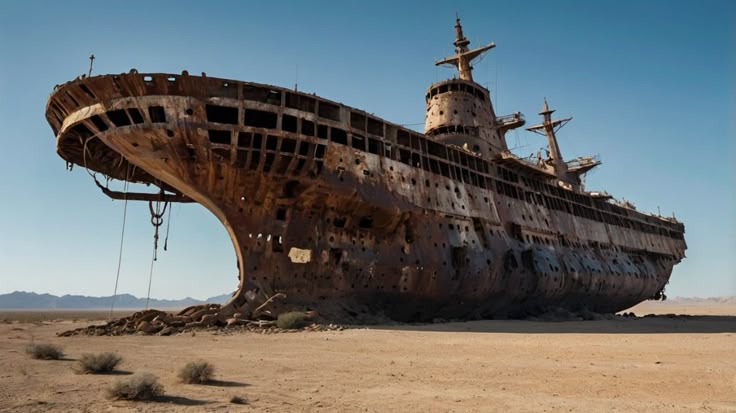
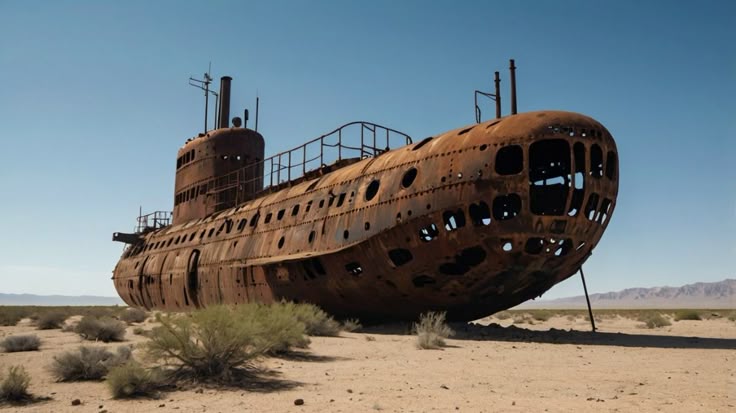
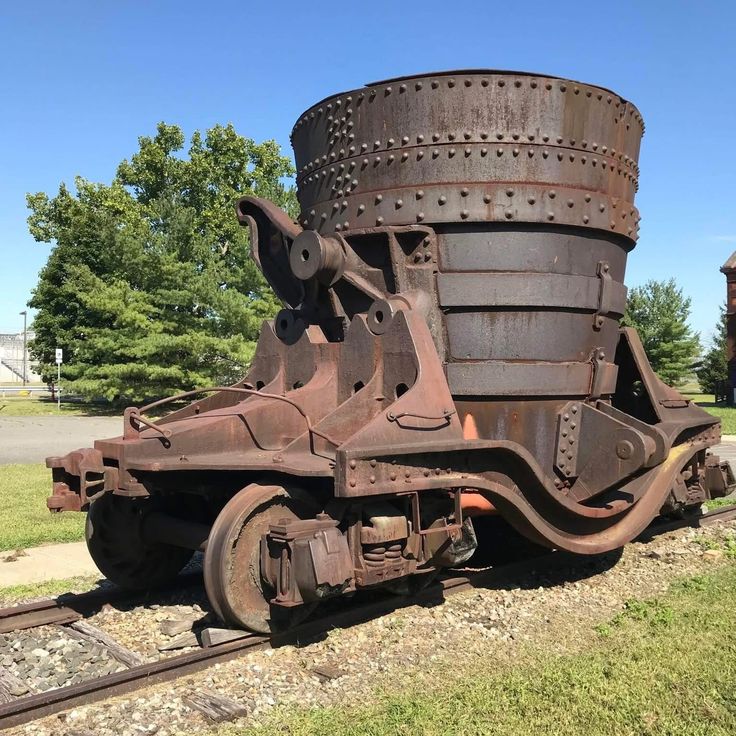
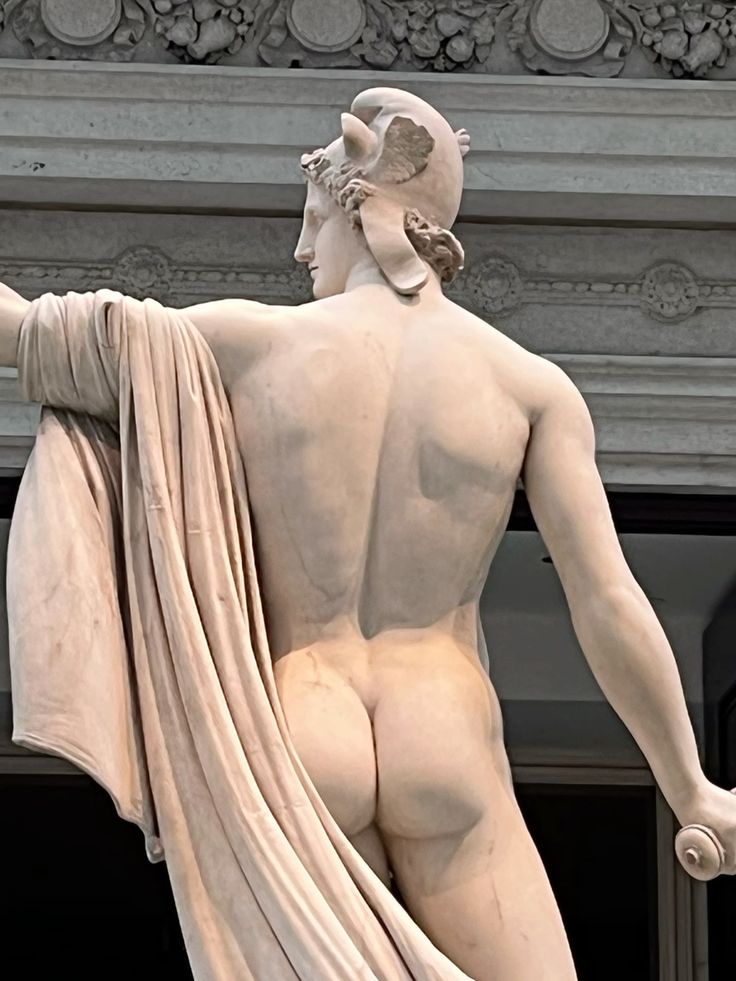
Why do some soldiers become “lifers” while others serve just one term?
The lifers can’t find a civilian job.
A bit of a longer answer: When I was still quite green, I was lamenting to myself about Navy life. I figured if I stayed in long enough, I might get enough clout to do something about the “hurry up and wait”, the endless hours of the watch/work schedule, the mountains of qualifications expected, etc. etc. Oh, and that stupid mess cranking bullshit. But then, like a dim light in the East gaining in luminosity, it dawned on me. Those who have served long enough to have the clout to change the system are products of the system. For them, the constant drills and training made them what they are today. I decided to make the most of it. I decided to buckle down and be the best Sailor I could.
Navy life is not for everybody. I ended up getting out for a variety of reasons-mainly due to having chronic back pain from a fall. But I still wish I could be “haze grey and underway.” The Navy life has a lot of aspects I genuinely miss.
Ripples Across The Universe
Written in response to: “Write a story in which a character navigates using the stars.“
Jed Cope
He stared out across the boat and lost himself in that distant lovemaking. The ebb and flow of the water underneath him gradually rubbed the boat away until he was floating in the depths whilst soaring in the heights. Pin pricks of light were eyes watching him solemnly. The universe witnessing the flare of light that was the blink of his life. He felt his insignificance and it imbued him with a power he had only ever suspected he held. The overwhelming, infinite universe welcomed him, awaiting the acts that were the dance of his destiny.
In another life, a realm so far removed from this place he suspected it to be a dream turned sour in the harsh light of reality, he heard muted sounds of destruction. Once, he would have winced at that cacophony of chaos. There was a time when he thought it was his place to stem that tide. He may or may not have been right. But in the end he was forced to acknowledge that to remain steadfast in his defence of hearth and home, and everything that made those things possible, would be a form of madness. He had to accept defeat even though it pained him to do so. Then he remembered that battles were lost in order to win wars. Conceding ground could be part of a plan that led an enemy to their downfall. Let them win, when what was really occurring was the prelude to a crushing defeat. Use the opponent’s momentum against them and bring everything to an end that heralded a fresh beginning.
Glen sighed a breath into the darkness before him. A notional final breath. A symbol of what was about to come. A moment of peace that he would hold dear for evermore. This moment was his. A reward even before the job was done. Sometimes, time flowed in the wrong direction. Sometimes, you had to take what you were given because the offer may never be made again.
“I have to say this is very unexpected.”
Reluctantly, Glen slipped from the reality he could have spent an eternity in. A sadness caressed his face and encouraged tears that he had to swallow back. He had had his moment. He could not muster the arrogance to think he would have another. That was an impossibility. He was entirely different now and the person he was, the person he had to be, was not welcome in that place of serenity and beauty.
“Was there a problem?” he said to Shirley, whilst looking toward the closed hatch.
Shirley shrugged and moved her lips into an approximation of a smile. A well-rehearsed expression that, combined with her cold, scrutinising eyes, was designed to wound.
Martin was down there.
Their son.
Glen had struggled with those two words for over a decade now. Over that time, Martin had become something other and something else. He didn’t even bear a resemblance to Glen anymore. The transformation had been impossibly gradual. There was a warning of this dark transition, but it wore a disguise of lies. Even as Glen cast his eyes back along the path of their shared lives he could not discern it. Retrospect was itself a lie of sorts. The context of now distorting all that had gone before.
All the same, Glen was haunted by the thought that he should have known. His refusal to accept the worst had blinded him. And it had been used against him. Even now, he looked at Shirley and in seeing her for what she really was, still wished for her to be something better. Someone. Someone whole. The way she embraced her brokenness still shocked him, as did the way she drew him in with a promise of something good. A promise of love that had not once been fulfilled.
Fool me once… Glen could not bring himself to complete the phrase. He had been fooled over and over again. But then, he hadn’t been fooled by anyone other than himself and his desire for things to work. His absolute need for love and the connection that would make his life and his very existence make sense. The connection that would alleviate the pain of his being.
The one thing that Shirley had given him was pain. All she knew was how to take. She’d created an emptiness that terrified Glen. That void encompassed what had once been their son. Glen saw it pulsing within the boy. He felt it staring balefully through Martin’s eyes, even though the boy no longer looked upon him.
By the time Glen registered that something was wrong, he was reeling, drunk with confusion. He knew everything had gone wrong and that he would never have the words for it. He also felt it inexorably moving against him. There was a terrible darkness here and roiling within the darkness was a hungry shoal of lies. Before he even got to grips with what was happening in his own home he understood that there was no going back. There was no fixing this. And that he would never be believed. That last was a crushing frustration. He knew the truth, but no one would ever share that truth with him. They would prefer to go with the stories of the smiling liars. It was easier that way.
In these anguished times, Glen still found it within himself to give thanks for all that he had learnt. That in an abusive cocoon of lies he had discovered truth. And in that connection with the truth of the universe, he had found a way to live and that was all there was. The rest was just noise and chaos.
The hatch opened and Martin stepped up onto the deck. The boy who was the size of a man did not look at his father. Hadn’t truly looked at him for many a year. He preferred to look down into the depths of darkness that he’d latched onto and would never let go of. Shirley had shown him that place and convinced him that it was theirs and theirs alone. That they were special. Better than the rest.
Glen remembered better times. Shirley and Glen did not. They had burnt those memories away. The void required sacrifice and past and future were a part of that sacrifice. By the time Glen had noticed something was wrong, he thought that it was a simple case of parental alienation. That would have been bad enough. The thought of a parent weaponising their own child and using them in acts of petty revenge appalled him.
Why people did these things was a mystery. That they hadn’t let go of a ball of pain and angst was apparent. People were really bad at letting go, even when they knew they were damaging themselves and others. After all this time, all Glen could say in answer to why? was that people did things because they could. They went with whims and urges and didn’t think and didn’t care. Consequences were for later and consequences were for other people.
Glen looked from Martin to Shirley. In the depths of his despair, when all he could see was their acts of cruelty and the coldness with which they operated in the world, taking a callous vengeance on innocents, he had thought he could not love them because they had ceased to love. That in being past redemption thanks to their total rejection of the world and all that was good, he could not relate to the monstrous that they embraced with a religious fervour, nor could he connect with the monsters they undoubtedly were.
He had returned to this again and again. His struggle with the love of his wife and son troubled and shamed him. He could not give up. That was not an option. In a way, giving up like that would be to join them. But he understood that he could never join them. That they were as isolated as could be. He saw the divisions between them and also within them. All they had was their dark friend. A darkness that could never be a friend. A cancer that they fed and grew and wished to inflict upon him in their addiction for a fleeting buzz that they saw as validation of their betrayal of their very souls.
It had taken Glen an age to find their light. Diminished and impossibly small, but they were still there. Stars from a far off galaxy. Stars that were so far away now that Glen would be dead before he could reach them.
Once he refound that light, Glen never lost sight of it. There resided his love for them. That was enough. That was all there was. He took solace from the fact that he loved them still.
“Is it done?” Shirley asked Martin whilst staring at Glen.
“Yes mum,” mumbled Martin.
Glen nodded. He could make an educated guess at the destruction that Martin had wreaked below decks and he understood what purpose that was intended to fulfil.
“Don’t think we’re fools,” Shirley said in the cold monotone she reserved for Glen when they were alone together.
Glen smiled. He didn’t think they were fools, he knew they were and he knew that was the least of their worries. Their constant anger made them ignorant. Once he’d understood what they were and what they were about, they were simple to predict. They weren’t superhumans using mere humans as a supply to their addiction, they were no longer human. They had sacrificed their humanity to the dark gods. He could see it in their eyes. The emptiness beyond. There was nothing there anymore, barring the fading light of their souls. An eternal light that could never be extinguished, no matter what they did. That light held them anchored in a space that tortured them. They hurt themselves most of all, but blamed others for their pain. Never would they take responsibility for themselves or their actions. They thrashed about in the simplest of traps. Glen pitied them and their miserable existence.
Shirley scowled at Glen’s smile, “whatever you were planning, you’re screwed now. You’ve got no way of getting back to the harbour, not without the satnav.” She smiled that awful, predatory smile of hers, “not without Martin. You need him.”
Glen shrugged. Shirley had overplayed her hand, she just didn’t know it yet. Glen didn’t need Martin, neither did he need Shirley. They needed him. They always had. That was not to say that were he to go, they wouldn’t find some other poor sucker to draw in and latch upon.
That wasn’t to say that he could just walk away. They would never allow that. His total destruction was their aim and if he were to leave, they’d throw everything they had at him and he doubted he’d recover from the smear campaign they concocted. Besides, he was too tired and worn out to start all over again, and maybe there was some belligerence there also. An unwillingness to allow them to win their awful game.
“You better take the rudder then,” he said to Martin.
Martin moved forward. Glen watched him. Head down, shoulders drooping. There was a brokenness conveyed in his entire demeanour, but Glen knew better than to underestimate the man. He was strong and he was vindictive. More than a match for most. He may look like a self-piteous loser, but as well as that martyr complex, he was possessed of a god complex and that made him proud and egotistical. That was one of his weaknesses.
Glen made to step away as Martin approached, but did nothing of the sort. The bowed head act unsighted the younger man and it was a simple matter of using Martin’s forward momentum to send him towards the edge of the boat. The wooden cudgel Glen had been concealing at his side completed the trajectory Glen had planned. He swung the extension to his left arm and it connected with the back of Martin’s skull with a sickening crack.
Glen watched the thing that had once been his son go overboard. The thing that had been his son but had been broken and twisted into something dark, cruel and monstrous by his own mother. There was no movement from the monster to break its fall into the water, and this fascinated Glen. Survival was the monster’s prime directive. Martin was likely dead before he hit the water. If not, there was no one here to save him. He remained in dark isolation even at the very end.
Glen turned back to Shirley. Having her at his back even for that briefest of moments made his flesh crawl. She was as dangerous as they came. Even more dangerous than the monster she had made of their son, after all, she’d had far more practice. Her face was another mask. This one a mask of rage.
“How dare you!” she hissed, “he was mine!”
Glen met her murderous stare, but said nothing. He held himself in check. She’d just seen her son die and all she could say was that Martin was hers. Shirley was angry because Glen had dared deprive her of what she considered to be a possession. Martin was hers and hers alone. A toy to be used and used badly at that. Now she was without her favourite toy. Glen wondered at that, then realised that he should not. Shirley liked her toy, but she hated the boy.
He meant his silence to be reply enough, but the words came unbidden, “he was our son. He was a lovely little boy filled with love and joy. You took all of that from him. You took everything from him. You killed him long before today. I don’t know who did the same to you. You’ve never talked about your parents. Not really. Only that you had a bad childhood, which was an excuse for how you are and reason for me to be sorry for you. What I do know is that the same thing happened to you. All abusers were abused. We all follow the same patterns again and again. I wonder when it all went wrong? A hundred years ago or more? And ever since that initiating event, a parent has taken a bitter and twisted revenge upon their own child for the abuse they received as a child. And so it went on.”
Shirley trembled with rage. There was no mask now, and Glen saw her for what she truly was. Ugly, callous and venomous. Her mouth opened, no doubt to spout vile words. Glen spoke first.
“It stops now. There will never be another of your kind. Not in this family.”
She barked laughter of derision, “you’ll pay for this!”
“I already have,” Glen said quietly as he approached her.
“You wouldn’t dare,” she hissed as he stood before her.
But the time for words was over and he choked the last of them off.
They say, that if you end a person the way Glen ended Shirley, you see the light of their life fade from their eyes. Glen stared into Shirley’s eyes and all he saw was her light. The light was all that mattered. He freed it from the prison Shirley had made for it.
Afterwards, as Glen looked up at the stars, he fancied he saw two more in the night sky. He didn’t have a clue as to how a sailor might use a scientific reference of the stars to navigate a boat. Even if he did, he would not have bothered with its use. He trusted those stars and he knew the universe had a use for him, so he allowed the stars to do their thing, guiding him towards where he was supposed to be next. He stared into the eyes that peered down at him and lost himself to them.
Free at last, all three of them. The release from a legacy of pain untethered him from the world and he drifted out and beyond this end. There was a beginning awaiting him somewhere out past those watching eyes. The water rippled and he was reflected a million times in those ripples. The ripples nearest to the boat faded even as a million more ripples travelled out across the entwined, night time lovers. What was done was done, now there was only the truth of the light and a love eternal.
What is the most misunderstood hygiene habit?
Every single dermatologist discourages the habit to shower every day, because it’s (very) bad for your skin to begin with.
And virtually every single person refuses to accept this.
For those people who persist anyhow despite the medical advice, the second skin sin is to use shower gels every which way — most every shower gel is very aggressive for our skin because it destroys our natural protective skin oils and protective bacteria, and in the end we usually reap what we (almost literally) sow: skin rashes, itches and scratches, eczema flares, skin infections, fungal problems, and what have you.
People refuse to accept these scientific facts though, and choose the direct effect: the shower gel makes us smell good, and one day without a shower makes us feel dirty. But it is actually the other way around, as the typical skin problems clearly show. Daily showering with typical body washes actually makes us dirty.
In the genital department, things are even worse.
The most sensitive body parts when it comes to cleaning up are down there, and our private parts cannot handle your average shower gel at all: the acidity of commercial scented soap is all wrong, and often leads to bad genital hygiene, irritation, yeast infections and the like.
The vaginal flora can be so much affected by distorted showering and shower gel habits, that it often leads to bacterial vaginosis; if you initially went for fragrance, this is definitely not the smell you wished for. (Think rotting fish, even with your pants on.)
Use mild, fragrance-free soap instead which respects the physiological pH of the genital area (which is slightly acidic) — or even better: use only water. Again: I know you won’t believe me, and I know you won’t believe your dermatologist or urologist either.
But once you or your spouse catch bacterial vaginosis, you might be inclined to think otherwise, because that kind of stench converts even the most devoted believer —
There’s only so much that meets the nose.
Jeffrey Sachs: Trump BLEW IT, US vs Russia World War 3 Now Inevitable
If a person from the 1950s suddenly appeared today, what would be the most difficult thing to explain to them?
I recently found out my grandmother learned to drive on a Model A Ford. She died in 2006 at the age of 96. So she would have been roughly my age during the 1950s.
So what would she have been the most gobsmacked by? Going from yelling at my aunt and my mother in their second-floor apartment in New Jersey (located above a dry cleaners and facing the main street of town) to sitting in my urban home in Rhode Island (only five miles from where she was born and mostly raised), listening to me yell at her great-grandchildren?
She would have hated the proliferation of phones. She wasn’t a fan of talking on the phone in general, and the notion of being reachable *anywhere* at any time, day or night, would have appalled her. She would be seriously unable to understand WHY we felt compelled to carry them with us everywhere and never turn them off.
The cheapness of household goods and grocery supplies would have thrilled her. A “food budget” was very much a thing in the post-war era and my aunt told me something like pork chops was rationed carefully: one per person, and not huge like today’s chops. She would have likely had OPINIONS about DoorDash and the like, but she was trying to run a two-income family and would probably have caved and appreciated not having to cook after a rough shift at Stern’s.
On the other hand, she would have been horrified by the waste implicit in fast food and fast fashion. She may not have wanted to make all her daughters’ clothes, but she certainly expected to be able to mend them. The fact that modern clothes literally can’t be fixed would have infuriated her. She would have refused to buy modern furniture for similar reasons and been disgusted to see full sofa sets lying in pieces on the side of the road, broken only a few years after purchase.
Technology probably wouldn’t have awed her much — when you start life before the Great Depression and watch cars turn into airplanes turn into atomic energy, you’re kind of used to blistering rates of change. I’m honestly not sure whether she would have seen laptops and flat-screen TVs as a positive or a negative. She would certainly be shocked at the skills that were so valued then that aren’t considered worthwhile now: penmanship, letter-writing, darning, cleaning, touch-typing, spelling, etc. She would ask me what the hell kids were learning in school, if not geography, civics, grammar, home economics and long division. (And yes, she would have said “hell”, lol.)
She would have LOVED the buffet of available vaccines. Her mother was trained as a nurse, and her husband was rejected for overseas duty during WWII because polio had caused him to have a malformed leg. Also, guess whose job it was to sit up with two daughters miserable and bawling with measles, mumps, whooping cough and chicken pox? I never asked, but she probably knew kids growing up who were “lost” to diphtheria and the like.
Our obsession with dental care would have confused her. Our refusal to let our kids out to play unsupervised would have baffled her. Our portion sizes at restaurants would have staggered her. And I’m sure she would ask me why no one eats Jell-o anymore (she loved tomatoes in lemon Jell-o).
Modern cars would seem too small and modern trucks would seem way too big. Those huge pickup trucks would have terrified her and she might have refused to drive with them on the road. She’d appreciate the improvement in gas mileage, though (although maybe not having to pump her own gas).
At least, that’s my theory, based on the stories she told and who she was as a person.
Carne en Adobo (Beef in Tomato
and Pepper Sauce – Guatemala)
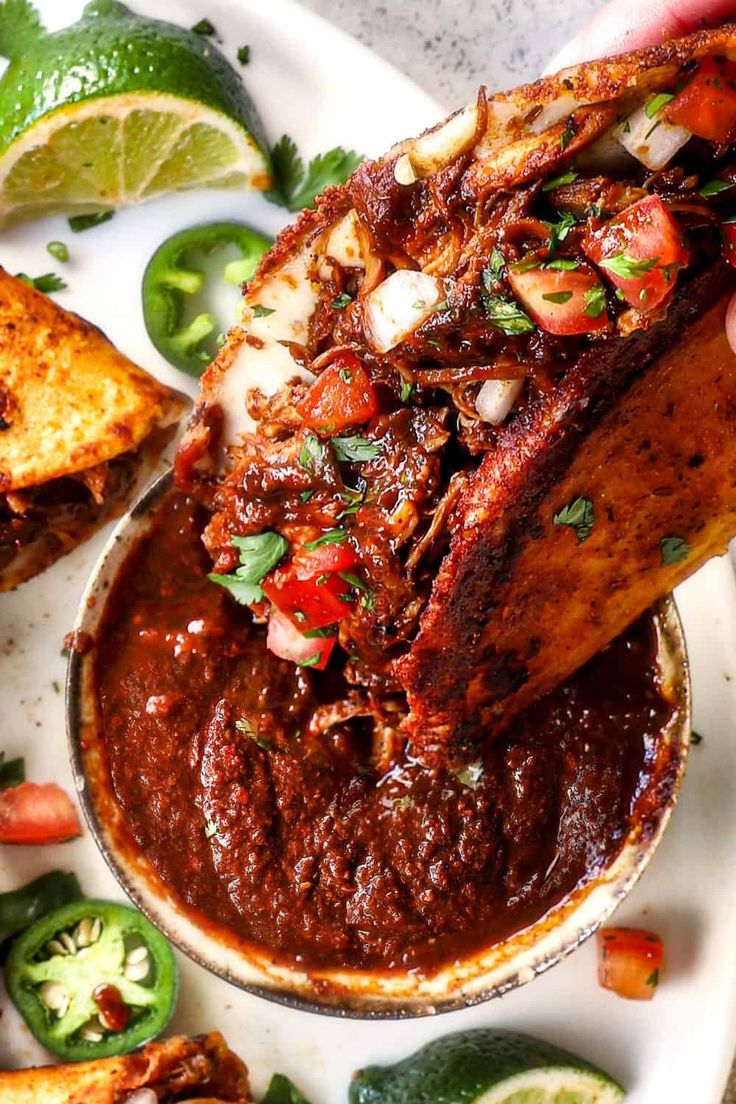
Ingredients
- 1/4 cup vegetable oil
- 1 medium onion, chopped
- 3 cloves garlic, chopped
- 2 red peppers, seeded and chopped
- 3 pounds lean boneless beef chuck, cut into 1-inch cubes
- 10 ounces canned tomatillos
- 4 medium tomatoes, coarsely chopped
- 1 bay leaf
- 2 cloves
- 1/2 teaspoon oregano
- Salt and pepper
- 1/2 cup beef stock
- 2 stale flour tortillas
Instructions
- Heat oil in saucepan and sauté onion, garlic and pepper until onion is soft.
- Add meat and everything else except tortillas. Add more stock if needed so liquid barely covers meat. Cover, simmer gently 2 hours until beef is tender.
- Soak tortillas in water, squeeze them out and crumble. Add to casserole and simmer uncovered until sauce thickens.
- Serve with Arroz Guatemalteco.
What is the best blade design for knife fighting?
There is no best design. That’s why there are so bloody many options.
If you’re fighting a man in armor, you’ll want a thick, narrow blade, closer to a spike.
With this, you can force the blade into the joints and gaps in his armor.
If you want to dispatch a sentry quickly, the Sykes-Fairbairn dagger is a great option.
But the man who designed that commando dagger, for getting into a knife fight, devised this.
The smatchet.
You’ll notice though that, with the partial exception of the rondel dagger (first picture), these other weapons are straight and double-edged. This is because, with a knife/dagger, you’re generally not going to be doing enough injury via the cut to really end a man. They’re light and don’t have the mass (typically) to really deliver devastating cuts, so deep penetration is the name of the game. A straight, double-edged blade, will penetrate well, as the edges will cut through cloth and flesh to enable a deeper stab.
My personal preference tends toward a traditional Swiss/German style baselard.
Now obviously there are many other knife/dagger designs, but they’re typically optimized for something other than a regular fight.
The Bowie-knives of all kinds, for example, are typically designed as tools first, weapons a very close second.
The other thing to remember is that esoteric designs are not better than boring designs, in most cases. It is in fact the reverse. A bog-standard dagger is so bloody common and boring because…everyone used some variation of it because it works.
Weapons like the karambit pretty much always exist due to some consideration other than killing people.
The karambit, for example, started life as a root-cutting knife, and then was pressed into service as a weapon. That doesn’t mean it isn’t deadly, it certainly is, but there is a tendency of many martial-arts enthusiasts to pick some esoteric weapon and decided that it’s the bestest weapon to ever weapon in every situation ever, like the super-secret double-dragon technique practiced by the secret monks of the hidden path and suchlike nonsense.
It’s important to remember the context in which a weapon will be used. For Filipino farmers who couldn’t necessarily afford or were allowed to own weapons, being able to fight with a common tool, acceptable to carry in public, is useful. For a Finnish fisherman, he probably knows how to fight with a puukko.
But if your only purpose is to kill the other guy with as little fuss as possible, a dagger of some kind is going to be better suited to that.
How Disney Lost Their Entire Male Audience
After spending Billions of dollars, Disney screwed itself by taking the 2 biggest properties in history and turned them into a lecture on why men are bad. The result? Absolute failure. In this video, we discuss Disney’s new plan to get them back. Will it work? It’s Disney. What do you think?