
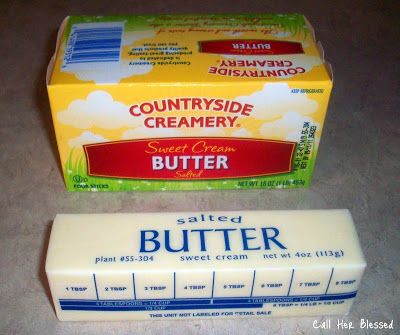
When I was growing up I learned how to butter toasted bread… American style.
First you go to the bread box, remove the white bread out of the plastic bag, and take two slices and put them in the toaster.

Then, you get the butter out of the refrigerator, you put the toast on a plate, and you carve out a tough sliver of butter, place it on the toasted bread and wait for it to melt. About half way though melting the butter would be soft enough to spread, and there you would have buttered toast.
When I went to university and was staying with a German couple, I learned a more satisfying, more European way of buttering bread. It had more steps but was far more satisfying.
First off, you prepare the ingredients, and you put them all on a cutting board.
- A fresh ripe tomato. Cut with a sharp knife, doused in olive oil with salt and pepper.
- A spoon of Leberwurst, or Braunschweiger. Both are a kind of liver spread.
- Thinly cut up onion slice, and I mean paper-thin slices.
- An over-easy, or over-medium egg.
- And, finally a slice of cheese. Usually cheddar, but Swiss and American were fine also.

Then you go to the Bread Box, and pull out a Roll or a Baguette. Usually bought from the neighborhood baker early in the morning (think 4 or 5 am) and they are FRESH.

You slice open and toast. Usually on the stove where you lay down some oil and cook the bread (roll) so one side gets toasted.
Then you assemble your creation and drink it down with thick hot freshly brewed coffee.

All in all, at that time the cost comparison between the two variations of cooking and prep style was not that big. But the time to prepare the meal was. I guess that many American families opted out of the fine love of food due to the necessities of forced-corporate working standards. And the Modern American (Western) society is a direct result of that.
Ah.
Today…
There appears to be growing support amongst Americans to leave the United States and join Canada. How realistic is it and what if any states do you think Canada would consider?
Wrong direction bucko – 4 Western Canadian provinces – BC, Alberta, Saskatchewan and Manitoba are coordinating efforts to explore separation from Canada. Given the rich resource base and relatively low population density of the Canadian West, there is a strong possibility that the independent Western provinces might actually become States of the United States. Even if they don’t go that far, Western Canada will certainly fall into the American economic orbit.
As for what “we are tracking among Americans”, it also appears that you are going against the current. Ideas like “greater Idaho” or more recently splitting California north/south along the coastal ranges so “Red” California – Northern California, the Inland Valley and so on – escape the re-gerrymandering that Newsom is trying to force on the State.
Two or more California’s – the coastal strip a bit of Southern California and an isolated region in the East will be left if “Red” California separates.
Greater Idaho – separating from the Progressive cities
Now perhaps Western Canada might consider absorbing Greater Idaho and Red California – they are politically aligned, and connect both to Western Canada and each other in a contiguous land mass. If Montana goes along, then Western Canada might start a process of chaining states until they reach the natural culmination point in Texas. This would fit in an old prediction “The Nine Nations of North America”, where people might be aligned by culture, economics and climate
So if you are trying to make political predictions, make sure your premises are correct and supported by facts.
Victor Gao EXPOSES the TRUTH: China’s ‘Peasants’ Live Better Than You Think—JD Vance Is IGNORANT!
The Painted Candle
Written in response to: “Write a story in which a character navigates using the stars.“
McKade Kerr
In the command deck of the spaceship, Captain Finnian looked up from his navigation screen. “According to this we’re only three days away from the bright, colorful mass of energy we first saw in the telescopes.” He said to Quixly. “I can’t wait to get close enough to see what it is and take some detailed pictures of it.”
Quixly looked over from the mess of charts he had been studying and smiled excitedly. “Only three days out from the Painted Candle!? Wowza! Time sure flies by when you’re having fun!”
“Quixly, you’ve been memorizing maps of the stars for the last two weeks. Is that really fun for you?” Captain Finnian could never quite wrap his head around his quirky alien assistant. He would have gone crazy if all he did for two weeks straight was study star maps.
“Yes, it’s quite enjoyable.” Quixly responded, looking back down at his maps.
“Also, what did you call the mysterious lights that we’re traveling towards?” Captain Finnian asked.
“The Painted Candle! It’s a good name, don’t ya think? That’s exactly what it looked like in the telescope.”
“Hmm, that actually is a pretty good name.” Captain Finnian said, impressed. “Much better than your first idea of calling it Fleeborg Vomit.”
Quixly smiled sheepishly. “Yeah, I can see now how that might struggle to catch on amongst the academics. But, in my defense, it was quite accurate! Anyone who’s seen a fleeborg throw up would agree.”
Captain Finnian was about to continue the conversation on the details of fleeborg regurgitation when a warning symbol started flashing on his screen, along with a worrisome beeping.
“What’s that?” Quixly said, some anxiety in his voice.
“I’m not sure,” Captain Finnian responded, looking closer to interpret the warning. “It looks like…. OH CRAP!”
At that exact moment there was a large crashing sound at the bottom of the ship, and all the lights and screens went dark.
After a few moments of stunned silence, Quixly was the first to speak. “Are we going to die?”
Captain Finnian paused. “I don’t think so,” he eventually said. “If that was going to kill us, I think we’d already be dead. It sounded like it came from the maintenance room. I’ll go check it out.”
Quixly nodded, although it was impossible to see in the dark room. “Good idea, Captain. And I’ll stay up here where it’s nice and safe. I mean, to keep our things up here safe!”
“That sounds like a plan.” Captain Finnian responded. “Now help me find our emergency lanterns.”
They both felt around the room, trying to find their emergency light sources. Quixly, able to search quicker because of his four arms, soon found a couple battery powered lanterns and turned them on.
“Here you go, Captain!” He said, handing one over to Captain Finnian. “Good luck in the maintenance room!”
Captain Finnian took the lantern, nodded his thanks, and then left the room to figure out the source of the problems. From the brief warning before the crash, he guessed that they somehow ran into something small. There usually wasn’t much to run into in space, and their ship was designed with safety measures anyway. The hardened hull was strong enough to withstand the space dust and micro particles they inevitably flew through at hyper speed. And the sensors would catch anything big enough to cause damage, leading the auto drive to adjust their course to keep them safe. However, there were very rarely some tiny pieces of rock or ice in space that were big enough to cause damage at hyper speed and small enough to avoid the sensors until too late. Captain Finnian guessed that’s what they hit. He made a mental note to buy the newest upgrade for his ship’s sensors if they made it out of this situation alive.
In the maintenance room it looked like there had been an earthquake. He found a small bump near the bottom of the hard metal wall at the front end of the ship and assumed that’s where they got hit. Luckily it didn’t penetrate, or they would have been toast.
Most of the computers and equipment had been knocked around, but not seriously damaged. He easily propped computers and machines back up where they belonged and started to plug everything back in. He got the electricity back on first, and then most of their important systems, such as the steering mechanisms and hyper drive. Unfortunately, their navigation system was another problem.
The computer that powered their navigation was completely destroyed. It was impossible to know where they were located or what direction they were heading. The nearest solar system that had the technology to repair it was at least a week away at hyper speed, but he had no idea how they’d find their way there.
They also couldn’t call for help because the navigation system was the same system that tracked their location. Even with their best guess they couldn’t tell someone exactly where they were. It would be like asking them to look for a Kloboxian needle in a mountain of Pryblun wheat. A Kloboxian needle that was hurtling through the Pryblun wheat at an unknown speed in an unknown direction, to be more precise. He had no idea how much that collision impacted their trajectory.
After spending a few minutes alone in the maintenance room, Captain Finnian went back to the command deck to tell Quixly about their predicament.
Quixly cheered when Captain Finnian walked back into the room. “Yeehaw! Ya did it, Captain! Ya got the power back on! Well done! Now we can resume our course towards the Painted Candle!” He did a little happy dance, shrugging all four of his shoulders up and down while wiggling his antennae.
“Not so fast, Quixly.” The captain responded. “Everything is back online except for navigation. We’re lost, and I don’t know how to get to the painted candle from here, much less to an intergalactic market where we could get what we need to repair everything.”
“Oh.” Quixly replied, abruptly ending his happy dance. They both stood in silence for a minute while contemplating the gravity of their situation (ironic, with them being in outer space). Looking out the window, Quixly suddenly had an idea.
“We can navigate with the stars!” he said excitedly. “I’ve been studying them in depth for weeks! I can get us to the Painted Candle, and then to safety!” The happy dance continued.
“I had the same thought earlier,” Captain Finnian said, “but that’s so imprecise. It would take a miracle to head in the right direction, not to mention stopping the ship before crashing into something or soaring far past our destination.”
Quixly rolled his eyes, which was especially effective with three eyes. “Captain sir, this is what I’m good at! I can be precise! Give me a shot at it, I’m sure I’ll find the way!”
Captain Finnian knew quite well that Quixly was very intelligent, although goofy at times. He also wasn’t the most confident alien, so the fact that he stood up for himself and argued that he could do it accurately was really saying something. Captain Finnian decided to give him a chance.
“Alright Quixly, I trust you. Do your thing, and let me know how I can help.”
“Yahooie!” Quixly yelled, then rushed to grab his maps and some measuring tools. “If you could slow down the ship to zero velocity that would be grand. And then just sit back and watch, Captain. This is what I’ve been training for!”
Captain Finnian did what was asked, and then sat back to watch. He was more than impressed. Quixly held up his maps to the window, took notes, held up measuring tools, logged information into his screen, turned the ship around to get the full picture, and did several other things that Captain Finnian didn’t quite understand.
Quixly wasn’t talking to Captain Finnian, but he was muttering his thoughts loud enough for the captain to hear most of it. “Ok, we know the Painted Candle is at coordinates 2870.0113x, 45301.9174y, 80139.351z. The nearest solar system is H39-Q73-KLP6, which was at an 83.749203 degree angle from the Painted Candle on our original course. It’s now looking closer to…” he held up a measuring tool to the window, “83.748891 degrees. Let me compare how that measures to the neighboring stars…”
Captain Finnian had always known that his assistant had a head for numbers, but this was beyond amazing. He didn’t realize that Quixly had memorized so much information from their initial course, which was helping them get back to it. It was also impressive to see how well he knew all the different star formations and galaxies, including their distance and angle relationships to each other. Captain Finnian could see hundreds of thousands of stars out the window at any time. And that was just in one direction, they were sitting in the middle of a nearly infinite three-dimensional map. While he could name some of the major star formations, most of it was just a pretty sight for him, not little lights of directional information.
It took Quixly about two hours to do all his calculations and to double check it all, but once he was finished, he was confident in his work. “Alrighty, Captain! It’s done! I’ve plotted our course from here to the Painted Candle in the auto drive, and then from there to the nearest star system where we can get our navigation stuff up and running again. Although I don’t know if I really want to fix it, because this was fun!”
“Quixly, that was incredible” Captain Finnian replied. “Thank you so much. You literally just saved our lives.” After pausing for a moment to let that fact sink in for both of them, he continued. “Well! Should we go check out the Painted Candle?”
“Yes sir!” Quixly said with a smile. “Hi-dee ho let’s go!” With that Captain Finnian put the ship into hyper drive, and off they went.
Three days later their ship stopped next to one of the most amazing space formations they had ever seen. It looked like a dying star that was only dying on one side. That side lifted up similar to a candle flame. The fire and energies and gasses coming from it all radiated with different colors, giving the scene a spectacular look. They stayed there for two days taking it all in and taking many pictures too.
At the end of the second day, Captain Finnian turned towards his green assistant. “What do you say, Quixly, should we head over to that nearby star system and get our ship fixed?”
“Yes sir!” Quixly responded enthusiastically. “The coordinates are already logged into the auto drive. I’m ready when you are!”
Captain Finnian nodded. “Thank you, Quixly. However, before we depart, there’s something I need to tell you. After this trip, I no longer want you to be my assistant.”
Quixly’s face dropped. He couldn’t believe what he was hearing. Wasn’t Captain Finnian grateful for the work he did? Maybe he had accidentally messed something up and the captain was mad? Or maybe the captain blamed him for the original collision three days ago? All those thoughts and several others passed through his head in an instant, but before he could voice any of them, Captain Finnian continued.
“You are far too smart and far too important to be my assistant anymore. And quite truthfully, you’re far too good of a friend as well. Quixly, I want to promote you to be my partner. From now on, I want us to share command of this ship, as an equal team. What do you say?”
Quixly’s worries immediately turned to surprise, and then to gratitude. “Wowza, sir! Wowza! Do you mean it?”
“Yes, I do.” Captain Finnian said. “My only regret is not doing it sooner. So, do you accept?”
“Absolutely! Wowza! Me, a co-captain of a ship! Thank you, Captain! Thank you!”
“You’re welcome, Captain Quixly. Now, let’s get to that star system! Not only do we need to repair our ship, but I hear they have some delicious Chulaplugg stew, perfect for a celebration.”
With his eyes watering from gratitude and his mouth watering from the mention of Chulaplugg stew, Quixly took his first action as co-captain and put the ship into hyper drive. “Hi-dee ho let’s go!”
How the 1% stole minimalism (then threw it away)
Have you ever had a teacher who taught a student a lesson in a sneaky or clever way? What happened?
Yes, it happened half a life ago in a high school US history lesson on the stock market crash of 1929 and the start of the great depression.
We were still studying the 1920s when the teacher announced that at the end of each class, we would play a mock stock market for the last 10 minutes that week.
We were given random characters and a starter pack of assets. I was a widow with assets around the average for the class. Something like $200 if I remember correctly.
He added that at the end of the week, we would be able to exchange $500 for half percentage point in the class final grade, but to remember that stocks go up and down in value! The person with the most assets at the end would also win an extra 2 percentage points.
Then at the end of each day, we could buy and sell a few stocks, cash out, or buy gold. After every round, he would change the stocks and gold prices. Mostly up. Gold would in/decrease very little each round compared to stocks, so most kids were not interested.
I had moved from Europe a year earlier, and I had already studied the Great Depression and the stock market crash, so I saw through the teacher’s plan. It was obvious he would crash the market either at the end of Thursday’s class or on Friday. But I remained quiet.
What my teacher did not know was that, at age 15, I had been playing on an official market tracking mock stock market for six years.
My strategy was simple: buy and sell stocks Monday-Wednesday aggressively, and then on Thursday, sell some of the stocks progressively and buy more and more gold as the rounds went by (there was time 5–6 rounds per class). The point was not to have any stocks or cash at the end of Thursday’s class.
Friday arrived, and just as most in the class were counting their winnings already, the teacher announced: THE MARKET HAS CRASHED!
Then he went on to say that most of the stocks were down 85-95%, and cash by 95% due to inflation. Gold, however, was up 30%. Then he asked us to calculate our assets value in USD.
The class roared and complained. Teens were crashed….I was beaming.
The teacher asked: Who here thinks they have the most money?
A boy quickly rose his hand: “I have $900!”
A girl yelled: “I have $1,200!”
Antoher boy, very proud of himself said: “I made $1,800”
That was the highest number, so everyone lowered their hands, and the teacher was about to congratulate him when I rose my hand, too.
“Do you have more?”
“Yes, I do,” I said enjoying the moment “After converting my gold, I have $24,480.” I said beaming.
The class went silence. The teacher’s mouth dropped.
“How much…?”
I repeated it.
He checked my numbers three times. Congratulated me, and told me to see him after class.
He said to me that he could not give me 24pp +2pp for winning on the final grade. It was way too much. Not event the final exam was that much, and he expected students to get 2–5pp.
I understood. So I made a deal. He had a rule that you could not use extra credit to get pass 100%. So I told him I would take half the percentage points (13pp), if he removed the rule for me.
…And that is how I ended up with a 109% in my final grade.
The lesson taught my classmates the devastation of a stock market crash. The lesson I learned is that information is worth its weight in gold.
Disney is Perfectly Happy With Their Catastrophic Downfall
Arroz con Pollo Chapina
(Guatemala Style Chicken and Rice)

Ingredients
- 3 pounds chicken pieces, skin and fat discarded
- 1 tablespoon corn oil
- 1 teaspoon salt
- 1/4 teaspoon black pepper
- 1/2 cup chopped onion
- 1 garlic clove, chopped fine
- 1/2 cup chopped ripe tomato
- 1 1/2 cups raw rice
- 1 cup sliced carrots
- 1/3 cup stuffed green olives
- 1 tablespoon capers
- 2 1/2 cups chicken broth
- 1 cup green peas
- 1/2 cup sweet red pimiento, cut into strips
- 1 hard cooked egg, sliced
- 2 tablespoons grated Parmesan cheese
Instructions
- In a large skillet brown the chicken in the oil over medium heat for 20 minutes.
- Sprinkle with 1/2 teaspoon salt and the black pepper. Remove the chicken and set aside.
- In the same skillet with the chicken fat, fry the onion, garlic and tomato for 2 minutes.
- Add the rice and fry for 2 minutes more.
- Add the carrots, olives and capers and mix everything together.
- Pour in the broth and chicken pieces. Bring to a boil, reduce heat to low, cover skillet and simmer until broth has been absorbed, about 10 minutes.
- Add the green peas. Cover skillet with aluminum foil and punch 8 holes in the top to allow steam to escape.
- Bake at 300 degrees F for 30 minutes. Fluff up the mixture once or twice during the baking time.
- Decorate the surface with the pimiento strips and egg slices and sprinkle with the cheese. The rice should be dry, loose and not sticky. Serve with fried ripe plantain slices, salsa picante and pickled vegetables.
- Serve warm.
Serves 6.
Sir Whiskerton and the Mystery of the Sneezing Snail
Or: When a Snail’s Sneeze Becomes a Speed Demon’s Superpower
Introduction
Ah, dear reader, prepare for a tale of snot, speed, and snails gone wild. Today’s story begins with Speedy the Snail—a creature so slow he once took three days to cross a puddle—suddenly developing explosive sneezes that send him zooming across the farm like a turbocharged rocket.
As Sir Whiskerton and Rufus the Dog scramble to contain the chaos, they learn an important lesson: even the slowest creatures can have fast-paced problems. So grab your tissues (and perhaps a helmet), as we dive into Sir Whiskerton and the Mystery of the Sneezing Snail.
Act 1: The Turbo Boost Incident
It was a quiet morning on the farm when Speedy the Snail appeared at the barnyard gate, looking unusually agitated.
“Something’s wrong,” Speedy wheezed, his tiny shell trembling. “I feel… achoo!”
Before anyone could react, Speedy sneezed—a sound like a foghorn—and shot forward with such velocity that he left a trail of disturbed hay bales in his wake.
“That’s not a sneeze—that’s a turbo boost!” Rufus barked, his glowing fur bristling with excitement. “And it’s heading straight for the hay bales!”
The animals scattered as Speedy ricocheted off surfaces, narrowly missing Doris the Hen, who flapped wildly.
“This is an OUTRAGE!” she squawked. “My feathers are ruffled!”
Sir Whiskerton adjusted his monocle, surveying the scene with dramatic flair. “This is no ordinary sneeze. We must investigate—and quickly, before he sneezes himself into the pond.”
Act 2: The Investigation Begins
Sir Whiskerton gathered the team to analyze Speedy’s condition.
“Let’s examine the evidence,” Sir Whiskerton declared, pacing thoughtfully. “What triggered these sudden bursts of speed?”
Rufus sniffed around Speedy’s shell, his nose twitching. “He smells like… pollen? And maybe something spicy?”
Speedy nodded sheepishly. “I… may have eaten some hot sauce earlier. And then I crawled through the flower patch.”
Sir Whiskerton sighed. “Of course. A snail-sized sneezing crisis caused by human-sized curiosity.”
Meanwhile, Speedy sneezed again, sending him careening toward the scarecrow, who tipped over dramatically.
“Cluck!” Harriet the Hen echoed, tilting her head.
“Heads up!” Lillian added, fainting onto a pile of straw.
Act 3: The Chase Across the Farm
With Speedy’s sneezes growing more frequent—and more powerful—Sir Whiskerton and Rufus sprang into action.
“Quickly!” Sir Whiskerton commanded. “We need a plan to stop him before he reaches the pond!”
Rufus wagged his tail enthusiastically. “I’ve got an idea! Let’s use my glowing fur as a beacon to guide him away from danger!”
Together, they set up a series of obstacles to redirect Speedy’s path:
- Hay Bale Maze: Speedy zoomed through the maze, leaving trails of flattened straw behind him.
- Mud Puddle Detour: Rufus nudged Speedy away from the pond and toward a safe mud puddle instead.
- Glowing Snack Distraction: Chef Remy LeRaccoon arrived, holding a tray of suspiciously glowing snacks. “Behold! Calming Cucumbers™!”
Speedy paused mid-sneeze, distracted by the glowing cucumbers.
“What are those?” he asked, his shell vibrating ominously.
“They’re radioactive,” Rufus whispered. “Only slightly.”
Act 4: Resolution and Reflection
Finally, after one last sneeze sent him spinning into a pile of soft hay, Speedy came to a gentle stop.
“Well done, team,” Sir Whiskerton said, adjusting his monocle. “Crisis averted.”
Speedy blinked, dazed but unharmed. “I think… I’m okay now.”
Rufus wagged his tail proudly. “You were faster than me for a minute there!”
Sir Whiskerton addressed the group during breakfast.
“Today taught us an important lesson,” he began, sipping a cup of moonlit tea. “Even the slowest creatures can have fast-paced problems. It’s our job to help each other navigate life’s unexpected twists—and sneezes.”
Speedy adjusted his shell sheepishly. “Next time, I’ll stick to lettuce.”
Post-Credit Scene
Later that evening, Chef Remy unveiled his newest invention: Sneeze-Proof Snacks™, designed to prevent accidental turbo boosts.
“These are safe, right?” Doris asked nervously.
Remy grinned. “Only slightly.”
Cue horrified squawks.
Moral of the Story
Even the slowest creatures can have fast-paced problems—but teamwork helps navigate life’s surprises.
Best Lines
- “That’s not a sneeze—that’s a turbo boost! And it’s heading straight for the hay bales!” – Rufus, channeling his inner commentator.
- “My feathers are ruffled!” – Doris, clearly unimpressed.
- “They’re radioactive. Only slightly.” – Chef Remy, offering questionable solutions.
Key Jokes
- Speedy’s sneezes create slapstick chaos, knocking over hay bales and scaring chickens.
- Rufus’s glowing fur adds absurdity to the chase sequence.
- Chef Remy’s glowing snacks spark both curiosity and concern.
Starring
- Speedy the Snail (Accidental Speed Demon)
- Sir Whiskerton (Voice of Reason/Detective Extraordinaire)
- Rufus the Dog (Glowing Guide/Enthusiastic Sidekick)
- Chef Remy LeRaccoon (Mad Scientist of Snacks)
Summaries
- Moral: Even the slowest creatures can have fast-paced problems—but teamwork helps navigate surprises.
- Future Potential: Could Speedy develop control over his sneezes and become the farm’s fastest messenger? Or will Chef Remy invent edible speed bumps next?
Until next time, may your sneezes be mild and your speeds manageable. 🐌
Pictures

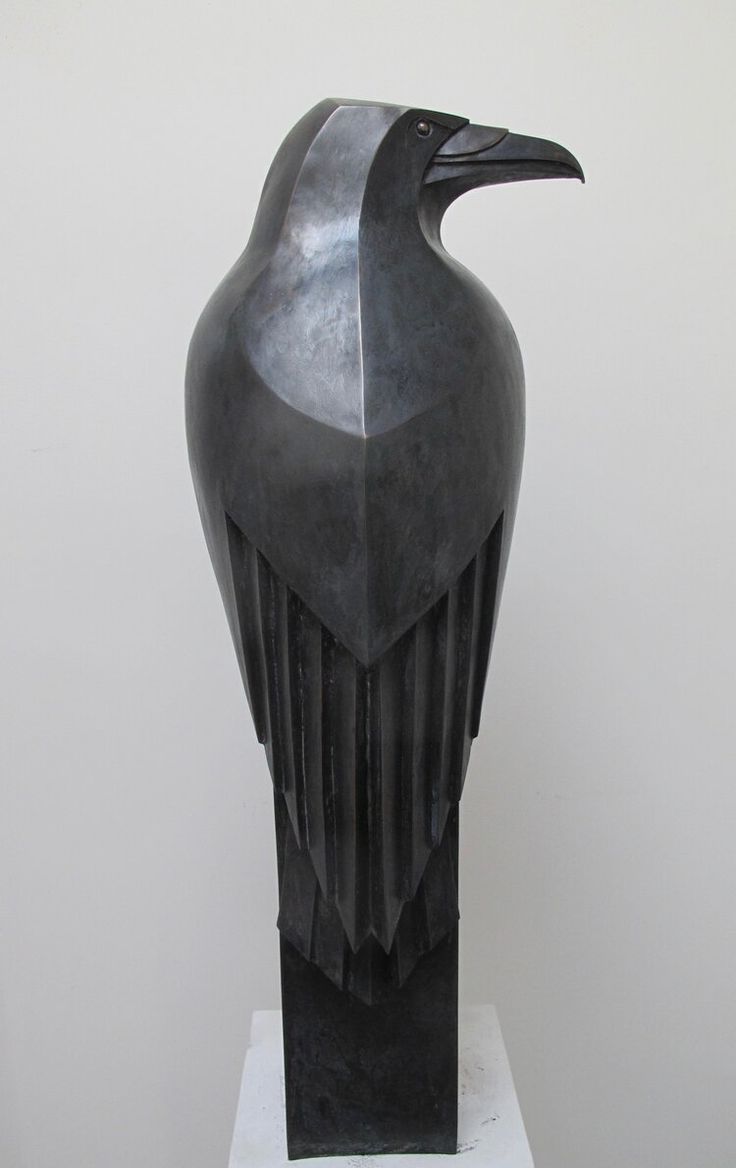


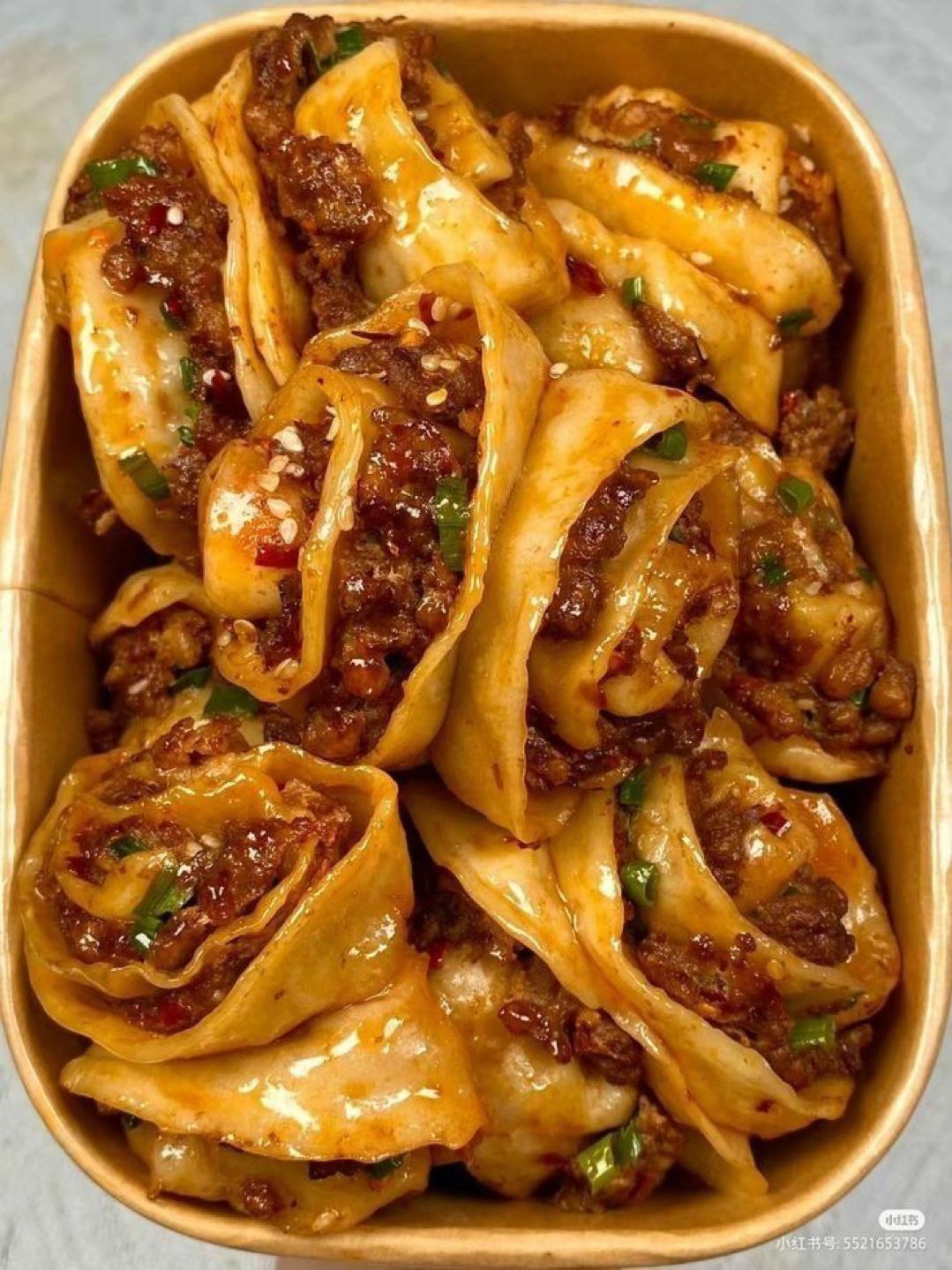
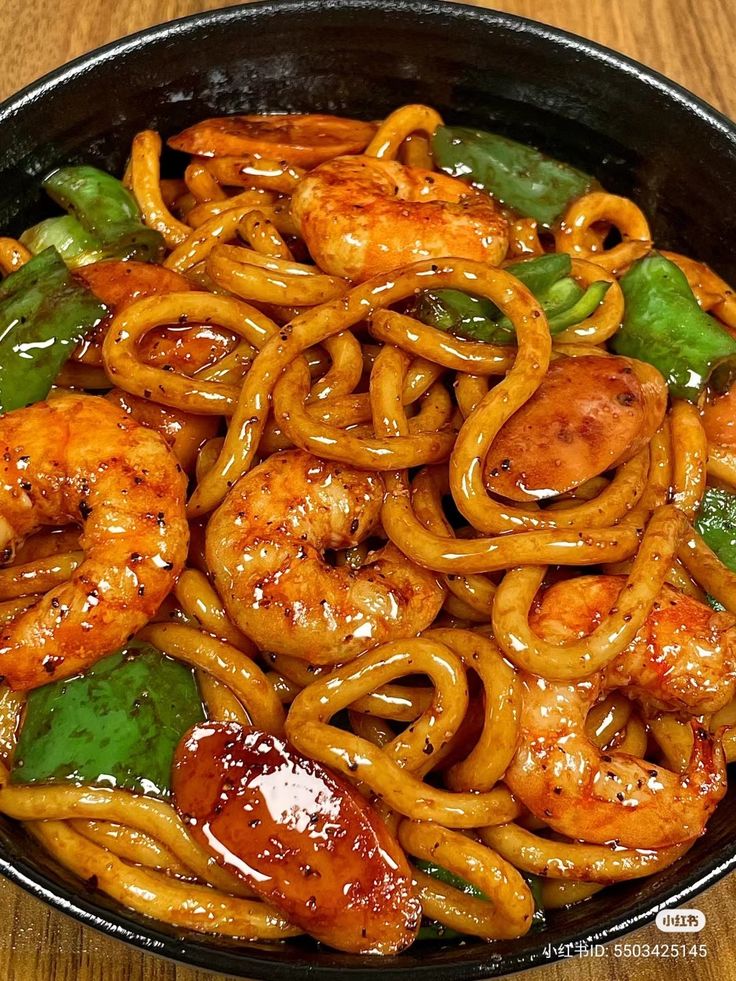
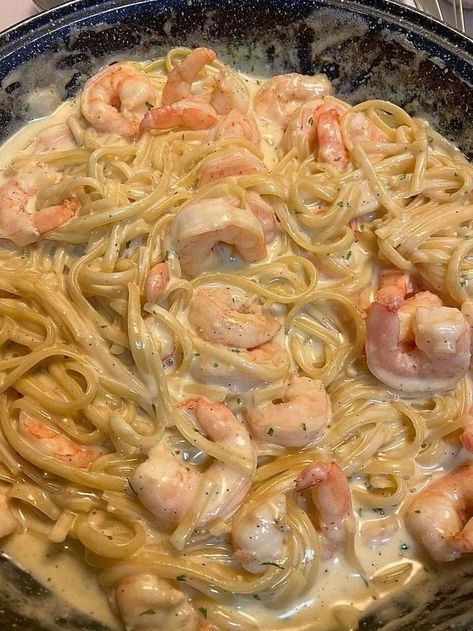
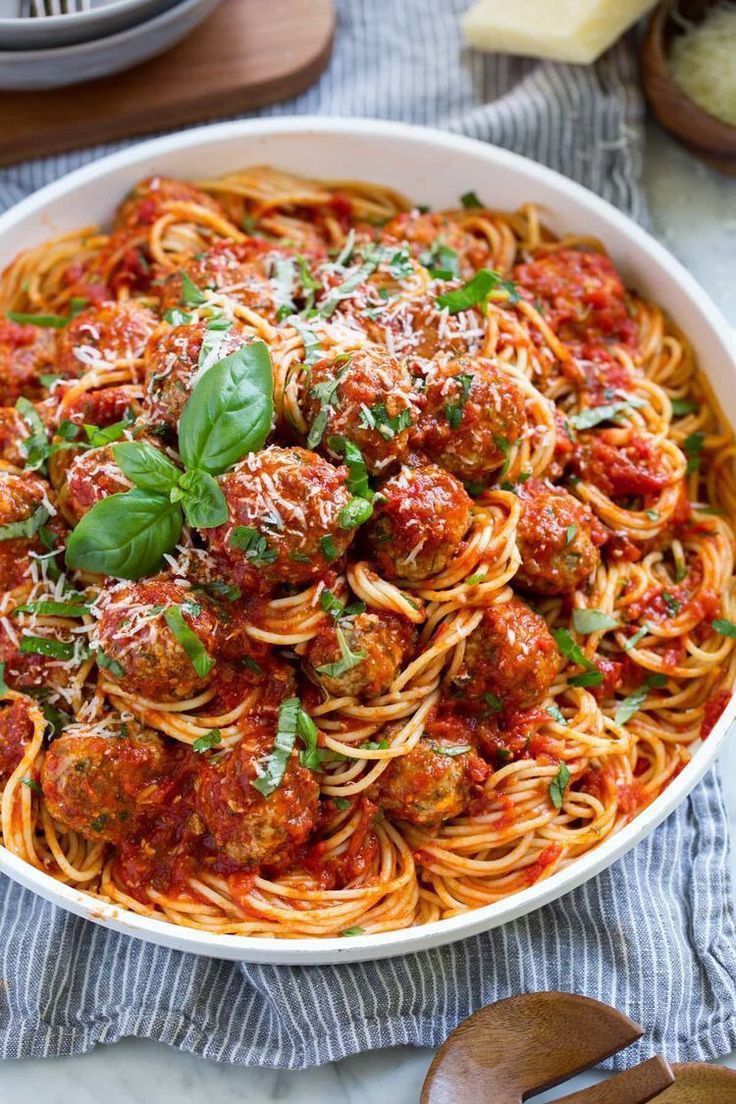
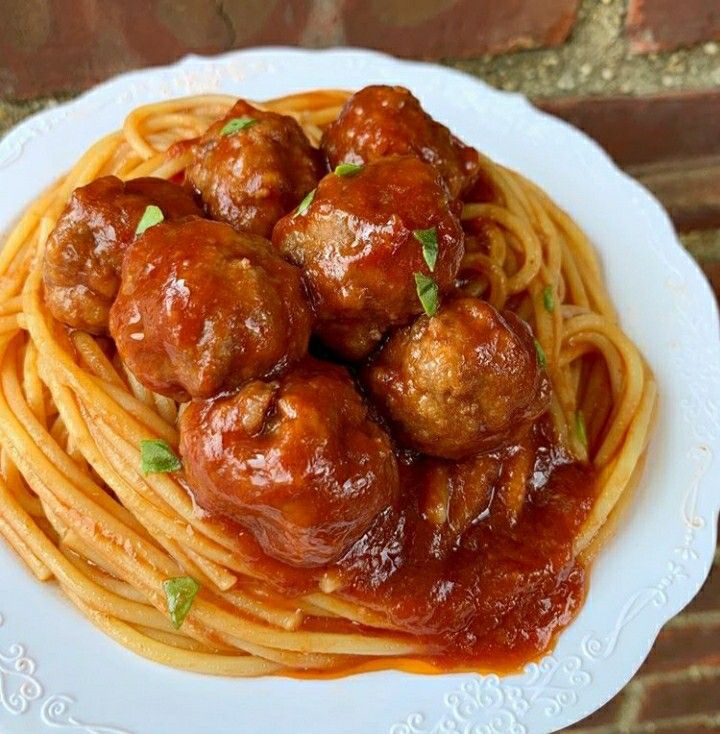



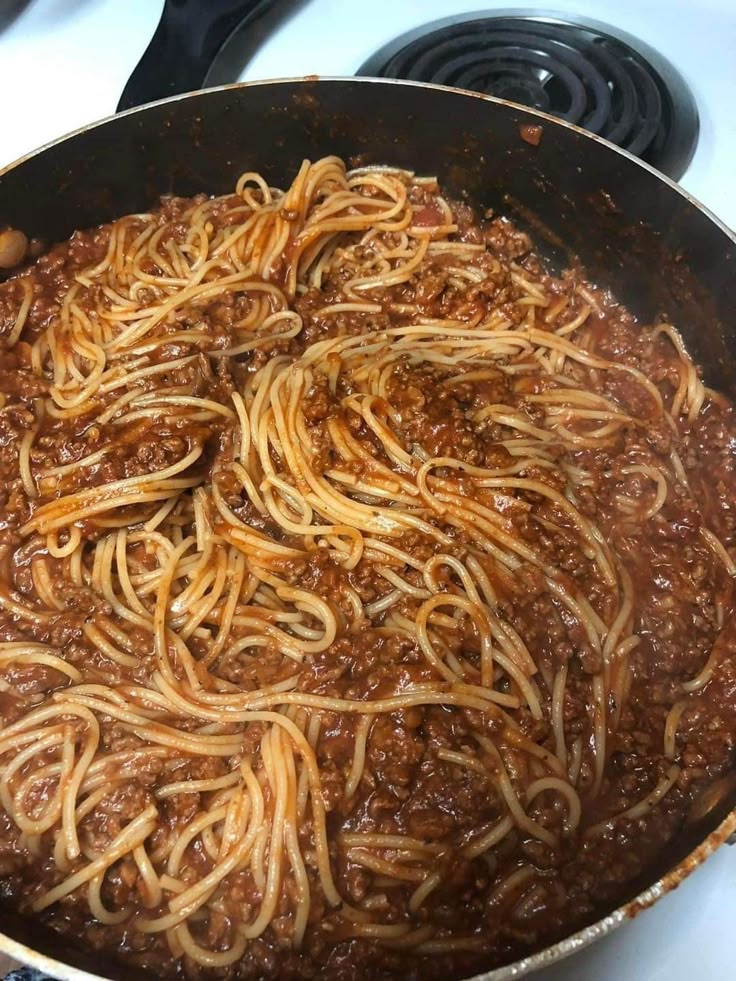
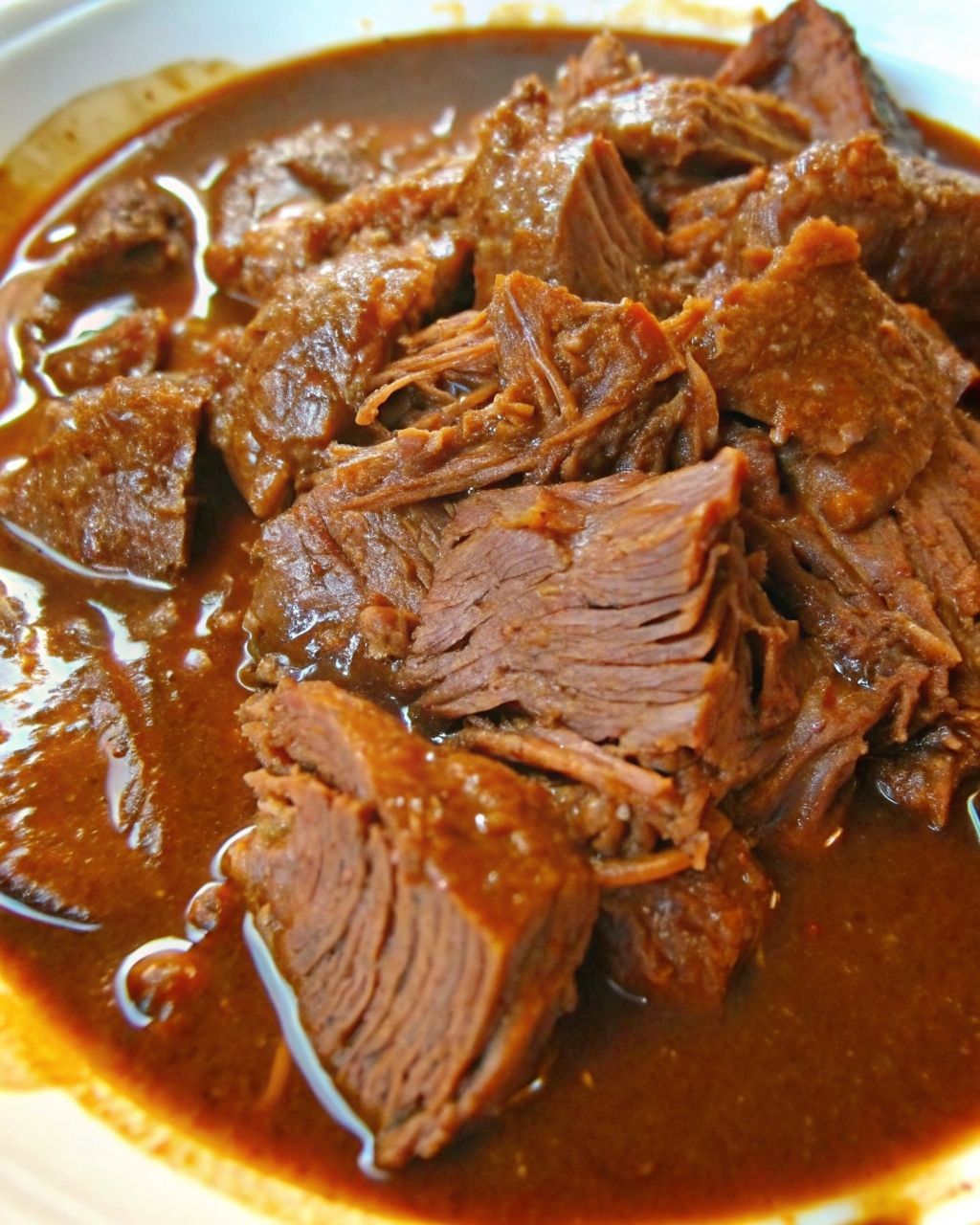
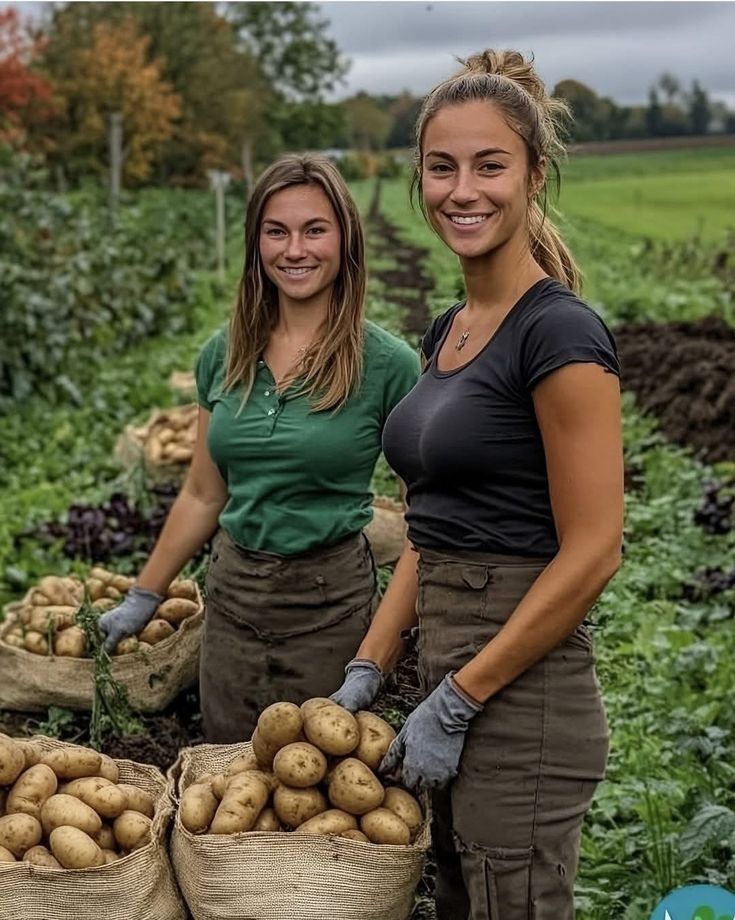
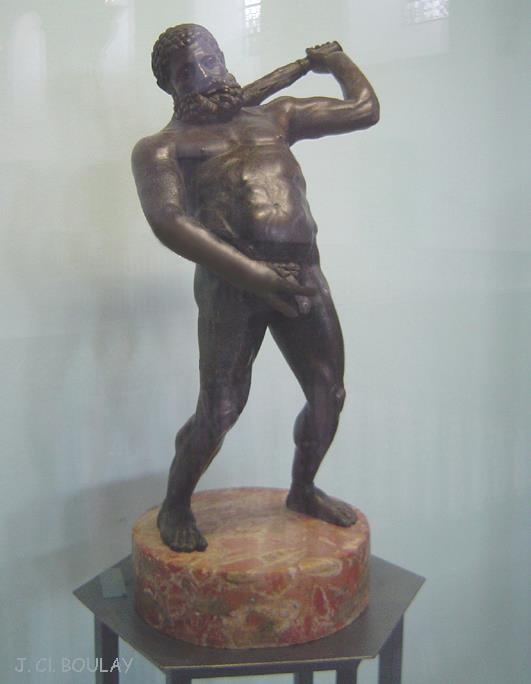



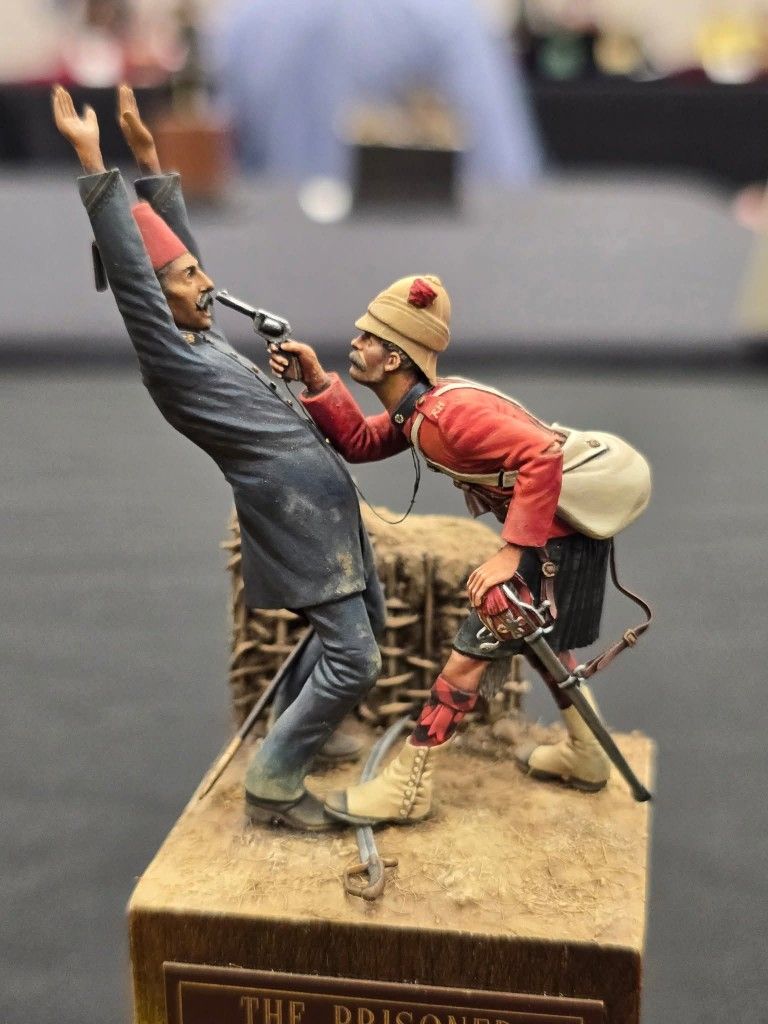
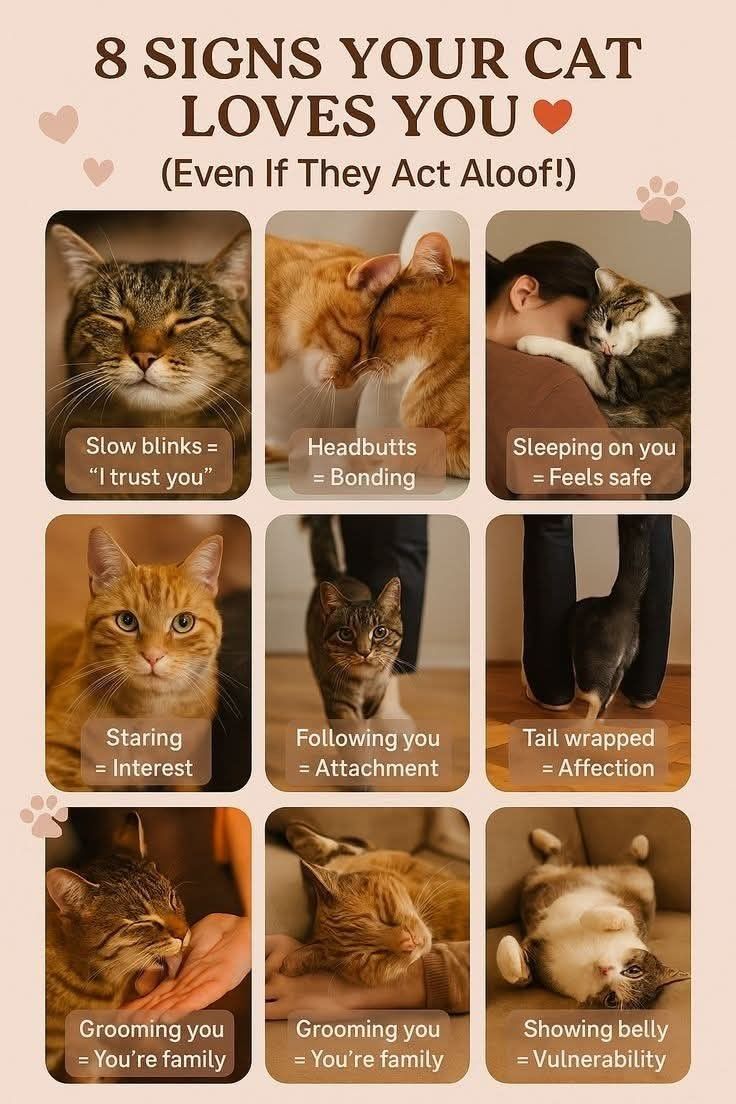
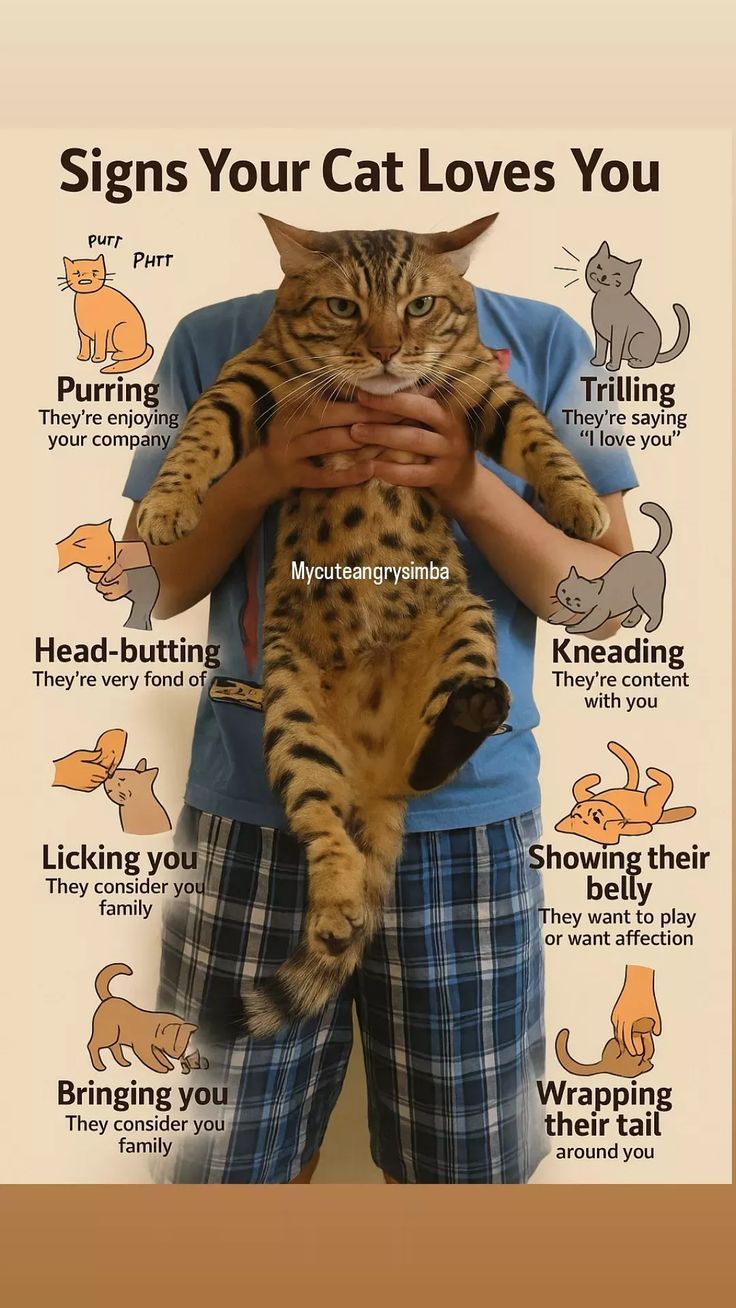
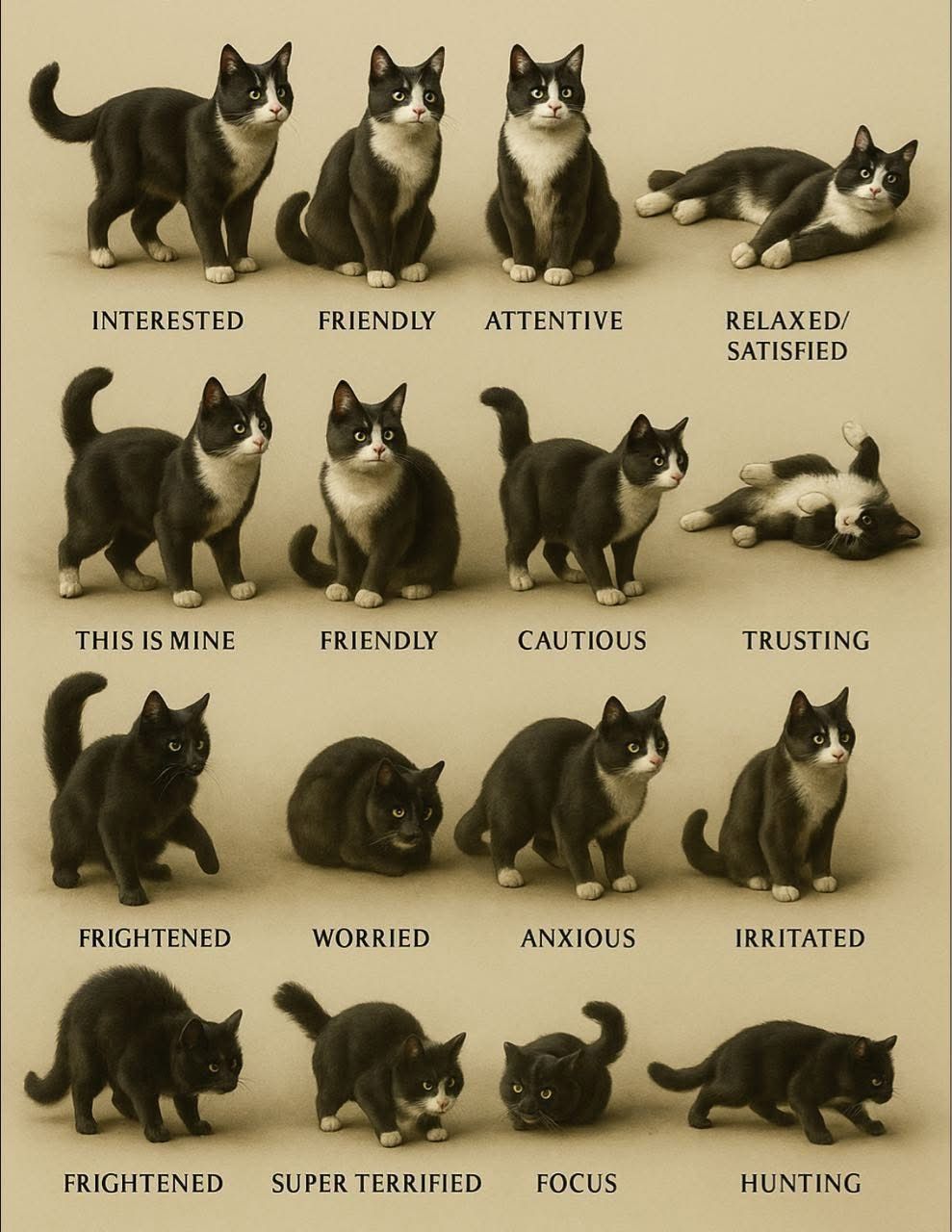
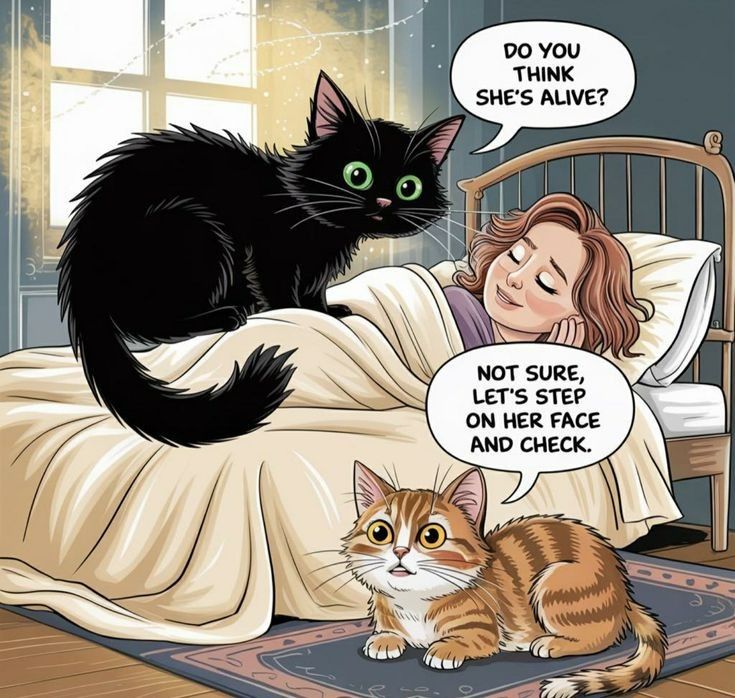






Americans On Rednote LEFT SPEECHLESS After Realizing Life In CHINA Is Much Better Than In US #FAFO
Don’t Look
Written in response to: “People have gathered to witness a once-in-a-lifetime natural phenomenon, but what happens next is not what they expected.“
C.N. Jung
“Yup. That’s what I think, man.” He said, confidently.
Kenny scratched his chin. “Ain’t the eclipse supposed to be worse?”
“Yeah.” Bobby finished off the can and threw it behind him. “But they just sayin’ that.”
“Yeah?”
“Yeah.”
Kenny snorted. Twin wisps of smoke sprayed from his nostrils and engulfed his head in a dense cloud. “Figures. People are such sissies.”
Bobby nodded enthusiastically. “Sure are. Man! Think about how some losers our age waste their lives goin’ to college when they could be enjoyin’ the freedom of bein’ outta school for good.”
“Exactly. Parents wouldn’t care so long as they were paying their way. Like me. I work part time at Pa’s retail store, and in turn,” Kenny jerked his head to the cabin behind him. “Free digs.”
“Yup.” Bobby picked up another can from the six-pack.
Kenny eyed the sky above their heads. It was a clear and cloudless Saturday morning.
The eclipse was supposed to be visible by midday, around 3:00 PM, as his ma had told him earlier.
Kenny pointed his cigarette at the sky. “Eclipse will be out in a few hours… Hey, I got me an idea, Bob.”
Bobby perked up. “Yeah?”
“Yeah.” Kenny stood up. “Here, take my phone and get ready, man. We’re gonna show them sissies all across this doggone country how a real man handles an eclipse.”
***
Kenny stood in the middle of the yard, with his back to the woods. His house was in the middle of nowhere.
Which made for great hunting growing up. Deer would walk right into the yard, and Pa would shoot at them from out of the windows…until a cop showed up and said he couldn’t do that because the neighbors way down the road were finding bullets on their porch from shots gone wild.
Them neighbors were sissies, scared of a few bullet shells.
“Ready?” Kenny chirped, his gaze darting to the captivating eclipse shimmering in his peripheral vision—as fierce and mesmerizing as a cosmic firework.
But it’s like Pa says—nothing to be afraid of but fear itself. Pssh, scared of the moon? As if, Kenny mused to himself, a smirk playing on his lips.
“I’m ready! Man, oh, man! We gonna go viral with this crap!” Bobby boasted, striking a pose that he probably thought looked cool: Kenny’s iPhone 8 in hand. Despite its camera being the technological equivalent of a potato, it wasn’t about the quality—it was the sheer audacity of their stunt that would have folks spamming the replay button on Kenny’s YouTube channel, ‘Don’t be a Wimp 2023’. This was digital gold; they could feel it.
Kenny closed his eyes, then opened them. “Okay, here it goes. You filming?”
Bobby blinked, confusion painting his face. “Uh, how does one tell, exactly?”
“For the love of—hit the red button, Einstein!” Kenny couldn’t help but roll his eyes.
“Oh. Okay.” Bobby held up a thumbs-up. “Got it!”
Kenny took a deep breath. He put on a smile. “Alrighty, folks! My name is Kenny Lessar of Huston, Texas. Today I’m gonna be looking straight at the eclipse for ten minutes straight! Just to prove to all you cowards at home that there’s nothing to be afraid of.” Kenny grinned. “Watch.”
He craned his neck, locking eyes with the eclipse that seemed to stare back like a giant, cosmic cat eye, full of mystery and silent challenge. Kenny hadn’t been staring for even a few seconds when his eyes began to prickle. He fought to keep from squinting.
“See! See!” Bobby was jumping up and down. “Nothing to it! Right, Kenny?”
“R-Right…”
A few minutes passed. Bobby kept spitting out words. He sounded like his Pa when the man would do commentary for the rodeos in town. Kenny was beginning to feel like one of them bull riders, struggling to stay steady while Bobby mewled on about how great he was.
“Kenny here ain’t no pansy. He ain’t scared of no moon! Ha!”
“Kenny knows he’s the man!”
“He-.”
“Bobby…How much…how much longer?”
“Two minutes. Man, oh, man! We’ll have to send a copy of this video to NASA! They’ll feel real dumb about all them warnings they put out.”
“Uh huh, yeah… Bobby, how much?”
“And we’ll show your ma, Kenny! And we’ll show all our college buddies how worthless their dang degrees are-.”
“Bobby-.”
“And-.”
“BOBBY! HOW MUCH?!”
“Oh. None. It’s been ten minutes.” Bobby laughed happily. “You can stop, if you want to.”
Kenny lowered his head. He blinked hard. His vision was coated in splotches of fog, and black dots danced from one corner of his eyes to the other. He blinked and rubbed at them, but it did no good.
Kenny’s heart started racing. “Bobby, man! I can’t see!”
Bobby frowned. “Uh, Kenny. I stopped recording. You don’t have to act like anything happened.”
“I’m not acting!” Kenny squealed. He pressed the palms of his hands to his eyes, but it just made the mess that was his eyesight even worse.
“Man…you gotta be actin’…right?”
“No!” Kenny’s stomach lurched as he realized the gravity of what he’d just done. His eyes were screwed up! Bad. “I’m blind, Bobby! I can’t see.”
“Uh…well, it’ll probably go away. Right?”
“I don’t know, man!” Kenny swallowed. He stumbled over to Bobby. “Give me my phone!”
“Why?”
“Cause I’m seeing what the hell NASA says about this!”
Why does “Made in the U.S.” not necessarily mean all materials are sourced domestically, and how do tariffs complicate this for manufacturers?
The United States’ natural endowments make this infeasible in many manufacturing sectors, and its industrial structure prevents it from achieving it in others. I will illustrate this with some examples:
Aluminum. Aluminum is the foundation of modern high-tech industries; as a lightweight yet relatively strong metal, it permeates nearly every corner of industrial production. However, the United States has almost no large domestic bauxite reserves and relies primarily on imports. According to the USGS (United States Geological Survey), the US produces almost no bauxite domestically, with major import sources including Jamaica(67%), Australia, and Brazil.
Potash. Potash is another essential resource for agriculture. Anyone familiar with farming knows that nitrogen, phosphorus, and potassium are the three nutrients plants must have. Simply put, nitrogen supports leaves, phosphorus supports fruits, and potassium strengthens stems. The United States has some potash reserves, but the scale is limited and far smaller than countries like Canada(86.9%), Russia, or Belarus. Its supply largely depends on imports, especially for high-quality potash fertilizer raw materials.
The United States is almost naturally deficient in both of these resources. Next are the areas that are technically or politically difficult to achieve.
Rare earth elements. Rare earths are not a single substance but a series of chemically similar elements. Many of them play irreplaceable roles in industrial applications, including use in magnets (enabling miniaturization of circuits), laser generators, radar systems, and more. Imperfect rare earth mining techniques can lead to environmental pollution.
Uranium. The global supply and demand for uranium are fairly clear, with exports from Middle Asia going to only a few countries. The number of countries capable of mining and refining uranium is quite limited.
Graphite. a form of carbon. While ordinary graphite is easy to produce, the technology to manufacture fine graphite is controlled by China. Restrictions on graphite would make energy storage for clean energy virtually infeasible. Similarly, graphite is also an essential material in military-grade lubricants. Related applications also include components in nuclear power plants and engine nozzles.
We can use indicators like the Herfindahl-Hirschman Index (HHI) and Concentration Ratios (CR3/CR5 or so) in international trade to assess a country’s dependence on others. There are also more complex metrics that measure it in greater detail. But for enthusiasts, I recommend the more intuitive oec.world, which allows you to directly see the trade dependencies between countries.
For example:
Tariffs did not make it complicated, but politics did. When the US tries to use tariffs to gain advantages or to do things other countries are unwilling to accept, those countries respond politically by imposing actual export restrictions on certain goods, which in turn affects American manufacturing.
Rednote EXPOSES the Truth: Americans Say China’s Better… And the US is a 3rd World Country! 😱🇨🇳
Arroz con Pollo Chapina
(Guatemala Style Chicken and Rice)

Ingredients
- 3 pounds chicken pieces, skin and fat discarded
- 1 tablespoon corn oil
- 1 teaspoon salt
- 1/4 teaspoon black pepper
- 1/2 cup chopped onion
- 1 garlic clove, chopped fine
- 1/2 cup chopped ripe tomato
- 1 1/2 cups raw rice
- 1 cup sliced carrots
- 1/3 cup stuffed green olives
- 1 tablespoon capers
- 2 1/2 cups chicken broth
- 1 cup green peas
- 1/2 cup sweet red pimiento, cut into strips
- 1 hard cooked egg, sliced
- 2 tablespoons grated Parmesan cheese
Instructions
- In a large skillet brown the chicken in the oil over medium heat for 20 minutes.
- Sprinkle with 1/2 teaspoon salt and the black pepper. Remove the chicken and set aside.
- In the same skillet with the chicken fat, fry the onion, garlic and tomato for 2 minutes.
- Add the rice and fry for 2 minutes more.
- Add the carrots, olives and capers and mix everything together.
- Pour in the broth and chicken pieces. Bring to a boil, reduce heat to low, cover skillet and simmer until broth has been absorbed, about 10 minutes.
- Add the green peas. Cover skillet with aluminum foil and punch 8 holes in the top to allow steam to escape.
- Bake at 300 degrees F for 30 minutes. Fluff up the mixture once or twice during the baking time.
- Decorate the surface with the pimiento strips and egg slices and sprinkle with the cheese. The rice should be dry, loose and not sticky. Serve with fried ripe plantain slices, salsa picante and pickled vegetables.
- Serve warm.
Serves 6.
My Divorce and Why I Destroyed My Marriage
When dining out, what often overlooked detail separates a good restaurant from a truly exceptional one?
An invisibility cloak.
I know they mean well, but it always sticks in my craw when the wait staff interrupt my conversation to ask me a cliche question that most people will probably answer untruthfully anyway:
“How’s everything going? Are you enjoying the food?”
I’ll smile and say something like “Yes, thank you” or “the chicken is excellent” but what I really want to say is:
“Do you mind? I’m in the middle of a conversation here. If there are any problems with the food, you’ll be the first to know.”
I never actually say that, of course.
At the truly exceptional restaurant, however, things are different.
I look down at my empty wine glass (or water glass) and realise it was quietly refilled by some invisible waiter, who somehow managed to top up everyone’s glass at the table and remove that used plate, without anyone noticing.
Sometimes, when you do actually want something from the waiter/waitress, like to see the desert menu or to get the check (bill), these are the same waiters who pick up on your subtle cues/body language, and pre-empt what you want without a word having to be spoken.
These are the staff that make a good restaurant truly exceptional.
Have you ever had a coworker who lived a secret life?
When I was still working as a bike messenger, I lived in the Montrose area of Houston.
So the apartment complex I lived in was roughly a 50/50 mix of alternative kids like me and gay men who liked the nearness to the gay bars and clubs in the Montrose area.
So there was this one guy that was FLAMBOYANTLY gay. Picture Jim Parsons in a full Brazilian Carnival outfit.
So when I started working as a courier, I bumped into this guy at 600 Travis in downtown. I didn’t really think anything of it, I was standing at the security desk chatting with the guard and this guy came by and I was like “Hey, Kevin! I didn’t know you worked downtown!”
For a moment he clearly didn’t recognize me as I wasn’t in my full punk regalia
So for a second he just looks at me, then he realizes where he knows me from and he gets this absolutely terrified look on his face.
Turns out, he worked as a paralegal at an extremely conservative law firm and they had NO idea that he was even gay. This was back in the early 90’s and it wasn’t nearly as accepted as it is now. He begged me not to say anything to anyone and I told him that I thought of him as, at least, a neighbor and hopefully a friend and I would never do anything like that. So he calmed down.
But the delta between the straight laced, conservative suited guy at work and the drag outfits at night always seemed odd to me.