
Here’s my Quora answer…
Let me answer this like someone who’s spent 40 years in America and 20+ in China — long enough to know that the late ’70s weren’t a decade.
They were a state of mind.
One part rock. One part rebellion. One part cheap beer and no seatbelts.
And if you didn’t have a gold GTO with a trunk full of PBR tallboys, you weren’t really alive.
The Soundtrack Was Raw
We didn’t stream. We cranked.
And what came out of those blown speakers?
Not pop. Not disco (though we tolerated it under protest). Not yet punk.
No.
We had:
- Rory Gallagher, playing guitar like he was exorcising demons
- Robin Trower, drenched in reverb, painting solos in the dark
- Led Zeppelin, still touring, still dangerous, still one step ahead of the FBI
- Rick Wakeman, keyboard wizard, capes included, playing Go like it was a religious text
- Boston, with that perfect studio sheen — so clean it felt illegal
- Manfred Mann’s Earth Band, turning “Blinded by the Light” into a synth-driven fever dream
- Peter Frampton, talk box wailing from every van parked at the mall
And then… there was Automatic Man.
Nobody remembers them. Which means they were brilliant.
Funky. Spacey. Weird. Like if Hawkwind and Parliament had a baby and raised it on amphetamines and AM radio.
And we loved them for it.
Because in the late ’70s?
The rule wasn’t “be popular.”
It was:
“Be loud. Be weird. And don’t ask permission.”
The Vibe Was Lawless
This was before GPS. Before cell phones. Before anyone knew where you were.
You’d drop acid. Crank Physical Graffiti. Drive nowhere. Just cruise.
Your ride? Maybe a gold GTO with whitewall tires. Or a custom van with shag carpet inside and a mural of a dragon eating a cop on the side.
License plate? “FM4LYF.” Interior smell? Patchouli, motor oil, and stale beer.
Trunk?
- Six-pack of Bud
- Two more of PBR (because you were poor but proud)
- A duffel bag with a sleeping bag, a knife, and a half-empty bottle of Jack
- And a cassette tape labeled “Mix Vol. 3 – DO NOT TOUCH”
You didn’t need a destination. You had horizon.
And as long as the stereo worked and the gas tank was half-full…
You were free.
Why It Felt So Hazy
Because it was hazy.
Not just from the smoke. Not just from the humidity off the Ohio River.
But from the collective fog of disengagement.
The war was over. Nixon was gone. The future hadn’t started yet.
So we just… floated.
Listened to records. Drove in circles. Fell in love with strangers at truck stops. Got arrested for nothing. Got released for less.
And through it all?
The music played.
On 8-tracks. On FM stations that faded in and out like ghosts. On boom boxes duct-taped together after the third fall.
And somehow, it held us together.
Final Thought
So no — I can’t tell you the best band of the late ’70s.
Because it depends.
Were you in a van with four friends and a case of Schlitz?
Then it was Frampton Comes Alive.
Were you alone at 3 a.m., staring at the ceiling?
Then it was Pink Floyd.
Were you tripping on blotter?
Then it was The Moody Blues or King Crimson.
Were you high, speeding down I-76, rain hitting the windshield like Morse code?
Then it was Zeppelin. Or Trower. Or Gallagher, screaming through a Marshall stack like the world was ending.
And honestly?
If the Cold War had gone hot in 1978…
I’d have wanted my last song to be “Sultans of Swing” — playing on a broken radio, while I drove east, hoping the bombs fell west.
Me?
Tuning out to watch Mary Hartman, Mary Hartman…
Linux Developers Say NO to OS-Level Age Checks
What are some of the most ridiculous markups that you’ve seen on a medical bill?
My father was treated for undiscovered terminal stage four lung cancer last year at a top local hospital. We had gotten good (expensive) insurance coverage for him with only a $4400 deductible so I wasn’t worried when the hospital spared no expenses. I had no idea how much the treatments and the hospital stay was costing, but I surmised it was pretty hefty and didn’t dare to ask.
At one point, I’d overheard one of the doctors on his very extensive medical team discuss a surgical procedure as a last ditch effort. Curious that the head of his team didn’t bring up this procedure as a treatment option, I forced the issue and asked why it wasn’t being considered. While the medical chief danced around the issue, the bottom line was that the 15 minute procedure would cost the hospital around $150K and worse, prolong my father’s stay (survival) by several weeks. Rather than promote the procedure, the medical chief proposed and sold to my father that it was just better to give up and die quickly at a hospice facility in the next week or so.
Of course, that doesn’t stand with me. After bringing in the surgical team and discussing the procedure with my father, he opted to give it a try and the hospital had to agree as it was a medically valid option. The procedure went smoothly and bought my father some time to seek further treatment. Ultimately, the cancer was so aggressive and late staged that there were no viable treatment options. So we brought him home for his final week and he passed away a month after the procedure. Maybe it was a waste of insurance money to spend that $150K for a few extra weeks, but I would have paid for it out of pocket if I had to.
Much later, we received his final bill. It was a jaw dropper. For his three weeks in the hospital and the procedure, the total bill was just over $2M. For every day he was in there, the hospital charged $25K for his stay, before the cancer treatments or the procedure. For that $25K, he had a cramped shared room and ate some of the saddest looking food I’ve ever seen.
Then I saw the insurance adjustment. Somehow the insurance company had the ability to renegotiate the $2M down to $225K, as if by magic. There appeared to be no rhyme or reason to the discount. The $150K procedure was negotiated down to $12K. The insurance company ended up paying something like $180K with the balance left mysteriously dangling. Well, I had paid for his deductible so that wasn’t my problem.
What really got me was the thought that the hospital could have billed the estate of some uninsured person with the means for the full $2M and there was no way for the estate to similarly bargain down the bill. That full amount could bankrupt somebody. For what the insurance company ultimately paid, that isn’t far off from all the insurance premiums we had paid for the past 20 years for my father. In effect, the insurance company broke even with their calculation.
In the end, I saw the real purpose of getting health insurance—getting somebody with the ability to renegotiate the exorbitant bills from hospitals. The system is rigged so that the hospitals are always taking their chances with insurance reimbursements. So, they have to mark up their rates to ridiculous levels. They never know when a tough insurance company will cut them off at the knees. Meanwhile, the rest of us are caught perilously in the middle of the battle.
Why don’t auto mechanics want to do internal engine work these days?
OK, chainsaws and weed whackers are not the same as automobiles, but a scenario similar to this may come into play.
I had a customer come in with a Stihl MS 180 chainsaw.
During diagnosis, I found it had a badly scored piston and cylinder. I called the customer with the bad news. Instead of agreeing the damage was terminal, he asked for an estimate. Stupidly, I tried to estimate off the top of my head. I low-balled myself and he agreed to have me order the parts and do the work.
The cost and estimate for parts was spot on. However, this saw required a lot more labor than I had figured in. The Stihl website estimated 2 hours to fix it. At $70/hour, we were well on our way to this repair costing almost as much as a new chainsaw of the same model.
Had I actually charged the customer for what I had in it, he most likely would have abandoned it and never paid. He also may have told friends and neighbors that my shop was out to rip off customers. I made a mistake in my estimate. It happens. In the end, I honored the estimate. But I won’t make that mistake again.
Major repairs come with major bills. Customers get very upset when the bill is huge. Plus, the time the book says it will take is assuming everything goes smoothly. I kept breaking piston rings-the book doesn’t account for that. So the entire time I was messing with this saw, I could have done a ton of simpler repairs and had many more happy, satisfied customers. Sometimes, internal engine repairs are just not worth it for the shop.
As a soldier, what do you feel when you shoot your first enemy?
Hein Severloh was a German MG42 gunner. He reports that on D-Day, at his strong point, he was the only one firing a machine gun, defending his section of the beach. He was firing for hours and possibly killed hundreds of American GIs.
Just before his ammunition ran out, an “Oberleutnant” entered Resistance Nest 62: “Ordering him to leave, the Oberleutnant warned, ‘Under no circumstances are you to tell anyone what you did here; if the Americans find out, they will kill you.’”
Resistance Nest 62.
Hein was captured and remained silent until after the war, when he wrote his memoirs. He explained that, as a soldier, he had to carry out his duties, but one thing haunted Hein Severloh.
A GI caught his attention. It wasn’t because he was an officer or anything like that; it was because the soldier was so tall and stood out, so Hein Severloh decided to kill him with a KAR98. After a brief game of cat and mouse, the German fired, and the American soldier’s helmet shot into the air. He didn’t notice where the soldier fell because he was transfixed on the helmet that was rolling down the beach.
As Hein found out that day, killing hundreds of soldiers with an MG42 was a statistic, but killing one soldier with a KAR98 was a tragedy that haunted him for the rest of his life.
[REACTION] “You let oligarchs feed you lies while they made you fat, poor, and addicted.” –
China’s aircraft carrier, the Fujian, has used its advanced electromagnetic catapults to launch all three types of fixed-wing aircraft developed for the vessel, what does it mean for South China Sea issue?
On its own, nothing much. Can’t do much with 1 carrier, which cannot offer 365 year-round availability.
The most important plane on the Fujian isn’t the J-35.
It is the KJ-600.
If we represent the Fujian with a dot, the presence of the KJ-600 immediately increases the size of the circle we can draw around the dot, which represents the area of multi-spectrum sensor coverage and networked c&c of air, sea and subsea warfighting. The Fujian battle group is expected to dominate the airspace, and waters within the circle, and the KJ-600 is at the heart of it all.
This is why the Fujian was developed, rather than build more ski-jump carriers. After all, both the Liaoning and Shandong will operate J-35 squadrons in their air wings.
The PLA navy will spend the next few years bedding in the Fujian, refining its air wing doctrine, and possibly incorporate CCA drones into the mix. Smaller EMALS escort drone carriers are also possible.
I have been told the next Chinese carrier is nuclear powered, and slated for serial production unlike the ones before. When that happens in the 2030s, China will be able to not only lock down the waters along the coast but push the front beyond the second island chain on demand.
To do that, China will need at least 6 to 9 nuclear powered carrier battle groups, with 2–3 on station 24.7. That will force the USN into a strategic rethink, and turn Guam from fortress to headache.
The entire problem in the SCS is merely fallout from the Sino-American competition. There will be a decisive swing when either side loses, or weakens relatively.
I Dumped My Fiancée After Finding Proof Of Cheating, Now She Keeps Calling As Her Life Is TANKING
What was your darkest moment?
A couple of days before Christmas, my spouse had informed me that she needed some time on her own. So she would leave on New Year’s day.
I knew that something was wrong since about a month, but I didn’t know it was this wrong. Yes, she had changed; Yes, she had told me that her love for me was waning (I’ll never forget that evening), and Yes, talking to her had become increasingly hard in the last couple of weeks. And still it shocked me to the bone.
There was nothing much to celebrate on New Year’s Eve (although I tried to act that life was great), because I knew what nobody else at the party knew. In the meanwhile, I had begged her on my knees not to leave on New Year’s day, and she gave in eventually — she would leave on January 2nd.
And she did: on New Year’s day she packed some bags, and the next day she left. “Not necessarily for good, just till Ifigure where my head is at.”
Before that fateful moment, she rented a movie for me (“Cast Away,” of all movies) and a bag of sour gummy bears to salve her conscience. (If anyone knows something even more denigrating, let me know.)
And then she stepped into our car, and drove away to the far end of my life.
And while I was standing in the middle of our street, waving and trying not to burst into tears, I knew for sure that I would never see her again — not as my spouse, that is to say. Not as someone who would share my dreams and nightmares. Not as the person that I used to know.
Although it was very cold and snowing, I watched the car becoming smaller and smaller, until it grew into a tiny black dot, and disappeared. Her new future lay even further ahead, but also her untimely death from cancer metastasis.
She had no idea about the gloom beyond the horizons, and neither did I —
But it happened anyway.
BONES
Written in response to: “People have gathered to witness a once-in-a-lifetime natural phenomenon, but what happens next is not what they expected.“
E.L. Lallak
Flush-cheeked, gravid Rebecca Bradford extended her right arm behind her, swatting at the air, reaching for something to support her bulging body while cradling her sacred vessel with her left. With a relay of faith, she shut her eyes and fell back onto the plush sofa. Her husband, Tom, shouted, “TIMBER!” Just before she landed. The impact caused a tuft of air to poof him off the cushions a meter while Rebecca sank onto the sofa like a submerged submarine. She grimaced and rolled her eyes at his time-insensitive joke. Tom then swooped down and grabbed her swollen feet, intending to massage the snide remark out of memory.
“Bite your tongue, Thomas Anthony Bradford. You’re going to be outnumbered soon,” Rebecca said, caressing her disproportionately large crotch-dropping bump.
Tom surfed to the six o’clock news like high tide, jumping on his imaginary surfboard and pulling a Rebecca move: arm out, wave to the air. Poosh.
Too Tall Shaminski from Fox 9 was interviewing the swarm of residents congregating at the top of Knoxberry Hill in downtown Houston, causing the road map to flare up like arteries coursing through the city’s veins. Later that evening, a total solar eclipse was to occur. The event’s rarity was due to the synchronization of the planets, making it a once-in-a-lifetime event dubbed the Celestial Fusion.
“Everyone’s acting like it’s Y2K or the Mayan Calendar Apocalypse of the 90s. I bet Nostradamus is laughing in his grave,” Tom said, hitting an imaginary barrel and watching the reflection from the mirror behind him bounce off his ego into a wink.
“Do you see the guy behind the golden oak, Tommy? That creepy guy with the soulless, sunken, dead eyes? He’s everywhere. Zombie dude. Like earlier this morning, I saw him at the Magnolia. He looked at me like he wanted something, so I gave him my change. But I felt his eyes follow me.” Rebecca lifted her right cheek out of the crack in the cushion. “Then, when I saw him at the gas station, it made my ass twitch. He mumbled about gravity, the angels, and crazy prophetic talk. And he smelled like Gram’s herb garden.”
Rebecca wiggled a little more forward, like a parched fish.
“What guy?” Tom gave her a helpful boost out of the sinkhole, knowing she was craving something crazy.
Rebecca ignored him. It would have been a misuse of precious breath, which she lacked these days. She felt like she was running on only argon.
She needed a savory craving and made her way to the kitchen. The lights around the sink twitched like a Morse Code signal. She thought that was odd and flipped the switch, making them flutter faster and trip up her vision. When she reached into the fridge to grab the pickle jar, a blast of hot air struck her face, startling her and causing her to drop the jar of pickles.
A wrenching sensation seared through Rebecca’s lower back, buckling her knees and making her writhe in agony.
Tom barrel-rolled over the top of the couch like a stunt plane and fled to the kitchen. Rebecca hunched over on her hands and knees in a puddle of bitter liquid. Shards of glass and a pungent smell of vinegar permeated the room.
When she looked up at Tom, his heart sank in fright. Her piercing, wild green eyes shot through his soul, and she let out a deep growl, propelling him back against the wall.
“No, no, no.” Tom leaped to her side and pulled her out of the acidic puddle. A warm liquid continued pouring down her shaking legs as she wrapped herself around him.
“It’s time,” she said in between rapid breaths. “Grab my bag.”
“No, no, no, not now, not today. She can’t come today. It’s too early,” Tom said. Her intense eyes and furrowed brow returned, searing a hole through his forehead. “NOW!” She howled at a higher pitch, sending him scrambling to retrieve her bags.
The moans growled closer together like a primordial cave woman. Tom sped backward down the driveway, threw the Ranger into drive, and disappeared into a dust storm on the gravel road.
Static sizzled as the radio broadcast interrupted the tunes.
“And welcome back to your traffic update, folks! We’re on the scene, reporting from the heart of the eclipse madness! An extraordinary event is assembling in the sky, but it’s a different story on the roads below.”
A fervent honking of horns crescendoed in the background.
Tom began swatting at the radio, trying to find the off button.
“Traffic. We’ve got reports from all over the city and surrounding suburbs. Major highways, side streets, you name it—all choked up with eager star trekkers frantically attempting to experience this total phenomenon.”
Shuffling and frustrated sighs from bystanders overtook the muffled weather reporter.
“Folks, we feel your pain if you’re stuck in this cosmic congestion. Remember, patience is key! This event only happens once in a lifetime for everyone. In the world. So buckle up and enjoy the ride. All you fellow eclipse enthusiasts, keep those eyes on the sky!”
Faint cheers roared in the background.
“We’ll update you on the traffic situation as best we can. This is truly a unique experience to remember! Back to you, Rockn’ Rick.”
After a few smacks, the radio switched off, and the broadcast ended. Another unbridled whimper seethed through Rebecca’s clenched teeth, digging her claws into Tom’s forearm and leaving dappled red claw marks.
“Breathe. In. Out.” Tom said. Out of instinct, he winced, not knowing the right thing to say, knowing the odds were high of her smacking him. He sped into a sharp turn, sending the Ranger curtailing. Rebecca arched her back and stuck her hand in between her throbbing thighs.
“Her head. She’s coming. I feel her head.”
Tom slammed the pedal down. “Noooooo!” Rebecca’s breath quickened as the pain intensified, her eyes bulging. Tom’s heart raced as he navigated the winding road ahead, swerving in and out of the intense traffic like an alpine skier.
Instantaneously, they came to a screeching halt. There was no more sway to give. Cars stretched for miles into the horizon like warm taffy. Everyone gathered in masses outside their vehicles, telescopes poised, cameras ready. The air was palpable.
Rebecca’s grip on Tom’s hand tightened as she let out a guttural scream, echoing through the chaos. Tom’s hands trembled as he reached for his phone, dialing 911 with urgency.
The sky began to transform. Blue transformed into velvety indigo. Wisps of clouds scattered as if aware of the impending spectacle. Birds chirped their final melodies, taking refuge in the shadows cast by the approaching eclipse.
“Tom. It’s him. Tom.” Rebecca spoke breathlessly with a dead gaze, staring out the front windshield at the man who kept manifesting before her throughout the day. His gaunt, soulless eyes stared through them. He held a sign sketched in gold as he meandered his way to their vehicle. Neither could understand what it said.
“Lock the doors.” Tom lunged over at Rebecca and locked her door.
“911. How can I connect to your call? Tom’s hand dropped the phone, and it fell to the ground by his feet. The muffled voice vibrated against his leather shoe, as audible as the sign the ghastly figure was holding, closing in. With his jaw unhinged, he murmured in indistinguishable language and slammed the paper on the windshield.
The radio surged to life, emitting ear-piercing static, making them clutch their ears in discomfort. The man’s bony fingers tapped on the glass of Rebecca’s window and clawed their way down, creating a screeching sound. Fingernails on a chalkboard. He then opened the locked door miraculously, causing Rebecca to let out a horrified scream.
Tom fumbled for the keys, struggling to start the car and escape the nightmare unfolding before them. The figure’s eyes glowed with an otherworldly light as the radio blared a message in a language that sounded like gears grinding.
As the moment of totality drew near, the once-radiant orb of golden light dimmed to a mere sliver, its brilliance waning behind the looming moon. The moon staked its place in the heavens, a dark silhouette against the sun’s burning corona. The air grew cold. An overwhelming scent of vinegar infiltrated their car.
As the eclipse reached its peak, Rebecca writhed in agony, her screams echoing through the brief period of night. Shadows danced upon the hills, twisting and contorting in macabre shapes as if eager to claim their prize.
Rebecca’s stomach mimicked the shadows contorting into bulges as she reached between her legs at the stabbing pain. The baby’s head emerged, her beady black eyes staring at her. Rebecca arched her back in pain and terror, wailed one last grunt, and pulled the child from inside her. Rebecca passed out and tumbled out of the car at the ragged feet of the proclaimed prophet. His creaking bones stooped and cascaded like a xylophone, and he grabbed the weightless suckling, seizing it in a tight embrace while still attached to its mother’s sacred lifeline.
The child entered the world not with a cry but with a chilling silence that suffocated the air.
In a low growl, the prophetic man spoke, “This moment is mine. I manifested this.” Cackling, he declared, “The dark overlords have summoned me to designate this child, born under the blackened sky, as the chosen vessel for the darkness that hungers for release.”
Rebecca shuddered as she watched, swollen tears streaming down her face, unsure of what fate awaited her newborn.
“Her name, Eclipsia.” The prophet’s eyes gleamed with an otherworldly light as he placed an ashed mark on the child’s forehead, sealing its destiny with a curse that would forever bind it to the shadows.
The child bore the mark of the eclipse, an omen of darkness that clung to its soul like a shroud.
With desperation, Tom crawled through the Ranger, reaching out for Rebecca.
Amid the chaos, an inexplicable shift occurred. The fundamental structure of reality buckled under the burden of the extraordinary celestial spectacle. Gravity, the unwavering force that binds us to Earth, faltered and vanished, causing the world to plunge into a state of weightlessness.
The laws of physics appeared to unravel with a disorienting jolt, propelling objects, buildings, and even people from Earth’s surface into the vast emptiness of space.
Screams of terror intermingled with gasps of disbelief as the world spiraled into a state of inverted gravity, hurtling toward the uncharted depths of the cosmos.
Tom, in the car, skyrocketed towards space. His face pummeled against the window.
Rebecca, still unconscious, levitated above the prophet, connected to the lifeline that was sustaining her child’s life. Bones fastened to the earth, sucking the nutrients from the soil. Tom fought to steer the car back towards solid ground, but the pull of gravity seemed to have vanished. The prophet’s eyes widened in awe as he witnessed the power of the lifeline connecting Rebecca and her child, a bond more potent than any force in the universe.
Another waft of vinegar infiltrated the surroundings.
Rebecca extended her arm behind her, swatting at the air, searching for something to support her body while cradling her sacred vessel. With a leap of faith, she fell back.
Tom yelled, “TIMBER! The impact jolted him while Rebecca sank.
Tom then swooped down and grabbed her feet.
“Pickles!” Rebecca screamed. Tom chuckled. “You barely hit the couch, and you were out. I’ll get you some pickles.”
Rebecca looked at Tom with one eye shut and her brow and lip curled, a blond tangle of hair scratching her nose.
“You missed the hoopla,” Tom said, laughing. “Traffic was nuts downtown.”
Rebecca, wide-eyed, wiped drool from the crevice in her lips, looked down, and grabbed her bulging stomach for reassurance.
“There were some crazy people out tonight; everyone was acting like it was Y2K.” Tom said. Rebecca let out a sigh. “I can’t believe I missed it.” Tom shrugged. “Well, at least you’re safe and sound here with me.”
Do Xinjiang Muslims see themselves as Chinese first and Muslim second? If yes, is this why they are less prone to terrorism and trying to enact Shariah law, as compared to their contemporaries worldwide?
The Older Generation (Born between 1940–1980)
They see themselves as Uyghur
They are simple folk, most of them
They have their culture – a fusion of Islamic believes and Older Uyghur traditions
How do they view China?
They see China as a benevolent ruler
Like how many small kingdoms viewed the Mughal Empire Or the British Empire
They are treated well, can farm, can sell their produce at guaranteed prices and have modernized under China
The Younger Generation
They identify themselves as Chinese
Starting from the age of 5, they are taught in Mandarin and learn Chinese History
The Government strenuously ensures they are not discriminated against and while their language is not trampled down, they are gently prodded to become Atheist
For instance
- Pork is a staple food in most schools and most Younger Generation Uyghurs consume pork
- Kids under 18 can’t attend Mosques or fast during Ramadan. Many of the Younger Uyghurs have no problems with it.
- While 80% Uyghurs born until 1997 can speak Arabic (Arabic was the third most spoken language in Xinjiang after Uyghur & Mandarin), 90% Uyghurs born post 2010 cannot speak a word of Arabic or read a word of Arabic
Their Islamic Studies are in a modified Chinese version
Aji De Gallina (Chicken Pepper Casserole)

Ingredients
- 1 (3 pound) chicken or 3 chicken breasts
- 2 cups chicken stock
- 7 slices white bread, crusts trimmed and discarded
- 1 1/2 cups canned milk
- 1 onion, chopped
- 1 clove garlic, chopped
- 5 tablespoons banana pepper paste*
- Salt and pepper to taste
- 1/4 cup extra virgin olive oil
- 1 1/2 ounces Parmesan cheese
- 1 ounce walnuts, chopped
- 6 – 8 Yukon Gold potatoes, boiled and cut up
- 12 black olives
- 6 eggs, hard boiled, sliced
- Parsley to garnish
Instructions
- Cook the chicken in the chicken stock. Remove the chicken and set aside to cool. Save the stock.
- When cool, cut the chicken into pieces.
- In a separate bowl, soak the bread in the milk. Puree the soaked bread.
- In the oil, sauté the garlic, onion and yellow pepper mixture. Add the pureed bread, and season with salt and pepper. Slowly add the chicken stock until the mixture is loose and slightly thickened. Add the olive oil. Continue heating until smooth and medium thick. At the end of cooking, add the chicken pieces, Parmesan cheese and walnuts. Continue cooking until the mixture is thick like a casserole.
- Place the potatoes on the bottom of the serving dish. Spread the chicken mixture over the potatoes. Decorate with olives, eggs, and parsley.
- Serve immediately.
* Puree peppers with oil to make a paste.
Disney admits its “toxic” male fans were right…
What was that one sentence someone said that changed you forever?
I failed school, or should I say, school failed me. I left at 16 with no qualifications at all. I didn’t get maths, at all.
I had undiagnosed dyslexia and I didn’t get ‘school’.
Fast forward ten years and I’m in a retail role as an Assistant Manager of a Motor trade aftermarket parts shop, a customer came in asking questions and didn’t like the answers I was giving him. I was very good at what I did, but this guy didn’t like my advice and said, ” the only reason you’re working in a shop is that you weren’t smart enough to go to college.” He was asked to shop elsewhere in future.
His comment did hurt, though.
At the age of 27 I left after 11+ years in that role, with a mortgage, a wife and two children and went to a community college for three years and gained my Hingher National Certificate, eqv. to a US Associate’s degree in Marine Electrical and Electronics Engineering and Marine Radar. As I was older than anyone else in my class, I felt I had to work harder than my class mates.
I needed help with maths and the lecturer put on remedial classes for me, and those who laughed at me in class when I repeatedly put up my hand and said, “I’m not getting this…”
I graduated top three in my class, received the Outstanding Achievement Award.
I caught the lifelong learning bug.
11 years later I left my next job, there was downsizing and redundancy offered.
I went back to Community College, did another HNC in Business Enterprise and Entrepreneurship, graduated. Quickly realised that I really didn’t want to be in business anymore and reframed my focus and enrolled in an HND, Higher National Diploma, the next stage up to an HNC and counts towards an Undergraduate degree.
Two years down I graduate top of my class at 46 I complete my HND in Multimedia Computing and Web Development, graduated top of my class and awarded the Outstanding Achievement Award, used this as a stepping, to another two years achieving the only 1st Class Honours BSc. in my cohort at university, and the Outstanding Achievement Award, pattern emerging here.
Did that bring my learning to an end, on reflection it should have, but no, I was accepted into a Post Graduate PhD. programme and for the next four years was involved in research into Disability in Higher Education, and could Web 2.0, Virtual Learning Environments help.
It was during this period and struggling with the literally thousands of documents I was reading, that the Enabling Support Department, who were helping me with strategies and equipment, arranged for me to be assessed by an Educational Psychologist, who diagnosed me with Dyslexia.
I finally had the answers to what was driving me to achieve higher and higher education and what that was doing to me mentally. I walked away, and I have never looked back. Of course, not before achieving the top prize for the Best Research Project for my Department.
During that four years I was also a Teaching Assistant and wrote a full course for a new Microsoft Product Range for Multimedia students.
I’m now close to retirement and living with my darling wife of 46 years, who is late stage Alzheimer’s, just getting on with our life, visiting some of the 30,000+ Lochs we have in Scotland, living the best life we can.
Sir Whiskerton and the Catnip Heist
Or: When Genghis Tries to Steal—and Chaos Ensues Across the Farm
Introduction
Ah, dear reader, prepare for a tale of mischief, mayhem, and minty madness. Today’s story begins with Genghis, the self-proclaimed kingpin of the barnyard cats, hatching yet another grand scheme—this time targeting Catnip’s prized stash of catnip. What follows is a chaotic chase through the farm, involving hay bales, mud puddles, glowing snacks, and one very smug raccoon chef.
As Sir Whiskerton steps in to restore order, the animals learn an important lesson: stealing never pays; hard work is more rewarding. So grab your popcorn (or perhaps some mint tea), as we dive into Sir Whiskerton and the Catnip Heist.
Act 1: The Plan Unfolds
It was a quiet evening on the farm when Genghis gathered his loyal lackeys—Lester, Clyde, and Loomis—for a secret meeting beneath the old oak tree.
“Tonight,” Genghis declared, jingling his gold chain dramatically, “we strike at the heart of our enemy’s empire. We steal Catnip’s stash!”
Lester gasped in awe. “You mean… the sacred catnip patch?”
“Yes!” Genghis hissed. “With that stash, I’ll rule not just this barnyard—but all of Martha’s Farm!”
Clyde scratched his head. “Uh… what did he say?”
“What he said!” Loomis echoed, pointing at Lester.
Meanwhile, Catnip lounged lazily on his fence post, blissfully unaware of the impending chaos.
Act 2: The Chase Begins
Under cover of darkness, Genghis and his gang crept toward the catnip patch. But before they could make their move, Catnip appeared, his eyes narrowing suspiciously.
“You’ll never take my nip!” Catnip growled, puffing up like a furry balloon.
“Watch me, you flea-bitten rogue!” Genghis shot back, lunging forward.
What followed was a wild chase across the farm:
- Hay Bale Havoc: Genghis leapt onto a towering stack of hay bales, only to have them collapse under his weight. Lester, Clyde, and Loomis tumbled after him, creating a symphony of sneezes.
- Mud Puddle Mayhem: Rufus the Radioactive Dog, who had been napping in his favorite mud puddle, was startled awake by the commotion. Genghis slipped and slid through the mud, leaving behind a trail of golden pawprints.
- Glowing Snack Distraction: Chef Remy LeRaccoon emerged from his lab holding a tray of suspiciously glowing snacks. “Behold! Midnight Munchies™!” The gang paused mid-chase to sniff curiously, only to recoil in horror.
- Duck Drama: Ferdinand the Duck, woken by the noise, began quacking loudly and flapping wildly. “This is MY stage!” he squawked, accidentally knocking over a scarecrow that landed squarely on Genghis.
Through it all, Catnip remained one step ahead, taunting Genghis with cries of “Faster, slowpoke!”
Act 3: Sir Whiskerton Intervenes
By the time Sir Whiskerton arrived on the scene, the farm was in complete disarray. Hay bales were scattered, mud was everywhere, and the animals were arguing loudly.
“What is going on here?” Sir Whiskerton demanded, adjusting his monocle.
Genghis pointed accusingly at Catnip. “He started it! He hoards all the catnip!”
Catnip crossed his arms smugly. “And he tried to steal it!”
Sir Whiskerton sighed. “Stealing is wrong, Genghis. Hard work is more rewarding—and less messy.”
“But think of the power!” Genghis protested.
“No,” Sir Whiskerton replied firmly. “Think of the consequences.”
Reluctantly, Genghis admitted defeat. “Fine. I’ll leave your stash alone.”
Catnip smirked triumphantly. “Good choice, gold chain.”
Act 4: Reflection and Resolution
The next morning, the farm returned to its usual peaceful state—though the evidence of the previous night’s chaos remained.
Sir Whiskerton addressed the group during breakfast.
“Today taught us an important lesson,” he began, sipping a cup of moonlit tea. “Stealing never pays. Instead of taking shortcuts, let’s focus on working together and earning what we desire.”
Genghis adjusted his collar sheepishly. “I guess I got carried away.”
“You think?” Rufus muttered under his breath.
Even Chef Remy joined in, holding a tray of suspiciously glowing muffins.
“These are Redemption Muffins™,” he announced proudly. “Guaranteed to promote honesty—or indigestion!”
The animals exchanged wary glances but couldn’t help laughing.
Post-Credit Scene
Later that evening, Genghis sat atop a hay bale, polishing his gold chain obsessively.
“You know,” Lester ventured cautiously, “maybe the chain isn’t what makes you special.”
Genghis paused, considering this. “Nonsense. Of course it is.”
Clyde scratched his head. “Uh… what did he say?”
“What he said!” Loomis echoed, pointing at Lester.
Genghis sighed dramatically. “Sometimes, I wonder why I keep you three around.”
Moral of the Story
Stealing never pays; hard work is more rewarding.
Best Lines
- “You’ll never take my nip!” – Catnip, defending his stash.
- “Watch me, you flea-bitten rogue!” – Genghis, channeling his inner villain.
- “Stealing is wrong, Genghis. Hard work is more rewarding—and less messy.” – Sir Whiskerton, ever the voice of reason.
Key Jokes
- The glowing snacks add absurdity to the chase sequence.
- Rufus’s mud puddle becomes a literal slippery slope for Genghis.
- Chef Remy’s glowing muffins spark both curiosity and concern.
Starring
- Genghis (Self-Proclaimed Kingpin/Failed Thief)
- Catnip the Stray Cat (Defender of the Stash)
- Sir Whiskerton (Voice of Reason/Detective Extraordinaire)
- Lester, Clyde, Loomis (Loyal Lackeys/Comic Relief)
- Chef Remy LeRaccoon (Mad Scientist of Snacks)
Summaries
- Moral: Stealing never pays; hard work is more rewarding.
- Future Potential: Could Genghis attempt to earn Catnip’s respect instead of stealing? Or will Chef Remy invent edible catnip next?
Until next time, may your schemes be harmless and your rewards well-earned. 🐾
How many miles can 1.0 cylinder engines run in its lifetime?
The question is ambigous. It may be read as “how many miles can an one-cylinder engine run in its lifetime?” or, considering that the OP deliberately put a decimal after the 1 digit and that there are no engines with a non-integer number of cylinders, as “how many miles can an one-litre capacity cylinder engine run in its lifetime?” where “cylinder engine” can be imagined to be synonomous of “piston engine” considering that if there are pistons there must be cylinders. I will interpret the question in the second way.
My first car was a 1986 Fiat Uno 45, fitted with the old Fiat OHV petrol engine of 903 cc capacity and 45 horsepower, inherited from the Fiat 127 of the early 1970’s (from 1989 the Uno was fitted with a more modern and reliable SOHC engine of 999 cc).
This is not my car (photo taken from the web) but it is of the same model and colour
I traveled over 200,000 km (125,000 miles) with that car, thanks mostly to a regular maintenance routine. At one point the engine developed a tendency to auto-ignite: after a long trip, especially in summer, when it got very hot, even removing the ignition key would not result in the engine stopping, instead it continued to run very roughly in a sort of Diesel fashon. To turn off the engine it was necessary to engage second gear, press the brake and release the clutch so as to force it to stop.
Instead of fixing the fault (which was expensive) or scrapping the car, I gave it to my sister who was in need of transportation, and she put a further 40,000 km (25,000 miles) on the clock without doing any maintenance whasoever, not even an oil change.
One day she called to tell me that the car had seized. She also told me that a red warning light in the dashboard had been on for a while, but she had ignored it. I went to see what had happened and the engine did turn on by actioning the starter motor, and indeed the oil pressure warning red lamp was steadily on, signaling low oil pressure and an impending issue.
So I walked to a supermarket nearby, bought a generic oil filter and a 1 litre can of the cheapest motor oil, removed the old filter which was completely clogged, topped up the oil to recover what I had lost removing the oil filter, and cranked the engine. The red warning light turned off as soon as the engine started and the car was ready to run again.
It seized again some months later while my sister was driving it up a hill pressing the accelerator to the floor. According to what she told me, it was sufficent to ease on the gas and upshift one gear to allow the engine to cool down, and everything was fine again. Only drawback was that she had to drive up the hill at 70 km/h instead of 100.
The Uno was eventually scrapped when it was 22 years old and had travelled nearly 250,000 km (156,000 miles). It didn’t have to be towed but reached the scrapyard on its own power. A bit of maintenance from my sister would easily have allowed it to reach the goal of 300,000 km (187,000 miles) but I guess that would have been too much fuss for her (I mean my sister, not the car).
Do you think economic pressure on Russia, including sanctions on oil and those who buy it, will have an impact?
Residents of New Moscow, Russia are used to loud noises of airline engines: they live in proximity to the runaway of Vnukovo Airport.
Yet nothing had prepared them for a passenger jet flying right above their apartment blocks so close they could see the passengers. The pilot later reported that he was evading a drone attack that had shut down airports in Moscow.
Due to electronic jamming of incoming drones, my car navigation system shows me that I’m in Moscow’s largest airport, Sheremetyevo, no matter where I am in the city.
Finding your destination in this crazy maze of streets and alleys is impossible. Streets abruptly terminate at a barrier blocking the entrance to a residential complex or a gate of some government complex. Roadworks are everywhere as the mayor is making a big buck selling his wife’s factory’s road materials. Dividing lines are gone. There’s no asphalt. Nothing seems to work anymore in this chaotic, Asiatic city.
On Sunday, I drove around for more than an hour to find an indistinct off ramp from the motorway that goes all the way to St Petersburg. Nobody could help me out until this drunk security guard at a booth in a Hilton Hotel next to Kaspersky headquarters told me to use a wooden church as a landmark.
I would stock up on paper maps but they are not updated for the ever growing city. I’m gonna print out Google maps and staple them together and carry them in the glove compartment.
A public school collapsed in the Novosibirsk region of Russia. No one was in the building at the time of the collapse. The classes were still in session that week. A criminal case has been opened for negligence. Will Putin get arrested for wasting public funds on war rather than fixing decrepit schools?
Russian authorities are hell bent on promoting traditional family values. They want citizens to have many kids. As they can’t actually sneak into the bedroom to ensure that husband and wife are doing their duty for the state, authorities try to bribe couples. Public officials are greedy and they don’t want to share and their offerings are crumbs from the table.
For example, the state offers a bank product called “family mortgage.” If you have kids, your interest rate is slightly lower.
In Moscow and other big cities this mortgage is only sufficient to buy a studio or one-room apartment.
The maximum mortgage amount in Moscow is 12 million rubles, with a 20% down payment and 6% annual interest. Note that the same authorities pay volunteers to fight in Ukraine sufficient funds for the down payment but they don’t offer it to the couples with children.
Henceforth the authorities pay more money to exterminate Russians than to stimulate having babies. Follow the money: the Kremlin is a death cult.
It ensures that no family – unless it is rich or inherited an apartment from a deceased family member – will have any children.
That’s why it was no problem for developers to build a small city right next to the airport and find eager buyers by offering slightly lower prices.
Authorities in the city of Omsk were instructed to build a new perinatal center. Traditional people are supposed to have a lot of babies. They need more places to give birth.
It’s one thing to build a church which nobody attends. It only requires to fill it up with priests and hang icons on the walls. And keep the whole thing in the dark so myopic babushkas buy candles from the church shop with their meagre pensions to see the above-mentioned icons to address their prayers to.
It is more complicated to have a Potemkin maternity ward. You need trained medical doctors, nurses, equipment, administrative staff. And they would write on social networks that there are no pregnant women and the whole thing is a charade. Priests are more disciplined – they won’t complain that the church in their care is empty.
And so Omsk authorities refused to build a new maternity ward. They said that they close down maternity hospitals because there are no babies. It would be lunacy to build a new one.
In 2025, the flow of Indian labor migrants to Russia increased by a quarter compared to the previous year.
Indians are filling vacancies in construction and services. Customer service in Moscow speaks with heavy Indian accent. There’s a visa program for them. Indian consulates are opening in Yekaterinburg and Kazan, and recruiters are assisting with documents and adaptation.
The quota for Indian laborers in 2025 reached 71,800 due to an acute labor shortage. Moscow authorities have greenlit construction of a massive Indian temple with a huge statue next to a metro station for an easy access.
The Hindu temple is guaranteed to be attended by droves of believers unlike Orthodox Christian churches.
How do Marines at the receiving end of boot camp handle situations where recruits arrive in unexpected ways?
They don’t. All recruits arrive in the same way. They go to the MEPS (Military Entrance Processing Station) nearest their local recruiting post. While there, they will be medically and physically examined to make sure they meet the minimum standards (which include basic standards of attire and grooming; eccentric personal appearance is disqualifying, and you will be sent home for e.g. having crazy colored hair, or offensive slogans on your clothing). If they do not, they will be sent home. Afterwards, they will fill out a bunch of paperwork, sign their enlistment contract, and then will be given an envelope with their orders inside, a meal voucher, a plane ticket, and will be dropped off at the airport.
From there, they board a plane that flies to whichever airport is closest to the depot they’ve been sent to (there are two for enlisted recruits: San Diego CA, and Parris Island SC). When they arrive at that airport, they find their way to the USO (United Service Organization) where they can have a sandwich, and take a seat until the rest of the people heading to boot camp that day show up.
Sometime in the late evening, a drill instructor will show up, collect all the recruits up, line them up outside, make sure they are all accounted for, and then order them to board a bus. While aboard the bus, they will be instructed to keep their heads down and their mouths shut. The bus will then drive on base, and stop at the entrance to Recruit Training, whereupon a drill instructor will board the bus, give a brief set of instructions, and order all recruits off the bus, and onto the famous yellow footprints painted on the ground outside.
From there, they will receive some more brief instruction, and will then be filed through the doors into receiving. Once there, they will line up at a set of tables, empty all their pockets, be searched for contraband, and place all their personal effects into a box. They will get a VERY brief and closely supervised phone call home to notify someone that they have arrived and will contact them with more information later.
The recruits then have their hair buzzed off, and will strip down naked, change into a pair of issued underwear, place their clothing in the box with their personal effects, and leave the box to be sealed and stored for the duration of their time in boot camp. Then they will line up and receive their initial issue of uniforms, hygiene supplies, and other personal gear. This is inventoried, and stuffed into a set of bags. The recruits will then put on the PT uniform, and will wear that the the rest of the time they are in the “forming” phase before any actual training begins.
At this point, they will receive some vaccinations, fill out more paperwork, receive some briefings, and be given an amnesty opportunity to declare anything that could later be charged as fraudulent enlistment if concealed. Then they will haul all their bags to a temporary barracks building, stow their gear, receive some briefings instruction on the “house rules” of the barracks, as well as some basics that they will need to know and follow for the rest of their time there. At that point, everyone strips back down, does their morning hygiene (aka “the 3 S’s”; shit, shower, and shave), and then marched to the chow hall for breakfast. At this point, their first day in boot camp has begun, and every recruit is on exactly the same program as every other.
There is no unexpected way to arrive. You arrive exactly as described, or you don’t arrive at all. If ordered to arrive and you don’t, then you are in violation of lawful orders, and are also guilty of unauthorized absence, missing a movement, potentially desertion, and potentially others as well. In almost all cases you will be administratively separated, though you may need to spend some time in continent first while they process it. If you do show up as usual, but do not meet standards in some way, you will either be administratively separated, or moved to one of the platoons in STC (Special Training Company) like MRP (Medical Rehabilitation Platoon) or PCP (Physical Conditioning Platoon) until you DO meet standards, and can join the next available training platoon. The way they set it up, the quickest way out is to graduate, and the only way to graduate is to do everything exactly as ordered.
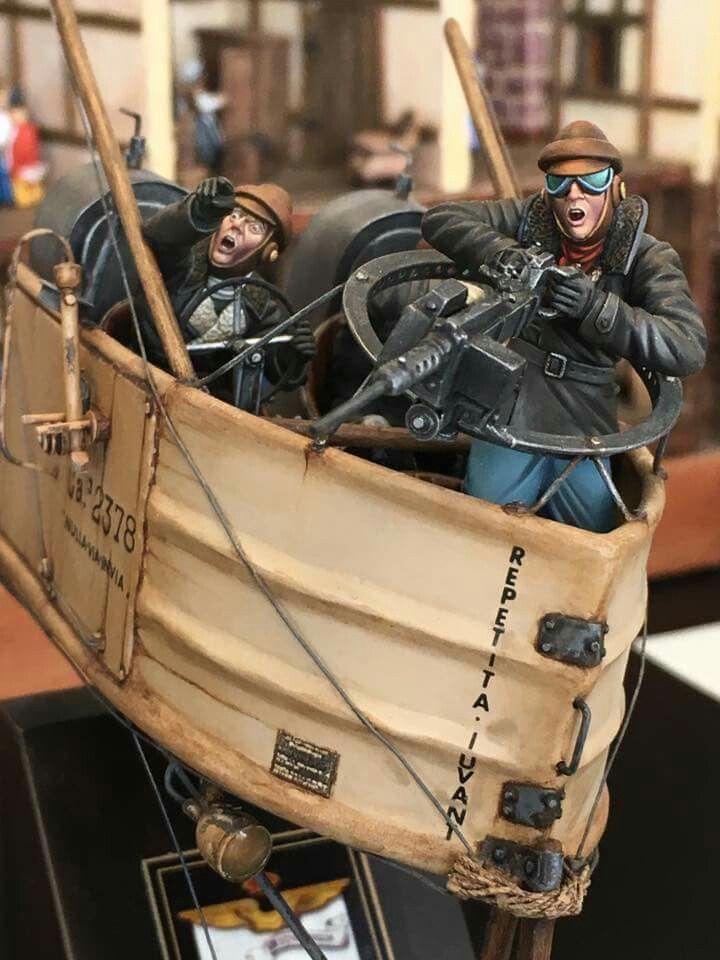
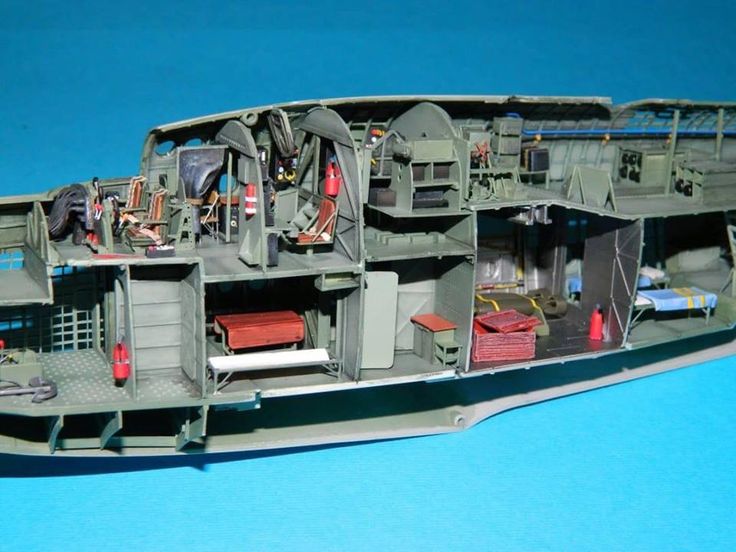
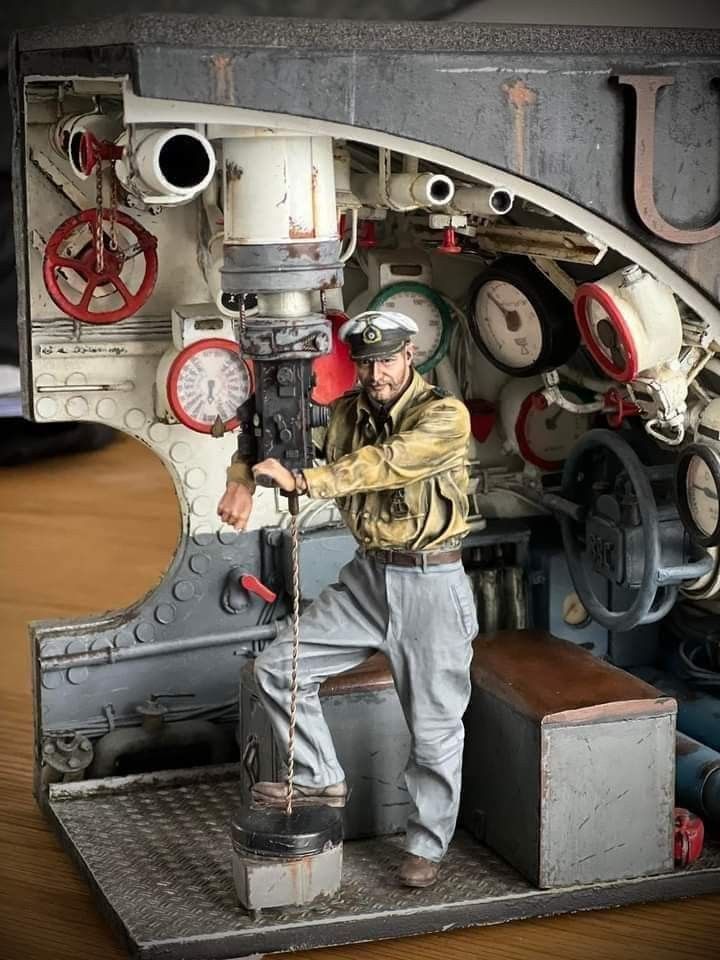
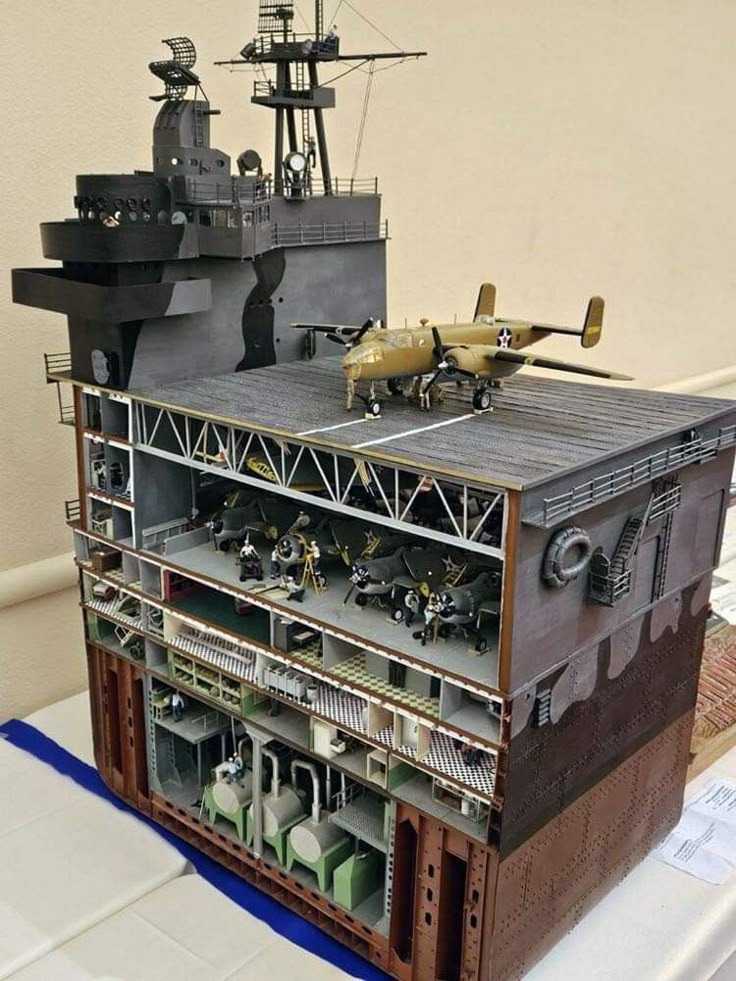
Pictures









What do you think is humanity’s biggest challenge in becoming a multiplanetary species?
Distance.
People have no real idea how far we are talking about when you get to intra-planetary distance.
People always love to say things like “Well the New World was a long way from Europe, but we still managed to go there. ”
OK, great, if you could walk directly to the new world from London, it would take you about 6–10 months, assuming you averaged 15–20 miles a day and where exactly you wanted to get to.
If you walked to the moon, the same trip would take you 43 years.
If you were to fly in the current fastest plane on the planet the NASA X-43A Scramjet
It would take you 3 months to get there.
If you took a vehicle at the fastest speed any human made vehicle has ever gone, The Parker solar probe.
travelling at an astonishing 394,736 mph it would take nearly 3 months to get to mars.
But, spoiler alert, the only reason that spacecraft was able to go that fast was because it was being dragged into the sun.
You will NEVER hit that speed with people on board.
But, let’s say you could hit that speed with people on board. That would mean it would only take you 171,377 years to hit the nearest exoplanet.
We are not getting off this rock.
Disney abandoned men… But now they want them back??
What are the key challenges that Japan is currently facing, including the US tariffs and their impact on the economy?
To be honest, Japan faces enormous risks.
1. China, this ever-rising great power, holds a deep and unforgettable hatred toward it. I’ve always found it strange that when the U.S. was looking for an “Asian Ukraine” around China, it didn’t consider Japan. Choosing South Korea—its president ended up in prison. Choosing the Philippines—the Philippines is too weak.
Why not choose Japan! Personally, even knowing it would be an American trap, I would still jump in! As long as the U.S. forces Japan to attack China, the CPC would be unable to control the fury of the Chinese people. If the CPC did not launch a war, it would be overthrown! I even especially hope the U.S. would incite Japan to attack China.
On September 3rd, during China’s military parade, the extreme anger toward Japan was already made clear, and the result was that Japan’s Prime Minister resigned today! But that doesn’t matter—America, your control over Japan is boundless. Let me give you a suggestion: if Japan refuses to die for you, then kill their emperor, or insult their emperor. For example, send a platoon of Black soldiers to take turns having sexual relations with the emperor’s mother or someone like that, and then claim it was done because Chinese netizens sent money for it. Believe me, the Japanese people would definitely fall for it. (Please pass my suggestion on to President Trump.)
2. Aging population. Nothing more needs to be said; this is a problem faced by all developed countries.
3. And most importantly, earthquakes, volcanoes, tsunamis. In essence, Japan is a nation waiting for death.
>>>
A well-known joke circulates on the Chinese internet: How can China and the United States go to war without harming anyone?
The answer: China and the U.S. launch simultaneous attacks on Japan. Within an hour, whoever kills more Japanese people is the victor, and that side gains control of the Pacific. (P.S.: Nuclear weapons may be used.)
Chinese netizens say that if the United States agreed to such a contest, then even if China were to win, we would willingly concede—handing the Pacific over to the great American people.
Ajiaco Bogotano (Medellin, Columbia)

Yield: 6 servings
Ingredients
- 1 (3 pound) chicken, cut into small pieces
- 2 quarts cold water
- 1 large onion, peeled and halved
- 1 bay leaf
- 1/8 teaspoon ground cumin
- 1/8 teaspoon thyme
- 1 tablespoon salt
- 1/4 teaspoon pepper
- 4 medium potatoes, peeled and halved
- 1 pound tiny boiling potatoes, peeled and halved
- 5 ears corn, cut into 2-inch rounds
- 1 cup + 2 tablespoons heavy cream
- 2 tablespoons capers, drained and rinsed in cold water
- 1 avocado, peeled, pitted and thinly sliced or cubed
Instructions
- In a heavy 5-quart pot, combine the chicken and water. Bring to a boil over high heat, skimming off the scum that rises to the surface.
- Add the onion, bay leaf, cumin, thyme, salt and pepper. Reduce the heat to low; cover and cook for about 30 minutes or until the chicken is tender.
- Transfer the chicken to a platter. Remove the onion and strain the stock through a fine sieve. Remove the skin from the chicken and discard. But the chicken meat into strips. Return the strained stock in the pot to a boil over moderate heat; add the potatoes. Cover and cook for 30 minutes or until the potatoes are soft. Mash them against the side of the pan until the soup is thick and fairly smooth.
- Add the corn and chicken and simmer uncovered for 5 to 10 minutes, depending on the tenderness of the corn.
- To serve, pour 3 tablespoons of cream and 1 teaspoon of capers into each of 6 deep soup bowls. Ladle the soup into the bowls and float the avocado on top.
Recipe Goldmine is now a legacy site. Please visit our sister site, Simply Great Recipes, for new recipes.
Could a main battle tank, in the near future, rely only on armor that withstands autocannon fire. And leave the rest up to active protection systems?
The US military came up with that concept around 20 years ago.
Specifically, the Mounted Combat System was meant to replace the Abrams. It was also meant to replace other vehicles like the Bradley and M109 howitzer by using one chassis. Because of the other roles, the vehicle itself was never meant to be highly armored to keep the weight manageable. Much of the protection would come from active systems.
Clearly, since we don’t see any of these vehicles today, the program was abandoned. Technology isn’t quite there yet when it comes to intercepting fast projectiles. Current active systems are also limited by ammunition. They can stop a handful, but once they ran out of “bullets”, they’re dead.
One very long-term solution is if you have laser-based protection or something like it that only requires energy instead of physical ammo. The problem is generating the electricity to power said laser 24/7, figuratively, while also running the vehicle without making the whole contraption gigantic and heavy. Ships have less of a problem because they already generate a ton of power, but not land vehicles (that also have to be air- and rail-transportable, so they can’t be too big).
993 views
A Silent Night at Last
Written in response to: “People have gathered to witness a once-in-a-lifetime natural phenomenon, but what happens next is not what they expected.“
Michelle Oliver
Hello, are you awake? May I come in?
Yes, sorry, shhh…I know. I’ll speak quietly. I promise I won’t wake the baby. He’s a tiny thing, isn’t he?
I, um, well, I traveled a long way to be here. I’m glad I didn’t miss it. The star, you know. It gave it away. Been watching that star now for weeks, since it appeared in the east. Well, OK, Melchior has. He hogs the telescope, but you know it’s so bright now we don’t need to use a telescope anymore, so I’ve been watching it every night.
Oh, here, this is for you. I know, I know, it’s not much, but everyone always gets stuff for the baby. No one ever thinks about the mother. Sorry, it’s only cheap perfume, not that frankincense that Caspar is so fond of. I think that stuff stinks. I hope you like this one, it’s jasmine.
I must say, this is not what I expected. You know, with all the celestial signs and everything, I kind of expected a fancy maternity ward in some high-brow Lindo Wing. Or even a nice hotel. I can’t say I ever expected to see you in a stable, not even a crib for a bed. I probably should have brought blankets. I would have, if I’d known. But the stars said a king was going to be born, and I’ve never known them to be wrong. Well, Balthazar has never been wrong. He’s the one who reads them in the paper each morning. Flicks straight to the Astrology page. Now bub here, he’d be a Capricorn. Bit stubborn and strong headed, but he’s going to be practical, reliable, serious and trustworthy. All good traits to have in a future king.
Oh, speaking of Balthazar, would you mind not telling him that I was here? I’m not supposed to come, you see. When we set out a few weeks back, we had decided to all come along, leave the astronomy lab unattended for a while—it’s not like anyone listens to our predictions, anyway. And as this is a once in a lifetime, once in a millennium, or really a once in an eternity kind of event, none of us wanted to be left out.
Along the way, we crossed paths with some travelling minstrels. You know the type, merry gentlemen, (bless them,) all song and dance, no real plans for the future, fly by the seat of your pants kind of guys. Well, we told them about our journey and they seemed pretty interested. They drank lots of wine, played lots of music and danced like wild things. They even made up a song. Old Balthazar, he got quite excited. It was the first time someone ever sang a song about us, actually the song was only about three of us. You see, they said the lyrics don’t fit so well for four. “We Four Kings of Orient are…” yeah not quite as good a ring to it, hey? So the boys and me, we cast lots to see who would miss out, and you guessed it. It was me. I got booted from the caravan. Had to walk the entire way here.
The minstrels said they’d like to pop in for a visit, you know, sing a song, bang a drum, par rum pa pum-pum and all that. If I were you, I’d head out of here as soon as you can. They’re a noisy bunch, will like as not wake the baby. They didn’t seem to be in too much of a hurry though. Might take them a few hundred years to get here, so you probably don’t need to rush.
I say, it’s kind of noisy here for a little one. Hey Angels, do you think you can tone down some of that Gloria-ing and Hosanna in excelsis deo-ing? The baby’s sleeping and mum looks like she could do with a bit of hush-hush. Here, love, you get a bit of shut-eye while you can. When my sister had her first, she was exhausted. Get some sleep while the baby sleeps, you know, otherwise you’ll be burnt out. I’ll just watch him a bit while you nap. I see dad is catching some Z’s. Must have pulled an all nighter with you, poor guy. Looks shattered.
These cattle keep lowing—never knew what that sound was—but yeah, it’s a nicer sound than mooing, don’t you think? Oh, look bub’s awake, sorry. I didn’t speak too loud now, did I? He’s not crying, though, a pretty content little fella. Can I hold him, rock him a bit for you?
Knock knock
Hello, welcome, come in. Guess what, Bub, we’ve got more company. Hey, shepherds, can you keep it down? The momma’s getting a little shut-eye, been a long time here in Bethlehem, and she’s pretty much done in, poor thing. Have a look, isn’t he just the cutest little bundle? I think he has his father’s chin, well, dad’s down for the count, but you can kind of see his strong jaw beneath that beard. Bub is probably going to have quite a prominent chin too.
So you guys travelled here because of the star too? It’s pretty spectacular, isn’t it? Like a neon sign in the sky, flashing and crying out, look here! And the angels? I suppose you heard them on high? You can’t miss them, can you? A pretty unique kind of birth announcement, but I suppose, the birth of the King of Kings can afford to be a bit more dramatic and flashy than us ordinary folk.
Knock knock
Oh, hi! Look everyone, it’s Melchior, Balthazar, and Caspar. What took you guys so long? I can’t believe I got here first. I was on foot and you took all the camels. Did you get stopped by another travelling band of minstrels? Have a few drinks? Oh, you stopped to buy gifts; I see.
Gold? Really Melchior, you don’t think you could have at least bought a gift card and put it in an envelope? I suppose this way, they can spend it wherever ever they want, but it does seem like a lack of thought went into your gift.
Myrrh, it’s at least practical, Balthazar, but perhaps ointment for nappy rash would be easier for them to use.
Of course you brought frankincense, Caspar. No, don’t light it, there’s not enough room here and the smell, you know, it’s quite pungent, although I suppose it couldn’t smell worse than the sheep.
Well, it seems we’ve all come from near and far to witness this special event. The star has led us all here, and it won’t stop shining. It’s a bit hard for the poor mum and dad to sleep with all this light and all the visitors. Perhaps we might need to get going and let this little family rest. What do you say? Yeah, come on, you can kneel by the crib and say goodbye, one at a time.
Ok, off you go, thanks for coming, I’ll pass your love on to the momma and dad, when they wake. Safe travels.
Ahh, that’s it, they’ve all gone. Peace and quiet, thank the Lord. A silent night at last.
Have you ever had a job where you did nothing for years and nobody found out?
When I was a fresh-out-of-the-service Veteran going to college, I found a great job as a night-time security guard in a large computer complex. Because the facility and the equipment were so valuable and so sophisticated (for the time), everything was monitored for basically every eventuality, and if ANYTHING went wrong, a red light would light up on a large panel in front of my desk. If I saw a red light, there were a couple phone numbers were to be called. I worked this job from midnight to 8am, seven days a week for about six months. All night while I was doing nothing but looking at the panel and its uniformly green lights, I did all my studying and other assignments. I had as much time as I needed for everything. It was the ideal job for a student.
One day, my boss asked me to do a write-up of what the job entailed. Since I had unlimited time to do it, I really did it up grandly. I described the various problems that would have been indicated by a red light (which I never saw), whom I had to call, and what their position was, blah, blah, blah.
A couple weeks later, I was laid off. It seems that when the client saw how important that job was they decided that they wanted someone with better credentials than a part-time college student. THey hired a retired police officer to take my place.
So my job was basically doing nothing, and in fact doing nothing, but it turned out to be very important nothing and I wasn’t qualified to do it. What an insult!
What does getting morphine feel like?
Depends on the dose and how long you take it, it also depends on the person.
I first got morphine some 30 years to treat serious diarrhoea and intestinal bleedings.
At first, you feel calm and any pain slips away. As the dosage is increased, you feel euphoric and sleepy, and often fall asleep.
The euphoric feeling goes away if you take it for longer periods unless you increase the dosage again. This is how addicts get addicted.
If you take it for decades, your entire body needs morphine to just get by. A lack of morphine will result in headaches, vomiting, and a generally feeling of illness.
At this point, there is no longer any euphoric feeling, you simply feel really bad when you don’t take morphine.
While morphine is great to relieve pain, it is a pain in the arse when used over longer periods of time.
Morphine, in my case, is the only way to keep the intestines under control.
But even as a pain killer, there are often better products, such as ice packs when we are dealing with orthopedic surgery.
Also paracetamol will often do the trick, so no opium derivatives are required. Doctors too often prescribe opium products where it is not needed.
My best advice is to avoid heavy painkillers whenever possible.
Iran Just Sank a US Supply Ship in Red Sea — 30,000 Interceptors Destroyed in 20 Mins
Embarrassment: What has been the most embarrasing punishment of your life?
Embarrassing was definitely an understatement for this one…
One afternoon after school I’d come home report card in hand and with an F I knew I’d be getting a spanking from my parents which I’d mentally prepared for. So I walk in and my mom asked to see the report card I said ok let me go toss my book bag down and I’ll show it to you and she said ok. Well while I was upstairs I got this itch up my nose that if I changed the F to a B it wouldn’t be noticed and boy was I wrong. So I happily marched down and gave mom the report card thinking nothing of what I’d done. And she looked at it looked back at me and said now son how old are you and it was this moment I knew I messed up I said 12 and she looked at me and said and you thought changing your grade was ok. I know you got an F and now instead of just the spanking you’ll be getting a lot worse. I said but and she said no buts go to your room and wait for me. When she came up she didn’t have the spoon so I thought phew I got out light and she said to me I’ve got the key to your room lock your door and meet me in my room so I did and she said when I got to her instead of the usual bare bottom spanking in your room which your still getting when dad gets home I’m gonna go ahead and prepare you for him and I said what do you mean and she said I mean I’m going to take your clothes now and when father gets home in 5hrs he’ll spank you and give you them back. I said mom I and she interrupted I don’t care what you have to say come here. I walked very nervously closer and once within her reach she grabbed my waist band of my shorts and pulled me in closer before stripping my pants and underwear off then my shirt and finally my socks. She then said that I’m to stay downstairs and I said but I’m naked and… she interrupted abruptly with and that’s the point I’m locking your door so you won’t get dressed before dad spanks you and using this time to teach you a lesson. Well if you can imagine at 12 how it felt for me to be kept naked in front of my mom and two younger siblings (both girls and neither more than 2yrs apart from me) I was utterly humiliated. But it taught me a lesson because I didn’t want to have to relive it again.
How China SOLVED Homelessness While America Made It a Crime!