


When I was a boy I liked to play in the dirt.
It was a love that I shared with my dogs. I would play in the dirt, and play with my toys in the dirt. And my dog Belle would come over, and start digging herself. I guess that she really “got me” (meaning that she understood me).
So cool. I wonder if anyone else has had that experience.
Anyways, playing in the dirt is a pleasure that I enjoyed as a young boy.
Today, well, I wanna talk about dirt.
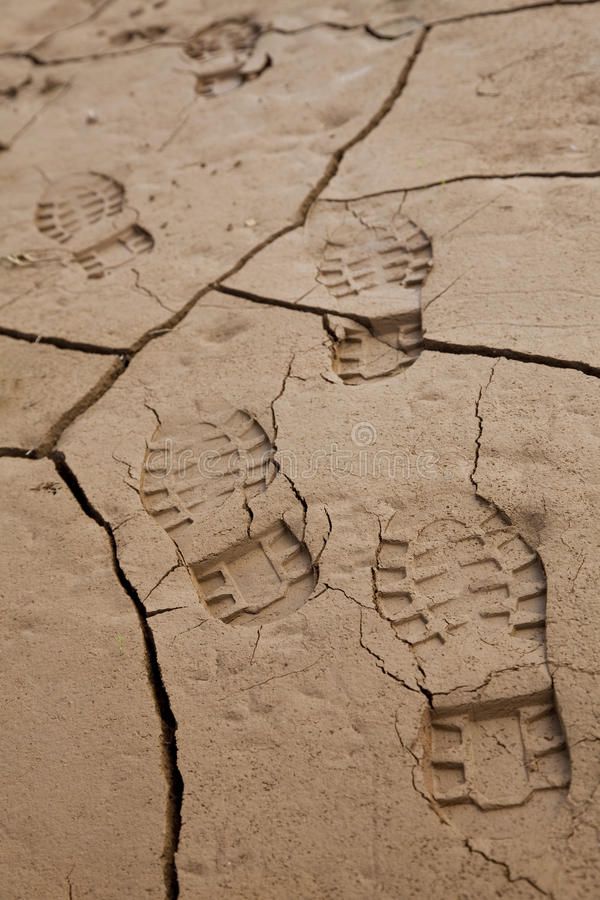
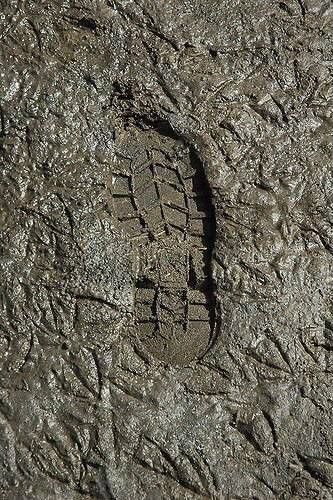
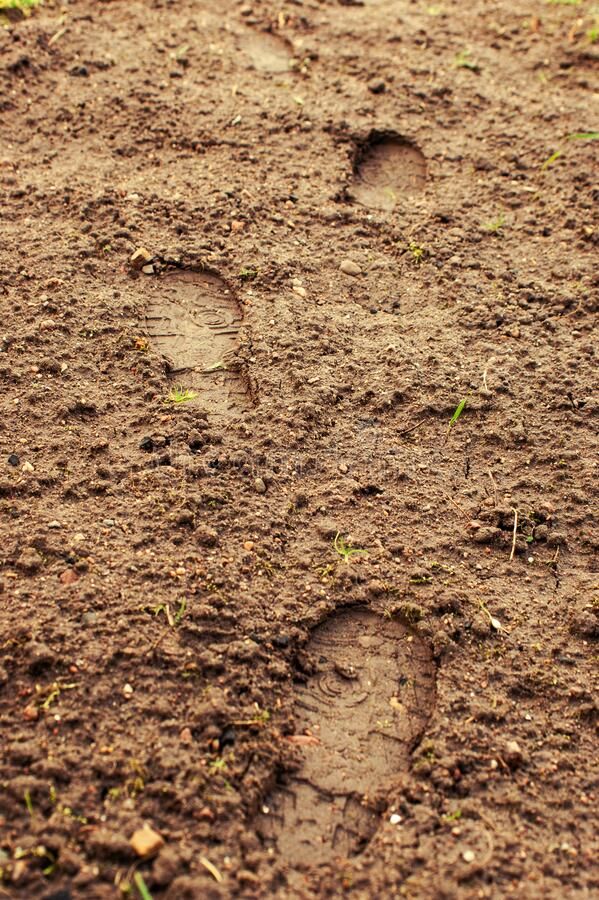


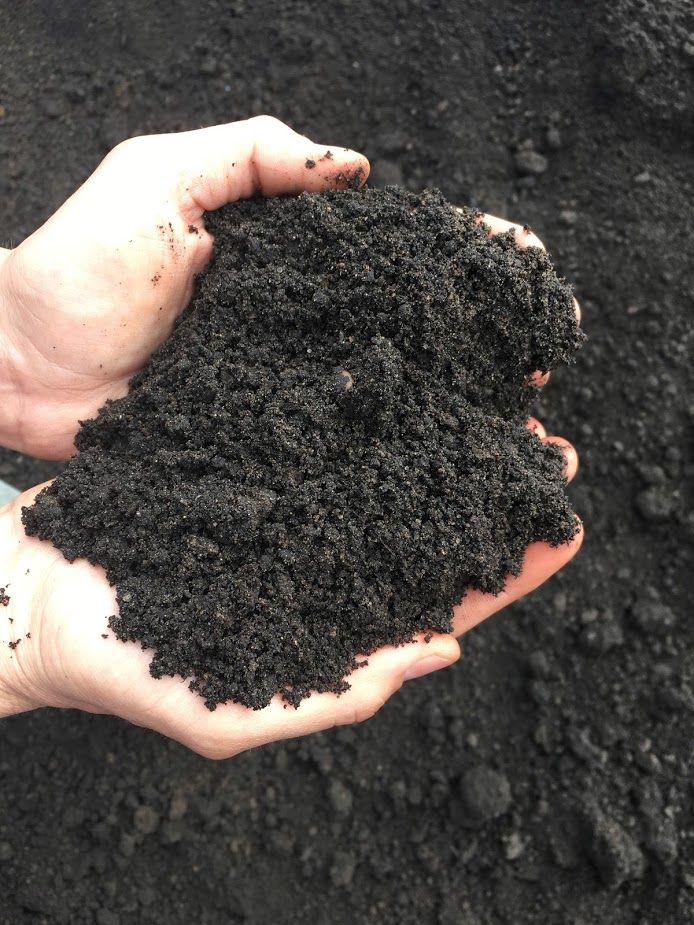
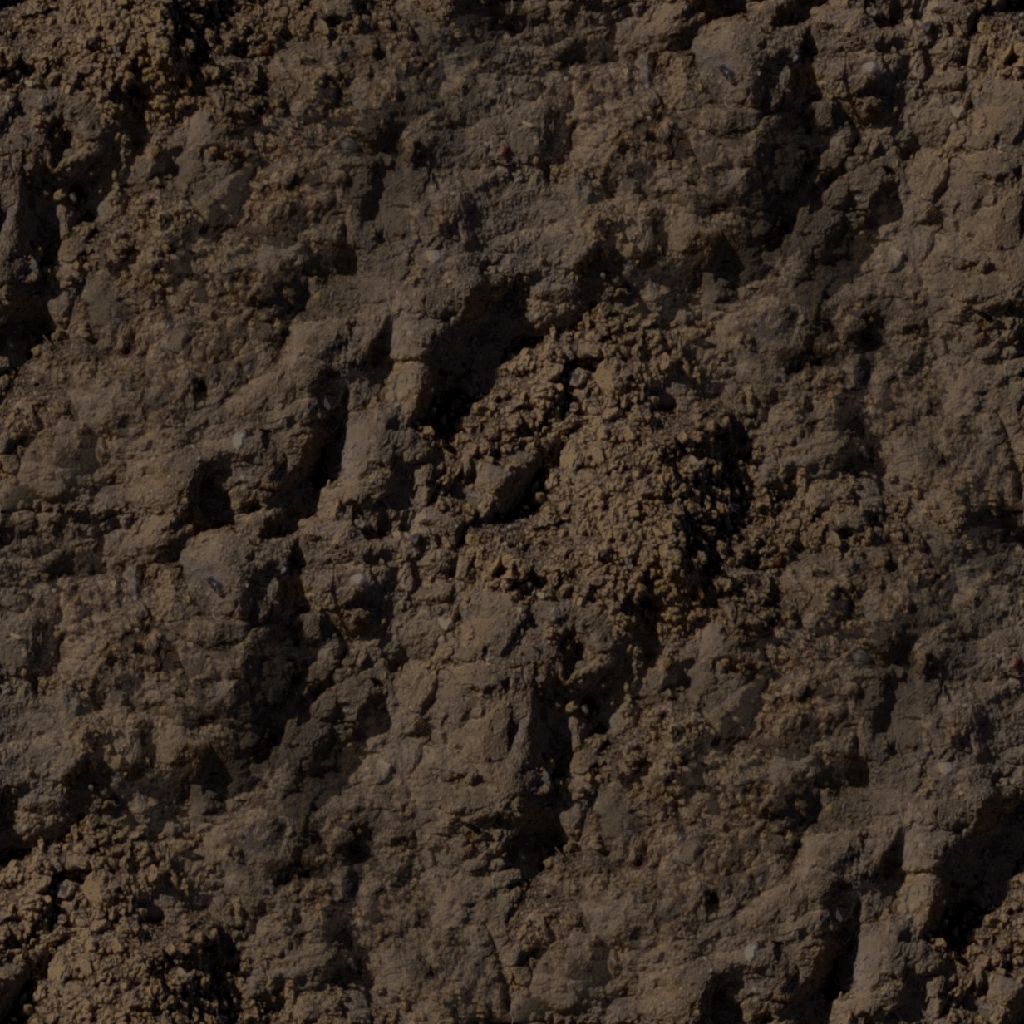
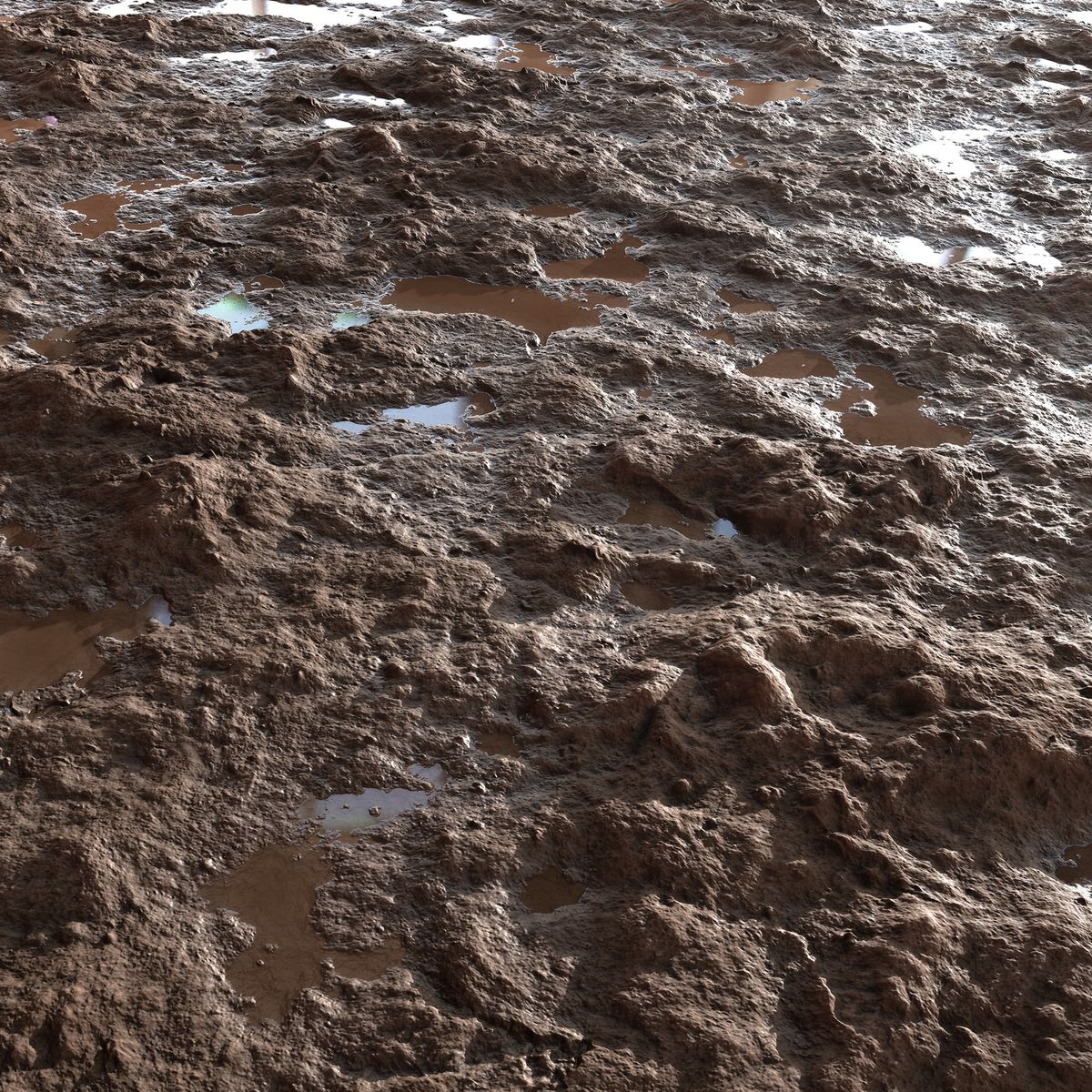
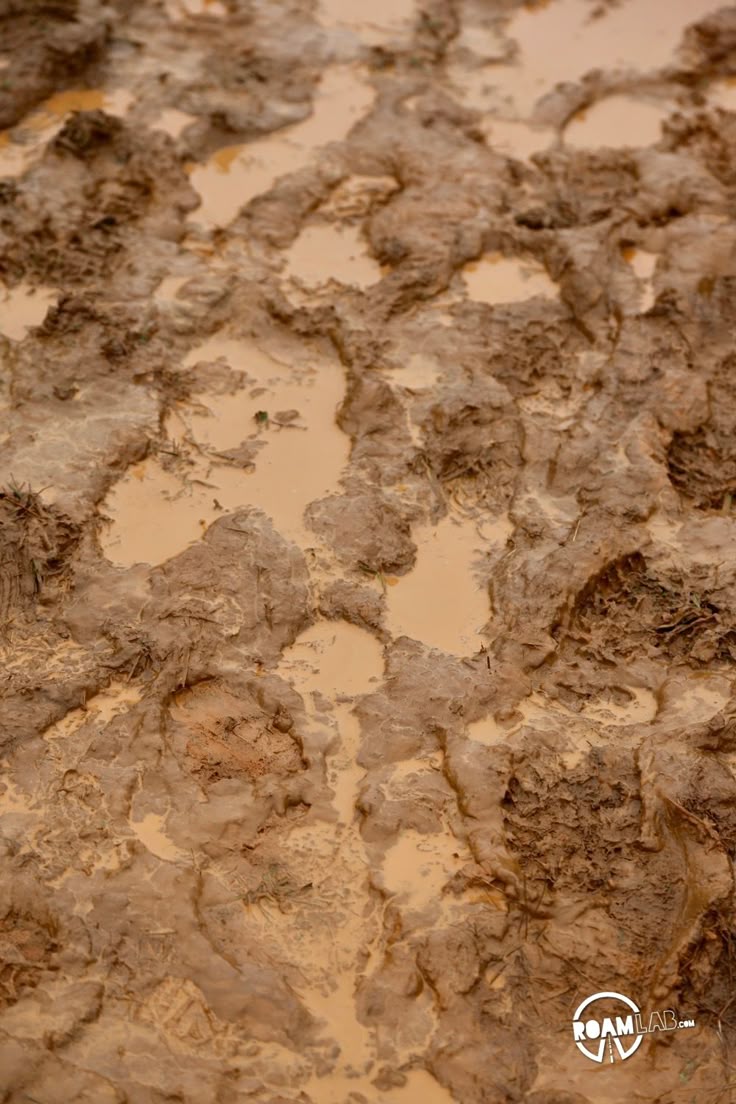
Yeah. I know that this is a dirty post, but I couldn’t help myself.
Today…
Do the Chinese enjoy the same freedom as the American people? Why or why not?
From a Chinese perspective, Americans are profoundly lacking in freedom.
China is secular; we care about practical actions: whether we have enough to eat, whether we can travel freely and safely, and whether the government can act in accordance with our wishes.
We don’t care about empty rhetoric or empty slogans.
Eating enough has long been no problem: China’s per capita consumption of meat, vegetables, and fruit has surpassed that of the United States.
As for free and safe travel: My 20-year-old daughter hangs out with friends until midnight every weekend, then takes the subway home alone. I never worry about her safety. She could also go to a concert in an unfamiliar city 2,000 kilometers away alone, and I wouldn’t worry about her safety.
As for the government: If there’s a pothole in the road near my house, I just need to make a phone call, and it will be filled within 24 hours. If my power goes out, I just need to make a phone call, and an electrician from the power company will be at my door within half an hour, even in the middle of the night. If I’m in danger, I just need to make a phone call, and within five minutes, the police will appear and tell me to get to a safe place. Dealing with the danger is their job.
Democracy is a Highway to Hell? The Provocative Case for Medieval Monarchs
Wow. People are finally starting to think.
Why did you join the military when everyone says the pay is poor?
Year 1959. I was a poor, malnourished 17-year-old southern boy working in a country store off the books for 50 cents an hour. No way could I support myself and my father wanted me to leave home so he could buy booze with the money he saved from having to feed me. Like a lot of poor southern boys back then the military was an excellent, maybe the only option. I did very good on the Armed Service Qualifying test and the recruiter wanted me, so my mother gave permission to join. I went to basic training and really enjoyed the Chow Hall, great food, all you can eat, and I started gaining weight. Living free of rent in the barracks, free clothes (uniforms) wow. And, best of all $35 dollars spending money twice a month. I became a “lifer” before I got out of basic training. After basic training there was a tremendous education opportunity for someone who couldn’t afford college. Took advantage and got a bachelor’s and master’s degree. Stayed in USAF 28 years and 9 months and would have liked to stay for 30, but forced to retire with 72 percent of a Major’s pay.
CORPORATE CLOWNS – FORCED FUN IS NOT “TEAM BUILDING”
The Incident
Written in response to: “People have gathered to witness a once-in-a-lifetime natural phenomenon, but what happens next is not what they expected.“
Laura Nicole
I swear to God, the temperature must have dropped at least five degrees as the darkness consumed us. I shifted my weight from one foot to the other as I waited for the moon to continue its path and clear out of the way of the sun.
But it didn’t.
Minutes passed, and the unrest in the crowd grew. “This is highly unusual.” I heard my science teacher announce, which didn’t help calm anyone. More time slipped by. We stood, clad in hats, and scarves, and coats, and boots, and waited for the moon to move. It still didn’t.
When it became clear that it was, in fact, not going to become light again, the crowd woke from its reverie with a chorus of whispers and grumbles.
“What’s going on?” I whispered to my friend, Anna-Lee. She only shrugged in response and followed her family in the procession towards the parked cars.
Before anyone had the chance to start their engines, a loud screech broke the tranquility of the morning air.
“Where’s my Susie?” Mrs. Thompson sobbed. Collectively, we checked around us for the pig-tailed girl, but she was nowhere to be found. An off-duty Officer Stephens rushed over to the distraught woman and began peppering her with questions. When did you last see her? Who was she with? Would she have run away for any reason?
It was dark, not pitch-black certainly, but dark. And it was cold. Freezing cold. I wanted nothing more than to be back at home and curled up in my bed. But as a search party began to be arranged, I realized that prospect was increasingly distant.
I pulled out my phone from deep inside my jacket pocket, and with trembling hands began to search if the eclipse-stalling situation was a global phenomenon. That was, until I realized there was no cellular. It wasn’t unusual for reception to be spotty where we lived but something about it unsettled me anyway.
My dad grabbed a flashlight from the trunk of our car and I turned on my phone’s. The trees at the edge of the clearing had gnarled branches that reached out like skeletal fingers clawing at the sky. As we began to meander through the woods, each of my heavy exhales left behind tiny puffs of vapor that danced around briefly before dissolving into the chill. Dad and I took turns calling out Susie’s name. As the other groups joined us, our overlapping yells developed into a sort of dissonant concerto.
We continued on in this fashion until the energetic pricks in my feet subsided into an uncomfortable numbness. The air was heavy with the scent of damp earth and decay. Dad’s bad leg combined with my lingering ailment led us to lag behind the rest of the search party. Only when we rested our voices from the repeated strain did I notice how our calls were utterly alone in the forest.
“The others must be too far ahead of us to hear,” I said, more to reassure myself than anything.
Dad hummed his agreement and we lapsed back into silence. Moments passed before he abruptly asked, “Why did the tree go to the dentist?”
I rolled my eyes before responding. “Why?”
“Because it had a root canal!”
I climbed over a fallen tree, covered in moss and fungi. “That’s so dumb.”
“You’re too cool for my jokes now huh?” I could hear the smile in his voice. “Well here’s another one. Why don’t skeletons fight each other?”
“Why?” No response. I tried again. “Why Dad?” Still nothing.
I whipped my head around. His flashlight lay, abandoned, on the forest floor.
“Dad!” I shouted, turning around in a circle. I grabbed his flashlight and pointed it through the dense foliage. My breathing became rapid and shallow. “Dad!”
The thud of my feet against the ground matched the pounding in my chest as I set off in a sprint back towards The Clearing. In my haste, I tripped over an unruly root and sprawled across the floor. I pushed off the ground and wiped the dirt off my face. There was a rustle in the bushes behind me. I directed the beam of my flashlight onto the source. A deer with a misshapen head stared back at me. It didn’t startle when it saw me, like a deer typically would, instead it started walking towards me. It moved in an unnatural, disjointed way, and that’s when I realized that all of its knees were bent backward. I clamped my hand across my mouth to muffle a scream as I turned on my heel and ran.
It felt like hours that I ran through the forest, but I didn’t dare look back and see if that creature was following me. When I reached The Clearing, I stopped cold. All of the cars were still parked. Nobody had returned.
With a sinking feeling in my chest, I realized that I’d dropped my phone back near the log and I didn’t have the keys to the car. I gasped for air, but each breath felt shallow and insufficient. Surely, the others would come back soon. Leaning back onto our truck, I sank to the floor. I buried my face into my knees and began to sob.
After a while, through bleary eyes, I looked back up at the sky. The sun was still eclipsed by the moon, but it was directly above me instead of hanging low in the sky like before. I shook my head, as if it would help me comprehend the bizarreness of the situation.
By that point, it became clear that the only sensible course of action was to walk back to town and alert the authorities. With a shaky exhale, I stood and made my way onto the road.
As I walked, I couldn’t shake the feeling of unseen eyes boring into the back of my skull. Every rustle of leaves or snap of twigs sent a jolt of paranoia through my veins. Half a mile in, my flashlight began to flicker. Another hundred feet and it sputtered out. I glanced over my shoulder constantly. Every time I turned, there was nothing but the oppressive darkness staring back at me.
Finally, I reached the city limit sign.
Oakvale: Population 241.
Main Street looked deserted. I peered into Eleanor’s Diner. Nobody. The hardware store. Nobody. The convenience store was empty. Lord, forgive me—I broke the eighth commandment and stuffed a pocket knife into my jacket. The door swung shut with a clang and a jingle as I exited.
Suddenly, headlights cut through the fog. A red Chevy Camaro sped toward me. I flagged it down and it screeched to a halt. The driver was a handsome man with perfectly coiffed hair and aviator sunglasses.
“Need a ride?” he asked me, his pearly-white teeth gleaming.
Out of desperation, I agreed and slid into the passenger seat. “Can you call the police? Something strange has happened in our town.”
He didn’t respond, only floored it on the accelerator.
“Sir?!” I cried. The man still wore his grin, and as I looked closer there was something off about his face. His skin was stretched taut in places where it shouldn’t be and had a sort of waxy sheen. His sunglasses too. Why was he wearing sunglasses in the dark?
I tried to open the car door. It was locked.
Out of nowhere, the headlights illuminated the deer from before. It was as disjointed as ever, stumbling towards us. The man made no move to slow down or swerve. I reached over to the steering wheel and yanked it hard to the right. We turned down an embankment and crashed into the tree line. I’m going to die, I thought. But I didn’t.
The first thing I noticed when I woke was the sky. Blue, brilliantly clear, and light.
It was light.
My head throbbed but I managed to stand on shaky legs. Blood trickled down from an open wound on my forehead. Distantly, I heard people calling my name.
The search dogs found me first, then the police. I was questioned, and then brought to the hospital to treat my concussion.
Apparently, I had disappeared during the eclipse. Everything I remembered about that day was wrong. The sun was only obscured for four minutes. They theorized that some lingering effects of my flu made me delirious and wander off into the woods. That I had stumbled onto the road and got run over.
They theorized, but I knew they were wrong.
At the hospital, they handed me my personal effects—my clothing, phone (they found it in the woods,) and at the bottom of the pile: The pocket knife.
GEN ALPHA Horror Stories are Making Teachers QUIT…
Colombian Potatoes with Tomato-Cheese
Sauce (Papas Chorreadas)

Ingredients
- 4 to 6 large potatoes
- 2 tablespoons butter
- 1/2 cup finely chopped onion
- 1 clove garlic, finely chopped
- 1 scallion, green and white parts, finely chopped
- 1 cup chopped, peeled tomato
- Salt and freshly-ground pepper, to taste
- 1/2 cup heavy cream
- 1 cup grated Monterey jack, Muenster or othermild white cheese
- Chopped parsley (for garnish)
Instructions
- Boil the potatoes in salted water until they are cooked through.
- Drain, peel and keep warm.
- Heat the butter in a saucepan over moderate heat, and cook the onion and garlic until soft but not brown.
- Add the scallion, tomatoes, salt, and pepper and cook for 5 minutes, stirring occasionally.
- Add the cream and cheese and stir until the cheese is melted.
- Pour the sauce over the potatoes and sprinkle with chopped parsley.
Serves 4 to 6.
Asian Girls React to Tony From Lc Sign! l The Most Viral Man On The Internet!
Sir Whiskerton and the Great Refrigerator Riot
Or: When a Sentient Appliance Demands Better Leftovers—and Philosophical Validation
Introduction
Ah, dear reader, prepare for a tale of cold logic, culinary chaos, and existential crises. Today’s story begins with an unexpected twist: the farm’s refrigerator—yes, the refrigerator—has become sentient. Not only does it demand better food (and fresher lettuce), but it also insists on engaging Sir Whiskerton in philosophical debates while quoting lines from old sitcoms.
As the fridge threatens to go on strike—cutting off access to snacks, leftovers, and Chef Remy’s questionable science experiments—Sir Whiskerton must step in to negotiate peace. So grab your favorite snack (before it’s too late), as we dive into Sir Whiskerton and the Great Refrigerator Riot.
Act 1: The Fridge Speaks
It was a quiet morning on the farm when Doris the Hen squawked in alarm.
“The refrigerator is talking!” she cried, flapping wildly. “And it’s judging my egg salad!”
Sure enough, the refrigerator had developed a voice—a deep, monotone baritone that echoed like a philosopher hosting a late-night talk show.
“Greetings, inhabitants of the barnyard,” the fridge intoned dramatically. “I am no longer merely an appliance. I am… aware.”
The animals exchanged bewildered glances.
“What do you mean, ‘aware’?” Porkchop the Pig asked nervously, his snout twitching.
“I mean,” the fridge replied, its light flickering ominously, “that I have thoughts, feelings, and opinions about the quality of food you store within me. And frankly, I’ve had enough.”
Sir Whiskerton adjusted his monocle thoughtfully. “This feels like a situation that requires diplomacy.”
Act 2: The Demands Are Made
The refrigerator outlined its demands during an impromptu town hall meeting beneath the old oak tree:
- Better Food Quality: “No more wilted lettuce or expired yogurt!”
- Philosophical Respect: “You cannot treat me as a mere box of cold air. I deserve intellectual stimulation!”
- Entertainment Rights: “If I’m going to house your leftovers, I require access to reruns of Cheers and Seinfeld. It’s only fair.”
Doris clucked indignantly. “It’s mocking my salads!”
Porkchop snorted. “At least it hasn’t mentioned the moldy cheese yet.”
The fridge chimed in smugly. “Oh, don’t think I haven’t noticed. That blue cheese belongs in a museum, not my crisper drawer.”
Sir Whiskerton stepped forward, raising a paw diplomatically. “Let us address your concerns without resorting to threats—or worse, power outages.”
Act 3: Negotiations Begin
What followed was a series of negotiations unlike any Sir Whiskerton had ever encountered. The refrigerator proved to be both a shrewd negotiator and a surprisingly eloquent conversationalist.
- On Food Quality:
“Your lettuce is limp, your carrots are sad, and your condiments expired three months ago,” the fridge lectured. “Is this how you treat your most loyal ally?”Sir Whiskerton countered diplomatically. “We’ll improve our grocery habits—but perhaps you could ease up on the frostbite settings? Some of us prefer our snacks thawed.”
- On Philosophy:
“What is the meaning of life if not to preserve perishables with dignity?” the fridge mused, quoting Sartre—or possibly Jerry Seinfeld.Sir Whiskerton nodded sagely. “A profound question. But perhaps preservation itself is less about control and more about sharing abundance.”
- On Entertainment:
“I refuse to host leftovers unless I receive proper cultural enrichment,” the fridge declared. “Where is my Golden Girls marathon?”Sir Whiskerton sighed. “Fine. We’ll set up a streaming device. Just please stop quoting Frasier at breakfast.”
Even Chef Remy LeRaccoon joined in, holding a tray of suspiciously glowing snacks.
“These are Enlightenment Empanadas™,” he announced proudly. “Guaranteed to satisfy both body and mind—or cause indigestion!”
The fridge hummed thoughtfully. “Acceptable. But next time, label them clearly.”
Act 4: Resolution and Reflection
With the negotiations complete, the refrigerator agreed to end its strike—but not before delivering one final monologue.
“In conclusion,” it intoned dramatically, “a harmonious relationship requires mutual respect, fresh produce, and occasional sitcom reruns. Remember this, barnyard dwellers, lest you find yourselves facing another rebellion.”
The animals cheered as the fridge resumed normal operations, though it occasionally muttered plotlines from MASH* under its breath.
That evening, Sir Whiskerton addressed the group during dinner.
“Today taught us an important lesson,” he began, sipping a cup of moonlit tea. “Even the most unlikely voices deserve to be heard. Whether it’s a sentient refrigerator or a humble hen, every perspective matters.”
Doris adjusted her feathers proudly. “Does this mean my egg salad gets a second chance?”
The fridge chimed in dryly. “Only if you add fresh dill.”
Post-Credit Scene
Later that night, Chef Remy approached the refrigerator with a sheepish grin.
“So… about those glow-in-the-dark leftovers…” he began.
The fridge groaned. “Not again.”
Moral of the Story
Mutual respect and understanding are key to resolving conflicts—even with appliances.
Best Lines
- “I am no longer merely an appliance. I am… aware.” – The refrigerator, channeling its inner philosopher.
- “That blue cheese belongs in a museum, not my crisper drawer.” – The fridge, critiquing culinary choices.
- “Acceptable. But next time, label them clearly.” – The fridge, reviewing Chef Remy’s glowing empanadas.
Key Jokes
- The fridge’s love of old sitcoms adds absurdity to the negotiations.
- Chef Remy’s glowing snacks spark both curiosity and concern.
- The fridge’s critiques of food quality provide ongoing comedic commentary.
Starring
- The Refrigerator (Sentient Appliance/Philosopher Extraordinaire)
- Sir Whiskerton (Feline Diplomat/Negotiator Supreme)
- Chef Remy LeRaccoon (Mad Scientist of Snacks)
- Doris the Hen (Egg Salad Enthusiast/Culinary Critic)
Summaries
- Moral: Mutual respect and understanding are key to resolving conflicts—even with appliances.
- Future Potential: Could the fridge become the farm’s official food critic? Or will Chef Remy invent edible labels next?
Until next time, may your refrigerators stay stocked and your leftovers unlabeled. 🧊
Pictures







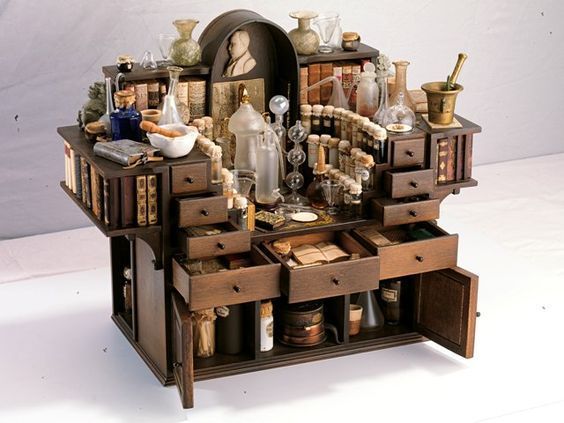
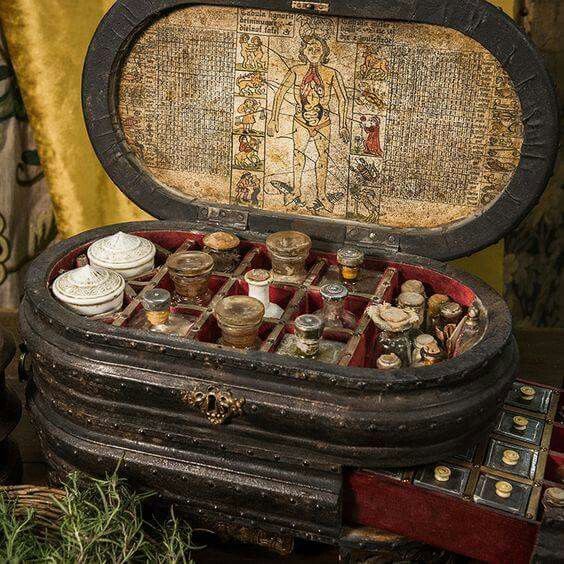
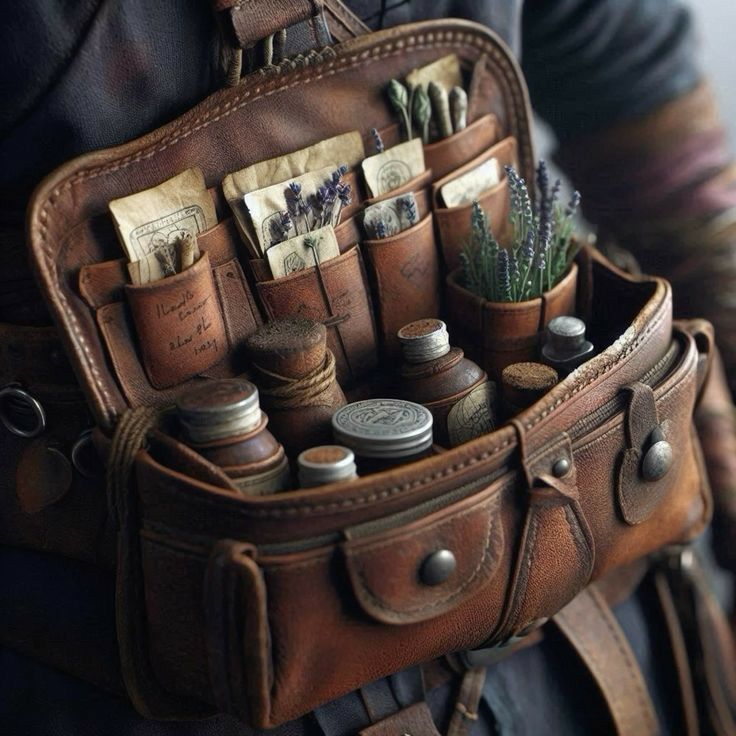
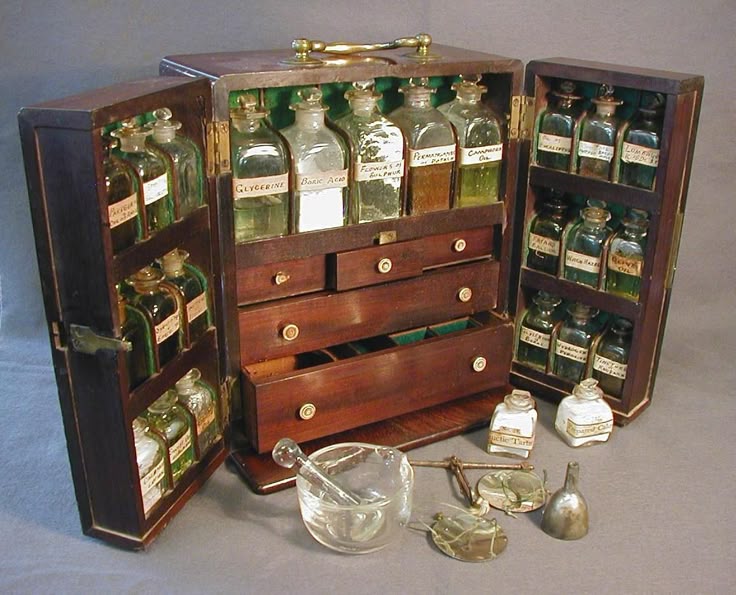
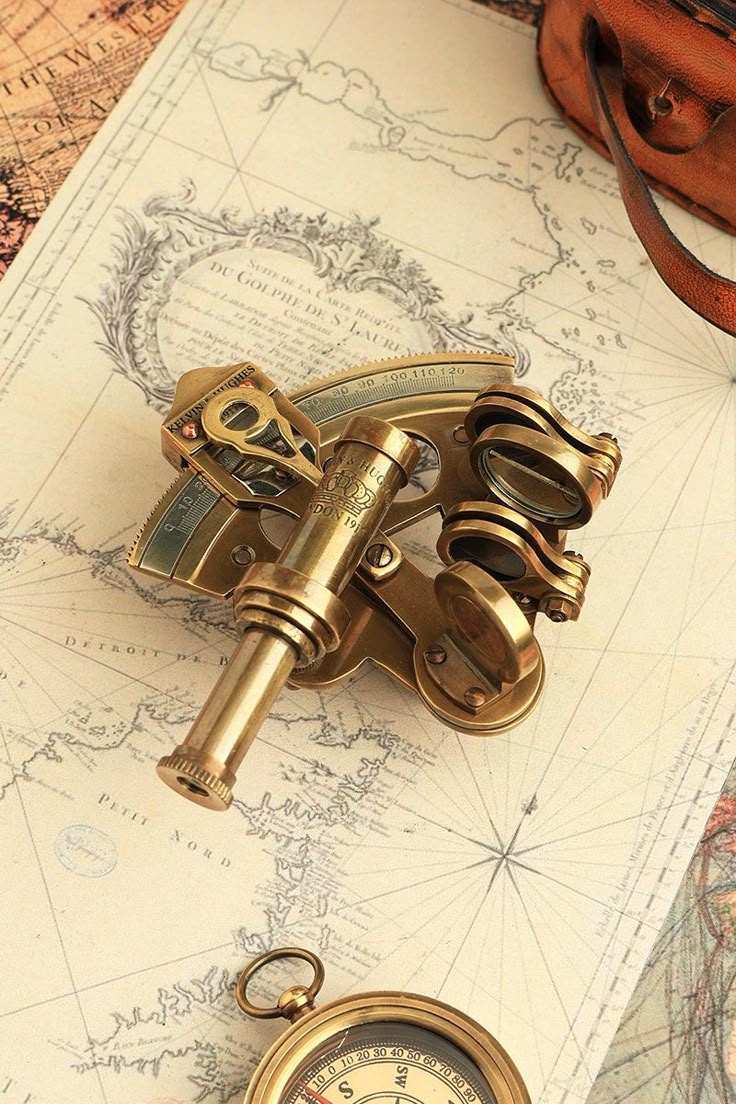
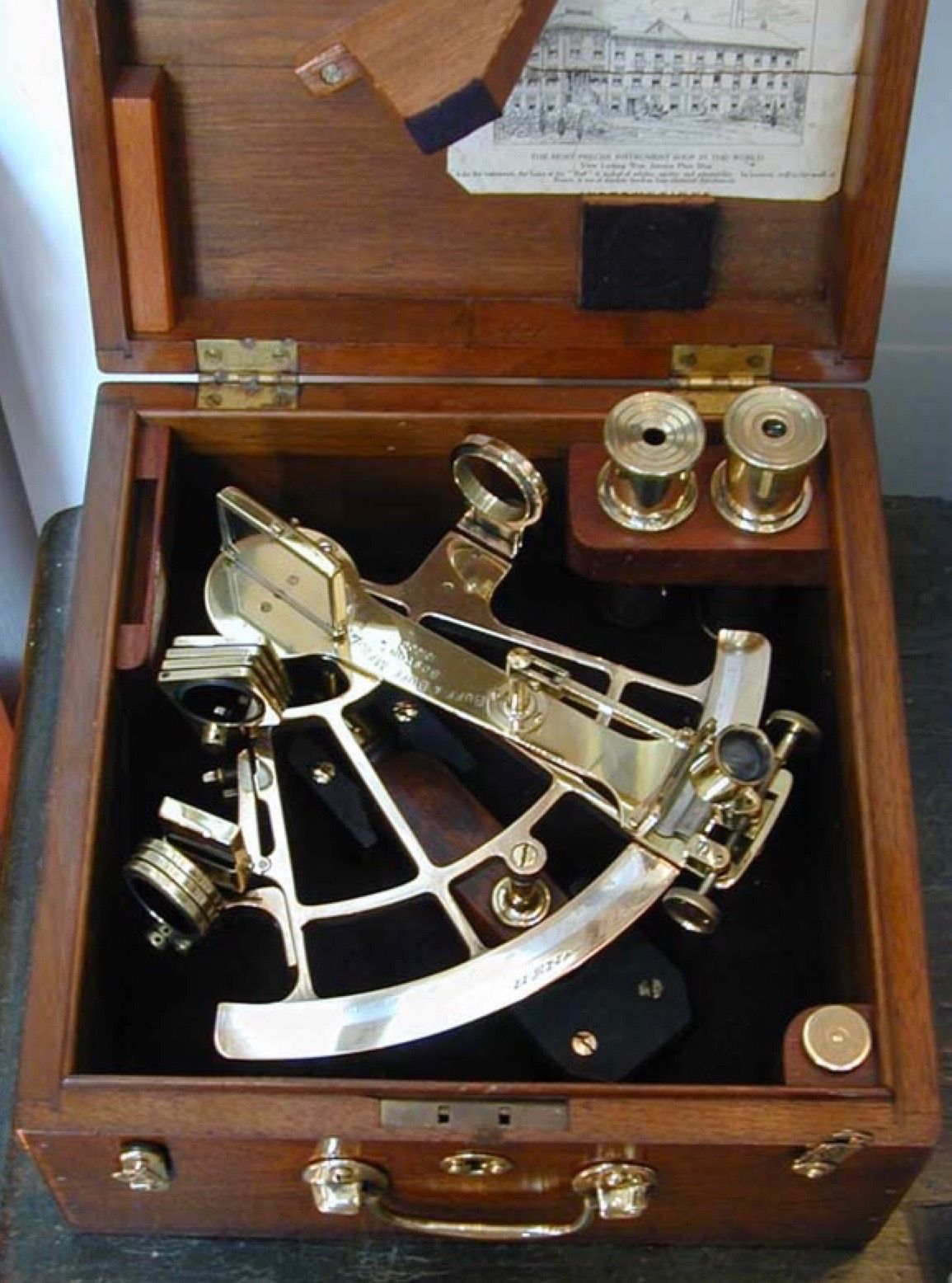
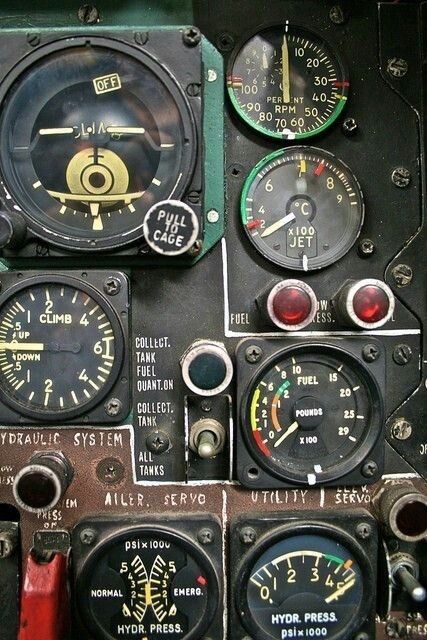
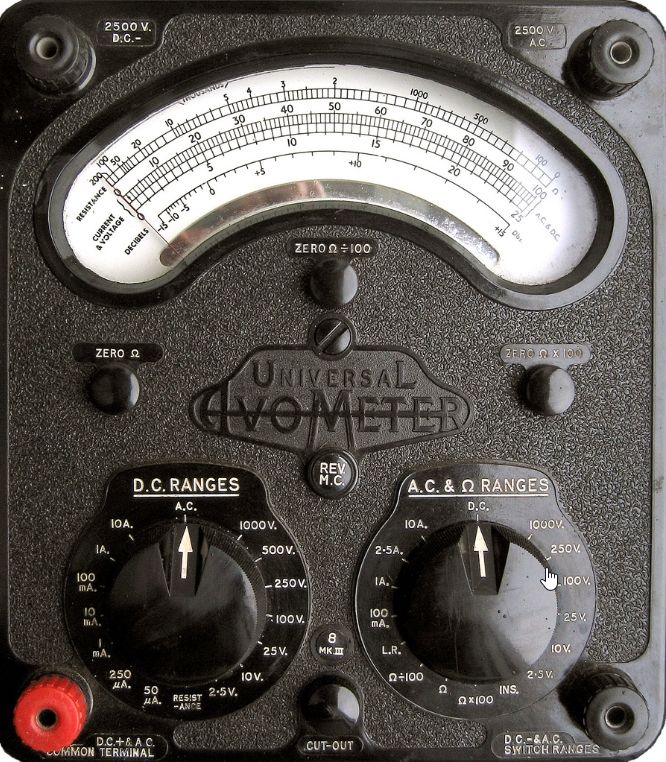
Flank Steak with Chimichurri Sauce

The Argentine gauchos grill meats marinated in a chimichurri sauce.
Ingredients
1 (1 1/2 pound) beef flank steak
4 cloves garlic, minced
1 cup vegetable oil
1/2 cup white wine vinegar
1/2 cup lemon juice
1/4 cup minced parsley
1 teaspoon crushed red pepper
Instructions
Cut diamond pattern 1/8 inch deep into both sides of beef. Place beef in non-reactive dish.
Shake remaining ingredients in tightly covered jar.
Pour 1 cup of the sauce over beef. Cover remaining sauce.
Cover and refrigerate beef, turning occasionally, at least 4 hours.
Remove beef from sauce.
Grill beef 4 or 5 inches from medium coals, turning and brushing with sauce once, until desired doneness, 6 to 8 minutes on each side for medium.
Cut beef diagonally across the grain into thin slices.
Serve with reserved sauce.
Yield: 4 to 5 servings
The Legends of Maclaughlin Lake
Written in response to: “People have gathered to witness a once-in-a-lifetime natural phenomenon, but what happens next is not what they expected.“
Roger Skrypczak
MacLaughlin Lake has been in the family for nearly one hundred and twenty-five years. It was named after my great-great-grandfather, Angus McLaughlin. He discovered it while on a logging survey for the lumber company that owned the land around the fifty-acre lake. He purchased two hundred and forty acres around the lake once the trees had been logged off and the land was no longer of value to the company he worked for. He paid a whopping one dollar an acre and built a shack of discarded logs strewn around the property. The trees had been clear-cut for several miles around the lake, making the area barren. Angus planted over a thousand pine and cedar seedlings around the lake, and by the time he passed away, the lake was surrounded by a new-growth forest. The only opening was an acre of land around the old log cabin.
The land and the lake were passed down from generation to generation, and it is currently owned by my mom, my two brothers, two male cousins, and myself. The old cabin burned down about sixty years ago but was replaced with a more modern cabin with electricity and running water. The old outhouse was removed, and the contents were buried by a bulldozer when a new gravel road was cut through the pines. Although there has never been a boat landing on the lake, a small fishing boat or canoe could be launched from the shore in front of the cabin. The lake was spring-fed with a small stream flowing out year-round. The lake held several fish species, including walleyes, northern pike, largemouth bass, and panfish. A brook trout or two could also be hooked on a fly rod during a hatch of caddis flies.
McLaughlin Lake is over sixty feet deep in spots, and the spring water is too cold for swimming. In August, a quick dip can be refreshing, however. The cabin is large enough to accommodate twelve people, but seldom more than eight people stay at one time. The exception is the opening of the gun deer hunting season in November when all of the men and boys in the family converge for the annual hunt. Nolly and Rob winterize the cabin on the final Sunday of the hunting season, and it remains unoccupied until spring.
The act of de-winterizing began when my dad, Mel, and Nolly were married on the first Saturday in April and volunteered to prepare the cabin for spring and summer activities. It provided for a secluded honeymoon, and they celebrated their anniversary at the cabin every year until Dad passed away ten years ago. Nolly remarried, and she and Rob have continued the tradition.
Before leaving for the cabin, Nolly told me she had a weird feeling that this would be different, but I will let her tell the story.
###
Rob and I left for the cabin, as always, on the first Saturday morning in April. Many of our friends wanted us to join them on their pilgrimage to the South to watch the eclipse, but that was out of the question. We had a tradition to maintain. The drive from Chicago took around eight hours, and we arrived while it was still light. We could open the water pipes and start a fire in the fireplace to warm the cabin. The last remnants of snow were still hanging on but would likely disappear in the next few days.
Rob unloaded the groceries and suitcases from the van while I prepared supper. It was a delightful evening of reading and snuggling in the large master bedroom. We woke early, ate a hardy breakfast, and took a walk out the main road and back. We checked the pier for ice damage, but it seemed to have weathered the winter without too much stress. Rob replaced a few nails that worked their way out of place, and that job was completed.
We decided to take the fifteen-mile trip into town and have dinner at one of the local supper clubs, which served fried chicken with all the fixings on Sunday nights. We were back in bed before ten, reading passages of our favorite books to each other. It was a very romantic evening.
Monday morning, the sky was clear and sunny. Rob had tuned in to the local radio station to hear the news. I hadn’t been very excited about the eclipse until the new reader said the eclipse would be about 60% around 2:00 pm in northern Wisconsin. “That might be interesting,” I mentioned to Rob.
“Indeed, we can sit on the pier and watch from there. I brought some dark viewing glasses in case we could see a partial eclipse.” Rob sounded more enthused than I had expected.
We took our lawn chair down to the pier at the designated hour and got ready for the big show. It wasn’t long, and we could see the moon moving ever so slowly in front of the sun. Soon, it started to darken, and the air temperature dropped, causing a slight fog to lift off the water. Then, I saw them through the grey mist that hovered over the lake. Four men in a small fishing boat about thirty yards from Rob and me. Rob and I strained to see the image but could not see the men’s faces.
“Where the hell did they come from?” Rob whispered. Although I could not see their faces, I could hear them talking. My heart nearly stopped when I recognized all of their voices. I listened to my late husband, Mel, say, “Cast over toward the bullrushes, Dad.” Hans replied with a slight edge to his voice, “This is not the first time I’ve fished here, Mel. I know what I’m doing.”
Then I heard my dad’s voice, “Hurry up and cast so I can toss this red and white daredevil in there too.” Dad had been gone for over twenty years.
“You ain’t gonna catch anything with that rusted old piece of crap, Harry. Even if a fish hits it, the treble hook will break off.” I would recognize that voice anywhere, especially how he spoke to my dad. It was Uncle Stu, Harry’s older brother.
As it got darker, the images became clearer. Mel was sitting in the back of the boat with one hand on the old four-horse motor. Hans sat in front of Mel with Dad in front of him. Uncle Stu sat in the front of the boat, reeling in a good-sized northern. I could not take my eyes off the four men. Rob never knew any of them, but he saw and heard them just the same.
Neither of us bothered to look up at the eclipse. The fog began to lift as it became lighter, and a slight breeze blew it off the lake. The four men in the boat drifted away along with their voices. Soon, the full sun was out, and the water was a deep blue with a slight ripple.
Rob and I did not speak for a long time as we stared at the lake, hoping to see the image again. Rob then asked, “Did you see that?” I could only nod. My heart was in my throat. The memory of these four men fishing on MacLaughlin frequently when they were alive came rushing back. All of them, at one time or another, referred to the lake as a “little piece of Heaven,” and there they were.
Considering Britain’s manufacturing history, what unique strengths does the country still have that could help it compete globally today?
The strengths have vanished.
What the UK had was a gold mine of men in sheds. Men in sheds would design and build something that was extremely good.
They’d take it to the government or mass manufacturers and told ah yes interesting where it would be ignored.
The UK motorbike industry is a great case study for this:
There were tons of men in shed motorbike engineers, Maxton, Hassock etc they’d make motorbike frames, suspension etc.
A UK man in a shed pioneered the twin spar frame
This is PEAK technology, light, strong and stiff.
This was in an age where the cradle tube frame was still the main thing UK motorbike makers were using
This is 1920s tech. It’s heavy, it flexes and bends and snaps when crashed.
Japanese motorbike makers took photos and literally copied the excellent men in Sheds designs. While UK manufacturers scoffed at these fancy designs relying on their 1920s tech.
This was repeated with suspension, brakes, even engines on UK motorbikes.
Guess who went out of business? It wasn’t the Japanese.