
When I worked in Hattiesburg, MS I was the Director of the Heated Appliances groups. This means that I did a lot of foreign travel and worked in various joint ventures. One of which was with a group of fun-loving Australians out of Campsy (a suburb of Sydney).
By the way, aren’t all Australians fun loving? Anyways…
Once, for team building, I sent them a bunch of carved rubber band shooting pistols and a lifetime of rubber bands.

And apparently once the box arrived, it was chaos at the factory. LOL.
They were brutal to each other, and the ambushes in the hallways were epic. LOL.
Happy times.
Good memories.
Today…
What arguments have been made that show the H-1B visa program might have taken jobs from American workers?
I did a three month national advertising campaign. I had over 3,000 applicants. Exactly 23 of them met the minimum requirements as described in the advertising. We did interviews, flying in the 23 candidates. Came down to three candidates we felt were qualified for and had the right attitude to be good at the job. If was offered at $120K/year + full medical + pension. All three turned it down.
I went to a group of personnel recruiting agencies. I was offered 7 of the 23 I had already interviewed. I then finally looked overseas. Found a candidate in Germany who took the offered job. Paid him the same we offered to Americans. One of the best people I ever hired.
I tried to hire locally. I did not displace an American. If I had not been able to get him an H-1B I would have had to transfer a dozen other jobs to Germany. Today with the $100K price tag from the government basically telling me to fuck off, I would not even try, I would open an office in Germany in a heart beat. I would offer the people he would have been supervising the option to move or take severance. That entire department would no longer be American.
Van Life Is Being Outlawed in America
Cassiopeia
Written in response to: “Write a story in which a character navigates using the stars.“
Elise G
I just stole a dead fish. I can’t believe I just stole a dead fish.
I look down at the damp packet still pressed closely to me, and drop it on the ground, stepping away to sniff my shirt, now stained with grease and the smell of warm, dead, fish. The bag doesn’t move, doesn’t thrash around or hop away, and I grab a twig beside me, crouching down, poking away the paper folds with the thin stick, peering at what’s inside. The fish is still dead, the paper falling away to reveal a big wet eyeball, gazing up to the stars with an empty, black pupil. Its gummy mouth is part way opened and its fins are pressed to its sides like every other dead fish on ice. Its body does not move, its tail does not shake, and I toss the stick away, sinking to the dirt ground, resting my head on my elbows so I can keep my hands away from me, the smell of fish wafting heavily off them. The thought of taking it home to eat drifts briefly through my mind, but the image of that fish sitting in that slushy, lukewarm ice bath all day in the scorching heat, warming slowly, the innards of its dead fish friends soaking in the melted ice around it makes me mildly sick. Scrunching my eyes shut, I sigh, looking up with closed eyes, pressing my hands to my face before quickly smelling the strong fish scent and peeling them rapidly off my face, tucking my hands under my legs to prevent further contact. I look past my shoulder at that big redheaded clown, thinking of my friends that drove away one by one in sleek new cars, not even turning around to see the clown’s smiling face as he waved them all away. I was the first one that said I wanted to leave, pointed at the big smiling clown and told my kindergarten teachers I would send them postcards of his face so they could see what he looked like from the front. I made little drawings that my parents pinned on the fridge and tucked in windowsills, explaining each time with a passionate gesture towards those lonely fields and the clown that endlessly waved them goodbye. In the end those kindergarten teachers drove away too, and I was the only one left. Left to walk down sticky streets in shoes with the soles half-burnt off, left to steal dead fish from melted ice boxes and eat popsicles with cardboard cutouts of clowns. Looking up at the many stars, my face flushes with embarrassment, and I groan, almost flinging my hands to cover my face again, hiding from the soft dots that blink in the distance.
Cassiopeia. The beautiful one who scorned the sea.
Chained to her throne of vanity, a divine punishment eternal.
The fish’s large black eyeball slopes towards me, its mouth closing slowly.
Do not taunt the strength of the waters.
We are as many as the stars.
Its eyeball rolls slowly back to its place, the now visible stars reflected in its big glass eye. I clasp both hands to my mouth, rushing over to stare at the fish lying in the greasy paper packet.
“Say that again.”
Cassiopeia.
I jump back, the breath rushing out of me in a short gasp. The fish’s eye follows me, its mouth closed. ‘Why do you know that’ the words come out from a shaky mouth, my fingers dragging down my cheeks, biting my nails as I bend over, looking at the dead thing in the grass.
The moon guides the waves.
The stars guide the ocean’s children.
We are one and the same.
“You’re dead. You were dead all day. Dead in the morning and dead when I saw you. You’re a dead fish in an icebox, and I’m talking to you.”
The stars in the sky died thousands of years ago.
But they still burn brightly in the dark.
Fragments of the past.
I want to turn or run away, but now if I turn around and run to the fields, I’m scared that the red headed clown will jump off its sign and start reciting Baudelaire. The fish keeps its eye intently fixed on the stars, its mouth moving ever so slightly, and my eyes narrow, looking upwards with it, tracing the few constellations scattered amongst the clouds. Then its eye slides downwards and its whole-body twitches, jumping towards the fields.
East. The stars point to the seas.
It tries to hop a bit, helplessly flopping in the grass. I watch the fish jump for a bit, its eye trained towards the horizon, thrashing against the dirt and grass.
“There’s no sea there. It’s just fields. Look.”
Feeling sorry for the thing, I pick it up, beyond caring about the smell on my hands that will by now never wash out. Its body is strangely cold in my hands, despite it having been on display all day in the sweltering heat, and its scales feel slick with saltwater. The fish says nothing, its eye taking in the endless rows of corn and wheat that wave gently with the night breeze. I can almost see it squinting the way a person would, trying to gaze past what is possible to see with the eye, hoping for more. The fish grows heavy in my hands, so I set it down, hunching down beside it, waiting for that deep, melancholic voice that fills the emptiness around us.
“Hey. Sorry. Maybe there is something. I’ve never been that far. I just guessed. I don’t really know where the sea is. The stars don’t talk to me like that.”
The stars speak to all those who listen.
The sea opens its embrace for all those who take the plunge.
The fish trails off, its voice growing weary. It looks at me with that large eye, and I wince a little, looking away.
They are calling.
Its eye blinks, closing shut, and it begins to flop away, inching towards the endless fields bit by bit. By now, its scales are dulled with dirt, and its fin must have torn at some point, but it inches forward, its body slapping against the hard ground with every push forward.
“You won’t make it. You’re a fish I stole from an icebox. I don’t think you’ve ever even seen the sea, beyond those painted aquarium walls they plaster in bright blue to make you feel a little more at home.”
The fish doesn’t speak. It trudges forward endlessly, flopping back and forth in the night, covered in mud and grass, its eye fixed towards the stars. A lump in my throat, I sit on the cold ground beside my muddy shopping bags, and watch it jump forwards, the sky darkening all the while.
By morning, the fish was dead, its eye pecked out by a crow and carried away in the night. I woke up, my cheek stuck to the plastic bag, hair covered in dust, and walked over to the little fish, its empty socket staring up at the sky. I buried it in the field beside the clown as the sun rose, the stars still faintly visible through the orange clouds. Trudging home on that bright, new, black road, I scrounged around for the keys to my once bright blue door one last time, my shopping bags abandoned to the fields of corn. On the patch of grass on my lawn, a dusty red pickup rumbles to life, and through the window I see a single row of stars still visible in the bright daylight, a crooked W in the sky. The stars bow their heads towards the fields, where the red headed clown waits for me, his ruddy cheeks and red nose smiling as he waves me away, a crow perched on his cardboard shoulder.
Something’s DIFFERENT About PEOPLE Now!
What unusual monuments do you know?
There’s a plaque in Prague, where the dog is clearly brighter than the rest of it:
The dog was depicted leading the husband to discover his wife having an affair with the town’s bishop.
The reason the dog is brighter is because, for centuries, people passing by have rubbed the dog for good luck and to ensure the dog knows he’s a good boy.
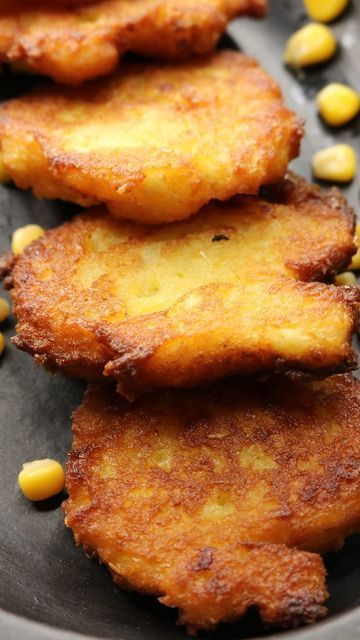
Tortillas de Maiz (Corn Pancakes)
Ingredients
- 1 cup fresh corn kernels cut from 2 large earsof corn, or substitute 1 cup thoroughlydefrosted frozen corn kernels
- 1/3 cup vegetable oil
- 8 eggs
- 2 tablespoons flour
- 1 1/2 teaspoons salt
- 1/2 teaspoon freshly ground black pepper
- 4 to 6 tablespoons butter
- 1/2 cup sour cream
- 2 tablespoons finely chopped fresh parsley
Instructions
- With paper towels, pat corn kernels completely dry.
- In a heavy skillet, heat oil over moderate heat until a light haze forms above it. Drop in the corn and cook, stirring frequently, for 10 minutes, or until the corn is golden brown. Drain corn on a double thickness of paper towels.
- In a large bowl, beat eggs until they are well combined and foamy, then beat in flour, salt and pepper.
- Melt 1 tablespoon of the butter in a heavy skillet or cr pe pan set over moderate heat. When the foam subsides, pour in 1/4 cup of the batter. As soon as the edges begin to set, sprinkle the tortilla with 2 tablespoons of corn. Then with a fork, push the edges of the tortilla toward the center of the pan and tip it slightly to allow the uncooked batter to run out and cover the exposed areas of the pan. When the tortilla is set and the bottom is light brown, turn it over with a spatula and cook for 1 minute to brown the other side. Slide the tortilla onto a heated platter and proceed in the same manner with the remaining batter, stirring the batter before making each tortilla. Add a teaspoon of the remaining butter to the pan for each one. As they are done, stack the pancakes one on top of the other.
- Serve them on individual plates, topped with a tablespoon of sour cream and a sprinkling of chopped fresh parsley.
Sir Whiskerton and the Day the Animals Went on Strike
Or: When Tacos Are Forgotten, Chaos Ensues—and Livestock Become Artiste Divas
Introduction
Dear reader, prepare for a tale of rebellion, negotiation, and taco-related drama. Today’s story begins with an unforgivable oversight by The Farmer: he forgot Taco Tuesday. In response, the farm animals—led by none other than Sir Whiskerton—decide to unionize, demanding better treatment and a return to taco justice.
From “more naps” (courtesy of Sir Whiskerton) to “less existential dread” (Bartholomew the Piñata), the list of demands grows longer by the minute. But it’s Ferdinand the Duck who steals the show, declaring dramatically, “We’re not livestock—we’re artistes!” Meanwhile, Porkchop negotiates for extra guacamole, and Ratticus the Rat insists on dental coverage because, apparently, cheese wheels are hard on his teeth.
So grab your sombrero (and perhaps some salsa), as we dive into Sir Whiskerton and the Day the Animals Went on Strike.
Act 1: The Great Taco Betrayal
It all started innocently enough—or so The Farmer thought. As he strolled through the barnyard humming a jaunty tune, he failed to notice the growing tension among the animals.
“Where are the tacos?” Doris the Hen squawked indignantly, flapping her wings like an agitated chef. “Today is Taco Tuesday! We were promised carnitas!”
The Farmer blinked, clearly confused. “Taco Tuesday? Oh no… I must’ve forgotten.”
This casual admission sent shockwaves through the farm. Bessie the Tie-Dye Cow mooed mournfully, “If there’s no taco justice, how can we trust anything anymore?”
Sir Whiskerton leapt onto a fence post, adjusting his monocle with dramatic flair. “Friends,” he declared, “this isn’t just about tacos—it’s about respect. It’s time we organize.”
Thus began the Great Farm Strike of [insert date here].
Act 2: The Union Forms
Under Sir Whiskerton’s leadership, the animals formed their union, creatively named L.U.N.C.H. (Livestock United Now Creating Harmony). Each animal presented their demands:
- Sir Whiskerton: “More naps. A cat cannot operate efficiently without strategic stillness.”
- Bartholomew the Piñata: “Less existential dread. Do you know what it feels like to dangle from a string, knowing your sole purpose is to be hit with sticks?”
- Ferdinand the Duck: “Artistic recognition. We’re not livestock—we’re artistes! My opera career deserves funding!”
- Porkchop the Pig: “Extra guac. No negotiations.”
- Ratticus the Rat: “Dental plan. Cheese wheels are ruining my molars.”
The Farmer scratched his head, overwhelmed. “You want… what now?”
Act 3: Negotiations and Drama
Negotiations quickly devolved into chaos. Ferdinand staged an impromptu performance of La Tragedie du Taco Oublié, complete with feathered costumes and dramatic quacking.
“This is unbearable,” Sir Whiskerton muttered, covering his ears with a paw.
Meanwhile, Porkchop took charge of the bargaining table, armed with a clipboard and unwavering determination.
“Listen up,” Porkchop said, slamming his hoof down. “No deal unless every taco comes with double guac. And I mean extra, not ‘they-think-you-won’t-notice’ extra.”
The Farmer sighed. “Fine. Extra guac. Anything else?”
Ratticus scurried forward, holding up a tiny picket sign that read “Cheese Hurts!”
“I need dental,” Ratticus squeaked. “Preventative care only. No fillings—I’m too small for drills.”
Chef Remy LeRaccoon waddled in, offering a tray of suspiciously glowing snacks. “How about these? Edible stress balls infused with existential calm!”
The animals stared at him in horrified silence.
Act 4: Resolution Through Tacos
Finally, after hours of heated debate (and one unfortunate incident involving a piñata swinging wildly), a compromise was reached.
- Tacos would resume weekly, with guaranteed extra guac.
- Nap stations would be installed throughout the farm.
- Bartholomew received therapy sessions with Sir Whiskerton (“Sometimes, hanging around has its perks”).
- Ferdinand secured funding for his opera troupe (The Quacking Quartet).
- Ratticus got his dental plan—and a lifetime supply of soft cheddar.
As the first batch of tacos emerged from the kitchen, the animals cheered. Even The Farmer looked relieved.
“Well,” he said, passing out plates, “I guess everyone wins when tacos are involved.”
Reflection Scene
Sir Whiskerton addressed the group, perched atop a stack of hay bales.
“Today taught us two valuable lessons,” he began, sipping a margarita served in a hollowed-out acorn. “First, fair treatment matters—it builds trust and harmony. And second…” He paused, raising his glass. “…never underestimate the power of tacos to bring people—and animals—together.”
Porkchop nodded sagely. “Amen to that. Pass the guac.”
Post-Credit Scene
Chef Remy unveiled his newest invention: Taco-Themed Stress Balls™, designed to look like miniature burritos but filled with edible filling.
“These are radioactive, right?” Doris asked nervously.
Remy grinned. “Only slightly.”
Cue horrified squawks.
Moral of the Story
Fair treatment matters—but so do tacos.
Best Lines
- “We’re not livestock—we’re artistes!” – Ferdinand, channeling his inner diva.
- “Extra guac. No negotiations.” – Porkchop, master negotiator.
- “Cheese hurts!” – Ratticus, advocating for dental rights.
Key Jokes
- Ferdinand declares himself an artiste while staging an opera about forgotten tacos.
- Porkchop refuses to budge on guacamole negotiations, even threatening to walk out.
- Chef Remy’s glowing stress balls add absurdity to the mix.
Starring
- The Farmer (Accidental Villain/Taco Chef)
- Sir Whiskerton (Union Leader/Feline Diplomat)
- Porkchop the Pig (Chief Negotiator/Guac Enthusiast)
- Ratticus the Rat (Dental Advocate/Union Member)
- Chef Remy LeRaccoon (Mad Scientist of Snacks)
Summaries
- Moral: Fair treatment and good food create harmony—even on chaotic farms.
- Future Potential: Could Ratticus become a spokesperson for farm animal healthcare? Or will Ferdinand’s opera troupe tour neighboring farms?
Until next time, may your tacos be plentiful and your unions strong. 🌮
What kind of government policies or incentives could motivate Indian companies to become major buyers of locally developed chips?
India has already started with Chips necessary for Space & Defense computing and processing
These are Chips between 0.65 um (650 nm) to 0.13 nm (130 nm) with very limited functionality necessary primarily for 2–6 core operations
What Percentage of these Chips are fabricated in India?
None.
At the moment (As on 23/8/25) India imports it’s entire stock of these Chips.
Largest sellers are Russia (70%), South Korea (18%) and Israel (12%)
The Target is to ensure 100% Chip Self Sufficiency by 2035 for Space & 60% Chip Self Sufficiency by 2035 for Defense
Challenges :-
- No Supply Chain,entirely dependent on China for Supply Chain
- No UPW Recycling Technology
- Cost Efficiency for minimum 6–10 years would be bad, even operating at as much as 20% Loss over 10 years
- Inert Gas dependency on Russia
- Germanium & Gallium dependency on China
- Massive Power & Water Consumption related to output
Other Countries that have > 60% Self Sufficiency in such chips:-
China (100%), Russia (95%), Malaysia (90%), Turkey (80%), NATO (100%) [Multiple Countries have their own attribute], Iran (60%), North Korea (50% roughly), Israel (> 75%)
Vietnam, Egypt, Pakistan, Indonesia, Thailand, Brazil and India are all planning chip self sufficiency in Defense applications by 2030–2040
North Korea is not substantiated
Commercial Chips – 250 nm to 90 nm
Known in General as Large Node Chips Or Industrial Semiconductors
Chips used in Consumer Electronics like Smart Refrigerators, Microwave Ovens, Air Conditioners, Fuel Delivery Systems in Trucks, Buses etc
Around 7–30 Core Processes
What percentage of these chips are fabricated in India?
None
India as on date doesn’t even assemble the Chips onto circuits. The entire circuit boards are imported from China (83%), Korea , Taiwan China & HK (15%)
Target
Absolutely no clear target or groundwork
Absolutely Zero supply chain mechanics
India has a huge demand for billions of circuit boards for the massive consumer market
To imply India could even cater to 20% of this market leave alone gain a 100% market dominance plus an export advantage in the next 10–20 years is UNTHINKABLE
No Government Policy can change this
Mature Nodes – 100 nm to 28 nm
India has ambitions to target the 100 nm to 28 nm Mature Node market BYPASSING THE INDUSTRIAL SEMICONDUCTOR PROCESS completely
Of course India has DESIGN INDEPENDENCE
This means Indian Firms have the ability to design chips of the 28–100 nm process to tolerable efficiency
However NOT A SINGLE COMMERCIAL INDIAN DESIGN is mass manufactured anywhere in the world with even the top Indian brands preferring SoC designs from Korea or US
Challenges:-
- Absolute lack of Talent in most areas except bare electronics & semiconductors
- Absolutely no supply chain for any of the processes
- Absolutely no dominance or even independence in EVEN ONE AREA of the 55–60 of so areas (EDA, Photoresistors, Layering, Advanced Stacking, Grid Structuring etc)
- Lack of Gallium, Germanium refining – and utter dependency on China on Refined Germanium and Gallium blocks
- Lack of Vocational Training necessary for a skilled workforce
- Too cost ineffective for plenty of years before parity can be reached
Advanced Nodes – 14 nm to 3 nm / 2 nm
Absolutely no chance whatsoever
That’s like expecting a Grade III Student to score an AIR 1–100 in the JEE Advanced
India has only TALK for the moment
Locally Developed Chips of even a 50% Yield are something of a major challenge
I. Local Investment is 95% Private
This is the largest challenge
The GOI simply doesn’t have the cash infusion necessary for large scale fabrication
The present scenario needs almost 95% Cash Infusion by Private Players
This means BANK LOANS
This means INTEREST PAYMENTS without any profits for several years (7 Years Minimum, more likely 12–18 Years)
Very few private players will agree to these terms as there is a 90% Risk of losing their shirt and ending like Vijay Mallya
The Investment of nearly $ 150 Billion (₹ 12–₹14 Lakh Crore) is a massive strain on resources
The promised FDI of $ 20–40 Billion is a pipe dream under Trump and maybe forever since the US no longer has the financial muscle to profitably invest into mature nodes and has accepted Chinas dominance in mature nodes and prefers to cement it’s strength in Advanced nodes
II. Absolute Lack of Proper Talent
India needs massive number of Vocational Trainees
India has nearly none
India needs Good Chemical Engineers, Mechanical Engineers in addition to Electronic Engineers for the process work
India has almost none as most join GOI jobs or migrate abroad or join IT jobs anyway
Creating a workforce of 200,000 trained workers is next to impossible in the short term without LONG TERM STRATEGIES AND REFORMS
So India has a very Rocky road ahead and needs major structural reforms before it can even think of achieving its aims
#Endprocess*.*Compression into JVEC,MPEG for upload
And what the hell does India plan to do?
How many things?😁
Build World Class Infrastructure?
Build Chips?
Build Green Energy Consumables?
Build AI Systems?
Build Missiles and Air Craft Carriers?
Build Fifth Generation Aircraft?
All by 2047?????
This is the same as a VIII Standard dropout suddenly deciding to go through the entire syllabus and crack the JEE Advanced in 1 year
Happens only in Bollywood right?
Pictures















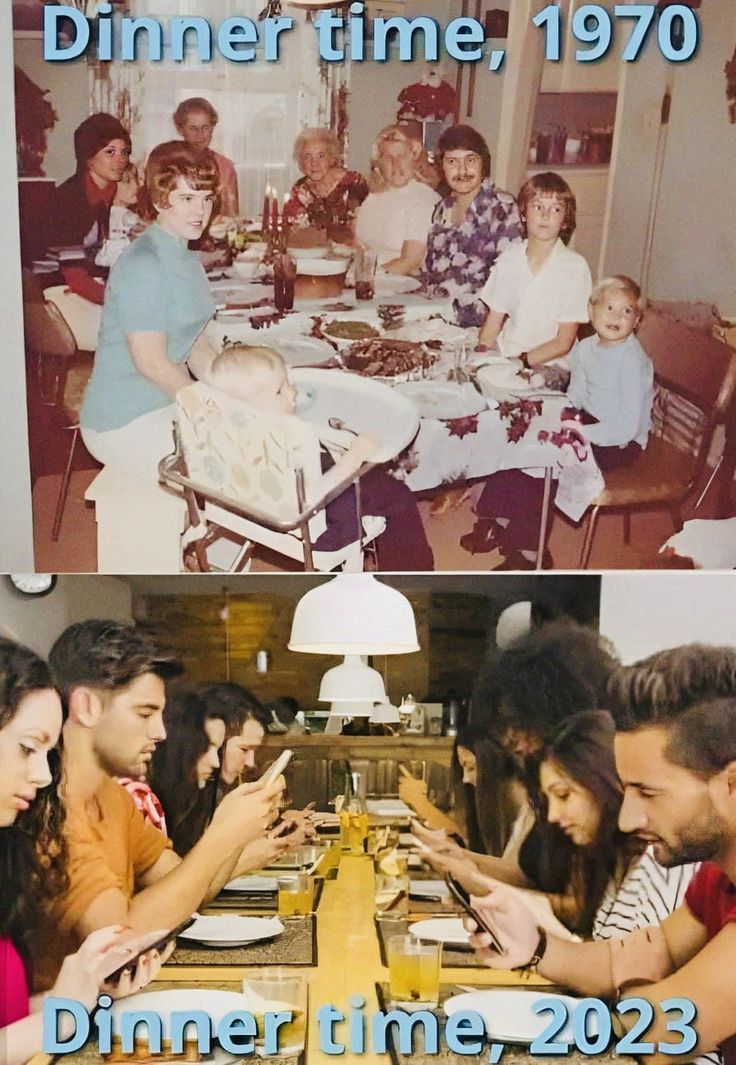
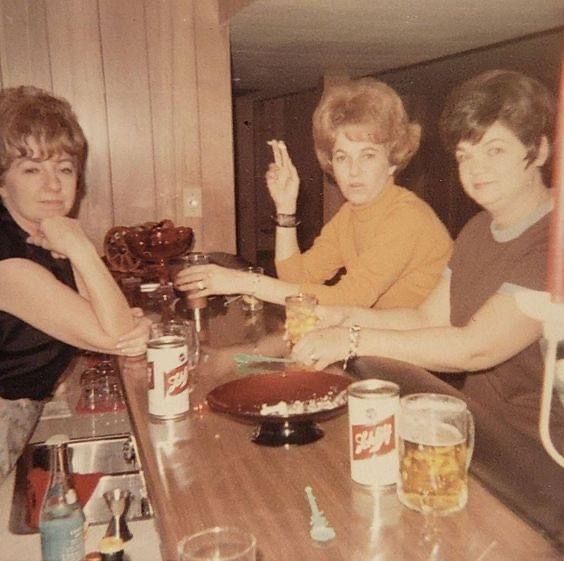
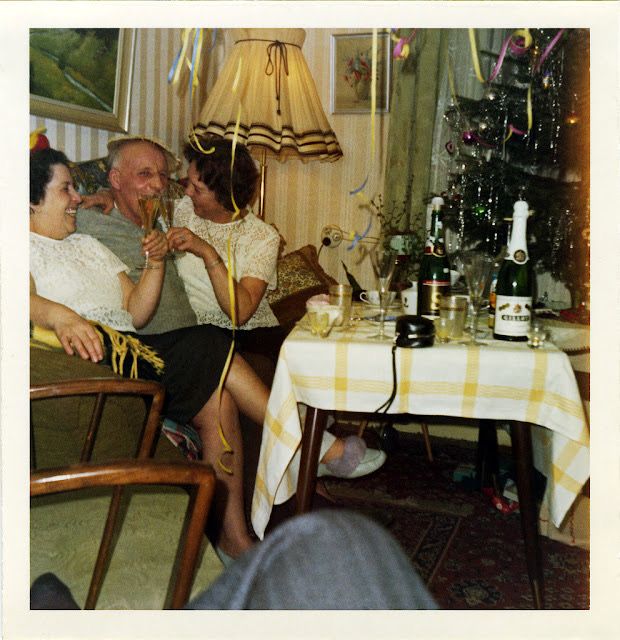
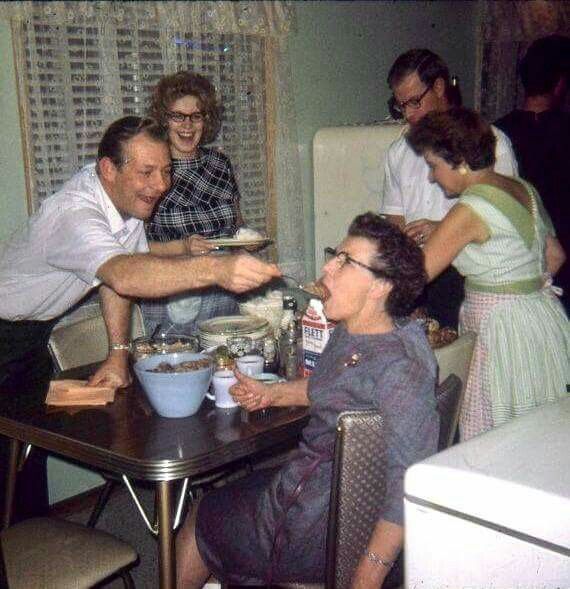













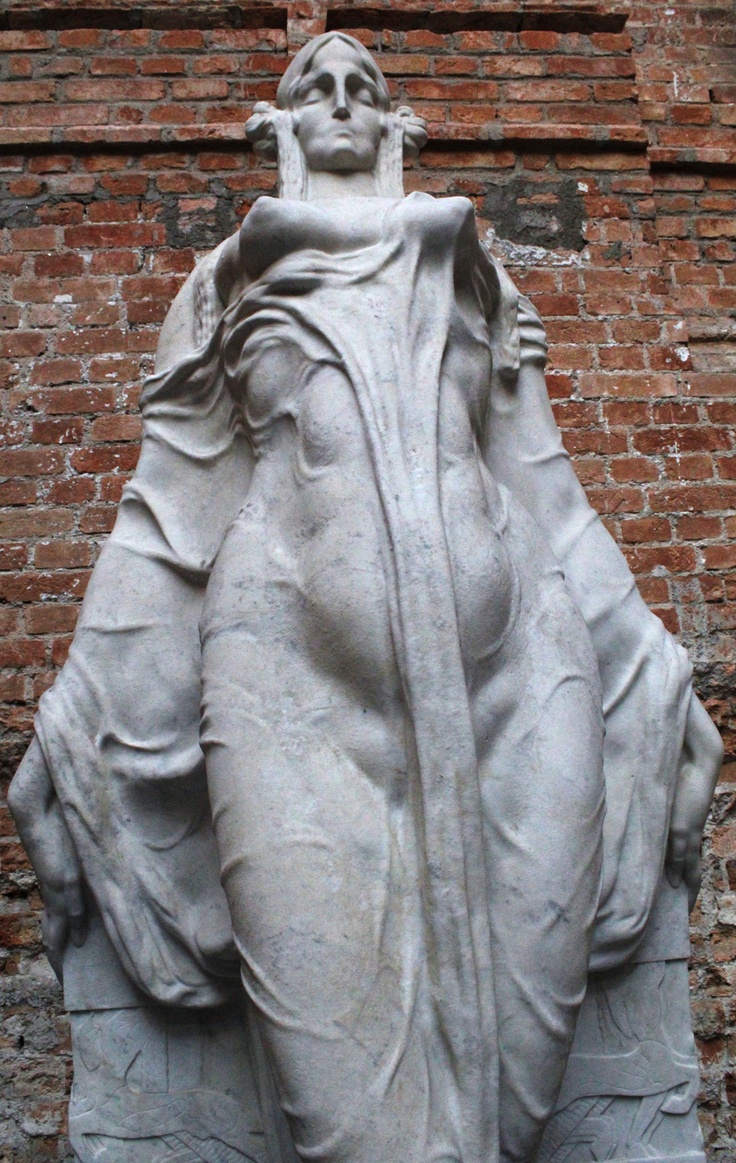

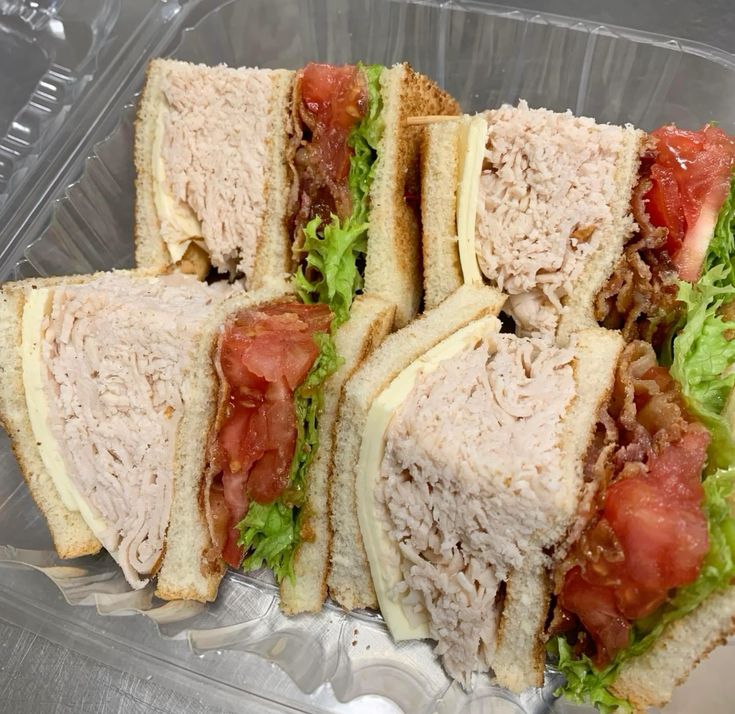
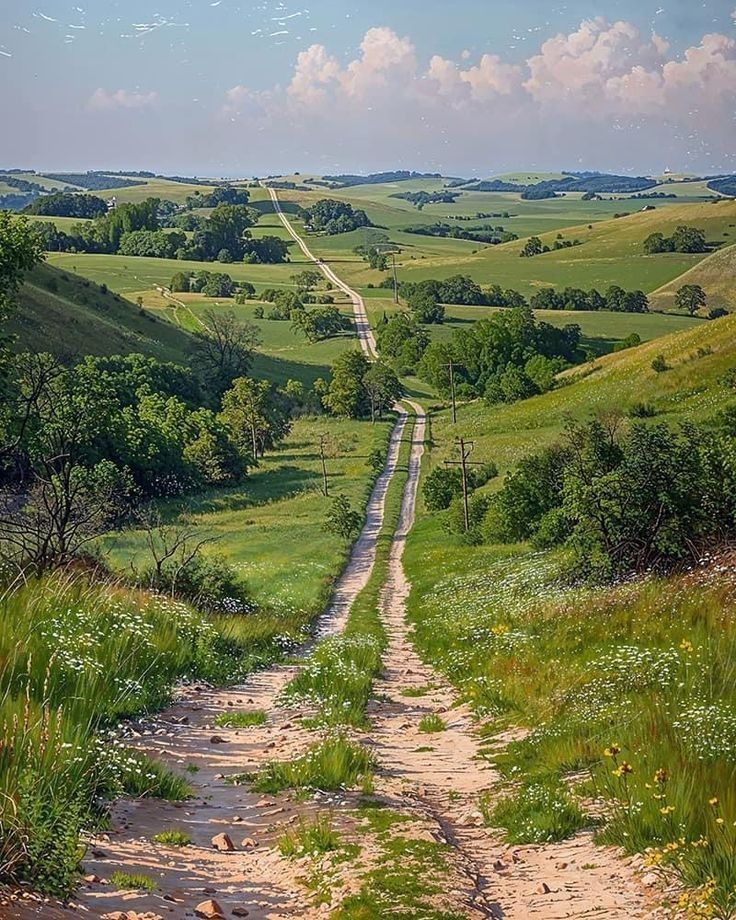
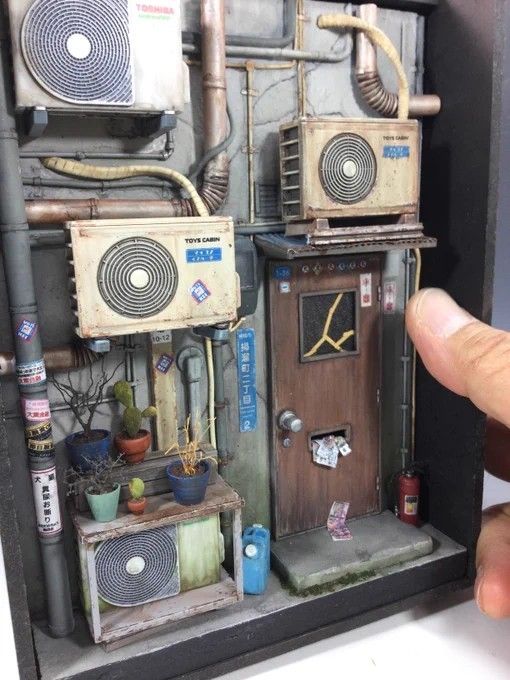

People have changed and it’s actually terrifying…
What are some examples of countries which went rapidly from rich to poor?
Rhodesia/Zimbabwe
Rhodesia (1965-1979)
Salisbury, Rhodesia
Ruled by a White-minority and an apartheid system, Rhodesia was one of Africa’s wealthiest countries per capita; It had modern infrastructure, strong agriculture (commercial farms, mostly white-owned), significant mining. Living standards were high, especially for urban populations, even comparable to some European colonies in terms of industrialization.
However, widespread dissatisfaction among the Black majority with the Apartheid system and human rights abuses led to the Rhodesian Bush War, in which both sides engaged in racial violence; The war ended in 1979, bringing an abrupt close to Rhodesia; In a short transitional period, white minority rule and the Apartheid system were abolished, and Zimbabwe was born following independence in 1980.
Bodies of two of the children, Rebecca Evans and Joy McCann, together with one of the women, Vumba Massacre.
Zimbabwe (1980-present)
Robert Gabriel Mugabe then became the de facto leader of Zimbabwe, ruling for 37 years, during which the country went from initial post-independence hope to economic collapse.
Mugabe made some… questionable decisions. Shortly after coming to power, he thought it was a good idea to involve Zimbabwe in the Second Congo War, a costly conflict far from home, even worse, shortly after a civil war; Later, in a spectacularly disastrous economic experiment, he effectively made every citizen a “billionaire” by printing money recklessly, triggering hyperinflation that rendered the Zimbabwean dollar as worthless as shit.
If there were a book titled “How Not to Run a Country”, Robert Mugabe would absolutely be the author.
Not to be overlooked, the country that once suffered under extreme racism turned to enjoying it, sometimes brutally, by turning it into the opposite direction; White farmers and citizens were expelled, often violently, as land seizures intensified, while crimes against them were frequently ignored by the authorities.
Today, there is your beloved Zimbabwe, changed its currency for the fifth time, poverty has skyrocketed beyond 86%, women beg because their children go days without food, corruption is rampant, and the country suffers one of the highest homicide rates in the world, no clear water, no proper healthcare, you name it.
Absolute Dystopia.
Venezuelan Pork Roast
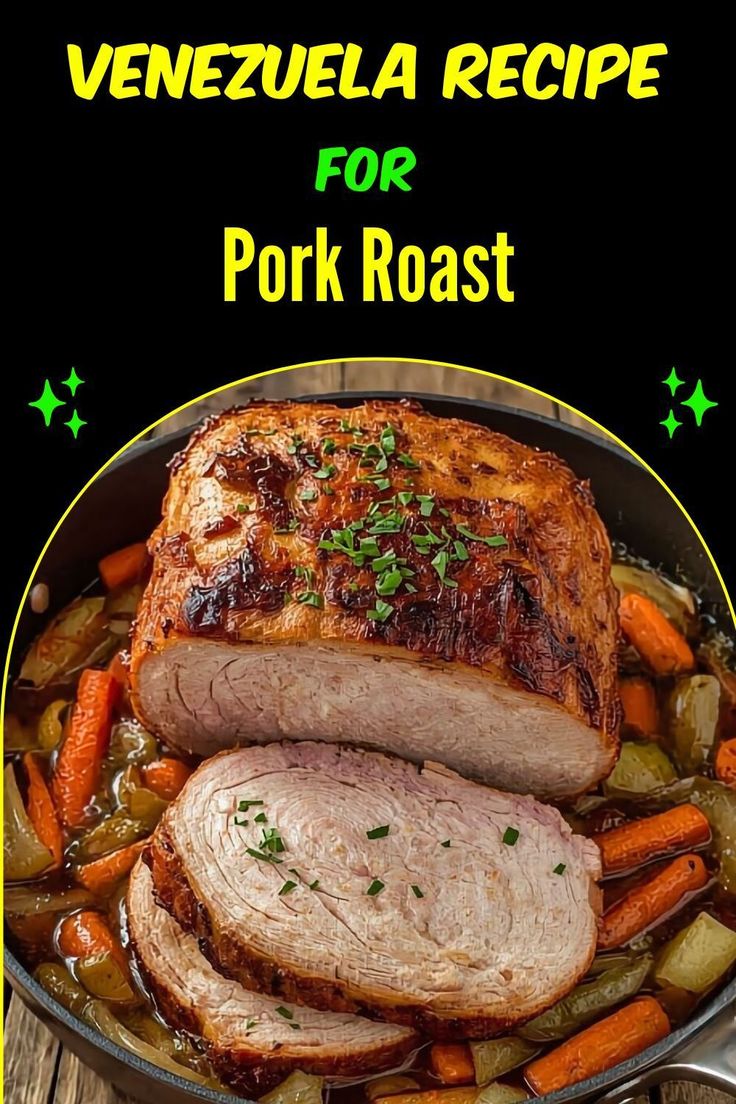
Ingredients
- 1 tablespoon kosher salt
- 5 cloves garlic
- 2 teaspoons dried oregano
- 3 tablespoons tomato paste
- 3 tablespoons white vinegar
- 2 tablespoons brown sugar (or piloncillo*)
- 1 tablespoon Worcestershire sauce
- 1 (2 1/2 pound) boneless pork leg
Instructions
- The day before: With a mortar and pestle, crush the salt, garlic and oregano into a fine paste. Rub the roast all over with the garlic paste.
- Whisk together the tomato paste, white vinegar, brown sugar and Worcestershire sauce. Rub the roast all over with the tomato paste mixture. Refrigerate covered overnight.
- The next day, remove the roast from the refrigerator and allow it to come to room temperature. Heat oven to 350 degrees F.
- Place the roast in a pan on a roasting rack. Place it in the oven. After about a half-hour and once the roast has started to render its fat and the drippings on the bottom of the pan have started to caramelize, add a half-cup of water to the pan — this will keep the drippings from burning. Roast the pork to an internal temperature of 150 degrees.
- Remove the roast and let it rest in a warm place, loosely covered with aluminum foil, for about 20 minutes.
- Skim the fat from the pan juices with a spoon. Slice the roast thinly and serve covered with pan juices.
Serves 6.
* Piloncillo can be found in many Latino markets or in any grocery store in the Southwest.
The Tail of the Comet
Written in response to: “Write a story in which a character navigates using the stars.“
LISA Brown
Katharine sat at the kitchen table monitoring the phones, grudgingly. Geez, some of these people! Two phones were vibrating constantly. One was set to the incoming comments from Rebecca’s Tarot Channel. The other was capturing messages from Rebecca’s personal astrology clients. Extra burner phones were used by Katharine to boost likes and leave positive feedback.
Rebecca, or Star Surfer, as she was known professionally, was doing a live reading for Pisces. Katharine could hear the slap and slide of the cards, her mother’s rapid speech punctuated by expressions of awe and delight. Never doom though.
The phone on the left showed real time comments from viewers.
Cheetah
You told me last week that I would hit the lottery and guess what—I did. NOT. So I doubt I’m going have a business meeting that will change my life this week.
Han (Katharine)
Star, I am in tears. Everything you said came true for me. I start my new job tomorrow. Everybody, Star Surfer is the bomb!
Star had gone quiet for a moment in the next room, but Katharine could see she was still at work. The amber lights were still burning. Now Star was rapidly pouring out more predictions. Comments were coming in fast. Fifteen more minutes to go. It was Katherine’s job to make sure that Madame Surfer didn’t get interrupted or piss off too many viewers.
Suddenly, Star began shouting “Thank You, Thank you Guides!” Katharine was unperturbed. Star would hit a few more theatrical notes in the time left. Lucky Pisces. Star was Pisces herself— depending on which of her lives she was referencing.
Messages from Star’s private clients were showing on the other phone.
Peyton
Miss Star, I need to know if I am going to be elected homecoming queen.
Star(Katharine)
Dear, you must be 18 to access my services.
Reginald
Star, or whatever your real name is, $150.00 is way too much to pay for a personal reading that told a bunch of lies. You said I was in the will. You said my dead mother loved me more than my brother. He was in the will. And I am still under a restraining order.
Penny
It’s finally going to happen. I am meeting him today! You said this could be good for me and it is. I am so excited. After all this time of texting and emailing. Two whole years!
Star (Katharine)
Yes Penny, two years is a long time to wait before meeting up. Be smart Penny, don’t go alone. I mean Spirit says you shouldn’t go alone.
Penny
Right. You said that before. Maybe I can ask my ex. He’s a Taurus. In fact, I’ll tell him he can bring his new wife along too. She’s a Virgo. Thanks Star.
Marie
I am ready for my second reading. My son is still gambling and soon his wife will leave him. I want to know if I should move with his wife. My daughter said I could come there but she has a dog. What should I do? And do you have a senior citizen’s rate? Also I could use a set of numbers for the midweek drawing.
Katharine could see Star dealing cards fast and furiously.
“Some of you will be getting a visit from an old acquaintance. He will be bringing you some kind of demand. You don’t have to respond to any demands unless you want to do so”.
She couldn’t believe her mother made a living from this.
Katharine saw the mailman swinging up the walk toward the front door. If he had a package, he would ring the doorbell, which would not please Madame Star! Katherine hustled as quickly as her enormous belly would allow, over to the door to forestall him. She eased the door open just in time; his finger was poised above the bell. Holding a finger to her lips, she took the box and envelopes from him. She blew him a kiss, and enjoyed watching him blush.
Waddling back to the table, she could hear Star talking about spirit animals. The fish was the spirit animal for Pisces and represented opposite directions of energy. That might have some truth. Just take her and Joe for example. As soon as he found out she was pregnant, they were going in opposite directions. He went back to his wife and she went to live with her mother.
When she started to show, the owner of the bar where she worked laid her off. She gave him a piece of her mind because suing was out of the question. He knew that half the customers lined up at the bar on any given night were there because of her. She was sure to flirt with everybody to keep the tabs growing and her tips flowing. The dude had no appreciation for her talents.
”I see the comet, Pisces. I see it passing over! The tail of the comet, Pisces, brings new li…”. Star started screaming so loud that Katharine heaved herself up to go check on her. Good thing she did because Star had fallen to the floor this time, holding her belly. Katharine was used to this drama but still she thought Rebecca/Star was doing a little too much with the moaning and all. She peered down at her mother writhing on the floor and decided she better turn off the camera. Star could explain to her viewers later. Then her water broke.
Katharine really was a Pisces.
Are there any reasons why people think WW3 won’t actually happen in the next 5 years?
I’ve mentioned this issue several times.
China is a country governed by mathematicians and engineers.
According to Military Mathematics, the most cost-effective time to begin a large-scale military buildup is six years in advance.
Yet China has consistently maintained one of the lowest military spending ratios in the world. This implies that China believes a major war will not break out within the next six years.
However, China’s recent acceleration in nuclear capability is indeed remarkable. Personally, I think this is to prevent any country from attempting a gamble-like nuclear strike, believing they could succeed.
Reasons supporting my view:
- China quietly launched a missile with a 12,000 km range.
- China, in a rare but low-profile manner, displayed part of its nuclear shelters, namely the underground Great Wall project—tunnels extending 8,000 km.
- In the September 3rd military parade, China discreetly showcased a new liquid-fueled nuclear missile. A 200-ton missile is difficult to use with solid fuel, so I speculate that China has made significant progress, solving both the dangers of liquid fuel and the high-temperature friction issues of hypersonic speeds. This is purely conjecture. Simply put: giant nuclear warheads are best paired with liquid fuel, which is dangerous, so the fuel is loaded just a few hours before launch. Another challenge is hypersonic speeds—e.g., Mach 15 or Mach 30—requiring temperature control; otherwise, the warhead could burn up. I speculate that a clever solution might have been used to solve both problems: 1) using an extremely stable liquid fuel, and 2) this fuel has good heat absorption, so frictional heating gradually makes it more reactive, producing greater thrust. But by then, the missile is already launched, and safety is no longer a concern—after all, a thermonuclear explosion occurs within minutes.
This explanation is a bit complex. Let’s try a simpler metaphor:
Imagine you’re China, and you have a friend called the United States, who really likes the oatmeal porridge you make. Unfortunately, this porridge takes hours to stir and spoils easily. You don’t know when your friend will want it, so previously there were two approaches:
- Keep making the porridge constantly, stirring until it’s ready. But if your friend never calls, you sigh and throw it away. Very wasteful.
- The more normal approach: only make the porridge when your friend asks, then stir it for hours to ensure quality. But those hours are critical; your friend might get impatient.
China’s current solution, I speculate, is this: vacuum-pack the oats and milk, put them in a “Dongfeng Express” box. When the friend says they need it, immediately dispatch it by motorcycle. How to stir it? No problem—the bumps on the road stir the oatmeal naturally.
The most amazing part is that this “stirring while absorbing energy” can actually reduce the effect of road bumps—a problem that was previously almost impossible to solve
China doesn’t want to fight, so there will be no Third World War.
I believe China currently has no desire to start a war, so the chance of a Third World War is very low.
And what would you use to fight the Third World War?
Steel, explosives, drones, gears, military chips—China dominates all of these.
China says: let there be world peace.
And there is world peace.
China says: let there be light—
And so, there is light…