

I used to have all sorts of clutter.
I had a clutter “junk drawer”, a closet that i filled with clutter, a desk that was completely cluttered. I had a kitchen table with all sorts of clutter, and a car trunk with clutter. Not to mention a cluttered garage.
Today, I don’t have much.
I have a laptop, a cellphone, and my face. I don’t need anything much else. To pay, to enter doors, to communicate or anything else. It’s all bio-metrics.
It’s amazing how simple your life gets when you no longer need to carry around things.
No mail. No newspapers. No magazines. No advertisement fliers.
Simple. Clean.
I like that.
Now, for today…
U.S. Moves to CONCEAL Private Satellite Company Photos of Middle East

The United States and Israel are losing so badly in the Middle East that the US Government is asking satellite imagery companies to CONCEAL photos of the Middle East.
Communication being sent to all customers of Planet Labs:
“Due to the conflict in the Middle East, the U.S. government has requested all satellite imagery providers voluntarily implement an indefinite withhold of imagery in the designated Area of Interest (AOI).
Effective retroactively from March 9, 2026, Planet is moving to a managed access model, extending the publication delay for all new imagery within the designated AOI, and releasing imagery on a case-by-case basis and for urgent, mission-critical requirements or in the public interest.
For the -media, this model is in line with the media policies of other remote sensing companies.
We expect this policy to last through the end of the conflict.
Access to imagery for the rest of the world is unaffected.
These are extraordinary circumstances, and we are doing all we can to balance the needs of all our stakeholders. We will continue to monitor the situation and make adjustments as possible to minimize the impact on data availability to our customers.
For questions regarding specific projects or to request a policy exception, please contact your Customer Success Manager or support@planet.com.We appreciate your continued partnership as we work to ensure our data remains available for responsible use.
Best Regards,
Planet Team”
Hal Turner Remarks:
Censorship at the request of the empire. Why March 9th? That’s the biggest clue. Forgive my cynicism, but to me this basically reads as ‘we began altering the images on March 9th.’
The only justification for restricting imagery is for the US government to control the narrative. Iran doesn’t need it for targeting, they can get it from non-US commercial sources, Russia or China.
In my view, they wouldn’t do this if they were telling the truth.
The West was supposed to be different from the old Soviet Union… yet it’s doing pretty much the same things, but in more thoughtless way.
Unconstitutional war, unconstitutional suppression of free speech and commerce.
It’s not like Iran gets their GEOINT from Planet Labs anyway. This feels like a coverup of the significant damage sustained by US bases in the region, which contradicts to the Department of Truth (Social)’s claims that Iran is no longer able to fire missiles or drones.
Former CIA counterterrorism chief says there’s a “complete blackout” on “the actual amount of damage” done to US bases and buildings, after it was revealed that Iran penetrated Saudi air defenses, blew a hole in the exterior of the American embassy, then sent a drone through it
At the rate these nitwits are going, it seems possible (to me) the next step these people might try is to ban FlightRadar24.
What are the main differences between how Western and Chinese economists view rational economic behavior?
Economists are just interpreters who use economic theory to interpret the economy of a country and it’s connection to the global economy
Western Economists gauge every consumer through the lens of a consumer of a capitalist economy
This is either because most , if not all economists are trained on the classic western consumer centric micro economic model that has been prevalent since the middle of the 1970s when Keynesian economics was passed over Modern theory
—
Western economists believe an economy requires minimalist intervention by the State and emphasizes a free market model where wages, prices, employment and inflation are part of the contraction and expansion of an economy
Profit is a key driver of business
The Chinese economy on the other hand emphasizes a mixed economic model where the State controls production and through production , maintains downward price control of essential commodities such as food, energy, aluminum and steel. This also means a dual hybrid market model where a substantial portion of the economy is ‘Planned’ or ‘Command’
Profit while important, is less so than National Goals and National Development, and a combination of both is crucial according to the Chinese model
The Western economists believe consumer spending drives an economy and that credit drives consumer spending. So Western economists gauge the status of an economy in terms of the credit availability, ie:- how expensive or inexpensive it is to borrow money. The focus is on services, where healthcare , banking, legal services, tuition etcetera form a major chunk of consumption.
The Chinese economy is driven by a combination of trade, State Investments into the economy and consumption led by domestic manufacturing. Consumer spending is driven by savings and bonuses. Services are subsidised heavily and consumer spending on services is highly skewed because of these subsidies
For instance, the US Steel Industry was driven by capitalistic forces and production peaked once the price equation bottomed out
The emphasis was on profitable manufacturing
The Chinese steel industry meanwhile over produces driving down commodity costs
This reduces profitability considerably but allows commodity prices to push downward which keeps borrowing costs low and helps the Government provide subsidized services with a fiscal advantage
—
Deflation for instance, is terrifying for a Western Economist to hear. Their economic views are focused on Individual consumption and credit availability.
However for a Chinese economy, deflation is a tool to ensure low cost borrowing and keeping everything affordable, focusing instead on raising production as means to boost consumption (Manufacturing on a larger scale and providing subsidies to bring down costs such as in Electric Vehicles or Solar Panels)
—
Just imagine the situation, if someone who is an expert with rules of sonnets and English poetry was allowed to judge a competition of Japanese poetry or German poetry where the rules are different and based on entirely separate languages
Dr Sachs & Dr Jin are two economists who have studied the Chinese model in detail, and who can interpret in better than most classic Western economists.
—
In Laymans terms – a Classic Western economist sees construction of a bridge as a consumption boost where contractors work for profit and laborers get paychecks, helping them pay for stuff and boost consumption
A Chinese economist will see the same bridge as a welfare boost, meant for public crossing, ensuring the essential commodities and their production are cost controlled through demand supply equations
Hence my opinion why the Chinese economy is deeply undervalued and the realistic nominal gross domestic product of the same is between 24 and 26 Trillion Dollars
Iran Warns “Surprise tonight . . . “
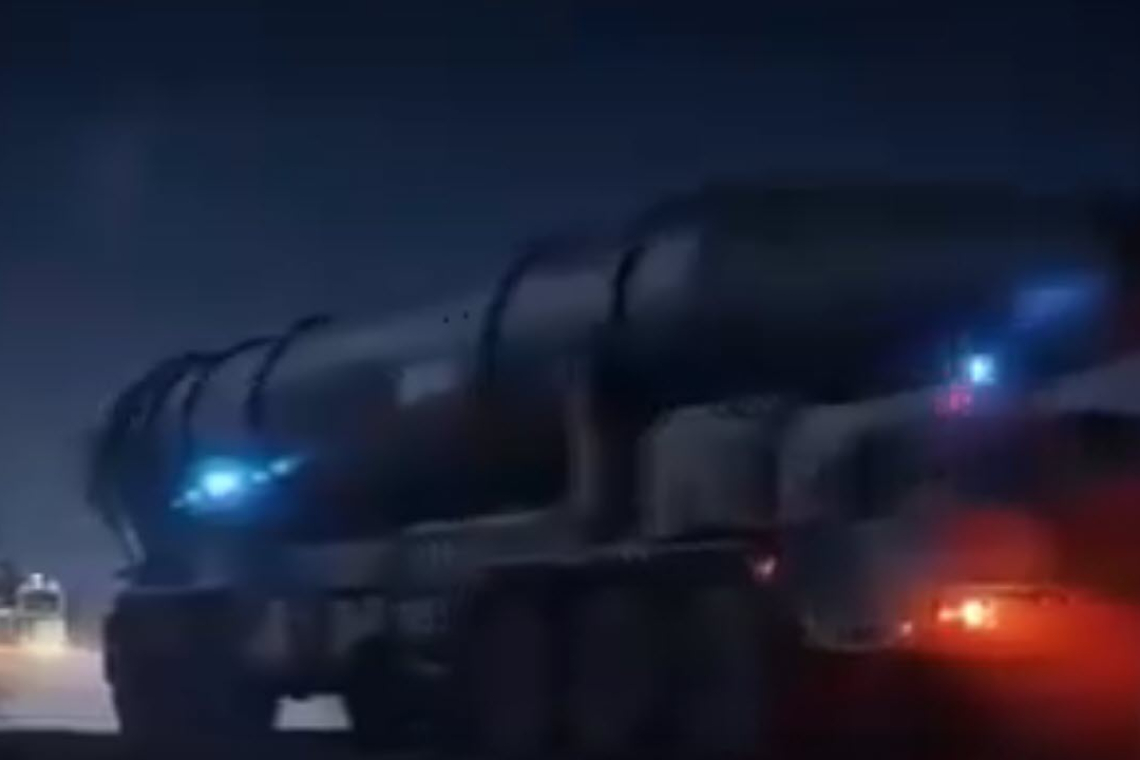
The government of Iran has put out an official video showing a very large missile on a transporter-Erector-Launcher (TEL) truck.
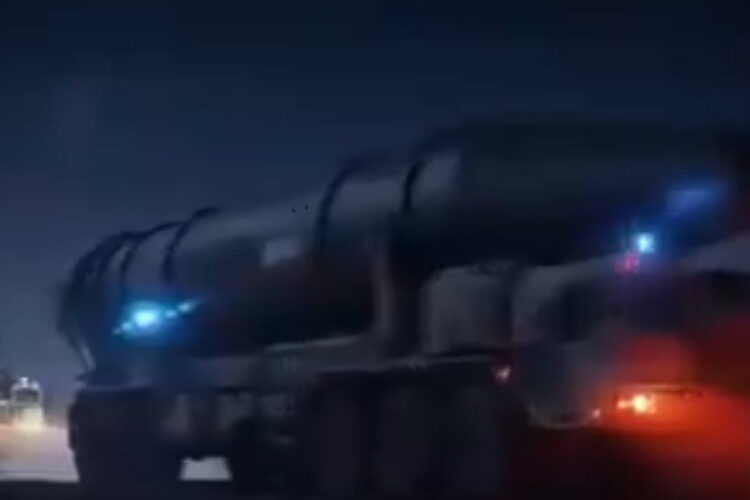
They say it will be “a massive surprise coming tonight that the world will remember for centuries.”
This resembles a DF-61. If China gave that to the Iranians (is unlikely) then the USA is cooked.
What Is China’s Plan To Beat the USA Back To The Moon.
How do supply chain complexities make it difficult for U.S. manufacturers to shift to all-domestic production?
I buy sub assemblies that are made overseas. I could buy them in the US, but without tariffs it would have cost me a lot more. However, to move them to the US would not actually save me much. The biggest part of the cost of building the assemblies is the cost of the microchips (mainly out of Taiwan) and other components (none made in USA) though they are all made by US companies. Saving the wage difference would probably drop $500.00 from each one. That would still leave it cheaper to make them overseas.
These sub assemblies go into a product that goes into a nuclear power plant. Changing a component to a new vendor requires regulatory approvals. Probably a year or two to get PERMISSION to use the alternate. Assuming it passed all the testing. Just to save $500.00. Even if the US manufacturer moves production to the US, I still need to get the new part approved. The new plant has to meet regulatory quality standards. That will add a year to the time needed to move production. Assuming I got US approval, that does not guarantee foreign approvals. In the meantime I have to keep producing using the foreign parts.
You do NOT want me to cut corners on something that could potentially cause a nuclear plant to fail. Not one of my customers would be willing to use them for a measly $500.00 saving. Not even for a $10,000.00 saving. The Trump administration will be deep in the history books before I could move the production to a fully US supply chain. Assuming my vendors wanted to cooperate.
Yes,there is a US vendor. No, he is not certified for nuclear. Yes, he uses mainly the same components my overseas vendor uses. He is four years away from approval, assuming he sticks to vendors who are already approved in my supply chain. That does not get you an all US made sub-assembly.
Ex fiancée asked for an open marriage, To the Streets I sent her
Bringing Back the Glow
Written in response to: “Set your story in a world where astrology and the movements of celestial bodies deeply impact the lives of inhabitants.“
Bob Faszczewski
With the continuing freeze, this vast fountain of knowledge could shortly dry up.
Because the overall temperature of the entire earth had decreased only one degree every six months the world’s top climate scientists at first seemed unconcerned. As the illnesses and deaths began to pile up they realized that dire consequences could loom for the planet.
The scientists also saw signs that oceans around the globe soon could flood even the most arid place in the world, the Atacama Desert in Chile, permanently upsetting the fragile balance of nature there and a thriving tourist industry that depended on it.
International news outlets also revealed that leaders outside of Dallol and Atacama saw the signs mounting most severely in the places on Earth which formerly had provided the greatest amount of heat only in summer dealing with this phenomena year round.
As time went by, those who made their livings in Atacama by introducing the world to some of Chile’s most intriguing treasures such as the Tatio Geysers, at a height above 14,000 feet, soon would not be able to guide expeditions to the nearly water-swamped geothermal field that nearby volcanoes had created.
It looked like the huge steam columns that once rose to heights of nearly 40 feet would shortly lay dormant. The Puritama hot springs, once famous for offering relaxing dips in their scenic warm water pools, faced transformation into frozen lakes.
The solution began to emerge from an unlikely source.
Researchers in NASA’s Goodard Space Flight Center in Greenbelt, MD had been looking for a safe method of equipping future spacecraft for a possible launch to Uranus—the coldest planet in the solar system. Their research had estimated its surface temperature at negative 224 degrees centigrade.
They had developed a super high temperature capsule, which they would possibly launch into the atmosphere of Uranus prior to sending an exploratory probe to the planet. They hoped this would sufficiently heat the coldest planet in order to make space exploration there possible.
The scientists didn’t believe this capsule had yet reached the point where they could use it to address the planet-wide problem on Uranus, but they soon began work in adapting it to the emergency mission of returning the atmosphere to a level safe for the continuing existence of the human race.
When told about the crucial situation developing around the world, they admitted scientists from around the globe into their research circles, and increased the rapidly accumulating knowledge base while perfecting a vehicle to confront the current urgent situation.
The emergency also became the perfect testing ground, not only for climate control on Uranus, but also for future missions to expand global understanding of other concepts and discovery about more distant reaches of the universe that they hoped would solve even more of the Earth’s problems.
They launched a rocket from Goddard at 7 am Eastern Time on August 20, 2029. To meet the needs of the crisis the team also had sped up the timeline on the development of advances in the speed of travel across the galaxy. This enabled the craft to come within a safe distance of the Sun in only three months, half the previous travel time. It shot the low temperature capsule at the eclipse, and this created sufficient heat to reverse the freezing.
It took about a month for the intergalactic atmosphere to right itself and the world’s population and institutions to adjust, but things slowly returned to normal.
The Goddard scientists distributed copies of their discovery to colleagues around the world and the joint effort permanently reversed the effect of the summer, 2029 incident.
The joint research and resulting advances in technology helped create an unprecedented era of international cooperation that the world had not experienced in decades.
Salsa Skillet Chicken

Ingredients
- 1 pound boneless skinless chicken breasts, cut into bite size pieces
- 1 large onion, coarsely chopped
- 1 green, yellow or red bell pepper, chopped
- 1 large tomato or 1 can diced tomatoes
- 1 jar salsa (your favorite)
- 2 tablespoons sugar
- Salt and pepper
Instructions
- Brown chicken in canola oil in a large skillet. Add onion and bell pepper. Cook until just tender.
- Add tomato, salt, pepper and sugar. Mix well. Add salsa and cook over low heat stirring frequently for about 10 minutes or until hot and bubbly.
- Serve over rice.
- Serve topped with guacamole, sour cream and shredded Monterey Jack cheese, if desired.
Sorry Disney But NO!
Disney finally admitted what we all knew…they drove men away. Now they want us back.
Sorry Mouseketeers it’s too late for that!
From Star Wars to ESPN, they spent years mocking men, turning heroes into failures, and lecturing their own audience about “toxic masculinity.” The result? Empty theaters. Disney+ bleeding subscribers.
ESPN reduced to a feminist pep rally. And now the company is begging for the very men they said were irrelevant. But here’s the truth: once men are gone, they’re gone.
No amount of reboots, apologies, or desperate spin can bring them back. Disney chose to lose men — and men moved on.
As a truck driver were you ever told not to look at what your cargo was but looked anyway? What was it? Feel free to answer anonymously.
I must answer this anonymously, since my nondisclosure agreement is for life.
I will preface this by stating that this is 100 percent true.
I was a truck driver, based near Las Vegas, from 1963 until I retired in 1997. In the 1970’s, the trucking company I worked for signed on to do work for the Department of Defense. The C.B. radios we had in our trucks were removed and outfitted with two-way radios that only worked on one frequency and was monitored by the DoD 24 hours a day. The days of bullshitting on the C.B. to fellow truckers came to an end for my company. All pre-trip and post-trip inspections were done by DoD personnel. Us drivers were to never look our trucks over or even lift the hoods. If we had a mechanical issue while on the road, we were to call it in on our radio and simply wait for military mechanics to arrive. We were strictly prohibited from attempting to diagnose the mechanical failure. I personally didn’t mind, since I got paid whether I was driving or sitting on the side of the road.
With all of that explained, back to answering the question. I was at home one night, watching CHiPs, a t.v. show that was popular in the 70’s, when I was startled by a knocking on my front door. I pulled back the curtain to the front window to see who the hell was banging on my door and saw three men in suits. I opened the door and they asked me my name and I told them. They asked me to change into my driving clothing and to collect whatever else I usually have for work and they will be in the sedan outside. So, I ask if they are DoD employees and they confirmed that they are. I quickly change, grab a sandwich from the refrigerator and head out to the waiting vehicle. We drive for about an hour and we end up at a warehouse on the outskirts of Las Vegas. The warehouse doors open and we drive inside. There was a tractor trailer parked inside with two men in military uniforms standing next to it, watching us come in. The men in the car told me to wait in the car as they got out. I saw them conversing with the two military men and they kept glancing toward me as they spoke. I was a little frightened, because I had no clue what the heck was going on.
One of the men in suits walks to the car and told me that I can get out and to follow him. I follow him to the driver’s door of the tractor trailer. He then tells me that I will be driving this truck, but there will be a pilot vehicle, so all I need to do is follow the car and keep the volume up on the two-way radio. I asked him how far we will be going and he replies “As far as the car in front of you goes.” I realized that he wasn’t going to tell me a damn thing.
So, I climb into the cab of the truck and he tells me that I have 5 minutes to get familiar with it. I use the time to adjust the seat, mirrors and the radio. Shortly after, the warehouse doors reopen and the pilot car gets in front of me. It was a basic station wagon. Nothing official about it. I thought it was a little odd for DoD to be driving a car like that, but who was I to question it?
The car slowly starts to drive and I get into to gear and follow it. We drive through Vegas and onto a US-93 N. We get off at exit 64 and continue North. I had to take a leak, but the pilot car just kept going. I eventually got on the two-way radio and asked if we could take a bathroom break. They didn’t respond, but after a minute or two the pilot car pulled onto the shoulder of the highway and I stopped behind it. One of the men came back to the truck and told me to piss on the side of the road. Luckily it was dark out and no other cars driving. I go to the other side of the truck and he follows me. I start pissing and he’s looking all around at the surrounding area. As if someone would come out of the desert and attack us. I finish up and get back into the driver’s seat and off we go. We go about 50 more miles and the pilot car slams on it’s brakes. I almost rear ended the car, but luckily the truck was able to stop. The guy comes back to the truck and informs me that there was a huge herd of cattle blocking the road. This is a common occurrence in Nevada. It wasn’t new to me, but it seemed like a huge surprise to this DoD man. After waiting 30 minutes, the cattle simply refused to move from the road. 15 minutes later, two smaller “bread” trucks pulled up behind my truck. 4 men got out and walked up to the pilot car. Then the head guy told me that the product on my truck is very important and that it needs to be at it’s destination before 0500 in the morning. They will divide the product between the two smaller trucks and take a less traveled dirt road around this area. The truck I was driving wouldn’t be able to negotiate the terrain. One of the men from one of the smaller trucks called me to the rear of my truck and asked me if I could please give them a hand at cutting the material that held the products together, so that it can be divided up. I was to help carry from my truck to the smaller trucks. When I climbed up into the trailer, whatever was in it, was wrapped in a latex-type material. Like a stretchy tarp. Nothing I’ve ever seen before. I use my utility knife to cut a small incision in it and the other men peel the wrapping away from the product. There were about 50 stainless steel boxes with hinged tops. Maybe 12 inches by 12 inches square in size. Each one weighed about twenty pounds. We were creating a human chain, moving boxes from the big truck to the smaller ones. I was getting sweaty from the work and one of the boxes slipped out of my slippery hands and fell from the trailer onto the road. The box opened up upon impact. Many small items spilled out of it. They were all the same. They looked like some type of electrical connectors with two wires coming from each. One of the men quickly ran over to it and pushed them back into the box and carried it away. I was then asked to get into the pilot car and they drove me all the way back to my house and told me that I will be receiving double time pay for my 4 hours of work. Fine with me. I never did figure out what the items were or the destination, but it was a very weird experience. None of my future trips came close to being as weird as that night.
We just watched it get crazier..
“That was a lot of words to say “my money is my money and your money is our money.” Feminists don’t want equality, they want supremacy.”
Sir Whiskerton and the Case of the Missing Collar
Or: When a Cat Loses His Bling—and Accuses Everyone in Sight
Introduction
Ah, dear reader, prepare for a tale of misplaced accusations, frantic searches, and one very shiny collar. Today’s story begins with Genghis, the self-proclaimed kingpin of the barnyard cats, losing his prized gold collar—a symbol of his “royal” status. In a fit of dramatic indignation, he accuses everyone on the farm of theft, sparking chaos and hurt feelings.
Enter Sir Whiskerton, the ever-diplomatic detective, who reminds everyone that accusations without proof only cause harm. With patience and logic, he unravels the mystery, proving once again that jumping to conclusions is never the answer.
So grab your magnifying glass (and perhaps a bag of popcorn), as we dive into Sir Whiskerton and the Case of the Missing Collar.
Act 1: The Great Collar Caper
It was a quiet morning on the farm when Genghis strutted into the barnyard, his usual air of arrogance replaced by sheer panic.
“MY COLLAR!” he screeched, his voice echoing across the fields. “MY SYMBOL OF POWER IS GONE!”
Lester, Clyde, and Loomis—his loyal but dimwitted lackeys—immediately sprang into action, tripping over each other in their haste to console him.
“It’s okay, Boss!” Lester cried. “We’ll find it!”
“Uh… what did he lose again?” Clyde asked, scratching his head.
“What he said!” Loomis echoed, pointing vaguely at Lester.
Genghis glared at them, then turned his accusing gaze on the rest of the farm animals.
“One of you stole it!” he declared, his tail lashing dramatically. “Confess now, or face my wrath!”
Doris the Hen clucked nervously. “I didn’t even know you had a collar!”
Bingo the Dog tilted his head curiously. “Isn’t that just… a thing you wear?”
Sir Whiskerton appeared, adjusting his monocle with a calm demeanor. “Let’s not jump to conclusions,” he said diplomatically. “A missing collar does not automatically mean theft.”
Genghis scoffed. “Easy for you to say! You don’t understand what this means to me!”
Sir Whiskerton raised an eyebrow. “It’s a collar, not a crown.”
Act 2: The Farmyard Frenzy
Genghis’s accusations sent shockwaves through the farm.
- Rufus the Radioactive Dog: “I’m innocent! I swear!”
- Bingo the Dog: “Why would I want a collar? I already have fur!”
- Sir Whiskerton: “Perhaps we should investigate before assigning blame.”
But Genghis was having none of it. He paced back and forth, muttering darkly about betrayal and treachery.
“My collar isn’t just jewelry—it’s a statement!” he declared. “Without it, I’m nothing!”
Sir Whiskerton sighed. “You’re still a cat. A very loud one, at that.”
Meanwhile, Bingo sniffed around the barn, his keen nose picking up something unusual.
“I smell… mud?” he said, tilting his head.
Genghis gasped. “Mud?! That means Porkchop must’ve taken it!”
Before anyone could respond, Porkchop waddled in, covered in the aforementioned substance.
“I didn’t take anything!” he protested. “I’ve been rolling in my favorite puddle all morning!”
Act 3: The Investigation
Sir Whiskerton took charge, leading the group to the scene of the crime—or rather, the spot where Genghis claimed he last saw the collar.
“Let’s retrace your steps,” Sir Whiskerton suggested. “Where were you when you noticed it was gone?”
Genghis thought for a moment. “By the pond! I was admiring my reflection!”
The group followed him to the pond, where Bingo immediately spotted something glinting in the reeds.
“There!” he barked, bounding forward.
Sure enough, it was the collar—slightly muddy but otherwise intact.
Genghis snatched it up, cradling it like a long-lost treasure. “My power has returned!”
Sir Whiskerton rolled his eyes. “It fell off, Genghis. No conspiracy, no theft—just bad luck.”
Act 4: Reflection and Resolution
As the dust settled, Sir Whiskerton gathered the animals for a moment of reflection.
“Today taught us an important lesson,” he began, sipping a cup of moonlit tea. “Accusations without proof only cause harm. Patience and investigation solve problems—not accusations.”
Genghis adjusted his collar sheepishly. “I may have… overreacted.”
“You think?” Rufus muttered under his breath.
Even Chef Remy LeRaccoon joined in, holding a tray of suspiciously glowing snacks.
“These are Apology Muffins™,” he announced proudly. “Guaranteed to mend fences—or cause indigestion!”
The animals exchanged wary glances but couldn’t help laughing.
Post-Credit Scene
Later that evening, Genghis sat atop a hay bale, polishing his collar obsessively.
“You know,” Lester ventured cautiously, “maybe the collar isn’t what makes you special.”
Genghis paused, considering this. “Nonsense. Of course it is.”
Clyde scratched his head. “Uh… what did he say?”
“What he said!” Loomis echoed, pointing at Lester.
Genghis sighed dramatically. “Sometimes, I wonder why I keep you three around.”
Moral of the Story
Accusations without proof only cause harm; patience solves problems.
Best Lines
- “My collar! My symbol of power!” – Genghis, channeling Shakespearean drama.
- “It’s a collar, not a crown.” – Sir Whiskerton, ever the voice of reason.
- “These are Apology Muffins™—guaranteed to mend fences or cause indigestion!” – Chef Remy, offering questionable solutions.
Key Jokes
- Genghis treating his collar like a royal artifact adds absurdity to the mix.
- Lester, Clyde, and Loomis’s comedic dynamic provides ongoing humor.
- Chef Remy’s glowing muffins spark both curiosity and concern.
Starring
- Genghis (Self-Proclaimed Kingpin)
- Sir Whiskerton (Voice of Reason/Detective Extraordinaire)
- Lester, Clyde, Loomis (Loyal Lackeys/Comic Relief)
- Bingo the Dog (Keen-Nosed Investigator)
- Chef Remy LeRaccoon (Mad Scientist of Snacks)
Summaries
- Moral: Accusations without proof only cause harm; patience solves problems.
- Future Potential: Could Genghis learn humility after this incident? Or will Chef Remy invent edible collars next?
Until next time, may your collars stay shiny and your accusations stay grounded. 🐾
Do Asian people take medication for illnesses, or are they more Holistic?
Generally speaking, we balance both approaches, but at different times.
For example, two months ago, my girlfriend unfortunately developed a herniated disc from long hours of sitting in the office. She is a teacher and the homeroom teacher for many students. Fortunately, she fell ill just as the summer vacation was approaching, which meant she didn’t have to worry too much about managing her class.
When she was lying in bed, she couldn’t even turn over, which caused her extreme discomfort. She was extremely anxious at the time, and I felt a bit at a loss too. Fortunately, my cooking skills is as good as hers, and although I’m not a teacher, I do have some relevant knowledge, which allowed me to help her with certain paperwork, like the teaching materials she was working on. Her work at school is taken on by her colleagues, who are really great.
Sorry, I got a bit off-topic.
During those days, because it was the acute phase of the herniated disc, we purchased a large amount of anesthetic-type medications, including Flurbiprofen gel patches (43 yuan for 2 patches, and I had to purchase many bags of those), Diclofenac Diethylamine gel as a topical pain reliever (21 yuan for a 20g tube), and also took Loxoprofen sodium tablets (23.82 yuan for 20 tablets). We didn’t buy overly strong medications. For us Chinese, we are very cautious about drugs that could be addictive or have significant side effects.
After the acute phase ended, we immediately went to the hospital for a follow-up, which took about half a day. We had a CT scan costing about 50 yuan and consulted a doctor, who recommended using traditional Chinese medicine patches for pain relief. At the same time, we purchased a physiotherapy heat lamp (about 200 yuan), a high-quality lumbar support belt (just under 200 yuan), and a home pull-up bar to help relax the lumbar spine.
After that, with my support, she was able to walk a few hundred meters. I took her for traditional Chinese medical massage, costing a few dozen yuan each session. On average, she went there about twice a week. Sometimes the doctor would also perform cupping therapy, using glass cups with negative pressure on her lower back, which seemed to help with massage and blood circulation.
This is a picture of cupping therapy that I found online.
The doctor also, following traditional Chinese medicine advice, reminded her to pay attention to dietary restrictions. Spicy foods and seafood were both off-limits.
Later, I learned the doctor’s massage techniques myself and began helping her with the massage at home. I studied the distribution of muscles on the human back, various acupressure points. For long-term care, it’s actually somewhat effective. Honestly, the process was quite romantic for us. Even though she sometimes got anxious due to limited mobility, we made it through together.
We maintained this routine for just under two months, and it coincided with the day we had planned for our engagement. I was a bit worried because, according to tradition, both families are expected to gather for a meal at a single event, which would take up her entire day and prevent her from resting. I hadn’t told my mother about her condition, since my mother really likes her and I didn’t want to cause her unnecessary worry.
However, last month, on the day of our engagement, her condition had almost fully recovered. She performed beautifully at the banquet and looked stunning. From that day, she became my fiancée.
Nowadays, her health has almost fully recovered, with only occasional stiffness in her lower back, which we no longer worry about. Just this past week, she even went to the park to do square dancing with a group of Chinese aunts. She said she plans to lose some weight so that after our wedding, she won’t have to worry about complications during childbirth caused by being overweight.
The textbook we’ve been helping to compile is also nearing completion, even though the chief editor believes that the chapters my fiancée was responsible for were written solely by her. 😉
I’m already looking forward to life as a husband.
Pictures


























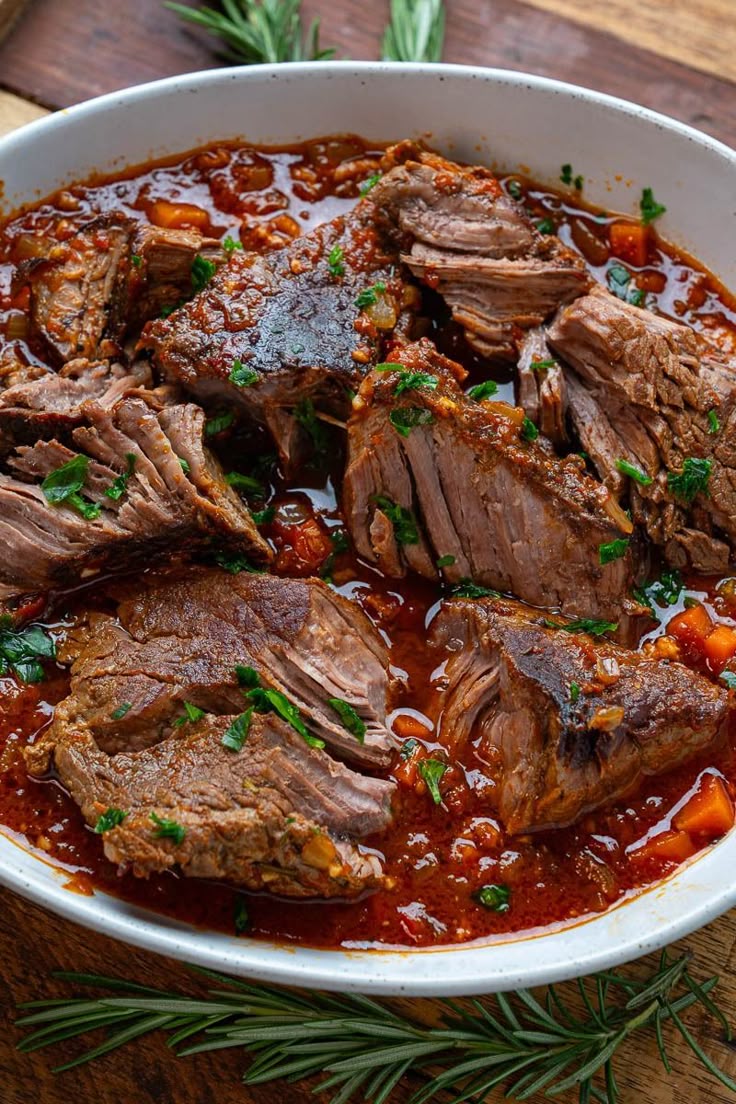
How Disney Lost Their Entire Male Audience
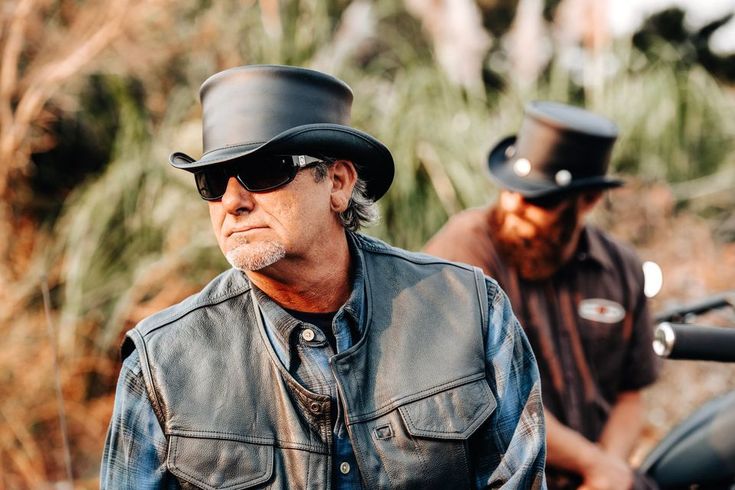
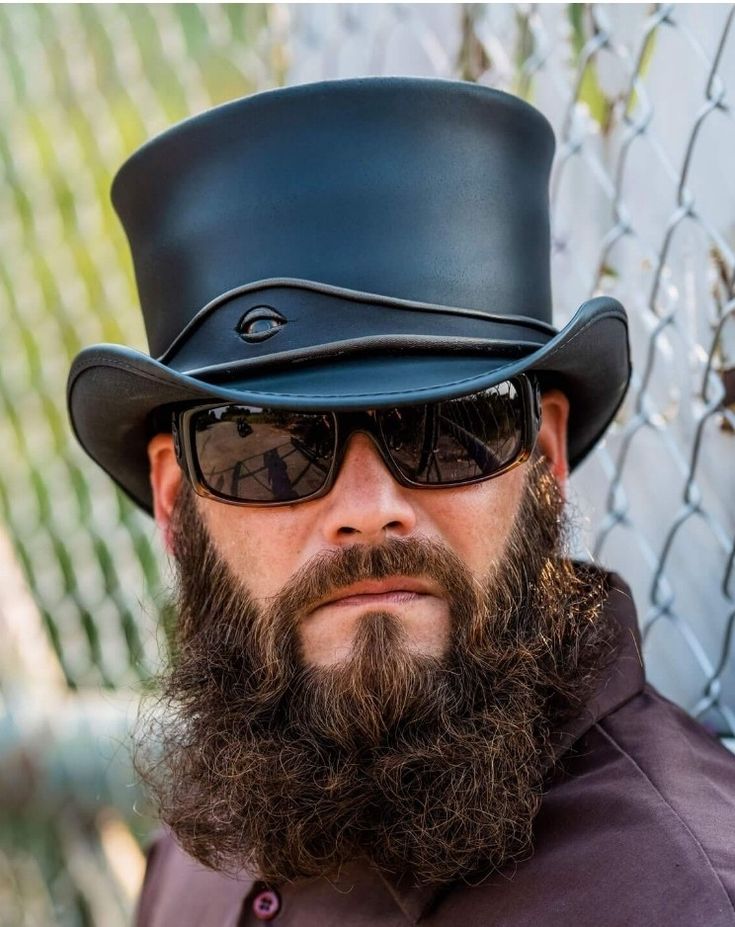
After spending Billions of dollars, Disney screwed itself by taking the 2 biggest properties in history and turned them into a lecture on why men are bad. The result? Absolute failure. In this video, we discuss Disney’s new plan to get them back. Will it work? It’s Disney. What do you think?
What moment at the office made you realize, “It’s time to start looking for a new job”?
So i get asked to see my direct-report-to, at the time, Vice President Ted.
A great, understanding and pleasant boss.
Grandfatherly.
He says to me: “the management is trying to reduce costs and has reviewed salaries and is asking you to accept a $10k paycut”
(To be fair, i was quite well paid there. But still… paycut? No thanks. Explitive!)
I thought about it. Being “asked”.
I said: “Can I have 24 hours to think about it? That’ll give me time to ask a lawyer.”
He said “Hold on. I’ll find out.” and got on the phone with V. P. Louis, the head of finance.
He got off the phone and said in an apologetic tone: “V. P. Louis says to let you know, you get 10 seconds to decide or Friday’s your last day”.
Now. I dunno right, or wrong about this. But my understanding is…
- Contracts made or agreed to under duress are non binding and legally challengeable.
So. Under the coercive circumstances, i chose to respond.
“Well Vice President Ted” (i really enjoyed calling him that, it was a joke between us)…
“Well, V. P. Ted”, i said, “under those conditions, i wholeheartedly agree to the pay cut. Where do i sign?”
And i signed $10k a year in pay away.
I went back to my desk and began looking for a new job on the internet.
For the next two or three weeks i did zero at work, other than directly answering questions asked by users in need of it help. The users weren’t my enemy. They didn’t cut my pay. I won’t take it out on them.
Most of my time was looking for jobs. Making a long list. Browsing, reading. Researching companies. Spreading the word.
Coupla weeks go by and Vice President Ted asks to talk.
“i understand you’re looking for other work”
I had NOT hidden my activity whatsoever. Explitive them.
“yes. Thats true.” i said. (I like and trust Ted)
He says “i get it. Don’t blame ya”.
He says “the mgmnt team doesn’t want you to leave. What will it take to get you to stop looking for a new job?”
I said…
- #1… all missed pay gets paid.
- #2… salaray back to what it was.
- #3… a clause in my contract that says any future salary change or dismissal will carry a $10k penalty.
He said OK. And we signed a new contract.
I began giving an honest days work and focus again, since they were once again paying the honestly agreed to wages. (My original salary).
But all would never be OK there again.
They had sold my long term loyalty. I owed them nothing, except work for my wages.
It wasn’t long before the company had sold itself. For a shiny 250 million.
V. P. Ted was history and i got my 5th or 6th new boss since starting with the company 18 months earlier… Andre.
Andre was IT head for the company that bought us. Andre was another “me”, title/role-wise.
Except. Andre had little to no experience. Was in WAY over his head, on the technical side.
His experience? Ran a shop that sold computers. He became the supplier of computers for the littler company. When they wanted to buy our company they asked him to become their IT guy.
As a non-tech mgr, could get by.
But he had never
- Managed or installed a server
- Or e-mail server
- Or worked with ERP or MRP systems
- Designed or managed or maintained any networks.
- Or multi-plant WANs on leased phone lines
He had acted as buyer and seller of a commodity. Not an IT guy.
The next few eeeks are a long story. Thr short of it is, he and i agreed i didn’t fit in his new org structure.
We agreed i should be let go.
A meeting was immediately arranged. HR. And head of security, Uncle Bernie. Lovable Scottish ex-army guy. Solid and dependable.
When they had finished explaining i was getting let go and ehat they would give as payout, i said…
“oh. And the $10,000 penalty that is in my contract”.
They were quite surprised, Ted was gone. But they looked in my contract and there it was.
So their offensive “take this pay cut or else”… came back to cost them the same $10,000 as a penalty.
I really enjoy the symmetry.
The day i stopped wanting to work there in my head was the day they said “you have ten seconds to decide or else”.
I “or elsed” them in the long run and took their $10k. It was satisfying.
If bullets travel slower than planes, why do jet fighters still use machine guns?
No, they don’t actually do that. It’s yet another annoyingly wrong pop-sci thing.
So, the “bullet” in question is most likely your dingy little 9 mm pistol bullet, which has a muzzle velocity of around 360 m/s, just a little bit beyond Mach 1 (343 m/s in standard atmosphere, sea level).
Fighter jets can easily go past Mach 1, occasionally even Mach 2. Hence, this stupid-ass sentence.
But “war bullets” like the 7.62x51mm NATO can go as fast as 850 m/s, or about Mach 2.5 at sea level. Most fighter jets can’t reach this speed. And the “bullets” they use on fighter jets are 20 mm shells or even larger.
These can reach more than 1,000 m/s. Yeah, way faster than almost every jet that has ever flown. In practice, if you can get close enough, your guns will most definitely be able to catch up and hit a speeding fighter jet.
There’s exactly one occasion where a fighter accidentally shot itself down using its own gun. And it’s a freaky coincidence more than anything else, so it’s not even worth discussing at length.
The real problem with guns on airplane is that it’s become increasingly pointless for high-end fighter jets. Air combat isn’t like World War 2 anymore. It’s about slinging as many long-range missiles as possible before the enemy can get a shot off. Since missiles can easily reach 100 miles or even more, guns that can barely be considered accurate past 2 miles is like a joke. Worse, it can be a deadweight, doing nothing except reducing the range, speed, payload, and maneuverability of the airplane.
Even while hunting drones, it’s often better to use missiles because you need to get dangerously close to the drone to even use your gun, risking accidental collision. If there will be any (purpose-built, not jury-rigged conversions) gun-armed “drone hunting” “fighter” in the future, it will most likely be slow, propeller-driven airplane using the “war bullets” (or heavier) that I mentioned earlier.
Avraám & his Sons
Written in response to: “Set your story in a world where astrology and the movements of celestial bodies deeply impact the lives of inhabitants.“
A.J. Williams
City of Athens, Greek Union of Cities
August 17th, 2145 (133 A.E.)
“Iakovos, please bring the feather and ink. Tonight’s sky is clear, and we need to begin documenting the stars,” ordered Avraám, the Star-Gazer of Athens, a respected role held in high regard by the Greek community.
“Of course, Father,” replied his son. “The Council and the King require new celestial observations. They seek signs that the future will be prosperous.”
“Of course, my son,” acknowledged Avraám.
“But Father! We were supposed to go down to the courthouse and serve on the jury! The Council insisted!” exclaimed his second son, Alexos, observing his father as he worked in his office. “We have a duty to fulfill our role in the jury!”
“The sky is clear tonight; the Council will understand why I won’t be there. You may go, Alexos, if you wish,” Avraám replied as he began preparing his telescope and equipment for a night of observation and recording. If the Gods were to convey a message, it would be on this night.
“Father! The Council specifically requested your presence because the trial…” Alexos hesitated.
“… is regarding the murder of a young girl, I understand. They believe I’m emotionally connected to this case due to your sister Angela’s death,” Avraám finished.
“Yes, Father. This young girl died in a similar manner, on the same night of the year, when the constellations aligned in a particular way,” Alexos explained.
All three men were clad in traditional post-Event robes, resembling attire suitable for jury duty.
“Father, if you fail to appear, you jeopardize your standing in the City. Positions as Star-Gazers are not guaranteed; don’t take unnecessary risks,” warned his youngest child.
“Attempting to persuade me will only prove futile,” Avraám retorted, turning his gaze toward his youngest child. “I am my own person; do not presume to dictate my actions.”
With a sack slung over his back, Avraám made his way to the office door and descended to the main level of their family home. His wife, a nurse, was often occupied with work; their relationship lacked romance, as he was consumed by his passion for astrology and the cosmos while she dedicated herself to medicine. Together, they had four children, but two were now deceased.
Today was no exception for Avraám’s wife, Sophia, who undoubtedly toiled diligently at the Athens Grand Hospital. The city was facing a shortage of nurses due to the recent outbreak of the Sickness, which had struck just a year prior.
The kitchen was in disarray, cluttered with dirty pots, pans, and plates left unattended in the washing area. Avraám surveyed the pile of dishes and chuckled to himself. “Seems us men aren’t adept at maintaining the cleanliness of a well-respected household.”
Moving on to the front room, the Star-Gazer recognized that he had a bustling night awaiting him. Clear nights were prized by the people of Athens, offering them a chance to observe the stars and constellations. They believed the Gods bestowed wisdom through the night sky, and the citizens held their deities in deep reverence.
His two sons trailed after him onto the front porch, where their flower pots flourished with blooms. Avraám settled onto the wooden bench, slipping on his slippers.
“Father, we strongly urge you to go to the courthouse. Do you truly wish to risk your position?” Alexos implored, scratching his beard. Avraám merely shook his head.
“Father, if we lose your wages, we may lose this home,” Iakovos interjected, joining his father on the bench. “Mother’s income alone is insufficient.”
“Even with both our incomes combined, it’s not enough to sustain us,” Alexos added, absently touching the flowers in the pots.
“There will be other clear nights, Father. But this court case holds great significance,” Iakovos persisted. “Missing it could jeopardize your position in the city.”
“Did the Council convey this to you?” Avraam inquired, fixing his gaze on his son.
“A Counsellor, yes. Indeed, Counsellor Iason Iordanou confided in me about it,” Iakovos confirmed.
“I see. Iason…” Avraam nodded thoughtfully. Rising from his seat, the elder man descended the steps of his porch, each slab adorned with an array of potted plants: herbs, peppers, and chamomile.
“Father, please, consider the consequences just this once! The stars can wait!” pleaded Iakovos.
“If the Gods impart a message tonight, and I’m absent, I’ll forfeit an opportunity to improve our city. If you wish to waste time on a court case, decided solely by a judge, then go ahead!” Avraám retorted firmly. With that, he strode down the path toward the Constellation Field.
As the Star-Gazer set up his telescope beneath the stars, a few passersby with their dogs strolled by. They waved to Avraám, and he returned the gesture. With determination, he began the meticulous process of documenting the stars, carrying the weight of responsibility on his shoulders.
Avraám relished his moments outdoors, savoring each breath of the crisp air and the caress of the cool breeze against his skin, if the winds were blowing. He found solace in the symphony of insect sounds surrounding him. A part of him longed to live in the wild, untouched by rules or civilization, where humanity held no greater dominion than the common squirrel or toad. In that untamed realm, death would be an equal adversary, without the intervention of medicine or the influence of Gods. It would be just a man pitted against the forces of nature.
As the Star-Gazer gazed up into the starry sky, he identified familiar constellations: Cygnus, Aquila, Lyra, and Hercules. Each held a rich history, woven into the tapestry of storytelling that had been passed down through generations, rooted in the mythology of the ancient world. Avraám understood this connection and was well-versed in the history of Europe. He knew that not too long ago, the Greeks worshipped what the Council now deemed a false God—a false prophet, as they called Christianity.
Avraám endeavored to comprehend the Christian God, seeking to grasp why those in the West—across the British Isles, France, Spain, and Germany—continued to adhere to what he considered a false prophet. He pondered the reasons behind the enduring faith of these distant lands, curious about the beliefs and convictions that sustained them.
Peering through the telescope, Avraám observed the twinkling stars above. Many stars twinkled brightly, their shimmering lights suggesting to him that the souls of the countless victims claimed by the Sickness now traversed the celestial realm, journeying among the celestial bodies.
“Good. Good,” Avraám muttered, jotting down notes in his journal. His observations indicated to the Council that the departed souls might gaze upon the Earth with either resentment or apprehension.
“Or perhaps,” Avraám mused aloud, pausing to consider his words as he transcribed them into his journal, “these are the souls of our warriors, journeying across the sky toward a serene tranquility.”
As Avraám heard the sound of twigs and gravel crunching behind him, he turned to see his son Iakovos approaching, clad in his outdoor attire: a chiton and sandals.
“So, you’ve come to offer your guidance again? Where’s your brother?” Avraám inquired.
“He went to the courthouse. He’s upset with you,” Iakovos replied.
“Why are you here then? Why didn’t you go with him?” Avraám questioned further.
“I considered it, but in the end, I chose the stars. Courts don’t hold much interest for me anyway, and they specifically requested your presence; we came to show our support,” Iakovos explained.
“I see, I see. Come take a look… the souls of the departed are particularly active tonight,” the Star-Gazer remarked as his son peered through the telescope at the stars.
“This could bode well for the Council,” Iakovos remarked.
“I thought the same, although initially, I interpreted it as a sign of unrest among the deceased,” Avraám admitted.
“Because of the sickness?” Iakovos inquired.
Avraám nodded as Iakovos continued to study the sky. “Yes, that and the conflict with the Turks. We lost many to them.”
“Of course, but perhaps it indicates that those lost souls are finding peace,” Iakovos suggested.
“I certainly hope so, my son,” Avraám replied with a note of optimism.
“But the constellations seem particularly lively tonight, as if the spirits are active,” Iakovos observed.
Avraám noted this with a thin smile playing on his lips.
“Furthermore, Hercules appears to be clearer than on the last clear night. That’s a promising sign for the Council,” Iakovos added, prompting his father to jot it down.
“You have a keen eye for Star-Gazing, better than your brother,” Avraám remarked.
“I’ve noticed that too. Alexos has little interest in the cosmos and constellations. He’s more inclined toward bureaucracy,” Iakovos agreed, shifting his focus to the stars within the Hercules constellation.
“It’s not surprising. He’s always nagging me about something; reminds me of the Council,” Avraám chuckled, acknowledging the similarity.
“Indeed. He seems to magnify every problem and offer impractical solutions, but alas, I’ve grown accustomed to it,” Iakovos remarked.
Suddenly, he gasped. “A shooting star! That’s auspicious news for the Council! A sign of their approval!”
“Or perhaps a sign of their disapproval. Regardless, I’ll make note of it; evidently, the Gods intended for us to be here tonight! They bestow their blessings upon us,” Avraám replied, jotting down the observation in his journal. “Good. Good.”
“I do hope Alexos can charm the Council and secure your position in the city tonight,” Iakovos remarked, stepping away from the telescope and stretching his back.
“I’m confident he’ll manage. I trust him in that,” Avraám replied, continuing to jot down notes.
“I knew the girl. She resided in the nobles’ quarters, near where I pursued my studies in my youth. She was only fourteen,” Iakovos shared, his gaze drifting to the stars. “Angela was barely sixteen, not much older than this unfortunate girl.”
“Indeed, mortality is an inescapable aspect of our existence,” Avraám remarked, peering into the telescope before adjusting its position to observe another constellation. “If life were devoid of challenges, nothing would hold significance. Our ancestors seemed to have overlooked that, and the Gods delivered their reckoning.”
“Perhaps it was their divine judgment?” Iakovos pondered.
“It very well could have been,” Avraám agreed somberly. “Let’s not dwell on the past for the future could be written above.”
United in purpose, father and son labored together, striving to reassure the Council of a promising future. The citizens of Athens sought solace in the stars, finding comfort and relief from anxieties and tensions. Yet, amidst the celestial beauty, the stars also whispered tales of caution and disapproval, serving as reminders of the consequences of human actions.
Inside the Athens Courthouse, a bastion of law and discourse in the city, a bustling scene unfolded. Citizens, jury members, peacekeepers, lawyers, and a handful of judges filled the space, their murmurs blending into a soft hum. The main judge, distinguished by his grey chiton and headgear, commanded attention as he silenced the room with a glance. Despite his advanced age, he exuded an aura of wisdom from a bygone era, speaking in a deep, resonant voice that carried authority.
“Today, we convene to hear testimony and examine evidence regarding the murder of Ivana Dimitriou, a young woman of merely fourteen years. The accused is seventeen-year-old Leon Andreas, a former student of the victim’s father,” the main judge announced, his voice resounding through the courthouse. “First, I shall summon the witnesses to the crime, followed by the presentation of evidence.”
His words echoed throughout the chamber, reaching every corner. Among the jurors sat Alexos, his countenance stoic and impassive as stone.
As the witnesses delivered their testimonies, a somber atmosphere enveloped the courtroom. The family of the slain girl sat in subdued sorrow, their expressions reflecting the weight of their loss. Even the father, typically composed, appeared numb as he listened to the harrowing details of his daughter’s murder. grief weighed heavily upon them, casting a shadow over the proceedings.
As the evidence was presented, Alexos observed the room with a keen eye. A bloody knife and a note left behind by the killer were displayed, revealing a tale of tragic love turned deadly. The perpetrator, a lovesick young man, sought revenge after the girl rejected his affections. Alexos couldn’t help but view the boy as a coward, his actions driven by hurt feelings. Inwardly, Alexos felt a pang of familiarity with the pain of rejection, his heart heavy with empathy for the victim and her grieving family.
As the proceedings continued, Alexos sensed the judge’s gaze lingering on the jury stand. He knew that the judge was searching for Avraám, undoubtedly aware that the Star-Gazer had failed to appear. The absence of such a prominent figure would surely spark rumors: Did the Star-Gazer disregard the law? Was he losing his faculties?
Shaking his head to dispel these thoughts, Alexos refocused his attention on the case at hand, determined to fulfill his duty as a juror despite the distractions.
As the father of the victim addressed the courtroom, his voice resonated with solemnity. “In this courtroom, a relic from a time of relative peace among mankind, we gather to confront the tragedy of my daughter’s murder,” he began, his gaze drifting towards the heavens. “I seek solace in the stars and our Gods, but they whisper of unrest among the spirits. Perhaps it is due to the loss of my child, or the relentless grip of the Sickness plaguing our lands. Perhaps, it is the ongoing conflict with the Turks. They are displeased, and perhaps… they claimed my sweet girl as a punishment to us all.”
His words hung heavy in the air, stirring murmurs and whispers throughout the room. Shock and sorrow etched upon the faces of those who listened, grappling with the weight of his words and the magnitude of their implications.
As the final judgment was pronounced upon the killer, a heavy silence settled over the courtroom. Death by hanging—a punishment rarely meted out—was decreed, marking the severity of the crime. The judges, in solemn agreement, affirmed the final ruling.
The condemned boy, now facing his impending end, appeared unmoved by the verdict. No tears streamed down his face and there was no sympathy to be found among those present. The gravity of his actions and the weight of the sentence rendered any pity futile.
As the condemned boy faced his fate, Alexos remained resolute, his heart hardened by the memory of his own sister’s murder long ago.
As Avraám and his second-youngest son made their way home, the darkness of night enveloped them, the flickering flames of the streetlamps casting long shadows. Despite the lateness of the hour, a sense of tranquility settled over the Star-Gazer, a calm assurance born from the knowledge that one of his sons would carry on his work after he retired. With each step, he found solace in the realization that his legacy would endure, and that the guidance of the Gods, though revered, would not be sorely missed in the hands of his successors.
“You know, Father, one day, you and Mother will need to take a rest,” Iakovos remarked, his voice carrying a hint of concern. “And as you’re aware, I’ve been courting a woman my age—a noblewoman, a socialite.”
“Good money then?” Avraám inquired, turning to his son as they walked along the stone path.
“She comes from wealth, yes,” Iakovos confirmed. “I’ve been thinking… I could succeed you as Star-Gazer. I’ve studied the cosmos extensively, and with the wage I’d earn and the connections from her family’s wealth, we could ensure that you and Mother have a comfortable retirement in this house. Besides, Alexos has his own ambitions, and he’ll likely forge his own path soon enough. The future could be bright.”
“If the Gods allow it,” Avraám replied, his tone tinged with a hint of uncertainty. “If the Gods allow it.”
As they approached their home, Avraám and Iakovos noticed Alexos sitting on the front porch, his eyes swollen and damp with tears. Concern etched upon their faces, they approached him.
“Why are you crying, Alexos?” Avraám inquired gently. “Has something happened?”
“I just… I miss Angela and Roberto,” Alexos confessed, his voice wavering.
“I miss them too, son,” Avraám replied, his own voice tinged with sadness as he placed a comforting hand on Alexos’ shoulder. “I miss them every day. But time moves forward, and so must we. The Gods, in their wisdom, will look down upon us and understand. Hopefully, they will grant us peace, knowing that their souls wander above, seeking their sanctuary.”
With heavy hearts, Avraám and his sons crossed the threshold into their home, leaving behind the weight of the night’s observations and the lingering echoes of a tragic murder. Though the events of the day would undoubtedly haunt them for some time to come, they understood that life must press forward, much like the steady march of the stars across the night sky. As they settled into their home, they found solace in the knowledge that time, relentless and unforgiving, would continue its inexorable journey onward.
What did you think was normal until other people pointed it out?
Butter in the fridge.
When we lived up north, everyone kept their butter dish on top of the dinner plates in the Kitchen Cupboard and not in the fridge.
We lived in Wisconsin when I was a kid and this was super common. The cabinets were usually a bit chilly as they didn’t get the heat that the rest of the room did and it was usually a bit chilly outside. So, with salted butter, not a big issue. AND, it kept the butter nice and soft, easy to spread
So we were in Texas for about 2 months when Dr. Mendez was over doing something with Dad, he went into the kitchen cabinet looking for a glass and said “Oh, someone left the butter in the Cabinet” and took the butter dish out and move it to the fridge.
All four of us kids looked absolute stunned. Why would you want it in the fridge? It gets super hard and impossible to spread? Crazy.
Of course, he was probably right. But we all thought it was weird. Even though we were definitely the weird ones in this case.
Just a tip here, if you do not already, get yourself one of these
Put a stick of butter on the counter for 1–2 hours, then load it into the butter bell with a wooden spoon or stiff spatula and you are good.
The oil and water don’t mix, so the butter doesn’t get wet and it will keep your butter fresh and soft for weeks.
What would Russia do if the United States ever gets weak enough for whatever it is Russia wants to do?
U.S. Secret Service discovered a cache of 100,000 SIM cards and 300 servers in New York near the building of the United Nations, capable of crashing cell networks.
The anonymous communications network could interfere with emergency response services and could be used to conduct encrypted communication. The network was capable of sending 30 million text messages per minute.
The data on some of the SIM cards points to ties to at least one foreign nation.
Only a few countries are capable of doing something like this, and we can all guess who.
Obviously, similar setups could be found elsewhere.
Russia is keen on the concept of “hybrid war” where sabotage and attacks are carried on foreign land, while Russia denies involvement.
Russia doesn’t want a direct military conflict with the USA. It will continue to create trouble, buy and blackmail politicians to lobby Russian interests, and interfere to promote corrupt politicians in positions of power.
That’s what hybrid war means.
Skillet Chicken with Peppers
and Blue Cheese Glaze

Ingredients
- 2 tablespoons olive oil
- 2 tablespoons pine nuts or walnuts
- 4 to 6 boneless chicken breasts
- Salt and pepper
- 2 medium green bell peppers, cored, seeded and cut into strips
- 3 cloves garlic, minced
- 1/2 cup dry white wine
- 1 1/2 tablespoons fresh minced tarragon
- 1/4 cup crumbled blue cheese
- 1 1/2 cups orzo pasta, cooked
Instructions
- Heat oil in a large skillet. Sauté nuts for 2 to 3 minutes until golden.
- Remove with a slotted spoon and reserve.
- Season chicken breasts lightly with salt and pepper. Sauté for 2 to 3 minutes on each side until golden.
- Remove chicken and cover to keep warm.
- Add peppers and garlic to skillet. Sauté over high heat for 3 to 4 minutes until golden.
- Deglaze pan with wine, scraping to remove browned particles. Scatter tarragon and pine nuts over peppers.
- Place chicken breasts in a single layer over peppers. Scatter cheese over chicken. Cover and cook over low heat for 8 to 10 minutes until cheese melts.
- To serve, place chicken over or beside peppers and orzo pasta on plate. Garnish with pan juices.
For those folks who served when the military still allowed lifers, who was the lowest-ranking individual you ever knew about who simply failed or was disinclined to advance in grade?
A Belgian code breaker and linguistics specialist. He remained a corporal and refused any promotion as he feared additional duties that would take him away from what he loved to do: breaking Warsaw Pact codes and mapping what he had learned.
The man was kind of a legend and pretty much indispensable … and he knew it.
When he had achieved yet another breakthrough, he, as an NCO, would walk into the officer’s mess, order two whiskey colas, would drink them, smile, and walk out.
He reported directly to NATO but was often seen in various forward bases in West Germany to be better able ton pick up the radio chatter.
He didn’t care about money but had found a trick to win the Belgian National Lottery (which he did twice: once when his daughter married and the second time when he retired).
His uniform was a mess and he usually walked around unshaven. He was a genius, he was needed, and he bloody well knew it.
What is the most disrespectful thing a house guest ever said to you?
Once, in my twenties, ( when I was married ) I saw a homeless woman sleeping sitting up with a note pinned to her chest in a McDonald’s. I knew the restaurant would be closing soon. So I told her that she could come home with me.
My husband was beside himself and said “Absolutely not!” But I had already promised her.
So I told her to take a nice hot shower while I found her some clean clothes to wear and prepared her something to eat.
As I recall, she didn’t like the T-shirt and sweatpants that I gave her after her shower, saying “Is this all you’ve got?” (But she was significantly larger than me, and what I gave her I normally wore for pajamas.)
I apologized and told her that I was washing her own clothes. So she could change into them in the morning. Then I offered her dinner.
She sniffed, made a face, and asked if I had anything else. (Which angered my husband, and he wanted her to go. But I said she could stay.)
There was a small room in the basement made up with a trundle bed that I often slept on myself when I came home from work at 6 AM and didn’t want to wake my husband. I even changed the sheets for her and brought down extra blankets to make sure she’d be warm enough.
She complained loudly about the accommodations and said that I “wouldn’t treat a dog this badly”. I still would have let her stay a week to take her shopping at the Good Will, but my husband had had enough and kicked her out first thing in the morning. (After we had argued about it all night.)
Could a situation like Chernobyl happen to a modern nuclear power plant?
It cannot. The Chernobyl plant, the RBMK-1000, was a Soviet machine. Built for two jobs. Power, and bomb fuel. Safety was not one of them-The physics was rotten at its core. A fundamental design flaw-its positive void coefficient.
Water gets hot, boils. Steam bubbles-voids form.
In that machine, the voids made the reaction angrier-a runaway process where Pfission↑. More heat, more steam, more power. The graphite moderator kept things hot. The control rods, tipped with graphite, were a final insult. A lit match thrown on gasoline to put out a fire.
Modern Light Water Reactors are different animals. They choke on steam-A negative void coefficient. It’s inherent-And a proper tomb of concrete and steel holds the body. A real containment. That particular ghost is buried-Men will find new ghosts, but not that one.
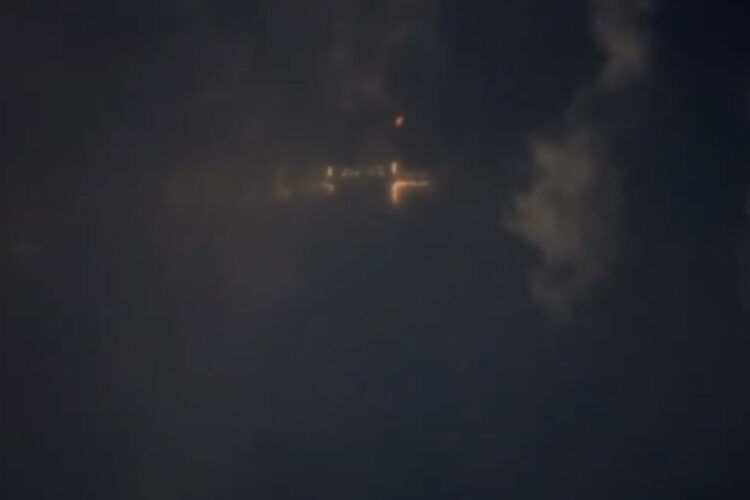
Extremely Large “Anomaly” in Sky over Astana, Khazakstan

As of 11:26 PM eastern US time, on Satuday, April 4, 2026, there is an unidentified and extremely large “anomaly” high in the sky above Astana, Khazakstan.
I was just thinking about the minimalist approach the other day, Metallicman. There really is nothing like it. Add in newer kinds of fabrics and clothing, Uniglo stuff, etc, relatively cheap, durable, warm or cool, and the days of putting away heavy jackets and clothing for multiple seasons are well over, too.
Recycled and replaced, now.
I cringe when I think back on the junk I used to let pile up before seeing the light.
Laptop, phone, a good compact backpack, and a pair of solid trainers. If we had to move in an emergency tomorrow, that’s me ready to go.
And the biometrics, regardless of the New World Order Mark of deh Beast alternative shreeking, are just so much more…. civilised? Agreed on that, too.
We’re out of the taxi and boarding our plane inside of 30 minutes usually. Domestic certainly, and International, if your an early bird and don’t mind a 0630 wheels up.
Not all changes are for the bad once one departs the Empire of Anal forever.