


I have talked about the dinners that my mother would make for us kids growing up in the 1960’s and into the 1970’s. I have done so in a very general way.
One of the most common dinners, perhaps because it was easiest, was to bake a casserole.
I haven’t had one of those things in YEARS. Serious. Not in years, and even decades even.
I’ve never seen one in China. Never seen one in Prison. Never seen one at a fast food restaurant. Never seen one at a sit-down restaurant. Never seen one at a KTV, or a Bar.
And None of my wives ever made them.
I think that the last time that I had a casserole was in the 1980’s at a church-sponsored dinner.
So today, here’s a post for all you casserole lovers out there…





















Today…
CATACLYSM: Trump Confirms U.S. To Provide “Tomahawk” Cruise Missiles to Ukraine
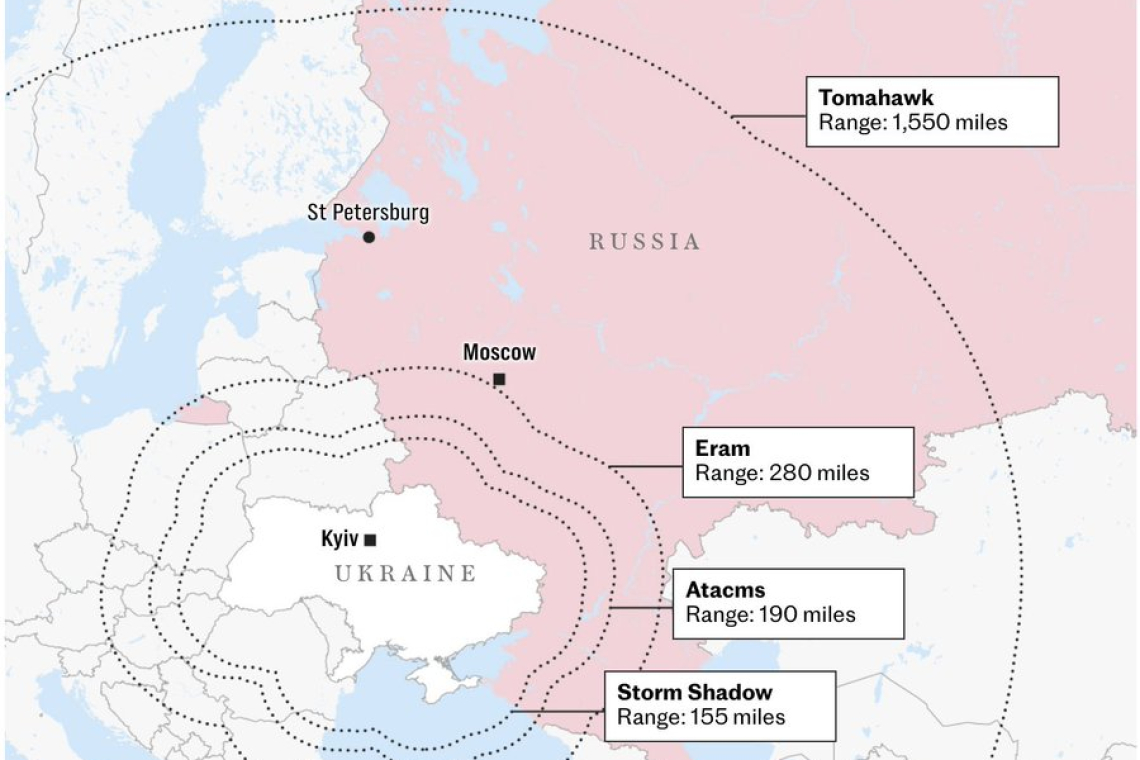
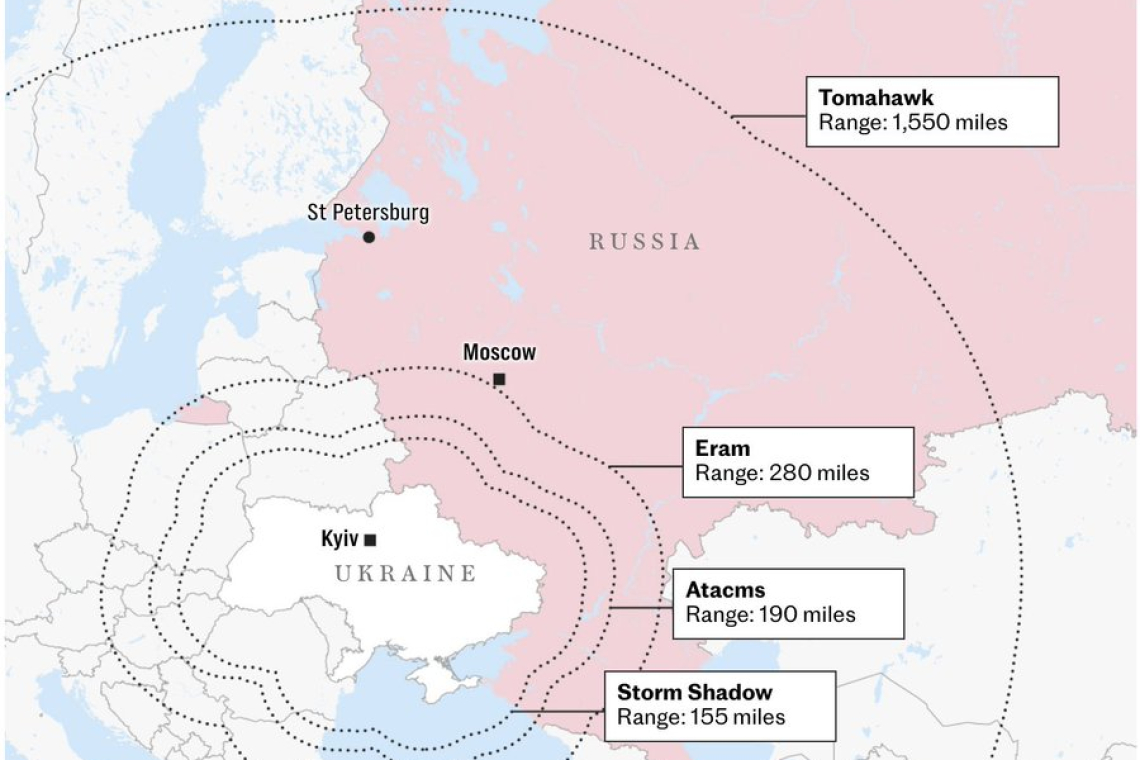
President Donald Trump just made the single most CATACLYSMIC mistake of his entire Presidency: He said, from the Oval Office, that he has “Kind of decided” to give Tomahawk Cruise Missiles to Ukraine.
Trump then disastrously went further. He said he wants to ask what targets they will be used against. By saying this, he is acknowledging that the United States directly approves the targets being hit by Ukraine, with American-supplied, and American-satellite-guided missiles.
Here is video:
Earlier today, Russia made clear that if the US supplies Tomahawk missiles to Ukraine “It will destroy all the work done over these past months to rebuild US-Russia-relations.”
Worse, late last week, Russia reminded everyone that such missiles require American space satellites to guide them to target. As such, an American-supplied missile, guided to target by American satellites, will be treated by Russia as an attack by the United States upon Russia. Russia pointed out that it does not matter who pulls the trigger (i.e. Ukraine) they are American missiles guided by American satellites to target, that would be striking Russia.
Even more horrifying, Russia declared that since the Tomahawk can be armed with EITHER conventional or nuclear warheads, if Russia sees the radar silhouette of a Tomahawk missile coming at Russia, they will have no choice but to treat the missile as nuclear, and launch (their nukes)-on-warning.
What fascinates you about the US as a foreigner?
I have always liked the American tendency to easily make luxury items available and affordable to the general population.
“Cheap and easy abundance for everybody”, if you will. Joie de vivre, as the French say. Enjoying life and the things it brings, without getting too hung up on details.
Having grown up in Europe, where everything always seemed complicated, expensive, overdone, yet meager in outcome, there was something immensely satisfying about the notion that anyone should be able to live in a freestanding house with bay windows and a swimming pool, drive a Cadillac with bordello style interior and a V8 engine, and own as many TV sets as they liked, get free refills on coffee and coke, eat all you want at the buffet, and dress for comfort.
It might all be made from plastic and tinsel, but hey, it’s the thought that counts.
So, the US provide a sort of illusion of a wealthy lifestyle that is a lot of fun as long as you don’t get all German about it and start looking at the fit and finish too closely, get your conscience questioning sustainability, or your ethical side wondering about this and that.
I’ve managed to make that lifestyle happen for myself here in Sweden these days, too.
My place is full of cheap old bang for the buck stuff that looks lush in photos and keeps me amused with its glitter and gaudy visuals. I’m a very visual person who leaves things well alone as long as they work, and that is an attitude I share with Americans, I think.
It’s a way of celebrating life without falling victim to its material aspects, or over-committing to things. A light touch, if you will.
Andouille and Pecan Crusted Chicken with New Orleans Red Pepper Sauce

Yield: 4 servings
Ingredients
Chicken
- 3 tablespoons unsalted butter, divided
- 1/2 pound andouille sausage, finely diced by hand or in food processor
- 1/2 cup pecan pieces, chopped
- 1/2 cup plain dried breadcrumbs
- 1 teaspoon Creole seasoning
- 2 small bell peppers (1 red and 1 yellow), stemmed, seeded, finely diced
- 1 small red onion, peeled, finely diced
- 1/2 cup all-purpose flour
- 1/4 teaspoon cayenne pepper
- 2 large eggs (room temperature)
- 2 teaspoons Creole (or Dijon) mustard
- 4 (4 to 6 ounce) skinless, boneless chicken breast halves
- To taste, salt, preferably coarse kosher
- To taste, freshly ground black pepper
- 2 tablespoons – extra-virgin olive oil
- 4 flat-leaf parsley sprigs for garnish
Roasted Red Bell Pepper Sauce
- 2 small red bell peppers, halved, seeded; or jarred, drained roasted red peppers
- 1/2 cup canned or homemade chicken broth
- 1/4 to 1/2 teaspoon cayenne pepper; to taste
- To taste, kosher salt
Instructions
- Heat oven to 325 degrees F.
Chicken
- Melt 1 tablespoon of butter in a 10 or 12-inch skillet over oderate heat until hot.
- Add sausage* and cook , stirring frequently, for 2 minutes.
- Stir in pecans, sauté, stirring, until sausage and pecans are nicely browned, about 3 minutes more.
- Using a large slotted spoon, transfer mixture to a paper towel-lined large plate; drain and cool.
- Combine andouille sausage and pecan mixture, breadcrumbs, Creole seasoning, diced bell peppers and onion in a medium bowl; mix together well. Spread over a large rimmed cookie sheet.
Roasted Red Bell Pepper Sauce
- Place fresh peppers on the oiled rack of a small broiler pan and roast peppers under a preheated broiler until the skin is blackened. Place in a one quart sealed plastic bag; allow to steam for 5-8 minutes.
- Peel, and remove inner membranes; coarsely chop.
- Place freshly roasted peppers, chicken broth, cayenne pepper and salt to taste together in a small heavy saucepan; bring to a boil over moderate high heat.
- Using a slotted spoon, transfer peppers to a blender and puree.
- Place back into the saucepan; mix into chicken broth. Continue to cook until liquid is reduced by half, a few minutes. If using jarred peppers, puree in a covered blender and stir into heated chicken broth, along with the cayenne pepper and salt; reduce liquid by half.
- Pour into a plastic bottle with a spout and set aside.
- Meanwhile, combine flour and cayenne pepper together in a medium shallow dish; set aside.
- Crack eggs into a small bowl; discard shells. Add mustard; whisk to combine.
- Season both sides of the chicken breasts with salt and pepper to taste.
- Whisk eggs and mustard together in a medium shallow dish until well blended.
- Dredge each chicken breast in flour mixture, then egg mixture, then andouille mixture, pressing firmly so crust adheres to the chicken breasts.
- Heat an oven-proof large heavy skillet on medium heat until hot.
- Place the 2 tablespoons oil and remaining 2 tablespoons butter in the hot skillet; blend together until butter melts.
- Add chicken breasts to the skillet. Sauté 2 minutes on each side to brown, then transfer to the preheated oven to finish cooking the chicken breasts, about 6 to 8 minutes, until just done, juices run clear when pierced with a fork, and no longer pink inside, or until an instant-read thermometer inserted into the sides of the chicken registers between 165 and 170 degrees F.
- Remove from oven; briefly drain on paper towels.
To serve
- Place each chicken breast in center of a serving plate.
- Garnish each serving with a sprig of parsley.
- Randomly drizzle or dot red pepper sauce evenly over plates.
Notes
* If desired, diced bell peppers and onion can be sautéed briefly in pan along with andouille sausage, adding the pecans 2 minutes later, depending on crispness of vegetables desired.
How American Neocons Failed to Stop China From Becoming the Next World Superpower | Richard Wolff
A Perfect Day in Zog
Submitted into Contest #288 in response to: Set your story in a place where the weather never changes.… view prompt
Audrey Elizabeth
Never ever.
The citizens of Zog went about their day, as they always did. Shopping for groceries at ZapGrocer, where customers can shop at lightning speed. Identical items. Optimized for perfection. No surprises.
“Good morning, Marvin.”
“And a perfect Zog morning to you, Darla.”
Everything was clean. Everything was precise.
At Zog Bakery, the pastries were meticulously constructed. The Hexa Muffin was engineered to be eaten in exactly six bites—no more, no less. That way, Zoggonians never suffered from a tired mouth.
And the Loop Cakes? Each one measured exactly three inches by three inches. They came in only one officially approved flavor: Pleasant.
These perfect desserts were meant to be washed down with a nice cup of ZogBrew, which contained exactly the right amount of caffeine for optimal awakeness.
For youngsters, there was ZogMilk— the caffeine-free beverage of choice. It had the exact texture of milk, yet never spoiled.
Never ever.
Zoggonians enjoyed their perfectly calibrated beverages in their Sip 500— a sleek, monochrome mug that self-warmed and self-regulated to ensure the ideal sipping temperature.
The air was always perfect. The temperature was always exactly seventy degrees. Warm and sunny, perfect for a pair of Zoggles.
But today, something was off. A coolness lingered in the air.
Little Zogling, Otis Zwiff sat in the ZogCart, kicking his feet as his mother steered them toward ZapGrocer. He squinted up at the sky. His eyes became round marbles, glossy and wide.
“What’s that, Mama?”
His mother, Elra Zwiff, didn’t look.
Didn’t want to.
Too much to do today— the floor needed its daily ZogGloss polishing and the auto feeder needed replacing so it could dispense exactly fourteen pellets for Tweepa, who chirped at pre-approved intervals.
She zipped her Z-Pack, the only certified bag in Zog, available in one shape, size, and color: Mellow Yellow.
“Shh. It’s nothing. Nothing at all, my little Zogbun.”
She pushed forward, cart and grocery list in hand.
“No, really. What is that, mama?”
Elra sighed. She glanced upwards, over her shoulder. Her brow furrowed for a moment. Then, she snapped her head down and gripped the cart tighter and kept her eyes glued to the ground. My eyes are playing tricks on me, she thought to herself.
She forced a smile.“Wouldn’t you like to have a Hexa Muffin today?” she cooed to her son.
But Otis continued to point a grubby little finger towards the sky, squealing. Elra tried to shush him, but his tiny voice echoed in the parking lot, growing louder with every step.
People halted.
They stared at the duo, then slowly tilted their heads upward, eyes narrowing for a better look. A ripple of exchanged glances. Some shook their heads. Others turned away. And then they all went about their business.
Because nothing was wrong. It couldn’t be.
Zog was perfect.
“What’s all the fuss about,” one couple said, arms crossed.
A woman gasped, wagging a finger, “Your child needs his Zoggles.”
“And manners!” a man barked.
Elra Zwiff’s face flushed red, as red as a Zog-certified beet. She clutched her Z-Pack. Gripped the ZogCart and did a complete one eighty. Rushed to her ZogPod with her son, who continued laughing hysterically.
Other shoppers kept looking upwards, muttering to themselves.
The Zog Bakery baker stepped out onto the sidewalk, flour on his apron. The ZapGrocer cashier leaned against the door frame, blinking upward in disbelief.
The Loop Cakes sat uneaten and the ZogBrew cooled.
Something in the sky didn’t belong.
–
Across town at the Zog News Network, a monitor flashed.
“What is it?”
The staff huddled around the screen. A sea of necks craned for a glimpse. People in the back balanced on their tiptoes.
“Zoom in!”
“I can’t see!”
“Enhance it!”
Faces grew paler. Murmurs. The air thickened.
The emergency phone on the desk blinked for the first time ever.
A producer stammered. “I’ve heard of this before… but it cannot be! Not in Zog!”
“Someone—bring in the authorities!”
“Get Fadebottom down here ASAP!”
Dintly Fabebottom led the investigation as a swarm of analyzers and officials crowded around his desk, mouths tight, waiting for answers. His hands were sweaty, trembling, but he sat up straighter. Forcing his fingers to stay firm and moving on the keyboard.
As if his posture and proper finger positioning might bring order to the disaster unfolding on the screen.
His leg bounced furiously, an unfortunate side effect of years spent in the labs, consuming far too much ZogBrew and far too little sleep.
He cleared his throat, straightened his tie, and blinked at the screen. Then, slowly, he rolled his ZogErgo chair back and rose.
He knew what it is.
Fadebottom huddled with his team. They whispered. It’s confirmed.
The newsroom inhaled as one.
Dintly gulped. A bead of sweat trickled down the back of his neck.
“Well, what is it, Fadebottom?”
“Tell us!”
“Spit it out, for Zog’s sake!”
A long beat.
Then—
Voice trembling. “It’s confirmed. At approximately 11:32 AM, in the city of Zog…a cumulus cloud has appeared in our stratosphere.”
A gasp.
Myra Lune from accounting clutched her chest.
Zade Flimm, the camera guy, staggered back.
“A cloud! But how?”
“How could it get in?”
“We have the perfect atmospheric temperature.”
“Someone get the mayor on the line!”
“It cannot happen here. It makes no sense! There are no clouds in Zog!”
The monitor flickered. The image remained.
The cloud was real.
And there was nothing they could do to stop it.
–
The streets of Zog were not supposed to feel like this.
Normally, the city stepped to a precise tempo. A uniformed rhythm. Zoggonians walked at the same pace and smiled at the same intervals.
But today—the flow was off.
Above, the cloud loomed. Below, people huddled together under awnings. Nervous chatter built to a crescendo, teetering on the edge of hysteria.
“This isn’t right.”
“No one move!”
“Has the Department of Perfection been informed?”
ZogPods began to pile up in the road, causing a traffic jam. Eventually the gridlock came to a full stop as drivers and passengers abandoned their vehicles, pointing at the sky.
The citizens of Zog looked at one another, lost. Searching for reassurance on each other’s faces.
Then—
The loudspeaker sprang to life.
“Citizens of Zog, do not be alarmed!”
Complete silence fell over the city.
“Nothing is wrong.”
Shallow breaths. Stiff spines. Everyone frozen.
“Zog is perfect.”
A pause.
“Go about your day.”
For a moment, it almost worked.
A man re-tucked his perfectly pressed collared shirt. A women forced a smile. A cashier began scanning items, hands shaking.
Everyone is attempted to return to the usual morning routine.
Then outside—
The first drop fell.
Another drop.
And then another.
And another.
A woman screamed. “It burns!”
A man shielded his head. “My eyes!”
The drops were foreign daggers.
The city of Zog erupted. People ran for cover. ZogCarts scattered in the streets as people deserted their routines and their Loop Cakes. Parents covered their children using elbows, arms, and Z-Packs.
Someone shouted, “It’s happening! It’s real!”
The screens in storefront windows flickered. News anchors in the Zog News Network stared, pale-faced, their hair slightly frizzed from this unfamiliar humidity.
The voice from the loudspeaker returned, feeble.
“Do not be alarmed.”
The words glitched.
“Nothing is wrong.”
But it was.
Because for the first time in Zog’s history—
Rain had appeared.
–
The Zog Unified Police (ZUP) Precinct was in mayhem. Alarms blared—a sound never before heard in Zog: the sound of panic.
Inside City Hall, government officials congregated around a holographic weather projection, their faces stiff with forced composure.
Mayor Wexley Optner was a Zoggonian built for authority, but not for movement—round in the middle, his suit tailored to restrain rather than enhance.
His ZogBrew-colored mustache, waxed and precise, sat above a mouth that was always poised to snap. His voice, bold and brazen, carried an unshakable fortitude of a man who always got what he wanted.
When he entered a room, the shiniest Zappers—the finest, most regulation-approved footwear in all of Zog—clicked in perfect unison against the floor.
He did not adjust to the space. He expected the space to adjust to him.
His pudgy, stick-like fingers drummed against the flawlessly polished conference table, each tap a metronome of impatience and authority.
To him, Zog was not just a city—it was an echo of himself. And Mayor Wexley Optner did not tolerate blemishes.
“We have one job: maintain perfection. This defect must be annihilated—immediately!”
Chief Frawzle of ZUP straightened his shoulders. His voice cut sharper than a Zog approved knife.
“We are prepared to deploy the Atmospheric Correction Protocol.”
“Excellent.” The Mayor exhaled, relieved. “How soon will it be destroyed?”
The Chief nodded to a technician, who pulled up a government-issued control panel labeled: Cloud Destruction Interface
The room watched as silver, aerodynamic drones rose above the city, silently gliding toward the rogue cloud.
“Prepare for obliteration!” shouted the Chief.
A hush.
Then—
A voice broke the silence.
“You cannot do this.”
Heads whipped toward the entrance.
Trembling, disheveled, and marked by a stubborn ZogBrew stain on his half-tucked shirt—Dintly Fadebottom appeared in the doorway.
The same Dintly Fadebottom who had never spoken out of turn his entire life.
“You cannot remove the cloud.”
The room is hummed uncomfortably.
The Chief stared and began walking towards Dintly.
“Excuse me?”
“This is not a glitch. This is not a malfunction.” Fadebottom’s voice grew stronger. “This is real. You cannot erase it, you cannot reprogram it, and you cannot pretend it isn’t happening.”
The Mayor shook his head, which began to turn an unregulated shade of red. His veins bulged to an unnatural blue.
“Fadebottom, you are out of line. This city has flourished because we do not tolerate unpredictability. Ever.”
Dintly took a giant step forward.
“And yet—” he gestured toward the sky, “there it is.”
The cloud remained, slowly inching closer. Darkening.
“Your drones won’t work. According to our calculations, it will just come back tomorrow. And the next day. And the day after that!”
Drops began to fall near City Hall.
The drones hovered in limbo, awaiting final confirmation.
The Chief lifted a finger, about to issue the command—
Then—
A lightening bolt struck.
Screams exploded in the hallway and on the streets.
The Mayor stared as a single splatter spread across the polished, pristine conference table. He looked up and noticed a tiny hole in the ceiling.
For the first time ever—
The Mayor was not in control of Zog.
–
Sporting a perfectly pressed, regulation-grade raincoat, Mayor Wexley stood atop the podium outside City Hall. Beside him, his assistant gripped a government issued umbrella, angling it precisely to shield him and his mustache from the downpour.
His voice overpowered the city speakers, spilling into every street, every market, every meticulously ordered home.
“Citizens of Zog, remain calm! The rain you see before you is not a mistake. It is, in fact, a carefully planned innovation! We call it… Hydration Enhancement! A supreme new feature of Zog’s perfect climate!”
Uneasy whispers spread through the drenched crowd. Some skeptical citizens muttered, but others nodded. If the leadership said it was planned… maybe it was?
The Mayor continued:
“For years, Zog has led the way in predictability and flawlessness. But perfection must evolve! Thanks to our tireless efforts, we have introduced Rain 1.0—a premium weather experience designed for maximum hydration and atmospheric variety!”
A banner unfurled over City Hall, displaying the words: “Rain: A Progressive Vision for Zog”.
The officials stepped forward in matching raincoats, handing out official government-certified umbrellas.
A soggy reporter shifted uncomfortably, clutching a dripping notepad.
“So… this was intentional? But what about the cloud?”
The Mayor wiped his forehead and let out a thunderous belly laugh. “Ah, yes! We call it Cloud Plus! A bonus feature. Here in Zog, we’re always pushing the boundaries of excellence.”
He smiled, his mustache curling upwards.
“Perfection continues to smile upon us!”
–
The next morning, Zoggonians woke to misty streets and a brand new weather report.
Brenda, the cheerful news anchor appeared on-screen, her smile extra white and extra bright, as if it had been optimized overnight for peek reassurance.
“Good morning, Zog! Another absolutely perfect day ahead—mild temperatures, no wind, and of course…”
She paused, unshaken.
“Our usual rain cloud!”
The cameras cut to Brentley, her co-host, who sat beside her in a glossy, Zog-certified raincoat, glistening under the studio lights.
Brenda tilted her head, admiring. “You’re looking extra dapper this morning, Brentley. What do you have on there?”
“I’m glad you noticed. This is the latest model- designed for full moisture protection and unparalleled comfort. Citizens, be sure to visit your official certified provider of pre-approved rain gear—ZogFits, the only name in optimized rain protection!”
“Stay dry, out there folks!”
A banner rolled across the bottom of the screen:
“Rain: A progressive weather experience. All citizens encouraged to adjust and enjoy.”
Outside, the cloud lingered overhead. The rain continued.
And in perfect unison, the citizens of Zog opened their government-issued umbrellas, zipped their yellow Z-Packs, and began their day.
–
Otis and Elra Zwiff stepped out onto the damp streets of Zog.
The rain trickled in a quiet disobedience, pattering against the spotless streets.
Otis stomped through puddles.
“Mama, look!” he said, pointing towards the ground.
Elra stiffened and slowly turned her head.
He gestured at something—something new—rooted between the puddles. Something different.
A flower.
Not part of the Zog Standardized Botanical Program.
Not Pleasant Yellow. Not Perfect Pink.
Something else.
Red.
A color Zog has never seen blooming before.
Alive. Unregulated. Wild.
Elra drew a slow breath, the air around her thick with rain and something else—something unfamiliar. Then, a wide smile broke across her face. She and Otis laughed as they splashed through the puddles, hand in hand. Water splattering around them like a quiet rebellion.
Somewhere, Mayor Wexley’s voice hissed over a speaker, demanding the gardening department to be dispatched immediately.
No new species of any kind allowed.
But in the meantime, the rain kept falling.
And the flower kept growing.
What is the reason for the existence of anti-China and pro-China sentiments in the world? Who is responsible for creating them?
As is well known, starting from George Macartney until today, the West has spent over two centuries creating a deeply rooted image of China, including China’s technological backwardness, China’s “autocratic” system, China’s “improper” possession of its present-day territory, and the “historical error” of the goals and outcomes of the 20th century Chinese revolution.
These four images have not only penetrated deeply into the minds of Westerners, but have also gradually spread to the regions surrounding China that were colonized by Europe. Finally, they have directly influenced China’s intellectual circles. The first two have become common sense among modern Chinese, while the latter two have impacted China’s relations with neighboring countries, ethnic politics within China, and the perceptions of some Chinese people at certain times since the 20th century.
For the people of modern Latin America, Africa, and South Asia, China is farther in terms of spatial and psychological distance than Europe, the United States, and other parts of Asia. Their understanding of China naturally draws from Western sources as the West controls communication and speech. However, these portrayed images of China are distorted. To understand why they are distorted, we should first examine the West’s intentions in shaping China’s image.
- The first is the so-called technological backwardness, which is a rhetoric Westerners use to depreciate the Chinese system under the logic that “technology is the foundation of the system.” But in fact, from the 16th to the end of the 18th century, China lagged behind Europe in some technologies but not in others, and even led in some technologies. However, Chinese people who have deeply internalized European discourse have often lamented being “beaten for backwardness” for over a century, which invisibly rationalized Western invasion.
- Second, to fully realize Western interests in engaging with China, the West has intentionally portrayed the Chinese system as one that effectively serves Western interests. Before this goal can be achieved, it is deemed necessary to intervene and interfere in Chinese politics. For this reason, it is necessary to depict China’s monarch-bureaucrat-county system as analogous to Europe’s medieval church and feudal system. This relatively establishes the superiority of the Western system and provides legitimacy for Western intervention in Chinese politics.
- Third, China’s vast territory and massive population pose huge obstacles to Western intervention in Chinese politics. For this reason, the West has depicted China since the Qing Dynasty as an “empire,” portraying the formation of China’s territory as the result of Qing expansionism. In this way, the scope of Qing territory itself can be questioned, and the Republic of China and People’s Republic of China as nation-states could lack legitimacy in inheriting that territory.
- Fourth, the 20th century Chinese revolution further restricted the West’s plundering of China’s resources, giving the West more motivation to undermine China’s territorial legitimacy.
On one hand, the West depicts the 20th century Chinese revolution and state-building as a continuation of “feudalism + autocracy.” Their rationale is that the Chinese people’s national liberation war consolidated dictatorship, while defeated Japan was more progressive, civilized, and democratic than China. So how could this Anti-Japanese War, in which “backwardness overcame progress,” “barbarism overcame civilization,” and “dictatorship overcame democracy,” be just?
On the other hand, the West accuses China that despite portraying itself since the mid-19th century as a “victim,” China is actually an imperialist expansionist. This argument holds that regions the Qing acquired during its reign, namely Mongolia, Xinjiang, Tibet, and Taiwan, did not originally belong to China. Hence the People’s Republic of China would lack legitimacy in inheriting those lands, leading to the conclusion that contemporary China’s governance of these areas amounts to racial oppression. The real purpose this narrative serves is to provide excuses for current Western political circles to split China by promoting color revolutions.
Through examining the West’s motives, we see that their real intention is actually to cover up its own technological backwardness in the Middle Ages, its history of feudal and religious persecution, its colonial history of racial oppression and genocide, and its capitalist and imperialist history of exploitation. So the West actually imagines and describes China in its own image.
Vocal ANALYSIS of Scott Weiland’s Wails in Stone Temple Pilot’s “Interstate Love Song”
Pictures









What was a time when someone absolutely deserved to be fired?
During summer break while in high school I worked picking pineapples on the island of Lanai in Hawaii. We worked night shift (temps were cooler), so we checked in to the dispatch area around ~3pm. The day crew usually had just shown up a half hour earlier and was about to leave.
You can’t really see it below, but each field worker is wearing screen goggles to protect the eyes from the sharp and sturdy leaves, long sleeves, and chaps over long pants — also for protection. This is not my ‘gang’, which is what a work crew is called.
[Image source: Krzywonski for Quora (of all places)]
Another gang, native to Lanai, had a member who happened to be a young Filipina model… not easy to miss. She was featured in several local magazines. She worked day shift.
This one luna (boss of a gang) wanted to impress her. So he shows up early to catch the day shift returning. Only, he is not wearing anything under his chaps. I wasn’t (thankfully) there to witness this, but word was that he had his legs spread to fully expose himself to her.
She was not impressed and neither was anyone else. This guy was gone the next day.
What also came out is that his gang had been picking every single pineapple, not just the ripe ones (there was a production incentive that he was gaming). This was causing a problem at the cannery on Oahu.
Yeah, fired!
Sir Whiskerton and the Great Grain Heist: A Tale of Feline Ambition, Stolen Corn, and the Power of Sharing
Ah, dear reader, prepare yourself for a tale of feline ambition, stolen grain, and one very determined cat detective. Today’s story is one of greed, chaos, and the importance of sharing—even when the temptation to hoard is as strong as a cat’s love for catnip. So, grab your sense of humor and a bag of popcorn (for snacking), as we dive into Sir Whiskerton and the Great Grain Heist: A Tale of Feline Ambition, Stolen Corn, and the Power of Sharing.
The Plot Thickens
It all began on a crisp autumn morning, when the farm was bustling with activity. The farmer had just harvested the season’s grain, and the barn was filled to the brim with golden corn and wheat. The animals were content, knowing they’d have plenty to eat through the winter. But little did they know, trouble was brewing in the form of Genghis, the self-proclaimed “kingpin” of the barnyard cats.
Genghis, with his gold chain jingling around his neck and a strut that could rival a peacock’s, had big plans. “Listen up, boys,” he said to his loyal lackeys—Lester, Clyde, and Loomis. “This grain will be the foundation of my empire! With it, we’ll build a cat kingdom where we rule supreme!”
Lester, the most vocal of the trio, nodded eagerly. “Yes, boss! A kingdom fit for kings!”
Clyde and Loomis, ever the loyal followers, chimed in with their usual chorus of agreement. “Fit for kings!” they echoed, their eyes gleaming with excitement.
The Heist Begins
Under the cover of darkness, Genghis and his gang set their plan into motion. Using a makeshift pulley system they’d cobbled together from old ropes and a broken wheelbarrow, they began hoisting sacks of grain from the barn to their secret hideout in the woods. It was a daring operation, and for a while, it seemed like they might actually succeed.
But as the saying goes, pride comes before a fall—or in this case, before a very loud thud.
The Discovery
The next morning, Sir Whiskerton was enjoying his usual sunbeam on the barn roof when he noticed something amiss. “Hmm,” he mused, narrowing his piercing green eyes. “The barn door is ajar, and the grain sacks are… missing. This is most peculiar.”
Ditto, his ever-echoing apprentice, popped up beside him. “Peculiar!” he repeated, tilting his head.
Sir Whiskerton flicked his tail. “Indeed, Ditto. It seems we have a mystery on our paws. Let’s investigate.”
The Investigation
Sir Whiskerton began his investigation by interviewing the farm animals. First, he approached Porkchop the Pig, who was lounging in his favorite mud puddle.
“Porkchop,” Sir Whiskerton said, “have you noticed anything unusual this morning?”
Porkchop, ever the laid-back philosopher, shrugged. “Unusual? Well, aside from the fact that my mud puddle is slightly less muddy than usual, no. Why do you ask?”
Sir Whiskerton sighed. “The grain is missing. All of it.”
Porkchop’s eyes widened. “Missing grain? That’s a serious problem. But don’t look at me—I’m a pig, not a thief. Though I do appreciate a good corn cob now and then.”
Sir Whiskerton nodded. “Fair enough. Thank you, Porkchop.”
Next, Sir Whiskerton sought out Bingo the Dog, who was busy napping in the shade. “Bingo,” Sir Whiskerton said, nudging him awake, “have you seen anything suspicious?”
Bingo yawned and stretched. “Suspicious? Well, I did hear some strange noises last night. Sounded like… dragging and grunting. But I thought it was just the wind.”
Sir Whiskerton’s ears perked up. “Dragging and grunting, you say? Interesting. Thank you, Bingo.”
The Clues Add Up
As Sir Whiskerton pieced together the clues, a picture began to emerge. The open barn door, the missing grain, the strange noises—it all pointed to one conclusion: Genghis and his gang were behind the heist.
“Ditto,” Sir Whiskerton said, turning to his apprentice, “it seems we have a feline felon on our paws. Genghis has struck again.”
Ditto’s eyes widened. “Struck again!” he echoed, his tiny tail twitching with excitement.
The Confrontation
Sir Whiskerton, Ditto, Bingo, and Porkchop made their way to Genghis’s hideout in the woods. As they approached, they could hear the sound of laughter and the clinking of gold chains.
“This grain will make us kings!” Genghis declared, his voice filled with triumph.
“Kings!” Lester, Clyde, and Loomis echoed, their voices filled with glee.
Sir Whiskerton stepped into the clearing, his monocle glinting in the sunlight. “Kings, you say? Your empire is built on stolen corn. How regal.”
Genghis turned, his eyes narrowing. “Sir Whiskerton! What are you doing here?”
“I’ve come to put an end to your little scheme,” Sir Whiskerton replied, his tone calm but firm. “Stealing from the farm is unacceptable. The grain belongs to all of us.”
Genghis scoffed. “Belongs to all of us? Nonsense! The strong take what they want. That’s the way of the world.”
Sir Whiskerton flicked his tail. “Perhaps. But even the strongest must learn to share. Greed leads to trouble, Genghis. And your greed has caused enough chaos.”
The Resolution
With Bingo’s help, Sir Whiskerton and Porkchop managed to recover the stolen grain and return it to the barn. Genghis and his gang, realizing they were outmatched, slunk back to their hideout, their dreams of a cat kingdom dashed.
As the animals gathered in the barn to celebrate, Sir Whiskerton addressed them. “Today, we’ve learned an important lesson. Greed leads to trouble, but sharing is the key to harmony. Let us remember this as we move forward.”
The animals cheered, their voices filling the barn with joy. Even Genghis, though initially bitter, began to see the wisdom in Sir Whiskerton’s words.
The Moral of the Story
The moral of the story, dear reader, is this: Greed may tempt us with promises of power and wealth, but it ultimately leads to trouble. True harmony comes from sharing and working together, even when it’s difficult. Whether you’re a cat, a dog, or a pig in a mud puddle, treating others with fairness and kindness is the key to a happy and peaceful life.
A Happy Ending
With the grain safely returned and the farm restored to order, the animals returned to their usual routines. Sir Whiskerton, ever the vigilant detective, resumed his sunbeam vigil, content in the knowledge that he had once again saved the day.
As for Genghis, he learned a valuable lesson about the importance of sharing—though he still kept his gold chain, just in case.
And so, dear reader, we leave our heroes with the promise of new adventures, new lessons, and hopefully, no more grain heists. Until next time, may your days be filled with laughter, love, and just a little bit of feline genius.
The End.
Gray Sam
Submitted into Contest #288 in response to: Start or end your story with a breeze brushing against someone’s skin.… view prompt
Colum Knight
GRAY SAM
by Colum Knight
The most violent and subtle forces of nature are perceived by instinct. An inspired pertinence, wreathed in haste and some unwitting foreknowledge, account for the survival of birds, the skittish rodents of the city streets, the playful animals of the country field. They had all gone before Samuel woke that day. The city was empty except for its humans. A storm was coming, and Samuel had not yet sensed it. Still, guided by some vague and strident thing within him, he ventured out toward an open space, driven and perturbed toward some magnetic direction and purpose. He felt it in his neck at two points; one point above the collar bone on his right – a soft, deep well under the skin – the other just under his jaw where the habits of his heart could be seen in paired rhythms. It was suffocating. He unlaced his scarf with a pull from the left and stretched his face toward a cloud-capped sky. The light grey sidewalks underfoot darkened one Dalmatian spot at a time. The brown leather under black leather of his shoes scuffed up a dry – then wetted – percussion of movement. He was walking now, now jogging an unerring pace. It was getting late. He was late. The buses might run away. We have to catch them, he thought to himself. Samuel ran.
Samuel hurt a child once. He stepped on her shins as she was playing on the lawn of a city park. Then he kicked her while catching his balance and stepped again on her legs and hurt her badly. It unsettled him when she cried. Her father beat him. He could never remember exactly what he had said or what words were spoken. He remembered only that the child never looked at him. The shock of the pain must have distracted her from its source. Samuel thought of that day often when he ran, dizzy and hot and hurt as he felt now, running to catch his bus.
Samuel touched the polished metal handrail aboard the bus. It felt cold under wet palms. He slid a finger down until he felt a warm spot and left his grip there. With his offhand, he wrung the trapped rainwater from his loose skin off his face and felt the emerging stubble. It’s late, he thought. Later than I thought, he thought. His face sagged. The bus hissed and lurched. Samuel’s eye color was somewhere between grey and blue depending on the day; some days they might appear hazel. His hair was somewhere between darker or lighter grays; some days nearly white. Everyone seemed young to him. Everyone a stranger. All fading.
His last romance had nearly worked. She played piano. She played violin. She taught privately. She loved him – him and games and the outdoors. They camped wild and hiked off-trail as often as they could both escape. He had a knack for the wilderness. He enjoyed the sounds of solitude in the company of nature. As for music, he had no talent at all. Instrumentations confused him and he simply had no voice for the rest of it. The games, though. He liked the games. She was better at pub quizzes, he – at puzzles, history, and the sort of obscure or tedious details others make a habit of ignoring. He took trivial things in with great seriousness and a particular lack of discretion. When she left, she called him wide-eyed and dumb.
The heavy, steadying rain lulled the bus to a few quiet whispers here and there. Each of them swayed under the weight of their own bodies as the vehicle made its turns, casting waves and ripples onto flowing sidewalks. This wasn’t such a bad place sometimes, he thought. He noticed the tint of the bus windows. Either that or the world outside was getting darker fast.
He had left home that morning unsure and ill at ease. It was one of those days that were becoming more frequent when the world seemed at odds with itself – or just with him in it. The normal cacophony of useful things that populated his home and everyday life – the things that made it sing – now felt more and more unfamiliar and became more and more unused until his apartment became a place of still and prolonged silences. Even his clothes became an irritant felt daily – ill-fitting and caustic gestures of symmetry, he thought.
The bus squealed, then stopped. He could smell the heat here. There was no getting away from that. His face soured at the thought as he slid his glasses away, slick from sweat, dried them, and dropped them into a coat pocket. The still-black hairs on his curved sternum were bursting for freedom under his shirt. Every pore of his being needed air. He never could acclimate to this weather. As the bus moved, there grew a singular idea in Samuel’s head. Slow at first but escalating – doubling in size each moment. And along with it, a frenetic energy bound up, unwilling to release itself. Samuel lost his grip wiping his eyes and stammered toward an air vent.
Excuse me, I’m sorry, I’m fine, he thought. A thunderclap caught him unaware and unsupported between railings. Light shattered across every city window on the street and blinded the bus patrons in stages as a pulse of three. Lightning followed thunder and, in turn, was followed by a deafening absence of sound. Samuel collapsed. He cried. He slept. He woke. He was dizzy. Lost. Samuel clenched the collars behind his neck and moaned. Face down on flocked flooring, he pulled and wrenched and broke things.
As Samuel came to, a confusion of voices forced his large, grey-faded eyes up. More people were standing near him now than he remembered there being. Some were shouting threats. He could see others were frightened, holding themselves or the person nearest them closer. It’s later than I thought, he thought. Others had cupped both hands to their faces to hide their eyes from him. He remembered the girl in the park. He remembered the child’s father. Samuel pulled away, shoulders bent, head down. He forced open bus doors and ran free leaving a chorus of shrieks and cursing behind him.
Barely conscious of what he was doing he tore at himself until every stitch of clothing had gone. Air. Open space, he thought. He lifted both arms mid-sprint and threw his head back. The hot slime of his sweat commingled with rainwater and fell off. This pleased Samuel. All the new sensations he could now feel while running hot, sweat-covered and naked elated and delighted him. Air. He could feel the air.
It was darker and raining harder as Samuel’s faded silhouette sped into the tree line of the city park. His skin swelled, sagging off bone in clumps and ribbons.
As he neared a clearing, all the sounds of the world became dull and dampened. A vibration of hummings and a rhythm of waking dreams brought Samuel to a more calming pace and were joined only by the sounds stirring within Samuel’s chest cavity; here, a vertical line of combed bristles protruded through the sternum and shuddered quickly against one another in frantic, sonic agreements with the coming storm.
This was all the world left to him now: Grass blades whispering along arches of bare feet. Breath. Weaving wind between splayed fingers. Breath. Salt-stung eyes. Tears. Another breath in the chest. Another stride. He peered, grey-eyed and wide-eyed into the day’s night sky awaiting his halo of lights and the smell of a colder, more familiar climate.
At last, a cool breeze touched him, his face awash in light.
Home, he thought.
Then Samuel was gone and the city was empty except for its humans.
Society Failed MEN And BOYS
Texas Ranch Chicken

Ingredients
- 2 teaspoons extra-virgin olive oil
- 1 1/2 pounds skinless, boneless chicken parts
- 1 1/2 cups Ranch-style salad dressing
- 2 cups shredded mozzarella cheese
Instructions
- Heat oven to 350 degrees F (175 degrees C).
- Spread the olive oil in a 9 x 13 inch baking dish.
- Arrange chicken pieces close together in the dish, and cover with the dressing.
- Bake for 20 minutes.
- Remove from oven, top with mozzarella cheese, and return to the oven.
- Continue baking for about 15 minutes, until the cheese is melted and lightly browned and the chicken is no longer pink and juices run clear.
Every time I read anything about The Donald “re-escalating” the “war” against Russia (shreeeeeek!!) these days, I stop for a giggle and remember the analogy the DC has used a number of times, by now:
Think of a damp firecracker fizzling out with barely a whimper, just a drizzly fzzzztt!
A runny fart is what comes to my mind; that, and gut bullshit-instinct, honed over decades.
Although if I were living and working Stateside, I’d be switching my alert-radar up to the max, because something is going on and >>going to happen<< that is for sure.
Anywhere else? Stock up on the popcorn and get ready to enjoy the Show.
IT IS Not the war itself, but the threat of war wich keeps the machine running. And everybody distracted.
Exactement, as the French would say. And as always the question is: what from/why are the chumps being distracted — right now? My guess is an imminent (former) ukrainian military collapse– and how that’s going to pan out, as those psychologically broken and very dangerous lemons flee to western Europe en masse, is anyone’s guess.
Messy, to put it mildly.
A potential security problem, ya say?
Yah. Most definitely.
And then some.
And as for the Tomahawk missile as the latest shreek-out? That’s a total barrel scraper. 1960s technology, updated with a few s/w patches. The Syrians and Houthi have shot them down easily. Fact.
Sure they’ll still go boom, but only after arriving no faster than a small passenger airliner dropping in for the descent.
Or the Russian Army having to commandeer antique tanks from museums is another one, 🤣.
It’s amazing how ignorant people are about this basic stuff. They allow themselves to be played for chumps over and over. How any senior official can even get away with saying something so ridiculous as that is another matter entirely, given the amount of ukrainian lives already lost and destroyed.
And there will be a price to pay for that concerning their longer term wellbeing.
Maybe Metallicman and the DC can drop us another hint as to what’s really going on of late (although “the little bads” does seem to be the overall consensus… not much has changed probably)… anything else isn’t really news, just time wasting. I’d rather clean the cat-litter tray than listen to anything online, these days.
The Major distraction is that from the ongoing Inflation and deindustralization of Germany and the Rest of Europe –
Vae Victis.
Throw in increasing awareness of the quaxxine casualties going exponential (more and more doctors and nurses speaking out in order to cover themselves, as they become aware of the plan to dump the endemnity law suits onto those health services bottom feeders who agreed to quaxx up their unsuspecting patients for mucho dinero), while at the same time, exponentially increasing the numbers of unvetted and unidentifiable– for the most part– and most definitely un-quaxxed males from the 3rd World being bussed in to remote town and villages all over the EU en masse (I witnessed that myself a few years ago as the wife and I walked a few stages of the Camino in NW Spain– huge numbers of semi-aggressive young African men just sitting around the fountains and church squares of tiny villages populated only by old people and those who never made it off to college– “demographic change” doesn’t even begin to describe what we saw), and you’ve a proverbial powder keg waiting to go boom, as sure as a former ukrainian power station or barracks. (But I gather the Russian Army is about to run out of ammunition any day now, haha.)