


I probably talked about this in the past, but today I wanna talk about it again.
Pizza.
Most of us tend to eat one kind of pizza style most of our lives. But, you know, there are many other kinds of pizza styles.
Here’s what Deep Seek has to say about this…
Here’s an overview of some of the most popular pizza styles from around the world:
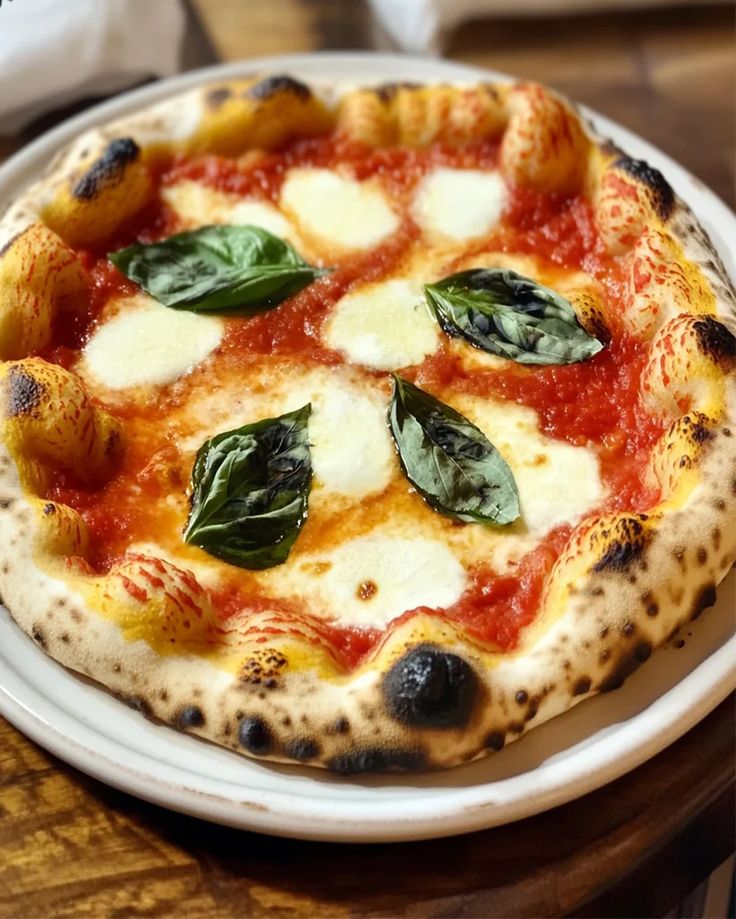
1. Neapolitan Pizza
Originating from Naples, Italy, Neapolitan pizza is considered the “original” pizza. It features a thin, soft, and chewy crust with a slightly charred exterior due to being cooked in a wood-fired oven. The classic Margherita, topped with San Marzano tomatoes, fresh mozzarella, basil, and olive oil, is the most iconic version.
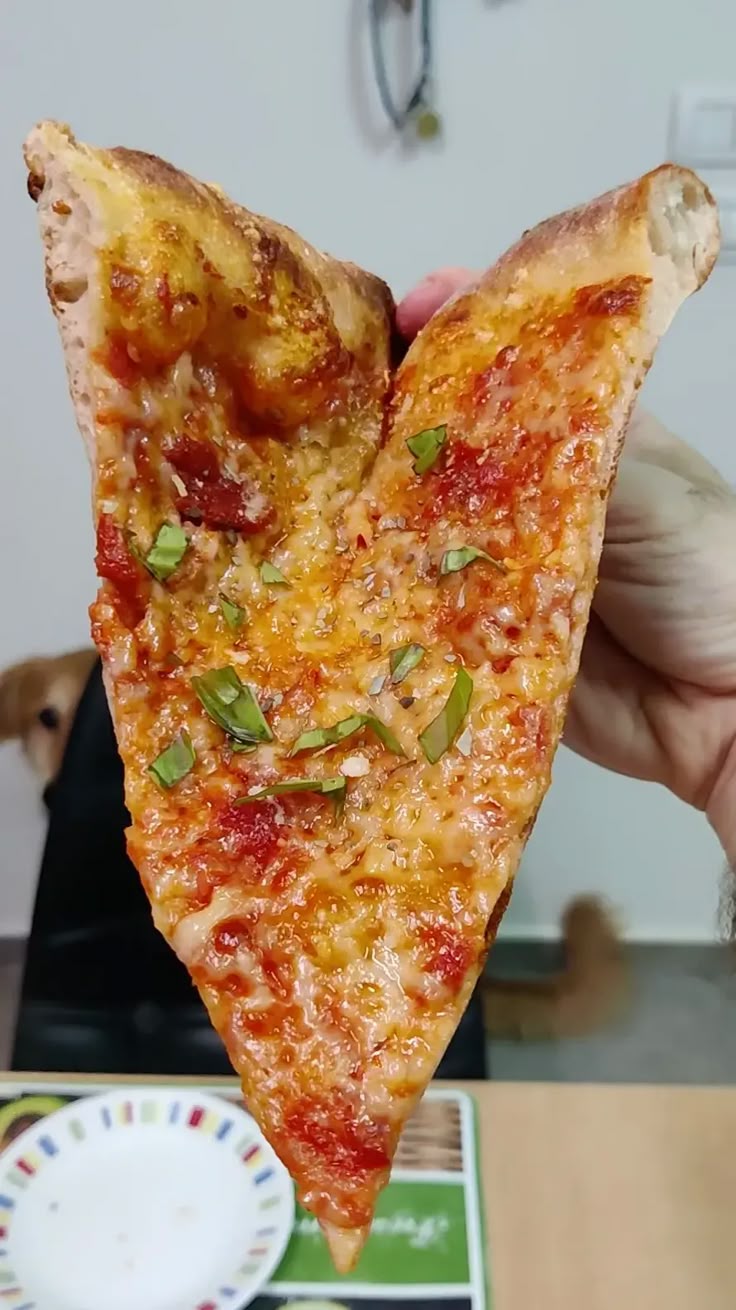
2. New York-Style Pizza
Known for its large, foldable slices, New York-style pizza has a thin, crispy crust that’s slightly thicker at the edges. It’s typically topped with a tangy tomato sauce, generous amounts of mozzarella cheese, and various toppings like pepperoni or sausage. This style is often associated with the bustling pizzerias of Manhattan.
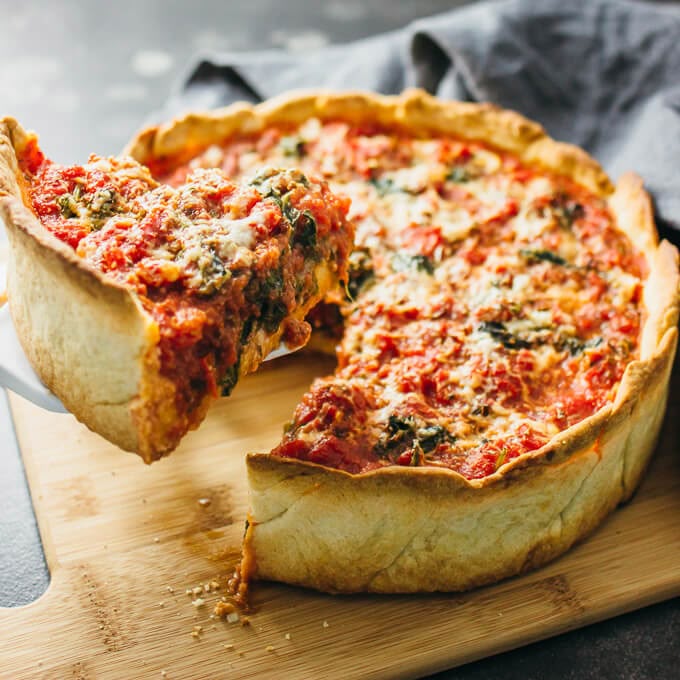
3. Chicago Deep Dish
Chicago deep-dish pizza is famous for its thick, buttery crust that forms a deep bowl, allowing for layers of cheese, chunky tomato sauce, and various toppings. Unlike most pizzas, the cheese is placed directly on the crust, followed by meats and vegetables, with the sauce added last. It’s more like a savory pie than a traditional pizza.
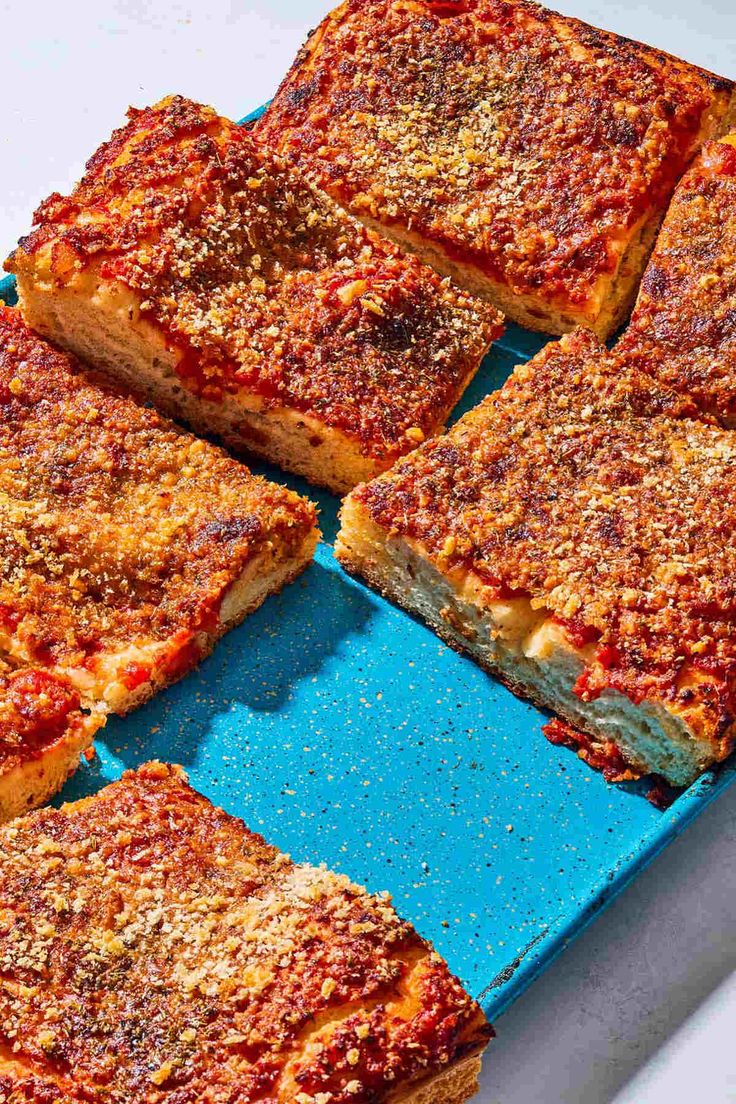
4. Sicilian Pizza (Sfincione)
Hailing from Sicily, this pizza is characterized by its thick, rectangular crust that’s airy and chewy. It’s traditionally topped with a rich tomato sauce, onions, anchovies, and breadcrumbs, with cheese often added sparingly or omitted entirely. In the U.S., Sicilian pizza is sometimes referred to as “square pizza.”
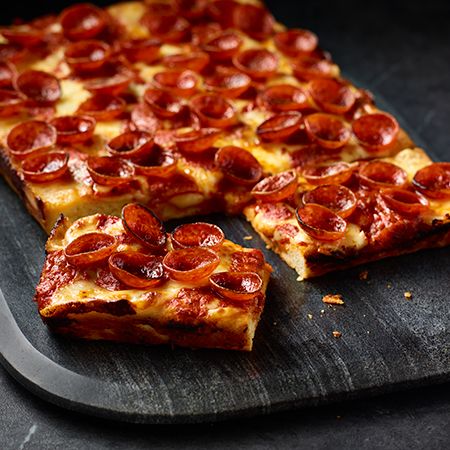
5. Detroit-Style Pizza
Detroit-style pizza is a rectangular, deep-dish pizza with a thick, chewy crust that’s crispy on the bottom due to being baked in a well-oiled pan. The cheese, usually a blend of brick and mozzarella, is spread all the way to the edges, creating a caramelized, cheesy border. Tomato sauce is ladled over the top after baking.
6. California-Style Pizza
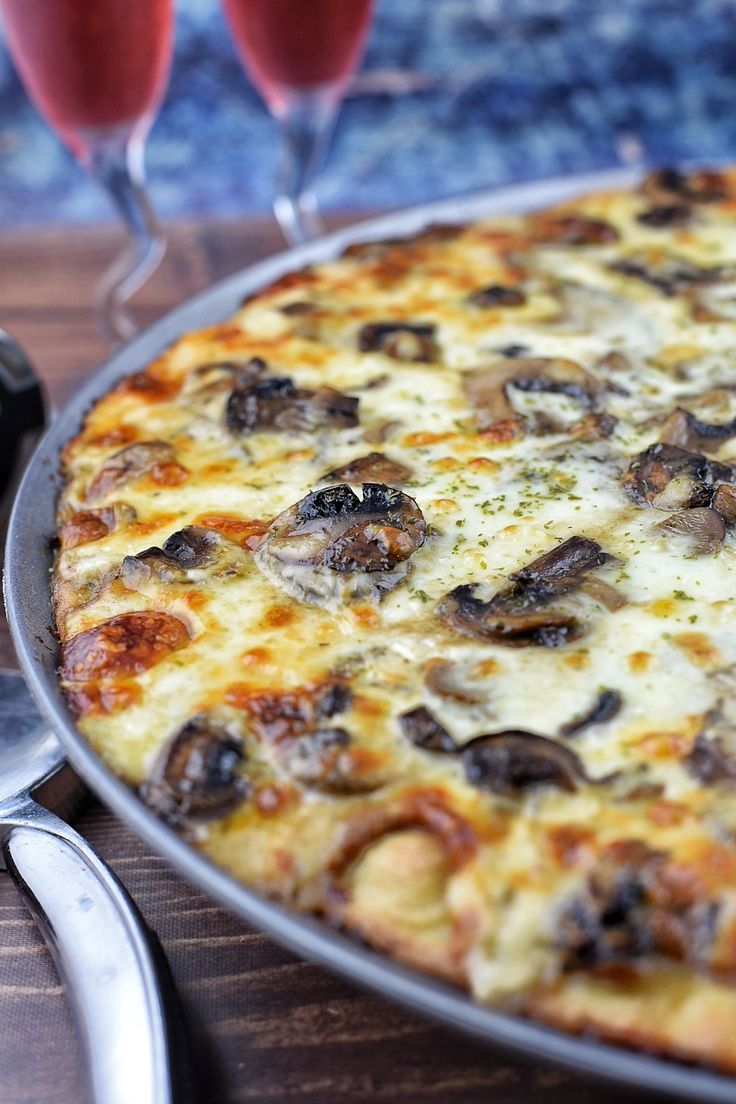
This style emphasizes creativity and fresh, high-quality ingredients. California pizza often features unconventional toppings like arugula, goat cheese, avocado, or even smoked salmon. It’s known for its light, crispy crust and innovative flavor combinations, reflecting the state’s farm-to-table ethos.
7. Roman Pizza (Pizza al Taglio)
Roman pizza, particularly pizza al taglio (pizza by the slice), is baked in long rectangular trays and sold by weight. It has a thin, crispy crust that’s light and airy, with a variety of toppings ranging from simple tomato and mozzarella to more elaborate combinations. It’s perfect for grabbing a quick bite on the go.
8. St. Louis-Style Pizza
St. Louis-style pizza is known for its thin, cracker-like crust, which doesn’t rise much due to the absence of yeast. It’s typically topped with Provel cheese, a processed blend of cheddar, Swiss, and provolone, along with a sweet tomato sauce. The result is a crunchy, cheesy experience that’s quite distinct from other styles.

9. Greek Pizza
Greek pizza is baked in a shallow, oiled pan, giving it a thick, chewy crust with a crisp bottom. It’s often topped with a mix of cheeses like feta and mozzarella, along with traditional Greek ingredients such as olives, spinach, and tomatoes. The sauce tends to be heavier and more herby than other styles.

10. Tuscan Pizza (Pizza Toscana)
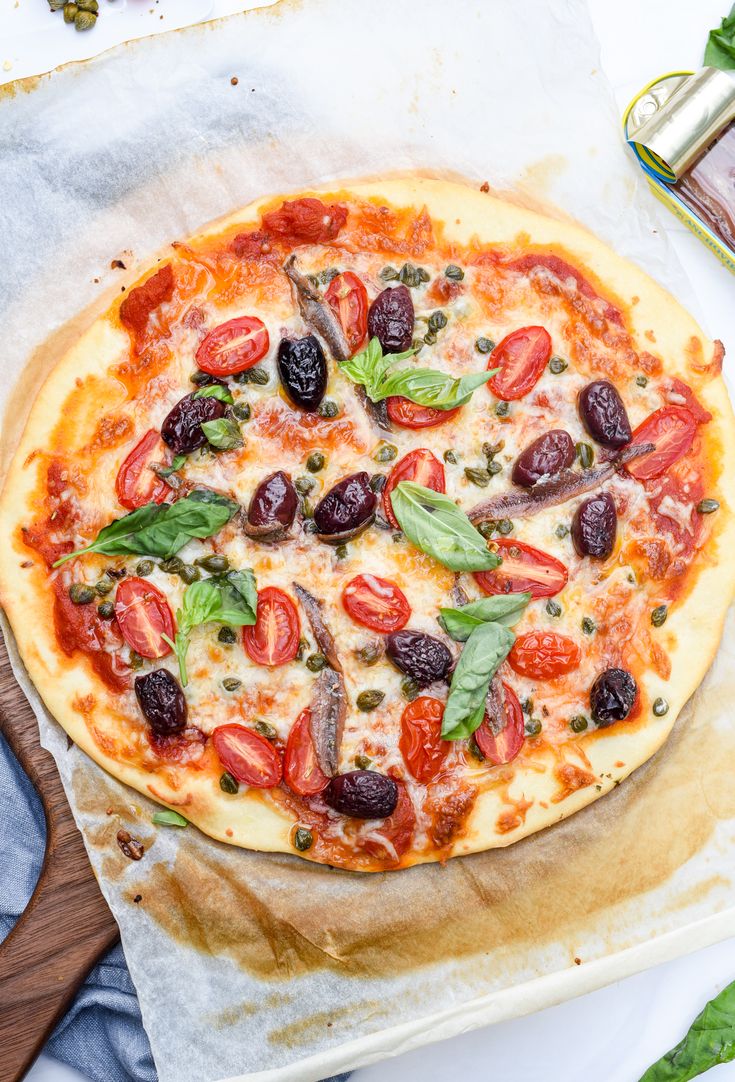
Tuscan pizza is similar to Neapolitan pizza but with a few key differences. The crust is often thinner and crunchier, and the toppings are kept minimal, allowing the quality of the ingredients to shine. Olive oil, rosemary, and sea salt are commonly used, reflecting the simplicity and elegance of Tuscan cuisine.
Each style reflects the culinary traditions and local ingredients of its region, offering a wide range of textures, flavors, and experiences for pizza lovers around the world.
…
Well guys, I suggest that if you have the option to… search out a pizza shop near you that makes a “different kind” of pizza than what you are used to. Then order it and eat it well.
Here’s to the smunch!
Today…
What surprised you when your husband died?
His death surprised me, to put it mildly.
My husband left in a taxi in the middle of the night on a Tuesday to fly back to the US for work.
Directly after the flight, he was in a moderate car accident on the way to his mothers house from the airport, which totaled our car and deployed the airbags.
He walked away from the accident, not a scratch on him, saying he was totally uninjured and that it was a miracle.
He went to work for two days, met his father for dinner, and we carried on normal conversations about how to deal with the car situation.
Friday evening we chatted by text and we planed to meet on Skype in the morning after he woke up.
Saturday comes, and I noticed that it was starting to get late, but I assumed he had overslept and had jetlag.
I was just about to text him, but a few moments later his mother called me and told me he had died in his sleep.
It turned out to be bleeding in his brain.
He was only 28 years old. His death was the most shocking, confusing and horrible thing I’ve ever experienced.
AMERICAN GRANNY DESERVES A FREE FLIGHT ✈️ TO CHINA 🇨🇳 CHINA & USA MOST CHERISHED BOND| COMPILATION
What causes older folks to withdraw into their own world at some stage of their life?
I’m 67 and I’ve noticed:
- I’m reluctant to attend gatherings with lots of people.
- It’s exhausting.
- I’m not prepared to put up with the inane, boring, repetitive, bitchy, noisy etc.
- I still don’t drink much so am not able to use alcohol to blunt things.
- my hearing isn’t what it was so conversations with background noise are a strain.
- I don’t like going out at night.
- I have poor eyesight now and don’t feel comfortable driving after dark.
- I’ve generally run out of oomph by the evening.
- I have fewer friends.
- Some have died, some have moved away.
- It’s much, much harder to make new ones now. Particularly as most people my age are boring, mainly talking about their health and their grandchildren. Young people aren’t really an option as we don’t have a lot in common and they seem to make mountains out of molehills. I’ve been through booms and recessions, relationships starting and relationships ending, triumphs and tragedies, births and deaths, and have learnt that the world keeps turning and will keep turning when I’m no longer here so it’s hard to get excited about, or even interested in, relationship crises or whatever the molehill du jour is.
- I’m tired. Many older people don’t sleep well.
- My health is declining. In the past 12 months I’ve had a a strained Achilles tendon thats refusing to come right, a fractured pelvis, bursitis, a melanoma removed, toothache, shingles and gall stones. Each of these has limited what I can do.
- I have less energy and stamina. A walk to the supermarket and a coffee on the way home might be all I can manage in a day.
- I have a comfortable home. I have easy access to everything I need so don’t really need to go out to find entertainment.
Texas Spaghetti
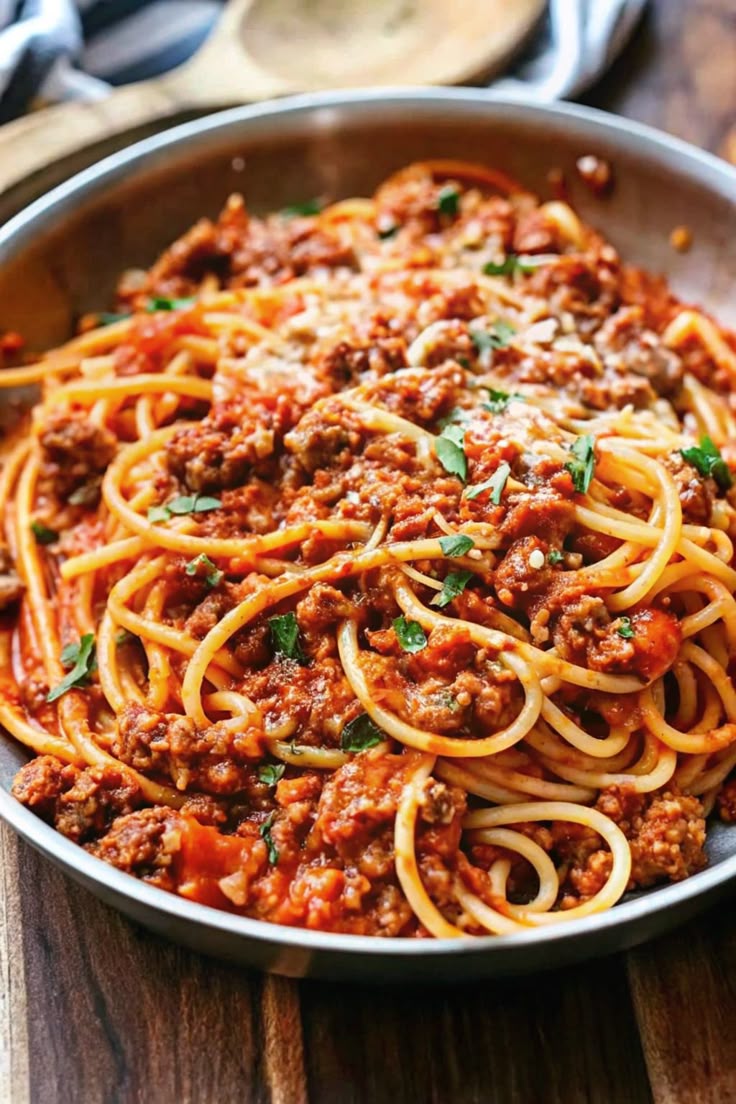
Ingredients
- 1 1/2 pounds ground beef
- 2 cans tomato soup
- 1/2 cup water
- 1 can cream of mushroom soup
- Chopped green bell pepper
- Chopped onion
- 1 teaspoon thyme
- 1 teaspoon oregano
- Salt and pepper to taste
- 1/2 cup sliced stuffed green olives (optional)
- 1 (10 ounce) package wide curly noodles, cooked
- Grated Parmesan cheese
- 8 ounces shredded mozzarella cheese
Instructions
- Brown meat and onion and drain any fat off.
- Add green peppers, olives, cooked noodles, tomato soup and water and mushroom soup.
- Season with salt and pepper, thyme and oregano. Simmer.
- Put half of mixture into a 9 x 13 inch casserole and sprinkle half of mozzarella cheese on top.
- Add remaining mixture. Sprinkle remaining mozzarella and Parmesan cheeses on top.
- Bake uncovered in 350 degrees F oven for 45 minutes or until bubbly.
What Falls
Submitted into Contest #288 in response to: Start or end your story with someone standing in the rain.… view prompt
Jae Po
“I said, can you please get those orders out for me??”
“Ah, yes, I’m sorry,” she answered. “I’ll get them right now!”
Tricia mentally smacked herself for daydreaming yet again—and on the job, of all places. Yet, she especially couldn’t stop her mind from going there today—the day when she was that much closer to finally be able to afford a dream for which she had been saving up for years.
After she brought the dishes out to the customers, her mind briefly returned to that rainy day all those years ago. She couldn’t believe it had been 57 years since that six-year-old girl had pranced around on that lawn, enjoying the shower from above without a care in the world.
If only she’d known.
On the other hand, even if I had, she pondered, would it have made any difference? Clearly, I was already really enjoying myself then, so nope, probably not. And I definitely wouldn’t have been able to change anything…
“Here you go,” said her last customer as he unknowingly interrupted her thoughts and handed her seven dollars.
Tricia’s eyes widened, her face overcome with joy. The man was taken aback, considering the tip he’d given her, but he also was appreciative that she seemed so appreciative. And she was.
“So, did you crack the big threshold tonight?” Jessica asked Tricia as she was closing out the register later that night.
“Yes! I did!! Thanks to the cheap older gentleman towards the end of my shift. He gave a $7 tip on a $125 total, but I don’t even care. I could’ve kissed him!! I was so psyched.”
Jessica laughed. “Wow, $7? ‘Cheap’ is right. He knows he was wrong for that!”
“Hey, it might as well have been $7,000. It puts me right where I need to be.”
Jessica smiled. “Well, that’s good. I’m really happy for you, Trish. You deserve it.”
Tricia returned the smile. “Thank you, Jess. I’m so excited.”
“So! When are you going?!? I’m surprised you haven’t already left!”
“Ha ha, I wish. I have to close out tonight, and remember, I’ll still need this job when I get back. But you better believe, I’m packing my bags as soon as I get home and hitting the road first thing in the morning!!”
Jessica chuckled. “That’s wonderful. You’ll have to tell me all about it. I’ve heard really great things but have yet to be able to afford it, myself.” She paused for a moment as she tilted her head in thought. “I actually think you might be the first person I know who has done it, so be sure to take lots of pictures, and don’t leave out any of the details when you get back!!”
The dry heat smacked Tricia in the face so hard as she left the building, it felt like an assault. Having been so excited to end her shift and get home, she suddenly realized she’d forgotten to take off her clothes before coming outside.
She looked around, placed her tote bag on the nearby curb, pulled off her shirt, and stepped out of her pants, making her shoulders, chest, stomach, back, and legs the next wretched victims of the heat’s violence.
Still. Better, she thought.
Barely better, but better.
She surveyed her surroundings again before picking up her bag. She wasn’t worried about anyone harassing her as she walked as an older woman at 2 in the morning in just her bra and panties—it was a scene much more common than seeing someone more traditionally clothed—she just didn’t want to risk anyone swiping her bag with her precious accumulated prized earnings of the night. Her tips, including those precious final seven singles.
She needed those seven singles.
After making it to her car safely, she read the temperature on the dashboard: 108°F. Tricia exhaled in exasperation and then turned on her headlights to illuminate the road ahead.
That next morning, she almost tripped darting out of bed. After a quick shower, she put on her comfy bra, underwear, flip-flops, and black shades, and slathered on her 50 SPF sunscreen lotion. With her packed suitcase and big thermos full of ice cubes, she raced out the front door.
As she sat the suitcase alongside the several cases of water—mostly her monthly allotment from the government—in her trunk, she thought again about how much she wished she could afford tint on her windows. It was a luxury only the wealthy could afford. She would have to save up many more years, sacrificing other luxuries such as this trip, to even come close.
She grabbed one of the water bottles, and then set out on the 15-hour-long drive, figuring she would split it up over two days. Soaking her handkerchief with the dew quickly accumulating on her forehead, Tricia took a sip of water and read the dashboard temperature: 112° F.
The ice cube she pulled from her thermos practically disappeared as soon as it hit her skin. Its remnants drizzled down her brow, barely grazing her nose before it plopped onto her bra. That drop was joined by what little was left of the cube, as she slowly rubbed it on her neck and chest, letting the rest melt entirely.
“I know we’ve been suffering a bit out here, folks,” said the radio meteorologist. “…With the highs in the 130s the last few weeks, but fret not, reprieve is coming! You might be able to cover up a bit more than usual, as we can soon expect single digits! And maybe even as low as 98!! Starting just next week.”
“Ah, thank God,” Trish exhaled and dapped her forehead again.
Trying to keep her eye on the road as much as possible, her mind couldn’t help but drift off to where it had been tens of thousands of times before—imagining what it will be like, for the first time in all those years. She could see it, feel it, smell it, even taste it.
It was a few hours before she took another sip of water, always trying to ration what she had, not knowing when she’d get more. She eyed the dashboard which now read123°F. What little breeze had helped her save gas for the first part of the trip had gone completely. She finally rolled up the windows and turned on the air conditioner.
Two days later, Tricia car pulled into the parking lot of the building which displayed giant blue letters:
The Oasis: An Interactive Experience Museum.
She couldn’t believe it. After so many years and so many sacrifices—financial and otherwise—she was finally here.
After dragging her suitcase out of the trunk and towards the building, she soon encountered a smaller sign, in black letters, which read: Please do not bring any bags or luggage inside. Dress as needed before you enter.
Before you enter?!? she thought. That can’t be right. What are they trying to do, roast us?! That should be illegal.
Still, she hurried back to her car, pulled from her suitcase the single shirt and pair of pants she’d brought, and put them on. Then she began excitedly sifting through to find the most important items—those which she’d ordered months ago and had been resting comfortably in her suitcase mostly since.
And there it was. The pretty, pink raincoat with white and yellow polkadots throughout that she had tried on and paraded in front of her bathroom mirror like a little girl in her mommy’s dress clothes nearly every day since it arrived.
Nestled under it were her also-“new” matching rain boots—additionally gently broken-in, thanks to her personal at-home fashion shows.
She stepped in them after kicking off her flip flops but waited to get inside before she put on the coat. She reasoned, no need to die of heat exhaustion just a few feet and minutes away from fulfilling one of her dreams!
Last to grab was her adorable new umbrella. She already had a black one but thought she would treat herself for the occasion. Although she’d seen an umbrella that matched her coat and boots, she’d decided to go a little different for it and instead ordered one that was light-blue and featured “raining” cats and dogs. She’d thought that was so cute.
And now, she was ready. She left the luggage in her car and headed back to the building.
After she was checked in at the front desk, signs led her to the exhibit she had come and paid all of her savings for. On her way, she couldn’t help but notice another standout exhibit that had an incredibly long line of people waiting to get in—even longer than the one she was headed towards. The door that led into it featured a big picture with countless little white balls. She felt a mixture of excitement and sadness as she thought to herself, I’ll have to save up another five years, maybe more, for that one.
Finally, she arrived to her long-awaited exhibit. It didn’t take long for her long line to be ushered by their tour guide into the door with the picture of countless diagonal blue slits.
As they entered, the guide gave Tricia and the other visitors a pair of special glasses. “Put these on,” he said, “And I’ll give you further direction once we get inside. Remember to keep them on to remain in The Experience.”
Tricia put her glasses on and walked through the door, and suddenly, it suddenly was as if she was in the living room of someone’s nicely decorated home. The fireplace roared on one wall. She could almost feel the heat.
And then she turned to her right. And there it was.
She slowly walked towards the open window, taking in the scene as she stepped. Slits of water shot down in a slightly diagonal direction and soaked everything it touched: the concrete and grass below, the trunks and leaves of the trees, the flowers, the bench on the left side, and some colorful playground equipment in the distant right. A jogger running by, seemingly unfazed by the onslaught, while a group of kids jumped around in a big puddle, the mud splashing on their clothes and laughter echoing from them. The occasional car drove by on the road nearby—the water falling and sliding down on each side. Two black, plastic bars swung back and forth on the front window, furiously pushing the water to each side and clearing the driver’s view.
Tricia tried to remember what those things were called. ‘Scrapers,’ I think? ‘Scrapers’ or …’scrubbers’? ‘Rubbers’? ’Swipers’? Oh, wait! That was it. ‘Wipers.” They were called ‘wipers.’ Windshield wipers.
Tricia could hardly contain herself as she approached the home’s front door. She opened it and took in the outdoor scene once more, bracing herself for what she was about to feel. And then, she stepped forward.
Pitter patter, pitter patter, pitter patter sounded off on her raincoat.
Splashes on her legs as she stepped with her boots, which suddenly felt slightly heavier than before to lift.
“Welcome to The Rain Experience,” said the guide. “Up until a little less than three-quarters of a century ago, this was what it felt like when enough precipitation would build up above. It would rain. We would go outside, and water would literally fall from the sky… Just as you’re seeing and feeling now.”
“You’re welcome to keep your raincoats on and use your umbrellas, or you can ditch them both for the full wet experience,” he grinned enthusiastically. “I’ll share some information and history about rain, and I’m happy to take pictures of you at key locations throughout the tour—walking down the sidewalk, sitting in the park, standing next to a building or statue or a car—whatever you want. There will be lots of opportunities!”
Tricia continued walking slowly, nearly pinching herself to confirm this was reality as she listened.
“You can continue to use your earphones to tune into my commentary or mute or remove them as you’d like to more fully immerse yourself into The Experience,” the guide went on. “It’s up to you. Some people come on separate days — once, to hear the full narration, and the other for the non-audio, immersion experience. Of course, an additional visit will require a separate ticket,” he chuckled briefly. “But if you’re able to swing that, it is highly recommended. Otherwise, you may want to split the time accordingly during your visit today. Make it count!”
Tricia kept her earphones in for the moment.
“Back in the days of rain, it sometimes would be on the lighter side, which is what you’re feeling now, to help you to get used to it. They would call it ‘drizzle’ or ‘light showers.’ Other times, it would be a lot more—something they would call a ‘downpour.’ Hang tight and have your umbrellas ready, as we’ll give you a sense of that shortly.”
The tour guide continued, “If it got cold enough in the sky, instead of rain, you’d get snow, which you probably saw the exhibit for on your way in. Cool stuff! You should check it out some time if you haven’t.”
“But back to rain… Back in those days, they sometimes would even have these things called thunderstorms and hurricanes, where certain conditions would make rain powerful and even deadly. You’d see electricity, called ‘lightning,’ in the sky, or the rain would team up with wind and knock down trees and power lines! Those were the hurricanes. Those would get so bad that they could, and would, take out whole towns!”
Tricia’s and the other visitors’ eyes and mouths widened.
“Yeah, I know, right?” the guide continued. “Those hurricanes actually were the last of what we experienced before…getting to where we are now. For centuries, they were pretty infrequent — less than 50 around the world per year. But in the decades leading up to the endless drought, that number had soared to an average of 250 a year! It got to be where there was a different hurricane somewhere around the world each week—some places, each couple of days! And each year, they became more intense than the last. At the same time, more water sources were drying up at rapid speeds. As quickly as the hurricanes were picking up, those sources drying happened even more quickly, which soon thankfully put an end to the hurricanes entirely. No more hurricanes! But not so thankfully, it also meant less and less rain, until it stopped raining completely. And, well, you know the rest. We now have very limited water sources around the world and have largely had to manufacture most of the water you drink, use for cooking, bathing, and so on. But! Unfortunately, one thing they have yet to figure out how to manufacture…is any water-related weather. And hence the founding of The Oasis and what we’ve brought to you here today and have amazed the world with the past 25 years!”
She removed the ear pieces and put them in her pocket. She wanted to enjoy some of the experience of it by itself. But still couldn’t get away from the interruptions entirely.
“Did you ever experience the real thing, Mr.?” a little girl visiting with her parents asked nearby.
The tour guide laughed. “No, I’m only 24. That was way before my time.”
“Oh,” she said.
“But my grandparents experienced it… when they were younger.”
“Yeah, my parents did, too,” the little girl’s mother said.
“Really?” beamed the young girl. “Pa and Nana were alive for real rain?”
Her mother nodded, smiling.
“What did they say it was like?”
“Well, probably just like this. We get to feel what they did back then.”
Tricia looked up towards the virtual rainy sun and tried to tune out the voices around her as the falling water soaked her. Even knowing it wasn’t real, she’d never seen a sun so beautiful. It looked different behind a watery haze. She closed her eyes and let her mind take her back to the lens of her 6-year-old self running and giggling around her family’s yard. Except, this time, instead of just seeing it in her mind, she was able to feel it. Her lips stretched further than they ever had.
Even though she was soaked, Tricia felt a sort of warmth. And not the kind of sweltering “warmth” she and the rest of the world had long been plagued with outside. It was a comforting warmth. A peace. And her heart decided this was the last thing she’d ever want to feel.
Tricia stood for there for a few more minutes, enjoying the downpour as it drenched her from hair to heel.
As the fall slowed, so did her body, until it became limp.
The tour guide and other visitors rushed to her. “Somebody call an ambulance!” were the last words her ears captured. Beyond them, just ahead, her narrowing eyes landed on the much-raved-about display set to conclude The Experience, an arc spectrum of all the colors.
To those people in the world who have access to universal healthcare, what experiences could you share with Americans in order for us to understand how it affects your life (positively or negatively)?
In Canada’s case, we don’t necessarily have universal healthcare, but we do have universal health insurance. Healthcare delivery is local and can vary in accessibility.
This does have a big advantage, however. I have read that, in the U.S., many rural hospitals have had to close because not enough locals had health insurance and they couldn’t operate without being paid.
We live in an isolated area of Northern Ontario, Canada. The nearest town (pop 1500) has a decent hospital, because they never have to worry about getting paid. It has doctors, I think 30 or so beds, ambulances, paramedics, and an Emergency Department, which really operates as a walk-in clinic manned in rotation by the staff doctors. Serious emergencies are stabilised and transported to larger, fully-equipped hospitals about 30 minutes in opposite directions.
The interesting thing about the paramedics is that, because we have a lot of hunters and fishers in the area— both locals and visitors, they have a fully-equipped off-road unit to bring injured or sick people in from the bush.
We have a medical clinic that used to have 5 doctors and a nurse practitioner, but is down to two doctors and the NP. We just moved here, and are still waiting to get a doctor until they can recruit more.
However, my wife has made use of the “Emergency” department twice for illness and injury. I have several chronic conditions that require monitoring and a number of prescriptions, but have access to a government “Virtual Care” service with NP’s who can meet via telephone or video and send prescriptions and renewals to our pharmacy.
There is also a private virtual care service with doctors, if we need it. Fortunately, we have not needed it yet. The doctors are paid by government insurance, but there is an access fee of $30 a visit. Fortunately, our private supplementary insurance will pay the fee.
A while back, my niece’s father was dying in a small hospital about four+ hours to the south. He was driven to a city an hour or so away, loaded on an air ambulance, flown to a small airport in the our area, and taken by ambulance to the palliative unit in our hospital, where she could be with him before and after work every day until he passed. His sister, with whom he had been living down south, came up and lived in the unit with him.
No charge for any of this— not even for parking, which is usually the case with larger hospitals.
EDIT: I should also add that, as a senior, and separate from government insurance, the provincial government pays for prescription drugs with a maximum charge of $4.11 for most drugs with $100 a year deductible. I think all provinces do the same.
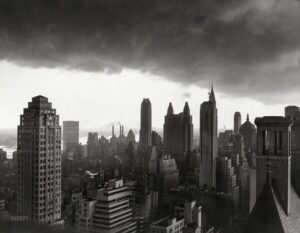
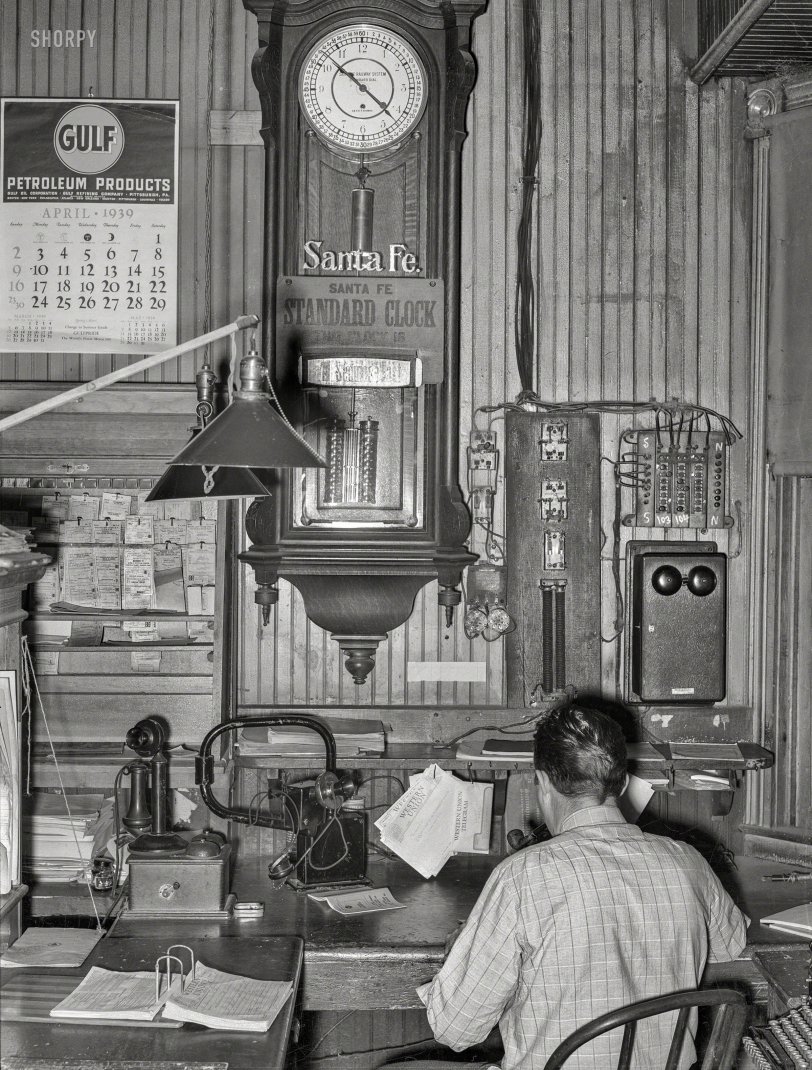
Shorpy
Which stamp in your passport are you most proud of and why?
Sir, your kid has damaged your passport page and I’m afraid you cannot travel !!! The immigration officer at New Delhi airport in India once told me when I was traveling for a critical business meeting. I was in despair to hear that after waiting for about 25 minutes in the queue at 2 am.
I am a person who takes care of the passport more than anything else. So, I politely asked him the reason and he agonizingly showed me the page of my passport that looks like this.
I was baffled as I could not figure out if there was any damage to the page. He then elaborated that my little kid has scribbled on the page with the pen. I then realized what he is referring to.
If you look at the entry and exit stamps of immigration at Port-au-Prince, Haiti there are signatures on top of the stamps inked by the then immigration officers. These signatures do look like scribbles. I didn’t notice them until it was pointed out to me. In fact, I have never seen such signatures from immigration officers in my vast international travel history spanning over 15 years.
I tried to convince the officer that they are genuine signatures and not the random scribbles by a kid. He was unmoved and was not ready to clear my immigration with the departing immigration stamp. I requested him to escalate the matter to the higher authority and he willingly did it after looking at my travel history.
The higher authority was confused as well. Luckily, I had my old passport with me and it had the similar stamps of my previous travels to Haiti.
Eventually, they all got convinced and stamped my passport and cleared the immigration. But it was a nightmarish moment for about an hour that etched in my memory.
I learnt something new and got myself equipped with a logical explanation in case I have to encounter a similar situation in future. The first thing I did was to explain the immigration officer in Port-au-Prince on my next visit about the issue. He just laughed and told me he has never heard of such things from other travelers. However, he still inked his traditional signature one more time. It seems all the immigration officers in Haiti are quite artistic.
However, the story does not end here…
I have traveled frequently to Africa and immigration officers over there are at times quite friendly as well inquisitive especially during the departures. One of the officers got curious looking at these immigration stamps and artistic signatures. I was ready with my pre-rehearsed explanation. However, this time I got a pleasant surprise.
He thought this is an innovative way in a mundane process of immigration and asked me if he can take a picture of the stamps in the page. After my nod, he did take the picture from his phone and informed me that he will try to adopt the style.
I travel too much and my passport pages usually remain full so the officers have to shuffle a lot to find an empty box for them. In the process they do stop by at the pages having immigration stamps of Haiti, became curious and then carry on. So far, I have not been questioned again with this matter after that incident.
Deep recession in collective west and tariff wars
What is the weirdest thing that’s ever happened to you at a bar?
When i was 18 …. and a very young looking 18 at that…..i went to Seattle. I was just coming from India where i was given alcohol by anyone that served it [ major hotels ] I asked someone if there was a bar i could get into. I was told the name of one that would serve me. I went there in the early afternoon and ordered a beer. THEN i noticed it was a gay bar [ i am NOT gay ].
Just as i was getting ready to flee the bar a man came and sat down beside me and said. “ I’m gay and I sense you are not. I not going to try to pick you up or anything like that but if you agree i will sit here and that will keep others from bothering you. “ I agreed and had a lengthy conversation with him. He gave me his number and said to call him if i needed anything. He came by the seedy hotel i was staying at and gave me 2 tickets to a rock concert and told me to find a young girl to take to the concert. He never did or said anything that made me uncomfortable.
Sir Whiskerton and the Case of the Broken Tractor: A Tale of Naps, Nonsense, and Feline Wisdom
Ah, dear reader, prepare yourself for a tale of exhaustion, ingenuity, and one very broken tractor. Today’s story is one of hard work, harder naps, and a cat who proved that sometimes, the best way to solve a problem is to stop trying so hard. So, grab your favorite blanket and a cup of warm milk (or perhaps a saucer of cream), as we dive into Sir Whiskerton and the Case of the Broken Tractor: A Tale of Naps, Nonsense, and Feline Wisdom.
The Broken Tractor
It all began on a sunny morning when the farmer’s prized tractor, Throttle, sputtered to a halt in the middle of the field. Throttle, a shiny red machine with a personality as bold as his paint job, was the heart of the farm. Without him, the hay bales wouldn’t move, the fields wouldn’t get plowed, and the farmer’s favorite rocking chair would remain unpolished (a tragedy of epic proportions).
The farmer scratched his head, muttered something about “carburetors” and “hydraulic systems,” and then wandered off to consult his Handyman’s Handbook. Meanwhile, the animals gathered around Throttle, each offering their own diagnosis.
- Rufus the Dog: “Maybe he’s just tired! I get tired all the time. Maybe he needs a nap!”
- Doris the Hen: “Nonsense! He’s clearly out of fuel. Or maybe he’s allergic to hay. Hens are very sensitive to these things, you know.”
- Porkchop the Pig: “Or maybe he’s hungry. I’m always hungry. Maybe he needs a snack.”
- Sir Whiskerton: “Or maybe,” he said, flicking his tail, “he’s just broken. Sometimes, things break. It’s not a conspiracy.”
Ditto, Sir Whiskerton’s ever-eager apprentice, tilted his head. “But what do we do? The farmer needs Throttle to work!”
Sir Whiskerton sighed. “We fix him, of course. But first, we need to figure out what’s wrong. And that, my dear Ditto, requires patience, observation, and perhaps a nap.”
The Investigation Begins
The animals set to work, each trying to “fix” Throttle in their own way. Rufus barked at the tractor, convinced that loud noises would startle it back to life. Doris pecked at the tires, declaring that they needed “more air” (though she had no idea how to add it). Porkchop tried to push Throttle with his snout, which only resulted in a muddy snout and a very stuck pig.
Meanwhile, Sir Whiskerton sat on a nearby hay bale, watching the chaos unfold. Ditto, ever the eager student, bounced around him. “Aren’t we going to help? Throttle’s broken! The farm needs him!”
Sir Whiskerton stretched lazily. “Ditto, my young protege, sometimes the best way to solve a problem is to stop trying so hard. Observe.”
He pointed a paw at the scene before them. Rufus was now tangled in a hose, Doris was arguing with Porkchop about the proper way to inflate a tire, and Throttle remained stubbornly silent.
“See?” Sir Whiskerton said. “They’re exhausting themselves. And for what? A tractor that isn’t going anywhere—literally.”
Ditto frowned. “But shouldn’t we do something?”
“We are doing something,” Sir Whiskerton replied. “We’re thinking. And thinking requires rest. Come, let’s take a nap.”
The Power of the Nap
Ditto followed Sir Whiskerton to a sunny patch of grass, where the older cat curled up and closed his eyes. Ditto, however, was too anxious to sleep. “But what if the farmer gets mad? What if Throttle never works again? What if—”
Sir Whiskerton opened one eye. “Ditto, life is hard. And when life is hard, you nap. It’s the feline way.”
Reluctantly, Ditto lay down beside him. At first, he fidgeted, his mind racing with worries about the tractor. But slowly, the warmth of the sun and the gentle rhythm of Sir Whiskerton’s breathing lulled him into a peaceful sleep.
When they awoke an hour later, the farm was quiet. Rufus was snoring under a tree, Doris was preening her feathers, and Porkchop was happily munching on a pile of carrots. Throttle, however, was still broken.
Sir Whiskerton stretched and yawned. “Ah, much better. Now, let’s see what we can do about Throttle.”
The Solution
Sir Whiskerton approached the tractor, his keen eyes scanning every inch of the machine. Ditto followed closely, his curiosity piqued. “What are we looking for?”
“Clues,” Sir Whiskerton replied. “A broken machine is like a mystery. You just need to find the right clue.”
After a few moments, Sir Whiskerton spotted a loose wire near the engine. “Aha! Here’s our culprit.”
Ditto peered at the wire. “What do we do?”
“We fix it, of course,” Sir Whiskerton said. With a deft flick of his paw, he reconnected the wire. Moments later, Throttle roared back to life, his engine purring like a contented cat.
The animals cheered, and the farmer emerged from the barn, looking relieved. “Good job, everyone!” he said, though he had no idea who had actually fixed the tractor.
The Moral of the Story
As the sun set over the farm, Sir Whiskerton and Ditto sat on the barn roof, watching Throttle plow the fields once more.
“Ditto,” Sir Whiskerton said, “today you learned an important lesson. Life is hard, and sometimes, the best way to solve a problem is to take a break. Rest clears the mind, recharges the body, and gives you the energy to tackle even the toughest challenges.”
Ditto nodded thoughtfully. “So, napping isn’t just for lazy cats?”
Sir Whiskerton chuckled. “Napping is for smart cats. Lazy cats don’t solve mysteries or fix tractors. They just nap.”
Ditto grinned. “I think I like being a smart cat.”
A Happy Ending
With Throttle back in action, the farm returned to its usual rhythm. Rufus wagged his tail, Doris clucked happily, and Porkchop celebrated with an extra-large meal. As for Sir Whiskerton and Ditto, they returned to their sunny patch of grass, where they napped contentedly, knowing they had saved the day.
And so, dear reader, we leave our heroes with the promise of new adventures, new naps, and new lessons to learn. Until next time, may your days be filled with laughter, love, and just a little bit of feline wisdom.
Without mechanical refrigeration, How much of the dairy industry becomes impossible? What dairy products can be made and delivered without mechanical refrigeration?
Industry?
None, I think because fresh milk doesn’t stay good for long.
I grew up on a small farm in Sweden. We had three cows and all the milk was used.
Butter and cheese were the primary products.
In reality, there are plenty of ways to process milk without refrigeration. See the other answer.
My story;
Living without electricity in Sweden
The electrification of Sweden took time. The farther from any major population centre you lived, the later you got electricity.
We lived in the dark forests of Småland, one of the last places to see electricity. It came 1948.
I never saw any challenges living without electric power, because I didn’t know any different, growing up as a kid on a small Swedish farm in the 40s.
- We carried our water in after having lifted the bucket up out of the well.
- Light was by kerosene lights indoors, carbide lamps outdoors.
- The privy was next to the chicken coop, 50 m from the main building and – 25 C in the winter. No light. You could bring a flashlight if you promised ONLY to use it to find the newspaper that was there for wiping your a..s.
- The radio was powered by two large batteries (1.5 V and 90 V) and only allowed on for 15 minutes for the mid-day news and 15 min for the 7 pm news.
- Philips 1935 model. (My photo.)
- We had no refrigerator but the food was kept in the cellar in the summer and in a cool room in the winter.
- We separated the milk and cream with an Alfa Laval separator. You must keep the speed high enough that the centre-mounted bell didn’t ding.
- All firewood came from the forest. The wood was cut and left to dry for at least one year before brought in for the stove and the big heater in the living room. The degree of coldness in any room depended on the distance from the fires.
- We baked in a stone oven. It was heated early in the morning for bread and ended up making the cookies when it had cooled down a little by mid-day.
- We made cream for butter and cheese by churning the cream maker for hours. Hard work.
- The mail came once a week by the postman, He used a motorcycle. Our farm was at the end of his run. He would stop for a late lunch, reinforced by Absolut renat brännvin, the cheapest liquor you could buy (Sold all around the world as Absolut Vodka these days…!)He would return on his light motorcycle well reinforced. I saw him miss the first turn down the road more than once. We would go down, help lift the motorcycle up and aim him in the right direction. (TRUE)
Father’s photo 1947
- Sea fish, herring and cod, that we could not catch in the lake, would come with the fish-car once a week.
- It was 4 km to school, uphill and against the wind both ways. (Only “4 km” true)I went to a two room school. It had no lights, and no privy, it was outside and always at the ambient temperature.Only the school rooms were heated and my lunch milk froze on the hangers in the corridor more than once.
- We milked the three cows by hand and drank the milk unpasteurized. (Oh terror.)
- The thresher was powered by a 1922 kerosene powered motor on a skid.
- Our own sawmill for what planks and wood needed on ours and the neighbouring farm was powered by an ancient steam engine. It had a safety valve that would blow a lot.
- The plowing was by one horse, but two were put together for clearing the road in the winter.
Father’s photo winter 1947–48.
- BEST TIME OF MY LIFE.
Ex Thought She Could Keep Me & Her Guy Friend Competing For Her, Instead I Dumped Her, Now She’s…
Have you ever bought a car that didn’t run and found that it was an easy fix?
I got a free car from my parents because it was heading for the junkyard. The problem was that it would only start about one out of every ten tries – or worse.
It was a puke green 1968 Dodge Charger and was in rough shape in many ways after years of deferred maintenance.
When I got it to my house it died and wouldn’t start again. It sat for months because I had no money to fix it. Someone suggested replacing the starter, something I had never done.
However I got underneath with some borrowed tools. To my astonishment the starter came right off. It was barely hanging on as all the bolts had come loose.
When I pulled it out into the light I saw that all the teeth had been sheared off except for one or two.
I took r the starter to a junkyard and the guy pointed me to a wrecked Charger. I had to pull the starter off the engine myself. When I had it off he charged me twenty bucks – then smirked and reached to a shelf and pulled down a little greasy part and handed it to me. “No charge” he said. “Probably don’t work anyway and no returns on electrical parts antway.”
He took the old starter as a “core” He charged me twenty dollars which was a real fortune to me then.
I went back and put in the starter.
The little box was a voltage regulator and it was easy to replace.
The car fired up in the first try. I drove it for years.
I AM A BLASTED TREE
Submitted into Contest #288 in response to: Set your story during — or just before — a storm.… view prompt
I remember seeing some kind of darker shape far above the clouds. It was moving in some kind of way that by no means seemed natural. I saw a tremendous flash of light. I felt electrical pricking all over my body. I felt such a joy—it was finally all over!
Except it wasn’t.
I awoke in what must have been the strangest hospital room imaginable. I must have survived. There were no trace of electrical burns. Three strangely clad women visited me in succession. They spoke strangely. They told me nothing, other than that I was the first of many and that they had great need of me.
What they turned out to be had me fighting with all my strength to escape. The third of the women was alone with me. She started to come on to me, a thing you might imagine has never happened to me. She became more and more insistent. But there was just something that was wrong about it. I may have had fantasies of something like this coming true, but the reality was nightmarish. This was not what I wanted.
She was tearing at me and, in a panic I struck out, my left arm flailing. I do have a pretty good left hook.
She fell to the floor. Her face distorted from the blow, and half her face rolled to the side of her head.
It was no human being who had attacked me! I found my way out of the chamber and ran down deserted corridors. I located a door that let me out into a luxuriant green valley.
I ran. I had no idea where I was. At times a bolt of pure lightning would strike from the azure sky. Each time something would appear. I didn’t seem to be the target of these bolts.
The first time, a man appeared. He must have leapt an eighth of a mile.
The second time an incredible, bat-winged flying machine appeared in mid-air before crashing. It must have been a hundred feet in length. Men emerged from the craft, apparently not greatly injured.
If I’d thought the flying machine immense, it was as nothing compared to what the third bolt brought forth. The reptilian creature must have towered some five hundred feet in height. Its cry was deafening. Lightning lanced upon the bony plates lining its spine. Pure fire blasted the valley.
I had never run so fast and so far. At last I fell almost senseless by a great white rock. When I came to, I looked at the valley. It nestled between two ranges of mountains. Something did not look right here. It took a moment for it to click into place. The valley extended for what must have been at least fifty miles. But there was no horizon. It just went on an on in a straight line. I was in a gigantic corridor but it was artificial.
Before the lightning had struck me I had glimpsed that dark shape in the sky. Was I in some immense craft? The three women had said I was the first of many. Had I already seen three more? And that gigantic creature? It couldn’t be what I thought it was, even though it looked exactly like what I thought it was. And I…and these others? What kind of job would require something like this?
And I knew who they all were. The man whose father had injected his pregnant wife with a serum of alkaline radicals—made him a super human. He had challenged God on a mountain top and been struck by lightning.
An engineer who had created a steampunk flying machine in the Nineteenth Century. He too had challenged God by flying into the heart of the grandfather of all thunderstorms.
The lizard, it seems, had brought his own lightning to the buffet.
Not a hundred feet from me another bolt of lightning exploded. I was thrown against the white rock. My head cleared and I saw a man appear. He was dressed in rags and tatters. He saw me and swiftly approached.
When he drew near, I was shocked at his appearance. His hair was black and matted. His eyes were yellow and watery. His skin yellow, like parchment. I had no strength left. If he meant me harm I could not fight him. He was as tall as the white rock I’d rested against—a giant of eight feet.
“Do you understand the English tongue?”
I nodded.
“I do not know where I am. I thought I was dead. I should be dead. I went out to die. I know the thunders of heaven struck me. I am a blasted tree. The bolt has entered my soul.”
The creature looked into my eyes. Up this close the full impact of who, and what, I was seeing took my breath away. I could well understand how his creator had recoiled from his creation in horror, calling what he saw hideous. The man was indeed hideous. Yet, I could see there that he had chosen the features for their beauty. But that this thing lived had turned its beauty into ashes.
I tried to cam myself. I had no doubt this being could tear me limb from limb if he wished.
“Were you struck by lightning,” I asked. “Your clothes. There are burnt patches.”
“I have wanted to die. For all I have done I deserve to die. I gathered the wood for my pyre. Fire came from above. I felt its agonies. Wilt Thou burn out all the evil I have done? Let its pain grant me redemption and forgiveness. Let me scream in its agonies as that my suffering may surpass that which I inflicted.”
Lost in his soliloquy, the creature looked at me, seemingly for the first time. His hand stroked my face.
“You, too, are scarred. You are like me.” He leaned in close.
“Are you like me in other ways? Did he make you too?” I could not read the creature’s thoughts, nor gain insight as to his intentions. Did he think I was a second of his creator’s efforts?
The creature shook his head. “No. You have been scarred and flawed, but the hand of God has made you. You need not fear me. Vengeance’ has gained me nothing. I took the life of those who had never wronged me. I have suffered and suffered for the evil I did the innocent, who never did me wrong. You have done me no evil.”
He set his hand on my shoulder and it seemed those eyes looked deep into my soul.
“Will you be my friend?”
I admit I was taken back by this request. I knew exactly who, and what I was dealing with here, though it was impossible for me to understand how these things could be. Certainly, to refuse this request would be perilous. But to accept it without being truly sincere, and acquiescing only out of fear would not do. If I said yes, it must be out of a sincere heart, and not just an attempt to escape death. I had already endeavored to kill myself on Mount Washington—if I die now, I would only be gaining my wish, however belatedly.
The fact is, if the story was true, this man might never had had a friend in his entire life. How like him I felt. There was no need to search my soul. Could I deny to another sufferer that which I had so longed for in my life, and never really had?
I raised my hand to his shoulder. “Of course I will.” And I saw how well his creator had made him, for those tear ducts were now flooded.
We talked for long after that. I had often thought of the story. The monster had often been characterized as evil—yet, was it not his creator’s rejection of, what was without a doubt his own child, that had resulted in those acts he did? Certainly they were wrong. But the creature had long put such intentions far from himself. Indeed, his resolve to destroy his very own self witnessed to the desire to atone.
“What is your name?’
“Jhäeggr. And you?”
“He never even gave me a name. I was so hideous in his eyes that he could not regard me as a child of his labors, but a deserving inhabitant of the dunghill. Though I am unlike all men, and have none of the rights they may call their own—may a man not strive after such wishes? May a man not try to attain what others have by right? May he not be willing to pay a great price for his freedom, though others are freeborn?
“I thought I should call myself Adam, since I, like that first Adam, was created by the hand of his Father. But I was certainly not made in my father’s image, as he was in His. I am truly a monstrous thing. And I should not have been. But was my father not monstrous, who turned away from me in disgust? I was indeed the thing you see, while he was fair, comely and straight. But as I was in visage, he was in heart. So I do my father proud. He has paid for his crimes. I will honor my father, who am so monstrous as was he. I am Victor.”
“That is another way we are alike, Victor. I, too, picked a name for myself.”
“There are many ways we are alike. Our names, which we have chosen. That we have endured terrible scarring. That we both seek a mate and have always been denied. And…you too went out into the frozen wilderness, as did I, to put an end to your life. Why did you seek to do this?”
“I was tired of being alone as I was. Like you, I had no companion—not even friend to lighten my load. You were denied that—but did he not start to build you…?”
“It was all I asked of him. He reneged on our contract. So close it came. Do you understand my rage? Bad enough he brought me into existence and did not take responsibility for me. But to create another, to so lift up my hopes—and then take an ax to her before she had even tasted of life? Hard enough to lose what you did not even know you had—but to see the fruit near ready for the plucking, snatched from your grasp, thrown down and ground down by hateful tread. He declared it was to protect man, he feared what the two of us would do—but what I did far outshone the mightiest of his fears. If anything had ever made me an enemy of the human race, it was that solitary act of murder—torn from my grasp, murdered before she even drew her first breath!”
I had never imagined such depths of feeling. Rage enfolded him like the lightning storm that had embraced me. But in a moment it was gone. And great, wracking sobs overcame him. Though deep down I feared this being and knew not what would follow, I could not deny the fellow feeling. I set my hands on his shoulders. Not even looking at me I knew that never had he had another to suffer with him and be to him a sympathetic ear.
The face that looked up to me was that of a different man. With that deluge of sorrow, and with another to share his grief it was as if he had truly become human. I was not fooled. He had always been human, but enduring unconscionable suffering had driven him near to madness.
He had recovered himself. There was a curious expression on his face. “You, too sought to destroy yourself. But why?”
“I told you. I couldn’t endure the suffering any longer. I had no more purpose to live. It was better I was gone. I would inconvenience no one any longer”
Victor looked at me strangely.
“I should never have been given life. By destroying myself I might atone for what I had done. My ashes might then be of some use to at least fertilize the earth. But what would your death prove? You were no blasphemy to life like I was. God had made you. You are lawful life—yet you wanted to destroy yourself. Help me comprehend this.”
“Victor—my own mother did not want me to be. Months before I should have been born, I was torn out of her womb. This I learned long after. If my own mother didn’t want me…”
“Why then are you still living if they meant to take your life?”
“A nurse found me. I was on the steel table, gasping out my life. She endangered her own job. She snuck me out of there. She gave me a chance.” I did not like the look on Victor’s face.
“And this is how you reward this woman’s sacrifice? You were scheduled to die. Your life was spared.”
“Look at me—look at my face! Who will love me as I am? I haven’t a single hope in hell of that! Do you think I want to keep on living like this?”
I couldn’t conceive how someone that big could move so fast. I didn’t see his arm moving. I felt the blow as he back handed me. I must have flown fifteen feet. The astonishment hurt worse than getting struck.
“Your self-pity disgusts me. You think you’re so hideous? Look up at the face that a creator couldn’t even bear to set his eyes on. Then tell me if you think you’re hideous. I am a blasphemy—but you, you’re life is lawful. You have not the right to take what God’s given you. You would have died had He not put that nurse there. You would have died had not that thing found you in the forest. You would have died had not the lightning taken you to this place like it took me. It took me! It found a use for me! No reason for you to live? You’ve been given a reason! You’re needed for something more important than your own little life. If it wants me, as lawless as I am—how much more you?” Victor’s eyes softened.
“I am sorry I was so hard on you. Give me your hand. I’ll help you up. Do not despair. Someday someone may find you. I found someone a long time ago. It was her I told my story to. No one before her had ever failed to recoil from me in disgust. She could not be the mate I sought—and yet, what she became—that was so much more. If I inspired her—she in turn inspired me. Each, the other’s muse. I will never forget her.
“So if I, who am a monster, was that one time, able to find such a one, dare you think to have less chance than I? Do you think yourself more monstrous?
“Something has brought us both to this place. Chanced us new possibilities. I see it. Can you not see it as well, my friend? Come—let us see what fortune has set our steps upon. There is life in both of us. Let us see what we can make of it. Will you come with me?”
I nodded. Victor was right. Self pity. There was no room for it, not when this great new adventure had opened up the doors. Several miles away I saw another flash of lightning light up the azure sky.
If you could choose one car each from German, United States, United Kingdom, Italy, and Japan, what would you pick?
I’ll kick off this window shopping spree with a cruiser.
But not just any cruiser. No.
It has to be the cruiser, Germany’s over-engineered VW Phaeton:
The Phaeton was conceived at the turn of the millennium, back when fancy gadgetry still seemed futuristic and oooh-worthy.
The company chairman dreamed up this motor as revenge against BMW and Mercedes for entering VW’s market with their own small family hatchbacks. Here’s the rub though — it’s much easier to punch down than up.
Hence, developing the Phaeton led to over 100 new patents being filed. The chairman set the bar extremely high, for example, stipulating the car must be able to cruise at 186mph all day in 50c heat, whilst maintaining an interior temperature of 22c.
And are you, like, even a person if your car isn’t a mobile concert hall?
For the USA, how about a Tesla Model S?
My all American choice would be an honest Mustang. I can get behind the idea of a straightforward sports car. No frills, no fuss.
A good counterpoint to the Phaeton.
For a homegrown British car, I’ll go with the Jensen FF. As a Grand Tourer, it fills a nice niche between my first two choices.
Despite being a 60s baby, it’s still available with modern conveniences like power steering and air conditioning. It was also the first production car to feature 4WD and a (mechanical) ABS system, the latter courtesy of Dunlop.
From Italy, I’ll take something bigger. Something practical than can lug big items and traverse moderately rough ground. An Alfa Romeo Stelvio:
Finally, turning to Japan, my final choice will be a great feat of engineering. A car that goes like stink for less than a £100k, can be appreciated even without F1 driving skills and can do more than go quickly in a straight line — the Nissan GT-R.
Texas Shrimp Gumbo
Texas Shrimp Gumbo is a Texan classic.

Yield: 8 servings
Ingredients
- 4 quarts water
- 1/4 cup shrimp or crab boil
- 2 1/2 pounds shrimp, peeled and deveined
- 3 tablespoons butter
- 3 tablespoons bacon drippings
- 1 cup diced celery
- 1 cup diced onion
- 1 cup diced green bell pepper
- 1 (28 ounce) can tomatoes
- 1 teaspoon dried leaf thyme
- 1 garlic clove, minced
- 1 bay leaf
- 1 teaspoon Worcestershire sauce
- 1 tablespoon file powder
- 1 teaspoon salt
- 1/2 teaspoon freshly ground black pepper
- 1 (10 ounce) package thawed, frozen, cut okra
- 1/4 cup uncooked long-grain rice
Instructions
- In large pot, bring water to a boil.
- Tie shrimp or crab boil in a cheesecloth bag.
- Add to water with shrimp. Bring to a boil. Reduce heat and simmer for 10 minutes. Turn off heat; let stand for 10 minutes.
- Drain shrimp, reserving 2 cups broth.
- In a heavy Dutch oven, heat butter and bacon drippings.
- Add celery, onion and green bell pepper. Cook until tender.
- Add shrimp broth, tomatoes with juice, thyme, garlic, bay leaf, Worcestershire sauce, file powder, salt and pepper to vegetable mixture. Simmer, covered, for 45 minutes.
- Add okra and rice. Simmer, covered, for 30 minutes or until rice is tender.
- Add shrimp and heat through.
If people are boycotting US companies and products, why aren’t they avoiding McDonald’s, Burger King, KFC, Coca Cola, and Pepsi?
Because in Canada those are Canadian small businesses owned by Canadian franchise holders who buy almost all their supplies in Canada. Yes a small portion of the revenue goes to a U.S. corporation.
But everyone you see working there is a Canadian or a legal foreign worker.
I have a cousin who is as Canadian as they come who owns 8 McDonald’s stores in the Vancouver area. He used to work for McDonalds corporate in Canada and turned down promotion to Chicago many times. On retiring he became a franchise owner. Employing hundreds of Canadians.
So we have a dilemma here. Do we cause many thousands of Canadians to lose their jobs just to spite the USA of the relatively small franchise fee? Or do we eat a little bit of pride and still patronize these places.
I went to a Walmart yesterday in late March 2025. Because they have a few products not available elsewhere. I bought a carefully selected assortment of goods. These included:
Old Dutch chips. Csnadian brand
Great Value frozen pasta. Made in Canada.
Dijon Mustard. Paid a premium price to get the only one not from the USA. My selection was made in France.
Cashews. There is a Canadian brand called “Joe’s Tasty Treats. These are Canadian knockoffs of Trader Joes products. The cashews were selected as I like them and the growing them helps developing countries.
There were a few other small items but none were product of or made in USA.
Is this being disloyal? My normal bill at Walmart is usually about $150. This time it was under $40.
But I spent $220 at Real Canadian Superstore 2 weeks ago instead of my regular $150.
I did notice at the Walmart most people there with just a basket. Very few people were getting a shopping cart load. This was about 2 PM on a Friday.
Science is shattering our intuitions about consciousness | Annaka Harris
Damn! This is pretty good.