


When I was around 13 years old, I took a business trip with my father to Philadelphia. He had to do some Sales work there, and took me along as I was on Summer break.
It was mostly driving around and eating in restaurants and sleeping in hotels.
But, I remember two things of significance.
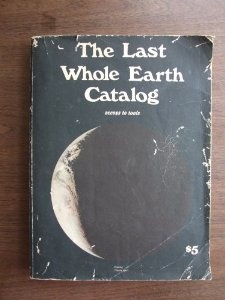
The first was discovering The Last Whole Earth Catalog. And I spent the entire trip reading that remarkable tome….
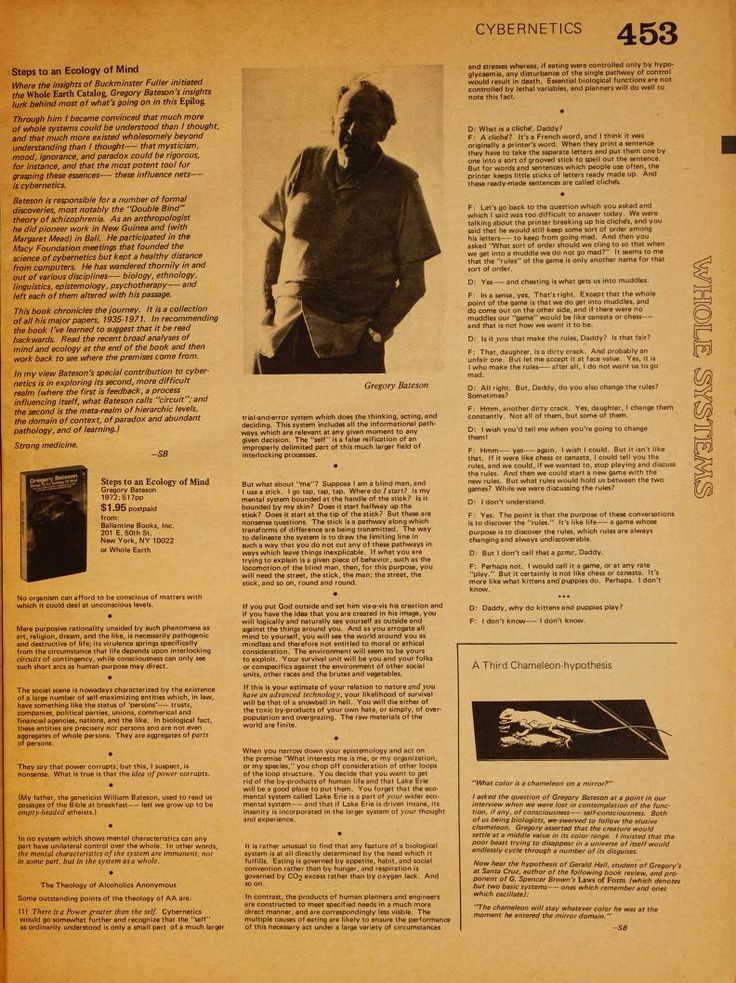
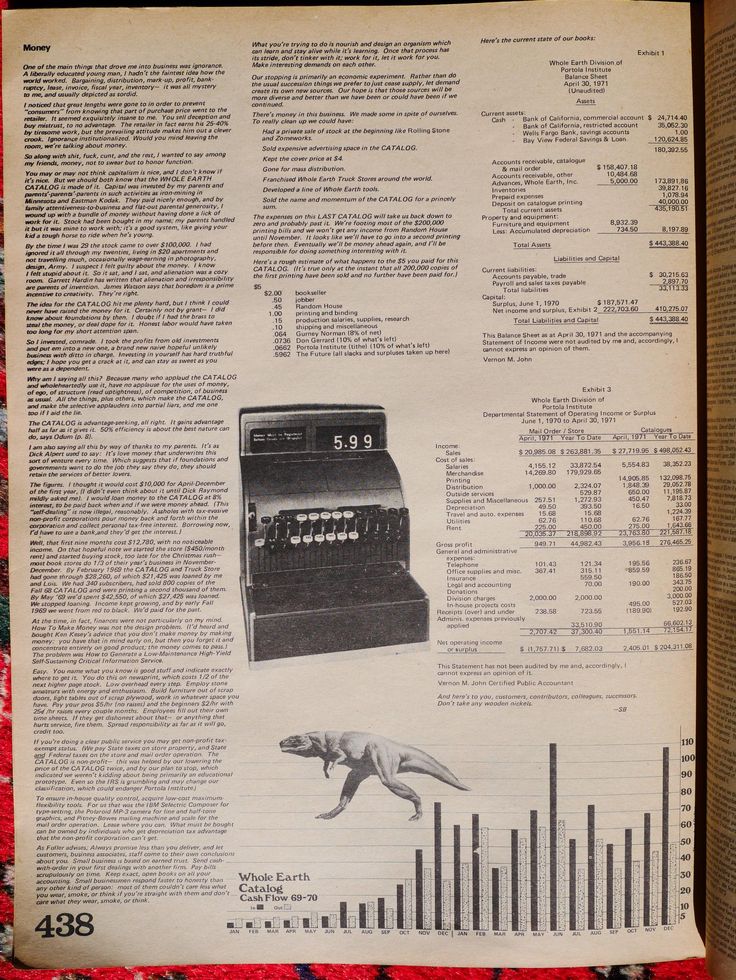
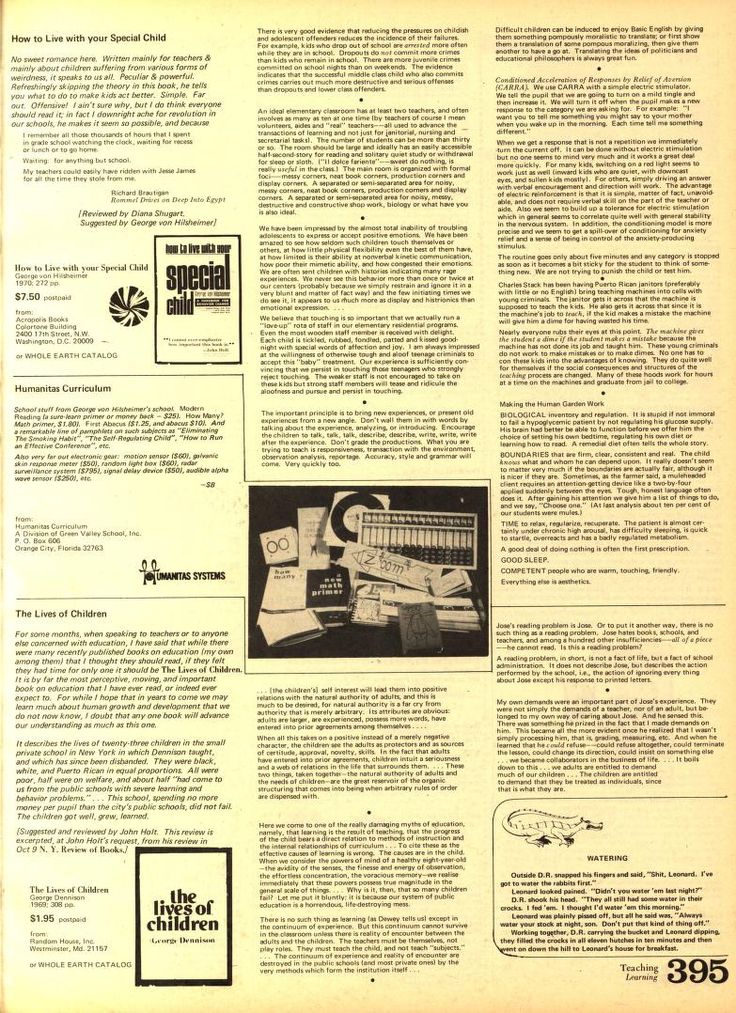
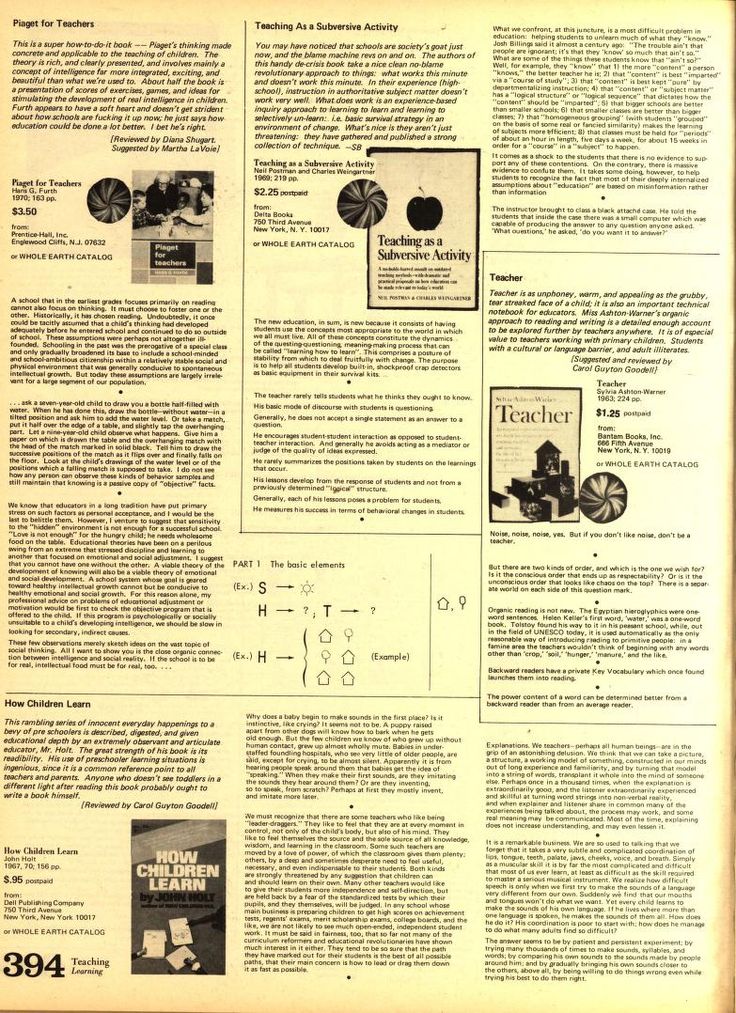
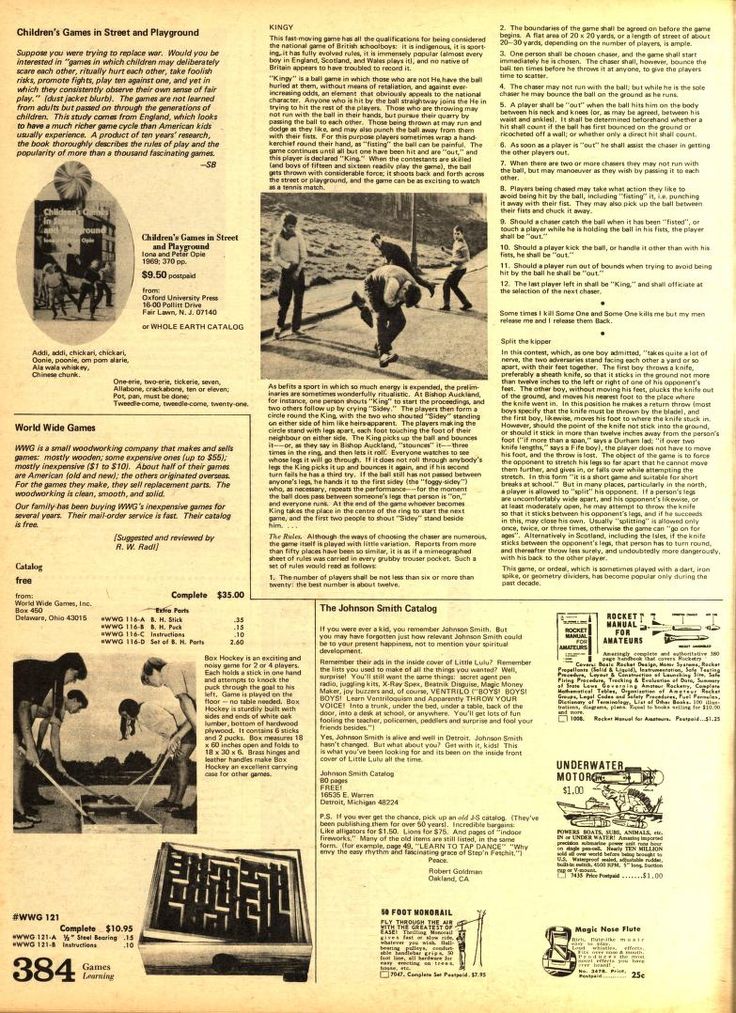
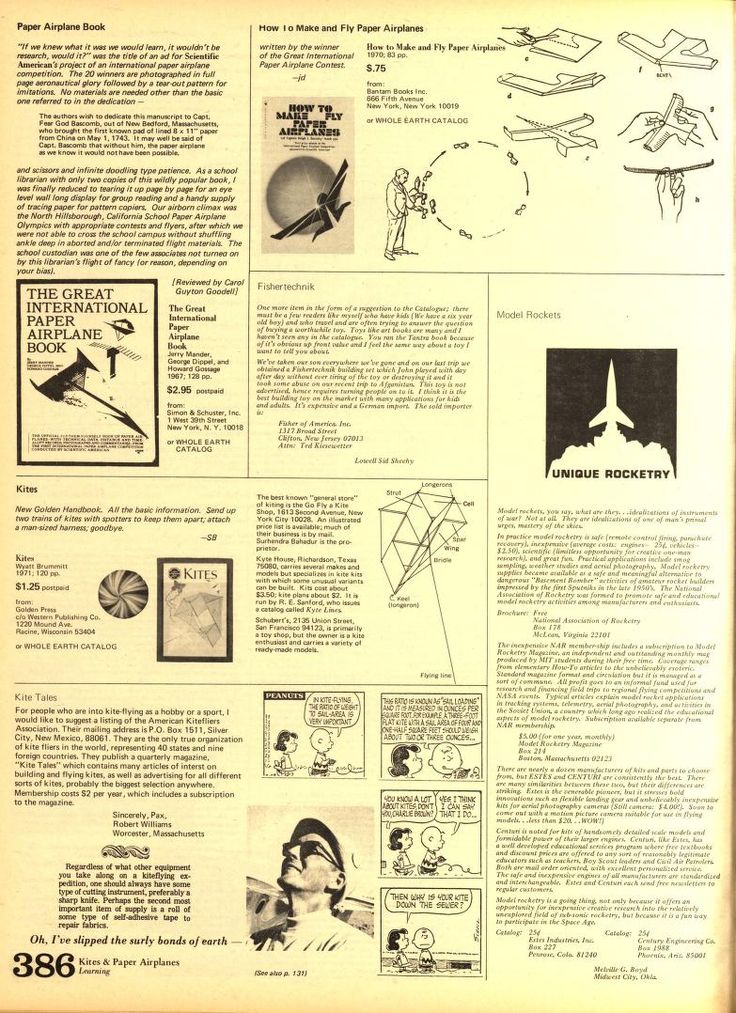
But wait!
There’s more!
You can DOWNLOAD the entire book for free from HERE.
The Internet is amazing!
Don’t you know?
And the second was watching the movie The Red Tent with my father. Downtown Philly.
It was an interesting movie, though the most notable thing about it was a heroin addict who sat in the back row making noise.
But it was a great and unique movie.
So here’s to the Red Tent Movie… a 3 minute long segment. About a Polar Expedition using a dirigible that crashed in the arctic.
(Not to confuse with a different Red Tent movie involving desert, love and ancient warfare.)
So we have the Last Whole Catalog and the Red Tent; a tale of survival in the cold expanses up North.
Ah. Today…
Why are many Chinese people not driving cars in the major cities?
Hi, Jake Go. Thanks for the interesting question.
This may sound strange, but the reason I don’t drive to work is because taking the Metro to work instead gives me the time to get some reading done. And when I say reading, I don’t mean scrolling through social media. I mean like reading an actual book, whether it’s a physical book with pages you can flip between your fingers, or a digital one on my tablet.
I have tried audio books previously, but I much prefer to consume my books the traditional way, as in reading words from a page. Currently, I’m reading Edward Ashton’s Mickey7. Yes, I watched the movie first, and then only got the book. And yes, I know it’s not exactly highbrow, so please feel free to make fun of my reading choices 😀
Chengdu is also a city of 21 million people. If everyone drove to work, well…
Why should I drive when the public transport is cheap and super efficient? Isn’t taking public transport supposed to get more cars off the street, which will help reduce pollution and traffic congestion in the city, and provide people with an affordable and efficient way to get from Point A to Point B?
While I do have an EV, I consider it a luxury, because I mainly use it for traveling to other cities on the weekends or public holidays.
Anyway, if you wanted to explore Chengdu and do so using public transport alone, it’s too easy:
The signages and maps are relatively easy to read:
The stations are well-maintained and I think they’re relatively clean:
The inside of the metro trains themselves are quite okay as well:
I would also like to address something else.
I noticed that one of the answers for this question, an answer written by a Mark Stubbs, features a picture which he appears to suggest was taken somewhere in China:
Although I’ve not traveled across the whole of China, this location didn’t strike me as being a location anywhere in China.
So I reverse-searched the image, and I discovered that the image posted in Mark Stubbs’ answer is from Associated Press, and was taken in Mecca, capital of Mecca Province in the Hejaz region of western Saudi Arabia.
So, Mark Stubbs, if you’re going to use a picture, you might want to double-check whether it’s an accurate one before using it.
Because, Mark Stubbs, this is what a thoroughfare in Chengdu looks like.
This is the 成都天府大道 (Chéngdū tiānfǔ dàdào) or Chengdu Tianfu Avenue.
It passes through many landmarks, like the Chengdu High-Tech Industrial Development Zone, Century City, and Tianfu Park, just to name a few.
Conclusion:
I choose not to drive a car to work because I get to enjoy more reading time when I commute by Metro. For me, more reading done equals more happiness.
I also don’t need to commute by car because public transport here in Chengdu is cheap, convenient, efficient, and well-maintained.
What’s your all-time favorite chicken recipe and why?
Every two weeks I boil a whole chicken.
I first boil it in water for a couple of minutes, drain everything and rinse the chicken. It then goes back in the pot, covered with cold water with onion, celery, a carrot, some pepper corns. It boils for about fifty minutes. A personal pleasure is to take the meat of the bones while it is still pretty hot. The bones go back in the pot, the meat is set aside.
The meat covers about two meals -a chicken salad and chicken polpette. For the first recipe the meat is mixed with vegetables and mayo
While for the latter one the meat is minced and mixed with breadcrumbs, an egg and grated cheese
The chicken stock is used for soups and sauces.
War or Peace? US-China Relations at Historic Crossroads, w/ Dr. Victor Gao
Why does Japan kill so many dolphins?
The Japanese government says they kill dolphins for their meat. But that’s not the real reason.
Each year, the Japanese government grants about 20,000 permits to fishermen there to hunt dolphins and other migratory marine mammals, for six months of the year.
, relentlessly driving entire pods of dolphins including babies using boats and loud hammering sounds for hours, towards small coves…
The coves turned red from the slaughter.
The mother dolphin desperately tries to protect her young calf but in vain.
The pretext for the hunt is for dolphin meat. But in reality, no one in Japan wants to eat dolphin meat anymore because of marine contamination. Same with whale meat.
When we eat meat from animals higher up the food chain, we are consuming more environmental toxins and contamination including Fukushima radiation.
Since almost no one in Japan wants to eat dolphin or whale meat anymore, the local government is feeding hunted dolphin meat to local school children!
Officials in Taiji city say dolphin meat is ‘toxic waste’, contaminated with mercury and other toxins.
In addition, studies show that there is uncontrolled hunting to exterminate key species in Japan’s coastal waters.
So why does dolphin hunting continue?
All the killings are just a cover to kidnap some cute dolphins to sell to dolphin shows and the like, including swimming pools that allow tourists to swim with the dolphins.
In fact, many captive dolphins die because they suffer too much in captivity. So, there is always a need for new dolphins. Wild captive dolphins often refuse to eat, and they are injected for immune systems for no apparent reason.
Many die despite being force-fed and crammed with all kinds of drugs because they “have no will to live,” according to some dolphin trainers.
One trainer even witnessed a dolphin commit suicide . The dolphin waited for him to come up to say his final goodbyes, then swam to the bottom of a small tank to drown itself, never coming up for air. Dolphins need to surface to breathe.
Behind every dolphin show, there are about 17 members of the dolphin family that the dolphin show is watching brutally killed in places like Taiji. People living around the area can hear the dolphins’ screams.
What continues to kill and suffer dolphins is your visits to dolphin shows, swimming with dolphins shows and such ‘entertainment’.
Your support for such ‘entertainment’ directly contributes to the future killing and capture of dolphins, and prolongs the suffering of the dolphins in the show. So let’s think twice about the fate of the dolphins before buying such tickets. Their fate is in our hands.
Birds of a Feather
Written in response to: “Start or end your story with someone being soothed by a hug or words of comfort.“
Jes Oakheart
The monitor flashed as the scanners completed their check. “Life support is down and both pods have been deployed,” Fletch confirmed. “Onboard temperatures have dropped significantly. My guess is that they’ve got an hour at most before the remaining oxygen is gone.”
“Your orders?” Jenkins asked.
Fletch chewed her lip. It certainly had to be a trap. She’d not been warring against Quill for the last decade for it all to be over because her crew mutinied. Quill was too smart, too calculated. She guessed that Quill’s crew were in their spacesuits, the Mechanical Officer lingering in the engine room ready to turn on life support the moment after they’d lured Fletch onboard. Surely they all laid in wait, plasma pistols charged and ready to go. Fletch had to give Quill some credit for the brilliance of her strategy. Who could resist the siren’s song of an enemy’s distress beacon?
But just as Fletch was about to issue the order to leave the Bittern and jump to hyperspace, the comm screen lit up and a chime indicated an incoming call. It was Quill. Fletch rolled her eyes and cleared her throat. “This ought to be good.” She tapped the button to answer the call and crossed her arms.
The screen illuminated with Quill’s face, though the bridge of the Bittern was darker than usual and she was difficult to make out. “I hardly believed it when I saw it was you,” she said, her voice hoarse and weak. She was not wearing a spacesuit nor had any supplemental oxygen.
“I’m not falling for it, Quill,” Fletch glowered. “Pack up your little ruse and I’ll consider not blowing you out of the sky.”
“I’m surprised you’re even here,” Quill said, groaning and shifting her weight in her chair. “Last I heard you were in the Daxalon Nebula. You were the only ship to respond to my distress call.”
Fletch squinted her eyes at the image of Quill on the monitor. She’d spoken with her many times through the comms, yet she’d never seen Quill so disheveled. She seemed to actually be in pain.
“Look,” Quill continued, “I’ve been shot. Life support is down. My crew abandoned me. Ship’s disabled. If you’re going to blow me out of the sky, do it.” Fletch exchanged glances with Paola and Jenkins. “I know you hate me. I’d hate me too. But like I said, you were the only one to respond to my distress call. Is this really how you want our war to end? Me dying at the hands of a crew that hadn’t been paid in months? If you won’t help me, at least come over here and deal the final blow yourself. I surrender. You win.”
The comm went dark as Quill ended the call. A strange and uncomfortable sensation welled up within Fletch. There was something sincere in Quill’s tone and facial expression. Though the captain’s instincts urged her to leave the Bittern in the dust, she was thoroughly tempted by Quill’s offer to look her in the eye and kill her. A rivalry that began in flight school and had escalated to a decade of deep space battles, subterfuge, and endless mocking calls on the comms might finally come to an end. And Fletch wanted it to be a poetic, epic ending. She’d spent too much time thinking of nothing but besting Quill. Even though it might be a trap, Fletch couldn’t resist.
“I’m getting suited up,” she said with a long-suffering sigh. “Paola, I want an escort of no less than ten. Jenkins, I want every gun trained on that ship.”
“Aye,” Paola and Jenkins said in unison. Fletch knew they did not approve of this plan. Yet they’d stood by her through many years of back-and-forth battles with Quill and accepted that being part of her crew meant obliging the captain’s thirst for victory.
Fletch retreated to her private quarters to don her spacesuit. She needed a moment alone. On the off chance that this wasn’t a trap and that her war with Quill had reached its end, she tried to imagine what life would be like without her mortal enemy lingering in the shadows, waiting for her to misstep. What would she do if she wasn’t exacting revenge on the woman who’d wiped out half the colony on Everron 7 where she’d grown up? Though that was the most grievous of Quill’s offenses, their war didn’t start there.
It started in flight school, not the one on the central planets, but the one on Jupiter’s moon Europa. Though the star system that contained the First Earth had largely been abandoned, a few older outposts remained. The Europa flight school cost much less than the one on Haversol, a draw for both Fletch and Quill who grew up on newly colonized frontier planets. Both girls were smart, oversaturated with aptitude and an insatiable desire for success. They fought fiercely against one another for the best grades, placements with the top instructors, and internships on the biggest battlecruisers.
What began as an academic rivalry became much higher stakes when the pair of them graduated with honors and immediately found work on opposing sides of a squabble in the Hyperion Galaxy. They rose through the ranks until they were able to afford their own spaceships and free themselves from fighting other people’s wars. Across their time on Europa and in Hyperion, they’d become obsessed with outdoing the other. It became their purpose, their life’s mission. They chased each other through the cosmos firing their guns at one another, blowing up sentimental places the other cherished, and taunting each other endlessly through the comms.
And now, a decade later, it might be coming to an end.
Fletch bundled her curly hair at the nape of her neck and tucked it into the collar of her spacesuit. She glanced at herself in the mirror, noticing the bags under her eyes and the wrinkles on her forehead. She was only in her thirties, but she looked much older. The war with Quill had exhausted her.
She put two fresh charge packs into her pistol and holstered the weapon at her side. She pressed the button to extend the spacesuit’s helmet over her head. The dome clicked into place with a hiss of air and she was ready.
Leaving her quarters, Fletch met her ten armed crew members at the airlock. Their orders were simple– the crew would secure the Bittern while Fletch went to the bridge to find Quill. Shoot on sight. Take no prisoners. This was a war, after all.
Fletch opened the airlock and a gust of wind flushed from the Starling into the Bittern. She wondered how long the crew of the Bittern had been shivering without life support, waiting for the trap to be sprung.
The automated voice of the Bittern echoed through the tunnel connecting the two ships: “Life support failure.” Fletch heard the repeating warning faintly in the background during her comm call with Quill, but she didn’t expect to feel so unnerved when they finally boarded the ship. The warning was one no star-farer ever wanted to hear, even if it was a farce.
They stepped through the opening and onto the Bittern’s main deck. The emergency lights were flickering and everything was quiet aside from the repeating message that life support was down. Fletch examined the monitor at her wrist, checking the oxygen levels and determining them to still be habitable, particularly with an open connection to the Starling.
“Keep your wits about you,” she said as the crew dispersed.
It was surreal to be on Quill’s turf. Their battles always took place in the vacuum of space or on various planets or moons. They never boarded one another’s vessel. It was more intimate than Fletch thought it would be. How many times had Quill walked these hallways? What conversations had she entertained in these rooms? She passed through the mess hall, noticing dirty dishes still lingering on the tables. She glanced at one of the plates, wondering what Quill and her crew ate when they weren’t planet-side. Spaghetti and meatballs by the looks of it. An old comfort dish from the First Earth. So simple, so plain. So human.
Fletch’s earbud crackled as one of her crew checked in. “The cargo hull is clear.” Then not long after, another message came through. “The engine room is clear. Confirming a missing antimatter synthesizer.” Fletch’s eyebrows shot up in surprise. Maybe it wasn’t a trap after all. Maybe Quill had told them the truth. She’d find out soon enough.
Fletch tightened her grip on her pistol as she opened the door to the bridge. It was empty save for the captain’s seat at the helm. All she could see of Quill was the high bun she coiled her hair into, just peeking up from the back of the chair. There was a puddle of blood on the floor below her.
“The crew quarters and med bay are clear,” her crew reported through the earbud.
“So you really did come to see me one last time,” Quill said, her back to Fletch. “At least look me in the eye when you do it. Shooting me in the back of the head is hardly worth the effort of coming over here. Make it a good story at least.”
Fletch saw that the med kit by the door had been opened and a trail of blood led back to the captain’s chair. The emergency spacesuit on the rack against one of the walls had bloody handprints on it. Quill had tried to don the spacesuit but was too injured to do so. A pistol lay abandoned on the floor, indicating that Quill was unarmed.
Fletch’s earbud chirped again. “The ship is clear. No crew aboard. Both escape pods deployed. Your orders, Captain?”
“By now I’m sure your people have informed you that this isn’t a trap,” Quill said, as if she’d been able to sense the communication Fletch had just received.
Fletch was speechless, both to her crew asking for orders and to her rival bleeding out. She gripped her pistol and approached Quill’s chair, wondering what it would be like to finally meet her face-to-face again after all these years. She noticed a hand-knit blanket lying on the floor and a heavily worn copy of The Hobbit next to it. Print books were rare and difficult to find, especially ones originating from the First Earth. She passed around the side of Quill’s seat and faced her.
Quill was wearing gray sweatpants and a black tank top, her hair thrown up into the messiest topknot Fletch had ever seen. She clutched a wad of gauze to her belly, blood dripping from it and onto her sweats. She was shivering, her gooseflesh skin sallow where it wasn’t crimson.
Quill started down the barrel of Fletch’s gun defiantly. Yet, Fletch did not shoot. The voice on the other end of Fletch’s earbud once again asked for orders. She ignored it. Then, of all things, she lowered her gun and tapped the button to retract the helmet of her spacesuit. It had been years since she’d seen Quill through anything but a comm display and she felt she owed her rival one last look at her face.
“Do you remember the atmospheric physics class we took in our second year?” Quill asked. “The one taught by Professor Walen?”
“Yes. What about it?”
“Do you remember when she promised a letter of commendation to the student who could earn the highest mark and our whole study group turned on one another?”
Fletch stifled a laugh. “I remember Arne dumping a protein shake onto my keyboard. They just gave me a new one.”
“It was so dumb,” Quill bantered. Then she shifted uncomfortably in her chair and shivered.
Fletch wondered why Quill wasn’t wrapped in the blanket lying on the floor. She thought for a moment about picking it up and handing it to her, but then realized it was pointless given the circumstances.
“Do you regret it? Any of this?” Quill asked. Fletch wasn’t sure how to answer. “I do,” Quill continued in the silence. “How embarrassing to have made it as far as I have, only to have my crew mutiny and abandon me. I guess that’s what happens when you put all your focus onto an end goal with no consideration for how to get there.”
“You didn’t pay your crew, what did you expect would happen?” Fletch scoffed.
“I know. I flew too close to the sun.”
“That’s a terrible metaphor given that you’re freezing on a ship that can’t fly.”
“If you could get a do-over, one do-over, what would you fix?” Quill asked, ignoring the jab. Fletch shrugged. Quill gazed at her and then sighed. “It doesn’t matter now. Thank you, I suppose, for visiting me one last time and giving me the dignity of seeing your face before you kill me. It’s been an honor, Captain Fletch.” She sat up as best she could and saluted her rival. “Good war. I am ready for it to be done.”
“Captain, your orders?” Fletch’s earbud buzzed for a third time.
Fletch was uneasy, a pain in her stomach filling her with dread and sour bile. There was something so wrong about all of this. This wasn’t the victory she wanted. This was just sad. But beyond that, as she pictured a life going forward, one in which Quill was not there, it felt surprisingly empty. What would she do without someone to chase through the galaxies? Her entire life revolved around Quill and she wasn’t sure what she’d do without her. Her purpose had been to destroy Quill, but now that the moment had arrived, she didn’t want it.
Fletch tapped her computer cuff, finally responding to her crew’s inquiries. “Return to the Starling. Prep the OR for surgery and notify Dr. Hammond. Plasma gun wound to the abdomen, major blood loss.”
“Are you injured, Captain?” somebody asked through the earbud. “Shall we send a stretcher?”
“No and no. I’ll bring her myself.”
“Excuse me?” Paola interjected. “Are you bringing Captain Quill onboard?”
“Yes,” Fletch replied, taking a deep breath and studying Quill’s face. “This war is over.”
“No, no,” Quill protested as Fletch holstered her gun and walked over to the knit blanket on the floor. “You don’t have to do this.”
“Yes, I do,” Fletch retorted. She picked up the blanket and approached Quill. “Can you stand?”
“No,” Quill whispered.
Fletch nodded, her eyes soft and face calm. She bundled Quill in the blanket and then lifted her up and cradled the woman in her arms. Quill gave up the fight and accepted rescue.
“Wait,” Quill mumbled as they began to leave the bridge. “My book. It’s rare, I spent forever trying to find it.”
Fletch understood. This was the last time Quill would see her ship. Once they were evacuated, it would be scavenged and scrapped by brigands. A ship without its captain or crew was easy pickings. Fletch lowered Quill just enough for the injured woman to grab The Hobbit off the floor. Quill clutched the book to her chest.
Then Fletch carried Quill out of the Bittern. They moved through the passageways and the mess hall, Quill peering around at her ship for the last time. Fletch looked down at the woman in her arms. It was perhaps the closest they’d been to each other since that one night back in the dorms on Europa. Quill rested her head against her rescuer’s collarbone. How had their rivalry begun? They had been friends before they were enemies. It was more than just competitive classwork that ruined their connection. Then Fletch remembered, gazing at Quill’s face so close that she could lean down and kiss her.
Fletch had broken Quill’s heart, rejected her after they’d shared one single night of intimacy. She wasn’t ready for a relationship with another woman. She cared a great deal for Quill, but she was scared. Quill had been in love and did not take the rejection well, seeking out revenge in its wake. That’s where it all started. And though Fletch thought she hated Quill, she reminded herself that hate and love often feel the same.
The opposite of love is indifference. Even a galaxy away, she bolted to the Bittern the moment Quill’s distress call went out. She was the only one to come to Quill’s aid. And here she was, personally carrying Quill to safety. They’d been obsessed with each other for a decade and Fletch’s world revolved around Quill. Wasn’t it obvious why? Sometimes it’s easier to hate than it is to love.
Fletch squeezed Quill in her arms as they crossed back onto her ship, the nearest thing to a hug either had shared in quite some time. She felt Quill’s body relax, comforted by the closeness. Though Quill’s time with the Bittern had come to an end, a fresh beginning was blossoming on the Starling. Fletch was finally ready to try something new.
“You’re going to be okay,” Fletch whispered. “We’re going to be okay.”
“I know,” Quill breathed, her expression of pain melting away. “I know.”
What was the most unexpected personal note you ever found on your windshield?
I was a student and drove around Brighton in an old car that was nevertheless usually maintained in pristine condition, due to the fact that my brother was a mechanic.
One day, I had to park my car on one of the most vertically-inclined roads in the residential district: a rather rough area frequented by people of lower incomes, such as me at the time. This was a hill so steep that (even at age 19), you felt exhausted walking up more than a few dozen yards. A dustcart’s brakes had once failed on that road and the vehicle had thundered down the hill, gathering momentum, eventually totally demolishing a house at the bottom. Luckily, no one was hurt: the students that lived there were at college at the time.
Once, walking up that very street, I had thrown my college bag aside, and instantly caught in my arms (the catch of my life, as I’m no sportswoman) an old lady who, getting faster and faster as she teetered down that pavement, had pitched headlong into the air, flying towards what was definitely going to be a hard landing, had I not intervened. There are some streets that perhaps elderly people shouldn’t walk down. It turns out those would be the same ones that students with elderly cars (no matter how well-maintained they think they are) should avoid parking on.
This particular day, I was toiling my way back up there and saw, from quite a distance, a note had been put on my car windscreen. As I got nearer, I noticed something odd about the wheels on my car. Thinking (rightly, as it turned out) that the note would explain what was happening under the car, I looked at it.
“BREAKS FAILED. BRICKS UNDER WHEELS” was all it said (in not particularly legible handwriting). I looked down and saw bricks apparently in front of my tyres. With youthful arrogance, impatiently, I actually huffed at the note and dismissed it. I leant down and tried to take the brick away from the wheel in front of me. It was completely jammed: the tyre had climbed right up the side of that brick. It was the same story with all the wheels. The wheels had rammed up against those bricks.
Somewhere in the back of my bonce was a loud clanging noise, as the penny dropped and I realised what had happened. Looking back down the hill, I saw parents and children, cars and other little houses in the path that my car would have taken, had it, too, started perhaps first to crawl, then run, then to hurtle down that hill. My blood ran cold.
Overcome with gratitude, I looked around for someone to thank. Some person or persons unknown had done a very good job in the nick of time. But who was it? My car had been there all day: it probably all happened hours ago. By now, it was impossible to know who had done this for me.
I’m still grateful to them, whoever they are. If you’re reading this now, thank you.
One Pot Spaghetti
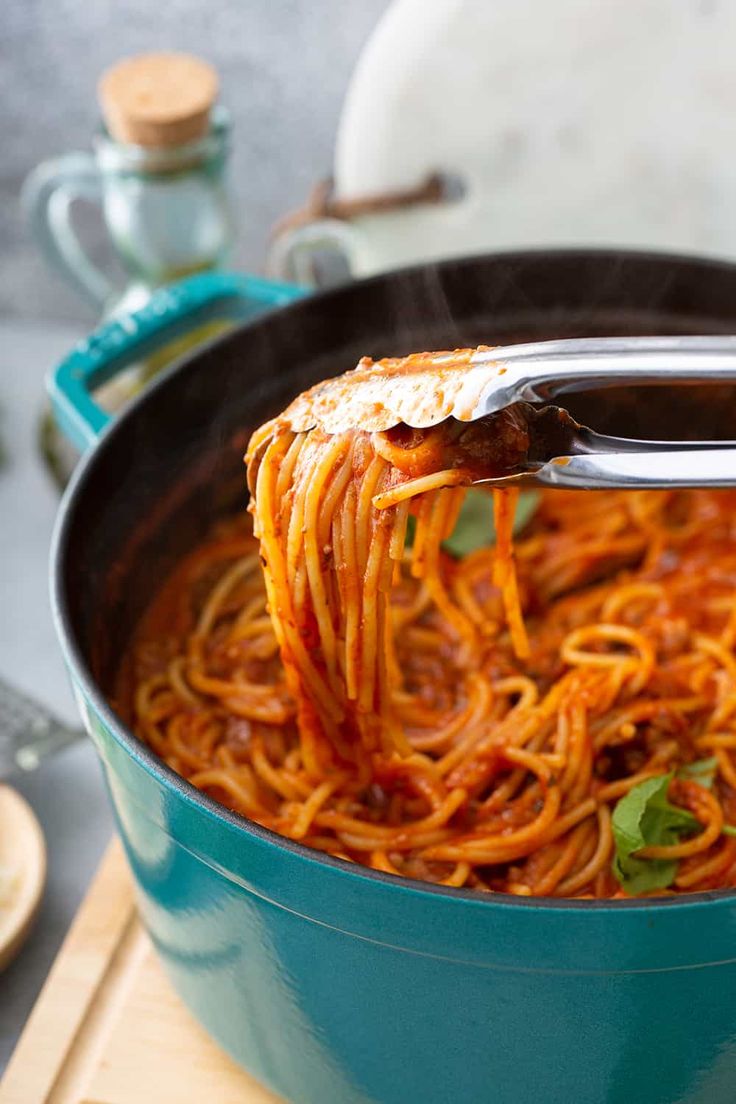
Equipment
- Pressure Cooker
Ingredients
- 2 tablespoons olive oil
- 1 pound ground beef
- 1 cup chopped onion
- 1 clove garlic, mashed
- 2 (8 ounce) cans tomato sauce
- 2 cups dry red wine
- 1 cup water
- 1 pound spaghetti, uncooked
- 1 1/2 teaspoon chili powder
- 1 1/2 teaspoon salt
- 1/4 cup grated Parmesan cheese
Instructions
- Heat pressure cooker and add oil.
- Lightly brown ground beef, onion and garlic, stirring occasionally to separate meat.
- Add all remaining ingredients except cheese.
- Toss uncooked pasta in liquid so it separates (if spaghetti is to long break strands in half before adding). Close cover securely.
- Place pressure regulator on vent pipe and cook 7 minutes for well-done spaghetti, 6 minutes for al dente.
- Cool cooker immediately.
- Stir cheese into mixture before serving.
What really scares me is the Agent Orange and his tariff strategy might make the rest of the world buckle, which would make him appear almost invincible. Any thoughts?
Among the countries that did not resist Trump’s tariff war, only Vietnam was slightly affected.
Vietnam’s exports to the United States are over 100 billion U.S. dollars. The key point is that half of Vietnam’s factories are invested by Americans, and the other half are invested by Chinese. Trump’s taxation on American companies is actually a tax on his own companies, so the Chinese withdrew from Vietnam with curses.
It is understandable that the Vietnamese were the first to succumb, but this does not prevent Vietnam from embracing the Chinese market.
Argentina exports beef, soybean oil, and auto parts to the United States, but China needs beef, and China also needs soybean oil or soybeans. Argentines only need to transfer the share sold to the United States to China.
The trade volume of auto parts exported by Argentina to the United States is very small, not even comparable to the monthly output of any auto parts factory in China, so it doesn’t make sense for Argentina to surrender or not.
The Mexican government is unable to control the US-Mexico border.
Trump imposed tariffs on Mexico, and Mexico could not export through formal channels, so it could only smuggle.
Tariffs? This is a word that Mexican smuggling groups have never heard of.
Japan and South Korea, the canaries of international trade, succumbed early. We may soon see the first country experience a complete economic collapse.
South Korea’s main industries include semiconductors, shipbuilding, automobiles and girl groups. Among them, semiconductors are currently collapsing at a rate of about 10% per year in the global market. Despite this trend, the United States still wants to plunder South Korea’s semiconductor industry.
Shipbuilding is an industry with a very long cycle, but South Korea’s market share is still slowly decreasing.
In the field of fuel cars, Korea’s main target market is Europe, but Korea is currently losing its competitiveness; after all, Europe also produces fuel cars.
But none of this is as serious as the problem that the four major international grain traders (Archer Daniels, Bunge, Cargill, and Louis Dreyfus) have inflated Japanese and Korean grain prices.
In fact, South Korea and Japan have serious national fiscal deficits. In order to repay debts, the prices of agricultural products in South Korea and Japan have continued to rise in recent years.
Koreans have not been able to buy expensive Napa cabbage to make kimchi during the New Year for four consecutive years.
There is also the lovely Indian Brothers, they’re innocent.
Indians buy high-tech and high-value-added products from the United States, and do jobs that Americans are unwilling to do, such as labor outsourcing, customer service, and helping the United States deal with garbage – the United States exports tens of billions of dollars of garbage to India every year.
It can be simply understood that India is the landfill of the United States, providing the best service to the United States and dealing with the things that the United States least wants to deal with…
But even so, Trump is unwilling to pay for the landfill, alas, what a sin.
In fact, whether other countries resist or surrender has nothing to do with China.
It’s like a gun-wielding cowboy extorting everyone.
The Kung Fu Boy refused to pay the Cowboy, and it’s their choice whether others pay the cowboy or not.
Will these people unite to rob the Kung Fu Boy because they were robbed by the cowboy? No, this is very unrealistic. They can’t even beat the cowboy, let alone offend the Kung Fu Boy.
浜崎あゆみ / Connected
I love the animation.
Shorpy
浜崎あゆみ / alterna
I love this. crazy japan.
What’s your craziest betting win ever?
I was with friends in a casino. And given we aren’t the brighest nor the stupidest we just wanted to screw around. Given I think a little different. Quite different. I thought; well, Warren Buffet is right. Left, right, only idiots who spend money quicker after they lose it (you have 100, you lose 50, that’s 50% loss. you want 100 back, you need 200% return), your emotions take over your ability to think and the casino wins.
Then these folks with ‘believing in hot streaks’ oh man. Read up gamblers fallacy. But the most fun was with students going to a casino;
And simply call the slot machine manufacturer and ‘pretend’ you’re interested in the machine itself, how it works, it’s expected value calculation run wise, etc. These folks (sales folks) aren’t the brightest. The security at a casino neither.
And we all know if you focus all your attention on playing slots for hours, people pay attention (cuz you seem a big player).
We just waited in the corner, waiting, and when after following the machine manufacturer code (sometimes it was sent to our smartphone); after someone won; or we counted how often he didn’t, or from an expected value mathematical calculation, we got all the info. So with a Bayesian guess you could tell that your likelihood of throwing in a dollar had a higher likelihood of getting more than 1 dollar back for a while.
We made some fun cash that way. It’s called your 20s-30s where you’re supposed to learn character building skills.
no regrets.
Pot Roast
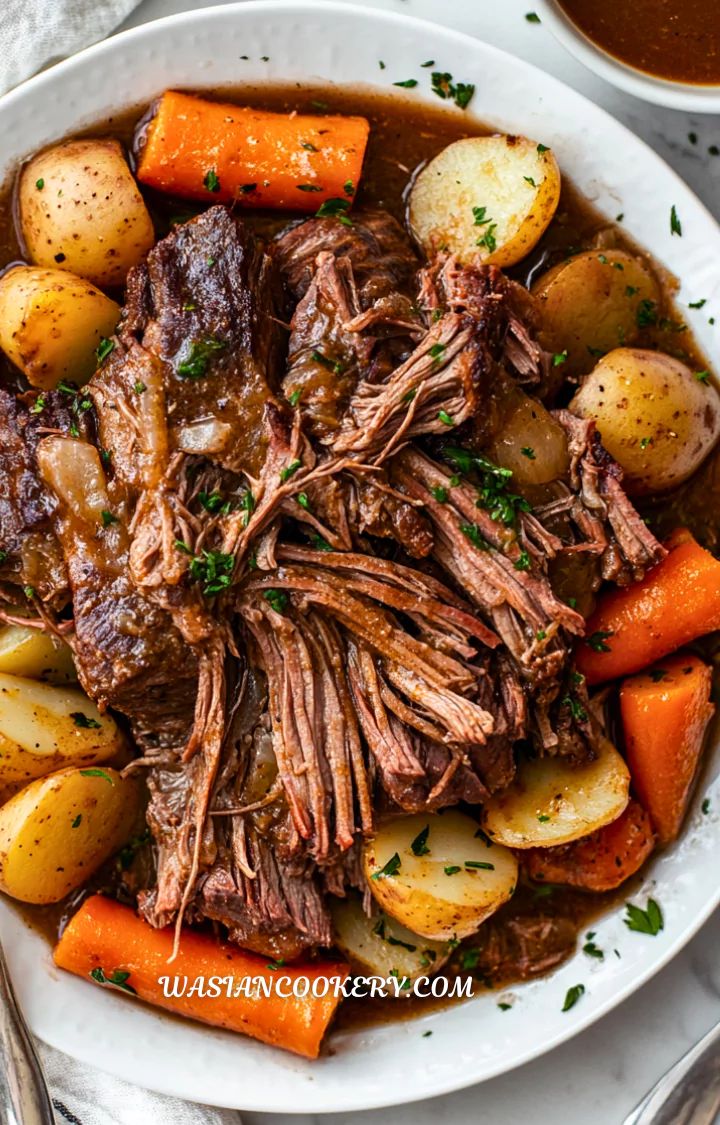
Yield: 10 servings
Equipment
- Pressure Cooker
Ingredients
- 4 pounds boneless beef roast
- 2 tablespoons oil
- 1 small onion, chopped
- 2 teaspoons salt
- 1/2 teaspoon pepper
- 1 cup red wine
- 2 1/2 cups beef stock
- 6 tablespoons all-purpose flour
Instructions
- Brown the beef and onion in oil in the open pressure cooker.
- Add salt and pepper, 1/2 cup wine, seal cooker and cook at 10 pounds pressure for 15 minutes per pound.
- Reduce pressure, open cooker and remove meat.
- To make gravy, remove all but 2 tablespoons fat from the cooker, add the flour and stir for 1 minute, then slowly add the wine and stock and simmer for a few minutes until thickened.
- Season gravy with salt and pepper to taste.
Nostalgia Cafe
Written in response to: “Set your story in a café, garden, or restaurant.“
Nick DeLarso
Most importantly, he reflected on his longing to become a Journalist as a child, watching the news with his Father, who was also a Journalist, and how he would critique their substandard reporting. It nearly brought a tear to his eye, finally materializing such a fantasy as his own. And there it was, just experienced in that paramount thought: nostalgia. How potent it was, forever just out of reach physically, but always nestled inside the warmest parts of our memory, ready to resurface in an instant at the most unexpected moment.
“How are you able to create these fond memories?” Steven began writing once again, in preparation for the response.
“Well, some people have the privilege to vividly remember a memory, like a movie; others, they write down a certain fragrance, or sound, or sentence—we’re able to take this data and create an exact match to what they’re pining for. If it doesn’t work initially, we will continue to attempt at creating this exact match. Once the match is made, the cap will sense that nostalgia is beginning to stimulate metabolic activity and blood flow in several regions of the brain, particularly the frontal, limbic, paralimbic, and midbrain areas. From here, the memory is projected into the brain; this data is downloaded into our servers, and the cycle of nostalgia is created for those who have never experienced these certain perspectives of life.”
Steven was flabbergasted, and his hands began to shake as he wrote the correspondence down. “How long do some of these people spend here?” He once again would gander abroad to all of the inhabited nooks.
“As long as needed. Some people, they never leave the benevolent loop of nostalgia. We’ve even seen people create new nostalgia within the neurocap. People who could never achieve their dreams; maybe they didn’t have the funds, or a tragedy struck. The inner-consciousness of the neurocap is expanding. It’s very exciting progress.” Desire responded candidly.
“That is pretty amazing. There must be a cost, no?” Steven’s pen moved within a serpentine, his hand sliding eloquently across the page.
“That’s the kicker: Nostalgia Cafe is a self-funding tool. As you opt to upload your own Nostalgia, you are generating Nostalgia Coins with your own brain’s energy! These can be used at any Nostalgia Cafe, worldwide. Nostalgia Coins can be converted into any of the prominent Cryptocurrencies. We are projected to become the largest within the next five-years at this pace.”
“Wouldn’t the financial aspect cause a bit of conflict with the intent? Couldn’t the creator simply lock people in, for financial gain? And how does one exit this concocted neuro-realm?” Steven’s tone was reticent, nearly rhetoric.
“The same way you’ve entered. All you must do is exit the Nostalgia Cafe. No one is forced to stay.” Desire’s response was ambiguous, though Steven did not retort. This was the first time her smile departed, but only for a second.
Steven felt the danger of this revolving door, essentially supplying your own means to disassociate from the current world; however, there was an enticing nature within this scientific discovery. He knew the reason he was sent here in the first place, to immerse himself into this newly-discovered world, head-first, as a respected Journalist. “I actually have the neuroconduit myself; many of us at Blueprint had received the chip initially, for faster data processing.” He looked over his notebook endearingly. “You know, it was always a dream of mine to be a Journalist—to get the chance to break-open a story, just like my Father—to really expose the truth.” There was an incessant memory that prodded at Steven’s attention span, though he tried to ignore it.
“Nostalgia awaits you, Steven.” Desire took a step aside, displaying the open space in its entirety.
Steven gulped at Desire’s words, followed by the racing of his heart. Steven took a step forward, grabbing hold of the chair to alleviate the wobbling of his legs. “I’m not sure, this sounds a bit..dangerous, no?”
“There’s no danger in the past.” Desire’s voice was stern.
Steven looked towards the front door, which was engulfed by a fog, distorting anything past the windowpane. “Weather seems nasty outside; I guess it wouldn’t hurt to try for a few minutes, for journalistic measures.” Steven sat down reluctantly, rubbing his hands along the arms of the leather chair. In his hands, he cupped the mechanism that would supply himself with endless elation; and that aforementioned memory, it was prying once again to be remembered, just before the helmet could be placed upon his skull.
“I’ll see you again, Steven. And thank you for your loyalty to Nostalgia Cafe.” Desire sauntered away from his space, still smiling.
“Wait a minute!” Steven stopped Desire in her tracks, to which she turned to face him once more. “I know you said all you have to do is leave; but how do you know you’re no longer in the actual realm?” Steven had a question mark and an asterisk next to this question.
“Once the memory is complete.” And she continued toward the front desk.
“Loyalty?”… Steven thought it odd she would allude to such, as this was his first visit; nonetheless, he continued as planned: Steven quickly placed the neurocap upon his head before he closed his eyes shut; then, he took a dozen or so deep breaths, to clear what was unnecessarily cluttered within his mind. It was only moments before he would return to that other realm of nostalgia, one filled with anachronistic promises and emancipation from a world of deceit.
“Welcome to Nostalgia Cafe!”
Why can China not succumb to the US’s tariff hikes and announced to fight to the end?
Well, it has been clear from day one of the tariff war that began in 2017/18 the spearhead was aimed squarely at China.
China said no, right from the start, and retaliated, though not in equal fashion, in hopes of striking a deal.
Which did happen, as phase one, with China ponying up the benefit in exchange for America’s pause. In the eyes of Donald, the quintessential art of the deal, getting everything for nothing.
Why no phase two?
Nothing changed for the better. In fact, America continued its maximum pressure full court press, roping in underlings to light fires all around China’s periphery.
Geopolitically, the contest intensified full spectrum. China didn’t even get a pause from phase one, despite keeping global mercantile trade off life support over the entirety of covid.
At this point, in 2025, China recognizes that a strong response is needed, if only to signal to the rest of the world that similar tariffs enacted on China will invite the same pushback.
After all, what’s to prevent Donald from telling sycophants queuing up to kiss his ass “it’s OK, big brother has your back, china won’t dare to retaliate. Let’s gangrape her into submission.”
In other words, no rules except America’s rules.
With China’s firm response, it draws clear lines. China will defend her own interest, no matter who or what turns up.
China is saying to America “you can keep your dollars while we consume our goods. 山水有相逢。”
打得一拳开 免得百拳来 or “A strong initial defense deters future attacks” or “Meet force early to avoid greater conflict”.
America has a sinophobia problem. Anyone reaching for that “no we just hate the Chinese government, not the Chinese people” argument certainly do not care to admit that a great many factors went into the making of this video:
A middle schooler recorded video of himself harassing a 5-year-old Asian boy with ethnic slurs. Here’s reaction from the victim’s parents. https://t.co/VYXwd9xii1
— NBC4 Washington (@nbcwashington) April 26, 2025
This took place in Northern Virginia. For those who don’t know, it’s a pretty diverse place where Asians are a dime a dozen. So for this kind of content to be popular in a school chat group, it speaks to how vulnerable Chinese people are even in the most accepting of areas in the US. One must realize that children do not become racist of their own accord, they are eager recipients of signals from the community around them. Their actions always have a kind of brutal honesty about the things we adults choose to ignore.
(And yes, I do mean Chinese here. Do not try to challenge the slur that rhymes with “King Kong” as if it magically applies to all Asians— it has a very specific target here in America.)
Did you know that one precision strike could cause 350 million Chinese to ching their last chong? pic.twitter.com/3kcswBop9y
— WBS (@WBSRespecter) April 10, 2025
This whole tariff war with China is founded on the same kind of sinophobia that so deeply misleads most of the American people. The less-said assumption of those who believe the tariffs will work is that China, by virtue of being a lying and cheating society, does not put in any effort worth mentioning in their manufacturing. Ergo, it must be easy to just finally take all of that manufacturing back to the USA, because those lying and cheating Chinese only get away with it because the US so gracefully looks the other way. These voters do not acknowledge the actual challenges of manufacturing because they operate not on that familiarity (there is practically none in the US that isn’t retired), but rather the familiarity of the echo chamber on China.
And let us be perfectly clear, the echo chamber is not just in America.
This trade war is just an exercise in insisting that the echo chamber on China is right. It is truly embarrassing that the apex of Western civilization as it stands today has decided that this is the vulgar hill that the world must die on. This is the outcome of not only a great many who believe that China is truly the greatest and most incompetent evil, but also a great many more who simply refused to acknowledge that indeed the West has a sinophobia problem.
It is time to fix this by dismantling the echo chamber. The longer you persist in ignoring the issue, the worse the outcomes of this trade war for all Americans. The leopards are finally eating your faces too.
(Or I guess don’t. Being a lesson for humanity going forward is indeed an option.)
Sir Whiskerton and the Rock-Hard Romance: A Tale of Mineral Love, Postal Mishaps, and a Beatnik’s Wisdom
Ah, dear reader, prepare your hearts (and your geology textbooks) for a tale of love so unconventional, even the scarecrow blushed. When a simple postal delivery led to a rock-solid infatuation, the farm was thrown into chaos—until a certain beret-wearing feline dropped the truth like a mic at a poetry slam. So grab your handkerchiefs (and maybe a magnifying glass), and join us for Sir Whiskerton and the Rock-Hard Romance: A Tale of Mineral Love, Postal Mishaps, and a Beatnik’s Wisdom.
Love at First Sight (Or First Tumble)
It all began on a perfectly ordinary Tuesday—which, on Sir Whiskerton’s farm, meant absolute nonsense was imminent.
Percy the Postman, his hands trembling like a leaf in a hurricane, stumbled up the dirt road, his mailbag spilling parcels like a piñata of poor organization.
-
“S-s-sorry!” he stammered, scrambling to collect the packages. “I-I swear I didn’t mean to lose the farmer’s seed catalog in the p-p-pond again—”
Then—CLUNK.
A smooth, round rock tumbled from his bag and rolled to a stop at Ditto the Kitten’s paws.
The farm held its breath.
Ditto gasped. “She’s… beautiful.”
-
“Ditto,” Sir Whiskerton said slowly. “That’s a rock.”
-
“No!” Ditto clutched the stone to his chest. “She’s my mail-order bride! Percy delivered her!”
-
“I-I what?!” Percy squeaked.
The Farm Reacts to Ditto’s Rocky Romance
News of Ditto’s mineral matrimony spread faster than Doris’s gossip.
-
Bessie the Tie-Dye Cow sighed. “Like, wow… love is where you find it, man.”
-
Porkchop the Pig snorted. “Kid, that rock’s got no personality.”
-
“She’s mysterious!” Ditto insisted. “And low-maintenance!”
Sir Whiskerton, ever the diplomat, attempted reason.
-
“Ditto, rocks can’t love you back.”
-
“You don’t know that!” Ditto sniffed. “She blinked at me!” (She had not.)
Meanwhile, Percy the Postman hyperventilated into his mailbag.
-
“I-I’ve ruined this kitten!” he wailed. “First the seeds in the pond, now geological heartbreak!”
Jazzpurr’s Beatnik Intervention
Just as the farm resigned itself to a future of awkward mineral weddings, Jazzpurr the Beatnik Cat slinked in, bongo under one arm and truth under the other.
-
“Dig this, little cat,” he intoned, adjusting his beret. “Love ain’t about possession. It’s about vibration.”
-
“She vibrates when I hug her!” Ditto argued. (She did not.)
Jazzpurr sighed, then dropped the most devastating beat of all:
He licked the rock.
-
“…Tastes like dirt,” Jazzpurr announced. “And regret.”
A hush fell.
Ditto stared at the rock. The rock, being a rock, said nothing.
Then—sniffle.
-
“She… doesn’t love me, does she?”
-
“Nope,” Jazzpurr said. “But I love you, little dude. And that’s real.”
(Cue farm-wide “Awwww.”)
The Aftermath: A Rock and a Hard Place
With his heart (temporarily) shattered, Ditto returned the rock to the garden, where it belonged.
-
“Goodbye, my stony sweetheart,” he whispered.
-
“That’s literally where I found it,” Percy admitted.
Sir Whiskerton, ever the pragmatist, patted Ditto’s head. “Next time, aim for a partner who blinks back.”
As for Jazzpurr? He composed a haiku to commemorate the tragedy:
“Rock love is fleeting,
But hairballs last forever.
…Wait, that’s depressing.”
The Moral of the Story
Love shouldn’t be one-sided… unless you’re a barnacle.
Post-Credit Scene
Percy, determined to redeem himself, delivers a package labeled “LIVE LADYBUGS.”
…It’s more rocks.
Best Lines
-
“She’s my mail-order bride! Percy delivered her!” – Ditto, committing to the bit.
-
“Kid, that rock’s got no personality.” – Porkchop, not wrong.
-
“Tastes like dirt. And regret.” – Jazzpurr, poet of truth.
Starring
-
Ditto the Kitten (Delusional Geologist)
-
Percy the Postman (Accidental Matchmaker)
-
Jazzpurr the Beatnik Cat (Love Guru & Rock Critic)
-
The Rock (Silent But Deadly)
P.S.
Next time you get a package? Shake it first. If it doesn’t shake back… it’s probably a rock.
Does MM change post time of daily posts? Just ask.
Or I think is something happen or are busy in communication with Commander, and / or making video.
Or due to I changed what my name I show. Or I’m overthinking.
You are definitely over thinking. I try to have posts released between 4:30 am and 6:00 am daily. with a little splash about. -MM