


Though when he sold the company to a group of venture capitalists, the entire environment then changed. But that’s a story for another time…
Today.
Star Trek: The Wrath of Khan – Cold Revenge | Clip
What actors do you think are very talented but always star in bad movies?
For your consideration: BRUCE CAMPBELL
Easily one of the most overlooked actors of my generation, Bruce Campbell had it all: great looks, height, a good physique, an INCREDIBLE work ethic, humility, and best of all, he could truly ACT. He could easily do drama OR comedy, which is something a lot of mainstream actors struggle with. Even mega stars like Brad Pitt would get antsy and nervous about even one appearance on a comedic sitcom his (then) wife starred in during the height of his popularity. Not every actor has comedic chops or the lack of ego needed to not take themselves so seriously and ride the wave of a comedic character.
But Bruce had it all… almost. I will die on this hill, but I truly believe that despite the self-starting roots he shared with Sam Raimi, both of them were never really treated the same way Hollywood insiders are, and I don’t think Bruce ever had the right representation (agent) or management team to bring him fully into the A-List.
What do I mean by this? Well, when in doubt, I like to pull out this guy: Jai Courtney.
What are his talents? He can get in really good shape, (with the help of a personal trainer and copious amounts of steroids or testosterone) and convince the best agents in Hollywood he’s worth the effort. Can he act? Kind of…? Can he do comedy? Again… kind of. He’s one of the least charismatic actors I’ve ever seen, yet he consistently keeps getting cast because he’s got a great agent and doesn’t fall apart at the job. So at least he’s consistent, which does count as its own talent, but it’s not something I think Bruce lacks in any capacity.
I don’t hate the guy, but I think it’s clear that his talent agency, (Morrissey Management, the same team behind Chris & Liam Hemsworth) either really know their stuff, or the agents he had before them really did. Jai’s career has been built off people being convinced he was going to become way bigger than his talent could actually support. That’s not to say he doesn’t have talents, (he knows how to take risks, he’s got emotional endurance and resilience, and a solid work ethic), but he doesn’t have a wide acting or comedic range. I give him props though, for at least TRYING. He’ll just never pull off lines like, “This… is my BOOM STICK!!!” like Bruce could do effortlessly. I watched him in movies like Suicide Squad trying to be funny and he’s just not at the same level of charisma. That doesn’t doesn’t stop his agents though and he’s built a solid film career inside of Hollywood.
But for being an outsider to Hollywood, (and more importantly, not wanting follow the ‘rules’ of Hollywood, just like his best friend in High School, Sam Raimi), agents, casting directors, and producers all turned their back on Bruce. I think it was a horrible missed opportunity: Bruce proved in film and TV that he wit, charm, great looks, great chemistry, and fantastic comedic timing. He was the perfect leading man for the wrong era of Hollywood.
I think it’s a shame because he has a mixture of leading man and everyman qualities, but was in his prime right at the tail-end of the overly-muscled 80’s action stars and was starting to age up by the time the new wave of CGI action heroes started launching with, “The Matrix”, where more ‘regular’ actors doing more of their own actions scenes with a mixture of real-life training and computer assistance started changing the action movie scene.
He was old school: he had zero issues doing his own stunts, learning what needed to be done, and doing it in conditions that make most actors quit. Seriously, just look into the working conditions on Evil Dead and Evil Dead 2: the freezing temperatures, the vast amount of crew members that quit, and how not only did Bruce stay on point as the lead, he JUMPED IN and did the jobs of the missing crew members to keep the film going. This while fake blood is freezing on his hands and Sam Raimi is beating the hell out of him to get a ‘real’ reaction for some scenes.
I think ever since, “Army of Darkness”, the movies he’s been in that have been great usually just have him in a cameo role, and the movies he’s starred in were never the right caliber for what he could actually do as an actor and performer. He has true, genuine charisma: in a room full of A-List actors, he still stands out and can get them all to laugh and listen.
And like all of the best, most resilient, humble performers in all time, not only has he made peace with this, he, (yet again), found other ways to keep succeeding even when most of Hollywood tried to ignore him.
Cucumber Tomato Zucchini Feta Salad
I still have some zucchini in the garden and I’ve been putting them to use. I eat them raw, but prefer them roasted with garlic and feta, so I usually roast a bunch in the oven as I find it easier to do. And they did so well in this cucumber tomato zucchini feta salad! Simply amazing.

I had made some of my flat oatmeal bread and just used it to transport the salad into my mouth. Basically had it like a dip.

In my humble opinion, you won’t need much more for lunch. Unless you’re very hungry.
You can have it as a side too, it would go with grilled meat or fish, even falafels. I hope you enjoy it too, here’s the recipe:
Yield: 1
Cucumber Tomato Zucchini Feta Salad

This easy cucumber tomato zucchini feta salad is just delicious and super simple! Ready in no time when you have roasted zucchini, it’s the perfect Mediterranean lunch (with some bread) or side (along with other appetizers and protein of choice).
Ingredients
- 1 cup roasted zucchini, thinly chopped
- 1 garlic clove, minced
- 1 cup cherry tomatoes, chopped
- 1 tbsp olives, pitted and thinly chopped
- 1 mini cucumber, chopped (or ½ regular sized)
- 2 tbsp fresh herbs like basil or dill, thinly chopped*
- 1 cup arugula, chopped
- 1 1/2 tbsp feta, crumbled
- 1 tbsp thinly chopped onion
- 1 tbsp olive oil
- lemon, salt and pepper to taste
Instructions
- Add everything to a bowl and season with lemon juice, salt and pepper to taste.
- Serve with bread and/or protein of choice.
Notes
*I also used a tbsp of purslane from the garden, but it’s not necessary if you don’t have it
Gulliver’s Travels (1939) | Full Movie
Since the End of the World
Written in response to: “Center your story around a person who believes they’re the last human on Earth.“
Sophie Goldstein
And now.
Now there is nothing left.
That I know of.
How did I survive?
Do you remember that scene from Independence Day when Vivica A. Fox hides in the underpass with her cute son and adorable dog? That was me. Except I was alone. And I’m not Vivica A. Fox. No one could be Vivica A. Fox. No one else could look that perfect while running from aliens.
I digress.
I was listening to the radio, in my car, in dense traffic, trying to cross the border along with everyone else.
The radio suddenly went out. There was silence. Cars stopped. People got out, looked around, trying to figure out what was going on.
I freaked. I knew something was coming. So, I ran. And found a small electrical room in the underpass. And locked myself in.
And then the world exploded.
When I came out from the underpass the streets were covered in ash. I couldn’t breathe. I had to wrap my shirt over my mouth to protect myself against the air.
I spent the next several days squinting my way around.
Piles and piles and piles of brokenness covered the streets.
Broken cars.
Broken buildings.
Broken trees.
Broken toys.
Broken bodies.
Everything was quiet.
Silent.
Maybe my ears were broken from the explosion.
Or maybe there was just nothing left.
Today I found you. Sitting next to this pen. And a doll with one eye. She’s in my lap, staring at me. She’s got smudges on her cheeks. It’s been fourteen days since the world ended. I was never a writer so it’s hard for me to say what I want to say. What I want to describe.
I’m lonely.
And I’m glad you’re here.
20 Days Since the End of the World
I thought when I found you, I’d write every day. That I’d have so much built up to talk about, that it would just come pouring out of me.
Not the case.
When I go to grab you and I sit down to write, nothing comes. I sit and stare at you. And wait. And nothing comes.
A writer friend of mine (now dead. I think.) told me that writing takes practice. That someone, someone famous I think, once said that writing is about persistence over talent.
Well. I’ve never really written. So.
And now I’m writing at the end of the world.
Who am I writing for?
21 Days Since the End of the World
I’ve tried several times now to write about my past. The time before. What I did. Where I lived. My friends. My family.
Angie-
25 Days Since the End of the World
I screamed today. Just screamed. Wailed loud and long. I did it, at first, because I wanted to make sure my voice still worked. I haven’t used it in 25 days.
During the first couple days of solitude, I tried talking to myself. Narrating my movements like that Matthew Broderick guy from Lady Hawk. But it felt strange. And too loud.
And then I tried talking to the doll that I found. Sorta like Tom Hanks in Cast Away, but that didn’t feel right either. Also. Too loud.
But today, I thought it would be best to just test out my vocal chords.
It’s something I’d always wanted to do.
Ever since I saw that scene in Garden State when Natalie Portman, Zak Braff, and the other guy scream into a crater.
It looked so cool.
To scream into nothingness.
Scream into a void.
Scream like there was no one else around.
And now there’s no one else around.
So, I screamed.
And I ended up screaming for longer than I intended.
I screamed in the middle of the rubble (there is nothing but rubble and rubble and rubble for days and days and days just rubble).
And while screaming, I started sobbing. Out of nowhere. Just sobbing. Tears streaming down my cheeks and I sorta hoped that someone would come. Someone would emerge. Someone would pop up from the endless rubble (rubble rubble rubble) and say, “Hey! Don’t scream. I’m here. I’m right here. We can be together now.”
But no one came.
26 Days Since the End of the World
Today I saw a deer.
A doe.
Scrounging through the rubble.
It felt.
Unreal.
I saw it and became absolutely still.
I watched it wade through the rubble, for what felt like hours.
Its feet were so careful, gracefully avoiding glass and sharp edges and bodies.
I’ve been eating roaches and insects and…whatever else I can find. Cooking them with my lighter that is nearly empty of fuel.
When I saw the deer my first instinct was to kill it.
I’m so so so so so so so so so hungry.
But how could I kill it?
It’s just her and I out here.
Just Her and I.
27 Days Since the End of the World
I ate the deer.
28 Days Since the End of the World
I threw up the deer.
29 Days Since the End of the World
I am still throwing up deer.
I think this is Karma.
30 Days Since the End of the World
I will never again eat deer.
35 Days Since the End of the World
I dream about deer.
I dream about its eyes and the way it tried to run even after it was shot.
I dream that I’m chasing her and that someone is chasing me.
Often times, I dream that I am the deer.
Being hunted.
Being killed.
When I die, I feel so relieved.
40 Days Since the End of the World
What is the thing inside of us that makes us want to survive?
I never really thought about it before.
Cast Away for example.
I never liked that movie. I thought it was so, incredibly, boring. Tom Hanks on his own, alone on an island for what felt like a 3-hour film.
And now.
Well.
Now, I get it.
And now I can feel what he’s supposed to have felt. That scene when he tries to kill himself. Where he hangs the rope from the branch and tests it out.
For me it would be easier.
I have a gun.
And I’ve spent the last several days staring at it.
But I don’t do it, and I don’t know why.
What is the point in me staying alive?
I’m barely surviving.
I’m lost in memories I can’t even write down because it hurts too much.
Because if I let myself think about the before, I just crack.
And I can’t crack because I’m telling myself that I have to keep moving.
But keep moving, for what?
For who?
Keep moving for who?
41 Days Since the End of the World
There is someone sitting on a pile of rubble up ahead.
He hasn’t seen me yet.
He is sitting next to a fire he has made.
I watched him make it.
His movements were slow.
Like he had all the time in the world.
Hah.
He now seems to be lost in thought.
I wonder if he thinks he is the only one left.
I have tried, several times now, to approach him but each time I stop myself.
It’s so very funny because if you had told me yesterday that I would see someone, I would have screamed for joy.
I would have jumped up and down and smiled and felt like a real human being for a few moments; for the first time in 41 days.
But I have seen too many television shows about the kind of people that survive the end of the world.
The monsters that we can become.
So, now I am sitting here.
Watching him.
I have been watching him for so long that I have convinced myself he has a kind face.
I have been watching him for so long that part of me wonders if he is a hallucination.
42 Days Since the End of the World
There’s only one way to be sure.
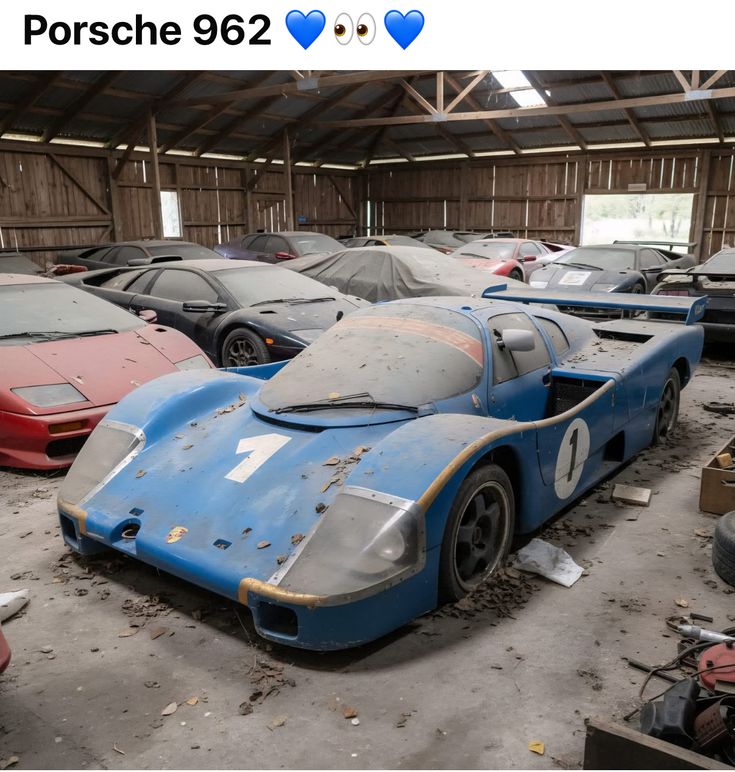
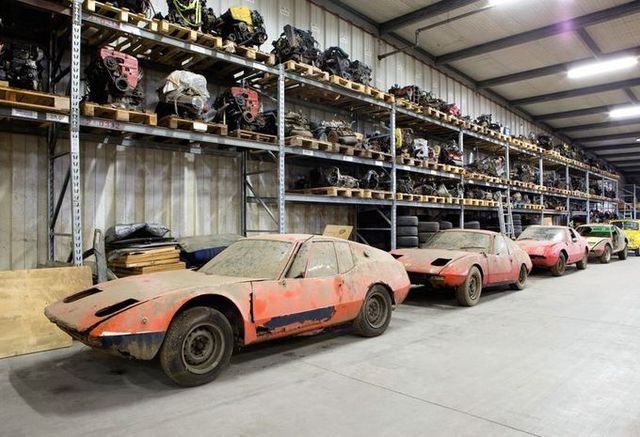
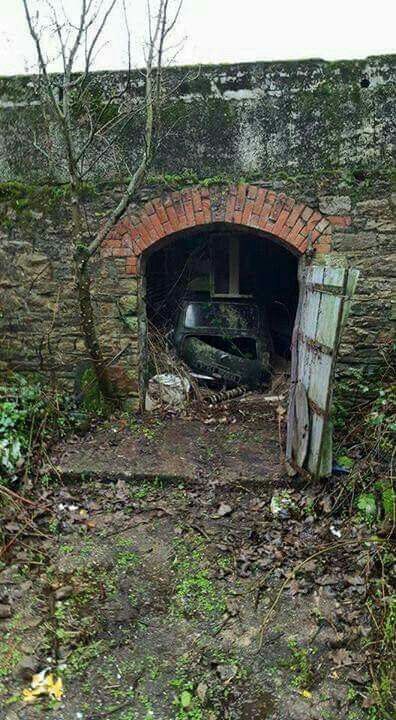
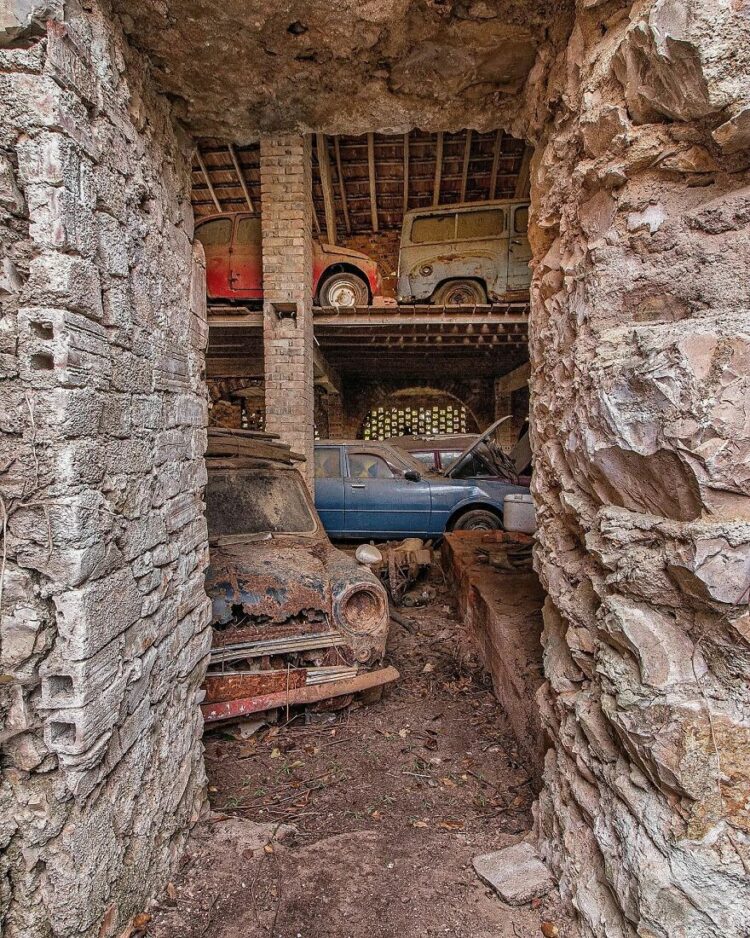
Pictures





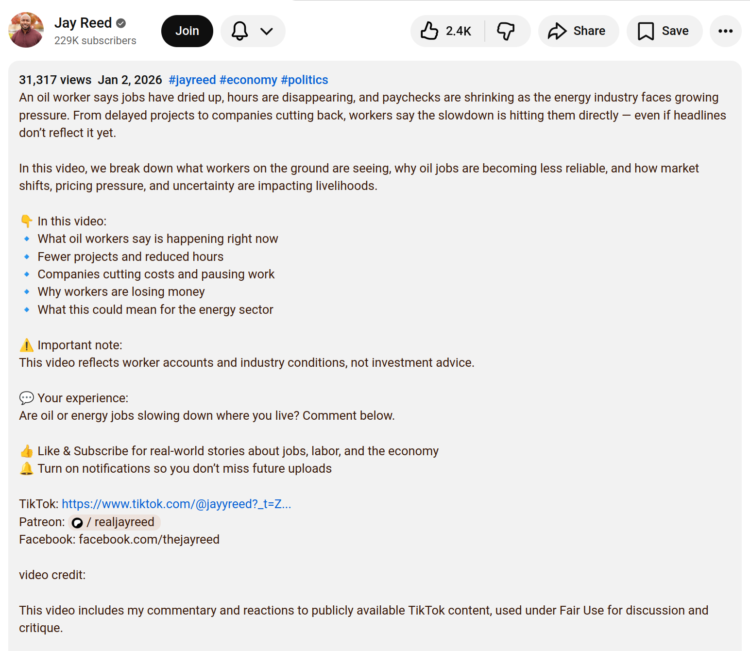
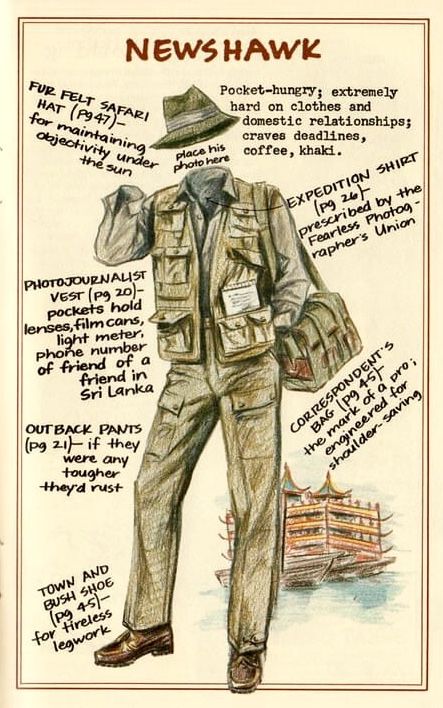
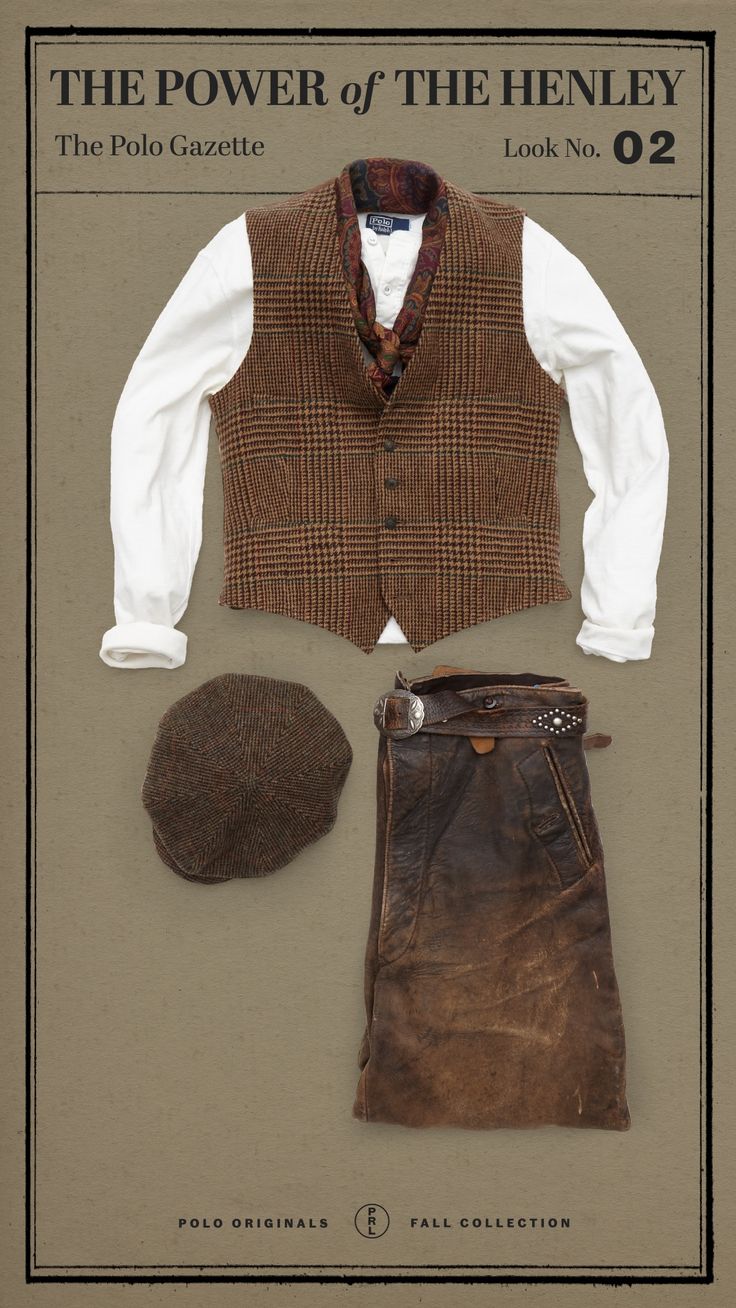
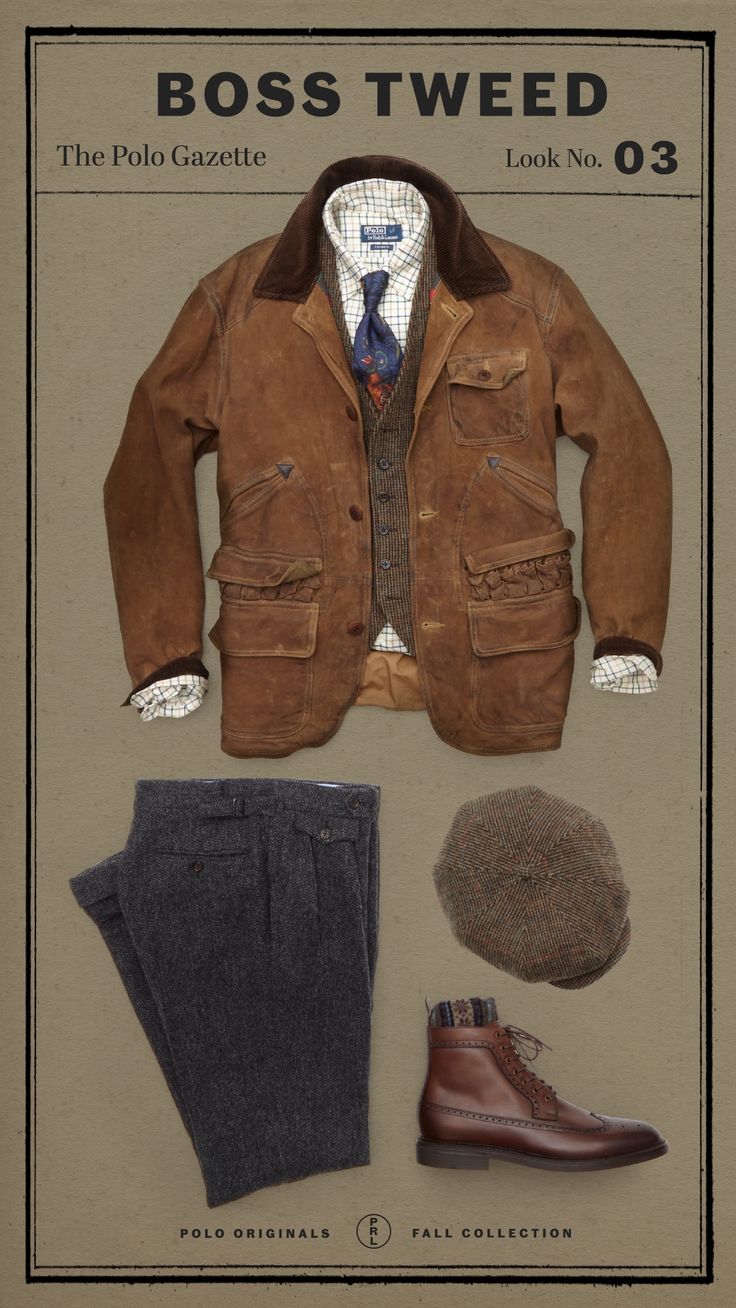
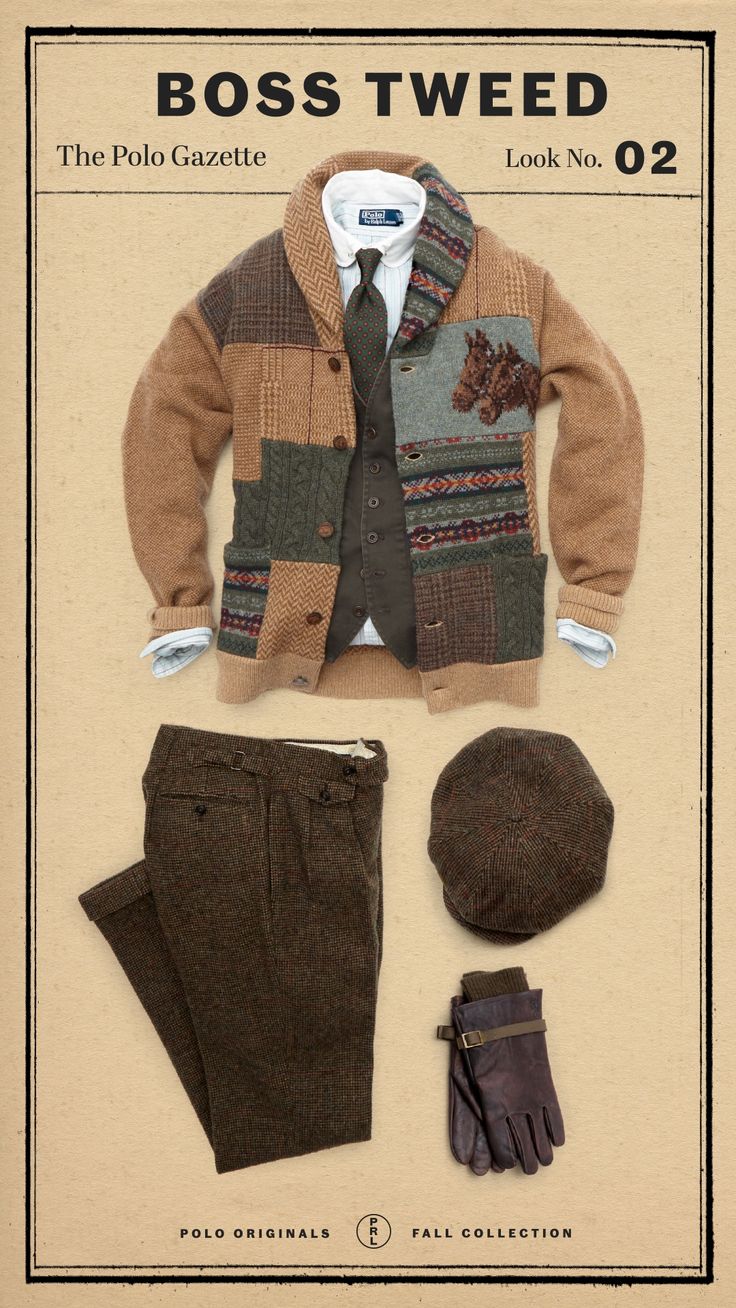











“There Is No Work” Oil Worker Says The Industry Is COLLAPSING And They Are Losing Money
USA Oil industry is collapsing.
Col 29 – Book 457 – Sir Whiskerton and the Culinary Collaboration
A Tale of Joy, Measurements, and a Pie Baked in Perfect Harmony
It began with a dusting of flour, a patch of afternoon sunlight on the kitchen table, and a piece of paper so old it seemed to whisper.
Martha stood in the farmhouse kitchen, a soft smile on her face as she carefully unfolded the fragile page. It wasn’t printed. It was handwritten in looping, faded ink that spoke of another time, another kitchen.
“My grandmother’s secret,” she said, her voice warm with memory. “Her Transcendental Apple-Cranberry Pie. Said it could mend a broken heart or celebrate a quiet victory.”
The Farmer, wiping his hands on his overalls after fixing the henhouse latch, peered over her shoulder. He was a man who understood concrete things: the weight of a post, the turn of a wrench, the exact amount of seed per acre. The recipe, however, was not concrete.
It was a poem.
“Gather the apples, tart and sweet,
A handful of joy, from head to feet.
Mix with patience, don’t you rush,
Until it feels like a Sunday hush.
A pinch of laughter, bright and clear,
And love that banishes all fear.
Bake ‘til golden, bake ‘til right,
In the oven’s warm, forgiving light.”
The Farmer stared. His brow, already home to a permanent furrow of care, acquired a new, perplexed crease. “A… handful of joy?” he asked, his voice a low rumble. “How many cups is that?”
Martha chuckled, patting his arm. “It’s not that kind of recipe, dear.”
But the Farmer was a man of determination. If a tractor could be fixed with the right tools, a recipe could be followed with the right data. He nodded once, a decisive jerk of his chin. “We’ll make it. I’ll… quantify the variables.”
And so began The Great Quantification.
Phase One: Measuring Joy.
The Farmer’s first hypothesis: Joy was auditory. He took his old decibel meter—used for diagnosing engine knocks—and approached the animals.
He held it near Rufus’s wagging tail. Thump-WAG, thump-WAG. The needle jiggled pleasingly. “Approximately 62 decibels of canine contentment,” the Farmer noted on a notepad. “Potential baseline.”
Doris, upon being asked to “produce a measured amount of joy” for the sake of pastry, fainted with such dramatic flair that she knocked over the meter. “Unquantifiable!” she declared upon revival.
Sir Whiskerton, observing from the windowsill, gave a slow, deliberate blink. His purr, a known healing frequency of 25-150 Hz, was a strong contender. But how to extract it? The Farmer briefly considered holding a mixing bowl near him, but a single raised paw from Whiskerton vetoed the idea.
Porkchop, appointed Joyful Ingredient Consultant, was thrilled. He demonstrated his joy by performing a series of exuberant, muddy spins in his pen. “That’s at least three handfuls!” he oinked proudly, splattering the Farmer’s notes.
Phase Two: Achieving “Sunday Hush.”
The Farmer decided this was a matter of ambient noise control. He shushed the chickens. He politely asked the wind to cease rustling. He unplugged the hum of the refrigerator. The resulting silence was deep, profound, and deeply unnerving. It didn’t feel like a peaceful Sunday; it felt like the vacuum of space. Ditto, distressed by the quiet, began echoing his own heartbeat. “Lub-dub! Lub-dub!”
Phase Three: Sourcing “Laughter, bright and clear.”
This was the final straw. The Farmer stood in the yard, looking utterly lost. How did one harvest laughter? He attempted a joke from an old almanac. The chickens stared blankly. Bessie lowed in confusion.
It was Sir Whiskerton who finally intervened. He leapt down from the sill and wound himself twice around the Farmer’s ankles—a known grounding maneuver. He then looked pointedly at Martha, who was watching the whole endeavor with her hands on her hips and a growing smile.
“Oh, for heaven’s sake,” Martha said, her laughter finally ringing out, bright and clear. It was the sound they’d been trying to catch all along. “You’ve got the ingredients all around you, my love. You’re just reading the wrong instructions.”
She took the cryptic recipe page and gently set it aside. She took the Farmer’s flour-dusted hands in her own.
“Now,” she said, her voice soft. “Watch.”
She didn’t measure flour. She poured it until the mound in the bowl looked “like a soft hill after a snow.” She didn’t count tablespoons of butter. She cut it in until the mixture resembled “pebbles in a cold creek.”
She handed him an apple. “Peel this, but don’t hurry. Listen to the sound of the peel coming off. That’s part of the ‘hush.’”
As he carefully peeled, the long, curling ribbon of red skin falling into the bowl, the frantic, quantifying energy left him. The silence became comfortable, filled only with the shush-shush of the peeler and Martha’s quiet humming.
“The joy,” Martha said, nodding to the window. The Farmer looked. Rufus was chasing his own tail. Ditto was trying to balance a cranberry on his nose. Porkchop was asleep in a sunbeam, smiling in his dreams. It wasn’t a decibel level. It was a scene. A feeling. He absorbed it, and his hands grew lighter as he chopped the apples.
“The laughter,” Martha whispered, and she told him a silly, quiet story about the time the scarecrow tried to wear a hat. The Farmer’s shoulders shook with a silent chuckle, a real one, and he tossed the cranberries in with a playful flourish.
They worked in a silent, fluid dance. He would roll the dough just so; she would correct the thickness with a touch. She would spice the filling; he would taste it and, with a nod, confirm it was “just right.” Sir Whiskerton supervised from the table, his purr now acting as the official timer and quality-assurance monitor.
When they lifted the finished pie into the oven, its lattice crust perfectly woven, it was a masterpiece not of precision, but of partnership.
The smell that filled the farmhouse was more than apples and cinnamon. It was warmth, and patience, and quiet understanding. When they pulled the pie out, golden and bubbling, it was perfect.
That evening, they shared it on the porch with the animals, the “secret recipe” forgotten on the table inside. As the Farmer took a bite, his eyes met Martha’s. It was the best pie he’d ever tasted.
Sir Whiskerton, having been offered a crumb (which he graciously accepted), delivered the final verdict. “The secret ingredient,” he purred, licking a spot of juice from his paw, “was never in the cupboard. It was in the collaboration.”
The Farmer finally understood. The best recipes in life aren’t found on faded paper. They’re written in the silent language of a shared glance, the rhythm of working side-by-side, and the courage to translate “a handful of joy” into the simple, profound act of being together.
The recipe card was placed back in its box, a cherished artifact. They didn’t need it anymore. They had written their own version, together, in flour and laughter and love.
Jingle on.
(Or, in kitchen-ese: Measure… laugh… mix… share.)
The End.
Play Aliens
Written in response to: “Center your story around a person who believes they’re the last human on Earth.“
Karissa W
“Oh yeah,” she whispered to herself, then made a silly, stomping run to the walk-in freezer. White-knuckling the handle with both of her hands, she threw the freezer door open to an extra-cheese-estrial’s paradise: a thawed expanse of plastic-wrapped pizzas, entire gallons of sauces, one gallon of sauce she had spilled, cried over, then left, and an assortment of boxed foods, whole fruits and vegetables that had only just started to rot. The rat named Stella immediately went for the smelly spilled catsup while the little girl focused her attention on a pizza.
The pizza was soggy and the plastic wrap was wet. At this point, she knew better than to try and open it with her fingers. She grabbed a corner in her teeth and tore it open with only a little difficulty. Like eating a bag of chips, she reached into the plastic bag, grabbed a gloopy glop of cheesy dough with pepperoni that leaned more toward green than red, and stuffed it in her face. She stuck her hand in again, grabbed another fistful of dough, and crouched in front of her rodent friend. She held out her hand.
“Stella,” she said. The rat diligently ignored her, licking up the catsup. “Stella,” the girl repeated, scooting forward, until her already-catsup-stained shoes pushed through the dried crust into the sauce that hadn’t dried. Still, the rat ignored her. “Eat,” the girl demanded. She wanted to share, but the rat wouldn’t listen. “Eat it, Stella.” Her face began to twist. “EAT!!!” she screamed, shoving her fist toward the rat, and it darted under the shelves, where it stayed.
“Stella,” the girl called. “Stella.”
It didn’t respond. With a noise of frustration, the girl ate the glop of pizza herself.
She closed the freezer door behind her when she left, leaving Stella behind. She kicked her way through the mess on the kitchen floor, shoved through the swinging doors, and walked to the PLEASE WAIT TO BE SEATED podium by the vestibule. Two shelves were hidden in the back of this podium. One had menus, the other had a stack of coloring pages with crayons. She grabbed a coloring page and a pack of crayons, then headed to her special booth in the far back corner of the dining room. The table, as well as the surrounding floor, were littered with scribbled coloring pages, broken crayons, and boogery napkins.
Squatting down on the wrinkled, torn cushion of the booth, the girl shook the crayons onto the table, slapped on the coloring page, and got to work. Judging by the intense concentration in her eyes, the furrow of her brow, and the set of her jaw, this certainly wasn’t play. While coloring the image of the large-eyed, scrawny-limbed alien with pretty eyelashes and a captain’s hat, she stayed perfectly within the lines. Each color had its purpose. She colored the alien green, the captain hat red—just like the real captain hat she’d managed to grab from the display shelf three days ago—the spaceship blue, and the speech bubble yellow. “Have a blast at my party from outer space!” it read.
The girl’s dark eyes seemed to take on a vengeful glint as she scribbled with her crayon. “They went to the party without me,” she muttered. Then the crayon split in half, the two wax ends held together by the thin paper wrapping. The little girl tossed it aside. She appeared to be done coloring, anyway. She wiped the excess debris from the paper and held it up for inspection. All of a sudden a look of urgency crossed her face. She slammed the page down and bolted away. She ran down a hallway and shoved through a door with the decal of a dress-wearing alien.
By the time the girl emerged, the grayish world outside had descended into darkness, as totally black as the countryside at night where the girl used to visit her uncle. Not even streetlights or headlights softened the night, nor did the giant smiling man holding the gas pump, the one who guarded the gas station down the road. He provided the girl with some comfort the first few nights, as the bright blue Earth provided comfort for the astronauts.
As she walked toward the windows at the front of the restaurant, her complexion now sallow and her mouth smeared with puke, she seemed like a completely different girl than the one from an hour ago. She no longer seemed like an explorer of alien lands. Instead, she seemed lost. Perhaps even abandoned. Especially when she collapsed on her butt, wailing, “Mommy!!! Daddy!!!” over and over again.
Everyone knows that time works different on alien planets. Time worked different in Play Aliens, too, where several hours passed in the course of only one. Within this hour, the girl cried for her mother and father—seemed to accept that they had gone to the outer space party with the rest of the world and were never coming back—regained her enthusiasm and turned on every light that would still turn on in the building—then dipped into another depressive episode in which she sat in the vestibule in front of the entrance doors, cradling Stella’s captain hat while she gazed into the night.
She gently stroked the plastic visor. Her demeanor, now, was perfectly calm, as if her mind was suspended in nothingness. Her eyes betrayed no emotion, simply observing the world beyond, if the world beyond existed at all. Perhaps the tint of the windowed doors hid the nature of things. But it seemed that Play Aliens was truly adrift in space. The girl’s reasons for staying in this place seemed clearer at this moment. Surely if she opened those doors, she’d be sucked into a featureless vacuum, to be frozen or asphyxiated. But the world beyond these doors was not lifeless, after all.
A touch of red light pricked the center of her pupils, growing in tandem with her widening eyes. The girl jumped to her feet, laughing and spinning in ecstasy as the lights in the sky got bigger, and bigger, and bigger, heading closer to the restaurant, the only place in the entire city that was still consuming energy.
“Stella, Stella, Stella!” sang the girl. “Stella Mozzarella!”
With a start, the girl looked down at her clothes, which were stained with puke. “I’m going to the party,” she whispered, then ran for the play place. She slid down the slide, hopped up the platforms, climbed the spider web, crossed the bridge of braided ropes, and crawled into the bright green tube where she’d made her nest of bundled-up t-shirts, each with the same design as her puke-stained shirt. Her parents must have taught her good party decorum, for she changed her dirty shirt for a clean, albeit wrinkled one. Then she made her way out of the play place again.
By the time she fell into the ball pit, the whole restaurant was bathed in an eerie red glow, aside from the long, skinny shadow from the silhouette at the door. Peering from the ball pit, she quietly gasped. “Stella Mozzarella…” she whispered with wonder.
The vestibule door opened. The figure walked in. Along with another. And another. They must have brought the party here from outer space. They had party supplies, too. Strange, long objects they held in both hands.
The being at the very front held the hat she’d abandoned in the vestibule. Its attention was drawn to the booth in the corner strewn with coloring pages. The girl couldn’t see them very well through the mesh that divided the play place from the dining room. They didn’t seem to notice her, either. They spread through the room, creeping around slowly and carefully, like they were setting up for a surprise party. The girl watched one figure in particular, the one who held the captain hat as well as the drawing she’d left on the table. The question glimmered behind the girl’s eyes. Could it be…?
As a figure crept closer to the play place, she couldn’t contain her excitement any longer. She shimmied out of the ball pit, raced up the cubed steps on all fours, and burst through the play place’s curtain into the open.
“Stella!”
The creature lurched back with a terrible screech, revealing rows of pointed teeth beneath eyes like magic 8 balls, just as big and murky and black. The girl fell backwards with a scream to rival the alien’s, and she continued to scream as its colleagues pressed closer. Their tall scrawny bodies, their enormous swelling skulls, and their unblinking eyes that took up half of their face would have likened them to Play Alien’s mascot. But their thin lips did not smile with out of this world hospitality. The objects in their hands looked more like Dad’s hunting rifle than a confetti-blaster or noise maker. And their skin was not a pleasant green like a Granny Smith apple, but gray and kind of wrinkled, like crumpled gray construction paper you couldn’t smoothen out.
The girl no longer wanted to go to their party.
While she cowered on the floor, tears rushing down her face, the alien that had screamed raised its weapon to her. Its thin lips lifted into a snarl. Then somewhere behind it, another alien screeched. A far more purposeful screech than that made of fear. The creature immediately lowered its weapon, backing away from the girl, while the alien holding the captain hat moved closer. Its humongous eyes did not narrow or widen, and yet it held a different expression from that of its comrades. It seemed to study the girl with intense concentration as it moved in closer, and closer.
Like a dying star, the girl’s fearful face collapsed in on itself. She screwed her eyes shut and released a piercing wail, then stood up and sprinted through the double swinging doors, through the kitchen, and into the freezer. She yanked the door shut behind her and huddled in the back. Stella the rat emerged from her hiding place to sniff at her. It made a small squeak when her hand lunged out to grab it. She cradled the rodent as though it was her stuffie that was still outside in the parking lot, locked in her parents’ car. “It was supposed to be Stella,” she whispered.
The silver handle to the freezer door cranked downward with a questioning whine. The girl curled in on herself, hugging the rat even tighter to her chest, which bobbed up and down as she fought for a breath as though the room was void of oxygen. “I want Stella!” she screamed, and then the door creaked open, revealing an empty kitchen.
Her erratic breathing continued as she stared into the kitchen. Then, slowly, a slender hand curled around the wall beneath the latch plate. Following this hand, a large, veiny head peeked past the threshold. It was wearing a hat. A captain hat. And who wore this hat but Stella Mozzarella herself, her lips curled back into a sharp-toothed grin, enough to resemble the image on the coloring page she held in one four-fingered hand.
The little girl gasped. She let go of the rat, which retreated back under the shelves.
“Stella!” she cried, and with a giggle of glee, she ran into the arms of the captain herself of Play Aliens. Everyone else in the world had already gone to her party in outer space. She’d seen it herself a week ago, when she woke up in the play place to find that everyone was gone, and saw those pizza-shaped saucers shooting back into the sky. Now, after a whole week of waiting, it was finally her turn to go.
The girl closed her eyes and buried her head into Stella Mozzarella’s chest. Stella stared at her with those unblinking eyes, then stood up holding the girl in her arms. A few of her colleagues moved closer to get a better look. A few seconds passed while they exchanged wordless glances. Then, upon some unspoken agreement, Stella Mozzarella and her fellow party hosts made their way out of the kitchen, the little girl in tow. Maybe they were going to a shindig on Venus, a bash on Neptune, or a blowout on Mars.
As they headed for their unknown destination, one of the aliens lingered behind. It ventured into the freezer, then crouched down and held out its hand. Like an obedient pet, the rat scurried into its palm. The alien stood, examining it closely. Then it stuffed the rat into its mouth, swallowing it in one gulp.
Wherever they were going, there would hopefully be pizza.
Star Trek Voyager – Proton Attack | Clip
Mediterranean White Bean Salad
Tomatoes are slowly, but surely turning red and I’m making more and more tomato-based salads and toppings for my oat-based toasts. Salads like this Mediterranean white bean salad that I just loved, loved, loved the other day.

I don’t know why, but I put capers on everything now. Salad – capers. Fish – capers. Meat – capers. Ice cream – capers. I used to hate those when I first tasted them, but things change.
I could’ve probably had the bean salad on its own, but I served it with some fried seabass and tzatziki and it was SO delicious – the recipe will be here soon. Plus, it’s got a low glycemic index, is full of nutrients, ready in 5-10 minutes and is a super healthy lunch or dinner. I hope you enjoy it!

More Mediterranean Salad Recipes
Yield: 2
Mediterranean White Bean Salad

This Mediterranean white bean salad recipe is easy to make, full of flavor, has a low glycemic index and is the perfect healthy lunch, dinner or side.
Ingredients
- 1 tomato, chopped
- 3/4 cup white beans, cooked, no fluids
- a good handful of basil leaves
- 1 Cucumber, chopped
- 1/2 bell pepper, thinly chopped
- 1 cup arugula, roughly chopped
- 1/2 avocado, chopped
- 1/2 onion, thinly chopped
- 1 tbsp capers, drained
- 1 garlic clove, minced
- 1 tbsp olive oil, or to taste
- 1 tbsp lemon juice, or to taste
Instructions
- Add everything to a bowl.
- Add salt and pepper, mix and enjoy!
The Rich Are Going Bankrupt — And It’s Accelerating
Yeah. Very interesting. Very frightening.