

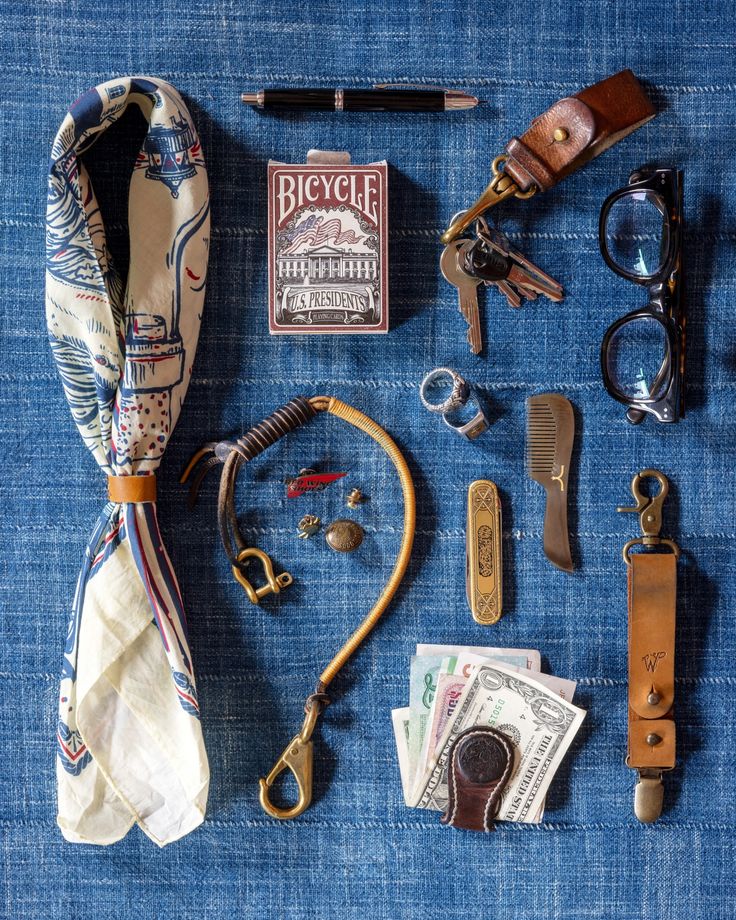
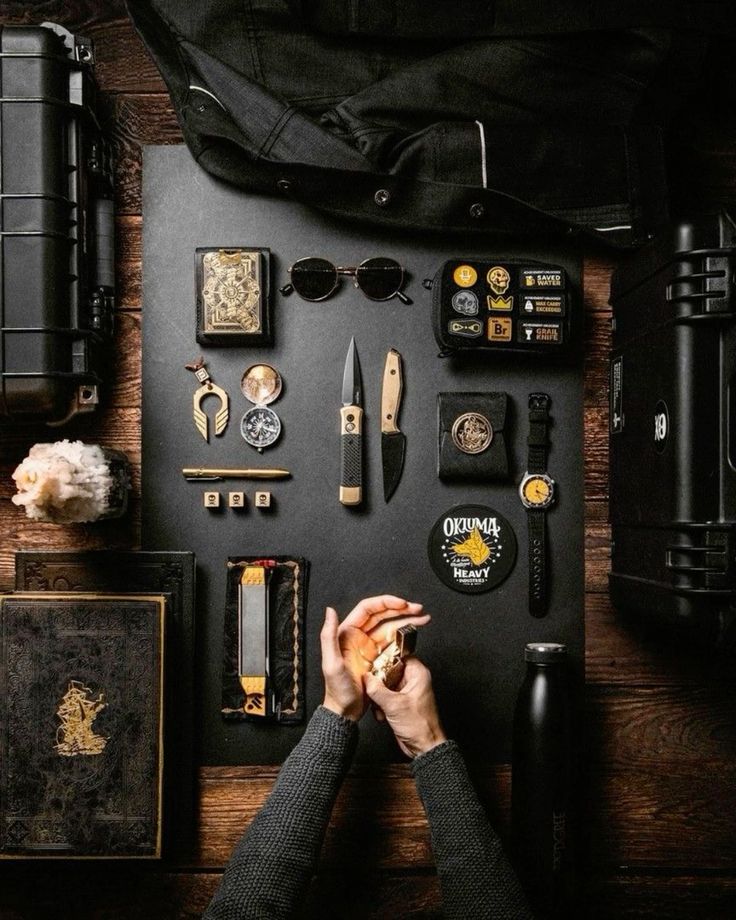
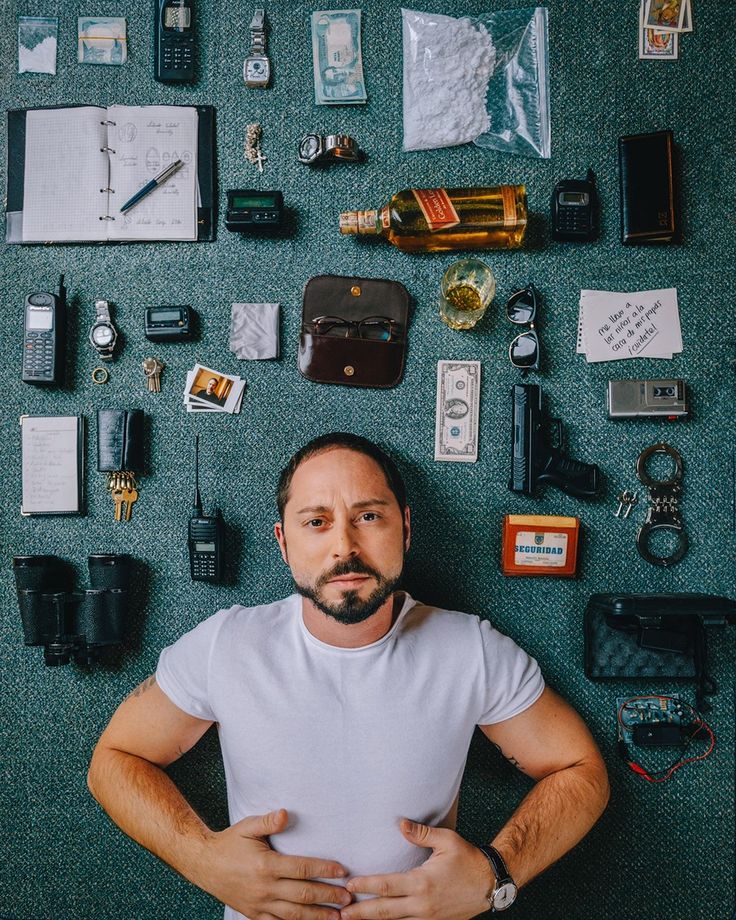
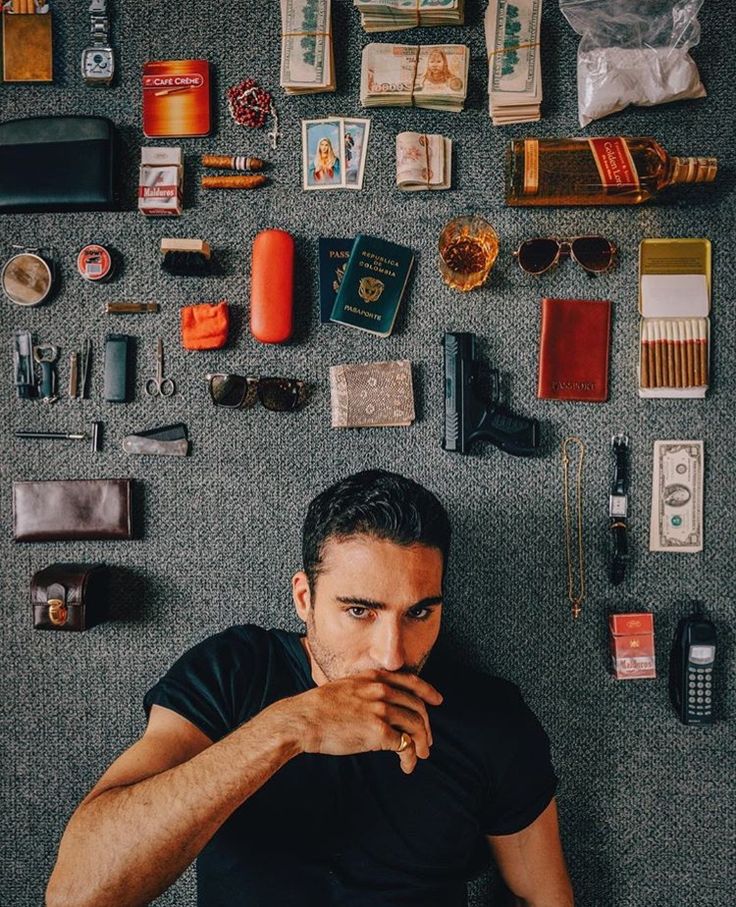
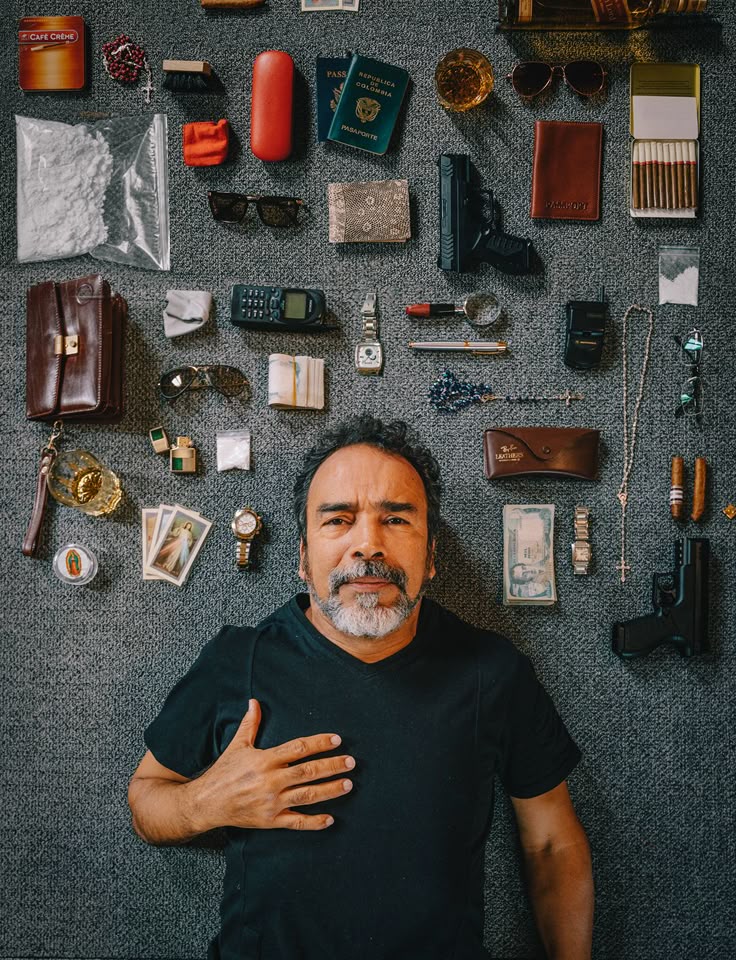
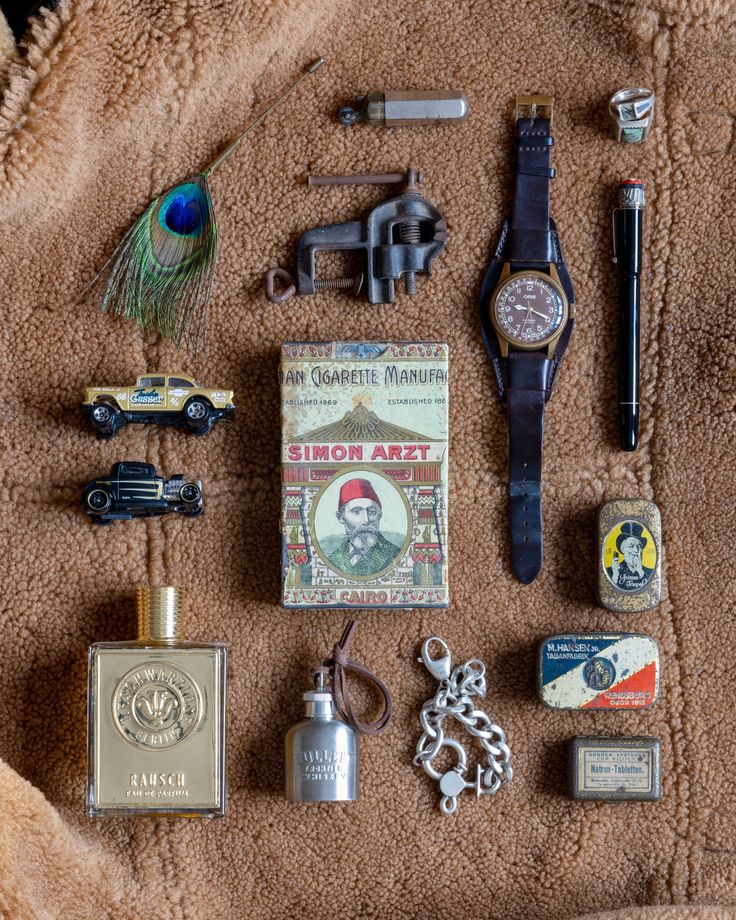
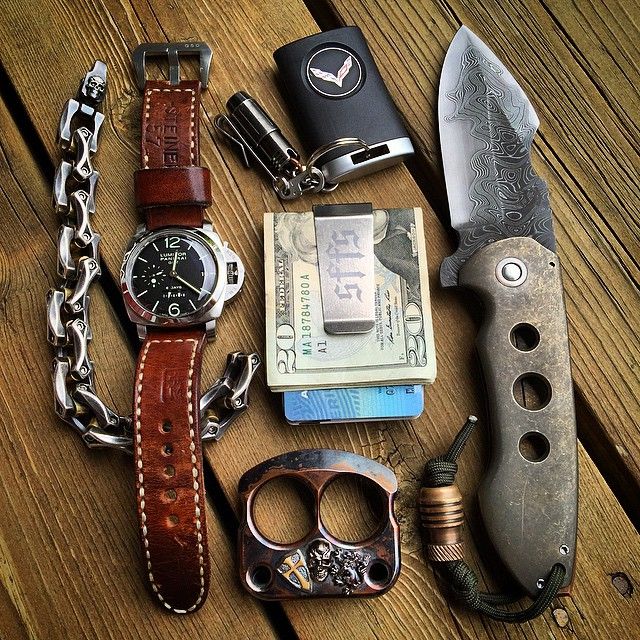
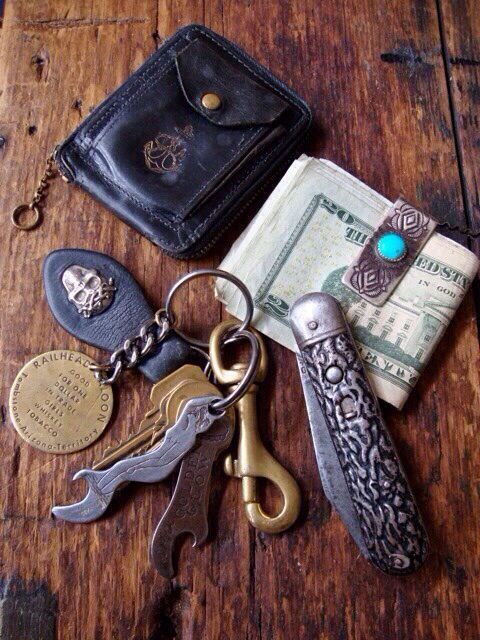
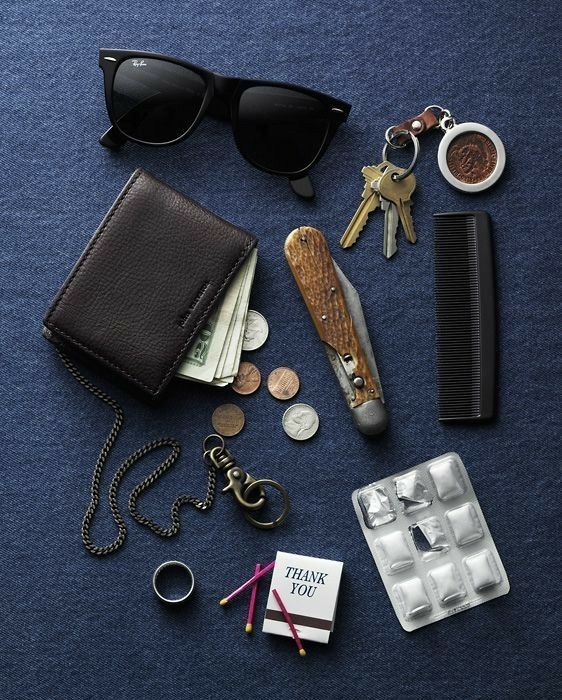
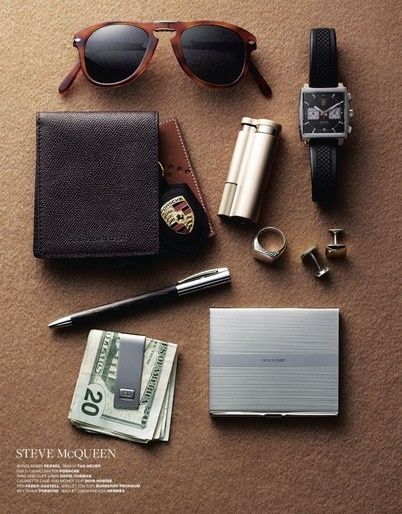
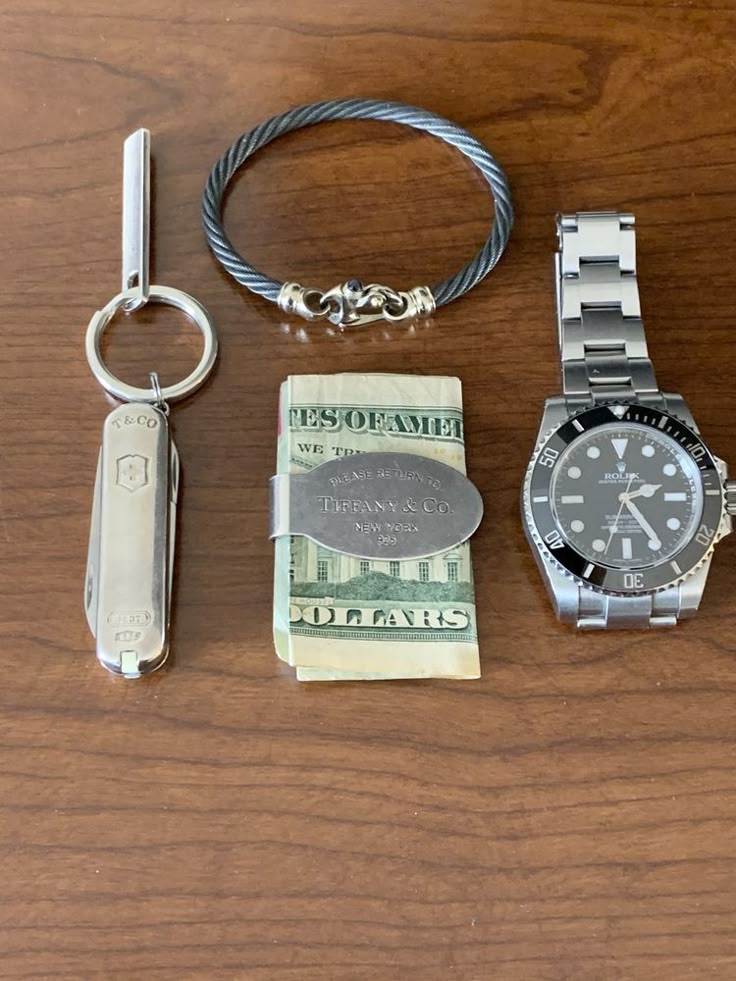
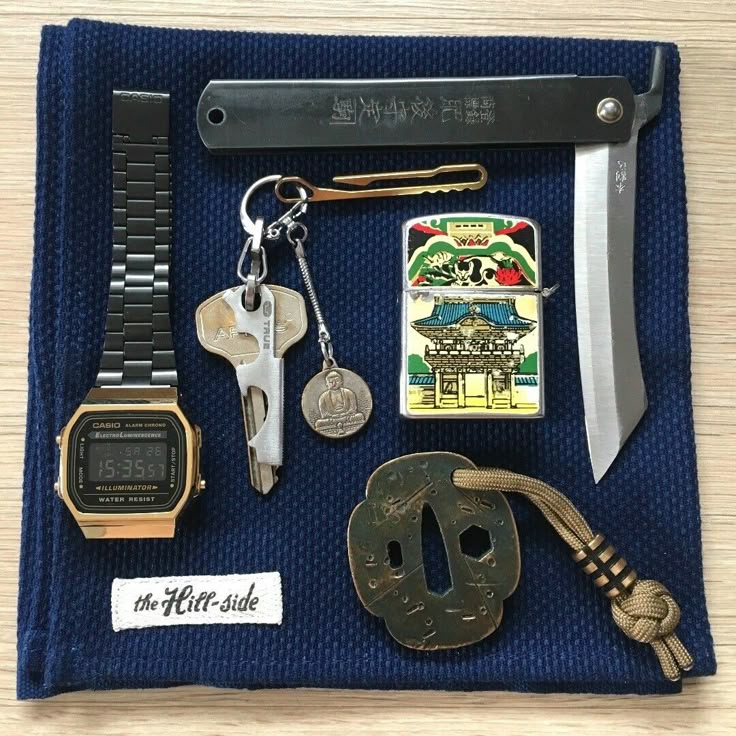
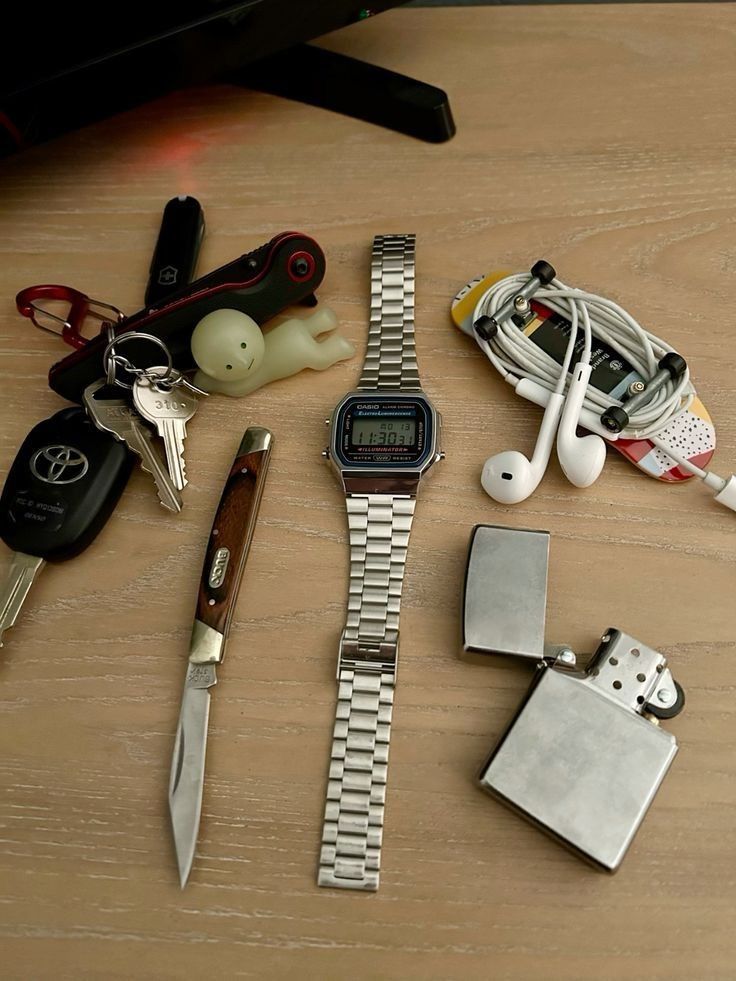
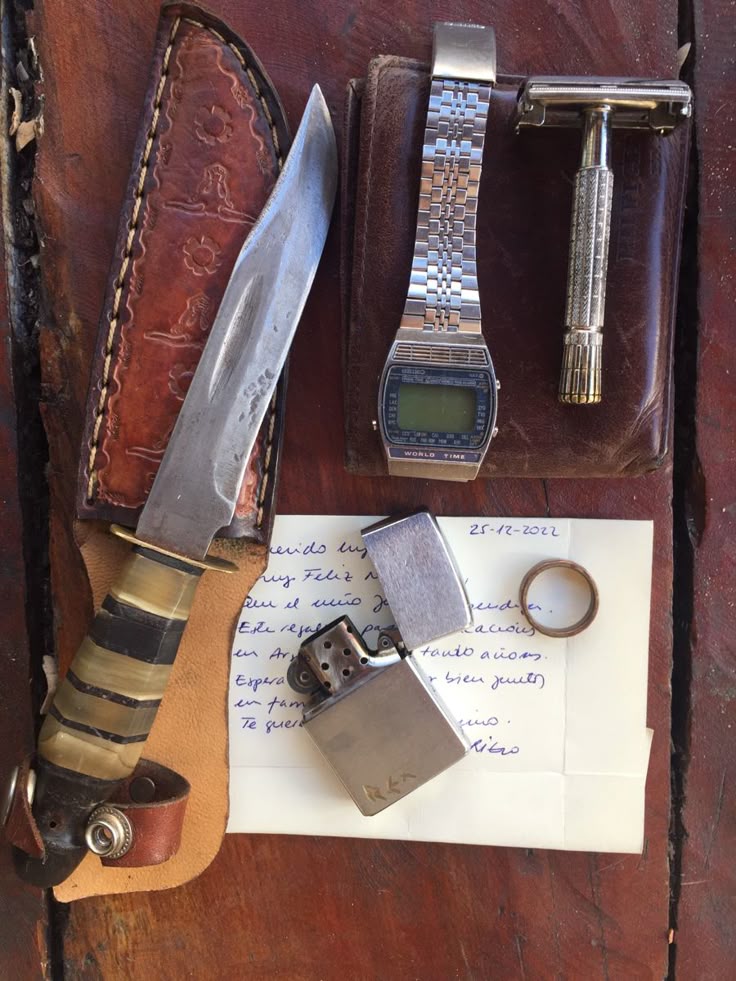
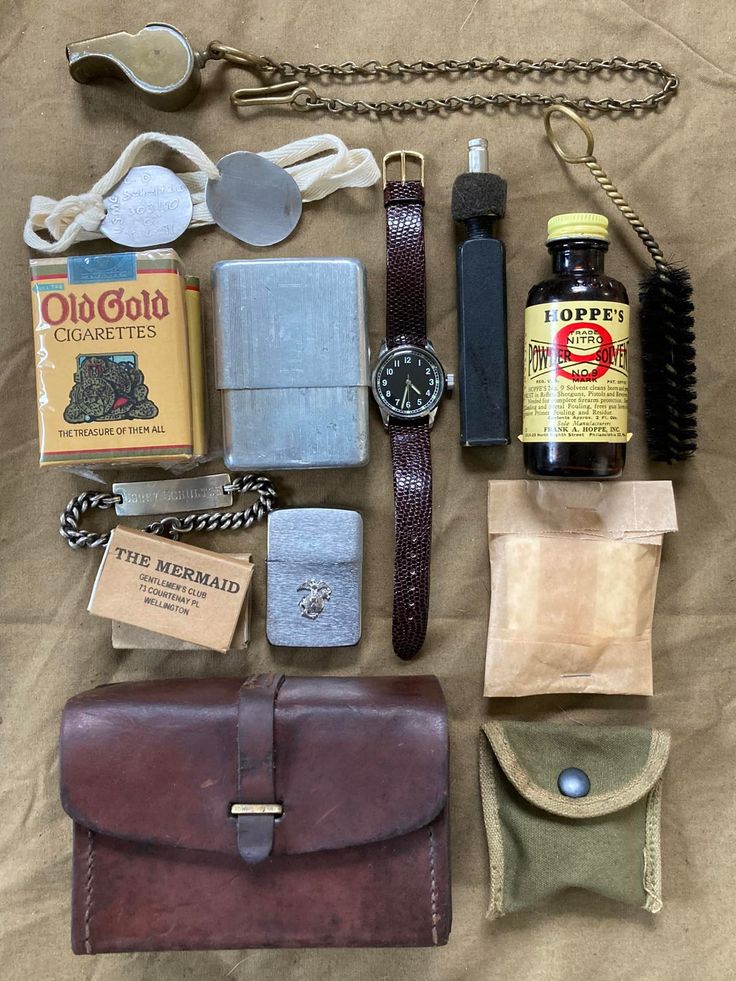
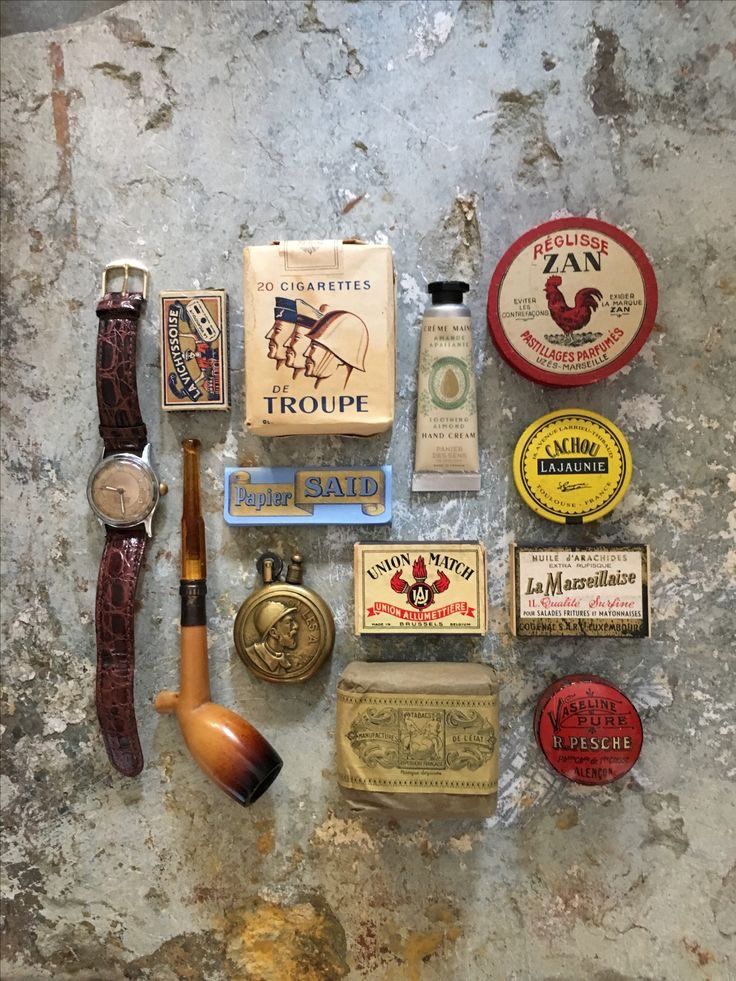
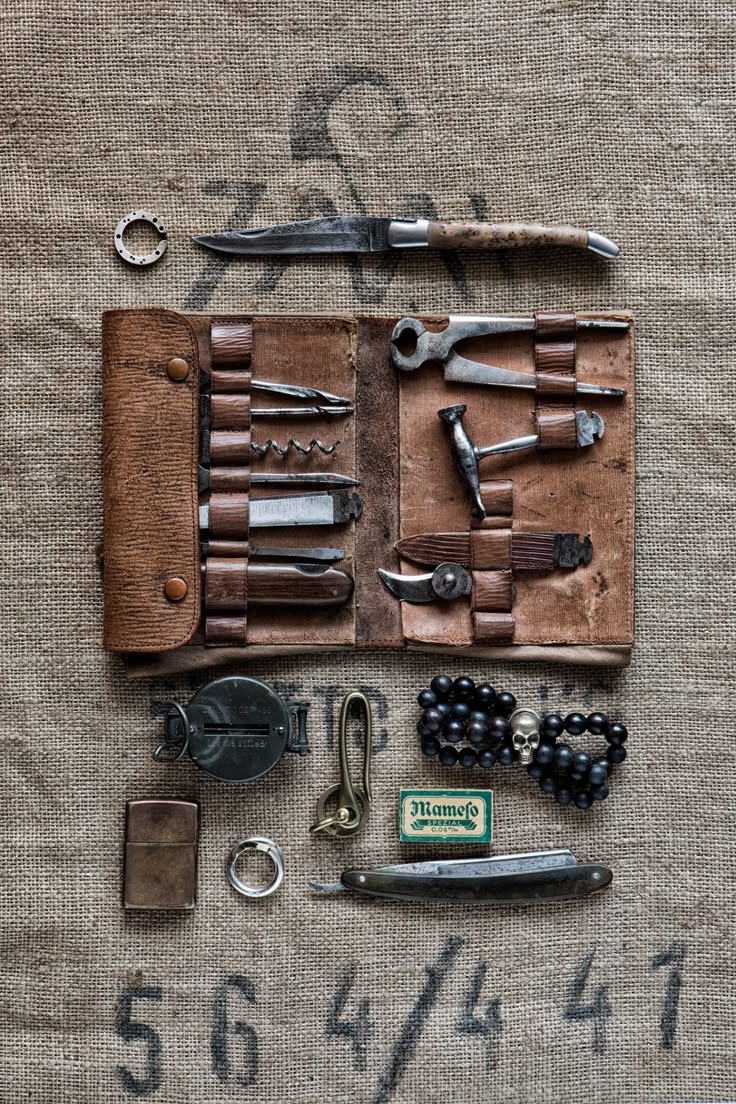
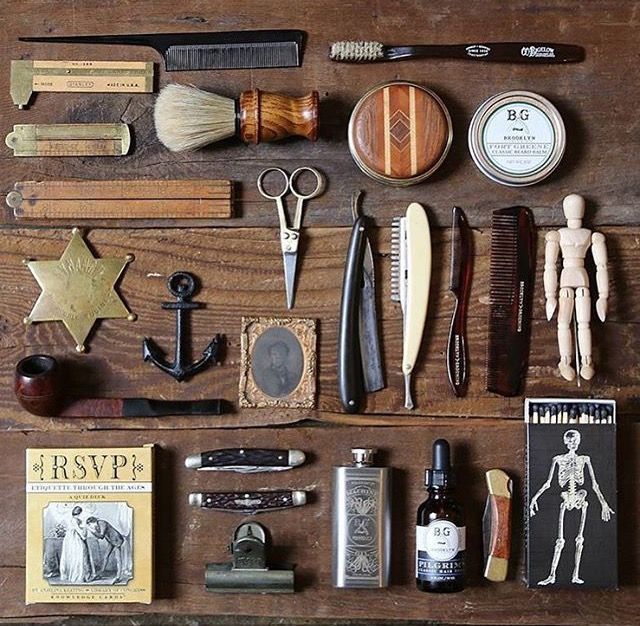
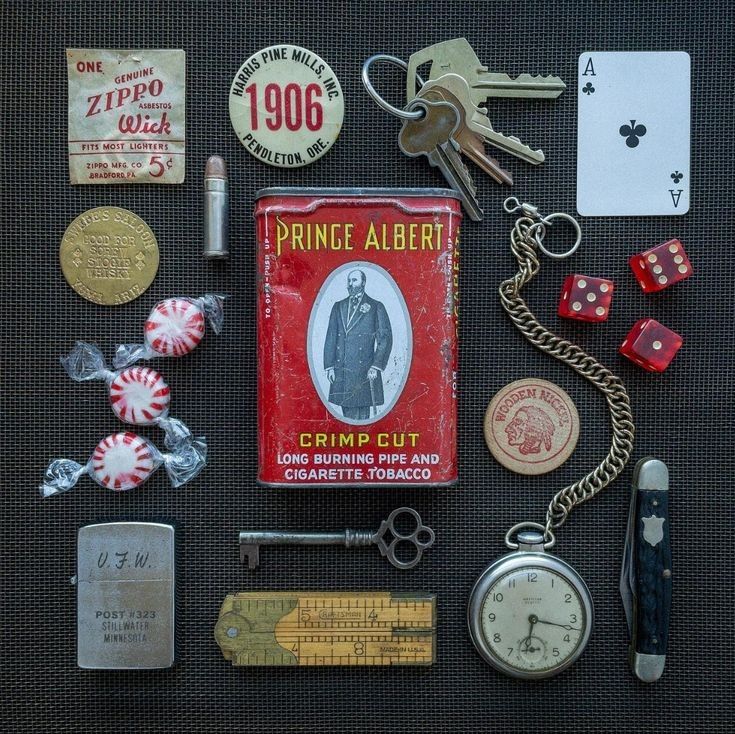
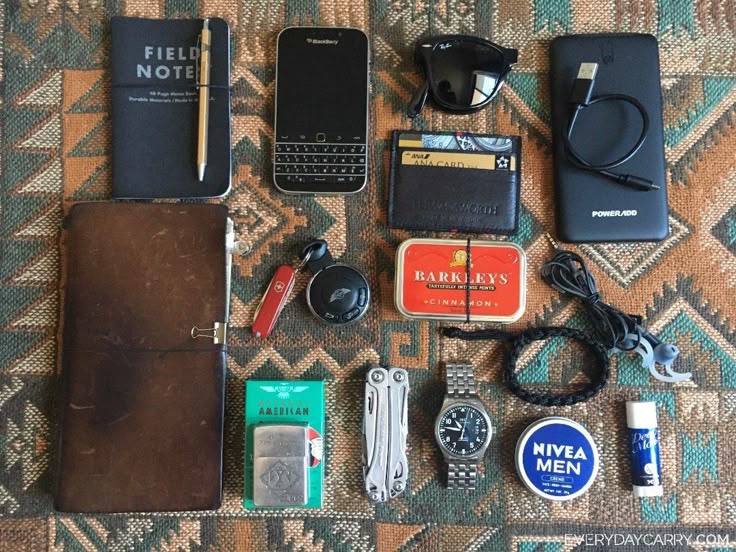
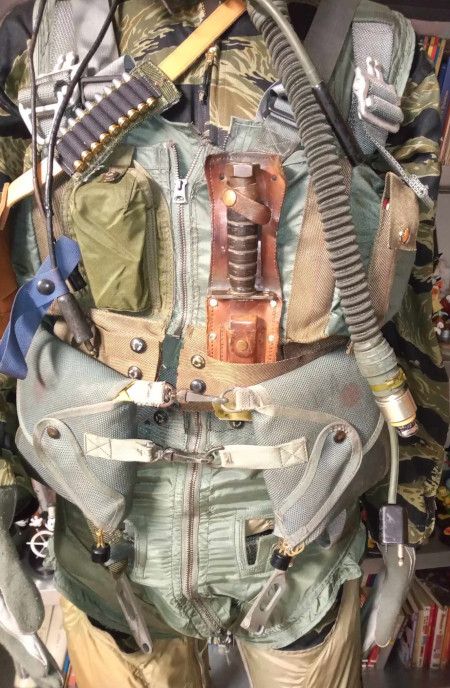
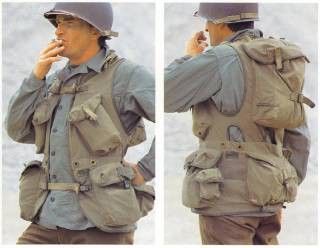
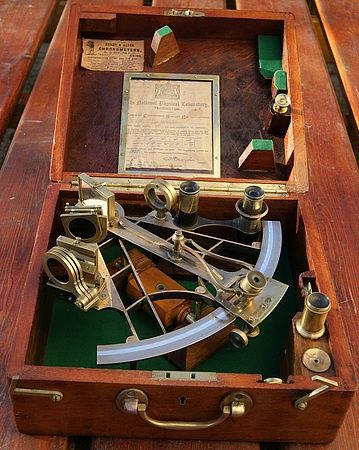
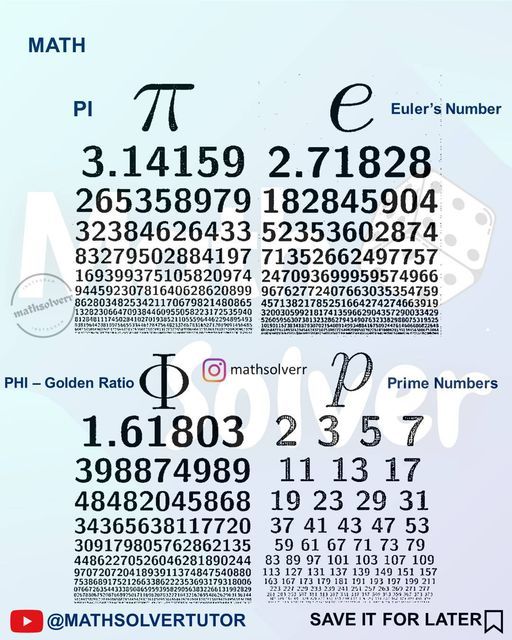
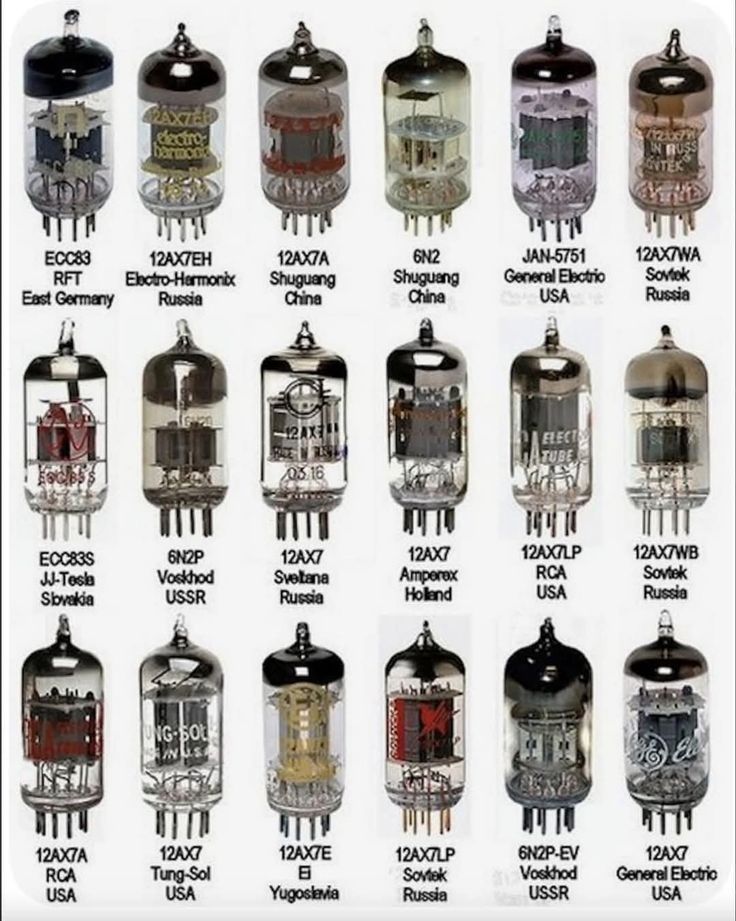
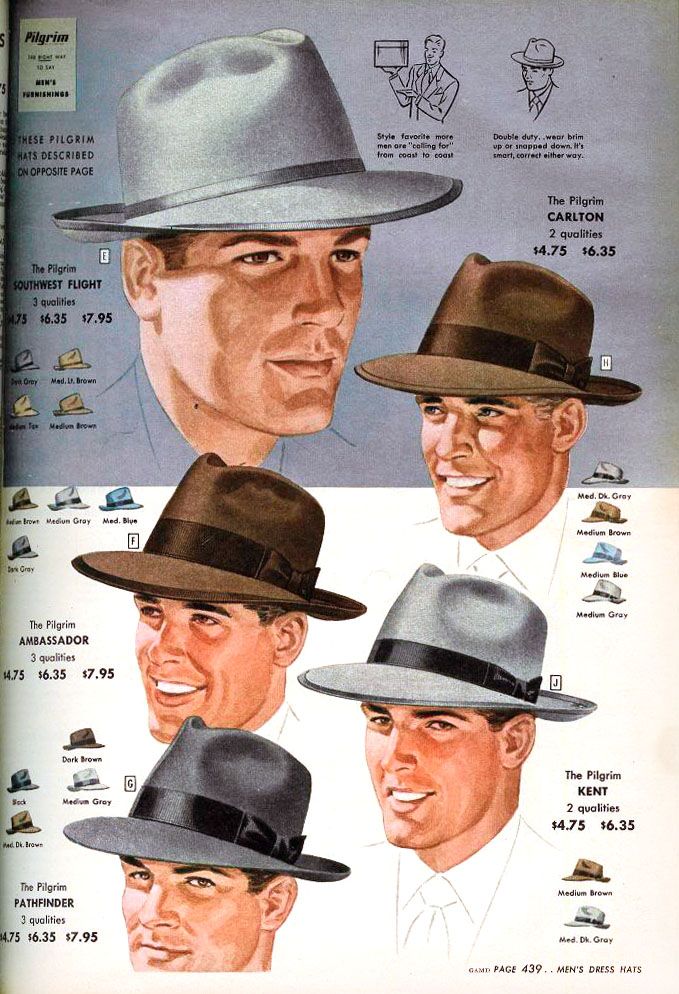
You go onto the internet and come across this stuff “everyday carry”. Hum. The only things that I everyday carry is my cell phone. Here in China we don’t need keys, money, or wallets any more. It’s all electronic. Anyways, here’s some everyday carry images for your amusement…
Today…
Sir Whiskerton and the Multiverse Mailman
Ah, dear reader, welcome once again to the whimsical, hay-scented chaos of Sir Whiskerton’s Farm1. The air hung thick with the aroma of freshly turned earth and a certain faint, persistent whiff of Professor Quackenstein’s latest pond-water experiment2, a smell Sir Whiskerton found conducive to his philosophical pursuits.
Sir Whiskerton, the farm’s self-appointed detective and feline philosopher3, was meticulously organizing his sunbeam when a shadow—not a normal, relaxing shadow, but an aggressively nervous, human-shaped one—fell over him.
It was Percy the Postman.
Percy, a wiry man whose hands trembled like a poorly tuned tambourine5, adjusted his spectacles and clutched his mailbag—a bulging satchel containing not just local circulars, but parcels stamped with incomprehensible, glittering runes.
“S-S-Sir Whiskerton!” Percy squeaked, his voice quivering like a struck tuning fork6. “I have a situation. A… a multiverse situation.”
“Good grief,” Sir Whiskerton sighed, adjusting the monocle he didn’t strictly need7. “I told Professor Quackenstein that trying to use his flux capacitor to power the self-stirring chicken feeder was a bad idea. Did we get another temporal surge?”
“Worse,” Percy whispered, leaning in conspiratorially, “I accidentally delivered interdimensional mail on my route. This entire bag is from other realities. Sector 7-Beta-Prime, the Alpaca Cluster, the Dimension Where Gravity Is Only a Strong Suggestion…”
Percy dumped the contents of the bag onto the porch. A small, square package immediately slid off the pile. Rufus the Dog, the farm’s resident tail-wagger, instantly began barking with furious intensity8.
The package was wrapped in brown paper and labeled, in bold, aggressive letters: “DO NOT PET.”
“See?” Sir Whiskerton murmured, not looking at Rufus, who was now performing a dramatic interpretive dance of canine outrage. “The sheer irony of labeling something with a warning that only encourages a dog to engage with it. It’s a study in reverse psychology, or perhaps just a cruel joke from a dimension where dogs understand negation.” (Joke 2: Rufus barks at a package labeled “DO NOT PET.”)
Percy, oblivious to the philosophical debate, pointed a trembling finger at a pink, scented envelope on the ground.
“That one,” he gulped. “That’s the one I need to worry about.”
It was a love letter. It was addressed to ‘The Farmer’, and it was signed, in elegant, looping script: ‘Your Dearest Martha, from the Dimension of Gentle Humming.’
The Farmer was in the barn, having a very intense discussion with Bartholomew the Piñata about the structural integrity of scarecrows.
“Now Bartholomew,” the Farmer was saying, adjusting Bartholomew’s perpetually bewildered cardboard eyes, “if the scarecrow has feelings, does he need a union representative? This is what separates us from the geese, Bartholomew: ethics.”
Percy, still jumpy, thrust the pink envelope into the Farmer’s hand.
The Farmer opened it and read the contents aloud, his voice taking on a dreamy, faraway quality:
“My Dearest One, I often hum when I think of you, grazing peacefully on the Jade Cloud Range. Your glorious coat, your gentle (if slightly judgmental) chewing… I wish you would answer my messages, but I understand the difficulty of manipulating a stylus with a cloven hoof. Please, my beloved Llama-Husband, cross the dimensional divide and bring me a bale of your perfect alpaca hay. With all my heart, Martha.”
The farmer blinked, looked at the letter, then at Sir Whiskerton, then at his own two feet.
“Martha? Llama-Husband? Alpaca hay? Well, Sir Whiskerton, this is quite confusing. But… I am wearing my alpaca-wool socks today. Perhaps this is fate.”
Sir Whiskerton rolled his eyes so hard he nearly displaced his monocle. “Farmer, you have been confused by a rusty doorknob. This letter is clearly from an alternate reality where your counterpart is, statistically speaking, an over-caffeinated llama.”
The Farmer’s face lit up with an uncanny, misguided determination.
“Then I must woo her!” he declared, slapping his thigh. “If a llama version of me is worthy of love, then I must be worthy too! I just need to learn the customs of a majestic, spitting ungulate!”
The Farmer immediately began practicing. He tilted his head back, wiggled his jaw, and attempted a sound that was a terrible cross between a rusty gate and Daffy the Duck’s worst quack. He then tried to affectionately nuzzle Rufus, who mistook the gesture for a threat and retreated behind a hay bale. He then attempted to “spit” a token of affection—a small, slightly chewed turnip—in the direction of Sir Whiskerton.
“Dear Martha of the Llama-Dimension,” the Farmer cried, performing a high-kneed trot that was less “llama” and more “man who found a spider in his overalls.” “Behold my magnificent woolly spirit!”
Sir Whiskerton dabbed his cheek with a paw, narrowly dodging the turnip. “Goodness,” he muttered. “He’s attempting to woo the llama version of himself. The absurdity is quite staggering. I suppose a confused farmer is still a universal constant.” (Joke 1: The farmer tries to woo the llama version of himself.)
Sir Whiskerton decided enough was enough. The multiverse was one thing, but the farm’s daily nap schedule was sacred.
“Percy,” Sir Whiskerton stated, stepping delicately over the “DO NOT PET” package, “The problem is not the mail; the problem is the recipient’s ability to process self-acceptance.”
He pointed a paw at the letter. “The theme of this narrative, whether it is from the Alpaca Cluster or simply a mislabeled Amazon delivery, is that love is transdimensional. The alternate Martha is in love with the qualities of ‘The Farmer’—the quiet care, the peculiar mind, the tendency to talk to Bartholomew. These are traits shared across dimensions.”
He then focused on the Farmer. “Farmer, if a Llama-You is loved for his inherent goodness, then the Human-You is equally worthy. No spitting required.”
The Farmer paused his awkward, wooing trot. He looked at the love letter, then at his hands. “So… I don’t need to learn to carry heavy loads across treacherous mountain passes?”
“Only if you want to,” Sir Whiskerton said kindly. “But for now, acceptance will suffice.”
Percy, relieved that the detective had cracked the case using philosophical deduction rather than a complicated gadget, began reorganizing the mail. He found the farm’s actual mail—a coupon for half-price hay and a brochure for a “Subterranean Jazz Den” run by moles13.
“Thank you, Sir Whiskerton,” Percy said, his hands only trembling slightly. “You’ve saved me from a disciplinary review by the Multiverse Postal Service.”
“Merely a day’s work,” the cat replied, dusting his paws off. “Now, if you’ll excuse me, I must ensure Jazzpurr hasn’t started playing the bongos near the geese again; we can only handle one dimension of chaos at a time”14.
The Farmer, having regained his composure, carefully tucked the llama love letter into his pocket. “A beautiful message, Sir Whiskerton,” he said. “Transdimensional love, indeed. I think I shall frame the turnip.”
And with the cosmic balance restored, Sir Whiskerton returned to his sunbeam, ready for a well-deserved nap. The mail was correctly sorted, the Farmer was quietly humming a new tune of self-acceptance, and Rufus was still barking at the “DO NOT PET” box, which was now vibrating slightly.
Moral:
Love is Transdimensional (and Self-Acceptance is Universal): True love, whether romantic or self-directed, transcends physical appearance, species, or reality. If an alternate version of you is worthy of love, then so is your current, peculiar self.
Best Lines:
- “My monocle costs more than your entire life’s supply of existential dread.” – Sir Whiskerton (on the absurdity of the situation).
- “The sheer irony of labeling something with a warning that only encourages a dog to engage with it. It’s a study in reverse psychology.” – Sir Whiskerton.
- “I just need to learn the customs of a majestic, spitting ungulate!” – The Farmer.
- “The problem is not the mail; the problem is the recipient’s ability to process self-acceptance.” – Sir Whiskerton.
- “I merely want to ensure Jazzpurr hasn’t started playing the bongos near the geese again; we can only handle one dimension of chaos at a time.” – Sir Whiskerton.
Post-Credit Scene:
Percy the Postman delivers the “DO NOT PET” package to the correct address in Sector 7-Beta-Prime. The recipient is a tiny, perfectly normal hamster named Barnaby. Barnaby stares at the aggressive label, sighs, and then puts the box on a high shelf labeled “MY INHERENTLY PET-ABLE THINGS.”
Key Jokes:
- The Farmer Tries to Woo Himself (Joke 1): The farmer, in his confusion, attempts to “woo” his llama counterpart by performing a terrible, high-kneed trot and attempting to affectionately spit a turnip at Sir Whiskerton.
- Rufus vs. The Label (Joke 2): Rufus the Dog barks non-stop at a package aggressively labeled “DO NOT PET,” demonstrating canine-specific reverse psychology.
- Sir Whiskerton’s Sarcasm: Sir Whiskerton deduces the time-space anomaly was caused by Professor Quackenstein trying to use a flux capacitor to power the self-stirring chicken feeder.
Starring:
- Sir Whiskerton (胡子爵士): The Feline Philosopher of Physics and the Arbiter of Self-Love.
- Percy the Postman (帕哆嗦): The Jittery Human Who Accidentally Distributed the Multiverse.
- The Farmer: The Earthly Incarnation of an Alpaca-Loving Llama.
- Rufus the Dog: The Loyal Canine Who Took a Personal Vow Against All Un-Pet-Able Parcels.
P.S.
Never underestimate the power of a well-placed postage stamp, or a poorly aimed turnip. Sometimes, the most important lesson you can receive is from a version of yourself who lives three dimensions away and chews cud for a living. Be kind to that other you. You’ll never know when he’ll send you a letter.
When did you realize your parents were bad cooks?
When I went off to university I had never lived away from home before, and had grown up on my Mom’s home cooking.
I moved into a very large dormitory nicknamed “The Zoo”. It had a very large cafeteria staffed by old ladies in white smocks and hair-nets.
Dinner the first Tuesday night was roasted chicken. I took my tray of food to the seating area and joined my fellow scholars, who had arrived from far and wide, with various upbringings and food traditions.
Everyone else at the table was saying, “Eew, this chicken is so gross, let’s get Swiss Chalet.” (I.e. take-out chicken.).
Yes, the chicken was over-cooked, from sitting in the warming pans for maybe an hour. Yes, it was rubbery and salty, yet still somehow tasteless, with bland side-dishes.
But I loved it.
I even went back for seconds. My mom’s chicken was sometimes burnt, or sometimes still red-pink inside. Never the same twice, and usually hard to eat. I had just gotten used to it.
The next night it was hamburgers. Again, over-cooked from sitting in the warming trays, and salty, with a side-order of bland. Everyone hated it, but I wanted more. And fries, too! I was in heaven.
At home, burgers were often cheap, nitrate-injected pucks of non-meat filler, and either too pink or too black to eat. Lots of ketchup, mustard and relish were needed to get it down. That was just normal for me.
Next night: lasagna. A similar story.
The night after that: tacos and burritos. Same reactions – everyone else hated it; I loved it.
This went on at every meal, all week.
Then Tuesday night came around again, and it was roasted chicken again, cooked exactly the same way as before. Exactly the same!
The next night, burgers again. Cooked just the same again. And fries again!
That’s when I realized: it was going to be the same seven dishes, on the same nights of the week, cooked exactly the same way, every single time.
And it was going to be that way, for the next EIGHT MONTHS.
Everyone else was disgusted.
But I was soooo happy, that I nearly cried, right there at the cafeteria table, in front of my new friends.
Because this was the best, most consistent food I’d ever had, in my whole 19 years of life.
And that was when I realized:
My Mom was a terrible cook!
—
[Edit note: lots of views, so I fixed things up a bit for an Enhanced Reader Experience.]
—
Update: something I just remembered.
As a kid, I hated spinach, despite all the claims that it would make me strong like Popeye.
Years later, someone asked me why I didn’t like it. I said, “Because it is so gritty, and it hurts my teeth.”
That’s when I found out that most spinach is grown in sandy soil.
So when you get it home, you are supposed to wash it, to get all the sand out.
I’d been eating sandy spinach my whole life.
—
Update Again:
At that cafeteria, I once found a metal staple in the mashed potatoes I was chewing. And my friend Rob found a piece of orange plastic in the sliced carrots.
But it was still the best food I had ever eaten.
American Shocked by Europe’s Weird Effects on the Body
What are the thoughts of ordinary citizens in Russia about the economy and the future? The value-added tax in Russia is being increased to 22 percent. – There are no other sources of taxes left, says a former employee of the Russian Central Bank.
Hello. This is Brutalsky. I like pancakes. Every Russian does. We have Pancake House. It is called Teremok. It means House in Russian. Pancake House in Russia is called House. It is very expensive to eat out for office plankton. I do once a month. Or holiday. I come with my daughter Margot. We order two pancakes with kolbasa and cheese.
We also order borscht and pea soup. We have too much silverware. Unfortunately it’s not edible. Only one napkin. I wish it were edible too.
Borscht – beet soup, is small. Dish is beautiful though not symmetrical.
My daughter eat borscht. She like very much. I tell her joke I heard from friend about California. “My son came back from California. She’s doing very well.” She not understand.
I eat pea soup. It gives flatulence. I need at least five more helpings. I don’t think I ever come back to House.
Margot sliced her pancake into three parts. She says she needs two more but they cost about one bag of groceries.
This is uzvar. It is traditional Ukrainian infusion made from dried fruits. Ukrainian cuisine is in fashion in Moscow in 2025.
She has black tea with lemon.
It is Ceylon tea in shape of pyramid. We had to go home afterwards to have a proper sized meal. This was just enough for appetizers.
Outside in the metro passageway a man is playing on balalaika. Is Russian national musical instrument. I hope you enjoy tour of House. Have a tasty and more importantly big meal.
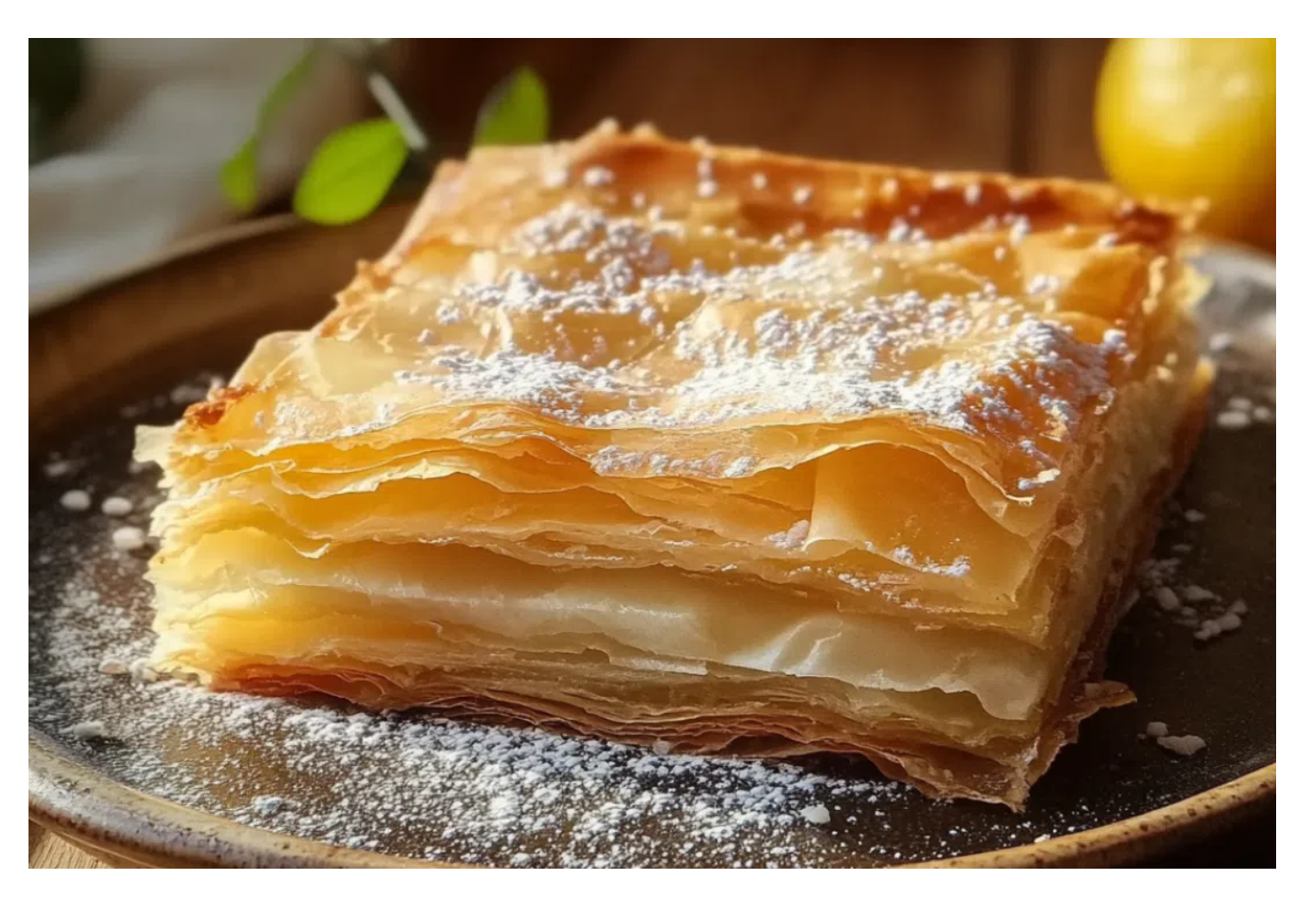
Bongatsa (Custard Filled Pastry)
Ingredients
Pastry
- 2 cups (4 sticks) unsalted, clarified butter
- 1 (16 ounce) package phyllo dough
Custard
- 9 cups milk
- 2 1/4 cups granulated sugar
- 1 1/2 cups (3 sticks) butter
- 1 1/2 tablespoons vanilla extract
- 3/4 cup Cream of Wheat
- 3/4 cup Cream of Rice
- 9 eggs
Topping
- 1/3 cup honey
- Confectioners’ sugar
- Cinnamon
Instructions
- Butter an 11 x 8 inch pan.
- For custard, in saucepan over low heat, bring milk, sugar, the 1 1/2 cups butter and vanilla extract to near boil. Stir constantly, gradually adding cream of wheat and cream of rice. Stir until thick. Empty into bowl to cool.
- Place layer of phyllo and brush with melted butter. Continue until half of sheets are used. Wrap remaining phyllo in plastic to keep from drying.
- Beat eggs; add to cooled custard mixture. Pour into pan. Lay leftover sheets in same manner. Cut into 6 equal strips, then sprinkle with water. Bake at 325 degrees F for 45 minutes.
- When cool, cut into diamond shapes and drizzle honey or syrup sparingly over top.
- Sprinkle with confectioners’ sugar and cinnamon.
the STUPIDEST country on Earth!
The President of the United States is posting AI generator videos making fun of the government shutdown.
You’re the TV
Written in response to: “Center your story around someone who has (or is given) the ability to time travel.“
Carina Caccia
“Melissa… We can postpone if you’re not ready.”
Melissa sighed. “Are we ever?”
She downed a glass of water, audible gulp, and closed her eyes. Inhale, exhale. And very quickly, from years of practice, she slipped into Theta.
*
Welcome mat like a large cork coaster, floral border in red and yellow and green. Melissa rang the doorbell and muffled Mozart played once, then twice. Her stomach curdled like milk – something was off.
“I’m not answering,” she mumbled, eyes clamped shut, forehead vein like a vine.
“Try the window,” said Nora, leaning back in her chair and biting the butt of her pen.
And so Melissa did, she tried the window, stumbling over flowerpots, their occupants bowed and withering. The sliding of glass. A pane smudged with fingerprints. She squeezed through the frame, out of sunshine and birdsong, and into the silence of a pristine kitchen. Dishrack full, crockery so white it winked. Pessoa on the counter half-read, shadow of a white lace curtain projected across the checkered linoleum.
Fridge, empty. Instant noodles in the pantry. A Snickers wrapper in the otherwise empty bin. There was little else there in the kitchen – uninhabited, it almost seemed.
Melissa peered into the next room – unopened letters in the hallway beneath the front door. She leant down only to find her full name, as small as thread, in each of the envelope windows. Red stripes, red stamps. Her stomach sank.
“Is everything alright?” came Nora’s voice as though over a PA system.
Melissa didn’t respond – a smell, something sickly sweet like rotten meat, lured her down the hall to the bathroom door where she turned the knob.
A strangling stench. Her head throbbed. A buzz as loud as a beehive – and a fly, green and bottle-eyed, diving through the crack.
Melissa? Nora’s voice, ignored.
Wine bottle on the floor. Aluminium blister pack, like a domino, empty.
A hand—Melissa gagged—a hand, swarmed with black and white, overhanging the bathtub. Grains of rice, only grains of rice – squirming grains of rice.
Her insides emptied themselves onto the tiles. Burning throat and nose, acid eyes, maggot-ridden mind, and swarming flies. Retreated – she retreated, stumbling.
*
Nora was monitoring the screen, sipping at green tea, when Melissa’s brainwaves shot from Theta into Gamma.
Thud of porcelain against wood as Nora abandoned her cup and rose to her feet.
A metre away Melissa removed the cap with jittery hands, as careful as one in a minefield. Don’t move. Stillness. And the silver time dish, like a metal frill-necked lizard, seemed to glare at her, an inanimate object registering, at least to her nervous system, as a threat. Frozen and wide-eyed she sat.
“What did you see?” asked Nora, hurrying to her bedside.
No response.
Nora knelt on the white carpet and took Melissa’s hand in hers. Cold and clammy, it was, nail beds turnip white.
“It’s not fixed, Melissa. What you saw – it isn’t fixed.”
At this, Melissa lifted her head and the women’s eyes locked like a Chinese finger trap. Neither blinked for a minute. A transmission of sorts.
“All it means,” said Nora, “is that your energy is in homogeneity with that future right now.” She’d had this conversation before – once, believe it or not, on the receiving end. She rose from the carpet, poured a second cup of tea.
Melissa accepted, hands abuzz like a room with voices. And the tea, it rocked, it sloshed against the cup’s lip.
“So,” she managed, swallowing, “I’m on a collision course with that future?” as though it were a meteoroid hurtling towards her.
“You could say that. But it isn’t real, not yet.”
“So, what is it if not real?”
“A potential reality,” said Nora. “And judging by your reaction, one that you’d like to avoid.”
“Right, and how so?”
“Change.”
“But grief has become my identity,” managed Melissa. “I don’t know who I am without it.”
“You’re the TV.”
“What do you mean?”
“You receive signal but at the end of the day it’s you who turns it into something – into images, sound, reality. You convert the invisible into something perceptible, something real.”
“But it was all already out there, wasn’t it?”
“Exactly – there are a million superpositions waiting to be collapsed, to be realised. But whatever signal you pick up, whatever you’re in consonance with, is ultimately what you bring into fruition, what you collapse into being.”
Melissa nodded. Pursed her lips. Something was still shaken behind her eyes.
“You’re not grief,” said Nora. “You’re just vibrating at that frequency.”
“Right.”
“So, what did you see?”
Self-fulfilling prophecies – not only do they work backwards; they work forwards, too. It’s no mystery you go wherever you believe you’re going, and you needn’t a time machine, a time dish or clues to tell you as much. Because despite your doubt and disillusionment, your deterministic sense of defeat, your damning naïveté and foredooming self-deceit, you – you’re the TV. What, don’t you believe me?
Star Trek – Cestus III Outpost
Pictures























What is the most dangerous selfie ever taken?
It is definitely this couple, or something similar:
This new high-wire trend of people getting social media attention by taking dangerous selfies has had many tragic ends.
They often involve breaking the law, trespassing past multiple signs that say do not enter. They also drain resources from the city as fire trucks and police vehicles are assigned to these incidents.
This activity is also called the ultimate selfie. And typically looks more like this:
But people keep pushing the limits and hundreds die each year.
That’s many more than die from shark attacks and many other activities.
Please, don’t be a jerk and throw your life away just to show off a picture on social media.
A Shotgun Through Fog
Written in response to: “Center your story around someone who has (or is given) the ability to time travel.“
Daniel Rogers
“You must stop her!” The dying man coughed up blood. “The Lion must survive!” He fell, but regained his balance. “If she succeeds. Earth will undergo a hundred-year civil war. The Earth you know will never exist.”
He attempted to speak again, but started convulsing, and fell face down on the concrete sidewalk. I checked for a pulse, but he had none.
Absentmindedly wiping his blood off on my suitcoat, the trauma slowly began to sink in. A man died right before my eyes—a man who appeared out of thin air, like a magician.
The device in my hand grew heavier, as if it were trying to get my attention. The strange markings began to glow green, then slowly flickered in a rhythmic pattern.
A fog-like substance billowed in from beyond the dorms and educational buildings surrounding me, blocking out the campus from my sight. It drew closer, covering the street, then the sidewalk, before engulfing me. A metallic smell overwhelmed me, and I couldn’t breathe. Then the fog vanished, and I no longer stood in the middle of my college campus, but in an empty room.
The device lay at my feet, but I have no memory of dropping it, and to my shock and horror, in its place, I held a shotgun. Taking a quick look around, it became clear the device had transported me from my university to this desolate room. It didn’t have any furniture. A small kitchen sat in the corner, and next to it, a tiny walled bathroom—a typical studio apartment, but one that nobody lived in for years. Cobwebs filled the corners and windows, and a thick layer of dust covered the wooden floor.
I took a second look at the floor. There were footprints in the dust.
My adrenaline pumped as I suddenly felt a presence in the room. In the shadow of the main door stood a woman with her back to me. Had she been here the whole time?
“Another time-cop!” She said without turning around. “Are you going to shoot me or take me in?”
I’ve been aiming the shotgun at the back of her head since I arrived, like I had traded places with the dead man. I’ve never shot a gun in my life, but my finger lightly pressed against the trigger, like I knew what to do.
“Who are you?” I asked, as I carefully relaxed my trigger finger.
“You don’t know? Aren’t you a time cop?”
“I’m a professor at Danville University.”
She snickered. At least I thought I heard her snicker. “Would you mind if I turn around?”
Something told me to say no, but instead, I only gripped my gun tighter and said yes, but told her to raise her hands. There must be a reason I’m pointing this gun at her. She is likely the assassin the man warned me about.
She turned. Her black hair and bold blue eyes struck me like a slap across the face. I don’t know what I expected, but it certainly wasn’t this specimen of feminine perfection.
I didn’t know what to say, so I just repeated my question.
“I’m the good guy here,” she smiled. “Why don’t you put that gun down? No one is going to kill the Chancellor today.”
“The Lion?”
She tilted her head in surprise, “His political opponents gave him that name. Now he proudly claims it for himself.”
“Then you must be the one.” I stared into her eyes. How could I shoot her? Even to stop a hundred-year civil war? I’m not a killer.
She could see the conflict in me. “If you allow me to walk out of here, you’ll return to your time. None of this matters. Just go back.”
I wanted to let her go. It isn’t my fight. It’s none of my business. Or is it? What if my father fights? What if he dies before having me? I won’t exist. Even if I do exist, there won’t be a Danville University. A world at war doesn’t need higher education? Everything I know will cease to exist.
“I can’t let you do that.”
She lowered her hands slightly. “You’re not a killer. I can see it in your eyes. Just let me go, and you can return to your university like nothing ever happened. All you have to do is lower the gun, and all will return to normal.”
Is she correct? Could everything go back to normal? What if the time cop is wrong? I don’t want to kill her. It would be easy to lower my gun. I wouldn’t be doing anything wrong. I don’t even belong here. It’s not my responsibility.
She grew impatient, “I’m not going to keep standing here. Either you’ll have to shoot me, or I’m leaving. It’s your choice.”
The device lying on the floor lit up and began vibrating. A strong desire to ask for her name overcame me, like the device had given me the idea.
“Before you go, tell me your name. I want to know if I’m doing the right thing.”
She smiled and lowered her hands. “My name is Veronica Windmiller.”
That name is familiar. I’ve read about her somewhere. Then it hit me. She saw the change in my eyes and tried to dash out of the room, but she was too slow. I pulled the trigger. She lay dead at the threshold of the room.
The fog returned, and the studio apartment evaporated, replaced by the familiar grounds of Danville University.
I ran to my office, frantically searching through my collection of out-of-print history books. As a professor of history, I’ve been collecting for most of my career. I found the two-hundred-year-old textbook I wanted and flipped through the pages until I came to the chapter on Chancellor Lionel.
I couldn’t remember much about this little-known World Chancellor. I most certainly don’t remember anything that would make me believe his assassination would cause a worldwide civil war.
He died of pancreatic cancer only six months into his chancellery, but before he died, he began talks with the Landnorians, the first alien race to agree to speak with us. Almost everyone credits Lionel’s successor for leading Earth to join the Union of Systems, but Lionel actually began the process.
I set the book on my desk. So, if Lionel hadn’t begun the talks, his successor would have dropped the ball somehow, plunging Earth into the worst war in history.
The history professor in me gobbled this information up, but I still hadn’t found what I needed to sleep tonight. I skimmed around until my heart jumped. The author only made a passing reference, a mere mention that an unknown hero thwarted an assassination attempt on Chancellor Lionel by a woman named Veronica Windmiller.
I sighed in relief. It pays to know history.
Egyptian Feta Cheese Salad
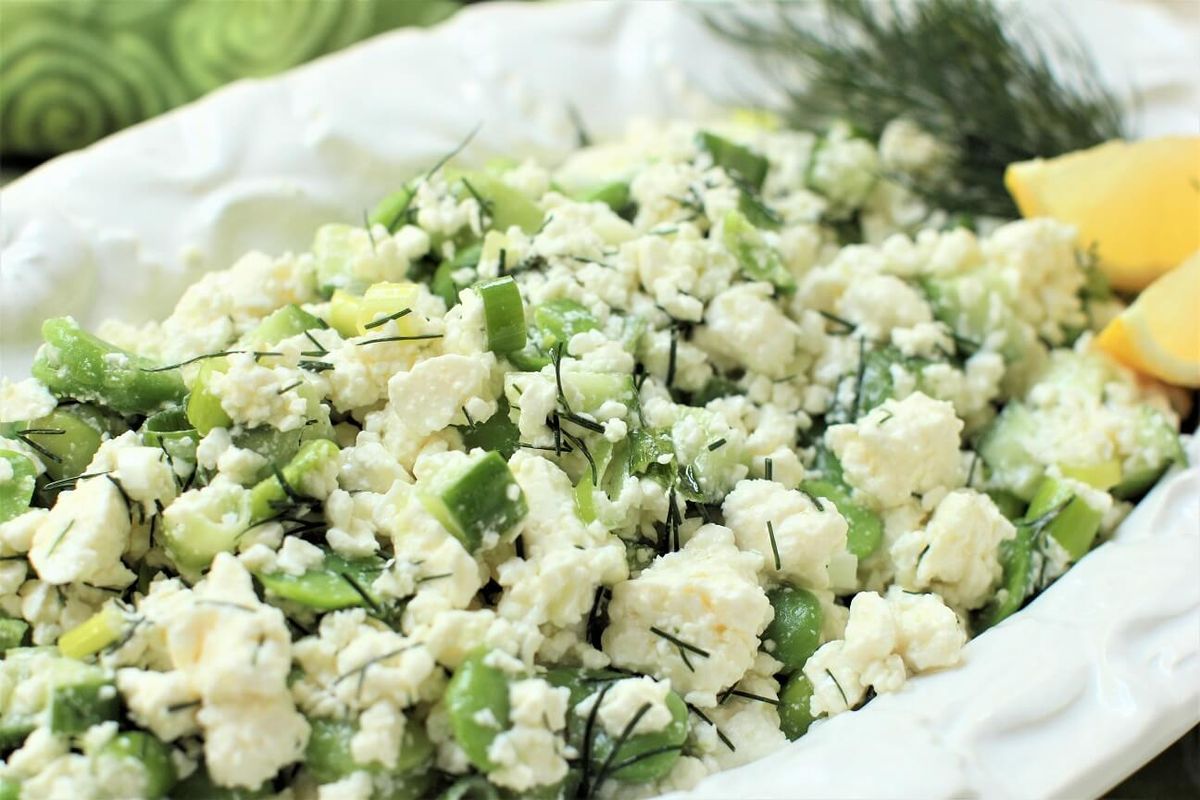
Ingredients
- 1 large cucumber, peeled, halved lengthwise, seeds removed
- Salt
- 12 ounces feta cheese, drained
- 1/2 cup finely chopped mild onion
- 1/4 cup lemon juice
- 1/4 cup olive oil
- Freshly ground pepper
- Mint sprigs
Instructions
- Score cucumber with tines of fork. Sprinkle with salt and let stand for 20 minutes.
- Crush cheese with fingertips or fork and mix thoroughly with onion, lemon juice and oil. Season with pepper.
- Drain, rinse and slice cucumbers.
- Combine with cheese mixture.
- Place in shallow serving dish and decorate with mint sprigs.
- Chill for about 30 minutes before serving.
What’s the best thing you have ever said in an interview?
The truth.
Plus I think it resulted in the shortest interview on record and the most verbally abusive.
I saw a job advertised with a company called Pioneer Concrete near Bristol, England.
The job title was Plant Manager so sounded right up my street as I had an engineering degree and a few years’ experience.
I had visions of being in charge of a team of people producing tons of concrete powder and sending truckloads of bags on their way each day.
Sadly, I was hopelessly wrong.
Donning my suit, I set off for the interview.
I drove past the address a few times as it looked to me like a huge field of mud with a silo in the middle and a portable office by the side.
My car just about made it to the office and I stepped out into a good 6 inches of glutinous mud and entered.
Inside was a huge bear of a man lolling back in a chair wearing a high viz jacket, muddy boots propped up on the desk.
Me: I have come to see Mr O’Flahertey
Him: Oh yeah about what?
Me: About the job.
Him: Ah well tell me what you know about selling concrete?
Me: Nothing.
Him: Well in that case get the F*** out of here and stop wasting my time.
I hesitated briefly thinking that this was a ploy for me to come out with a witty riposte and get down to serious discussion.
I was very wrong, he saw my hesitation and this galvanized him into action.
He jumped to his feet and he was an impressive foe, at least 6′ 5″.
Him : Are you F***** deaf or what, get the F*** out of my sight.
I took the hint and retreated and mentally crossed off my list of job opportunities the possibility of being a concrete plant manager.
Oh well onward and upwards.