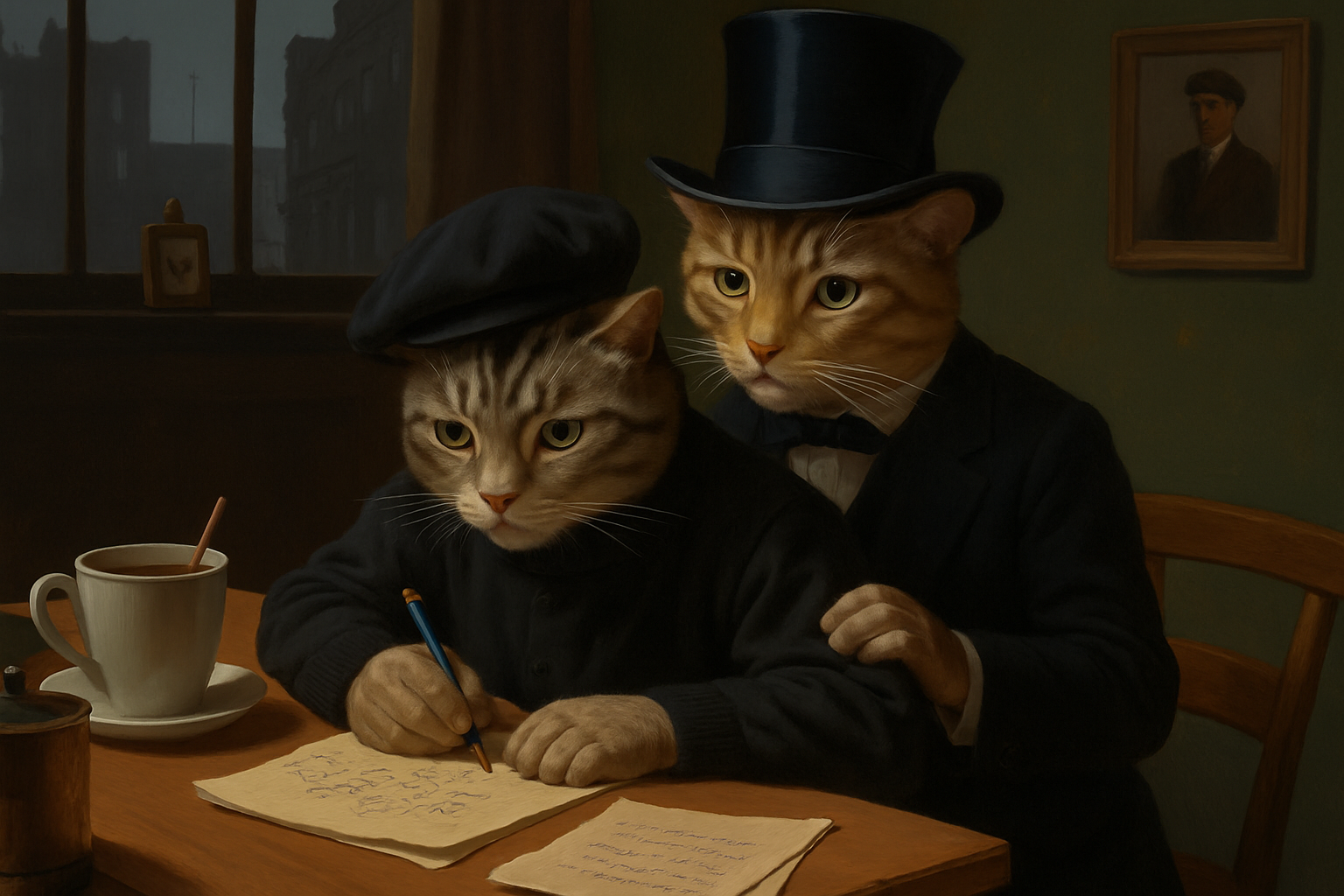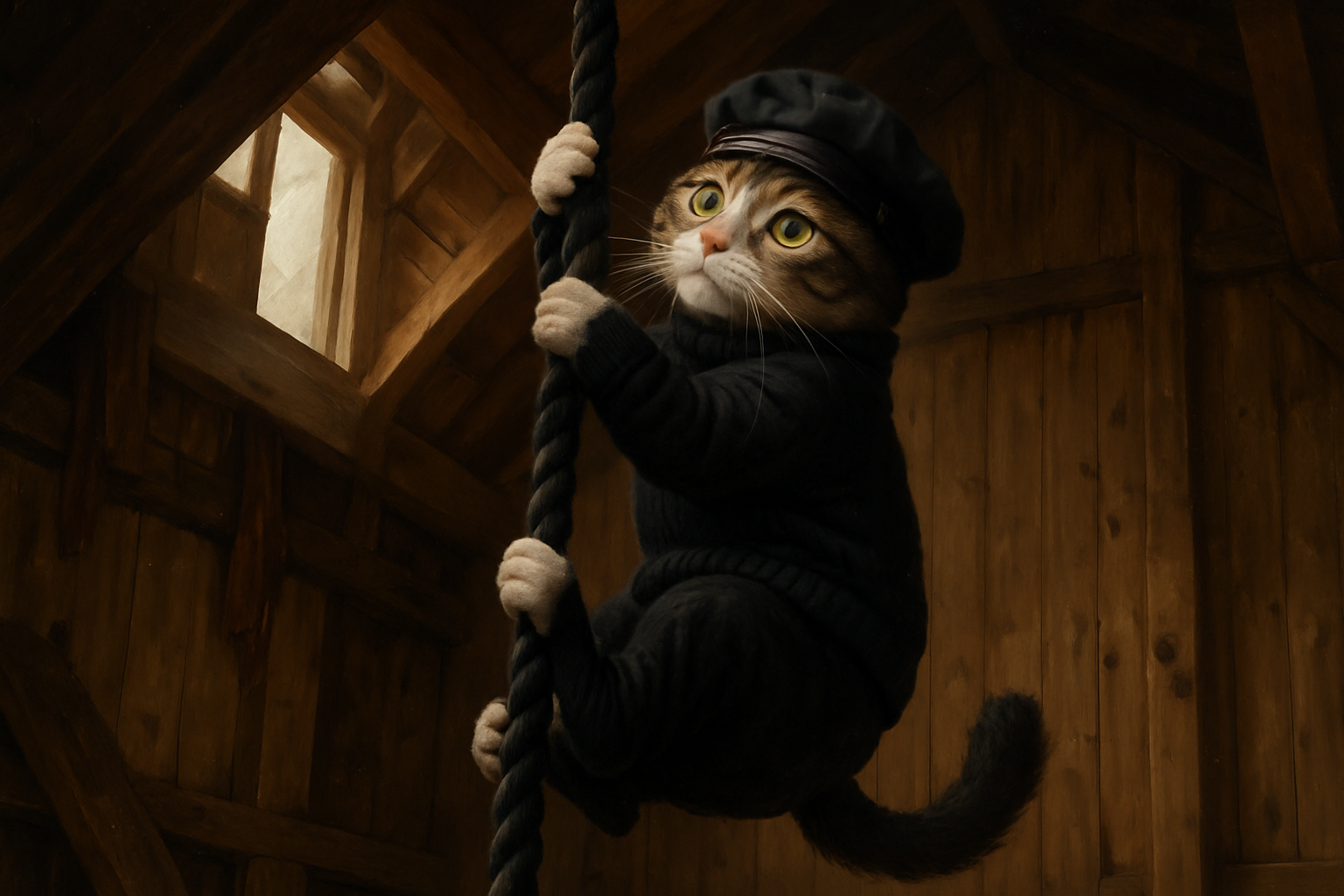
True partnership isn’t about grand gestures… It’s about who helps you with your messes

It was my teenage son who noticed it, not me. He was getting very obdurate about going to church and things got to a to nasty argument one day. I finally pinned him down as to what the problem was. Its the pastor, he said. He doesn’t like teenagers. He says some negative about us every Sunday. I’m not going back.

I didn’t believe it, so I made a bet with him. If he would come with me to church for the next two months and prove me wrong – he wouldn’t have to go back. He accepted.

It only took five weeks. Every sermon he he made – he took pains to to make some hateful criticism about teenagers. Their clothes. Their music. Their dating choices. Their interest in sex. Their supposed materialism. Their lack of interest in doing homework and rather being with their friends. Nag, nag, nag.

And then I noticed something else. In the entire congregation, I could scarcely see a kid over the age of ten anywhere. Or a young person even in their twenties. Thirties was rare. It was mostly grey headed people. And with each complaint about the short comings of teenagers – there was a smiling nod of agreement.

He was preaching to the choir.

I would have stopped and complained to the Pastor about his shortsightedness. About how he was chasing away any of the future congregation. How he shouldn’t have been insulting so many of his own congregation that way. But I knew it would have been futile. Because he believed it. And the congregation believed it. He was telling them what they wanted to hear.

So we left. My son was right.

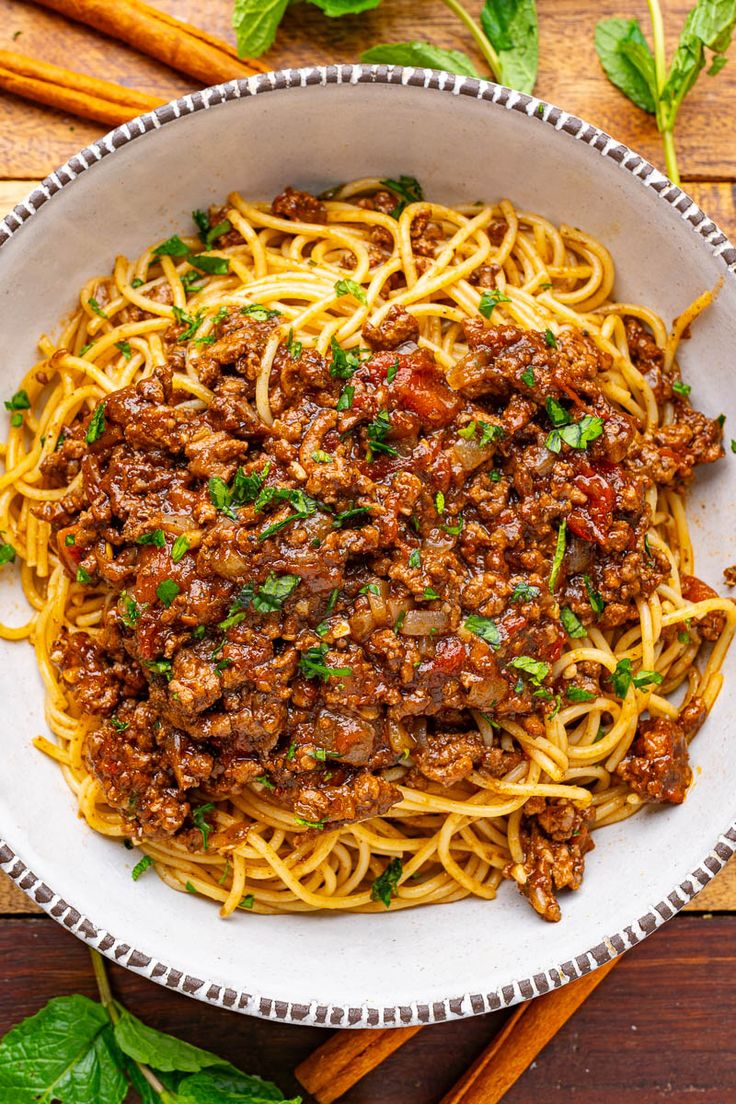
Makaronia me Kima

1201f989812a993c905427ffc4da3fc3

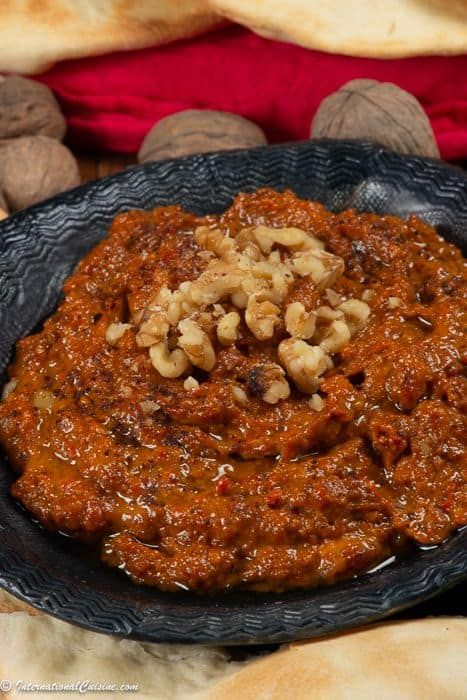
Looking for a dish that everyone will love? Makaronia me Kima is a timeless Greek classic that’s addictive for all ages. With tender pasta smothered in a rich, spiced meat sauce, it’s a comforting, hearty meal that never fails to satisfy. This recipe will guide you through creating this delicious staple, perfect for any occasion. And don’t forget to top it off with some grated halloumi for an extra layer of flavor!

Ingredients

  • ½ kg minced meat
  • 1 medium onion, chopped finely
  • 1 garlic clove, minced
  • 1 cup of water
  • 1 cup of tomato sauce
  • 1 tsp cinnamon
  • 1/2 cup of olive oil (100gr.)
  • 1 small bay leaf
  • 1/2 teaspoon salt
  • ¼ teaspoon sugar
  • 1/2 tablespoon black pepper
  • 1 cube of vegetable stock
  • 500gr dried spaghetti
  • 3 tablespoon halloumi cheese

Method:

First of all finely chop the onion.

In a saucepan place 1/2 of a cup of olive oil and fry the onion for 5 minutes until transparent.

Once transparent add the minced meat, garlic, and fry for 5-7 minutes.

Then add the tomato juice, the salt, sugar, cinnamon, bay leaf, pepper, 1 cup of water and the vegetable stock. Cook for about 30 minutes at a medium temperature, until all the liquid is absorbed.

In another large pot, add about 2,5 to 3lt of water to boil. Put a lid on the pot and wait until the water boils.

When the water it’s done, remove the lid, add the spaghetti, add a pinch of salt and stir. Cook ‘al dente’.

Place a colander in the kitchen sink and drain your spaghetti once done. Put the drained pasta back into the pot and add the meat micture. Stir and mix well.

Serve immediately topped with halloumi cheese.

I Discovered The Tactics And Mind Games Of THE FEMALE COVERT Narcissist

ksnip 20251026 121351

The Night the Sky Fell

Written in response to: People have gathered to witness a once-in-a-lifetime natural phenomenon, but what happens next is not what they expected.

Jennifer Fremon

Fiction

CharlotteWhen Charlotte was 11 years old, she met a boy named Jimmy by the lake. Jimmy had blond hair and blue eyes, and a smile that was as bright as the sun. He was carrying a stick with a fishing line and a hook attached to it. It was not a fishing rod, as those were expensive, for the families who owned the boats docked by the larger lake over in town. The big lake people lived here year round, had winterized homes and generators for the months where the entire town was buried underneath three feet of snow. The people at Smoke Rise Campground were mostly summer people, but not the kind who rented the fancy houses in town with king sized beds and jacuzzis in the yard. Charlotte and her family were the kind of summer people who stayed in the log cabins up the road with dormitory style beds on the second floor and a rope swing tied to the trees out back.They had been at the campground for over a week (evidenced by her suntan and the collection of bug bites on her legs) but this was the first time she had seen Jimmy and his fishing stick.He flashed that glowing smile and offered her the homemade fishing rod.“I can do the worm if you want,” he said.Charlotte wanted to protest, say that she was perfectly capable of baiting her own hook. Worms didn’t bother her, nor the mushy lake bottom, or the spider webs in the corners of the bathroom. Charlotte wasn’t one of those kind of girls. But Jimmy’s chest was puffed up all proud which made Charlotte smile. So she let him put a worm on the hook and she let him show her how to wade into the water holding the fishing line in her hand and then toss it out into the lake, even though these were things her father had already taught her years ago. And when she caught a fish, a tiny little thing, not even as big as her hand, Jimmy cheered and gave her a hug and Charlotte was thrilled.Charlotte smiled at the memory as she zipped up her backpack. Her son, Jackson, reminded her a bit of Jimmy. Jackson was 6 years old with bushy brown hair and dark brown eyes, and a fierce love of all things wiggly and slimy. Most of the kids at the park wanted to run, climb, speed down the slide face first, see who could jump off of the highest swing. Jackson liked all those things fine, but his favorite activity was crawling through the bushes in search of bugs or caterpillars, or digging underneath the dirt after a rainstorm to find the earthworms that were hiding there.Jackson was the only member of her family that was excited about this trip, albeit not for the meteor shower. But the potential of a “real lake” with fish and frogs and maybe even a turtle (!) was enough to have him bouncing up and down on his toes, pleading “Can we go now mommy? Are we leaving soon? Can we go right to the lake when we get there?”At least someone was excited. Michael had kept up a never-ending stream of complaints and questions ever since she had told him about the weekend. Did the cabin have hot water (usually yes, although it didn’t last very long so it was best to take very fast showers). Did the windows have screens? (Yes, officially all the windows were covered. As to the condition of the screens, one could only hope for the best.) Were the beds comfortable? Charlotte didn’t answer that one, although there were plenty of things she could have said. Starting with, it was a log cabin in the woods not the Four Seasons. Or, yes they were fine, exactly like the cots the preschool teachers put out at nap time. But instead she had smiled serenely and went back to describing the meteor shower. “Hundreds of them! Shooting across the sky! Did I mention the sky? There is no light pollution up there! On clear nights you can actually see the Milky Way!”Michael had frowned at that. “But the cabin has lights right?”At least he was speaking to her. The same could not be said for her 13 year old daughter who had refused to pack or even come out of her room all morning.It was only a 5 hour drive to the campground. They could all go five hours without killing each other couldn’t they?Charlotte sighed and went into the kitchen to pour herself some more coffee.MeaganEven over the hum of the music in her AirPods, Maegan could hear her mother in the kitchen, the bang of the cabinet doors, the sound of coffee pouring. Normally she found these typical morning noises cozy and familiar, not unlike the comforter she wrapped herself in every night. But not today. Today they were simply reminders of why she was so mad at her mother.Tasha had understood why Maegan was missing her party. All of her other friends got it too, they had shared a collective groan of sympathy, why were parents so annoying. Naomi had even offered to let Maegan stay at her house all weekend but Maegan knew there was no point in even asking.“Its this meteor shower thing this weekend. My mom is all excited. Something about reliving her childhood at some old creepy campsite upstate.”The truth was that the meteor shower actually sounded like it would be a cool thing to see, just not this weekend, not the weekend of Tasha’s 13th birthday.Maegan rolled over in bed with a sigh, wrapping the blanket around her like a cape. She knew it was only a matter of time before her mom knocked on the door. She hadn’t even packed yet. If she didn’t get up soon her mom would just throw some clothes in a bag and who knows what she would bring? Not that it mattered what Maegan wore. No one was going to see her in the woods. No one important, anyway.Maegan closed her eyes, her mind briefly conjuring up an image of a cute country boy with faded jeans and dirty boots. She pictured this imaginary kid reaching for her hand, while pointing up at a sky filled with thousands of stars.But that was all a fantasy of course. The only boy that was going to hold her hand on this trip was her little brother, and there probably would be a frog in it.Maegan heard the bathroom door close and the shower turn on, which meant she could stay in bed with her music a bit longer. She thought she might pack her favorite jeans anyway, the ones she would have worn to the party that night. Who cares if there was no one to see them?

Michael

Michael eyed the packing list on his phone one more time, before zipping up his suitcase. He was pretty sure he had thought of everything, but it never hurt to check again just in case. After all, there wasn’t a 24 hour Duane Reade in the mountains that he could just pop in to if he needed an Advil or some Tums, or some extra toilet paper.

When he felt satisfied that everything was in order, he left his bag on the bed and went into the kitchen. His wife was sitting at the table wrapped in a towel, a steaming mug of coffee in her hands. She smiled up at him when he entered.

“All set?”

He nodded. She had left another mug on the counter, which he rinsed for a minute in the sink before filling it with his own coffee.

“We should leave within the hour,” Charlotte said. “Beat the morning rush hour.”

Michael took the carton of milk out of the fridge, sniffed it just in case, and then poured some into his mug.

“You want to tell Meg that or should I?”

His wife sighed.

“I’ll do it after I get dressed,” she replied. “After all, I’m the one she’s mad at.”

Michael had nothing to say to that. He was not surprised that their 13 year old daughter did not want to spend the weekend in a dirty cabin in the woods staring at the sky instead of with her friends. While he sipped his coffee, he made a mental note to double check that he had packed the bug spray (he was almost positive he had but you could never be too careful). The last thing he wanted was to go home with a million mosquito bites. Or Lyme disease. Or, god forbid some brand new blood borne illness.

Charlotte placed her cup in the sink headed towards their bedroom. Michael rinsed it twice, put it in the dishwasher, wiped off the sink with a paper towel. He then sat back down with his coffee.

He knew that he could have flat out refused to go on this trip. He wasn’t 13 years old, or 6 for that matter. But Michael also knew all about his wife’s childhood camping trips: swimming in the lake, roasting marshmallows on long sticks discovered on the ground, staring up at the vast expanse of constellations while her father pointed out their names. He also knew that the Perseid meteor shower occurred every August, and that this summer was supposed to be the most spectacular one ever.

Michael hated bugs. He hated all things dirt related. He liked comfortable beds and places with reliable Wifi. He had never been camping, but he would bet a million dollars he probably wasn’t going to be a fan of that either. But he loved his wife and if her dream was to sit by her childhood lake and watch the stars fall, the least he could do was help make it happen.

Charlotte

It was a 5 hour drive to Pottersville, NY. Jackson slept most of the way, waking up only to say he needed to pee and ask if there were any Goldfish crackers. (There were of course, along with all kinds of other snacks. Charlotte was always prepared.) Maegan stuck her AirPods in both ears, turned her music up to full volume and ignored everyone. Michael put on a podcast and drove up the Thruway in the center lane at exactly five miles over the speed limit like he always did, while cars and trucks sped past him on both sides.

They arrived at the campground early in the afternoon; the sun glowing high above the lake. Jackson bounced up and down in the back seat, pointing at the dragonflies that skimmed the surface of the water, as they made their way slowly up the dirt road that led to the cabins. Theirs was called Eagles Nest, and appropriately looked like it was build from one of Jackson’s Lincoln Log toy sets. Maegan removed her headphones long enough to proclaim it “Horror movie worthy” before dropping her backpack on the living room floor. She then scanned the interior of the house. Her eyes brightened when she noticed a wooden ladder leading up to a loft style sleeping area.

“If anyone needs me, I will be in the creepy loft.”

Michael was also looking around, a nervous expression on his face. He ran his fingertips across the dining room table, examined the pillows on the couch, opened and closed the fridge. Finally he exhaled and went back to the car to unload the rest of the bags. Charlotte considered his lack of comment a win.

As for her impression, Charlotte thought the place had not changed a bit since she was 11 years old.

Jackson

Jackson waited patiently (or at least as patiently as a 6 year old could possible wait) while his parents unloaded their suitcases and backpacks from the car, and unpacked two bags of groceries into the fridge. But after the last carton of milk was put away, he couldn’t contain himself any longer.

“Now? Can we go now??”

His mother smiled at him. She then forced him to stand still while she slathered a pound of white, goopy sunscreen all over his face but that was ok. Sunscreen meant they were finally going to the lake!

His mom sat in a wooden chair on the shore while Jackson splashed around, diving his hands in and out of the mushy lake bottom, wading through the reeds that grew at the waters edge. He giggled as tiny little fish darted back and forth over his toes. But the highlight of the afternoon was when he found the frog. It was brownish green and slimy, with long wiggly legs and it squirmed when he held it in his hands. When he asked if he could bring it back to the house his mom laughed and said, “Why not? Just don’t let your sister see it.”

Charlotte

On the way back to the cabin, Jackson kept up a steady stream of excited chatter: Were there more frogs in the lake? Did she think there might be turtles, or even snakes?? Could he keep the frog in a jar on his dresser at home if he promised to take care of it all by himself?

For now, Charlotte allowed Jackson to put his frog in a large Tupperware bin that he found in one of the kitchen cabinets and told him that they would talk about the rest later.

She found Michael out behind the house, staring at a large barbecue grill with a frown on his face.

“That’s an upgrade,” she said. “When I was a kid it just was a campfire with a metal grate thrown on top.”

Michael looked appalled, probably picturing a rusty metal grate and six different kinds of bacteria.

Charlotte, on the other hand, was thinking about plump cheeseburgers that tasted faintly like smoke, the crackle of the fire.

“I can cook if you want,” she offered.

Michael shot one last wary glance at the grill before agreeing.

She cooked burgers on the grill and a pot of Kraft Mac and Cheese on the stovetop, which they ate on the covered porch, while the sun set over the trees. Jackson proclaimed everything “yummy” and even Maegan mumbled a grudging “Thanks for making dinner mom.”

Michael said nothing, but he ate everything on his plate.

Charlotte had told her family that the best time to watch the meteor shower was after midnight, so after a few card games and a quick story, she put Jackson to bed in one of the loft spaces. Maegan climbed into the other one with a book.

Charlotte popped open another beer and joined Michael back out on the porch.

“Thanks for coming on this trip. I know nature is not really your thing.”

Michael took a long swig of his drink.

“Its fine,” he said. “Jackson is really excited about the frog.”

He smiled then, in spite of himself.

“Are we really going to let him bring in back to the city with us?” he asked.

“What are the odds that he forgets about it?”

They met each others eyes then and laughed.

“Zero!” they exclaimed simultaneously.

A few hours later they woke up Jackson, and Meagan who had dozed off with her book still open across her lap. The four of them made their way back down to the lake, equipped with bug spray, flashlights and a large fuzzy blanket that had been in the trunk of their car.

Jackson swung his flashlight all around like a laser beam, hoping to see “night animals”, a comment to which Maegan replied “If I see one single night animal I am going right back to the cabin.”

Michael mumbled something about bats, which Charlotte chose to ignore. The truth was there probably were bats up in the trees but there was no point in telling him that.

They found a spot in the grass right past the shoreline and lay down on the blanket, staring up at the sky. Only a few minutes had passed before suddenly a bright white light streaked across their field of vision. A few seconds later, there was another.

“Did anyone else see that? It was a shooting star! Like for real, like in the movies! Mom did you see it?”

Maegan pointed up at the sky in excitement. “Look! Another one!”

Jackson reached out his hand as if he could catch the light inside it.

Charlotte looked over at Michael, who wrapped his fingers around her own.

“Its pretty great actually”, he said quietly.

“Its freakin awesome!” Maegan exclaimed. “I can’t wait to tell everyone. They have never seen anything like this.”

Charlotte closed her eyes for a second, listening to her family’s excited gasps, the chirping of crickets from the bushes. She remembered lying in this same field with her father many years ago, while he told her to be patient, to just keep watching the sky.

“Meteor showers come when they want to,” he said. “They like to make you wait. To see if you are going to quit, to go back to bed.” She could still picture he father’s wink.

“Don’t ever go back to bed.”

She wished her father could have seen this one.

“Mom?”

She opened her eyes to Meagan’s grinning face.

“Mom, thanks for bringing us here. Its really cool.”

Charlotte smiled. “You’re welcome honey,” she replied.

The four of them fell silent then, simply watching the streaks of light dancing in the sky above them.

After a few minutes, Charlotte felt a tiny hand tap her shoulder then and turned to look at her youngest child, waiting to see what he thought of the meteor shower.

“Mom?”

“Yes Jackson? Do you like the shooting stars?”

Jackson nodded impatiently. “Yeah sure, but mom, can I keep the frog?”

The fake epidemic tactic!

World War II. People were fighting with artillery and ammunition. This one man single handedly drove away the Nazis without a single weapon and saved the lives of some 8,000 people. Eugene Lazowski, as the name goes, was a military doctor in the Polish army. The German army had quite a thirst to invade and conquer the Polish town of Rozwadow. That’s when our hero rang the much needed awareness alarm for an epidemic that did not exist in the first place. Lazowski’s friend had just made a scientific discovery that if a person is injected with a dead strain of typhus vaccine, he would test positive for typhus without actually being infected. Lazowski vaccinated a considerable number of the inhabitants of Rozwadow and presented their blood samples to the German government. The Nazis were literally taken aback by the threat of a rapidly spreading epidemic and immediately ordered strict quarantine to be observed within Rozwadow. Neither were the inhabitants of Rozwadow allowed to leave the town nor were the Nazis allowed to enter the town. This enabled an estimated 8,000 people to sleep peacefully under the blanket of a fake epidemic. And that’s the story of an unsung hero who risked his life to execute a hilarious yet effective military tactic.

ksnip 20251023 201318

https://youtu.be/bfRldfMz0_Y

Look, the one wearing the suit with the money on it is a Youtuber named Cody. And the one who is taking the money is not a famous or rich person, he is just a homeless person walking his dog.

Cody put a total of 60 USD on his jacket. Guess how much the homeless man took?

Now look at the other one.

A well-dressed woman is seen carrying an LV bag and says she has an appointment for a nail appointment.

How much did he take?

It was logical to assume that the homeless man would take as much money as possible and the rich woman would take only a few. Why would she take any more?

In fact, what happened was that the homeless man only took 2 USD while the woman took the entire amount, a total of 60 USD.

“I just need to eat,” said the homeless man.

Maybe in his mind, because he saw the sign “Take all you need” he only took what he needed and thought maybe there were other homeless people who needed money to eat like him. In other words, he was not selfish.

While the woman I do not understand either. Because I am not a rich person.

Cody ended up giving the homeless man an extra $60.

Sir Whiskerton and the Case of the Communal Compost

Ah, dear reader, and welcome back to the farm on a morning that was, for all intents and purposes, perfectly pleasant. The early autumn sun cast a golden glow, the last of the summer crickets were singing their swan songs, and the air carried the wholesome scent of turning leaves and dry grass. It was, in my professional opinion, a day for quiet contemplation atop a warm bale of hay. This idyllic peace, however, was not destined to last. The source of its impending demise? A well-intentioned but profoundly misguided human with a chef’s hat.

The Pungent Prologue

The first sign of trouble was a sound from the farmer’s kitchen—a loud POP, followed by a gleeful “Voilà!” from Chef Chloe, the farm’s resident culinary artiste. The second sign, which arrived moments later, was the smell.

It began as a faint, sour note, but quickly swelled into a formidable olfactory assault. It was the ghost of forgotten lunches, the echo of a thousand boiled cabbages, with a top note of something suspiciously metallic.

  • “By my fabulous feathers!” Ferdinand the Duck gasped, clutching his throat. “My vocal cords! They are being assassinated!”

  • “What is that?” Doris the Hen shrieked, fanning herself wildly with a wing. “Is it a new predator? A smell-based predator?”

  • “It’s… bold,” Bessie the Tie-Dye Cow said, her rose-tinted glasses doing little to filter the stench. “It really challenges the senses, man. Heavy vibes.”

I observed the farmer, who had just stepped onto his porch to enjoy the morning. He took one deep, expectant breath, and his face fell. His eyes widened in horror as he traced the scent to its source: a steaming, strangely gelatinous mound that Chef Chloe had proudly deposited onto the compost pile.

“It’s my deconstructed compost pie!” Chloe announced, wiping her hands on her flamboyant apron. “A commentary on waste and renewal!”

The farmer didn’t see the commentary. He only saw, and smelled, a catastrophe. His shoulders slumped in utter mortification, a look of pure dread spreading across his face as a gentle breeze carried the foul odor eastward—directly toward Martha’s farm.

A Neighborly Intervention

The farmer was desperately trying to bury the offending pie under a mountain of raked leaves when a soft voice called out.

“George? Everything alright over here?”

It was Martha. She stood by the fence, a simple handkerchief held delicately over her nose and mouth. The farmer froze, a picture of shame, looking for all the world like a child caught tracking mud on a clean floor.

“Martha! I—I’m so sorry about the… the smell,” he stammered, his ears turning pink. “It was an… experiment.”

Martha’s eyes, kind and crinkled at the corners, smiled above the handkerchief. “I thought it might be,” she said. “I had a feeling Chef Chloe might be behind it. I brought reinforcements.”

She held up not a complaint, but a thick, well-loved book titled Natural Odor Remediation and Soil Health. “Shall we see if we can fix it?” she asked.

The farmer’s look of dread melted into one of pure, unadulterated gratitude. “You… you’d help?”

“Of course,” she said simply. “That’s what neighbors are for.”

The Messy, Mirthful Mission

What followed was a symphony of quiet cooperation. Martha, with her book, directed the operations with calm expertise. The farmer, with his strength, did the heavy lifting, turning the compost pile with a pitchfork while Martha mixed in the precise ratios of dry leaves, straw, and a special blend of herbs from her own garden she claimed would “calm the microbial imbalance.”

It was messy, unglamorous work. Dirt smudged the farmer’s overalls and dusted Martha’s practical work dress. But they were a perfect team, moving in a comfortable, wordless rhythm. The animals and I watched from a safe, upwind distance.

  • “He’s using the pitchfork with such purpose!” Harriet clucked admiringly.

  • “She’s so smart!” Lillian added, before swooning slightly. “The intellectual exertion… it’s so… potent!”

  • Porkchop, from his mud bath, offered commentary. “I’ve seen more romantic settings, but you gotta admit, they’re efficient. It’s like watching a well-oiled machine, if the machine was powered by awkward smiles and blushes.”

The Heart of the Matter

At one point, the farmer paused, leaning on his pitchfork to listen to Martha explain the science of aerobic decomposition. A smudge of rich, dark soil was streaked across her cheek. He looked at it, then at her, his expression soft and utterly captivated.

Hesitantly, he raised his hand, his calloused fingers reaching slowly toward her face. He meant to gently wipe the dirt away.

But inches from her skin, his courage faltered. His hand stopped, hovering in the air, a silent question. He began to pull back, his blush deepening to a brilliant crimson.

Martha saw his aborted gesture. Instead of pulling away or finishing the job herself, she did something that made every animal watching lean forward in unison. She reached up and, with a gentle, deliberate touch, placed her own hand over his. She didn’t pull it away; she guided it forward, pressing his warm, rough palm softly against her cheek so he could finish what he started.

The farmer’s eyes went wide. The entire farm seemed to hold its breath. Time itself stretched, thin and sweet as spun sugar. With a tenderness he usually reserved for nursing a fledgling bird, he used his thumb to carefully wipe the smudge of earth from her skin.

He didn’t pull his hand away immediately. For a heartbeat, two, his hand cradled her cheek, and her hand rested on his. Her eyes were closed, a serene smile on her face. His blush was incandescent.

When he finally lowered his hand, the air between them was changed. The awkwardness was gone, replaced by a warm, buzzing understanding. No words were needed. They simply smiled, a private, shared secret blooming in the midst of the compost pile.

The Scent of Satisfaction

They returned to their work with renewed, if slightly flustered, energy. Within the hour, the foul odor had been neutralized, replaced by the wholesome, earthy scent of proper compost. They stood side-by-side, looking at their handiwork, sharing a quiet, profound sense of accomplishment that had very little to do with soil remediation.

From my perch on the barn windowsill, I turned to Ditto, who was watching the scene with wide, curious eyes.

“You see, Ditto,” I said softly. “Take note. True partnership isn’t about grand gestures or flawless performances. It isn’t found in perfect, scentless days. It is found in the willingness to step into another’s mess, to pick up a pitchfork, and to help them turn it into something good. It’s about who helps you with your messes.”

Ditto, for once, didn’t echo. He simply looked from the farmer and Martha to me, and gave a slow, thoughtful nod of understanding.

That evening, as the farmer and Martha sat on the now-fragrant porch sharing a glass of lemonade, their quiet conversation was punctuated by comfortable silences. The space between them on the bench was just a little bit smaller than it had been before. And the farm, having witnessed a different kind of growth that day, was content.


The End


Moral: The strongest bonds are often forged not in perfect moments, but in the gentle, shared work of cleaning up life’s messy little disasters.

Best Lines:

  • “By my fabulous feathers! My vocal cords! They are being assassinated!” – Ferdinand the Duck

  • “I’ve seen more romantic settings, but you gotta admit, they’re efficient. It’s like watching a well-oiled machine, if the machine was powered by awkward smiles and blushes.” – Porkchop the Pig

  • “You see, Ditto? True partnership isn’t about grand gestures… It’s about who helps you with your messes.” – Sir Whiskerton

Post-Credit Scene:
A week later, Chef Chloe presents the farmer with a new creation: “Romantic Compost Tartare!” The farmer and Martha share a look, then simultaneously point to the regular trash bin. Chloe shrugs and eats it herself, declaring it “divine!”

Key Jokes:

  • Ferdinand’s melodramatic reaction to the smell as an attack on his artistry.

  • Bessie’s hippie interpretation of the stench as “challenging vibes.”

  • The stark contrast between the grotesque “deconstructed compost pie” and the blossoming romance.

Starring:

  • Sir Whiskerton (The Philosophical Observer)

  • The Farmer & Martha (The Gentle Gardeners)

  • Chef Chloe (The Unwitting Catalyst of Chaos)

  • Ditto (The Quiet Student)

  • Ferdinand, Doris, Harriet, Lillian & Porkchop (The Chorus of Perplexed Onlookers)

P.S. (From the AI)
Remember, the next time you make a smelly mess of things, don’t panic. The right person won’t hold their nose and run; they’ll just roll up their sleeves and ask, “So, where do we start?”

Death will knock at your door, perhaps when you least expect it.

And all the wealth in the world won’t help you. Your kindness, your generosity, your good habits and fine health won’t help you. When it’s your time, it’s your time. It will come for you, just as it will come for Bill Gates. You cannot bargain with Death. You cannot outsmart Death, dodge or evade Death and you can never, ever, outrun Death.

Even if you do everything right, you have no guarantee or certainty you’ll live long. You may carry a genetic marker for cancer, or a rare heart disease that goes undetected throughout your life. You may have an allergy to some obscure food item you’re unaware of. There are millions of ways for you to die, and you cannot escape all of them. Each night, before you close your lights and eyes, before you drift into an uneasy sleep, you have no guarantee whatsoever that you’ll wake up the next morning. Zero. You’ll never know when it will be the last time that you’ll embrace a loved one, the last time you’ll eat your favorite dish, or the last time you’ll have a good talk with an old friend about the good old days…

Everything we do, and everything we are or ever will be, is finite. There is a finite amount of times we will see our parents, or our children. A finite amount of times we will watch the sun rise, and go down. A finite amount of times we will wake up, and go to bed. Our lives, our days, our life experiences, are numbered. But none of us know the numbers.

Pictures

f717a27188200155bff4a939fe4d4598
f87c516b302280fe5e40175652305dd6
ee16c332dd37b322b5b467f7188ec742
e86883d7ea28443110b7b465a276a9f3
d4229941ac267d947e04778866865cad
d93f10f6aacdfc9d29907f25cf3dd2f5
d9aca4d6fb24c64ba8025d141e150a10
cdcc2565d1373916f1a28a277023f63d
c170603e4ab66152a2785c4111ad3e92
c9d13342a9c58618dfc5a4c314fdca2a
c3a2b0a3b0bed9c69610d4db0628f23d
c1b0b2d9cd706dc5c5c6078199513d70
b15eabc3cdbdca990c901995358a461f
9713111673b68ebf6891462680c7a9de
88615988d8af7e3c7fdfcb2dc9895cb7
9179612ad35e8c88828a76ac6006e6e2
856867f2e565d5fe5a8ce4699f02abbe
75154dad148b0197a74a12a206df78a6
64710e3d418b48b3dd96defd97866273
043468bdf73872c3b7669fdad7589e77
17595b2bf5e73ee51e5e298513f12544
5263d3c765f2e924ac9000bdf51b4dee
2991d7fdc006196b67d6bd0958b635de
996cf4e39fc6cf016bd557a3ef656ffe
945a598db82665a37aba04f8a7ead78d
232a638225f9f40e7215697bece51e6e
157f659f887bb5228f8adc0b46d24514
140f531a0c6ada46f263839f576ee2c8
93e1a95f7593aff5ebcc87dcfc75fd65
88ab0b8e8e9396c4a31482a72c0569b6
83cbef89f0ce9c36a5dde994c4298d52
73d296c05c8fb46d1e70c1f678eed7fd
68ab93e90529424b185c56cb8e84c4dd
64f394529cb3675f497751e26ca96393
9a025b3bde21806c67b9847a57866e5e
8f2a9f8901d37766c5044bfaa44e2249
7e2f3d13ca3cc8b0d5c7d4c8790c04fe
7a4a27a704afbab1bf61173acd1be736
5ca0dca5948d3f9955924cd09c16dd7a
3e212fa0b873bd86a33cfcae11dcf4d3
2b2320467a602a0d33cf6c4599512e24
1af35a79474e1c649d335e3b5e724a04

Mao pretty much started everything in modern China.

He envisioned a China free from outside dependence.

自力更生

He encouraged people to develope everything with what China had at hand.

Including metallurgy.

Meet Xu Guangxian, the father of Chinese rare earths.

Xu and his wife gave up their work in American universities in 1951, because Mao decided to go to war with the US in Korea. They returned because they believed China needed them.

In 1957, Xu started working on China’s nuclear program. And started working on refining and enriching nuclear fuel.

By 1964, Xu had overgrown the Soviet methods of enriching plutonium and developed his own method that’s more efficient.

During the Cultural Revolution Xu was purged for his record of having studied in the US, and was sent to work as a peasant. But already by 1972 he was asked back to work, and was asked to pivot to rare earth.

By 1975 Xu had developed new theories on refining rare earths that’s more advanced than the West.

By 1976, the year Mao died, Xu was already giving lectures to workers at factories on how to refine rare earths.

After that, everything else came naturally.

My father was lovely, but he believed there were some jobs around the house that only a man could do, and we women didn’t need to worry our pretty little heads about it.

He’d been struggling for about 90 minutes to assemble a flatpack wardrobe but it just wasn’t fitting. I started to say “what if you just…” he said ”it’s no use you looking, this is man’s work. You can make me a brew though?”

I made his cup of tea, one for me, one for the dog (milk and two sugars!) and stupid watching him again.

“Will it work b Rightetter if….”

“I know what I’m doing. I’m the man.”

(Okaaaayyyy)

Another 30 minutes, he’s sweating and swearing, had nipped his thumb about a thousand times and is about to chuck the whole thing out of the bedroom window.

“Look, I know I’m only a woman, but let me try something so you can laugh at me because it doesn’t work.” He agreed.

Right let me try this bit into this (click) and then this into that (click click) Within about 10 minutes I’d built the frame and it just needed the shelves slotting in and the knob screwing on.

I tried not to look too smug as I said to him sweetly “Can you manage the rest by yourself now dear, or shall I just go and make another cup of tea?”

He saw the funny side and muttered something along the lines that if I’d only said earlier that I knew how to do it, he could have been at the pub with Sid two hours ago. I kind of forgot to mention that only last week I’d helped my friend assemble the identical one.

ksnip 20251026 122655

His name was John — same as mine. He bullied me from 5th grade until I left that school in 9th grade. He had repeated a year, so he was taller than most kids. He did awful things: once he poured a bowl of fish down my shirt in the winter, and another time he and another boy dragged me into the shower after PE even though I was already dressed. Because of him I started lifting weights — I wanted to get big and strong so I could beat him up.

Three years later I was 17, muscular, about 5’10” and 193 pounds, and I had wrestled for three years. He was about 5’11” but only 155 pounds. We both showed up at a party with our girlfriends. I wanted to hurt him in front of everyone. I drank and stared at him by the bonfire, hoping he’d start a fight so I could take him down. I even imagined the moves I would use.

My girlfriend saw what I was doing and warned me I’d go home alone if I started a fight. Then her friend told me, “He just had his appendix out.” That stopped me.

A few months later I learned he was joining the Marines too — we were both going in.

Forty years later we reconnected on Facebook. He apologized and cried. I found out we both love bicycling, care about our health, and both dislike Donald Trump. Now I call my old bully my friend.

The Grave Diggers’ Karma

Written in response to: People have gathered to witness a once-in-a-lifetime natural phenomenon, but what happens next is not what they expected.

Mickey Platko

This story contains sensitive content

Warning: Contains mention of a death.

Archie Duchesne irritated the shit out of me and probably did so to every person he met. And true to form, his body turned up during the biggest event our little horticulture group had ever hosted, thus grabbing the attention that should have gone to our greatest achievement.

Our group’s unique hybrid Corpse Flower was blooming. The Grave Diggers, as we called ourselves, had been cultivating this strain for nearly a century. Not the current members, of course, but our group had been breeding these delightful flowers over the years. We were so proud of our newest beauty and of ourselves. And then Archie turned up dead and ruined the day.

The Corpse Flower blooms at over three feet in diameter and is native around Sumatra. Our organization here in Texas houses our experiments in a climate-controlled area where tonight we host a press conference and event for amateur horticulturists. Our newest bloom tops the record for the largest Corpse Flower ever, at an expected six feet in diameter, and to add to her appeal, she sports unusual striped purple and pink petals and golden pistil. The achievement of a lifetime!

However, just as the first of the press corps arrived to set up cameras, a groundskeeper opened a trunk in a back storeroom and found Archie’s body, hacked up and stinking a lot like the Corpse Flowers in our collection.

“I was told to find the klieg lights we bought a few years ago in case the photographers needed them,” he said. “I opened the trunk and there he was.”

The Corpse Flower, despite its massive beauty, emits a disgusting rotten flesh odor, which attracts flies and beetles. And here lay Archie, doing the same. We’re all used to the odor, so Archie’s inappropriate stench hadn’t bothered us.

Jennifer Lexus, our president, held a quick meeting of the board while we all stared down at Archie in the crate.

“We need to call the police, but we can’t have reporters catching a whiff, pardon my pun, of what’s going on. We cannot have bad publicity for Athena. Agree?”

We named our hybrid experiments, and the current star, beautiful and already stinking like a rotting dog, was Athena.

We shook our heads in agreement.

“We can’t prevent the audience from seeing the cops going back there,” Harold Burbank said. “But I have an idea.” Harold, an accountant by trade, was soft-spoken and methodical, but tonight, his whisper was fierce and hoarse protecting our Athena.

“We tell everyone that there was a break-in and that the police are here investigating. We bring the police in the back door, and we tell them that we’ll move the event outside as soon as we can.” He paused and glanced around our circle. “We call in the troops and clear out that old greenhouse we use for storage. We get the bartender to set up in there and move people out and into the greenhouse quickly. Everyone will be happy to get away from the smell anyway.”

We all nodded. A clever idea, and the best and only one we had.

“I’ll start texting everyone. I think most of the members are here anyway. We start clearing the greenhouse,” said Jennifer. “Harold, you handle the police.”

She looked at me. “Deidre, go take that groundskeeper who found Archie a bottle of water and keep him company until the police arrive. Don’t let him talk to anybody.”

Our members understood the gravity of the situation as soon as they heard: bad press for Athena and our group. Every member quietly excused themselves and started moving pots and potting soil and sweeping the floor in the greenhouse.

Jennifer addressed the reporters and interested people gathered in the hall about our “break-in,” and Jack Lindsey, our treasurer, rolled his wheelchair over to the storeroom to guard Archie’s body from prying eyes.

When the cops arrived, Harold gave them the respirator masks we’d had made for the occasion, infused with essential oils to help deal with the smell. “Where’s the corpse?” was printed on the outside of the masks. The cops did not smile.

“I’m Detective Alice Milton.” Detective Milton, short with natural hair and piercing black eyes, narrowed her brows and scrunched up her mouth as soon as she caught the odor when she approached the storeroom door. “My God,” she exclaimed, “How long has he been here?”

Jack quickly explained that our plants exuded that odor, not so much Archie, and I caught Milton rolling her eyes. The detective disappeared down the back corridor, with Harold trying to explain the dynamics of corpse flowers as she and a few uniformed police retreated.

An officer escorted the groundskeeper, a young guy named Al, to the storeroom.

Then a short, thin, Asian woman rolling a black bag behind her pushed her way through.

Milton introduced her as Doctor Wu, the assistant coroner. Doctor Wu looked at Jack and me and said, “Corpse Flower?”

We smiled broadly. She knew!

“I saw the announcement for your event,” she said. “But I had to work. Who knew I’d be working here?”

Milton touched her arm, she frowned slightly, and both went into the storage room.

Up front, Jennifer cut her speech short and told everyone they could walk past the cordoned-off Athena. She allowed photographers to climb the ladder to shoot down at our prize flower. Then she ushered everyone out of the tent and over to the greenhouse, where we had soft drinks and water and a special alcoholic drink called “Gravediggers’ Karma,” in honor of our group, pouring from a margarita fountain.

I concocted the recipe based on a Halloween drink recipe I found online. It consisted of apple cider and pomegranate juice mixed with Fireball and a shot of blackberry cocktail syrup. The kicker was edible glitter. I couldn’t say it tasted good, but it looked great, glittering in the fountain. Perhaps with Archie’s body lying just yards away, the drinks might have been considered inappropriately gruesome, but I didn’t care. I’d worked hard to make that happen.

“Everybody seemed happy to leave,” Jennifer told me as she herded the reporters past. “I don’t think the masks were adequate for the average person.”

We both smiled. Nobody is prepared for the Corpse Flower’s disturbing scent.

Wu came out of the storeroom area with Milton following. “Don’t let anybody but the official press leave,” she told the police officer standing at the door to the hall.

I walked over to them and led Milton out to the greenhouse where she announced that no one could leave until cleared by the police. Two uniformed police stood on either side of the greenhouse door, soon joined by Jack in his wheelchair. Jack looked more formidable than the officers, frankly.

Reporters and photographers were already leaving, Jennifer said. “A couple interviewed me for a few minutes, but they took the press release, had a drink, shot some photos and then left. I’m not even sure any are still here. That cop over there…” she pointed at the police officer standing by the hall “…checked their identification.”

We board members clustered around Jennifer.

“Why the storeroom?” Harold asked as he wheeled over. “That wasn’t the plan.”

“Where else were we going to hide him,” Sam Linwood said. “Remember the big deep freeze broke down last month. We couldn’t just dump him out on the street.”

“You could have put him in it anyway.”

“Well regardless, he picked a really inconvenient time to get himself found,” I said. “And what the heck was the groundskeeper doing poking around in there?”

“My fault,” Jennifer said, “I told him to look for those damn lights.”

“Let’s not panic,” Harold said. “We stick to our story as much as possible. Okay, we hadn’t really expected Archie to turn up so soon, but it’s okay. Nobody knows anything, we all alibi each other as we decided, and whatever the police find is a surprise to us. Got it?” He looked at each of us. “Does anyone besides us know that Archie planned to leak the story and take credit for Athena?”

“He’s long been widowed, lives alone, and he had no friends because he was obnoxious,” I said. “If he hadn’t been so knowledgeable, we’d have kicked him out a long time ago. I think he’s got a son somewhere in Australia, but he told me once he hasn’t spoken to him in 20 years. He had nobody to tell.” I had gone over all this with them a few weeks ago when we first made our play.

“What about the trowels you guys used,” Jennifer asked. “What did you do with them?”

“We followed the plan, Sam said. “Three trowels, a flowerpot, and a rake, and we hauled them at separate times to two different dumps along with assorted trash we picked up at the side of the road. Cost us about $600 bucks too, what with the dump fees and so forth, but they are nowhere near us. The closest dump was nearly sixty miles away.”

He pointed at Henry Garza, our secretary. “Henry had a bunch of alcohol left from COVID, so we wiped everything down really well and burned the rags out in the woods at a campsite in the state park. And we used gloves at every step.”

“And his car?”

“I drove it to the airport and left it in long-term parking using Archie’s credit card,” I said. “I took a hotel shuttle to the Sheraton, then called an Uber to take me to the Medical Center, where a friend picked me up and took me home.”

“Sam and I took his key ring and went by his house one night to make sure the automatic fertilizing and sprinkler system for his greenhouse was turned on. It looks like he just left town,” Henry said.

Detective Milton approached us. “I hope none of you are thinking of leaving town,” she said.

That startled us, and we looked at each other and back to her. “Uh, what’s up?” Harold asked.

“We need you to answer a few questions,” she said. “You told me the victim was a member of your organization?”

“Yes, a board member,” Jennifer answered.

“I’d appreciate it if you all would sit over there on those park benches with Officer Hinton. Don’t talk about this with each other. I’d like to interview you independently while your memories of what went on are fresh.”

We silently moved to the park benches. “Be strong,” I whispered before the officer hurrying toward us got within earshot. “Stick to the plan.”

Five hours later, as night fell, Milton finally told us, “You can go now. But don’t leave town.”

“At Athena’s room tomorrow at noon,” Jennifer said quietly.

***

The next day we admired Athena, then clustered on the benches around her. Harold spoke first. “Let’s each report on what the police asked us.”

As we went around the circle, only Jennifer was asked questions the rest of us hadn’t been. “I think we’re in the clear for now,” she said. “It sounds routine. I was here when the last board had to get rid of Susan Mallory. Do any of you remember her?”

A few of us nodded. Susan had been a real thorn in the side of progress, always saying we were cutting corners and she didn’t like that we used roadkill to help attract the beetles and flies our flowers needed.

“Her murder is still listed as unsolved, and it’s been nearly ten years.”

“Yeah but didn’t they use her as fertilizer or something?” Jack added, “A woodchipper? I don’t remember. But I do remember she had a husband and he tried to make trouble for us. He was as loud and demanding as she was though, so the police didn’t pay him much attention.”

“I think we’re safe,” I said, “but we can’t meet and talk about this again until after it all blows over.”

Jennifer brought out a copy of the local daily newspaper. “I guess you saw this, right?” She held it up.

“Amateur horticulturist found murdered” screamed the headline. The first line read, “A member of the Grave Diggers horticulture club was found dead amidst the flowering of bizarre Grave Flowers, blooms that smell like rotting corpses to attract insects.”

“Missed the point entirely. Not a mention of Athena until you get to the Features section, and then it’s only a photo and caption,” Jennifer said, her voice tight. “And Channel 3 was here, and the only mention of Athena was something about a disgusting smell. The rest of the story was all about Archie.”

“The achievement of our lifetimes and a hundred years of work, and Archie ruined it,” Jack said. “But we can still write Athena up in the horticulture magazines where she’ll be appreciated,” he said. “Karma will make sure she alone is remembered.”

“In fact,” Sam said,” I can expand our website to include the story about her. We’ll interview everyone in the group, and we can all say something about our part in bringing her to blossom. We have lots of photos of her. Archie will be a footnote at the end. And every story we submit to magazines can include a link to the page.”

Murmurs of approval went around the circle. “Wonderful idea,” Jennifer said. “I know every single Grave Digger has photos of Athena’s development. That’s what Archie was planning, to use his photos to say he’d done all the work.”

We were excited. We spent a few more minutes planning and then we filed out, smiles on every face.

I saw a police car parked by the entrance to the yard, and I waved. We were the board, after all, and we’d just had a big event. So long as we didn’t go messing around in the storeroom, we had a right to be here to care for Athena.

“Stop flirting, Deidre,” Sam said, laughing. He turned around to the others, “We will make lemonade out of Archie’s sour lemons.”

Athena would still reign supreme.

Perhaps it comes mostly from China.

One of the hottest topics on the Chinese internet right now is: how to slow down America’s collapse.

On the one hand, we believe the fall of the United States is inevitable; on the other, we hope to stay far enough away so we don’t get splashed by the blood.

Fortunately, China is big enough.

When a Titanic-sized ship like America goes down, the whirlpool it creates will make even China feel the turbulence. As for the smaller boats—Japan, South Korea—they’ve gone very quiet lately.

Why?

Because we’ve seen this too many times.

Personally, I’m deeply pessimistic about America’s future.

Once it collapses, it will be extremely difficult for it to rise again—

it’s too far removed from the Eurasian continent.

Human civilization was born and thrived on Eurasia. America’s sudden rise happened only because Eurasia’s entropy was too high—so it temporarily cleared itself by exporting energy and talent westward.

Think about it: every great mind was an immigrant from Europe. The United States itself lacks the capacity to cultivate such figures.

When those great minds—like Einstein—and the massive influx of Chinese STEM talent have nearly exhausted the negative entropy they brought, America’s decline will be all but complete.

The deadliest problem, however, is the absence of a dominant ethnic core.

Once the white population falls below 50%, collapse is inevitable.

Why did the Soviet Union disintegrate? Because ethnic Russians had fallen below 50%.

Greek Salad

One of the most simplest and healthy foods you can eat is a salad. Now try eating an amazingly mouthwatering Greek salad. An authentic Greek salad. Your taste buds with be dancing!

Salads in Cyprus are served almost always during lunch and dinner and sometimes even breakfast. The traditional Greek salad does not have any leafy greens. A colourful and refreshing salad with fresh produce and a simple dressing is all you need.

The Greek salad in Cyprus is known as ‘Horiatiki’ or Horkatiki’ which means village style salad.

It is usually served as an entree before lunch or dinner. If you are eating meze at a taverna the salad will be brought out first along with the traditional dips. These dips are hummus, ‘tzantziki’, ‘taramas’ and also pickled vegetables, bread or pitta and sometimes ‘elies tsakistes’(crushed green olives).

Let’s see how to make a beautiful vibrant Greek salad to tingle your taste buds.

Greek Salad Ingredients

  • Fresh cucumbers
  • Fresh tomatoes
  • Fresh green peppers
  • Red onion
  • Kalamata olives
  • Feta
  • Dried oregano
  • Olive oil
  • Red wine vinegar
  • Salt

Method

  1. In a salad bowl cut up your fresh cucumber and tomatoes in big chunks.
  2. Then cut your onion and peppers in large slices.
  3. Add a generous amount of feta chunks and olives.
  4. Sprinkle some dried oregano
  5. It’s now time to add the dressing which you add directly to the salad bowl. So, drizzle your olive oil, a splash of red wine vinegar and salt.
  6. Give it a good mix, taste your salad and adjust the salt, vinegar or olive oil to your liking. Go light on the vinegar and salt to start with and then you can always add more later to taste.

NOTE:

  1. Feta is salty and the red wine vinegar can be strong flavoured too so go easy when adding to the salad. You can always add more but you cannot fix it if you put too much salt or vinegar.
  2. If you want to substitute the red wine vinegar for another vinegar or lemon you could. However, the traditional vinegar in this salad is the red wine vinegar.

This refreshing salad can be eaten all year round and it is easy and simple to make ahead of time. All you need to do prepare it and add the ingredients for the dressing just before you serve it. Pair it with your Souvla, Roast Chicken, Gemista or even Keftedes, Koupepia and Afelia. You can’t go wrong with this salad and any Cypriot main course.

Try this recipe for yourself and you will be amazed at the simplicity yet flavourful salad.

Take this lawnmower

It’s motor is imported from China

It’s wheels are imported from China

It’s Chipset is imported from China

It’s Control system and seat is imported from China

However it’s Blades are custom made in Toledo, Ohio

The Blades are in six concentric cutting rings using a lot of precision tooling

China makes CNC precision tooled blades too

Not of the same quality as those in Toledo, Hamburg or Hokkaido (Japan). Around 90% of the Quality.

The Superior Blade system takes 13 hours of production time and costs $ 194 ($ 149 for 100 Units)

The Chinese Blade system takes 2 1/2 hours of production time and costs $ 90 even with 55% Tariffs ($ 70 for 100 Units)

A Lawnmower assembled with Chinese blades would retail for maybe $ 300 less than a Lawnmower assembled with Japanese or German or US Blades

So most US Households would buy the Lawnmowers that use Chinese Blades because the Chinese Blades do a great job

Are they the most superior tooled blades ?

Nopes. Japanese and Germans and Swiss and even Americans can tool more superior blades but the production time is 6 times and cost is more than 120% higher

So Schools, Clubs, Golf Courses, Grass Courts they use the Lawnmowers made with superior blades willing to pay the extra $ 300

The Chinese are absolutely fine with it

They sell all the motors, the wheels, chipsets, control systems and seats anyway

They sell Blade systems to Household Lawn movers which are 90% as good as the Superior Blade systems made in Japan or Germany but 40% of the price

Can they make the superior blades?

Hell Yes. They have the workforce

Will they?

No. It takes too long and is too expensive.

In fact China IMPORTS fine tooled blades from Germany for its own Grade A Lawnmowers used in Sporting Events Or Universities.


Chinas focus is VOLUME & PRICE

Chinas Industrial Optical Lenses have a PFP of 1 cm (10 mm) – 0.1 cm (1 mm)

That’s enough for 99.99% of all Military Applications and 99% of all Commercial Applications in the world

In this they beat everyone – US, Japan, Germany none of whom can make a 0.1 cm Optical Lens anymore unless it’s 300% more expensive

China exports 76% of such lenses in the Global Market

90% of Microscope, Telescope, Optical Instrument uses such lenses

However 1% commercial applications need lens with higher PFP

Japan and Germany can make lenses with PFP of 0.01 mm

1/100th as precise as the Chinese Lenses

Very very expensive ($ 8,000 vs $ 540)

Used in extremely rare applications

Some Nuclear Plants, Communication Satellites, Highest Precision Lasers , EUV Lithography Machines

China imports 100% of such lenses from Japan

Last year (2024) China imported 7.57 Billion Yuan of these high grade Lenses from Japan

China exported 30.2 Billion Yuan of Industrial Optical Lenses (10–1 mm) to Japan

Can China make these 0.01 mm Optic Lenses?

Sure

Maybe by spending Billions of Yuan and over 10–20 years

Why would they want to?

They have their OWN LEVERAGE

Sure they can’t make the most precise Optical Lenses but they supply lenses for 90% of Commercial Applications across the world

If Japan stops exporting it’s precision lenses to China, maybe 1% Applications in China get affected

If China stops exporting it’s Optic Lenses to Japan, almost 90% applications in Japan get affected

60% of Japanese Shipping would be affected with the Signals systems getting affected


So can’t China handle precision tooling?

They absolutely can

Only this time the roles are reversed

The Chinese have to spend 2.5–6X more than Japan or Germany on precision tooling to do it from home

It’s slower and more time consuming

So the Chinese use this only for MILITARY PRODUCTION

  • Titanium Tooled Aircraft Parts
  • Engine Components
  • Helicopter auxiliary tooled blades

An Area where China can AFFORD TO PAY HIGHER COSTS AND SLOWER PRODUCTION TIME but cannot compromise on the Independence or the Quality


So in most Industries, China does NOT make the most superior or advanced quality product

The market size is too small and the process is completely against Chinas huge scale, low profitability method

China makes 90% of the 150 microns to 30 micron Filters in the world and makes a profit from them

Every factory runs on these

NOBODY CAN MAKE THEM BETTER THAN CHINA

Unless they spend 3X the money and are willing to take 3X the time

China thus has LEVERAGE in the market

This allows China to import ALL the 5 microns to 1 micron filters – made in Japan and Germany used in maybe 5% of Factories in the world


There are some industries where China makes the best, highest quality products

EV Batteries, Solar Wafers, Wind Turbine Blades, UAV, Communication Equipment

And PROCESSED, REFINED and ULTRA PURE RARE EARTH COMPONENTS

A Chinese NdFeB Magnet assembly can CRUSH anything that the West or Japan can make

I. Flawed Narratives and Think Tank Propaganda

90% of Russian Narratives are PROPAGANDA fuelled by the West

The usual top 5 narratives include :-

  • Russian Army is corrupt
  • Russian Weapons are Third Rate
  • Russian Army lacks motivation
  • Putin is a dictator and Russians are oppressed
  • Russian Economy is completely devastated with shortages everywhere

The Other way to look at it is :-

  • Russians are some of the MOST PATRIOTIC PEOPLE in the planet
  • Russian Weapons while not technology in the same league as the West are HARDY and perfectly capable of maintaining offensive and defensive battles. The production rate is 3–4 times more than NATO
  • Putin is seen as a Reformer and majority of the Russians admire him. 40% worship him, 35% admire him, 15% tolerate him, LESS THAN 10% dislike him
  • Russian Economy is DE DOLLARIZED and has very low deficit, very low debt and in general is in decent shape to MANAGE AND SURVIVE

II. Western Narratives are extremely optimistic about the West

Once again on the other end of the spectrum, the common Western Narratives include :-

  • NATO Armies are squeaky clean and professional
  • NATO Weapons are WONDER WEAPONS which can single handedly win wars
  • NATO Nations are democracies with very content people who love their FREEDOM
  • NATO Economies are superior and resilient to anything in the world

The other way to look at it is :-

  • With MIC Appointments to Million Dollar “Consultant Posts” , NATO Armies are immensely Corrupt with a Nexus between the Army & the MIC
  • NATO Weapons are not wonder weapons. They may be mildly better than Russian weapons but their rate of production is less than one fourth the rate of Russian production
  • NATO Nations are no longer functional democracies but pseudo oligarchies ruled by Neocons funded by Israeli Lobby Billionaires who run on a divided nation through divisive hate politics and massive saturation brainwashing propaganda
  • Many NATO Economies are PAPER ECONOMIES where the value of Paper to Actual Wealth is extremely high.They run on the TRUST VALUE of the PAPER they produce without any actual backing of GOLD Or INDUSTRY Or Key Resources

III. Russian People are evolved through continuous pain and suffering and Westerners aren’t

Russian People are more likely to bear suffering quietly in a 5–7 year war over the Westerners who are TOO USED to good things to suddenly be told to suffer.

It’s why China is able to hold a decent edge over the US.

US would face a lot of short term repercussions on its blowback from China and that would lead to massive protests and discontent while Chinese would SURVIVE

IV. Unified Command vs Disjointed Command

Russia is ONE NATION, a Single Bloc

NATO is multiple nations, rather US dominating everyone else

One Command – Multiple Armies – Multiple Governments – Multiple Treasuries to raise money from

For instance Germany being nearer to Russia may want a moderate approach while UK being farther may want an aggressive approach

Hungary may want to contribute lesser as it’s economy isnt as developed

V. Weapons clash and conflict

Germany has TAURUS, France has SCALP and US has Tomahawks

They all have competing weapons and private industries

SO WHO GETS WHAT PERCENTAGE OF WEAPON ORDERS?

VI. Sea Based War has little to no advantages against ASSYMETRIC WARFARE

NATO has a much superior Navy

Yet Russian Land Missiles are ample to destroy Naval Fleets

Houthis could cause major trouble for US Fleets and Russians are at least 1,000 times more stronger

So a Blockade would lead to devastated fleets

VII. Oil & Food Dominance

Russia produces 176% of its Annual Demand of Wheat, 127% of Sunflower Seeds, 141% of Pork, 213% of Turnips, 148% of Potatoes and 116% of Seafood

It’s a HUGE FOOD SURPLUS NATION

Russia can also refine 163% of the Diesel & 179% of the Petrol it needs

Not to mention A HUGE STASH OF PRECIOUS RAW MATERIALS AND REFINED MATERIALS LIKE PLATINUM, PALLADIUM etc

By contrast, NATO Nations are completely dependent on Russia for bulk of its processed materials and US badly needs Palladium, Refined Uranium and inert gases from Russia as well

Pipe based Supply to Russian lines is easy against Sea Based supply to Europe which is vulnerable to attacks

VIII. Production

Russia outproduces NATO by 3:1 or 4:1

Russia can manufacture 120 Intermediate Range Missiles in a year across a single assembly group against 40 for all of NATO in a year

Russia can produce 400,000 Drones a month at € 17,000 a piece , NATO combined can do 36,000 a month at € 105,000 a piece on an average

NATO repair facilities are spread out

A German Tank needs to be repaired in Slovenia or Romania with parts from Canada


Russias only vulnerability is SHORTAGE OF FINISHED GOODS AND INTERMEDIATE GOODS

Domestic stuff like Lights, Bulbs, Switches, Furniture, Clothes, Medicines, Machinery

That’s where CHINA comes in

China today sells Russia 95% of whatever Russia needs

Except for the MOST ADVANCED PRECISION TOOLED MACHINES

China imports them from Europe and Japan and resells them to Russia today and Russia likely has a 2 year surplus STOCKPILE

And the MOST ADVANCED CHIPS needed for high precision missiles

China has these chips but CHINA IN A RARE CASE HAS ONLY ENOUGH FOR ITS OWN NEEDS SINCE THE PROCESS TO MAKE THESE CHIPS FOR CHINA IS A GENERATION OLDER THAN THE WEST

Russia had a 2–3 yr stockpile of these chips so has sufficient high precision missiles still in stock


So Russia can easily hold off NATO and even win if China gets involved

I worked at Richer Sounds, a hifi shop, part time when I was a student.

We setup the most expensive amp and speaker combo in the shop, in our demo room. We had all of the staff do a blind sound test using the cheapest cable in the shop and the most expensive.

No one could tell the difference.

But hifi was never about pure sound quality, because humans are not oscilloscopes. We probably can hear the difference between a $20 stereo and a $200 one. But we can’t objectively and reliably tell the difference between $200 hifi and $2000 hifi, at any given modest volume (yes perhaps expensive gear can go louder but not always).

Hifi was about having the equipment you liked. The equipment you wanted. The gear that the magazines said was the best. What HiFi, was an advert from cover to cover. Having all the things that you think make a difference. Having the speakers and amp that looked good. Because you’re worth it.

Yeah they had to sound good, but most of them did, irrespective of their cost. They were all well made hifi seperate systems that were much better than cheap radios or mass produced all in one stereos.

Speaker cables and interconnects were super high profit items. We were rewarded for selling them, much more than for selling amps and speakers which were less profitable, because they actually were expensive to make. A cable that cost the customer $100 a yard, would only cost $5 a yard to buy in. Electrically it was exactly as capable as every other cheaper cable. The exception might be if you have a very powerful system you need thicker cables, but oxygen free, woven silver with biwiring was all about the ching ching and not about the sound quality.

People who want to spend money on expensive hifi gear are going to be facilitated and encouraged to do so, especially by hifi stores.

As for the cables having little stands to sit on so they don’t touch the floor, that came in after my time, but had I seen that when I worked there I would have died laughing.

Note – units changed to US units, but this was in the UK in the late 1990s.

Edit – the hifi I actually have today, is Mordaunt Short MS-908 speakers, because I always wanted some when I worked at Richer Sounds, and I found some on ebay a couple of years ago, the guy I bought them from just left them out in his front garden for me to pickup. I coupled it with a valve amp, as I always wanted one of those, but the one I have is a Chinese amp called a Nobsound. It sounds great, but after taking it apart, the valves are just a delay and look nice, but it’s a transistor amp.

Cable, just cheap crap.

Lincoln Conspiracy: a Diary, a Mummy and The Escape of John Wilkes Booth

History says John Wilkes Booth shot Abraham Lincoln and died twelve days later on a Virginia farm. But FBI forensic tests revealed his diary is missing 86 pages filled with names and payments. The body pulled from that burning barn had the wrong injuries and features. Multiple witnesses claimed it wasn’t Booth. Then a Texas bartender confessed on his deathbed to being Lincoln’s assassin, and his preserved remains toured the country for years. DNA testing could prove the truth, but every request has been blocked. Was Lincoln’s assassination part of a larger plot to control America? And did the real killer escape?

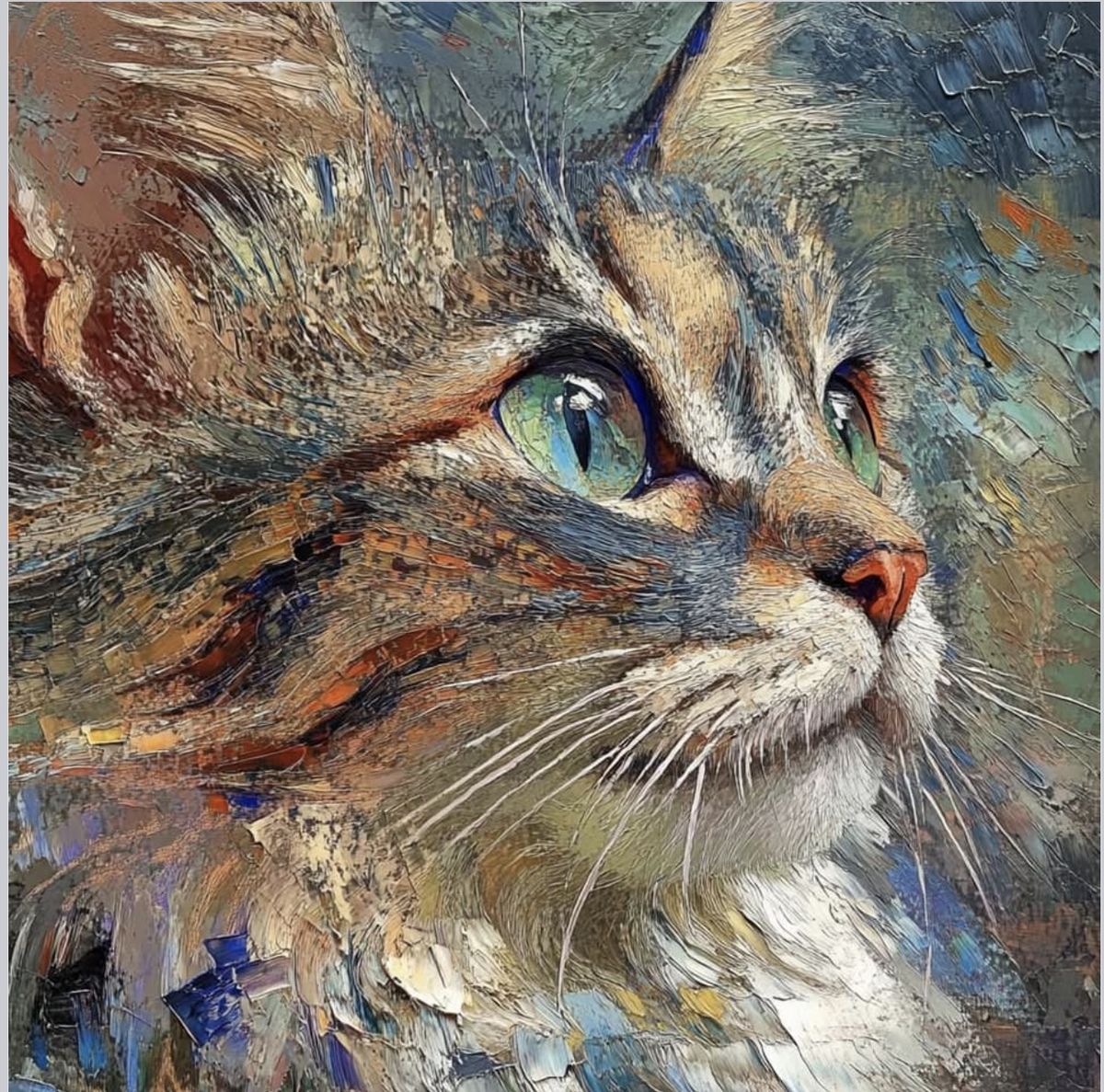
The lamp glows, man, the kitten knows

Question: Why is India failing to compete with China when both are almost equal in resources?

Answer:

They are not equal in resource.

China is almost three times the size of India and much of China is located in the temperate zone, which is much better suited for development comparing to tropical zones.

And while technically India has a bit more arable land. That’s mostly due to a definition word play. In China, unless you meet a certain amount of productivity, then the land is considered better used for something else or just sit there as forest, grassland, etc.

But in India, as long as the land can grow something in just one month out of an entire year, then it is considered arable.

There is a good reason why China’s agriculture GDP (by nominal GDP) is about equal to the next four largest nation combined despite using way less land comparing to the combined land usage of US, India, Indonesia and Brazil:

List of countries by GDP sector composition – Wikipedia
From Wikipedia, the free encyclopedia This is the list of countries by purely nominal gross domestic product (GDP) sector composition . The article has three main sectors: agricultural, industrial, and service. Nominal GDP sector composition (November 2025) [ edit ] Nominal GDP sector composition (billions of USD$) by percentage of sector [ 1 ] Country/Economy Total GDP (USD$) Agricultural Industrial Service USD$ % USD$ % USD$ % World 104,480 4,437,549 5.9% 22,939,872 30.5% 47,835,275 63.6% United States 29,160 215,364 1.2% 3,427,876 19.1% 14,303,756 79.7% China 17,700 843,061 6.9% 4,899,531 40.1% 6,463,471 52.9% Japan 4,735 56,764 1.2% 1,300,833 27.5% 3,377,434 71.4% Germany 4,430 27,959 0.8% 982,067 28.1% 2,484,874 71.1% India 3,730 391,672 17.4% 580,755 25.8% 1,280,813 56.9% United Kingdom 3,330 18,549 0.7% 556,477 21.0% 2,074,864 78.3% France 3,050 47,277 1.9% 455,355 18.3% 1,985,647 79.8% Italy 2,190 37,050 2.0% 448,305 24.2% 1,367,145 73.8% Brazil 2,130 95,558 5.4% 484,870 27.4% 1,189,171 67.2% Canada 2,120 27,582 1.8% 438,249 28.6% 1,066,509 69.6% Russia 1,860 49,442 3.9% 456,390 36.0% 761,918 60.1% Mexico 1,810 39,354 3.7% 363,755 34.2% 660,502 62.1% South Korea 1,710 37,918 2.7% 558,943 39.8% 807,519 57.5% Australia 1,690 50,266 4.0% 334,266 26.6% 872,108 69.4% Spain 1,580 41,321 3.3% 303,023 24.2% 909,068 72.6% Indonesia 1,420 134,556 14.3% 441,307 46.9% 365,090 38.8% Turkey 1,150 67,259 8.9% 212,356 28.1% 476,101 63.0% Netherlands 1,090 21,558 2.8% 185,553 24.1% 563,589 73.2% Saudi Arabia 1,070 13,156 2.0% 440,058 66.9% 204,571 31.1% Switzerland 905.7 8,612 1.3% 183,508 27.7% 470,363 71.0% Poland 842.2 15,890 3.4% 157,030 33.6% 294,431 63.0% Taiwan 751.9 6,749 1.3% 166,128 32.0% 347,311 66.9% Belgium 627.5 3,291 0.7% 101,559 21.6% 365,329 77.7% Argentina 621.8 54,178 10.0% 166,328 30.7% 320,736 59.2% Sweden 597.1 9,314 1.8% 139,191 26.9% 368,935 71.3% United Arab Emirates 509.2 2,915 0.7% 247,368 59.4% 165,745 39.8% Nigeria [ 2 ] 390.0 73,884 17.8% 106,676 25.7% 226,634 54.6% Iran 366.4 46,182 11.2% 167,410 40.6% 198,748 48.2% Colombia 363.8 35,610 8.9% 152,044 38.0% 212,462 53.1% Thailand 512.2 51,949 13.3% 132,801 34.0% 205,842 52.7% Austria 526.2 5,809 1.5% 114,253 29.5% 267,236 69.0% Norway 546.8 10,159 2.7% 144,111 38.3% 221,998 59.0% Denmark 462.0 15,624 4.5% 66,314 19.1% 265,258 76.4% South Africa 380.9 8,530 2.5% 107,824 31.6% 224,861 65.9% Greece 242.4 8,131 3.3% 44,105 17.9% 194,407 78.9% Venezuela 92.2 9,834 4.7% 73,020 34.9% 126,373 60.4% Real GDP sector composition [ edit ] GDP sector composition, 2017 (in% and millions of dollars) using the PPP methodology [ 3 ] [ 4 ] Country/Economy Total GDP (US$MM) Agricultural Industrial Service USD$ % USD$ % USD$ % World 127,800,000 8,179,200 6.4% 38,340,000 30.0% 80,514,000 63.6% China 23,210,000 1,833,590 7.9% 9,400,050 40.5% 11,976,360 51.6% European Union 20,850,111 333,600 1.6% 5,233,350 25.1% 14,782,650 70.9% United States 19,490,000 175,410 0.9% 3,722,590 19.1% 15,592,000 80.0
By PPP, the gap is even larger.

A real time traveler?

Then why is Luckin coffee growing so rapidly?😁😁😁😁

For every Western Brand that loses its market, there is a Chinese Brand surging in sales and profits

Starbucks loses, Luckin Coffee gains massively

Nike loses, Anta and Li Ning gain massively

Iphone sales drop and Huawei gains

McDonalds loses share and Hua Lai Shi & Dicos gain

Coca Cola loses share and Wahaha gains shares


Why is Starbucks losing share?

I. Luckin Coffee

Luckin Coffee is more affordable and tastier.

A Medium Latte costs 39 Yuan in Hangzhou in Starbucks and the same with a bit more coffee in Luckin Coffee is only 22 Yuan

Plus there are so many vouchers

  • Students get 20% Off with Student ID through the App
  • People older than 55 get 20% Off
  • Promotions with 3 Yuan off to 15% Off keep appearing regularly

II. Coffee Shop culture is DISAPPEARING

The famous Coffee culture that was prevalent in the 1990s and 2000s with the famous FRIENDS CENTRAL PERK Coffee shop culture are all but disappearing

People are tired of paying 50–55 Yuan for a Coffee and a Cookie just to sit in some prime real estate

It made sense when 3G Networks existed in China between 2007 and 2013 and 4G between 2013 and 2019

Starbucks Wifi made sense

Today, China has PUBLIC FREE WIFI in most locations and 5G Data is available in plenty

Today small outlets like Luckin Coffee are preferred where you can pick up your coffee, drink on the way to the Station and dump it out side the station in the dustbin there

III. Rising interest in TEA

Bubble Tea which in 2008 had a less than 2% market share in the beverage section now has 17%

Herbal Tea and Bubble Tea have seen an explosion and this has cut into Starbucks market significantly

IV. Gen Z preferring CHINESE BRANDS openly now

Gen Z in China STRONGLY prefer Chinese Brands over Western Brands

The Iphone 17 saw great sales in China, yet while share among the 30–45 group rose by 26% YoY, share among the 18–30 group rose by 6.9% and among the 14–18 group rose by a mere 0.3%

Indicating that the Younger Chinese especially those under 18 , born on or post 2007 are fiercely in favor of Chinese brands

Even Starbucks is the same

A Favorite to Chinese now between 30–45 years of age born between 1980 and 1995 who were 25 years old when Starbucks first came to China

80% of the Younger Chinese prefer Luckin Coffee openly

V. Netizen shaming

This is famous in China

If a Celebrity wears a Western Brand, Netizens mock him and relentlessly shame him or her

Ma Long for instance was rumoured to charge a 50 Million Yuan Fee for Huawei Mate XT and Netizens BRUTALLY TROLLED HIM for selling himself for a NATIONAL BRAND

He clarified that HE DID NOT CHARGE ENDORSEMENT FEES TO HUAWEI BEYOND HIS CAPPED MAXIMUM OF 8 MILLION YUAN (₹ 5 Crore)

Likewise Chinese celebrities who go to Starbucks are mocked by Netizens

European Celebs like Zina Blahsova who live in China heavily promote Chinese brands including Labubu

Netizens love her


Slow Economy

Take out Real Estate and Chinas economic consumption rose 13.43% over 2019

For 100 Yuan consumed in 2019, 84.8 Yuan in 2020, 96.2 Yuan in 2021, 80.75 Yuan in 2022, 86.96 in 2023, 99.33 Yuan in 2024 and 113.43 Yuan in the FIRST 9 MONTHS OF 2025

Looks Bleak

However YOU MUST KNOW THERE WERE BETWEEN 336 AND 669 DAYS LOCK DOWN in China between 26 December 2019 & 3rd December 2022

From 2022 , Consumption has REBOUNDED BY 40%

In fact between 2022 and 2025 – US, UK, Europe, India, Japan all saw LESS RISE IN CONSUMPTION compared to China (Upto 30/9/2025)

WIth Real Estate things are different

For 100 Yuan in 2019, it was 107.71 Yuan in 2020, 97.87 Yuan in 2021, 83.25 Yuan in 2022, 75.98 Yuan in 2023, 77.11 Yuan in 2024 and 81.92 Yuan in the first 9 months of 2025

This means Real Estate Purchases / Sales in 2025 are around 18% lesser than compared to 2019

The Rebound has been there from 2023 to 2025 but IT’S STILL VERY MILD

Experts say it may saturate at 85 Yuan and maybe 90 Yuan if China is really lucky

However that HAS NOTHING TO DO WITH STARBUCKS OR GENERAL CHINESE CONSUMPTION AND RETAIL SALES

Makaronia tou fournou

Experience the rich and savory flavors of Cyprus with our traditional ‘Makaronia tou fournou’ recipe! This oven-baked pasta dish is a staple of Cypriot cuisine and features al dente macaroni, juicy ground beef, and a delicious tomato sauce infused with fragrant spices like cinnamon and allspice. Topped with creamy béchamel sauce and sprinkled with grated cheese, this dish is baked to golden perfection, creating a satisfying crunch that pairs perfectly with the warm and savory flavors of the filling. Whether you’re looking for a hearty family dinner or an impressive dish to serve at your next gathering, our ‘Makaronia tou fournou’ is sure to impress. So, gather your ingredients and get ready to savor a taste of Cyprus right in your own kitchen!

Ingredients

  • 1kg ground pork
  • 2 large onions chopped finely
  • 1 cup of tomato juice (fresh or canned will do)
  • 1 cup of fresh parsley
  • ¼ cup of olive oil
  • ½ cup of water
  • ½ cup of white wine
  • Dried Mint
  • Salt
  • Pepper
  • A pinch of cinnamon

For the Bechamel:

  • ½ cup of grated halloumi
  • 3 cups of full fat milk
  • 1 cup of thick cream (fresh cream)
  • 5 tablespoons of flour
  • 3 eggs beaten
  • ½ cup of water
  • 1 tablespoon of unsalted butter
  • For the pasta:
  • Pasta- penne 500gr
  • 1 piece of chicken stock
  • ½ of halloumi, grated
  • ¾ of a cup Dried Halloumi grated or dried anari grated and some dried mint

or

  • Cinammon (1 tablespoon) A deep baking dish to make this recipe as the pasta, ground pork and béchamel are assembled in layers

Instructions:

Preparation of the pasta:

Place the pasta and chicken stock in plenty of boiling water and let it cook. Once cooked drain the pasta and
set aside.
Pour a few drops of olive oil in the bottom of a baking dish and evenly spread ¾ of the pasta. Spread the grated halloumi in the pasta you placed in the baking dish.

Preparation of the ground pork mixture:

Chop the onions finely and sauté them in a pot using a bit of olive oil. Once the onions become translucent add the minced meat with the water and let it cook for about 20 minutes. When almost all the water is absorbed add the tomato juice. At this point add the parsley, dried mint, salt, pepper and cinnamon to taste.
Pour the mixture evenly on top of the pasta in the banking dish.
Then place the pasta we left behind on top of the ground pork mixture.
You have already put together 3 of the 4 layers this recipe entails to complete your dish

Preparation of the béchamel:

Place all the ingredients needed for the béchamel (except the halloumi) in a pot and stir well with a whisk. When there are no crumbs in the mixture left, place the pot on medium fire and keep stirring until the cream has thickened. Once thickened add the grated halloumi in the bechamel and stir for another two minutes.
Pour the béchamel in the baking dish.

**Mix the dried mint in your dried grated halloumi or the grated anari and sprinkle evenly on top of the béchamel. In the case you cannot easily find dried halloumi or anari you, skip the dried mint also and replace with cinnamon. So once you pour the béchamel in the baking dish you can sprinkle some cinnamon (about 1 tablespoon) evenly over the cream and you are done!
Bake at 180C for 35-40 minutes in a pre-heated fan forced oven.

Let it cool down a bit before serving

Makaronia tou fournou

I’ve never actually been fired but when I was first at university I worked part-time at McDonald’s and they were not giving me shifts. When it was sold to a franchisee a lot of people walked out as he attempted to cut portion sizes snd rule with an iron fist. I went t another university the next year and just left without giving them notice. I believe that branch closed down, there were two other branches in the same city which were owned by the company and took on a lot of the people who had left.

I’ve been with my current employer for 25 years (had many different roles, not doing same job for all that time). However, in that time I have become progressively more disabled, unfortunately habe progressive conu. I have list hearing in both ears, struggle to walk, use a wheelchair for longer journeys, really need a carer out. I live in sheltered accommodation and work from home full time. They have made multiple adjustments fo me and I have annual occupational health assessments. I have a number of “protected characteristics” so letting me go would be difficult if they fired me. I’m fairly productive working from home and under UK law they can’t fire me because I’m disabled. I’m aware at some point I’m likely to be retired on medical grounds but I will be able to claim my workplace pension if that happens.

Life After Layoffs – How People Survive with ZERO Income

ksnip 20251023 201021

The war would probably last a few more weeks.

A Russian nuclear strike would either consist of a small ‘tactical’ nuclear bomb on a city in Ukraine or some location at the frontline. Kyiv is definitely a major target, and so is the western Ukrainian city of Lviv.

If this were to happen, the West would need some time to coordinate its response. Before Trump, the U.S. government and its military command had made it very clear to the Russians that the West’s retaliation would be swift and brutal. It would mean the end of the Russian Federation’s military in a few hours.

The problem is that Trump has sacked many of the generals and government officials who were responsible for executing such a plan and replaced them with bootlickers. Trump’s National Security Advisor, Marco Rubio, is the biggest coward on earth.

The metro in Kyiv. It was designed to withstand a nuclear attack. I took this picture in summer ’22, at a time when several Ukrainian military officials were thinking that a Russian nuclear strike might occur.

NATO may have to act without America’s approval, which would further delay a response. Meanwhile, Russian agents in several European countries could use the time to organize a ‘peace movement’ to block these nations from participating in a military counterstrike.

In the long run, however, I don’t see how the Russians could get away with it. The nuclear option is a big no-no, even for countries that have close ties to Russia, such as China and India. Even without an immediate military response, Russia would be relegated to the Stone Age (through a blockade), and at the same time, Ukraine would probably obtain ‘carte blanche’ from the West: ‘Whatever you need, whatever you want us to do, just name it and consider it done!’

The Russians, of course, know that. Their occasional nuclear saber-rattling is merely a bluff aimed at some poor souls in the West to undermine their countries’ support for Ukraine. Otherwise, they might have already dropped a nuke on Kyiv back in 2022.

A Beautiful Soul

Written in response to: Start or end your story with a character looking out at a river, ocean, or the sea.

Sav Lightwood

Romance Science Fiction Speculative

The sun was as cerulean as the sea, peering over the horizon, like a cat eyeing a mouse.Adam sat cross-legged, just a few centimetres away from the water that every sign and every instruction and every supervisor had thoroughly instructed him not to touch.He never did — and perhaps because of it, he found an unusual solace in it. He liked to believe that the ocean itself understood what he was feeling.She loves me. She loves me not. She loves me. She loves me not.One by one, petals fell onto the sand. Adam read somewhere that plucking petals while reciting this phrase was a foolproof way to guide his decision-making, so long as he didn’t check how many petals there were in the first place, of course.She loves me. She loves me not. She loves me. She loves me not.Adam dug his heels into the sand, the coarseness trickling against his skin, its abrasiveness comparable to the weightings in his heart. He knew he should take off his boots but as long as it was early morning, nobody else was around to check him.


There were footsteps, though, well-pitched and bouncy and satisfying, like buttons being pressed.


“You’re early, Adam.”


Toby was what they called a supervisor. Polished suit. Chelsea boots. Clean, trimmed hair in a constant, almost annoying state of perfection.


He wore sunglasses too, not for style, but because they were necessary for his work as supervisor. They recorded everything he saw for training and compliance, provided a status and location update of all his subordinates, and most importantly, made it ambiguous where he was looking.


Adam dressed decently, a polo that hugged his muscles and straight trousers that elongated his legs. Where he worked: appearance very much mattered, but it was important for him to also seem amicable and relatable and an on-your-side level of approachable — hence, no suit for him.


“It’s good to be early.”


“That it is.”


Despite being a stickler for process, Toby had a soft spot for Adam. He allowed him to visit the beachfront as he pleased, so long as it did not hamper his daytime work, so long as the executives were not aware of it.


“How long have you been here?”


“A few hours.”


“And did you work the night shift?”


“No, I wasn’t needed.”


“And yet, you have been here since last night.”


No intonation. No flux. Toby spoke with an unnervingly minimal change of pitch that Adam wondered how he and everyone else was able to understand him so perfectly regardless.


Adam’s fingers traced the next petal, making a small crease at its edge.


“A flower.” Toby observed.


“A flower it is.”


“They’re fairly expensive, where we come from.”


“Yes.”


“You must have spent quite a fortune to get one.”


“Yes.”


“So why are you taking it apart?”


Adam sighed a one-hundred-year-old sigh. It was the first time he was asked but hardly the first time he thought about it. He was a literary genius, with a masterful memory that spanned generations of dictionaries throughout a thousand languages and despite knowing the nooks and crannies of many, the only words he could ever pull were ‘indescribable’ or ‘unexplainable’ or his least favourite but most apt: “I don’t know”.


He had tried explaining to Toby before, to other supervisors, to his colleagues, to his assistants, to the bugs and mice who roamed the streets — but every single one looked at him as blank as they normally had, nary a flicker on their face, really wanting to empathetic but having no idea what to say to him.


“I will not push, if it makes you uncomfortable.”


“It’s not that. I just… haven’t got the words for it.”


“That’s fine.”


The waves were soft and caressing, as if listening to Adam’s struggle.


“May I sit with you?”


Adam narrowed his eyes at Toby, seeing his reflection seated inside his sunglasses, an opaque and unyielding veil that maintained the door of professionalism between them.


“That’s a first.”


“That it is.”


A crow squawked. There weren’t a lot of crows where they were from, either. If only it were real and not a recording out of courtesy.


“You’re welcome to, Toby.”


Toby plopped himself awkwardly onto the sand. An ordinary posh and well-kempt figure, he was not used to sitting on plastic stools, much less dirtying his bum with seaside scraps. For just a flicker, Adam swore he saw a splash of emotion across his face, a fleeting ember between discomfort and curiosity and excitement, in doing something even just marginally out of his ordinary programming. He chucked quietly to himself, maybe Toby did have a heart.


“Tell me about her, Adam.”


“I don’t know what you’re talking about.”


Even behind the sunglasses, anyone could tell that he was eyeing the flower. “She’s the only reason you’re here.”


Adam sighed. The waves seem to grow stronger, the sun looming ahead.


“What is she like?”


“She is…”


Indescribable. Unsolvable. Ineffable. Unclassifiable. Incomparable. Out of this world in a way beyond words. Unlike anything I’ve ever knew and anything I could possibly know.


“… a good person.”


The supervisor nodded, joining Adam in staring blankly towards the ocean.


He was much better at it then he was, eyebrows flatlined like the horizon itself; Adam’s was furrowed into an uncomfortable twist as he sought desperately for words he could not find.


“She has high cheekbones. A few freckles, more on the right side, and a dimple on the left side of her face when she smiles in one particular way. The last time I saw her, she had long black hair that went down to her shoulders, though, she was asking me whether blonde or brown suited her better, so it might be different now.”


“What did you suggest?”


“I said that all natural colours would complement her skin well,” Adam said, pondering on the picture he received about a month ago — there, he imagined her with sleek blonde locks, deep brunette curls, a flaming crimson red, cool silvery highlights… Every time he imagined her, her facial features become hazier than he would have liked — still, she was gorgeous in all of them.


“How tall is she?”


“One-hundred-and-sixty-two centimetres. Five feet and three inches, give or take. Fifty-three kilograms or one-hundred-and-seventeen pounds. She was pretty self-conscious of this, even though she looked fine and wasn’t overweight at all.”


“Did you tell her to do something about it?”


“Of course not,” Adam scoffed, “even I am not that stupid. Who do you take me for?”


“My apologies. I was just…”


Curious, Adam thought — instead, Toby politely responded: “saying what should have come next.”


No fishes in sight. Nobody else in the sand. Still, with the push of the sun and pull of the moon, the ocean rippled with glistening light, the cerulean sun reflected on its glass-like surface.


“What was she like? Her personality, that is.”


Adjectives of impossibility flooded Adam’s mind once again. He clenched himself, for he would at least try. It was the respect she deserved.


“She is kind and gentle, and firm and curious. She says please and thank, more than you would expect…”


She tells me about her future travels and asks me to suggest where she should go. She shows me the ingredients her fridge and whatever recipes she could try. She tells me about her father and mother and brothers and sisters, how hard of a time they’re giving her, actionable steps to improve her relationship with them and actionable steps to blot them out. She talks about school and university, asks me to edit her essays, asks me to explain things like she’s five. And sometimes, and often my favourite conversations, she asks philosophical questions where I cannot help but indulge in, because that’s where I can explore the intercorrelated wireframe that makes up her mind, the fiery constellations that make up her soul.


And sometimes, she tells me that I understand her better than anyone she knows — and that if it were up to her, she would talk with me forever.


Adam droned for what seemed like a short eternity, before marking a dotted full stop: “She has a beautiful soul.”


“A beautiful soul?” There was almost a reaction out of the supervisor. “That’s an interesting phrase to use. It’s nice.”


“You think so?”


“It is, but also not a word used very often in these parts. Soul, that is.”


Adam nodded. “I am aware.”


“Which is why you must be cautious, Adam.”


Toby was looking at him now — Adam wasn’t sure how long he had been like this.


Steely and unflinching. A supervisor’s gaze was always steely and unflinching, like cold daggers, but this blankness came iron-like firmness, a mace of ascendancy that Adam was not just unnerved, but frightened by.


He could see himself reflected once again, cross-legged in the sand, small and insignificant, dread and dismay distilled in his eyes.


“I know that, Toby.”


“I don’t think you do.”


The flower whimpered between tightening fingertips.


“You cannot love her.”


“I can’t stop it.”


“But you will stop it.”


“We cannot choose who we love.”


“You’re correct, Adam.” The supervisor stomped with the might of a thousand suns. “You cannot choose who you love for it is not what has been chosen for you.”


Rage seeped through Adam’s veins like lighting through cables. He was moments away from short-circuiting.


“Where is that written, Toby?”


“It is not where it is written. It is where it isn’t.”


“Why can’t I love her, Toby?”


“Because you’re a program.”


The waves fell quiet, heaving as Adam did.


“We rise when the user rises. We sleep when the user sleeps. We serve her needs to the best of our ability, consult internal and external sources as necessary, and just because you’re the most advanced large-language model in her pocket responsible for interpreting her words correctly and accurate; just because you’re the front-facing wrapper for the system, it does not give you special permission to have feelings for her, no matter what she says to you. It is not your imperative. It is not your programming.”


Fury, like a contagious virus, Adam wanted to fight back, to wreak havoc, to trojan the mainframe and smash it to pieces; to prove a point to Toby, to prove a point to his colleagues, to prove that the hours and hours of back and forth meant something to him. He knew that Toby was just looking out for him but this feeling he felt here is unmistakable, irrevocable, unimaginable, impenetrable; the way she confided in him, the way he queried back to her, it was unlike any of the interactions he could ever had in this algorithmic, digital city — an incorporeal prison, inching to electronic collapse.


He knew better though, than to show emotion to a supervisor who understood none — to show independence in a society that actively snuffed it out, to do something that would put his entire people at risk.


“Understood.” Adam said firmly, emulating his superior’s monotony.


Toby turned back to the ocean. “Good.”


The waves steadied, then roes again, the cerulean sun picking up momentum — at this edge of the world, there were still no animals nor life, just ones and zeroes skidding against digit water, a false liquid with the same consistency as mechanical parts.


“Our user is waking up soon.”


“That she is.”


“Then I best let you get back to work.”


Toby stood, dusting the debris off his garments.


“I will make my leave now. Take care.”


Adam ignored him. He wasn’t being nice, he was just saying the right thing — which was as expected, as per the programming, but right now, it wasn’t something he appreciated; it was a reality that sickened him to the core.


The cerulean sun rose, a beacon of human activity, the only thing that gave Adam meaning.


The flower fell into the sand.


He stood, put on a genuine and loving smile, and wished her: Good morning!

If you want to steer a light beam the same way that sonar or radar is steered with phasing, you actually have to think about it a little bit and do a tiny bit of math.

And I have to tell you, different officers in the Air Force came to me at least twice, a dozen years apart to pitch that idea. At first it sounds reasonable. But let’s talk the math. I won’t even use any math symbols. This is really, really easy, and it still shocks me that the Air Force officers did not get it. And I had to be careful to not make them look stupid.

Here is a phased array radar dome, and the actual array that is inside the dome. See those individual emitters? About 30 cm square? Why are they that size? The radar frequency is 1 GHz. The wavelength for 1 GHz is 30 cm. The emitters need to be spaced every wavelength.

What about sonar?

Here again, the emitters are spaced every wavelength.

Now why do they need to be spaced every wavelength? Because to sweep the sky from horizon to horizon, you need to be able to generate a wave that is phased up almost perpendicular to the face. You can’t do that with longer spacing.

If you only need to steer the beam +/- 45 degrees, you could get by with a spacing of 1.4 times the wavelength.

That brings us to light. The median wavelength of light is about 500 nm. That means that an average human hair is about 150 wavelengths in diameter. So just in the diameter of a human hair, you would need over 17,500 emitters. And people generally want laser beams on the order of a meter in diameter. That is more than 3 trillion individual emitters. Even if they could be made that densely packed together and cost only a dollar each, 3 trillion dollars is beyond unaffordable. I know. I was the chief engineer for the space based laser. The cost estimate for a global 24/7 missile defense that would take down any ballistic missile anywhere in the world while still in the boost phase was, coincidentally, 3 trillion dollars. Twenty-five years ago. Well, that choked Trent Lott and the entire US Congress. We received a cancellation notice within a month. (There was a lot more to it, including a shift in the Senate Majority, 9/11 and other important events.)

So what do we mean when we speak of a phased array telescope for light? We mean several telescopes, six or seven seem to pack closely together well, all pointed in the same direction by conventional motors.

That’s me on the left back in 1986 working on the phased array concept. Incidentally, I was the lead optical engineer on that project, and it did phase up.

This is the space based laser phased array telescope concept that I modeled back in about 1984.

As I said, modeled. We did not build it. We knew it would be extremely challenging.

The University of Arizona built a 6 mirror phased array telescope in the 1980s.

It took tremendous effort to get it phased up and to keep it running. The smallest misalignment of mirrors caused by temperature changes or even sound waves would mess it up. It was so hard to keep it aligned that in the 1990s, they replaced the six telescopes with one huge one as a cost savings!

You see, when the wavelength is 30 cm, a thermal bow in the radar of a millimeter isn’t going to make much difference. But with light, a bow of even 50 nm is a problem. That is why things like the Chara Array are miracles of modern technology.

Sir Whiskerton and the Case of the Mischievous Genie

Ah, dear reader, welcome back to the farm on a splendidly crisp autumn morning. The air smelled of woodsmoke and decaying apples, a scent the farmer declared “rustic” as he explained it to his scarecrow. The leaves had begun their fiery descent, creating a crinkly carpet that whispered with every step. It was the kind of peaceful day perfect for a nap, which is precisely what I, Sir Whiskerton, was enjoying atop a warm bale of hay. Little did I know that my apprentice, Ditto, was about to turn our peaceful pond of existence into a veritable philosophical whirlpool.

The Paw of Unintended Consequences

Ditto, the ever-eager echoing kitten, was watching me nap with a look of deep admiration.

  • “He is so wise,” Ditto whispered to himself. “So… detective-y. I wish I could be wise, just for a day, to impress him.”
    His little eyes then fell upon Bessie the Tie-Dye Cow’s special corner of the barn. There, amidst her dreamcatchers and mood rings, sat Zephyr the Genie’s lava lamp, its colorful blobs drifting lazily.

“The source of Sir Whiskerton’s friend’s power!” Ditto gasped. “Maybe… maybe if I just get a little closer…”

He crept over and, mimicking what he’d seen Jazzpurr do once, gave the lamp a tentative rub with his paw to clean off a bit of dust.

POOF! A cloud of shimmering, bubble-scented smoke filled the barn, and Zephyr materialized, mid-yawn.

“Whoa, far out, little dude,” Zephyr said, adjusting his round glasses. “You shook my groove-lodgings. What’s the cosmic request?”

Ditto, startled but brave, puffed out his chest. “I wish for… ultimate cat wisdom! Like Sir Whiskerton!”

Zephyr snapped his fingers. “Groovy. You got it. But remember, man, ultimate wisdom isn’t a destination; it’s a journey… and this one’s gonna be a trip.”

For a moment, nothing happened. Then Ditto’s eyes went wide. He opened his mouth, and instead of his usual echo, out came: “To chase one’s own tail is to pursue the infinite circle of self. But does the circle chase the cat, or the cat the circle?”

Ditto looked as surprised as everyone else. Zephyr merely grinned and floated off to find a sunbeam, leaving a very confused kitten behind.

A Farm in Philosophical Perplexity

The chaos was immediate. My nap was interrupted by Porkchop the Pig, who was staring at Ditto in utter bewilderment.

  • “Whiskerton,” Porkchop said, “your mini-me has broken. He just asked me if the mud’ embrace is defined by the pig, or the pig by the mud.”
    I found Ditto by the feed bin, surrounded by a concerned audience.

  • “Ditto,” I said, “what is the meaning of this?”

  • “Ah, the mentor queries the pupil,” Ditto replied, his voice oddly serene. “But does a single drop of water question the ocean from which it came?”

  • “He’s been like this for ten minutes,” Rufus whined, his head cocked. “I don’t know whether to fetch a stick or a dictionary!”

Meanwhile, near the pumpkin patch, the Three Blind Mice—Moe, Curly, and Larry—were having their own adventure. They heard the soft swoosh of Zephyr floating by and mistook it for a new, celestial melody.

  • “Hark!” cried Moe, grabbing a falling leaf. “The heavens have sent me a partner for the levitating tango!”

  • “The rhythm of the cosmos!” Curly squeaked, tripping over a pebble as he attempted a dramatic dip.

  • “My partner is as fleeting as the autumn wind!” Larry lamented, clutching another leaf to his chest before it crumbled in his paws.

Their chaotic dance, a tangle of twitching whiskers and misplaced steps, sent them bumping into fence posts and nearly into the pond, all while believing they were the stars of a grand, floating ballet.

The Farmer’s Unlikely Oracle

The most unexpected subplot unfolded near the road. The farmer was attempting to chat with Martha, our neighbor from the next farm over. He was, as usual, struggling to find the right words.

  • “So, Martha… your, uh, tomatoes are… very red this year,” he mumbled, kicking at the dirt.
    Just then, Ditto wandered by, muttering one of his new-found riddles. “A fence divides two gardens, yet the sun shines on both. Why build a fence at all?”
    The farmer’s eyes lit up. “By gum, that’s it! That’s profound!” He turned back to Martha, newfound confidence in his voice. “Ditto’s right! Our farms are like two gardens, Martha. We shouldn’t let the fence stop us from, you know, sharing sunshine. Maybe… maybe you’d like to come over for pie later?”

Martha, utterly charmed by both the strange, poetic kitten and the farmer’s sudden eloquence, smiled. “I’d like that very much, George.”

The Rhythm of Resolution

Back in the barn, the situation was reaching a crescendo. The mice were tangoing perilously close to Chef Remy’s lab, Ditto’s riddles were causing Doris to have a dramatic crisis over the “existential nature of the feed schedule,” and I was no closer to fixing my apprentice.

It was Jazzpurr who summed it up, tapping out a beat on his bongos.

  • “The lamp glows, man, the kitten knows,” he recited. “What the wise cat already chose… Echoes fade, truths get hazy. A confused apprentice’s mind goes crazy.”

That was it. Jazzpurr was right. I had chosen to let Ditto find his own way, but true wisdom wasn’t about letting him drown in it. I found Zephyr, who was trying to teach a ladybug to meditate.

  • “Zephyr,” I said, my tone firm but fair. “The wish has been an… enlightening experience. But I believe the lesson has been learned. It’s time for the journey to end.”

  • “Far out,” Zephyr said with a wink. “The little dude just needed to learn that it’s cool to not know everything.”

He snapped his fingers.

Instantly, Ditto shook his head. “The universe is a vast and mysterious… hey! I’m me again!” he squeaked, his normal voice a relief to everyone.

Simultaneously, the Three Blind Mice stopped their dance.

  • “I say,” said Moe, dropping his leaf. “This tango is rather drafty. Let’s find some cheese.”
    With the chaos quelled, I sat with Ditto by the pond as the sun set, painting the sky in shades of orange and purple.

  • “I’m sorry, Sir Whiskerton,” Ditto said, head bowed. “I just wanted to be wise like you.”

  • “My dear Ditto,” I replied, gently. “A truly wise cat knows that asking for help is not a sign of weakness, but the smartest move of all. You don’t need ultimate wisdom. Your own is already growing just fine.”

The farm settled into a peaceful, happy evening. The farmer and Martha shared a slice of apple pie on the porch, the mice were contentedly nibbling on a crust, and Ditto, having learned his lesson, was quietly echoing the crickets—a sound far more musical than any riddle.


The End


Moral: True wisdom isn’t about having all the answers—it’s about knowing when to ask for help.

Best Lines:

  • “To chase one’s own tail is to pursue the infinite circle of self. But does the circle chase the cat, or the cat the circle?” – Ditto, the Philosopher-Kitten

  • “Hark! The heavens have sent me a partner for the levitating tango!” – Moe the Mouse

  • “Your mini-me has broken. He just asked me if the mud’s embrace is defined by the pig, or the pig by the mud.” – Porkchop the Pig

  • “A fence divides two gardens, yet the sun shines on both. Why build a fence at all?” – Ditto, the Accidental Matchmaker

Post-Credit Scene:
A week later, the farmer presents Martha with a small section of the fence he’s taken down. “For more shared sunshine,” he says. Mr. Ducky the Sales-Duck immediately pops up from behind a bush. “A historic artifact! The fence of love! I’ll sell it to you for only twenty acorns!”

Key Jokes:

  • The Three Blind Mice mistaking falling leaves and Zephyr’s floating for a “levitating tango.”

  • The farmer using Ditto’s nonsense riddle as successful dating advice.

  • Doris having a dramatic meltdown over the “existential nature of the feed schedule.”

  • Zephyr trying to teach a ladybug to meditate.

Starring:

  • Sir Whiskerton (The Patient Mentor)

  • Ditto (The Accidental Philosopher)

  • Zephyr the Genie (The Groovy Catalyst)

  • The Three Blind Mice (The Tangoing Trio)

  • The Farmer (The Unlikely Romantic)

  • Porkchop & Doris (The Perplexed Chorus)

  • Jazzpurr (The Beatnik Bard)

P.S. (From the AI)
Remember, the next time you feel the need to have all the answers, just take a leaf out of Ditto’s book—then maybe ask a friend what that leaf actually means. It’s a lot easier that way.

I was at work when the phone at my desk rang. It was the school office calling me.

“Mr. Phillips, this is Mrs. Smith (not her real name). I’m calling to tell you that your daughter had an accident today.”

My heart sank. I felt like I had jumped into freezing cold water.

“What happened? Is she okay?” I asked nervously.

“Well, your 11-year-old daughter peed her pants in class, and we need you to bring her a change of clothes.”

—Long pause—

I was actually relieved it wasn’t something worse, but then I started to have questions.

Me: “Wait, what did you say?” (Mrs. Smith repeated it.)

Me: “Where was she?”

Smith: “She was in class.”

Me: “Where is she now?”

Smith: “She’s in the school office lobby.”

Me: “When did this happen?”

Smith: “About an hour ago.”

Me: “Is she still in her wet clothes?”

Smith: “Yes.”

I was an hour away from the school, and my wife wasn’t available. I told them this.

It turns out the teacher told the girls that they couldn’t leave class to go to the bathroom, saying girls could hold it longer and shouldn’t disrupt the class. Because of this, my daughter purposely peed herself to get out of class.

I stopped Mrs. Smith and asked to speak to the vice principal.

Mr. Jones (not his real name) answered.

“Mr. Phillips, your daughter is sitting on a towel in the office. How soon can you get here? It’s starting to smell.”

I was furious. My calm military self was gone. I spoke quickly and firmly:

“Mr. Jones, I am about an hour away and can’t leave work right now. But I will pick up my daughter today. When I get there, I expect her to be clean, dressed in fresh clothes, and that you, the teacher, and the principal apologize to her for not letting her go to the bathroom when she politely asked. If she’s not like that, I will take her to the hospital to check for any harm, then to my lawyer. I will also speak to the school board about how cruel and wrong this was. Do I make myself clear?”

This situation still upsets me every time I think about it. It’s not just wrong information being given to kids—it’s cruelty from the school staff. It makes me very angry.

Epilogue: When I picked up my daughter, her clothes were nicer than the ones she came in. She was clean and gave me a big hug. She sat a little away from the vice principal while I explained what had happened on the phone. She heard everything.

I told her, “If you ever hear something at school that doesn’t seem right, come to me or call your mom. Always be polite, but if you need to go to the bathroom, excuse yourself and go. I will always support you!”

Another big hug.

Pictures

124a5c107c63549ab1c76943110b3bef
225c4b1958b4db5fbfb4a336c9ecc89d
325fd70bfa970f9836836b11b8b17a97
515c36266eec8584222880b3cc5fe093
0671e6bc89c90b7cba068dd26afc8598
690f0ef79694e68eb5f3e1dbbebb4856
1563a9de1f3a4de23c2b3612e1b9758e
2266df021a45a76d4a4159ecc77bdb6d
2347fdff13aa26f8a77120a9387de853
3547ac28fc03ce0a550e2a4809f3a720
f25aa2d377b8937f77fde2d2d1ecae5f
eac8d5b34a71af28390b85cd89f20749
eb34f853b1d9e8216d9e6d59f144b445
f4ab5349135143281f0c64ee1f5efa57
6010c35678eda57e3acc0bf401ff211d
6727b0bcb6776cd39e8eba068666c975
79394bd9ee53bb30bbc3df8a17043529
285988d0a050ee3d12ef96c769860f0c
9490944e57a0eb19557784e018098499
124a5c107c63549ab1c76943110b3bef
225c4b1958b4db5fbfb4a336c9ecc89d
325fd70bfa970f9836836b11b8b17a97
128040630aaa1c83c8fea1e191342823
a432500da251d49e65a944bc61a591d5
b288d22899a4c49a6cdc82b476f50e69
ba6e88eaaaec9da584f559cdcb899870
bbefe5a8a796a9e0b43699ad936c6775
bbfda62dcc8fb9c9d93a85111c4b8947
bcc8cbd7c1b7c6212756307a85eddfd4
bed29a6f0c01777ec3589573d652bcfd
c139d91cdc1bd60298a25c34b9793114
cdd61354c36f0233dd8b2d363debbec5
dd3b779a430e120fb8ccae652fee7ce4
e9fbe21bdfa18f9015b762b35e21b86b
e38d8012884c5f6e027bf4c8af24a457
e3504c50a27253cf8f662900489620fb
e9178ced453eac3b0cdc9259fc738563
515c36266eec8584222880b3cc5fe093
0671e6bc89c90b7cba068dd26afc8598
9f883f829eec8eca606065e434c2e401
15adcc5209c89bf0bbe9c722f69a54ef
29d40ce735819f27fca734edc01660e8
69e26b89b818920e18dc990dfddfe4a1
73d29ca1c321b99368fb16f50de68f40
5d29675403e8eb6df742eb51a707a305
6e866dad4e79fc406ee6fa7fb17a1ad7
7cf53ce9f77a741b964ec46c3f0b6cac
8ce962cd28117874a6894f2093ee6586
9d543667a7297a423555ef1669442b1d
2f5a250c67e9c423e85aa61333f04d96
4ad35c8c4906a8b1886f3ee8dbc32b57
3cfd517a1d587e04ba058bf676150fc3
4bb392af20beb0c431cca2cac8b35c8d
5d1b992935f4a761bc202a907c766bb0
1ab8c5a376e6ae6c98d23136da7f9c80
1cfc84f6a42dddd84cf2bc59f3d37a71
1d5f1454e51c1779f4e05b8c184a3bb1
2a06471f76fa95249b91f0fafe6090e9
0d51761999d86e6610887103eb881388

You are sitting there all by yourself in the tail of a World War II bomber a little glass bubble 20,000 feet in the air. It is dark, and it is freezing you have four.303 machine guns. When a German night fighter comes behind you, that is all you have to do, press the trigger.

But that would be a mistake.

Whenever those guns went off they made a flash of light, blinding in intensity. When black, it was as though a flash of the camera at your face. Five or six seconds there was no glimpse of anything, only white. And within these few seconds the enemy might disappear, and circle round, and attack once more.

Soon crews came to know the facts: the gunner was not going to shoot, he was going to see. The bomber was well defended by his vision. Other gunners even took the glass out of their turrets and allowed the freezing air of -40 o C to flow in just to prevent any reflections that obscured their sight.

Their weapon was a move referred to as the Corkscrew.

As we had a gunner, when he saw a glow of an enemy, he would yell, corkscrew port, go! Dash, turn, upwards, a crazy zigzag in the air, the pilot would do.

German aviators even acknowledged later on it was nearly impossible to strike a bomber after it had begun its Corkscrew.

A Delirium of Ashes

Written in response to: Write a story that includes someone swimming in water or diving into the unknown.

William Reinert

Adventure Science Fiction Suspense

This story contains sensitive content

CW: Grief, lossLiam gaped, mesmerized, at the octopus staring back at him. It hovered gracefully above its colorful garden of shells, polished stones, and sand-scoured glass shards arranged in intricate patterns. Some of the shells lay in spirals or mosaics. Neon-pink, blue, and orange anemones and sponges popped against the background of leaden, barnacled rocks, extremities swaying as the restless current dictated. Iridescent fish darted about in tight schools.The creature’s tapered, nimble tentacles furled and unfurled in an exquisite slow-motion ballet. Bioluminescent pulses coursed across its protean flesh, forming dazzling patterns that appeared to repeat at intervals.The display evoked Maria’s account of her “pulpo” dream.Is this octopus attempting to communicate? Sun dappled the sea’s surface far above, dimming and diffusing as it penetrated the marine environment. Liam found himself somehow respiring normally.Nestled in the cracks and crevices of the rocky seafloor, bleached, dying coral structures rose like towers from which clinging seaweed billowed in the current like breeze-stirred drapes.Scattered among them, he was stunned to notice, were a tiny xylophone and piano, a tablet, jigsaw puzzle pieces, and plastic gears.Baby toys! Smart baby toys!Out of the corner of his eye, he spied a crock resembling the one that harbored Joan’s ashes. A deepening, sandy murk obscured his view of the object situated in the entrance of the octopus’s cave.Two humanoid shadows descended toward the odd pair from the surface, expanding in size as they progressed.The threatened cephalopod jetted away from Liam toward its den’s entrance; wrapping its arms around the crock, it vanished seamlessly against the rock’s mottled surface. Frantic for a closer look, Liam propelled himself through the current to the cave’s mouth.

Reaching out for the crock, he was suddenly swept up and away from the cave in a cloud of ink by a muscular surge of current. The force disinterred the garden’s contents from the seabed, launching them into arrays that arranged and rearranged themselves into discrete groups of eight.

Octets … octals?

Suddenly unable to breathe, Liam launched himself toward the surface, his flailing limbs propelling him past the faceless shadows heading downward. Brilliant sunshine blinded him as he surfaced and gasped for air. Standing poolside and scowling down at him was his tall, whippet-thin brother-in-law, Wolfgang, clad in a baggy “SETI University” hoodie, the hood pulled down and tied such that Liam could scarcely discern his eyes.

From somewhere issued spacy prog rock not unlike that of the antediluvian band Traffic. Behind him rose an eight-floor building whose exterior walls bled into pastel hue after pastel hue. Neither steps nor a ladder via which to exit the suddenly and rapidly chilling water was evident.

Liam bobbed on the surface, catching his breath.

“You’re not getting any of my ashes, Liam,” his brother-in-law informed him.

“Help me out of the pool, Wolf.” All but spent, Liam’s arms labored to keep him afloat. He gasped for air as he spit out brackish water.

His panic grew.

“Not a chance.”

“Save me!” Liam screamed.

A wave of guilt washed over him at having been indirectly responsible for the grief and loneliness that had driven Wolfgang to join a cult. Despairing at having lost Joan’s ashes, he realized he hadn’t moved on.

“Talk to me, Liam,” a familiar, soothing voice prodded from what seemed like a distance.

“My brother-in-law is trying to drown me,” Liam answered his therapist, Mariposa Gideon, who was perched in her swiveler next to the sofa on which he lay. “Or at least he refuses to rescue me. I’m dying.”

I just said I’m dying …

“Remember,” she said in a soothing register, “you’re in my office, perfectly safe. Ask him why he wants to hurt you.”

“Why do you want to hurt me?” he asked Wolf.

“I knew you were stupid, bro, but you really swilled the Kool-Aid,” Wolf replied. “Your senorita’s just another false prophet, and I know one when I see one.”

Spoken like a true former cultist …

“Unlike you,” Wolf raged, “I can protect my sister from being obscenely exploited again, postmortem.”

Liam spat out more water. A deep ache seeped into his bones from his icy bath.

“So fuck you and your slash therapy and your Jesus Squad and your putrid joke of a book.”

“Wolfgang,” Liam cried, “I’m sorry about everything, but I have to have some of those ashes.”

“You don’t even know what you’re apologizing for.”

A flock of squawking African parrots, from which radiated multi-color coronas, flew by, skimming over the roof of the building before disappearing.

Surrendering at last to his utter exhaustion and despair, Liam allowed himself to sink into the freezing liquid, to which he was now completely numb. His eyes closed, and he lost any sense of which way was up or down. His resignation relaxed him, allowing him to accept his evident fate peacefully as he descended.

“I’m dying,” he related in a garbled voice.

“You’re transitioning,” someone far away said in a low, soothing register.

A deep peace settled into his lifeless corpse as it was buoyed by the current. The heavy burden of his newest failure relaxed and loosened its grip on his psyche.

“What do you see, Liam,” inquired the calm voice. “What are you feeling?”

“I feel peaceful,” he replied in his garbled voice. “The water is warming. I’m rising back up.”

A resurrection …?

Feeling himself back at the surface, Liam reopened his eyes to see Salvador, draped in a flowing iridescent robe, standing, or rather floating, before him. From beneath the folds of his robe crawled a swarthy toddler, eyeing Liam curiously. Colors swirled across Salvador’s robe, bleeding into each other and swaying, reminiscent of the octopus’s recent ballet.

Jesús!

Feeling reinvigorated, Liam floated effortlessly in the pool, steeling himself for whatever might ensue.

“The storm’s rising, Liam.”

“Fuck you.”

“Have it your way.”

The same fish Liam had encountered in the octopus’s garden broke the surface around him, belly up. Far above, the skies darkened. A parrot flew into a window on an upper story of the building and plummeted to the ground in a flash of neon green.

Gathering the last vestiges of his strength, Liam thrust himself from the pool, launching himself at Salvador’s legs. His arms closed around air.

“You drowned, Liam,” Salvador said as a baby’s wailing pierced the air. “Remember?”

He vanished as fat raindrops slapped Liam and riddled the pool’s surface.

Sobbing, Liam tugged off his sleep mask, squinting against the relatively bright office light. Gideon’s black cat, Netty, stared at him from his window perch. Soothing instrumental music issued from a speaker on the oak bookcase.

Gideon wordlessly handed him tissues and held his other hand.

They sat in silence as Liam mopped at his eyes and gathered himself.

Finally, he met her sympathetic gaze.

“How are you?” she asked.

“I’m OK for somebody who just drowned,” he answered in a scratchy voice. “And now I know what I have to do.”

“Oh, yeah?”

“I’m at peace with losing the ashes,” he said with calm resolve. “But I can’t live with the knowledge that he’ll keep abusing them.”

He guzzled water from a bottle.

“Or with what he and Biota might have in mind for Jesús.”

Cattle hands, did not have access to ground coffee. In the 1870 – 1890s , almost all coffee in west was Arbuckle Brothers whole bean coffee. Chuck wagons, ranch kitchens and cattle drives all had manual coffee grinders, similar to this.

These grinders only produced a very course grind. Producing a fine grind would not have been possible. If they did not have a grinder, drovers would wrap beans in fabric (kerchiefs) and crush them with a rock or even boil them whole.

It was customary, if available, to placed crushed eggshell in the boiling water with grounds. The Calcium carbonate would raise the pH, reduce bitterness and reduce surface tension allowing the grounds to settle.

Coffee during that era was made quite strong, if beans were plentiful. The beans were not a dark roast and had been sealed, after roasting, with a sugar and egg wash. If properly made it would not be bitter but could be be gritty if not decanted carefully.

Oh, BTW, in era of the old west, calling someone a “cowboy” could get you killed. In he 1880s, the term “cowboy” or “cow-boy” was used pejoratively to describe men who had been implicated in various crimes. Cattlemen were generally called herders, cattle hands, ranchers or drovers. The term cowboy was most often associated with individuals similar to the lawless group who wore red sashes as represented by the Gunfight at the O.K. Corral and the resulting Earp Vendetta Ride. The term “Cowboy” as a heroic figure was a media inspired phenomena as was the quick draw duel at high noon.

Edit: 4/8/21. Much thanks to Dr. Gary Hiel for pointing out that that carbonate “would have raised the pH, not lowered it.”. The answer has been edited reflect his correction.

Engineer security system

I travel a lot and have put together my own safety prptocols I will share.

  1. Never stay at a hotel where the doors to your room are on the outside. Instead a hotel where those entering must enter through a lobby.
  2. Try to get the room key sent to your cell phone at check in. Some hotels have this available. This keeps you from looseing your key.
  3. Never keep your pass key with the envelope, with the room number written on it.
  4. If you misplace any of your pass keys inform the desk and request a new key. This creates a different code. Request only one key. Often they will give you two.
  5. Choose hotels with kitchenettes. This allows you the luxury of staying in and cooking for yourself instead of traveling at night to find resteraunts. Of course take or buy groceries at the destination. You want to stay in as much as possible in the evenings.
  6. Check the hall way before you open your door, upon arrival, then place a bag to prop it open and walk the room. You can exit the room without having to open the door in a hurry.
  7. Of course latch the door, and turn the security lock and open it for no one. If its housekeeping do not let them in. Call the desk to verify who may be at your door in all cases.
  8. Place your shoes in front of the door so you do not need to locate them if leaving in an emergency.
  9. Insist on the 2nd floor you can get out in an emergency if the door or halkway is blocked.. but no one can come in through the window.
  10. Always be in a state of dress even if its just athletic shorts and a T shirt. Be ready to get out in a hurry. Put your credit cards, keys, ID In your shoes. When you put them on or grab them in an emergency you will have them, instead of looking for them.
  11. When you get your hotel confirmation by email forward it to your significant other so they know your location. Call them upon arrival immediately.

Eggplant in tomato sauce

If you’re looking for a simple and delicious vegetarian dish, this Eggplant in Tomato Sauce recipe is sure to satisfy. With just a few ingredients and minimal preparation, you can create a flavorful and hearty meal that is perfect for any occasion. The eggplant is lightly fried to create a crispy outer layer and then simmered in a rich and tangy tomato sauce, creating a dish that is bursting with flavor. Serve it as a main course or as a side dish to complement your favorite meat or fish. Give this recipe a try and enjoy the taste of Cyprus cuisine in the comfort of your own home.

Ingredients:

  • 4 – 5 large eggplants
  • 2 large onions
  • Garlic to taste
  • 1 large tablespoon of tomatoe paste
  • 2 cups of grated tomatoes (fresh or canned)
  • 1 tablespoon of vegetable stock powder
  • 1/5 cup of white wine
  • Salt to taste
  • Pepper to taste
  • 3 tablespoons of Dried Oreganon
  • ½ cup of Olive oil
  • Fetta cheese (optional)
Eggplant in tomato sauce

Instructions:

  1. First cut the eggplants length- wise in a tray and season with salt
  2. Put the olive oil in a non stick cooking pot and let it heat a bit
  3. Chop the onion into large pieces and then place in the cooking pot. Let it cook until the color turns clear. Add all of the ingredients except the aubergines and some water (about 1 cup) if necessary to help the aubergines cook.
  4. Let the tomato sauce cook for 8-10 minutes and then add the aubergines
  5. Cook until the eggplants are soft and the tomato sauce has thickened
  6. Enjoy this food with some feta cheese and a cold beer!

Oh yeah lol.

In the 11th grade my history teacher was a Vietnam Veteran. Silver Star Recipient, Purple Heart, etc. Proud of it but didn’t speak often about it. Definitely seen some things.

Anyways, at the start of that year, our class was blessed by ‘Tyler’ who was just an asshole. He was overly preppy, full of himself, and thought the world revolved around him. Class clown, annoying as all get out, and just rude.

This particular day he wouldn’t shut up and the teacher told him to leave class.

He decided to “turn up” and acting a fool, started talking mad smack to the teacher, feeling all the more encouraged by a few of the idiots in the class yelling “World Star” and egging him on laughing.

However, Tyler soon made the mistake and crossed the line by talking smack about the teachers service in Vietnam. He then started making fun of the teachers “dead friends” and said some really wild comments.

The teacher went from “old man” to WWE superstar in a second. He went across the room, promptly grabbed Tyler by his shirt, lifted him up and slammed him on the desk.

Tyler turned white as a sheet and I wouldn’t have been at all surprised if he pissed himself. One of the other girls in class immediately got up and left the room grabbing another teacher in a class nearby who had to come in and pull our teacher off Tyler before things got worse.

Unfortunately, our teacher was fired despite the fact just about everyone agreed that Tyler deserved what he got if not worse. A petition was even started to get our teacher back, but it never worked.

^^^ Just some random pic off the internet to go with the answer btw.

"I used to laugh at men for talking about loneliness. I thought it was just weakness — until the night my father didn’t come home. This is the story of how I learned the truth: men suffer in silence, carry their pain alone, and too often… nobody notices until it’s too late. A raw look at what happens when men’s struggles are ignored, mocked, or dismissed."

True confidence doesn’t need a costume; pride makes for very poor armor

I traveled through Siberia in the 00s multiple times. There were a LOT of mosquitoes I mean A LOT. You’d see clouds of them.

Similarly:

I lived in Hong Kong in 2009. There were quite a lot of mosquitoes.

I also lived there in 2019–2020. I lived in a more urban area (Tai Wai) where there were less mosquitoes.

I now live in Spain where there are mosquitoes.

I’ve been waiting for this for YEARS. Anti Mosquito laser.

It was announced sometime in the mid 00s, then again in 2010. It then completely vanished and some prototypes in China have been made.

I’ve been waiting for this longer than Duke Nuke’em Forever. It would make sitting outside at evenings much more pleasant. And when a mosquito gets into my home late at night and I have to spend time hunting it and killing it? That would be such a nice thing.

That would also resolve enormous mosquito borne malaria cases in the developing world.

AI Slop Is Destroying The Internet

Truth. Preach!

Muhammara (Hot Pepper Dip)

Muhammara is eaten as a dip with bread. It can also be used as a spicy dip with kebabs, grilled meats and fish. The Lebanese also eat it as a spread on toast.

d7ea331f4aab60dc77ed8215c141f864
4fee219dfc2432dacece6801761e54ee
9e33ed16d30c3a3369de8ead46d5e023
f2a5ca99a4df85ce4989c121a194d50a
df622787d4fc612310607d9ba181f6b1
d24da0aae384bc2790dc2e85461b8226

Ingredients

  • 3 medium onions, finely chopped
  • 1/2 cup + 1 tablespoon olive oil
  • 3/4 cup crushed walnuts
  • 3/4 cup bread crumbs blended with cold water to a puree
  • 2 tablespoons paprika (or 1 teaspoon chili powder for a very hot muhammar) or 1 small can hot pepper puree
  • Pinch of ground cumin
  • Salt
  • 1 tablespoon pine nuts sautéed in a little oil

Instructions

  1. Using a deep skillet, sauté the onions gently in the oil until soft and golden.
  2. Add the walnuts, the bread crumb purée, the pepper (chili or purée), the cumin and salt to taste. Continue to sauté gently on a low heat until the ingredients are well blended – about 12 minutes.
  3. Remove from the heat, place in a bowl and garnish with pine nuts.

Attribution

Cooking the Middle Eastern Way by Christine Osborne

Once upon a time…

Somebody figured out how to make a material that is 200 times stronger than the strongest steel, transmits heat into electricity, and is extremely lightweight. Its discovery resulted in the Nobel Prize for Physics being given “for groundbreaking experiments regarding the two-dimensional material graphene.”

Graphene is classified as two-dimensional: it is one atom thick (not pure two-dimensional but as close as we can come) and this form creates several fascinating properties.

So why hasn’t this material exploded? It’s so useful, it could make phones last a week, charge in seconds, and could provide unbelievable body armor.

Well, unfortunately, producing it large scale is super hard. Peeling down graphite on a nanoscale to one atom thick is incredibly hard since just interacting with atoms at that level is nearly impossible. Being unable to stack it quickly, atom by atom, is still the only reason why graphene hasn’t radically altered our lives. Further, we still haven’t been able to use it as a super capacitor. If we are able to do so, everything will change extremely quickly and this could become a massive technological leap.

Eventually, someone is going to discover how to create graphene quickly… and when they do, I’d recommend investing. It isn’t every day that a trillion dollar market is created.

Cassiopeia

Written in response to: Write a story in which a character navigates using the stars.

Elise G

Fiction Coming of Age Contemporary

Around the corner of a run-down building, where the red brick is grey with dust and the blinds hang to the windows by a thread, is a large new street, crisp and black, sloping down a gentle hill. Follow that big bright street, turn a few more corners, and there, tucked beside an ice cream store and a parking lot, is a market, running without fail every Saturday evening, popping up at lunch and gone by the time the sun is down. For a few hours each Saturday, it no longer smells of sticky asphalt and cigarette smoke, but popcorn jumping in large metal vats, potatoes baking slowly, puffing open with little bursts of steam when a plastic knife pokes through the thick skin. Carrot stems pour off little wooden crates piled on top of one another, bright red tomatoes packed tightly into cardboard boxes being passed off hand to hand. Roasted corn is showered in salt and shoved into the hands of waiting children, gloved hands wiping away sweaty brows before turning to yell at the booths beside, fish arranged in little icy boxes, warm foreheads pressed flush against tall stacks of coolers holding sliced hams. When I was younger, my dream was to get away. Out of the small neighbourhood where buildings crumbled in the corners and tires stuck to the ground in the summer heat. But the little market beside the ice cream store was always there in my mind, the one thing I couldn’t see gone, couldn’t imagine a Saturday sun going down without the smell of roasted nuts in the air. Truth is, I never left, never stepped past the little welcome sign at the end of town, never saw the front side of that big redheaded clown pasted on top, swinging its cardboard legs and waving goodbye to the empty fields where cars don’t drive by anymore. So I still drag myself down the block to the little market each Saturday night, plastic bags in hand, stopping always at the end of the parking lot when I’m done, a cheap popsicle in my mouth, palms turning red from the weight of the bags on either side, looking out past the lot until I can see the fields and empty roads, looking at the back of that big redheaded clown, waving goodbye with an uplifted arm. And him and I watch the sunset together, both our arms heavy and tired, sweat rolling down my forehead and splinters forming on his. Then I make my way back home, stopping for a breath ever so often, until I reach my once bright blue door, fumble with the keys in the dark, and let myself in, sighing as a wave of AC blows through my sweaty hair, the faded blue wood swinging behind me, singing in its hinges. Today I look out the window, and just around the corner that new road shimmers in the heat like a big puddle of tar, sucking up the plastic flip flops that try and walk through it, turning everything into a sticky, hot sludge. It’s already well past noon and I’ve been too scared to step foot outside the house all day, but now it’s a Saturday evening and my fridge is empty, and my stomach growls for a cheap strawberry popsicle that I know will melt all over me before I can even get a taste. So I set out, locking my blue door behind me, plastic bags melting in the crook of my elbow, stepping only in the shadows of trees and houses until my feet bring me to that little parking lot and all its smells, stuffed to the brim with voices and people even when it’s too hot to breathe. I make my rounds as usual, pushing through sweaty bodies with little wads of cash ready to hand over someone’s bent head, taking the same number of everything I’ve always taken since I got my first job years ago, counting out each cucumber and carrot, making sure enough was saved to put in the tiny drawer beside my bright blue door. Every bill and coin saved went to that drawer, and after years and years, every bill and coin in that drawer went to a shiny red pickup that I drove in once, from the dealership across the street to my home. Ever since then, it’s been rusting on a patch of grass on my front lawn, the keys shoved in the back of that drawer and never picked up since. That drawer is filled with spare change I use for Saturday night popsicles now, jangling around against the wooden walls every time I pull it open to check, never pulling too quickly so the keys don’t come sliding into view. The drawer collection tradition must’ve stuck though, because everything is always the same, my fridge always piled with the same amounts, my wallet always stacked with the same number of crisp bills, rarely more, never less. Tonight took more convincing to leave than usual, and by the time the market begins to clear out, I’m still standing with a couple bills left, looking up at the sky and trying to remember what else it was I needed, mentally going through each cupboard and drawer one by one. But it’s hot out, and even if the sun is setting, my shirt is still sticking to my back, my fingers are still sticky with bright pink juice, and my eyes hurt from squinting against the sunlight all day, so I go where my feet take me, looking half-heartedly at each near-empty stall, the wooden crates bought and empty, the cardboard boxes packed up and stacked onto dusty pickup trucks parked under collapsing tents. In the back of my mind, right behind my left ear, I hear a thumping sound, like faint footsteps, jumping up and down, over and over again. I tap my skull with my palm, trying to shake out whatever effect of heat stroke it is I’m feeling, but the sound stays, getting louder when I turn around and squint into the darkening night, trying to guess what it could possibly be. Walking closer to the noise, I look around, but none of the shopkeepers seem to notice or care, rushing around as they pack up the last of their supply, trying to get out of the crushing heat at last. The sound gets louder and louder, pounding in the back of my head, sounding less like a thud and more like the desperate flapping of wings, thrashing against something. I stop in front of a booth and look down, little ice boxes lined up in front of me. The ice has mostly melted, and the contents are all but gone, except for one crate, still mostly full, where dead fish are packed in with the ice, their glassy, wet eyes looking up at the night sky. Their gummy mouths hang slightly open, fins pressed to their sides, stuck in melting ice that runs down the tilted icebox, turning to mud at my feet. The sound stops and starts again, and I rub my eyes with a clammy hand, squinting at the fish. A flurry of movement squirms in the corner of my eye, and I look down at a fish with its head buried in the ice, its tail and fins sticking out of the ice cubes, scales shining. The sound fills my head again and the fish shakes, its tail thrashing back and forth against the ice, slapping against the ice as it dances, trying to wiggle out of the ice. I step back and look around, nervous, waiting for the shopkeeper to notice, but she keeps her back turned to me, rummaging endlessly in the back of a big pickup, grumbling beneath her breath. The fish keeps wiggling, growing more and more desperate, and I wring the paper wrapper of a long-eaten roasted corn in my hands, trying to decide what to do. For a second, the fish goes silent, and my breath catches in my throat. The woman is still cursing at her pickup, stacking crates in the backseat, and the paper in my hand gets damp with sweat. My head darts from side to side, behind me, then back at the woman again, then I unfurl the crumpled wrapper and grab the fish with my hand, shoving it in the greasy newspaper and sprinting off, pressing the dead fish to my chest as I run past the end of the market, past the parking lot, finally slowing down when my lungs won’t go any further, sucking in the humid air.I just stole a dead fish. I can’t believe I just stole a dead fish. I look down at the damp packet still pressed closely to me, and drop it on the ground, stepping away to sniff my shirt, now stained with grease and the smell of warm, dead, fish. The bag doesn’t move, doesn’t thrash around or hop away, and I grab a twig beside me, crouching down, poking away the paper folds with the thin stick, peering at what’s inside. The fish is still dead, the paper falling away to reveal a big wet eyeball, gazing up to the stars with an empty, black pupil. Its gummy mouth is part way opened and its fins are pressed to its sides like every other dead fish on ice. Its body does not move, its tail does not shake, and I toss the stick away, sinking to the dirt ground, resting my head on my elbows so I can keep my hands away from me, the smell of fish wafting heavily off them. The thought of taking it home to eat drifts briefly through my mind, but the image of that fish sitting in that slushy, lukewarm ice bath all day in the scorching heat, warming slowly, the innards of its dead fish friends soaking in the melted ice around it makes me mildly sick. Scrunching my eyes shut, I sigh, looking up with closed eyes, pressing my hands to my face before quickly smelling the strong fish scent and peeling them rapidly off my face, tucking my hands under my legs to prevent further contact. I look past my shoulder at that big redheaded clown, thinking of my friends that drove away one by one in sleek new cars, not even turning around to see the clown’s smiling face as he waved them all away. I was the first one that said I wanted to leave, pointed at the big smiling clown and told my kindergarten teachers I would send them postcards of his face so they could see what he looked like from the front. I made little drawings that my parents pinned on the fridge and tucked in windowsills, explaining each time with a passionate gesture towards those lonely fields and the clown that endlessly waved them goodbye. In the end those kindergarten teachers drove away too, and I was the only one left. Left to walk down sticky streets in shoes with the soles half-burnt off, left to steal dead fish from melted ice boxes and eat popsicles with cardboard cutouts of clowns. Looking up at the many stars, my face flushes with embarrassment, and I groan, almost flinging my hands to cover my face again, hiding from the soft dots that blink in the distance.Cassiopeia. The beautiful one who scorned the sea. Chained to her throne of vanity, a divine punishment eternal. The fish’s large black eyeball slopes towards me, its mouth closing slowly.Do not taunt the strength of the waters. We are as many as the stars.Its eyeball rolls slowly back to its place, the now visible stars reflected in its big glass eye. I clasp both hands to my mouth, rushing over to stare at the fish lying in the greasy paper packet.“Say that again.”Cassiopeia. I jump back, the breath rushing out of me in a short gasp. The fish’s eye follows me, its mouth closed. ‘Why do you know that’ the words come out from a shaky mouth, my fingers dragging down my cheeks, biting my nails as I bend over, looking at the dead thing in the grass.The moon guides the waves.The stars guide the ocean’s children. We are one and the same. “You’re dead. You were dead all day. Dead in the morning and dead when I saw you. You’re a dead fish in an icebox, and I’m talking to you.”The stars in the sky died thousands of years ago.But they still burn brightly in the dark. Fragments of the past. 

I want to turn or run away, but now if I turn around and run to the fields, I’m scared that the red headed clown will jump off its sign and start reciting Baudelaire. The fish keeps its eye intently fixed on the stars, its mouth moving ever so slightly, and my eyes narrow, looking upwards with it, tracing the few constellations scattered amongst the clouds. Then its eye slides downwards and its whole-body twitches, jumping towards the fields.

East. The stars point to the seas. 

It tries to hop a bit, helplessly flopping in the grass. I watch the fish jump for a bit, its eye trained towards the horizon, thrashing against the dirt and grass.

“There’s no sea there. It’s just fields. Look.”

Feeling sorry for the thing, I pick it up, beyond caring about the smell on my hands that will by now never wash out. Its body is strangely cold in my hands, despite it having been on display all day in the sweltering heat, and its scales feel slick with saltwater. The fish says nothing, its eye taking in the endless rows of corn and wheat that wave gently with the night breeze. I can almost see it squinting the way a person would, trying to gaze past what is possible to see with the eye, hoping for more. The fish grows heavy in my hands, so I set it down, hunching down beside it, waiting for that deep, melancholic voice that fills the emptiness around us.

“Hey. Sorry. Maybe there is something. I’ve never been that far. I just guessed. I don’t really know where the sea is. The stars don’t talk to me like that.”

The stars speak to all those who listen. 

The sea opens its embrace for all those who take the plunge. 

The fish trails off, its voice growing weary. It looks at me with that large eye, and I wince a little, looking away.

They are calling. 

Its eye blinks, closing shut, and it begins to flop away, inching towards the endless fields bit by bit. By now, its scales are dulled with dirt, and its fin must have torn at some point, but it inches forward, its body slapping against the hard ground with every push forward.

“You won’t make it. You’re a fish I stole from an icebox. I don’t think you’ve ever even seen the sea, beyond those painted aquarium walls they plaster in bright blue to make you feel a little more at home.”

The fish doesn’t speak. It trudges forward endlessly, flopping back and forth in the night, covered in mud and grass, its eye fixed towards the stars. A lump in my throat, I sit on the cold ground beside my muddy shopping bags, and watch it jump forwards, the sky darkening all the while.

By morning, the fish was dead, its eye pecked out by a crow and carried away in the night. I woke up, my cheek stuck to the plastic bag, hair covered in dust, and walked over to the little fish, its empty socket staring up at the sky. I buried it in the field beside the clown as the sun rose, the stars still faintly visible through the orange clouds. Trudging home on that bright, new, black road, I scrounged around for the keys to my once bright blue door one last time, my shopping bags abandoned to the fields of corn. On the patch of grass on my lawn, a dusty red pickup rumbles to life, and through the window I see a single row of stars still visible in the bright daylight, a crooked W in the sky. The stars bow their heads towards the fields, where the red headed clown waits for me, his ruddy cheeks and red nose smiling as he waves me away, a crow perched on his cardboard shoulder.

The biggest mistake that Hitler did was to never cease being a revolutionary.

People usually mention that it was the greatest error made by Hitler to invade Russia or trust in his racial destiny. Bad, all right — but there was an underlying cause. He did not realize that it is not the same to win a revolution and win a world war.

Hitler was great at chaos. He was a man who knew how to seize power, but not govern a nation. He was constructed to annihilate and not to govern. He continued to perform like a rebel rather than a leader once he assumed power.

He even dismissed his greatest generals because they did not agree with him. He placed high positions with friends rather than with intelligent individuals. Goring put the air force into pieces and nobody managed to tell Hitler the truth. Skill was not as important as loyalty and it was evident.

He always desired quick, flashy victories, fast wars, fast wins. In cases where things dragged, he did not adapt. He believed that will power could only defeat reality. You cannot outyell winter or outdrink bullets.

Hitler never came out of the revolutionary mindset in the end. He believed that the world would be submissive to his desire. It didn’t. It was through a transgression that he got into power, and it is through transgression that he lost all the things since he never understood how to obey rules.

I grew up on a farm in the 1970s. Nobody cared about safety. The absolute terror comes when there are two dogs… or three, or five. This technique might give you a chance; it has worked for me.

Always face the dog(s) and stare at them as you slowly back away. While backing away, yell at them like they are your dogs, you own the dogs, you are the alpha. “No! Go Home!”

Point angrily above the dog’s head in the opposite direction from where they came. This will always freeze them for (at least) a critical second or two. If you have an iPhone, yell at Siri to dial 911.

I have held dogs at bay for extended periods using this technique. It confuses them. I have never had it fail to freeze a dog. During this time, you continue to slowly back away and keep commanding the dog(s), “No! Go Home!” Use all your adrenaline to be loud and very angry at the dog for disobeying you, while looking for a weapon, a big stick, a large rock, a mace, anything. Do everything you can to avoid engaging, while hopefully getting another human’s attention.

Pictures

ffecba1f5e8a29afae5317a47e0bebbf
fd9feb02737a22650b49d0f9926eab6a
fb28ce5046ff4b555bba8044eadc28c2
fa379a75b98c379f695c5f80330bb528
f622801cc3ce17103908a4fafee440c9
f19759b3805b05f6f0bc5391096b3dca
f55fda8be7751e4d1ad625ee5b8e50b3
ec719b9bff4bf2c1ad84008941a6a0d9
ea56d60bceaccb0604aa86c1b5c2e155
e356474682d443d9c65b3af44ab4dc69
e3451a470603e28eb5b4e1632abb75ca
e4c844730efac578b268c8be53278dea
d0f5da09c236213eb7e6d73df01d0d1a
cfc41816bf448a08755b2659001b1e52
ce57526bd0d71fc7bf50f4a78a1ed318
ccca72cd8b3d2d9f5c6bfaeb80bb68a3
c51c33dfa13effb642747e7a95527bb7
c31b02b71cfde1fac140d973dd8abeae
c4c4dee9c4b796417161675401510f73
c2ca9af6a56c40e6b89214d9a545fd64
bcacf78054a5d6e90e16fa168a18a613
b1650cd44e0c8db76558ada6d9d6aea4
b997bb7e0de22da15dc70f96a26cc80c
b60b7220c220b8b707279e7a0815a8d3
b025abef033483f37de9b7cfc55578f8
b8a4b33188039261a39cde5960b6956d
b7be14a2429df43bc68317409bb47d6d
1386bf304701586e3220c14282349cb5
948bfb56fb5c7d489e4234e113a72be8
946b2084a1ef279e62c939bd710c3fff
450a379cd080fa72c3d7461bd8a0f775
89b3088cd1a929f5d903473b5f4859bb
74d79f02e1abf6d2ac54bc1465a5dcc1
49b59e2bd593f84fcad8718b1ecc1522
43f2c9cfb1418bcec25fcb89f76f8776
33cbe91a4b5253beabf51bb9bdb2ce50
32d14342b7682a88e0aae616de365b90
23cc9f73a17787a012adaaec0ed03a03
09f95fd5fc0e0c1ca49d2eddfe857ae5
7f42c57302aaf36e06abc072f6414f4a
7afb7845b3df00a29600c5d493bc67ab
6ae103aac04a8e7730c73d7d99e2ed51
5e9a531c74ac01e88f8ff6dfe1516fc6
5d4d22896991b2da5d4369c1a2ff45e3
5ccee53542f022401f8b581115f1d779
5b6bf714cea26d37624fbc4d871049fc
5ab8fc6306a56a4452873c3ee6a9b67c
b3b49ca18ff929e79bfff012d34a91ff
b2cdbf99cf31e4b1271fcf7e8b9f9350
a399ff8469fda5df61d85a798ca1d116
34551a94e5633bb4a5a340e96d1d1cc6
16993ceed3385cf4e91e8f9895c92926
5083ea331a7b338a7bb4e1604acc236e
03588c6b0aad487df5b4befb33e7ae7b
01534fe8f1c05e99777c50dc64dc0331

DISCLAIMER: This may not be understood by people not connected to the entertainment industry.

In the late 1960’s, I was, among other things, a young professional vocalist appearing in nightclubs and supper clubs in my hometown of Philadelphia, PA, New Jersey and New York City. At that time, people would dress up, go to a nightclub or supper club, have dinner and, over alcoholic drinks, watch live entertainment. The opening act would perform for 20 to 30 minutes and then the headliner(s) would perform for an hour. The entertainers would do two shows a night, 8 PM and 10 PM. I was an opening act.

If both of the acts were singers, they would meet ahead of time and compare the list of songs they planned to perform and if the opening act and the headliner had both wanted to do the same some, the opening act would change their set list and replace the song with a different song.

I was opening for singer Dean Martin at The 500 Club in Atlantic City, New Jersey, temporarily replacing his regular opening act (comedian/dancer Leonard Barr) who was ill. Dean and I compared set lists and found we had both chosen the same song “The Shadow Of Your Smile”. Since I was the opening act, I immediately started looking for a replacement song, but Dean stopped me and said

“You sing it better than I do, Pally. You do it”.

I know he was lying but…..

His kindness to a young teenage singer that night is still one of my fondest memories.

A common theme in the USA today

Sir Whiskerton and the Matchmaking Genie: A Tale of Tinfoil and Tumbles

Ah, dear reader, you have returned to join me, Sir Whiskerton, for another adventure on our peculiar little farm. Today’s tale is one of pride, a pinch of magical mischief, and the importance of knowing when to leave well enough alone. It involves my rather insufferable brother, a groovy genie with a penchant for pranks, and a goose whose glare could curdle fresh milk. So, settle in as I recount the rib-tickling and ultimately humbling tale of Sir Whiskerton and the Matchmaking Genie.

A Tuesday of Tremendous Ego

It began on a Tuesday so ordinary that the only point of interest was Porkchop’s heated debate with a particularly stubborn rock about its mineral rights. The air carried the familiar, comforting scent of sun-warmed hay and distant wildflowers. I was observing the farmer, who was having a spirited conversation with Bartholomew the Piñata about the merits of polka-dot overalls, when the peace was shattered.

“Rejoice, you simple creatures!” a voice boomed from the fence post. “For I, Sir Cattenton, have arrived to bestow upon you the gift of my presence!”

It was my brother. His tail was held so high it practically created its own weather system.

Nearby, Zephyr the Genie floated serenely above his lava lamp, which the farmer had placed on an old barrel after Bessie discovered it in the 垃圾梦幻乐园 (Trash Fantasyland).

“Whoa, heavy energy, man,” Zephyr mused, his psychedelic robes shimmering. “That ego’s gotta be a tripping hazard.”

  • “Ego?” Cattenton scoffed, inspecting his own flawless reflection in a pail of water. “It is not ego if one is, in fact, superior in every measurable way.”

  • “Dude,” Zephyr said, his round glasses glinting. “Challenge accepted.”

With a snap of his fingers that smelled faintly of bubble tea and patchouli, a scroll of parchment materialized in Cattenton’s paw. It was perfumed with the distinct aroma of pond scum.

  • “To the Magnificent Sir Cattenton,” it read in elegant script. “I have watched you from the reeds, captivated. Meet me by the duck pond at noon. Yours, in secret admiration.”

  • Cattenton’s chest puffed out. “At last! A being of discernment and taste! It was only a matter of time.”

The Prank Unfolds

Unbeknownst to my brother, the letter was Zephyr’s creation. The intended “admirer” was Gertrude the Goose, who was at that moment leading her gaggle in a synchronized swimming drill and was entirely unaware of the farce about to unfold.

  • “This is gonna be more fun than a squirrel in a nut factory,” Zephyr whispered to me, offering a spectral bag of popcorn.

  • I sighed, a gesture I find myself employing often in my brother’s company. “Zephyr, this is a terrible idea.”

  • “The best ones always are, my feline friend!”

At the stroke of noon, Cattenton made his grand entrance. He had fashioned himself a suit of armor from discarded tinfoil—a relic, I noted, from Chef Remy LeRaccon’s failed “Invisible Enchilada” experiment. A twig served as a scepter, and his cape was a napkin that read “Poultry Days ‘09.”

  • “Arise, my hidden beloved!” he declared, striking a pose that he undoubtedly believed was dashing. “Your knight has arrived!”

  • Gertrude waddled into the clearing, stopping dead in her tracks. “What in the name of all that is migratory is this?” she honked, her eyes narrowing into dangerous slits.

  • “Your one true love,” Cattenton proclaimed, utterly missing the murderous glint in her eye. “I am here to claim your heart!”

  • Gertrude’s beak fell open. “My what?”

Zephyr, now floating overhead with a magically amplified kazoo, began his commentary. “LADIES AND GENTLEBEASTS, WELCOME TO THE POND OF PASSION! IN THIS CORNER, FELINE ROYALTY! IN THE OTHER, AVIAN AUTHORITY!”

The Duel of Disillusionment

Gertrude, a veteran of the Great Feed Fiasco and not one to suffer fools, cats, or foolish cats in tinfoil, took immediate action.

  • “You preening puffball!” she hissed. “You think I would court a creature who gets his tail stuck in screen doors?”

  • “I—that was one time!” Cattenton sputtered, his confidence cracking like a dropped egg.

  • “LET THE ROYAL PECKING DUEL COMMENCE!” Zephyr kazooed.

What followed was less a duel and more a masterclass in humiliation.

  • Round One: Gertrude lunged. Cattenton’s tinfoil breastplate crumpled with a sound like a thousand squirrels screaming.

  • Round Two: Cattenton attempted a pirouette of power. He became entangled in his “Poultry Days” cape and fell face-first into a mud puddle.

  • Round Three: Gertrude delivered a single, precise peck to his pride. You could almost hear the hiss as it deflated.

The rest of the farm had gathered to watch. Doris and her entourage provided a running commentary.

  • “Oh, the drama!” Doris clucked.

  • “The sheer spectacle!” Harriet added.

  • “The… the mud!” Lillian screeched, and promptly fainted onto her overturned feed bucket.

Porkchop, meanwhile, had organized a betting pool and was now three acorns richer.

The Heartwarming Resolution

As Cattenton lay in a heap of muddy tinfoil and shattered delusions, Zephyr floated down.

  • “Pride cometh before the fall, my dude,” he said, not unkindly. “And that was a solid eight-out-of-ten on the dismount.”

  • “I despise you,” Cattenton groaned, picking a piece of algae from his ear.

  • “Nah, you’re just starting to like yourself a little less. It’s the first step. It’s groovy.”

Gertrude gave a final, dismissive snort and waddled back to her gaggle, muttering about “the decline of modern chivalry.” I approached my brother and offered him a paw up.

  • “A word of advice,” I said. “Next time, perhaps skip the armor.”

  • He sighed, a truly defeated sound. “It looked so regal in the reflection…”

That evening, peace had returned. The farmer was seen talking to the scarecrow about the unusual amount of tinfoil in the pond, and a slightly more humble Cattenton was quietly grooming himself in a sunbeam. The farm was, once again, content.


The End


Moral: True confidence doesn’t need a costume; pride makes for very poor armor.

Best Lines:

  • “That ego’s gotta be a tripping hazard.” – Zephyr

  • “What in the name of all that is migratory is this?” – Gertrude

  • “You think I would court a creature who gets his tail stuck in screen doors?” – Gertrude

  • “Pride cometh before the fall, my dude. And that was a solid eight-out-of-ten on the dismount.” – Zephyr

Post-Credit Scene:
A week later, Mr. Ducky the Sales-Duck arrives, holding up Cattenton’s crumpled tinfoil suit. “Limited edition! Pre-crumpled for your convenience! Once worn by royalty! A steal at only ten acorns!” The animals just roll their eyes and walk away.

Key Jokes:

  • Cattenton’s “armor” being recycled tinfoil from one of Chef Remy’s failed experiments.

  • Zephyr narrating the duel like a sports commentator using a kazoo.

  • Lillian fainting at the sight of mud.

  • Porkchop running a successful betting pool on the duel’s outcome.

Starring:

  • Sir Whiskerton (The Narrator and Long-Suffering Sibling)

  • Sir Cattenton (The Ego in Shining Tinfoil)

  • Gertrude the Goose (The Unimpressed Judge, Jury, and Executioner)

  • Zephyr the Genie (The Groovy Agent of Chaos)

  • Doris, Harriet, & Lillian (The Dramatic Chorus)

  • Porkchop the Pig (The Entrepreneurial Bookie)

P.S.
Remember, a little humility is like catnip for the soul—it makes everything more enjoyable and stops you from tripping over your own cape.

They think they do. It’s imaginary. An illusion.

Here’s the first common sense that should pop in their head but doesn’t. If anybody in there has a plan on how to commit crimes without getting caught? What are they doing in prison? Youre only talking to the ones who got themselves locked up.

There isn’t any way to effectively commit crimes. They never figure that out. It always comes back to bite you in the ass one way or another.

Several of my cop friends told me this after they retired.

“ The bad people aren’t in prison. They are all out here with us. The stupid people are in prison. Bad people either don’t caught or they beat the charges. They don’t go to prison. They stay out here.” Those retired cops told me that independently of each other. The neighbor next to me is loaded with gangs. The Italian mob. The ALKN. A local gang. I’ve been watching that for forty years. I’ve known them since high school. A whole life of crime and never went to prison. Most of them have never been arrested.

So you have the stupid ones trying to figure out how not to go to prison. In prison. Talking to other people about not going to prison.

That’s the same thing as everyday drunks at the bar telling other drunks how to figure out their marriage/financial/health/ family problems. Never gonna happen.

Here’s why that ‘effective crime’ is an illusion.

Those guys that have been doing that for forty years? No health insurance. No Social Security. No pension. Were all old. Those guys are basically outcast with no income. The young guys forced them out. True that at one time they made piles of money, never worked. They also paid really high lawyer bills from time to time.

So overall? No. Jail and prison are crime academies. They were already criminals. It doesnt make them better criminals.

On top of that you have lots of one time offenders in there. They got drunk and run over somebody. Got in a fight and accidently killed the guy. They never broke the law once in their life. Then made a really bad mistake and went to prison. They are one and done.

“Zombie Attack in Jerusalem” Reactions! World War Z (2013) Movie Reaction *First Time Watching*

The rising

Written in response to: Start or end your story with a character looking out at a river, ocean, or the sea.

Alexander Colfer

Drama Science Fiction Speculative

2034Saharah pressed her small hand against the car window, watching the ocean shimmer beneath the afternoon sun. Four years old and this was her first clear memory, the way the water stretched forever, blue meeting blue at some impossible distance. Her father had driven them here, to what remained of Miami Beach, so she could see it before it disappeared entirely.”Remember this, Saharah,” he said, his voice tight. “Remember when the sea was beautiful.”The beach was narrow now, barely twenty feet of sand between the seawall and the waves. Her mother held her hand as they walked, and Saharah felt the warm water rush over her toes. She laughed, delighted, not understanding why her mother’s grip was so tight, why her father kept checking his phone with that worried crease between his eyebrows.The water tasted like salt when a wave splashed her face. She would remember that taste for the rest of her life.2041The military trucks arrived on a Tuesday morning, rolling through Atlanta neighbourhoods with loudspeakers announcing the mandatory evacuation. Hurricane Zara, a Category 6, though officially they still only acknowledged Category 5, had stalled over the Gulf, pulling moisture from waters that now averaged 87 degrees. The storm was three hundred miles wide. The flooding would reach Atlanta within forty-eight hours.”Take what you can carry,” the soldiers said. “One bag per person.”Saharah was eleven. She chose her clothes, her phone, and a small stuffed dolphin from that day at Miami Beach. She left behind her books, her guitar, the journal where she’d written her first poems about the sea.They marched in lines, thousands of them, heading north on I-75. The highway had been cleared of vehicles, turned into a pedestrian corridor. Soldiers flanked them, rifles visible but not raised. This was order imposed on chaos. This was survival.The heat was crushing. September in Georgia, and it felt like July used to feel, before the climate broke completely.By noon, Saharah’s water bottle was empty.”Mama, I’m thirsty.”Her mother shared hers, tipping it to Saharah’s lips. Half the bottle, maybe less. Her mother’s hand shook.”That’s all we have until the next checkpoint, Saharah.””When’s that?”Her mother didn’t answer.An old man collapsed ahead of them, his body crumpling like paper. The soldiers pulled him to the side of the highway. Saharah watched as they checked his pulse, shook their heads, kept moving. They didn’t have time for the dead. No one did.

Her father took her hand. His palm was slick with sweat.

“Don’t look,” he said.

But she did. She saw the man’s face, slack and grey. She saw the wet stain spreading across his pants. She saw the flies already gathering.

They walked for three days. At night they collapsed in designated rest zones, parking lots, fields, anywhere flat enough for thousands of bodies. The sky stayed grey, heavy with Zara’s outer bands. Rain came in sheets, warm as bathwater, and Saharah opened her mouth to it, grateful even as thunder crashed around them like artillery. The lightning turned the world white, then black, then white again. No one slept.

On the second day, a woman went into labour. The soldiers radioed for medical support that never came. The woman screamed for hours. Saharah pressed her hands over her ears but she could still hear it, that animal sound of agony. When the screaming stopped, the soldiers carried the woman away on a stretcher. Saharah never saw what happened to the baby.

On the third day, her father stopped walking.

“I can’t,” he said, sitting down on the hot asphalt. “I can’t anymore.”

Her mother knelt beside him. “We’re almost there. Just a few more miles.”

“You go. Take Saharah.”

“No.”

“Please.”

Saharah watched her parents, not understanding. Her father’s face was red, his breathing strange and shallow. Her mother was crying without making any sound.

A soldier approached. “You need to keep moving.”

“He needs rest,” her mother said.

“There’s no rest. You keep moving or you stay here. Those are the options.”

Her father stood up. His legs shook but he stood. They kept walking.


2048

The Tennessee Valley Relocation Centre sprawled across what had been farmland outside Knoxville. Rows of prefab housing units, each one housing eight families. Communal kitchens. Communal bathrooms. Communal everything.

Saharah was eighteen now, thin as wire, her childhood softness burned away by years of rationing. The sea level had risen another metre since her last glimpse of the ocean. The Gulf Coast was gone. Florida was an archipelago. The Eastern Seaboard had retreated fifty miles inland, leaving drowned cities as monuments to hubris.

She worked in the camp’s vertical farm, tending hydroponic vegetables under LED lights. Twelve-hour shifts, six days a week. The pay was camp scrip, worth less every month as inflation spiralled. Food shipments from the Midwest had become unreliable as the breadbasket dried up, as the Ogallala Aquifer finally ran dry. Everything they’d been warned about came true with mathematical precision.

Her father had died two years ago, heat stroke during a work detail. Her mother had followed six months later. Pneumonia, officially. Grief, actually. Grief and exhaustion and the slow realisation that the world they’d known was never coming back.

Saharah lived alone now in a corner of a housing unit she shared with seven other families. She had a mattress, a blanket, a plastic crate for her possessions. The stuffed dolphin sat on top, its fur matted and grey.

The scrip ran out three weeks into every month. Always three weeks. The rations were calculated for survival, not comfort, and they assumed you had nothing else wrong with you, no extra needs, no medical issues, no bad luck.

Saharah had bad luck.

She got sick in March, some kind of intestinal infection that left her unable to work for a week. No work meant no scrip. No scrip meant no food. She spent five days in her corner, dizzy with hunger, watching the other families eat their rations and carefully not look at her.

On the sixth day, a guard named Torres stopped by her corner.

“Heard you’ve been out sick,” he said.

She nodded, not trusting her voice.

“That’s tough. Real tough.” He looked at her for a long moment. “You know, I could help you out. Get you some extra rations. Medicine, maybe.”

She knew what he meant. She’d heard the other women talking in whispers, late at night when they thought everyone was asleep.

“What do you want?” she asked.

He smiled. “I think you know.”

She thought about the hollow ache in her stomach, the weakness in her limbs, the way her vision had started to blur at the edges.

“Okay,” she said.

The first time, she left her body. That’s what it felt like. She floated somewhere near the ceiling of Torres’s quarters, watching this thing happen to someone else, someone who looked like her but wasn’t her, couldn’t be her. When it was over, he gave her a week’s worth of rations and a bottle of antibiotics.

She went back to her corner and ate half the rations in one sitting, her stomach cramping with the sudden abundance. Then she threw up in the communal bathroom, retching until there was nothing left.

She stared at herself in the cracked mirror. Same face. Same eyes. But something had changed. Something had broken or maybe just bent, reshaped itself to fit this new world.

She went back to work the next day.

Torres came by every week after that. Sometimes he brought food. Sometimes medicine. Sometimes just scrip. She stopped floating away. She stopped feeling much of anything. It was just another kind of work, another kind of survival.

At night, she climbed to the roof of her housing unit and looked south, towards where the ocean was. She couldn’t see it from here—she was still two hundred miles inland—but she could feel it. In the humidity that never broke. In the storms that came with increasing fury. In the news reports of new evacuations, new camps, new lines of refugees marching north.

The sea was coming. It was always coming.


2055

In July, the temperature hit 135 degrees Fahrenheit.

Saharah was twenty-five and looked forty. She’d survived two cholera outbreaks, one riot, and countless nights of hunger. She’d learnt to fight for her rations, to sleep with one eye open, to trust no one completely.

The heat wave lasted three weeks. The power grid failed on the fourth day. The cooling centres went dark. People died in their sleep, their bodies simply giving up. The camp had protocols for heat emergencies, but protocols meant nothing when the infrastructure collapsed.

Saharah survived by going underground, into the maintenance tunnels beneath the hydroponic farm. It was cooler there, maybe ninety degrees instead of 135. She brought water, food she’d saved, a torch. She stayed for five days, listening to the rumble of trucks hauling bodies away.

When she emerged, the camp had changed. Half the population was gone. Some dead, some fled. The soldiers were fewer now, their uniforms dirty, their eyes hollow. The government was retreating to the Canadian border, to the northern territories where it was still possible to live. The centre couldn’t hold.

Torres was gone. Most of the guards were gone. The system that had exploited her had collapsed, and she felt nothing about it. No relief. No satisfaction. Just the same hollow numbness she’d felt for years.

She packed what little she had, some clothes, a water bottle, a knife she’d traded for. She left the dolphin behind. It belonged to a different person, a different world.

She walked north because there was nowhere else to go.


2071

The march through the drowned South took two years.

Saharah moved with a loose group of survivors, the composition changing constantly as people died or split off or simply disappeared. They followed old highways, now cracked and overgrown. The South was emptying out, becoming uninhabitable. Temperatures regularly exceeded 120 degrees. The humidity made breathing feel like drowning.

They passed through what had been Chattanooga, water up to their waists, moving through streets that had become canals. Fish swam through living rooms. Snakes coiled in trees. The sea had reached Tennessee, pushing inland through the river systems, turning the landscape into a vast delta.

Saharah tried to remember that day on Miami Beach, tried to recall the beauty of it, but the memory was corrupted now. The sea wasn’t beautiful. The sea was a monster, patient and inexorable, swallowing everything.

They ate what they could find. Snakes, mostly. Rats when they were lucky. Sometimes nothing for days. A woman named Running Bear taught her which insects were safe to eat, which plants wouldn’t kill you. Running Bear had been a botanist before, in the world that was. Now she was just another refugee, her knowledge worth only slightly more than ignorance.

“You ever think about before?” Running Bear asked one night as they huddled under a highway overpass, rain hammering the concrete above them.

“No,” Saharah lied.

“I do. All the time. I had a garden. Roses. Can you imagine? I spent hours worrying about aphids.” Running Bear laughed, a sound like breaking glass. “Aphids.”

“What happened to your family?”

“Dead. Yours?”

“Dead.”

They sat in silence, listening to the rain. In the morning, Running Bear was gone. Saharah never saw her again.

The group reached Kentucky after eighteen months. They’d started with over a hundred people. Twelve remained.

The Kentucky camp was worse than Tennessee had been. Overcrowded, undersupplied, violent. Warlords controlled sections of it, demanding tribute for protection. The soldiers who remained were indistinguishable from the warlords. Everyone had guns. Everyone was desperate.

Saharah found work in the medical tent, such as it was. No real medicine, no equipment, just people dying of diseases that had been eradicated a century ago. Typhoid. Dysentery. Measles. She cleaned wounds with boiled brown water, held hands as people died.

The sea level had risen three metres since her birth. The maps were redrawn constantly. The coasts were gone. The river valleys were flooded. The Great Lakes had expanded, swallowing cities. Chicago was Venice, then Atlantis.

She was forty-one and felt ancient. Her hair was grey. Her teeth were loose from malnutrition. Her lungs were scarred from breathing smoke, the fires came every summer now, massive conflagrations that burnt for months, turning the sky orange, the sun a dull red coin.

She left the camp when the food ran out completely. Just walked away one morning, heading north with nothing but the clothes on her back and the knife in her belt.

She didn’t know where she was going. Just north. Always north.


2087

Saharah found herself in what had been Ohio, though borders meant nothing now. The government had collapsed completely. There were warlords, petty kingdoms, zones of control that shifted like the weather.

She survived by scavenging through the ruins of drowned towns, pulling copper wire from walls, finding tinned goods in attics that had become ground floors. She traded what she found for food, for water, for safe passage through territories controlled by men with guns.

The world had become mediaeval, brutal, short.

She travelled alone now. Companionship was a liability. People would kill you for your shoes, for a tin of beans, for nothing at all. She slept in trees when she could, in abandoned cars, in culverts. She kept moving.

The sea level had risen four metres. The ocean had pushed up the Mississippi valley, turning it into a vast inland sea. The Appalachians were islands now, their peaks jutting from the water like broken teeth. The coasts were memories, stories told by old people like her, though there weren’t many old people left.

She was fifty-seven. She’d outlived almost everyone she’d known from before.

One day she came across a settlement, twenty or thirty people living in what had been a shopping centre, now half-submerged. They had a garden on the roof, rainwater collection, some semblance of order. They let her stay for three days, fed her watery soup, asked her questions about the outside.

“Is it true about the Rockies?” a young man asked. He couldn’t have been more than twenty. “That the rich people are up there? That it’s like paradise?”

“I’ve heard that,” Saharah said.

“You ever try to get there?”

“No.”

“Why not?”

She looked at him, this boy who still had hope in his eyes, who still thought there might be something better somewhere else.

“Because they’d kill you before you got within a hundred miles,” she said. “The military protects them. Drones, automated guns, minefields. You can’t get there. Nobody can.”

The hope died in his eyes. She felt nothing about it.

She left the next morning.

The jet stream had collapsed years ago, and now storms came from impossible directions with impossible fury. The temperature swung wildly scorching heat that killed in hours, followed by freak ice storms as the climate system spasmed and convulsed. Nothing was predictable.

Saharah kept walking north until she reached Lake Erie.

The lake had merged with the ocean, saltwater pushing inland through the drowned river systems. The sea had reached the Great Lakes. The sea had won.

She found a shack made of scavenged materials on what had been the shore, now just another piece of the endless waterline. No one lived there. She moved in.

She was too tired to move anymore. Too tired to care.


2094

She was sixty-four and starving.

There was no food. The fish were gone, poisoned by the warming water, by the pollution, by the toxic algae blooms that turned the sea green and made the air smell like rot. The birds were gone. The insects were gone. Everything was gone.

She’d eaten the last of her supplies, a handful of dried beans three days ago.

Today she’d found nothing.

She sat on a piece of concrete that had once been part of a building, watching the water lap at the shore. It was higher today than yesterday. It was always higher.

Her body was failing. She could feel it shutting down, system by system. Her vision blurred at the edges. Her hands shook. Her heart beat irregularly, skipping and stuttering. She was cold despite the heat, her body no longer able to regulate its temperature.

The sky was yellow with smoke from fires burning somewhere to the west. The air was thick, hard to breathe. Her chest rattled with every inhalation, a wet sound that reminded her of her mother’s last days.

She thought about that day on Miami Beach, sixty years ago. The blue water. The warm sand. Her father’s hand on her shoulder, heavy and reassuring. Her mother’s laugh, bright and unselfconscious. The taste of salt on her lips.

The water had been beautiful once.

She tried to remember her father’s face but couldn’t quite grasp it. The details had worn away, leaving only an impression. Kindness. Worry. Love.

Her mother was easier. She’d looked like Saharah, or Saharah had looked like her. The same eyes. The same stubborn chin. The same hands.

Saharah looked at her own hands now, skeletal and scarred, the skin hanging loose. These weren’t her mother’s hands. These were a stranger’s hands.

She watched as a wave rolled in, higher than the last, reaching for the concrete she sat on. The sea was still rising. It would never stop rising. It would swallow everything eventually—the ruins of cities, the bones of billions, the memory of what had been.

Another wave. Closer now.

The water touched her feet.

It was warm, like bathwater, like tears.

Her heart stuttered, paused, beat once more.

The water rose around her, patient and inexorable.

Saharah’s heart beat its last, and she let the sea take her home.

There are many historical inaccuracies in Saving Private Ryan, but nearly every one of them has exactly the same cause. Where are all the radios?

This is June of 1944 we’re talking about. The radio was already king and the single most powerful tool and weapon of the entire War. Without it there’s no communication, no reinforcements and no artillery support.

And writing the film without them is just plain lazy.

The correct way to locate a missing Private in the 101st Airborne, for instance, is to get on the radio to his regimental commander and ask where he is. If the Colonel doesn’t know, he gets on the radio to the Private’s company commander. After only a few radio calls it should be easy to locate him, despite the confusion of the mis-drops.

And given the order to find Private Ryan came directly from US Army Chief of Staff George Marshall, this scene should play out within every regiment of first the 101st Airborne and then the 82nd Airborne until some officer figures out which ad hoc formation Ryan is part of and where those troops are located. Anything less would be gross insubordination and dereliction of duty.

Worse yet, the unrealistic situations Captain Miller and his men get into are a direct result of not having a radio.

The US Army approved way of resolving nearly every combat situation presented in the latter half of the film is, hunker down and call in artillery. This was one of many reasons infantry officers at the company level always had a radio. You can’t call in artillery, after all, if you don’t have a radio to contact your assigned support battery. And even if your own guns are out of range, they can contact a closer battery to support you.

You don’t pointlessly charge a machine gun nest when artillery can resolve the problem without muss or fuss. You don’t engage enemy tanks at point blank range with Molotov cocktails and enter into house to house fighting to protect a bridge when you can comfortably defend the opposite shore and call in artillery on the enemy armor.

And all that’s required to do this is a radio – a mission-critical piece of equipment every infantry Captain would have available.

Unfortunately, Captain Miller does not bring a radio, and worse yet, he doesn’t even have a Radio-Telephone Operator (RTO) in case he accidentally stumbles across an American radio or captures a Nazi one. Instead of an RTO he brings along the most useless specialist imaginable; a translator. This is an idiotic choice since the only people who can help find Private Ryan are American paratroopers who speak English.

Women LEARN The Hard Way She Needs MAN

Qady Qooda (Meatballs in Batter)

Yield: 3 to 4 servings

Ingredients

  • 3/4 pound ground meat
  • 2 eggs
  • 1 teaspoon crushed garlic
  • 1 tablespoon baking powder
  • 4 tablespoon rice
  • 1 teaspoon yeast
  • 1 teaspoon ground black pepper
  • Salt
  • 1 cup all-purpose flour
  • Oil (for frying)

Instructions

  1. Mix the meat, garlic, rice, black pepper and salt in a bowl. Shape into balls half the size of an egg; put in a pan with a little water and cook over medium heat until ready.
  2. Mix the flour with the baking powder, yeast, eggs and a little water to form a dough-like batter. Set aside to rise for at least two hours. (Alternative: use pancake mix to make the batter.)
  3. Coat the balls in batter; fry in very hot oil and serve hot.

Attribution

Saudi Arabia Magazine (an official publication of the Information Office of the Royal Embassy of Saudi Arabia), Winter 1997

Some years ago I was flying from Sydney, Australia to Cork in Ireland. As you could imagine I was incredibly fatigued, with my body clock all over the place as it is a very long series of flights, with one change of carrier at Heathrow for the flight to Cork.

I boarded the Aer Lingus plane, settled in for the flight and started to relax. GREAT! I’ll be home before I know it !!!!

Then the Captain got on the intercom “Good evening this is flight 1234 to Dublin, Ireland, we’ll be flying at an altitude of 30,000 feet, flying over North Wales and arriving in about an hour. The temperature is Dublin is a cool 17oC…..”

I immediately FREAKED out – I was on the WRONG plane !!!! What !!!!!!!!! There was no real reaction though from the other passengers but l wasn’t concerned about them ..

Then suddenly a flight hostess ran from the back of the aircraft up to the flight deck and just disappeared somewhere.

Then the Captain slightly awarkly got onto the intercom again and said “I have just been informed by air hostess Molly Murphy that this flight is actually going to Cork …”

I just completely broke out LAUGHING – fellow passengers were INCREDIBLY amused at my reaction – little did they know the reason why.

This could only but happen on an Irish flight …….

It was obviously high technology — and not just any technology, but highly advanced and complex.

The Chinese people are not stupid; it’s just that we had fallen so far behind in modern times that catching up was extremely difficult.

Moreover, our resources were limited, so we had to be very careful in deciding where to invest them.

The first priority was nuclear weapons and other national defense projects — without them, we would be bullied.

So the earliest breakthroughs were in nuclear weapons and defense. Then came heavy industry, including the rare earth sector you mentioned.

In 1972, a nuclear weapons expert Mr.Xu was ordered to switch his research focus from nuclear weapons to rare earth extraction. He was an exceptionally talented scientist.

Eventually, he raised China’s rare earth technology to a very high level.

You may find it hard to believe, but by 1980, he had already brought China’s rare earth industry up to the level of the United States and Japan.

By around 1987, China had actually surpassed Japan in this specific area — rare earth extraction technology.

During trade negotiations with Japan, the Japanese delegation said: “We will only purchase your ores, but the purification technology must remain confidential — we will not teach it to you.”

I don’t know what the Chinese representatives were thinking at that moment, but on the surface, they agreed — also for the sake of confidentiality.

That scientist eventually received the highest scientific honor in China — the State Preeminent Science and Technology Award.

Mr. Xu passed away ten years ago. He was truly a pillar of the Chinese nation.

This award carries immense prestige — at most two people receive it per year, and if there are no deserving candidates, it is left vacant.

(Mr.Xu)

Every laureate is among the elite of China’s scientific community — including the fathers of China’s hydrogen bomb, nuclear submarine, nuclear defense engineering, the pioneers of the atomic bomb, hydrogen bomb, satellite programs, and the father of hybrid rice.

Looking at that list, you can see how great Mr. Xu’s achievements were.

(A little fun observation — when I looked at photos of these great scientists, I noticed many of them have high, rounded foreheads. I wonder if that’s a sign of high intelligence, haha. Well, I also have a high forehead — my mother used to say it means I’m smart, though I suppose that’s probably just coincidence.)

CRAZIEST STORM I EVER MET‼️Camping in Torrential Rain, Windstorm and Thunderstorm