

Guys, STARTING today I’m going to experiment with some changes to the MM posting types / methodology. Do not get too concerned about it. I want to mix things up. You might see some changes over time.
- The story mix might change.
- I might start focusing more on the unique kinds of posts that I started out with.
- There might be some things that I will do to stop the “sniffer” probings.
- And of course, the powers that be do NOT want independent voices on the Internet at all. SO I will consolidate my digital footprints somewhat.
Meanwhile.
Today…
How can someone tell if their life is coming to an end?
According to the home hospice nurses I got to spend time with over the summer, and the booklet they gave me, the primary caregiver for someone who was on home hospice, these were the signs that the end was near:
- A decrease in appetite. The person will just stop eating, because they aren’t hungry. Forcing themselves to eat will just cause pain and not prolong their life. According to the hospice people, once a patient stops eating, death is usually within a week.
- Cold extremities. The farther away from the heart a body part is, the colder it gets. People who are dying often feel cold and will request blankets.
- Low blood pressure.
- Extended periods of sleep, with confusion or changes in personality (often for the worse) when awake. The personality changes are the result of toxins building in the person’s brain. This is often the most difficult part for the caretaker, and they may wish for the patient to just slip into a coma and be done with it. And that’s okay.
- A permanently-open mouth. This is because the patient’s facial muscles, like all of their other muscles, are relaxing. This may also be a side-effect of any end-of-life painkillers that they’re on.
- Raspy/gargling breathing. This is sometimes called the “death rattle,” and it’s caused by a build-up of fluids in the airway. The patient is in a deep coma at this point and doesn’t feel anything, and there’s no need to try to clear the airway. When this starts, death is usually just a few hours away. (Pro tip: if your loved on had a portable oxygen generator or some other loud medical device, even if they aren’t using it anymore, you can turn it on, just for the noise, if the sound of them struggling to breath is too much for you. You don’t have to put the oxygen mask on their face or anything like that. Just turn on the loud machine.)
- Sometimes a final, brief period of alertness. Thankfully, this did not happen with the person I was caring for. I feel like that would have made things worse.
- Some sort of final full-body spasm or spasms at the very end, which may result in some sort of involuntarily vocalization. This is a result of the brain sending out its final signal that it needs oxygen. If the person was doing the “gargling” thing before, some foamy saliva may come out of their mouth. They may also empty their bowels, if there’s anything left to empty.
And that’s pretty much it. They’re dead.
If the person was on home hospice—the home hospice people reiterated this to me several times and even put a sign on the wall reminding me of this—their passing is NOT an emergency and you should NOT call the authorities like it is one. So, here in the U.S., you do not call 9–1–1 for this. You call the hospice people, and they’ll come over to handle it. They also call the funeral home people, who come to collect the body, but only after the hospice people declare the death “official.”
Meanwhile, you’re sitting there with a dead body in the house, and, in my case, since it happened in the morning, wondering if it’d be weird to Door Dash yourself a coffee while you waited for the hospice people to arrive. It would definitely be weird to run out and get yourself a coffee at that moment, even though you could literally see the sign for the coffee shop from the house. You envision Door Dashing yourself a coffee from a few hundred feet away, then, having to explain to the Door Dasher that you’re not lazy, but there’s a dead body in the house and you are waiting for someone to come and get it.
Not that you asked, but, after the funeral home people take away the body, the hospice people leave, and then you’re just kind of there, alone. It’s weirdly quiet and calm. Someone else comes by later to collect the bed and any other medical things that were dropped off. You start to wonder how many people died in that bed.
In my case, too, you start to wonder, since you just inherited the very house you’re in, and you know you’ll have to sell it, do you tell the new owners that someone died in it?
Anyway, that’s how it happens with someone on home hospice.
Chicken and Wild Rice

Yield: 50 servings
Ingredients
- 2 pounds sliced fresh mushrooms
- 4 cups chopped celery
- 4 cups chopped sweet red pepper
- 2 2/3 cups chopped green onions
- 8 garlic cloves, minced
- 1 1/3 cups butter
- 4 (14 1/2 ounce) cans chicken broth
- 24 cups cubed cooked chicken
- 16 cups cooked wild rice
- 16 cups cooked long grain rice
- 8 cups (2 pounds) shredded cheddar cheese
- 3 tablespoons salt
- 3 tablespoons dried basil
- 2 teaspoons pepper
Instructions
- In a large pot, saute the first five ingredients in butter until tender.
- Add remaining ingredients and mix well.
- Spoon into four greased 13 x 9 x 2 inch baking dishes.
- Cover and bake at 350 degrees F for 75 minutes.
- Uncover and bake 15 minutes longer or until heated through.
Notes
This dish may be assembled and refrigerated overnight. Remove from the refrigerator 1 hour before baking.
A Moment of Clarity
Written in response to: “Write about a person or community that mistakes cruelty for care (or the other way around).“
Clark Graham
Contemporary Fiction Science Fiction
Knibbs raced across the grass in front of the building. He lined up against the wall and motioned for two officers to enter. When they did, they signaled all clear. Knibbs and four officers climbed the first set of stairs and secured that area. When six more officers made their way up there, the group climbed the second set of stairs. The other doors were closed, but one lay open, broken and shattered.
Signaling two officers to take the right and another to take the left, they rushed in. Three bodies lay in front of them. Knibbs turned the corner to see a man sitting in a chair with a bleeding wrist, his arms raised.
Four men lay dead at the man’s feet. When Knibbs turned into the kitchen, he found two more dead.
An officer came out of the back. “Clear, but we have three more bodies.” He pointed. “This door is padlocked.”
“I’d be very careful entering in there,” the man in the chair said.
Knibbs ignored him. Two officers pointed their guns at the door while Knibbs kicked it down.
“It’s only wires and Play-Doh-like stuff in here,” an officer said.
“Clear the building,” Knibbs yelled. “Call the bomb squad. Everyone out, clear the downstairs apartments, too. Nobody stays in the building.”
He grabbed the good arm of the man sitting in the chair. “Don’t handcuff me, please. It would be excruciating. I just got shot.”
Knibbs scowled at him, but led him down and out of the building. “How much C-4 explosives are in there?”
“Enough to flatten City Hall,” the man replied.
Creasing his forehead, Knibbs took him to a patrol car. “Check him for weapons and then handcuff his good arm to the back of his belt. Take him to the hospital to get checked out.”
“Yes, Sir.” The officer frisked the man and then sat him in the back of the patrol car. The man had no ID or anything in his pockets. The officer opened up his notepad. “What’s your name?”
“James Teel.”
“Really? Huh, I’m Officer Teel, and I have a son named James.”
“Little Jimmy is a good kid. You should restore his allowance. He didn’t mean to break that window.” The man grinned at the officer’s confusion. “But I can’t say he won’t do it again, especially after today.” He laughed at his own joke as he looked up at the third floor.
Officer Teel shook his head. “Not funny.” He drove to the hospital.
Knibbs walked back over to the sergeant. “What a mess.”
“Bomb squad has cleared the crime scene. You can go back in. What does it look like in there?”
“Guns and dead bodies all over the place. Thirteen killed and one wounded. I don’t know if the wounded man is a good guy or a bad guy. We have him in custody so we’ll find out.”
“I don’t envy your investigation,” the sergeant replied.
Knibbs made his way back upstairs. The crime scene investigators were processing the apartment. Knibbs gazed down at each of the dead men one by one. It was something he always did to try and figure out what they were feeling when they were killed. Most of them had a look of surprise, but the one in the kitchen seemed angry. Knibbs could only guess at their emotions, but it served him well.
The crime scene tech came up to him. “Most of the guns are across the room from the victims. Only one of them had gunshot residue on his hands. He only shot three times before they killed him according to all the bullets left in his clip. The others were ambushed, but he fought back. All the guns have the serial numbers filed off, except for the one in the corner. The worst thing is, I think that it has a police serial number on it. I’ll have to check our database and see if it’s one of ours.”
“That’s interesting. We can’t trace the guns then.”
“No. We’ll run ballistics on them and see if any of them have been used in the commission of a felony, but that’s a very long shot.”
“Thank you.” Knibbs gave a sideways glance at the man at his feet with a very surprised expression. “What do you think these men were up to?”
“No good. We found blueprints of our City Hall building. They had red X’s on the foundation in several places.”
“City Hall?” he creased his forehead. “Could the explosives they have leveled City Hall?”
“Easily.” Someone called over to the tech, and he left Knibbs standing there. Knibbs headed downstairs and then back to the police station. When he entered, he asked the sergeant if the man they arrested was back from the hospital yet.
“He’s in interview room one. He won’t talk to anyone but you.”
Knibbs creased his forehead. “How does he know me?”
“He didn’t say, but he asked for you by your full name. He also claims to be James Teel, which is Officer Teel’s son’s name.”
“He seems to know a lot about us. Are his prints in the system?”
“No, but he had a lot of gunshot residue on his hands. He’s a shooter.”
Nodding, Knibbs said, “He might have stolen one of our guns, too.” Walking into the interview room, Knibbs sat down across from James. “You’re in a lot of trouble. Let’s start with the truth. What is your real name?”
“James Andrew Teel. You can call me Jim.”
“Hmm, you’re going with that?”
“It’s all I got.”
“Fine, birth date?”
“August 6th, 2013.”
Knibbs glared at him. “Why are you playing games with me? That would make you twelve years old.”
“Actually, eleven. I won’t turn twelve in this timeline for a month.”
“This timeline? What do you mean by this timeline?”
“That one’s going to be a lot harder to explain.”
Teel knocked on the door, so Knibbs left Jim sitting there and went out into the hall. “What’s going on?”
“I just came back from the hospital. They said his wound had glass and what looks like titanium in it, like he was wearing a watch that the bullet smashed into.”
“I see, thank you.” He went to go back into the interview room, but then stopped and asked, “What’s your son’s middle name?”
“Andrew.”
“What’s his birthday?”
“August 6th, 2013. Why?”
“This clown is claiming to be your son.”
“I heard. The thing that is really creeping me out is, he knows details about my family that we haven’t told anyone.”
“I’ll get to the bottom of this.” Knibbs walked back into the room. “Are you still going with the ‘I’m an eleven-year-old’ story?”
“I never said I was an eleven-year-old. I’m twenty-four, but I’ll be twenty-five in a month.”
“Then how could you have been born in 2013?”
“I’m not from this timeline. I’m from a different timeline, twenty-one years in the future.”
Knibbs leaned back in his chair and took a deep breath. “Right, you’re a time traveler.”
“I told you it was going to be difficult to explain.”
“Let’s try this. Why did you break into the apartment and shoot all those men?”
“Orders.”
Folding his arms, Knibbs asked. “Who ordered you to do it?”
“You did.”
Knibbs stared at him for a minute. “I did?”
“Different timeline. You are a captain in my timeline. You ordered our unit to take out the group of terrorists. You even came along with us. The rest made it out, but my chronometer took a bullet. I couldn’t use it to get back to my timeline.”
Knibbs gazed at Jim’s bandaged wrist and then shook his head. “Why would I order you to kill all those men?”
“They would have blown up City Hall a few days from now and then surrounded the building. They would kill anyone trying to get in or out. One hundred and ten people would have died, including seventeen officers and one court reporter named Susan Knibbs.”
A chill went up the detective’s back. “I need a break.” He stepped out of the door.
The sergeant came up to him. “Is everything okay?”
“This guy knows all about us. He knows who my wife is and Officer Teel’s son is. This is so strange.”
“It gets worse. The gun we found with a serial number on it?”
“Yes?”
“It is a police serial number. We contacted the manufacturer. The serial number hasn’t been used yet.”
“That’s it.” Knibbs stomped back into the interview room. “Who are you really?”
“Officer Teel of the anti-terrorism task force.”
“I see. Where is this, what did you call it, chronometer?”
“We aren’t allowed to bring future technology into the past except for the chronometer. It was damaged beyond repair. I flushed it down the toilet. The gun wasn’t going to fit down the toilet, so I put it against the wall. It’s the same model you use now, so no new technology.”
“How many of these men did you kill?”
“I killed three. One of those at the front door, and the two in the kitchen. You killed two at the front door, and the rest of them killed the others. The guy in the kitchen is the only one who shot back.”
“You just admitted to murder.”
Jim shrugged. “I won’t be here long.”
“Where are you going?”
“Back to my timeline. You won’t let me rot in the past.”
“You’re not going anywhere.”
“Not this you, the other you.” Jim smiled.
Knibbs opened the door. “Take him to a cell.”
Not believing all the things he had just heard, Knibbs took a walk in the park to settle his mind. I ordered the murder of thirteen men? I would never do that. Where did he get the gun?
All the unanswered questions upset his stomach. He walked across the street and bought a milkshake. When he sat down, a man in a uniform sat across from him. “Hello, Hal.”
He looked up at the man with captain’s bars on his shoulder. His nametag read Knibbs.
“Who are you?”
“I’m you.”
He shook his head. “Another nut case?”
The man scowled. “I want you to take a long, hard look at Susan when you get home. I’ve had to live without her for twenty-one years. The technology came along. I used it in a moment of clarity. Now, because of me, you’ll have her next to you for years to come.”
Knibbs swallowed. “How can any of this be true?”
“I’ll let you figure that out. I need my man back. If I walk into the police station, they are going to realize that I’m not their captain yet. You, they won’t blink an eye if you walk in and talk to Jim.” The captain slid what looked like a watch over to Knibbs. “Give this to Jim from me.”
Am I really thinking about doing this? He picked up the chronometer. He thought about his wife, Susan. “I will.” Then he made eye contact with the captain. “Thank you for saving her.”
Drunk Woman Has No Idea She Just Killed 2 Kids
https://youtu.be/z0g8uyjoJXE
Kishore Mahbubani Brutally Destroys Arrogant Western Elites on China
Sir Whiskerton and the Lost Jingle – (A Tale of Silence, Memory, and the Sound of a Breeze Across Oceans)
Ah, dear reader—prepare your heart. Today’s story does not begin with a quack, a snort, or even a yodeling fish.
It begins with silence.
Not the peaceful hush of dusk, nor the cozy quiet of snowfall—but the heavy, hollow quiet of a song half-finished… and a heart that’s forgotten how to play the rest.
So gather close, and let us step quietly into Sir Whiskerton and the Lost Jingle.
The Silence in the Hayloft
It began on a Tuesday—always a Tuesday—when the rhythm of the farm faltered.
Jazzpurr did not appear at moonrise.
No bongos thumped in the hollow log.
No saxophone wail curled through the apple orchard.
No smooth, gravelly purr of “Man… the stars are syncopated tonight…” drifted from the roof.
Doris was the first to notice.
“Where’s the music?” she whispered, feathers ruffled.
“Where!” echoed Ditto, from behind a rain barrel.
They found him in the hayloft—curled in the corner, tail wrapped tight around himself, one paw cradling an empty collar loop.
His favorite bell—the tiny, hand-tuned copper jingle he’d worn since kittenhood—was gone.
“Lost it in the river,” he murmured, not looking up.
“Fell right off mid-riff. Now the groove… it’s off. The whole set feels wrong.”
“Wrong!” echoed Echo, who had followed Ditto up the ladder.
Sir Whiskerton arrived last, stepping lightly over scattered sheet music titled “Improvisation #42: Moonlight & Regret.” He said nothing. Just sat beside Jazzpurr, tail curled, ears forward.
Even the crickets had stopped chirping.
The Weight of a Missing Note
For three days, the farm held its breath.
- Ferdinand tried to fill the void with opera—but his high C cracked on the third night.
- The Blind Mice attempted a percussion solo—only to trip over their own maracas.
- Chef Remy invented Soundless Soup™ (“Guaranteed to soothe auditory grief!”)
—Porkchop ate three bowls. It tasted like warm sadness and thyme.
Jazzpurr remained in the loft.
“A musician without his sound… is just a cat in a hat,” he sighed.
“Hat!” echoed Ditto, now wearing a paper one made from an old feed sack.
Sir Whiskerton watched. Waited. Knew better than to offer fixes.
Sometimes, grief isn’t a problem to solve.
It’s a space to hold.
Thursday’s Light
Then—Thursday.
The mailbox creaked open.
The farmer pulled out the familiar sky-blue envelope, slightly damp at the corner—as if it had passed through morning mist, crossed rivers, slipped between mountain breezes, and finally settled, with care, into a postal satchel.
He brought it to the hayloft.
Jazzpurr didn’t move.
Sir Whiskerton, with delicate precision, used a claw to slit the seal.
Inside:
- A letter, handwritten in soft black ink.
- A single, slender strip of cured bamboo, sanded smooth, tied with red thread.
- And a tiny, hollowed seed pod—strung beside it like a bead.
The letter read:
Dear Jazzpurr,
My neighbor’s wind-catcher broke in the last typhoon. Bamboo and cord scattered across the courtyard. I gathered the pieces. Most were splintered—but this one stayed whole.
It hums when the wind passes through—not a jingle, no. Not sharp or bright. But soft. Like a memory of a breeze.
Like the sigh after a long-held note.
I thought of you. Not because it’s loud—but because it listens.
Perhaps it can stand in for a lost note.
Or simply be the space where the next one begins.
With respect,
Li Hua
(and the cat who stole my rice bowl—still unrepentant)
Jazzpurr read it twice.
Then—slowly—he lifted the bamboo chime.
He held it to the window.
A draft stirred.
Chhhhh… chink.
Not a jingle.
A whisper.
A breath.
His ears twitched.
Then—his paw moved.
He tucked the chime into his collar, beside the empty loop.
Walked to the edge of the loft.
And without fanfare, without announcement—he began to play.
Bongos. Sax. Voice, low and warm.
The bamboo chimed—not in time, not in key—but in conversation, weaving through the music like a thread of silver.
Ditto danced in the moonlight.
Echo curled beside the Divine Llama, who blinked once—slow, approving.
Even the scarecrow swayed, ever so slightly.
And Sir Whiskerton?
He remained on the roof—monocle catching starlight—and murmured, just loud enough for the wind to carry:
“Some sounds don’t replace what’s lost…
They make room for it to be remembered…
and still move forward.”
The Moral of the Story
The moral of the story, dear reader, is this:
Loss does not mean silence.
Sometimes, what we lose opens space for a new kind of listening—a gentler note, a deeper breath, a voice that doesn’t demand to be heard, but simply asks to be included.
The bamboo chime did not become the bell.
It did not erase the gap.
But it said: You are still a musician. The world still needs your song.
And Li Hua—11,000 kilometers away, sipping tea beside a small osmanthus sapling—felt, without knowing how, that the wind had carried something back to him, too.
A soft chink.
A distant, jazzy purr.
A thank-you, unspoken.
“Ah,” he murmured, to no one.
“It found its home.”
Post-Credit Scene
That night, Chef Remy unveiled his newest invention:
Portable Zen Chime Soup™
(“Infused with calm… and 70% less existential dread!”)
Doris eyed it.
“Is it… radioactive?”
Remy grinned.
“Only slightly.”
Cue one soft chhhhh from Jazzpurr’s collar—
and the farm collectively chose peace instead.
Jingle on. 🐾🎶
(Or, if you prefer… chink.)
The End.
Are igloos realistic survival options or do they require excessive tools and structural supports?
Well, they kept the Inuit alive for the better part of 3,000 years, so yeah, they work well.
There are actually two kinds of igloos. There’s the kind designed to be lived in for a winter. It’s quite large, requires a small team of people to construct, and includes a sleeping step all around the inside. It also has a small vent on top to allow air flow. (Kind of important if you don’t want to die in your sleep.) That’s what the Inuit call an igloo.
Then there’s the igluvigaq.
It’s a small two- or three-person shelter that you knock together when you’re setting up a base camp on a hunting trip, for example. It gets you out of the wind, which is incredibly important in a place with no trees. I experienced wind chills up to -105 degrees Celsius when I lived on Baffin island. These structures are essentially the same as an igloo, but much smaller and not nearly as elaborate. They can be knocked together in an hour so by an experienced person with a bone or iron ice knife (shaped like a small machete—these days people use large kitchen knives).
In Iqaluit, they keep traditional knowledge alive by holding contests to see who can build their igluvigaq the fastest.
When I was living in Iqaluit, Baffin island, a colleague of mine and a friend of his got trapped out on the land for over a week when their snow machine broke down. He and his friend had nothing but hot tea to consume by the end of it, but he told me the two of them just holed up in their igluvigaq and waited for the SAR teams to find them. It was long and boring, he said, but the worst part of the experience was the extremely nasty sunburn he and his friend got on their faces.
Yes, you read that right. Sunburn. That part of the Arctic is desert, and the sun bounces off the snow from all angles. Sunburn and snow blindness are really dangerous if you’re not careful.
Will you freeze to death in an igloo? Probably not. Just your body heat is enough to bring the temperature way up. A heat source as small as a candle or an oil lamp is generally enough to heat the interior nearly to room temperature.
So, yes, if you live in the Arctic and spend any time on the land, being able to build a snow shelter is necessary to survival. If you’re elsewhere in the world, it might or might not work, because the kind of snow you build with is kind of important. In most parts of the world, you can’t just start cutting up big blocks of snow. It won’t hold together. But Arctic—and presumably Antarctic—snow has been packed by the wind over months and sometimes years.
If you’re down below the treeline, you’ll want to find a big drift and dig a cave if you can. You’ll be tempted to make the opening as small as possible in order to keep the warmth in. Don’t. Suffocation is a real danger. Once the thing warms up a bit, a thin layer of ice accumulates inside, blocking air circulation. You settle in, get comfy, doze off… and never wake up. Peaceful, but probably not desirable.
Pictures
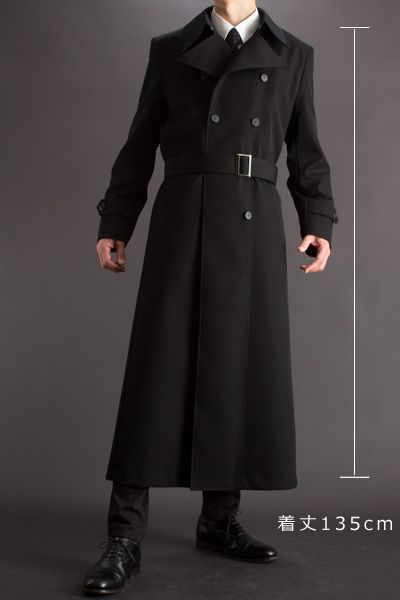













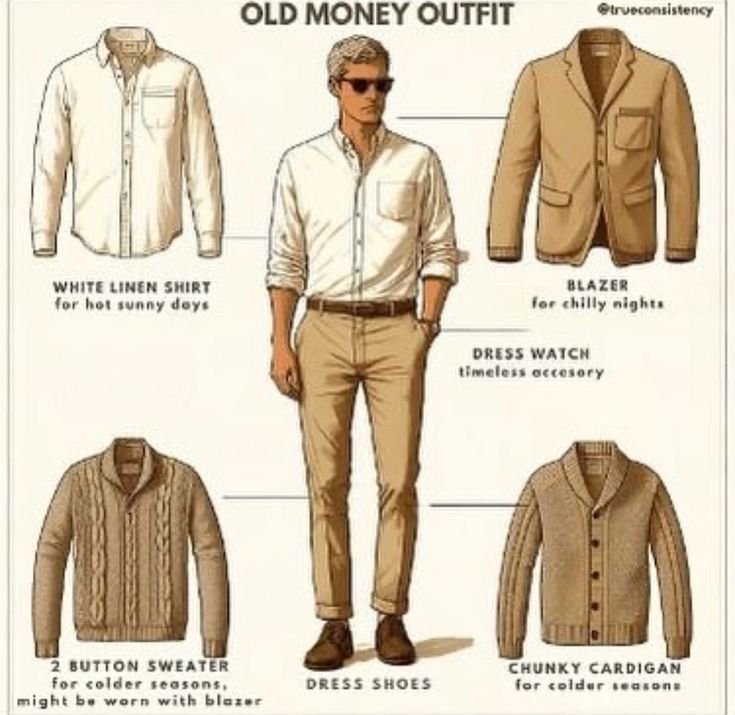





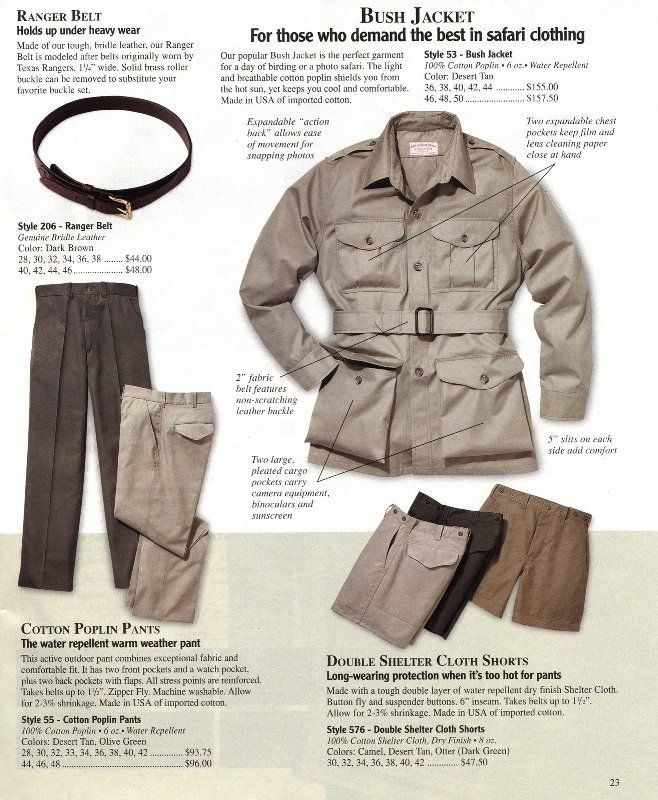






















Afternoon Delight – Starland Vocal Band (1976)
Takes me back. So far back.
Last Night
Written in response to: “Your character sees something unfamiliar out of the corner of their eye. What happens next?“
Jeff Paolino
Fantasy Horror Science Fiction
Last Night
by Jeff Paolino
Debbie Cornlow ran around the corner of the brick building and slammed her back against it. She took a couple deep breaths. On an exhale she peeked back around the corner. Nothing but a rat running through a puddle. Five blocks away a few cars traveled west to east under the yellow glow of the streetlights. The sidewalks were ready for the waste operatives in the morning. The traffic light clicked and unstuck her from the corner.
The street was black slick with fresh rain. It sparkled back and forth as she balanced on her heels, her corns were bustin’ from the run. She walked on, clutching the lapels of her dark green overcoat, glancing over her shoulder on repeat. Eyeliner ran down her cheeks. She peeked again, and noticed something out of the corner of her eye. Something crouched by the trash bags across the street. A child. She jerked her head back to the bags, and the child was gone. It was the trash can, must have been. You never know in this city.
She wiped the wet from her eyes and looked both ways down the street. Empty, quiet. Only a few windows were lit by other nocturnals. Debbie knew a scream wouldn’t do anything at this time. She crossed the street over to the trash. No kid, that was a relief, then a can popped in the bag by her knee. Her heart froze. She pulled the bags away to find the child. She tore open one bag and was met with beady black eyes and a snarled white grin. Fear struck again, this time in a different way. She backed into the tin trashcan and fell on her rear, the raccoon scuttled away. She got up and fixed the mess she made, when a shadow darted behind her. She caught a glimpse of, what looked like, a small gray foot disappear into the alley.
The alley was dark and thin, lit only by the street lamps at either end. She could make out some dumpsters toward the middle, and a figure, crouched by the fire escape on the opposite wall. Debbie called to the figure, “Hello?” Nothing moved. “Hey, do you need help?” She walked into the dark of the alley. The silhouette shuddered, then rose from its crouch. Its shoulders jutted out and up, followed sharply by its torso. The legs stretched ten feet. The arms grew long and slow, and forward after Debbie. She backed up with contorted countenance, tears streaming. The creature’s mouth opened and a bright light beamed out onto Debbie. The mouth moved and distorted the brightness. It turned her pupils into pinholes. She tore away and ran halfway down the block.
She would have run all the way home, but this was crazy. What just happened? She couldn’t be left guessing and chalk it all up to the alcohol mixing badly, or something. That was nothing she couldn’t handle, so she stopped and turned around. Her vision focused and zoomed onto the entrance of the alley. After a moment, a raccoon scuttled its dumpy butt out of the alley. Debbie was tired. It was just a raccoon. The same raccoon? Who knows? Time to go to bed.
Her apartment building and entered the code. Behind the glass door was a crouched shadow, just a chair. There was no shadow. Hell, maybe no raccoon. She walked up the first flight of steps. On each floor there was an apartment door. The walls were white, with some water damage here and there in the corners. As she passed the first door, a shadow came into her peripheral. She ignored it. The second floor the same. This time she jerked toward the shadow, it vanished. A residual dark cloud lingered for a moment, before dissipating into the bright white of the door.
She climbed the last flight of stairs, jangled her lock, and opened the door. Shades drawn, her apartment was dark. The door closed behind her. Standing in the corner to her right, was a man. His face stretched like putty, and his eyeballs rolled around in his skull. She jumped and flicked the switch. Nothing but the coat rack in the corner. Jeez, Debbie, pull it together, she thought, then pulled a bottle of bourbon from the shelf with a short glass, and plopped everything on the table.
No need for ice tonight. The whiskey filled to the top and she gulped half down. Just go to bed. It will be fine. I didn’t know that could happen. I can’t ever go to that bar again, that’s for damn sure. I didn’t know people could foam from the mouth like that. Why was he flopping so hard on the ground? And that sound, that sound of flesh covered skull hitting cement, over and over again. That has never happened before. Never. It has always gone smooth. Too much? I did others the same amount with much better results. Did I drop more than I thought, on accident? On purpose? No, I would never. I counted the pills outside the bar, after I left, before the alley. Why do I keep having this conversation? I know what happened. I knew the moment it happened. They told me not too much, I did too much. If I can handle what I took, then why would that have happened? I am so tired.
She put the last sip of bourbon to her lips and dropped the glass. It shattered on the floor like someone she had met before. It slipped, not her fault. Her legs wobbled and her torso jerked. Just get to bed. She dragged her hand across the hallway wall, then fell onto her bed, laid on her back and cuddled the covers tight.
Bubbles flooded her brain as she dozed. They popped, leaving black orbs of smoke that faded into the dark gray. Her eyes opened, then closed, testing the darkness of each, unable to separate the two. She clutched the covers tighter. Eyes opened, closed, opened, to see the child crouched on her dresser, a black silhouette in the blackness of the new morning.
Iron butterflies, rusty and ungreased, ripped at the lining of her stomach. Her body was stiff, only her eyes could move. The creature’s upper half stretched to the ceiling, its lower half stretched to the floor. Its bony limbs cracked and jerked, and extended to every wall. Its Spider-like crouch filled the room. Leathery gray skin hung from its body, wrinkled and smeared with red streaks. Its huge putty face hovered over Debbie’s. Its eyeballs rolled around in its skull. A green syrup dripped from its pointed nose and landed into Debbie’s mouth. The monster’s jaw cracked and churned. It opened wide. A beam of white light blasted out and burned Debbie’s eyes. Its jaw jerked opened wider, letting out more, brighter light that consumed her vision. Foam sprayed from her mouth. Her skull smacked against the headboard as she drifted into the silent white light.
Cajun Meat Loaf

Yield: 175 to 200 servings
Ingredients
- 40 bay leaves
- 1/2 cup salt
- 1/4 cup black pepper
- 1/4 cup white pepper
- 1/4 cup cayenne pepper
- 1/4 cup ground cumin
- 1/4 cup nutmeg
- 40 green onions, thinly sliced
- 15 medium onions, chopped
- 10 medium green bell peppers, chopped
- 40 cloves garlic, minced
- 4 cups butter or margarine
- 1 cup Worcestershire sauce
- 2/3 cup hot pepper sauce
- 6 (12 ounce) cans evaporated milk
- 1 (64 ounce) bottle ketchup
- 8 (8 ounce) packages dry bread crumbs (20 cups)
- 3 dozen eggs, beaten
- 30 pounds lean ground beef
- 10 pounds ground pork
Instructions
- Combine the seasonings; set aside.
- In Dutch ovens, sauté onions, bell peppers and garlic in butter until tender. Add Worcestershire sauce, hot pepper sauce and reserved seasonings.
- Cook and stir for 8 to 10 minutes. Discard bay leaves.
- Remove from heat; stir in milk and ketchup. Cool. Add bread crumbs and eggs; mix well.
- In several large bowls, combine beef, pork and vegetable mixture; mix well.
- Pat into 11 greased 13 x 9 x 2 inch baking pans.
- Bake at 350 degrees F for 65 to 75 minutes or until a meat thermometer reads 160 to 170 degrees F; drain.
- Let stand for 10 minutes before cutting.
Why is Van Gogh considered a great artist when his works are obviously those of a juvenile artist? Was it all marketing?
When I was 5 years old, I was vaguely aware of grown ups going ga ga over fine art..
I saw pictures of the fine art adults liked and I remember thinking that the adults must know a LOT more than me, because I was unmoved lol
Unmoved, that is, until I saw Starry Starry Night
I’m 64 now, but I remember being *riveted by this image and just getting it- yes, I had to believe there was such a thing as fine art
The sentiment never went away, and when I got my first apartment, I commissioned a hand painted replica from a gallery in Thailand for $400, which was a fortune for me to spend back then
I also fell in love with about 20 other van Gogh’s, but apart from some Rembrandts, nary another artist had that instant lock on my soul
By the way.. I got high on cannabis and mushrooms once and had an epiphany whist viewing my copy of Starry Starry Night;
My addled mind could imagine poor, mad Van Gogh painting with icy wind making his eyes water.. and the crazy shape of the sky comes from him painting what he saw through the tears in his eyes
64.9K views