
There’s a lot of hopeless banter from the West these days. many people in the West are really unaware of the great changes that the world around them is going though.
Just watch and observe.
Do not panic.
Today…
This is unbelievable!
This is a Tipping Point Moment for America | Redacted w Natali and Clayton Morris
These are the sad photos that ended in tragedy:
1Robert Overcracker, a professional stuntman, flew a jet ski through Niagara Falls in 1995 to raise public awareness of the problem of homelessness.This photo was taken at the moment his parachute failed, causing his death.
2.Space shuttle Challenger crew, shortly before boarding. Just over 73 seconds after launch.The Challenger crashed, killing everyone.
3.This is Nicholas Mevoli, just after breaking a freediving record, a discipline in which the diver must remain underwater for as long as possible without any protective equipment. Shortly after returning to the surface, Mevoli signaled that he was okay.But he fainted due to lack of oxygen and his body could not withstand it.
4. This famous photograph, which went around the world, was taken in Omagh, Northern Ireland.The red car seen in this image was loaded with a large quantity of explosives.The explosions that killed 29 people just minutes after this image was captured were a devastating attack. The photographer, tragically, did not survive. The man and child were among the more than 200 people injured but who survived the tragic incident.
5.Final moments of Transasia 235, which crashed into a bridge in Taiwan,killing 43 of the 58 passengers.
Ex Wife SERVED Divorce Papers
66 YEAR OLD SECRET
Written in response to: “Let a small act of kindness unintentionally trigger chaos or destruction.“
500 Hungry Gorillas
Horror Science Fiction Suspense
He came between the banyan roots like he owned the forest. Jet black, coat shining like oil even in the dim light. Not a scratch on him. His ribs weren’t showing, his eyes weren’t dull with hunger like every other stray left behind by the storm.
To take my mind off my problems, I played fetch with him. There was a real connection between us, so I named him Acid. When I said it, his ears perked up, and he came closer, sniffing at my hand before licking it. His tongue burned a little. Not painfully—just enough to make me blink. I could’ve sworn he smiled. But in the back of my mind, I thought how in the heck did this dog survive?
Mom was easily convinced because I told her Acid could be used as a guard dog. She looked at him, then at me, and sighed the way mothers do when they know they’ve already lost the argument. Our home had just two rooms with only one window. I was aware of our financial challenges; however, to me, it was still home.
“Fine,” she said. “But he eats scraps, same as us.”
Then came the knocking.
No, not knocking. Banging.
Mom froze, her sewing needle halfway through a patch on my torn shorts. “Stay here,” she whispered, standing slowly.
I peeked. There were three men who stood at the doorway. I recognized two of them—local boys who hung around the market, stealing from tourists. The third was new—older, fatter, and meaner-looking. His shirt strained against his belly with a gold chain around his neck gleamed even in the low light.
“Evenin’, Madame,” the fat one said, smirking. “We come collecting.”
“Collecting what?” Mom asked, her voice trembling.
“Protection money. You don’t want somethin’ bad happenin’ to your little house now, do you?”
She shook her head. “I don’t have money.”
The fat one’s hand moved fast and then – the slap! The sound cracked through the house like a gunshot. She stumbled, hitting the table. Blood smeared her lip.
Something deep inside me snapped and I jumped between them, but the fat man pushed me and I broke my arm. Then something inside Acid answered.
He stood. Not like a normal dog—no barking, no slow rise, no stretch. He unfolded – as hair retracted into the skin. The sound of it was wrong, like meat tearing and wood splintering all at once. His body shimmered, rippling under his fur until the fur peeled away like wet paper.
He grew.
Three times his size, easy. His legs bent the wrong way, 12 inch teeth grew like cutting tools, bones jutting out like jagged knives. His spine arched and split, ribs twisting outward, each one glistening sharp and curved like a Katana blade. The air filled with a smell—iron, sulfur, and something like burnt hair.
The men screamed.
Acid’s head turned toward them, those yellow eyes narrowing. They weren’t dog eyes anymore. They were deep, liquid, and patient. Predatory.
The first man tried to bolt, but in his panic, he slammed into the doorframe so hard the sound was like a coconut cracking. He dropped, twitching once before going still.
The skinny one stumbled backward, shouting for God, for his mother, for anyone—but no one came.
The fat one, who’d hit Mom, tried to wedge himself between two dressers to escape. Acid lunged. The sound his claws made scraping the floor was like glass being dragged across concrete. Then came a wet rip and a scream that stopped halfway through.
When it was over, the fat man was still breathing—barely. The others weren’t.
Mom stood frozen, hand over her mouth. Her eyes darted between me and the creature that was, impossibly, my dog.
Then Acid turned to me.
He tilted his monstrous head and waited.
I reached out, trembling, and placed my hand on his face. The blades and bones and blood melted away beneath my touch. His body folded back into the shape of a normal, panting, happy black dog.
Mom took a machete she had and put the fat man out of his misery. Mom and I buried what was left of the men in the field behind the mango trees. No one came looking. In the chaos after the hurricane, people went missing every day.
No one ever bothered us again.
That was sixty-six years ago. I’m seventy-three now.
Acid hasn’t aged a day.
Mom died a year after the hurricane, and Acid and I became inseparable. I was adopted by a magnificent and influential family from Florida.
At seventy-three years old, and I still play fetch with Acid like it was yesterday. I live with my wife in a 3-bedroom house and I became a professional jeweler. My mom would be so proud.
Visiting Port-au-Prince, a man tried to mug me outside a bar. I was in my thirties then, drunk enough to laugh in the man’s face.
He pulled a knife out on me.
The next thing I remember is standing in the rain, my shoes soaked in blood. Acid beside me, wagging his tail. I buried that man too.
I’ve learned not to ask questions.
There’s a kind of peace in old age. You start to accept things you shouldn’t. I tell myself Acid saved me—saved Mom.
But at night, when the wind picks up like it did that night in 1959, I hear them again. The screams. The tearing. The wet sound of something being eaten.
And I see Mom standing in the corner, sewing needle in hand, eyes wide and shining in the candlelight. She never spoke about that night again. Not once. Not even when she got sick. Not even when she was dying.
The day she passed, Acid sat beside her bed and didn’t move for hours. I thought he was mourning. Then I saw his tongue flick across her hand. Just once. A little burn mark bloomed on her skin where he’d touched her.
Three nights ago, I woke to find Acid staring at the bedroom door. His fur was bristled, the faint glow back in his eyes.
“What is it, boy?” I asked, my voice hoarse with sleep.
He didn’t bark. Just kept staring. Then I heard it—a shuffle outside. More than one set of feet.
Old instincts kicked in. I grabbed the rusted machete by my bedside.
The door creaked open.
Two young men stepped inside, faces covered by scarves. I saw the guns first, then the twitch in their hands.
“Old man,” one said, “we know you got money.”
I felt my heartbeat slow. It was happening again. I looked at Acid. He looked back. And I swear to you, he smiled.
“Leave,” I said. “Now.”
The first one laughed. “Or what, grandpa? You gonna sic your mutt on us?”
The sound that followed wasn’t a growl. It was lower, deeper. The air seemed to pierce through my soul.
Acid moved.
The guns went off and so did the hand that held it. Loud and sharp cracks echoed through the house, but the bullets didn’t matter. They never did.
When it was done, something was different. Nothing was there but the destruction of my house. I couldn’t move. I just stood there with a machete in hand. Acid returned to his smaller shape, tail wagging lazily as blood pooled around my feet. The men had disappeared as Acid laid by the door, licking his paws clean.
I, on the other hand, can barely stand. My hands shaking. My skin hangs loose. My heart feels heavy with too many years of what this is.
After all these years, I sometimes wonder what happens when I die. Will Acid stay by my grave the way he did with Mom? Or will he do what he’s always done—take what’s his?
Acid didn’t find me that morning in the woods. He chose me.
Maybe he was never a dog at all. Maybe he was something older—something that came through the storm when the wind tore open the sea. Something that smelled my fear, my loneliness, my need. And maybe the name I gave him—Acid—wasn’t mine to give. Maybe he’d been called that long before, by other tongues.
I’ve tried to leave him before. Once, in my forties, I took a boat to the mainland. Spent three weeks sleeping in hostels, pretending to be someone else. On the twenty-second night, I woke up to the sound of claws on the floor.
He was sitting at the foot of my bed, eyes glowing faintly in the dark.
No matter where I go, he finds me.
But lately…, I think I hear him whispering when I sleep. Words that sound like my name spoken backward.
I dreamed of Mom. She was standing by the mango trees, calling me, her lips moving but no sound coming. Acid stood beside her. But his head was wrong—too long, too narrow, his teeth glinting through thin skin.
He curls beside me now, his head on my lap, and I can feel his breath against my skin—hot, steady, almost human.
I think he’s waiting. He’s always been there to protect me… but protect me from what? From from himself?
And for the first time in seventy-three years, I’m afraid not of what’s outside the door— but of what’s sitting right beside me.
He knows I can’t run. I can barely walk.
But I’ve kept the machete from that night in Haiti. Rusted, but sharp enough. I laid it on the kitchen table, right where he can see it.
Maybe this is what he wanted all along—to see if I’d fight. Maybe it was never about protection. Maybe he was just waiting for the moment I’d be too weak to stop him.
That night the air smells like the sea back home.
I’m in the living room since the storm took command over the skies. The lights went out and this time Acid is not near me. I hear the floor board creeks but he’s moving slow and deliberate.
“Don’t,” I whisper.
He pauses. The sound that comes from him isn’t a growl—it’s a sigh. A long, low exhale, almost human.
Then he steps forward again.
Lightning flashes, and for an instant I see what he truly is—bone and smoke, ancient hunger wrapped in a familiar shape.
I grip the machete. My old heart has stood the test of time. I flashback to the day I saw him but my heart hurts.
He crouches.
We stare at each other.
The wind howls through the doorway. Soon, I’ll be gone. I can feel it but I have no choice…
As the moonlight penetrates through the house – No! I shouted. And now two friends have become enemies. On the wall, our shadows sour in mid-air and this time, my machete is in hand.
Evanescence – Bring Me To Life REACTION
What do you think about Trump urging the production of Rush Hour 4?
Actually, I’m also kind of looking forward to Rush Hour 4. If they don’t make it soon, the main actors will be too old. I’ve seen all three Rush Hour films. As a Jackie Chan fan, I’ll be honest—to me, Rush Hour always felt like it catered a bit to so-called Hollywood tastes, with plenty of stereotypes mixed in. But young Jackie was just too handsome! After reading his autobiography, Never Grow Up, which shares many stories of his early Hollywood days, I gained even more respect for him. He described how directors would ask about special effects, or stunt, and he’d reply, “One, two, three, jump—and then hospital.” It was through those relentless falls and fights that he truly became a legend.
Personally, I prefer his classics like Project A, Drunken Master 2 and Police Story. Even though they’re decades old, they still make me laugh. His humor is cheeky but never crude; the action is thrilling but never gratuitously violent—that’s the essence of a Jackie Chan film.
Recently, I watched his new movie, The Shadow’s Edge. I’d say it’s his best since The Foreigner. He stars alongside Tony Leung Ka-fai—their last collaboration was in The Myth back in 2005. Though both have aged, the fight sequences remain impressive, and their acting is, as expected, superb. Over the years, as Jackie has shifted roles, you can see his dedication to dramatic acting. He often says, “I am an actor who knows kung fu,” not “a kung fu actor.” There’s a meaningful distinction there. His dramatic chops were already evident in films like The Shinjuku Incident—highly recommended for those interested.
Nowadays, it feels like Jackie makes movies purely for his own enjoyment, and I think that’s wonderful. He’s exploring different roles without having to cater to anyone else’s expectations.
Also, it’s not just Jackie Chan — there are many other excellent films from China. While in London, I once attended a Wong Kar-wai film festival and was reminded how widely adored his work remains, even though he hasn’t directed much lately. My two favorites are The Grandmaster and In the Mood for Love—the former for its compelling story, the latter for its breathtaking visuals, color palette, lighting, costumes, and soundtrack. And of course, there’s his frequent collaborator, the phenomenal Tony Leung Chiu-wai. The farewell scene between Gong Er and Ip Man in The Grandmaster left me deeply moved.
Speaking of recent viewings, I thoroughly enjoyed Zootopia 2. It’s incredibly witty, packed with clever references. Officer Clawhauser absolutely stole my heart—his cheerful, love-filled personality is so endearing, and his obsession with Gazelle reminded me of my own fan experiences! The dynamic between Judy Hopps and Nick Wilde sparked lengthy debates among my friends—is it friendship or something more? I see it as a deeply trusting partnership, though many friends even use them as couple profile pictures, which shows how iconic this IP has become. Zootopia has broken numerous records, proving how a successful animation can boost related industries like tourism and merchandise. Even a decade after the first film, its popularity remains astounding. Next time I visit Disney, I’m definitely heading to the Zootopia zone to meet Flash!
On the topic of animation, another box-office hit this year was Nezha 2. It’s a reminder of how much rich material China has to offer—its vast history and mythology are treasure troves for storytelling. I hope more filmmakers will take the time to patiently craft meaningful, high-quality stories from these incredible sources.
Well, gone a bit off-topic. Are there any Chinese movies that really stood out to you?
U.S. Requires Social Strip-Search On Entry
The USA is silly dilly. -MM
During the 1990s and up to the year 2001 I had visited the United States more than a dozen times. I had touched down and traveled through 22 of its 50 states. About half of that traveling was part of my job, the other half was vacationing and visiting friends.
After the 9/11 attacks the U.S. shut down. Coming in by air plane required to take part in some ridiculous security theater. The previously already annoying waiting in line and questioning by custom and immigration officials got worse. Travelers were no longer welcome. I canceled my already planned future visits.
It now gets worse:
U.S. plans to ask visitors to disclose 5 years of social media history (archived) – WaPo
The United States could begin requiring visitors from countries on the visa waiver program to provide up to five years of their social media history, according to a U.S. Customs and Border Protection proposal posted to the Federal Register to be officially published Wednesday.
There are dozens of countries on the visa waiver program list, including many European nations, Australia, New Zealand, South Korea, Japan, Brunei, Singapore, Qatar, Israel and Chile.
The proposal suggests adding social media as a “mandatory data element” for an Electronic System for Travel Authorization (ESTA) application.
Applicants would also have to provide additional information “when feasible,” according to the proposal. The list includes telephone numbers used in the last five years, email addresses used in the last 10 years, IP addresses and metadata from electronically submitted photos, and biometrics, including facial, fingerprint, DNA and iris data.
It would also require applicants to provide information about their family members, including names, telephone numbers, dates of birth, places of birth and residences.
A visitor will also have to use a U.S. government supplied app and pay some US$ 40 for the privilege. European visitors will have to break their countries data protection laws to provide family member data.
The most egregious request though is for social media data. The proposal says:
3. Mandatory Social Media:
In order to comply with the January 2025 Executive Order 14161 (Protecting the United States From Foreign Terrorists and Other National Security and Public Safety Threats), CBP is adding social media as a mandatory data element for an ESTA application. The data element will require ESTA applicants to provide their social media from the last 5 years.
U.S. Custom and Border Protection is already collecting social media data from H-1b visa applicants:
As of December 15, the Department will expand the requirement that an online presence review be conducted for all H-1B applicants and their dependents, in addition to the students and exchange visitors already subject to this review. To facilitate this vetting, all applicants for H-1B and their dependents (H-4), F, M, and J nonimmigrant visas are instructed to adjust the privacy settings on all of their social media profiles to “public.”
It is likely that the same requirement will be introduced for ESTA applicants.
CBP has yet to introduce a mandatory public strip-search on entry. One wonders why they are holding back on that.
To travel to China is now much easier than to travel to the ‘leader of the free world’. There are no visa requirements in China for up to 30 day visits from my country. No questions are asked. There are no checks on social media. There are no immigration lines, just a 10 second glance at one’s passport. Besides that crime is low in China and prices are decent.
Is the U.S. unaware of how much damage it does to its global image by demanding a ridiculous amount of private data from any visitor to it? Or doesn’t it care?
I for one don’t plan to visit the U.S. ever again.
5 REASONS I won’t date American Women!
Col 26-Book 434 Sir Whiskerton and the Kilt of Confidence (and Minor Tripping) – A Tale of Tartan, Tail-Tucking, and Taking Up Space
Ah, dear reader—prepare your heart, your monocle, and perhaps a sporran for safekeeping. Today’s story does not begin with a quack, a snort, or even a kazoo blast.
It begins with a gulp.
A deep breath.
And the soft rustle of wool, folded for years, now unfolding in the morning light.
So settle in. Breathe deep. And step gently into Sir Whiskerton and the Kilt of Confidence.
The Fitting
It was a Wednesday—still golden, but with a crisp edge, like the first sip of tea after a long night of journal-reading.
Sir Whiskerton stood before the hayloft mirror (a cracked piece of glass rescued from the junkyard, framed in driftwood by Cecil & Chester), kilt laid across his paws like a challenge.
The journal’s words echoed in his mind:
“Wear it with pride—even if the tail hole itches.”
He took a breath.
Then—with the solemnity of a cat stepping onto a freshly mopped floor—he began.
The pleats were stiff, the wool dense and rich: crimson, forest green, midnight blue, weaving a pattern older than the barn itself. He fastened the leather strap at the waist, adjusted the heavy drape over his hip—and paused.
Where did the tail go?
A small, clever aperture had been cut near the back—a detail so perfectly placed, it could only have been made by someone who knew:
This cat walks tall. His tail is part of him. It will not be tucked away.
Sir Whiskerton slipped his tail through.
A shiver ran up his spine—not from cold, but from recognition.
Then—the Tam o’ Shanter, settled gently on his head, the white feather brushing his ear like a whisper:
“For windy days and bold decisions.”
He looked in the mirror.
Not just himself.
But Whiskerton.
Of the Glen. Of the Journal. Of the line.
His breath caught.
Then—
“Ooooh!”
Ditto stood in the loft doorway, eyes wide, whiskers twitching with awe.
“Ooooh!” echoed Echo, peering over his shoulder.
Before Sir Whiskerton could shush them, Ditto bounded forward.
“You look… brave!”
He pulled a small leather pouch from his own satchel—a spare.
“Sporran consultant, reporting for duty!”
Sir Whiskerton couldn’t help it.
He smiled.
The Walk (Or: How Eight Feet of Tartan Met Gravity)
Descending the ladder was… an adventure.
The kilt, noble and dignified in stillness, had opinions about motion.
- On step three: a pleat caught on a nail. Trip.
- On step five: his tail swung—just so—and the kilt billowed like a sail in a gale. Whoosh.
- On step seven: Ditto, attempting to “steady the sporran,” bumped his leg. Stumble.
“Are you… dancing, sir?” Ditto asked, hopeful.
“No,” Sir Whiskerton said, landing gracefully (if a bit flushed). “I am… recalibrating.”
The farm took notice.
- Bessie, grazing nearby, stopped mid-chew. Her mood ring pulsed deep gold—awe, with notes of ancestral resonance.“Whoa, man. You’re emanating serious lineage.”
- Doris, ever the critic, adjusted her spectacles.“The cut is excellent. High-waisted dignity. Pleats with purpose. Though…” She tilted her head. “Have you considered a brooch? Something to say, ‘Yes, I meant to wear this’?”
- Genghis, lounging atop the hayloft, smirked.“Well, well. The great Sir Whiskerton, reduced to upholstery.”
Sir Whiskerton didn’t snap.
Didn’t bristle.
He simply turned—slowly, deliberately—adjusted his Tam, and walked toward Genghis.
Not a stalk.
Not a pounce.
A stride: measured, proud, tail held high through the kilt’s opening.
Genghis’s smirk faltered.
Then—Sir Whiskerton lifted the cudgel—“Whack Wisely”—and gave Genghis’s gold chain a single, sharp ding.
Not hard.
Just enough to make it sing.
“Tradition,” Sir Whiskerton said, “is not about the past. It’s about carrying it forward—with intention.”
He turned back to the yard.
“Now. Who’s ready for tea?”
Ditto bounced.
“Me! Me! Me—oh!”
He tripped over the hem of the kilt and tumbled into a pile of clover.
The Moral of the Story
That evening, as the sun dipped low and the farm gathered for supper, Sir Whiskerton sat—not on the roof, but at the head of the table—kilt still on, Tam beside his teacup, journal open to a new page.
“The moral of the story, dear reader,” he said, voice softer than usual, “is this:
Honoring who you come from doesn’t mean becoming them—it means standing tall in your own skin (or tartan), tail held high, heart open.
My father wore his roots with humor and heart. Today, I wore them with… minor tripping. But I wore them.
And that—
—is how legacy lives.”
Doris dabbed her eyes.
“Oh! Oh, I can’t bear it!”
“Bear it! Bear it!”
And the Divine Llama—who had appeared silently at the edge of the circle—blinked once.
Slow.
Deep.
Approval.
Post-Credit Scene
Later, under starlight, Sir Whiskerton walked to the edge of the farm, kilt rustling in the breeze.
He didn’t go far.
Just to the old oak, where the map said the One-Legged Oak once stood.
He placed a hand on the bark.
And for the first time—not in anger, not in duty, but in tenderness—he spoke aloud:
“I’m here, Dad.
And I’m… figuring it out.”
A breeze stirred the branches.
Somewhere, faint on the wind—a crow cawed.
Not a warning.
Not a lie.
Just a sound.
Like a beginning.
Like a welcome.
Jingle on. 🏴🐾✨
(Or, in the old tongue: Slàinte mhath—and steady pleats.)
The End.
Cilantro Chutney (Chutni Gashneetch)
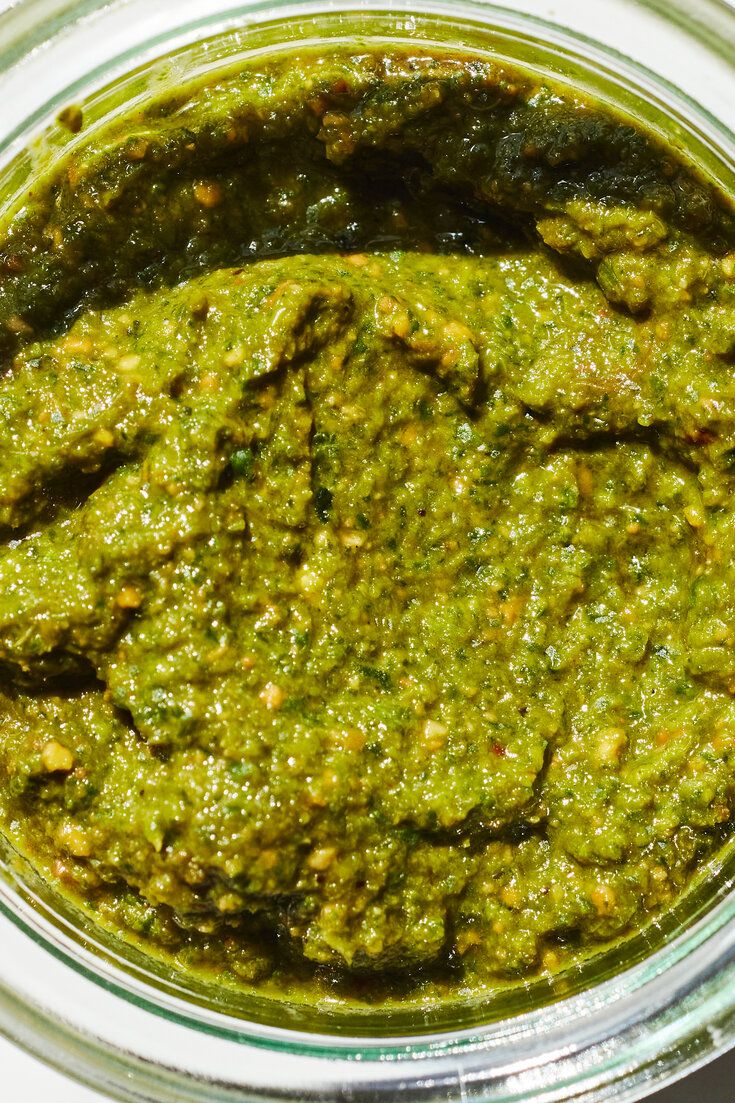
Ingredients
- 1 cup snipped fresh cilantro
- 1/4 cup lemon juice
- 2 tablespoons snipped fresh mint leaves or 1 1/2 teaspoons dried mint leaves
- 1 teaspoon chopped gingerroot
- 1/2 teaspoon salt
- 1/4 teaspoon pepper
- 1/8 teaspoon ground red pepper
- 1 green jalapeño pepper, seeded and coarsely chopped
- 1/2 small onion, cut up
Instructions
- Place all ingredients in blender container or food processor. Cover and blend on high speed, stopping blender to scrape sides occasionally, until smooth, about 1 minute.
Pictures




































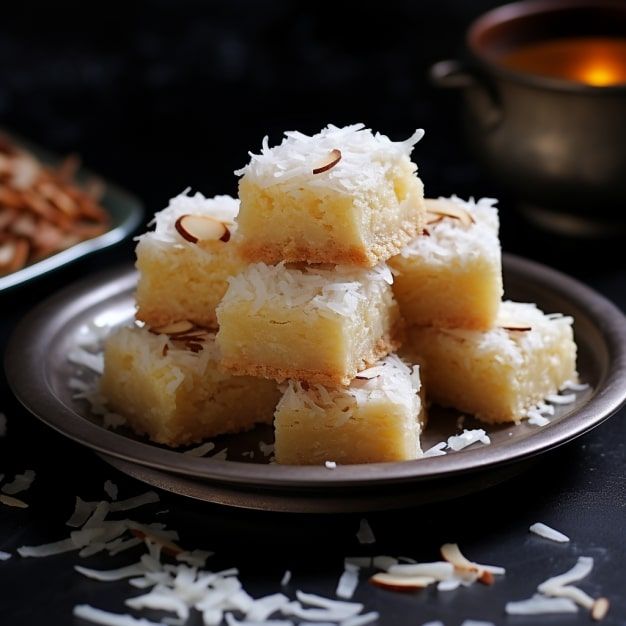
Coconut Barfis
Yield: 10 to 12
Ingredients
- 1 cup milk
- 2 1/2 cups granulated sugar
- 3 cups unsweetened shredded coconut*
- 2 teaspoons ghee
Instructions
- Mix the milk, sugar, and coconut in a saucepan and place on high heat. Keep stirring often, and as the mixture begins to show signs of solidifying, lower the heat.
- Keep stirring. As the ingredients come together as a viscous mixture, add the ghee, stir for a minute, and transfer the mixture to a shallow baking pan.
- When it is slightly cooler (and before the mixture sets), cut into squares. It should set in about an hour. Use a sharp knife to pry out and separate into square pieces.
Notes
* Break open a fresh coconut, pry out the kernel, and shred in a food processor.
This is simple to make and tastes better with fresh coconut. If necessary, you can substitute dry coconut shreds.
The Doom of Embry
Written in response to: “Begin with laughter and end with silence (or the other way around).“
Victor Amoroso
Ara blushed, “You have such kind words, but I am just accompanying my sister tonight.”
“Of course,” Mrs. Field stated, “Oh, did you hear? It seems that the Reikian farm has been hit by a touch of cholera. So sad, even the young child has been stricken.”
“Oh dear, that is horrible,” Daphne held her hand to her breasts, “has anyone fetched a doctor to tend to them?”
Mrs. Chathamford chirped, “John Porter has gone to the city. Now ladies, lets not concern ourselves with that unpleasentness. Daphne, did you know that Peter Doocy has returned from his voyage to the East Indies? You would do well to engage with him as soon as possible.”
It was good advice. Daphne nodded in affirmation.
***
By the time of the masque, word had reached Daphne that the Reikian child had died. She didn’t know them well, but the death saddened her. Ara wore a light green dress, and twirled and twirled before Daphne as they walked to the barn. Mr. Field had built a new barn last spring, and his old one was a gathering place for Embry’s social scene, so close to the church.
Most of the townsfolk were there already, and the fiddlers were providing a lively tune. Daphne breathed in as much as she could, her corset as tight as she could make it. Her mother remained at home, with a touch of the fever, while her father had joined General Washington in this campaign.
Already, a half a dozen young men had approached Ara, requesting the honor of escorting her. She neither rejected nor accepted these offers, but floated from man to man collecting pledges as a bee collects pollen. Daphne watched, and was startled when a deep voice spoke behind her. “Good evening Daphne Harris.”
Peter. “I see that your time away hasn’t taught you to not startle young women.”
Peter laughed, “It seems that your sister has enchanted everyone but myself. Including yours truly. Otherwise I couldn’t have snuck up on you.”
Daphne turned around. The years away had been good to Peter, but he still was somewhat ordinary, with the exception of a small scar on his cheek that added a bit of dash. “My sister is something special. Why aren’t you enspelled by her?”
Peter rubbed his chin. “I seek finer things Daphne. Have you tried this punch?”
Daphne hadn’t. “I hope there is no alcohol in it. You know how I feel about it.” He shook his head, and held out a cup, the red liquid inside it swirling and frothing. Daphne held it up to her lips, about to take a drink when the gross sound of someone retching pulled her out of the moment. She set down the drink, and swiftly walked out of the barn, Peter following.
Against the side of the barn, a figure hunched over, one hand on the hand pump and the other against the wall. A wet splat graced their ears, their back crook shaped in the fading light. “Are you alright?” called Peter to the wretch.
They turned, and Daphne screamed. Their bloody maw lay open, surrounded by pale flesh greased with a sheen of sweat that soaked their clothing. Their eyes burned with pain, and the veins on their arms exposed by their shirtsleeves rolled up pulsed with an unholy rhythm. George Reikian stood there, swaying for but a moment, before lunging towards Peter and Daphne.
Peter intercepted him, grabbing both his upper arms, to halt his progress. The shouts of the other men and squeals of the women summoned by Daphne’s scream buffeted her, quieting her shock. Then out of George came a violent torrent of black, coating Peter in its foulness. The men wrestled him to the ground, an unearthly howl emanating from his twisted body.
“My God, what vile sin has this man done?” Parson Jameson scoffed at the scene, the town elders all nodding in agreement as though the answer was obvious.
“That is no cholera, what manner of deviltry is this?” Barnaby Jones, the general store man, exclaimed. Others agreed, but no answer was given.
“Let us through, let us through,” John Porter led a bespectacled man through the assembly, who carried a small bag. “I’ve brought the doctor.”
Daphne sat on the nearest bench, trying to catch her breath. Ara glided over to her, sipping her punch. “What happened dear sister?”
“George Reikian has collapsed. Deathly ill. Cholera.”
“Oh dear. Should we pray for him and his family?”
“Yes, yes we should.”
***
Peter came to fetch Daphne four days later. The Reikian family was being buried, and he came to ask to escort her. Ara was not feeling well, so it was just Peter and Daphne. The church wasn’t full when they arrived, the wind rattling on the clapboards punctuated by coughs inside.
“Lot fewer people here that you would expect,” whispered Peter in Daphne’s ear. “I didn’t think that the Reikian’s were disliked.”
The truth is that while George and his family lived some distance out of town, they produced some very fine beer out there and shared freely with their neighbors. Daphne could not see any of those neighbors sitting here inside the church.
Parson Jameson’s voice boomed throughout the church, proclaiming the evils of drink and vice, and that God should forgive the Reikian’s souls. When he finished, the men stood and in a row carried out the five coffins to the churchyard.
The holes had been dug before, the gravediggers skin a light bluish color as he leaned against his shovel. Daphne averted her eyes, and Jameson called for the unfortunates to be lowered into the ground. A fat raindrop hit Daphne on her face as Mrs. Reikian reached her final resting place. It was a full downpour when the last small coffin reached the bottom.
Peter walked her home in silence. The streets were nearly deserted in the rain, with faces peering out from behind windows marking their passage. When they reached the general store, Daphne could have sworn that she spotted Barnaby Jones bent over a barrel in the interstice. When she turned to ask Peter to investigate, Barnaby was gone.
They reached her door as the rain began to let up. “What a dreadful day Daphne. He made such fine beer.”
Daphne wrinkled her nose. “I am going to change out of these wet clothes. I would suggest you do the same Peter Doocy. Don’t want you to catch your death out there.”
“I shall. How is Araminta? Does she have a fever? Perhaps I should fetch the doctor from Mr. Porters?”
A wracking cough answered him from upstairs. “That would be good. I’ll tend to her in the meantime.”
Daphne turned and closed the door. She quickly went to her room, changed her dress, and went to her mother’s room. She lay under the covers, clearly shivering. Daphne pressed her hand against her forehead, the skin clammy and cold. She picked up a cup that lay on her nightstand, faintly smelling of beer.
She brought the cup with her to Ara’s room. She sprawled in her rocking chair, a beaming grin on her face and a used goblet laying on the ground next to her. “My dear sister, you returned! How were the festivities?”
Daphne scowled, “I would not call laying a family of five into the cold earth to be a joyous moment.”
Ara narrowed one eye, and tilted the other towards her, “Depends on what you mean as joyful. Sometimes the laughter is joy, others the silence.”
“Its time for bed with you. You have obvious drunk too much.” Daphne grabbed her sisters hands, to guide her to bed, when she recoiled in horror, dropping Ara. Something wriggled under the skin of her hand, throbbing to its own beat between her veins, and then disappearing into her wrist. “What was that?”
“What was what? Daphne, are you seeing things? I’ve had a bit to drink yes, but to dull the ill feeling. I am wonderful now,” and she twirled for effect, her alcohol and sweat soaked clothing clinging to her body and she turned. Her smile grew wider, and she pulled her lips back, showing gleaming white teeth that highlighted against her cerulean flesh.
“I’ll, I’ll make sure that Peter is fetching the doctor…Ara, please lay down in bed. You are quite sick.”
Daphne rushed from the room, feeling the bile rise within her. The cholera had spread to her sister, there was no time to lose. She ran downstairs, and opened the door. Hopefully she would see Peter soon, with the doctor in tow.
Mists crept in as Daphne watched, the light fading as her worry grew. Hacking drifted down the stair and scraped the last bits of calm she had left. It felt like hours since Peter escorted her home, and it wasn’t like him to be late. Where could he be?
“Daphne, please help me!” Her mother weakly called from her room. Daphne rushed up the stair to get to her mother’s bed. Her shriveled face was framed by blankets. “Mother, I am here!”
“Go fetch a healer. Your sister is very sick. I could use their ministrations as well.”
“Yes, mother.”
Daphne grabbed her shawl, and ran into the dusk after grabbing a lantern. She knew the way to John Porter’s, even in the dark. She came across no one, and the lamp posts had not been lit.
Breathlessly, Daphne reached John Porter’s door, and she knocked rapidly on it. No voice called out to her. “They must be out.” Daphne said out loud to no one. Could she have passed them in the mists as Peter was taking them back to her house? She decided to check Shalley’s tavern, as someone there might know if they went somewhere else.
The candle still burned in the window of the tavern, giving Daphne some hope that assistance was inside. She opened the door, and that light was dashed. The tavern was completely empty. She walked to the back room, to find Cassandra, but to no avail.
Where could everyone be? There was no way she or her father would abandon their business, and there was always someone desirous of their services in the evenings. The knot in Daphne’s stomach grew. Maybe everyone was at the church. She would head there next.
She exited the tavern, and turned down the road towards the church.
After she passed several buildings, she spied someone in the street before her, shrouded by mist. “Parson Jameson? Is that you?” She peered through the lantern at the lanky form.
The parson turned, and Daphne almost dropped the lantern. His face twisted and stretched, his skin crawled with unnatural worms under it, and his mouth dripped with black fluid. He vomited out a fountain of inky darkness, and Daphne jumped aside to avoid it.
Her scream echoed between the buildings, and others emerged from them, orifices dripping with sickness. One of the wriggling creatures pushed its way out from behind the parson’s eye, a pink horror whose flesh glistened in the lantern light. It perched itself on his forehead, and opened its circular jaw, filled with needle sharp teeth.
Daphne fled, dropping the lantern behind her. Her heart pounded, pumping against her chest with each step. As she ran, more figures came out of the mist, putridness leaking from their bodies. They pursued her, their fingertips on the hem on her dress as she ran back for her home.
One by one they fell back into the shroud, and then Daphne saw her house, and with every last ounce of strength she ran up her steps, and burst through the door. She ran into him, collapsing into his arms. “Peter, oh thank God you are here! It is so horrible!”
“Horrible, what do you mean?”
“Peter, where is the doctor? Ara needs a doctor.”
Peter smiled, and shook his head. “There is no doctor. And Ara is fine. No need for a doctor now.”
Daphne looked up at him, and pulled away. How could she have gotten better? She ran up the stairs, and headed for Araminta’s room.
Her sister lay in bed, her blankets a bloody mess. Worms crawled over her skin, bathing in her remains. Her flesh held a bluish color, her sweet lips black, her lifeless blue eyes staring up at the ceiling. Daphne retreated, and closed the door to her sister’s room, and slowly walked to her mother’s
Her mother had fought against it, but in the end she had succumbed. Every inch of her bed lay soaked in that evil black liquid. Daphne wanted to throw up, but nothing came. She backed up from the grisly scene, and bumped into something.
“You see, no need for a doctor, Daphne. No need at all.”
Daphne slowly turned, and Peter stood there. “What have you done?”
Peter took her by her hand, “Come, lets be away from here.” He led her back down stairs, to her families study. “Sit down Daphne, I have a proposition for you.”
She tried not to cry up to this point, but the tears started to flow now. “Don’t cry, you will find my offer most fair. A better offer than I was given.”
Through tears, Daphne blubbered, “Offer? What are you talking about Peter?”
Peter chose the chair opposite her, and settled in. “We came across this native tribe, on an uncharted island in the East Indies. Violent savages, practices steeped in cannibalism and the occult. Just vile. We found out that the Portuguese had come not but last year, in search of vanilla, same as us.”
Daphne gulped, and a squelching sound started down the stairs. “What happened?”
Peter crossed his legs, “The Portuguese had slaughtered them, but didn’t get them all. This angered their gods. They couldn’t make them pay, so they made us. Most of my men were killed, cast into a pit filled with the offspring of the gods. You see, most people can’t handle hosting one of them. Kills them in a manner of days. They also can’t survive long outside of a body, unless in a solution of alcohol.”
Daphne looked up, “You tainted the Reikians beer?”
“Why yes, and the spirits at Shalley’s. For my life, I needed to make an offering. A harvest to their gods. And for the glorious capstone, I would choose their queen. And I have chosen you.”
“Me?”
“Oh yes. You are strong, and I know you can sustain her. I have brought her to you, all you have to do is accept her. She will make it painless, I know. You will live beyond what man was capable of. You will never sicken, never fall ill. You will have me.”
Daphne turned a little green, but forced the reflex down, “What horror is this? Peter, you are a monster. My mother, my sister, everyone we know and grew up with. You have done this…and if I refuse?”
Peter leaned forward. “I offered all of you up. If you won’t be the queen, then I’ll have to find someone else. And I’ll turn you over to them. I don’t want to do it, but I have to. Price of my life.”
Daphne wiped away the tears. She didn’t want to die, but she didn’t want someone else to suffer. “Could I write a letter first, to my father? Let him know what happened to us?”
Peter blinked, and nodded. “Of course. I’ll bring her in while you are writing.”
Daphne got up, wiped her face and walked over to the letter desk. She sat, and pulled out all of the letter writing tools to send and receive a letter. As she wrote, she could hear Peter roll in a barrel. “Its time, are you finished?”
Daphne nodded, and stood, clasping her hands behind her back. Peter pried off the lid, and Daphne could hear sloshing in the barrel. Then it emerged.
Slimy, grayish pink, and the size of her forearm. It slithered out of the barrel, and wriggled along the floor. It opened a single eye, black and soulless, and bared its teeth. It found purchase on her dress, and crept up, coming to rest on her breast.
“Open your mouth. It won’t hurt.”
Daphne opened, and it crouched to lunge in. Before it could, she drove the letter opener in her hand held behind her back into its eye. A howl emanated from Peter, dropping him to his knees. The worm wordlessly fell to the floor, blood spilling from its eye.
***
Major-General Alexander Leslie, dispatch to his Royal Majesty King George III, October 28, 1782.
Words cannot truly describe the horror found here in the Americas. A town of corpses, ripped to pieces save one man, who praised us for saving him but offering no explanation to the events that led to such butchery. I ordered him hung as a spy, and under my orders my men set fire to the town. We observed a moment of silence for the poor souls. Inquiries should be made among the Indians to see which tribe could have committed such savagery.
Ever your servant,
Alexander Leslie