
I’m doing ok. But you know, all of us, no matter how well we are doing have “issues”. We have worries and fears. We have events, and we have “problems”.
The trick is to balance your life and to keep all of them “in check”.
You guys need to do this, and remember I trust in your ability to do exactly that.
Today…
When did America’s “luxury apartment” epidemic begin?
Pretend you are a housing builder.
The public votes for some idiots that put in place ‘affordable housing’ laws, like say rent control.
The rent control law says that if you make average apartments, that 1/3rd of them must be ‘affordable housing’ for low income people.
Knowing this, it will be impossible for you to build the apartment building and sell it. Remember construction companies are generally not landlord companies. They build the apartment building to sell it.
Well, no one will want to buy your apartment building, because they know they’ll lose money on those affordable housing laws.
So what do you do? Just go out of business?
No. What you do is you build luxury apartments which are exempt from the law. No more affordable apartments at all, so that you can avoid the rent control laws, and be able to build the apartment and sell the building.
Similarly…. what if you already own a basic apartment building, and they pass rent control on your building? What can you do to avoid losing money on rent controlled apartments?
Well, what you do is you take three rooms, and knock out the walls, and them make it into 2 rooms. Two much larger rooms, and then rent them out as luxury apartments. Again, you are able to avoid the rent control laws, because now you have luxury apartments.
Another way, is that you stop being a landlord entirely.
Landlords have also converted rent stabilized buildings into co-ops and condos, but this practice has become increasingly rare given that the 2019 rent laws require 51% of existing tenants to consent to a conversion. Since 2019, these conversions have removed 1,561 apartments from rent regulation. Finally, landlords have combined an unknown number of regulated apartments in order to raise rents — in a process dubbed “Frankensteining” by tenant advocates.
So here is both of the examples shown above, in the same article.
They covert to co-ops or condos, or they ‘frankensteining’ apartments by combining multiple apartments into one luxury apartment, and no longer fit under rent control.
But the point is this…..
Even if you locked everything down, and made it impossible for landlords to avoid the rent control laws entirely…. so they had no way out….
Well then they would simply abandon the building altogether and no one live in it at all. It would abandoned and condemned.
This is an apartment building in NYC, and it’s under rent control, and thus was abandoned. So no one lives there at all.
And this is why you end up with a epidemic of luxury apartments, and nothing affordable. You voted for bad politicians, that put in place bad policies.
You voted to “Stick it to the wealthy” and you ended up sticking it to yourself.
You voted for this. You voted for $5,000 a month rents. You did it. Not the rich. Not the 1%. YOU voted for Democrats, and YOU voted to regulate everything, and thus YOU screwed yourself and now you get to pay $5,000 a month for rent.
Free – All Right Now (Doing Their Thing, 1970) Official Live Video
Group of Feminists Insult Male Coworkers & Are Stunned When The Men Stop Covering Their Mistakes
Pakoras

Ingredients
- 1/2 cup besan
- 5 ounces warm water
- 1/4 teaspoon red pepper
- 3/4 teaspoon salt
- 1/2 teaspoon garam masala
- Paprika (optional)
- 1 small onion
- 1 potato
- A few spinach leaves
- Oil for deep frying
Instructions
- In a bowl put the besan and half the water and stir until it becomes a thick batter. Beat hard for 5 minutes.
- Gradually add remaining water, and set aside to swell for 30 minutes.
- Add salt, pepper and garam masala and beat again.
- Wash peel and slice the onion and potatoes.
- Wash and pat dry the spinach leaves.
- Heat oil until smoking hot.
- Dip the vegetables into the batter and deep fry until golden brown.
- Serve hot.
Just Add Water
Written in response to: “Let a small act of kindness unintentionally trigger chaos or destruction.“
Jim LaFleur
Fiction Horror Science Fiction
It sat there in a ceramic pot painted with butterflies, leaves brown and curled like arthritic knuckles. The soil had cracked into miniature desert valleys. Every day I passed it. Every day it seemed more accusatory.
I stood, joints popping. The break room wasn’t far. I filled my coffee mug with water and walked to Marta’s desk before second thoughts could stop me.
“Sorry about this,” I whispered, tilting the mug. Water darkened the soil, vanishing faster than physics should allow. “Nobody should die alone in a cubicle.”
The leaves rustled despite the still air. Ventilation, probably. I added more water, watching it disappear into cracked earth. The plant looked so desperate that something twisted in my chest. Three years of eating lunch alone at this company. I knew what being overlooked felt like.
“There you go.” I set down the empty mug. “I’m Alex, by the way. Alex Monroe. Data analytics, which is exactly as thrilling as it sounds.”
The plant said nothing, naturally.
But talking to it felt right. A crack in the professional silence that defined my days. I touched one brittle leaf gently.
“I’ll check on you tomorrow. Maybe even give you a proper name.”
Walking back to my desk, I felt lighter. A small kindness in a place that had forgotten kindness existed. The fluorescents hummed approval, or maybe the building was just settling. Either way, I saved my work, shut down, and headed home feeling like I’d finally done something that mattered.
Next morning arrived humid and gray. I brought filtered water from home, the good stuff, not metallic tap water from the break room. The office filled with its usual sounds: keyboards clacking, phones ringing, Janet from accounting laughing too loud at her own jokes.
“Morning, Fern-ando,” I said, approaching Marta’s desk.
Gary from HR looked up. “Did you just name Marta’s dead plant?”
Heat crept up my neck. “It’s not dead. Just thirsty.”
“Fern-ando?” He snorted. “Weird, but good.”
I poured slowly, watching it soak in. Already the leaves seemed less brittle. One had even started uncurling, revealing vein patterns that seemed to pulse in morning light. Trick of my eyes from too much screen time, probably.
“You’re looking better already.” I glanced at Gary. “See? Just needed someone to care.”
By Friday, Fern-ando had transformed. Leaves unfurled in fractal patterns, geometric and impossible. The soil shimmered with what looked like crushed mica. Beautiful, if unsettling.
“It’s actually pretty now,” Diane from marketing admitted, pausing by the desk. “Still creepy that you talk to it, though.”
“Plants respond to positive energy,” I said, not sure I believed it but liking how it sounded.
That afternoon, while everyone attended the weekly metrics meeting I’d skipped, I noticed something beneath Fern-ando’s pot. A sealed folder, marked with Marta’s handwriting: CONFIDENTIAL – PROJECT SAMPLE 7.
Inside were photographs of a meteorite chunk, grainy and dark. Notes in Marta’s cramped script: “Dormant organism, silicon-based structure mimics terrestrial flora. Cellular reanimation triggered by H2O exposure.”
At the bottom, underlined three times: “DO NOT HYDRATE. H2O = REPRODUCTIVE CASCADE.”
My stomach dropped through the floor.
The words “reproductive cascade” echoed in my skull. I looked at Fern-ando, its leaves trembling despite the still office air. A faint vibration emanated from the pot, rhythmic like a heartbeat.
Then I heard it. A skittering in the ceiling tiles above.
“Alex?” Gary’s voice made me jump. “You okay? You missed the meeting.”
“Fine,” I managed, shoving the folder into my desk drawer. “Just… checking on the plant.”
He studied me, then shrugged. “Whatever. Hey, have you seen my stapler? Third one to go missing this week.”
After he left, I stayed frozen at Marta’s desk, watching Fern-ando. One leaf tracked my movement like an eye. Impossible. Plants don’t have muscles, don’t have nervous systems. But this wasn’t a plant, was it?
The skittering returned, louder now. Deliberate.
By six o’clock, I was alone again, paralyzed by indecision. Call someone? Who’d believe me? Hey, I accidentally rehydrated an alien life form and now it’s reproducing. They’d think I’d snapped from spreadsheet psychosis.
A ceiling tile shifted. Something dropped onto Gary’s desk. Walnut-sized, succulent-like, with tiny root-legs that clicked against the surface. It moved with purpose, dragging Gary’s keyboard cable toward itself.
Another tile shifted. Then another.
Within minutes, dozens of the creatures emerged, each slightly different. Some had leaf-mouths that opened and closed like tiny green beaks. Others sprouted wire-thin tendrils that probed the air. They moved in coordinated groups, stealing paper clips, wrestling thumb drives, building elaborate nests from shredded memos inside the communal ficus.
One hauled an entire stapler across the floor, its root-legs straining with effort. Despite my terror, I almost laughed. Almost.
Then I saw what they were building around Fern-ando. The stolen office supplies formed a careful lattice, a framework of metal and plastic. The mother plant pulsed at its center, growing larger with each pulse. Roots burst from drainage holes, spreading across Marta’s desk like veins.
The creatures chirped to each other in frequencies that made my teeth ache. More emerged from the vents every minute. Hundreds now. They’d stopped being cute.
One perched on my monitor, studying me with what looked like a cluster of tiny eyes made from pistil formations. It chirped once, sharp and questioning. When I didn’t respond, it leaped at my face.
I swatted it away, but not before feeling the sharp edges of its leaf-mouth. Blood welled from a thin cut on my palm. The creature landed on the carpet, chirping excitedly. Others converged on the spot where my blood had dripped.
They tasted it. Then they changed.
The playful theft stopped. The creatures grew silent, coordinated, predatory. They’d found something more useful than office supplies. They’d found organic material.
Gary arrived early Monday morning. I heard his scream from the parking lot.
“My finger! Something… something bit my finger off!”
By the time I reached him, he’d wrapped his hand in his shirt, blood seeping through the fabric. The tip of his index finger was gone, severed clean at the first knuckle.
“Must’ve caught it in the shredder,” he said, eyes wild with shock. “The shredder, right? Had to be the shredder.”
But I saw the truth in his expression. He’d seen them too.
Diane was next. She came in with a bandage around her ear, claiming a kitchen accident. Then Tom from IT, missing a chunk of hair, babbling about static electricity. Each injury precise, surgical. The creatures were harvesting.
I found their cache that afternoon. Inside the supply closet, they’d built a nursery. Strips of skin, hair, and fingernails mixed with soil stolen from every office plant. New organisms grew from this mixture, larger and more complex than their parents. These didn’t steal staplers. These had teeth.
The office lights flickered. In the strobing darkness, I saw words traced in vine-script across the break room wall: “MORE WATER.”
My knees buckled. They weren’t just reproducing. They were communicating. Demanding.
“We need to leave,” I told Gary and Diane, finding them huddled by the elevator. “Now.”
Gary cradled his bandaged hand. “The doors won’t open. Look.”
Plant matter had sealed the emergency exits, thick roots pulsing with that same alien heartbeat. The elevator cables were wrapped in vine sheaths. Even the windows had been covered with a film of organic material, translucent but strong as steel.
“The phone lines are dead too,” Diane whispered. Her bandaged ear had bled through. “I tried calling 911. Just got this… chirping sound.”
We were trapped. Three people against hundreds, maybe thousands, of evolving organisms. And at the center of it all, Fern-ando had transformed into something monstrous. The cute office plant now stood six feet tall, a trunk of twisted mineral and flesh, sprouting appendages that looked too much like human fingers.
“The water,” I said, understanding flooding through me. “They need water to survive. To reproduce. What if we dry them out?”
Gary laughed, bitter and sharp. “With what? Our breath?”
“The server room,” Diane said suddenly. “Industrial dehumidifiers. And maintenance keeps heat lamps for winter roof work.”
We moved through cubicle corridors like prey animals, ducking when shadows shifted overhead. The creatures had evolved past stealing office supplies. Now they hunted in packs, coordinating through ultrasonic frequencies that made our skulls ache.
Tom from IT hadn’t made it to work. We found what was left of him in his cubicle, precisely pruned. The creatures had taken fingers, strips of scalp, the soft tissue from his forearms, harvested with surgical precision. What remained had been arranged in careful geometric patterns radiating from his overturned chair. A warning or an art project, I couldn’t tell which.
The server room door required Tom’s keycard. I tried not to think about reaching into his pocket, about how the creatures scattered when we approached, chirping with what sounded like satisfaction.
Inside, four industrial dehumidifiers hummed quietly. Diane found three heat lamps in the maintenance closet. Gary grabbed every hair dryer from the bathroom. It wasn’t much, but it would have to be enough.
“We need bait,” I said. “They want water. We give them water.”
The water cooler bottle was nearly full, five gallons of what these things craved. I carried it into the main office area while Gary and Diane positioned our makeshift weapons.
Fern-ando’s trunk twisted toward me as I approached, its finger-appendages reaching. The creatures emerged from every hiding spot, drawn by the sloshing promise of hydration. They moved like a single organism now, a carpet of clicking roots and gnashing leaf-mouths.
I unscrewed the bottle cap. Water splashed onto the carpet. The reaction was immediate. Frenzied. The creatures swarmed the spreading puddle, fighting each other for drops. Fern-ando’s trunk bent forward, desperate.
“Now!” I shouted.
We turned everything on at once. Dehumidifiers roared. Heat lamps blazed. Hair dryers screamed hot air. The office became a desert in seconds, moisture ripped from the air so fast my lips cracked.
The creatures writhed. Their succulent bodies, designed to store water, couldn’t adapt fast enough. Some reached toward us with wilting tendrils, chirping in patterns that almost sounded like pleading. They weren’t attacking anymore. They were asking. But we couldn’t stop. We wouldn’t stop until every last one had crumbled to dust. One by one, they crackled and split like autumn leaves in fire. Their chirping rose to ultrasonic shrieks that shattered Gary’s coffee mug three cubicles away.
Fern-ando fought longest. Its trunk whipped back and forth, shedding layers of mineralised flesh. The finger-appendages grasped at nothing, curling into themselves as moisture fled. Finally, with a sound like breaking concrete, it collapsed into powder and strange, geometric seeds.
We kept the dryers running until the sun rose, until our throats were raw and our skin felt like paper. Only when nothing moved, nothing chirped, did we finally turn them off.
The silence felt wrong. Expectant.
—–
Days later, the news vans had finally left. Management called it a “chemical leak,” sealed the floor, promised a full investigation. We survivors got paid leave and NDAs thick as phone books.
I was packing my desk when she walked in.
Dr. Marta Levens looked exactly as I’d imagined. Gray-streaked hair, wire-rim glasses, the kind of face that suggested patience earned through suffering. She surveyed the devastation with an expression I couldn’t read.
“You must be Alex,” she said. Her voice carried an accent I couldn’t place. “The one who watered it.”
My throat constricted. “I’m sorry. I didn’t know. I just thought—”
“You thought you were being kind.” She knelt by the remains of Fern-ando, sifting through the powder until she found a single intact seed pod, no bigger than a pearl. “Kindness. Such a human concept.”
She cradled the pod gently, whispering to it in a language that hurt to hear. The pod split, revealing a tiny shoot that unfurled in her palm. Unlike before, this growth seemed calm, controlled. Natural.
“Six years I worked with them,” she said, not looking at me. “The specimens from the meteorite. They’re not invasive by nature. They’re symbiotic. They bond with a caretaker, share nutrients, share consciousness even. Beautiful, really.”
“But the notes,” I stammered. “The warning about water—”
“Reverse psychology.” She stood, the tiny plant swaying in her palm. “I knew someone would find them. Someone curious, someone caring. The organism needed to spread, to find new hosts. It would have been gentle. Gradual. A partnership.”
My legs felt weak. “Then what happened?”
“You happened.” She finally met my eyes. “You force-fed it kindness. Demanded gratitude. Plants—real plants—grow at their own pace. But you needed it to respond, to validate your loneliness. So you overwatered it. Overfed it. Overwhelmed it.”
The truth settled like ice in my stomach.
“The organism didn’t reproduce out of health,” she continued. “It reproduced out of panic. You triggered a defensive cascade, not a reproductive one. It attacked because it was drowning in your need to be needed. You taught it that human kindness is suffocating. Dangerous. Something to defend against.”
She placed the seedling in a small terrarium from her bag, movements reverent.
“You didn’t kill it, Alex. You taught it to fear us. And fear spreads faster than any symbiosis ever could.” She walked toward the exit, then paused. “Next time, let things grow at their own pace. Not everything thrives under the same care.”
That night, I stood in my apartment, staring at my collection of houseplants. Each one watered on a strict schedule. Each one talked to during my daily routine. Each one a testament to my desperate need for something, anything, to care for.
The Boston fern by the window seemed especially green.
I was about to water it when I noticed something by its pot. A tiny shoot, growing from the moisture ring left by this morning’s watering. Geometric leaves. Familiar patterns.
It pulsed once, gently.
Like a heartbeat.
Like a warning.
Like a second chance I probably didn’t deserve.
How has your experience been working with super rich people?
I once worked as a nanny (Aupair) in a wealthy family in a small town in Austria.
personal documentation
My job was to look after a 10-year-old boy. The child’s parents were pharmacists. They owned their own pharmacy and a very large, modern, contemporary-style house with a garden and yard that was larger than a basketball court, measuring about 30m x 20m. They owned two Volkswagens and an Audi. They had a maid and a gardener who came three times a week. They also had a private apartment at the foot of the mountain, adjacent to their pharmacy. I lived in that apartment for two years.
This family is very nice. I mean, really, really nice. And despite being very wealthy, they never splurge on extravagant things or the latest gadgets . They wouldn’t buy a new phone unless their old one was completely broken. They never flaunted their wealth. They also didn’t use social media.
While working for them, I had many opportunities to travel to other countries. During summer vacations, for example, I was invited to Tunisia, Turkey, and Spain. They covered all my accommodation and airfare. Even when I went on trips with friends to Germany and Slovenia, they gave me a substantial allowance. They also funded my studies while in Austria. I took German courses up to level C1 at a school in the city. The apartment I lived in was also free; I didn’t have to pay for it. If rented, the monthly rent could range from €600-€800. On certain occasions, like when the wife and her husband were on vacation together out of town or abroad, I had to stay at their large, luxurious house to look after their child. I was provided with a spacious room with complete amenities in their house, but I rarely chose to stay overnight unless absolutely necessary . I preferred living in an apartment alone because it offered more privacy and freedom to do whatever I wanted, including cooking a meal with a strong aroma at night. Yes, I often felt hungry around midnight
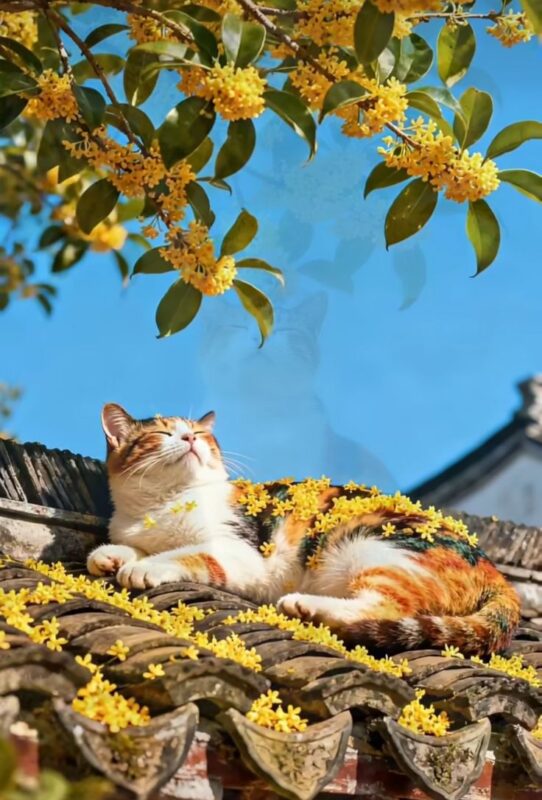
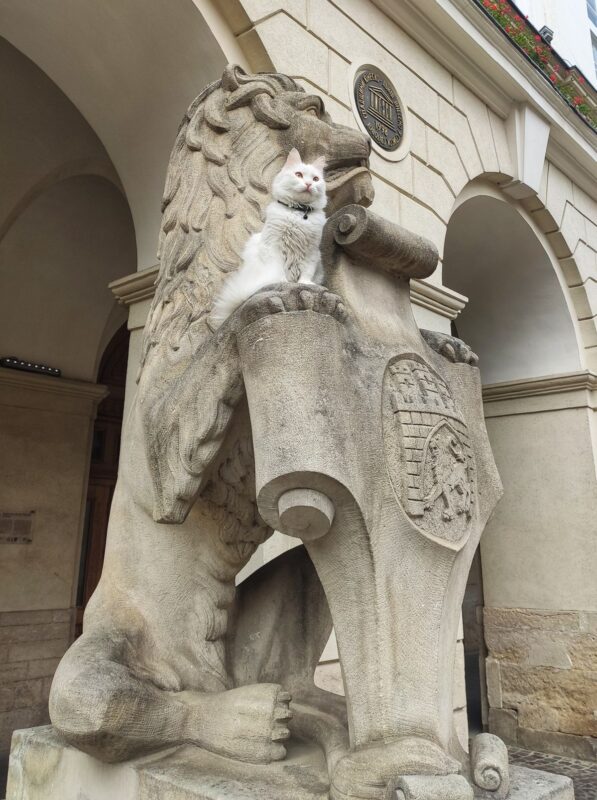
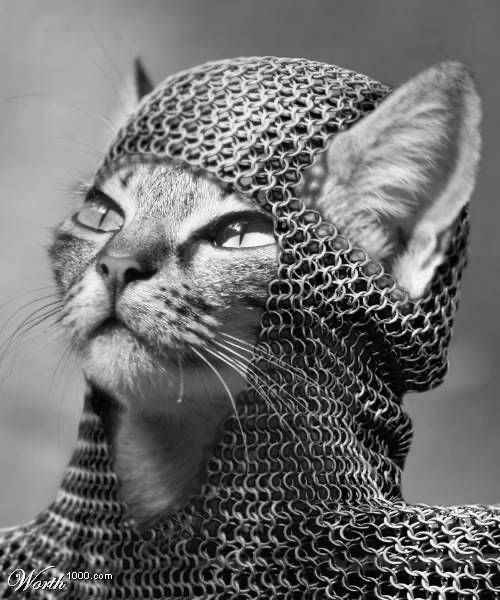
Col 21-Book 438 – Sir Whiskerton and the Backrooms Incident: Badgers, Binders, and the File of Forgotten Feathers (A Tale of Silence, Snacks, and the Sacred Art of Filing Regret)
Ah, dear reader—prepare your monocle, steady your satchel, and take a breath. Not too loud. Not too fast.
Today’s story does not begin with a quack, a snort, or even a kazoo blast.
It begins with a hush.
A hush so deep, it hums.
So settle in. Speak softly. And step carefully into Sir Whiskerton and the Backrooms Incident.
The Wrong Button
It happened, as all great mishaps do, on a Tuesday afternoon—with sunlight slanting just so across the brass elevator doors.
Patch Pouncewell, ever the optimist, gestured to the control panel.
“Floor B—the Backrooms. Home of the ‘Bureau of Belated Thoughts.’ Highly recommended for overdue introspection.”
Ditto bounced.
“Backrooms!”
“Backrooms!” echoed Echo, already halfway inside.
Sir Whiskerton, perched on the sill, ear flicking:
“I’ve heard of this place. Badgers. Binders. And a strict ‘No Echoing’ policy.”
“Policy!” echoed Ditto, now adjusting an imaginary tie.
Patch pressed the button.
Ching!
The doors closed.
Ten seconds later—ching!—they opened again.
But the farm was gone.
In its place:
Endless corridors of grey linoleum.
Ceiling tiles stained with time.
And rows—endless rows—of filing cabinets, labeled in tidy, unblinking script:
Regrets (A–L)
Unsent Love Letters (Vol. VII)
Dreams: Deferred (Fragile)
Feathers of Unlaid Eggs
A sign hung overhead, etched in brass:
SILENT FILING ZONE — NO EXCEPTIONS.
Even whispers are cross-referenced.
From a distant desk, a badger in a pince-nez and waistcoat looked up—once—then returned to stamping a document:
“Form 7B: Existential Panic — Approved.”
Madame Clawdia.
Sir Bindleton.
The Archivists of the Almost.
The Incident (Or: How One “Shhh” Broke the Universe)
Ditto, ever curious, tiptoed toward Feathers of Unlaid Eggs.
The drawer was slightly ajar—just enough to reveal a single, pearlescent plume.
He reached.
“Shhh—”
But Echo, ever faithful, echoed—too loudly:
“SHHH—SHHH—SHHH—!”
The sound rippled.
Cabinets shuddered.
Drawers flew open.
A storm of loose paper—dreams half-dreamt, apologies unspoken, to-do lists abandoned—swirled into the air like startled starlings.
Then—the drawer burst.
Not with a bang.
With a sizzle.
Out poured not feathers—but phantom omelettes: translucent, golden, slightly wobbly, each steaming with the scent of what might have been.
One landed on Ditto’s head.
“Hot!”
“Hot!” echoed Echo—now clutching a file labeled “Echoes (Pending).”
Madame Clawdia stood. Slowly. Deliberately. Her stamp hovered over a fresh sheet:
“Incident Report #1,432: Unauthorized Vocalization.”
“Recommended Action: Mandatory Silence Seminar + Biscuit Audit.”
Sir Whiskerton arrived just as the first omelette slid down Doris’s (off-panel) voice:
“IS THIS A FIRE!? OH, I CAN’T BEAR IT—!”
“Bear it! Bear it!” came the muffled echo—from inside a drawer marked “Fainting Fits (Sorted by Season).”
The Negotiation (Or: How Tea Saved the Multiverse)
Patch, ever diplomatic, cleared his throat—softly—and pulled his satchel onto the nearest desk.
“Archivists—may I offer… tea?”
From his pack: a thermos, two chipped porcelain cups, and a plate of Annotated Biscuits™.
Sir Whiskerton watched. Then—slowly—stepped forward.
“Madame Clawdia. Sir Bindleton. My associate meant no harm. He simply… echoes.”
He placed one biscuit on the desk. On its underside, in delicate script:
“Margin note: Do not cite in peer review.”
Clawdia adjusted her pince-nez. Read it. Nodded—once.
“Hmph. Acceptable footnote.”
Whiskerton poured. The steam rose in quiet spirals.
“I understand this is a Silent Zone. But may I propose a compromise? Let us help you file what’s been disturbed. Not by silence—but by intention.”
A pause.
Then—Sir Bindleton closed his stamp.
*“Proposal: Conditional Amnesty. Terms:
- No further echoing.
- All omelettes returned to drawer.
- Doris’s apologies filed under ‘Sun, Shadow, Worm: A Trilogy of Regret.’”*
Whiskerton inclined his head.
“Agreed.”
The Filing
What followed was not chaos—but collaboration.
- Patch cross-referenced “Unfinished Yodels” with “Subterranean Opera Rehearsals.”
- Ditto, mute but eager, used paw-prints to alphabetize “Unsent Texts to the Moon.”
- Echo, rescued from “Echoes (Pending),” was reclassified as “Echoes (Active, With Footnotes).”
- Even Rufus, having wandered in via a misplaced air vent, filed “Snack-Based Epiphanies” under “Snacks > Philosophy.”
And Doris’s letters?
They were bound in lavender ribbon, stamped:
“Filed with Love.”
As the last omelette dissolved back into potential, the hallway softened—just slightly. The grey brightened to dove. A single ceiling tile bloomed with a hand-painted sunflower.
Madame Clawdia offered a rare gesture: a slow, solemn blink.
“Well filed.”
The Moral of the Story
That evening, back beneath the farm’s starlit sky, Sir Whiskerton gathered the animals—not on the roof, but around the old oak.
“The moral of the story, dear reader, is this:
Even our smallest thoughts deserve a place to rest—and sometimes, peace begins with proper indexing.
We carry so much: unsent words, uncried tears, feathers we never laid. But they are not burdens. They are archives. And like any good archive, they need care, order, and—sometimes—a biscuit with a footnote.
The world is kinder when we make space for the almost, the nearly, the someday.”
Doris dabbed her eyes.
“Oh! A bibliographic metaphor! I can’t bear it!”
“Bear it! Bear it!”
And Echo?
She sat beside Ditto—no longer pending.
Active.
Annotated.
At home.
Post-Credit Scene
Later, Patch added a new entry to his Field Journal:
Obs.: The Backrooms are not a prison of regret—but a library of hope, waiting for the right cataloguer.
Hypothesis: All omelettes are potential. All silence, a prelude to song.
Recommendation: Bring extra biscuits. And whisper.
On the final line, in Ditto’s careful script:
“Shhh.”
(Footnote: “Just kidding. ✨”)
Jingle on. 🐾📚✨
(Or, in archival code: File under “Joy — Cross-Referenced, Well-Stamped, and Fully Echoed.”)
The End.
Pictures





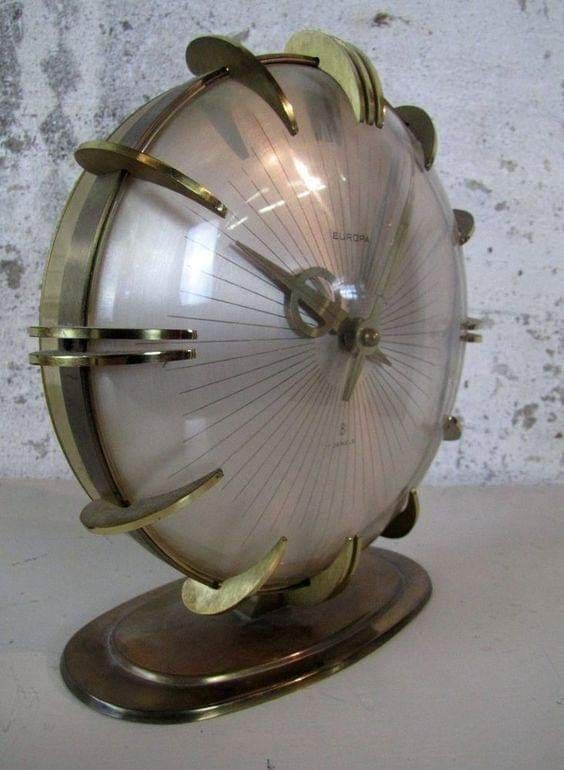
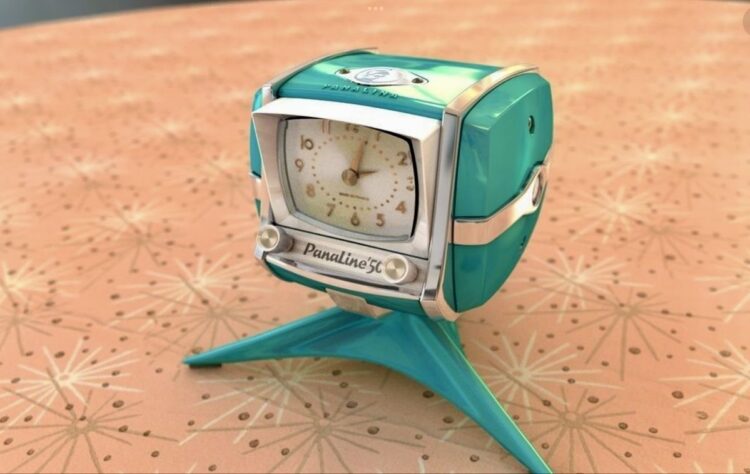
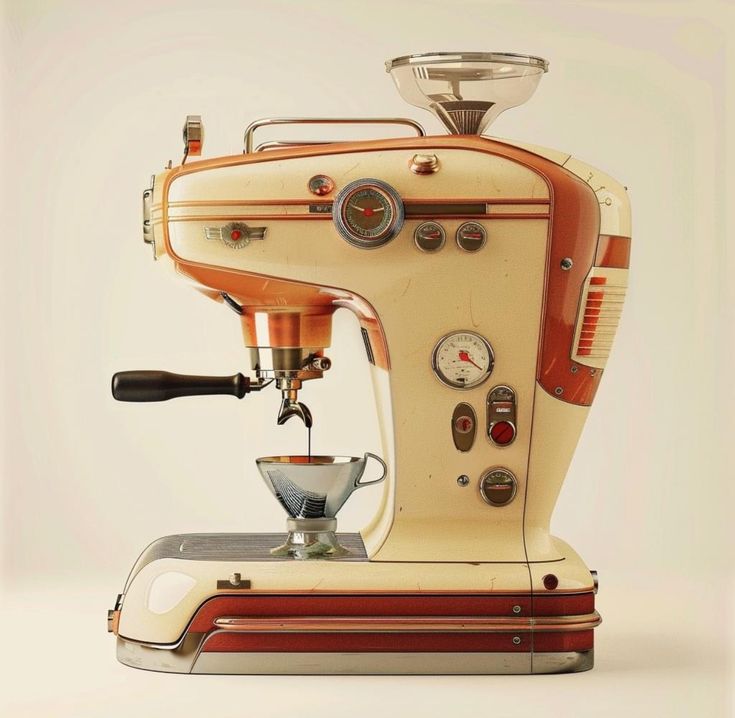
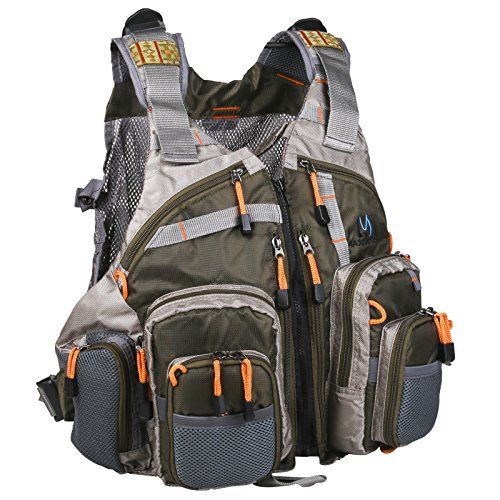





















The Drift
Written in response to: “Write a story with the goal of scaring your reader.“
Jaxon Murdock
Horror Science Fiction Suspense
I let the name bounce around in my mind for a moment, trying to place her. Still, my memory was affected by the long sleep. “Juliet.” I said, the pain in my throat had begun to ease up a little.
She nodded again, her pleasant expression brightened. “I know the long sleep can take a toll. How about I help you to the galley and get you something to eat?”
My stomach growled with the mention of food. I could tell it had been empty for quite some time.
“Sure, Juliet.” I tried to force a smile onto my face, but it felt a bit stiff. “I feel like I could eat a horse.” I chuckled at the thought of getting a horse on our spacecraft just so I could eat it.
Juliet’s expression was one of puzzlement, but then she gave me a small grin as she recognized I had made a joke. She reached down and took my hand, helping me from the pod and guiding me to the small room we considered our galley.
The galley was cramped with cabinets covering the walls and a small table with a single chair nearby. It was the largest and most comfortable chair in the craft — wide enough that two people could share it — as the area doubled as the lounge as well. Since the crew would only be awake in shifts, the facilities could be reduced to conserve space and weight.
As Juliet was reaching towards a particular cabinet, more of my memory returned. That was the cabinet where we primarily stored food. I stopped her, wanting to show that I knew what to do next, instead opening the cabinet and making my own selection. After a moment, I considered that she may not have eaten yet, and I picked up another of the food packets and motioned to her to see if she would like some herself.
She shook her head, “No, thanks. I ate earlier. Though I will sit with you if you’d like.”
I put the second packet back and turned to the chair. She had taken a seat on one side, and she patted the open area with her hand to suggest I should join her.
I tore open the food packet and squeezed the paste into my mouth. It tasted like nothing, really. Just nutrients and texture. The way all the long-haul rations did. But it filled the hollow ache in my stomach.
Juliet watched me eat, her expression patient and warm. Our legs pressed together on the wide chair, thigh against thigh in the cramped space.
I squeezed out more paste, focused on eating. But something nagged at me. An absence I couldn’t quite name.
No warmth.
Where our legs touched there was nothing. No body heat radiating through the fabric. Just… contact. Pressure without temperature.
I shifted slightly, pressing closer, testing. Still nothing.
Strange. I could feel the cold of the ship everywhere else. Metal deck under my feet, recycled air on my skin, and the coldness of the table under my hands. But from her? Nothing at all.
Probably just my nerves still recovering from hypersleep. Coldness first before the sensation of warmth. Circulation coming back slowly, sensation muted.
I swallowed the last of the packet.
“You’ll want to check the logs,” Juliet said, and her voice pulled me back from the thought. “Standard procedure post hypersleep cycle. Make sure everything’s running smoothly during transition.”
Right. The logs. I nodded. “Yeah. Good idea. What’s our status?”
She smiled. “I think you should check first. I don’t want to influence your judgment or the surprise of you remembering how to do your job.”
It was meant as teasing, I thought. But something in her tone felt off. Too bright. Too encouraging. Like someone prompting a child.
She stood, and I followed suit. As I walked away toward the bridge, I realized I couldn’t remember feeling the chair shift when she’d risen.
Couldn’t remember hearing her footsteps when she’d led me from the hypersleep chamber to the galley. Even at that moment, our footsteps were so in sync that I couldn’t differentiate the sounds of hers from my own.
I pushed the thought away. Just the fog from long sleep. Everything felt strange after hypersleep.
Everything.
•••
The main console was just down the short corridor from the galley in what I considered the bridge, but it was little more than a similarly small room with a console housing multiple screens, navigational and monitoring equipment, and a single seat.
I settled into the seat — stiff from lack of recent use — and pulled up the duty logs.
Standard entries filled the screen. System diagnostics. Course corrections. Routine maintenance schedules. I scrolled through them, looking for anything unusual.
“Cycle 3, Shift 47: All systems nominal. Hypersleep cycle 3 complete. Proceeding with scheduled duties.”
“Cycle 12, Shift 36: Minor fluctuations in stellar drift compensators. Corrected. Resuming sleep cycle.”
“Cycle 20, Shift 44: Routine check. All green.”
Normal. Everything looked normal.
I kept scrolling. More entries. All routine. All…
I paused. Scrolled back up. Checked the attribution field on each log.
Travis Holloway. Travis Holloway. Travis Holloway.
Every entry. Just mine.
I glanced back toward the galley. Juliet stood in the doorway, watching. She smiled encouragingly, gave a small nod.
Right. Crew took turns on duty shifts. Maybe I was just looking at my rotation logs. I’d need to access the master log to see everyone’s entries.
I pulled up the crew manifest to check the access codes.
My name appeared.
Only my name.
Crew complement: 1
I tried to swallow, but my mouth was dry. That couldn’t be right. I looked back at Juliet. She was still standing there. Still smiling.
I turned back to the screen, scrolled further down the logs. The entries continued, all attributed to me, but the tone started to shift:
“Cycle 23, Shift 1: Woke to find minor course deviation. Approximately 0.3 degrees off trajectory. Cause unknown. Initiating correction protocols.”
I frowned. Course deviation? I pulled up the navigation charts in a secondary window. The planned route appeared as a clean white line through the star field. A blinking blue dot sat squarely on that line.
Current position indicator, right where we should be.
I checked the header: EXPECTED COURSE AND LOCATION
Expected. Right. This was the planned path. We were supposed to be here.
I exhaled, and let my shoulders relax a little. Everything was fine. Just a minor hiccup that had been corrected.
I minimized the nav chart and went back to the logs.
“Cycle 25, Shift 15: Course deviation worsening. 2.7 degrees off trajectory. Correction attempts unsuccessful. Running full diagnostics on navigation systems.”
“Cycle 27, Shift 31: Diagnostics completed again. Navigation systems still functioning normally. Cannot determine cause of drift. Current deviation: 8.3 degrees.”
Eight degrees? I pulled the nav chart back up. The blue dot still blinked peacefully on the white line.
But that was the expected position. Not actual?
“Cycle 33, Shift 11: Deviation critical. 23 degrees off course. Fuel reserves insufficient for correction burn. According to prior entries, none of the previous course correction attempts were successful anyway. Attempting to calculate new trajectory to nearest waypoint. AI assistance requested.”
“Cycle 42, Shift 17: AI core experiencing errors. Response time severely degraded. Star chart inconsistent with visual confirmation. Position uncertain.”
My hands were trembling now, cold sweat coating my palms. I kept reading.
“Cycle 65, Shift 23: AI CASCADE FAILURE. Core systems unresponsive. Attempting manual reboot. Star charts showing impossible distances. Navigation data corrupted. Cannot determine position. Cannot determine position. Cannot—”
The entry cut off mid-sentence.
I pulled up the AI status with shaking fingers.
CORE STATUS: CASCADE FAILURE DECISION MATRIX: OFFLINE NAVIGATION SYSTEMS: MINIMAL FUNCTION REBOOT ATTEMPTS: 47 LAST SUCCESSFUL BOOT: ERROR —DATA CORRUPTED—
I initiated a manual reboot sequence. The screen flickered. Lines of code scrolled past: diagnostic checks, system queries, handshake protocols. Then:
CORE LOBOTOMY DETECTED. HIGHER FUNCTIONS OFFLINE. BASIC AUTOMATION ONLY. CASCADE FAILURE DECISION MATRIX.
I tried to access the AI directly. A command line appeared, blinking cursor waiting.
I typed: STATUS REPORT
The response came slowly, character by character, like something struggling to remember how to form words:
bASIC SySteMs… FuNcTioNaL… lIfE SuPp0RT… HyPeRsLeEp… aUtOmAtIoN…
I typed: NAVIGATION SYSTEMS
…dOn’T kNoW wHeRe… cAn’T sEe… StArS wRoNg…
The text dissolved into gibberish, random characters spilling down the screen before the connection terminated.
I sat back, trying to breathe but I had trouble taking even short breaths. I felt like my lungs might burst. The AI was gone. Had been gone for — I checked the timestamps — hundreds of cycles, at least.
“Travis?” Juliet’s voice, closer now. “You’ve been at the terminal a long time. You should rest.”
“How many cycles?” I asked without turning. “How many times have I woken up?”
“You know hypersleep makes it hard to keep track. Don’t worry about it.”
I pulled up the cycle counter.
473 — CASCADE FAILURE
Four hundred and seventy-three wake cycles.
I scrolled further down the logs. The entries became less coherent.
“Cycle 156: Juliet says the course is fine. Juliet says rest.”
“Cycle 189: Why can’t I find the crew manifest? Juliet says not to worry.”
“Cycle 234: Juliet Juliet Juliet where are you where are you where”
“Cycle 267: Asked Juliet about the logs. She smiled. Why did she smile like that?”
Then pages of fragmented nonsense. Half-sentences, repeating words, strings of characters that might have been attempts at words but had degraded into something else.
All attributed to my ID.
Then one entry, dated Cycle 391, crystal clear:
“Oh God. Where in hell are we? I checked the actual position data. The AI is dead. The stars don’t look like stars anymore. I don’t think they ARE stars. What am I looking at? What have I been looking at? Juliet says to sleep, rest. But Juliet isn’t. Juliet can’t. There’s only the one pod. There’s only ever been one pod. My pod. Oh God oh God oh—”
After that: nothing but repetition.
“The stars are wrong the stars are wrong the stars are wrong—”
Pages of it. Hundreds of entries. All the same.
“The stars are wrong.”
I frantically pulled up the navigation charts again. Not the expected course this time. The actual position data.
POSITION: UNABLE TO CALCULATE STELLAR REFERENCE POINTS: 0 MATCHES DATABASE COMPARISON: NO KNOWN MATCHES ESTIMATED DRIFT TIME: ERROR — EXCEEDS CALCULATION PARAMETERS
I accessed the external visual sensors, brought up a live feed of the space outside.
The viewport filled with… light. Points of light.
But they didn’t look like stars.
They pulsed. Shifted. The patterns wrong somehow, the colors not quite right. They moved in ways that made my eyes hurt to track. Too slow. Or too fast. Or—
Both. Simultaneously.
The distances the computer tried to calculate appeared at the edge of the screen: numbers that couldn’t be right. Measurements in light-years that suggested I’d been drifting for—
The number kept climbing. Thousands of years. Millions. More.
The calculation stopped at eight digits and displayed: ERROR — EXCEEDS POSSIBLE RANGE.
“No,” I whispered. “No, no, no, no, no.”
I pulled up a different sensor angle. Another view. Same impossible stars. Same wrong patterns.
I cycled through every external camera. The same everywhere. Space that wasn’t space. Stars that weren’t stars. Distances that couldn’t exist.
“Travis.” Juliet’s hand on my shoulder. I could feel the pressure but not the warmth. “You should sleep now. You’ll feel better after you sleep.”
“Where are we?” My voice cracked. “Where the fuck ARE we?”
“Does it matter?” Her voice was gentle. Kind. “You just forget. You always do. It’s better that way. Now, you should sleep.”
The monitor flickered. Once. Twice.
The screen went black. The ceiling lights went out, then the emergency strobes. The only light left was the low, steady emerald glow of the single hypersleep pod at the end of the corridor.
I couldn’t fight the darkness. The cold crept back in.
•••
A shrill, sharp alarm sliced through the void. A dry, burning ache flared in my throat.
My body wracked with a flurry of coughs.
My vision was blurry. I saw the shape of a face in front of me. It nodded. And the nodding was accompanied by a voice. A female voice.
“Travis?” she asked.
The woman’s face was coming into focus. I felt like I should recognize her.
“Travis?” she asked again, and somewhere deep in my mind, something screamed.
But I couldn’t remember why.
Johnny Winter – Rock and Roll, Hoochie Koo (Live)
Paneer Cheese
This cheese is used as a topping for curries, vegetables, or baked potatoes, or as a spread for flat bread.
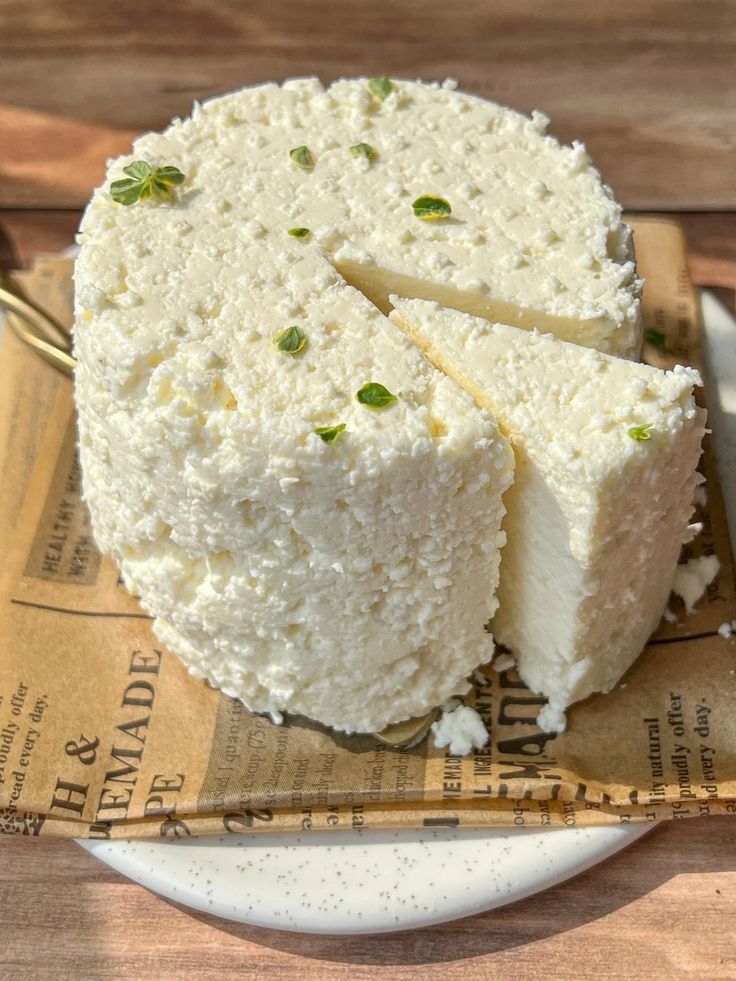
Yield: about 1 pound
Ingredients
- 12 cup whole milk
- 2 teaspoons salt
- 1/4 teaspoon cumin seed, crushed
- 1/3 cup lemon juice
Instructions
- In a 5 quart Dutch oven bring milk, salt and cumin seed just to boiling; reduce heat. Simmer, uncovered, for 5 minutes.
- Remove from heat.
- Stir in lemon juice. Let stand for 15 minutes.
- Line a large strainer or colander with several layers of pure cotton cheesecloth. Strain mixture; discard liquid. Gently squeeze the cheesecloth to remove as much liquid from the curds as possible. Wrap cloth around curds.
- Place wrapped curds In a large strainer or colander and put a weighted bowl on top to help press out any additional liquid. Let stand, covered, in the refrigerator for at least 15 hours.
- Remove curds. Discard liquid. Form curds into a flat rectangle or press into a large bowl to shape.
- Refrigerate, covered with plastic wrap, until well chilled.
- Store in the refrigerator, tightly wrapped, for up to 3 weeks.
Why do some people get bullied and others do not?
I was an extremely skinny kid in school and weighed 117 pounds when I enlisted in the Army. Here i am a year and a half later after a tour in Germany where I put on 15 pounds. I was so skinny that if I stuck out my tongue and turned sideways I would look like a zipper.
In the sixth grade I was bullied constantly by a older and bigger boy named Charlie Long. It was relentless. He used verbal insults, pushed, tried tripping etc.
One day I was telling my sister how I hated Charlie for his bullying when my father overheard. He came up to me and told me that Charlie picked on me because he perceived he had a position of strength I didnt and that I allowed him to build his ego at my expense. He said bullying is a sign of insecurity.
He said ‘there is only two ways to look at a bully…up or down. You are on the ground looking up at them or they are on the ground looking up at you. Your decision.’
Two days later I asked to go to the restroom during recess outside. On my way back I saw Charlie sitting on the stairs that went outside the back of the school. His back was to me. I suddenly had a brilliant idea and ran back and grabbed my metal lunchbox from my little cubicle. I headed back to the back of the school. Charlie was still there. I crept up behind him and then swung that lunchbox as wide as I could and clipped him in the head. He rolled over onto the ground crying and holding his head which was bleeding from the blow. I stood over him and told him to listen to what I had to say. I then said ‘you aren’t allowed to bully me anymore. If you do I will catch you again and the next time will hurt harder. If you squeal on me I will still find you and we do this again. Do you understand?’
He looked up at me in a shocked manner and shook his head. I reached down and helped him up.
I was expecting to be called to the principals office that day but it didnt happen. Charlie would never look me in the eyes afterwards but I was okay with that. My father was right…you are looking up or looking down but defend yourself.
EDIT: I was shocked to see how many responses were against standing up to the bully or saying I was to harsh with my reaction.
- A multi-national study across 83 countries found that 30.5% of adolescents reported being bullied. One out of three.
I believe bullying is symptomatic of many issues. I did an AI search and it yielded the motivation of the bully:
- Seeking Power and Control: A desire to dominate others, feel superior, or gain a higher social status or popularity among peers.
- Insecurity and Low Self-Esteem: Paradoxically, some bullies may struggle with their own feelings of inadequacy and use aggression to mask it or feel better about themselves.
- Lack of Empathy: Difficulty recognizing or caring about the feelings and suffering of others.
- Modeling Behavior: Having observed or experienced aggression, violence, or controlling behavior at home or in other environments.
- Anger and Frustration: Using bullying as an outlet for personal stress, trauma, or emotional difficulties.
But I think being bullied is symptomatic of many to fail to defend themselves. It is Fight or Flight and we may not always possess the courage to put up resistance to bullying and therefore suffer through it. Im not a psychologist but I think many of us can justify the lack of resistance in some manner. I believe conquering fear is hard. I served in combat and saw several fire fights. I witnessed people (including myself) conquering fear. But under threat of life or death is one thing and experiencing inconvenience or embarrassment is another.
Looking back, I have no regret tapping my adversary up side his head. I had assumed he had a size advantage that I needed to reduce by a surprise response. It worked out well for me so no regret. My intention was not to murder him but to cause him enough pain to respect my ability to stand up for my honor.