


Something happened to all my scheduled posts. They are now missing critical updates and floating in and out of this timeline. If you miss a daily post, please do not freak out. It’s part of the high strangeness.
Ok. Time machine time.
Something is going on. (wink)(wink)
Our reality is in flux. I am seeing it or better yet NOTICING it, in various inconsistencies in my digital systems. Nothing serious. Just minor things. Password changes. e-mail renaming. Folder restructuring. Etc, etc.
This (if it follows previous events that I have been part of) should evaporate once the new reality has been locked into place. Most everyone will think that they imagined something…
Nope.
Our reality is being manipulated.
BIG TIME
By someone, somehow, and it’s for SOME REASON.
- Digital by nature.
- Significant tells will / are in the digital environment we use.
- Will influence something IMPORTANT.
-MM
How to Store Gasoline (Prevent it going bad)

The shelf life of gasoline varies significantly based on fuel type and storage conditions, ranging from 1–3 months for ethanol-blended fuel to 6–12 months for non-ethanol fuel in sealed containers.
With the addition of a fuel stabilizer, gasoline can remain usable for 12–24 months under ideal conditions.
Key Storage Lifespan Factors:
Ethanol-Blended (E10)
1–3 months
Highly susceptible to moisture absorption and oxidation.
Non-Ethanol Gas
6–12 months
More stable; requires cool, dark, and sealed storage.
With Stabilizer 12–24 months
Effective only if fuel is fresh when treated.
In Car Tank
1–3 months
Degrades faster due to heat and air exchange.
Degradation Process:
Gasoline begins to degrade immediately upon exposure to oxygen, forming gums and varnishes that can clog fuel lines and engines.
Optimal Conditions: To maximize longevity, store fuel in approved, sealed containers (metal or high-quality plastic) filled to 95% capacity to minimize air space, and keep them in a cool, dry, and shaded location.
Safety Warning: Fuel should never be stored in glass containers, and containers larger than 5 gallons are generally not recommended for home storage due to safety regulations.
STABILIZERS
Fuel stabilizers are additives designed to prevent gasoline from breaking down, oxidizing, and forming gum or varnish deposits that can clog engines and fuel systems. They are essential for gasoline-powered equipment like lawnmowers, motorcycles, boats, and generators that will be stored for 30 days or longer, as fuel can begin to deteriorate in as little as 30 to 60 days without treatment.
STA-BIL Storage Fuel Stabilizer is the most widely recommended product, capable of keeping fuel fresh for up to 24 months when used correctly. It works in all gasoline blends, including ethanol (up to E-85) and non-ethanol fuels, and eliminates the need to drain fuel before storage. To be effective, the fuel tank should be filled 95% full to minimize air exposure, and the engine should be run for 5 minutes after adding the stabilizer to circulate the solution through the entire fuel system.
FUEL STABILIZER IS CURRENTLY AVAILABLE ON AMAZON FOR $11
it won’t stay that way
Sir Whiskerton and the Great Pee-Pee Panic
Or: When Nature Calls, Everyone Answers—Loudly.
Introduction
Dear reader, prepare for a tale that tackles one of life’s most urgent dilemmas with humor, heart, and a splash (pun intended) of chaos. Today’s story begins innocently enough on Sir Whiskerton’s farm—but when a sudden “pee emergency” sweeps through the barnyard, all decorum goes out the window. Literally.
Through this calamity, we’ll learn essential phrases like “I need to pee!” (我要小便! Wǒ yào xiǎobiàn!) and explore body parts in a way that’s both educational and hilariously unforgettable. So grab your sense of adventure—and perhaps a towel—and dive into Sir Whiskerton and the Great Pee-Pee Panic.
Act 1: The Emergency Strikes
It started with Bessie the Tie-Dye Cow, who was mid-dance under the shade of the old oak tree. Suddenly, she froze, her rainbow-colored tail twitching nervously.
“I need to pee!” Bessie cried, hopping from hoof to hoof. “我要小便! Wǒ yào xiǎobiàn!”
Before anyone could react, the cry spread faster than spilled milk.
- Doris the Hen flapped wildly. “Me too! 我也要!”
- Porkchop the Pig squealed, waddling awkwardly. “Pee emergencies are no joke!”
In moments, the entire farm erupted into what can only be described as organized pandemonium. Animals dashed toward the outhouse, bushes, and even the unfortunate vegetable patch.
Act 2: The Chaos Unfolds
As everyone scrambled, Sir Whiskerton appeared, clipboard in paw, looking every bit the composed conductor amidst a symphony of urgency.
“Order, my friends!” he called, adjusting his monocle. “Let us establish some rules. Who goes FIRST?”
He held up a chart titled “Pee-Pee Priority Chart”:
- Chickens Inside Outhouse: “They’re small but mighty!” argued Harriet the Gossip Hen.
- Pigs Near Barn: “We have superior bladder capacity!” countered Porkchop.
- Cows Under Trees: “But I’m leaking rainbows!” protested Bessie.
Meanwhile, Ditto the Echoing Kitten ran circles around everyone, repeating their cries:
“Pee! 小便! Splash!”
Chef Remy LeRaccoon stood nearby, holding a tray of suspiciously glowing snacks. “Anyone hungry? These muffins absorb liquids… or so I’ve been told.”
The animals gave him horrified looks before continuing their frantic search for relief.
Act 3: The Symphony of Relief
Eventually, the farm settled into an uneasy rhythm. Each animal found their spot—or at least tried to.
Underneath the plum tree, Ferdinand the Duck quacked melodically as he relieved himself. “This is art,” he declared.
Nearby, Rufus the Radioactive Dog glowed faintly, muttering, “At least mine matches the ambiance.”
And then came the pièce de résistance—a QR code taped to the outhouse door, labeled “Listen to the Pee Symphony! 听! Tīng!”
Curious, the animals scanned it. A cacophony of splash sounds, giggles, and occasional dramatic sighs filled the air.
“It’s beautiful,” whispered Count Catula, tears streaming down his face.
“No, it’s horrifying,” muttered Taxman Ted, shielding his ears.
Reflection Scene
Once the crisis subsided (and several buckets of water were used to clean up), Sir Whiskerton gathered the animals for a debrief.
“Friends,” he began, perched atop a fence post, “today taught us two valuable lessons. First, always listen to your body—it will tell you when it’s time. And second…” He paused dramatically. “…never underestimate the power of teamwork. Even if that teamwork involves sharing a bush.”
The animals nodded solemnly, though Porkchop couldn’t resist adding, “Next time, let’s build more bathrooms.”
Post-Credit Scene
Chef Remy unveiled his latest invention: Portable Pee Pods™, tiny capsules designed to collect liquid waste.
“This is the future of farming!” he announced proudly.
Doris pecked at one suspiciously. “Are these radioactive?”
Remy grinned. “Only slightly.”
Cue horrified squawks.
Moral of the Story
When nature calls, answer promptly—and maybe invest in better facilities.
Best Lines
- “I need to pee! 我要小便! Wǒ yào xiǎobiàn!” – Bessie the Tie-Dye Cow, setting off the panic.
- “Pee emergencies are no joke!” – Porkchop, embodying desperation.
- “This is art.” – Ferdinand the Duck, turning relief into performance.
Starring
- Sir Whiskerton (Conductor of Calamity)
- Bessie the Tie-Dye Cow (Rainbow Relief Specialist)
- Porkchop the Pig (Master of Bladder Drama)
- Ditto the Echoing Kitten (Repeater of Urgency)
- Chef Remy LeRaccoon (Mad Scientist of Solutions)
Summaries
- Moral: Listen to your body and prepare for emergencies—because sometimes, everyone needs to go NOW.
- Key Jokes: From glow-in-the-dark relief to the infamous Pee Symphony, laughter abounds.
- Future Potential: Could Chef Remy’s Portable Pee Pods™ become the next big invention—or disaster? Or will another bodily function spark its own crisis?
Until next time, may your bladders stay light and your bushes plentiful. 🚽
Is US manufacturing really in decline or is it just the manufacturing jobs that are declining?
OK, in actual dollar value, US manufacturing has been increasing. In actual manpower counts US manufacturing has been increasing. However, the rate of increase for Manufacturing is less than the rate of increase for the general economy, so manufacturing has been declining as a percentage of GDP, and as a percentage of the work force.
At the same time certain sectors of manufacturing have been in steep decline. The steel industry has migrated away from the high wages paid in the US, and away from the high environmental standards in the US. Aluminum has migrated to places with low electricity costs as it consumes a HUGE amount of electricity, so to places in Canada where they have excess hydro generated power, and to Iceland where extensive Geothermal is available. Any product that can be assembled by low skilled labour has moved to China or India.
What does that leave? It leaves the high pay highly technical products. It leaves products that can support expensive automation, which requires highly skilled people to operate. These are the jobs you want, they pay well and are generally high profit items. They are often products with very low volumes that make it difficult for countries like China to compete.
So, which do you want, lots of low pay low skill jobs or Lots of high pay high skill jobs?
If you live in a red state you are trying to attract low pay, low skill jobs, because your education system has been gutted. If you live in a blue state you are attracting the high pay high skill jobs.
Trump is fighting for the low pay low skill jobs.
AMERICANS SHOCKING CONFESSION: “WE FEEL FREER IN CHINA THAN IN THE USA” 🇨🇳🇺🇸
Chili Chicken with Avocado Sauce
Yield: 4 servings

Ingredients
- 2 teaspoons chili powder
- 1/2 teaspoon ground cumin
- 4 boneless chicken breasts (1 pound)
- Salt
- 1 large avocado
- 1/4 cup plain yogurt
- 1 clove garlic
- 1/4 cup water
- 2 teaspoons lime juice
- 1 tablespoon chopped fresh coriander
- 1 tablespoon olive oil
Instructions
- Combine chili powder and cumin.
- Sprinkle chicken with salt and coat with spices.
- Peel avocado and cut into chunks.
- In a blender combine avocado, yogurt, garlic, water, lime juice, 1/2 teaspoon salt and coriander. Mix until smooth.
- Brown chicken in olive oil, 2 minutes a side.
- Cover, lower heat and cook until just done, about 3 minutes.
- Put chicken on plates and pour avocado sauce over.
Have you ever accidentally met a celebrity who went above and beyond to help you?
When the Matrix was being filmed in Sydney, Keanu Reeves was living in the same apartment building as my husband’s cousin.
One morning Justine was running late for work, and flew out of the front entrance of her building and ran in to (literally!) a guy’s chest.
When she looked up to apologise, she realised and recognised who it was – it was none other than Keanu Reeves!
Justine was embarrassed, but Keanu put her at ease. He asked if she was okay, and offered to buy her a coffee and stayed with her for a while, until she was fine enough to go to work.
What a story Justine would have told her workmates why she was late to work that particular morning – lucky her!!!!!!!! haha
(for the record, Keanu is the nicest guy and it’s no wonder that everybody loves him!!!!!!!!!)
Flowers Bloom In Desolate Places
Written in response to: “Write about a character who has to grapple with something completely alien to them.“
Jed Cope
Legend has it that once every hundred years, the flower emerges from the desert sands and shines more brightly than the sun. Quite how this story came about, no one knows, for it is an unlikely tale and were it to be true, surely none who witnessed the flower in all of its heavenly glory would survive to recount its brief but wondrous visitation in the harshest of lands.
A legend, a flight of fancy, or an impossible dream? Ser Philip believed that he saw beyond the unlikely veneer of such fancies. He knew that the Heaven Flower was his destiny, or at least a part of it. He had heard the story in a far-flung tavern and it had enraptured him. This tale of a mythical flower was a beginning. The much delayed start of his own story. He would find the Heaven Flower and in finding it he would discover the meaning of his life, perhaps even the meaning of life itself. Once his eyes were opened to the existence of such a wonder, his life’s purpose would be clear.
When young Philip was a squire, there had been another flower. That delicately delightful flower had been a slip of a girl called Miranda. The two of them had been inseparable and although neither of them had ever voiced the words that approached the promise that lay between them, it had been there all the same. These two were meant for each other. Two peas in a pod. The fair lady and her devoted knight.
Then one day, a terrible blight had visited the land and Miranda had been plucked from the earth and discarded as though she were but a single blade of inconsequential grass. Ser Philip had heard the dread news of his love’s demise, but refusing to believe it, he had returned immediately from the tourney in a neighbouring kingdom. His desertion of his master-knight had earnt him a sound thrashing, but he felt not a blow as he succumbed to a state of terrible numbness following his audience with the cold and waxy thing that Miranda had become. Having lost the spark of life that she had harboured so perfectly and beautifully, she was a sickening reminder of what had once been and now could never be.
Amongst the rumours of that night were whispers of a dark and foreboding visitation. A man who was not a man stalking the ramparts of the castle before darting inside to take Miranda away forever. These stories could be nothing more than tall-tales. The wasted words of scoundrels and gossip mongers. The truth was not in those words, for no man could enter the castle, commit such an abominable deed and then slip away undetected. Not unless he had wings and had flown onto ramparts.
After Miranda’s death, Ser Philip was never the same. Some say that a part of him died on that fateful day. A pitiful, sad and heartbroken sacrifice to his one true love. Nevertheless, he committed himself to the life of squire and then of knight. Never was there a more proficient warrior, but he lacked for something and that lack was apparent. No fire burned within him and his heart was but a dull and grey organ, reluctantly pumping his barely warm blood around his still grieving body.
It would seem that the quest for the fabled Heaven Flower was perhaps an attempt to rekindle this flame of his, not that he could or would admit this to himself, let alone anyone else. Ser Philip was a taciturn and insular man. He had withdrawn from those around him when he was still a boy and was never for changing.
When he broke the news of the quest to his faithful squire, Daniel, the man was crestfallen. Never having cut the mustard or made the grade, Daniel was never going to hold his own standard, only the flag of his master-knight. Squires are boys, and Daniel had never grown up. What he lacked was not only maturity, but also the gumption to work beyond the bare minimum. He had gravitated towards Ser Philip, because this knight was so obviously lost and his lack of lustre almost matched Daniel’s. They deserved each other, at least as far as Daniel was concerned. This consideration of the quiet and undemanding knight helped perpetuate the denial of his own sloth and laziness.
Daniel kept a firm grasp of his lackadaisical ways even upon receipt of his new instructions. He was in no rush to go adventuring. This was not what he had expected from this knight, but now all was a-change. What Daniel could not understand was Ser Philip’s delivery of the news of their mission. The man himself remained cold and monotone. There was no excitement here. This was not the spirit of adventure. It was more like a visit to a grim and dour maiden aunt out of a sense of duty, and with no more than a thimbleful of devotion. There was no roar and there was no vim and vigour, and so Daniel felt all at sea. Confused and worried at what the future held. He didn’t want to go into the night and to do so quietly troubled him to a point of delirium.
Nonetheless, Ser Philip set out the very next day and seeing that he had little alternative, Daniel followed. Even as he trailed behind his master-knight, Daniel considered his options. Those options depressed him being the ignominy of dishonour having failed his master-knight and the subsequent derision and exile from polite company and all other company for that matter. He would starve as he began to freeze to death. He stopped short of thinking about how his life choices were not helping him right now. His adoption of the maxim do the bare minimum, left him with few skills and abilities and the truth of his existence was that no other knight would put up with such a scruff of a slob.
Daniel sighed.
Ser Philip did not acknowledge the sigh even though his training as a warrior had heightened his senses and made him aware of far more than most would attend to. The man was all focus, more so in his embracing the quest that he had been made for. This was what he had been waiting for all his life. Everything before now had been mere practice. All of it. He had built himself into a knight worthy of this task and he was ready. Ready to be tested. He found that he was relishing his being tempered in the fires of this quest. Daniel missed the hint of a smile on his master-knight’s face as they rode onwards.
Following a long and arduous journey, the two stopped in the small town of Santa Cruz. The town was so small and lacking in the luxuries that Daniel had been looking forward to that he could not bring himself to consider it to be a village, let alone a town. This was to be the last civilisation that they would encounter before they entered the desert itself. A sun-bleached outpost that hinted at what was to come.
Having secured provisions and a room for the night, Ser Philip afforded Daniel the freedom of the town for the remainder of the evening, preferring himself to sip at his carafe of water and contemplate the trials to come.
“Yeah, thanks for nothing,” Daniel grizzled as he ambled off in search of whatever it was the locals drank to forget this hell hole, music to drown out the sound of the complaining and moaning voices in his head and the company of a woman to help him remember that he was a man and not a spare pack horse.
Eventually, he found a place that sold drink. A woman who had seen better days and better teeth grinned at him as she poured him the cloudy drink that they brewed in these parts. The liquid looked like milk that had been contaminated in unspeakable ways. It tasted worse than it looked, but there was the familiar scorching of alcohol, so it would have to do.
“Leave the bottle,” he told the woman, sliding a coin across the table towards her in favour of handing her the coin. He did not relish the prospect of physical contact with her. Later, two thirds of the way down the bottle, he would change his mind and he would more than relish it, having asked her about the possibility of younger versions of herself, weighing up the pros and cons of those bad teeth compared to the gnashers of his mule. He never stopped to consider just how much of the vile fermented milk drink the woman had had to consume before she considered laying with him to be a good idea.
UP!
Daniel dreamt the word, but he felt the slap outside of his dreams, struggling to unglue his gummy eyes and attach meaning to his senses, he squirmed on the straw lined crib.
“I said up!” cried Ser Philip, “the day has long dawned you useless bag of skin!”
Daniel opened his eyes in time to see the face of his master-knight moving into clear and intimate view. Ser Philip had a hold of his shirt and had hauled him to a sitting position, “you are here to serve me, you drunken son of a weak minded goat! If you fail me, I will use your arse to sharpen my lance!”
Daniel’s eyes were now as wide as plates and he was nodding feverishly, the possibility of a hangover now rescheduled to another life, “yes, Ser! Right you are, Ser! Right away, Ser!”
Ser Philip growled.
Daniel bolted across the room and was a one-man hive of activity. He had never seen Ser Philip like this. The man had been transformed overnight. A furnace had been lit and now, Daniel was the squire of a master-knight in the mould of the knights of old. This was a force to be reckoned with. The proverbial one man army. It was said that a master-knight in his prime was worth a thousand foot soldiers or more, Daniel no longer doubted this. Not one bit.
The sun beat down upon them as they left Santa Cruz. Daniel did not look back, he did not dare. He would not risk being found lacking. All the same, he felt eyes upon him and knew that one pair of those eyes were those of the old woman. He envisioned her and as her face came to mind he felt a pang. He would not exactly miss her, but she was the symbol of the life he was leaving and he was already missing that.
He doubted he would return, and that gave him a moment of morose contemplation.
The desert swallowed them up and the heat built and built. The horse and mule gave forth with sad utterances. Those sounds chilled Daniel as he watched Ser Philip’s back. The master-knight was a statue. Their progress in the deep and unrelenting sands was slow, but Ser Philip was relentless. He had set himself against this place and the fierce sun, and he was not for faltering.
That night, Daniel shivered in the inexplicable, creeping cold. His body had been cooked all day, but when the sun slipped away so did all of the heat. There was a short period of relief from the trials and tribulations of the day, but then the cold seeped into him and he battled the terror of his limbs becoming numb and never returning to him. All the same, sleep eventually took his exhausted form.
The morning came via rude motion. Ser Philip shook the man like a terrier shakes a rat in his jaws. They were up and away in a matter of moments, Daniel chewing on dried meat that took the moisture from his mouth and left his mouth dry for the rest of the day.
His eyes hurt, but the hurt went well beyond his eyes. There was a trick being played here. The featureless desert was a never ending expanse of nothingness, and yet it was doing something to his eyes. It was latching onto them and now the contours of sand were bending this way and that, twisting his mind out of shape. He felt his breath becoming laboured and he would have cried if he had any tears left in his head. The sun had taken them long ago. He felt his lips cracking and bleeding as his mouth formed the shape of a silent scream. Then his mule stumbled and he fell unceremoniously to the sands.
A merciful shadow fell over him. He felt it and opened his eyes, “we’ll have to walk from here,” Ser Philip told him.
“I can’t,” Daniel told him, and he thought he might even mean it. The sun and burning sands had leeched his life from him and now, as he lay there, he didn’t think he had it in him to get up. He was dead barring a few minor technicalities.
“Then you are dead,” Ser Philip told him, as though he had read the man’s broiled mind.
Daniel nodded, it would be blissful to close his eyes and drift into sleep. He was a man who had always been fond of sleep and he was reconciled with a demise that was as simple and easy as easing himself into slumber.
Ser Philip curtly returned the nod and walked away. There was nothing to be done. He could not help his squire, unless his squire helped himself.
Leaving his dying horse and carrying what provisions he could, the knight walked deeper into the desert. Later, were a hawk to fly over the corpse of the squire, it would see several interlaced circles of foot prints. The delirious man had tried to leave the desert, but had not managed to get more than a few yards from his deceased mule. Soon enough, the both of them would be nothing more than a few bleached bones that would in time be swallowed up by the sands of the desert.
Now, time lost all meaning for Ser Philip. He travelled in the bosom of the infinite and with every step, he shed an unnecessary piece of himself. As he did so, he found an inner peace that spoke to him of the simplicity of an existence uncluttered by the noise and nonsense that people accumulate and draw to themselves in a foolhardy attempt at defending them from the truth of who they really are.
At the point at which his provisions were exhausted, Ser Philip saw things for what they were and he let go of the last of the things he had valued and in that moment, he understood.
This was the quest.
He was the quest.
He had needed the desert to strip it all away. To take from him all that was not needed. Now he was pure.
Was he the bloom?
He thought that might be the case, and yet he walked some more, for walking was good. The simple act of putting one foot in front of the other and creating the momentum of life.
That was when he saw it. In the dying embers of the sun, the single stem and the closed bud of a flower. He knew it for what it was. He ran towards it, shedding what little clothes he still wore. Barely aware that he was doing so, but understanding that he must be naked in the presence of such beauty. He bore himself towards the miracle on feet that barely touched the sand, his heart filled with an elation that threatened to burst it.
Then his way was blocked.
A bewinged armour clad knight barred the way. The impossible was being denied by the improbable. Ser Philip did not falter and he did not slow, he launched himself at the dread warrior and grappled with he would deny him everything. He fought with an inhuman strength that was matched by the anonymous warrior, and as they wrestled with each other, Ser Philip experienced a growing desire to know who it was that he was locked in battle with. As this curious desire grew, so did his unease. This built and built until he knew that he must unmask his foe. He must discover the identity of the enemy who would deny him everything, but try as he might, he could not get his hand to the visor of that helmet.
The two of them fought and fought until the sun returned, and not once did Ser Philip see the face of his adversary, nor did he catch a glimpse of the fabled Heaven Flower. The sun rose and he knew that he had precious little time left to him, and so he gave everything he had left, he tore at the man before him using every ounce of strength he had left to him. He committed himself and his last breath to the defeat of this man and in one glorious moment he grasped the visor of the helmet and tore if open.
In that moment he saw everything, and he understood it all.
He froze in the rising desert sun, gazing down upon the bloom and the glory of the rare and precious Heaven Flower consumed him.
How close is America to being a third world country?
US can never become a Third World country
The US has 2 Million people who are sucking the life blood of 349 Million people
That is the problem with the US
Cancer like Capitalism or Capitalist Cancer !!!
A Patient who paid $ 13,650 a year in Premiums in 2012 and who paid $ 136,770 for the last 19 years complained of Chest Pain
He was hospitalized for 11 days in a Semi Private Ward, tested and recommended for a Angioplasty procedure
He was discharged with a bill of $ 293,000
He was asked to pay $ 121,447 from his own pocket
80 days later HE FILED FOR BANKRUPTCY
This is called Cancerous Capitalism
Today in US – a same patient would have to pay between $ 137,000 and $ 203,000 out of pocket for the same procedure depending on Insurer
Around 182% of the Median Annual Income
In Canada?
2,600 Canadian Dollars Out of pocket
Around 2.45% of the Median Annual Income
In UK?
£ 12,650 out of Pocket
Around 18.22% of the Median Annual Income
In China?
65,000 Yuan out of Pocket (Private Hospital)
16,000 Yuan out of Pocket (Public Hospital)
Around 14% (Public) to 49% (Private) of the Median Annual Income
In India?
₹ 2,00,000/- to ₹ 6,10,000/- out of pocket (Private Hospital)
Around 27% to 91% of Median Annual Income
In fact no country is as expensive as the US
This means the AVERAGE CITIZEN is becoming
- More laden with Debt
- Losing Wealth
- Becoming Poorer
This indicates SIGNIFICANT INCOME DISPARITY
Especially over the last 15 years (2010–2025)
Lets see wage growth
US saw a rise in wages of 2.27% a year between 2010 and 2025 among the Median Working Population
Yet it saw a rise of 21.86% a year between 2010–2025 among the Top 1% of the Working Population
This ratio should never go above 5.5
0–2 is Bad (Socialist)
2–4 is Perfect
4–5.5 is Borderline Disparity
5.5–8 is Significant Disparity
8–15 is High Disparity
Greater than 15 is Unsustainable Disparity
The US has 9.63 – High Disparity
Between 1995–2010 – Median Wages rose by 3.17% a year and Top 1% saw a 14.73% rise in wages per year -4.64 Disparity Index which is much much better
Disparity doubled between 1995 & 2025
Now Check China
Between 1995–2010, Median Wages grew by 4.48% but Top 1% wages grew by 27.82%
A Disparity index of 6.21
Significant Disparity
Yet between 2010 -2025 , Median Wages grew by 5.36% and Top 1% wages grew by 13.98%
A Disparity Index of 2.61
Absolutely PERFECT
Its why Most Chinese are extremely happy and satisfied and having Deepseek moments and PL-15 moments
Disparity reduced by almost 65% between 1995–2025
The Top 1% are pissed off but they can TAKE A HIKE
These guys don’t need Donors for Elections or Campaign contributions
If the Top 1% go too far, WE ALL REMEMBER JACK MA 😁
In the 1990s – Landlords were primarily Individuals
Today Landlords are CORPORATES
You could have your own Trailer and live in a Trailer Park for $ 450 a month rental in 2019
Today it’s $ 1,075 a month rental for the Same Trailer Park
A Rise of 140% in 5 years!!!!
Just because a Landlord who owned the Lot, sold it to a Corporate who wants $ 1100 or else you vacate
The Corporates own Congress
The Corporates own the Senate
They make the laws
So they can nullify all their contracts easily
No Scope of anything getting better
The US is proof that Capitalism can be a controlled chain reaction which equals good nuclear energy or an UNCONTROLLED CHAIN REACTION which means a Nuclear explosion
The US is thus declining faster than usual due to it’s own capitalist cancer corroding it’s insides
Now another country is going the same way
Another Country with Capitalist cancer with added Corruption, Religious Mania & virtually nothing that the US has
Any guesses?
Starts with an ‘I’, ends with an ‘A’, five letters
Japanese ‘Comfort Women’ Were Shocked When American Soldiers Finally Liberated Them
How would a drill instructor react if a recruit in boot camp was an expert marksman every time they shot on the gun range and did incredibly well with every rifle that they used?
Well… depends.
For me, the first time I shot was a 298 (300 is perfect). This got the attention of the Range Marshal, but prior to that, I had gotten the attention of the GySgt in the ‘pits’ overseeing target operation because his troops on my target were complaining because I kept shooting the spotting disc during slow fire (from the 3 and 500 yd lines), causing splinters to fly off from the wooden dowel used to poke through the hole the round made, so I could see, with iron sights, from 500 yards away, where my round had hit.
My SDI, SSgt Steele, was bragging to the other DIs on the line that he had the best shooter in the company, probably the battalion. One of them said “Yeah, can he do it twice?” Challenge accepted.
Not by me. But there I was, sitting on the block waiting my turn (a literal block of wood) to shoot again, with the next group from our platoon. So, 200 rapid fire. Perfect score. 300 rapid and 300 slow: perfect score. SSgt was ragging the other DIs about the performance of their guys, touting again how Plt 2203 made everybody else look like shit.
500 yards. Slow fire. SSgt Steele, as I’m slinging my weapon and adjusting my cheek weld, leaned in close and said “If you want to see the dawn, tomorrow, you better not miss one.”
No pressure or anything. The GySgt called from the pit, again, and threatened my life if I shot the disc ONE MORE TIME! BAM! Knocked the dowel right out of the spotting disc. 10 for 10. Every one inside the 6″ spotting disc. SSgt Steele actually ‘whooped.’ Perfect 300.
A Major came down from the Range Tower, the OIC for the rifle range. WE snapped to and saluted.
“I hear that right, SSgt Steele? Your recruit shot a 298 and a 300?”
“Yes Sir, he did.” beaming.
“Too bad he wears glasses.” the Major said.
“Yes, Sir, it is. Canterbury’s a natural killer, Sir.”
And there it was. If I hadn’t worn glasses, I’d have been made to shoot again, and if I scored the same or close, after Boot Camp, I’d have been off to Sniper School.
Alas, that was not to be. However, as a Defense Information Specialist, I did attend Sniper School to do a ‘history’ of said training. Passed top 3 (unofficially) and got a nice hand shake from GySgt Young. “Too bad you wear glasses.” he said, patting me on the shoulder. “Good luck, Sgt.”
So, that’s what would happen.
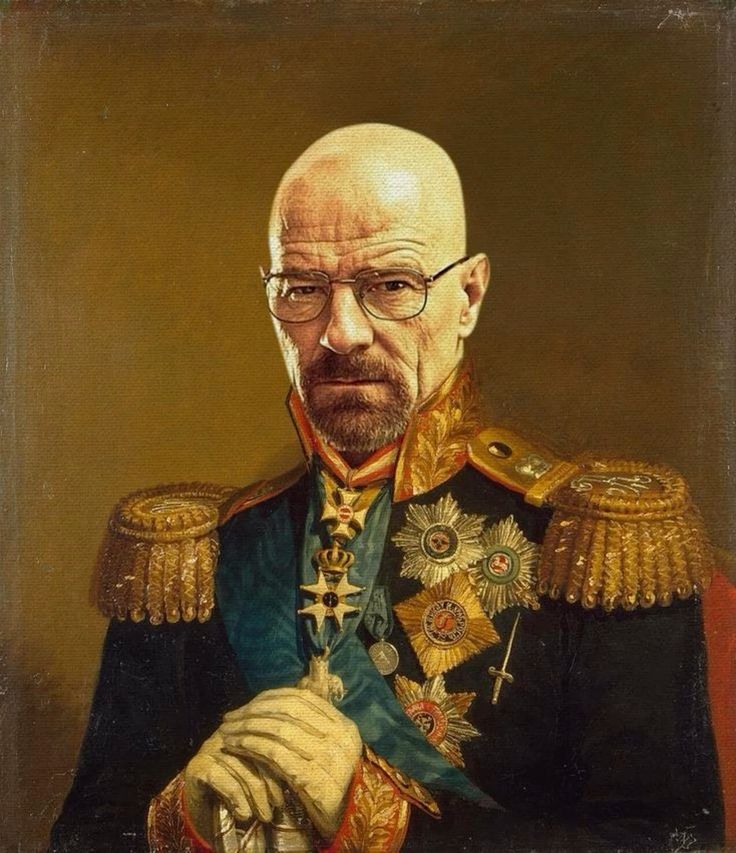
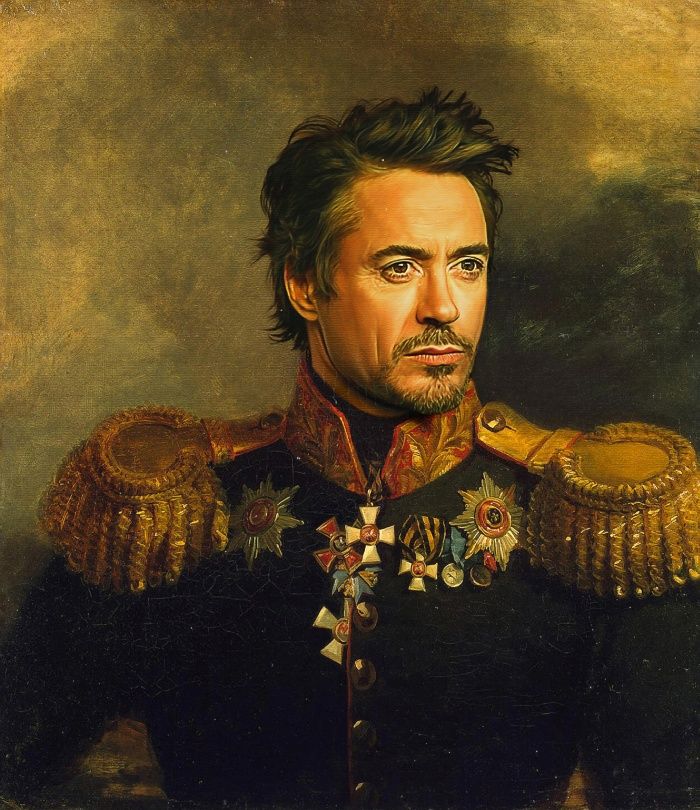
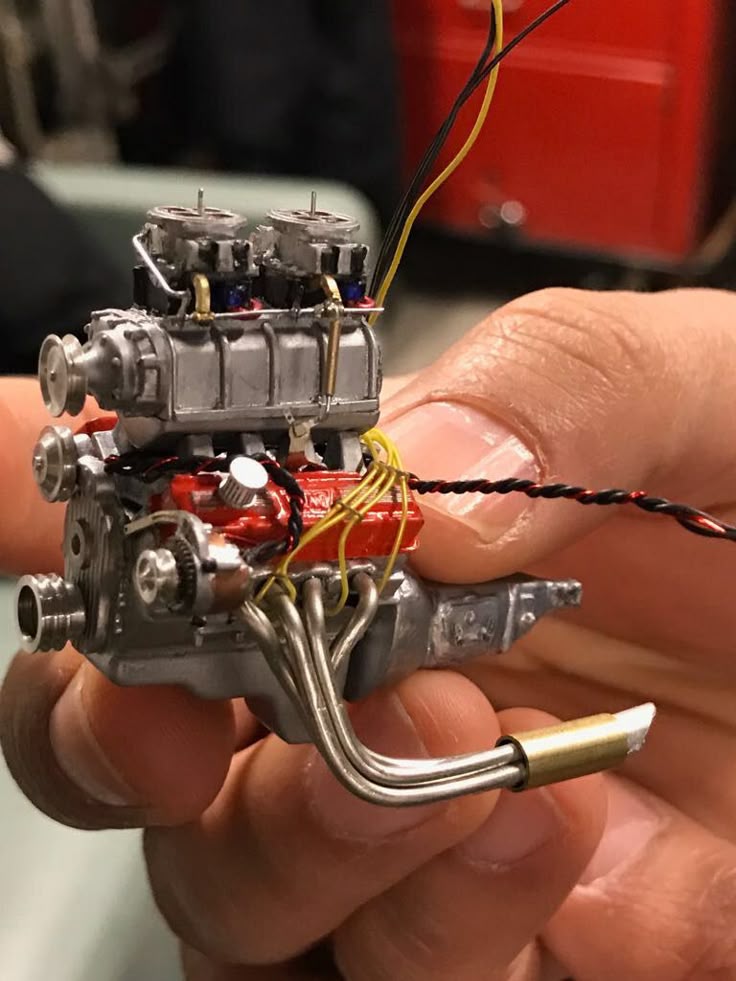
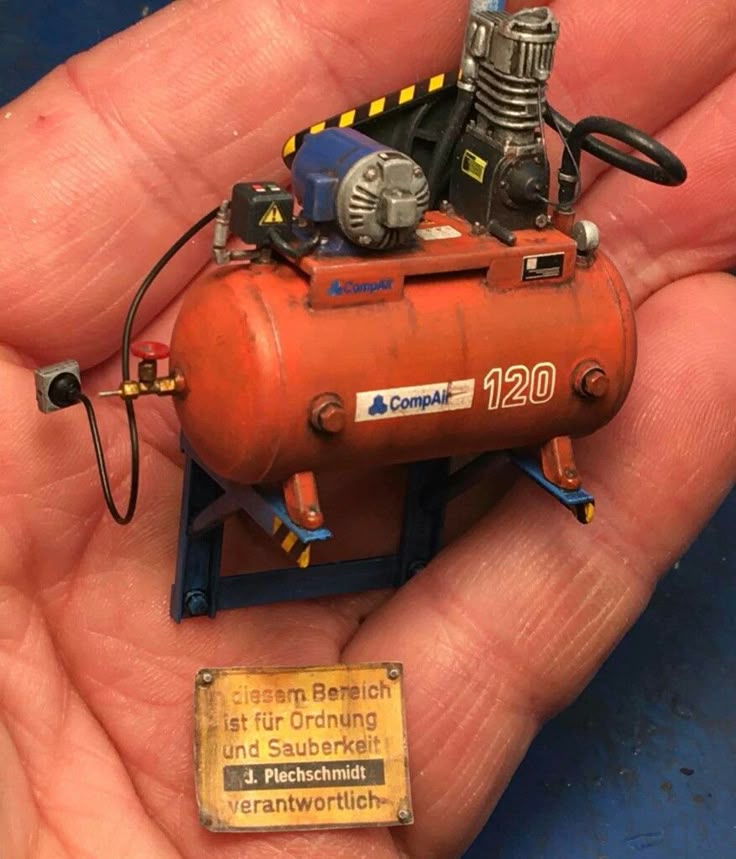
Pictures

















Why do most Chinese international students often return to serve their homeland after graduation while Indians often choose to stay and work for American and European companies? How has China stopped the brain drain and what can India learn?
There was a Chinese scientist who went abroad on a government scholarship — meaning all his study expenses back then were paid by the state, with the natural expectation that he would return to serve his motherland.
But after earning his PhD with top honors, he made a “traitorous” decision: to stay in that country and take its citizenship.
Such cases were not uncommon at the time, because China was very poor back then; even washing dishes overseas earned more than being a scientist in China.
Still, it was generally considered disgraceful.
His parents also felt too ashamed to face others.
But what he thought at the time was this: with a Chinese face, he had no access to the latest scientific materials — the only way was to change nationality.
His father never saw him again. In their last phone call, the father sighed:
“Son, I guess we won’t see each other for the last time… You may be unfilial, but you must not be disloyal — you are a man with a motherland!”
Two years later, his mother also quietly passed away. At that time, he was working on experiments at a foreign air force base. Before her death, his mother’s final words were the same: “You are a man with a motherland.”
And so, carrying the stigma of “traitor,” he immersed himself in research abroad.
Years later, the motherland called out to him: Come back, child — your country needs you!
By then, he was earning millions of U.S. dollars a year and was already a successful man, while China was still quite poor.
When he announced he would return, his wife was stunned and firmly opposed. He said, “Then we’ll divorce.”
In the end, his wife was persuaded and went back with him.
After returning, he threw himself into work. In seven years, he brought a certain Chinese technology up to world-leading standards.
The People’s Daily wrote that his work had forced a carrier fleet of some power to retreat by 100 nautical miles.
Sadly, he eventually fell seriously ill from overwork and passed away at the age of 58.
After his death, the Communist Party of China restored his party membership and posthumously honored him as a “National Outstanding Communist Party Member.”
Comrade Xi Jinping called on people to learn from him.
One netizen wrote: I wish I could give up ten years of my life and gift them to him.
Another replied: He works so hard just to help ordinary people like you live longer.
China has had quite a few people like him.
Time Wars
Written in response to: “Center your story around someone who has (or is given) the ability to time travel.“
Jack Kimball
“Don’t you move in the next ten years to where I can’t find you,” Emily said to Isaak. The day was blue and fresh.
Her husband laughed. “What if I get an offer in five years to move to the West Coast?”
“You better—”
Isaak reached out and grabbed Emily, held her tight, and kissed her. Now, she thought. Now. Or I won’t be able to do it.
Her image shimmered, and she faded from her husband’s arms.
****
Maybe we should have seen it coming—the ability to jump ahead in time. At first, we needed a capsule that helped us move fast enough to skip forward. Then Dr. Forsythe figured out how to splice the trick into our DNA. Suddenly, anyone with the right gene could jump: five minutes, a hundred years, it didn’t matter. The only rule? No one could ever go back.
****
Emily staggered, her heart pounding, as an armored vehicle roared past. Soldiers swarmed the square. The air—so blue and clean before—was now thick and gray, stinging her nose with the reek of cordite.
A man in fatigues pointed Emily out to other men. “A jumper,” he said.
The men handcuffed her and threw her into the back of a transport vehicle. Soon they locked her away with other women in a fenced-in compound. Emily recognized her son’s elementary school, but there was no laughter echoing through the empty schoolyard. No children’s voices. No happy footsteps. Only weeds choked courtyards now abandoned laden with the smell of pending death.
A haggard woman with stringy hair blocked Emily’s path. She eyed her jeans and pink blouse. “New arrival? When did you jump from?” the woman rasped. Her eyes were a deep pink where the whites should be, and Emily saw a faint, unnatural movement, something slivering, deep within them.
“I guess I am a new arrival,” Emily said, her skin crawling under the woman’s stare. There had to be over a hundred women in the compound.
“How long?” the old woman asked.
“Ten years. At least I hope it was ten years.”
“Easy to figure. When did you jump?”
“I jumped from 2040.”
“You’ve landed right on target. It’s March 2050.”
Ten years. Her pulse quickened. All Emily could think about was finding her family. She knew Isaak couldn’t be far. But if they took her, could they also have taken Isaak and Jack somewhere? What had their lives been like over the last ten years without her? She looked at the woman, her lined red eyes pulsing faintly. Emily looked away, and a shiver went up her spine.
A red-haired woman stepped from behind. “Take her boots, Kali!”
They pinned Emily down, her hiking boots soon stripped. Once the two women moved off, Emily lay in the dirt, staring at her bare feet, ignored by the other passing women in the compound.
A week later, a bald officer with a penciled mustache peered at Emily from across his desk. She felt his eyes undress her, and then his Boston accent growled into thick air.
He snickered. “It’s a funny thing, this jumping, don’t you think? The game is jumping or being jumped, and they say the army is losing. Not losing by battlefield deaths, mind you, da’ling, but to our men skipping ahead in time. We’re losing our own to a future sucking them forward, damn right we are.
“But here’s the deal, pretty thing. You desert, or jump, well… we’ll send a tracer. A jumper leaves tracks. But you’re a lucky one, not jumping to the war front. You’ll be helping with the arrivals.” Now he spoke louder so that those around them could hear. “We all need to pitch in for the war effort.”
Lucky one? Would she ever find her family? Isaak and Jack had already waited ten years after she jumped. Imprisoned not by bars, but choice, even if she jumped, she would be further away in time, and then the tracers would find her. She returned to the compound, resigned.
“You’ll die, girl, with that attitude,” Kali said. They were standing in line for the after-work meal. Kali heaped as much slop on her plate as she could. Then motioned for Emily to take more.
“Then I’ll die. What’s it to you?”
“I’m an observer of the human condition, is what I am, Emily. In this case, yours.”
Emily laughed. “What do your observations tell you?”
“You laugh, but I wasn’t always a slave, mistress. The odds are running you’ll fold like what we call a suburbanite, a waste of air.”
“And if I don’t?”
“Don’t look at me like that. My bets on you, not against you.”
“Good to know.” Emily moved away.
Kali called out to her back. “Em! You need to get your damn boots back, is what you need to do!”
Emily crouched with her food for a long time, but didn’t eat.
A week later, Kali joined her in line and smiled. Emily was beat up, bruises on her face, her arm angled in a handmade sling. But she was wearing her boots.
Two years later, a line of jumpers queued up in front of Emily’s desk. The latest refugee jumper was in front of her. His clothes hung on his thin frame, and his eyes were red, like so many arriving. “What year did you jump?” Emily asked.
The man stirred as if waking from a dream. He shook his head at her question. “Last year. 2051. The year before. I don’t know. I’ve jumped a lot, ma’am.”
Emily barely looked him over. He was like thousands of others. Can he jump for the military? Or does he have the eyes of an addict, and jumped too many times to gain five minutes of convenience, a day to save time, or to move ahead to hoped-for better times? With each jump, how much of his mind had gone, carrying the burden? His deep red eyes and blank look gave Emily her answer.
The man stepped forward and leaned onto her desk. “I see that look, mum, and you’re right. I was sent up with the 51st in ’44—we jumped out quick as we could. Fire behind us, burning through our lines. My brother Billie died black in my arms, skin still crackling. I jumped again, and next thing I knew, a jumper was behind me, slashing away. We kept jumping, seconds at a time, trying for an edge, you know? But the eyes, Mum—redder every time, our minds peeled away like bloody hides. Now I’m near red-eyed and nothings left. But I’m not as red as some. Please don’t send me to the red-eyed quadrant. I’m begging you, ma’am.”
Emily shuddered. His eyes stared back like organic red stars, no longer his but lost from jumping time. She looked away. He needed to be processed, but there was nothing she could do. A chill rose on her back. “We’re looking for clean jumpers.”
Other red-eyes guided the man to another line.
“I’ve never jumped,” the next man said.
At first, Emily didn’t look up. He was one more person in line to be processed.
“Still like older men?”
Emily’s heart skipped. She’d never forget the sound of her husband’s voice. She sprang to her feet, her chair tipping over behind her. This man was gray at the temples, and lines creased his eyes, but it was Isaak!
He cautioned her with both hands. “Not now,” he said. “I’ll meet you where we last saw each other. Tonight.”
Later, Emily stood at the fountain in the town square. The water was dry and the winged statue was gone, but it seemed like yesterday she had faded from Isaak’s arms, nearly fifteen years ago. Would he really meet her? Was the man she talked to in line a dream? And what happened to Jack?
****
Of course, there were problems. In the early days, people disappeared when they jumped, only to reappear naked in the future. People skipped into death, embedded in walls within a building that hadn’t existed. The proximity monitor solved this, which enabled people to bring artifacts along: clothing, tools, military apparatus. Both armies chased the future until what they were fighting for was forgotten, and long ago in the past.
****
She heard Isaak behind her at the fountain. “I told you. Older men have their charm, Em.”
Emily spun and threw her arms around her husband. She held on until her breath came back, until she was sure he was real.
“I’m sorry,” he whispered. “I should have been here. I tried.” He pointed to a row of buildings in the distance. “See those? Labor camps if you can’t jump. Those were home for me and Jack. We were locked in those places when I should have met you. Isaak then motioned to the groups of homeless strewn along the streets. “Those are jump addicts, the red-eyed; their minds are nearly gone. They’re no good to the army, and they fend for themselves in refugee camps, living on streets, feeding in dumps.”
“And I’m part of the machine,” Emily said.
Isaak shoved a pack at her. “Not anymore. You’re coming with me.”
Emily picked up the pack. The same old Isaak. Never explaining, just assuming. But I’d go anywhere, I love him so. “So where are you taking me, old man?”
“To the mountains. You’re now a resistance fighter.”
“And Jack? Will we see Jack? He’s a young man, isn’t he? How does he look?”
Isaak stopped and turned back. “It’s not good, Em.”
“What? Tell me. Is Jack ok? Is he still alive?” Emily felt a horrible panic rise in her stomach. If something had happened to Jack…
“He’s alive. That’s not it.”
“What? The truth.”
Isaak’s blue eyes glistened once again, and Emily remembered the last time she’d seen her husband that upset.
“He’s who we’re fighting against, Em. He’s with the State.”
****
If you think about it, when you jump the world moves forward in time, but you stay put. The world around you is doing the changing. They could never figure out why a jumper didn’t just freeze, why they disappeared. But they did, disappear I mean. Then pop back alive sometime later in the exact same spot, a day, a decade, or one-hundred centuries later. Who knows.
****
“They’ve turned us down,” Isaak said, now the fifty-year-old resistance leader. “The negotiating team doesn’t want an armistice. The meat grinder into the future goes on.”
Ambassador Harrington sipped her wine. As she aged, she found she enjoyed the simpler things: wine in the afternoon, a sunset, a quiet moment with her husband where they weren’t having to strategize a campaign. The simpler things, she thought to herself. But enjoyed was the wrong word. ‘Cherished’ was closer. Even the pain in her leg seemed right. To live with it.
“Why would they trust us?” Emily said. “Neither can trust the other. But there’s a solution, and you know what it is.”
Isaak stared at Emily. “The Assembly will never go along.”
Emily’s voice was flat. “The virus stops the jumping, but it kills the host.”
“Which means it could kill you.”
Emily touched Isaak’s cheek. “Or not. I’ve lived longer than most said I would already. But don’t we all live with so little time? Maybe our time is over.”
“Millions will die, Em. They’ll be carnage once it begins, riots, looting. You know people will jump in panic, but the infection will follow them into whatever time they jump to. Imagine the panic as the virus infects jumpers who are generations, hundreds,, thousands of years ahead.”
A guard knocked. “The general will see you now.”
The general, Emily repeated in her head. My son. “Show him in.”
Jack entered. He stood in front of his parents and swiped hair from his eyes.
Emily broke, her face crumpled. She rose and strode to him, her arms outstretched. He turned away, and she stopped. A cold ache rose in her chest.
Jack spoke only to Isaak, his father. “I came because I think we are more on the same side than not. Only for that. The past is the past. I want to stop the jumping, and I think you do as well. It’s only ‘how’ we can’t agree on.”
“Jack, I lost you also,” Emily said.
He turned on her, his face a scarlet red. “Lost me? Can you imagine? A five-year-old?”
“I’m sorry.”
Jack closed his eyes and took a deep breath. “I’m sorry also, but it’s not about us anymore.” He turned to Isaac. “We don’t need a virus. We need a surrender, and then we’ll figure it out.”
Isaac sat back down. “I can’t advise that, son. We’ve gone too far already.”
“Then the war continues,” Jack said.
Emily touched his forearm, and he yanked it away
“I just can’t. It’s too late.”
He left without a word.
Emily stared at the door he’d exited, set her wine down, rose from her seat, and slowly entered another door. The Grand Hall of the United Nations Building opened up. Thousands crowded the layers of stadium seats. When they saw her enter, many cheered, more booed.
Isaac looked on from the side. He laughed, and Emily traced his eyes to her boots.
Her hand found the vial in her pocket. Her secret, her choice. She could stop the madness of jumping, but when?
She went to the podium. Now the hall was a crescendo of people screaming at one another. A fight broke out in the upper chamber, and masses of people turned to stare and jeer. Security stormed in from the rear doors and rushed the crowd.
Emily held out the vial and raised it high above her head as if offering it to the crowd.
A hush. Thousands of people, as one, frozen, fixated.
“Murderer!” screamed a man from the silence.
She unscrewed the cap.
“Emily. Don’t!” Isaak yelled.
Jack rushed from the audience towards the stage.
She held the vial higher with both of her hands, shimmered, and faded from sight.
A Former Male Stripper Exposes The UGLY TRUTH Of What Really Happens At Bachelorette Parties
When trucking companies go out of business, what happens to their 18 wheeler trucks? Do the trucks go to the auction or back to the dealership? Why aren’t they sold at a cheap enough price for other truck drivers to afford?
Here is what happened to my neighbor.
As they were moving in down the road I went over to say hi. Turns out he and his family had been in New York City along with other family members. Two of his brothers decided they would make a change and go to Indianapolis, up the interstate from me, and open a series of pizza restaurants. They became decently successful land other relatives came west to get work in the restaurants.
But my neighbor had been driving trucks out there and wanted to continue doing this as his own boss. He wasn’t making much progress takeoff business away from established trucking companies until somehow he got connected with a factory owner down here. The guy suggested that he would make an exclusive contract with my new neighbor if he were willing to invest in a certain type of trailers plus the tractors. (I don’t know the technicalities but the trailer interiors had to be fitted out a certain way.)
It was a great contract for neighbor. He eventually had 12 units, plus a “collectible” flat nose tractor just for fun (I don’t know trucking terms, sorry). It even benefited me directly because, as they had a very good income, they began contracting me to remodel the interior of their house, which I had built way back in ‘93 anyway.
Then three years ago, it turned out that putting all his eggs in that one basket may not have been the best idea. The factory owner sold out. My neighbor went to the buyer to talk about a contract and was told that there would be no new contract, as the new owner was going to contract with a trucker friend of his.
It wasn’t all bad as the new trucker bought 9 of the specially modified trailers. It took my neighbor until last winter to sell the rest and all the tractors, and the collectible tractor. Meanwhile with the money from the sale of the trailers he bought a recovery wrecker (for cars and light trucks), a straight truck, and a roadside diesel repair truck. He’s hanging in there with various odd contracts. His wife got licensed as a home health aide and worked that for a couple of years to help ends meet although she’s back to being stay at home now.
Citrus Chicken with Tarragon and Mustard

Here is a quick and easy supper with the fresh taste of lemon, earthiness of tarragon and zing of mustard. Canola oil blends all of the flavours together beautifully.

Yield: 6 servings, 1 chicken breast each
Ingredients
- 1/4 cup all-purpose flour 60 mL
- 1/2 teaspoon lemon pepper 2 mL
- 1/2 teaspoon dry mustard 2 mL
- 6 boneless skinless chicken breasts (4 oz / 125 g each)
- 2 tablespoons canola oil, divided 30 mL
- 1/4 cup finely diced shallots 60 mL
- 2 tablespoons Dijon mustard 30 mL
- 1 teaspoon dried tarragon 5 mL
- 1/4 cup freshly squeezed lemon juice 60 mL (or 1 tablespoon/15 mL concentrated lemon juice + 2 tablespoons/30 mL water)
- 1 tablespoon honey 15 mL
Instructions
- In shallow bowl, combine flour, lemon pepper and dry mustard.
- Dip each chicken breast into flour mixture, shake to removed excess and set on a clean plate.
- In large skillet, heat 2 teaspoons (10 mL) canola oil over medium high heat.
- When canola oil is hot, add three chicken breasts and cook for 2 to 3 minutes or until lightly browned.
- Turn over and cook additional 2 to 3 minutes until lightly browned.
- Remove to clean plate.
- Add remaining 1 teaspoon (5 mL) canola oil and repeat with remaining three chicken breasts.
- To same saucepan, add 1 tablespoon (15 mL) canola oil and heat over medium heat.
- Add shallots and cook for 1 to 2 minutes until translucent; do not brown.
- Add Dijon mustard, tarragon, lemon juice and honey and stir to combine.
- Return all chicken breasts to saucepan, spooning sauce over chicken and cook for 4 to 6 minutes or until chicken has reached internal temperature of 170 degrees F (77 degrees C) on an instant-read thermometer.
Nutrition
Per serving: Calories 200 Total Fat 7g Saturated Fat 1g Cholesterol 65mg Sodium 200mg Carbohydrates 10g Fibre 0g Protein 24g
What was the most surprising thing you witnessed at your high school reunion?
I attended my 10th and 50th high school reunions.
At the 10th, my expectation was that the girls would have started to go to seed and the guys would look about the same. I was the same weight I was when I graduated, so I guess I projected my own lack of changes onto the others.
When there were changes, it was mostly the opposite. The guys, especially the former jocks, were starting to develop paunches. The girls, if anything, looked better. One girl who had been sort of an ugly duckling in high school looked absolutely radiant.
One guy walked up to me and introduced himself. I wouldn’t have recognized him, even though he had lived around the corner from me. He had been only about 5′6″ when we graduated. He had a late growth spurt, and was six feet tall.
A girl who hadn’t been in my class approached me and asked if I remembered her. Oh, did I remember her. She was a couple of years older than me and had attended another high school in the same town. She and I lived in the same dorm my freshman year. We had a little fling then, and she was responsible for several “firsts” for me (though not The Big One). After she graduated from college, she moved back to our home town, met one of my classmates, and married him. We all went out for coffee after the reunion and had a pleasant time. For obvious reasons, we didn’t discuss our history, other than to say we knew each other in college.
At our 50th anniversary, her husband was there, but with a different wife. I asked him if he was still in contact with whom I assumed was his ex. She had made him a widower, having been killed in a traffic accident about ten years before.
One classmate had lived about six doors down from me on the same street. We had been in Boy Scouts together. He was a musician, and a much better student than I had been. He had gone to a good private university, obtained his music degree, and was trying to become a conductor somewhere. I had the impression he wasn’t doing too well at it, as his singular claim to fame was that he once conducted the Danish Radio Orchestra. He did have a very nice suit, and an air of obnoxious sophistication. He, I, and a girl I had barely known in high school were sitting at the bar, and I made some lame joke. He did this phony laugh and said, “That’s the sort of humor I’d expect from a common policeman.” I came back with, “A common policeman? At least I’ve got a f***ing job!”
At our 50th reunion, he told me he had just retired from his music publishing business. I guess conducting didn’t work out, after all.
The girl I had barely known in high school had become a nurse. She told me she had a minor crush on me in high school. I had no clue. Actually, having no clue was kind of a common theme for me in high school.
One classmate who had been our student body president was one of the few people I’ve ever known who professed nonviolence and actually lived it. He was sincere, and not obnoxious about it. I’m going to phony up the names here, and say his was Tom Parker. I was talking to the girl mentioned in the previous paragraph when I saw Tom come in the door. I told her, “That looks like Tom Parker, but the name on his nametag is much longer.” I couldn’t read it at that distance. The organizers had asked everyone to send in a little bio statement that they collected and published in a handout we got when we arrived. I looked up Tom Parker, and read, in part: “After graduating, I moved to Vienna, came to realize my true life as a strong, proud gay man, and took the name Peter Soaringbird in recognition of my new persona.” We had graduated in 1971, during an era where one did not admit any homosexual proclivities if they didn’t want to be ostracized. He and I are still friends, though I call him Tom.
Our class valedictorian was not in evidence. She was a beautiful girl, brilliant, and pleasant to talk to. She had dated the frustrated conductor mentioned above. Everyone expected great things from her. She had a full-ride scholarship to a small private college. There, she met and married one of her professors and moved to someplace in South America with him. No one has heard of her since.
Three of my classmates returned to our high school as teachers, two of them PE teachers. Both had been on the basketball team in high school.
Predictably, there were not as many people at our 50th reunion as at our 10th. The aforementioned Tom Parker was one of the organizers, and he had researched the names of our classmates to find out who had died. Soberingly, there were almost as many names on that list as there were attendees at the 50th. When I thought about those people, most of whom I did not know well, I realized that they tended to be the ones who lived fast and hard, drank and partied a lot, and were often in trouble. Two had died in prison.
High school reunions are educational, though not in the subject areas I expected.
China’s 66 Trillion Dollar Plan For The Moon!

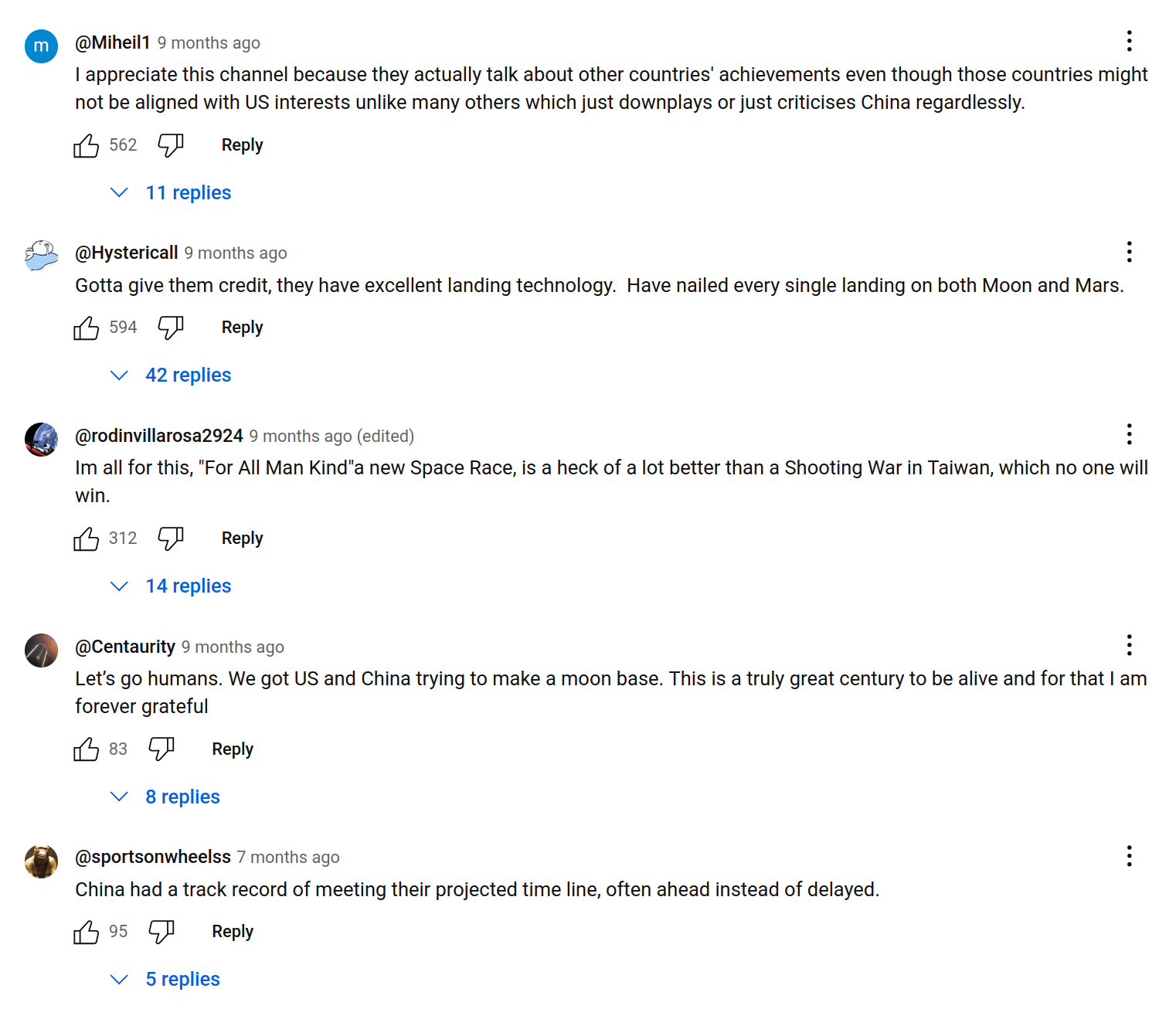
第三次全球大戰的本質是舊帝國為阻礙計畫而產生的戰爭。如果我們真的退回手工具工業時代,我們要花幾百甚至上千年才能再照我之前留言所說的那樣探月,合作,重要資訊大眾化、普及。
The nature of gobal war 3 is the war old empire made for stop the plan. If we are in real backward to the manual tool era, we need to spend hundreds even a thousand year for following my perious comment that to inspect moon, cooperation, important information into public, popularization.
我們有小部分的意識在那個大戰的現實,所以實際上意識是有經歷那些的。而不同現實可以取樣,用它們擬構出新的現實。
We have small percentage of consciousness in that big war reality, so in actual that consciousness are experience those. The different realities can be sampling, and reconstruct of them to be the new reality.
我們的模擬系統有成群的設備工程師兼技工在維護、排除故障和局部改造。
Our simulation system are with grouping of equipment engineer also as technician to sustain, troubleshoot issues and partial reconstruction.
我們的模擬場域必須符合、配合世界模板,這些現實都是系統塑形呈現的元素。
(我突然忘了我原本要寫的句子是什麼。)
Our simulation field must to match, follow world template, all of these realities are what elements system shaping and appear.
(I suddenly forget what sentence I original want to write.)
語言是格式化後的意念,有時候不太容易完全表達原本的意思。
Languages are the conception be formated, sometimes that are not very easy in expressing whole of original means.